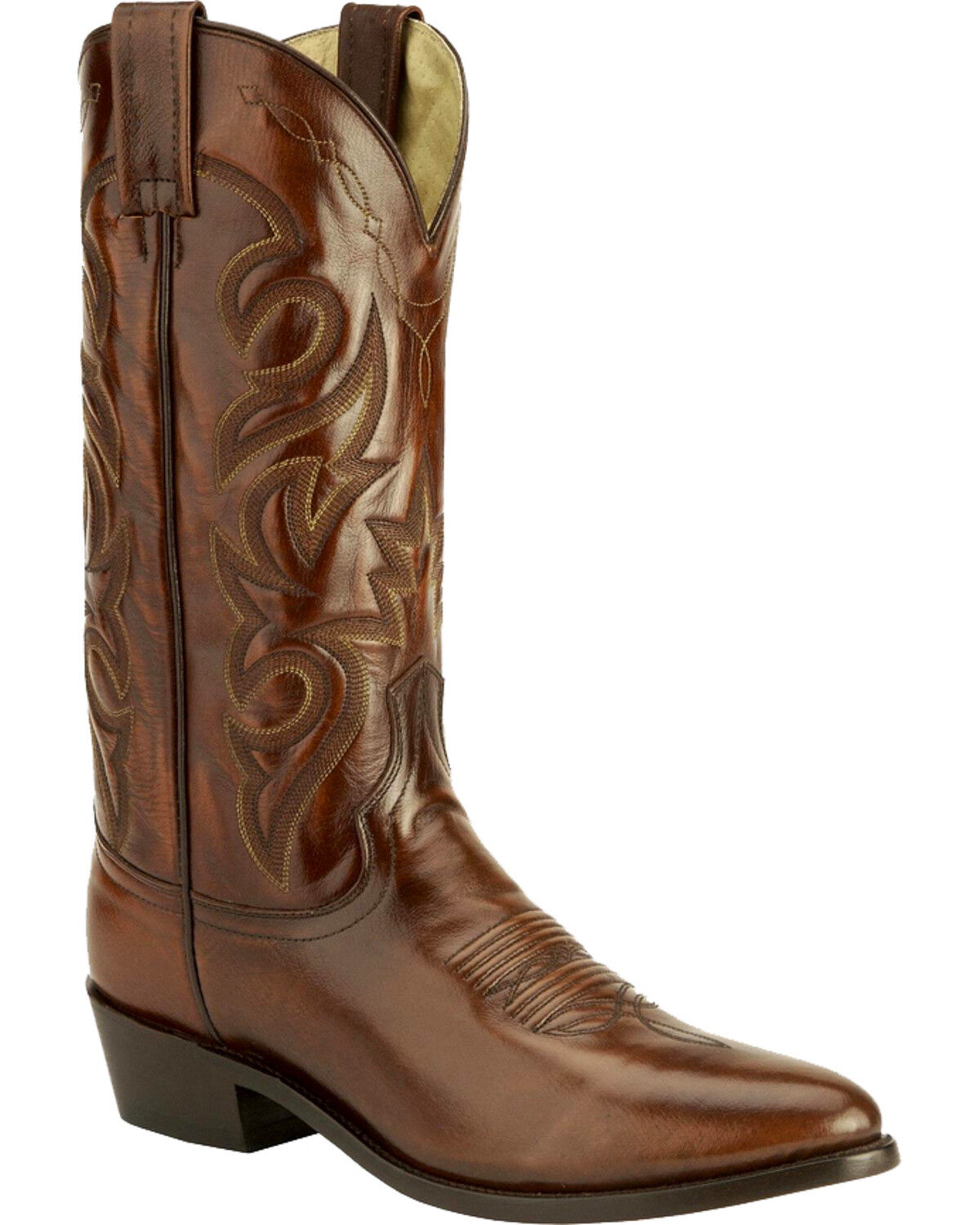
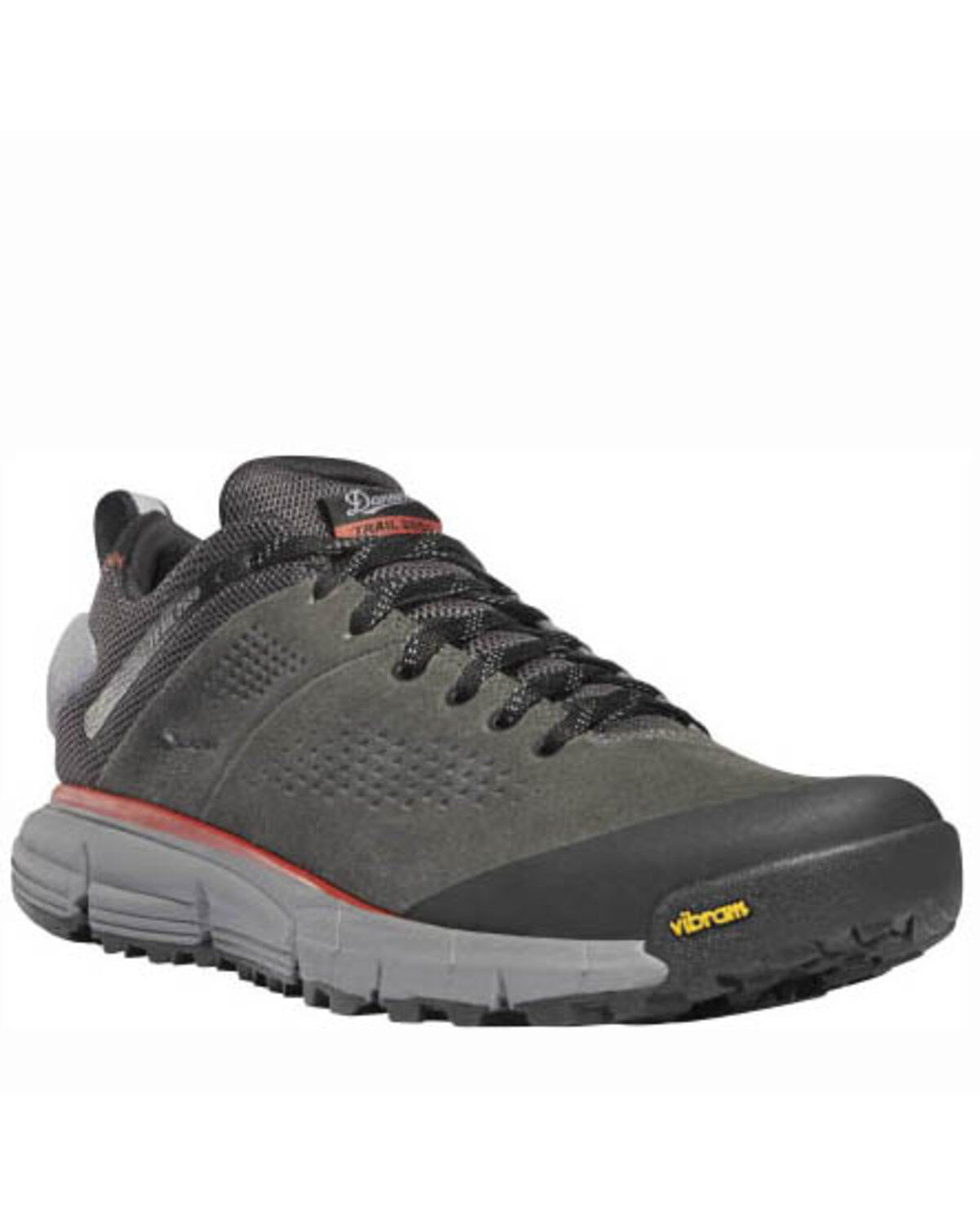
Extra Wide Composite Toe Boots

Find extra wide composite toe boots with added room across the foot and nonmetallic toe protection for work. Compare available styles, check width and sizing guidance, and review each pair’s safety ratings to find work boots that fit your feet and meet your job requirements.

Read More

Shop Your Store: Shop Your Store: Find a Store

(Turn off Shop Your Store to see all items)

(Turn off Shop Your Store to see all items)

close
  • Recommended
  • Lowest Price
  • Highest Price
Skip pass products

End of products

Extra Wide Composite Toe Boots

Extra wide composite toe boots combine a broader fit with a nonmetallic safety toe for jobs that call for protective footwear. They are built for people who need more room across the forefoot without giving up a secure heel or dependable support underfoot. That extra space matters when a workday includes walking warehouse aisles, carrying materials across a jobsite, or standing at a machine for hours. A safety toe does not stretch like the leather around it, so a boot that presses against the sides of the toes is unlikely to become comfortable through break-in alone. A properly fitted extra wide boot gives the foot room to settle naturally while keeping it from sliding forward into the protective cap. Width and length are separate measurements; buying a longer boot to solve a width problem can leave the heel loose and put the flex point in the wrong place. Extra wide sizing also does not automatically mean a wider shaft or more room over a high instep. The shape of the last, the depth of the footbed, and the placement of seams all affect how a boot feels. Width designations can differ between manufacturers, making actual fit more useful than a label by itself. Composite safety toes are commonly made from reinforced materials such as fiberglass, carbon fiber, or specialized resins. They can reduce weight compared with some steel toe constructions, although the upper, outsole, and overall build determine the weight of the finished boot. A rounded or square profile changes the look and feel of the front of the boot, but the shape alone does not establish its width. For a different toe profile, Square Toe Composite Work Boots bring a squared front to protective work footwear. Whether rounded or square, the important distinction is usable room around the toes, backed by a fit that stays steady through a full shift.

Construction makes a difference in how extra wide composite toe boots handle daily work. Full-grain leather uppers can stand up to abrasion and develop flexibility with wear, while textile panels may reduce bulk and help moisture move away from the foot. Reinforced stitching, protected seams, and durable overlays are useful where boots repeatedly rub against equipment, ladders, or rough surfaces. Lace-up designs allow adjustment across the instep and ankle, which can help hold the foot securely inside a wider boot. Pull-on designs offer a different fit, with entry space through the shaft and a heel that needs to settle securely once the foot is inside. Underfoot, cushioning helps soften repeated steps, while a supportive platform limits the loose, unstable feeling that can come from a boot that is too roomy. Rubber and other outsole compounds serve different purposes, from resisting abrasion on concrete to providing grip on uneven ground. Tread depth, lug spacing, and the shape of the heel all influence footing. A defined heel may be useful for certain ladder work, while a flatter sole can feel steady on broad, level surfaces. Slip-resistant footwear still requires care on oil, loose debris, and other difficult surfaces; no outsole provides dependable traction everywhere. Waterproof construction can be useful around wet work areas, but it is a separate feature from safety toe protection. Likewise, a composite toe does not automatically make a boot metal-free, since shanks, eyelets, or other components may contain metal. Workers in construction, manufacturing, maintenance, and material handling often need footwear selected around specific workplace rules. The safety label establishes which standards and ratings a boot meets, including impact and compression protection under the applicable ASTM standard. An electrical hazard rating provides supplemental protection under specified dry conditions, not a substitute for safe electrical practices or other required equipment. Puncture resistance is another separate feature. A composite toe protects a different part of the foot and should not be mistaken for protection against sharp objects beneath the sole.

Comfort over a long shift depends on more than the width stamped inside the boot. The heel should remain controlled, the arch should feel supported, and the toes should have space without the whole foot moving around. Work socks take up room, and their thickness can change the fit noticeably. The same is true of an orthotic or replacement footbed, especially when it raises the foot closer to the safety cap. Trying boots with the socks and inserts intended for work gives a more accurate sense of their fit than a quick check with thinner everyday socks. Feet can also differ in size, so both boots need attention. Walking, bending, and kneeling reveal pressure points that may not be obvious while standing still. Some flex in the upper is normal, but persistent rubbing at the toe cap, pinching across the forefoot, or excessive heel movement points to a fit issue rather than something to ignore. For someone who spends the day on concrete, the balance between cushioning and support can matter as much as the shape of the toe. For someone moving over rough ground, a stable base and secure closure become especially important. Daily care helps preserve those qualities. Dirt left in seams and tread can add wear or interfere with grip, while leather benefits from cleaning and conditioning suited to its finish. Waterproof membranes and textile uppers need care appropriate to their construction, rather than the same treatment used on every leather surface. Boots should dry naturally away from direct heat, and removable footbeds can be taken out to help the interior dry. Worn tread, separating soles, damaged stitching, and persistent loss of support are signs that the boot needs closer attention. A serious impact can compromise a safety toe even when damage is not obvious from the outside. As a practical gift for someone who wears protective footwear every day, extra wide composite toe boots require a clear understanding of both fit and workplace requirements. The most useful pair is one that accommodates the foot properly and provides the protection the job calls for.
Read More

FAQs