Composite Toe Slip-Ons

Shop composite toe slip-ons for work footwear with toe protection and no laces to tie. Compare available styles, review sizing information, and check each pair’s listed safety features against your workplace requirements before choosing.

Read More

Shop Your Store: Shop Your Store: Find a Store

(Turn off Shop Your Store to see all items)

(Turn off Shop Your Store to see all items)

close
  • Recommended
  • Lowest Price
  • Highest Price
Skip pass products
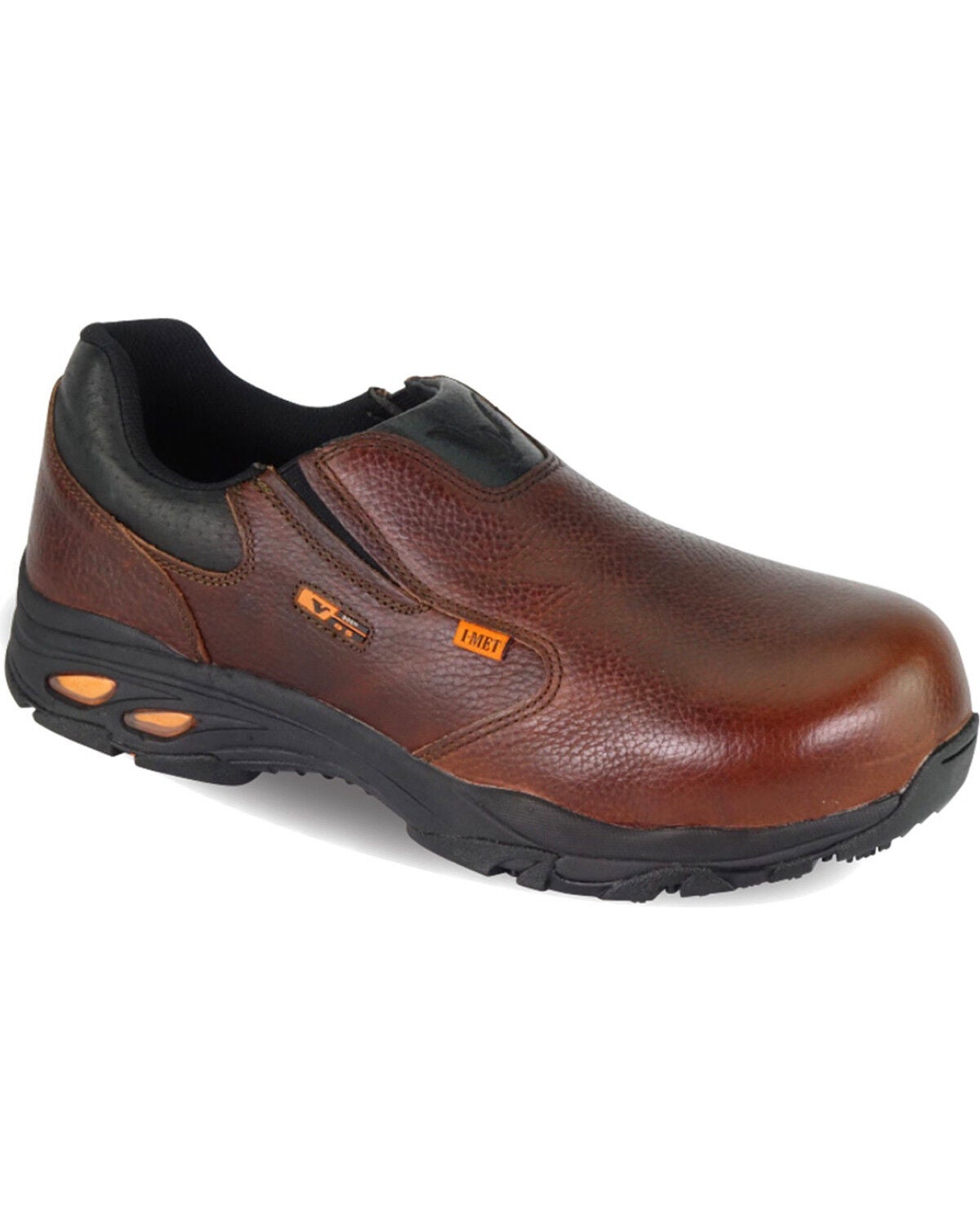
  • Men's Nautilus Slip-On Work Shoes - Composite Toe
    Original Price $110.99 $79.97
    28% Total Savings
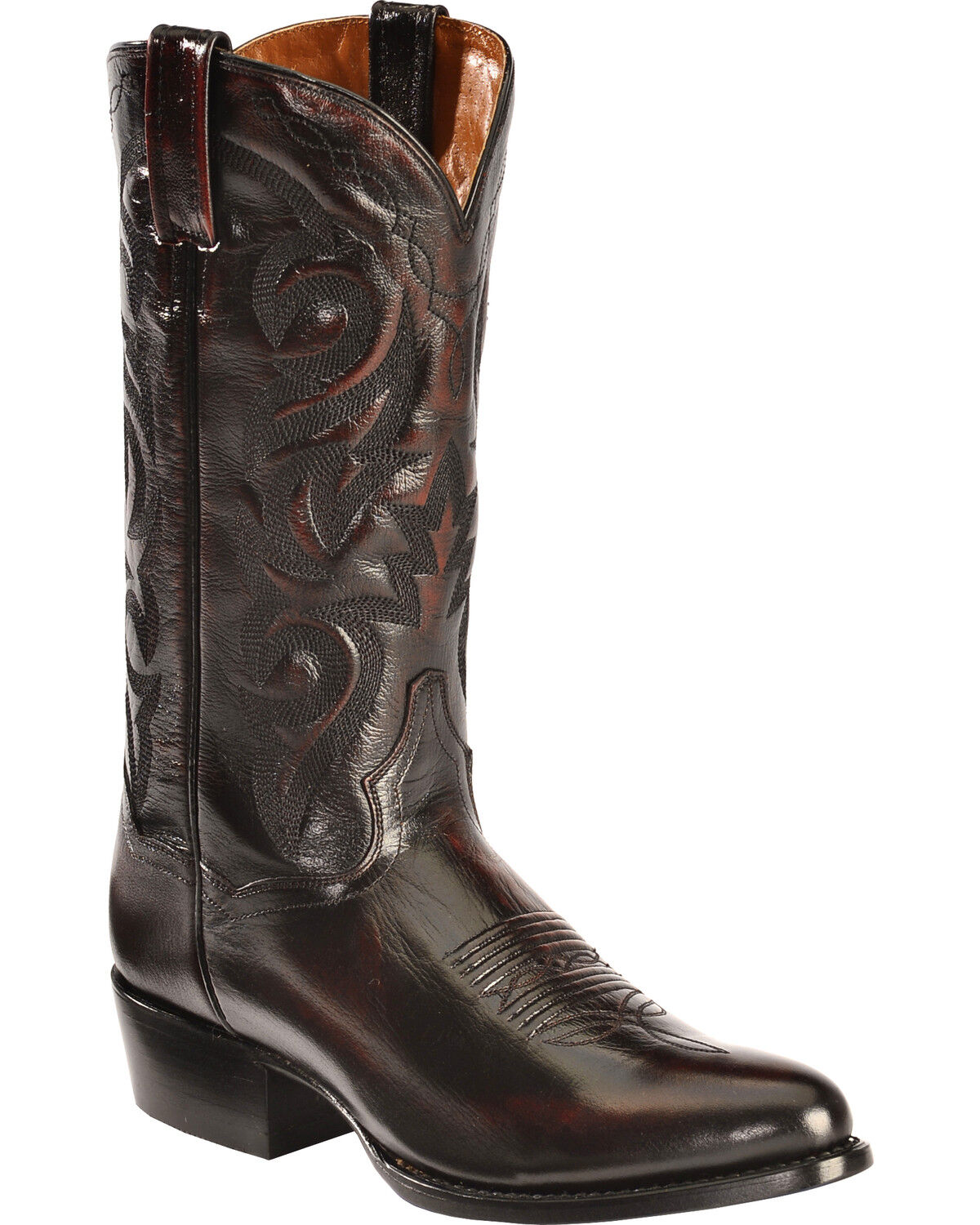
  • Men's Cody James USA Pull-On Work Boots - Composite Toe
    Original Price $269.99 $214.97
    20% Total Savings
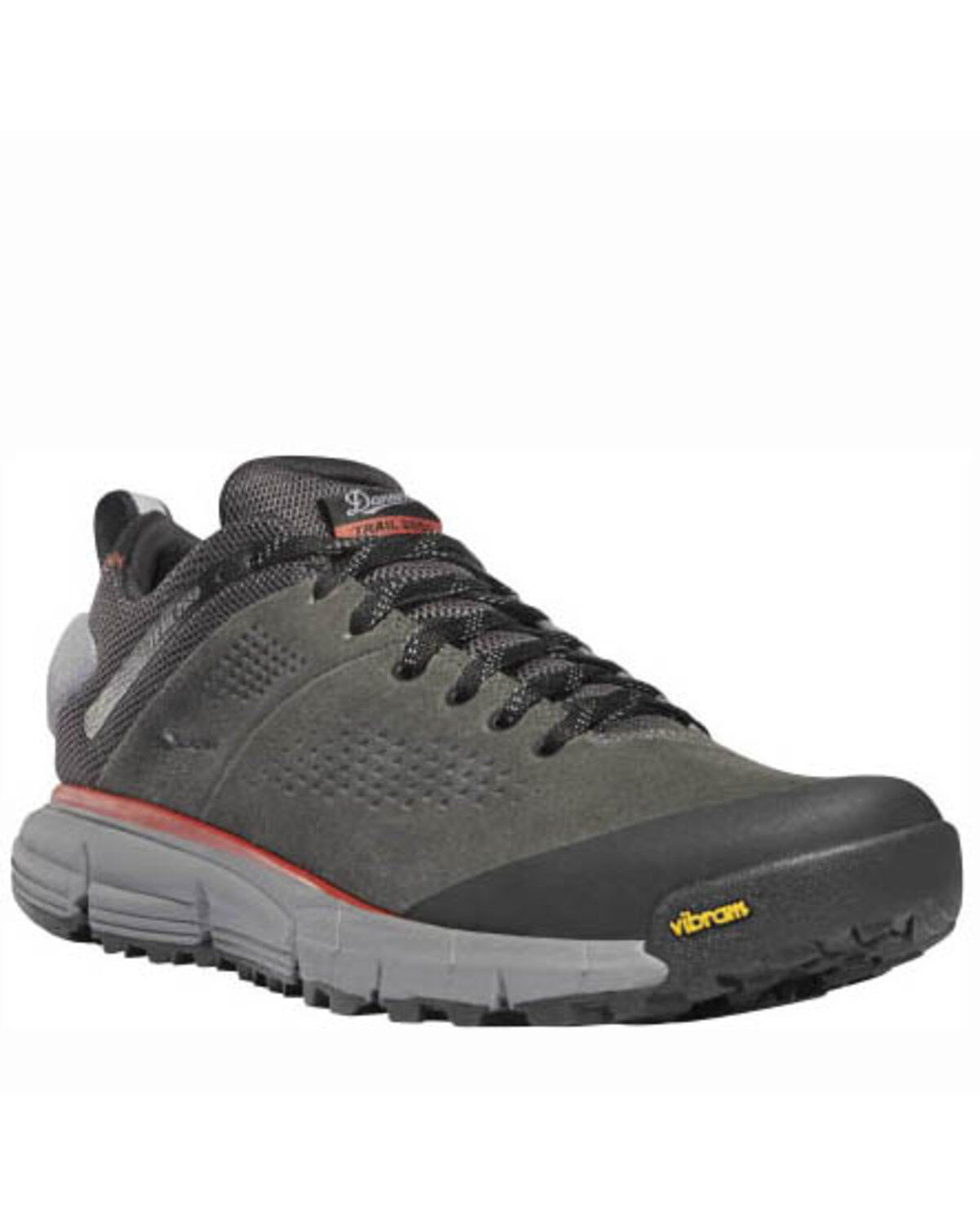
  • Women's Nautilus Guard Work Shoes - Composite Toe
    Original Price $90.99 $69.97
    23% Total Savings

End of products

Composite Toe Slip-Ons

Composite toe slip-ons combine a nonmetallic protective toe cap with a laceless design for straightforward entry and a clean fit. The toe cap may be made from fiberglass, carbon fiber, or other engineered materials, depending on the construction. Its job is to help protect the front of the foot against specified impact and compression hazards without using a steel cap. That does not automatically make the entire shoe metal-free, and a composite toe alone does not establish electrical hazard protection, puncture resistance, or slip resistance. Those features depend on the complete footwear design and its stated ratings. For work that requires protective footwear, the safety markings and employer requirements matter more than the appearance of the shoe. ASTM F2413 identifies performance requirements for protective footwear, with markings that distinguish applicable protection. Composite toe slip-on work shoes can suit warehouse employees, manufacturing crews, maintenance workers, delivery drivers, and others whose duties call for safety-toe footwear. Suitability still comes down to the job: walking concrete aisles, moving cartons, and standing at an assembly station place different demands on footwear than climbing ladders or working around sharp debris. A low-cut slip-on leaves the ankle free to move, while a taller pull-on design provides more coverage. Neither shape replaces task-specific protection where metatarsal guards, puncture-resistant construction, or other features are required. The lack of laces also means there are no lace ends to retie or drag across the floor, though workplace rules still govern footwear around machinery. Composite construction can help reduce toe-cap weight, but the total weight depends on the upper, outsole, cushioning, and other components. A substantial leather slip-on may weigh more than a lighter lace-up with a different safety toe. Comfort comes from the whole shoe, not one material. For someone spending a shift between a loading area, packing bench, and warehouse floor, secure footing and consistent support matter as much as easy entry.

Materials and fit determine how composite toe slip-ons feel after hours on the job. Leather uppers provide a firm structure and can handle repeated rubbing when properly maintained. Textile uppers generally offer a more flexible feel, with breathability that depends on the fabric, lining, and any protective membrane. Reinforced panels can help protect high-wear areas, particularly where the upper meets the outsole or where the toe brushes against equipment. Water-resistant construction can be useful around incidental splashes, but it is not the same as waterproof construction, and neither claim establishes resistance to workplace chemicals. Elastic side panels, stretch collars, and pull tabs make laceless entry possible; their design also affects how closely the footwear holds the foot. The fit should feel secure through the heel and midfoot without pinching across the instep. Too much movement lets the foot slide forward when stopping or walking down a ramp, while an overly tight upper can create pressure during extended standing. Protective toe caps do not stretch like an unreinforced upper, so the toes need room to lie naturally without pressing against the cap. Work socks and any required orthotics affect that space, along with heel placement and overall volume. A removable footbed can provide room for a compatible insert, but an insert that lifts the foot too high may crowd the toe area or reduce heel hold. Underfoot, cushioning helps soften repeated contact with hard floors, while a stable platform helps keep the foot supported during turns and changes in direction. More softness is not always more comfortable, especially when carrying loads or standing in one place. Outsole construction matters just as much. Tread shape, rubber compound, and contact with the floor all influence traction. Slip-resistant footwear can help on specified surfaces, but no sole prevents every slip. Oil resistance describes a separate property and should not be treated as proof of grip on an oily floor. The right combination depends on the surfaces and substances encountered during the workday.

Durability in composite toe slip-on shoes comes from sound construction matched to the work, followed by regular care. Repeated kneeling can wear the front of an upper, abrasive flooring can grind down tread, and frequent contact with pallet edges can damage stitching or side panels. A protective toe cap sits inside the footwear; it is not a substitute for an abrasion-resistant outer toe. Leather benefits from cleaning methods and conditioners suited to its finish, while textile materials need care that respects their fibers, adhesives, and protective treatments. Harsh cleaners, soaking, and direct drying heat can damage components even when the outside still looks serviceable. Removing loose dirt and wiping away workplace residue helps keep seams, flex points, and tread channels clear. Footwear should dry fully before its next use, following the care instructions for its materials. Insoles also need attention, since packed-down cushioning or persistent movement inside the shoe can change how a previously comfortable pair feels. Wear checks extend beyond scuffed uppers. Smooth tread, separating soles, torn elastic, exposed protective components, and a heel that no longer holds securely can all affect performance. After a significant impact or compression event, protective footwear may need replacement even when damage is not obvious; the manufacturer’s instructions and workplace policy determine the next step. For a different safety-toe construction, Steel Toe Slip-On Shoes For Men offer a related option, with the same need to match fit and protective ratings to the job. Steel and composite caps can both meet applicable safety standards, so the choice is not simply a matter of one being stronger or more comfortable in every situation. Composite toe slip-ons make sense when laceless convenience, the right safety features, and a dependable fit come together. They can also be a practical gift for someone who wears protective footwear, provided the recipient’s required ratings, size, width, and preferred fit are known. A familiar shoe size alone does not account for every difference in toe-cap shape, instep height, or heel hold. The strongest choice is footwear suited to the wearer’s actual work, with enough room to move naturally and enough structure to stay secure throughout the shift.
Read More

FAQs