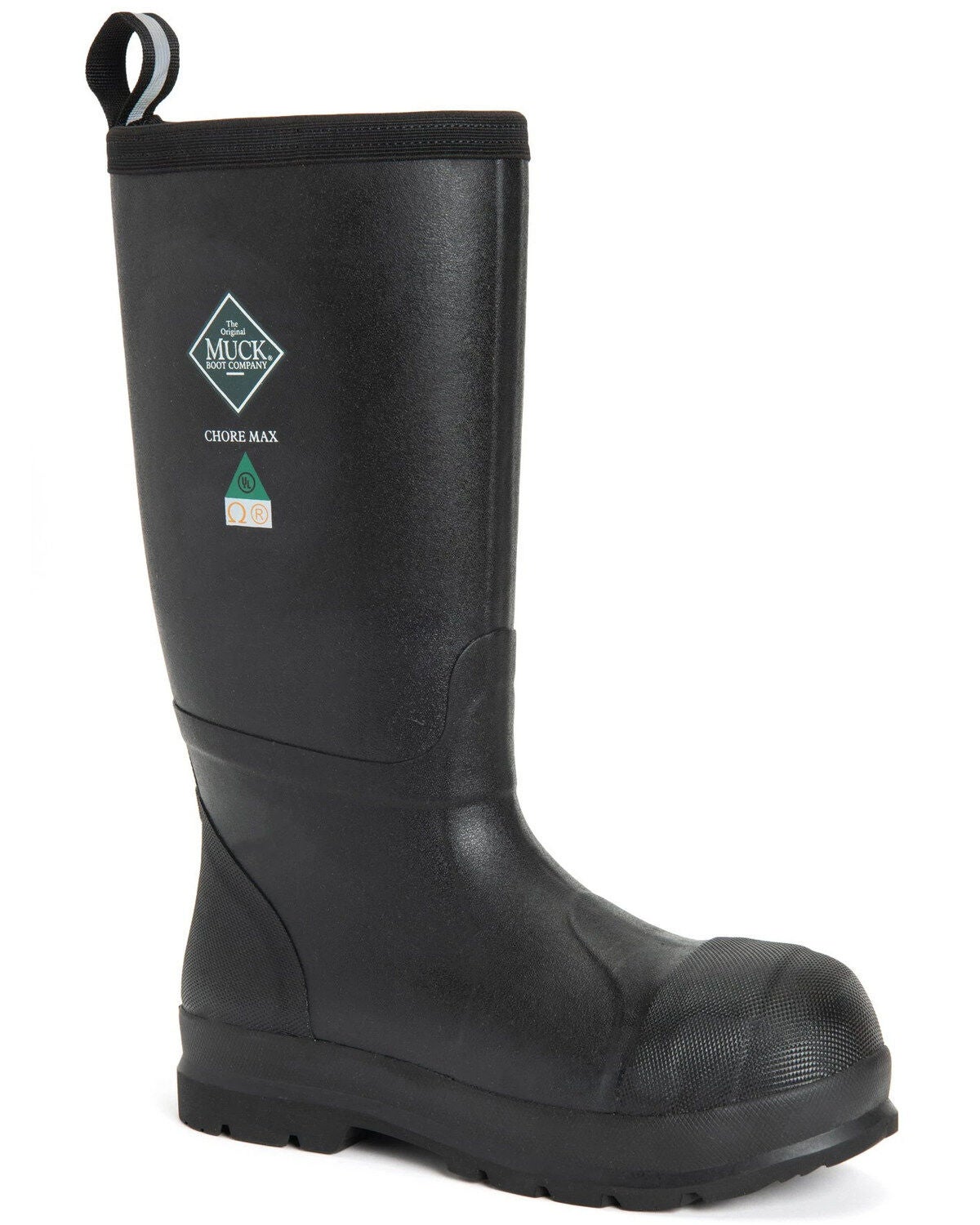
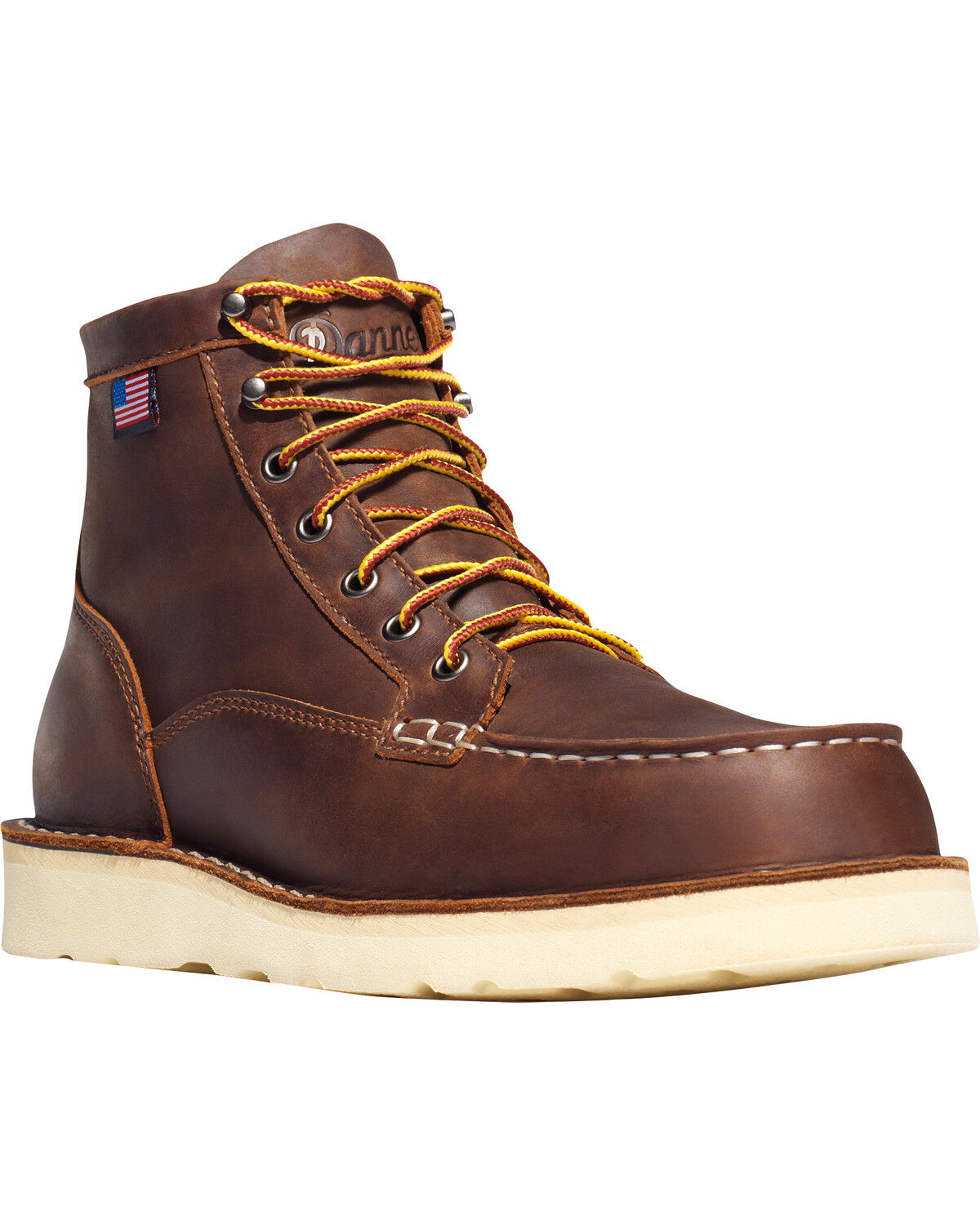
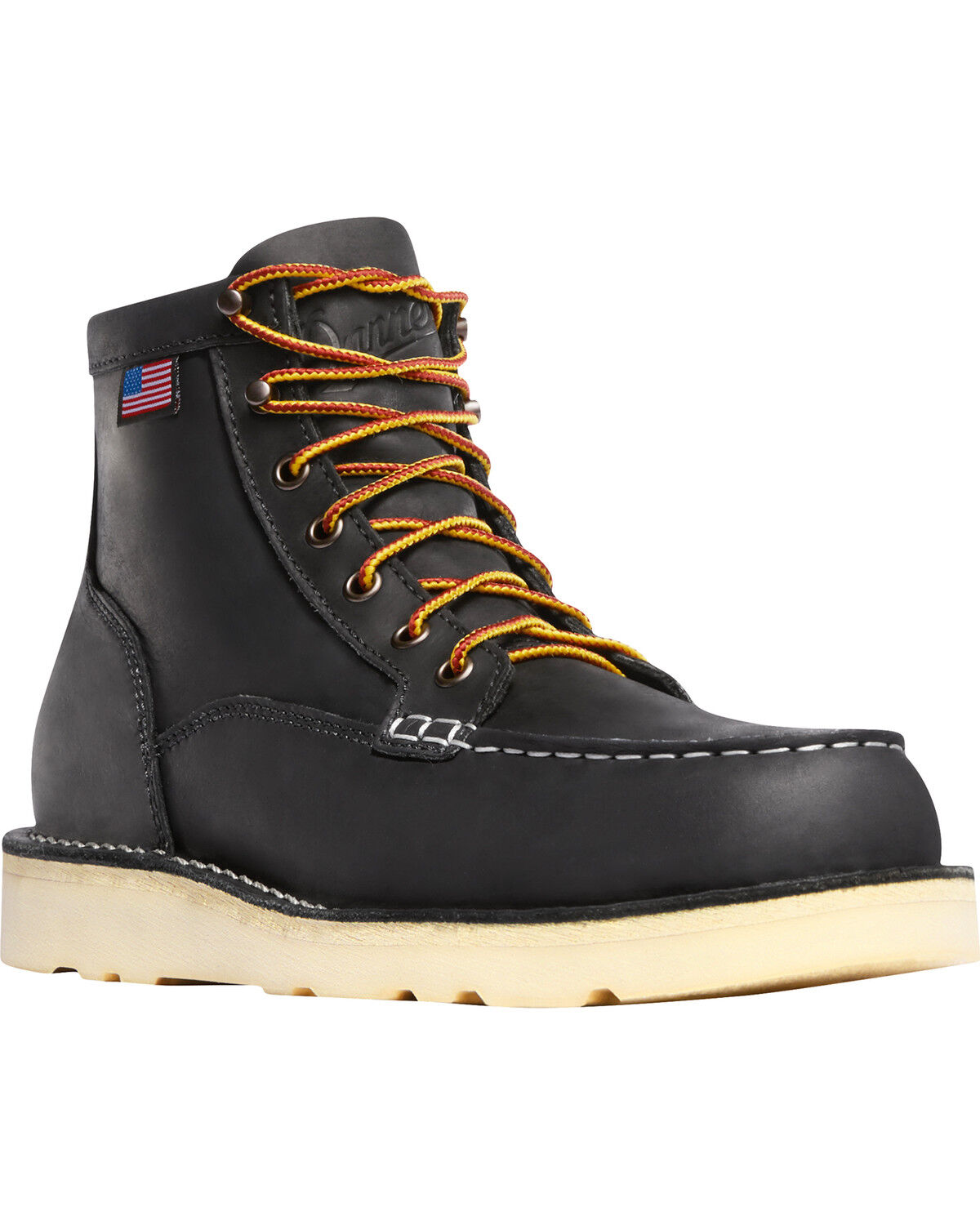
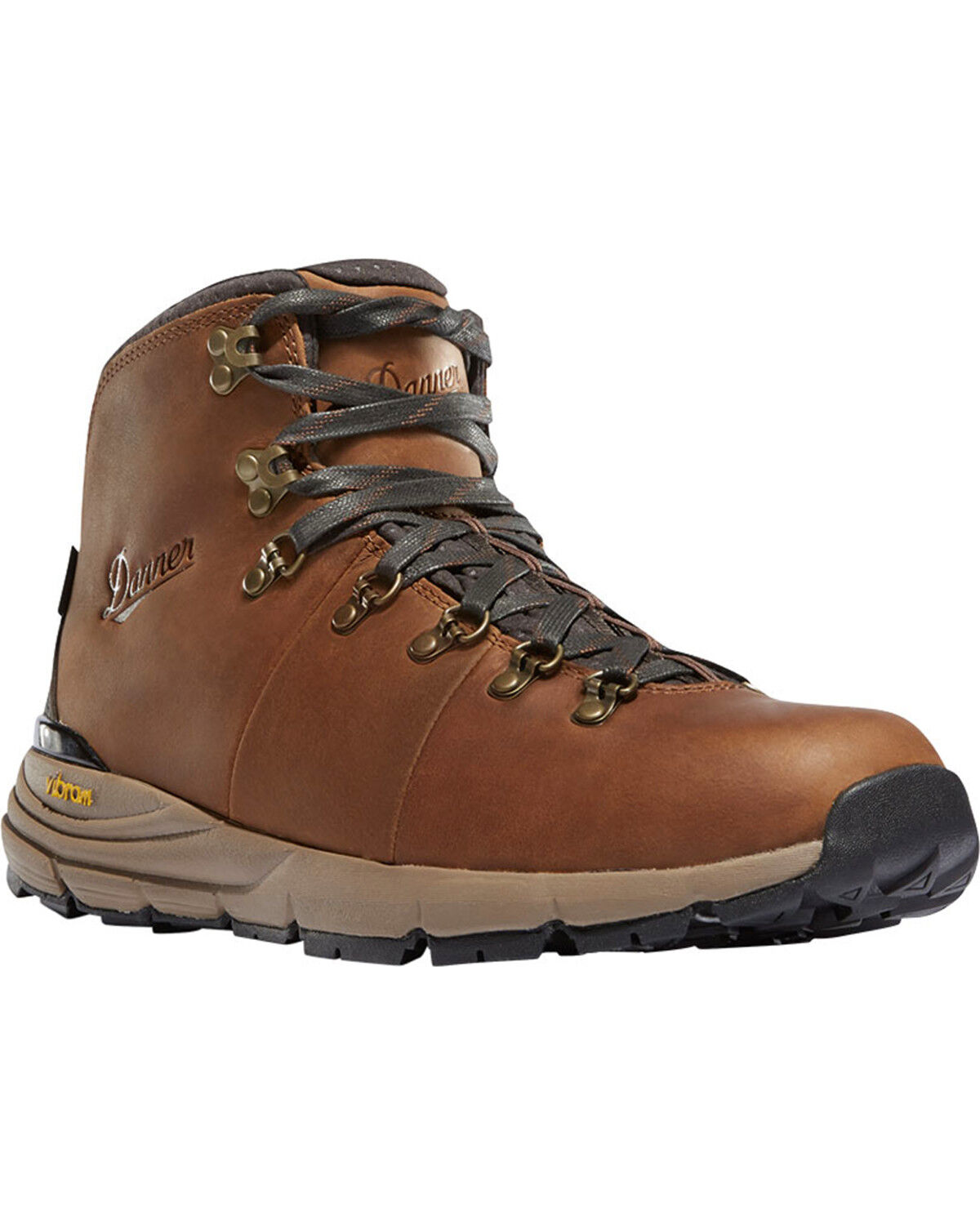
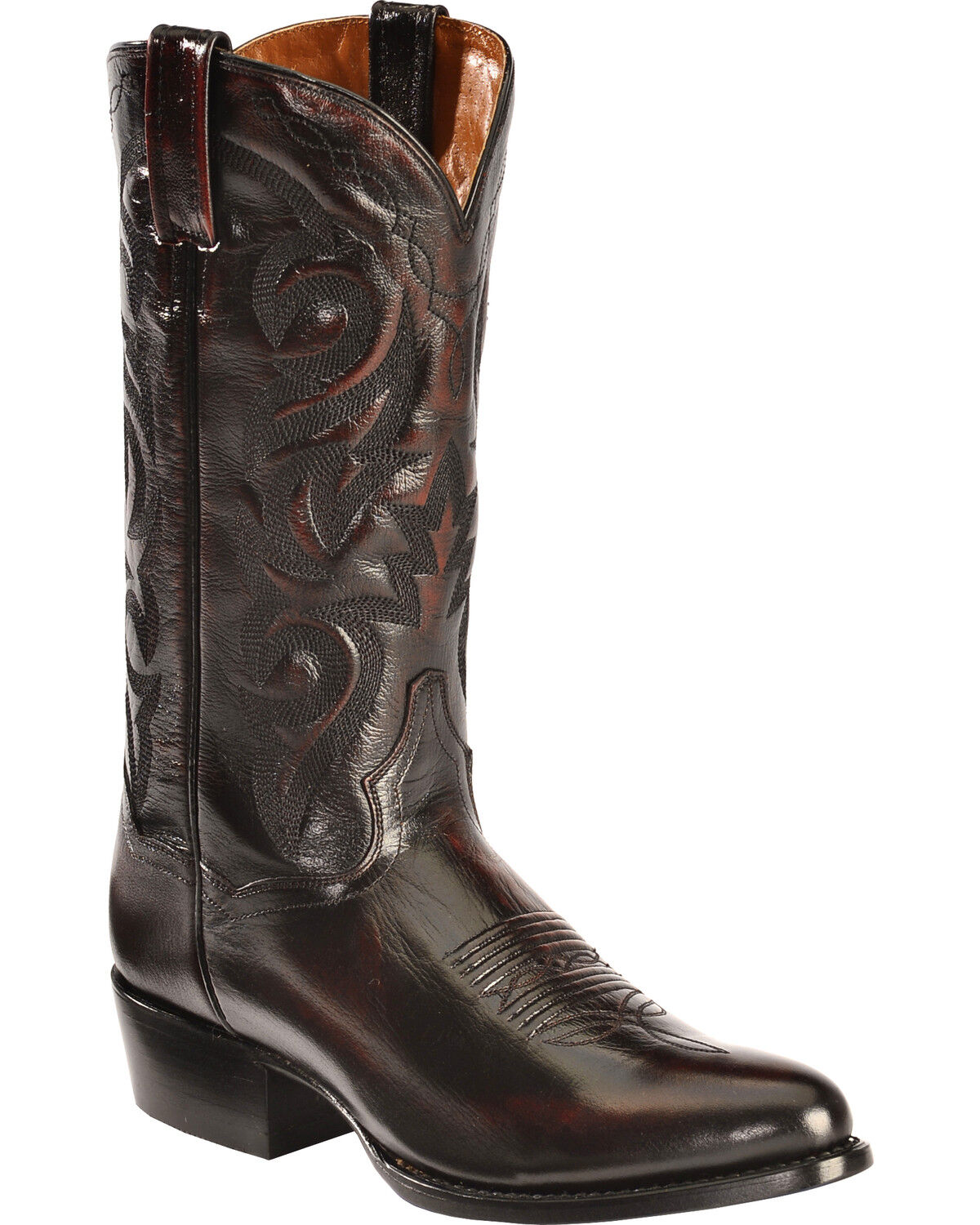
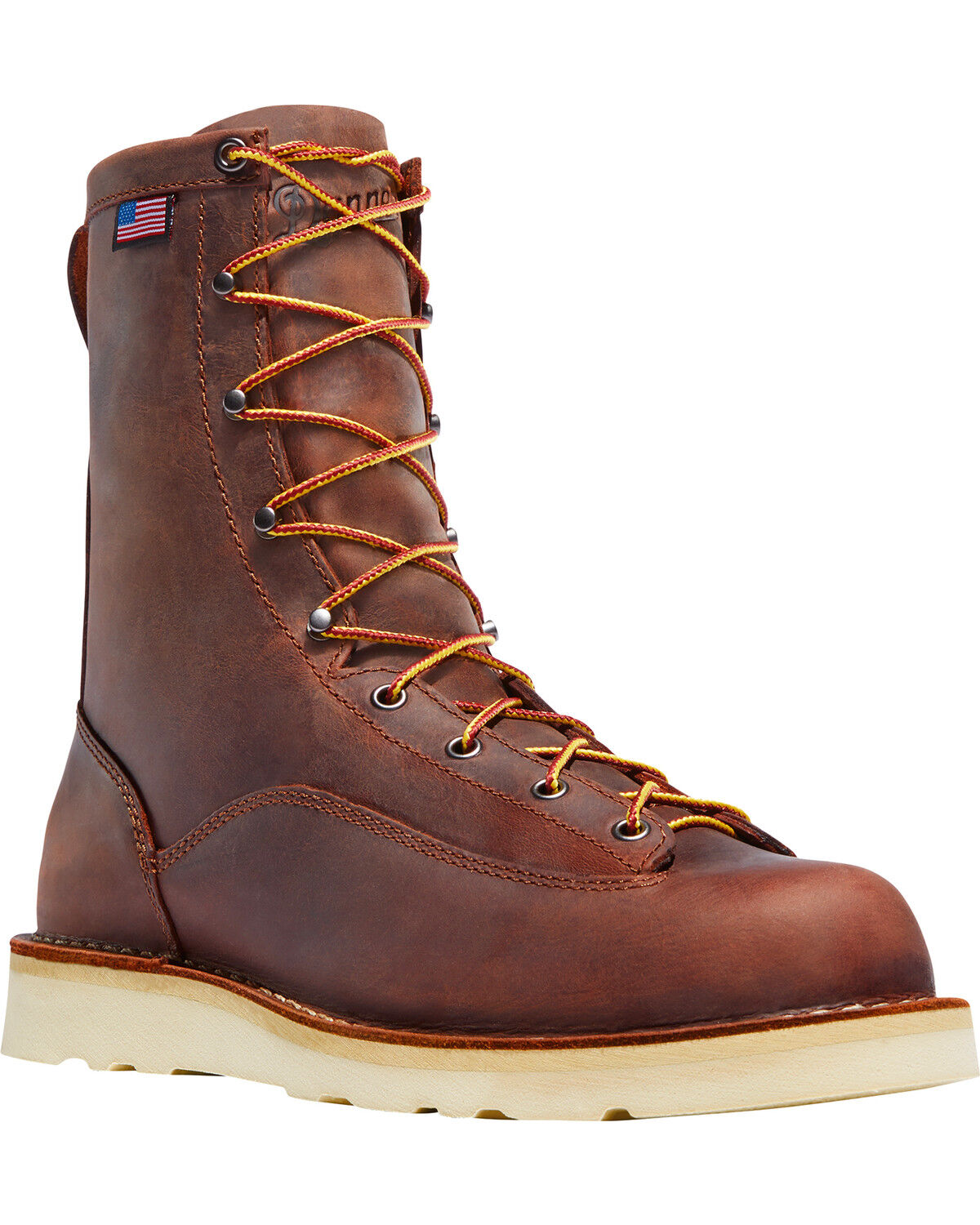
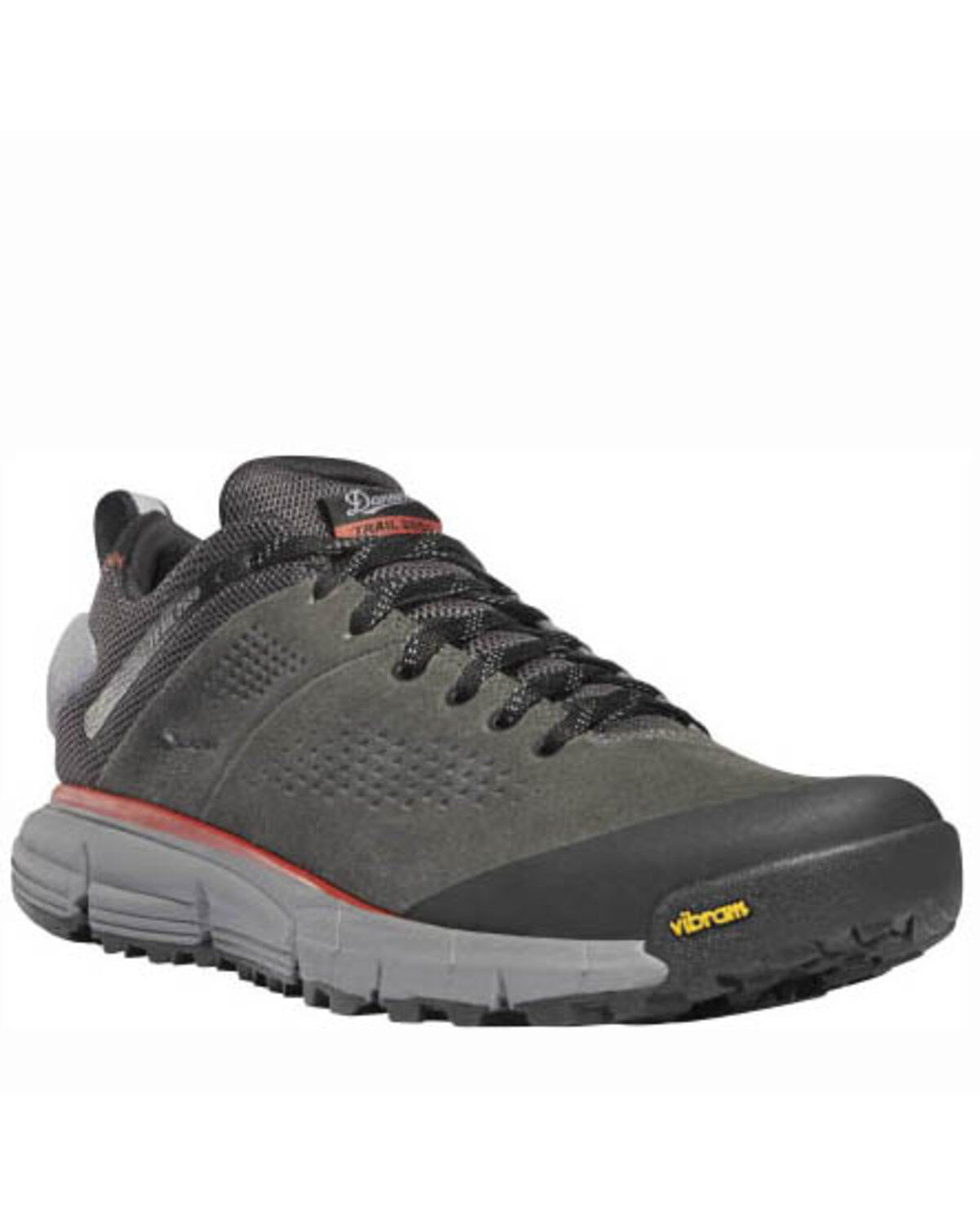
Composite Toe Insulated Work Boots

Composite toe insulated work boots combine nonmetallic toe protection with warmth for cold working conditions. Browse with your job requirements in mind, comparing each pair’s insulation details, fit, and listed safety ratings to find boots suited to your worksite.

Read More

Shop Your Store: Shop Your Store: Find a Store

(Turn off Shop Your Store to see all items)

(Turn off Shop Your Store to see all items)

close
  • Recommended
  • Lowest Price
  • Highest Price
Skip pass products

End of products

Composite Toe Insulated Work Boots

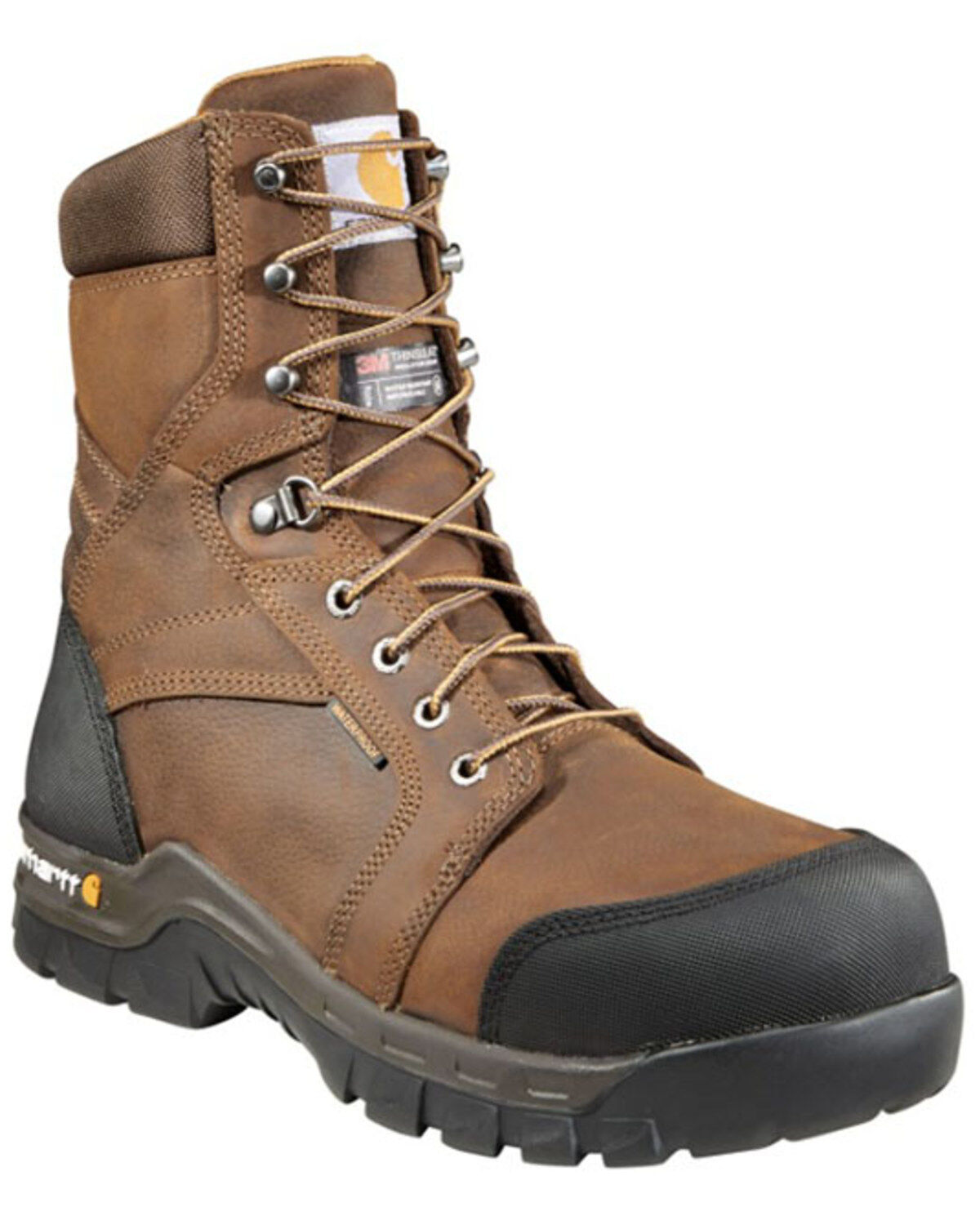
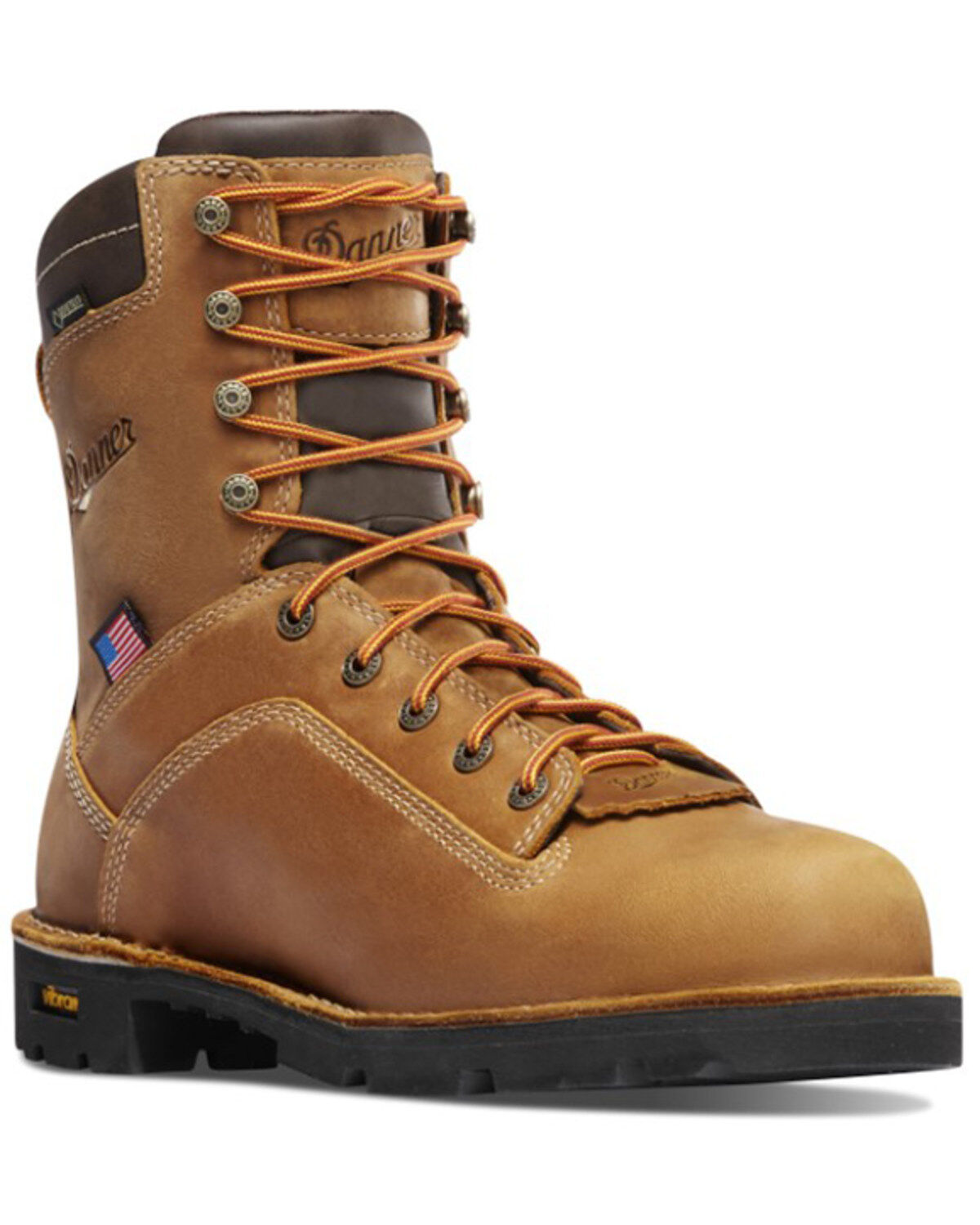
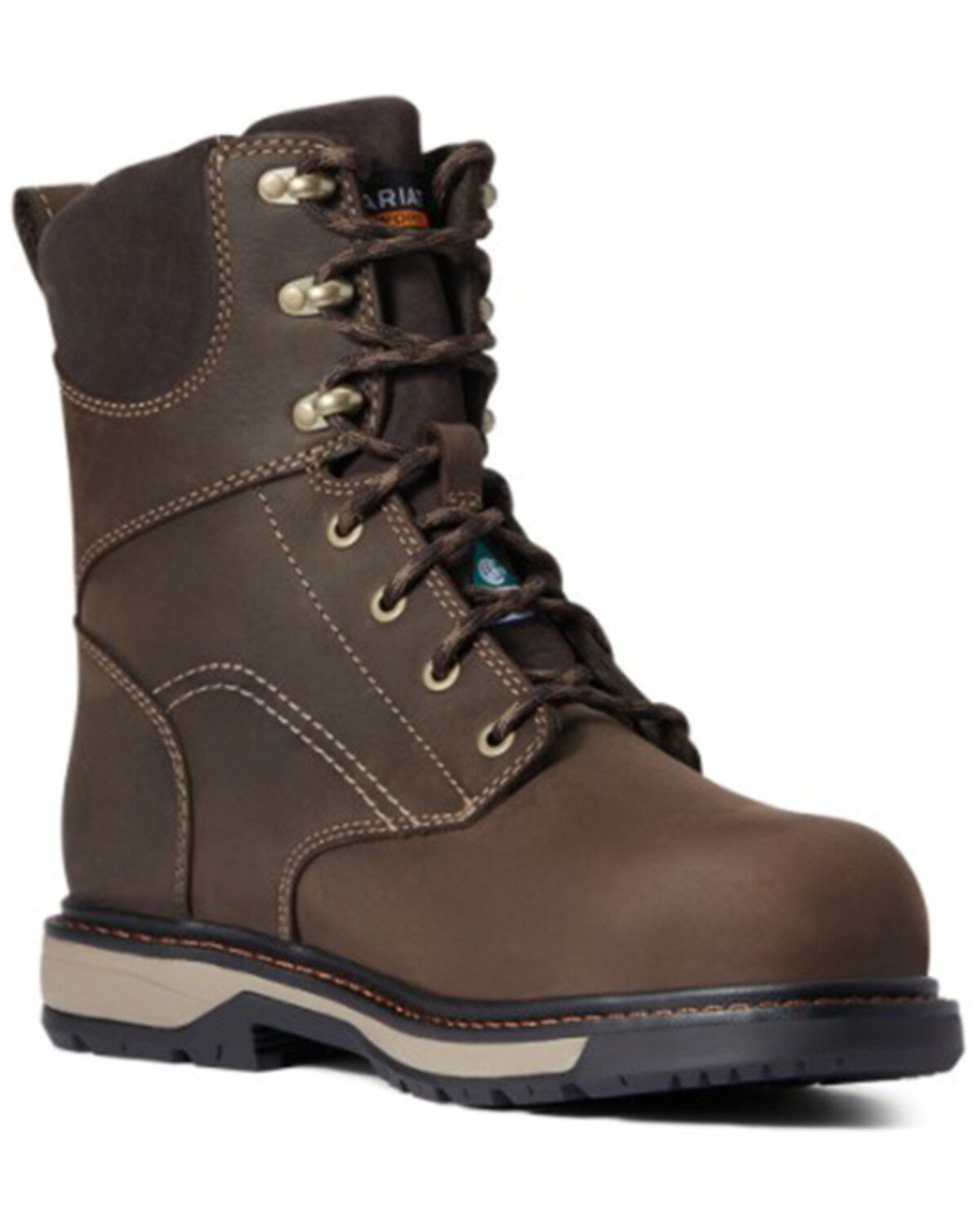
Composite toe insulated work boots combine a nonmetallic protective toe cap with insulation that helps retain warmth around the foot. They are built for jobs where cold conditions and impact or compression hazards can be part of the same shift, including outdoor construction, utility work, loading docks, and refrigerated facilities. The composite cap typically uses materials such as fiberglass, carbon fiber, or other reinforced composites. Compared with a steel cap, these materials transfer less heat, which can help limit the cold felt around the toes. That difference does not determine the warmth of the whole boot. Insulation, underfoot construction, moisture control, sock choice, and fit all play a part. Composite caps can also reduce weight, although the weight of the finished boot depends on its sole, upper, and construction. A composite toe does not mean the entire boot is metal-free; shanks, eyelets, or other components may still contain metal. For workplace protection, the important detail is the safety marking on the finished footwear. Boots marked for impact and compression resistance under ASTM F2413 must meet the applicable requirements regardless of whether the cap is composite or steel. Those comparing toe materials can also consider Steel Toe Insulated Boots, with the choice depending on job requirements, fit, weight, and working conditions rather than the cap material alone. Electrical hazard protection is a separate rating and should never be assumed from a composite toe. It provides secondary protection under specified conditions, not permission to work in contact with energized equipment. Insulation is also separate from safety certification. Its weight is often listed in grams, with higher amounts generally providing more insulation within comparable constructions. Those numbers are not universal temperature ratings. Someone walking a jobsite all day may need a different insulation level than someone standing at a loading station for hours. Enough warmth without excessive sweating is the goal, since damp socks can leave feet uncomfortable once activity slows.

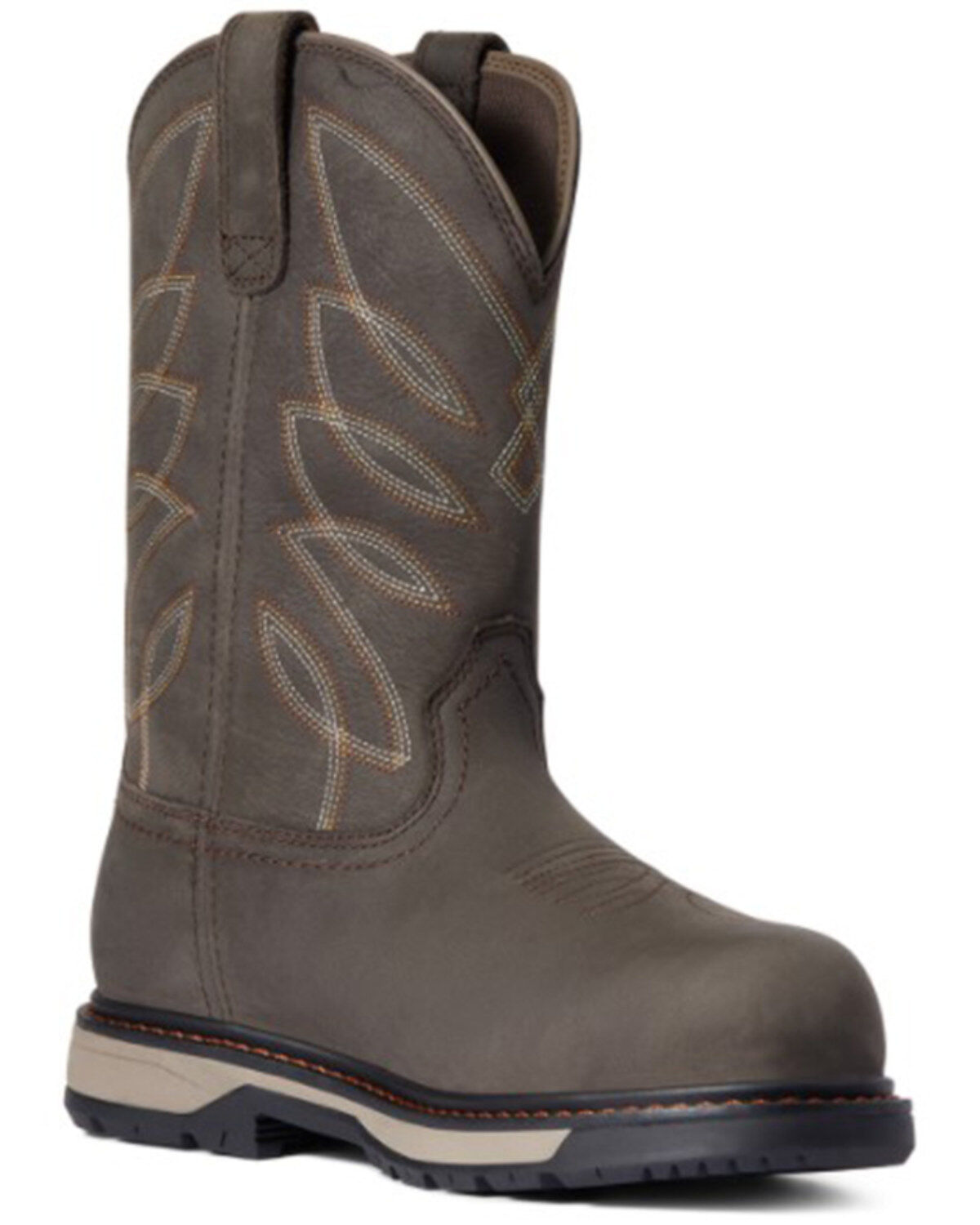
Fit matters just as much as insulation in composite toe insulated work boots. The toe box needs enough room for the toes to move without pressing against the protective cap, including when kneeling or walking down a slope. Unlike leather, the cap will not stretch to make a cramped fit comfortable. A secure heel and supported midfoot help keep the foot from sliding forward, while space above the toes allows the lining and socks to do their job without being tightly compressed. Trying boots with the socks intended for work gives a more useful picture of fit than trying them with thin everyday socks. Feet may swell through a shift, so a fit that already feels tight before work leaves little room for that change. Moisture-managing wool-blend or synthetic work socks can help move perspiration away from the skin; adding a second thick pair may crowd the boot instead of improving warmth. Lace-up construction allows adjustment across the instep and ankle, while pull-on designs offer a different fit and entry style. Neither shape replaces checking heel movement, toe clearance, and comfort while walking. Upper materials also affect how the boots handle daily wear. Leather provides a substantial barrier against abrasion and can soften with use, while textile panels may reduce weight or improve flexibility. Reinforced toe areas and heel counters can help protect high-wear spots from repeated contact with concrete, steps, and equipment. Waterproof construction is useful around slush, puddles, and wet ground, but insulation alone does not make a boot waterproof. A waterproof membrane, sealed construction, and the height of the upper all influence moisture protection. Water can still enter over the collar, and perspiration can collect inside even when outside moisture stays out. Welted and cemented sole constructions offer different combinations of flexibility, weight, and repair potential. Some welted boots can be resoled, depending on their design and condition. Strong seams, protected stitching, and a well-attached outsole matter when footwear spends long days bending, scraping, and carrying a load.

Underfoot performance deserves equal attention. A lugged outsole can help bite into loose dirt and packed snow, while tread channels give mud somewhere to move instead of forming a smooth layer beneath the boot. Slip resistance depends on the outsole compound, tread design, surface, and contaminants present. A sole that grips well on one work surface may behave differently on wet metal, oily concrete, or ice. No work boot guarantees traction on every surface, and ice may call for employer-approved traction equipment. Cushioning can ease the feel of repeated steps across hard floors, while a supportive midsole and shank can help provide stability on uneven ground or ladder rungs. The right balance depends on whether the day involves steady walking, prolonged standing, climbing, or carrying materials. Care helps preserve those working features. Brushing away grit and removing mud keeps buildup from hiding damaged seams or wearing against the upper. Cleaning methods should match the material, and leather conditioners or waterproofing treatments should be compatible with the boot’s construction. Heavy coatings can affect appearance or breathability, so more treatment is not always better. After a wet shift, removable footbeds can be taken out when the manufacturer permits, and boots should dry with airflow away from direct heat. Radiators, open flames, and high heat can damage leather, adhesives, and internal components. Letting the lining dry fully between wears helps limit lingering moisture and odor. Regular checks should include worn tread, separating soles, cracked uppers, damaged laces, and changes in fit or support. A major impact or compression event can compromise protective footwear even when damage is not obvious; manufacturer and workplace replacement requirements should take priority. For someone buying insulated safety boots as a gift, the recipient’s required ratings, usual work socks, and actual fit matter more than appearance. Composite toe insulated work boots earn their place through the full shift: enough room to move, protection matched to the job, dependable construction, and warmth suited to the work.
Read More

FAQs