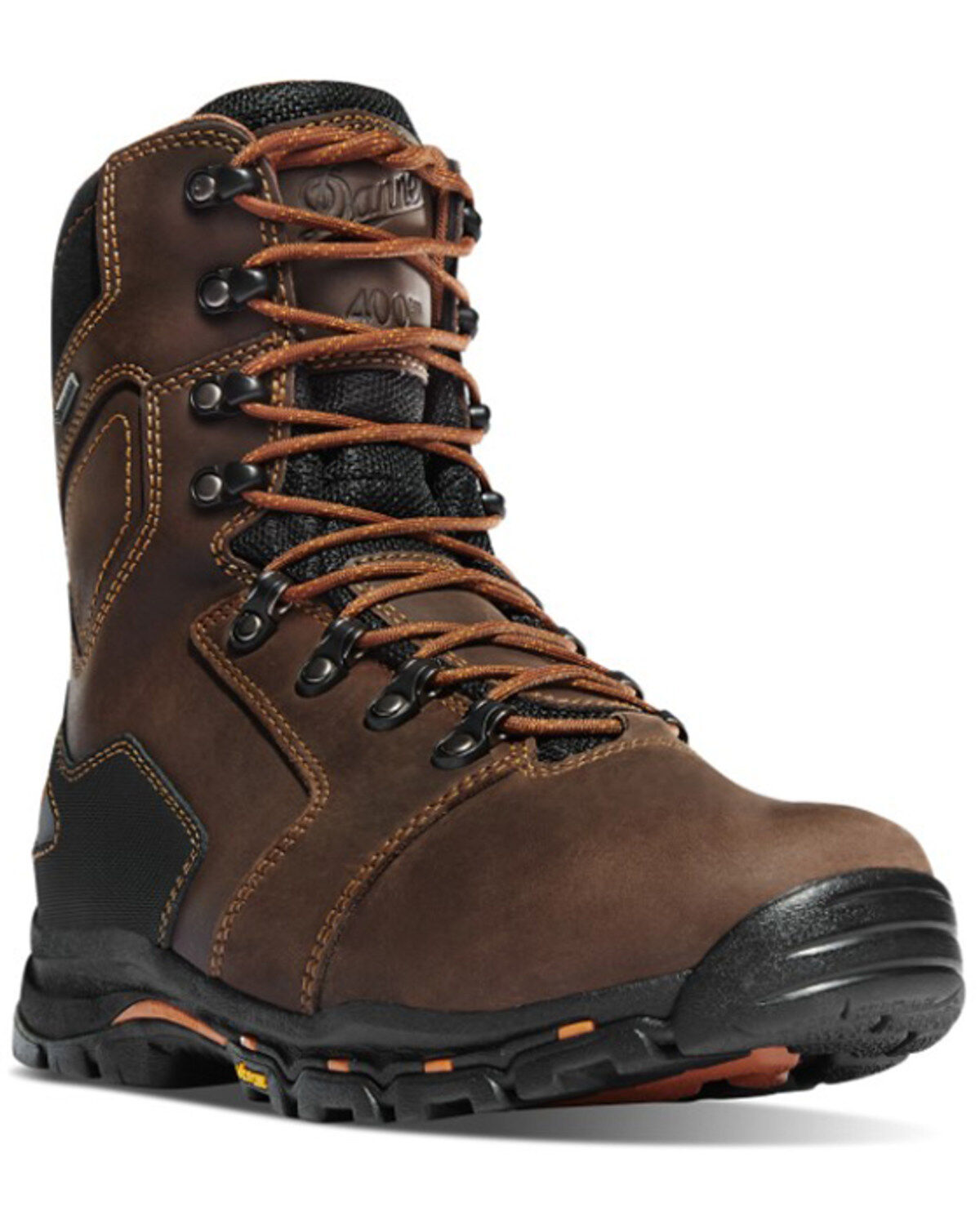
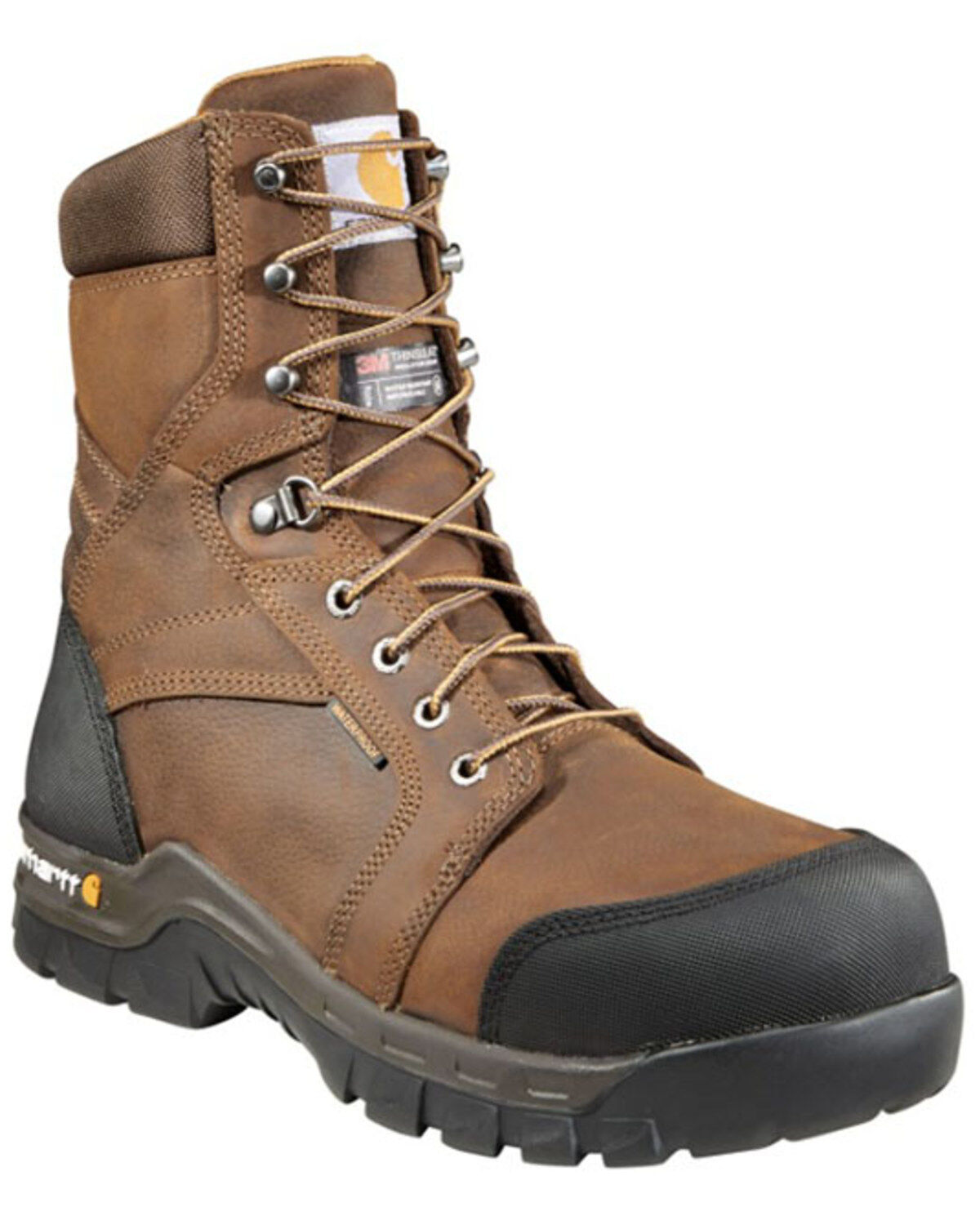
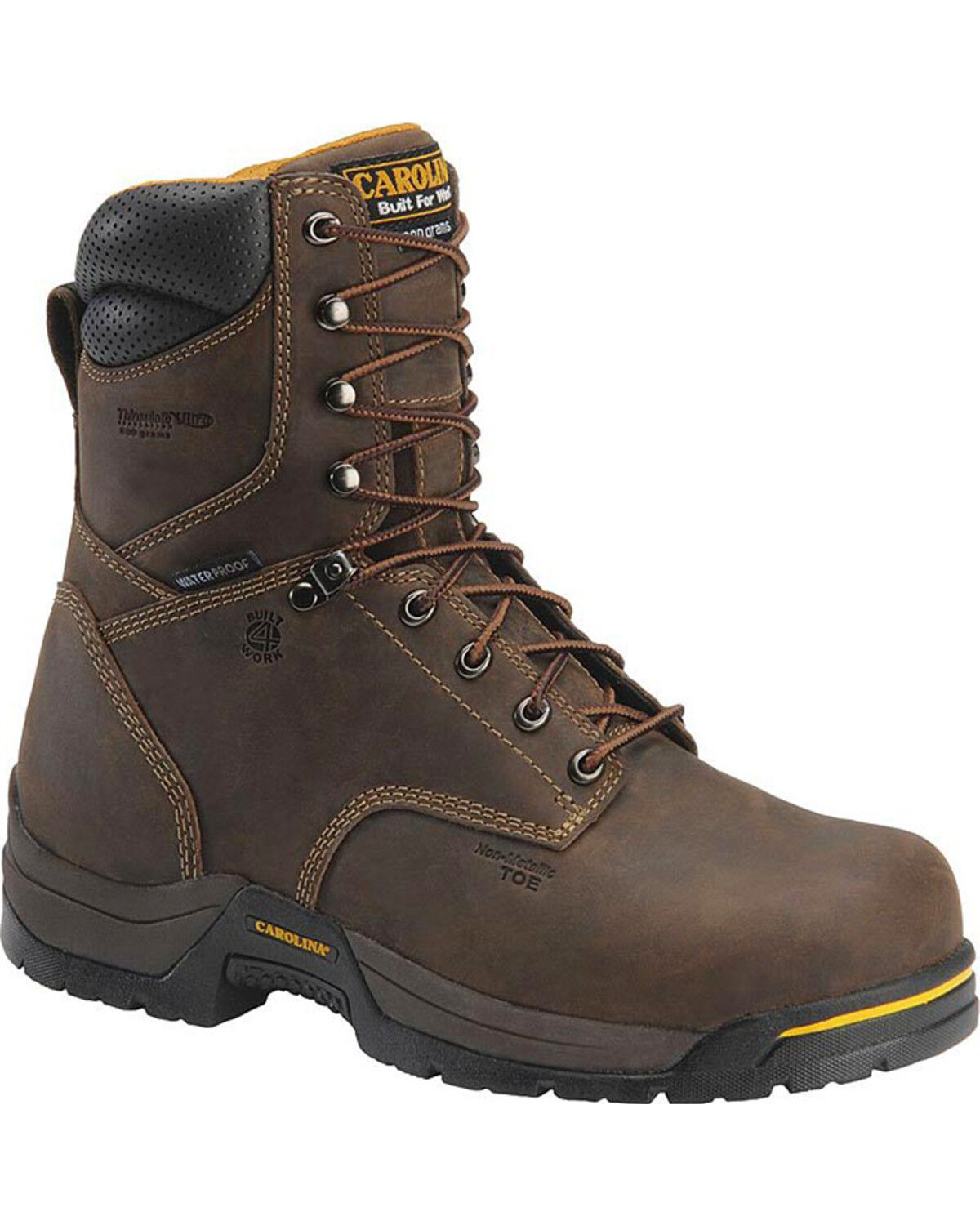
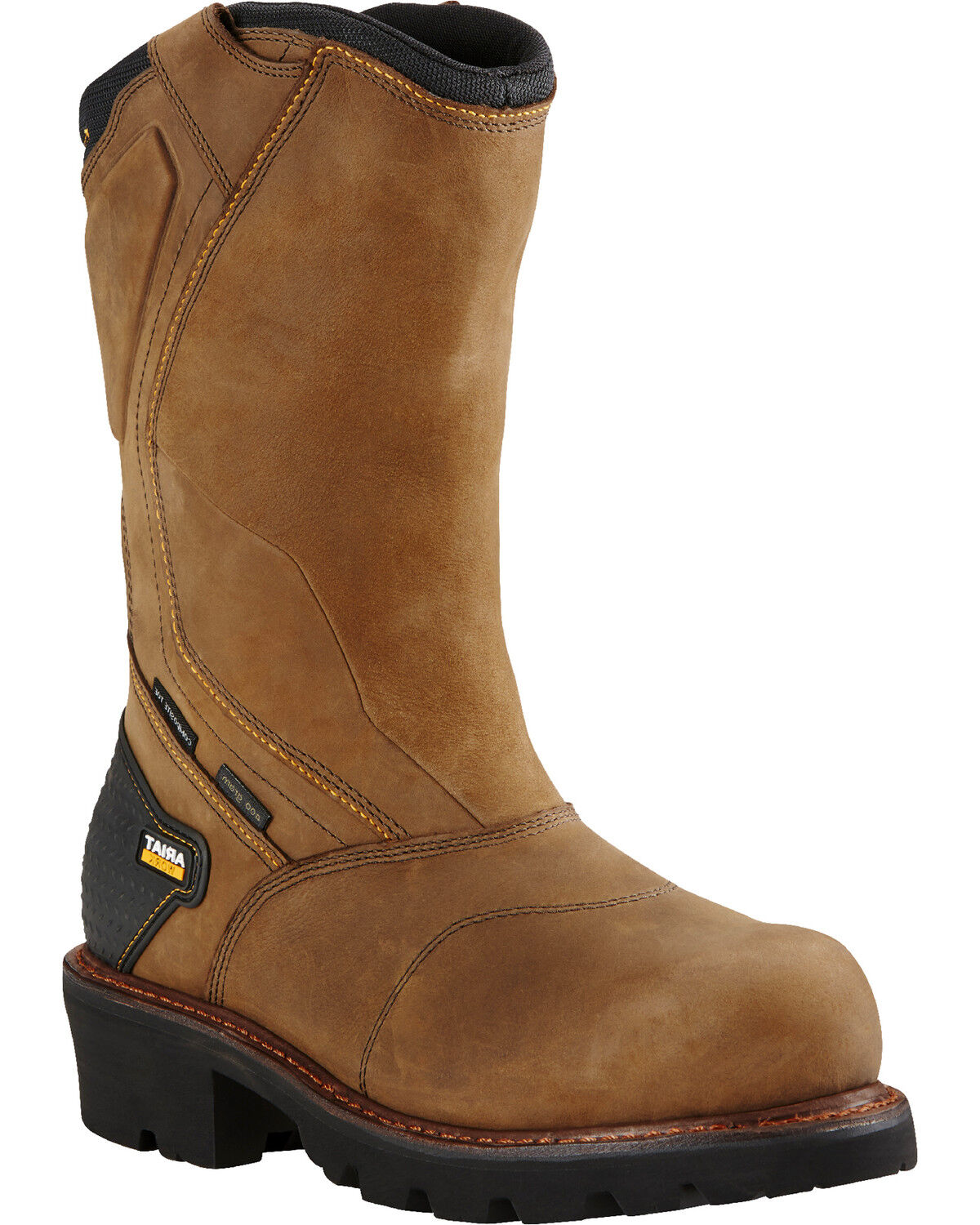
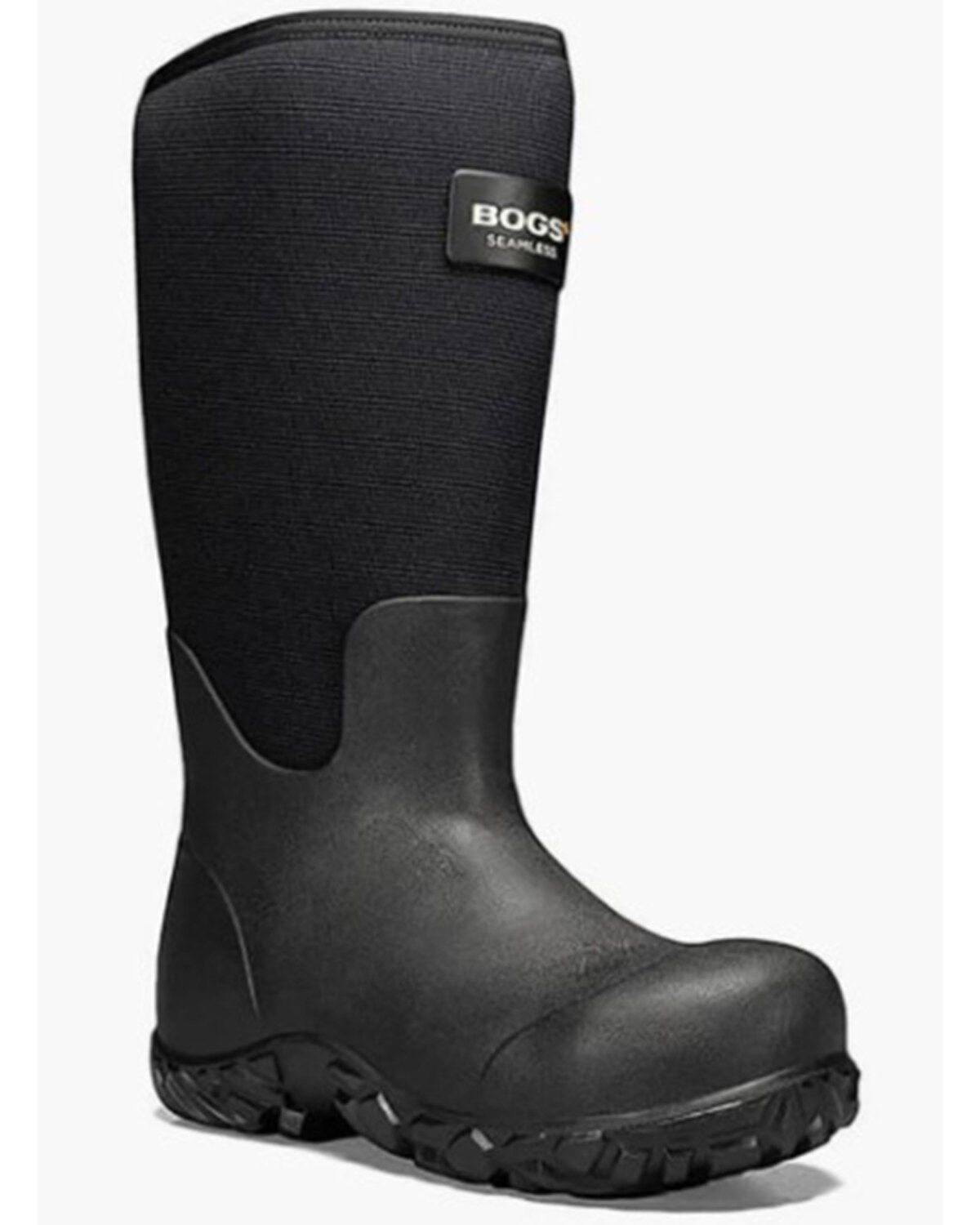
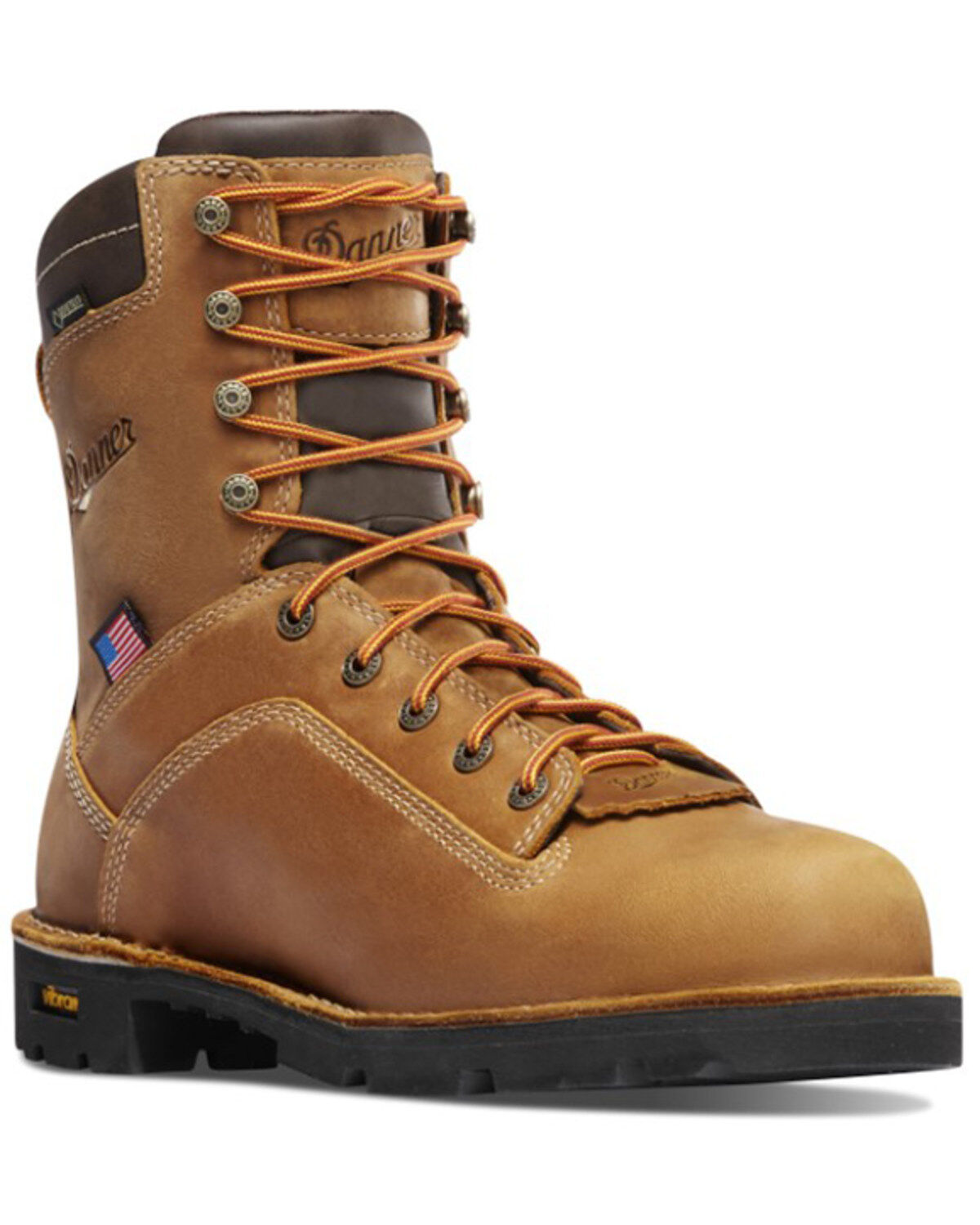
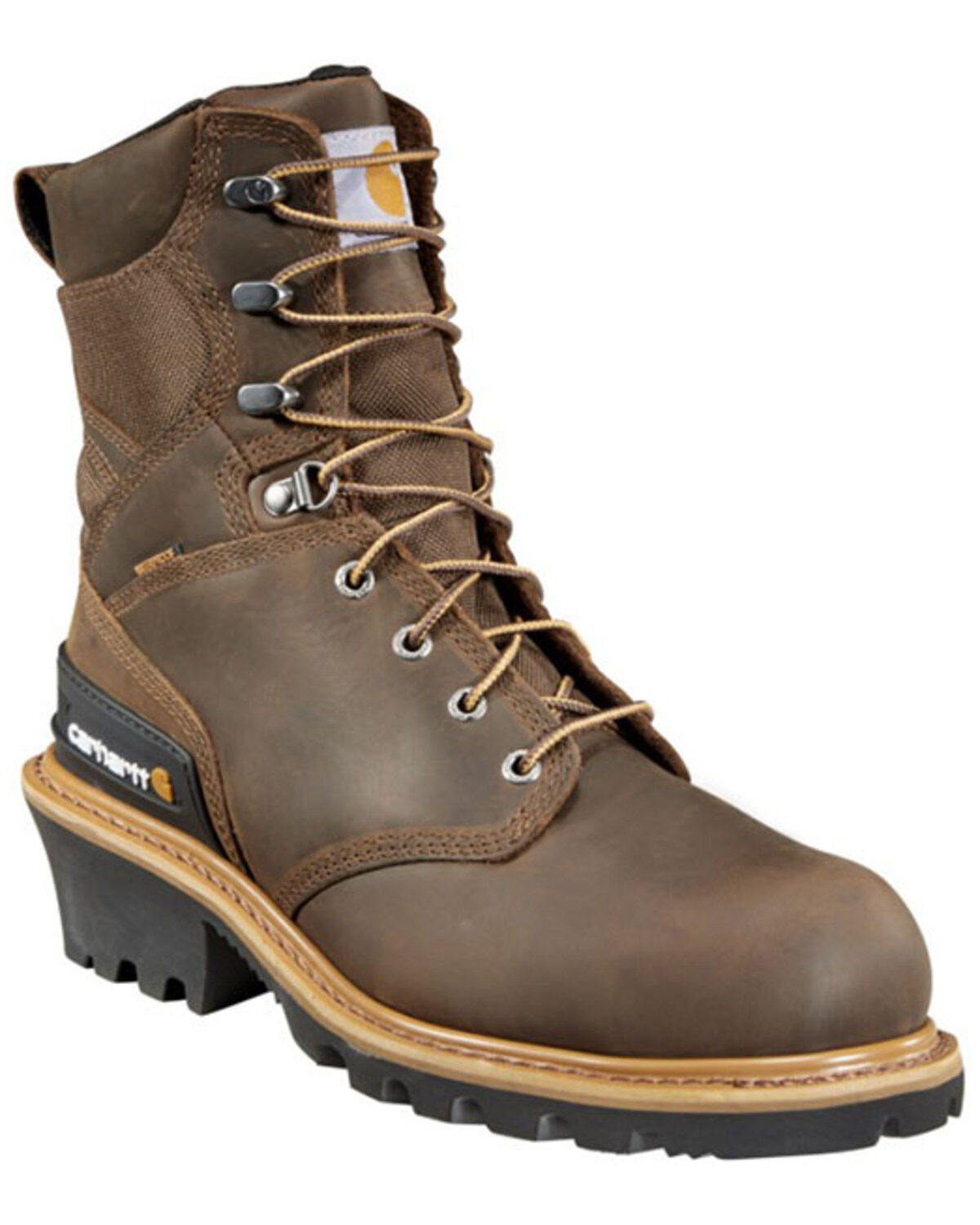
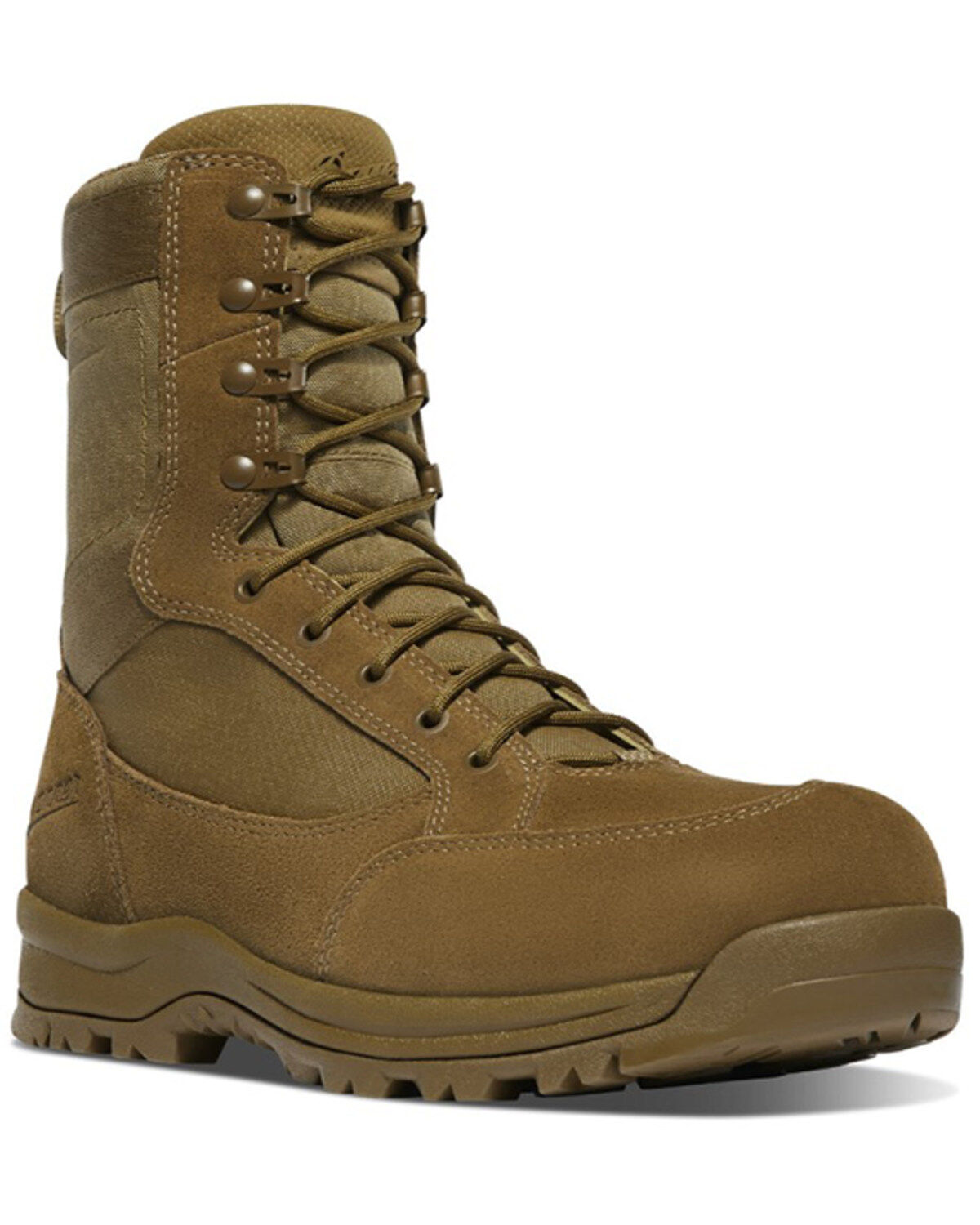
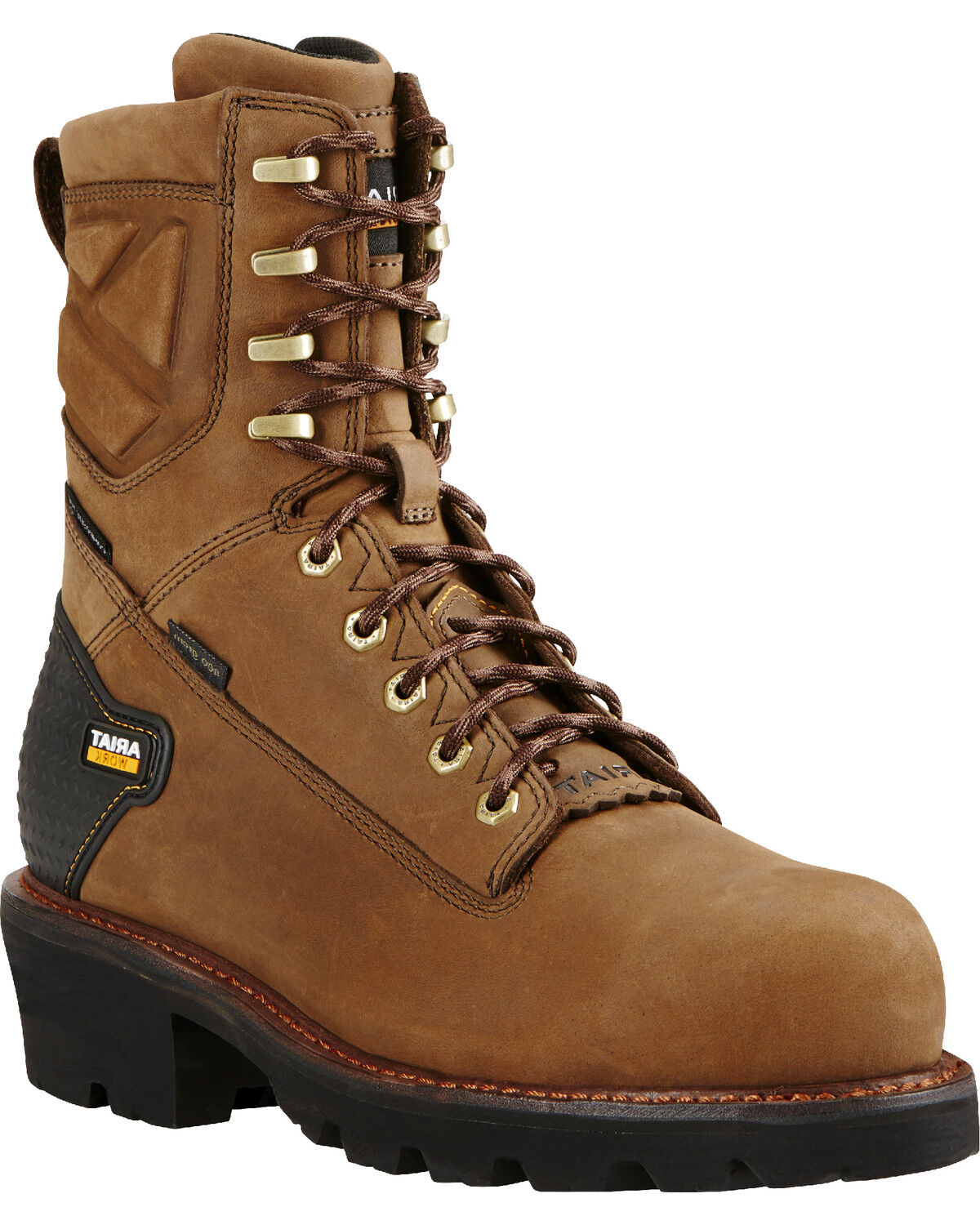
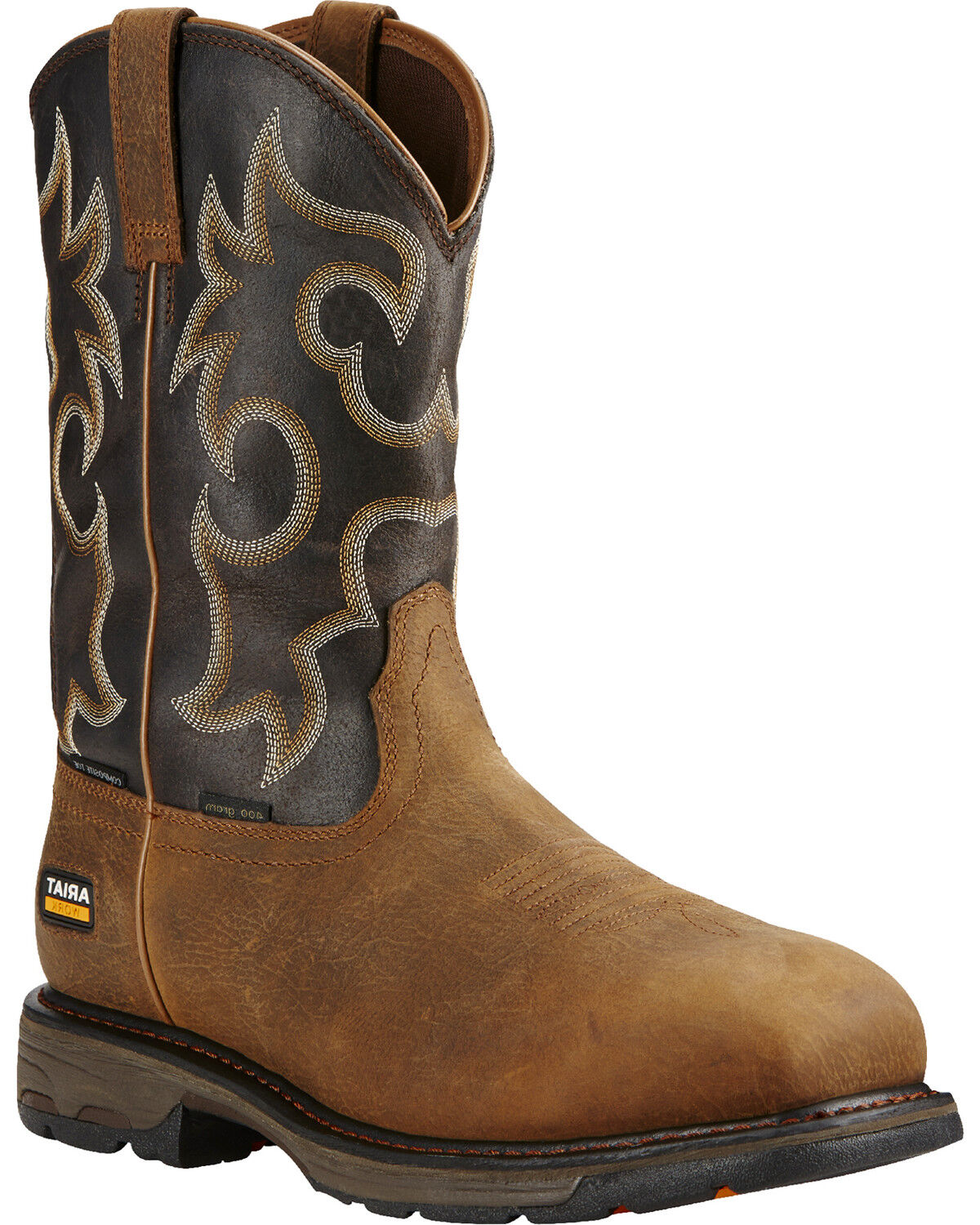
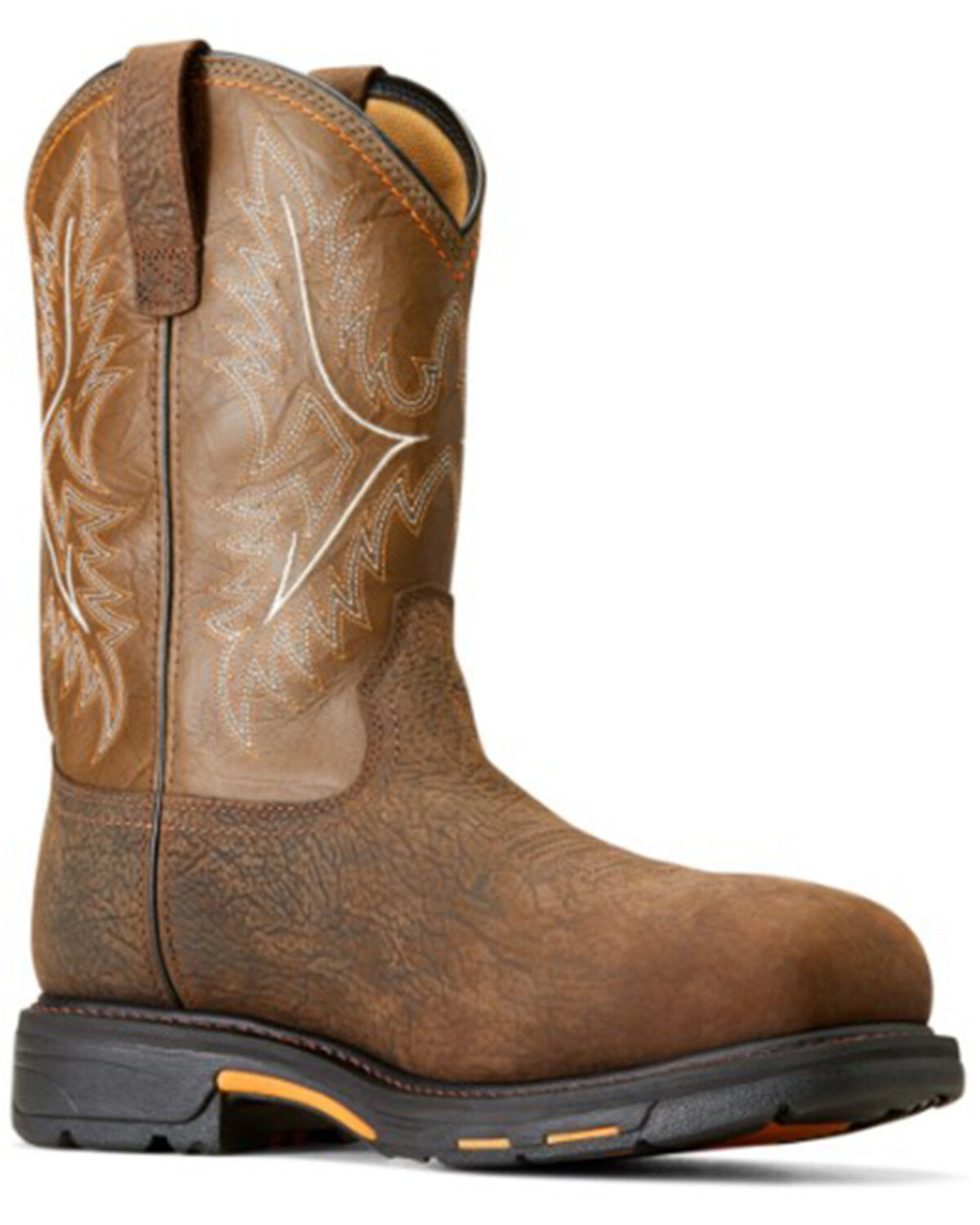
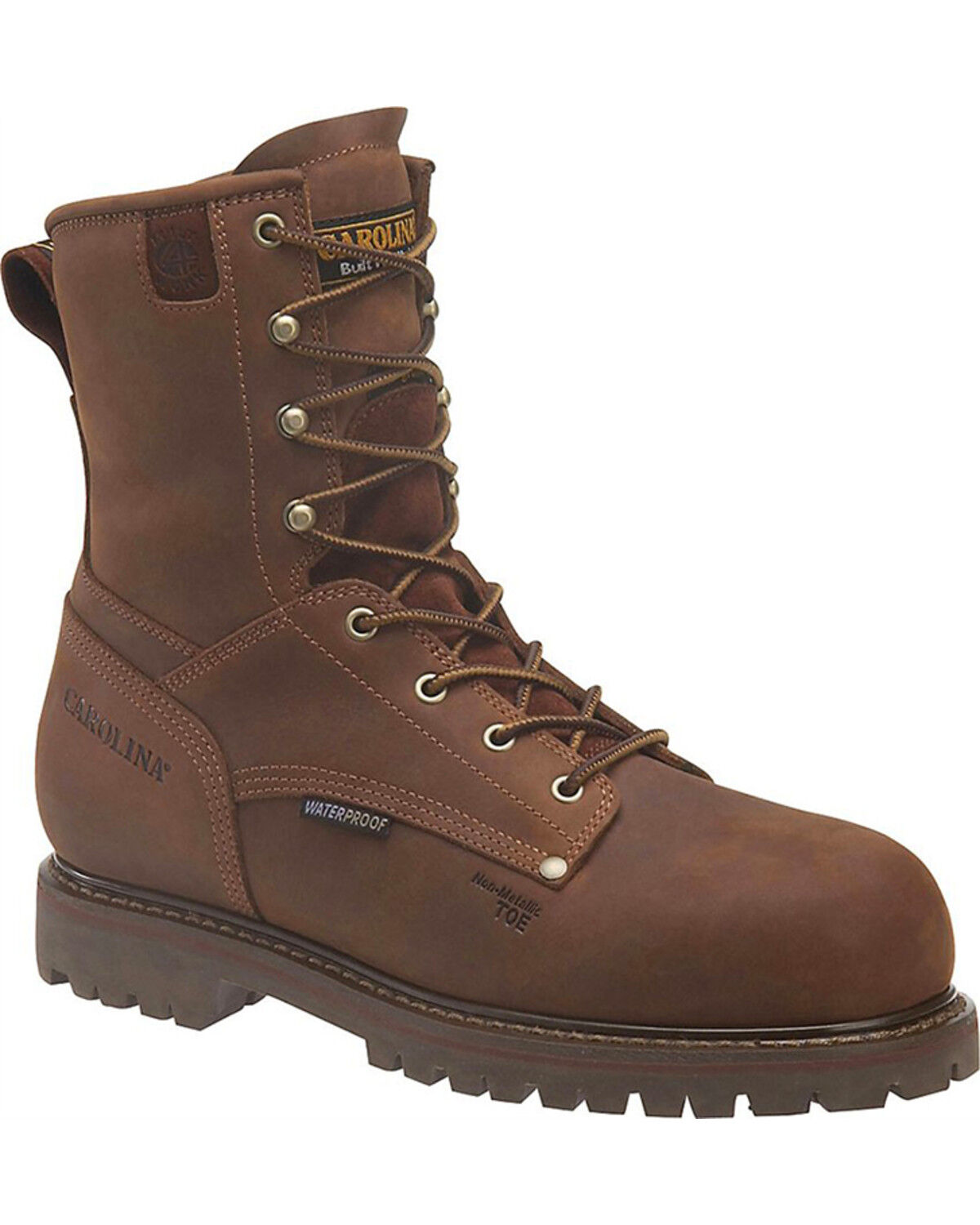
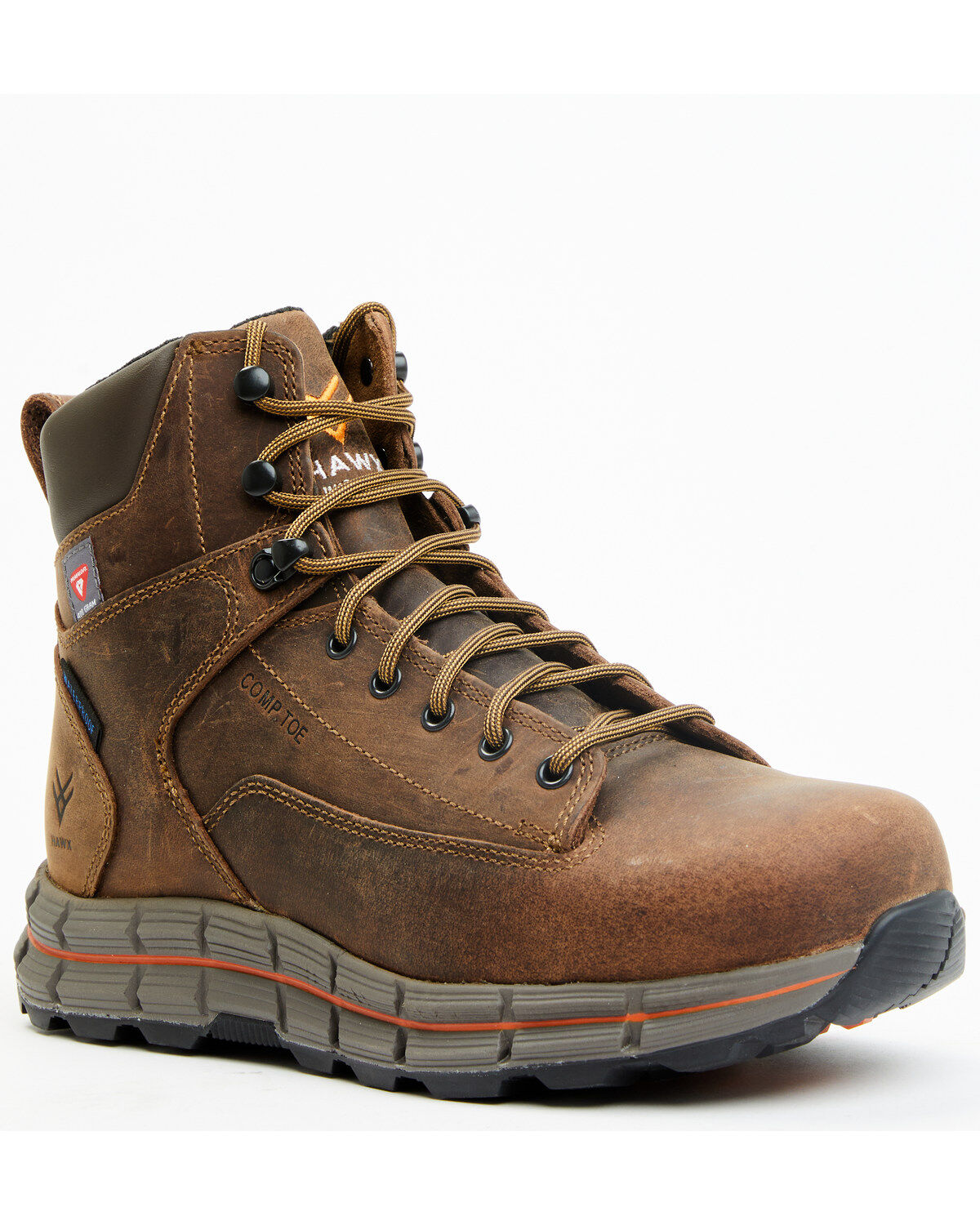
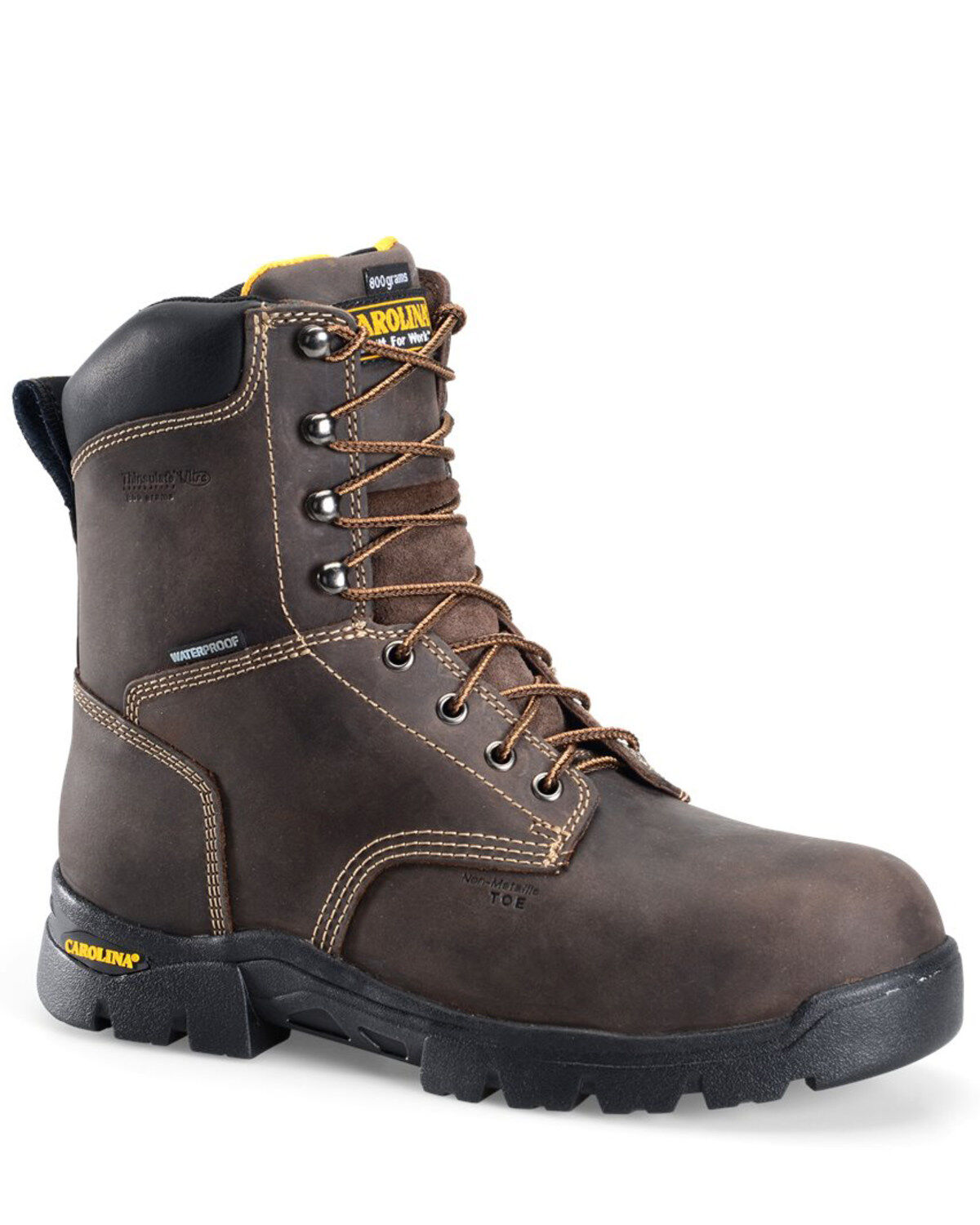
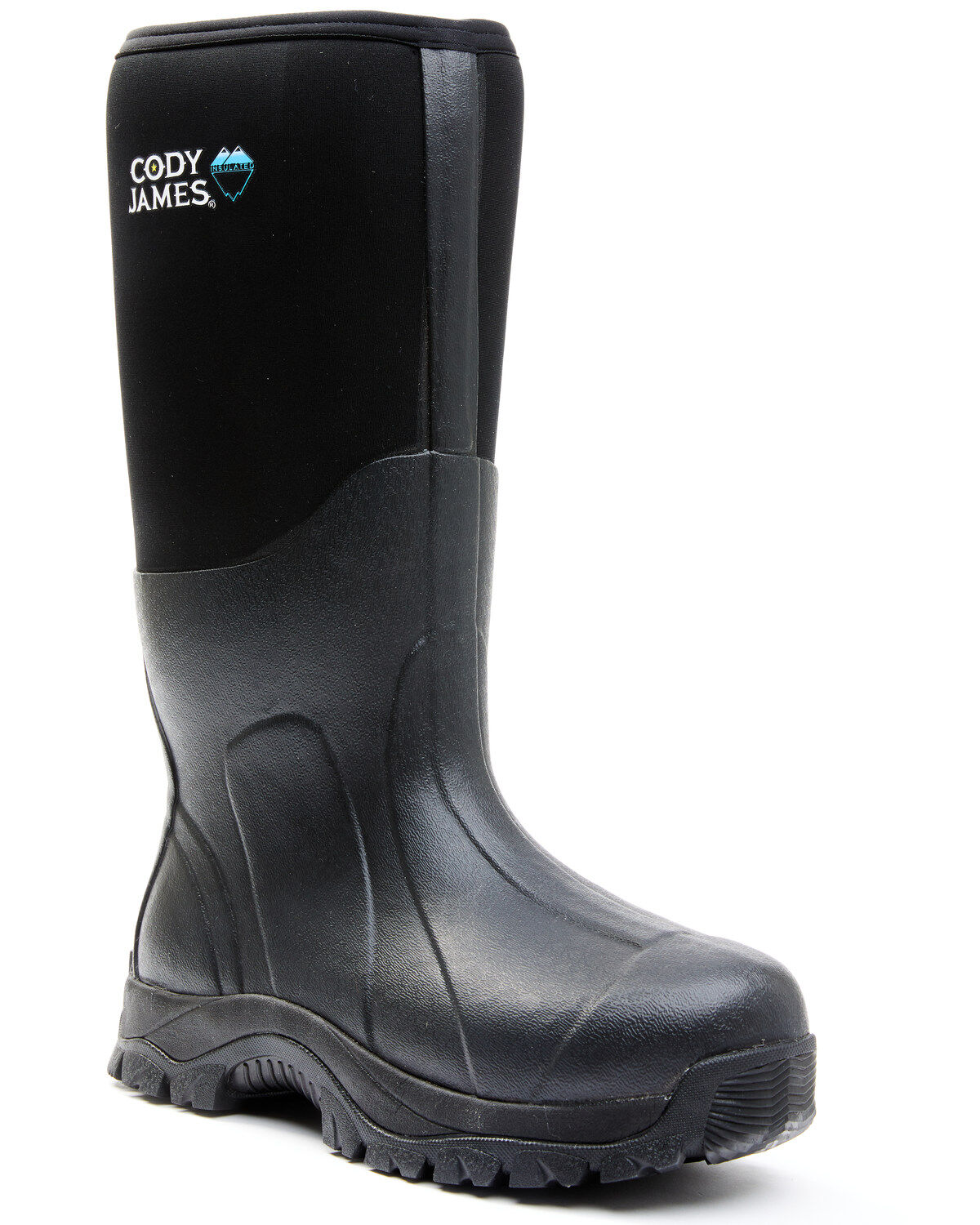
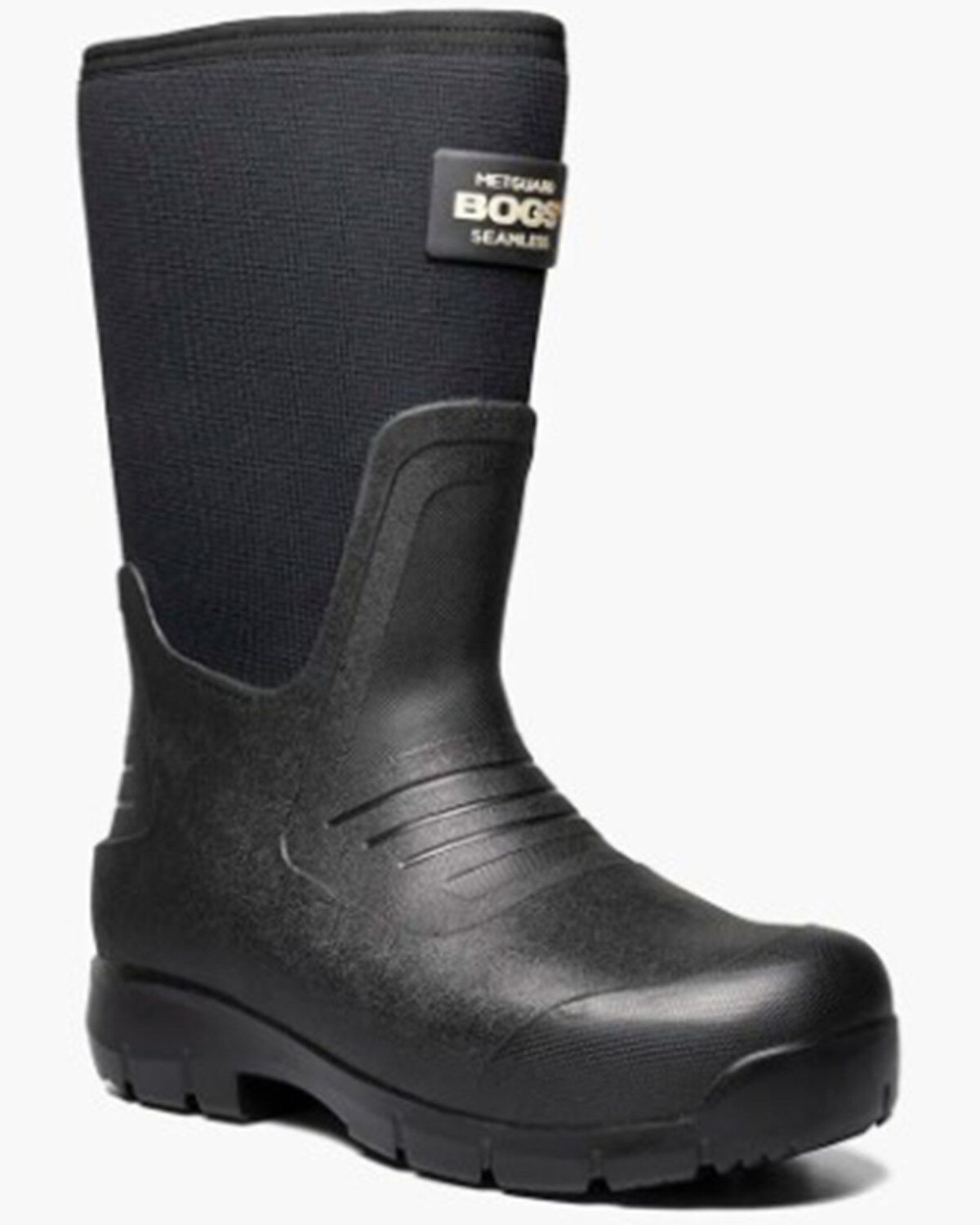
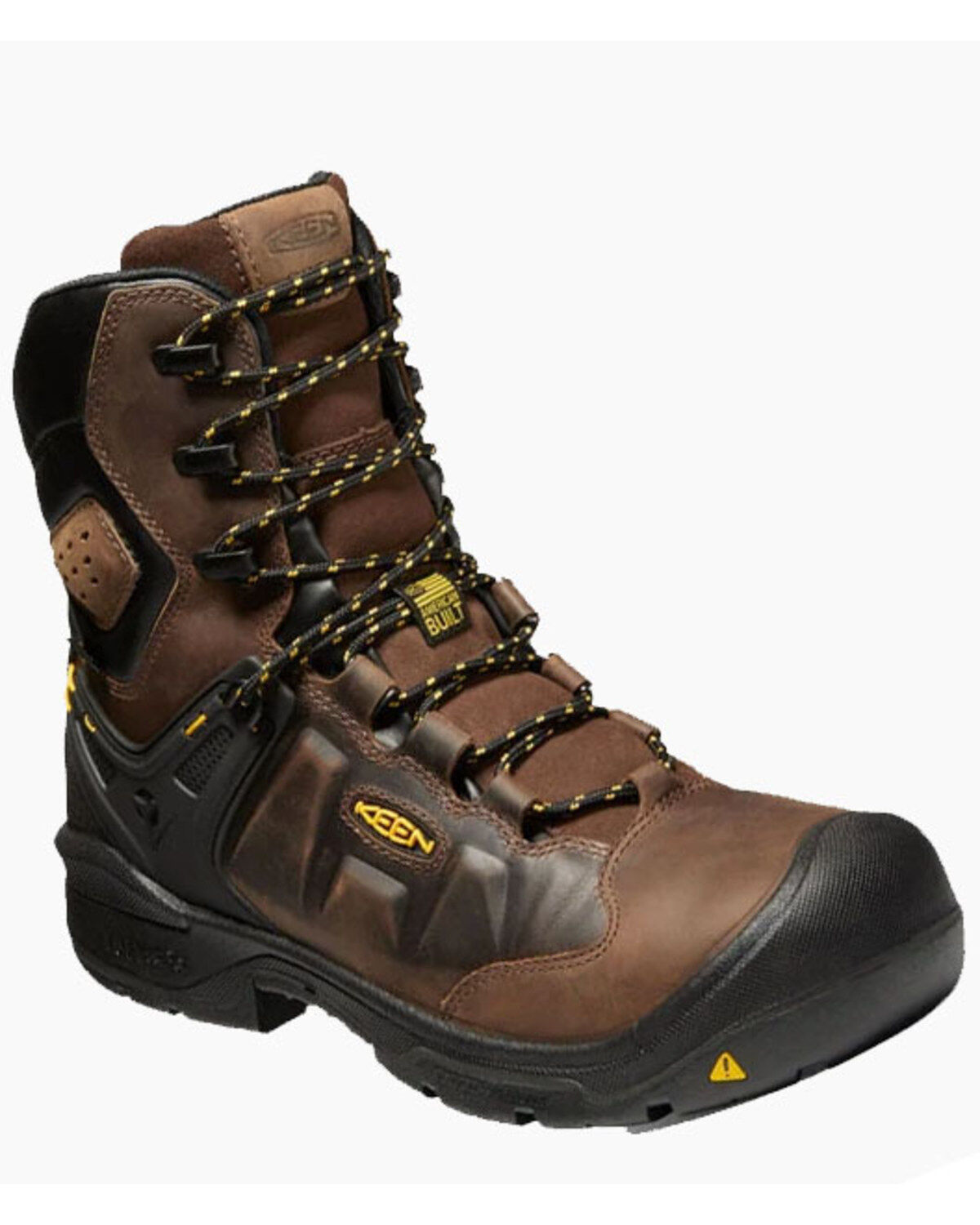
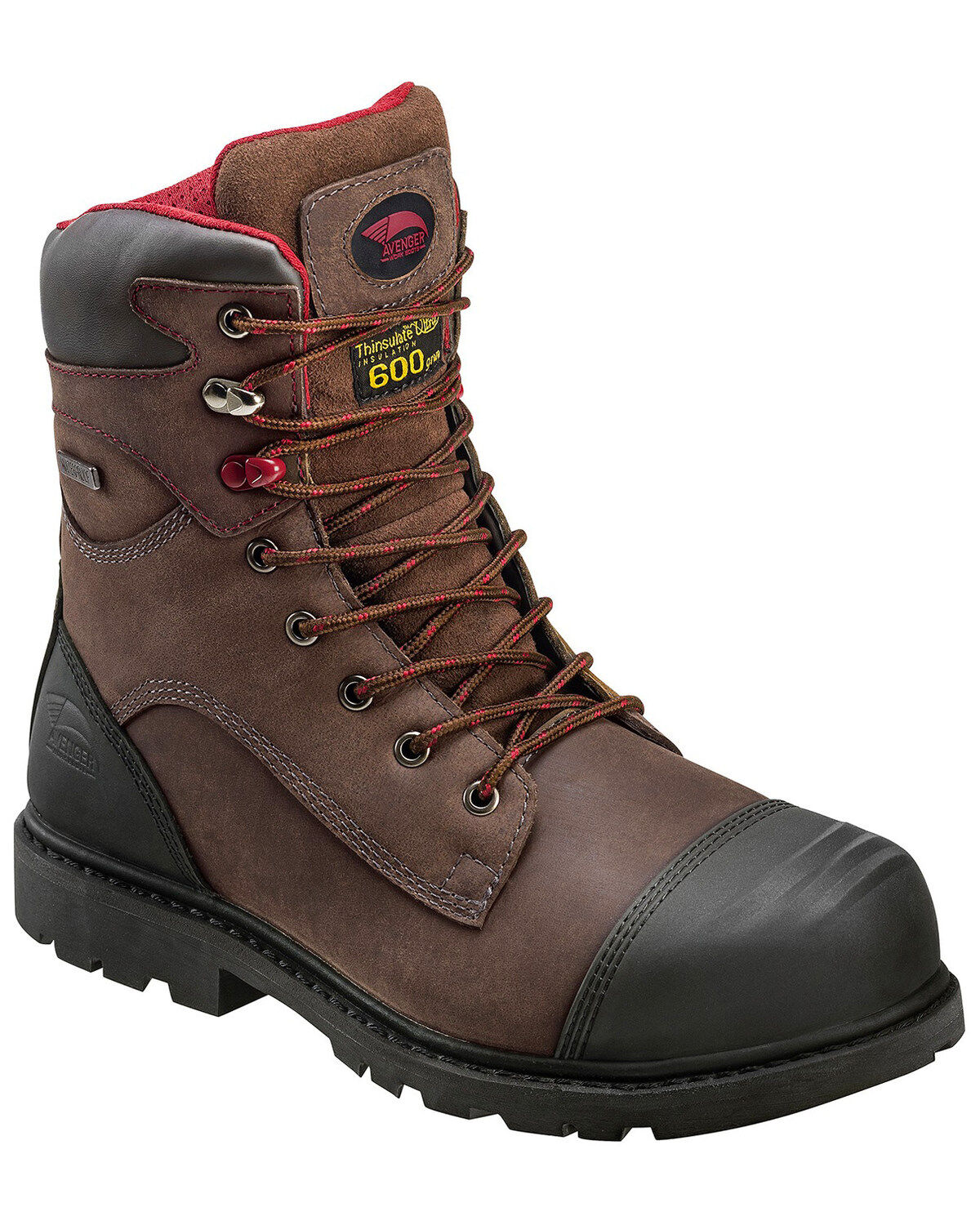
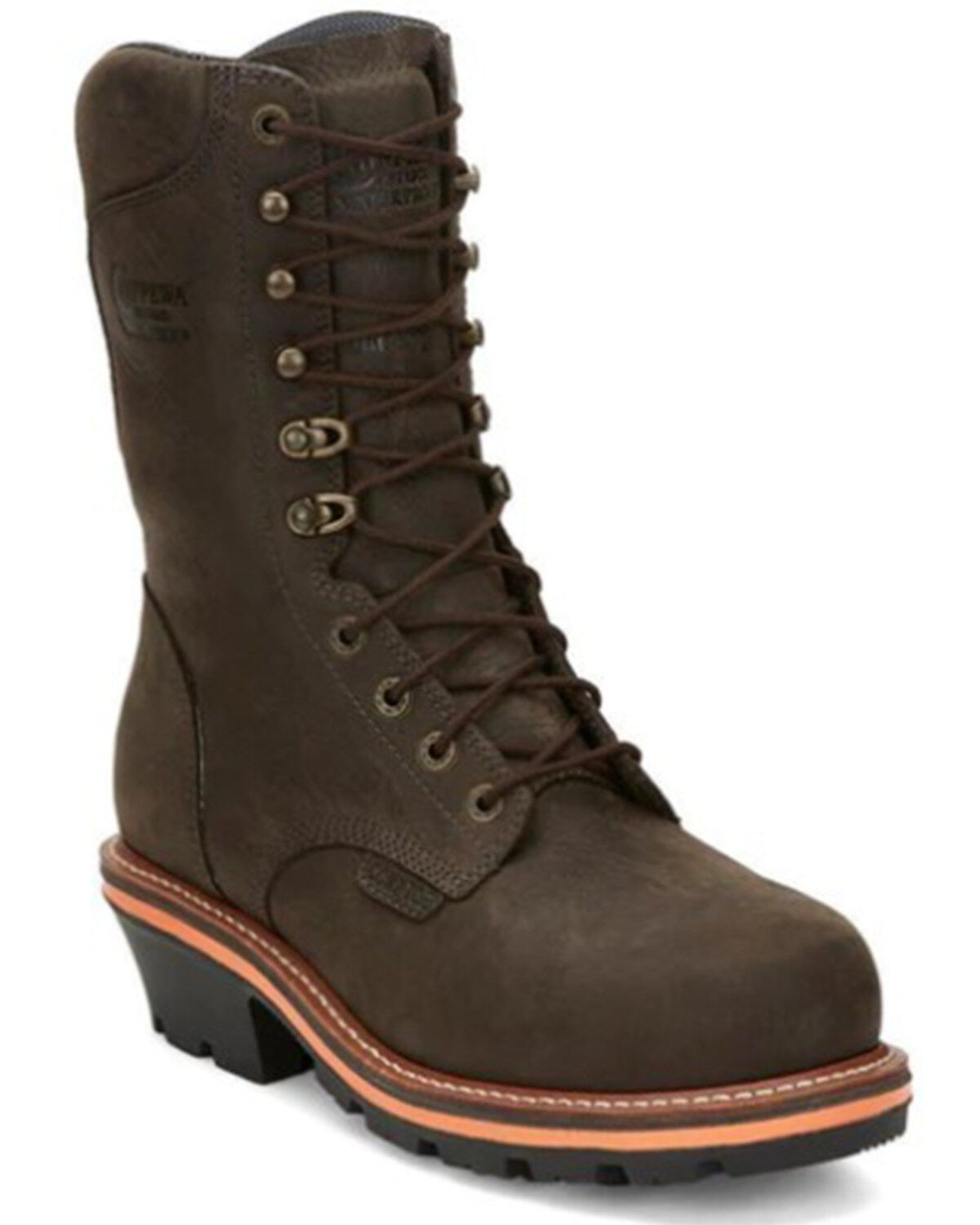
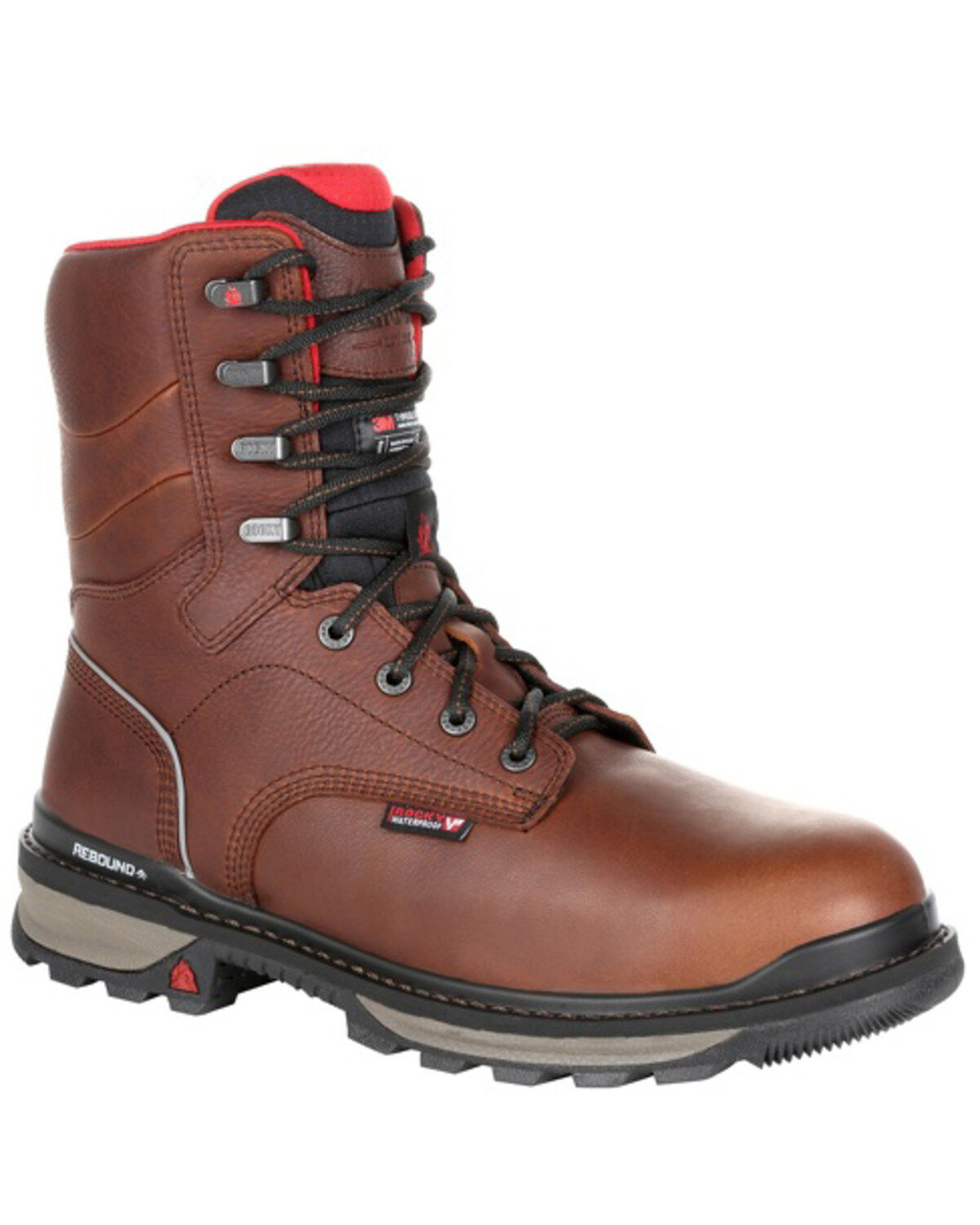
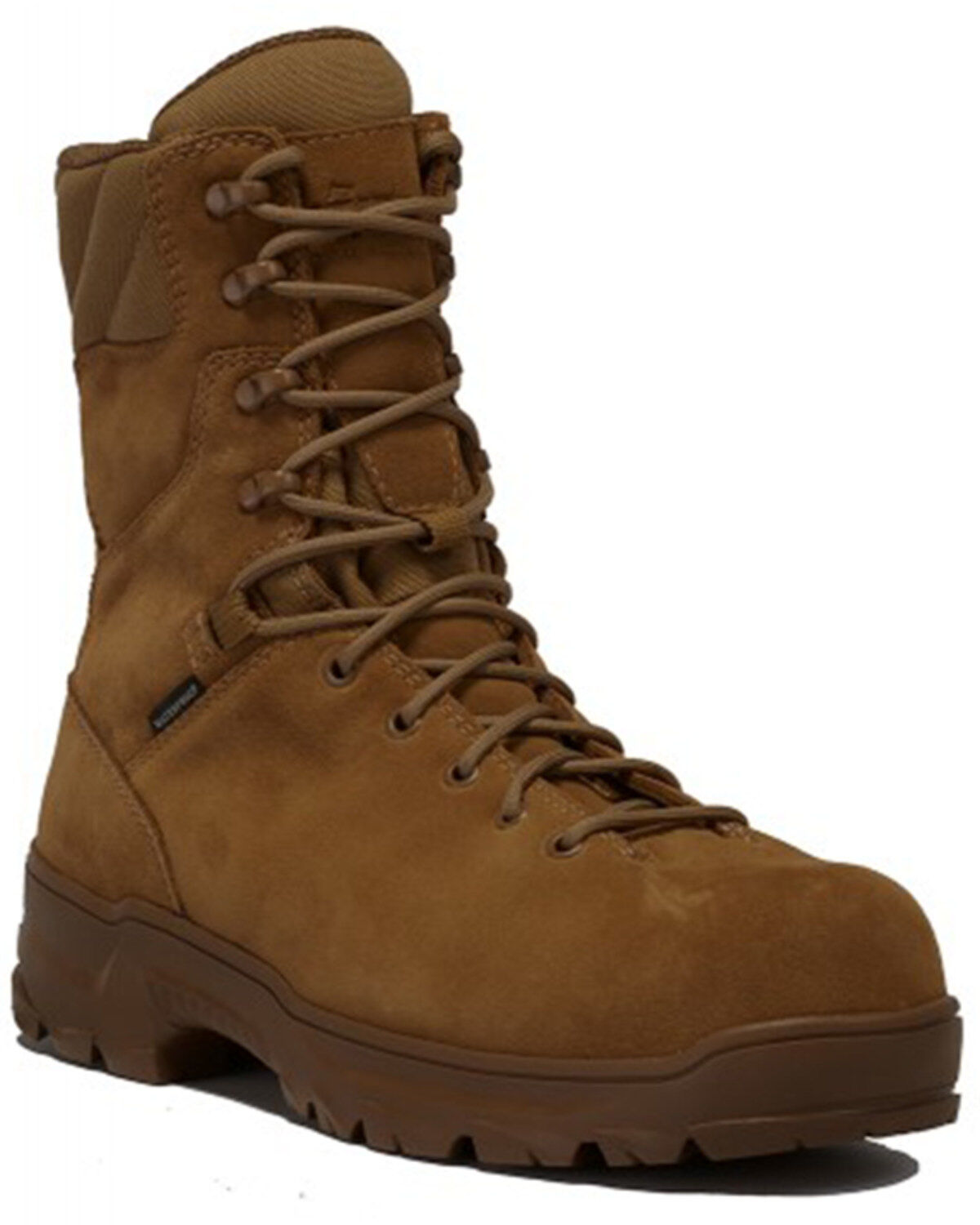
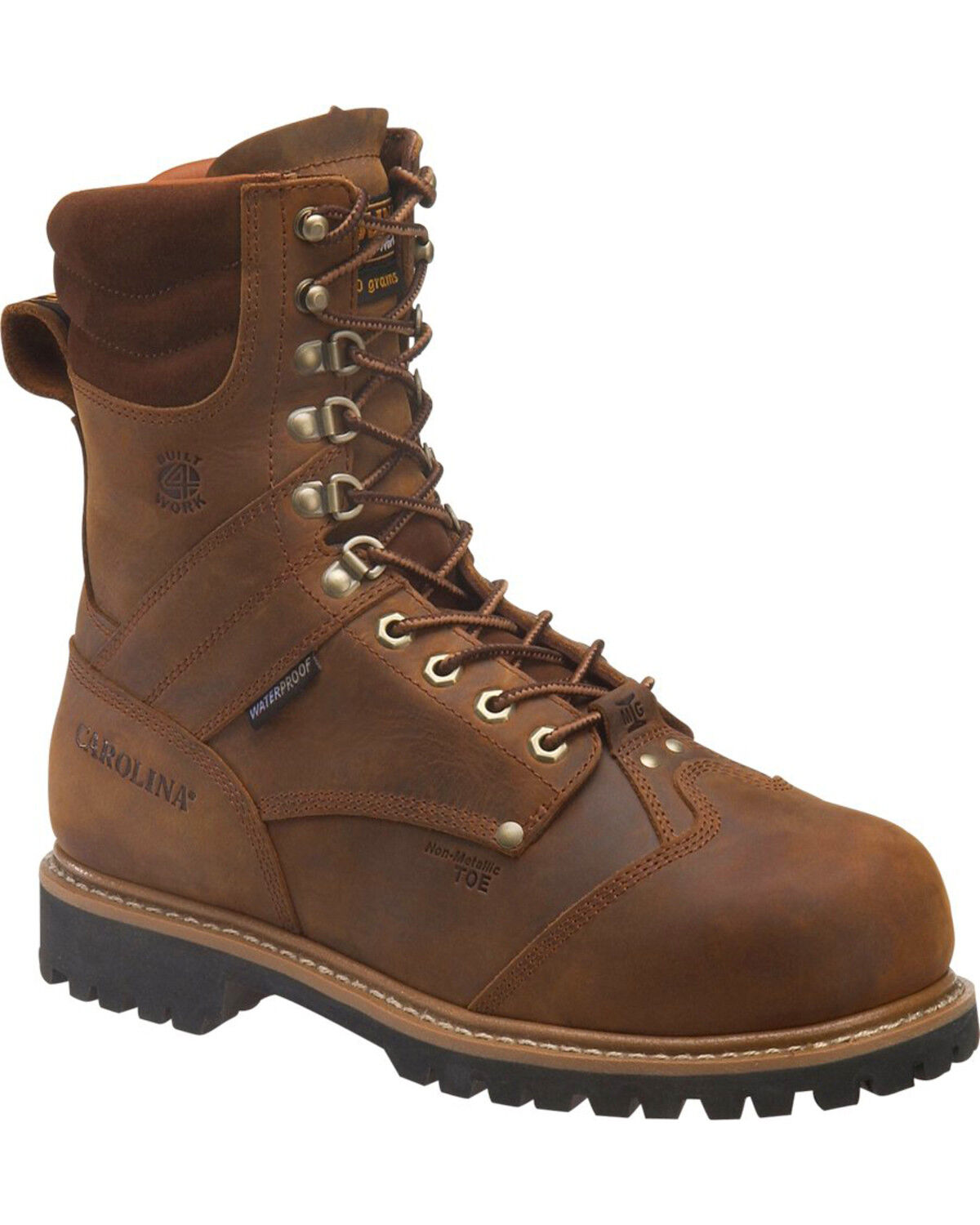
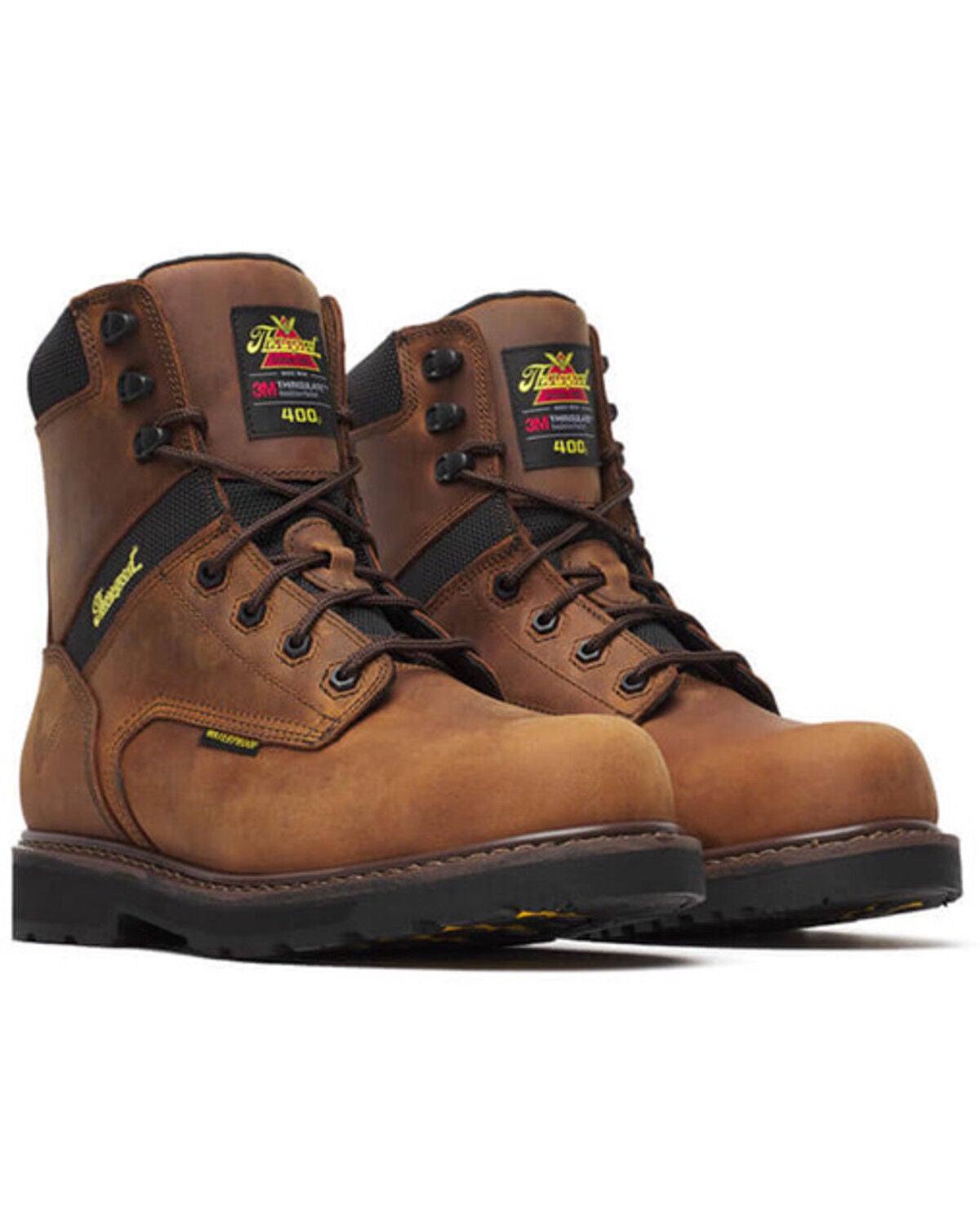
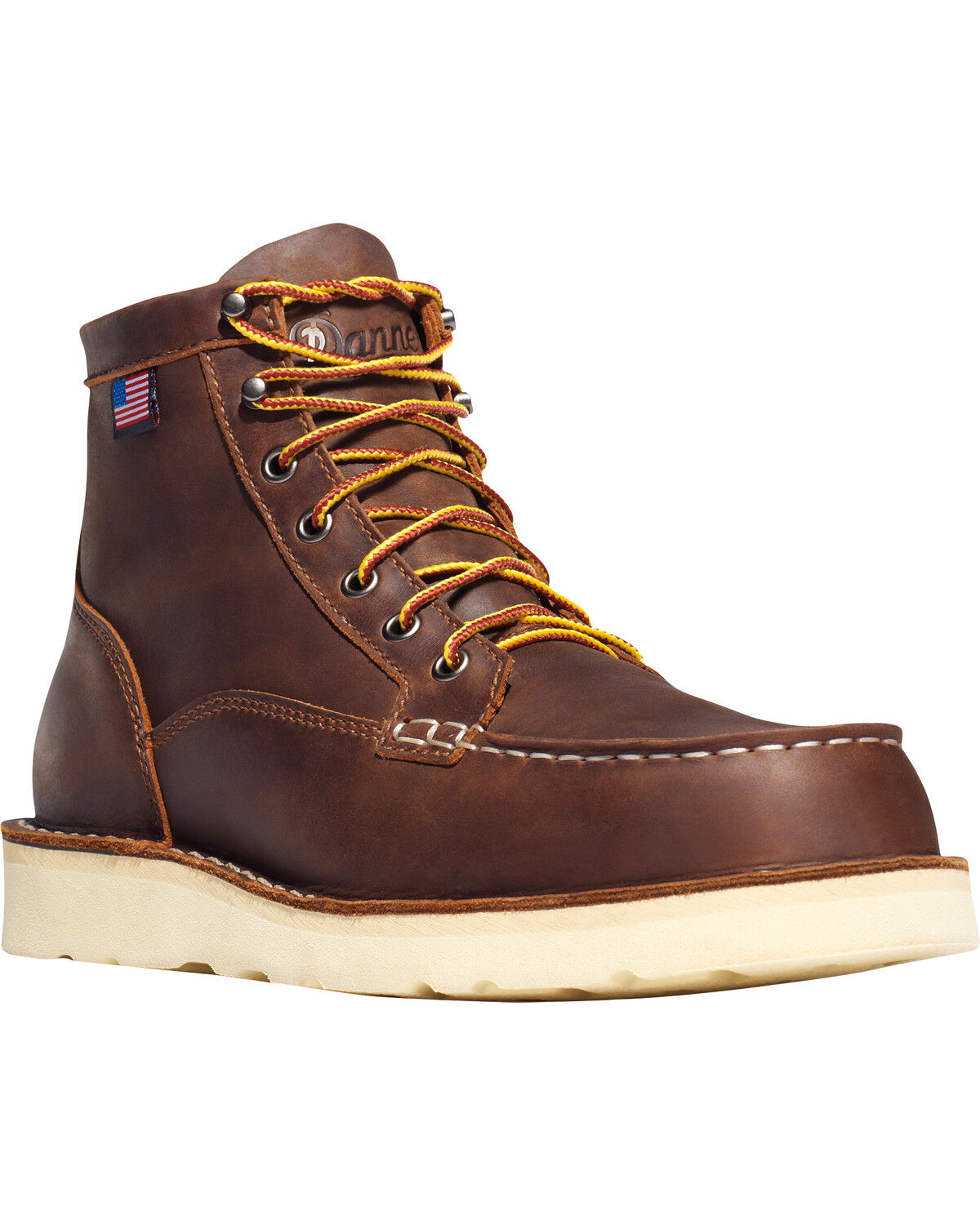
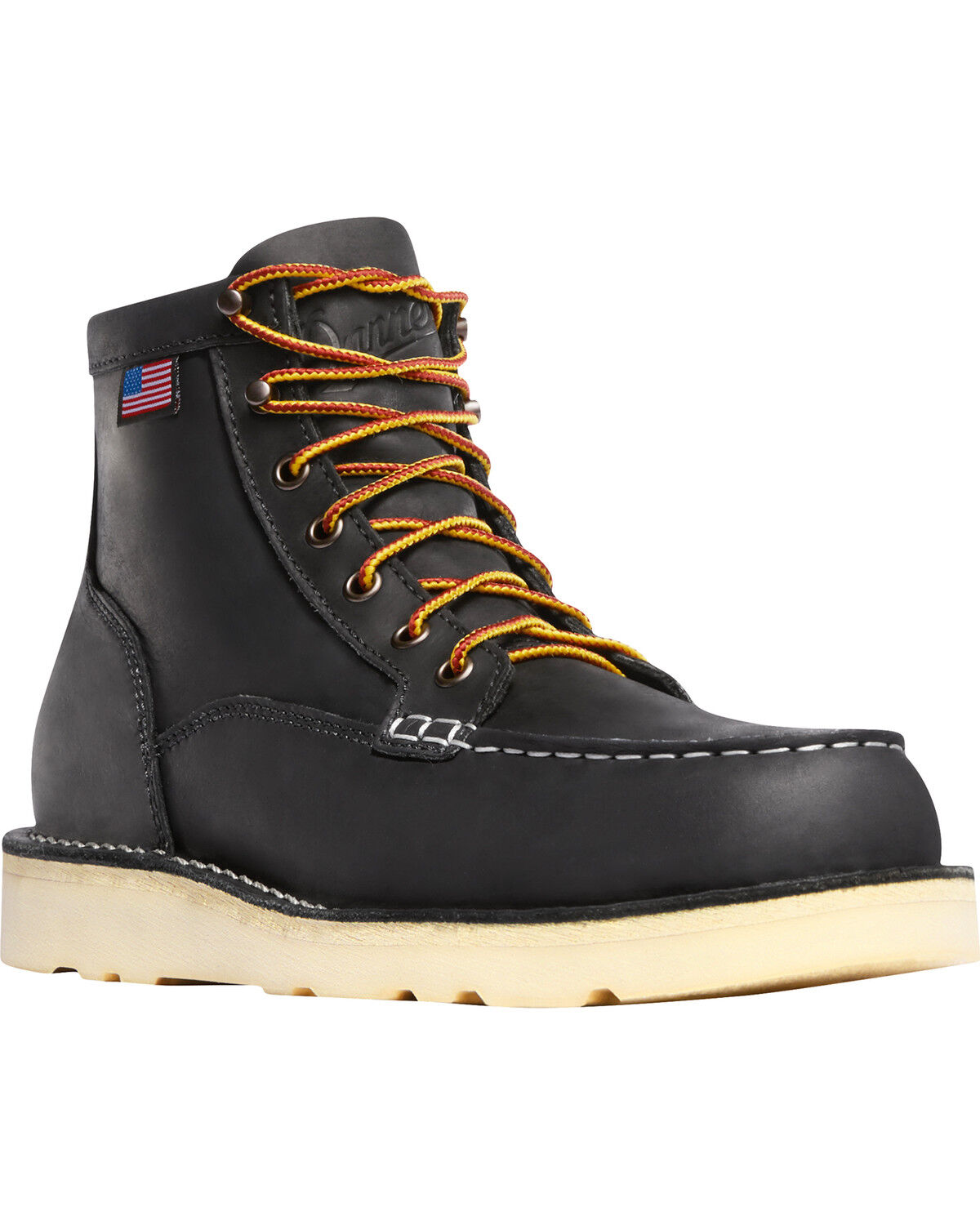
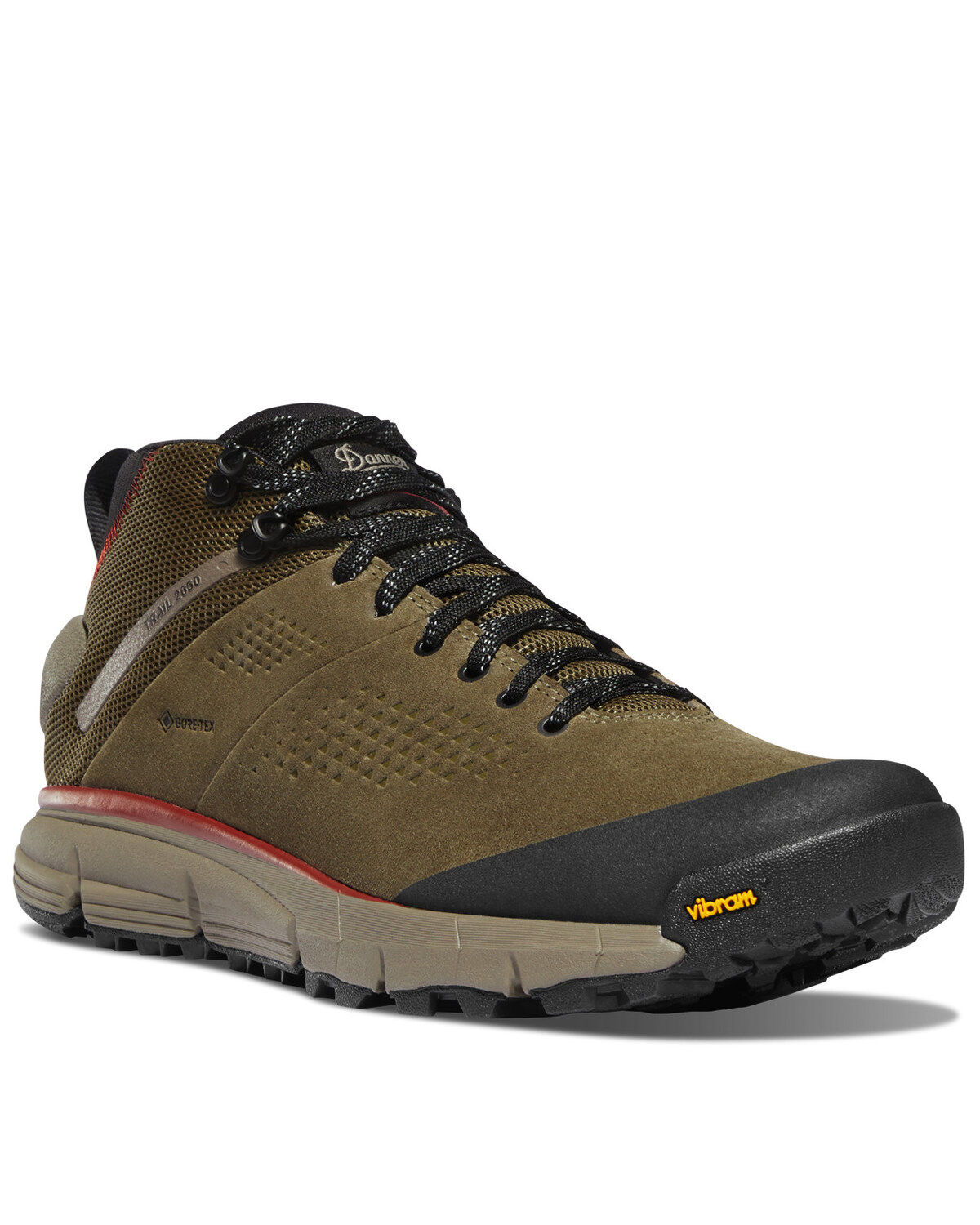
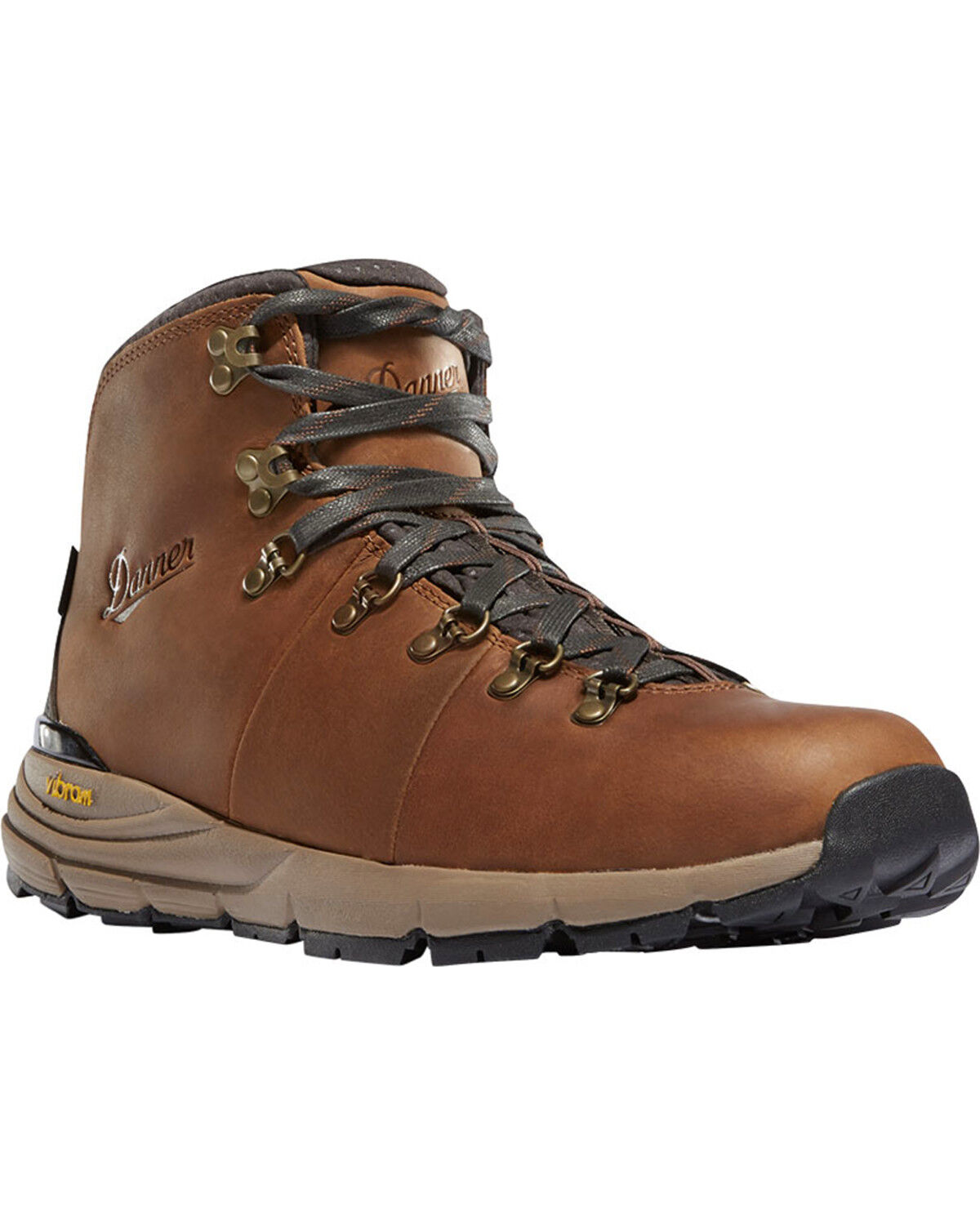
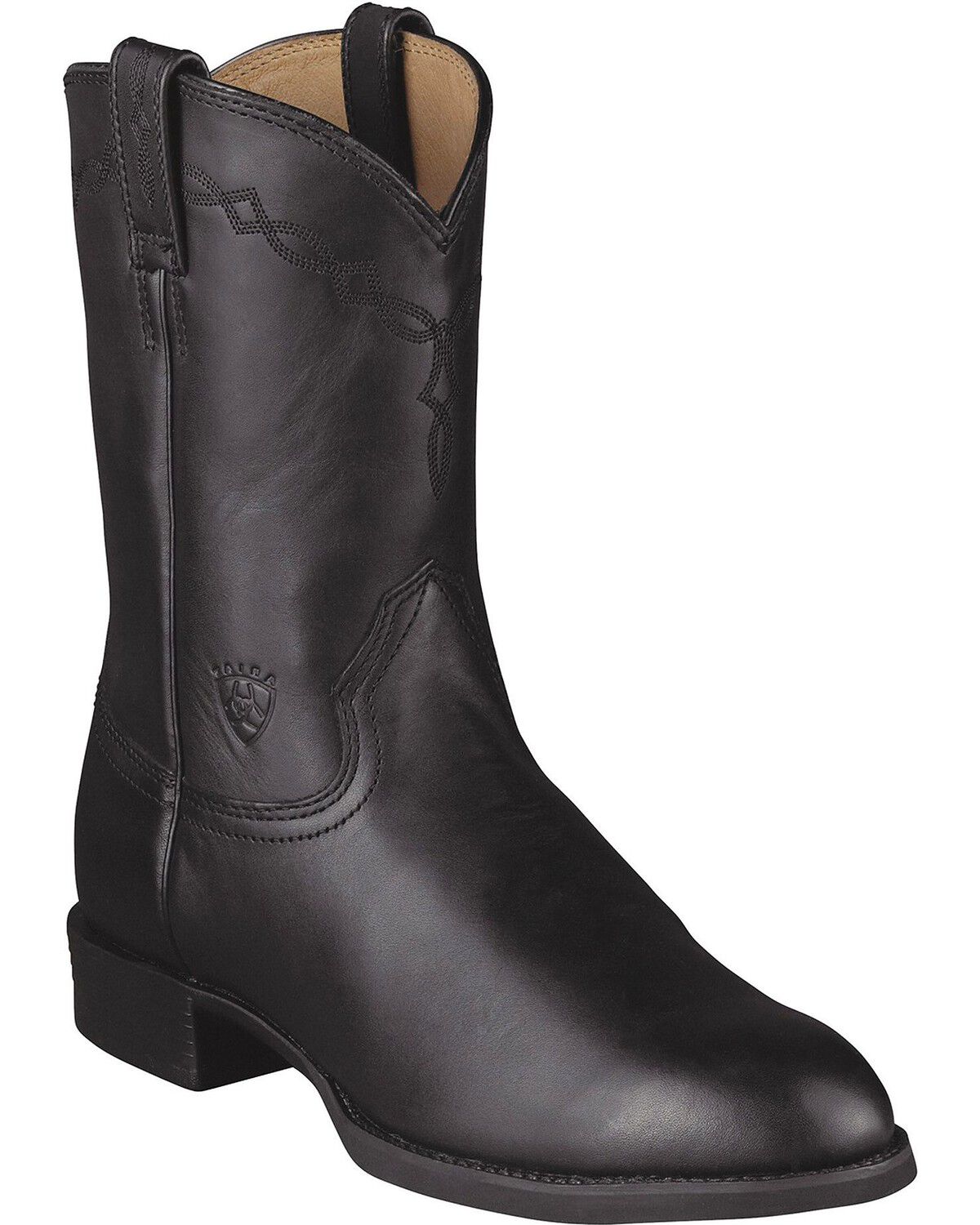
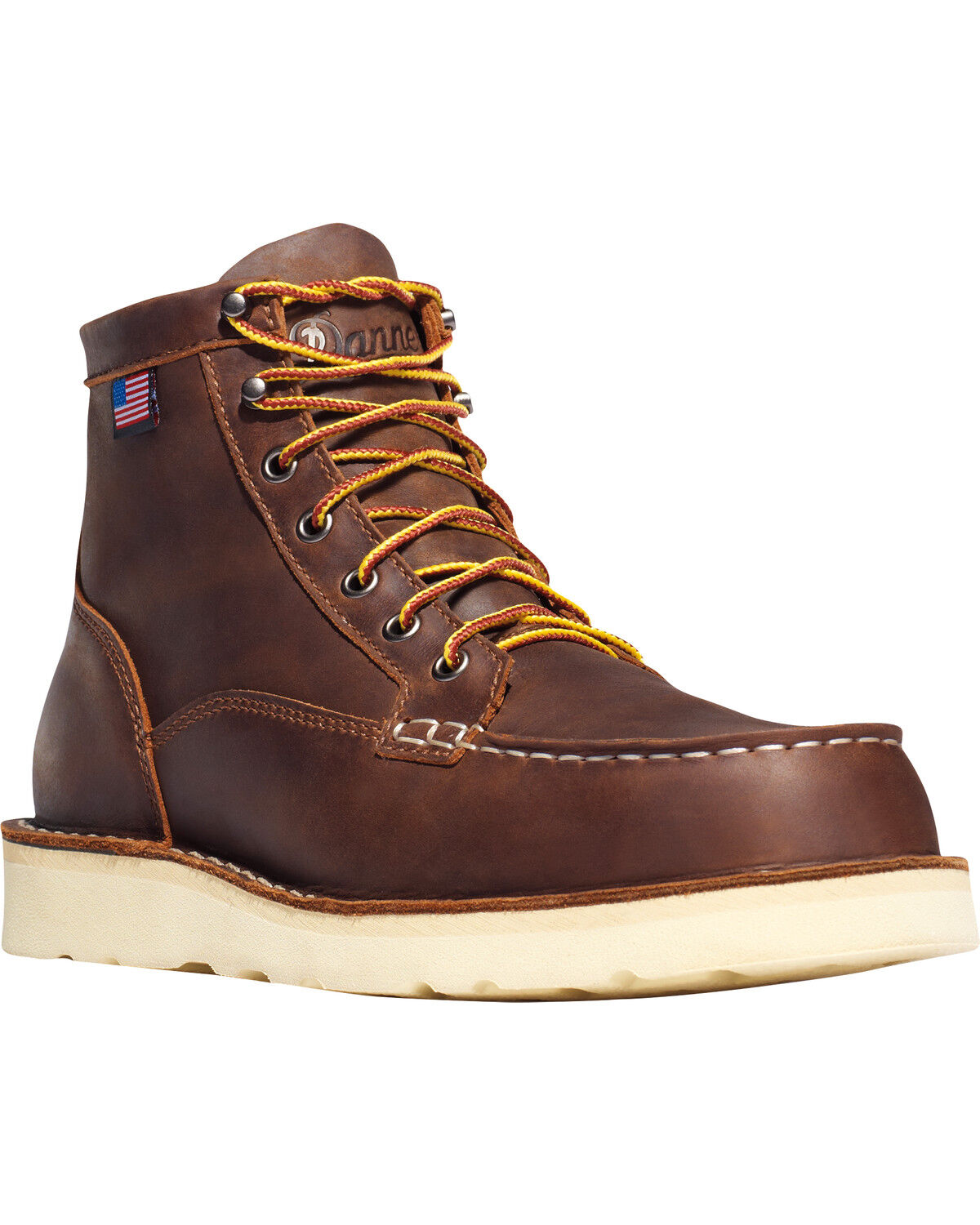
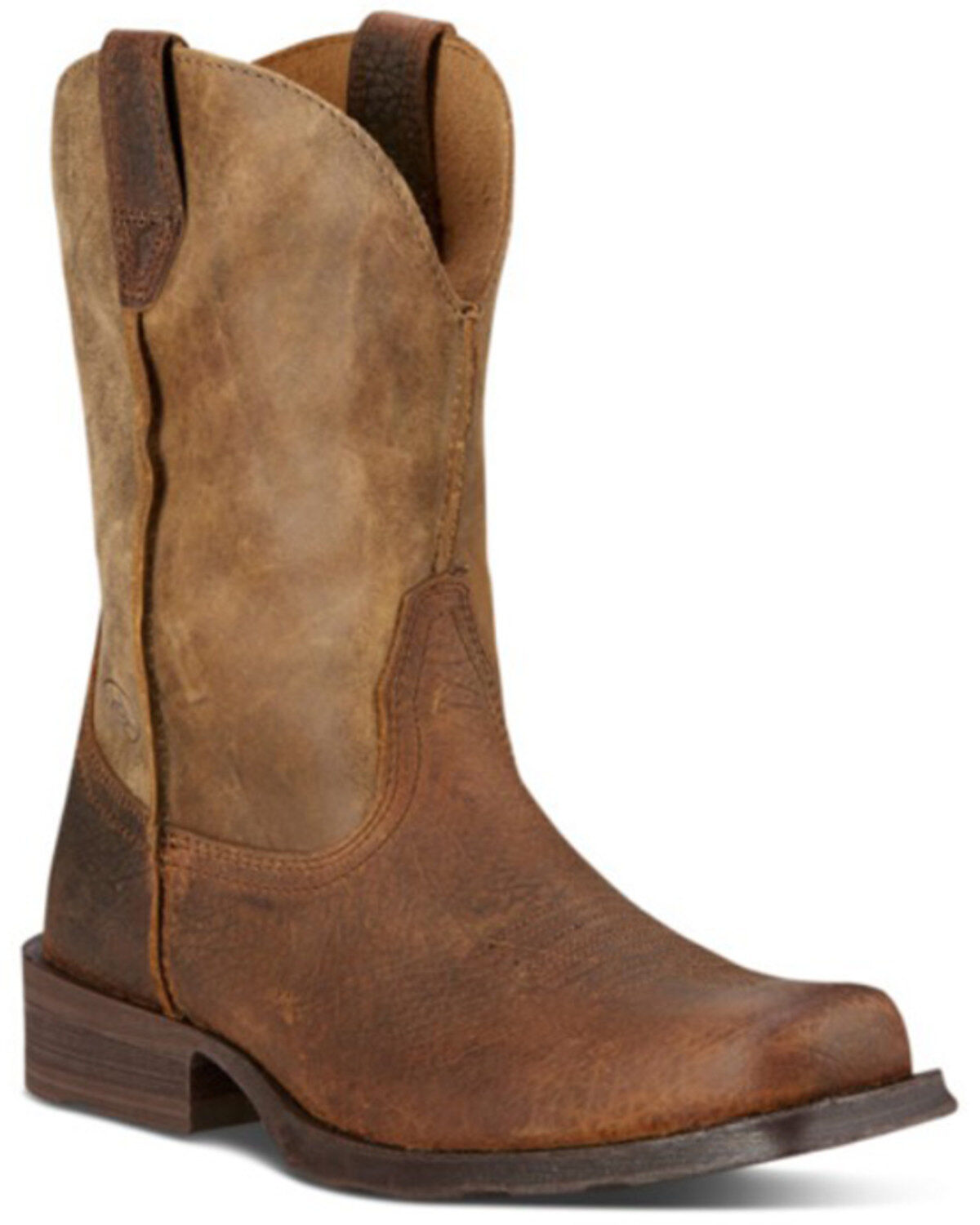
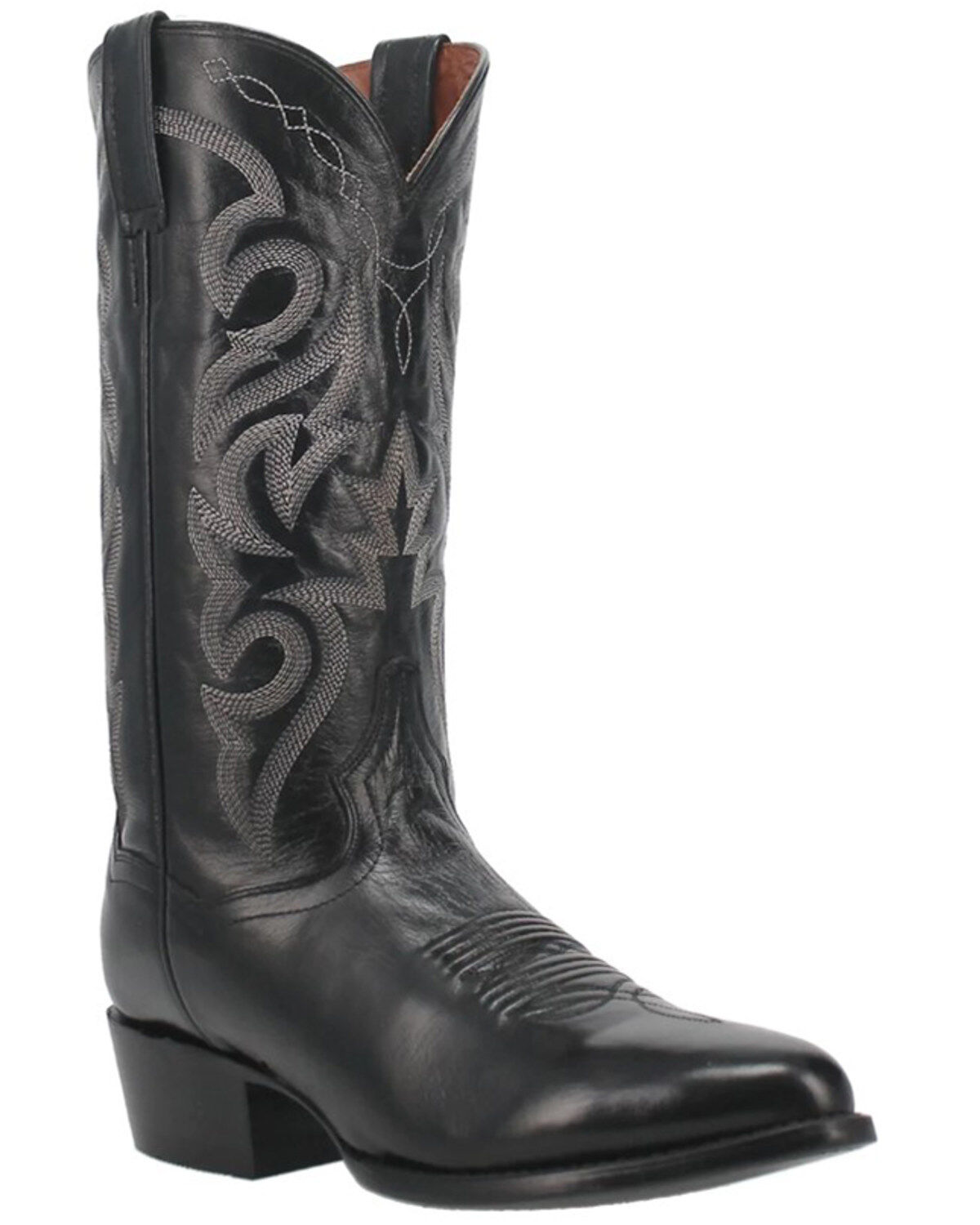
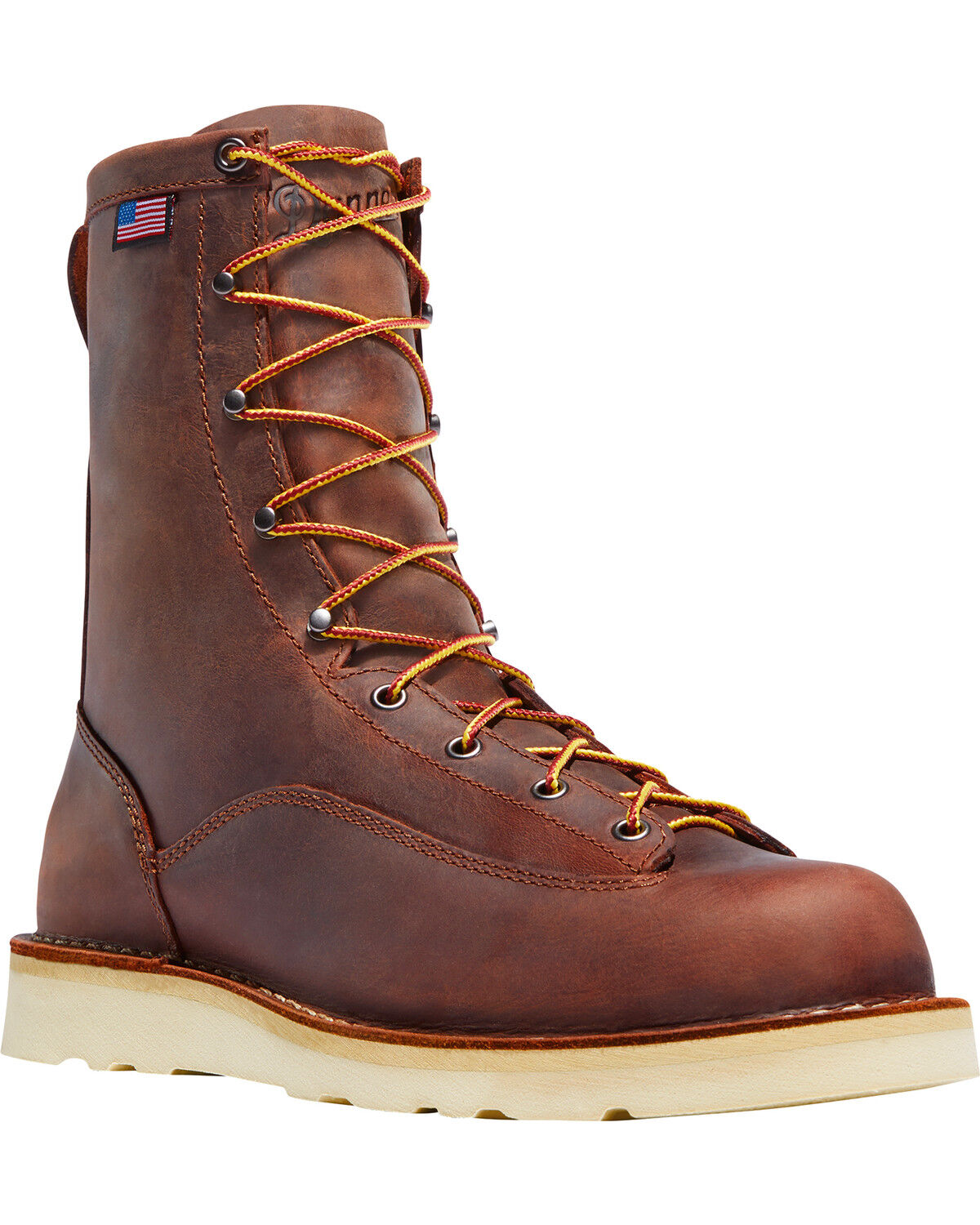
Men's Insulated Composite Toe Work Boots

Men’s insulated composite toe work boots pair added warmth with safety-toe protection for work in cold conditions. Browse the selection with your job requirements in mind, comparing fit, insulation, and listed safety ratings to find a pair suited to your workday.

Shop Your Store: Shop Your Store: Find a Store

(Turn off Shop Your Store to see all items)

(Turn off Shop Your Store to see all items)

close
  • Recommended
  • Lowest Price
  • Highest Price
Skip pass products

End of products

Men's Insulated Composite Toe Work Boots

Men’s insulated composite toe work boots combine thermal insulation with a protective, nonmetallic toe cap for work in cold conditions. They suit jobs that involve early starts on exposed construction sites, maintenance around unheated buildings, outdoor utility work, and long stretches on cold concrete. Composite safety toes use materials such as fiberglass, carbon fiber, or reinforced polymers to resist impact and compression. They generally conduct less heat and cold than steel toe caps, but that difference alone does not determine how warm a boot feels. Insulation, moisture control, sock choice, fit, and activity level all matter. A composite toe also does not mean the entire boot is metal-free; shanks, eyelets, and other components can contain metal. For jobs requiring protective footwear, the manufacturer’s safety markings should match the employer’s requirements. ASTM F2413 markings identify tested protective features, including impact and compression resistance, while additional ratings must be checked separately. Electrical hazard protection, for example, is not an automatic feature of every composite toe boot and does not replace other required safety measures. Insulation is commonly described by a gram weight rather than a guaranteed temperature rating. Around 400 grams can be a practical option for active work in moderately cold conditions, while 600 to 800 grams or more may suit colder environments or jobs with less movement. Those numbers are general comparisons, not promises of comfort at a particular temperature. A worker carrying materials across a jobsite generates more body heat than someone standing beside equipment for hours. Too much insulation for the workload can also trap excess warmth and leave socks damp. The right balance keeps warmth in without making a long shift unnecessarily bulky or uncomfortable. Cold-weather work boots need to account for the whole shift, including time outdoors, time inside a heated cab, and any periods spent standing still. That combination of exposure and movement often matters more than the lowest temperature alone.

Materials and construction help determine how insulated composite toe work boots hold up to daily wear. Full-grain leather is commonly used for its durability and ability to withstand repeated flexing, while leather combined with textile panels can change the boot’s weight, flexibility, and feel. Reinforced toe and heel areas can help limit wear from kneeling, climbing, and brushing against rough surfaces. Water-resistant leather and waterproof construction are different features. Treated leather can shed some moisture, while a waterproof membrane or other integrated barrier is designed to help prevent water from reaching the foot. Neither feature should be assumed from insulation alone. Water can still enter over the collar, and damaged seams or worn materials can compromise protection. For work around snow, slush, or wet ground, keeping the inside dry is an important part of maintaining warmth. Moisture from perspiration matters, too, making moisture-managing socks and breathable components useful even when outside temperatures are low. Underfoot, cushioning helps soften repeated steps, while supportive midsoles and shanks can improve stability on uneven ground. Outsole design should match the work surface. Deeper lugs can help grip loose ground, but tread can become packed with mud or snow. Slip-resistant compounds may improve traction on certain surfaces, yet no work boot is slip-proof, especially on ice. Oil resistance and abrasion resistance are separate qualities worth checking in the product details. Construction also affects flexibility and repair options; some welted designs can be resoled, while other constructions are not intended for that repair. Fit brings these features together. The toe box should allow natural toe movement without pressure against the safety cap, and the heel and midfoot should feel secure without pinching. Composite toe caps do not stretch to create extra room. Thick socks should not be used to fill a poorly fitting boot, and insulation should not crowd the foot. A snug, secure fit is different from a tight fit that restricts circulation. Trying boots with the socks intended for work gives a more useful sense of space and support. Lace-up designs offer adjustment through the foot and ankle, while pull-on designs depend more heavily on the shape and fit of the boot.

Regular care helps insulated work boots retain their comfort and protective function. Mud and grit left on leather can wear at flex points and stitching, while road salt can leave residue that needs prompt cleaning. A soft brush and a damp cloth are often enough for routine surface cleaning, with leather cleaners and conditioners used according to the boot manufacturer’s directions. Conditioning helps keep leather from becoming dry and stiff, but the treatment should be compatible with the finish and any waterproof components. Waterproofing treatments are not a substitute for repairing damaged construction. After a wet shift, boots need time to dry thoroughly away from direct heat. Placing them beside a heater or using excessive heat can damage leather, adhesives, and internal materials. Removable footbeds can be taken out when the design allows, helping trapped moisture escape. Rotating between pairs can also give the interiors more time to dry between shifts. Daily wear deserves attention beyond the leather: worn tread, loose stitching, damaged lining, and a footbed that has lost support can all affect performance. A boot that has taken a serious impact or compression load may need replacement even when damage to the safety toe is not obvious. Manufacturer guidance and workplace rules should determine whether it remains suitable for use. For men who spend much of the day walking, overall boot weight is another consideration alongside warmth and protection. Related men’s ultra light composite toe work boots put reduced weight into focus, with insulation and required safety ratings checked separately. Insulated protective boots can also make a practical gift for someone who works outdoors, provided the recipient’s size, preferred fit, and job requirements are known. The strongest choice is not simply the heaviest insulation or the tallest shaft. It is a boot that matches the work, fits comfortably with the right socks, and provides the documented protection the job requires.

FAQs