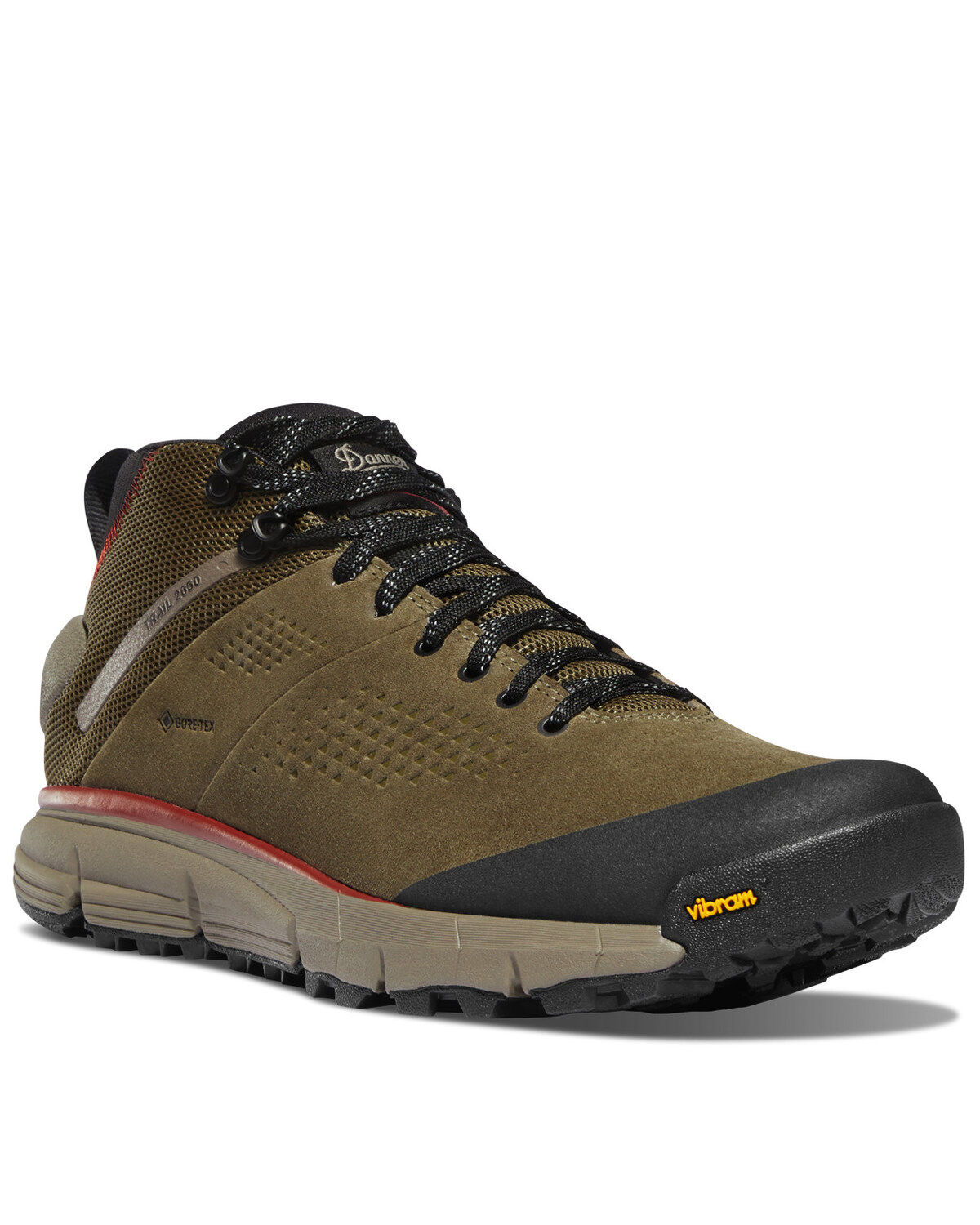
Casual Cowboy Boots

Shop casual cowboy boots for everyday wear, from days around town to casual nights out. Browse the selection for western boots that pair well with jeans and suit your personal style.

Shop Your Store: Shop Your Store: Find a Store

(Turn off Shop Your Store to see all items)

(Turn off Shop Your Store to see all items)

close
  • Recommended
  • Lowest Price
  • Highest Price
Skip pass products

End of products

Casual Cowboy Boots

Casual cowboy boots bring traditional western design to everyday footwear, with comfort and versatility suited to regular wear. They keep familiar details such as pull-on shafts, shaped toes, angled or straight heels, and stitched uppers, while offering a range of materials and constructions for different preferences. Some have shorter shafts and flexible soles; others carry the taller profile and firmer structure associated with classic cowboy boots. Casual describes their intended use, not one fixed shape. A pair worn with jeans to dinner may look different from one chosen for a long day spent walking between the office, errands, and a family gathering. Rounded toes give a familiar, understated look, while square toes create a broader outline. More tapered shapes have a sharper appearance, though toe shape alone does not determine how much room a boot provides. Heel height changes both the profile and the feel underfoot. A lower heel can feel familiar to someone moving from everyday shoes into western boots, while a taller heel gives a more pronounced western stance. Plain leather keeps the emphasis on shape and texture. Contrasting stitching, tooled details, and distressed finishes add character without needing much else in an outfit. Brown, tan, and black are straightforward choices alongside denim, cotton shirts, and simple jackets. Pull-on shafts usually sit beneath the pant leg, so the opening needs enough room to fall over the boot without catching. Casual Cowboy Style Jeans pair naturally with these silhouettes, particularly when the leg opening clears the shaft and the hem does not drag beneath the heel. For men and women who prefer western footwear beyond dress occasions, casual cowboy boots offer a practical way to keep that style part of an ordinary day.

Materials and construction make a noticeable difference in how casual western boots feel over time. Full-grain leather retains the hide’s natural surface and can develop visible character with wear. It may feel firm at first, particularly around the shaft and instep, before gradually conforming to the foot. Suede has a napped surface and a softer visual texture, but it needs different cleaning methods than smooth leather. Synthetic uppers offer another option, with flexibility and care requirements that depend on the material. Linings matter as well: a smooth interior helps the foot slide into place, while rough seams or pressure points can become distracting during extended wear. Underfoot, cushioning can soften the step, but a thick footbed does not correct a poor fit. Arch support, sole flexibility, and the shape of the footbed all contribute to comfort. Removable insoles, where included, allow more adjustment than fixed footbeds, though replacing an insole can also change the space inside the boot. Leather outsoles provide a traditional construction and feel. Rubber outsoles can offer flexibility and grip, depending on their compound and tread pattern. Traction still varies by surface, and a western appearance does not establish suitability for riding, jobsite hazards, or other specialized use. Those activities call for footwear with the appropriate construction and stated features. For everyday wear, fit starts with a secure instep, enough room across the ball of the foot, and toes that can move without being squeezed. A small amount of heel movement can occur in a new pull-on boot, but persistent rubbing or a foot sliding forward signals a fit problem. The widest part of the foot should align with the widest part of the boot. Extra length inside a tapered toe is part of the shape, not an invitation to size down until the toes feel cramped. Trying boots with the socks intended for regular wear gives a more useful sense of fit than relying on the size alone. Fit can vary between constructions, even when the marked size matches.

Durability comes from the combination of materials, construction, fit, and regular care. Reinforced stitching and secure sole attachment matter more than decorative detail when judging how a boot will hold up to repeated wear. Some welted constructions can be resoled by a qualified repair shop, depending on the boot’s design and condition. Other constructions may not allow the same repairs, so repairability is worth considering for footwear intended to stay in regular rotation. Smooth leather generally benefits from loose dirt being brushed away before cleaning, followed by a suitable conditioner when needed. Too much conditioner can darken or oversoften some leathers, and any treatment should be tested in a discreet spot first. Suede needs a brush and cleaning products intended for its surface rather than the creams used on smooth leather. Decorative finishes and specialty leathers may require their own care methods. After wear, allowing boots to air out helps the interior dry between uses. If they get wet, gentle drying away from direct heat helps protect the upper and its shape. Stuffing the foot lightly with clean, absorbent paper can help draw out moisture without forcing the leather out of position. Boot trees or shaft supports can help maintain shape during storage, and a boot jack makes removal easier without repeatedly pressing one heel against the other. Worn heel edges, loose stitching, and separating soles deserve attention before a small repair becomes a larger one. Casual cowboy boots can also make a useful gift for someone who already enjoys western style, especially when the recipient’s preferred toe shape, heel height, and fit are known. For a first pair, familiar colors and restrained stitching are easy to wear with an existing wardrobe. Whether chosen for daily errands, relaxed gatherings, or an office where western footwear fits the dress code, the strongest choice is a boot that feels secure, suits the wearer’s routine, and can be cared for consistently.

FAQs