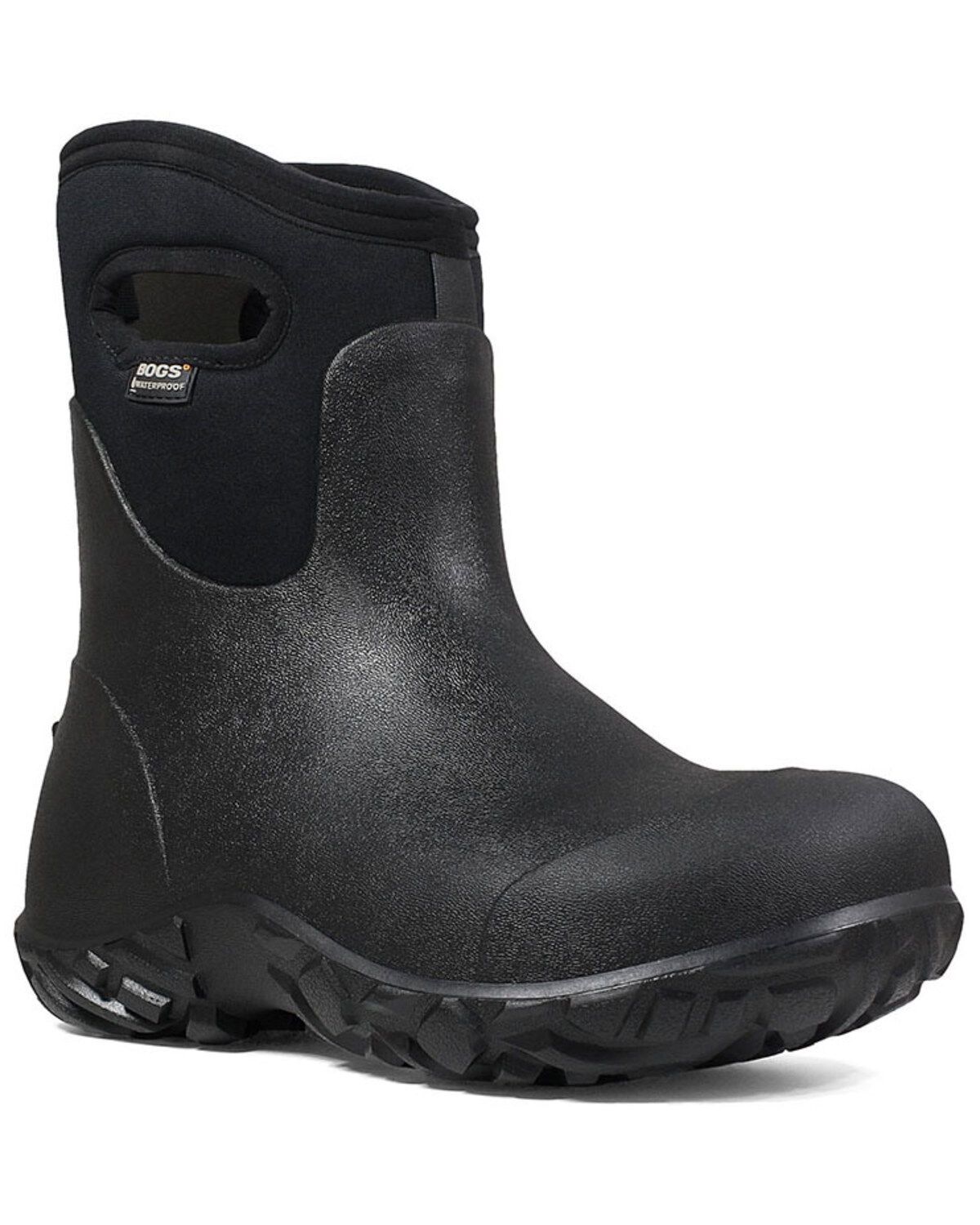
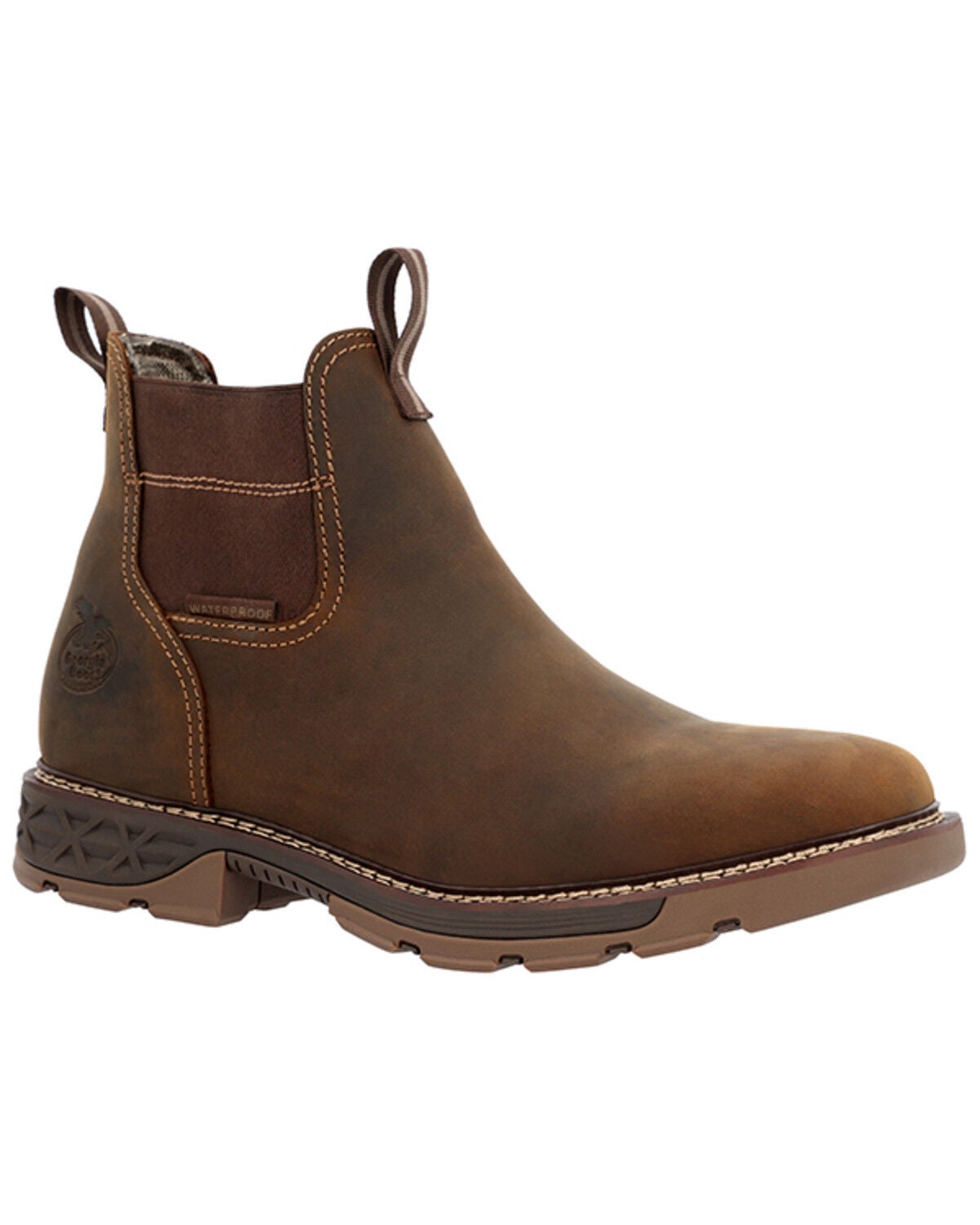
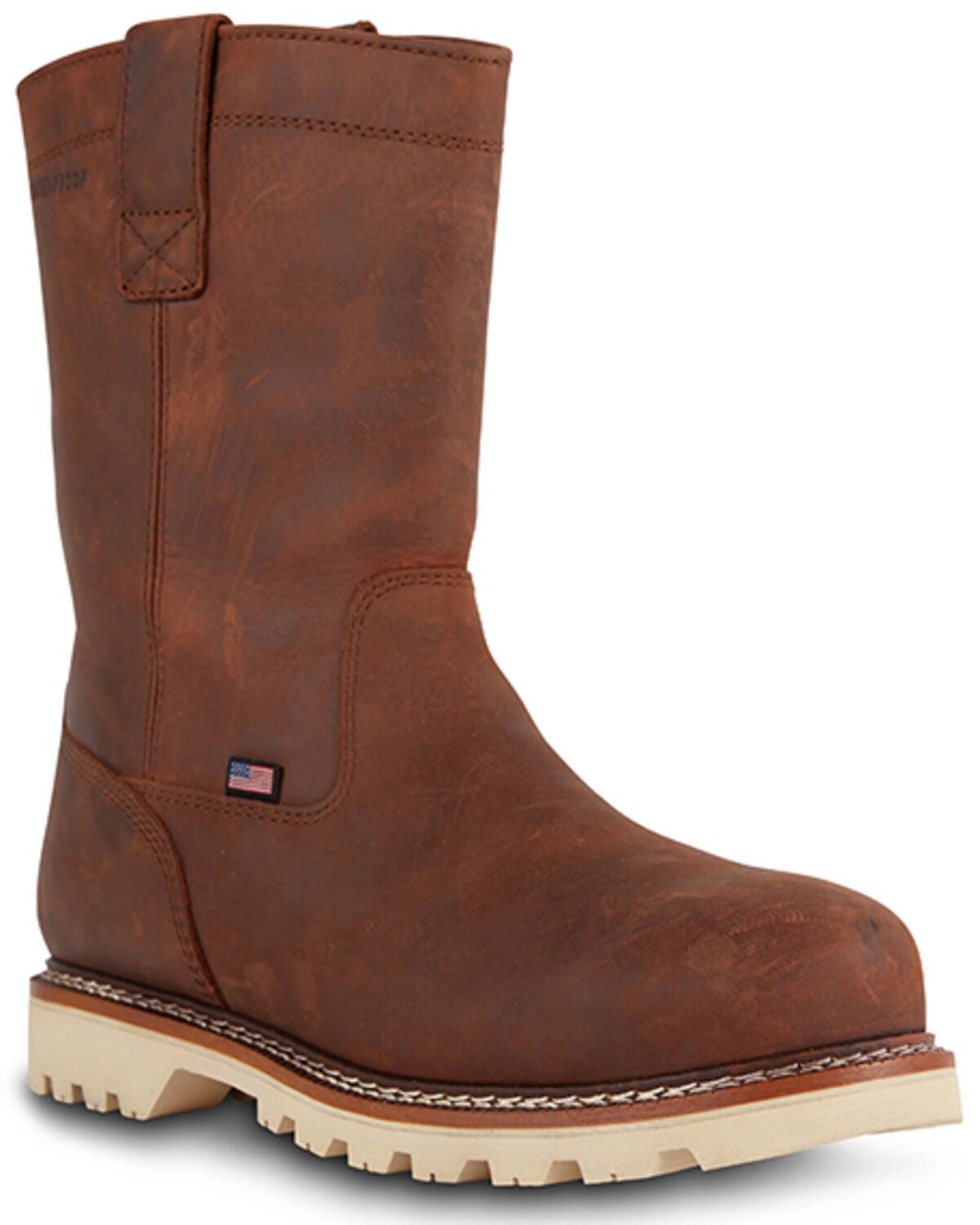
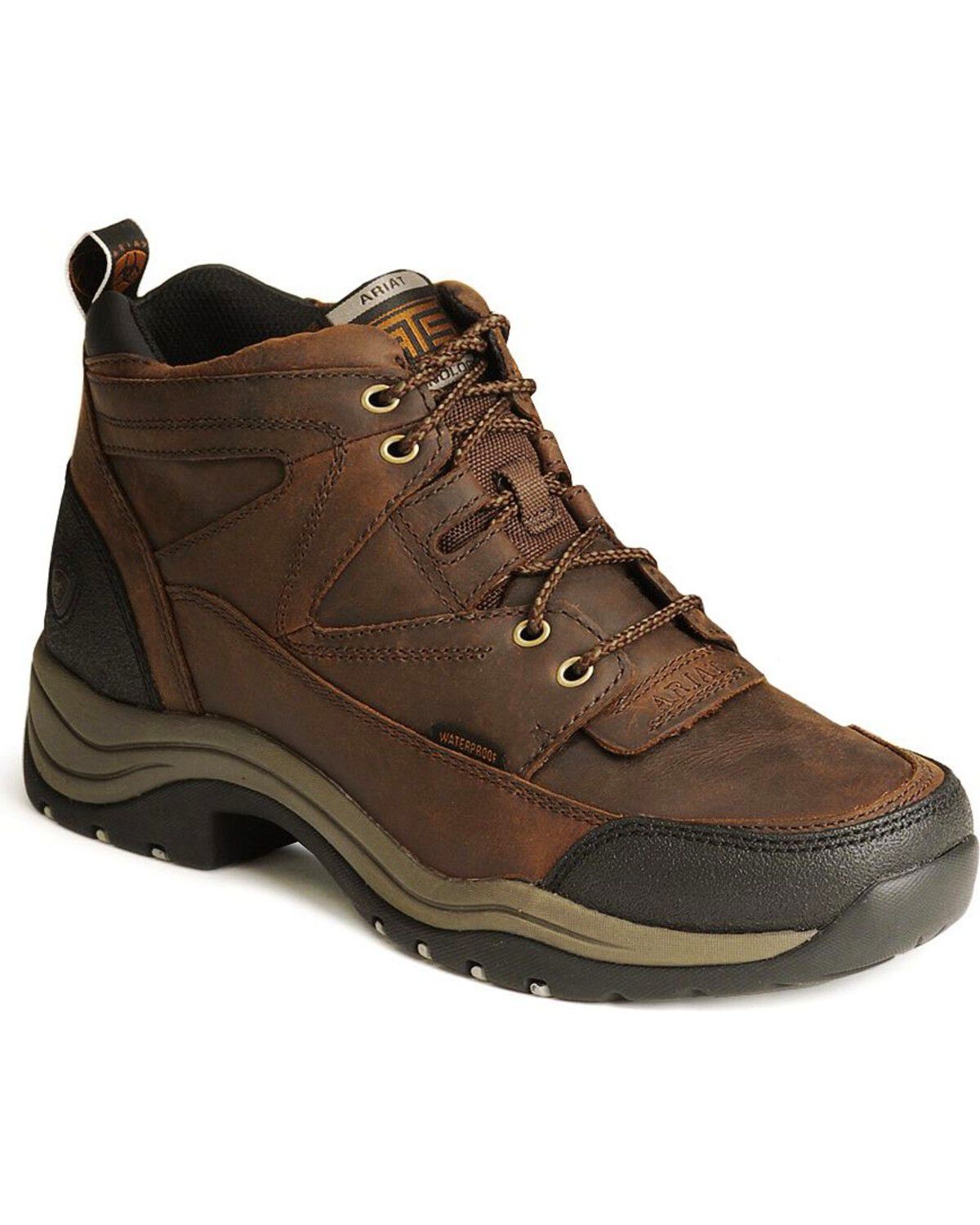
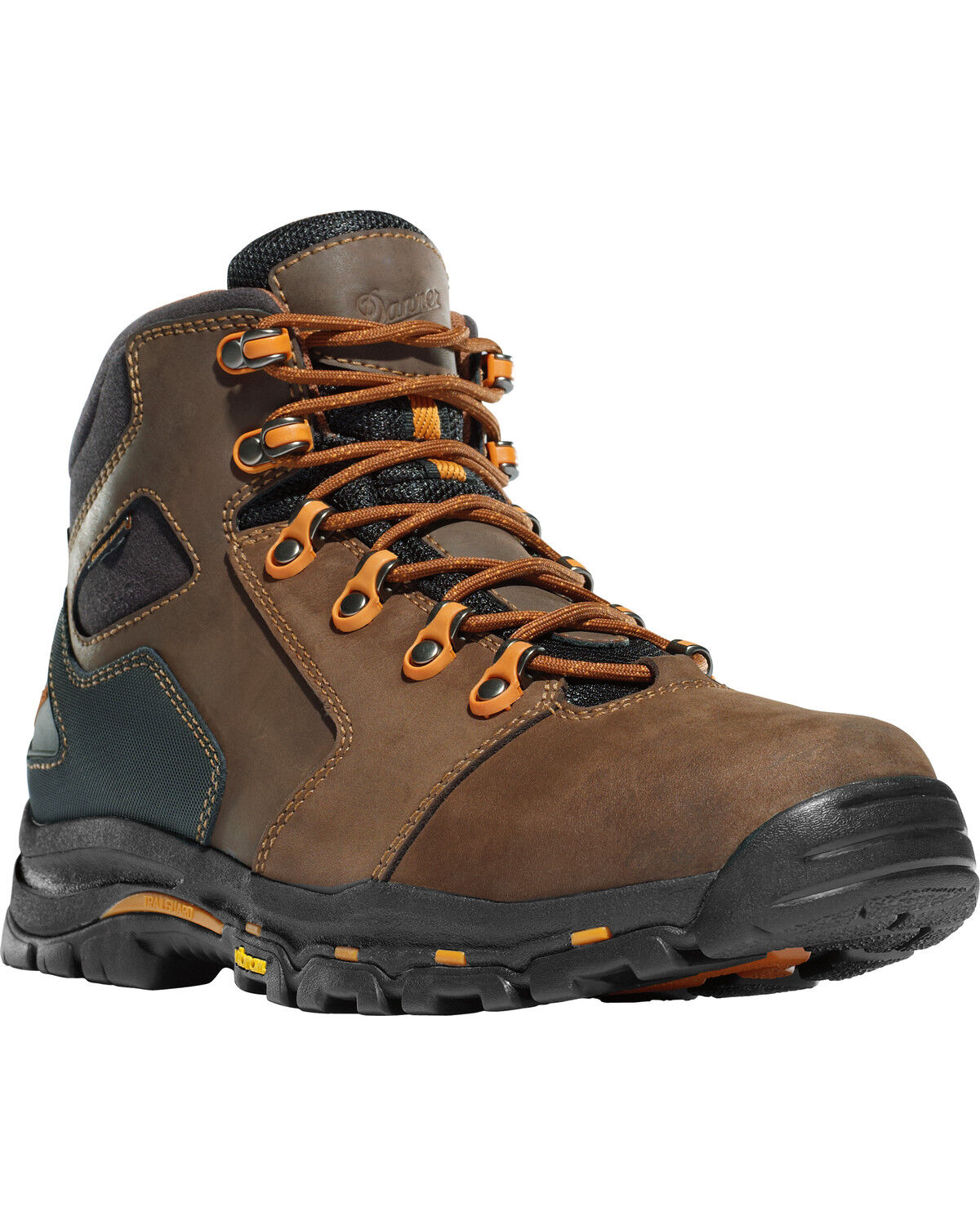
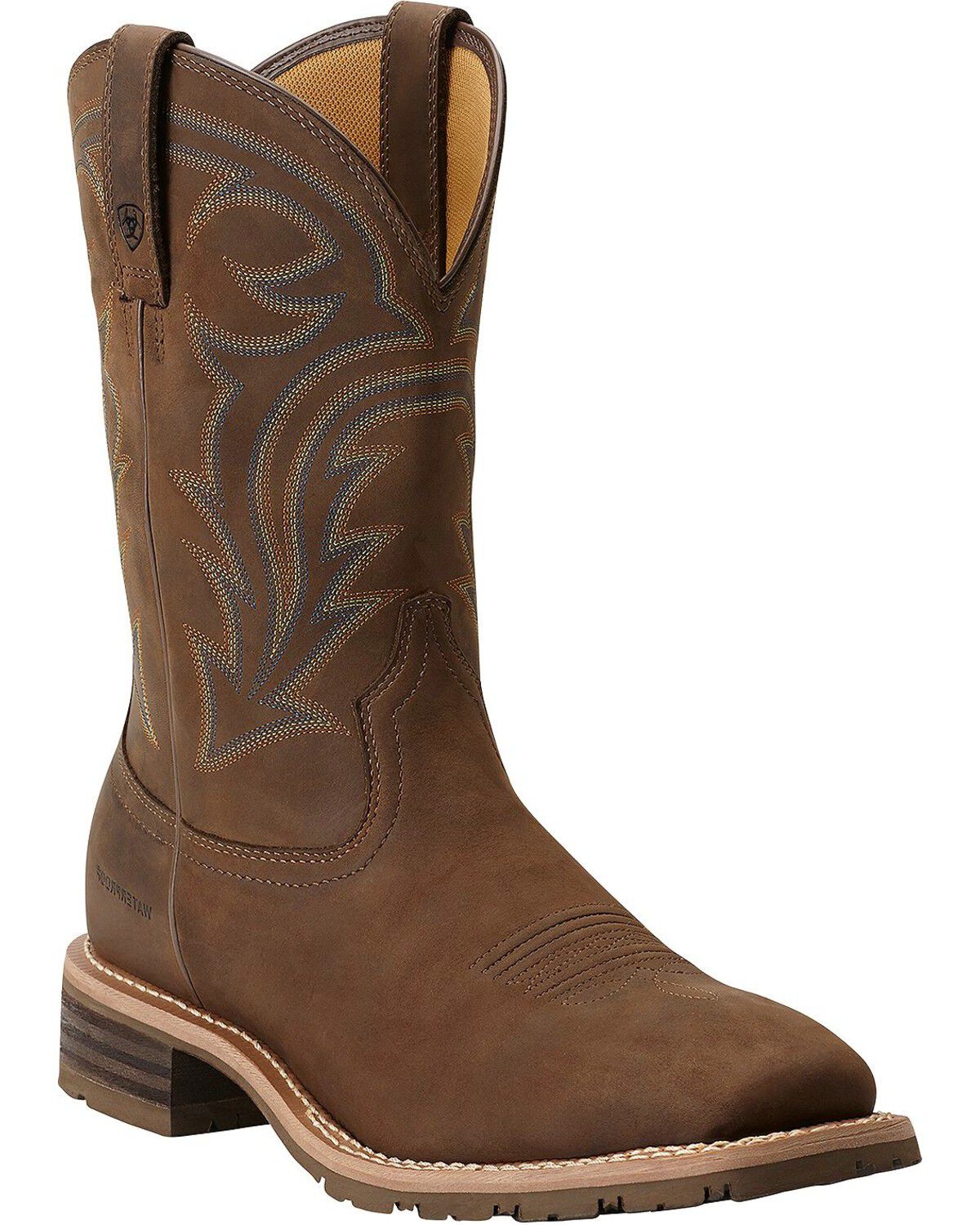
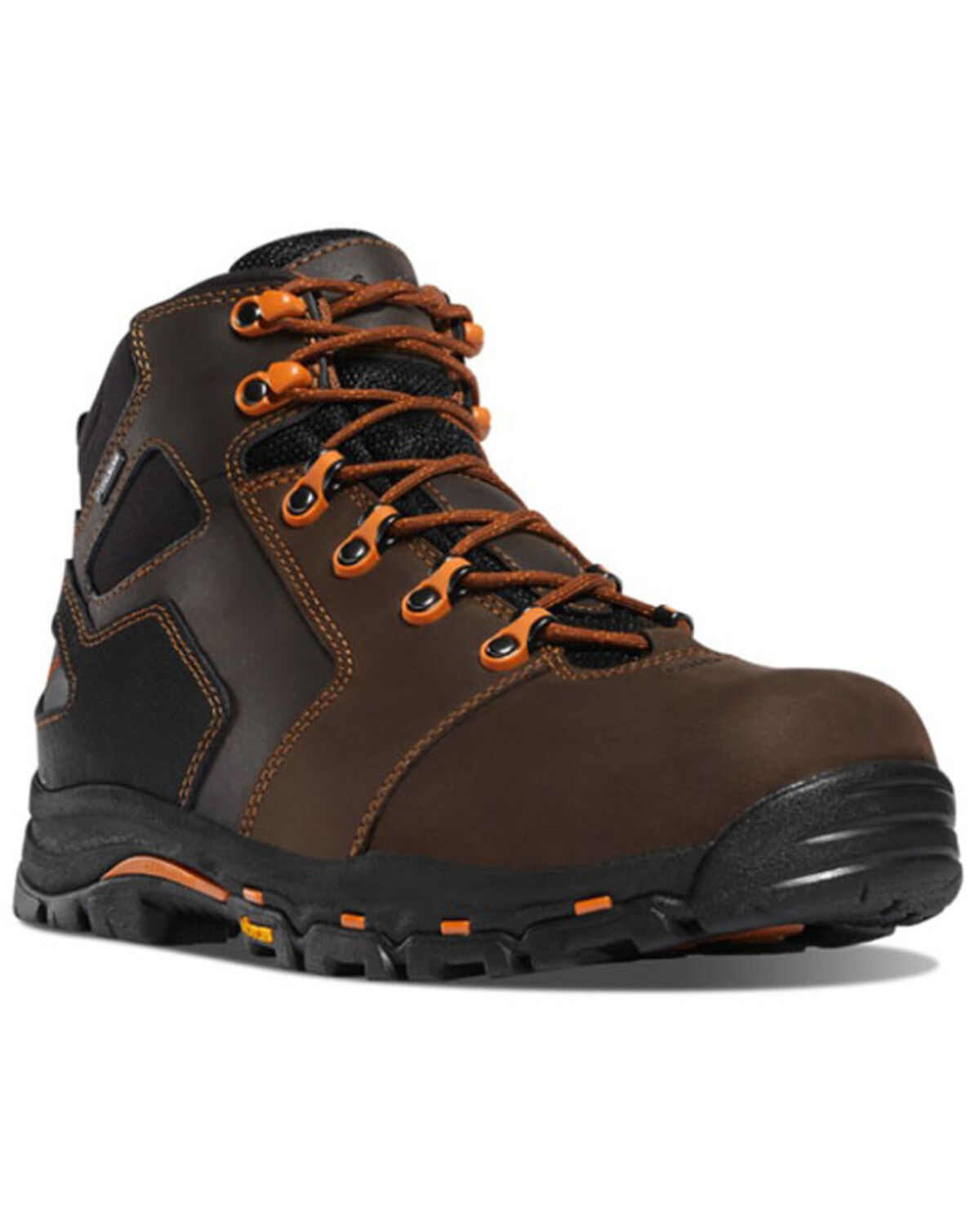
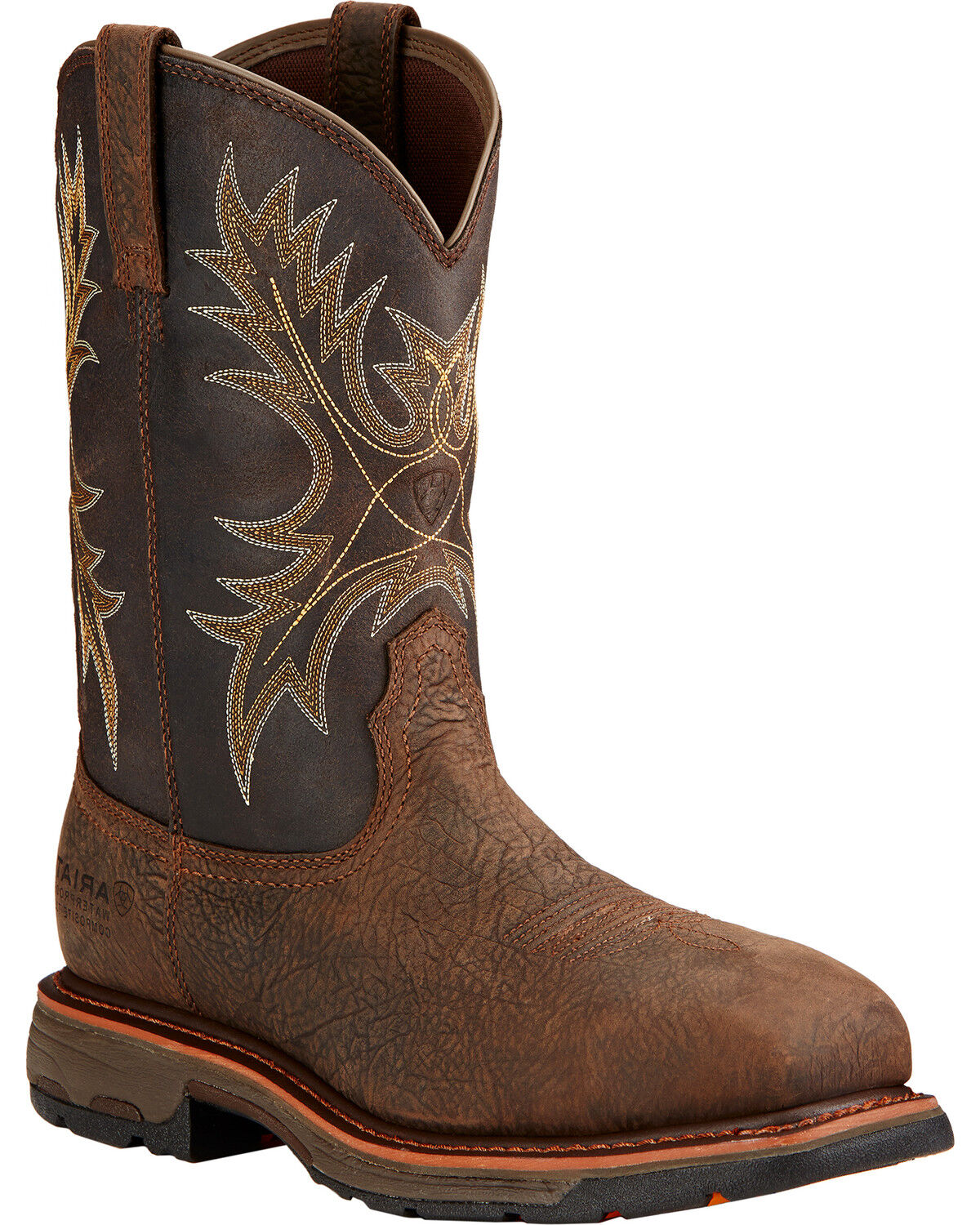
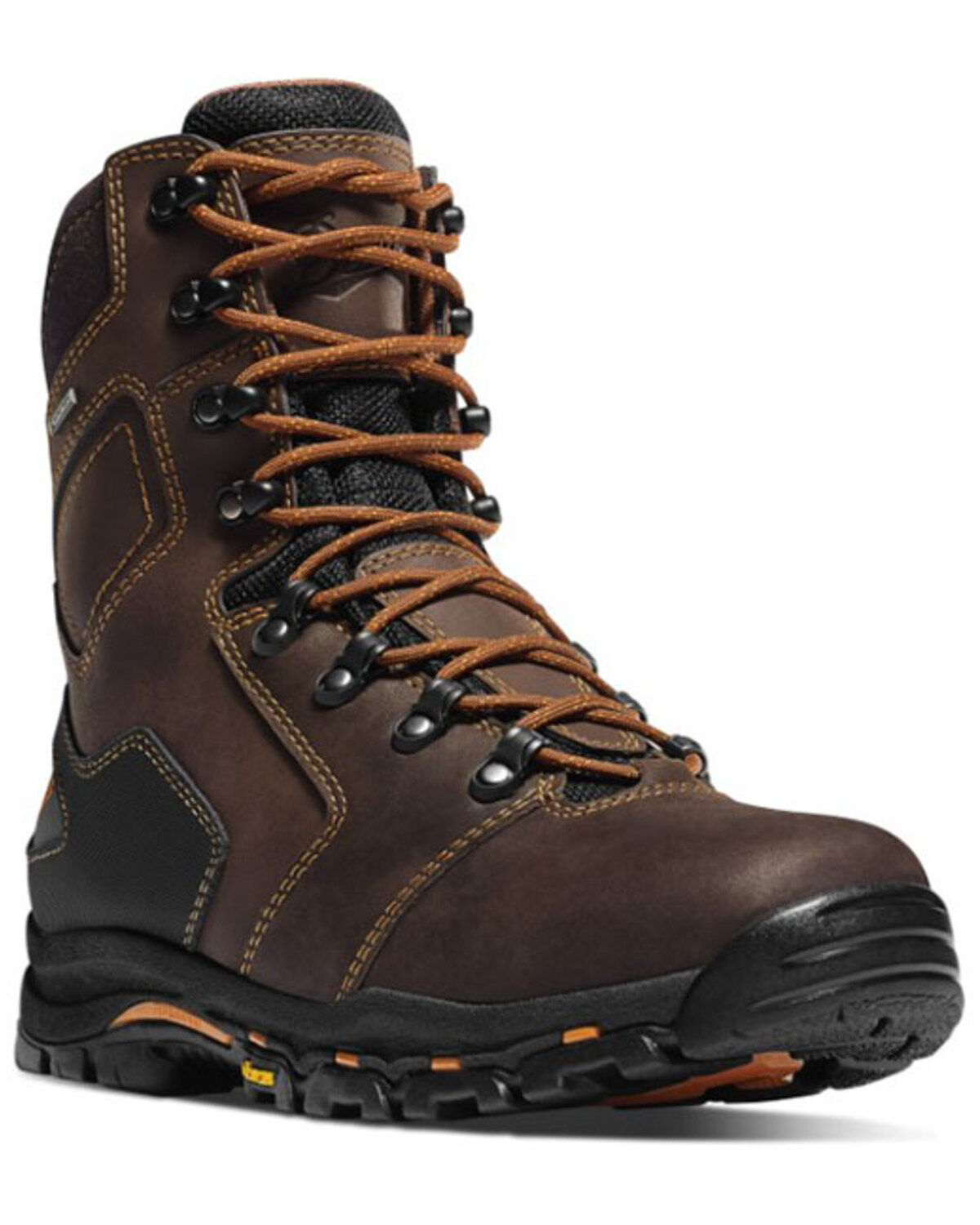
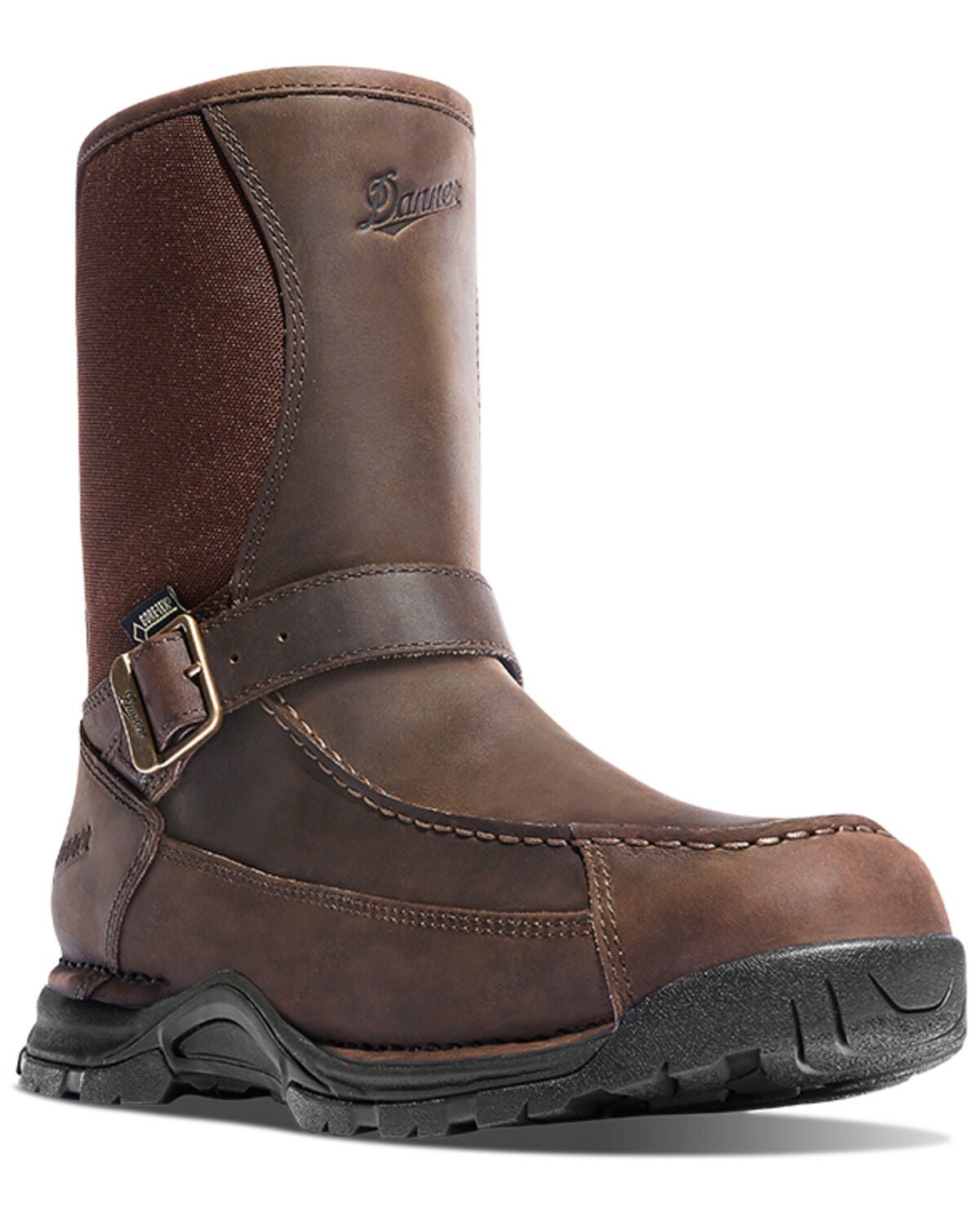
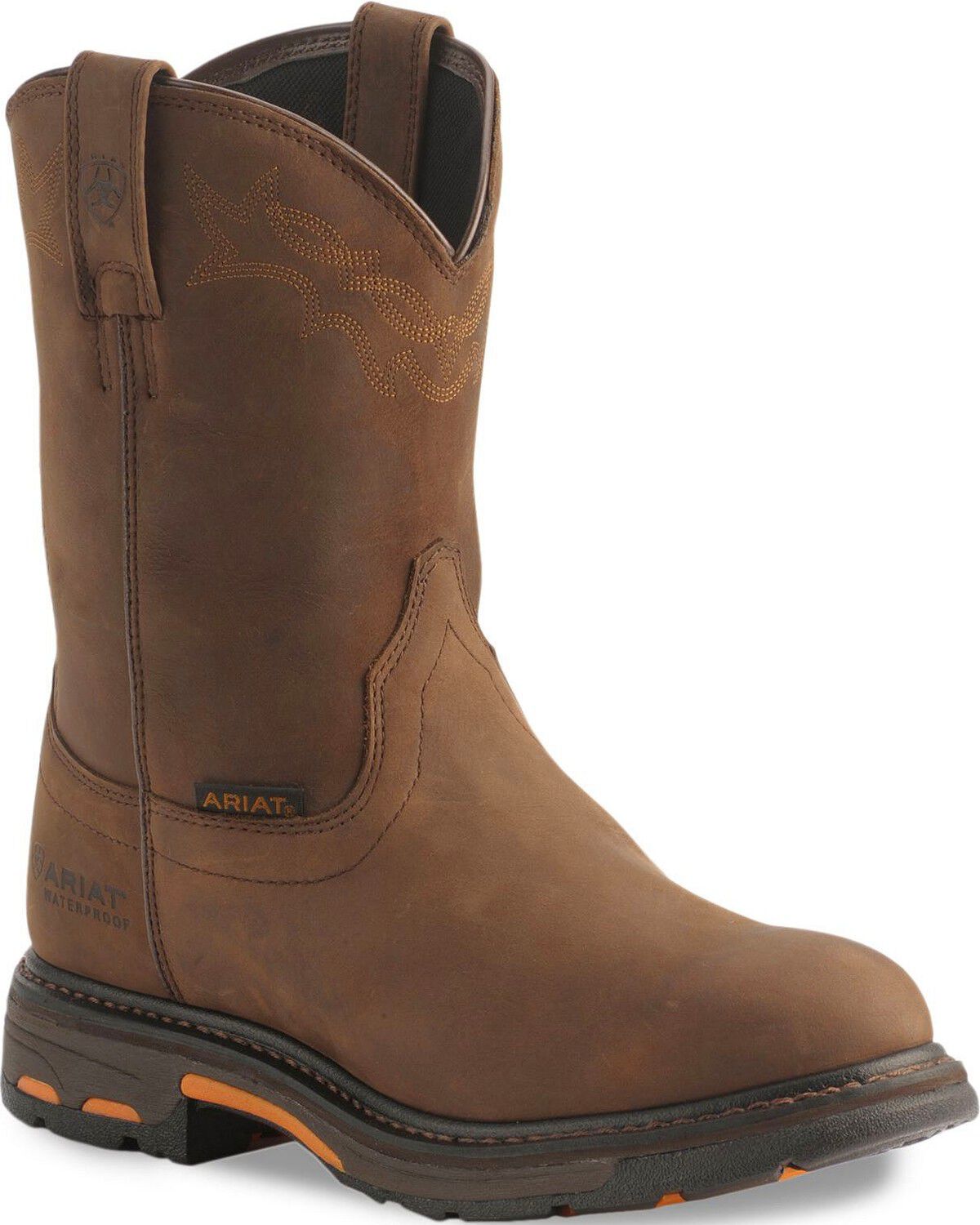
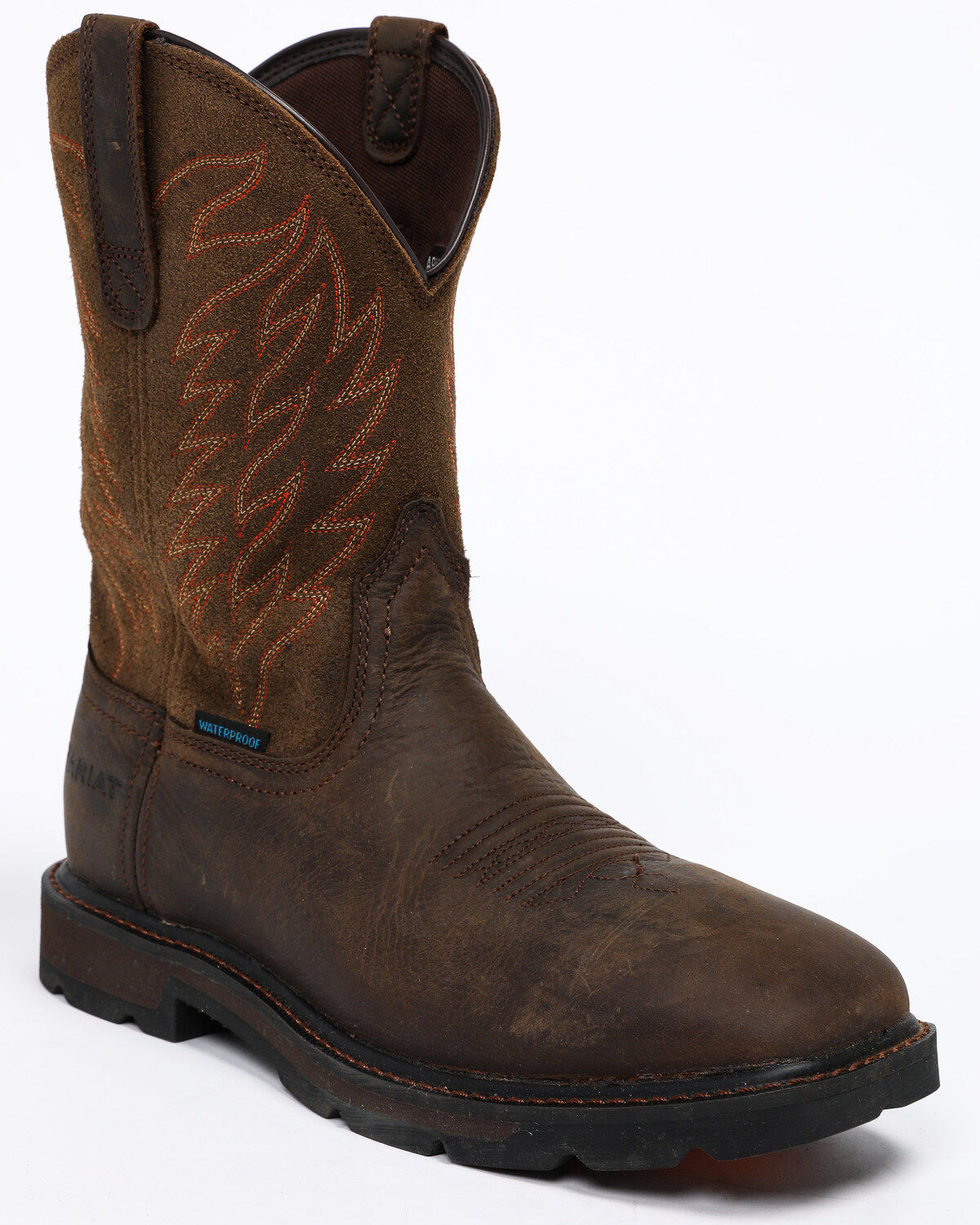
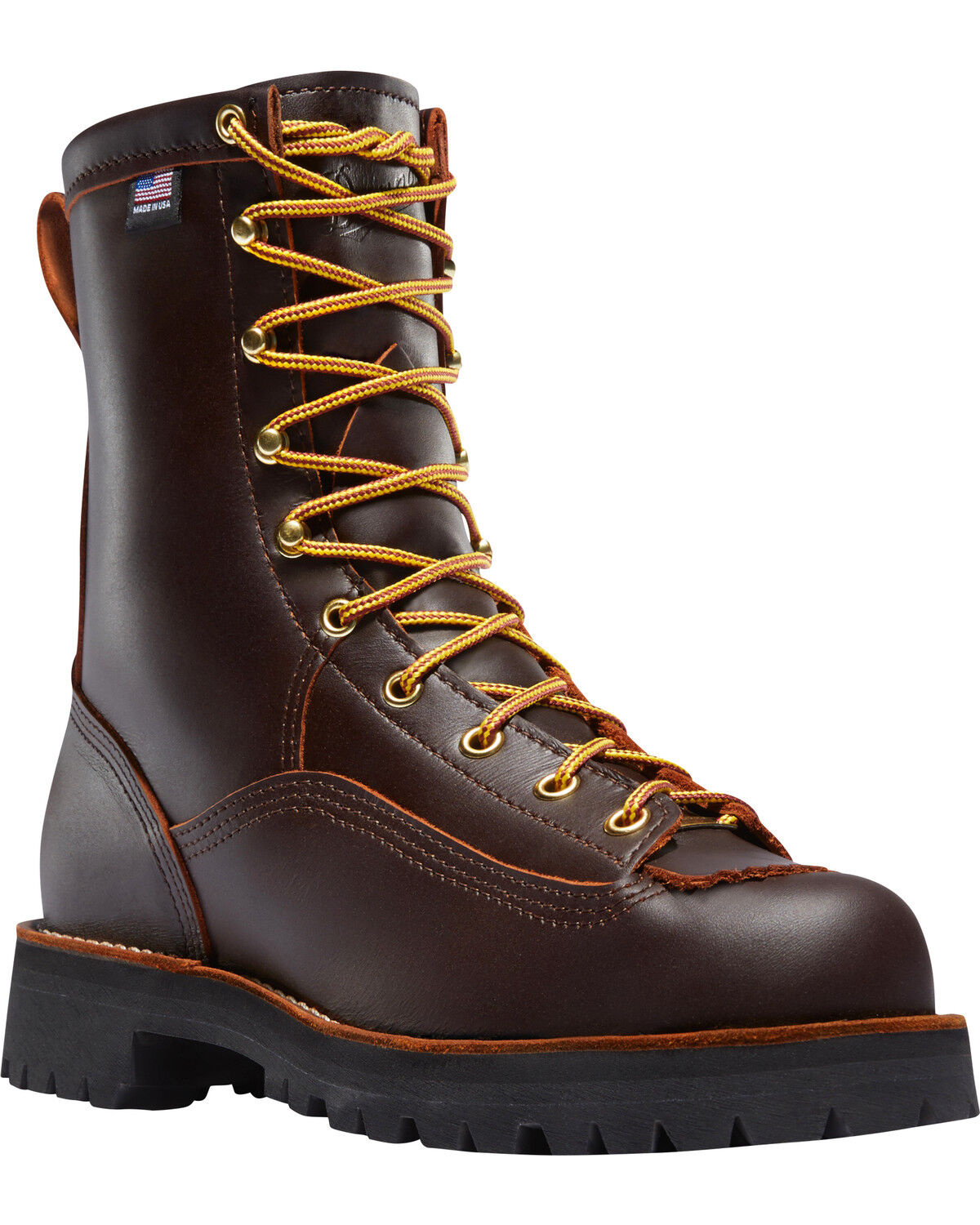
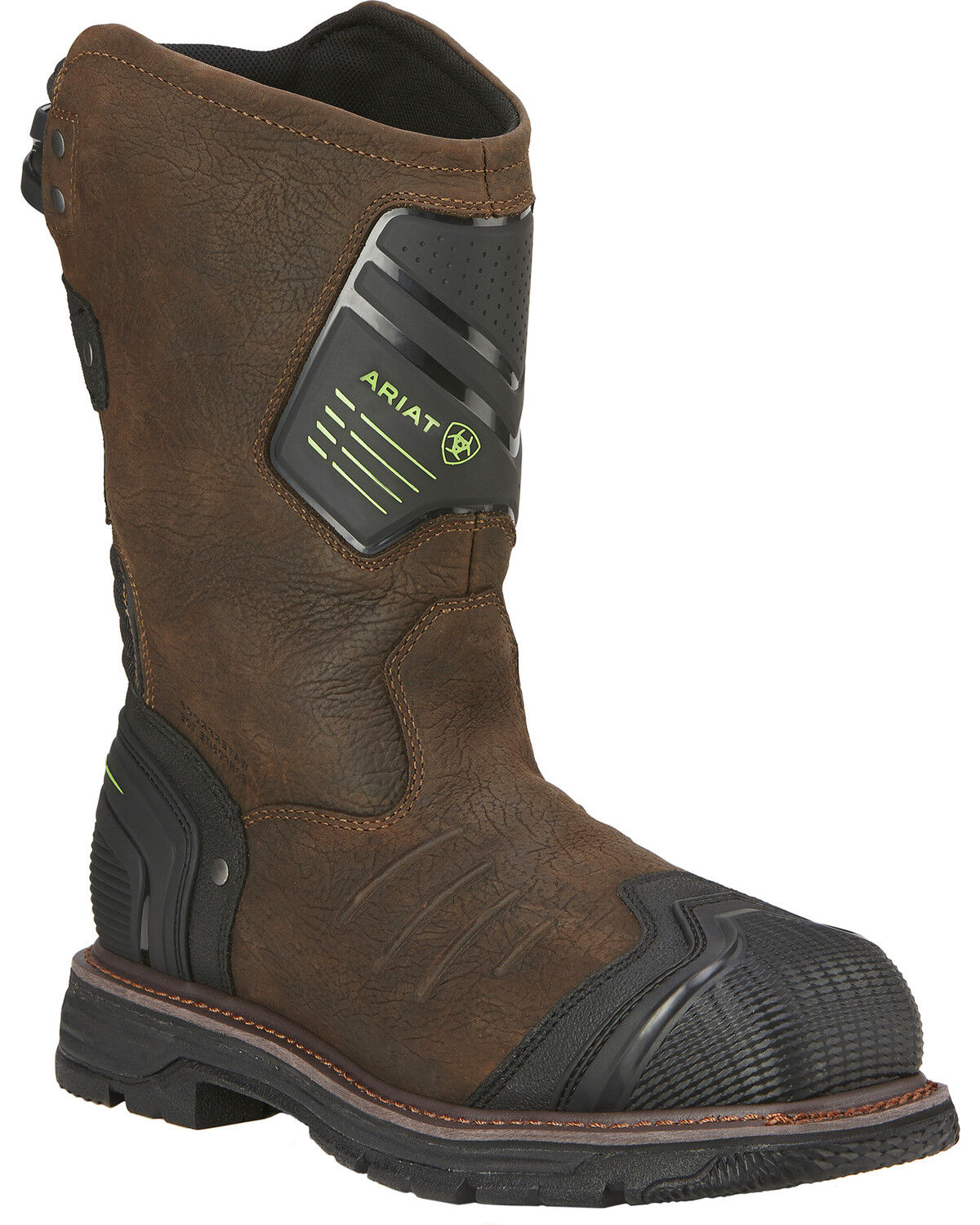
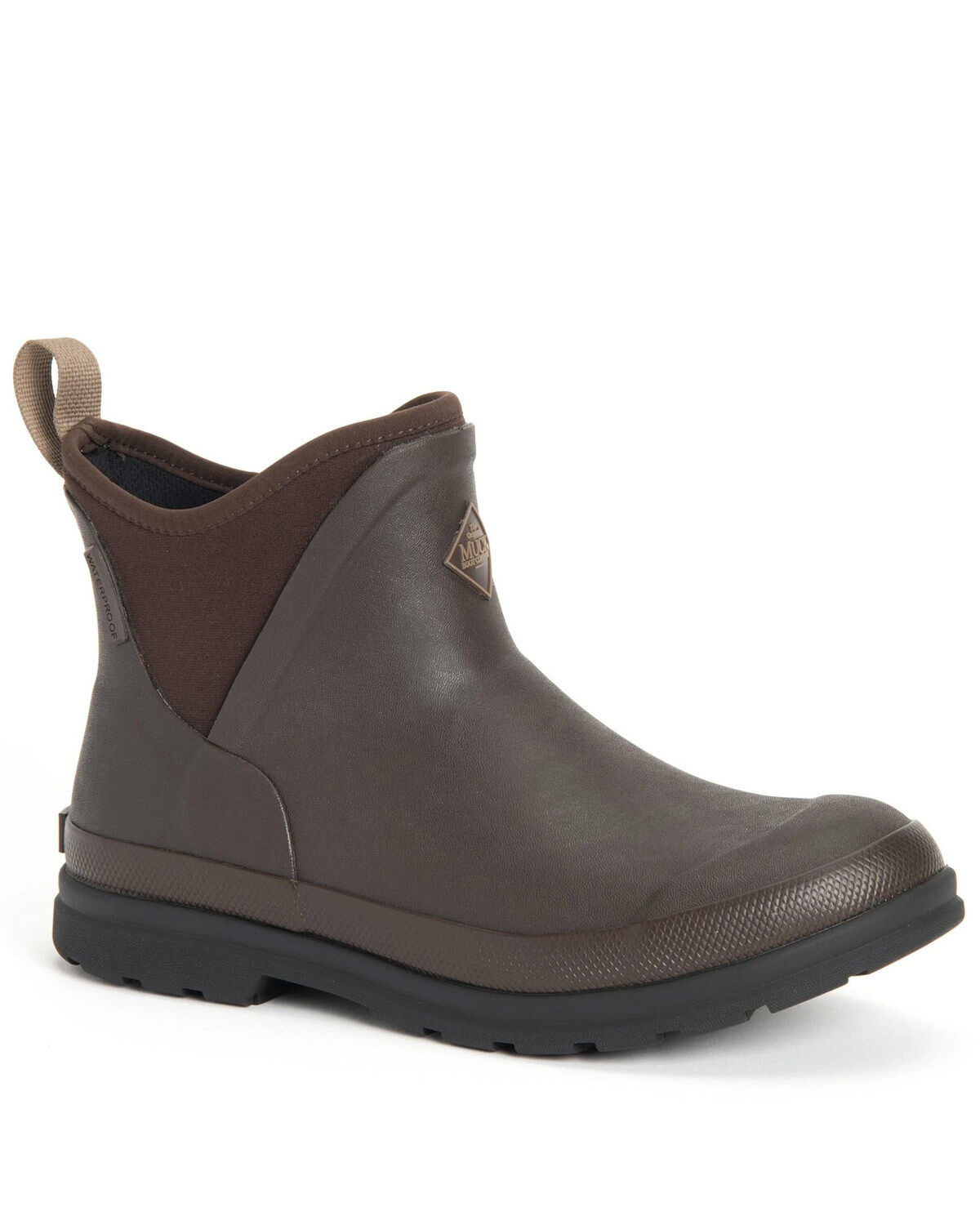
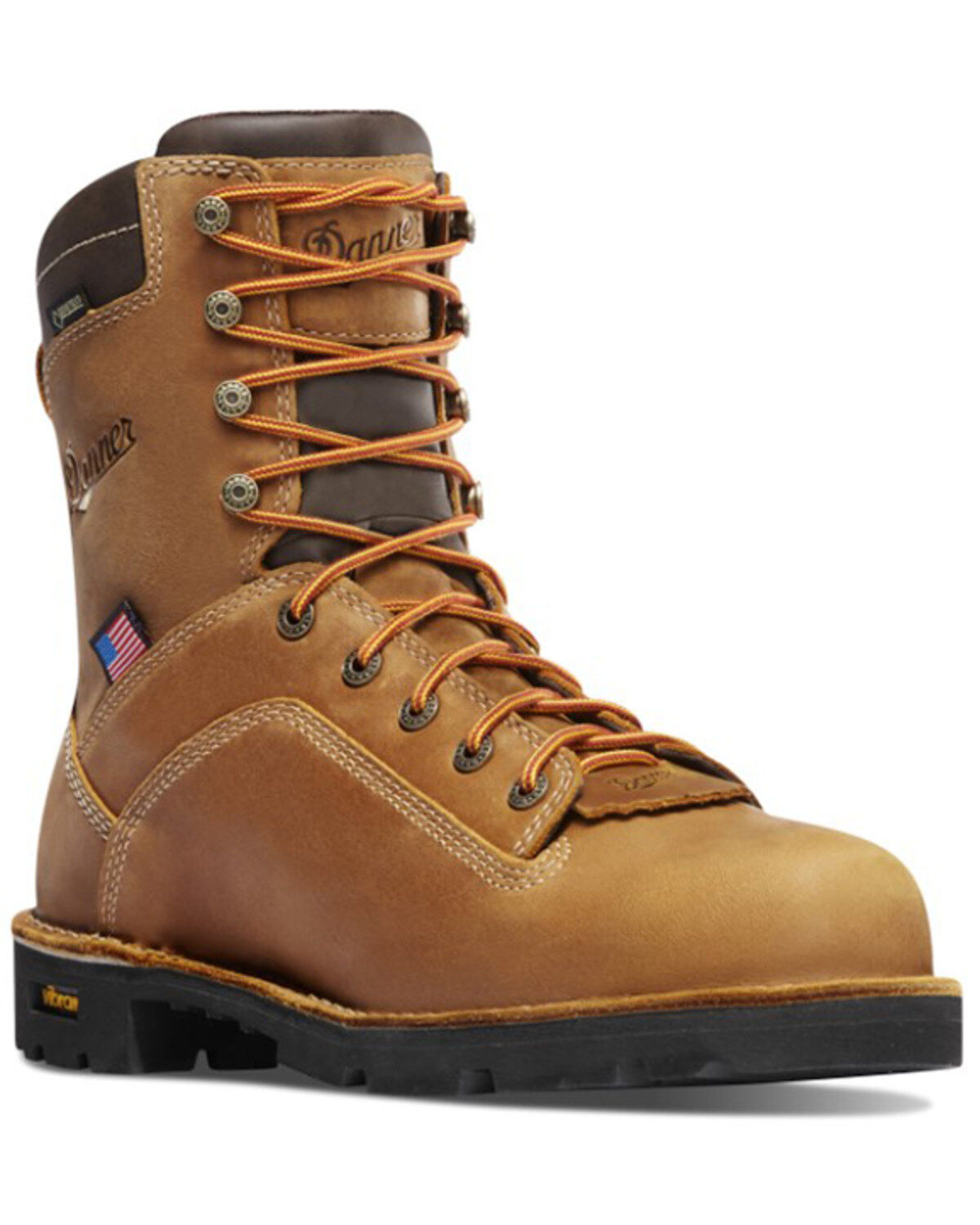
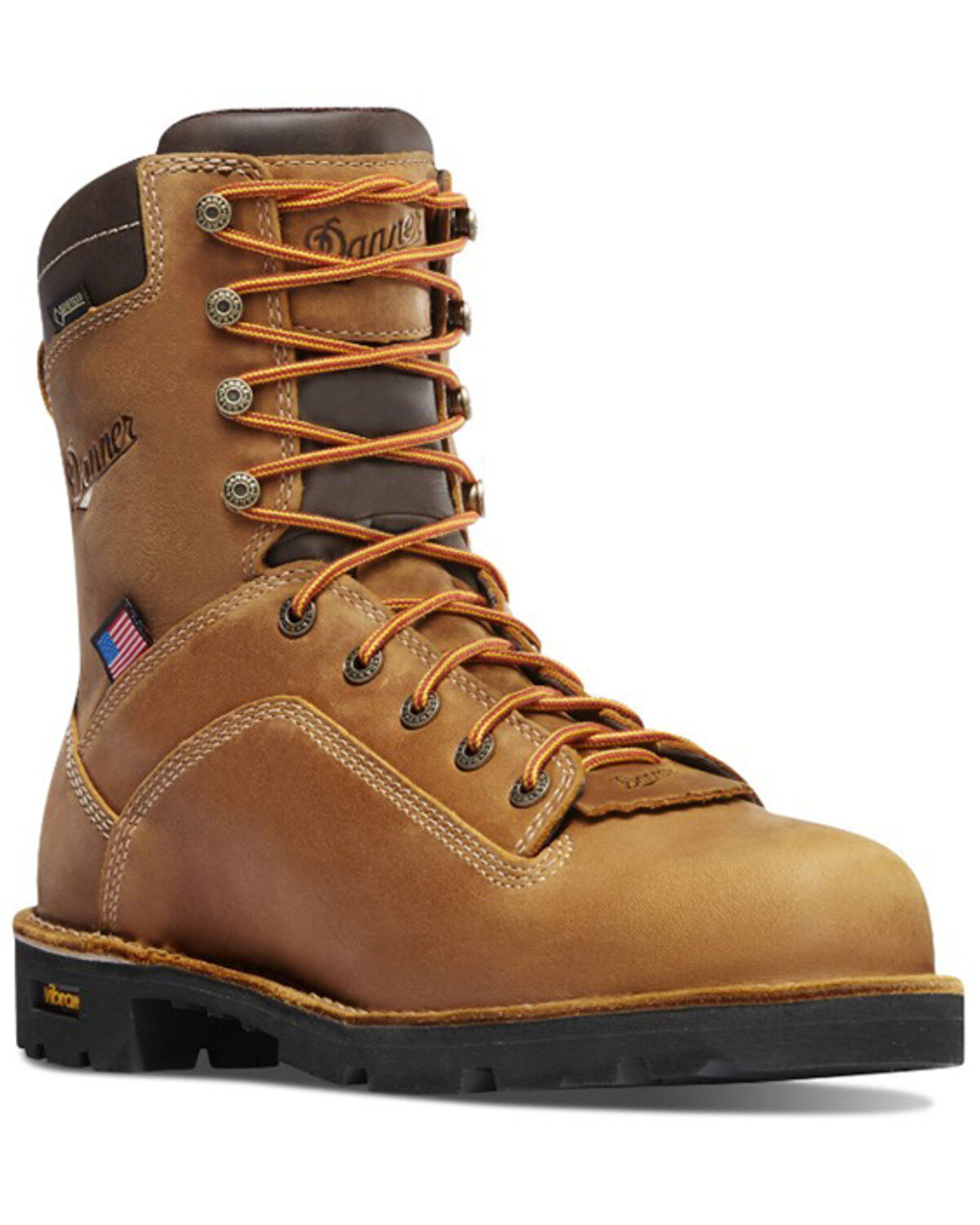
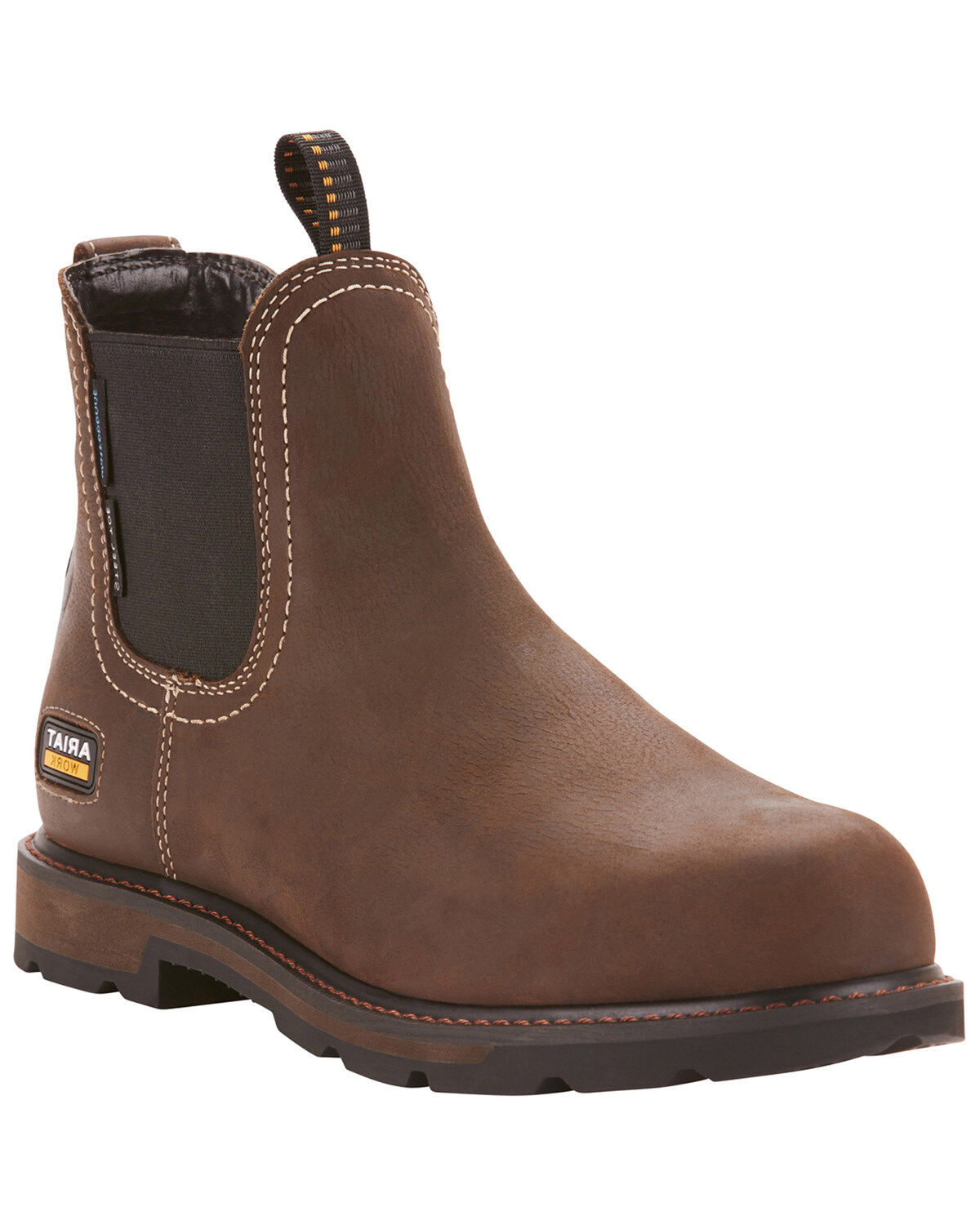
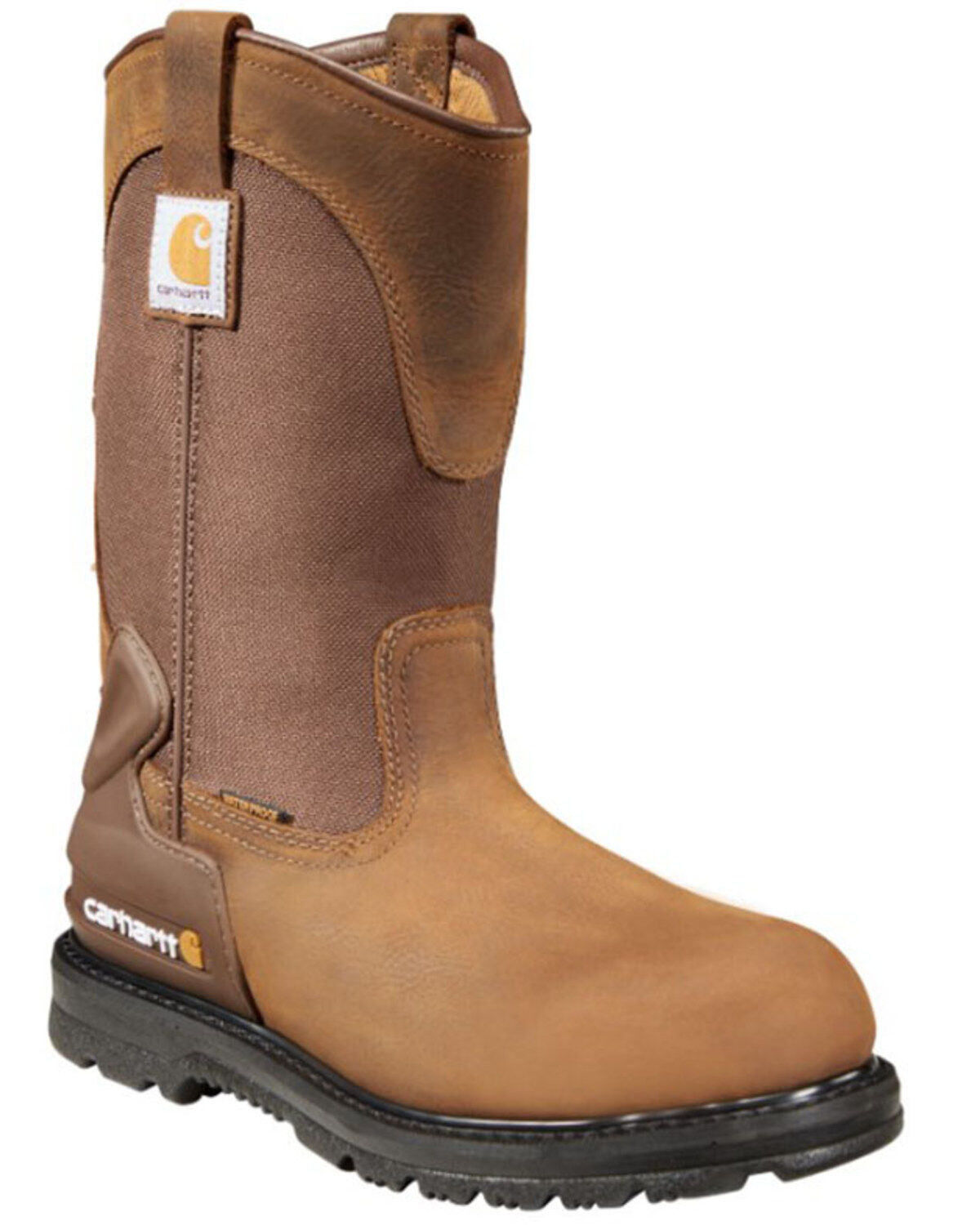
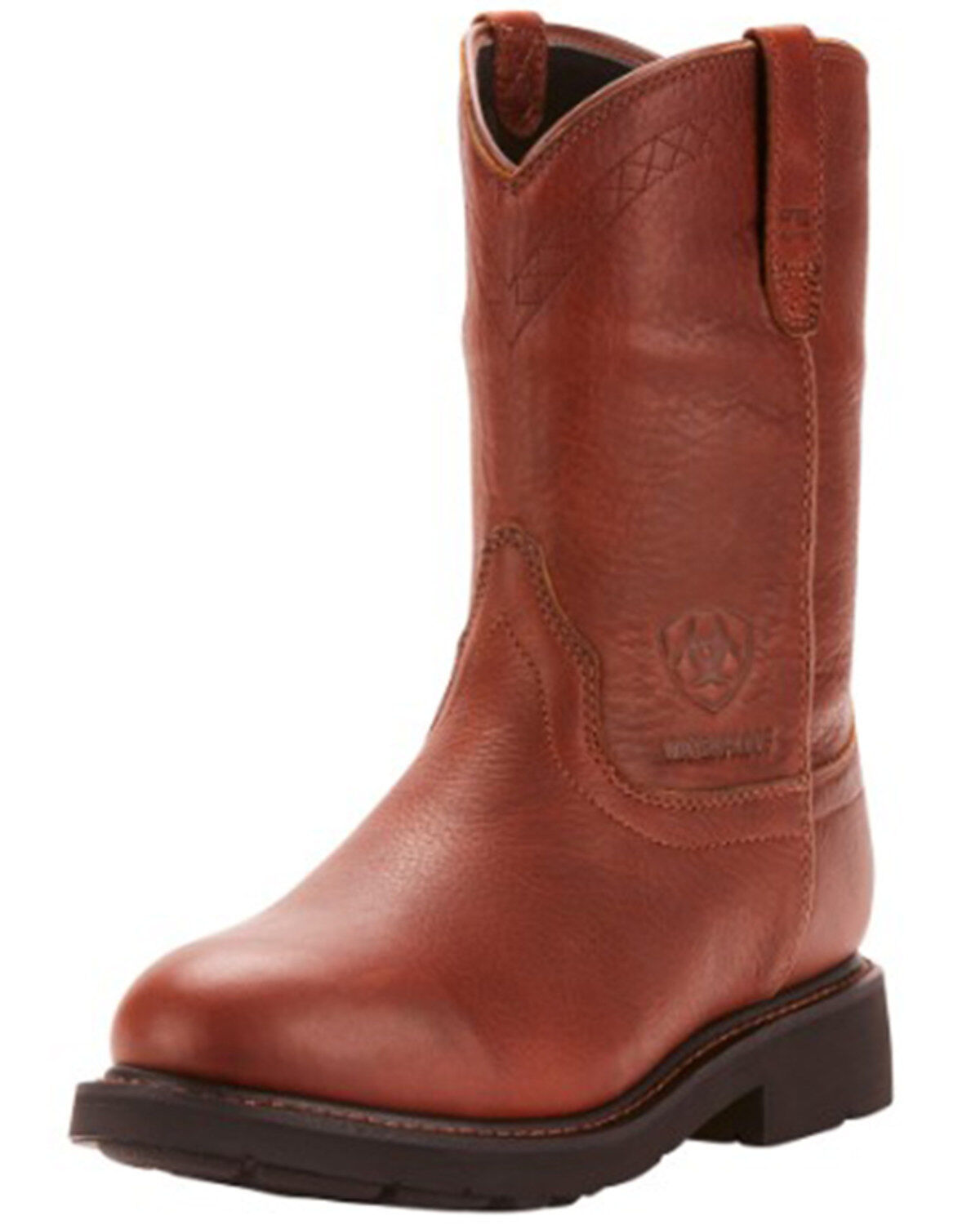
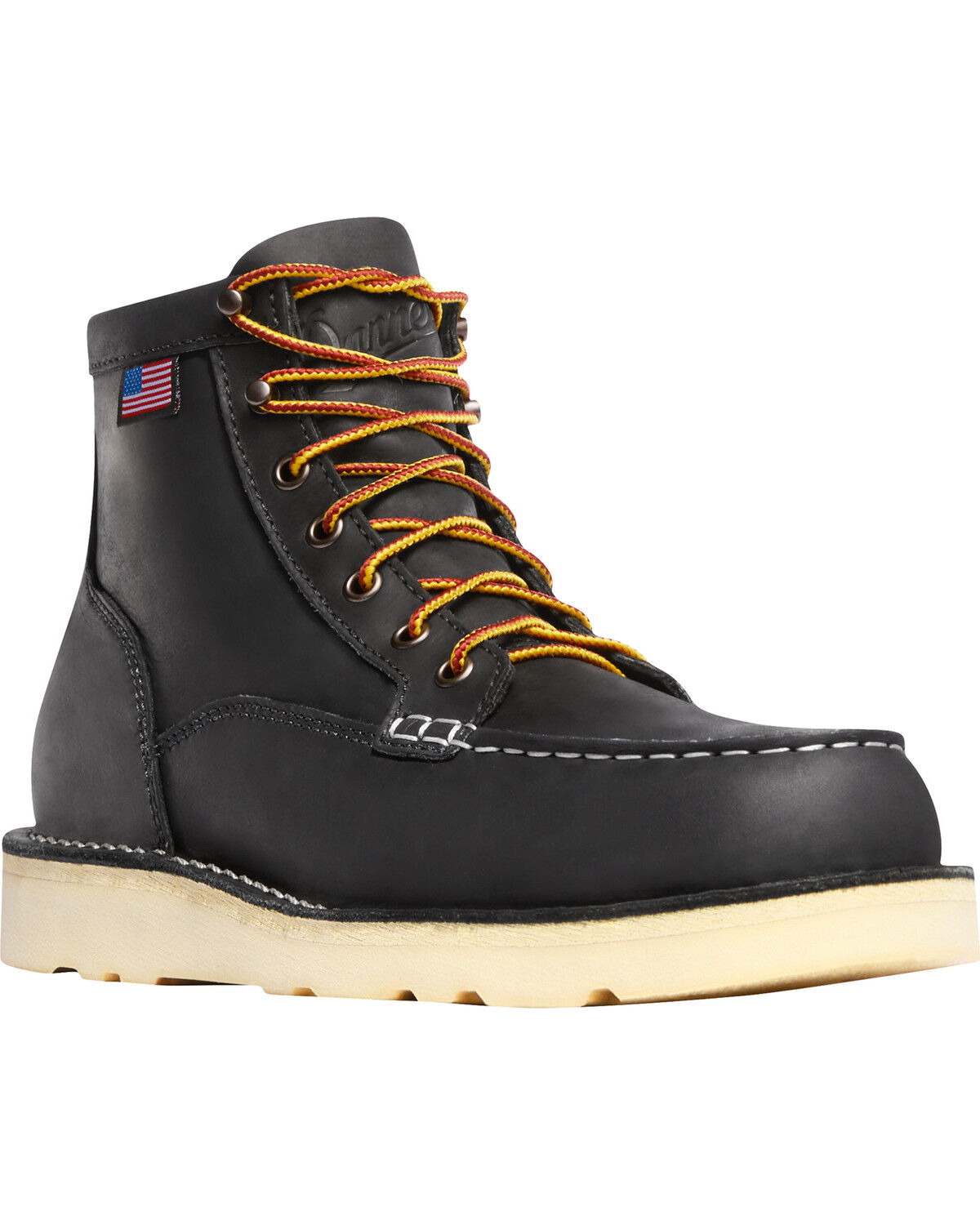
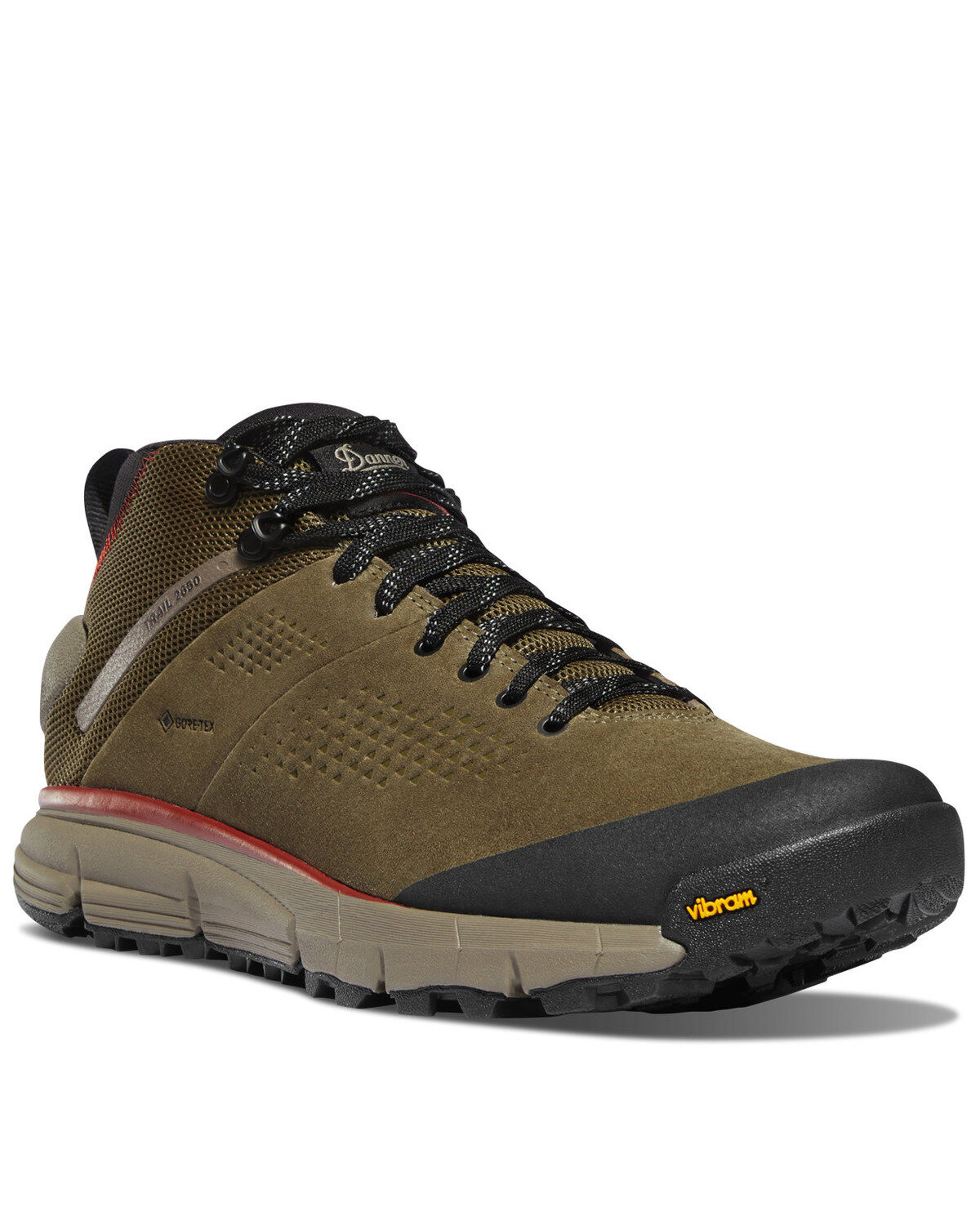
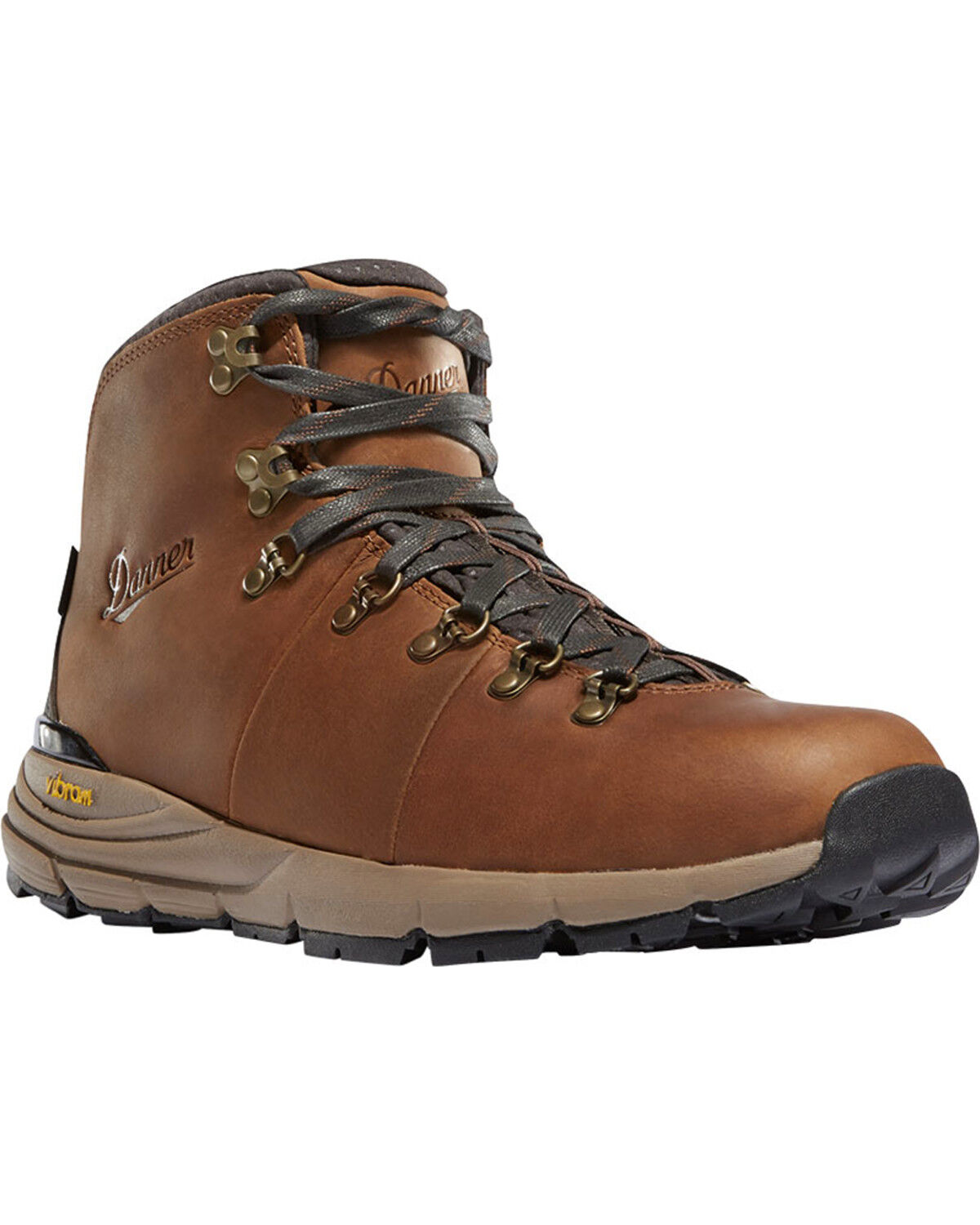
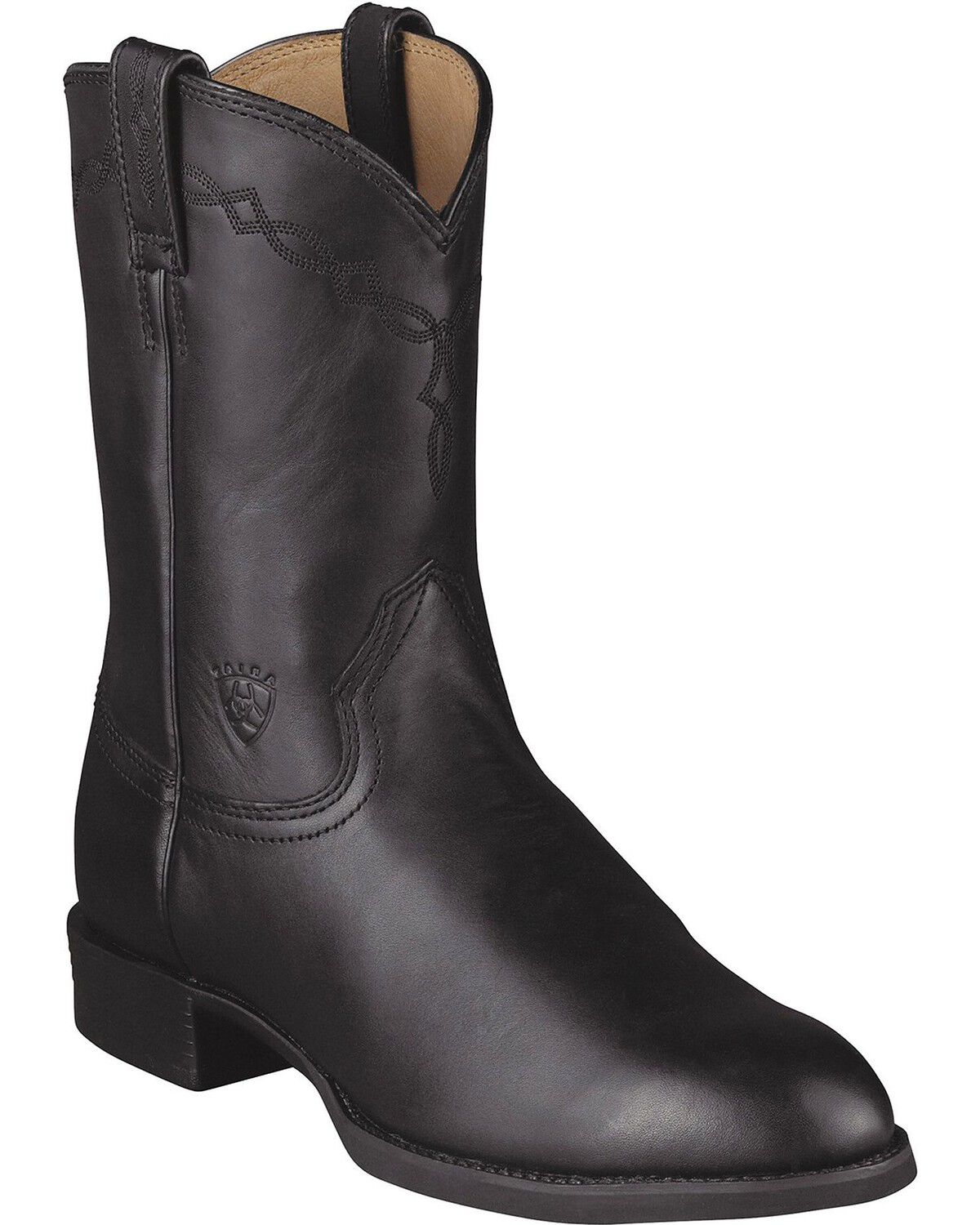
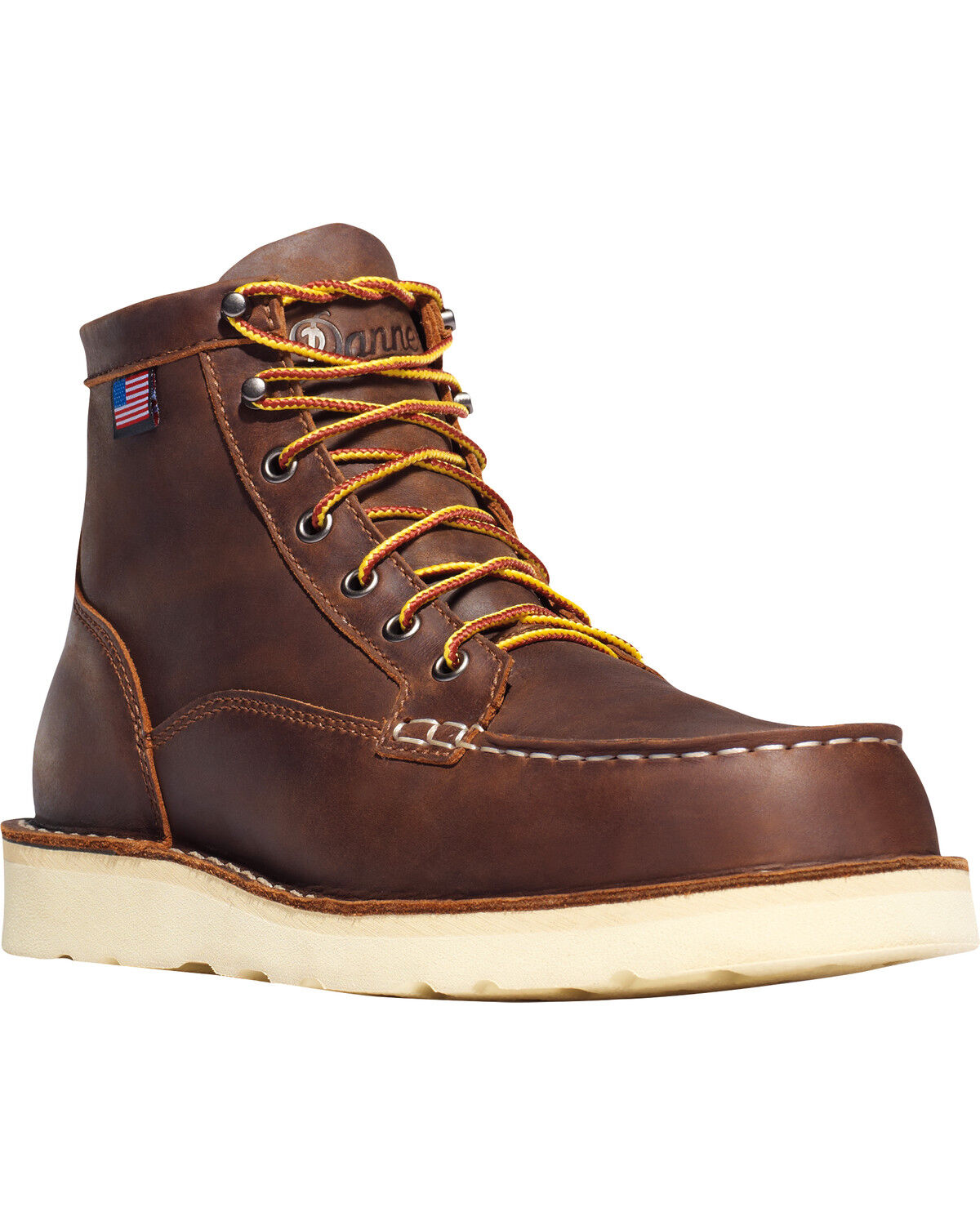
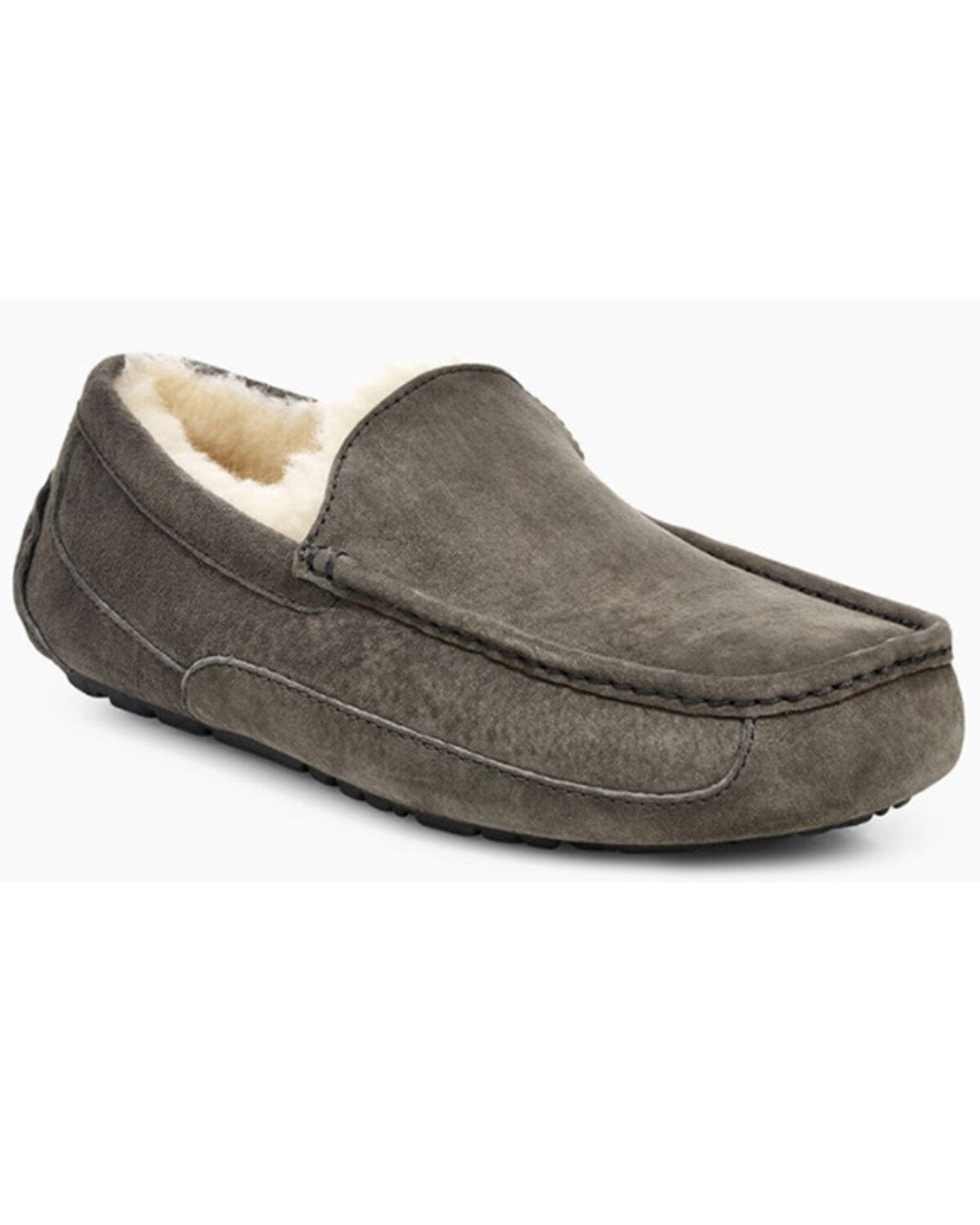
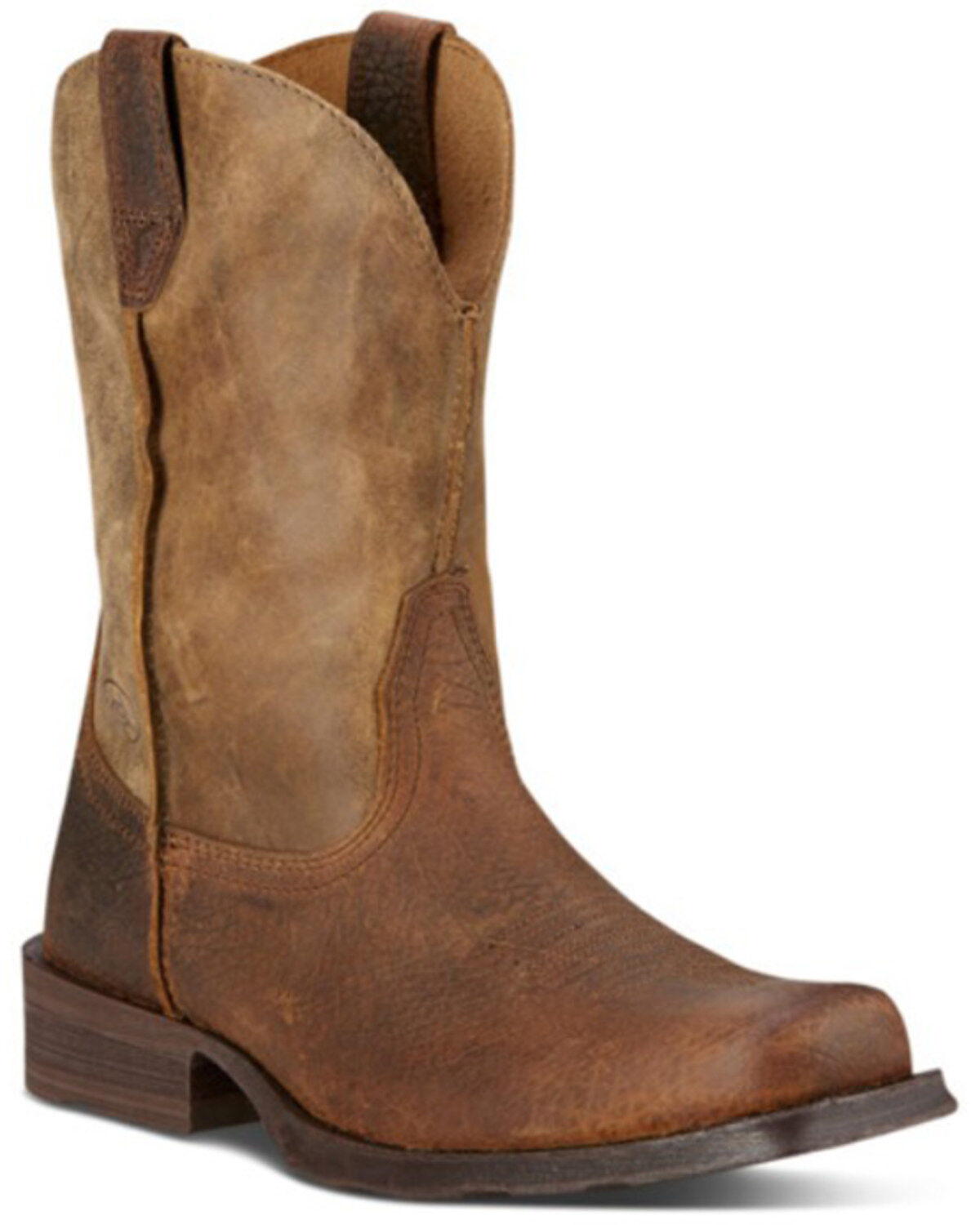
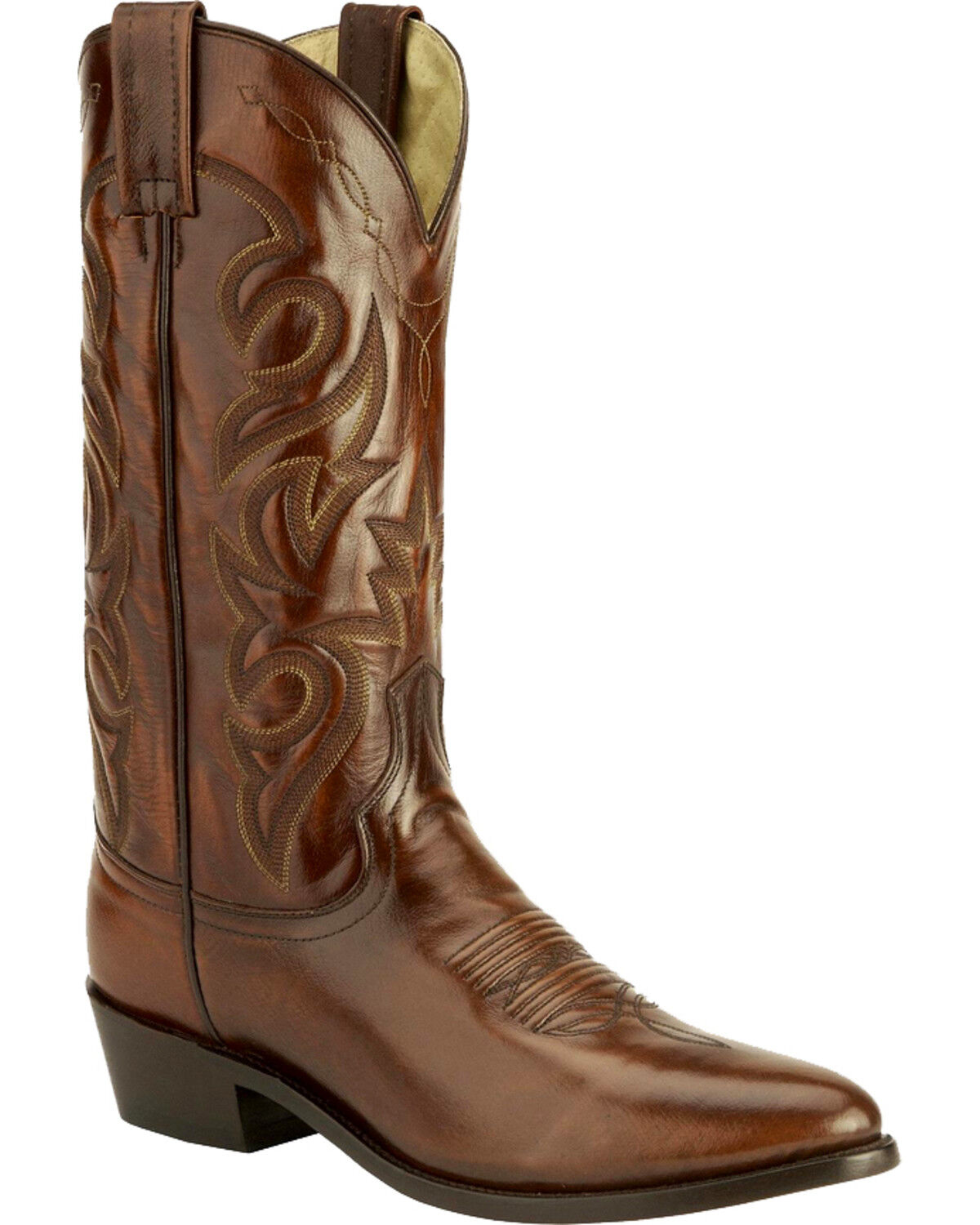
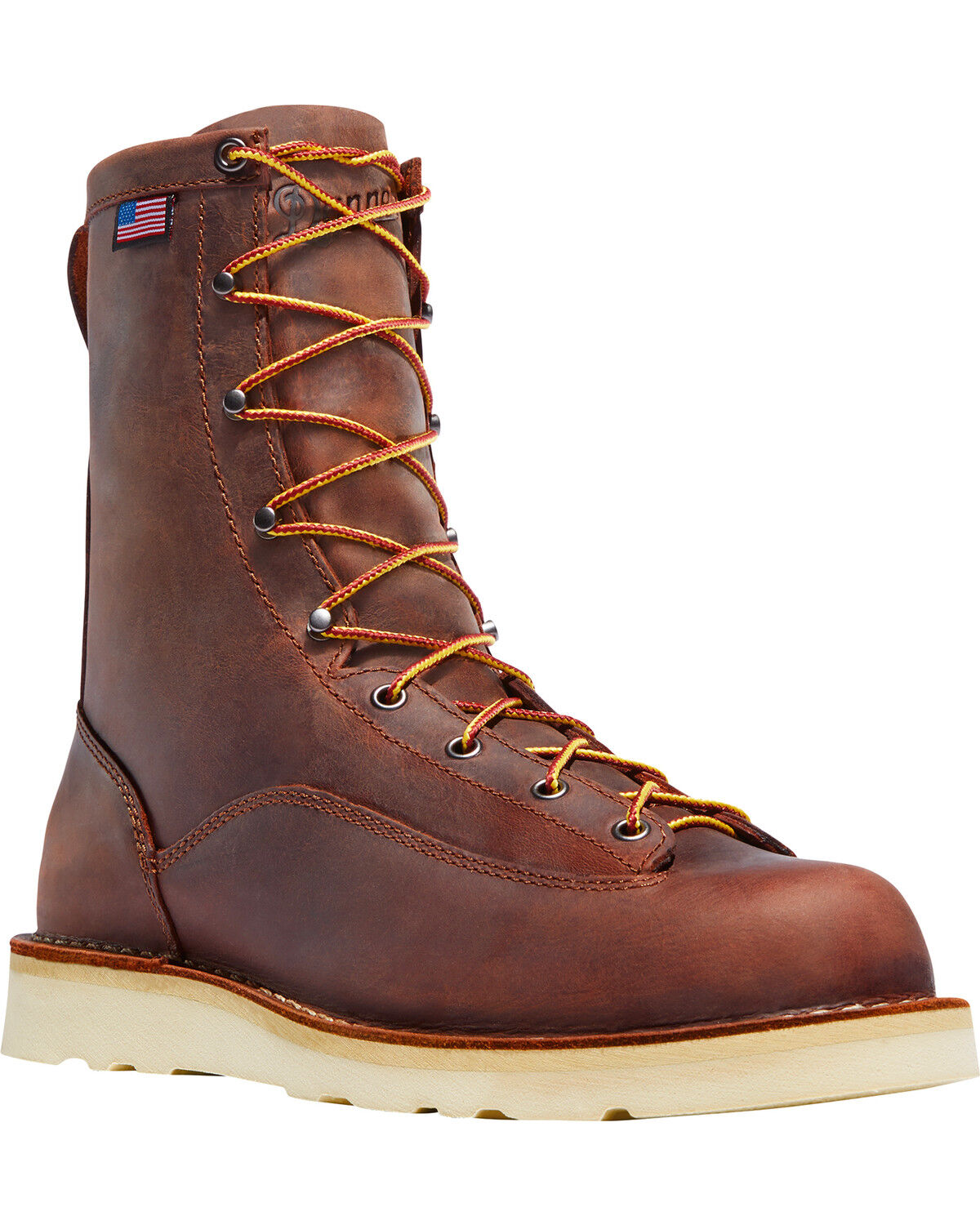
Best Waterproof Work Boots for Wet Jobsites

Finding the Best Waterproof Work Boots for Wet Jobsites starts with choosing dependable footwear suited to demanding work environments. Explore work boots for wet conditions in a range of styles, sizes, and fits to help you stay prepared through long days on the job.

Read More

Shop Your Store: Shop Your Store: Find a Store

(Turn off Shop Your Store to see all items)

(Turn off Shop Your Store to see all items)

close
  • Recommended
  • Lowest Price
  • Highest Price
Skip pass products

End of products

Best Waterproof Work Boots for Wet Jobsites

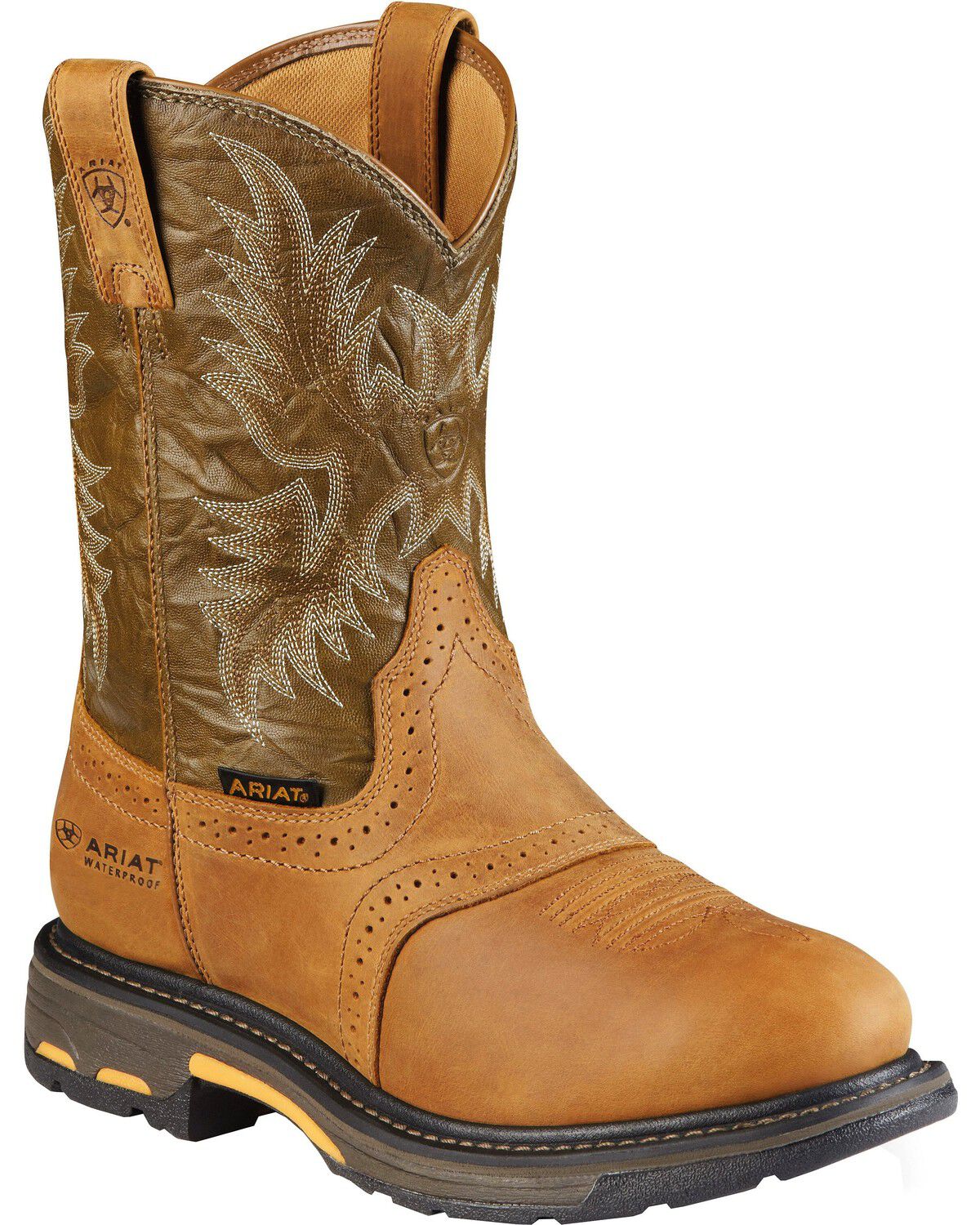
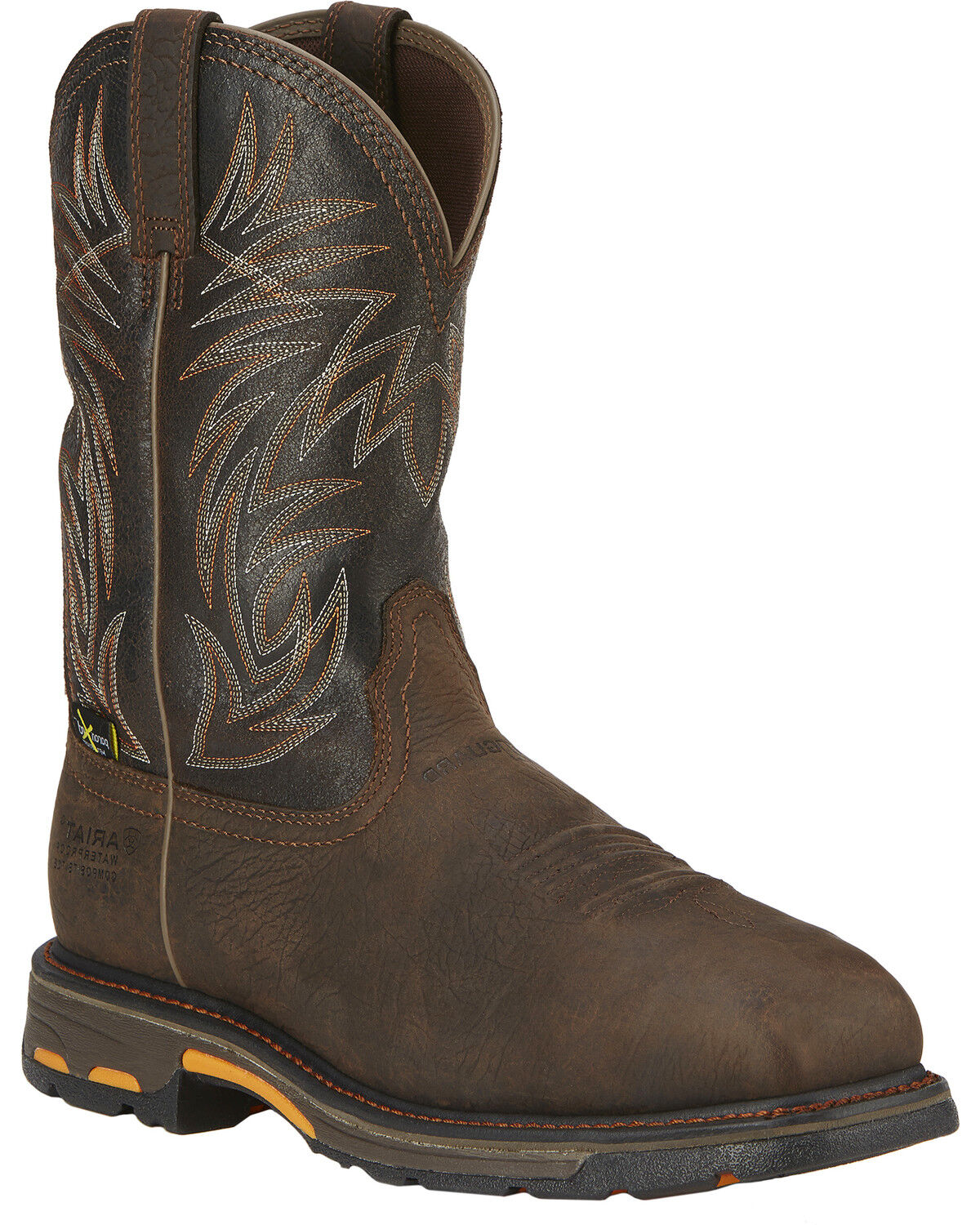
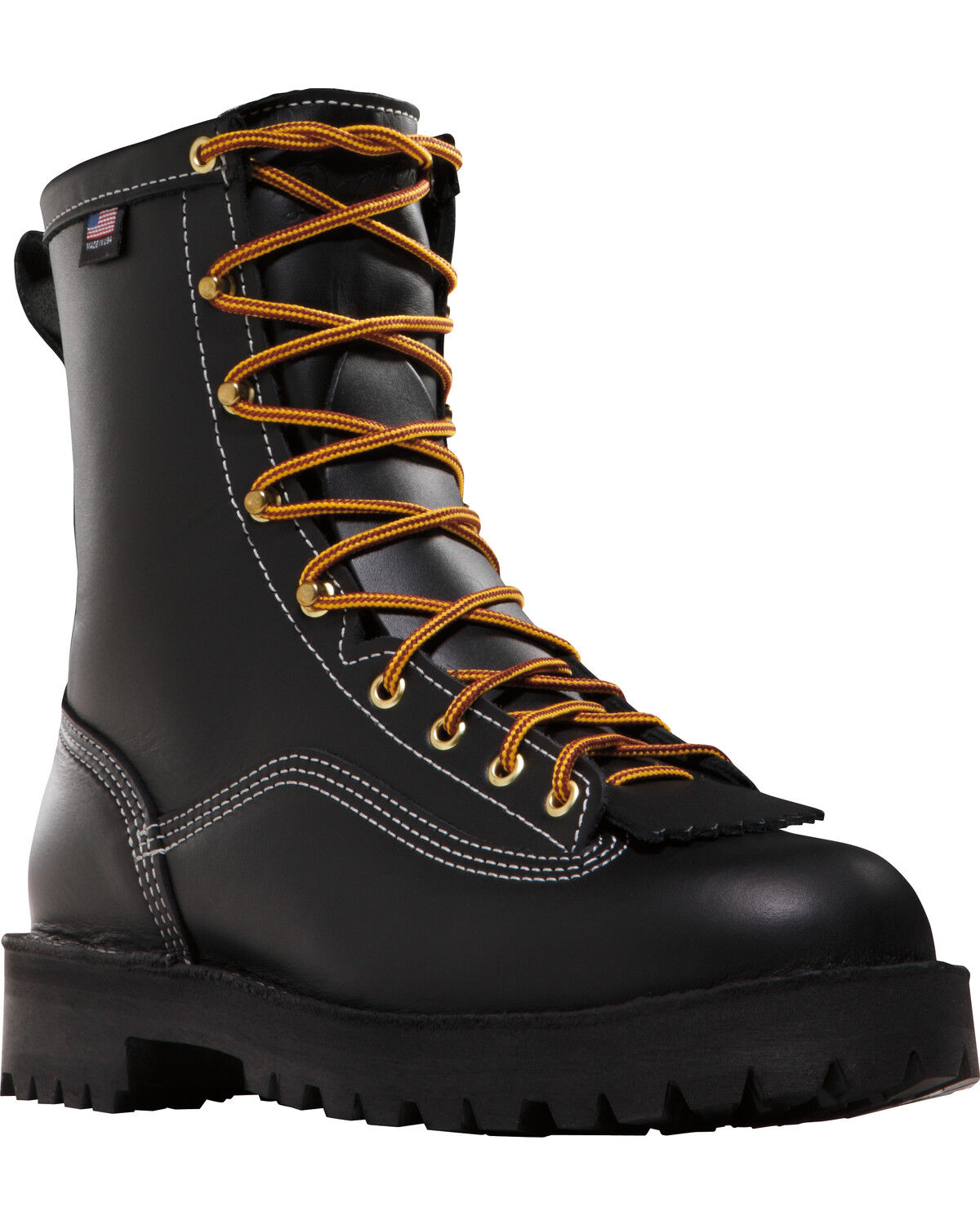
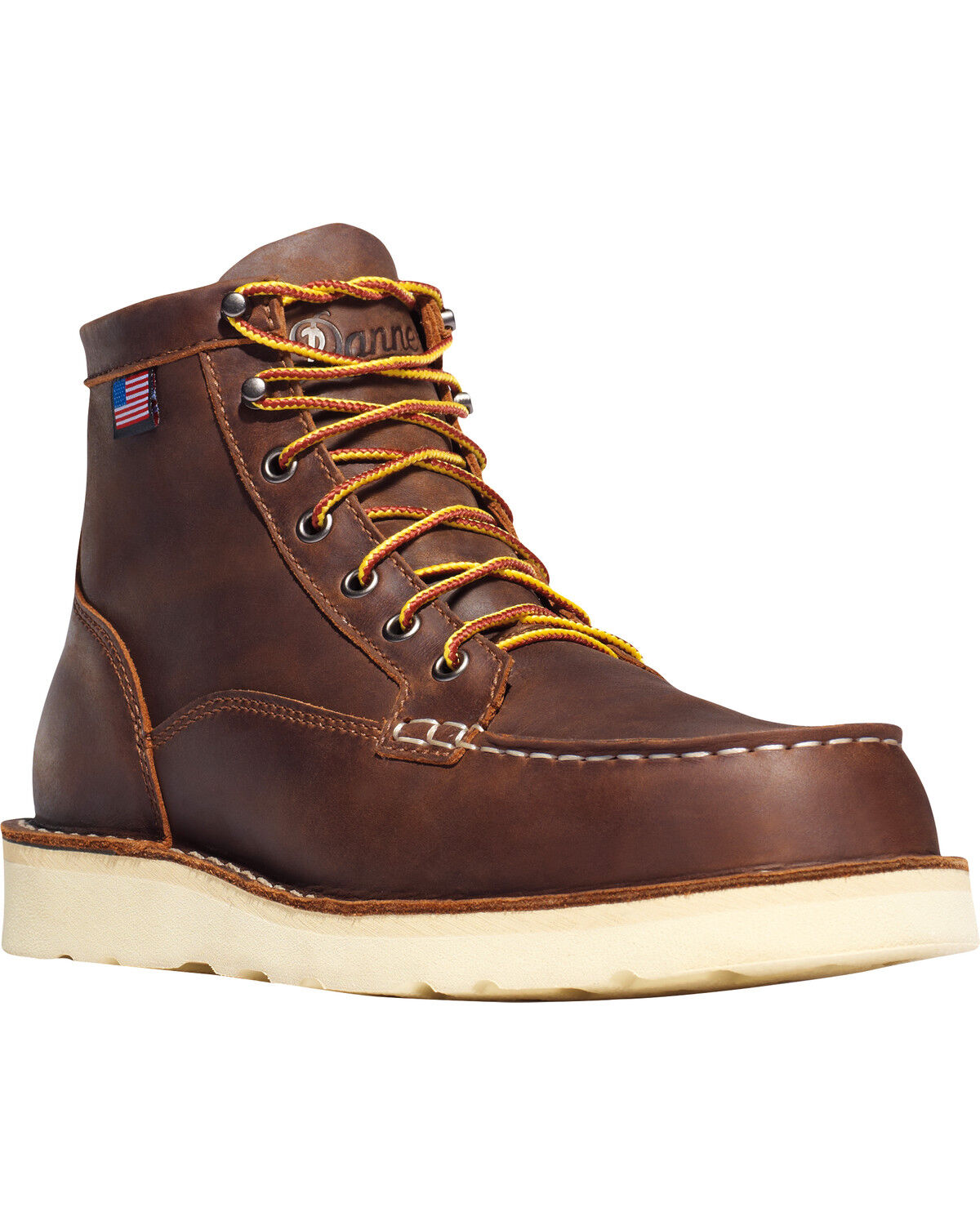
Wet jobsites put more demand on work boots than a dry warehouse floor or a paved shop area. Standing water, saturated soil, steady rain and slick concrete can wear through ordinary footwear quickly, leaving feet cold, damp and uncomfortable before the shift is over. The best waterproof work boots for wet jobsites are built to manage moisture from the outside while supporting the wearer through long hours on hard or uneven ground. Look for a waterproof construction that uses a sealed bootie membrane or another fully integrated barrier, rather than relying only on a surface treatment applied to leather or synthetic materials. Water-resistant treatments can help shed light moisture, but they may not provide the same protection when a boot is exposed to deep puddles, heavy rain or repeated contact with wet grass and mud. A high bellows tongue is another useful feature. Because it is attached to the upper sides of the boot and rises behind the laces, it helps limit water entry through the tongue area, where splash and runoff can reach the foot. Sealed seams, treated materials and properly closed lace areas also matter. Waterproof protection is only useful when it extends through the parts of the boot most likely to meet water. For workers who spend time outside, the right pair can help keep socks dry while moving between trucks, unfinished structures, drainage areas and equipment. Construction crews, utility workers, landscapers, agricultural workers, road crews, delivery professionals and maintenance teams may all benefit from footwear designed for wet conditions. These boots can also make a practical gift for someone who works outdoors, especially when a dependable pair of work boots is more useful than another item that will sit in a closet.

Traction deserves equal attention. Water, mud and loose debris can turn a stable surface into a hazard, and a deep tread pattern alone does not tell the full story. Choose outsoles designed to maintain contact on wet ground, slick concrete, packed soil and other surfaces common to the job. Look for verified slip-resistance information when available, including footwear tested to ASTM F3445. This standard helps identify footwear evaluated for slip resistance under defined testing conditions, although jobsite conditions can vary and no outsole can remove every risk. A worker walking through oily water, clay mud or fine gravel may need a different tread design than someone spending a shift on wet concrete. Consider the lug shape, spacing and flexibility of the outsole. Widely spaced lugs can help release mud, while flatter patterns may provide steady contact on finished floors. A work boot should also hold the heel securely without creating pressure across the instep. Too much movement inside the boot can lead to blisters and fatigue, while a fit that is too tight leaves little room for work socks or natural foot swelling during a long shift. Try boots on with the socks that will be worn at work, and check that the toes can move without sliding forward when walking downhill or climbing a ladder. A waterproof boot with insulation may be useful in cold, wet outdoor conditions, but insulation can feel too warm for active work in milder weather. For warmer or more physically demanding jobs, look for breathable lining materials that help manage heat and moisture from inside the boot. Durability is another practical concern. Reinforced stitching, abrasion-resistant uppers, protective toe areas and sturdy heel construction can help a pair hold up against repeated kneeling, climbing, driving and contact with rough materials. Workers who need toe protection should check the safety rating and job requirements carefully. ASTM F2413 covers performance requirements for protective-toe footwear, but employers, worksites and trades may have additional specifications. Waterproofing, traction and toe protection solve different problems, so each should be reviewed before choosing a pair.

The best waterproof work boots should match the conditions rather than simply carrying the word waterproof on the label. For deep mud or frequent standing water, prioritize a waterproof barrier, a gusseted tongue that rises high behind the laces and an outsole with dependable wet-surface traction. For cold outdoor work, consider insulation, room for appropriate socks and enough flexibility to walk naturally on frozen or uneven ground. For indoor jobsites where water and smooth flooring are common, slip resistance, comfort and a less aggressive tread may matter more than heavy insulation. Chemical exposure, fuel, solvents and other jobsite hazards require a careful review of the boot materials and safety information because waterproof construction does not automatically mean chemical resistance. The same applies to electrical hazards, chainsaw use, puncture resistance and other specialized needs. Workers should follow employer requirements and replace footwear when the sole is worn smooth, the waterproof barrier is damaged or the upper no longer supports the foot. Basic care helps extend performance: remove mud after use, allow boots to dry away from direct heat, clean the outsole so the tread remains open and follow the manufacturer’s care instructions for the upper. Stuffing damp boots with plain paper can help draw out moisture, while high heat can damage adhesives, leather and waterproof membranes. Keeping a second pair of work socks available is sensible for long shifts or changing weather. For a straightforward place to compare options made for wet conditions, explore Men's Waterproof Work Boots. A good pair should feel secure when the ground is slick, remain comfortable after hours on your feet and provide protection suited to the work at hand. During the cooler months, reliable waterproof boots help make wet commutes, outdoor tasks and demanding shifts more manageable without asking the wearer to slow down.
Read More

FAQs