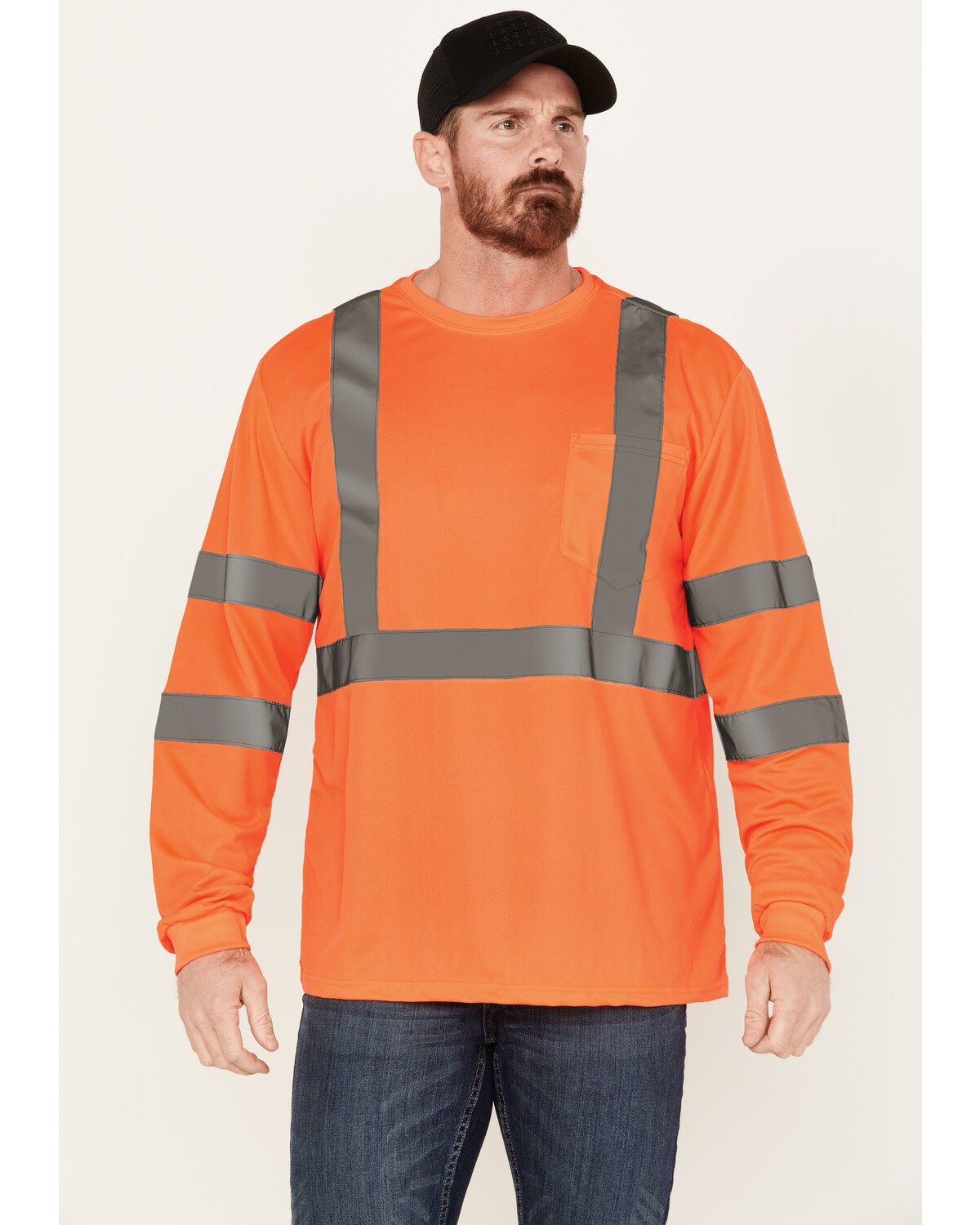
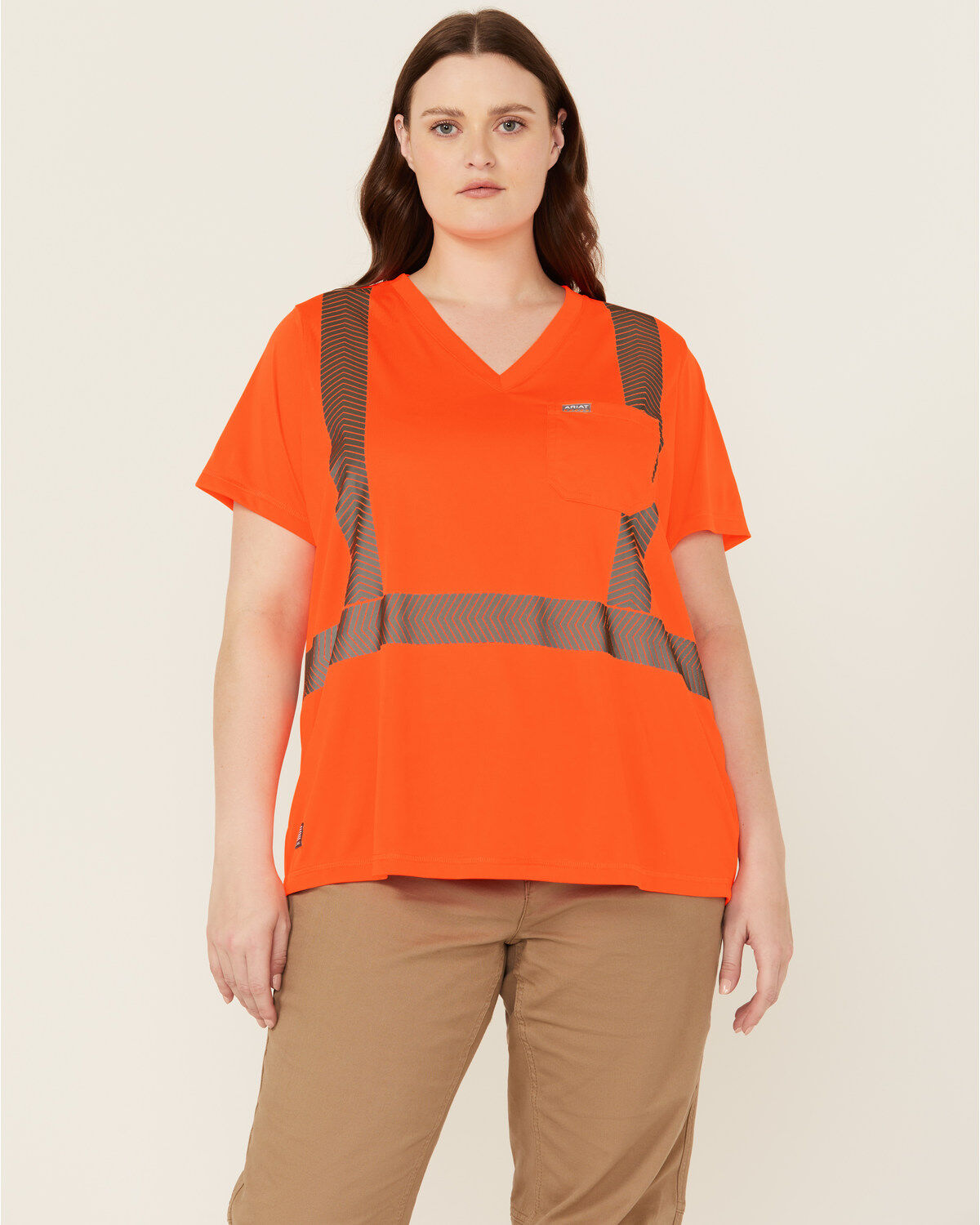
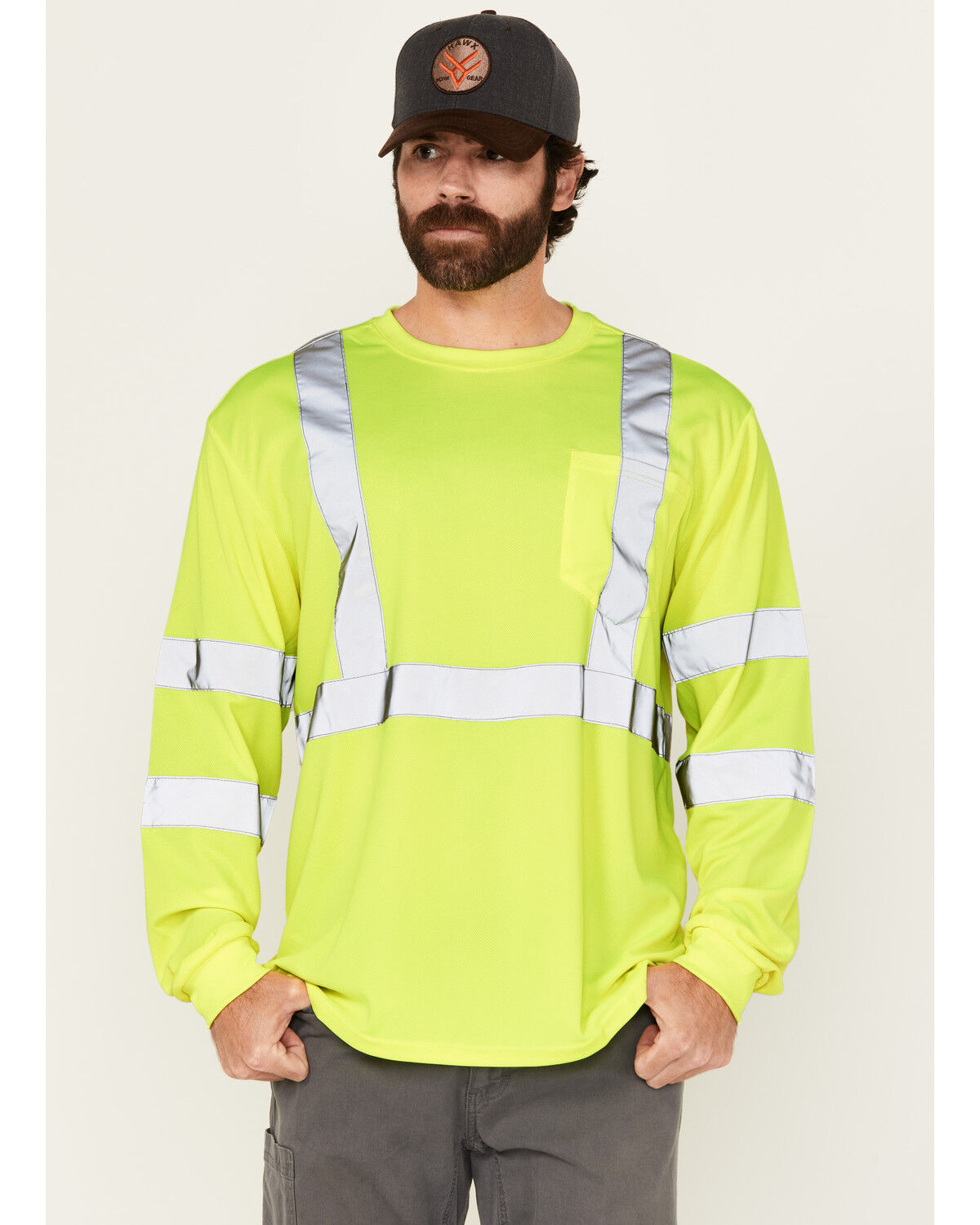
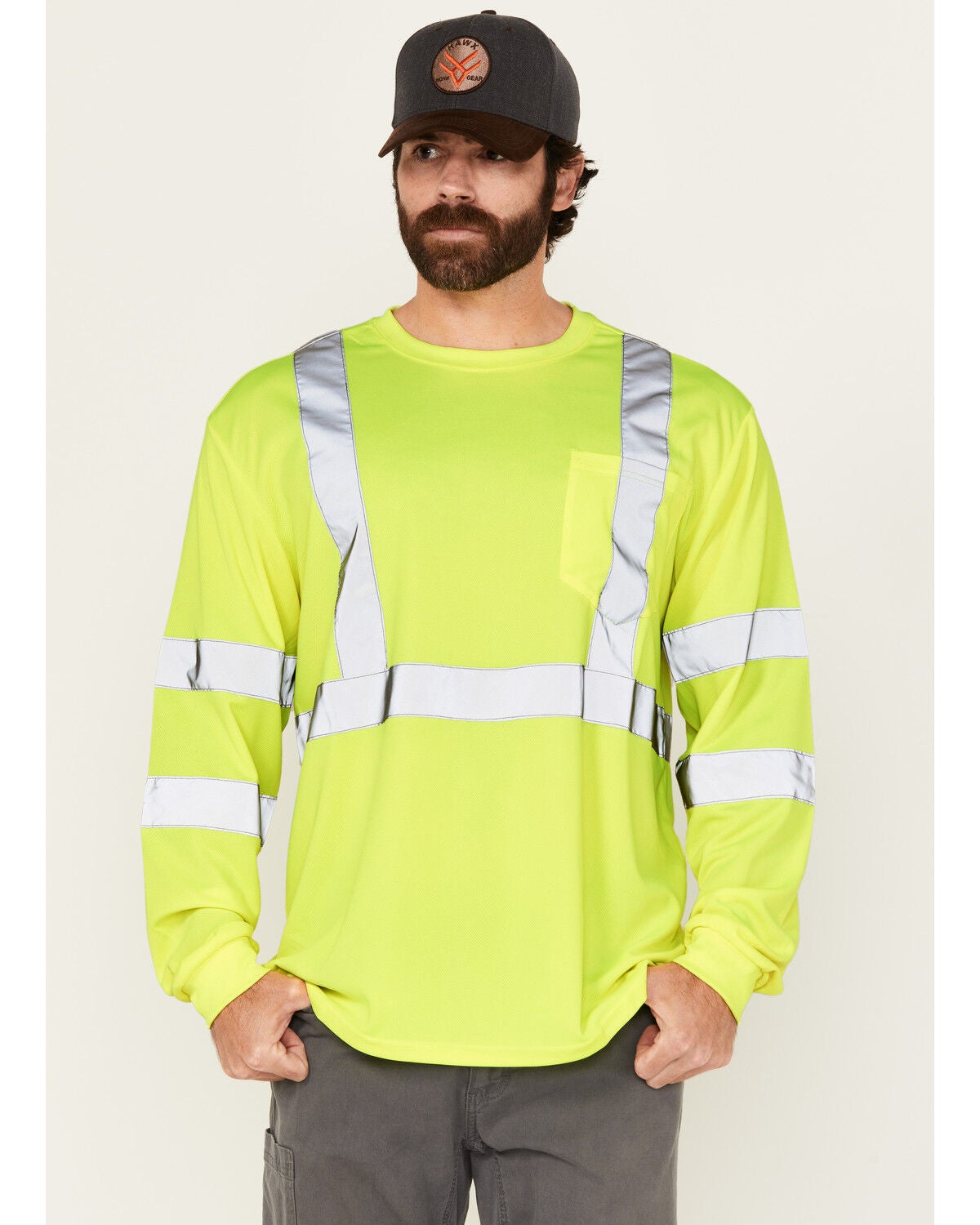
ANSI Compliant Reflective T-Shirts

Find ANSI compliant reflective T-shirts for work that calls for high-visibility clothing. Browse reflective work tees and check each shirt’s listed ANSI classification against your jobsite requirements before choosing.

Read More

Shop Your Store: Shop Your Store: Find a Store

(Turn off Shop Your Store to see all items)

(Turn off Shop Your Store to see all items)

close
  • Recommended
  • Lowest Price
  • Highest Price
Skip pass products
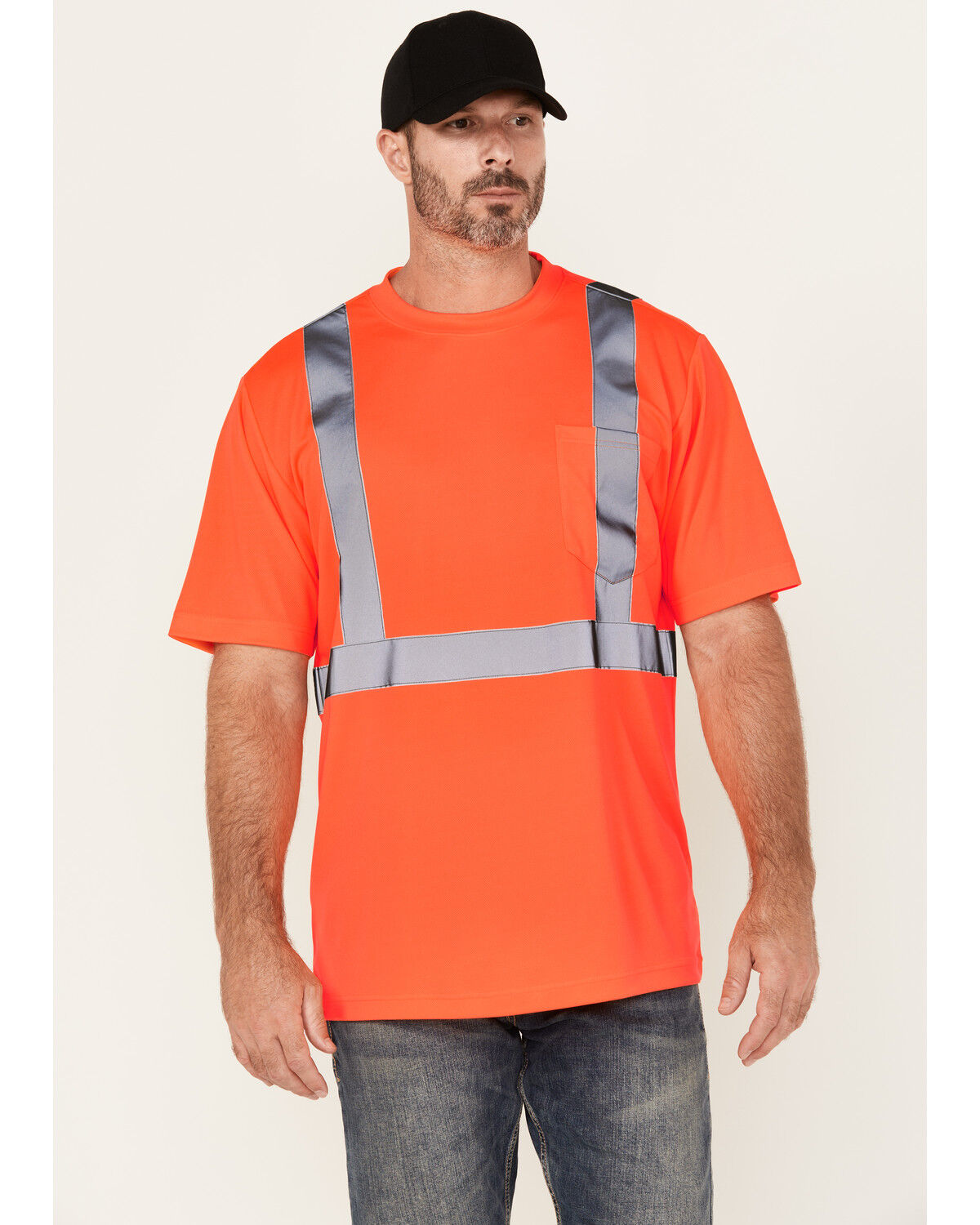
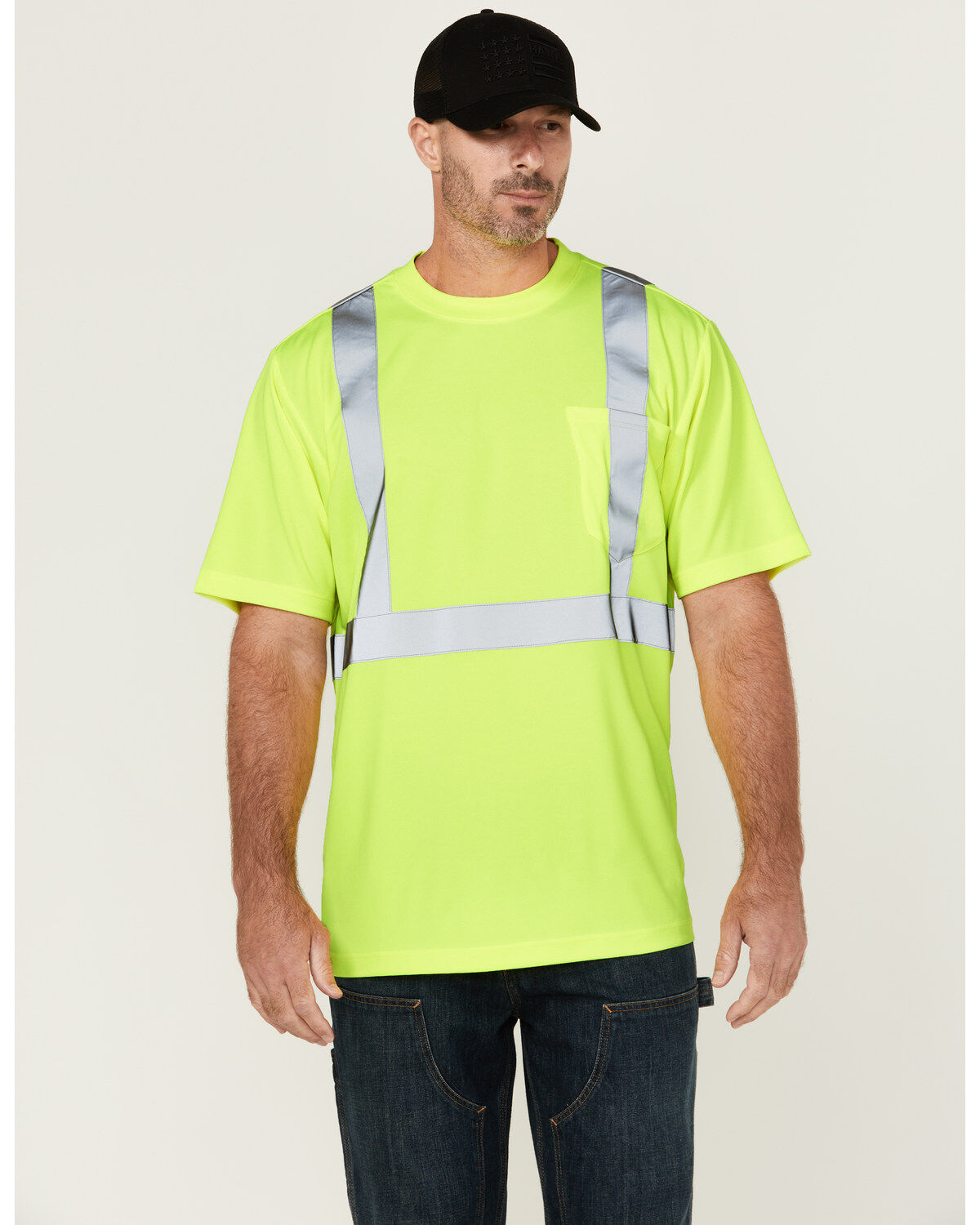
  • Men's Hawx Short Sleeve Reflective Work Tee - Big & Tall

    Original Price $34.99 $19.97
    43% Total Savings

End of products

ANSI Compliant Reflective T-Shirts

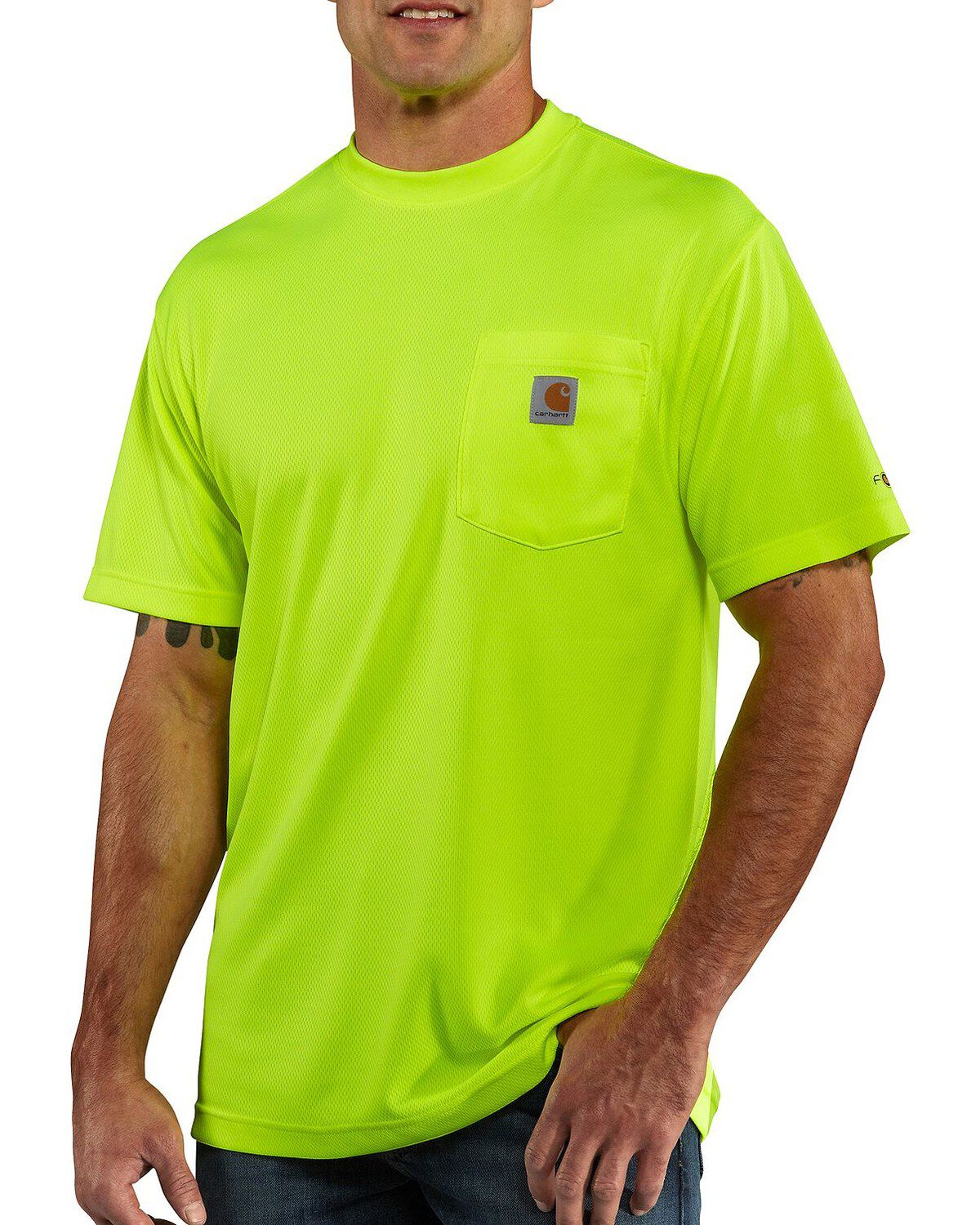
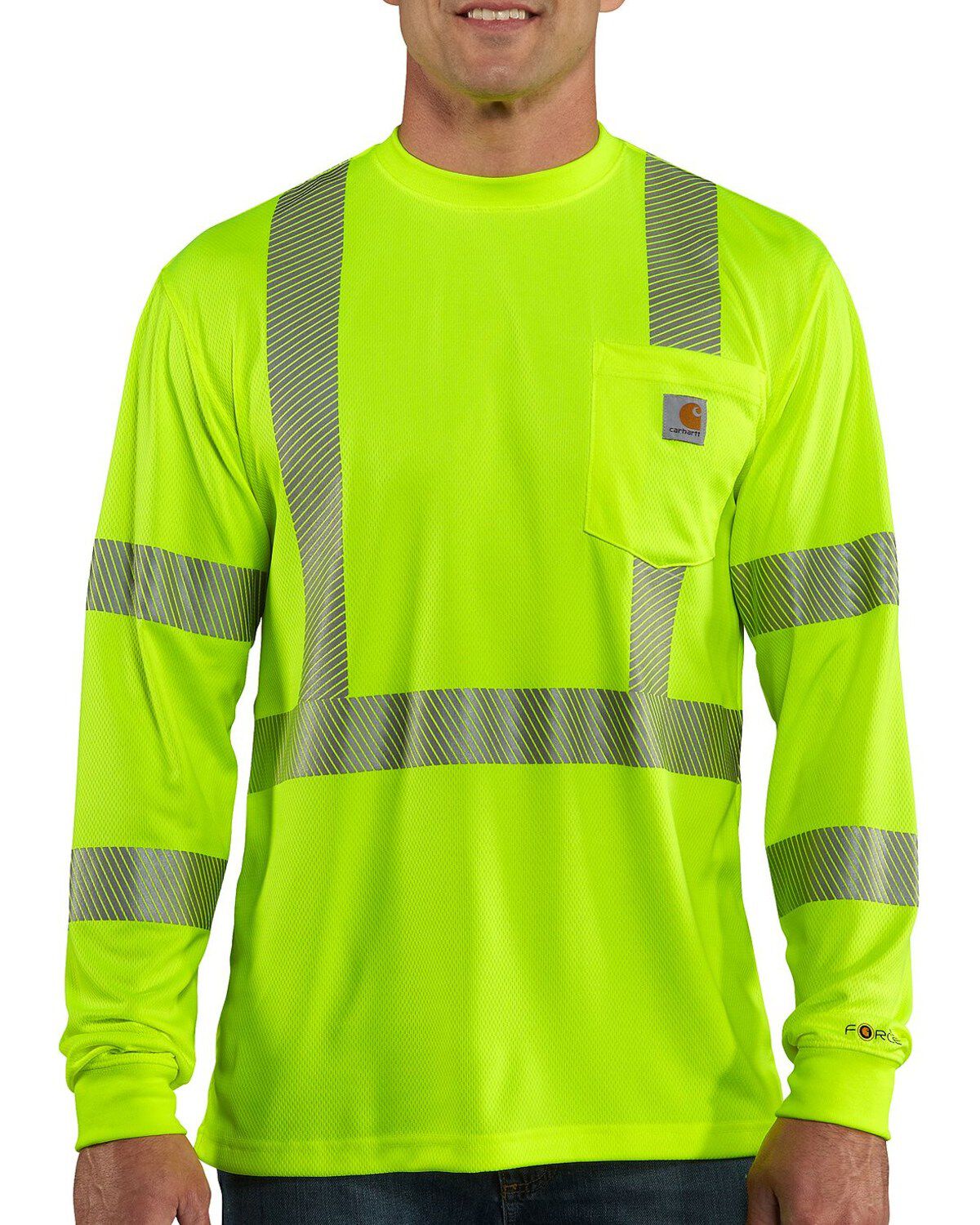
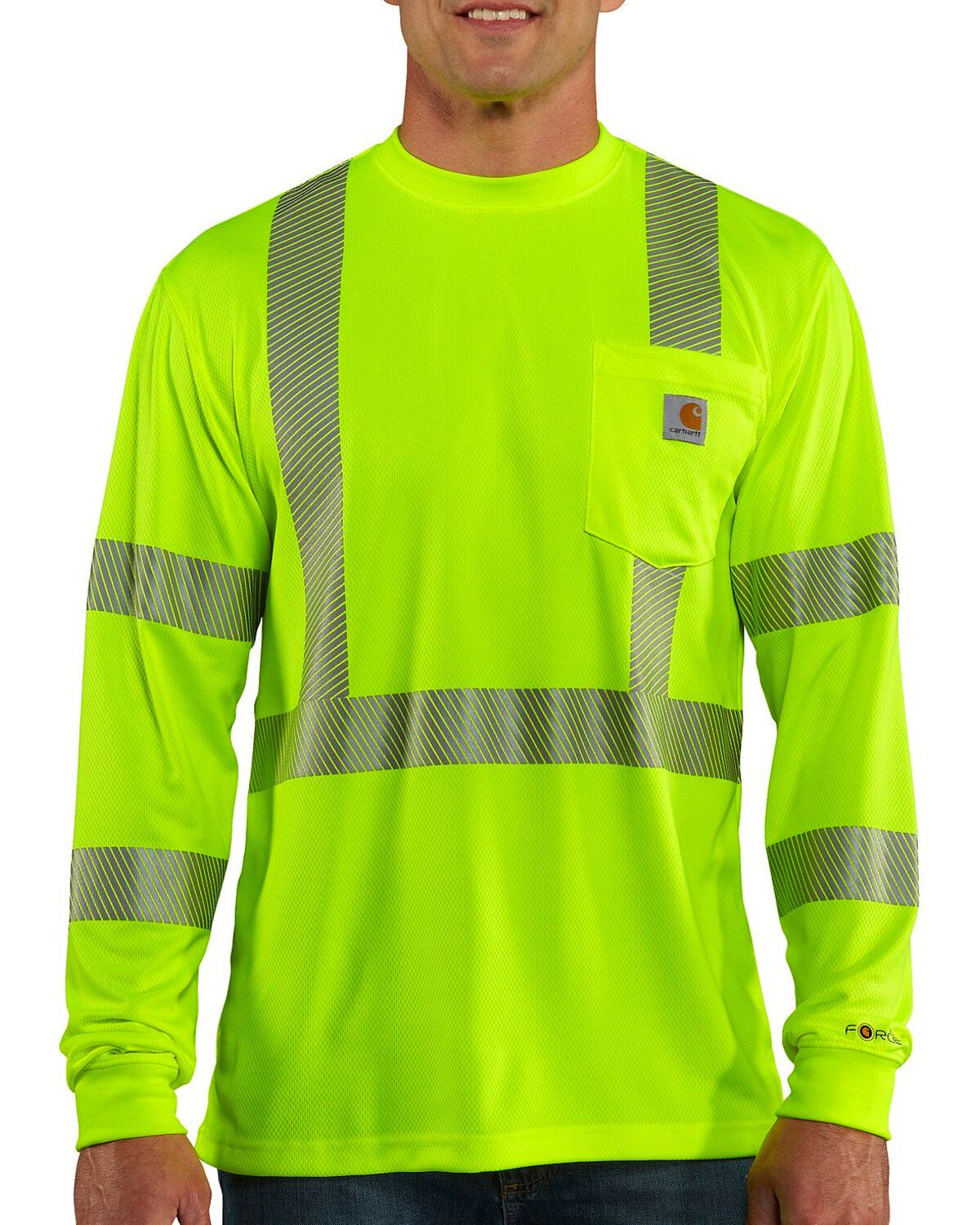
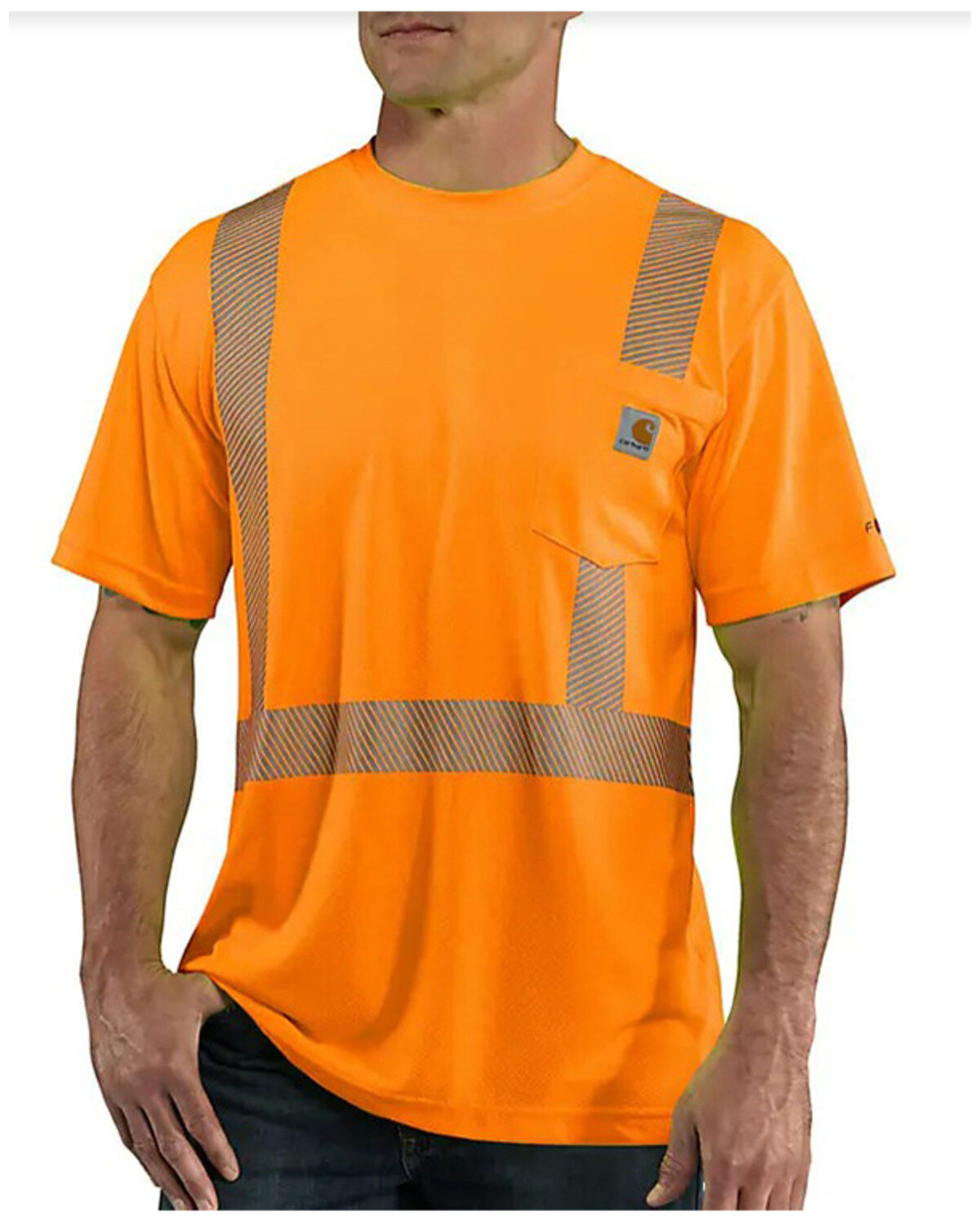
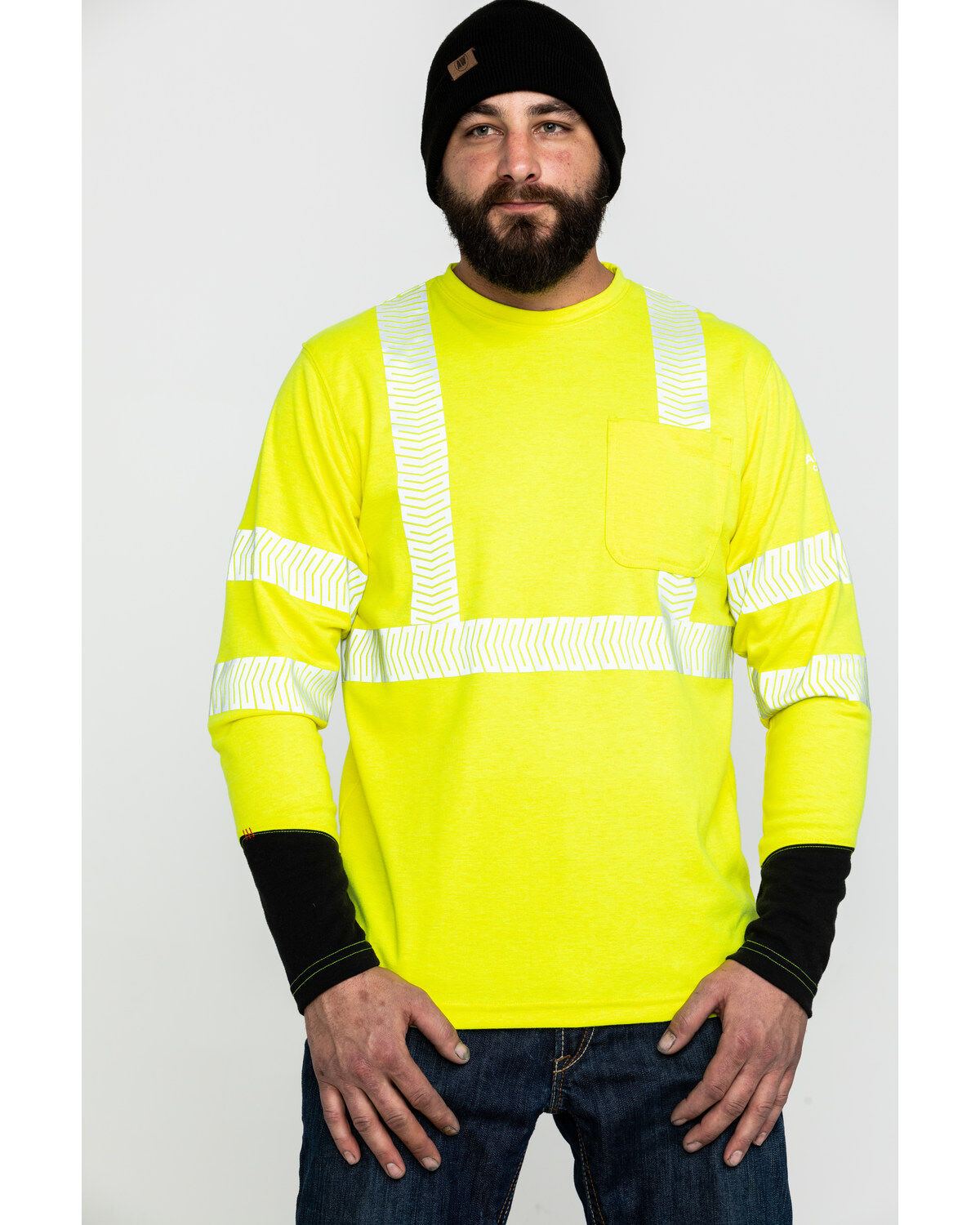
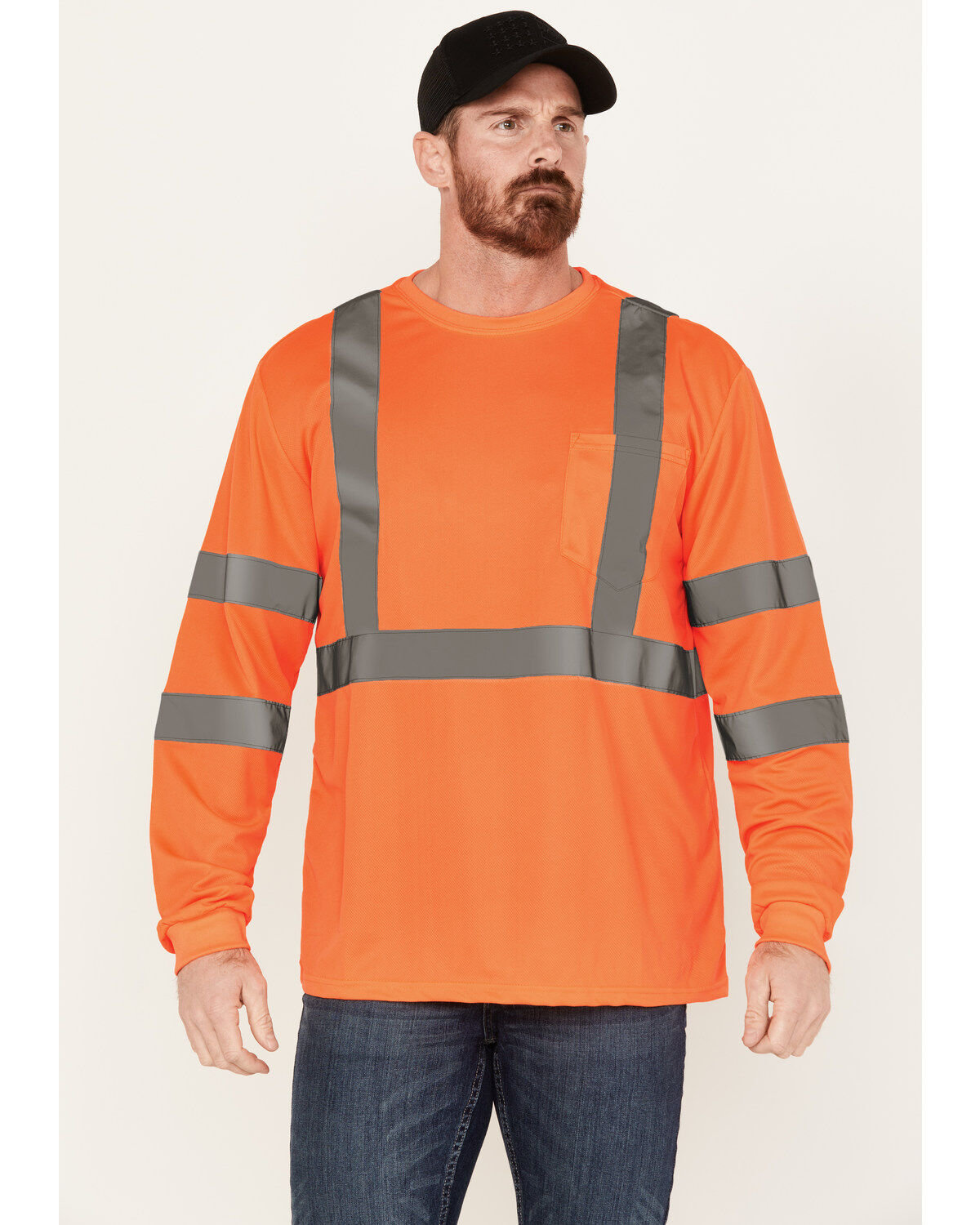
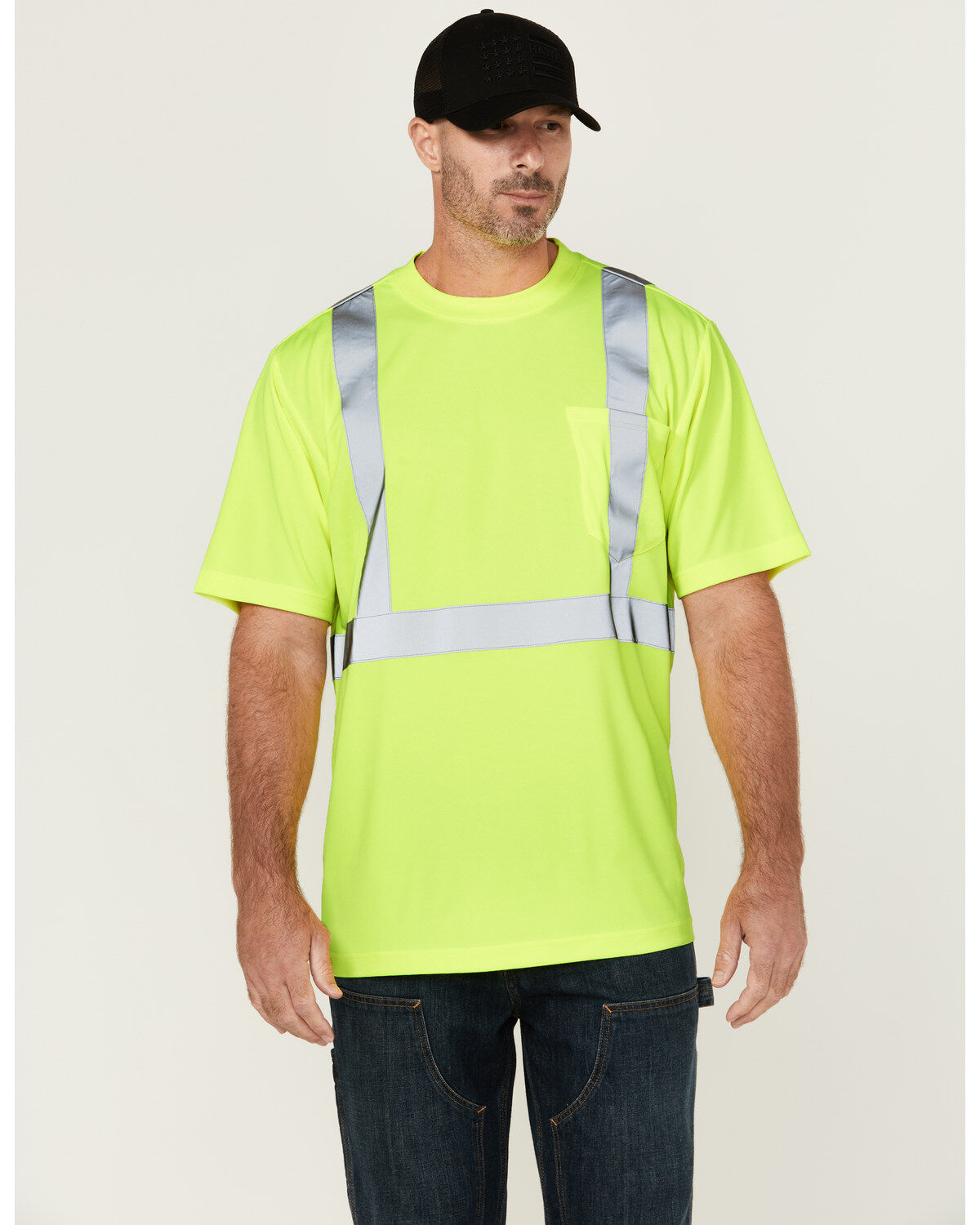
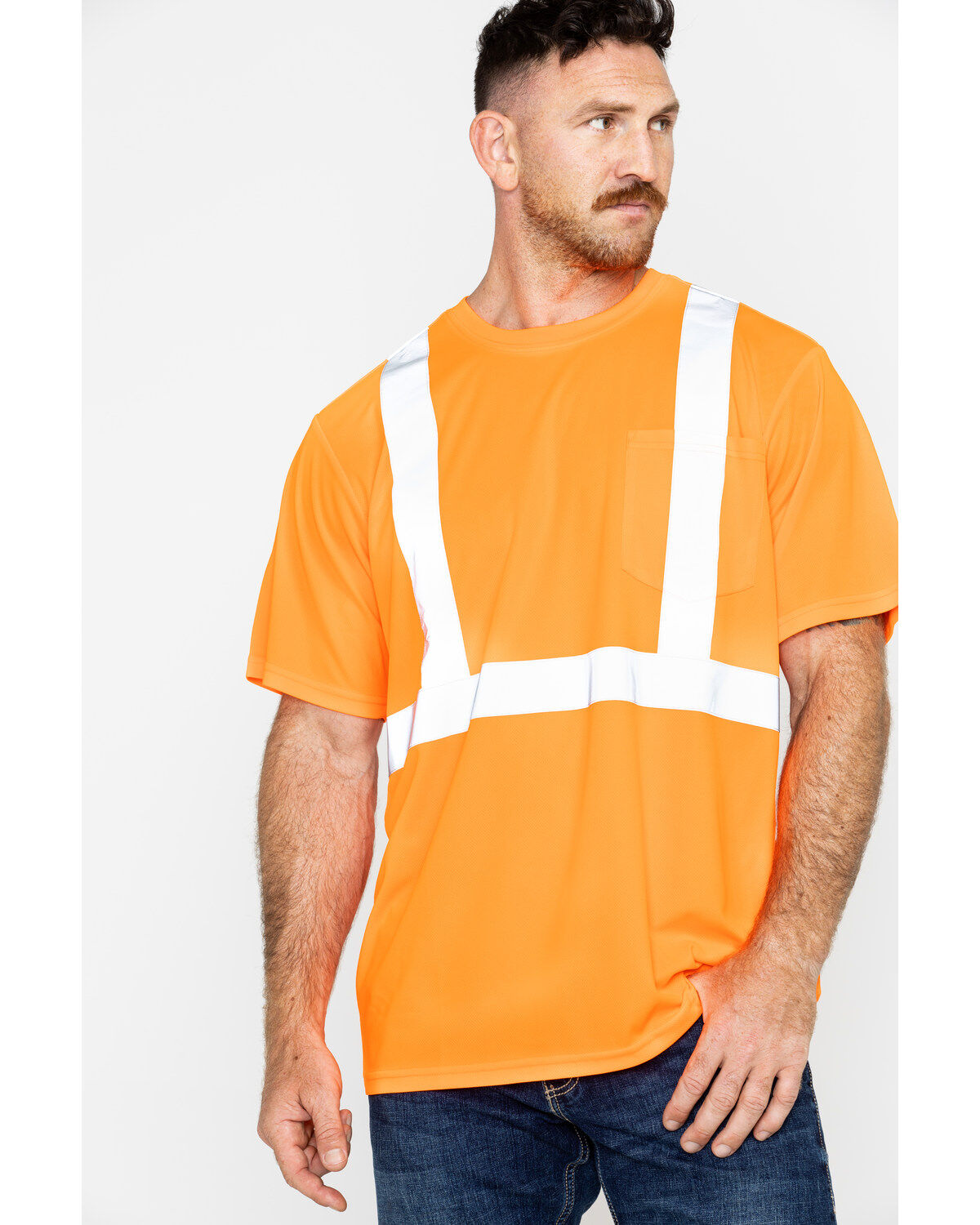
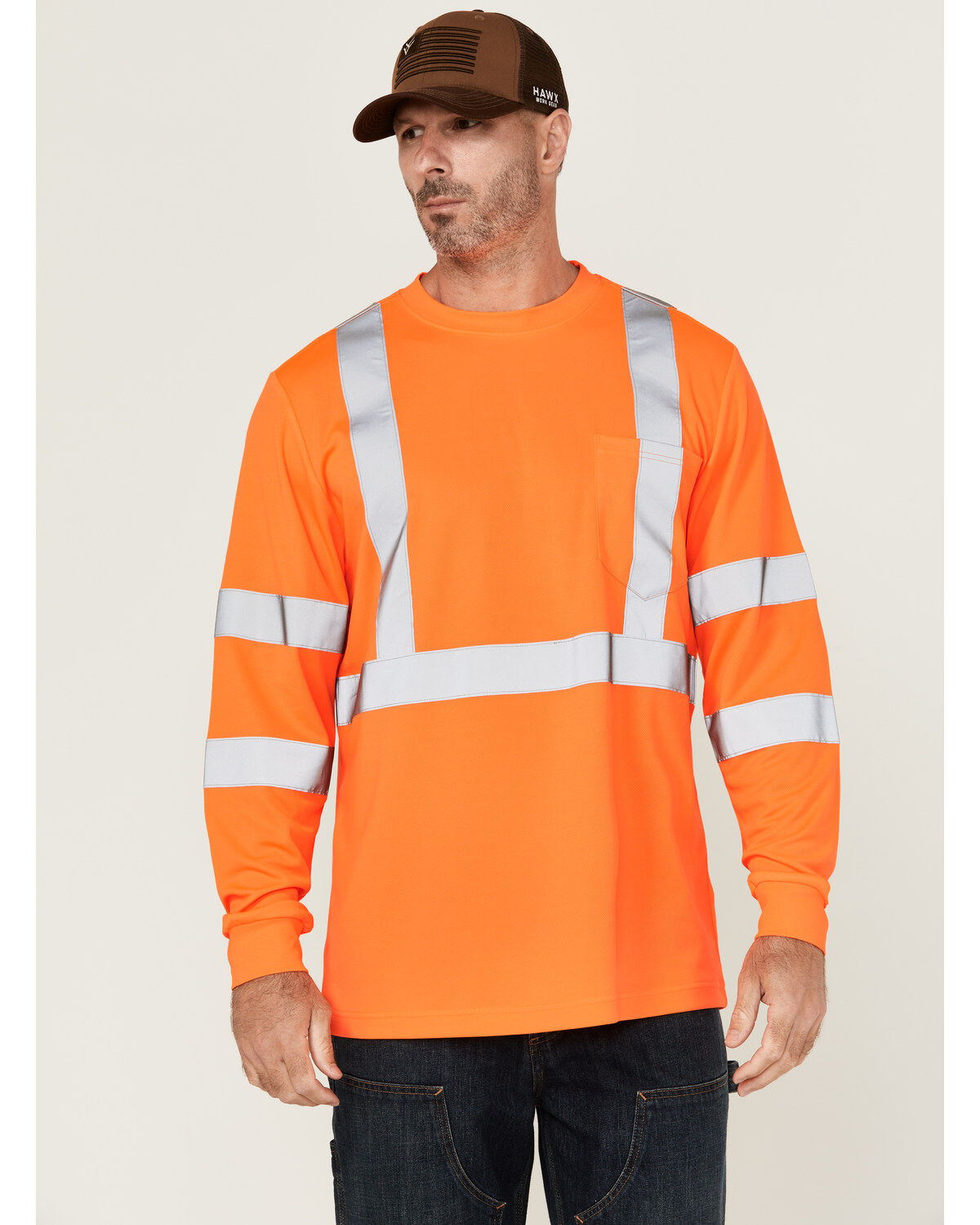
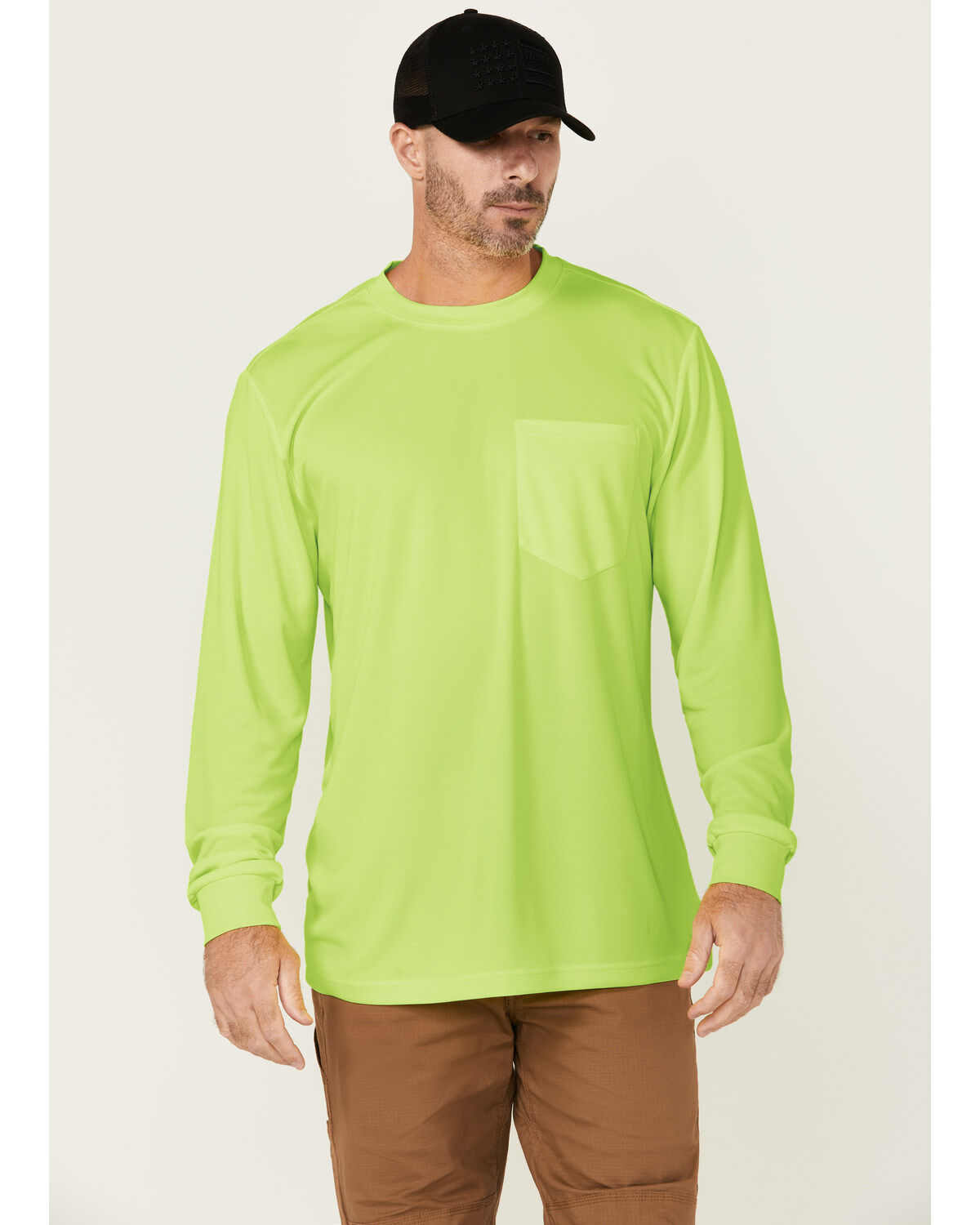
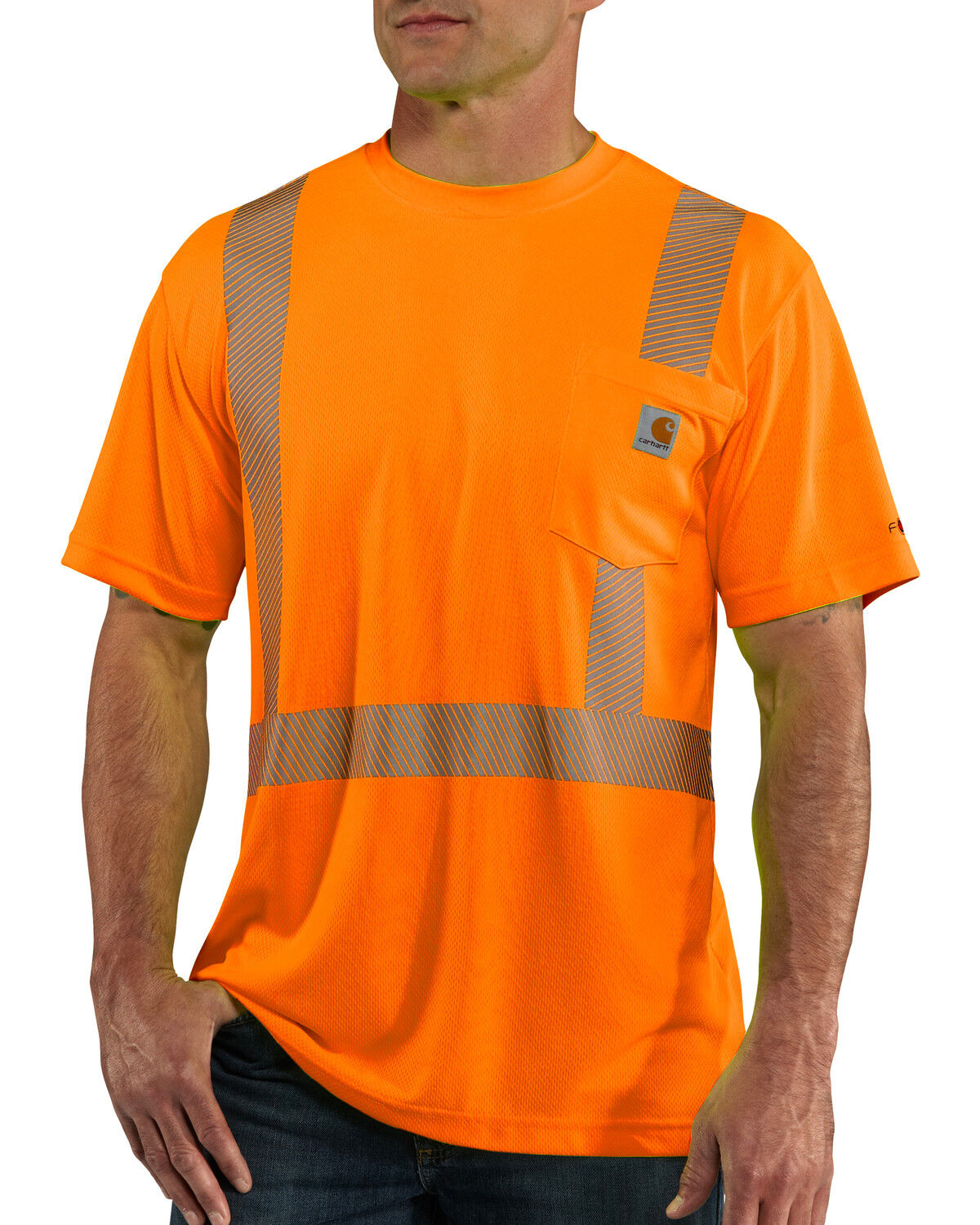
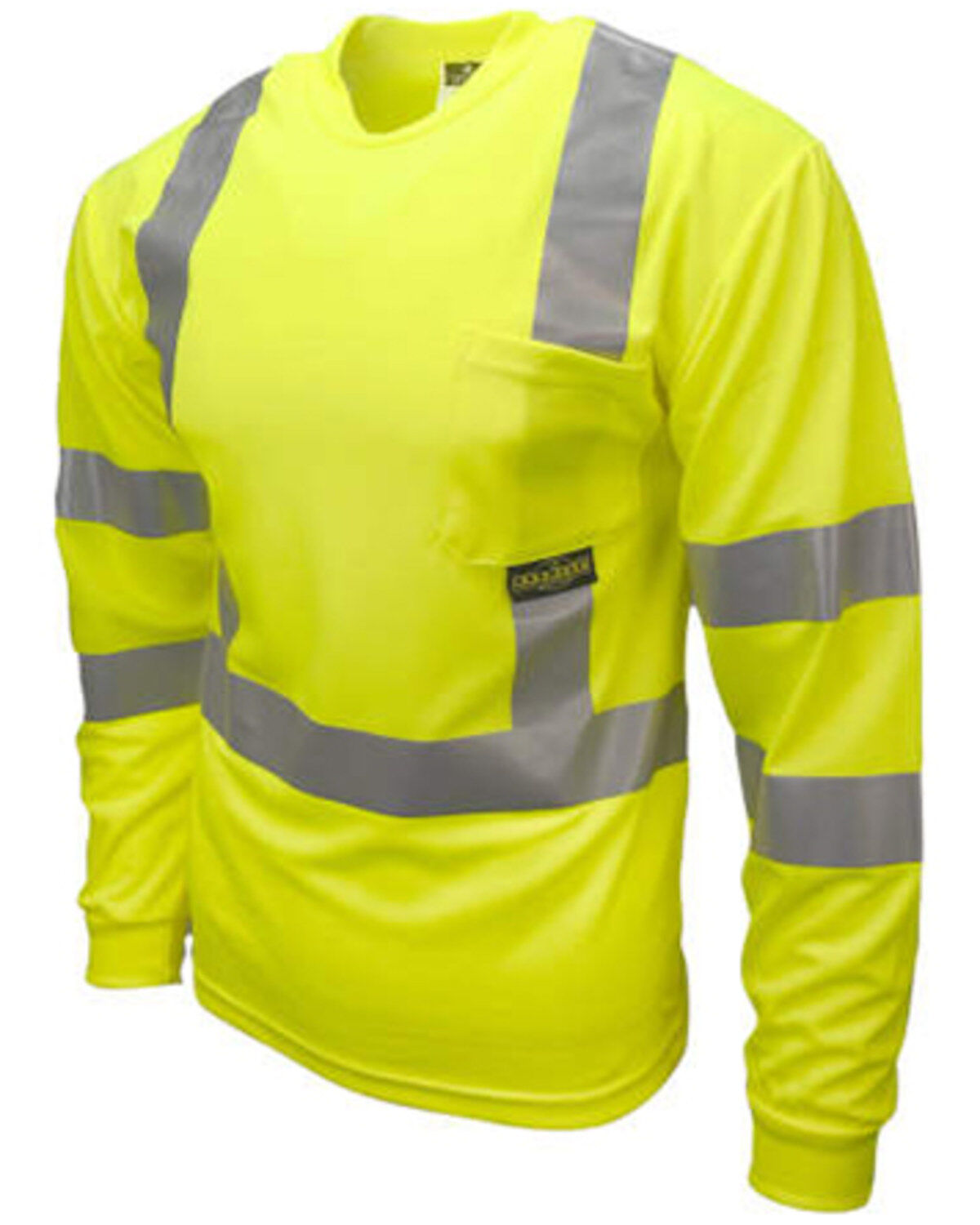
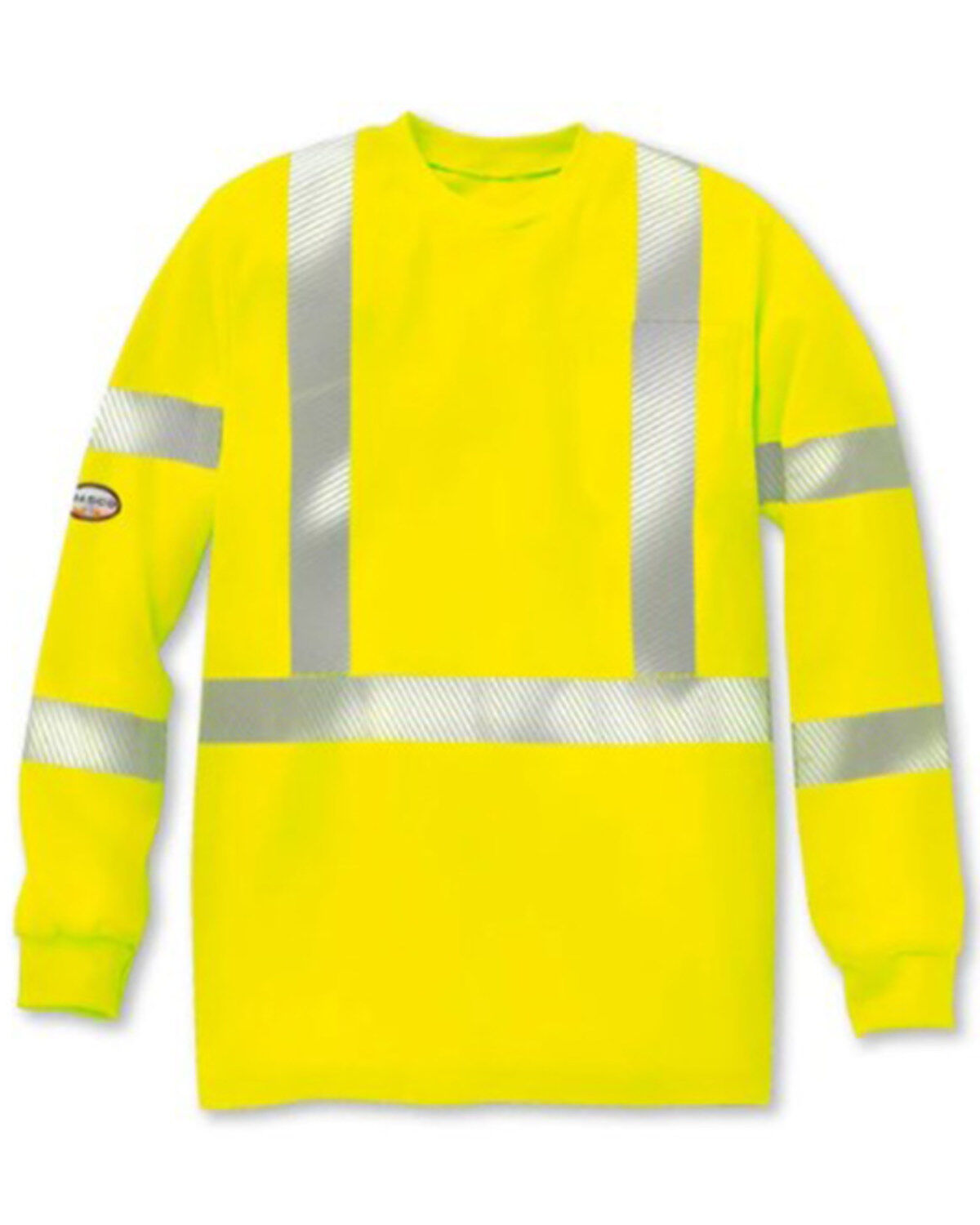
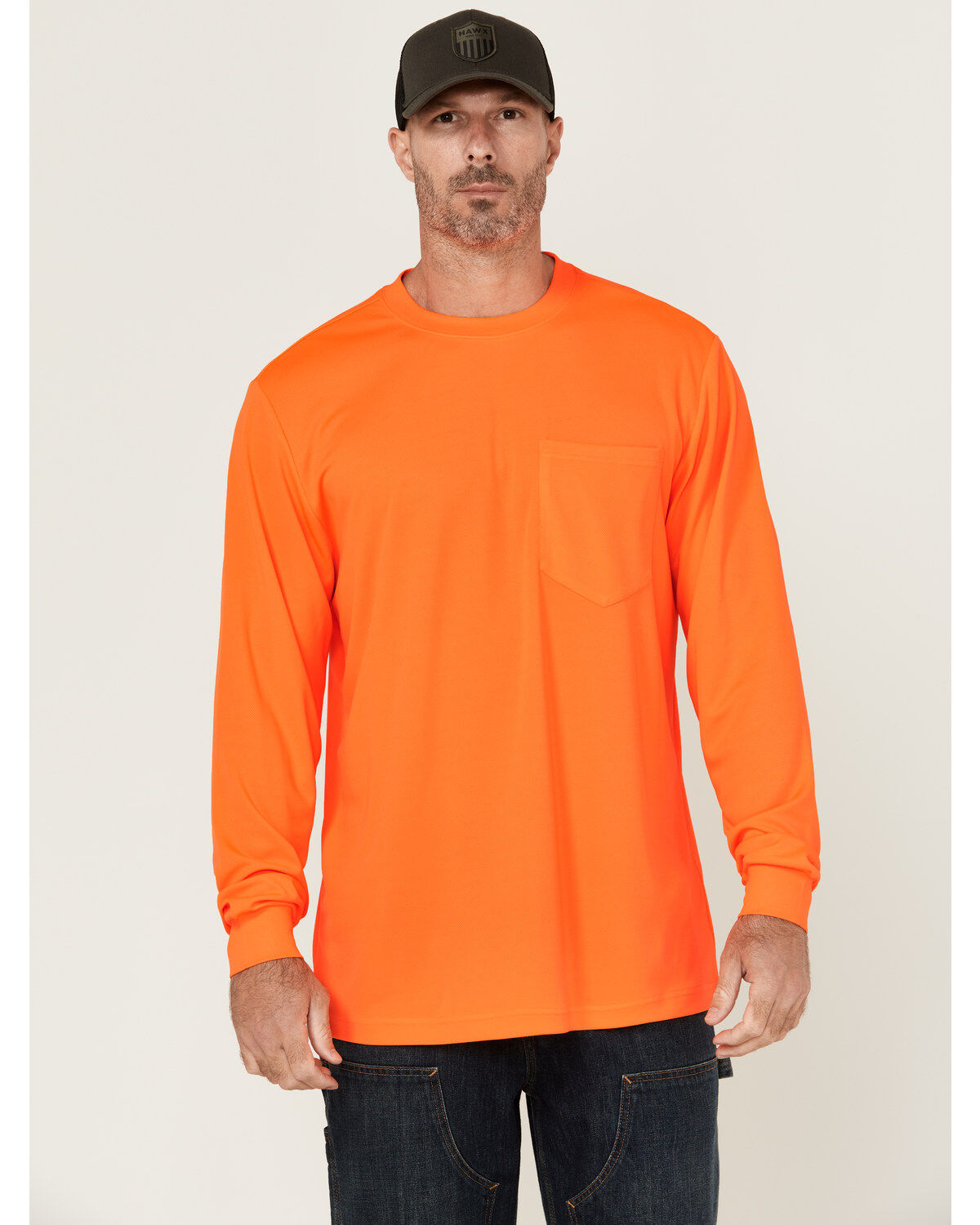
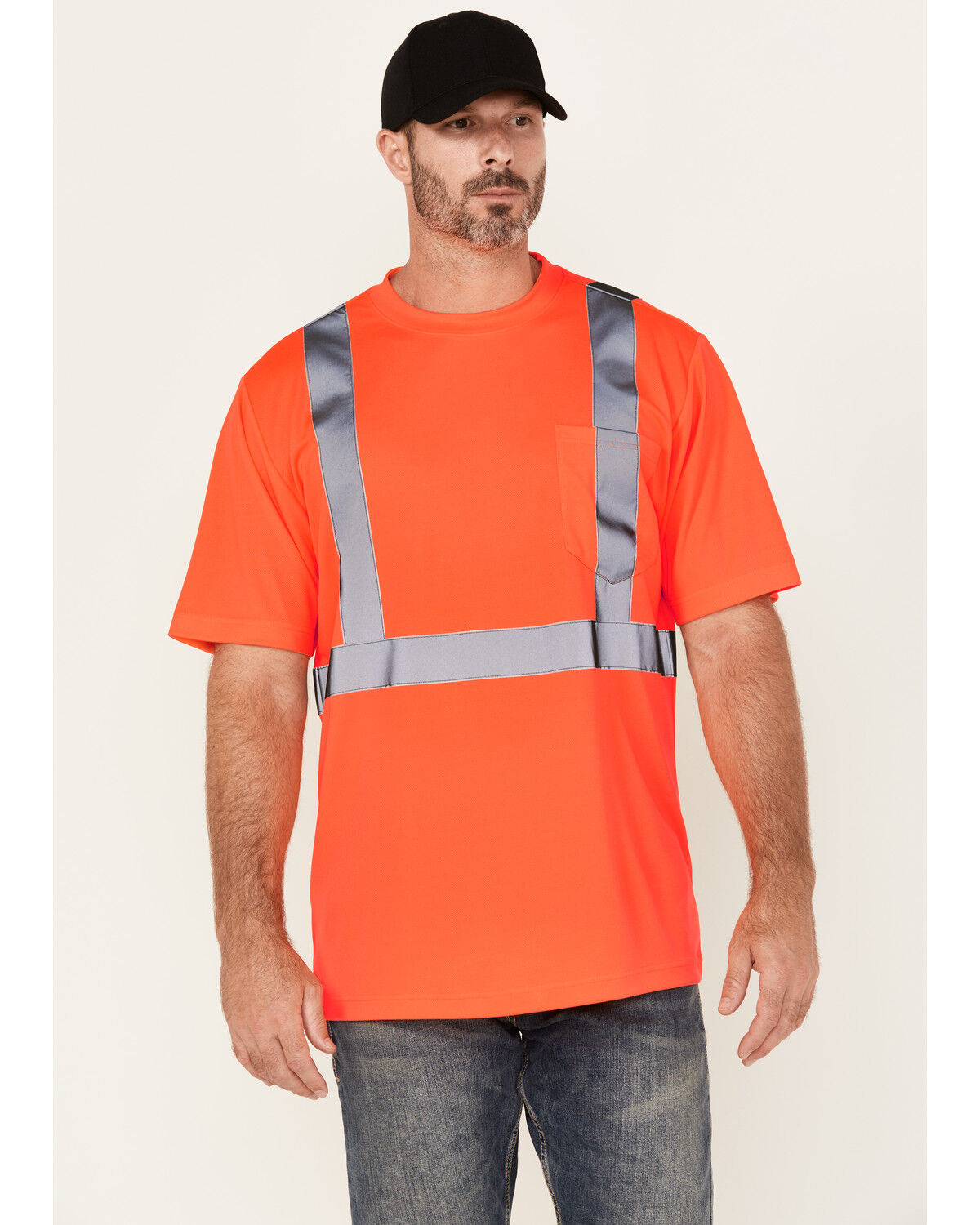
ANSI compliant reflective T-shirts combine high-visibility materials with the familiar fit of an everyday work shirt. They are made for jobs where being seen matters, including road construction, utility work, traffic control, grounds maintenance, and tasks around moving vehicles or equipment. Fluorescent background fabric helps distinguish a worker from the surroundings in daylight, while retroreflective trim returns light toward its source when illuminated by headlights or other directed light. That combination serves a different purpose than a bright shirt alone. A worker standing beside a concrete barrier or crossing a busy equipment yard needs visibility from more than one direction, which makes the amount and placement of visible material important. ANSI/ISEA 107 establishes requirements for high-visibility safety apparel, including the performance of its materials and the areas of background and reflective material used in the finished garment. Compliance depends on the garment meeting those requirements, not simply having reflective stripes. The garment label identifies the applicable standard, garment type, and performance class, giving buyers information to compare against workplace requirements. Type R apparel is associated with roadway and temporary traffic control environments, while other garment types address different occupational settings. Performance classes also differ in their required areas of visible material and garment design. A T-shirt should match the requirements established for the job rather than be selected by color or appearance alone. Fluorescent yellow-green and fluorescent orange-red are familiar choices, but the required color may depend on an employer or worksite specification. Reflective material does not produce its own light, and visibility apparel does not replace lighting, barriers, traffic controls, or safe work practices. Its role is to help make a worker more noticeable within that larger safety plan. For crews moving between a truck, a work zone, and an equipment staging area, a compliant reflective T-shirt offers visibility in a simple garment that can be worn throughout the shift.

Fabric and construction shape how a reflective work T-shirt feels through repeated reaching, lifting, bending, and walking. Polyester is common in high-visibility apparel because it can support bright color, resist frequent wear, and dry readily after washing. Depending on the garment, fabric may have an open mesh construction, a smooth knit surface, or a blend chosen for a different hand feel. Breathable construction and moisture-managing fabric can help with comfort during active work, though those features vary by shirt and should be confirmed in its specifications. Mesh allows airflow, while a more solid knit may provide a less open surface against the skin. Neither fabric description alone establishes ANSI compliance. The finished garment still needs the appropriate label and performance information. Reflective trim also varies in construction. Segmented patterns may allow more fabric movement than some continuous bands, while continuous striping provides an uninterrupted reflective surface. The important distinction is how the complete design meets the required visibility standard while allowing comfortable movement. Fit matters just as much as fabric. A shirt that pulls tight across the shoulders can restrict reaching, while an oversized shirt may hang loosely near tools or machinery. A useful work fit leaves room for normal movement without unnecessary excess fabric. Sleeve openings, shoulder seams, body length, and neck construction all affect comfort during a full shift. Reaching into a truck bed or lifting materials overhead can reveal whether a hem stays in place and whether the shoulders bind. Reflective areas need to remain visible rather than being hidden by an open vest, a jacket, or equipment worn over the shirt. An added layer should meet the visibility requirements that apply when it becomes the outermost garment. Size-specific labeling deserves attention because the amount of visible material is part of the garment’s compliance. Well-finished seams and securely applied reflective trim are useful construction details to examine when comparing shirts intended for regular work.

Care and condition affect how long a reflective T-shirt can continue serving its intended purpose. Dirt, grease, abrasion, and repeated laundering can change the appearance and performance of both fluorescent fabric and reflective material. A shirt used around road dust, building materials, or vehicle maintenance may need cleaning more often than one worn in a cleaner facility. Following the garment’s care label helps protect the fabric and trim without relying on a one-size-fits-all washing routine. Detergent restrictions, bleach instructions, drying methods, and ironing limits can differ, especially when reflective material is bonded to the fabric. Any stated laundering limit is also worth noting. A maximum number of wash cycles does not mean a garment remains suitable regardless of its condition before that point. Faded background fabric, peeling trim, damaged seams, and reflective sections worn away by friction are reasons to review the shirt’s suitability against workplace requirements. Repairs, alterations, and added decoration can also affect compliance if they cover visible material or change the garment’s design. Keeping a clean replacement ready can be practical for workers whose shirts pick up heavy soil during a shift, provided the replacement meets the same required specifications. When comparing ANSI compliant reflective T-shirts with the broader selection of High Vis T-Shirts, the garment label helps separate general visibility features from apparel that meets a defined occupational standard. Other protective needs remain separate considerations. A reflective T-shirt is not automatically flame resistant or arc rated, and work involving those hazards requires clothing with the appropriate protective ratings as well as the necessary visibility features. For someone buying work shirts as a gift, the recipient’s required garment type, performance class, size, and preferred fit matter more than a familiar color or stripe pattern. A well-matched shirt supports the demands of the job without adding unnecessary bulk or interfering with movement. Clear labeling, suitable construction, and consistent care are what make this familiar workwear shape useful in settings where visibility is part of the daily requirement.
Read More

FAQs