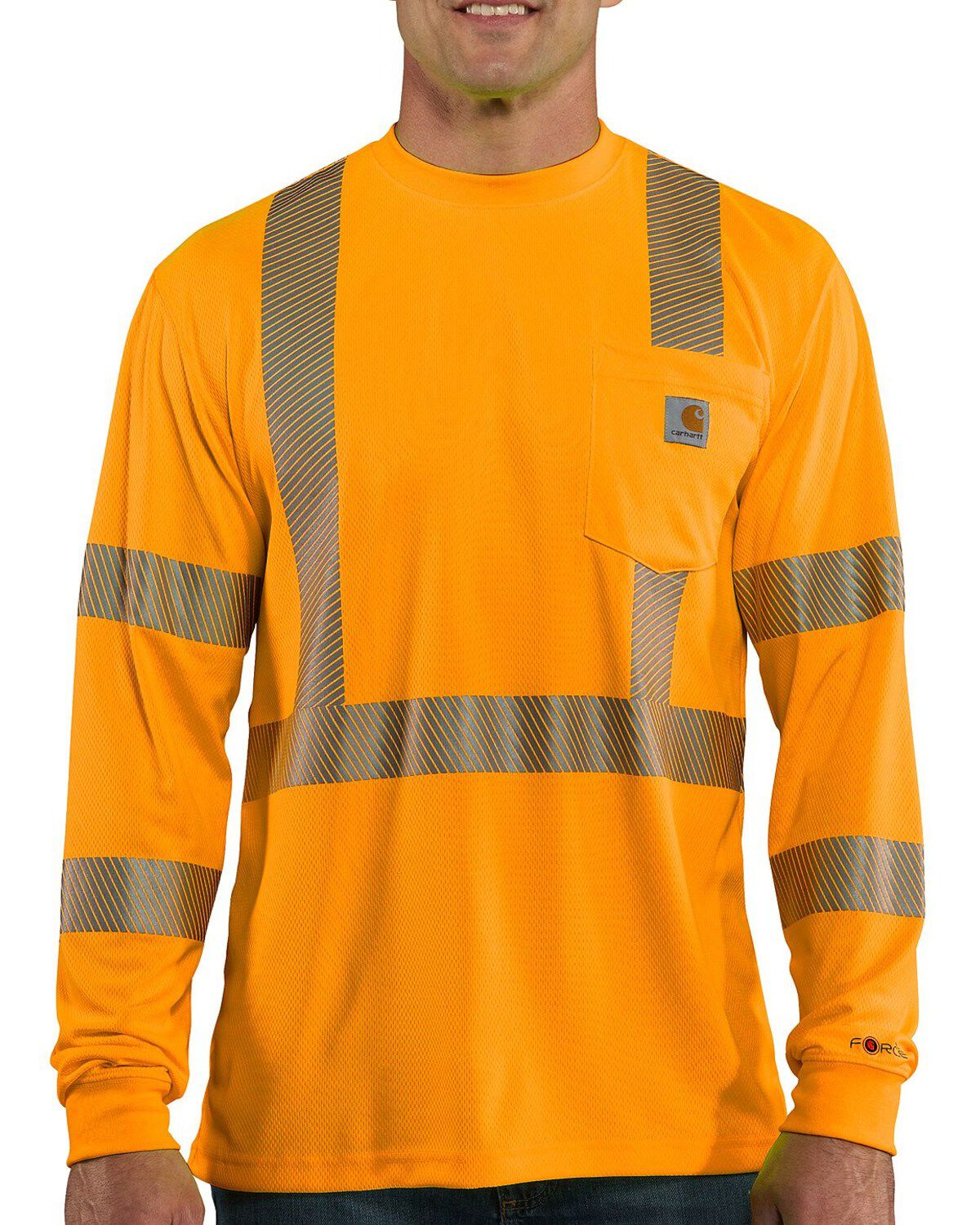
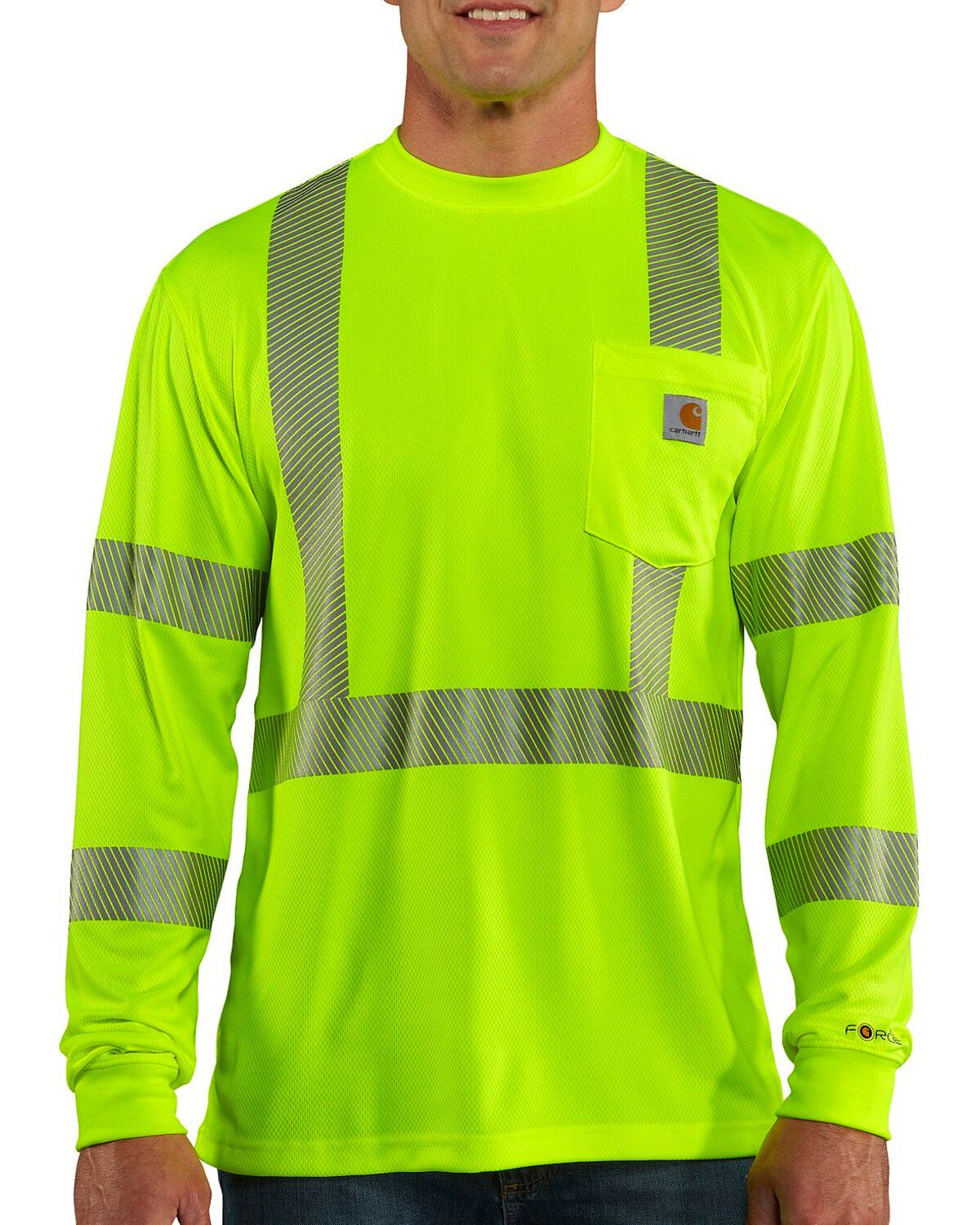
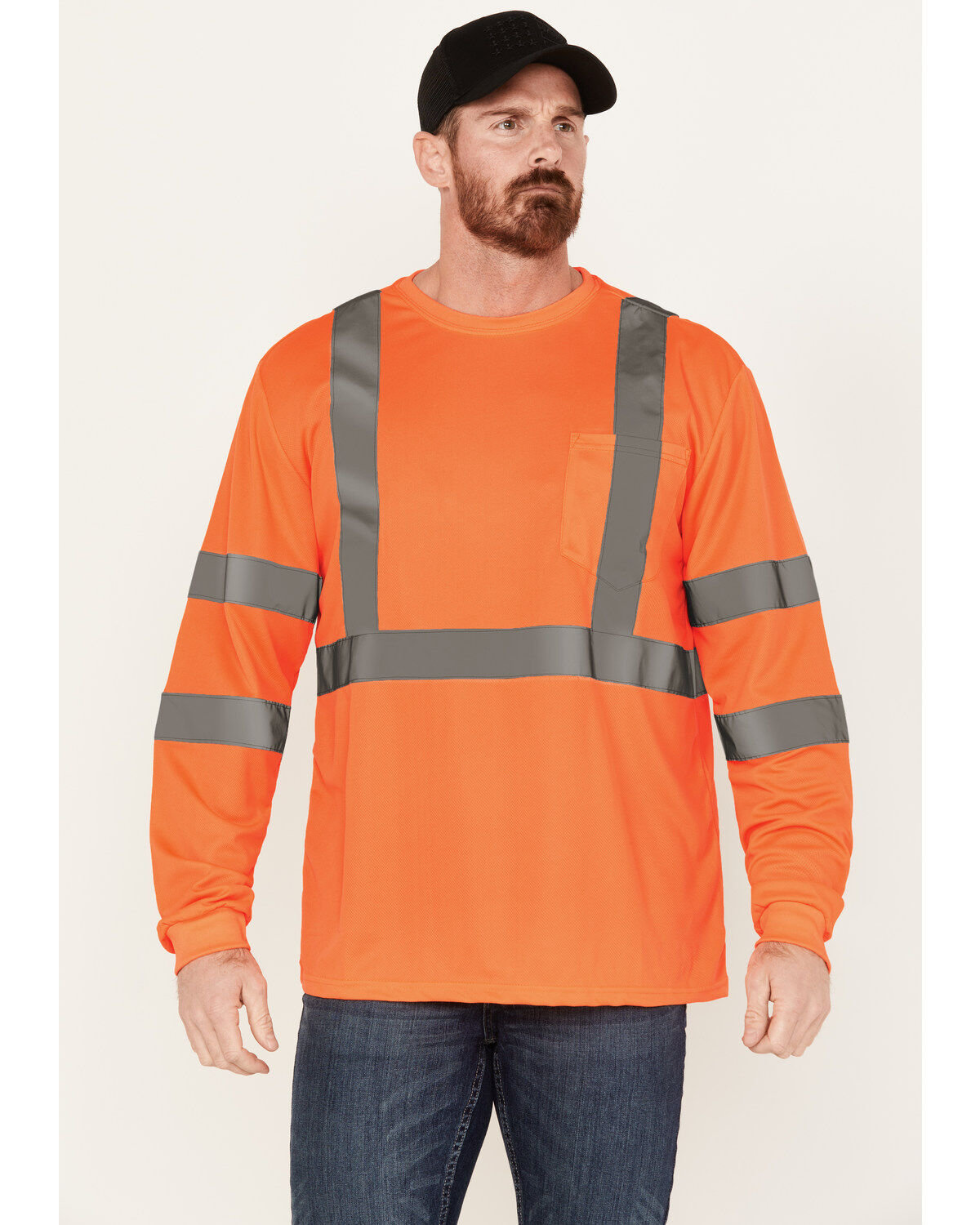
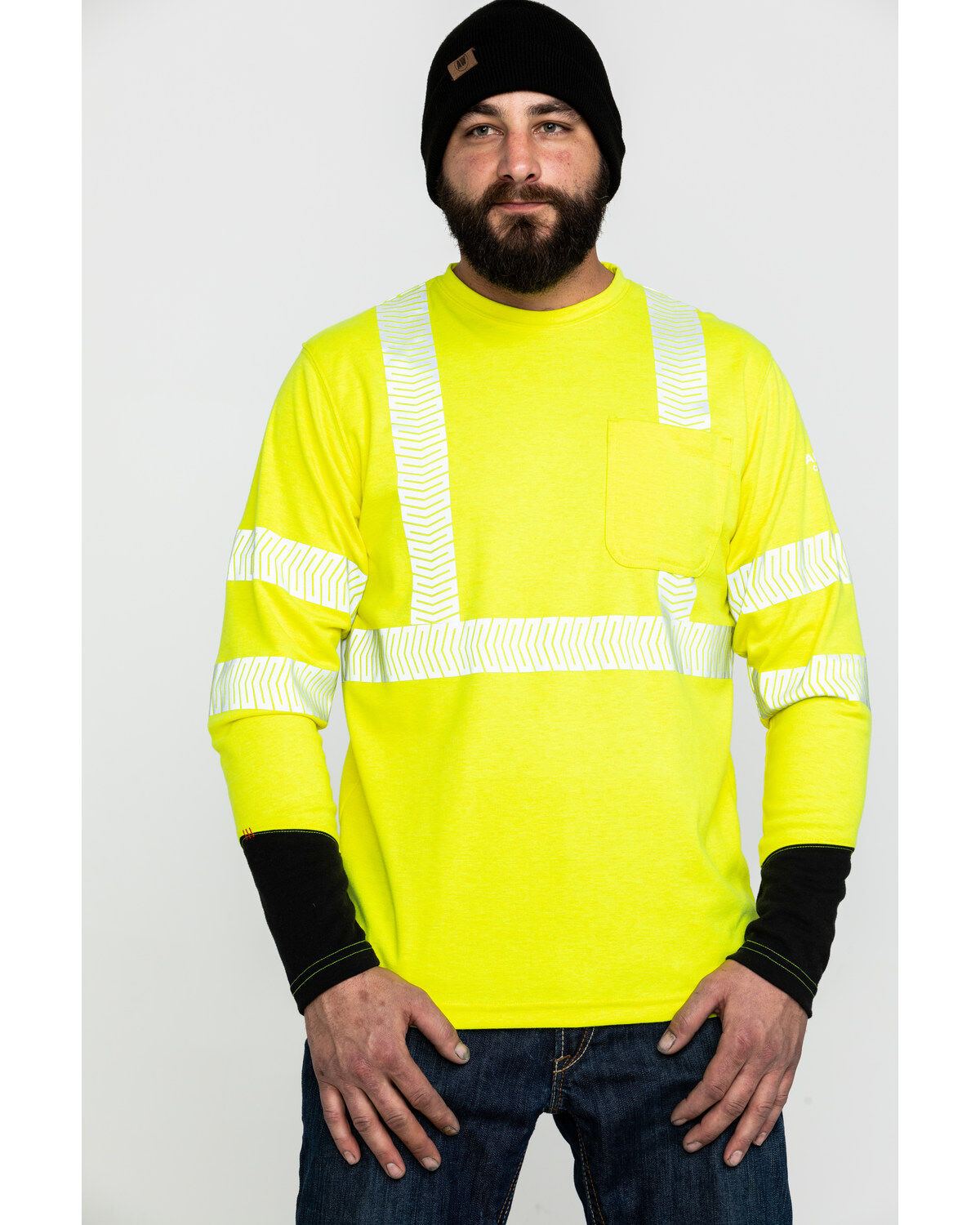
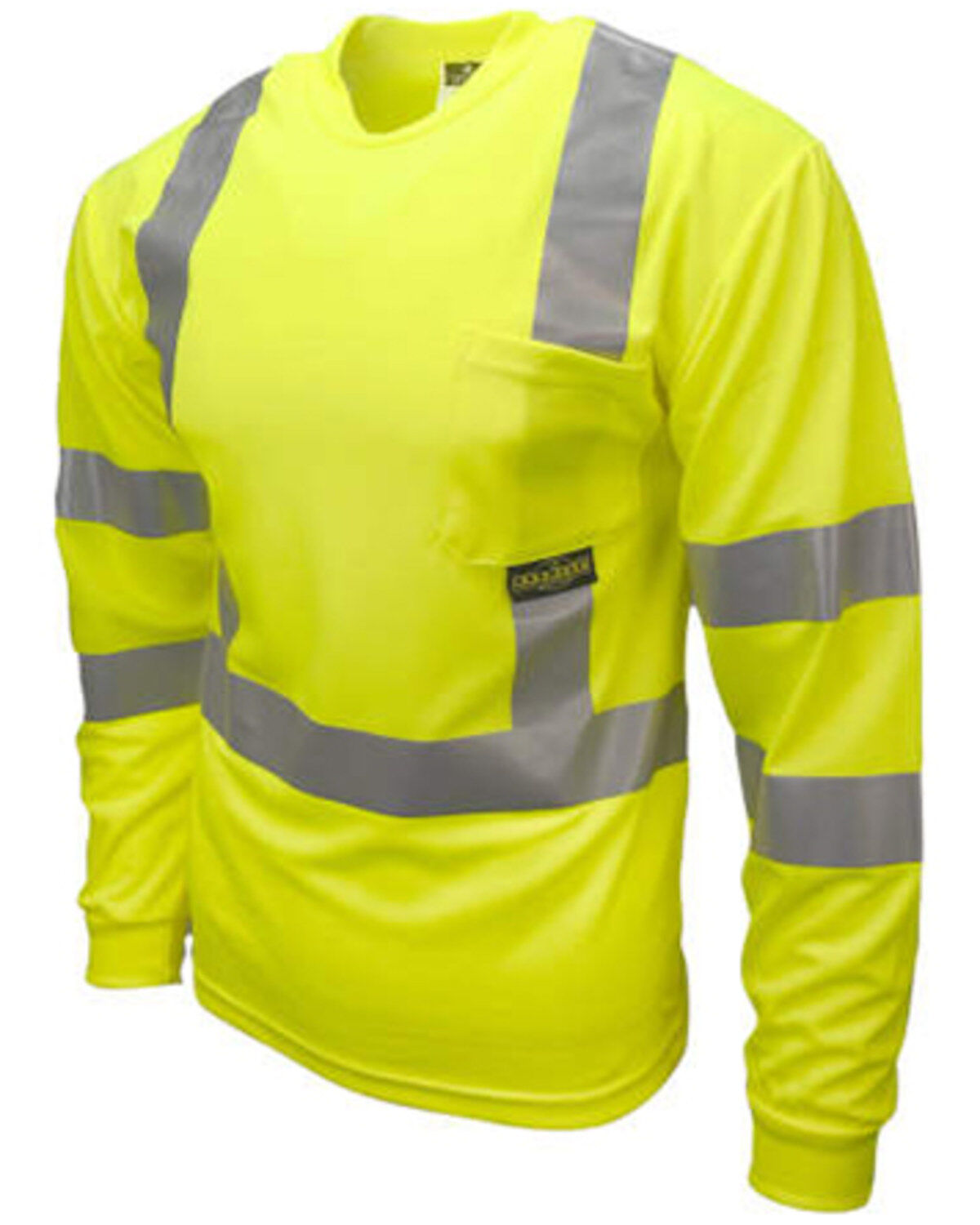
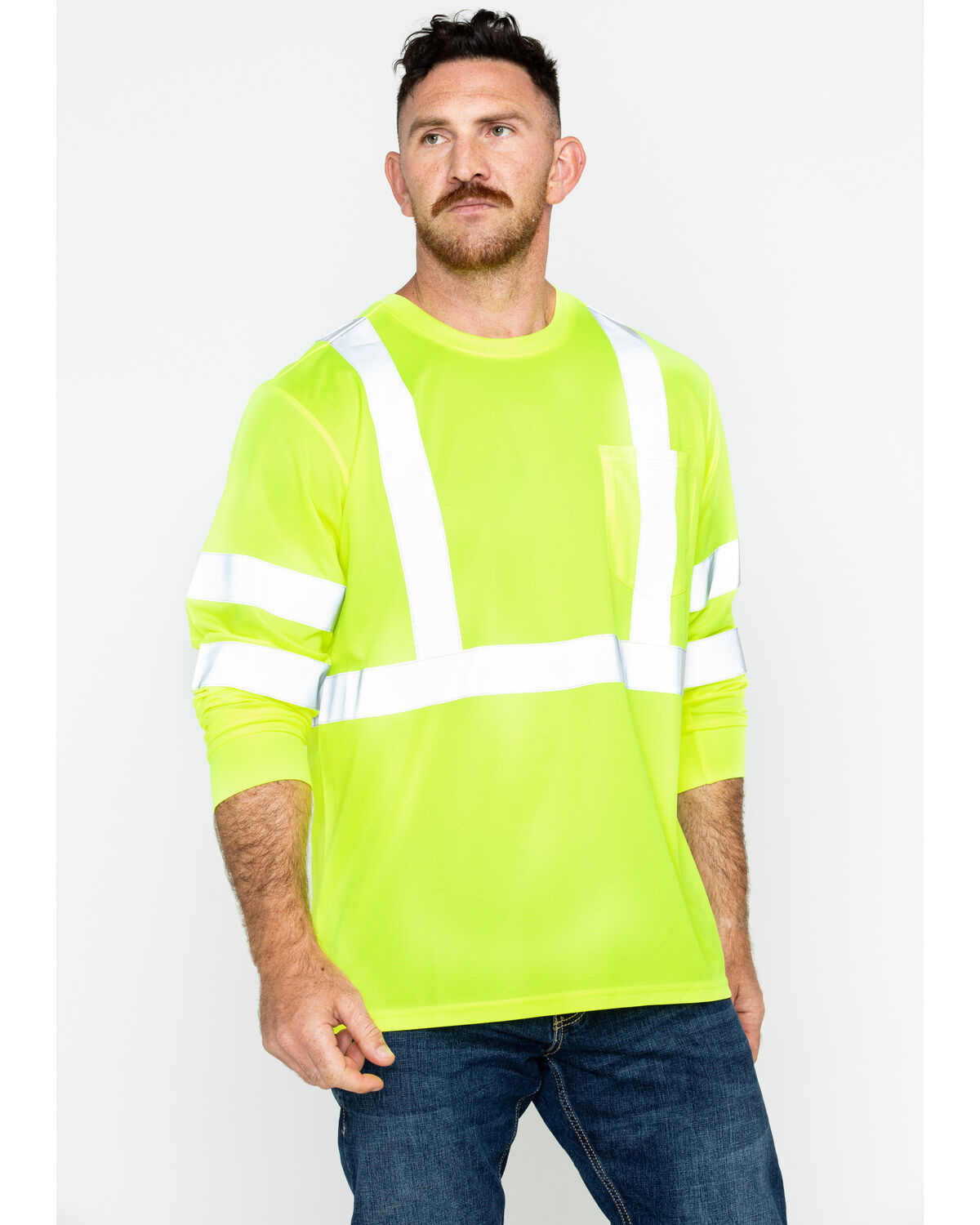
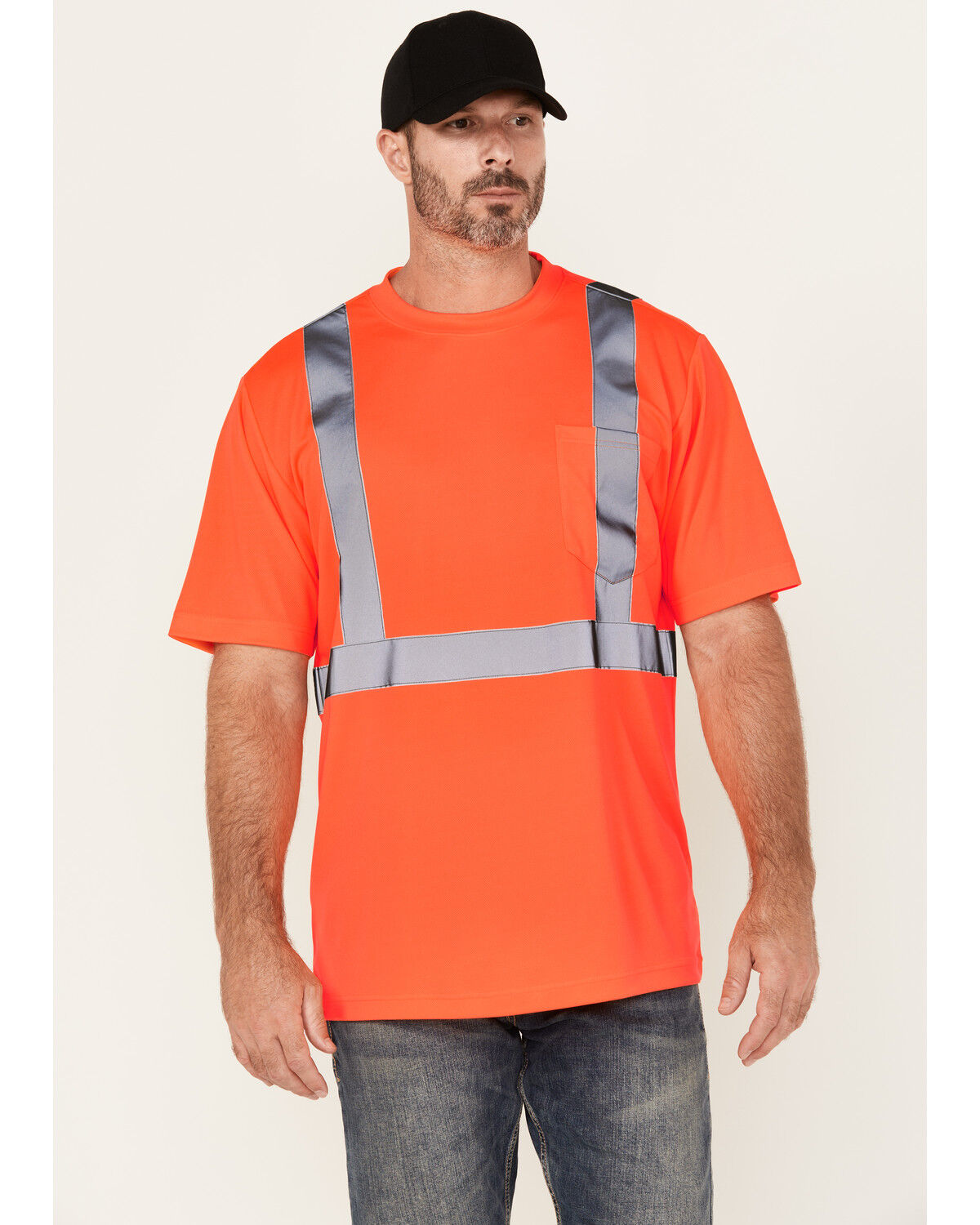
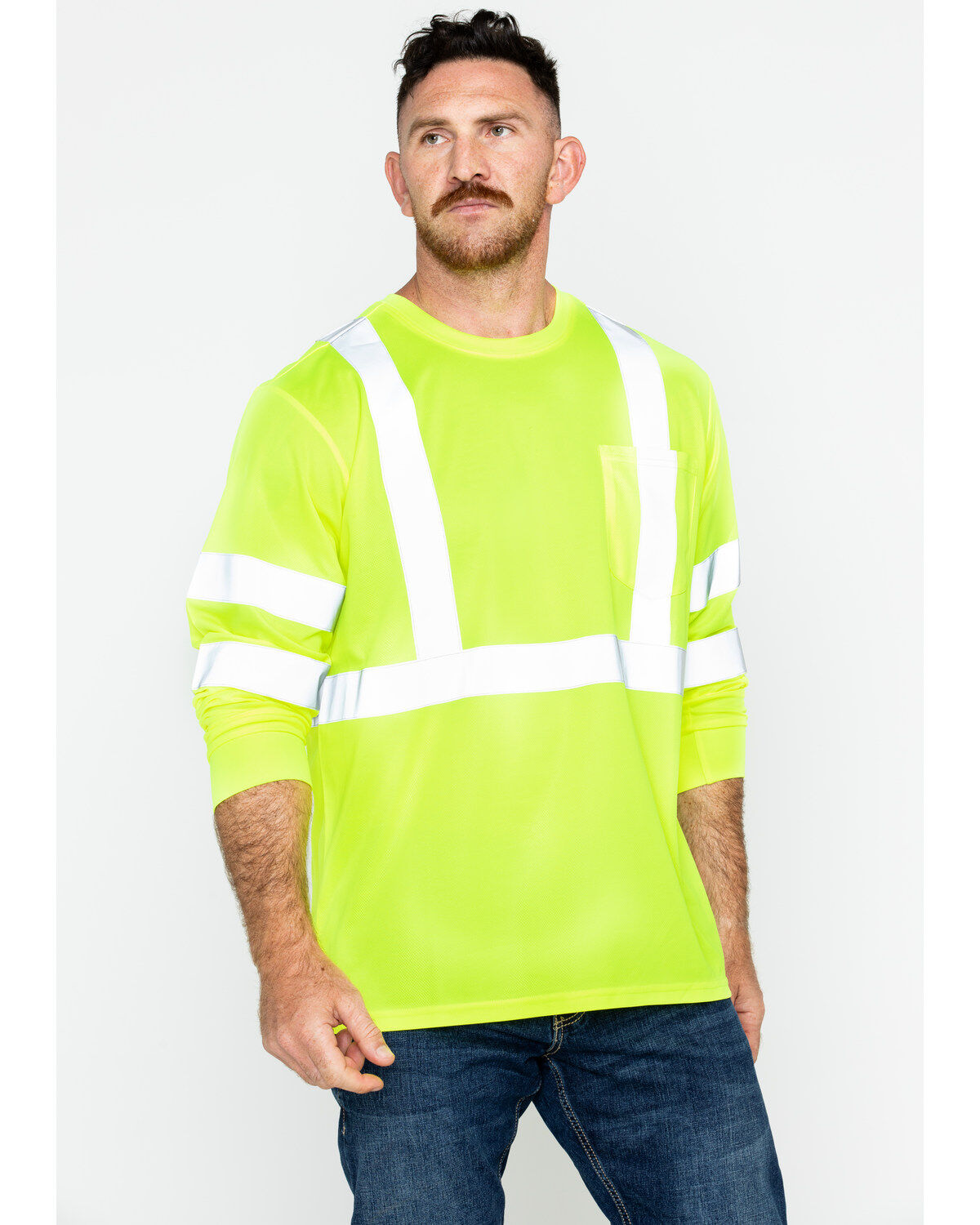
ANSI Class 3 Reflective Shirts

Find ANSI Class 3 reflective shirts for jobs that call for high-visibility workwear. Shop with your jobsite requirements in mind, and check each shirt’s listed safety classification, sizing, and features to choose the right fit for your workday.

Read More

Shop Your Store: Shop Your Store: Find a Store

(Turn off Shop Your Store to see all items)

(Turn off Shop Your Store to see all items)

close
  • Recommended
  • Lowest Price
  • Highest Price
Skip pass products
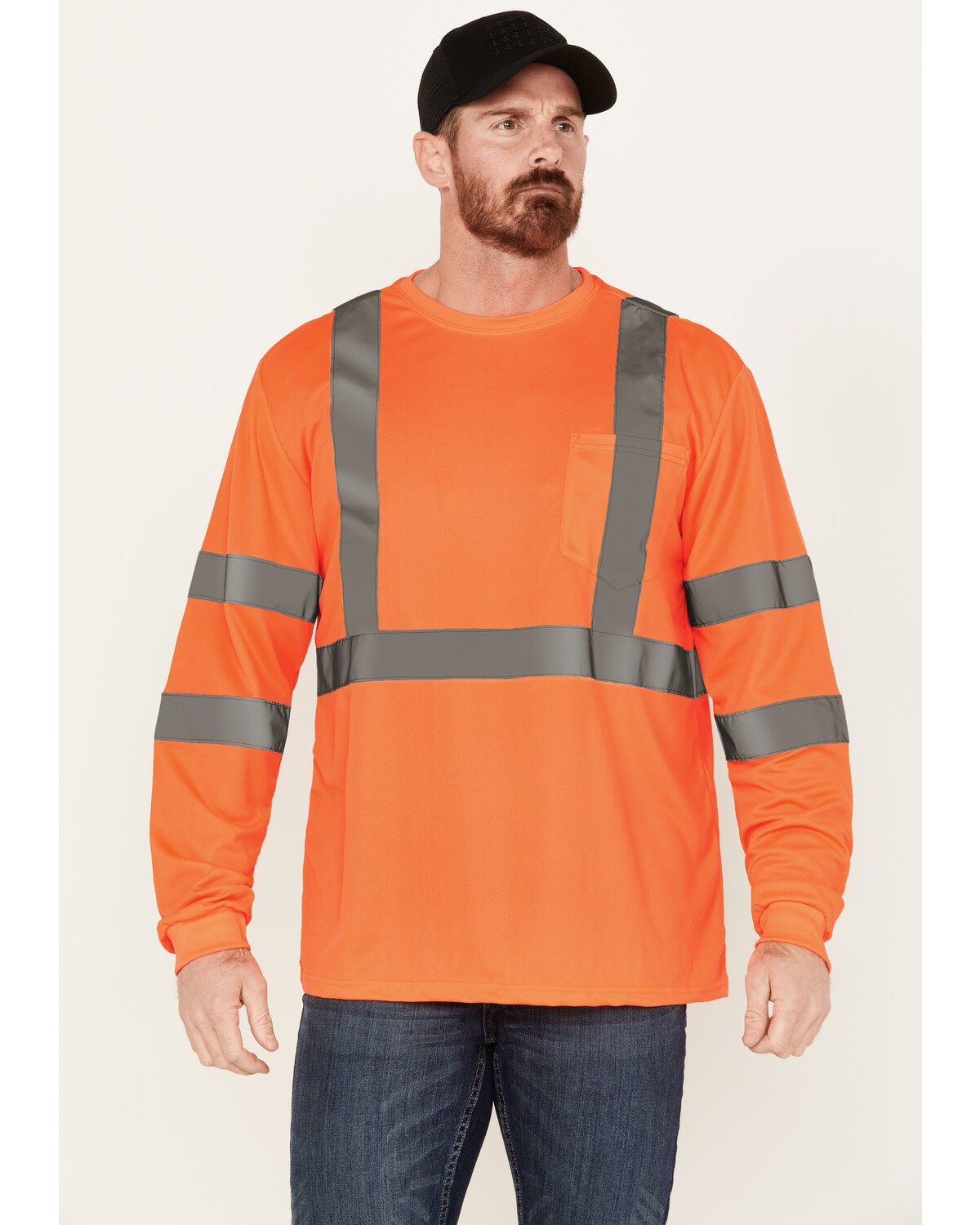
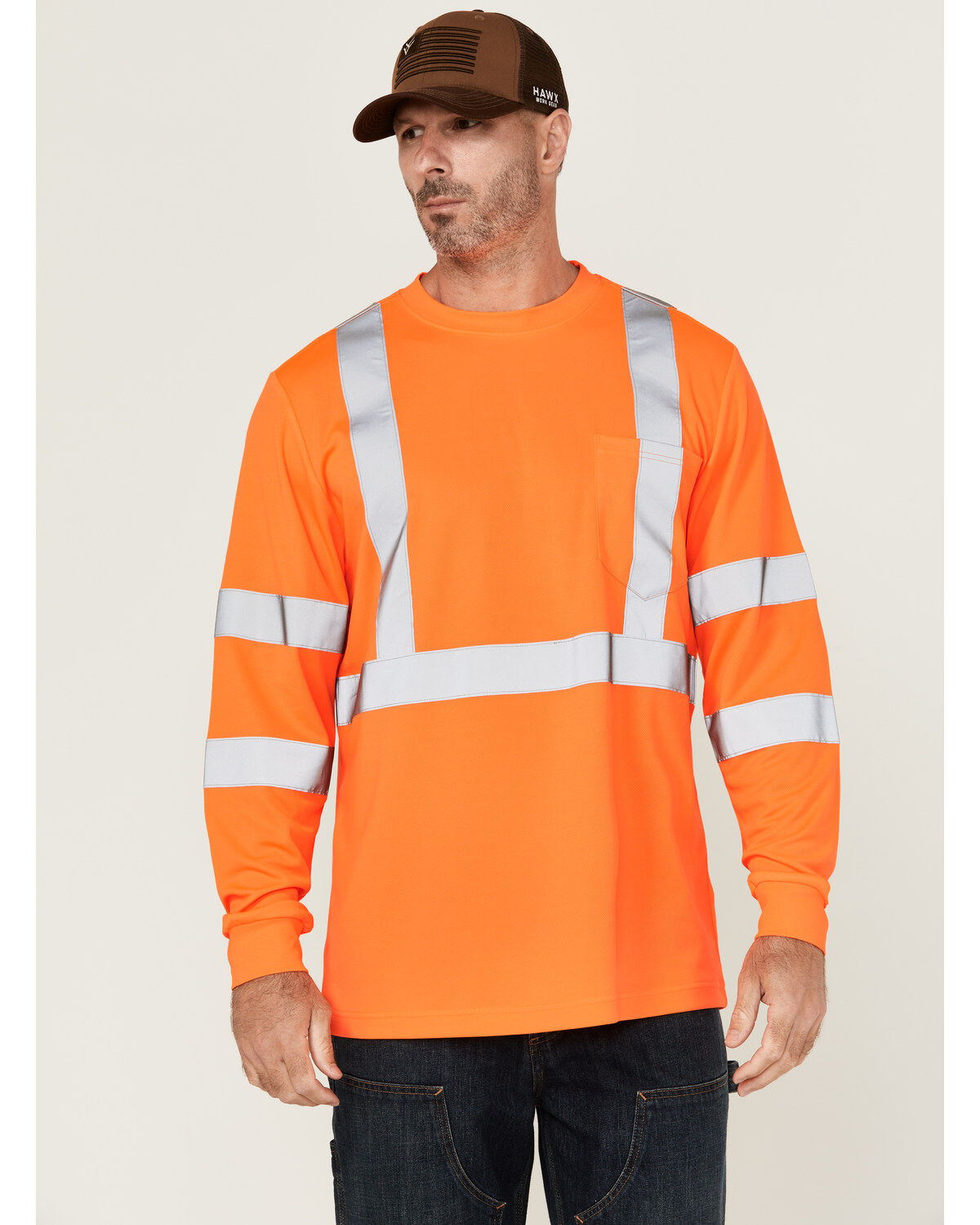
  • Men's Hawx Reflective Long Sleeve Work Tee

    Original Price $34.99 $18.73
    46% Total Savings
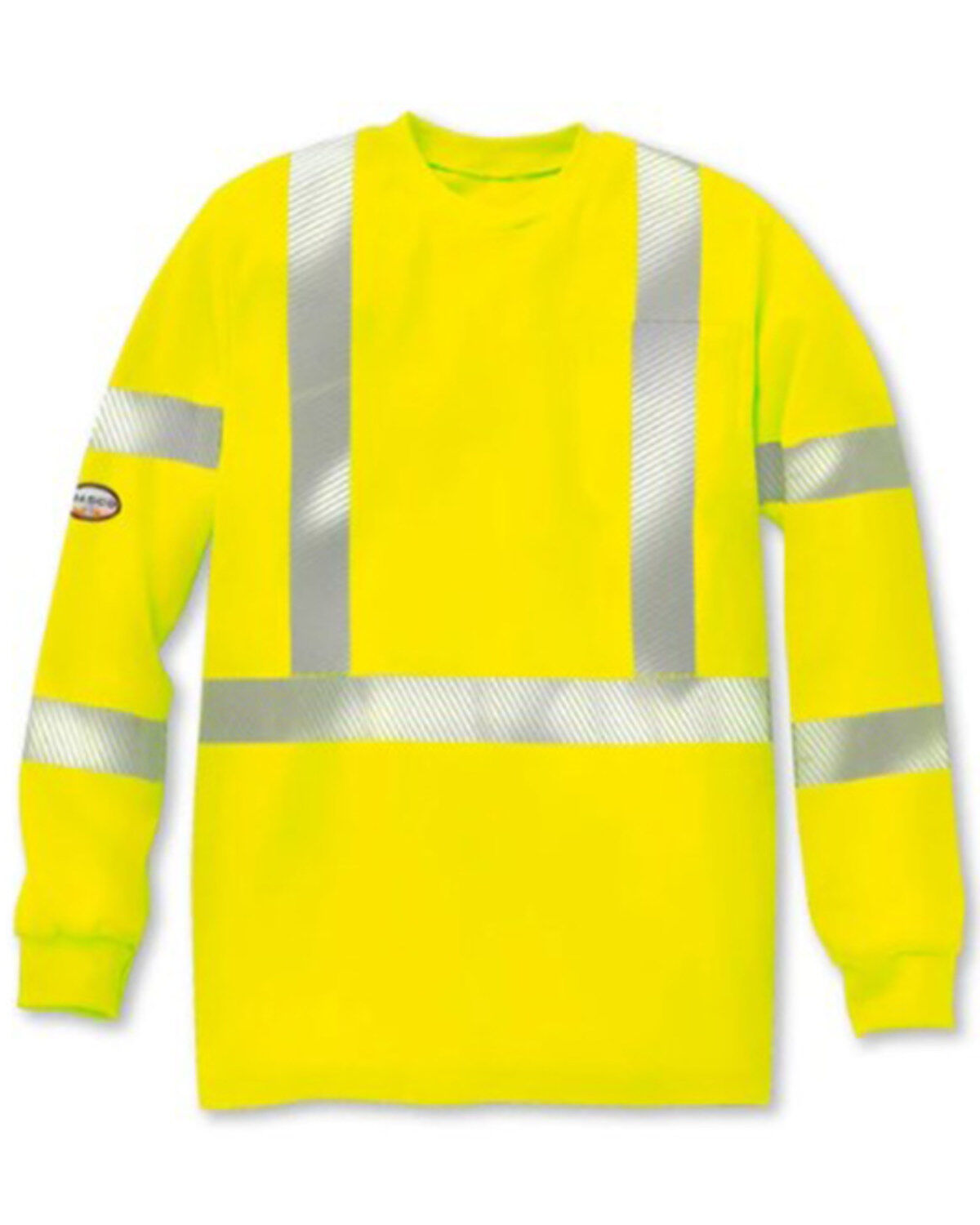
  • Men's Hawx FR Hi-Vis Lumos Long Sleeve Work Shirt

    Original Price $159.99 $83.23
    48% Total Savings
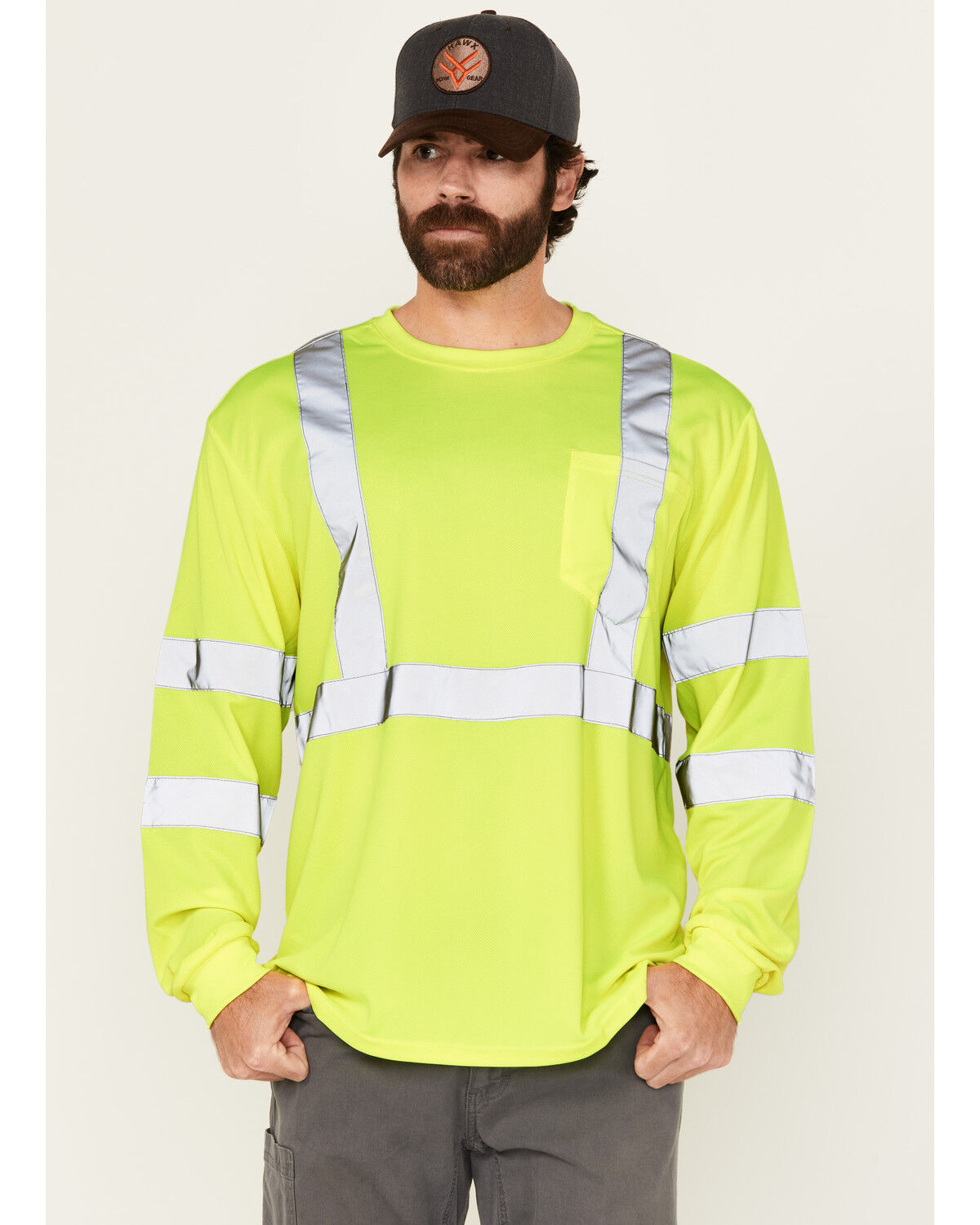
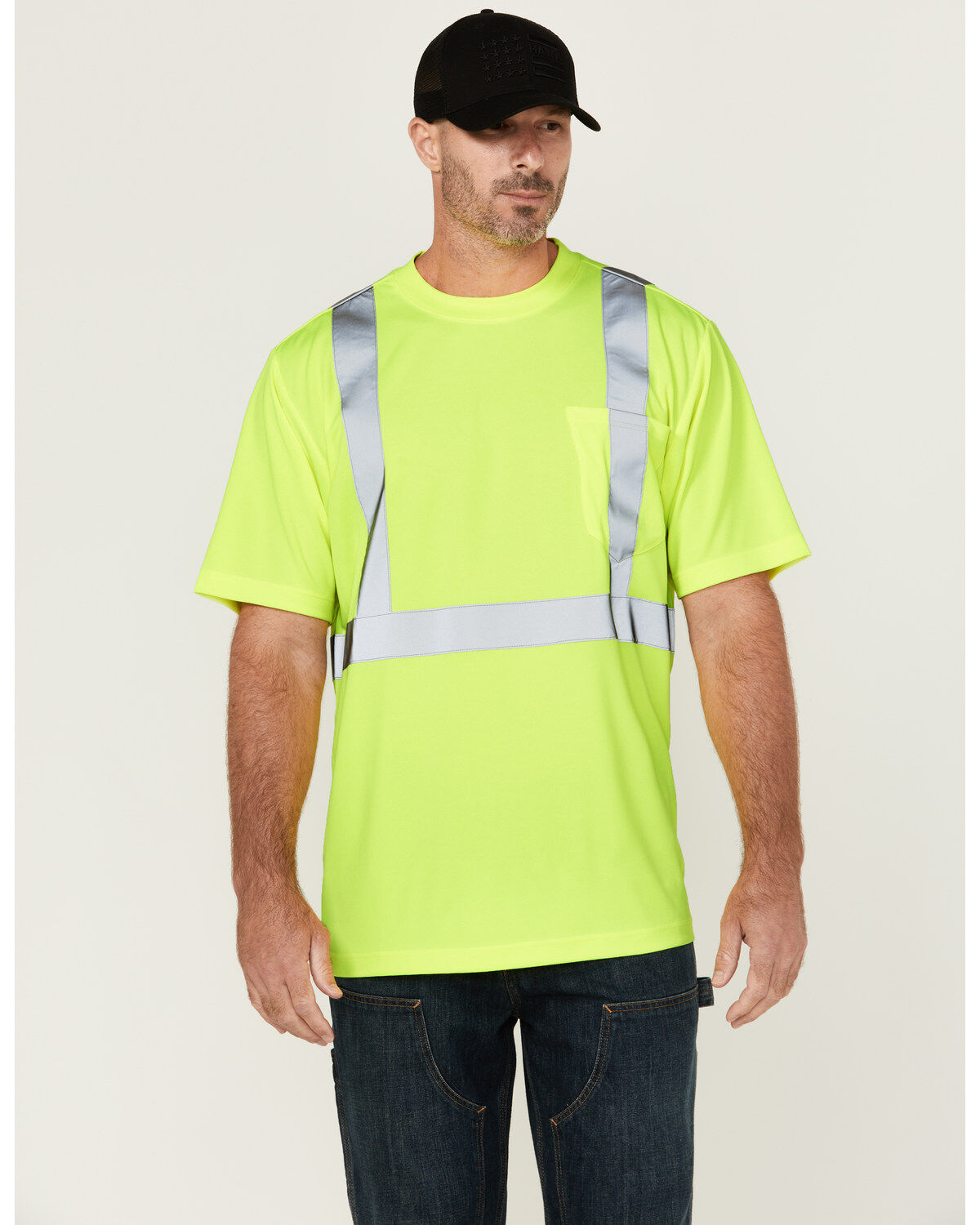
  • Men's Hawx Hi-Vis Reflective Long Sleeve Work Tee - Big & Tall

    Original Price $39.99 $18.73
    53% Total Savings

End of products

ANSI Class 3 Reflective Shirts

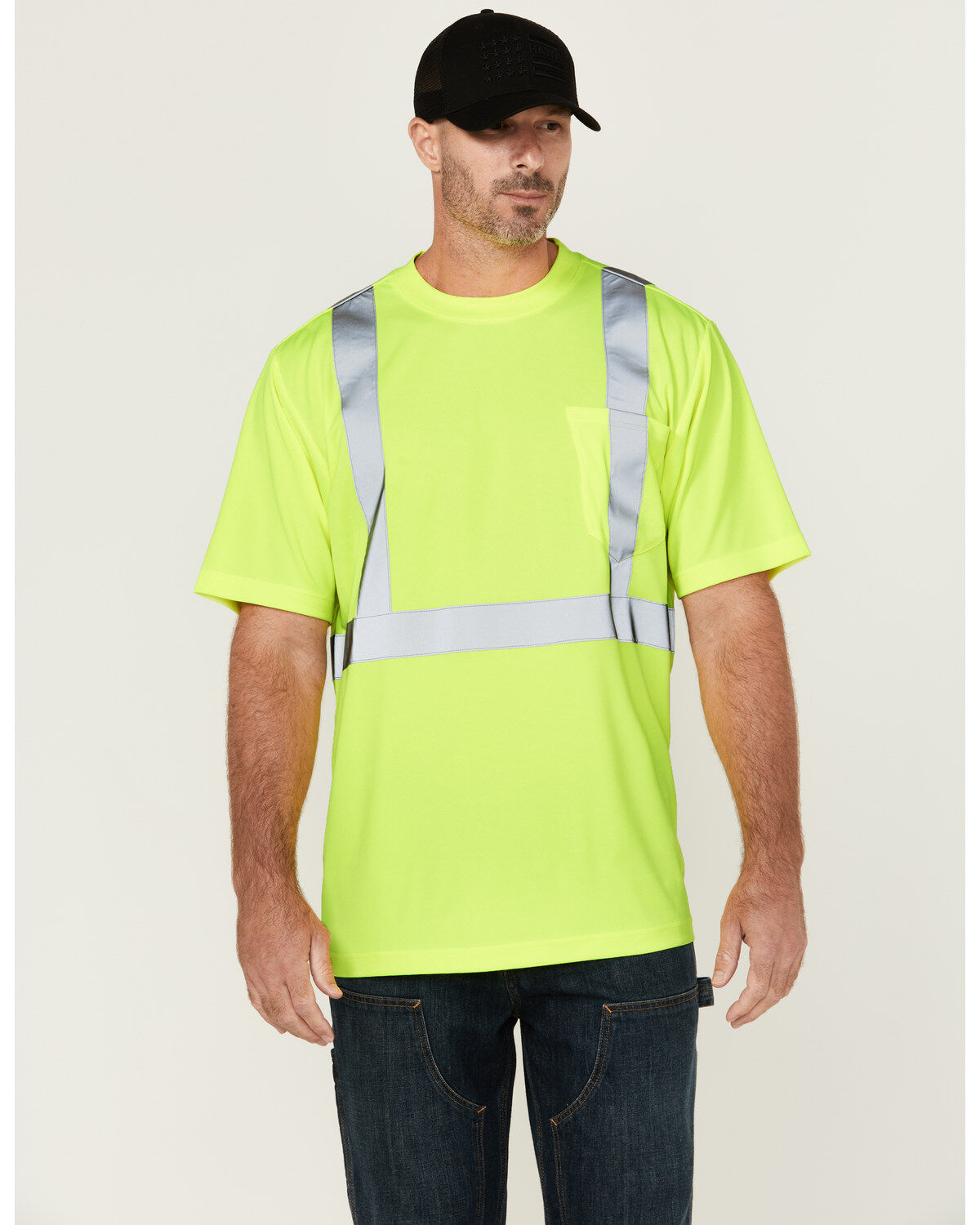
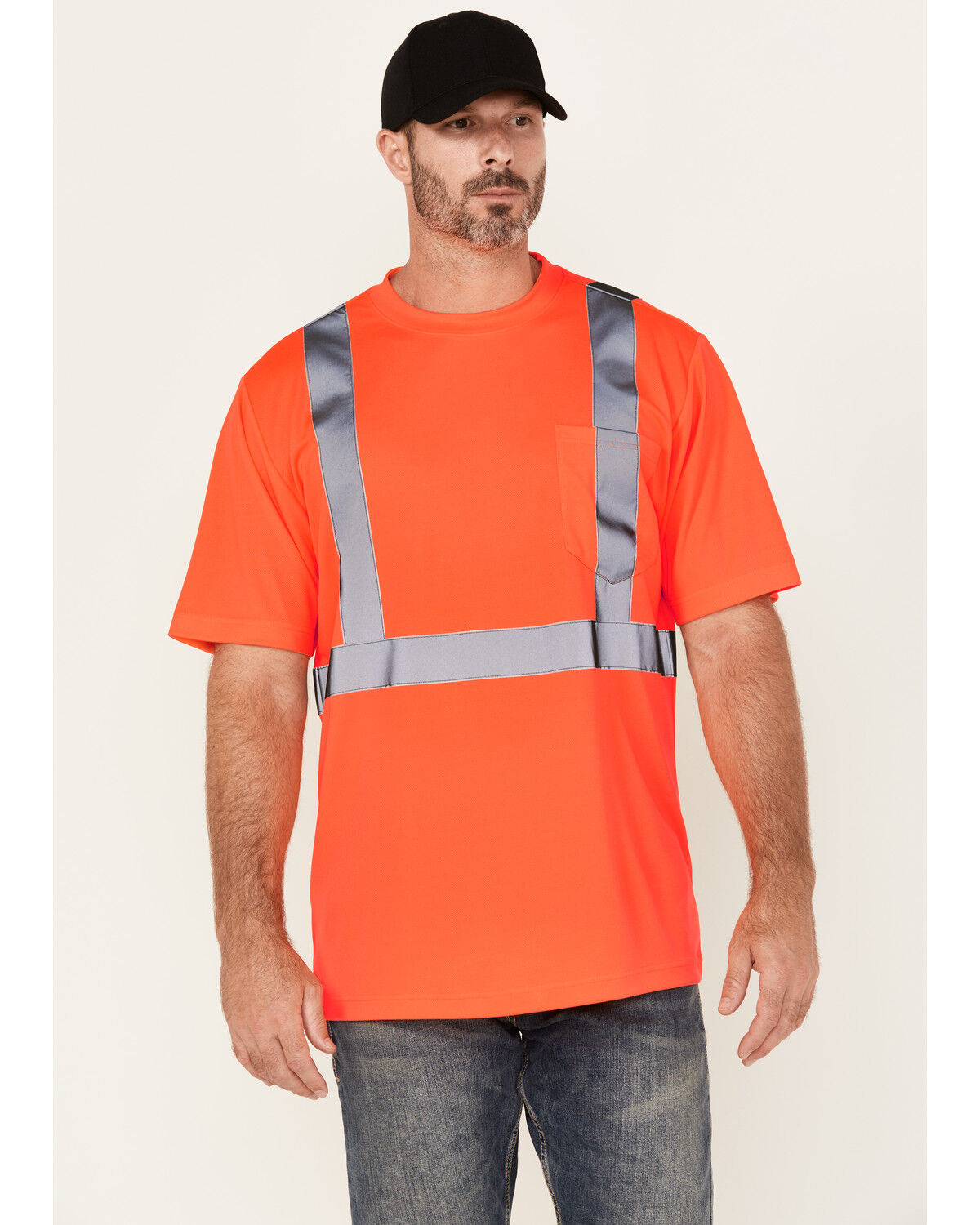
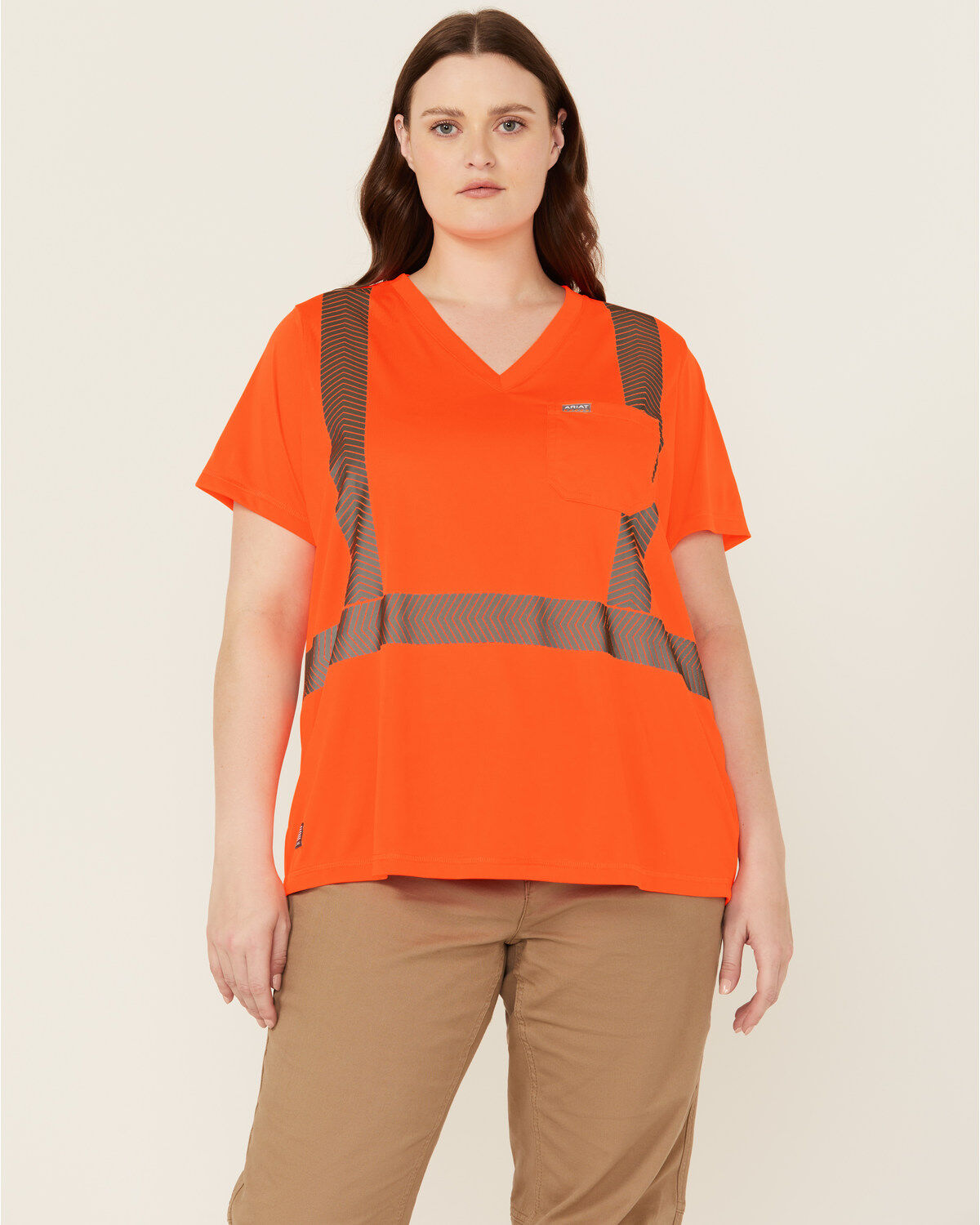
ANSI class 3 reflective shirts are workwear built for jobs where being seen is part of staying safe. They combine highly visible background fabric with reflective material arranged to help identify a worker from multiple directions. The class designation comes from the ANSI/ISEA 107 standard for high-visibility safety apparel, which sets requirements for material performance, coverage, and garment design. Class 3 designs include visibility features on the torso and sleeves, helping distinguish the shape and movement of the person wearing them. That matters when a road crew works beside moving traffic, a flagger stands near a lane closure, or an equipment operator needs to spot someone walking across an active work area. Fluorescent yellow-green and orange-red are common background colors because they stand out against many surroundings in daylight. Retroreflective material serves a different purpose: it returns light toward its source, such as vehicle headlights, helping the wearer remain visible when lighting is limited. It does not generate its own light, and reflective trim alone does not make an ordinary shirt class 3 apparel. The full garment must meet the applicable requirements. These shirts are relevant to highway maintenance crews, utility workers, construction workers, survey crews, and others whose assignments place them near traffic or moving equipment. The right choice depends on the work, not just the occupation. A worker inspecting roadside utilities may face different visibility requirements than someone handling materials inside a controlled facility. Employer requirements and the site hazard assessment determine the appropriate garment type and performance class. Label information helps confirm those details rather than leaving the decision to color or appearance. Class 3 identifies visibility performance; it does not, by itself, indicate protection against flame, electric arc exposure, chemicals, or other hazards. Work that calls for additional protection requires clothing with the appropriate separate ratings. A high-visibility shirt is one part of the work setup, alongside traffic controls, communication, and safe equipment operation. Its purpose is straightforward: make the worker easier to distinguish while allowing the job to get done.

Materials and construction affect how a reflective shirt feels through repeated lifting, reaching, walking, and bending. Polyester is common in high-visibility work shirts because it can provide a lightweight fabric with dependable color retention and practical care requirements. Mesh constructions allow airflow through the fabric, while smoother knits offer a different feel against the skin. Fiber blends can change softness, stretch, moisture handling, and overall weight, so the fabric description matters as much as the general shirt style. A shirt worn while setting signs along a roadway needs enough freedom through the shoulders to raise both arms without pulling tight across the back. Someone climbing into equipment or bending to connect a utility line needs a hem that stays in place without excess fabric gathering around the waist. Fit should leave room for normal movement and any permitted base layer, but it should not be so loose that sleeves or the hem interfere with tools and equipment. Shoulder placement, sleeve length, and body length all contribute to that balance. Short-sleeve and long-sleeve designs can serve different workplace needs, but neither sleeve length alone proves that a garment meets class 3 requirements. The label and complete reflective layout remain the deciding details. Reflective bands may feel different from the surrounding fabric, making their placement and flexibility worth considering for repetitive tasks. Segmented reflective patterns can allow more movement in some designs, while continuous bands provide an uninterrupted reflective surface. Either construction must meet the stated performance requirements of the finished garment. Seams, neckline construction, and sleeve edges also deserve attention because these areas take repeated strain and rubbing. A reinforced seam or well-finished edge can help a work shirt hold its shape, though no construction makes it immune to wear. Pockets and other features should support the task without compromising the required visible area. A radio, tool belt, or safety harness can cover part of the shirt, so the way clothing works with required equipment matters. Durability includes keeping the fluorescent fabric and reflective material effective, not simply keeping the shirt free of holes.

Care is especially important for apparel whose function depends on the condition of its surface. Dirt, grease, and repeated abrasion can reduce how well the background color and reflective material perform. A shirt used around road repair equipment or handled with dusty gloves may need cleaning well before the fabric shows structural damage. The garment care label should govern washing, drying, and any limits on laundering. Reflective components can have different care needs from an ordinary work shirt, and using a stronger cleaning method is not automatically better. Bleach, fabric softeners, stain treatments, and high drying heat may affect certain materials, so they should only be used when the care instructions permit them. Some labels state a maximum number of wash cycles, but that number is not a promise that the garment will remain suitable until the final wash. Daily use, contamination, and physical damage can shorten its useful life. Faded background fabric, peeling reflective material, cracked bands, persistent stains, and torn seams are reasons to have the garment evaluated under workplace procedures. A shirt that still feels comfortable may no longer provide the visibility performance required for the assignment. Storage also matters: keeping clean shirts away from oil, sharp tools, and abrasive surfaces helps prevent damage between uses. The complete work outfit deserves the same attention. An unmarked outer layer can cover the visibility features of a class 3 shirt, and wearing another garment over it does not automatically preserve the required performance. Related workwear within Reflective Clothing can help address different garment needs, with each piece judged against the requirements of the job. For someone choosing a practical gift for a road worker, utility worker, or construction professional, correct sizing and confirmed workplace requirements come first. Color preference is secondary to the required classification and protective features. A properly selected reflective shirt should fit the worker, suit the task, allow necessary movement, and hold up to the care it needs. Those details make it dependable workwear rather than simply a bright shirt.
Read More

FAQs