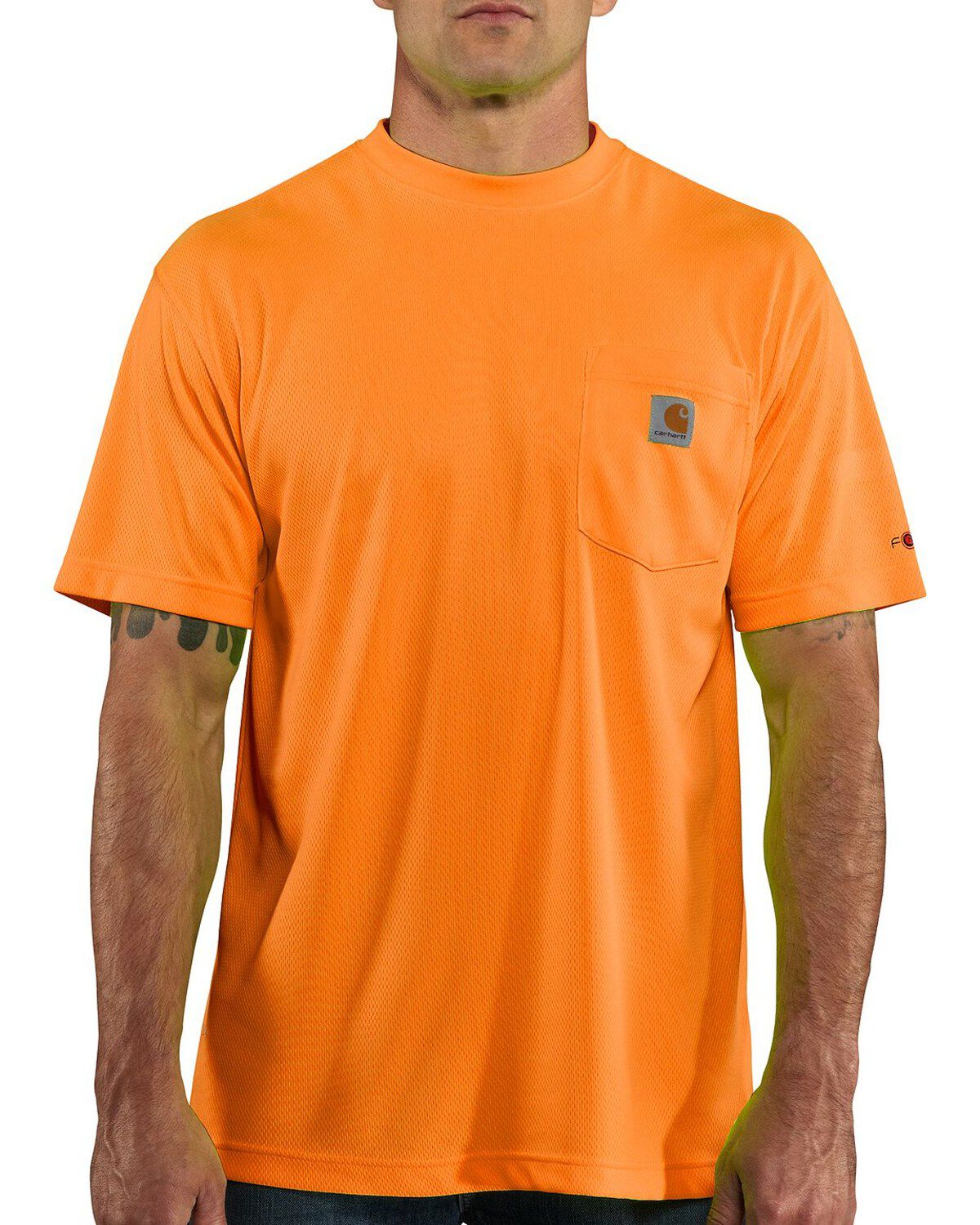
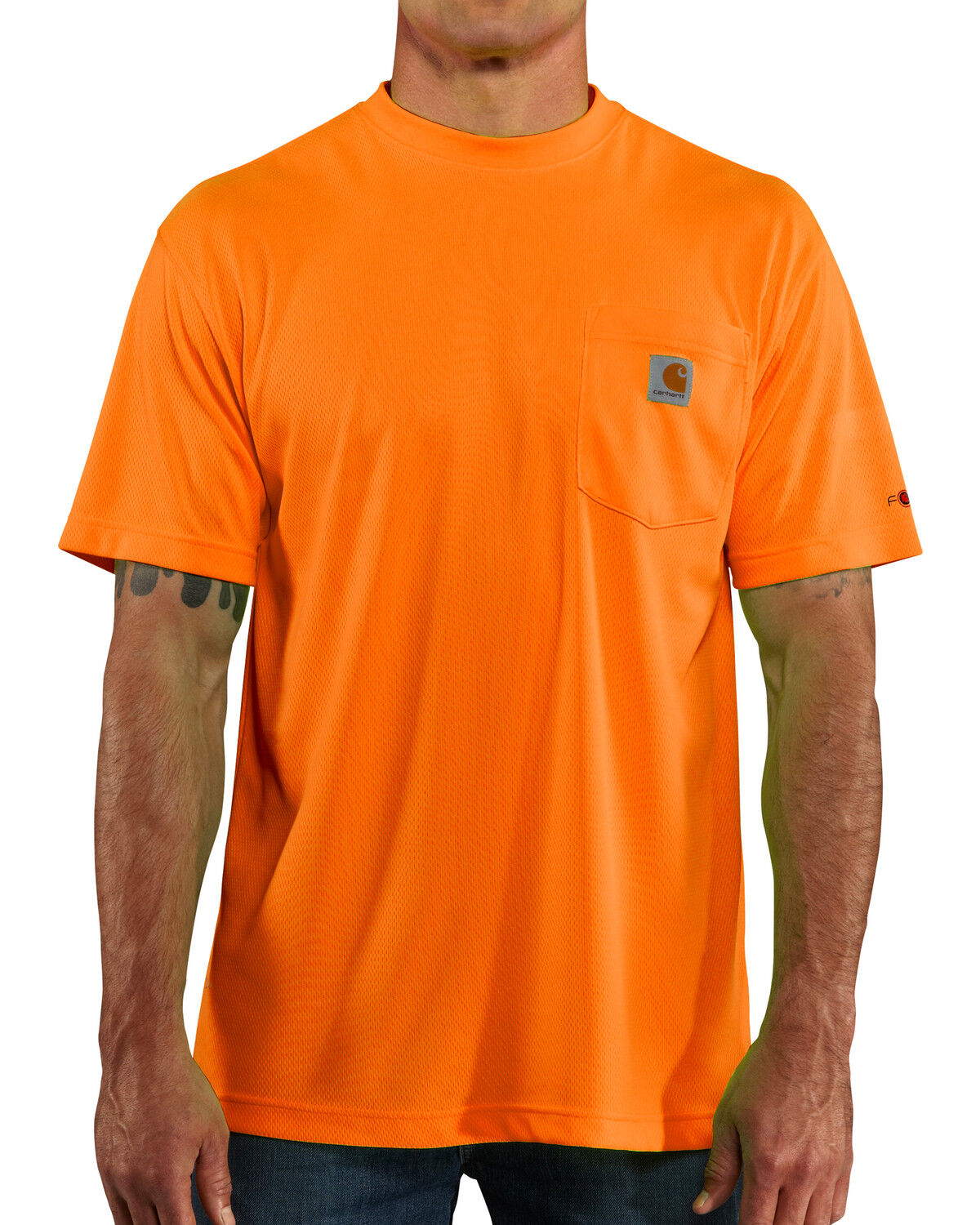
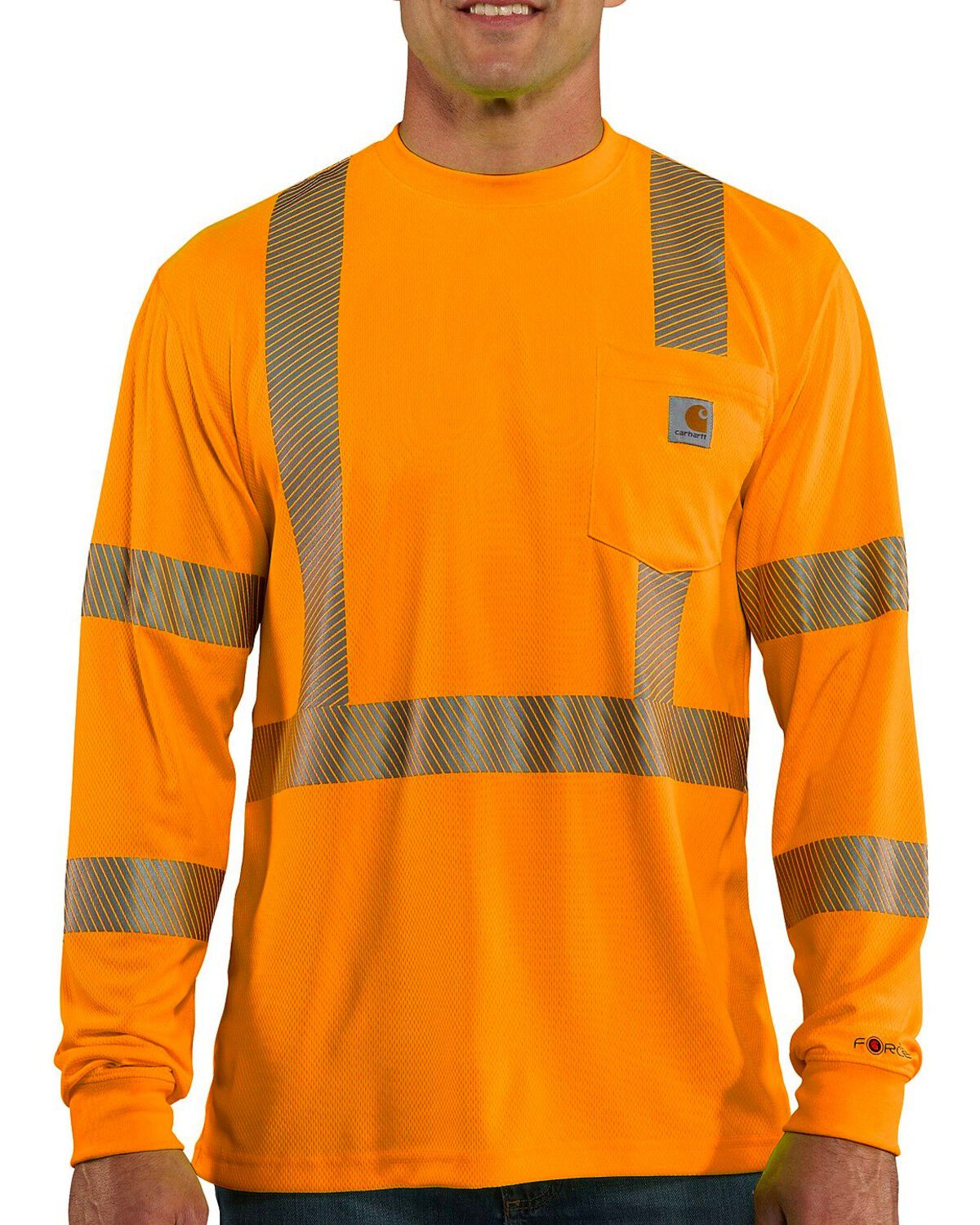
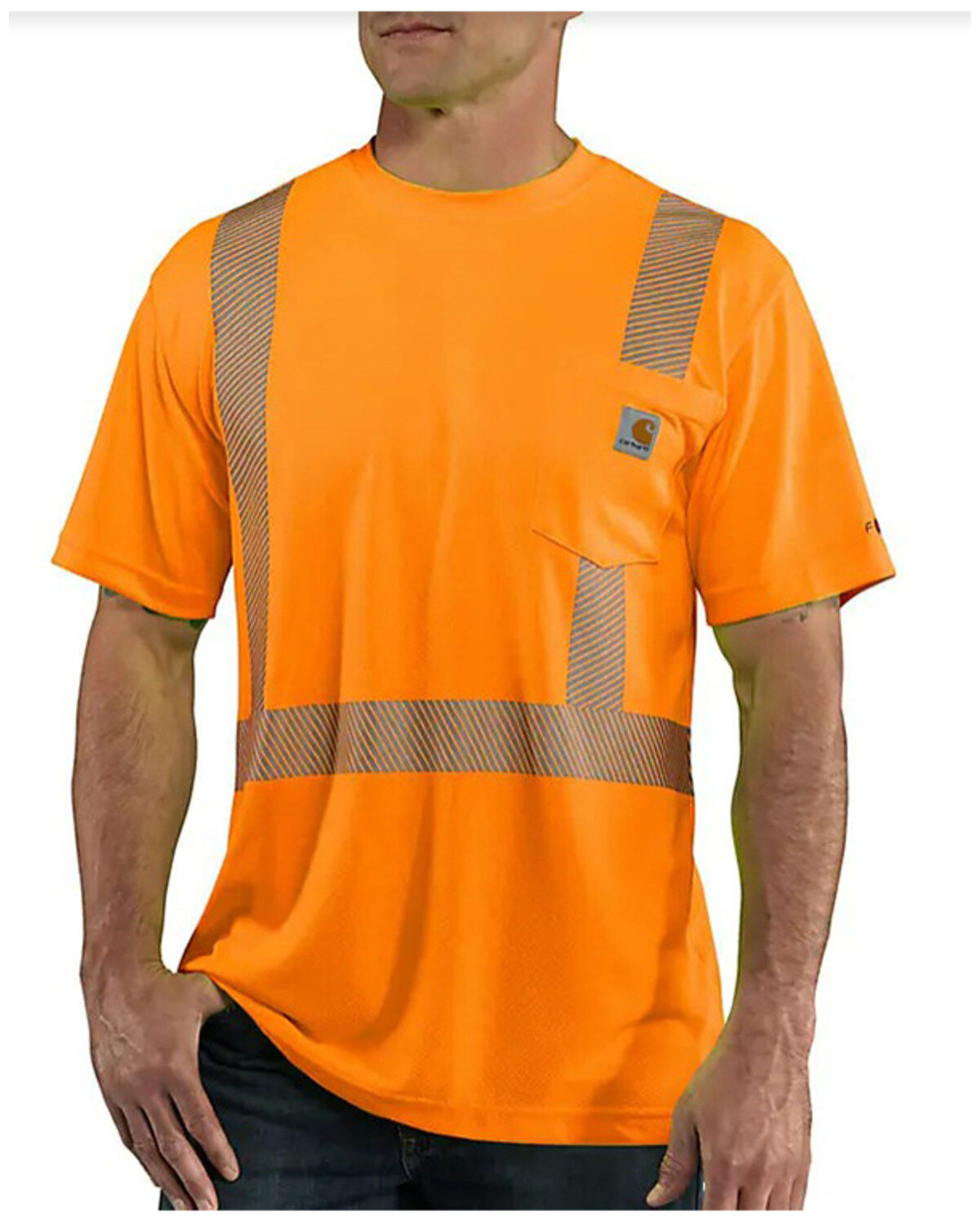
High Vis Work Shirts

Find high vis work shirts for jobs where being seen matters. Browse the selection for your workday, compare fit and visibility features in the product details, and check each shirt against your jobsite’s safety requirements.

Read More

Shop Your Store: Shop Your Store: Find a Store

(Turn off Shop Your Store to see all items)

(Turn off Shop Your Store to see all items)

close
  • Recommended
  • Lowest Price
  • Highest Price
Skip pass products
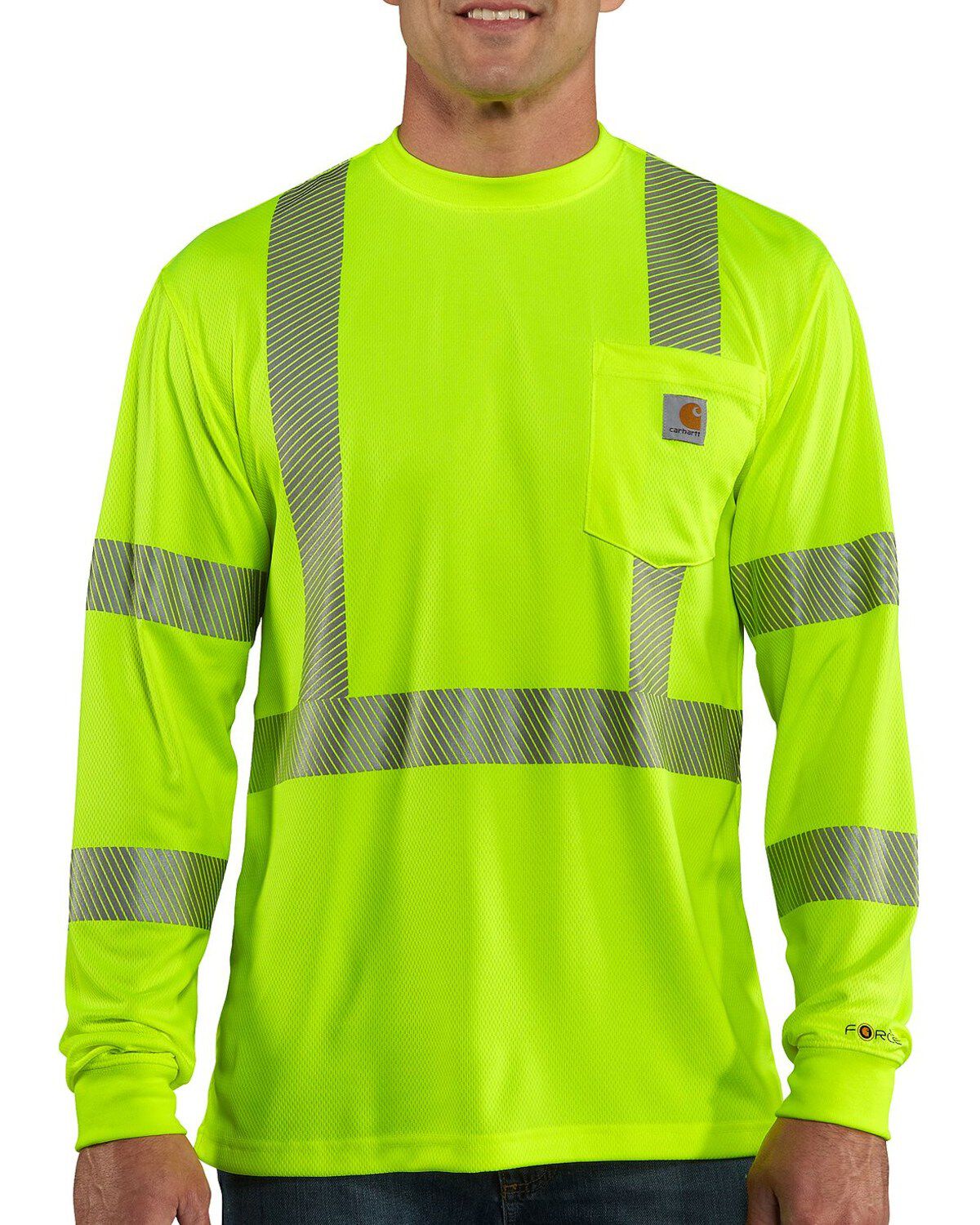
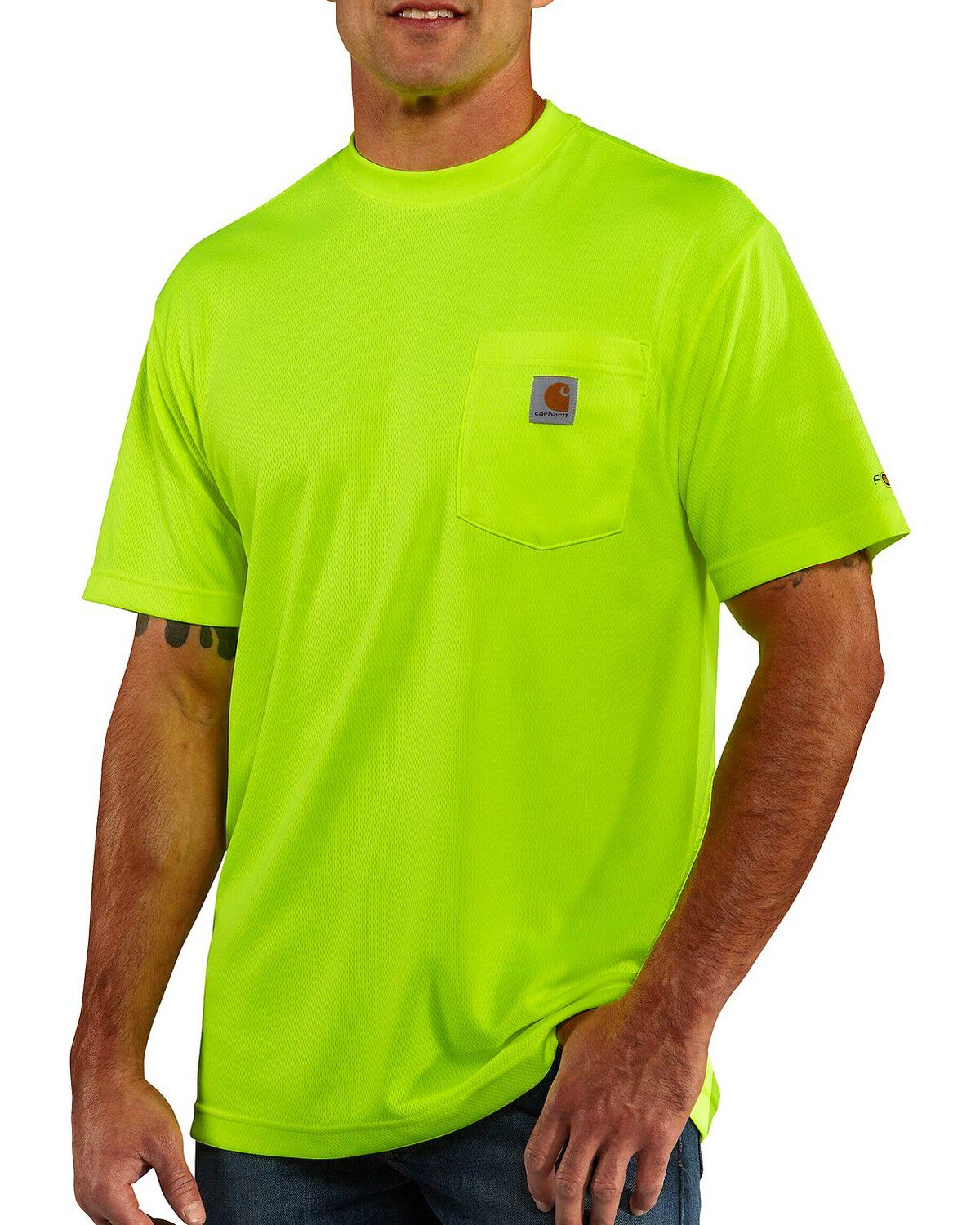
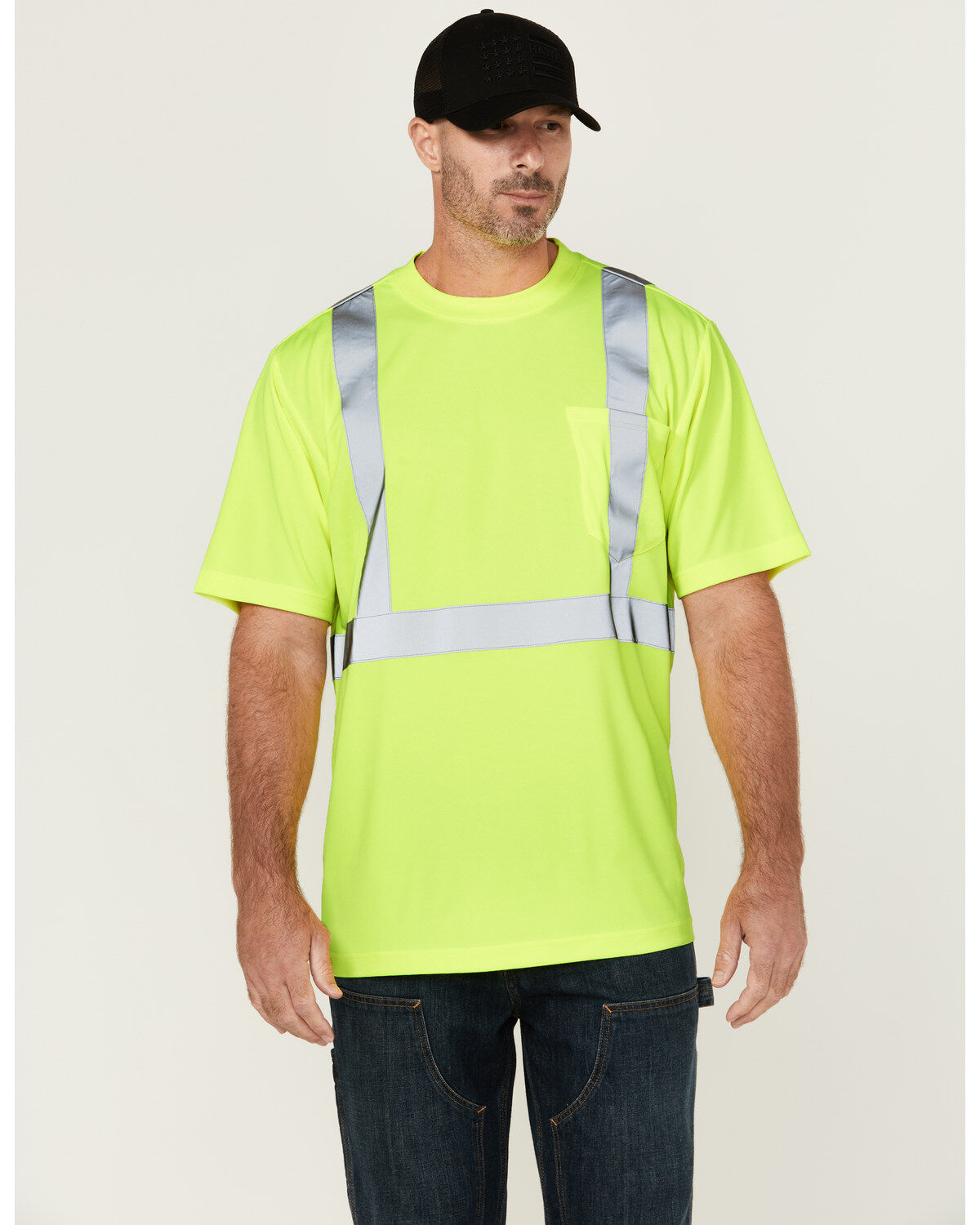
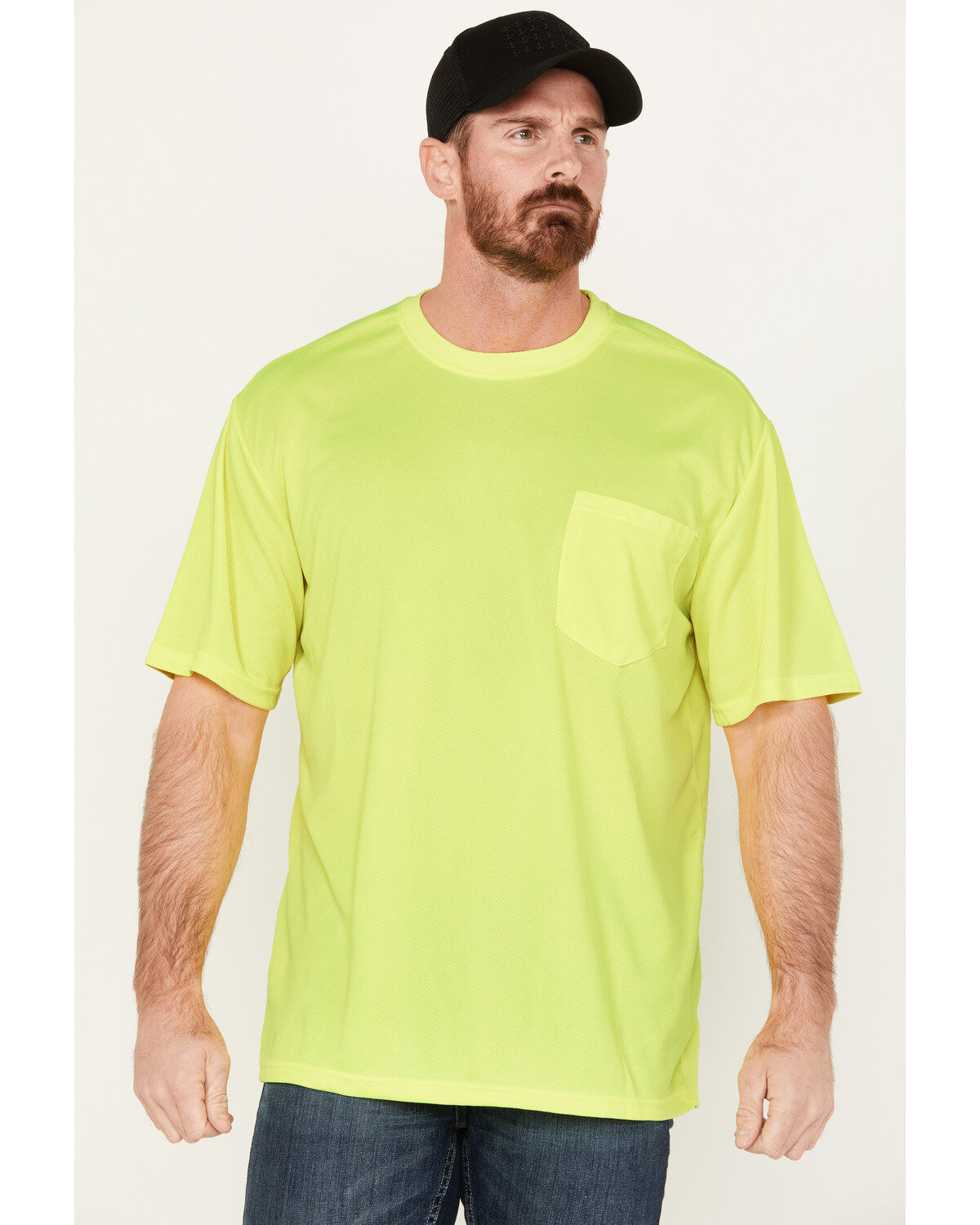
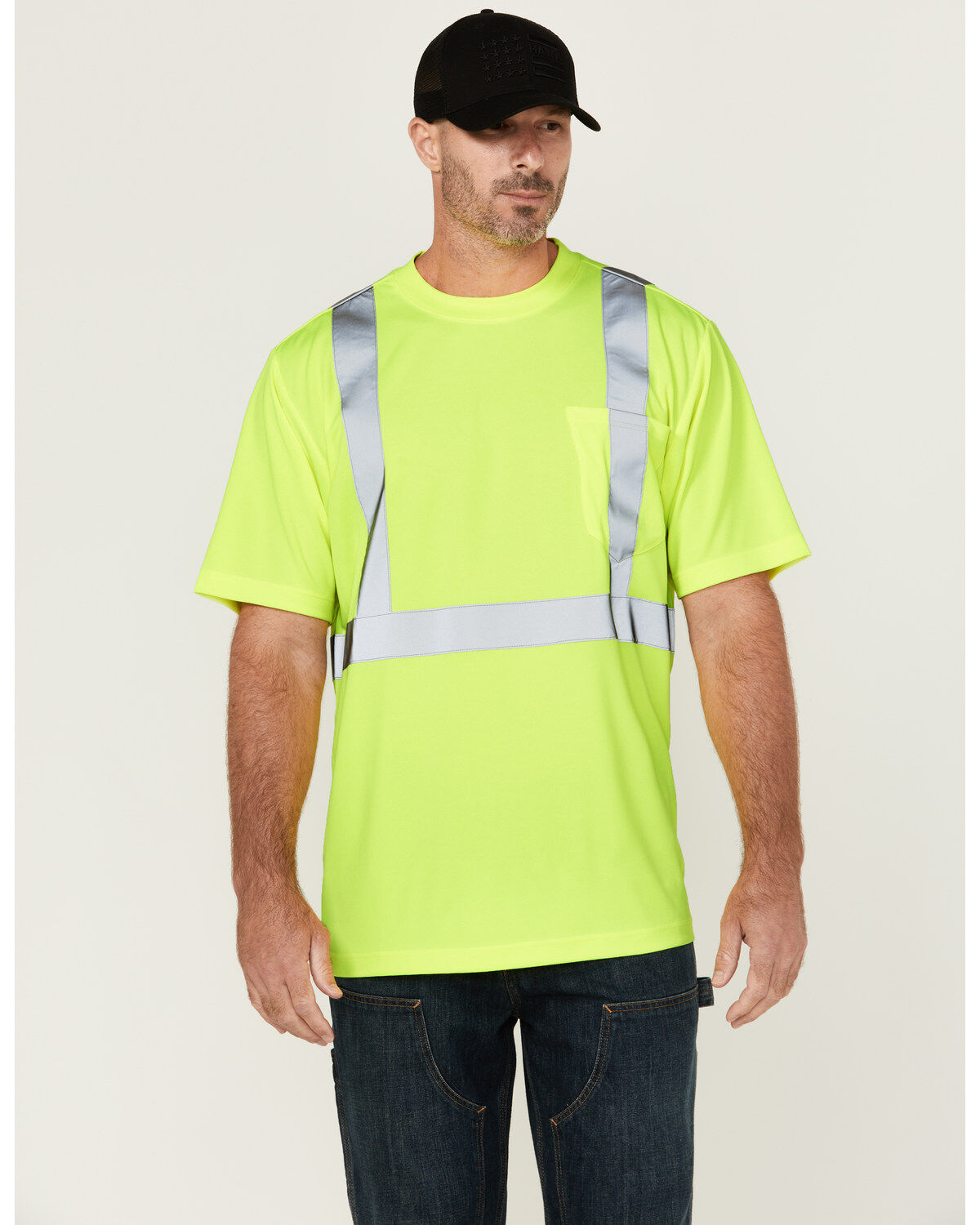
  • Men's Hawx High-Visibility Short Sleeve Work Shirt

    Original Price $19.99 $7.18
    64% Total Savings
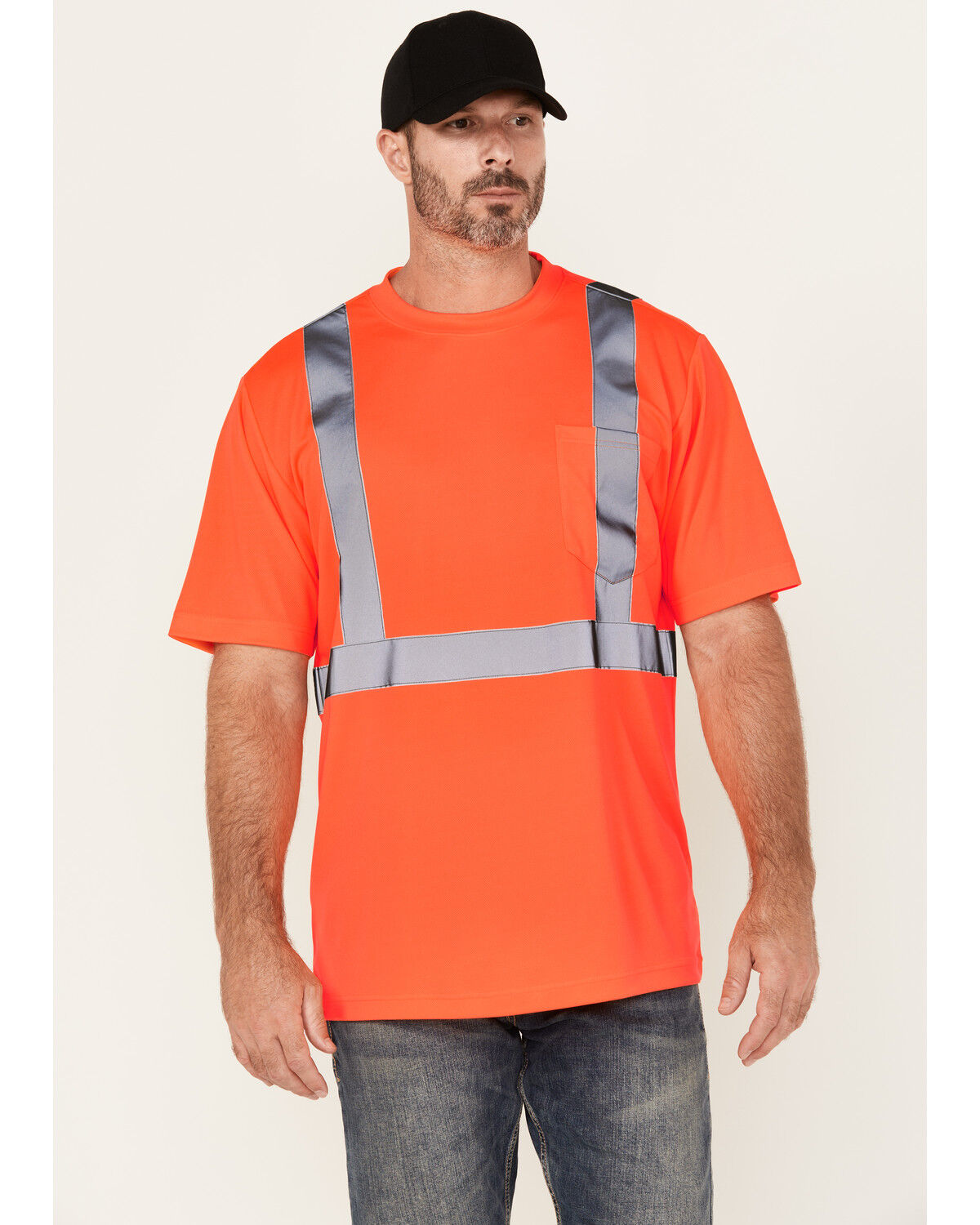
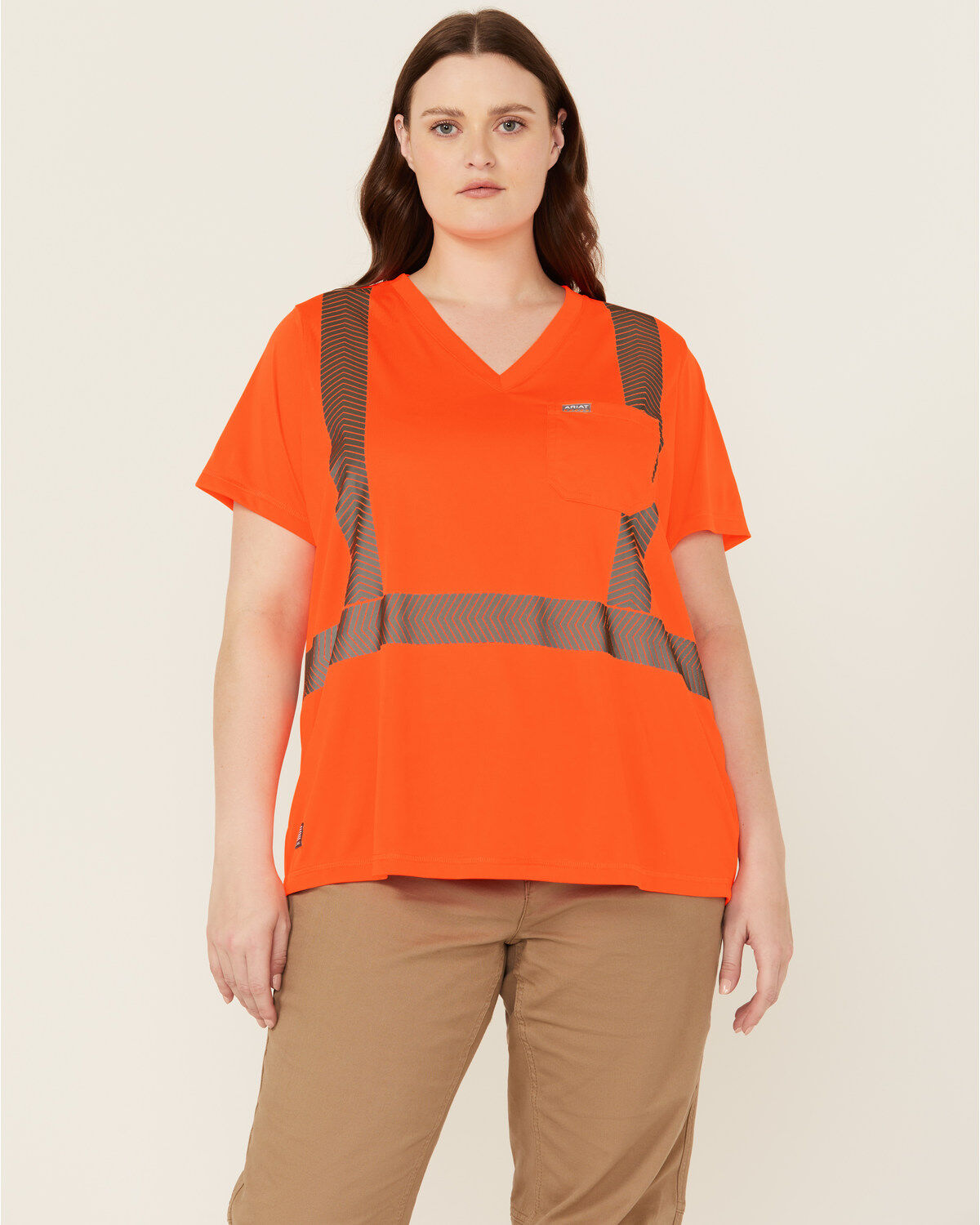
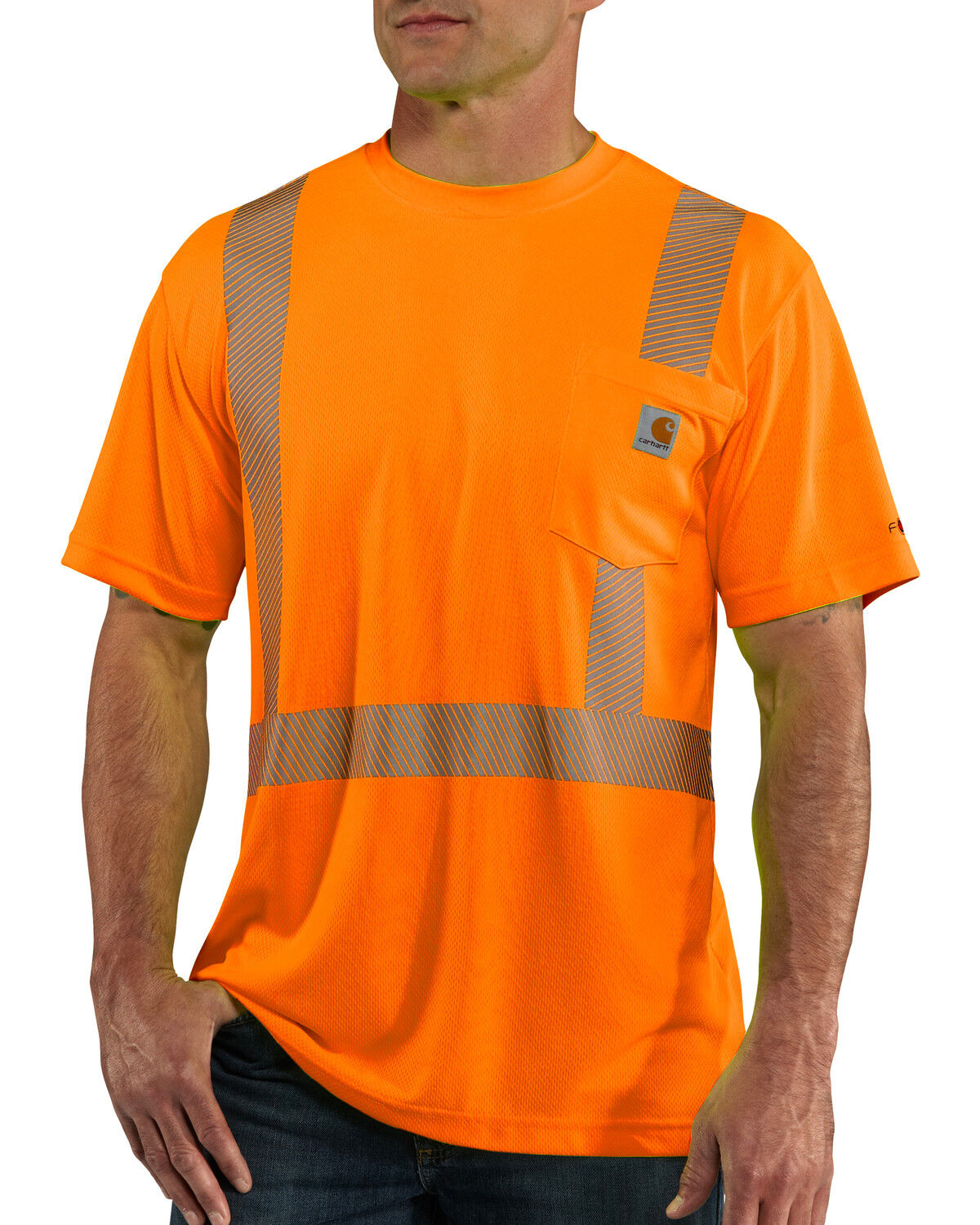
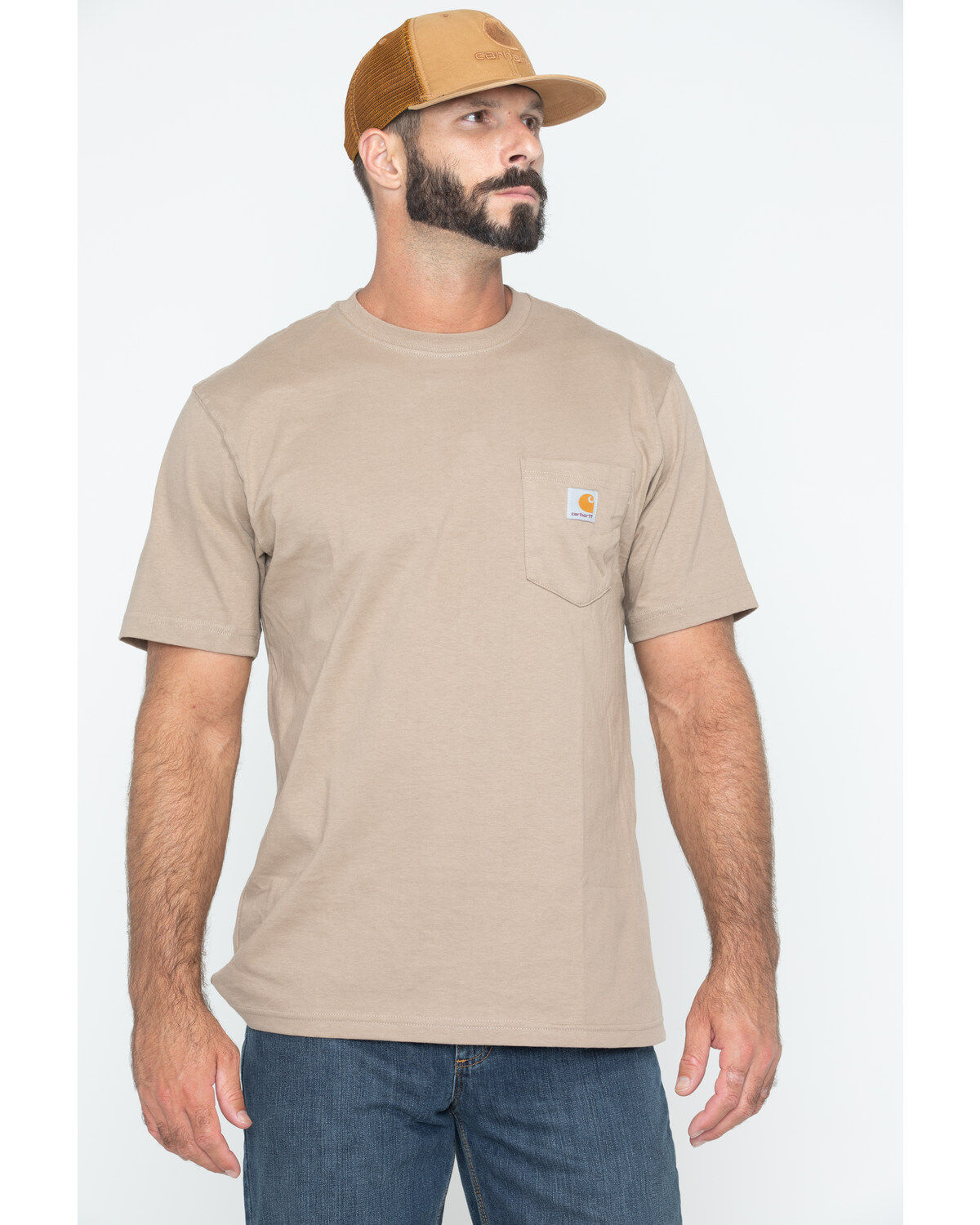
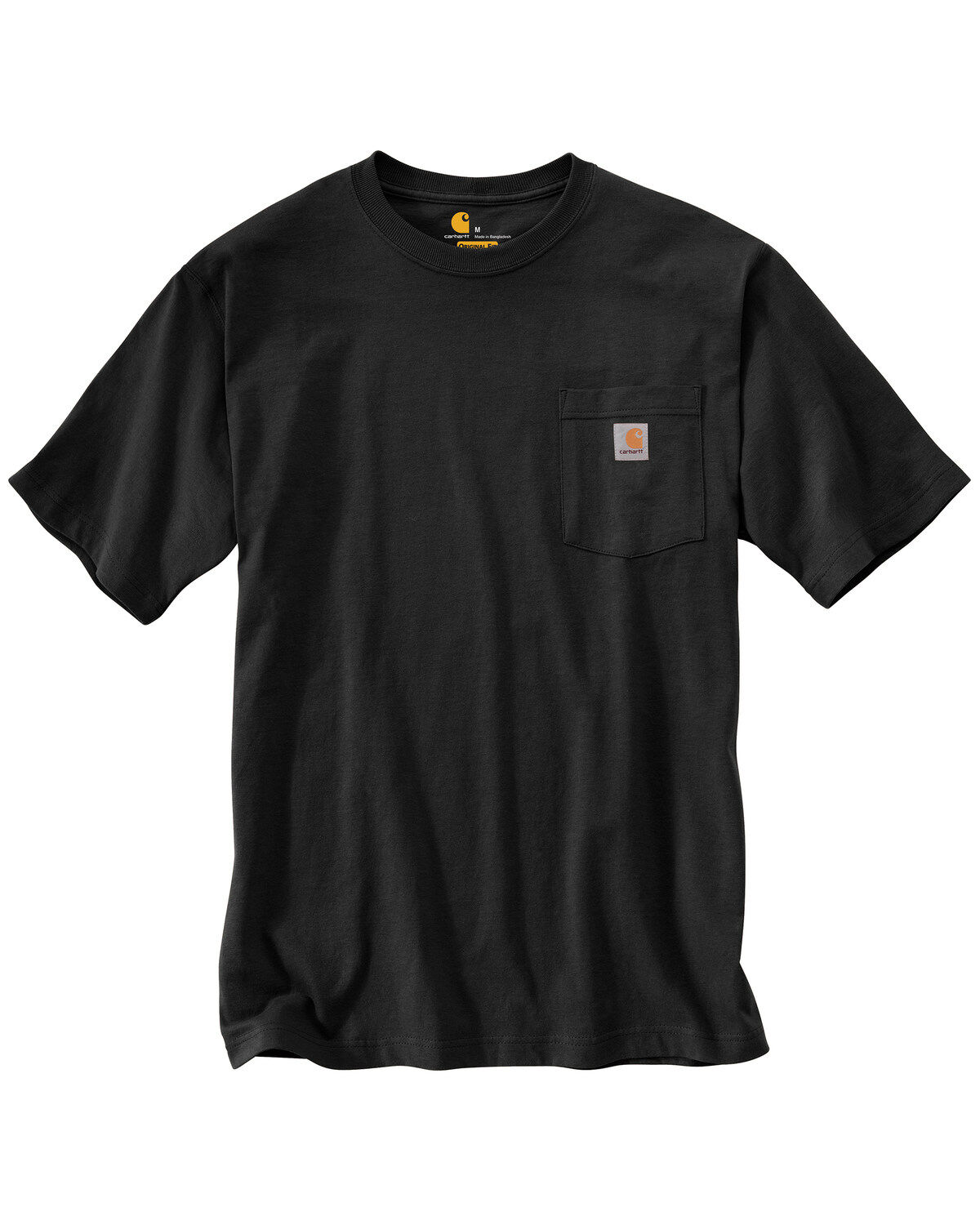
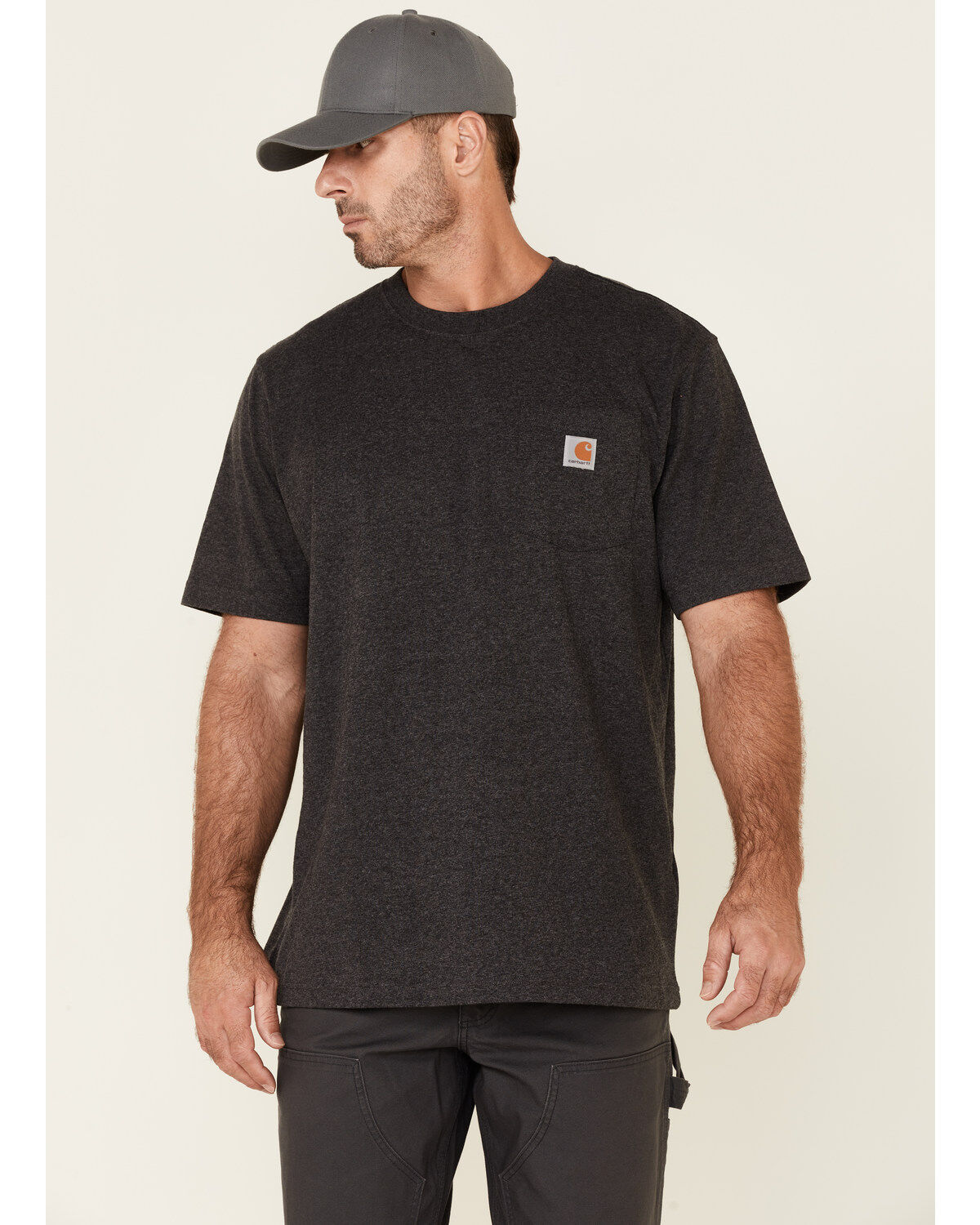
  • Men's Hawx Reflective Short Sleeve Work T-Shirt

    Original Price $29.99 $11.98
    60% Total Savings
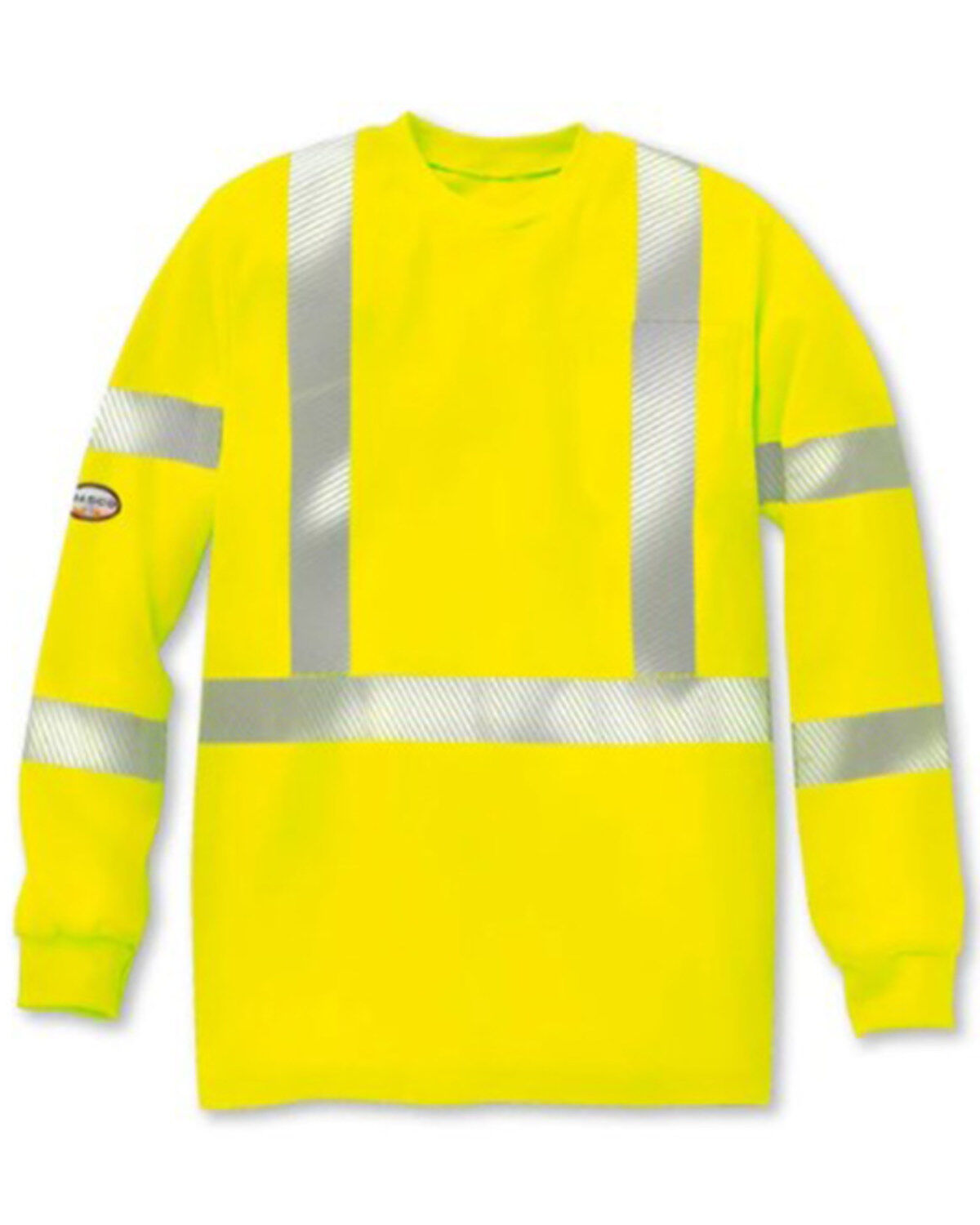
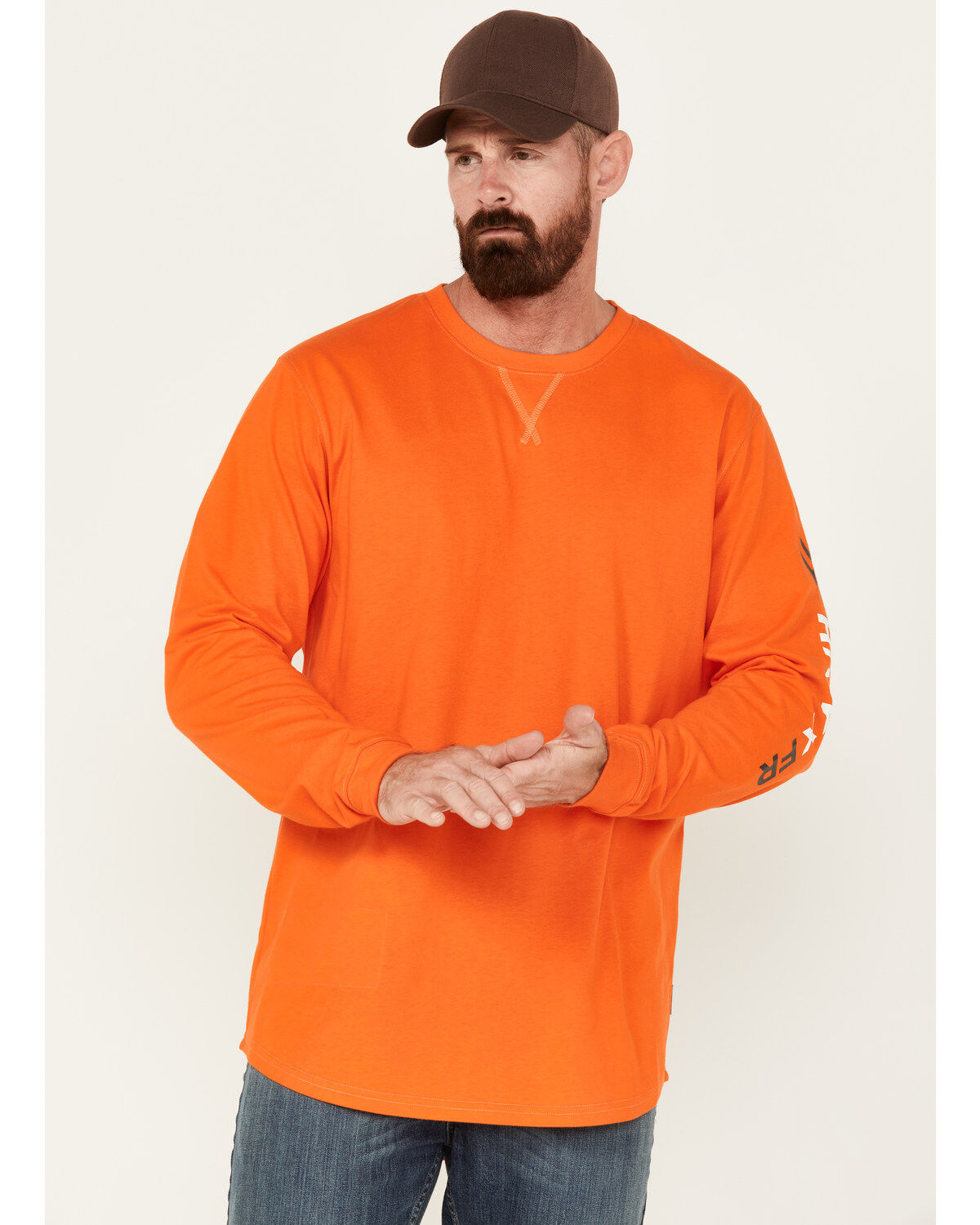
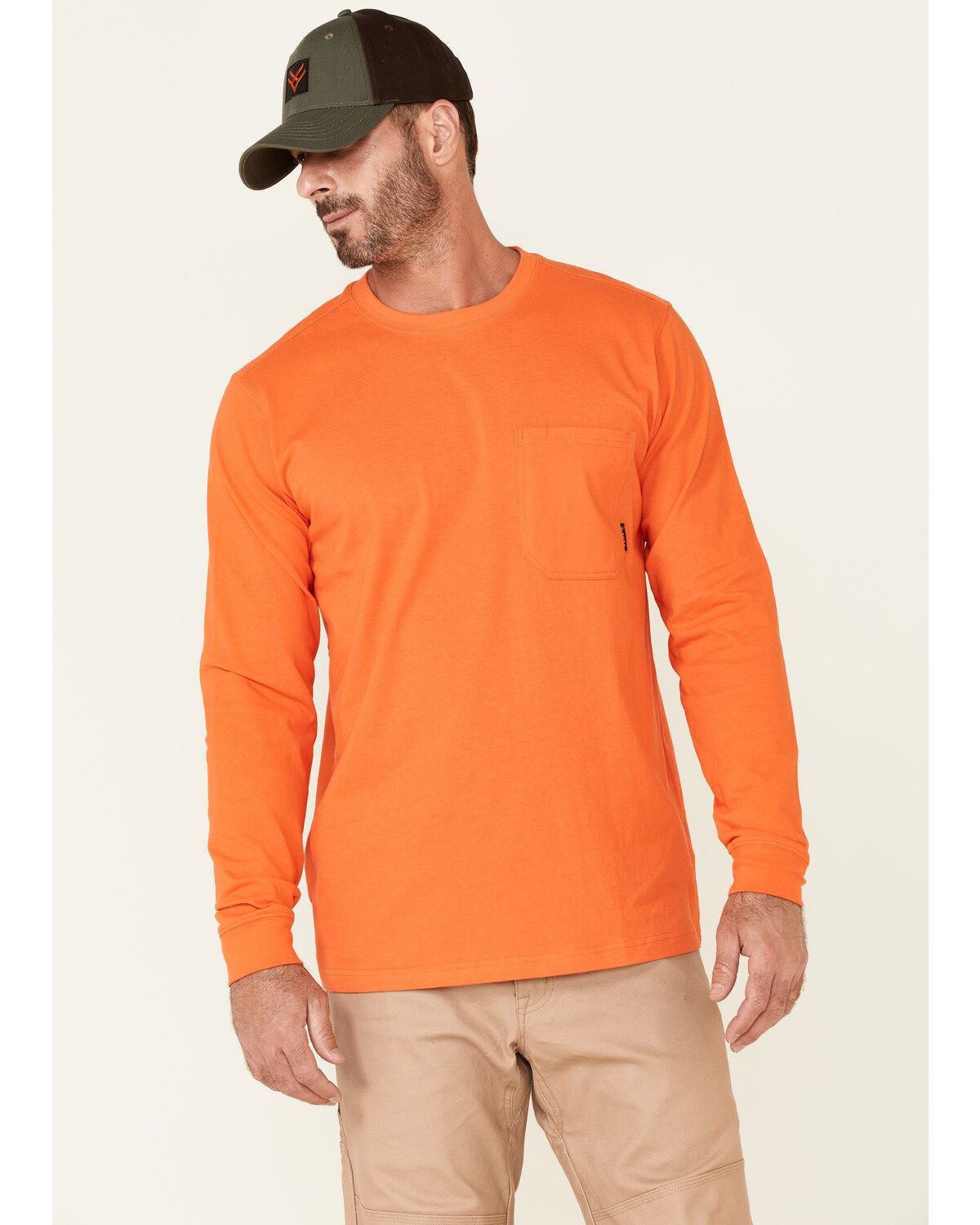
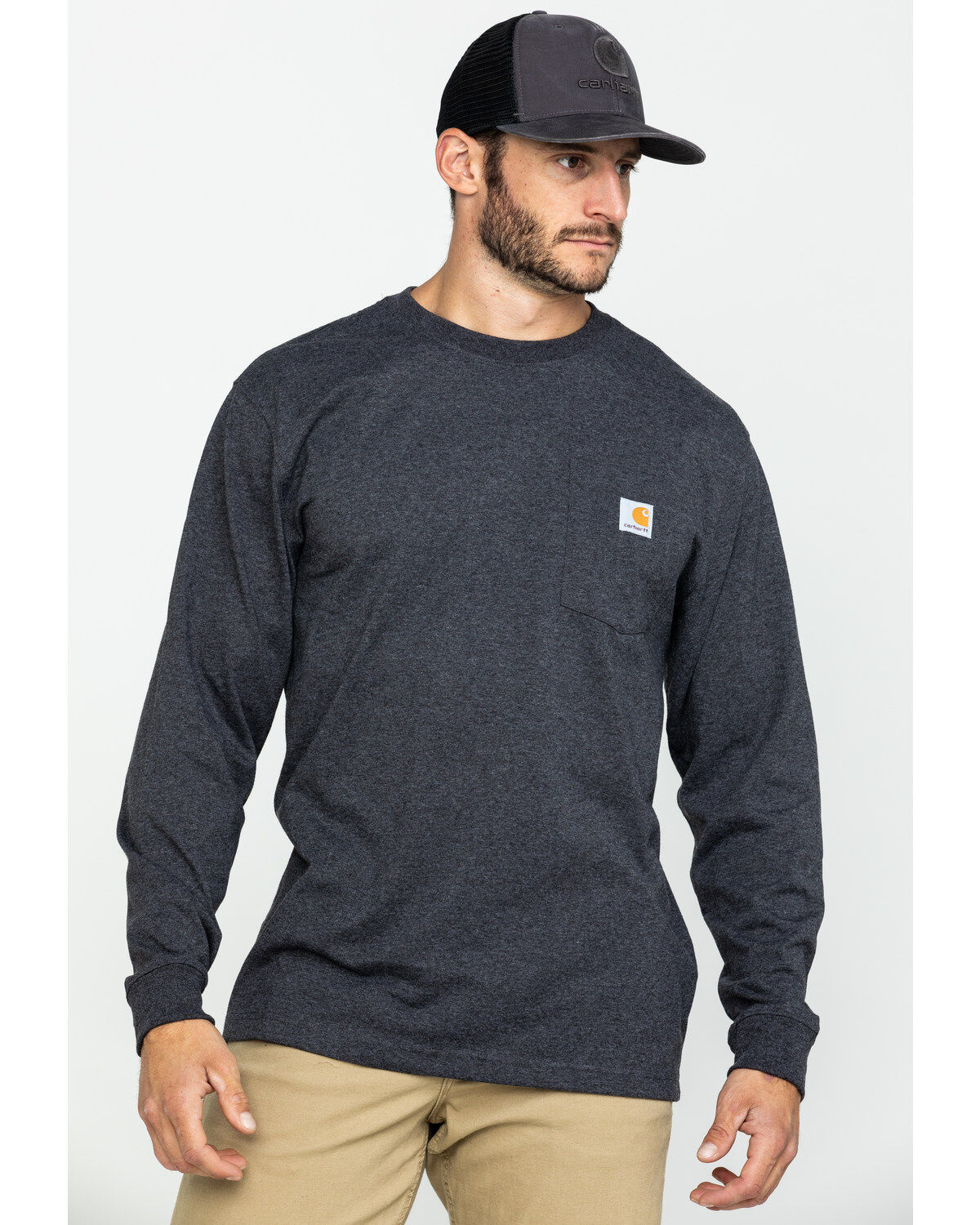
  • Men's Hawx FR Logo Long Sleeve Work T-Shirt

    Original Price $84.99 $49.97
    41% Total Savings
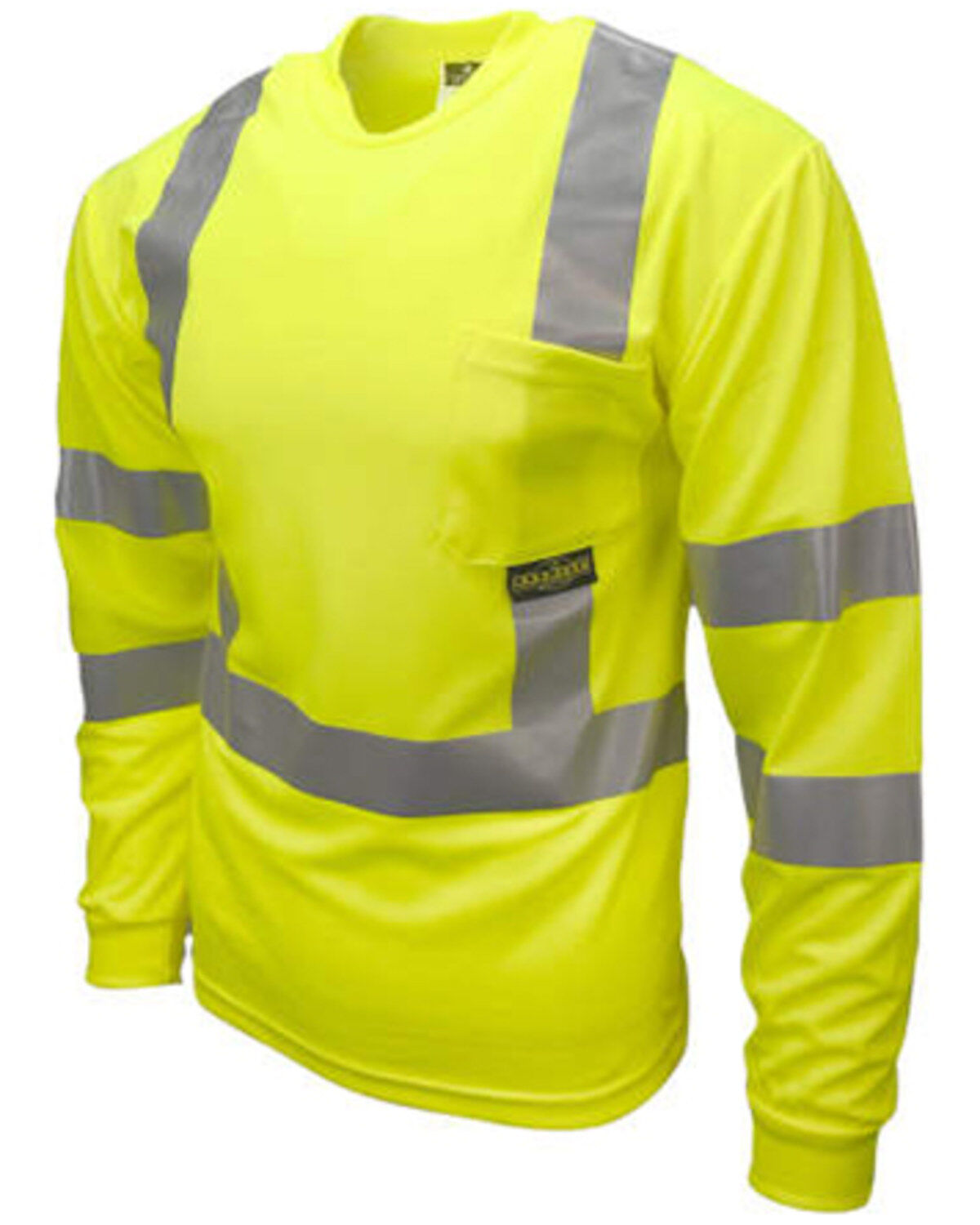
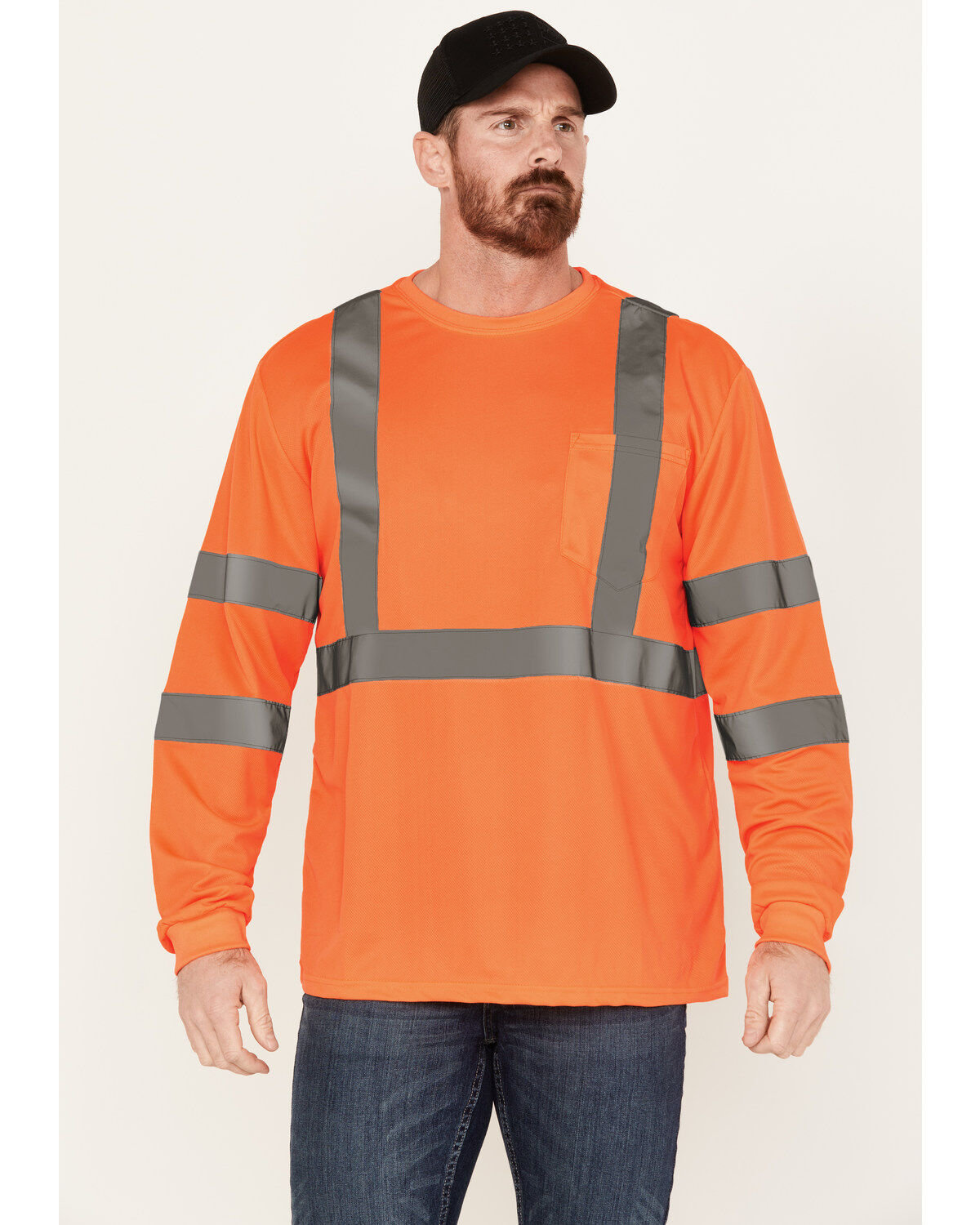
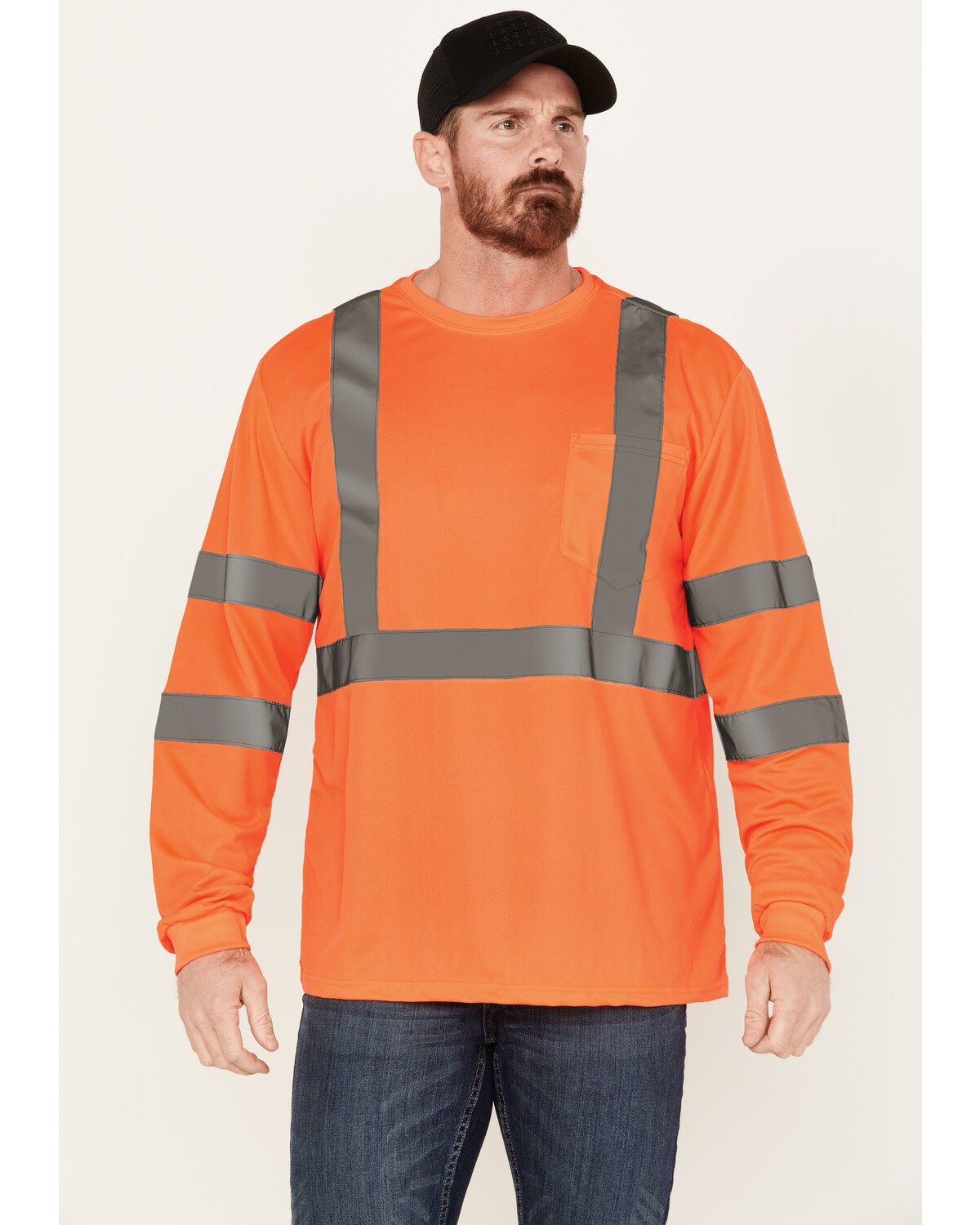
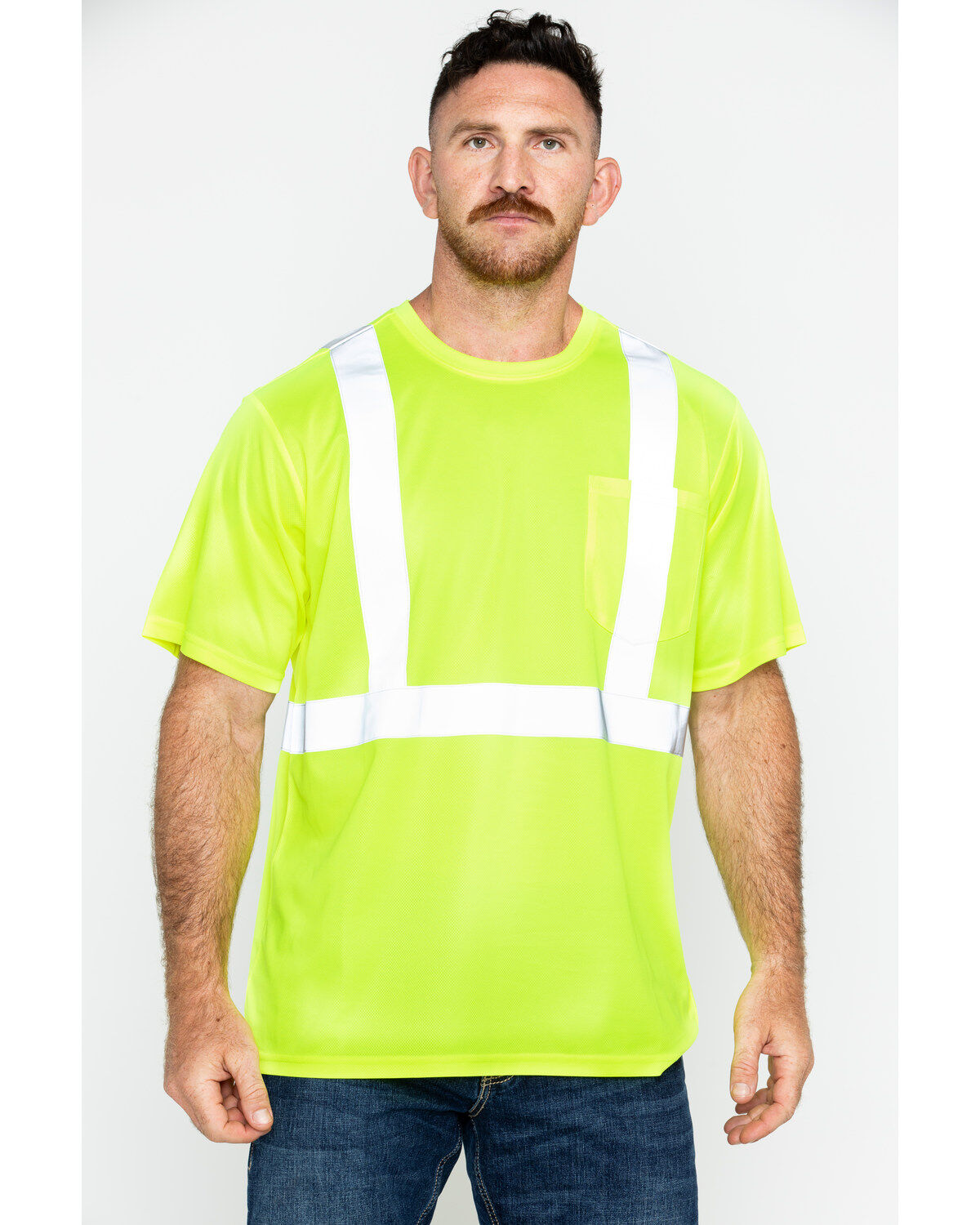
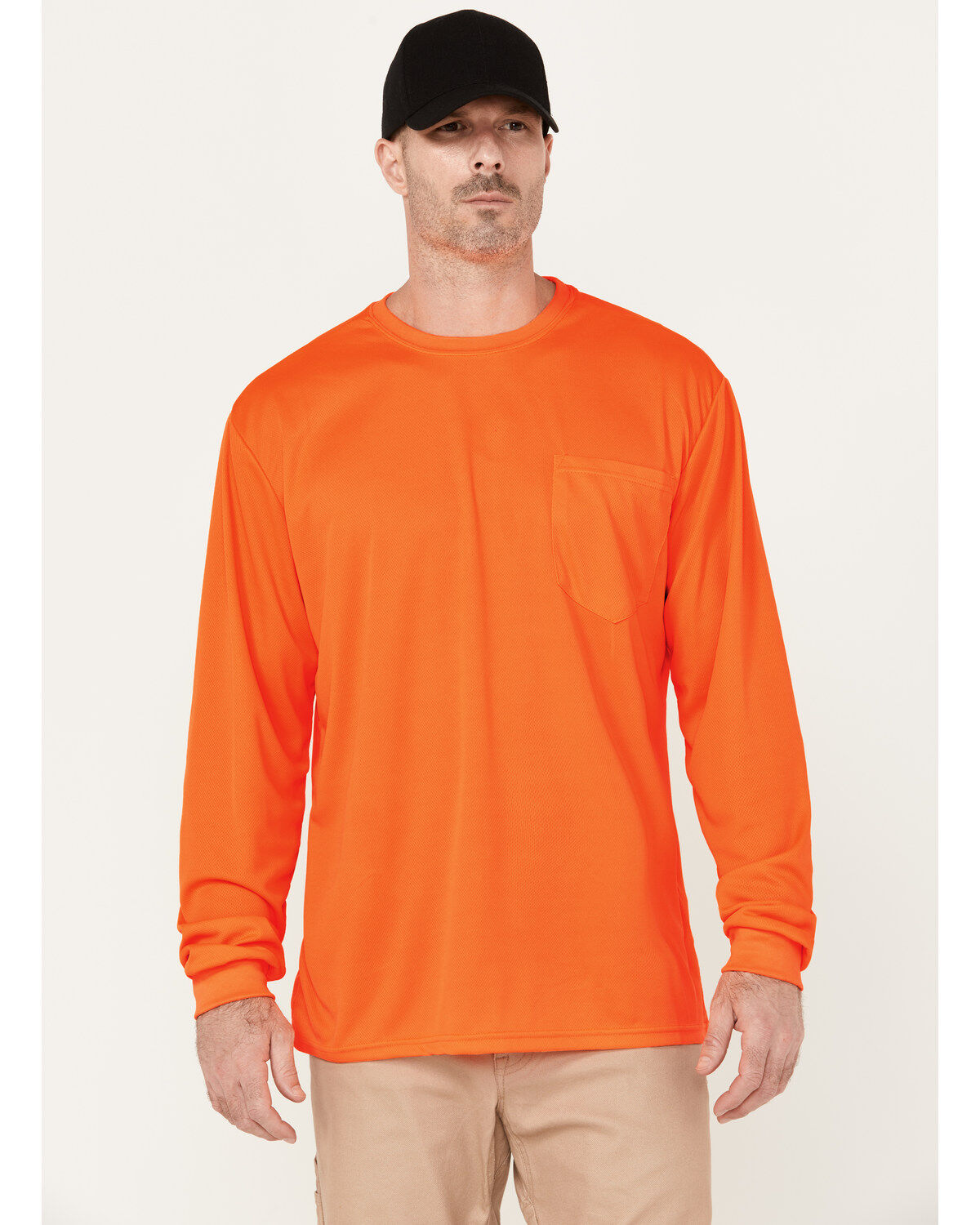
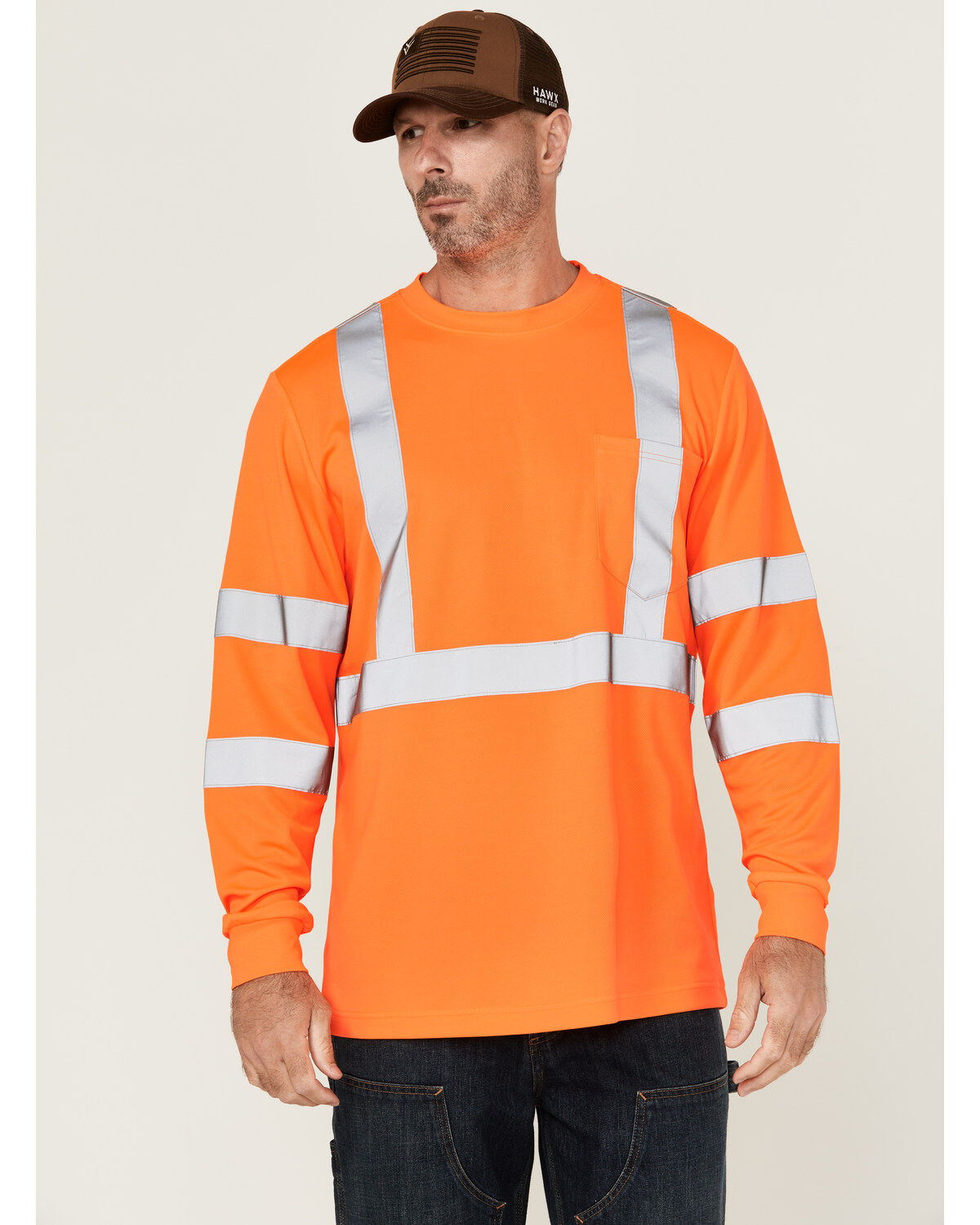
  • Men's Hawx High-Visibility Long Sleeve Work Shirt

    Original Price $24.99 $10.78
    57% Total Savings
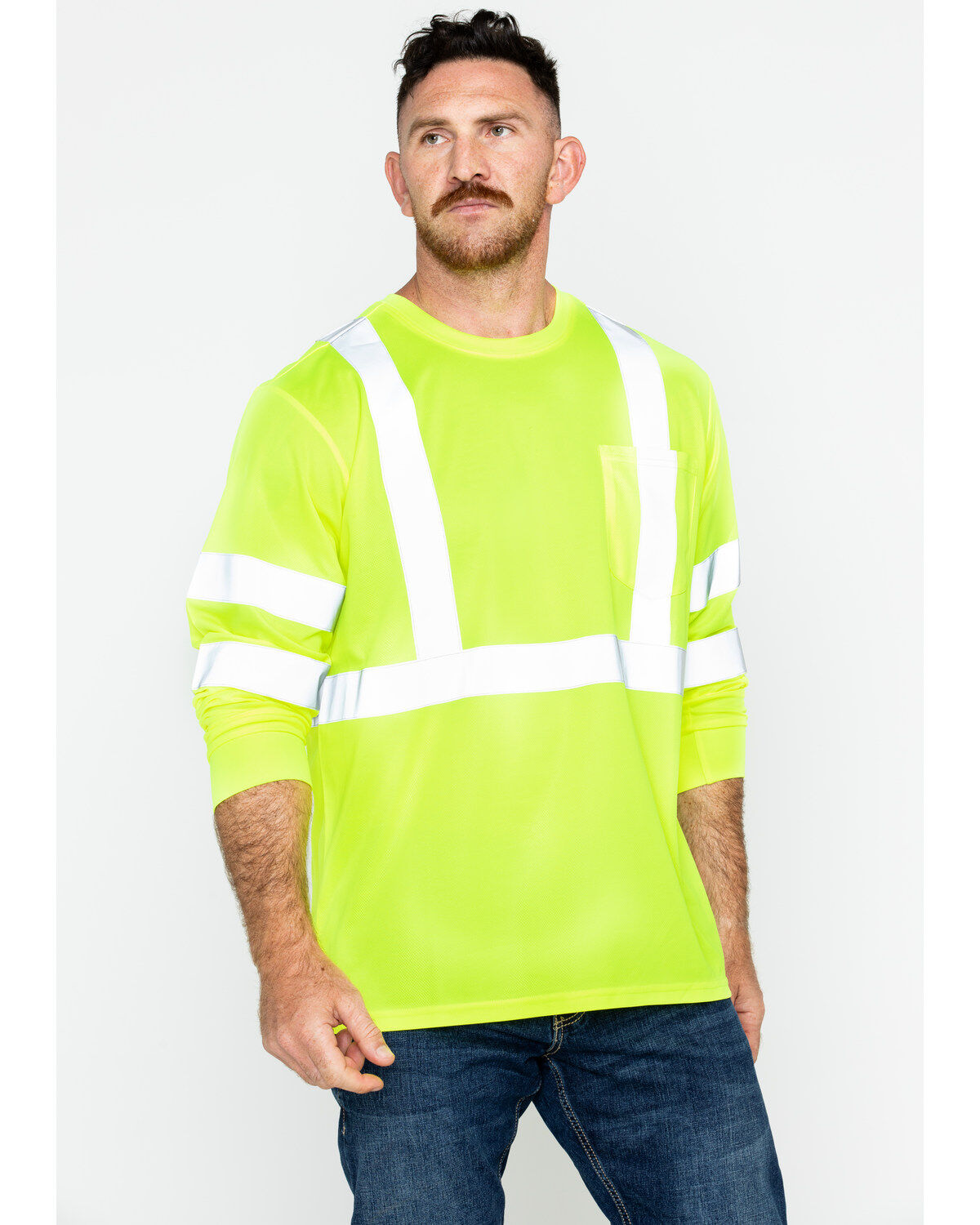
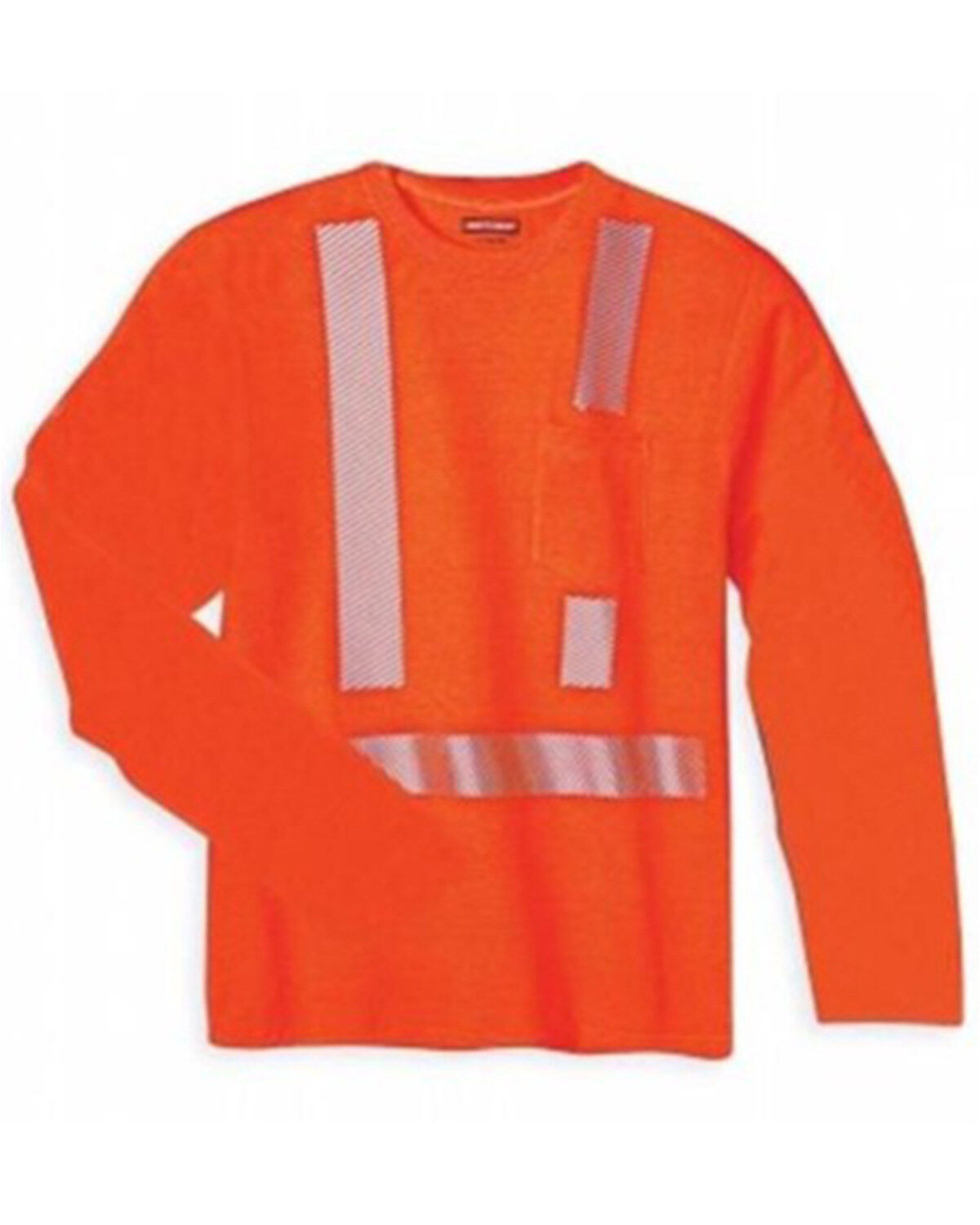
  • Men's Hawx Hi-Vis Reflective Long Sleeve Work Tee - Big & Tall

    Original Price $39.99 $14.98
    63% Total Savings

End of products

High Vis Work Shirts

High vis work shirts help workers stand out around moving equipment, vehicle traffic, and busy work areas. Their bright background colors and reflective details serve different purposes. Fluorescent yellow-green and orange-red fabrics make a worker more noticeable in daylight, while reflective striping returns light toward its source when illuminated by headlights or other directed light. Reflective material does not produce its own light, and a bright shirt alone does not replace safe work practices. For road crews, utility workers, construction teams, and some warehouse personnel, visibility is part of getting dressed for the job. The right shirt depends on the work being done, the surrounding hazards, and the employer’s requirements. A worker directing traffic near a roadway may need a different garment classification than someone handling materials in a controlled work area. Where ANSI/ISEA 107 requirements apply, the garment label identifies its type and performance class. Those details matter more than color alone. Not every brightly colored work shirt meets a high-visibility safety standard, and reflective accents do not automatically make a garment suitable for every jobsite. The amount and placement of visible material also matter. Striping across the torso and around the sleeves can help define a person’s outline, depending on the garment design. Shirts intended for demanding work should balance that visibility with practical details: seams that hold up to repeated movement, closures that stay secure, and a cut that allows a full reach without pulling tightly across the shoulders. A crew member stepping down from equipment, carrying pipe, or moving between parked trucks needs clothing that works through the whole task. High vis work shirts belong in a broader safety setup that may also include required footwear, head protection, gloves, and other equipment. Their role is straightforward: make the worker more noticeable while providing the coverage and everyday function expected from a work shirt.

Fabric and fit make a difference over a full shift. Polyester is common in high vis work shirts because it can support bright color, dry relatively quickly, and withstand regular wear. Cotton blends can provide a familiar feel while combining different fiber qualities. Knitted fabrics often allow more movement, while woven fabrics can offer a more structured shape. Actual performance depends on the fabric weight, construction, and finish, so material content tells only part of the story. Moisture management can be useful during physically demanding tasks, especially when a worker is climbing ladders, loading materials, or repeatedly lifting overhead. Breathability, seam placement, and the feel of reflective trim against the body all contribute to comfort. A shirt that looks right on a hanger still needs to work when the wearer reaches forward, bends at the waist, or stretches across a work surface. Shoulder room and sleeve length should support those movements without leaving excessive loose fabric near equipment. A close fit should not restrict movement, and a roomy fit should not interfere with the task. Employer rules may also determine whether shirts must stay tucked in or have sleeves secured. Chest pockets can keep a small notebook or other permitted essentials within reach, but pocket placement should not interrupt required reflective areas. Sleeve length is another job-specific consideration, based on coverage requirements and the work environment rather than appearance alone. High visibility and flame resistance are separate properties. A high vis shirt should never be assumed to provide flame-resistant or arc-rated protection unless its labeling confirms the required protection. Workers exposed to those hazards need garments that meet the applicable workplace requirements. Layering deserves the same attention. A vest, harness, or other piece of equipment can cover part of a shirt’s visible surface. The complete outfit needs to satisfy the jobsite’s visibility rules, not just the shirt underneath.

Durability includes keeping the shirt visible, not simply keeping the fabric intact. Dust, grease, concrete residue, and repeated laundering can affect bright background material and reflective trim. A shirt may still feel comfortable after its visibility features have deteriorated, which makes regular inspection important. Care labels give the correct washing and drying directions for the garment’s fabric, finishes, and reflective components. Detergent, water temperature, bleach, fabric softener, and drying methods can all matter, so the label should take priority over a routine used for ordinary clothing. Some garments also state a maximum number of wash cycles associated with their tested performance. That limit is not a promise that a shirt will remain suitable until the final wash; damage or heavy contamination can make replacement necessary sooner. Worn reflective bands, persistent staining, fading, tears, and damaged seams deserve attention before the next shift. Repairs and alterations can change the layout or amount of visible material, so shortening sleeves or adding patches is not always a simple adjustment. Proper storage helps keep clean shirts ready for use without unnecessary contact with oil, dirt, or abrasive tools. Workers whose required setup includes a separate visibility layer can also consider High Visibility Vests, with the same attention to garment classification and the finished outfit. High vis work shirts can be a practical gift for someone starting a qualifying trade job or replacing regularly worn work clothing, provided the correct size and workplace requirements are known. Color preference is secondary to the required protection. For everyday use, the most useful details are often the least complicated: enough room to move, cuffs that stay in place, seams that hold together, and visibility features suited to the assignment. A dependable work shirt earns its place by fitting the worker, meeting the job’s requirements, and staying functional through repeated wear and proper care.
Read More

FAQs