Animal Print Western Boots

Shop animal print western boots for a patterned take on classic cowboy boot style. Browse the available designs, then check each pair’s sizing, toe shape, and heel details to find the right fit for your wardrobe.

Read More

Shop Your Store: Shop Your Store: Find a Store

(Turn off Shop Your Store to see all items)

(Turn off Shop Your Store to see all items)

close
  • Recommended
  • Lowest Price
  • Highest Price
Skip pass products
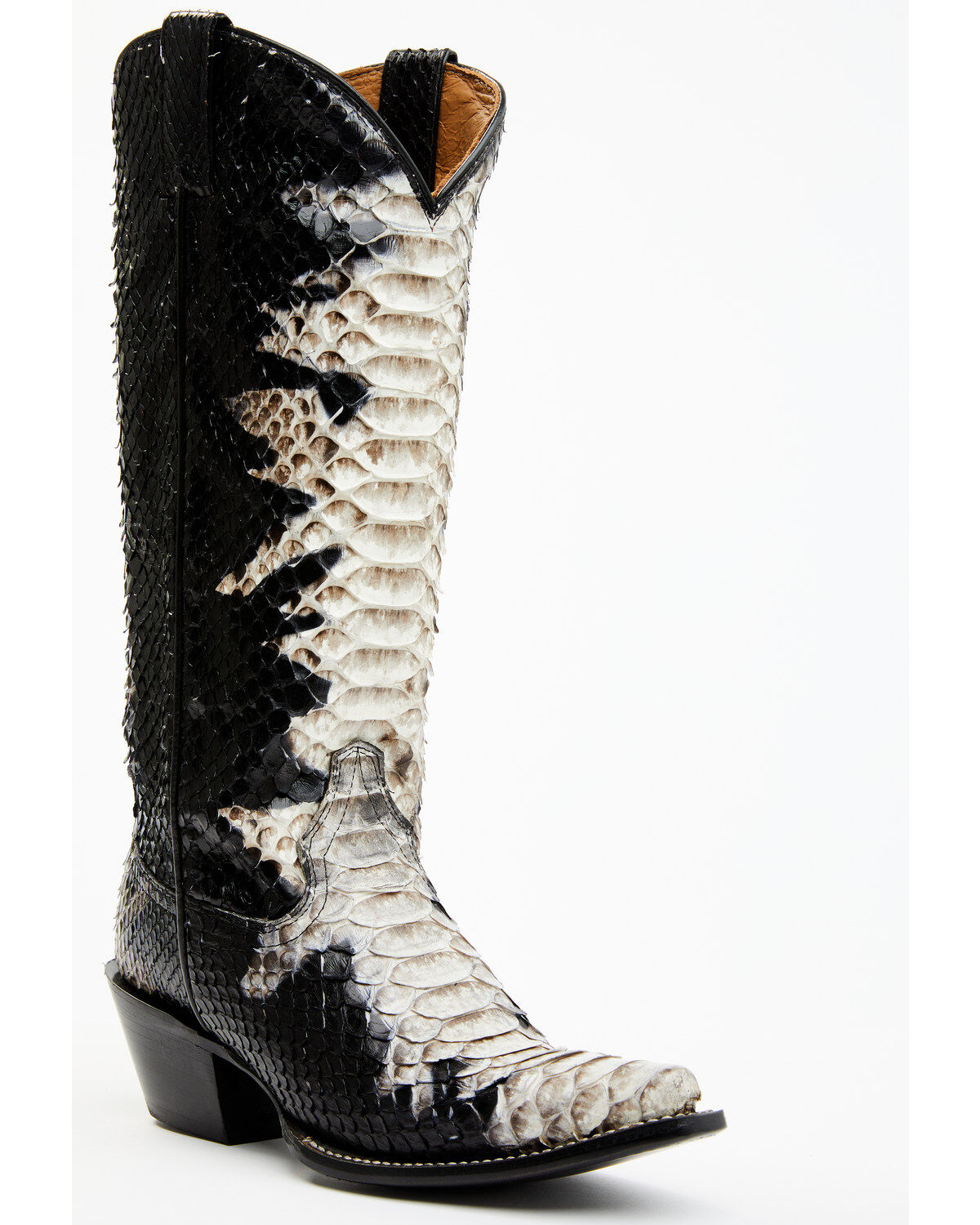
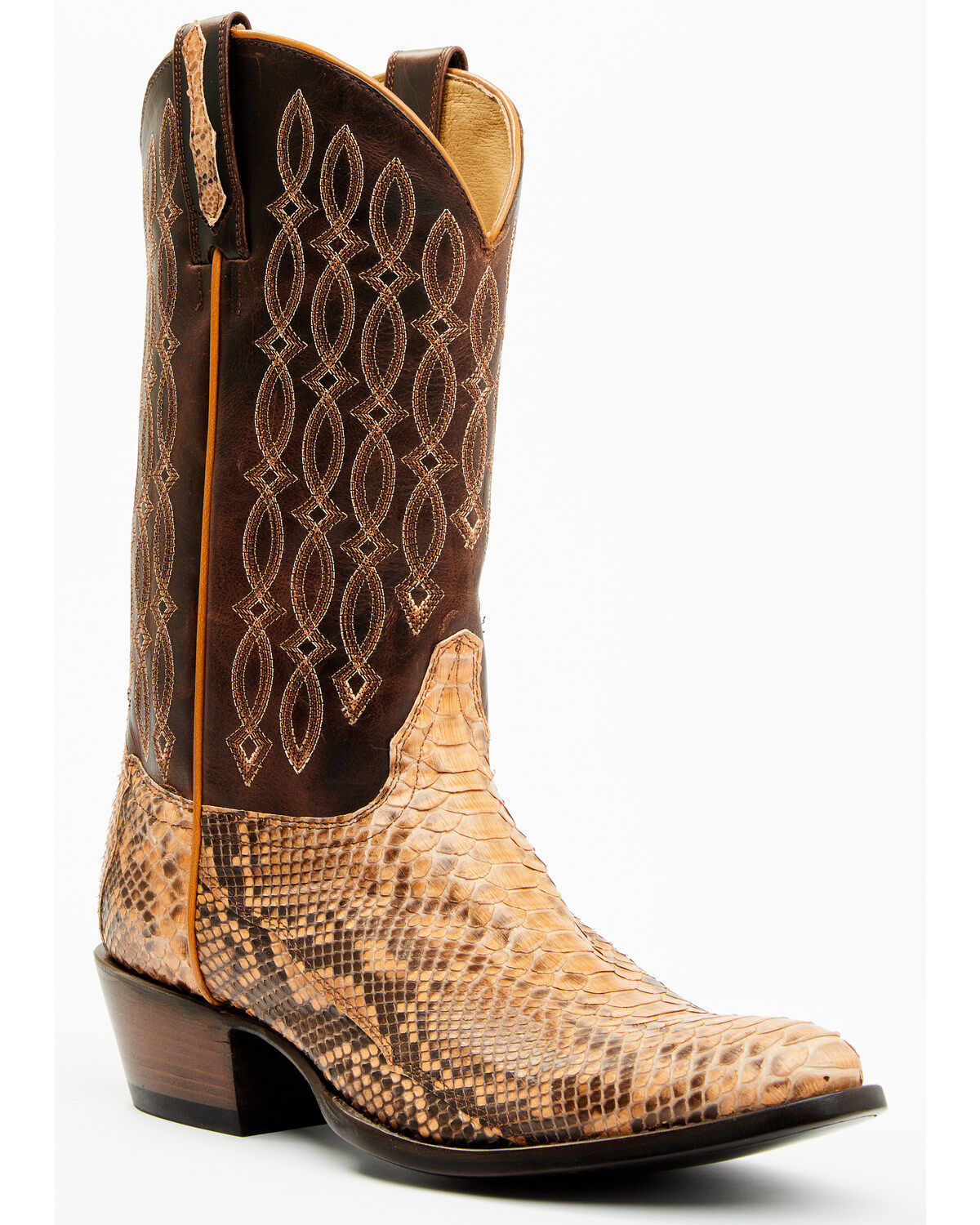
  • Women's Idyllwind Stunner Exotic Python Western Boots - Snip Toe
    Original Price $409.50 $334.50
    18% Total Savings
  • Women's Shyanne Parker Western Boots - Round Toe
    Original Price $109.99 $64.97
    41% Total Savings
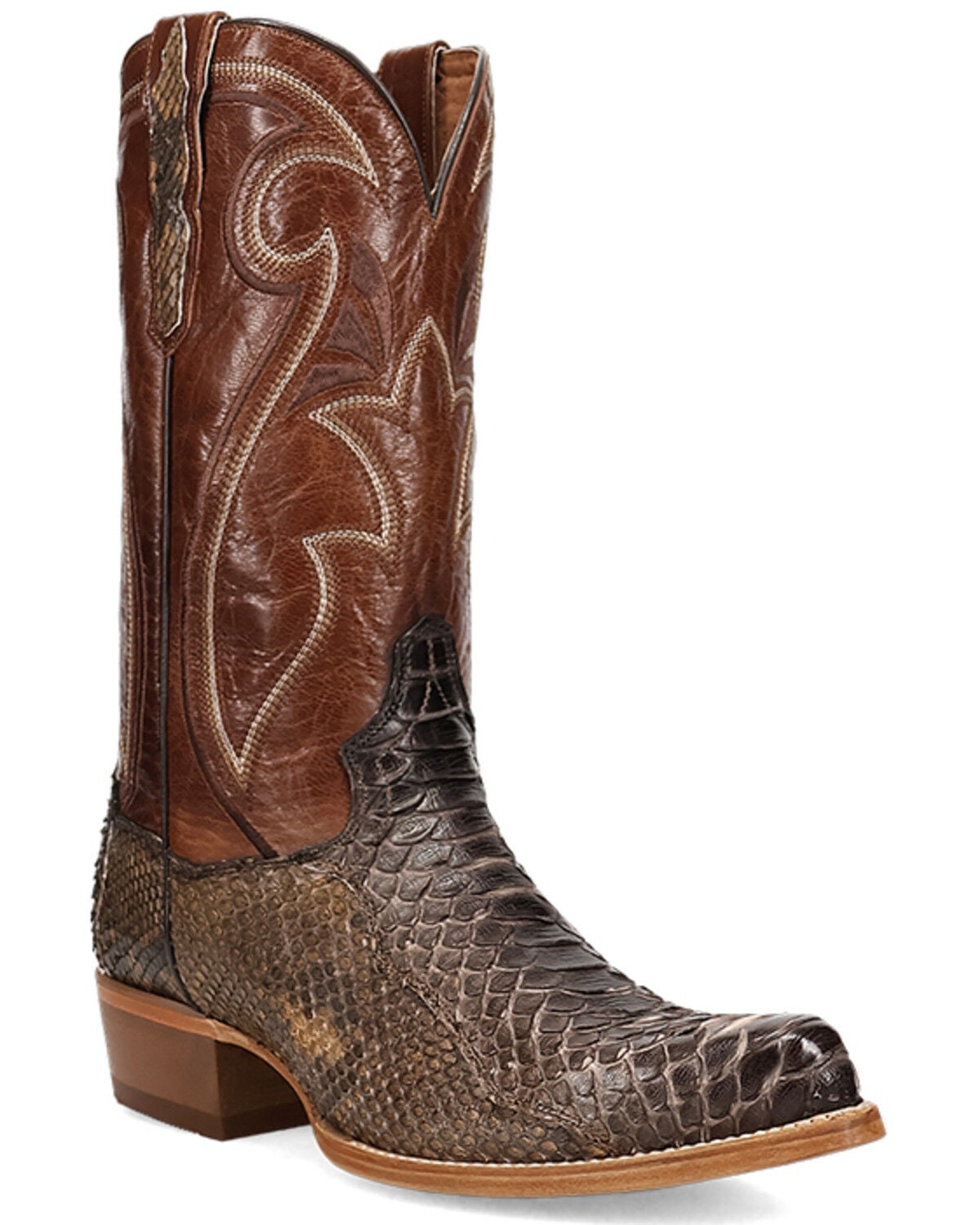
  • Men's Cody James Exotic Python Western Boots - Round Toe
    Original Price $299.99 $199.97
    33% Total Savings
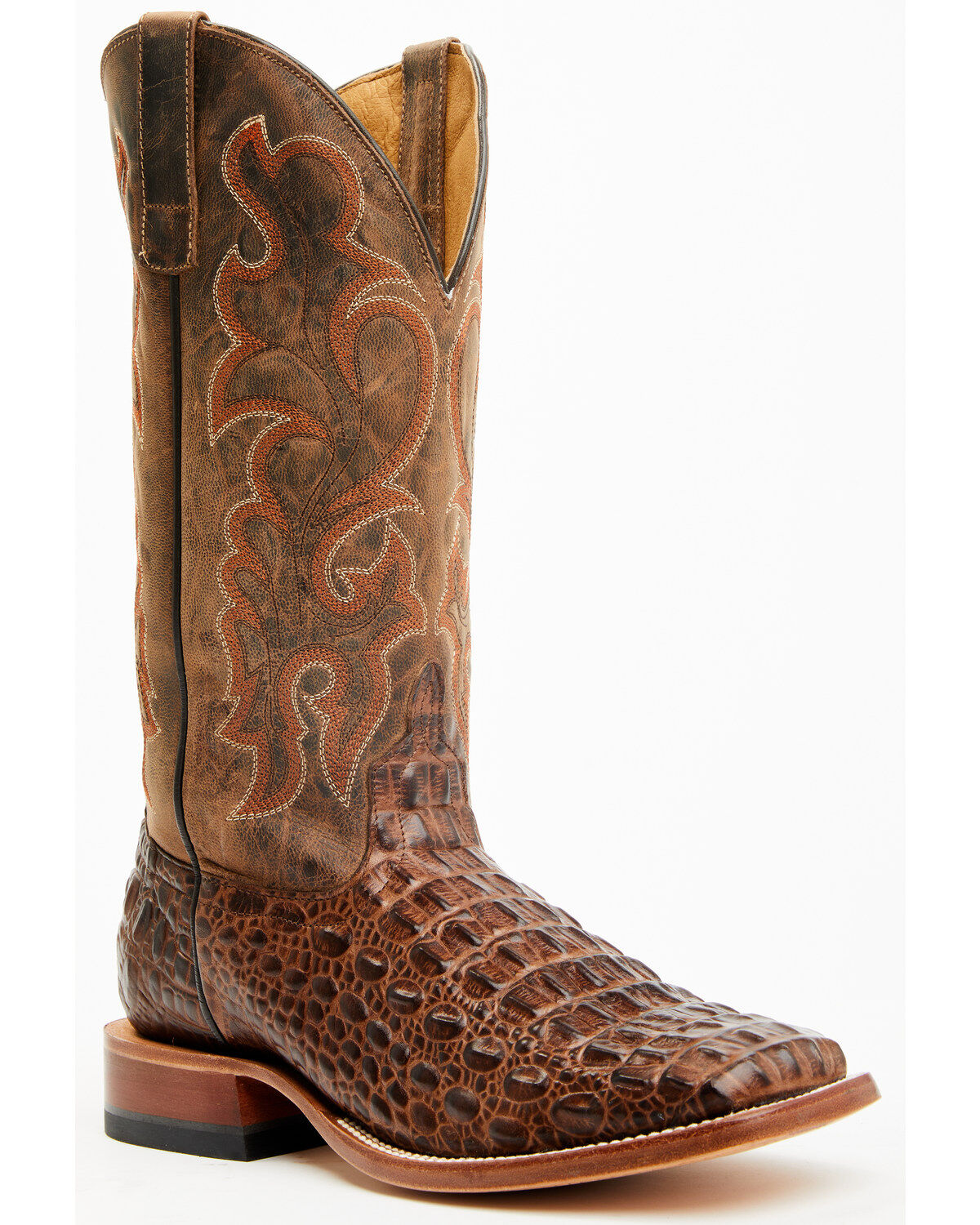
  • Women's Dan Post Caiman Print Western Boots - Snip Toe
    Original Price $269.99 $159.97
    41% Total Savings
  • Women's Myra Bag Snug Western Booties - Snip Toe
    Original Price $109.99 $59.97
    45% Total Savings
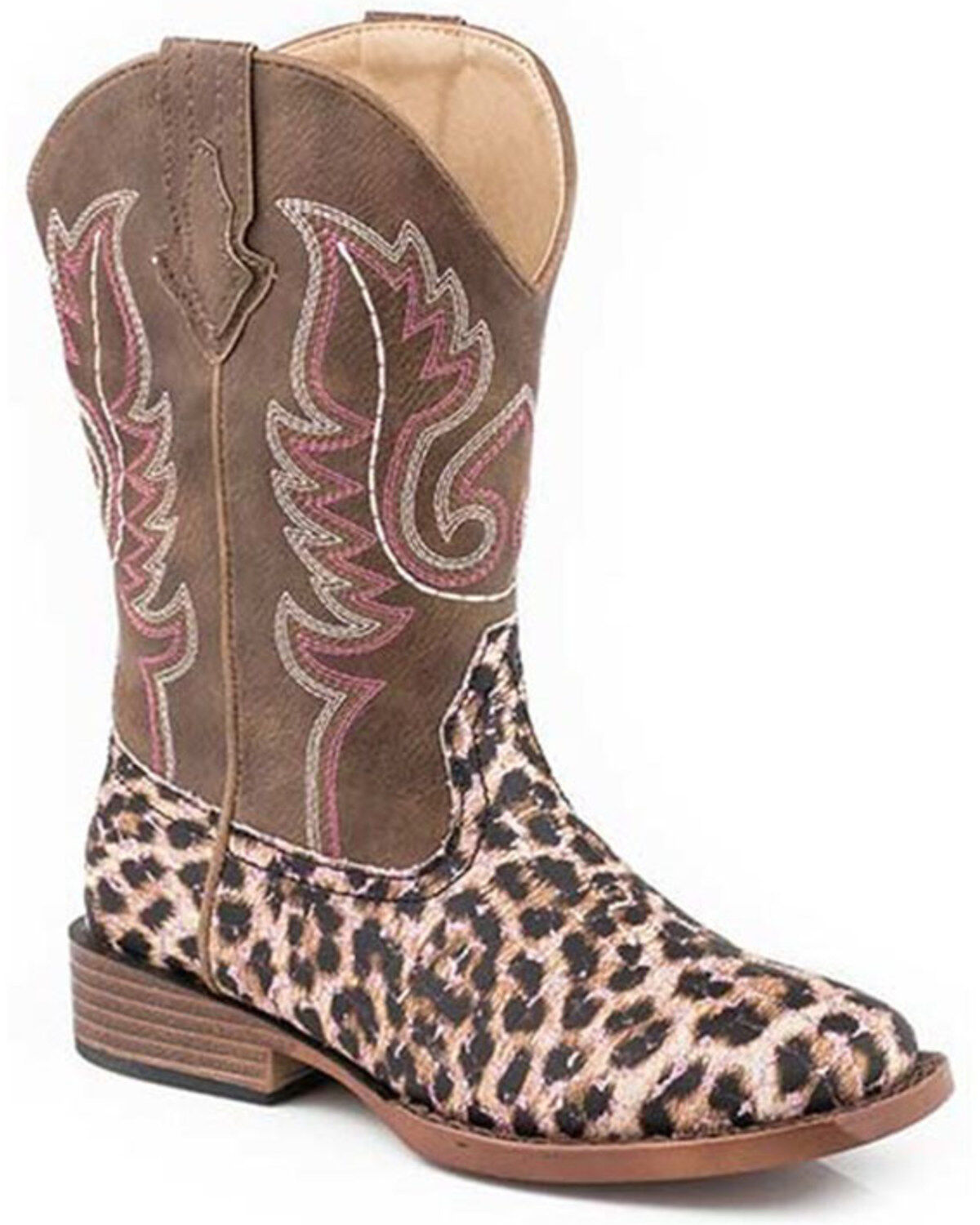
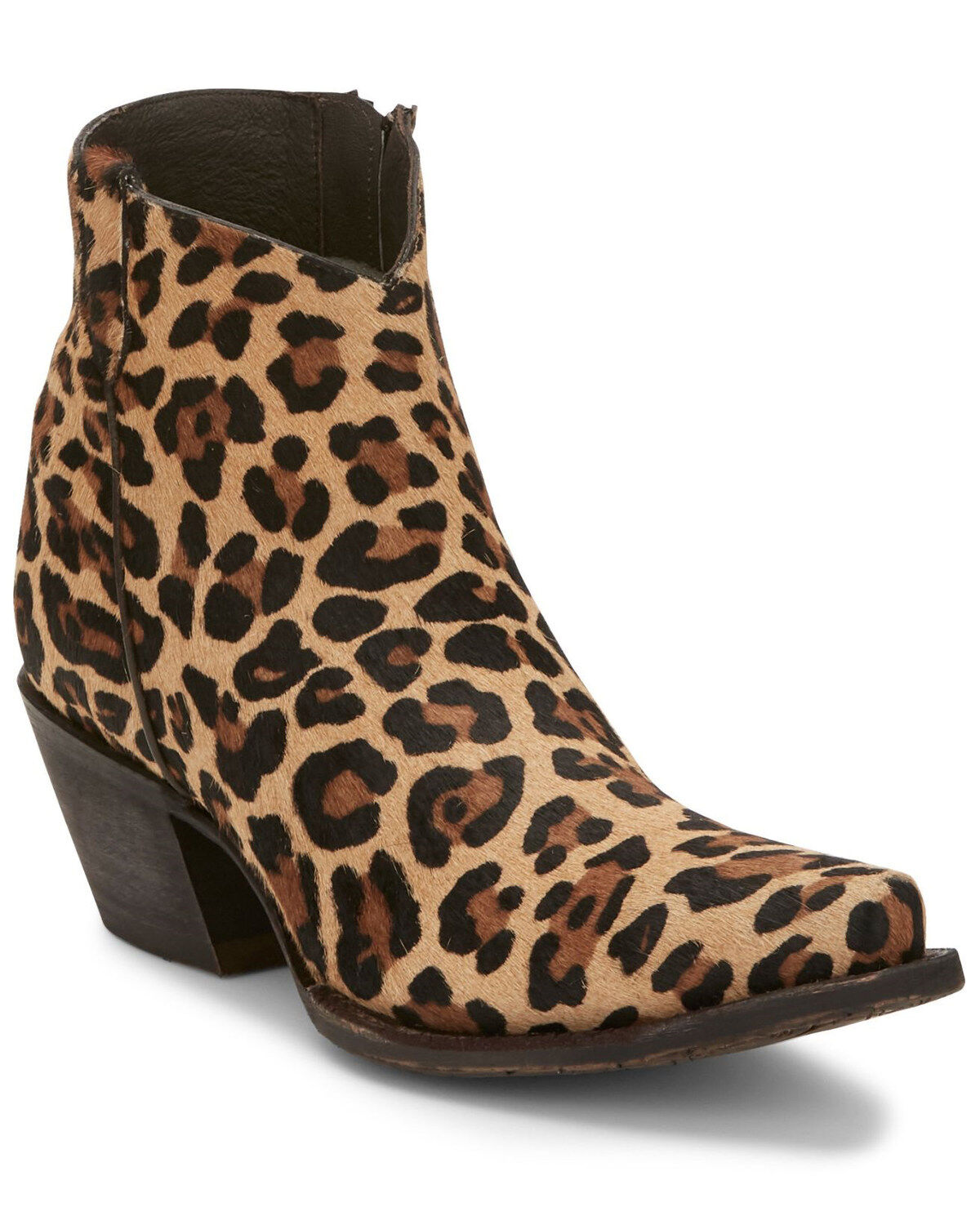
  • Women's Tony Lama Anahi Wildcat Fashion Booties - Snip Toe
    Original Price $209.99 $99.00
    53% Total Savings

End of products

Animal Print Western Boots

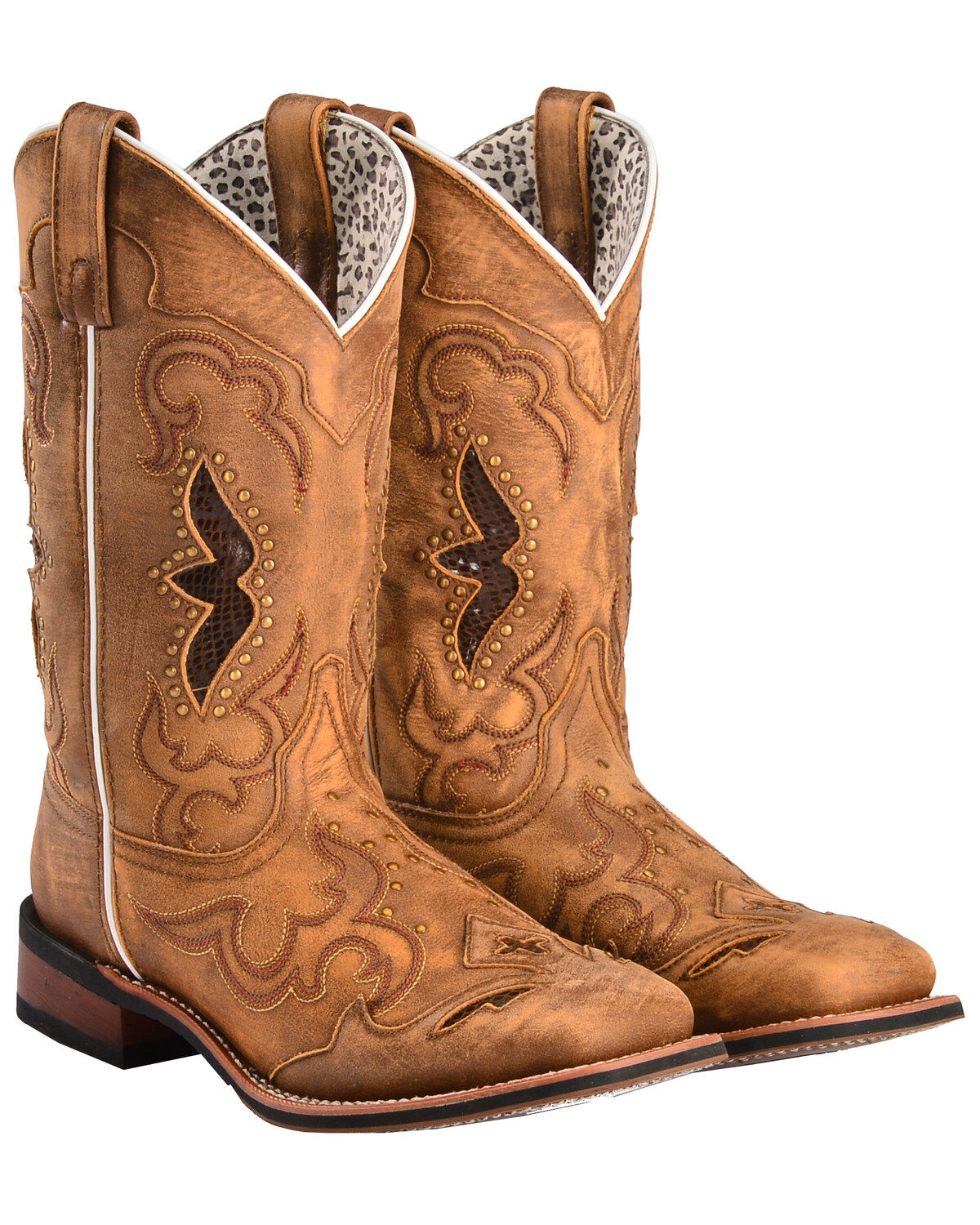
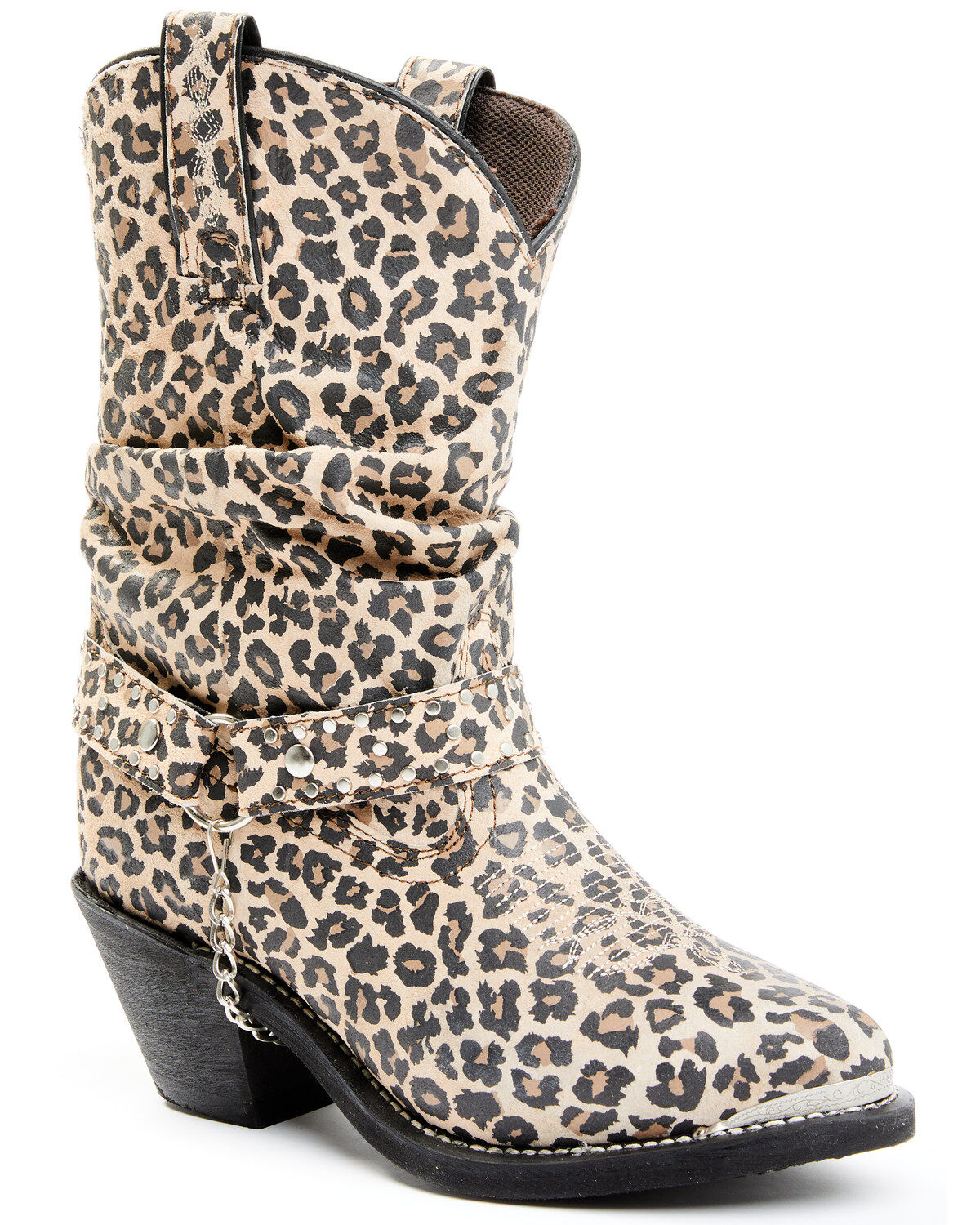
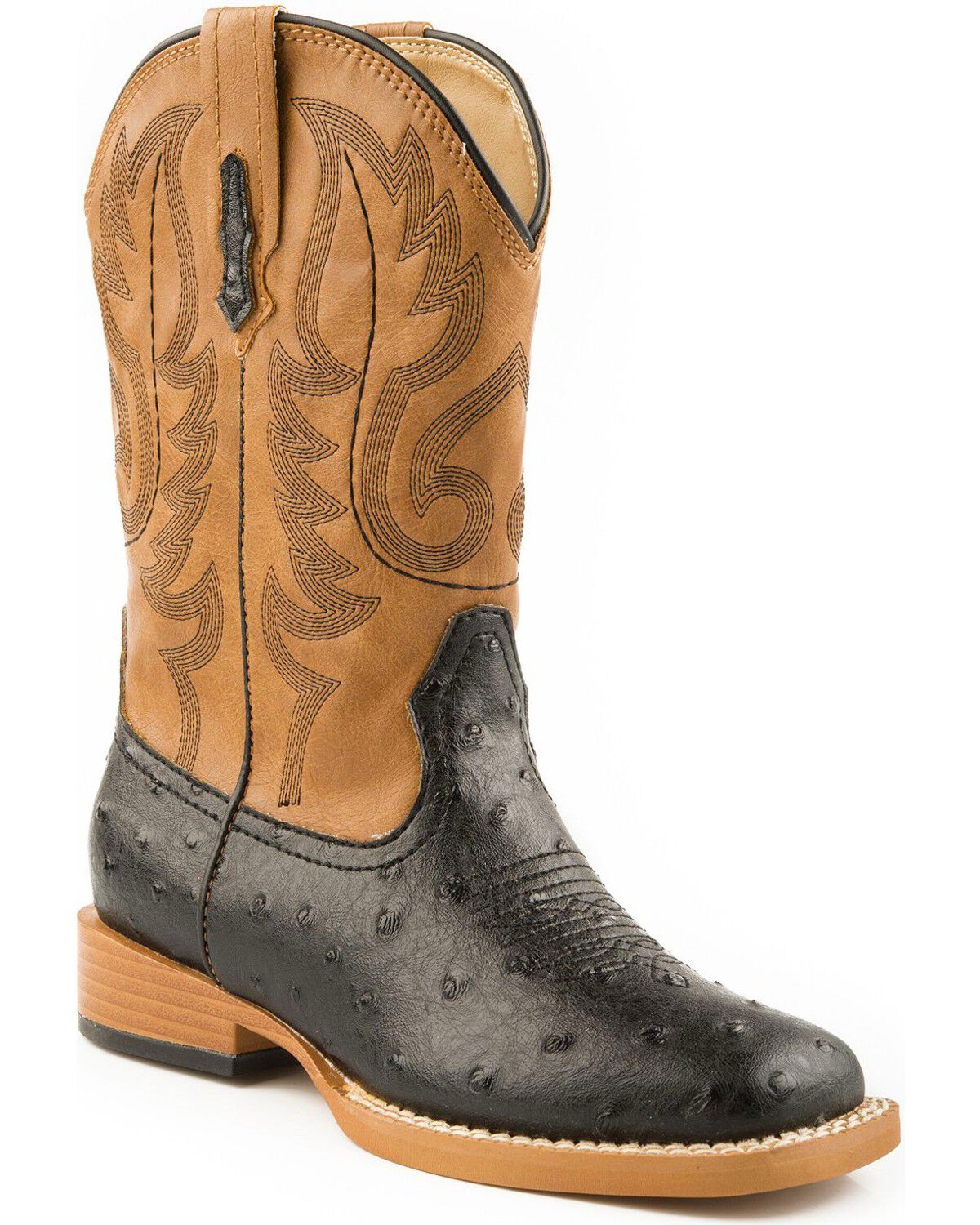
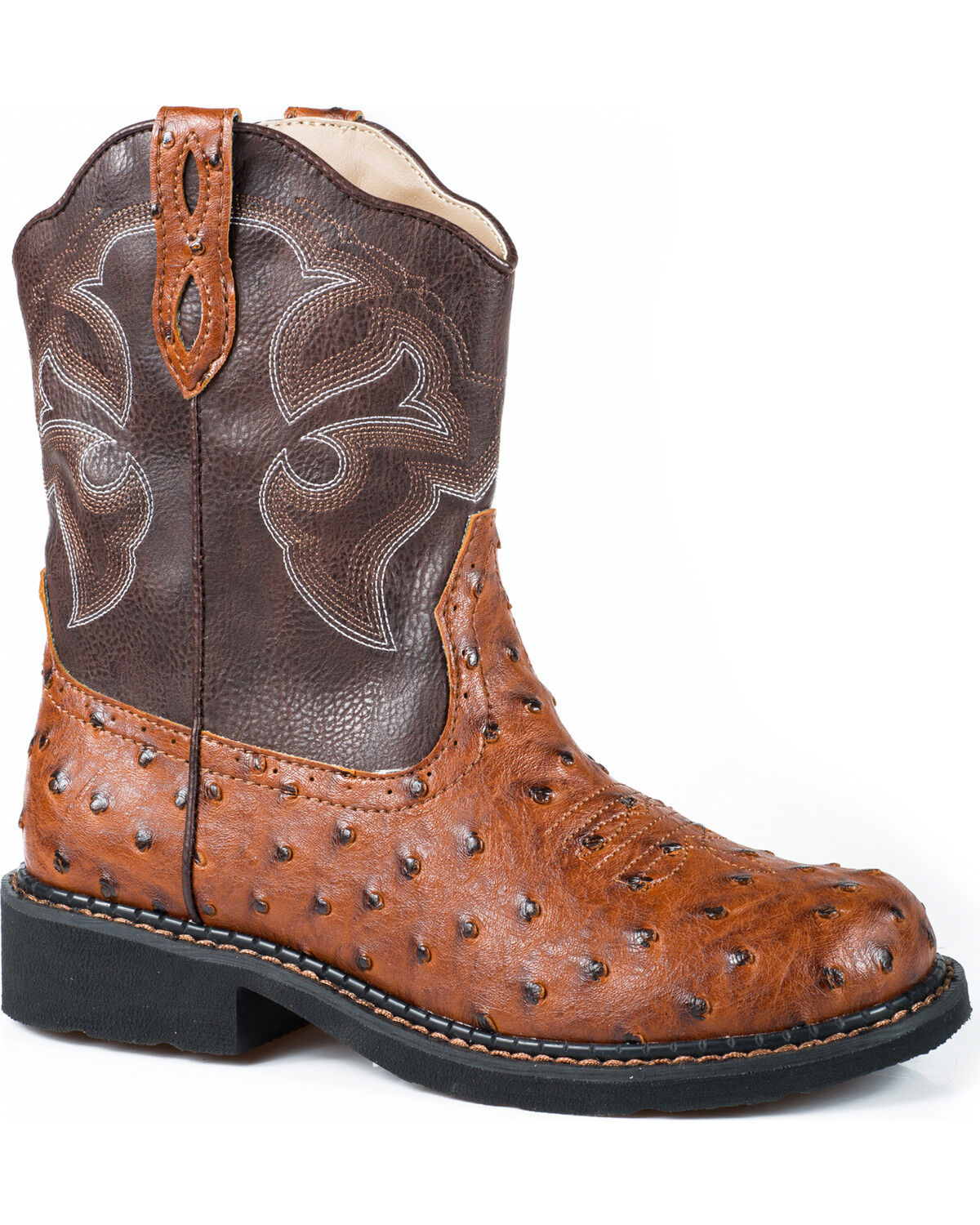
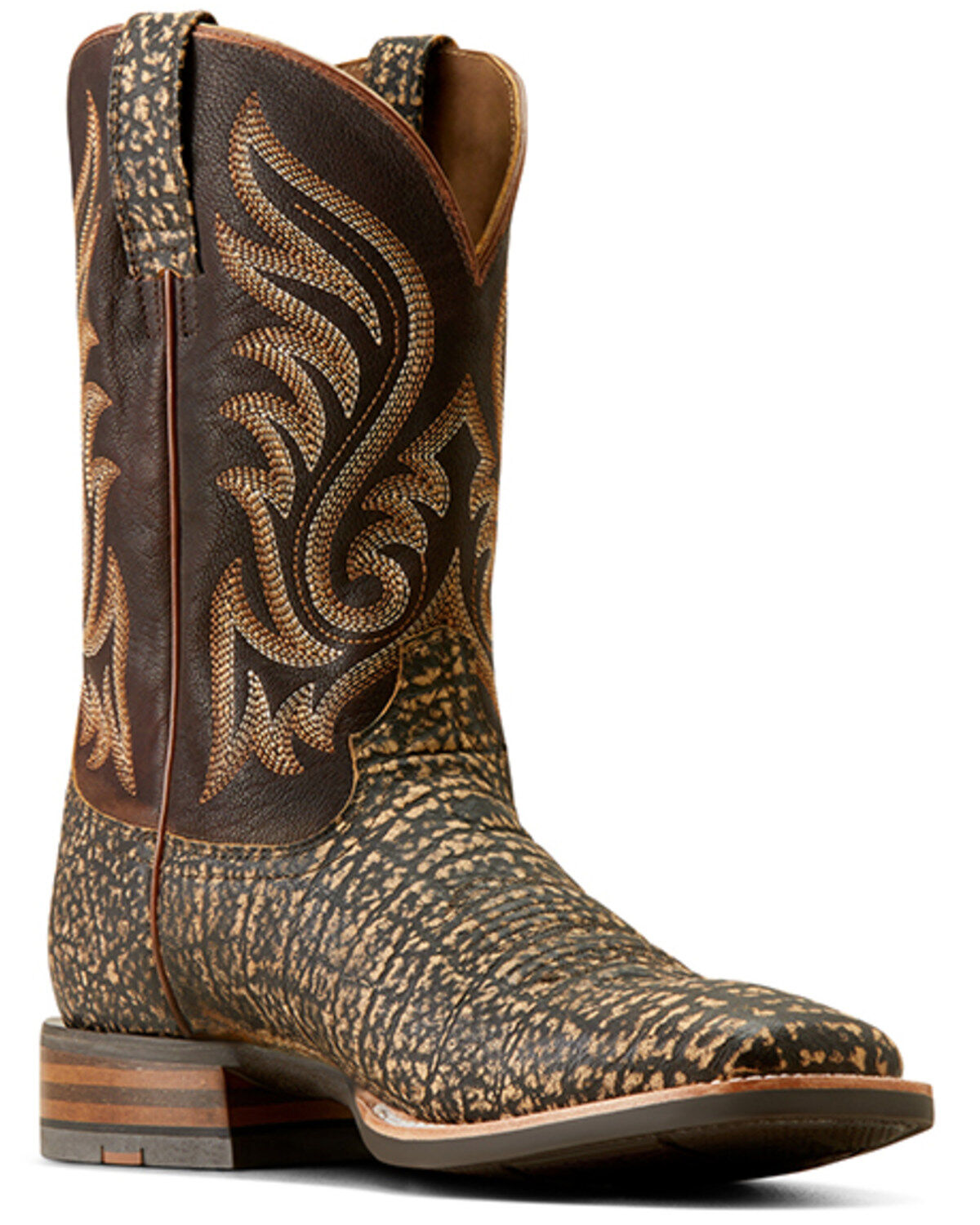
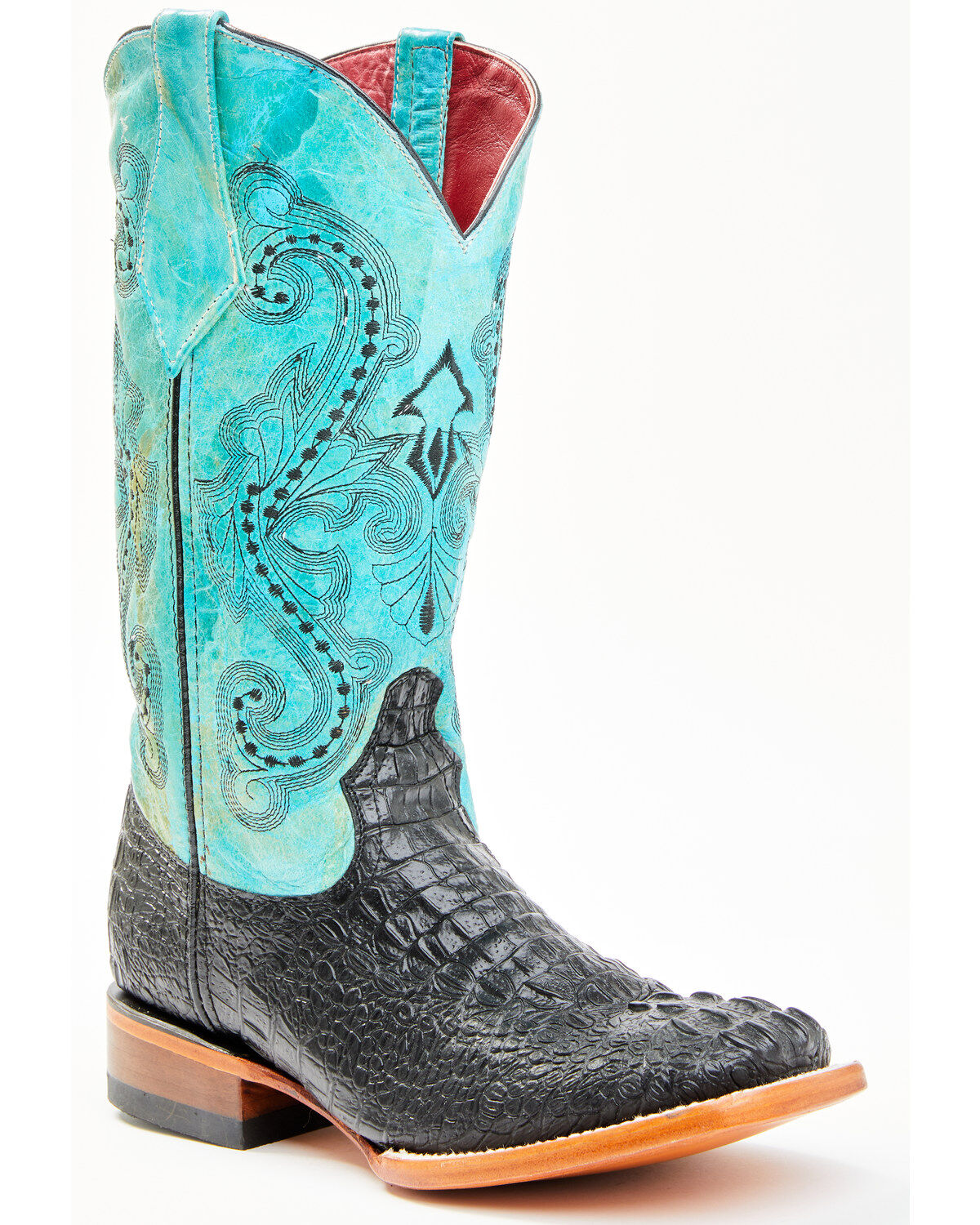
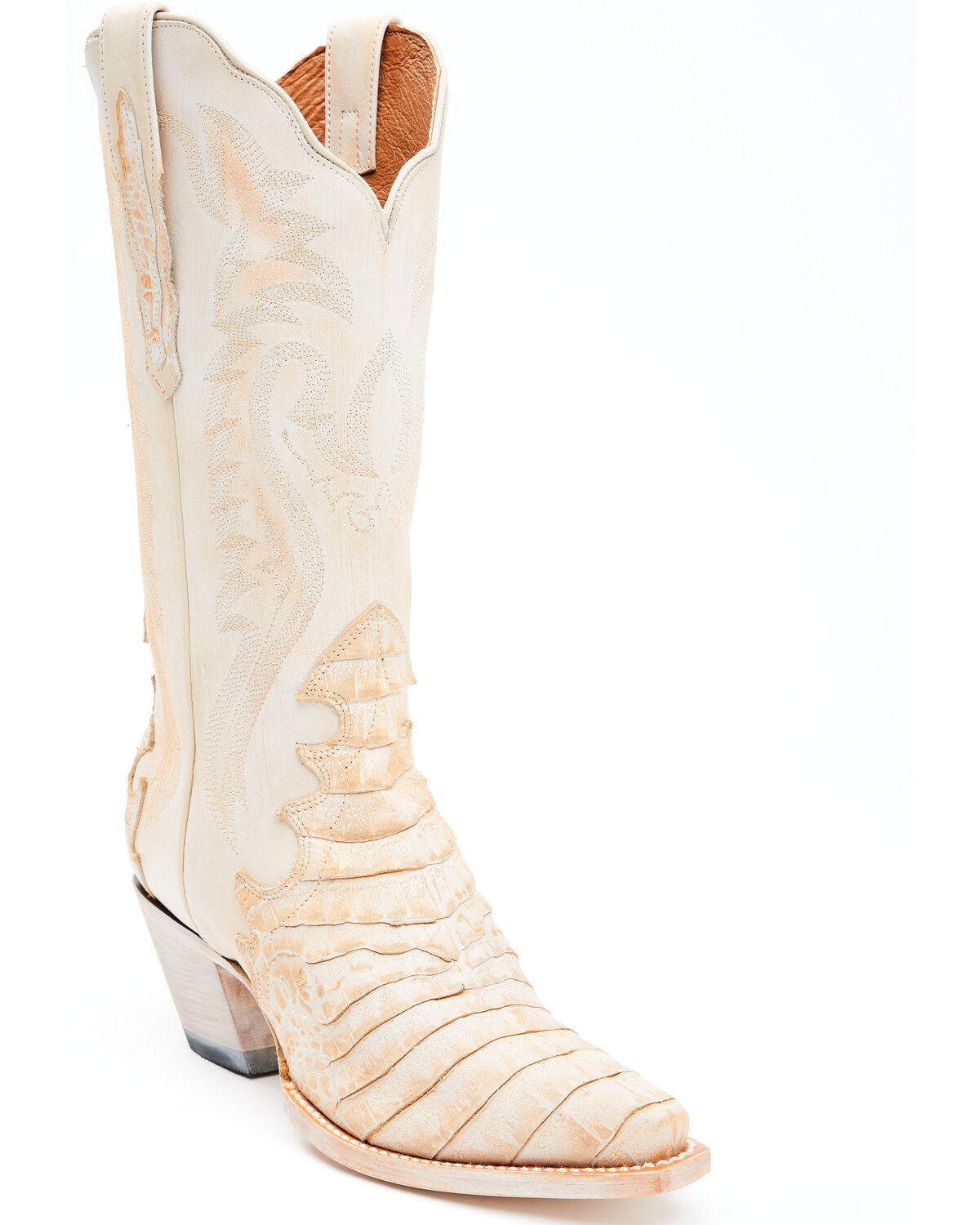
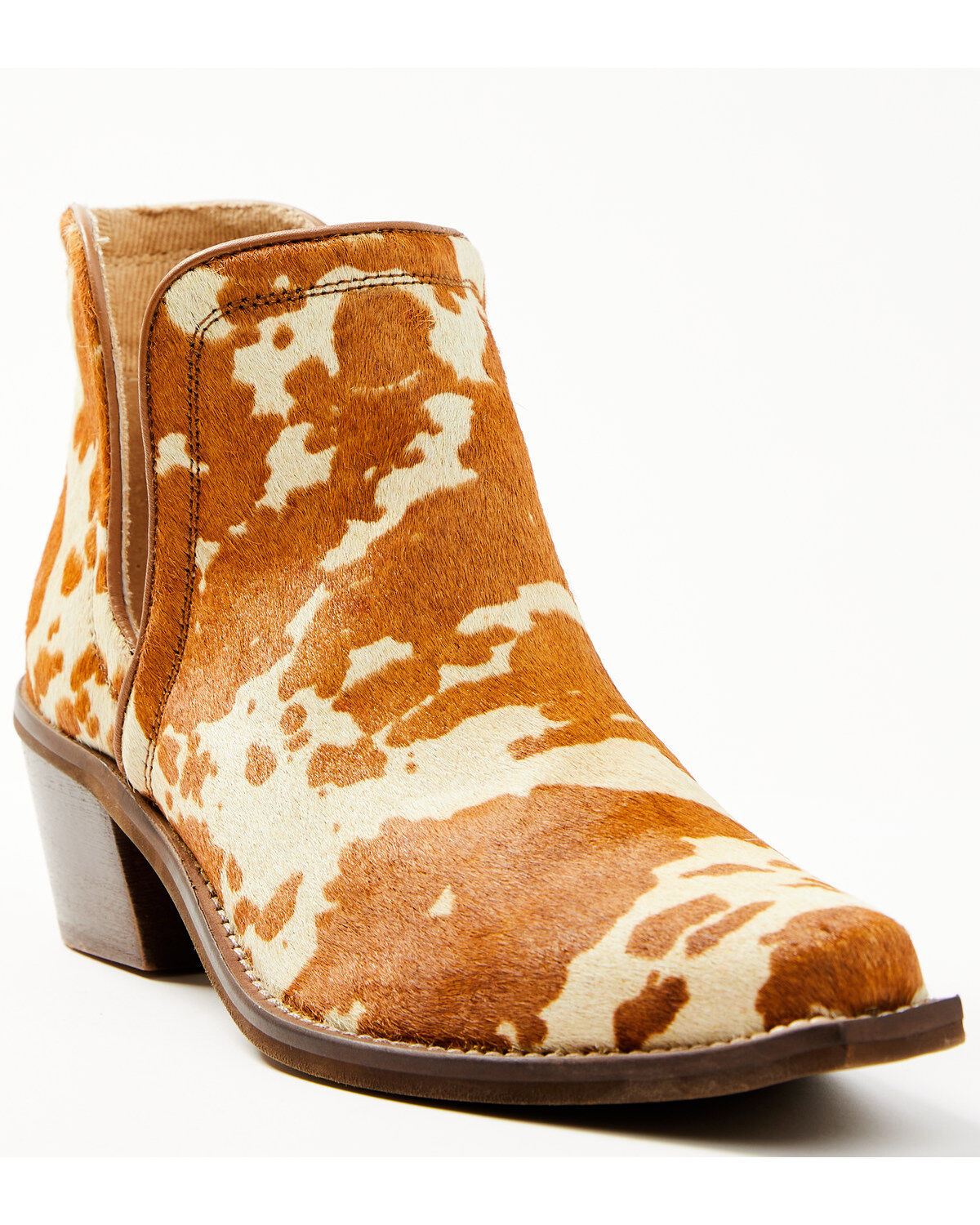
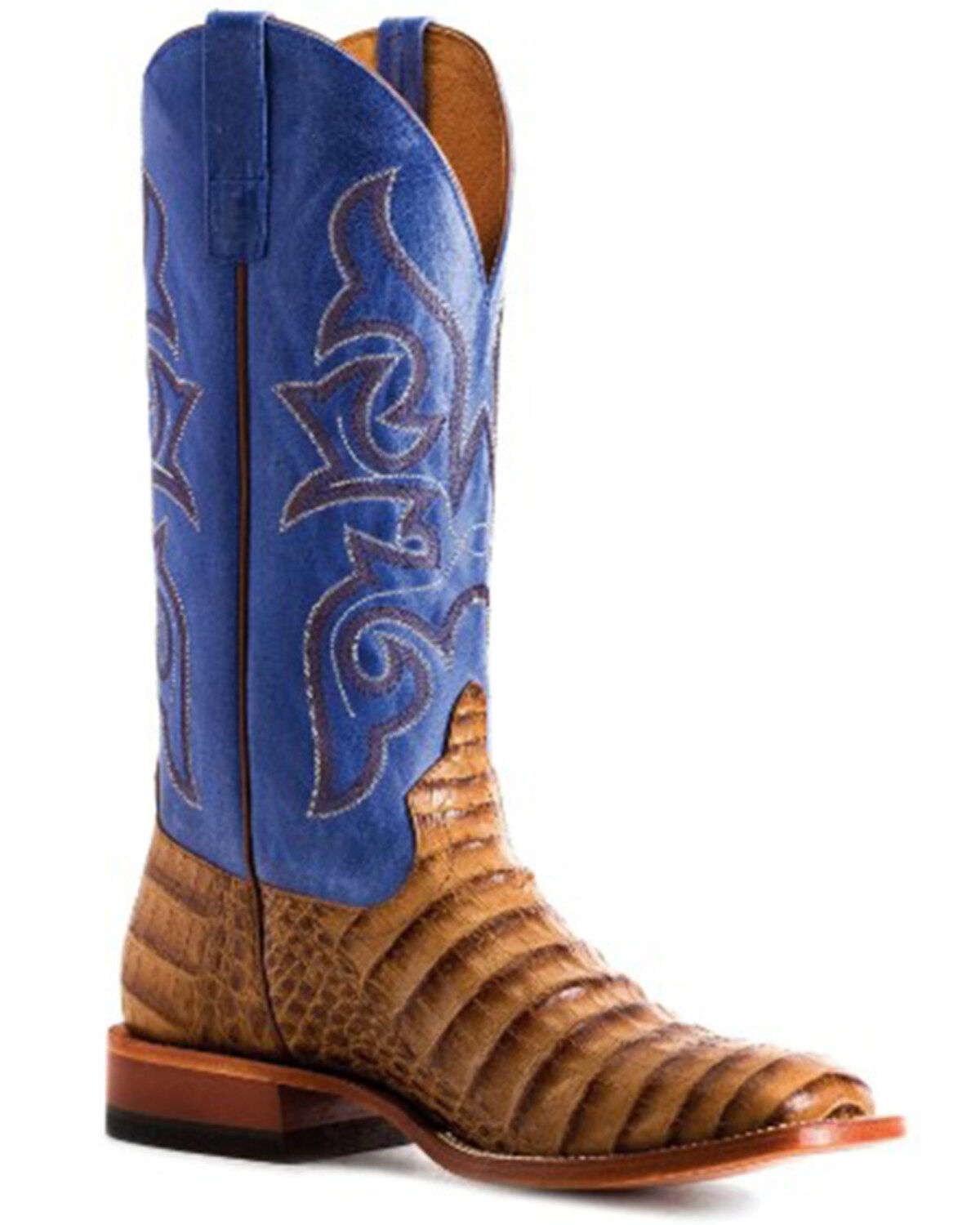
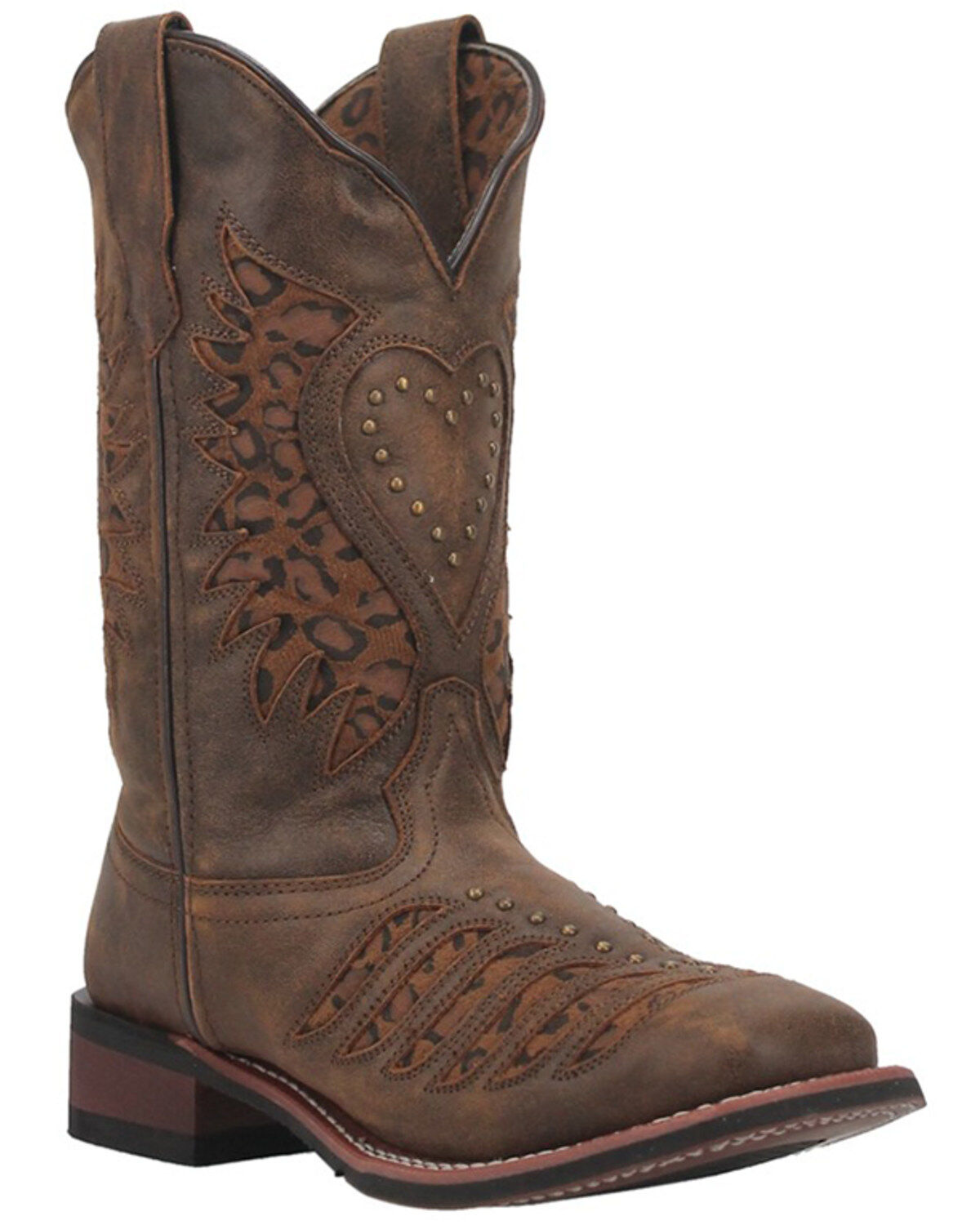
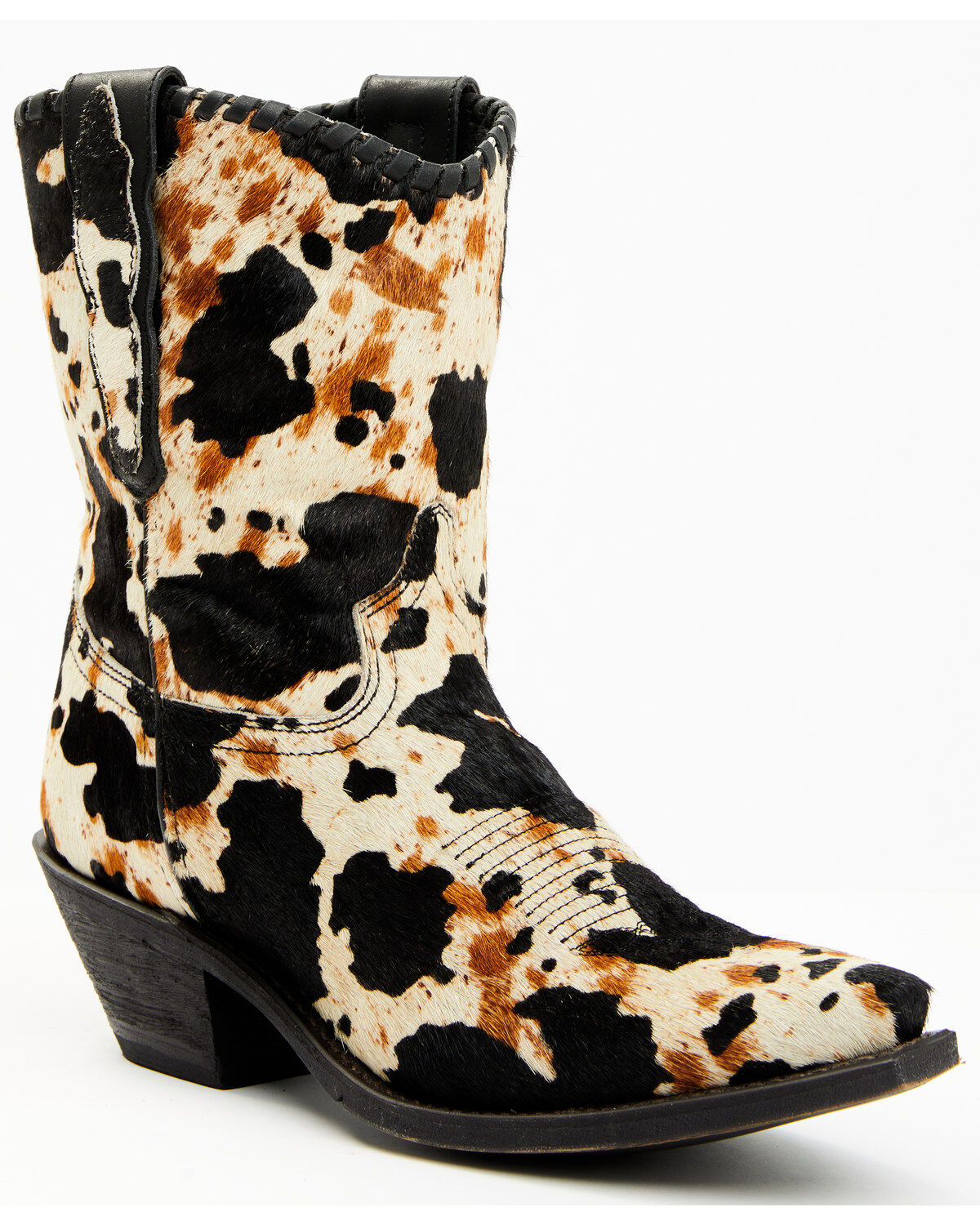
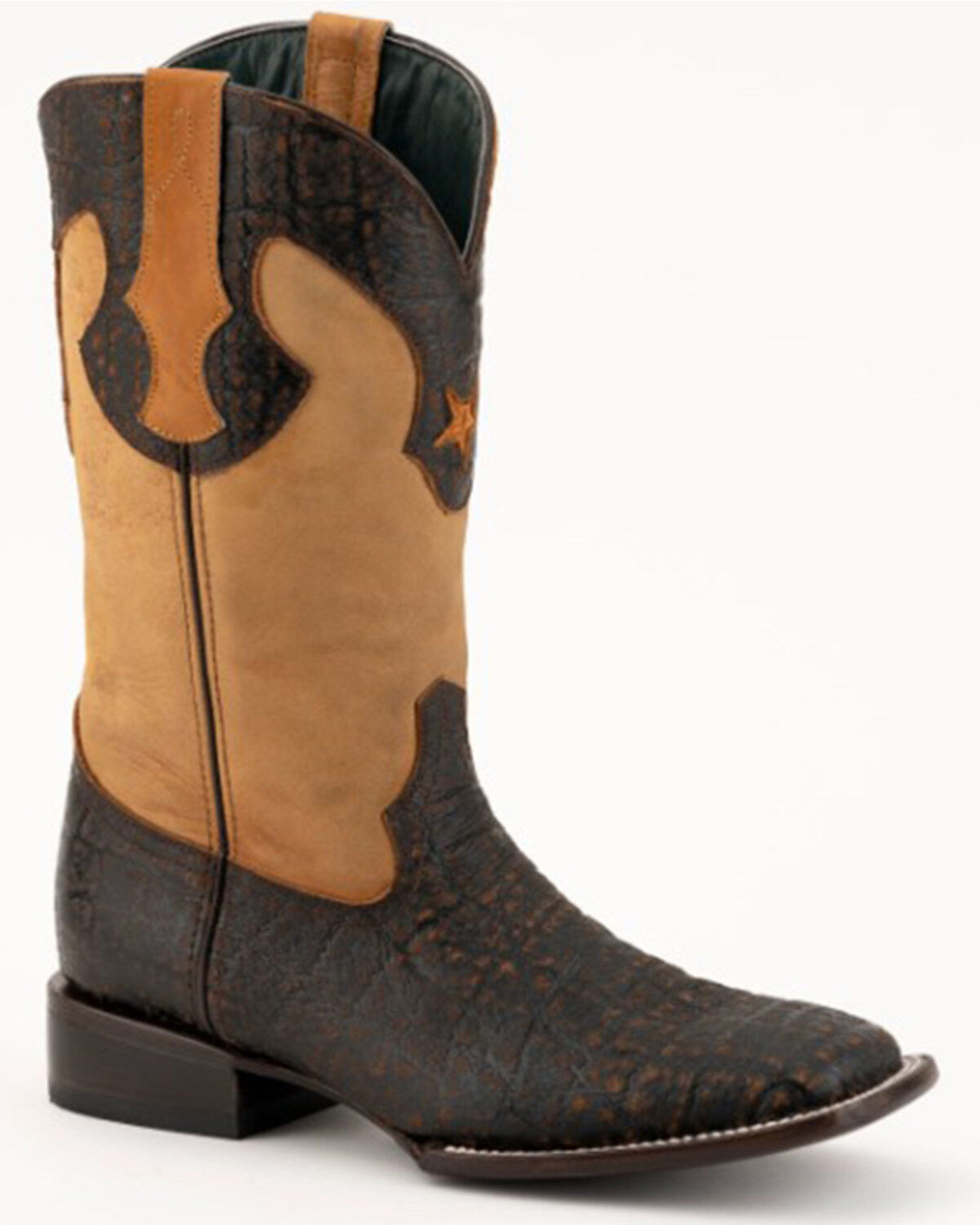
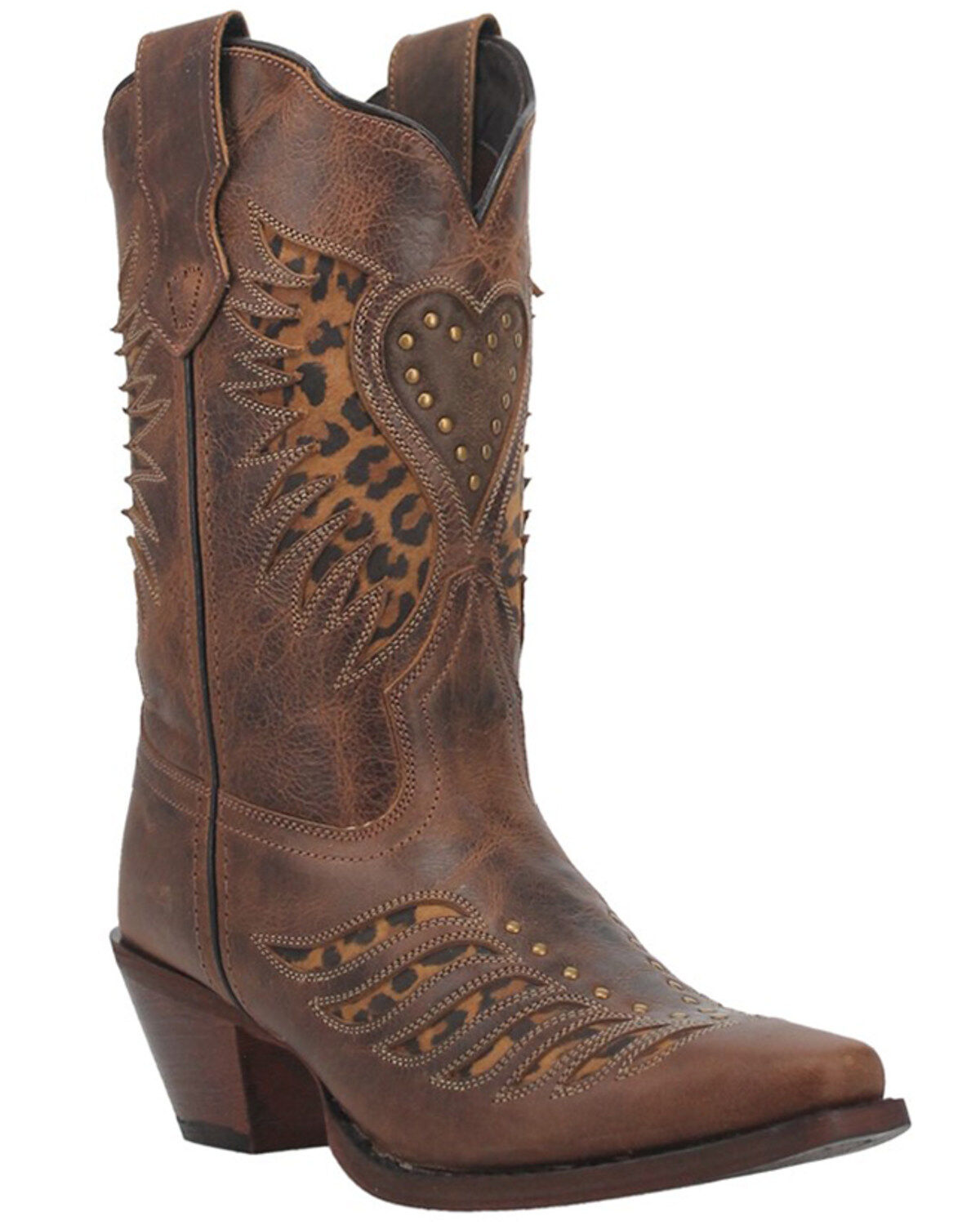
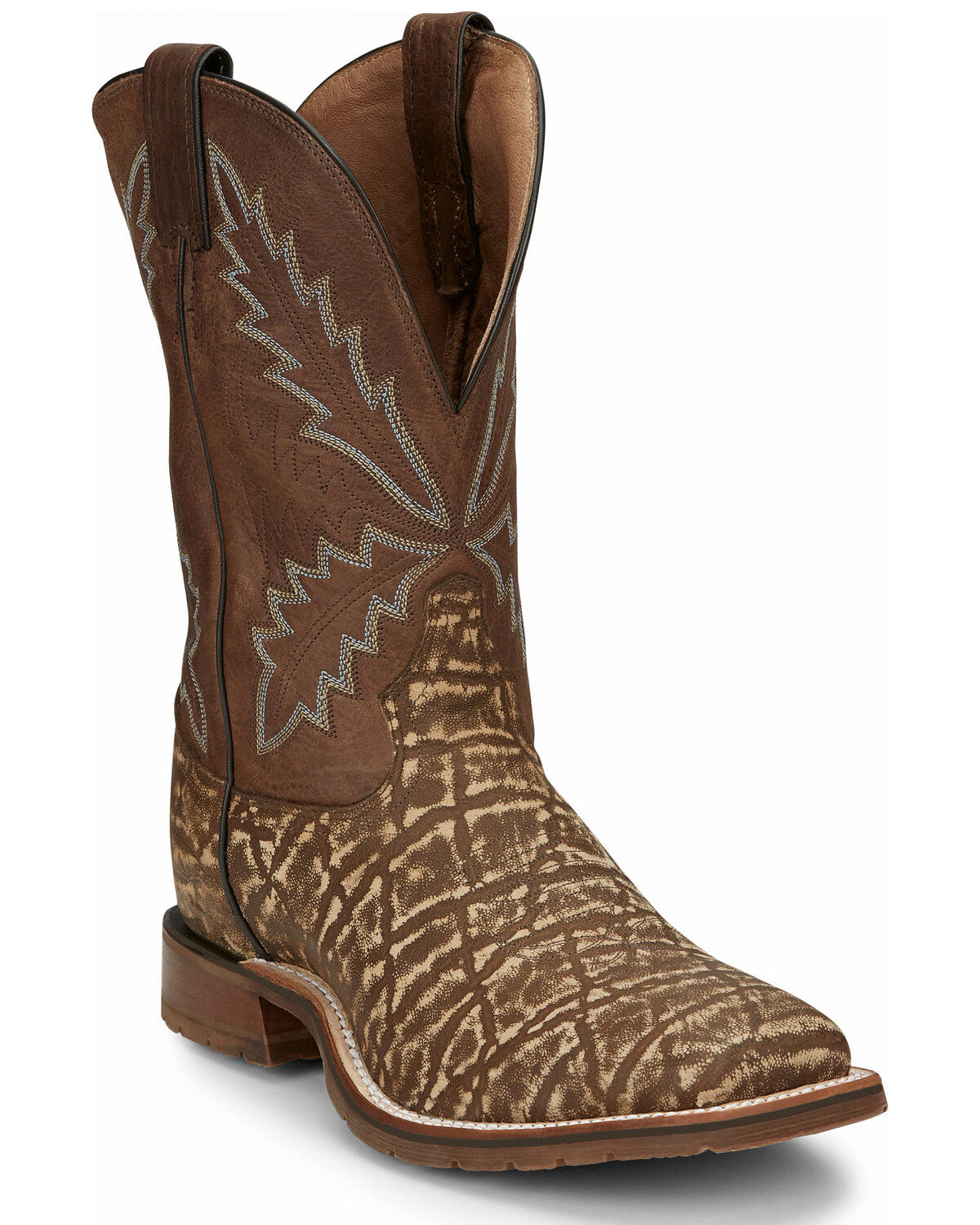
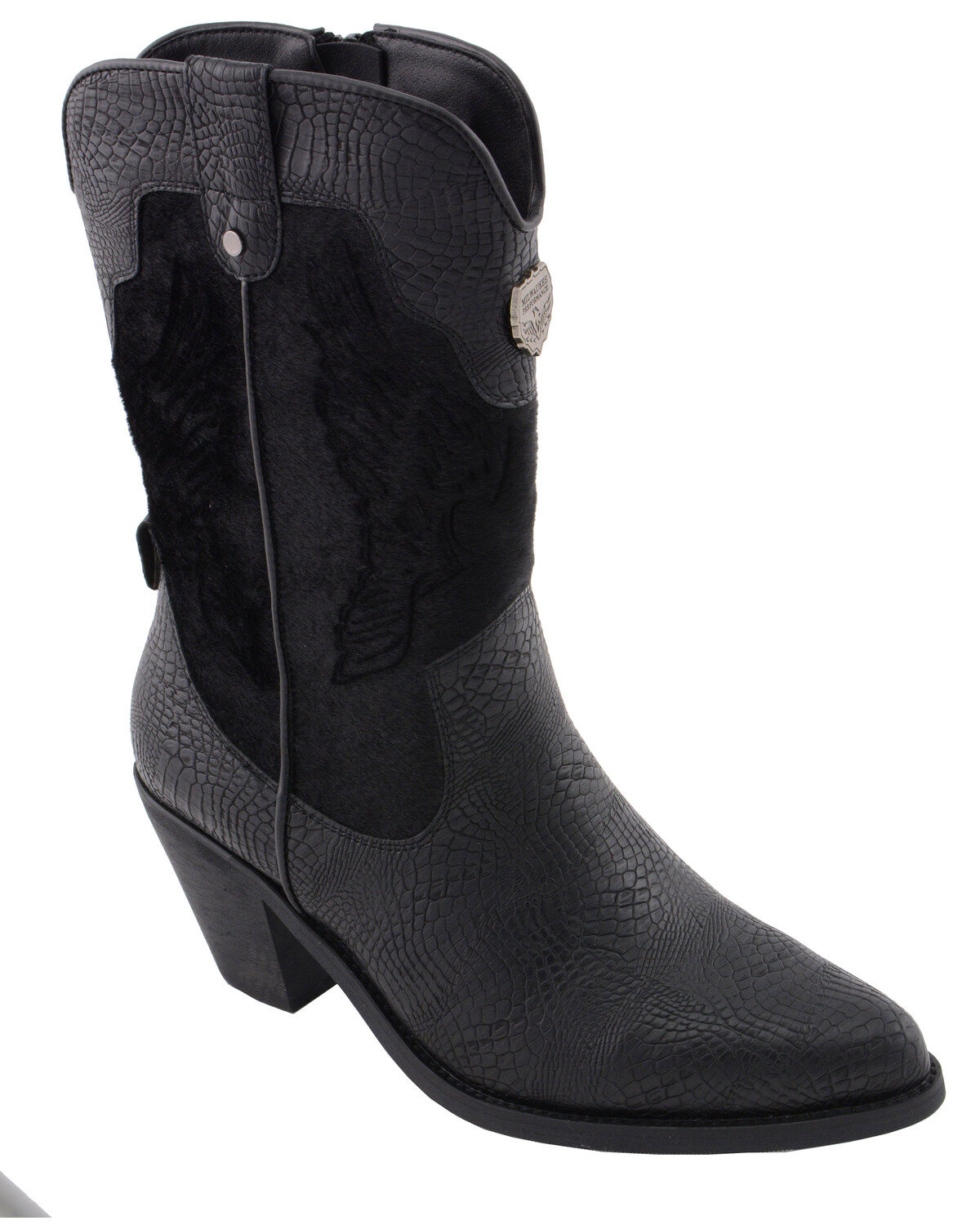
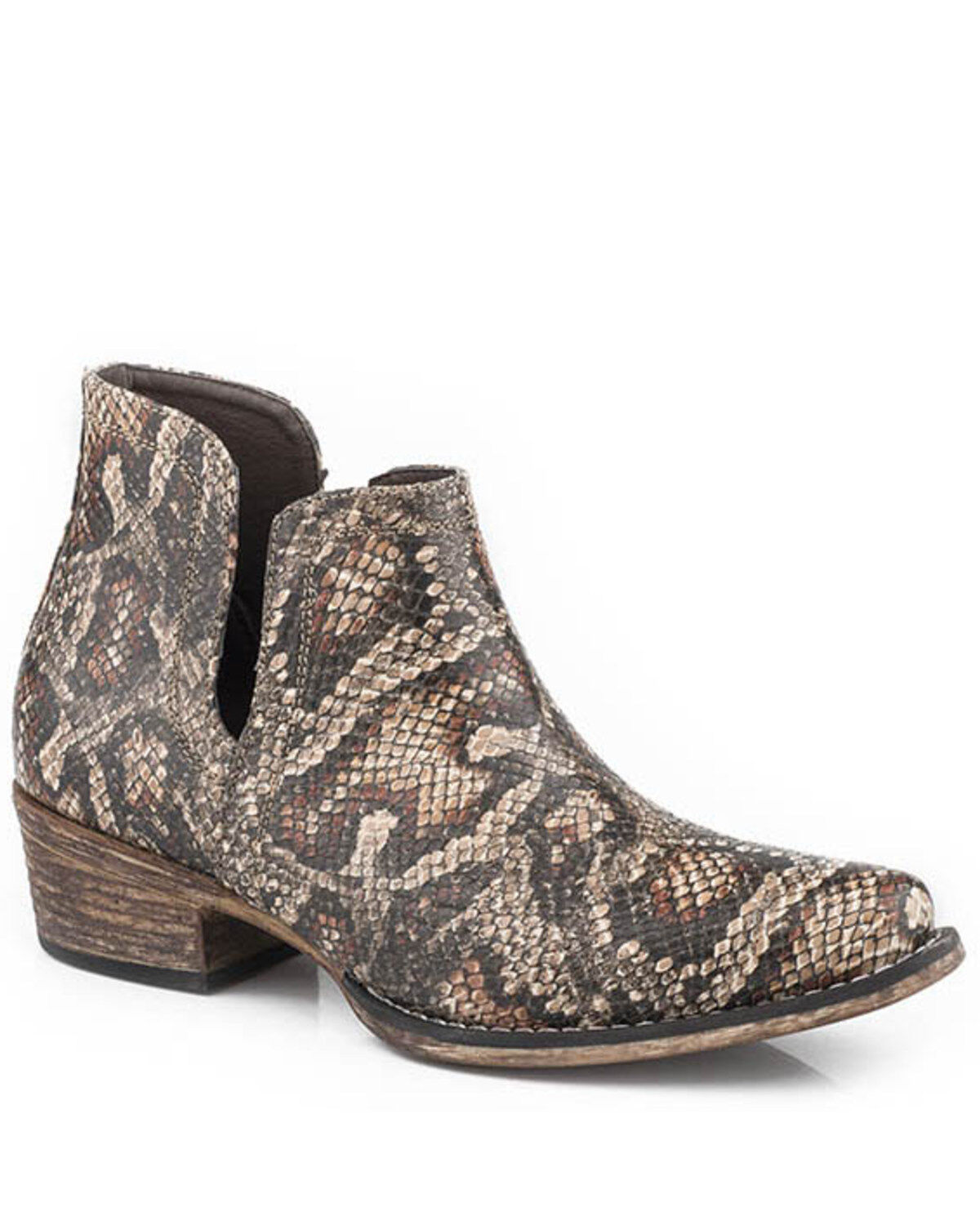
Animal print western boots combine a traditional cowboy boot shape with patterns inspired by animal markings and hides. Leopard, cheetah, cow, zebra, and snakeskin prints give familiar details such as pointed toes, stacked heels, and shaped shafts a different character. Leopard patterns generally feature rosette-shaped markings, while cheetah prints use smaller, solid spots. Cow print tends to have larger, irregular patches, and zebra stripes create a stronger contrast across the foot and shaft. Snakeskin-inspired patterns bring scale-like detail that can look subtle from a distance and more pronounced up close. Color matters as much as the pattern itself. Tan, brown, cream, and black can work easily with denim and other everyday clothing, while sharper contrasts make the boots a more prominent part of an outfit. The placement of the print also changes the effect. A patterned foot beneath plain jeans shows less detail than a fully printed shaft worn with a skirt or dress. Materials deserve a close look because an animal-inspired appearance does not necessarily mean the boot uses that animal’s hide. Printed leather carries a pattern on its surface, while embossed leather has texture pressed into it. Synthetic uppers can also reproduce spots, stripes, and scales. Hair-on hide retains visible hair and has a different feel and care routine than smooth leather. Genuine exotic leather is a separate material category, not another name for a printed finish. That distinction also matters when comparing animal patterns with exotic print western boots, since an embossed surface can resemble a particular hide without being made from it. The material description is more useful than appearance alone when deciding how a pair will wear and what care it will need. Pattern scale is worth considering, too. Broad patches create a different look from fine spots, especially when most of the boot sits beneath a pant leg. A visible toe and heel may be enough pattern for everyday wear, while an exposed shaft gives the design more room.

Fit should come before pattern preference. A western boot should hold the foot securely through the instep without pinching, squeezing the toes, or pressing hard against the sides. Some heel movement can be normal in a new pull-on boot, but excessive slipping can lead to rubbing and an unstable feel. Leather may soften with wear, but a break-in period will not correct a boot that is too short or badly matched to the foot. Try boots with the socks intended for regular use, and walk on a clean indoor surface to check the heel, arch, and toe room. Fit varies between shapes, so a familiar size is a starting point rather than a guarantee. A pointed toe should have enough space beyond the toes without forcing the foot forward, while a square or rounded shape still needs the right width through the ball of the foot. Shaft height and circumference matter when wearing boots with dresses, fitted pants, or fuller calves. The top edge should not dig into the leg, and the shaft should allow comfortable movement when sitting and walking. Intended use helps narrow the details. A lower heel and a suitable outsole may be more practical for a day spent walking than a taller fashion heel. Cushioning and lining can affect comfort, but neither replaces a proper fit. Outsole materials also behave differently: leather soles can feel smooth underfoot, while rubber soles may provide more grip, depending on their design and the walking surface. Animal print alone says nothing about slip resistance, protective features, or suitability for riding and demanding work. Those uses call for construction and performance details that are specifically stated for the boot. For everyday outfits, straight-leg or bootcut jeans can leave the patterned foot visible without crowding the shaft. A plain dress or dark trousers can give a bold print a cleaner backdrop for dinner, a concert, or a celebration. There is no need to repeat the pattern throughout an outfit; solid clothing lets the texture and shape stand on their own.

Care should match the actual material and finish, not the animal the pattern resembles. After wear, remove loose dirt with a soft brush or cloth before it settles into seams and surface texture. On smooth finished leather, a lightly damp cloth may help with surface marks, followed by drying away from direct heat. Use cleaners and conditioners only when they are approved for that leather and finish. Printed coatings, metallic details, and specialty surfaces can react differently to treatments, so test an inconspicuous area first. Hair-on hide needs a gentler approach: brush lightly in the direction of the hair, avoid soaking, and limit repeated rubbing against rough surfaces. Embossed textures can collect dust in their grooves, making a soft brush useful without heavy scrubbing. Synthetic materials should be cleaned according to their care instructions rather than treated automatically with leather conditioner. Whatever the upper material, avoid using a radiator, hair dryer, or other direct heat source to speed drying. Let damp boots dry naturally, and keep the shafts supported during storage so they are not folded or crushed. Boot trees or suitable inserts can help maintain shape, while a boot jack can make removal easier without pulling hard on the heel or shaft. Durability depends on more than the upper. Stitching, lining, heel attachment, outsole construction, and the amount of abrasion all affect long-term wear. A bold print can still show scuffs at the toe or along points of frequent contact, so regular checks are worthwhile. Rotating between pairs gives linings time to dry between wears. For a gift, the recipient’s usual boot shape, preferred heel height, and comfort with pattern are better clues than clothing size alone. Someone who wears plain brown boots may appreciate a tonal animal pattern, while someone who regularly wears bold accessories may prefer stronger contrast. Knowing the recipient’s boot size, width, and shaft preferences helps make the choice more personal and more likely to fit. The strongest choice is a pair that suits how the wearer dresses, walks, and cares for their boots.
Read More

FAQs