Exotic Skin Western Boots

Shop exotic skin western boots with distinctive textures and classic western styling. Compare each pair’s listed materials, toe shape, heel height, and sizing details to narrow your choices and find the right look and fit.

Read More

Shop Your Store: Shop Your Store: Find a Store

(Turn off Shop Your Store to see all items)

(Turn off Shop Your Store to see all items)

close
  • Recommended
  • Lowest Price
  • Highest Price
Skip pass products
  • Women's Idyllwind Triad Exotic Python Western Boots - Snip Toe
    Original Price $319.99 $191.97
    40% Total Savings
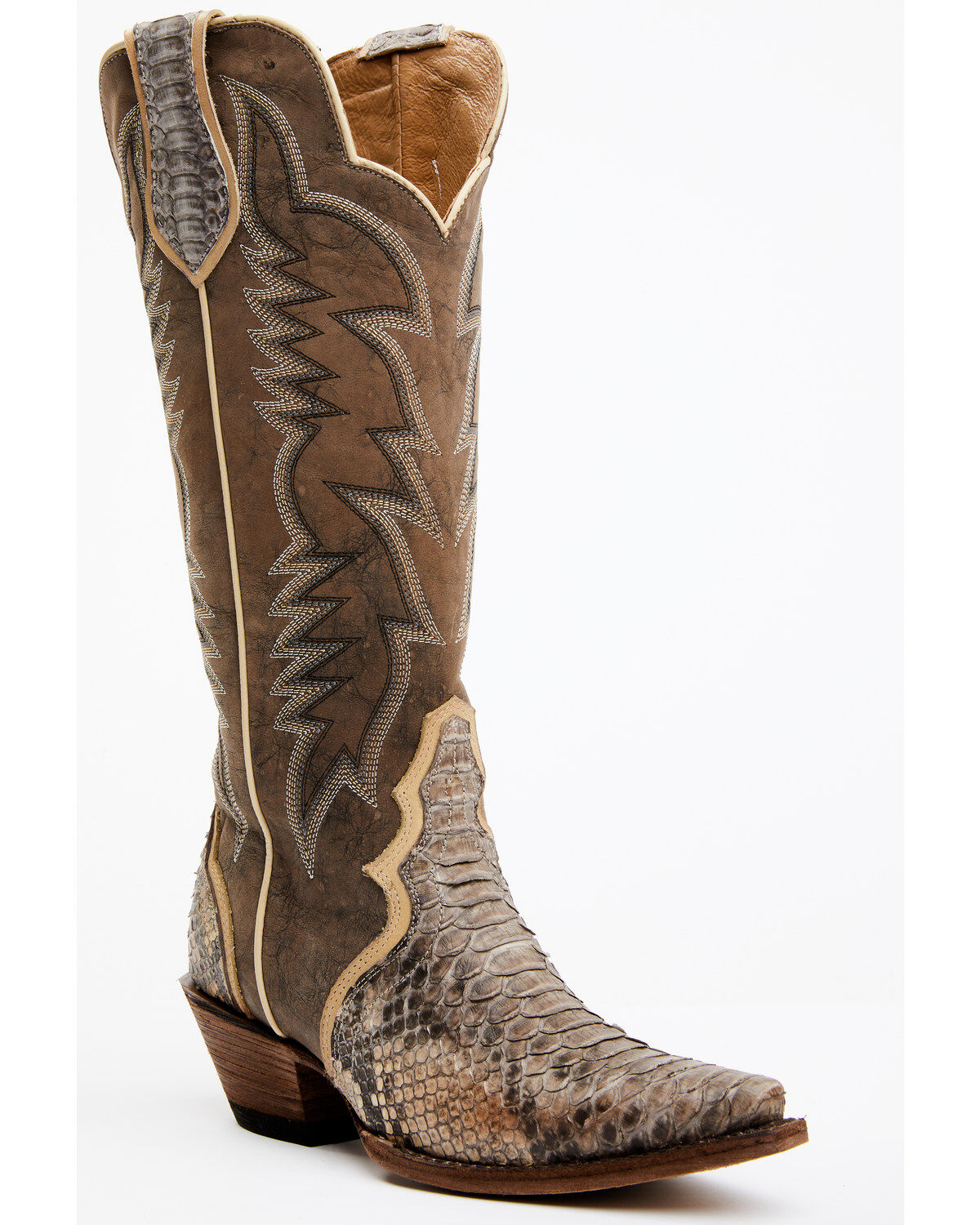
  • Women's Idyllwind Slay Exotic Python Tall Western Boots - Snip Toe
    Original Price $399.50 $324.50
    19% Total Savings
  • Women's Idyllwind Stunner Exotic Python Western Boots - Snip Toe
    Original Price $409.50 $334.50
    18% Total Savings
  • Women's Idyllwind Slay Exotic Python Western Boots - Snip Toe
    Original Price $399.50 $324.50
    19% Total Savings
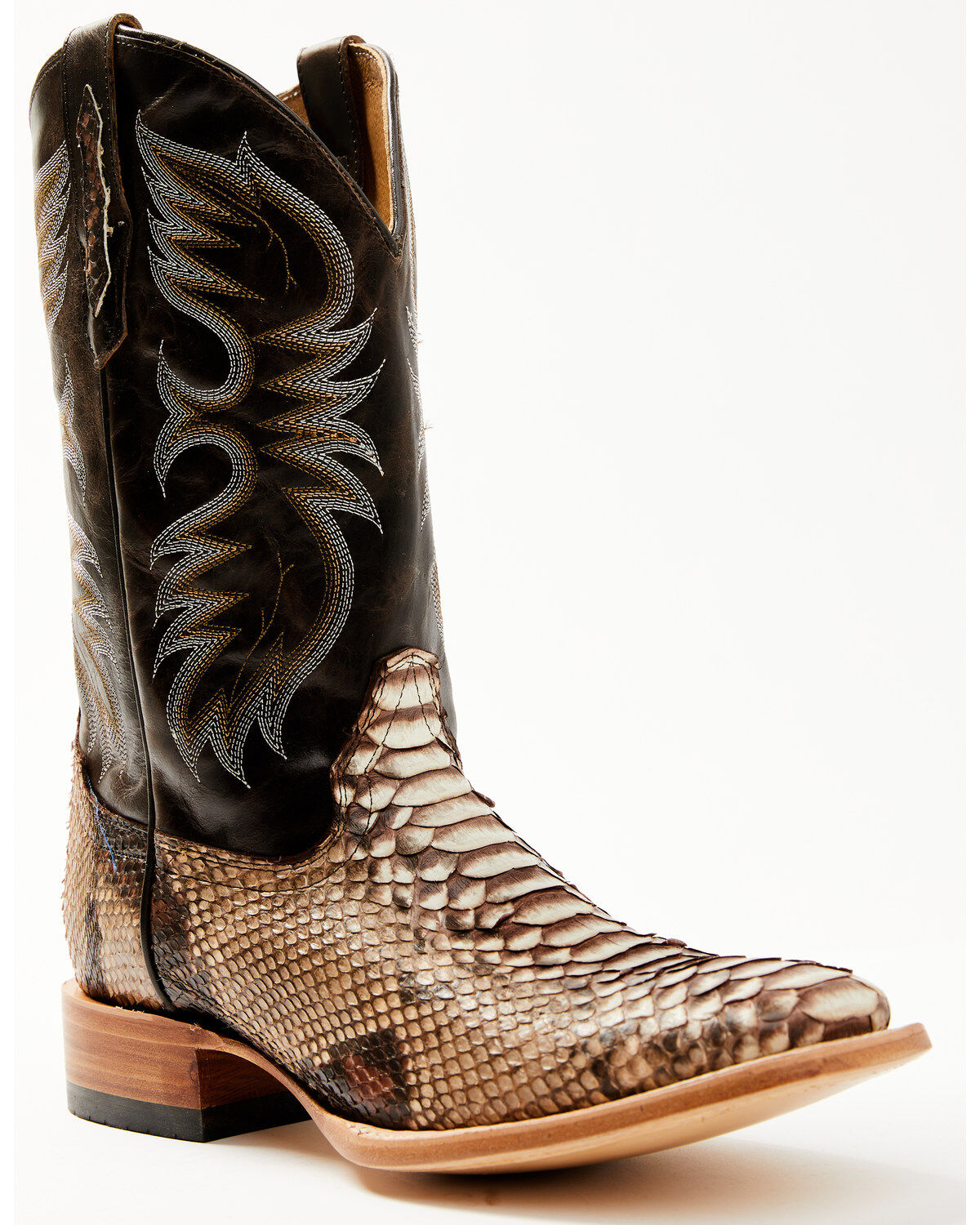
  • Men's Cody James Exotic Python Western Boots - Round Toe
    Original Price $299.99 $199.97
    33% Total Savings

End of products

Exotic Skin Western Boots

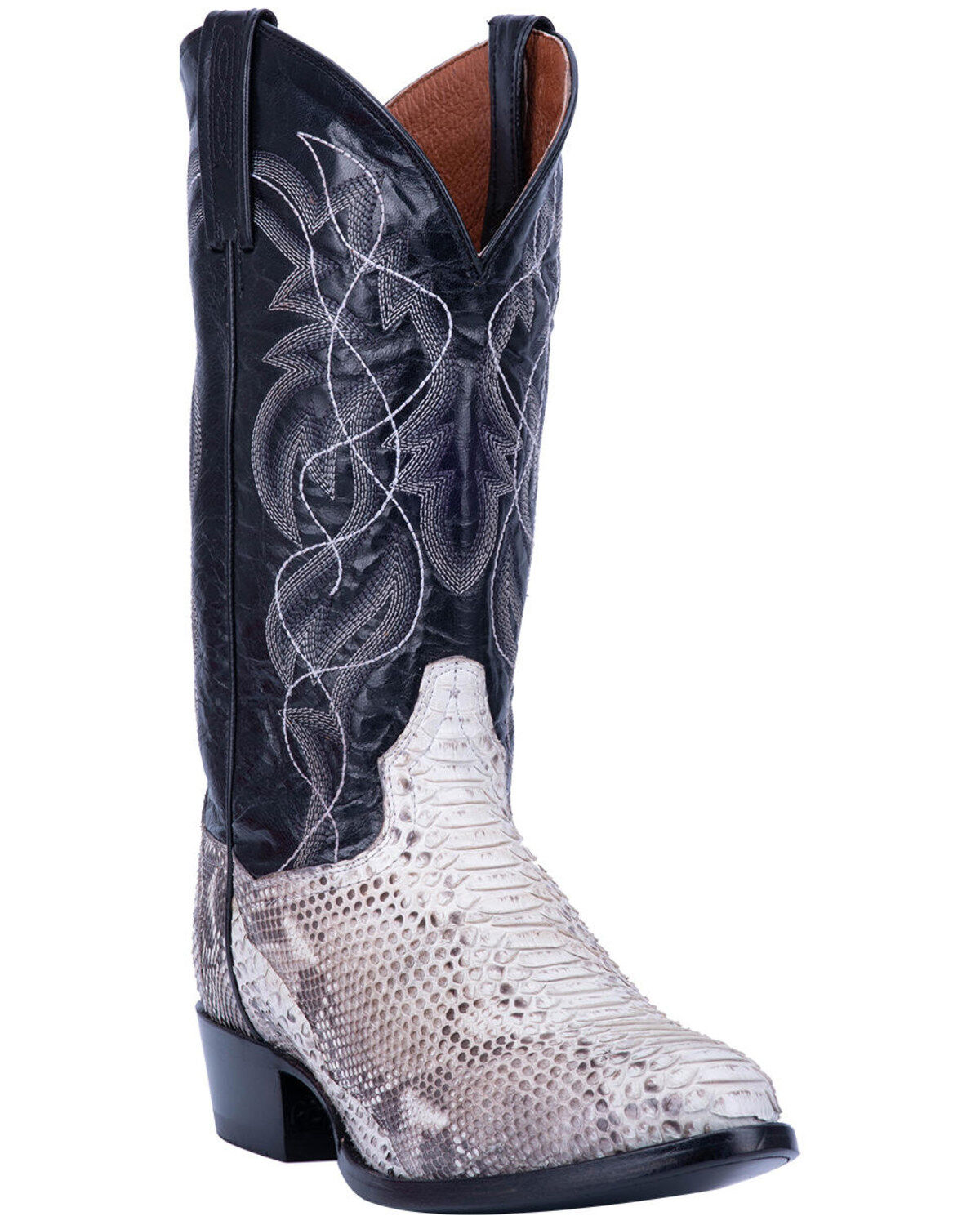
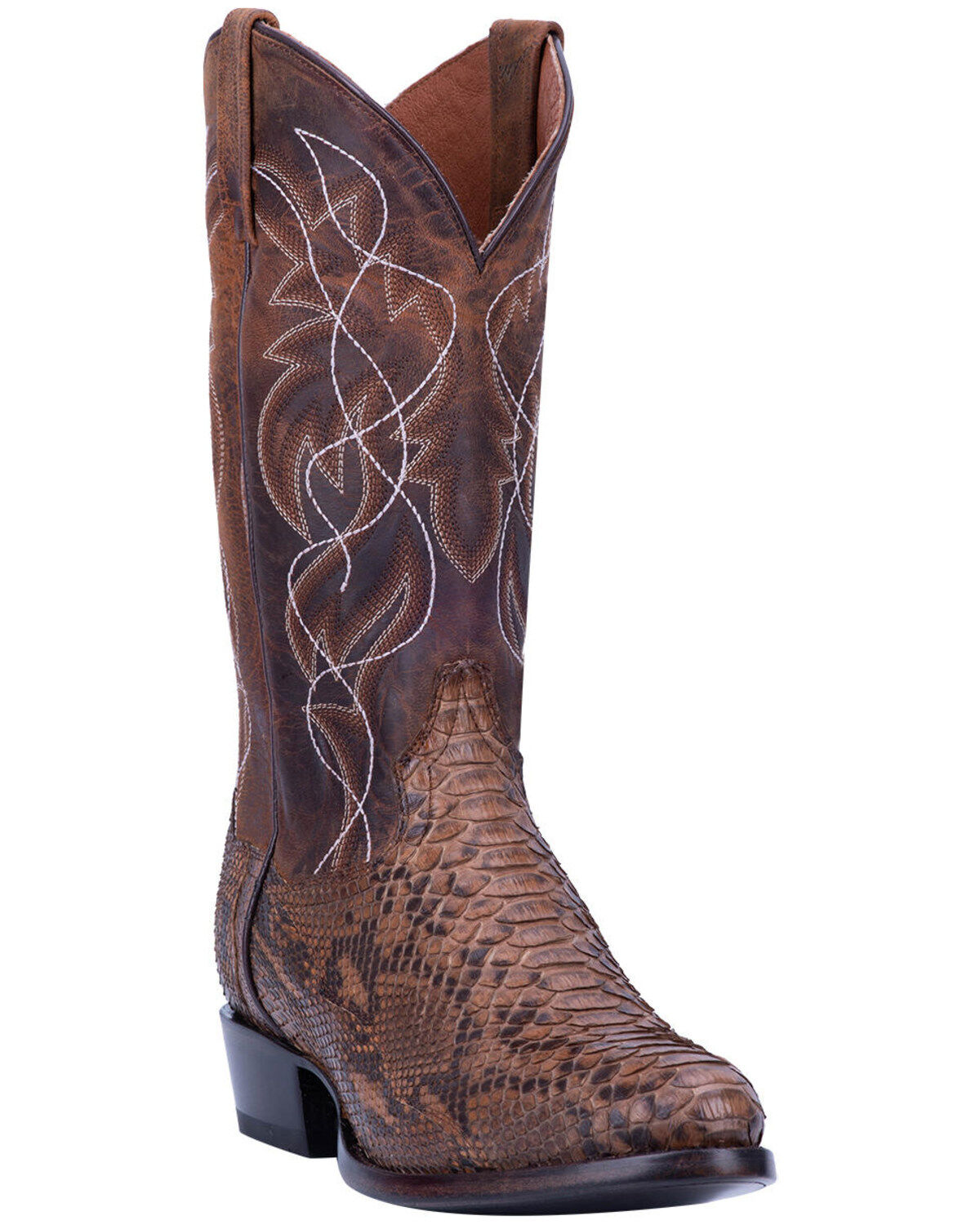
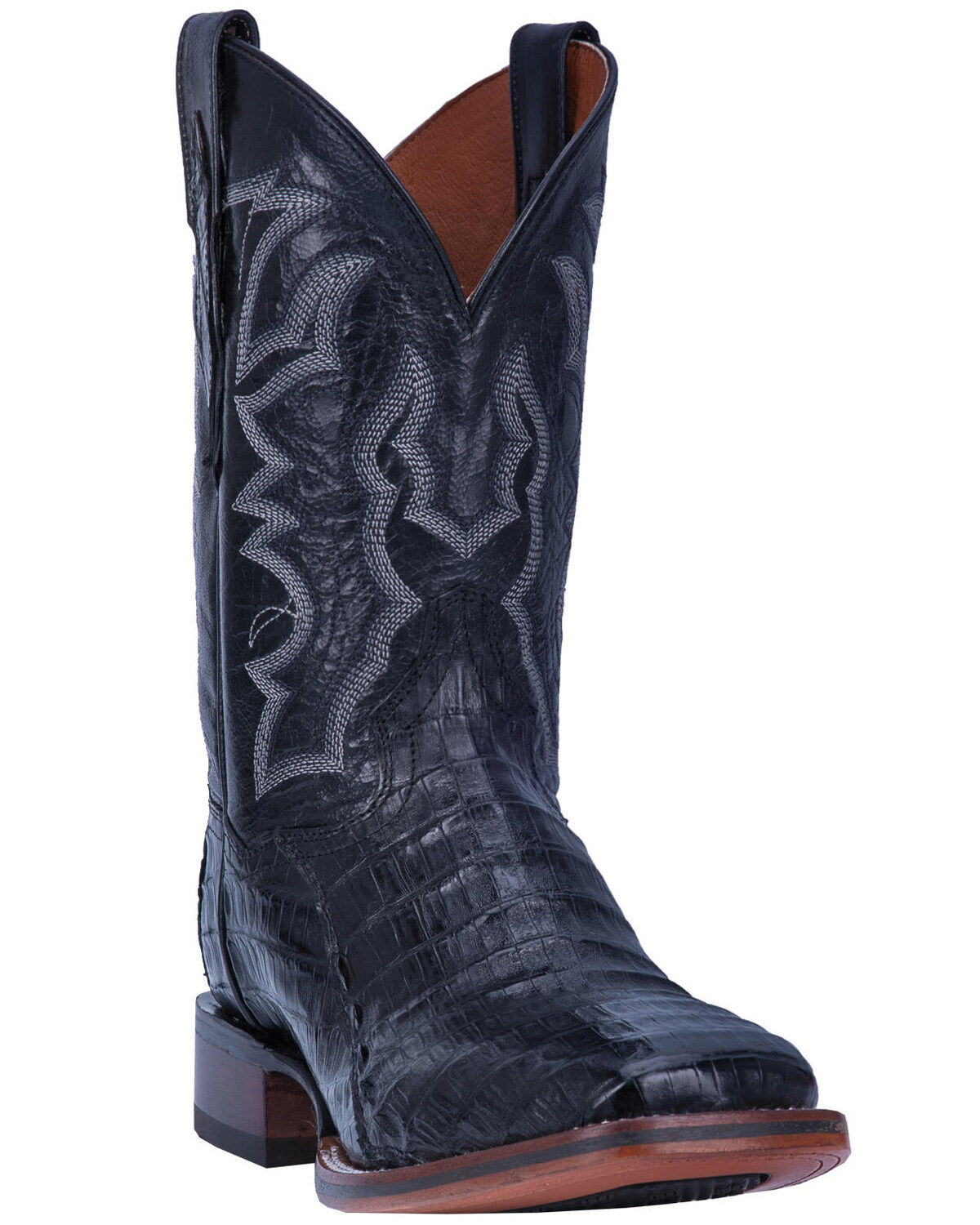
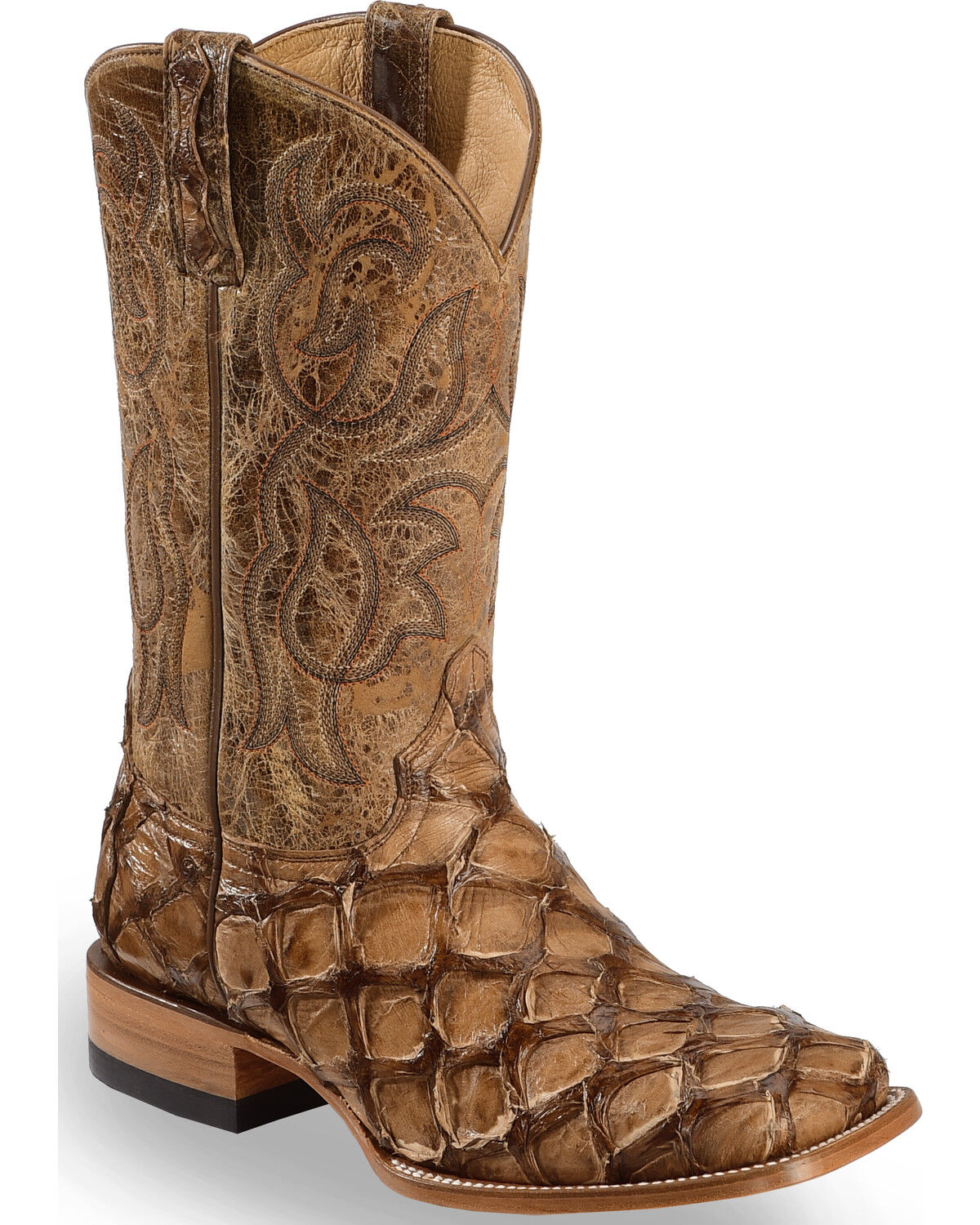
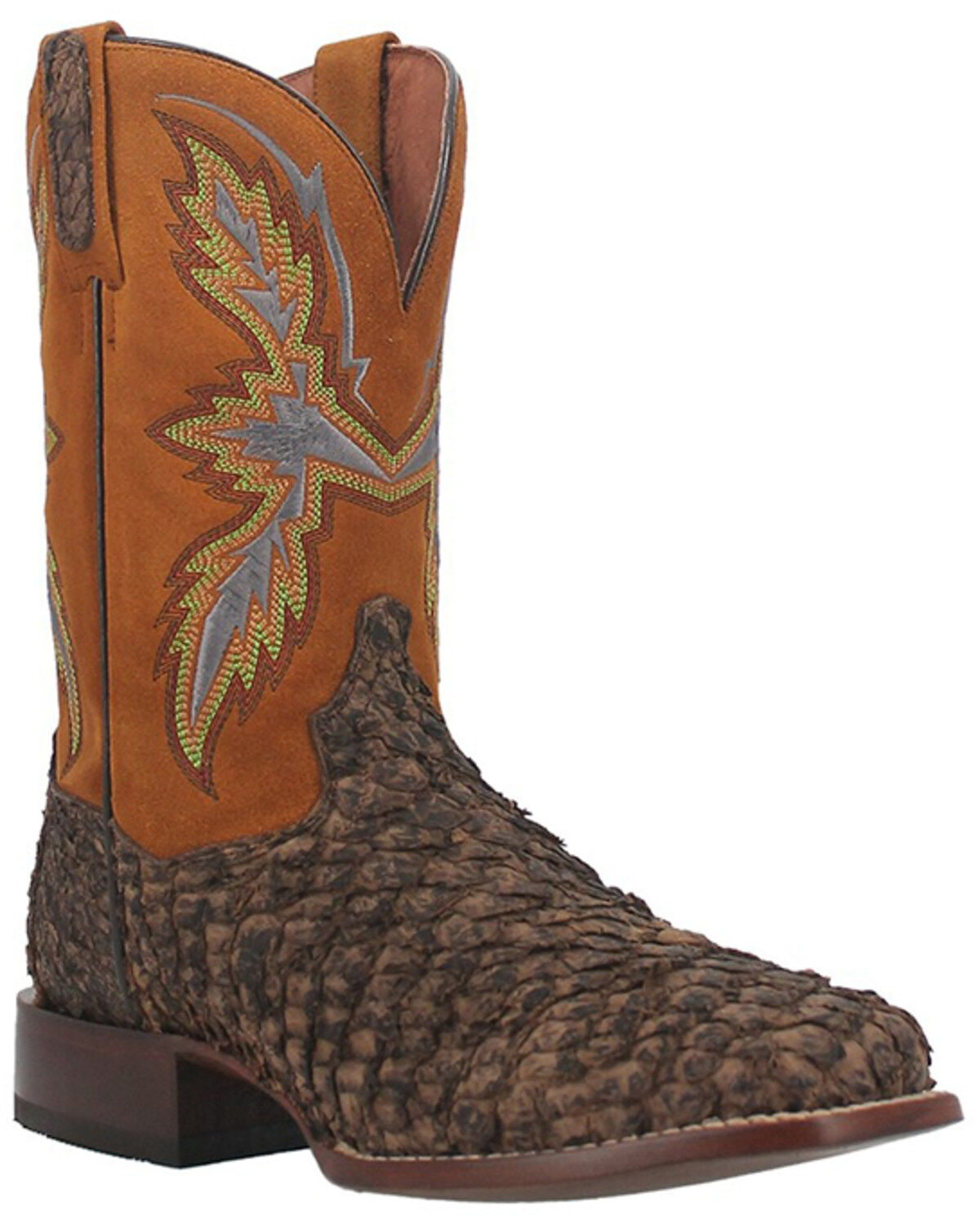
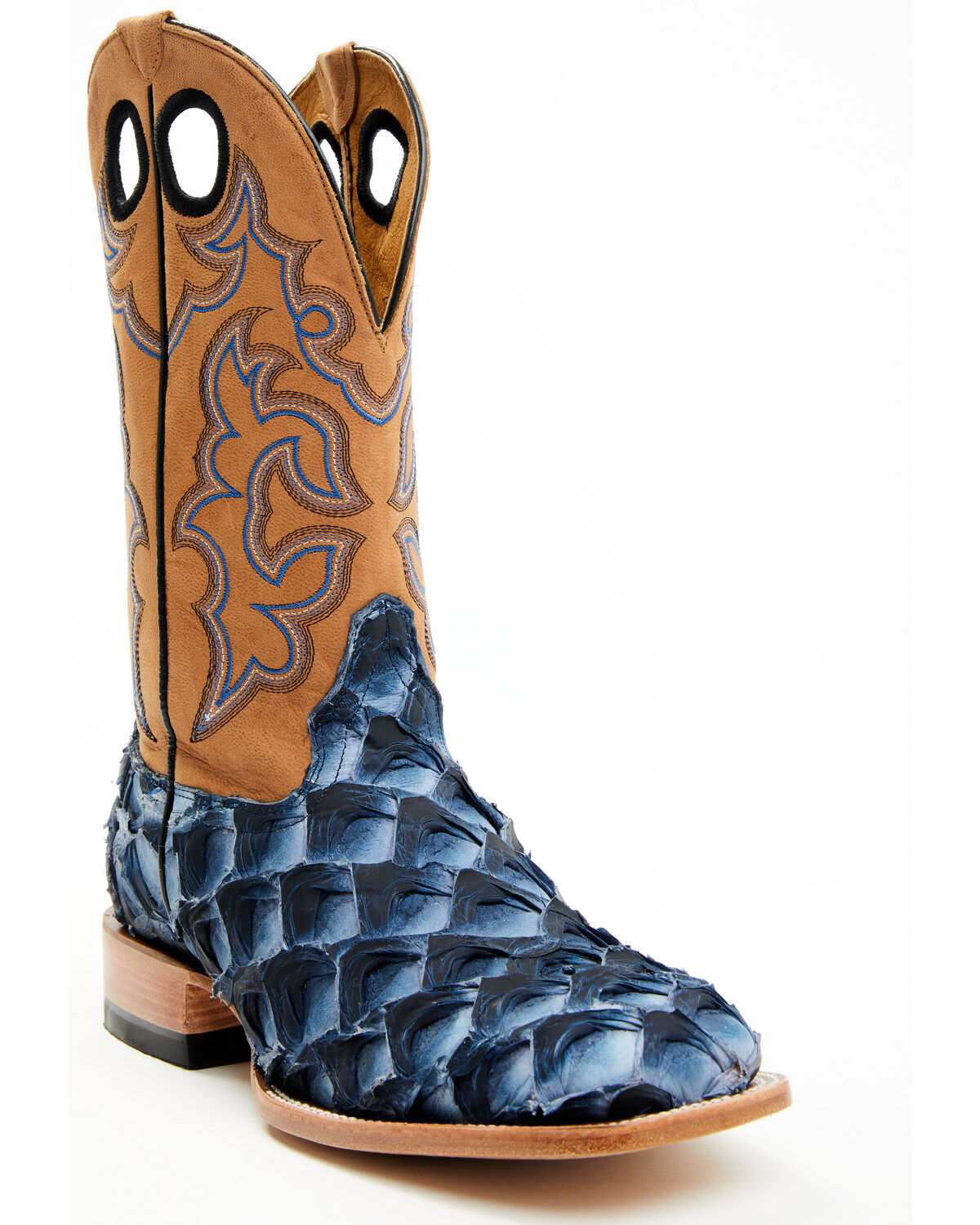
Exotic skin western boots are cowboy boots made with distinctive animal leathers, including ostrich, caiman, alligator, lizard, python, and pirarucu fish. The exotic leather often covers the foot of the boot, while the shaft, lining, and other components may use different materials. Each hide has its own grain, texture, and feel, giving these boots character that goes beyond color or stitching. Full-quill ostrich is known for the raised follicles where feathers once grew, creating a dotted pattern across a leather valued for its suppleness. Smooth ostrich has a less pronounced surface while retaining the hide’s flexible feel. Caiman features firm, defined plates that give the boot a structured appearance. Alligator has a recognizable tile pattern, with the shape and arrangement varying according to the part of the hide used. Lizard brings smaller, closely arranged scales and a finer texture that works well with a clean, understated finish. Python has overlapping scales and patterns that can make the leather the main feature of the boot. Pirarucu fish leather stands out for its large scale pattern and pronounced surface texture. These differences affect more than appearance. One hide may feel soft across the foot, while another feels firmer and takes more time to settle into regular wear. Tanning, finishing, and boot construction also influence that feel, so the leather name alone does not tell the whole story. Natural markings and variations in scale size help distinguish genuine exotic leather from cowhide stamped with an animal-inspired pattern. Product descriptions should identify the actual material rather than leaving that distinction to appearance. Color adds another layer: darker finishes can keep the texture subtle, while lighter or contrasting finishes make individual quills, tiles, and scales more visible. A simple shaft can keep attention on the hide, while detailed stitching gives the whole boot a stronger western profile.

Fit matters as much as the leather, especially with exotic skin cowboy boots that have a firm or heavily textured vamp. The instep should feel comfortably secure, not painfully tight, and the ball of the foot should line up with the widest part of the boot. Toes need room to rest naturally without being squeezed together or pushed against the end. A small amount of heel movement can occur in a new pull-on boot while the sole is still firm, but excessive lifting or a foot that slides forward suggests the fit needs another look. Break-in should soften normal stiffness, not serve as a plan for correcting the wrong size. Exotic hides do not all stretch alike, and a structured leather should not be expected to give the way a softer one might. Trying both boots with the socks intended for regular wear gives a more useful sense of fit than trying one boot briefly. Walk on a clean indoor surface and pay attention to pressure across the top of the foot, the sides of the forefoot, and the heel. Toe shape changes the look and can affect how the interior feels, although width and the shape of the boot’s last remain important. Broad square toes create a substantial profile, while round, narrow square, and snip toes offer different proportions under jeans or dress trousers. Shaft height and opening also matter, particularly when wearing boots beneath a straight pant leg or with a skirt. Heel height influences stance and walking comfort, so a familiar profile can be a sensible starting point. Inside the boot, lining, cushioning, and arch support contribute to comfort during long stretches on the feet. Outside, leather, rubber, and combination soles serve different purposes. Leather soles give a traditional finish; rubber outsoles may provide additional traction and cushioning, depending on their tread and construction. Neither the hide nor the sole material alone establishes whether a boot is suited to a particular job.

Exotic western boots can be worn with everyday denim, a pressed western shirt, or clothing chosen for a wedding, dinner, or live music venue. A dark pair with restrained stitching can sit comfortably beneath dress trousers, while a bold scale pattern gives plain jeans a distinct focal point. Shaft shape, heel profile, and toe design are useful considerations when browsing the Womens Exotic Skin Cowboy Boots collection. For an experienced boot wearer, an exotic hide can make a thoughtful gift tied to a graduation, anniversary, or career milestone. Knowing the recipient’s preferred size, width, toe shape, and heel height is more useful than choosing by appearance alone. Intended use deserves the same attention. A boot selected for dinners and occasional outings faces different demands from one worn for hours of daily walking. Exotic leather does not automatically make a boot suitable for riding or protective work; those uses require appropriate construction and any necessary safety ratings. Long-term durability depends on the hide, how the boot is built, and how it is maintained. Remove surface dust with a soft cloth or a brush suited to the leather, taking care around raised quills and overlapping scales. Use cleaners and conditioners specifically identified as appropriate for that hide and finish, and test them in an inconspicuous area first. A treatment made for ordinary smooth leather may not be right for every exotic skin. Avoid soaking the leather, scrubbing aggressively, or applying heavy layers of conditioner. If boots become damp, let them dry naturally away from direct heat. Boot trees or suitable supports help maintain shape, while upright storage keeps shafts from developing sharp folds. Giving boots time between wears allows interior moisture to dissipate. Check heels, soles, and stitching regularly, and address wear before it reaches the upper. Careful cleaning and timely repairs help preserve both the distinctive surface and the structure that makes a good pair worth wearing.
Read More

FAQs