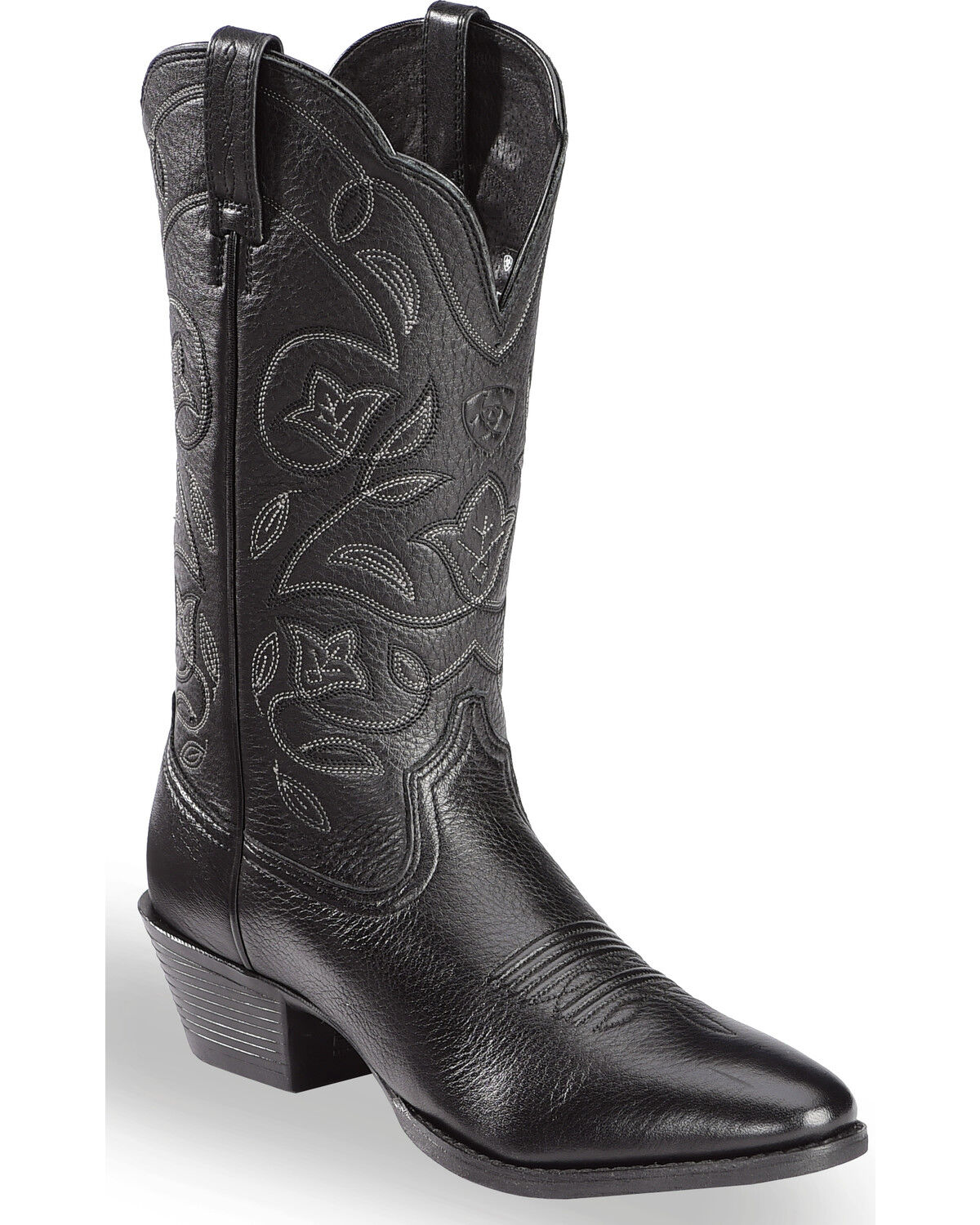
Animal Print Boots

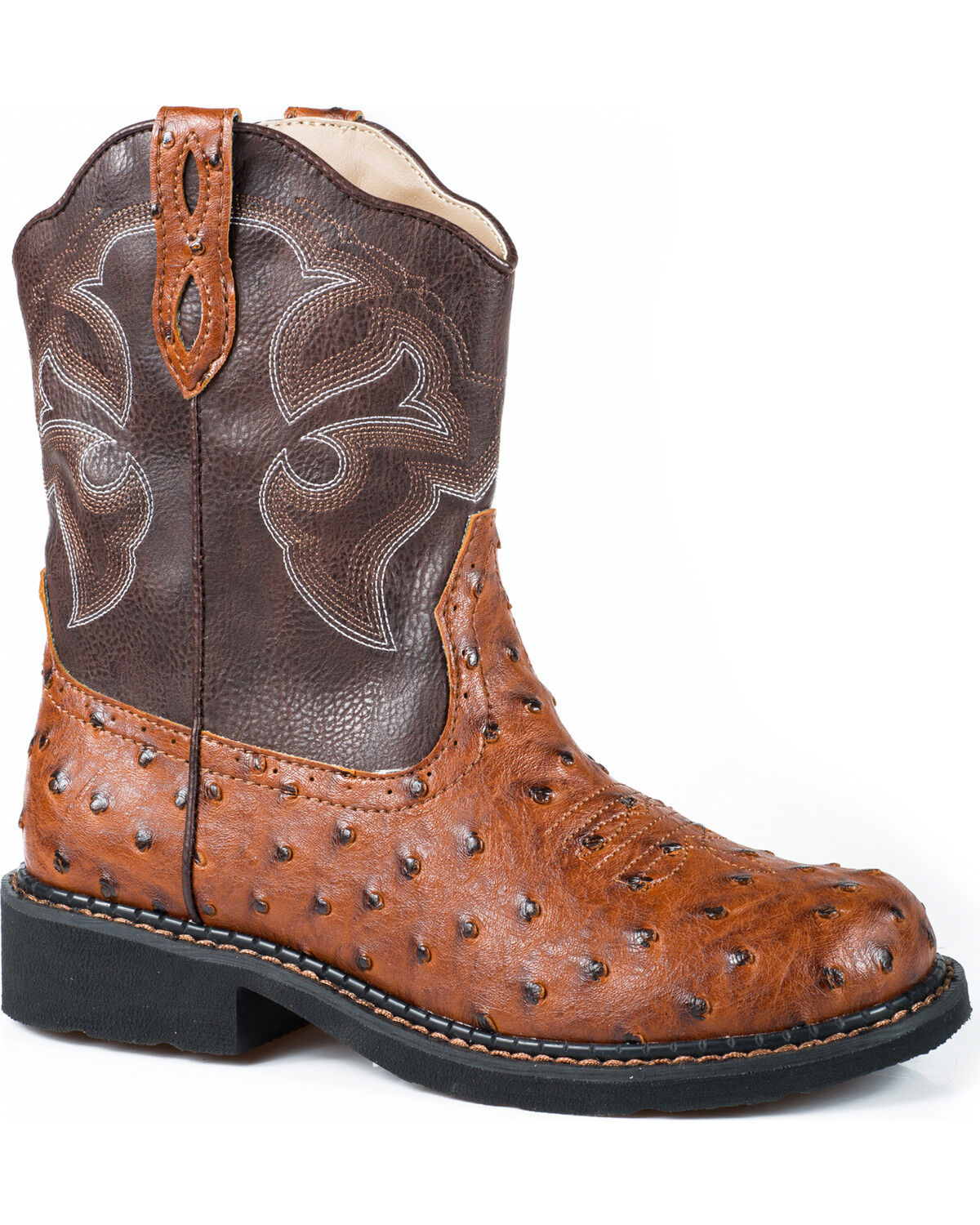
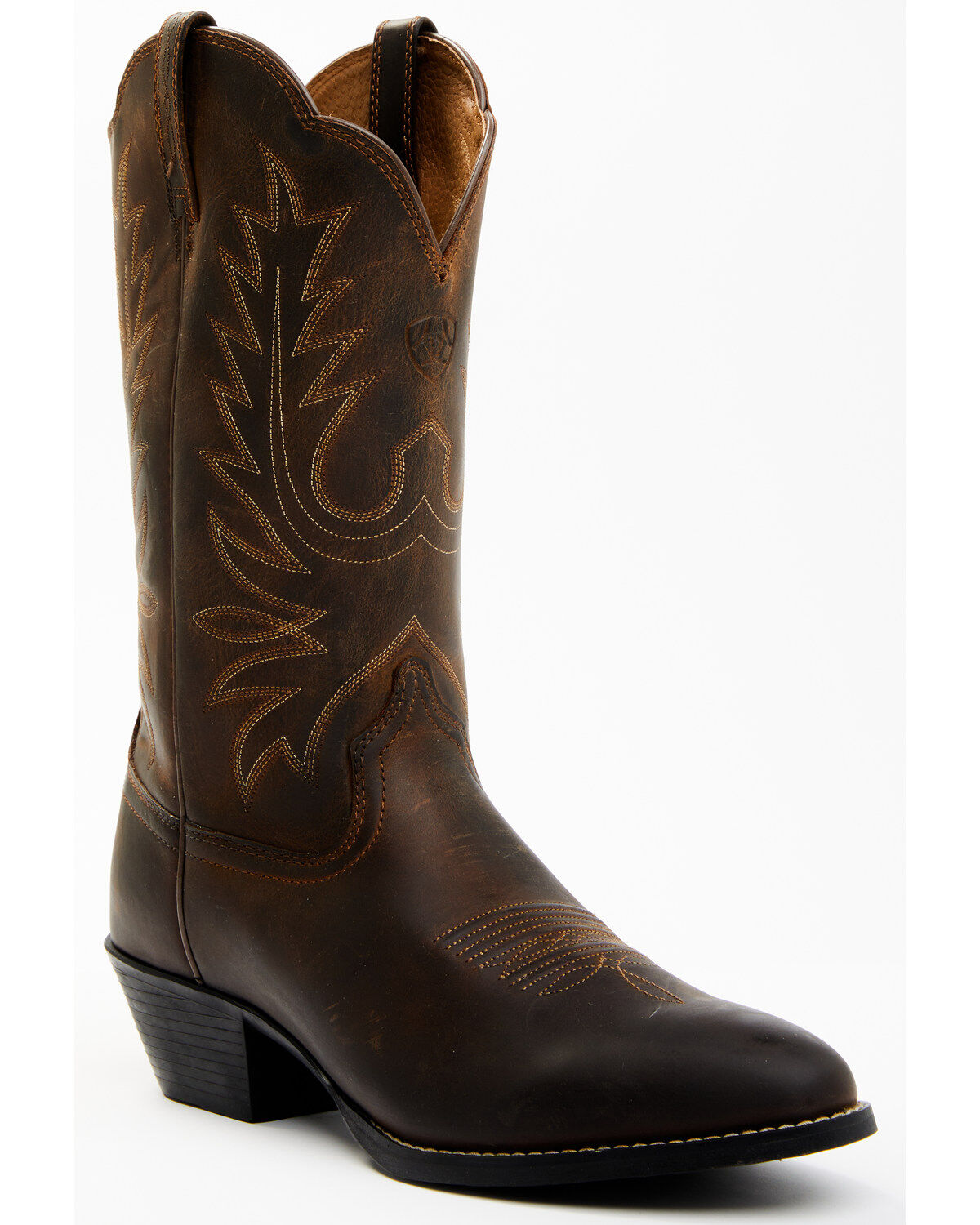
Shop animal print boots for a patterned take on western footwear. Compare the available prints and boot shapes, then check each pair’s sizing and product details to choose a style that works with your jeans and western wear.

Read More

Shop Your Store: Shop Your Store: Find a Store

(Turn off Shop Your Store to see all items)

(Turn off Shop Your Store to see all items)

close
  • Recommended
  • Lowest Price
  • Highest Price
Skip pass products
  • Women's Idyllwind Slay Exotic Python Tall Western Boots - Snip Toe
    Original Price $399.50 $324.50
    19% Total Savings
  • Women's Shyanne Parker Western Boots - Round Toe
    Original Price $109.99 $64.97
    41% Total Savings
  • Women's Dan Post Caiman Print Western Boots - Snip Toe
    Original Price $269.99 $159.97
    41% Total Savings
  • Women's Myra Bag Snug Western Booties - Snip Toe
    Original Price $109.99 $59.97
    45% Total Savings
  • Women's Tony Lama Anahi Wildcat Fashion Booties - Snip Toe
    Original Price $209.99 $99.00
    53% Total Savings
  • Women's Corral Zebra Print Studded Booties - Round Toe
    Original Price $178.99 $123.97
    31% Total Savings

End of products

Animal Print Boots

Animal print boots bring leopard spots, cheetah markings, zebra stripes, cowhide-inspired patches, and snakeskin patterns to footwear ranging from ankle booties to western and knee-high styles. The pattern is only part of the look. A pointed toe and angled heel give a boot a different profile than a rounded toe and low walking heel, while shaft height determines how much of the print shows beneath jeans or alongside a skirt. Leopard patterns often combine warm brown, tan, and black, making them easy to pair with denim, dark trousers, and solid shirts. Zebra stripes create a sharper contrast, and snakeskin-inspired patterns can read as either subtle texture or a strong focal point, depending on their scale and color. Cow print brings larger, irregular patches that stand out even when only the foot of the boot is visible. Small markings tend to blend from a distance; larger patterns remain distinct across a room. Animal print cowboy boots carry these details into familiar western shapes, with pull-on shafts, shaped heels, and toes that range from round to snip. Ankle boots keep more of the leg uncovered and work well with straight-leg jeans or cropped pants that clear the shaft. Taller boots create an uninterrupted line beneath a dress or with pants tucked inside, provided the shaft has enough room. For everyday outfits, a plain shirt and dark denim leave the pattern in focus without making the whole outfit feel busy. A leather belt or simple jacket can add structure without repeating the print. These boots suit people who wear western clothing regularly as well as those who want one patterned element for dinners, concerts, dancing, or casual days out. The broader Animal Print Shoes category carries these markings into other footwear shapes, while boots add the distinct proportions of a shaft, toe, and heel.

Materials determine how animal print boots feel, bend, and hold up with wear. A printed leather upper can combine a patterned finish with the natural creasing of leather, while embossed leather uses a pressed surface to suggest scales or another textured hide. A snakeskin appearance does not necessarily mean a boot is made from genuine snakeskin, and a spotted surface does not establish the source of the material. The material description matters more than the pattern name. Hair-on leather has a different feel from a smooth printed finish, with visible hair that gives each area of the surface texture and direction. Textile and synthetic uppers have their own handling and care needs, and they should not automatically receive the same treatments as leather. Inside the boot, lining, cushioning, and seams affect comfort as much as the outer material. A smooth lining can ease entry, while a firm seam in the wrong place may create pressure even when the length seems right. A well-fitting boot leaves room for the toes without allowing the foot to slide forward. The widest part of the foot should sit comfortably at the widest part of the footbed, and the instep should feel secure rather than squeezed. Some heel movement can be normal in a new pull-on western boot, but pronounced lifting or rubbing can signal a poor fit. Leather may soften with use, but a boot should not depend on stretching to provide basic toe room. Shaft circumference also matters, especially when wearing taller boots over pants. Heel height changes the angle of the foot, and the outsole affects traction on smooth floors and uneven ground. Lower heels may be more practical for extended walking, while taller heels place different demands on balance. Animal print alone says nothing about work protection, riding suitability, or slip resistance; those uses depend on the construction and stated features.

Durability comes from the complete boot, not just a substantial-looking upper. Outsole material, stitching, heel attachment, and the finish all influence how a pair handles repeated wear. High-contact areas deserve particular attention: the toe can brush against steps, the heel can catch on rough edges, and taller shafts may rub against each other while walking. Raised textures and hair-on surfaces can show friction differently from smooth leather, so intended use matters. A patterned boot worn for dinners or occasional outings faces different demands than one worn for long stretches on foot. Care should match the actual material and finish. Loose dirt is best removed before it works into seams or textured areas, using a soft cloth or a brush appropriate for the surface. Printed and coated finishes may react poorly to strong cleaners, heavy oils, or aggressive rubbing. Leather conditioner is appropriate only where the maker permits it, since it can darken some surfaces or change their appearance. Hair-on leather generally needs gentle handling in the direction of the hair, without hard scrubbing. Any approved cleaner or treatment should first be tested on an inconspicuous area. When boots get damp, room-temperature drying away from direct heat helps protect their shape and finish. Boot trees or suitable shaft supports can reduce collapsing during storage, and keeping pairs from rubbing together helps limit surface wear. These practical details also matter when giving animal print boots as a gift. Someone who already wears patterned accessories may appreciate a prominent print, while a person who usually wears plain leather may prefer muted markings or a shorter shaft. Familiar heel heights, preferred toe shapes, and accurate foot and calf measurements are more useful than guessing from appearance alone. The strongest choice combines a pattern the wearer enjoys with a shape that fits their routine, whether that means regular western wear, an occasional dress outfit, or a distinctive pair worn with everyday denim.
Read More

FAQs