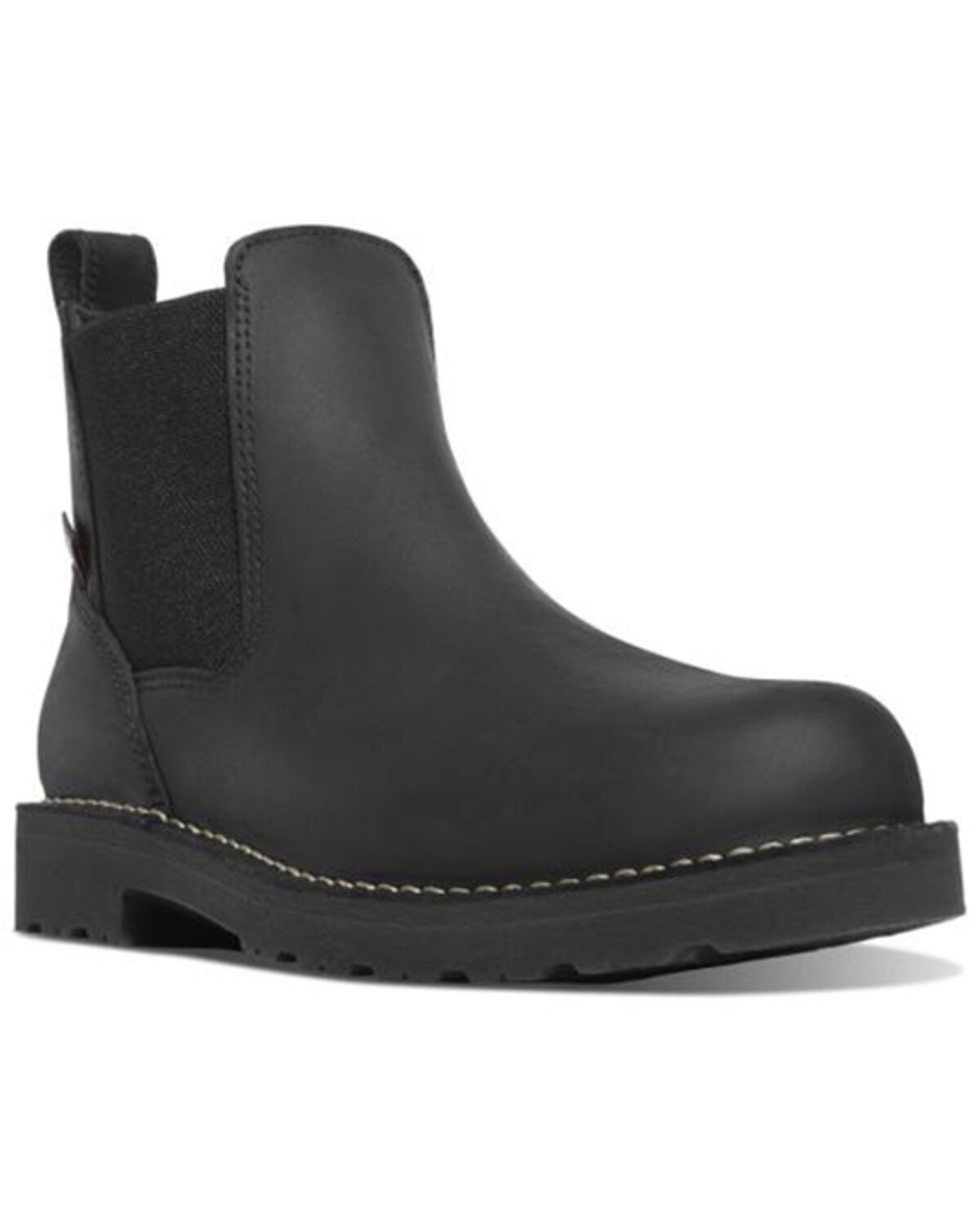
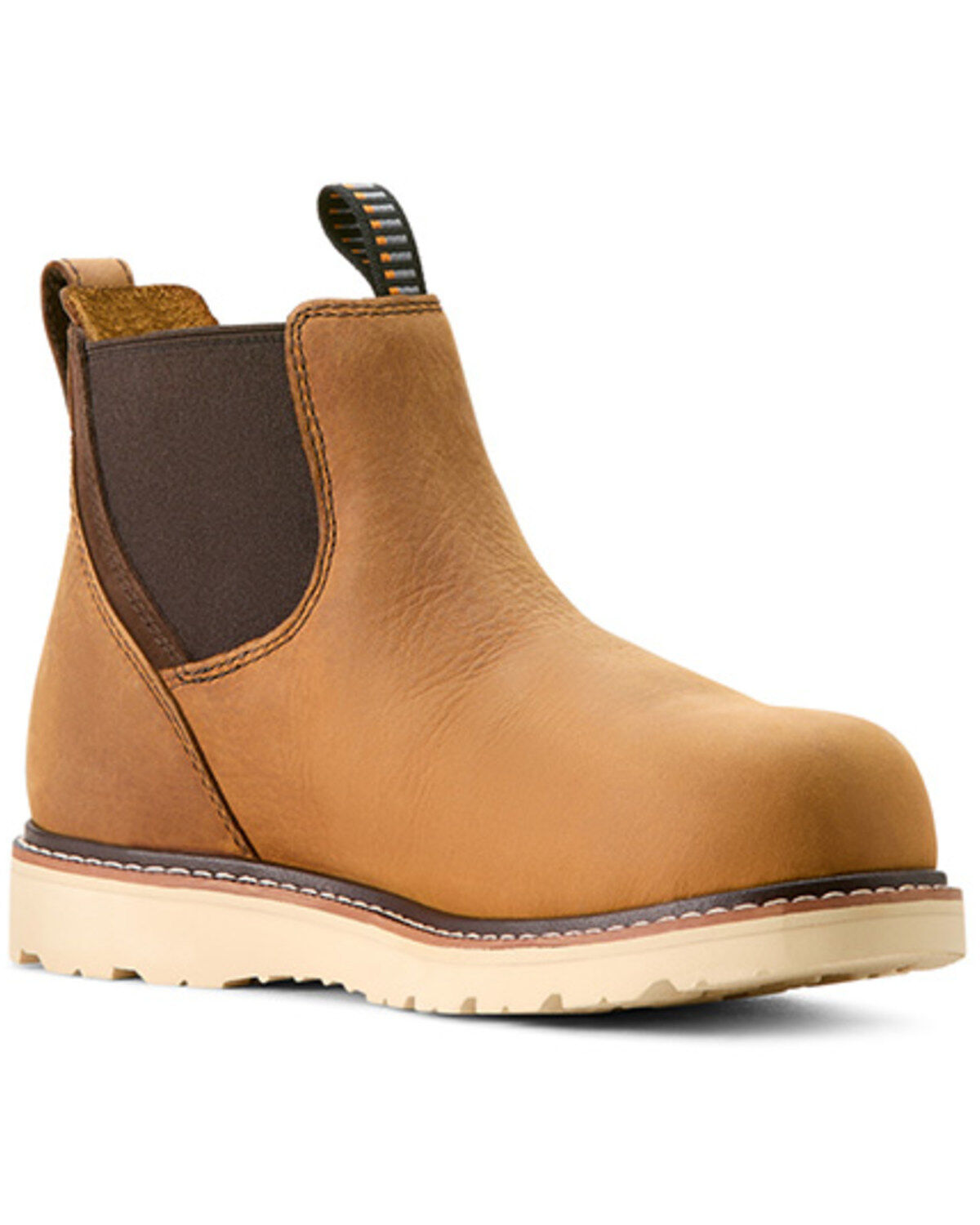
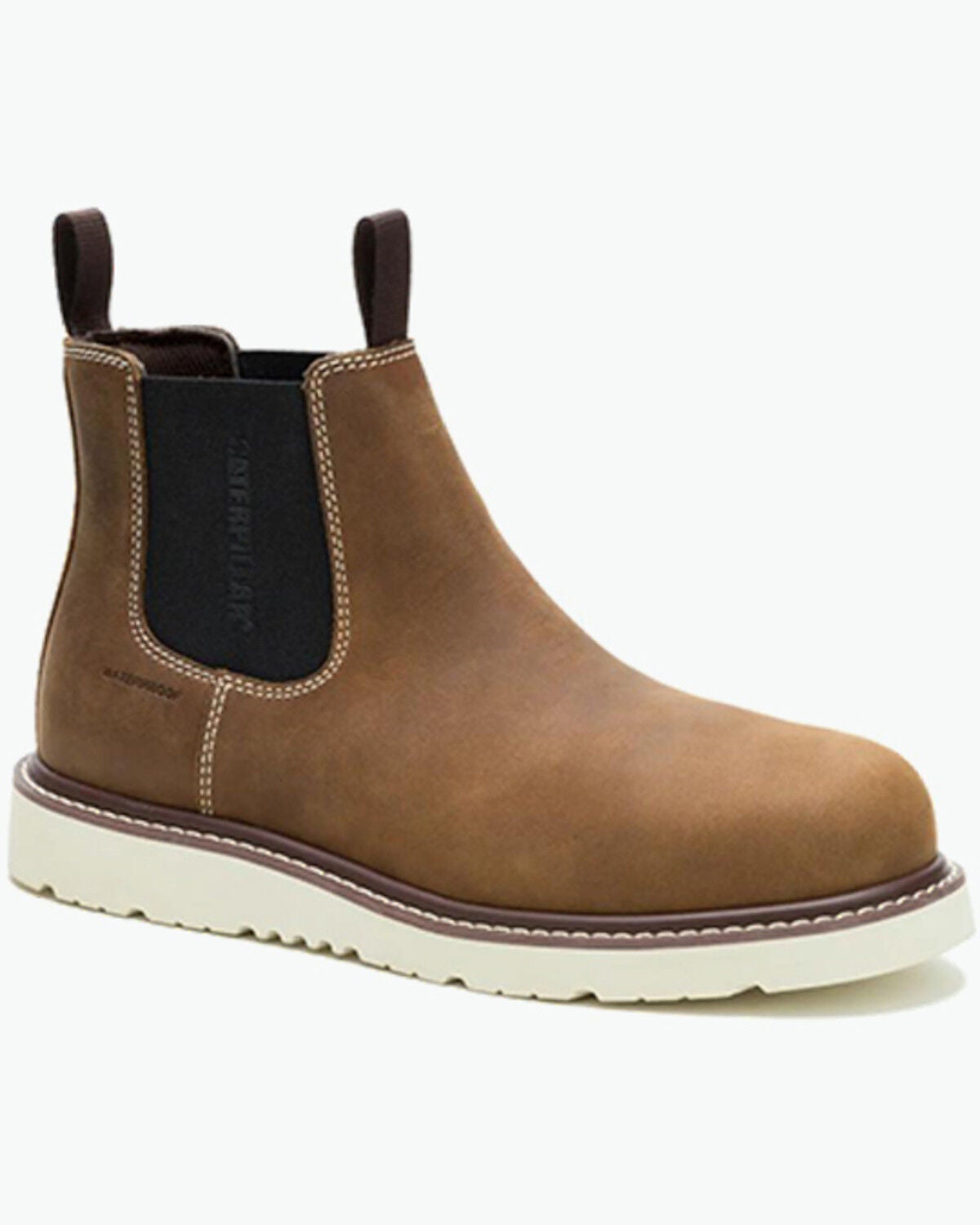
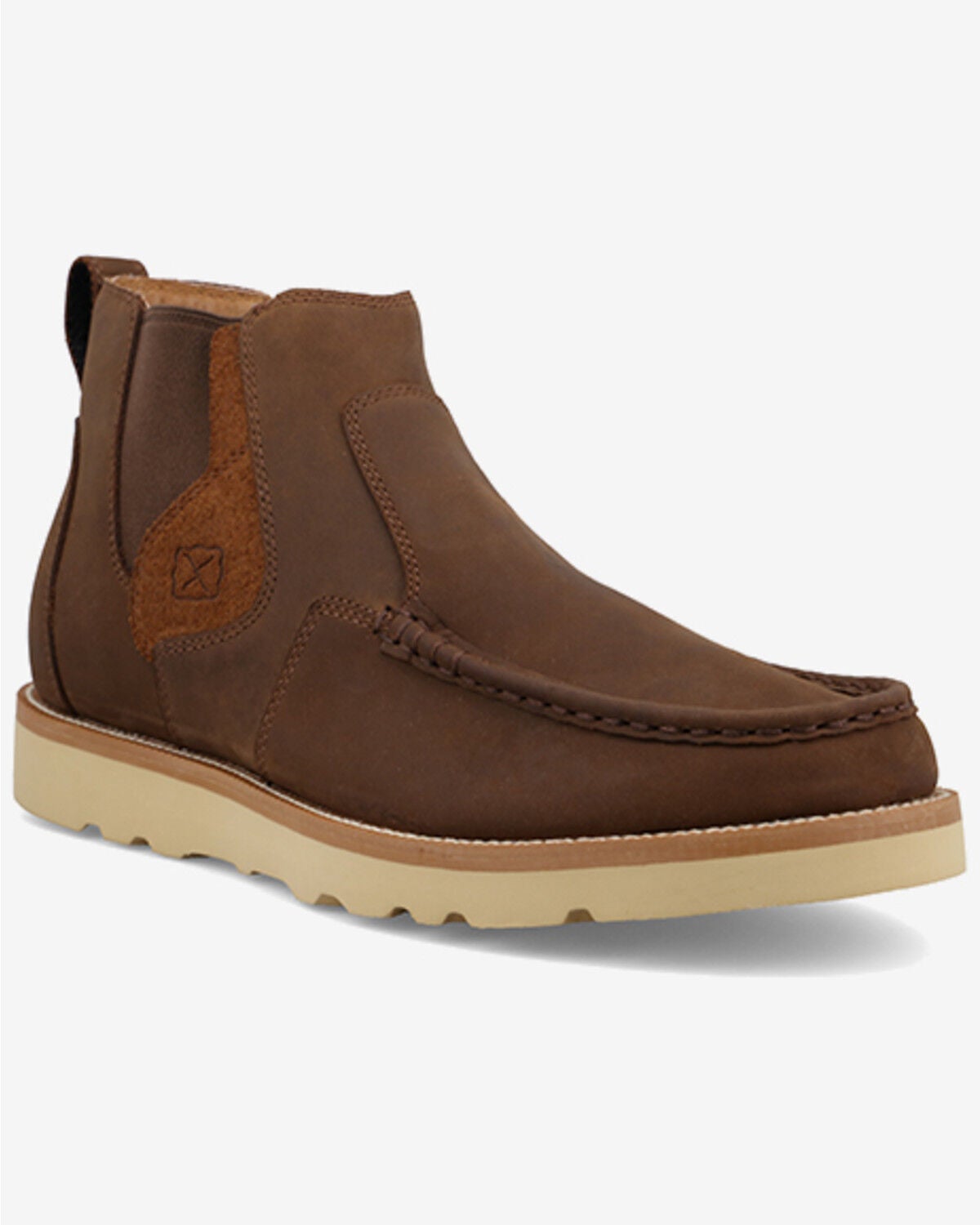
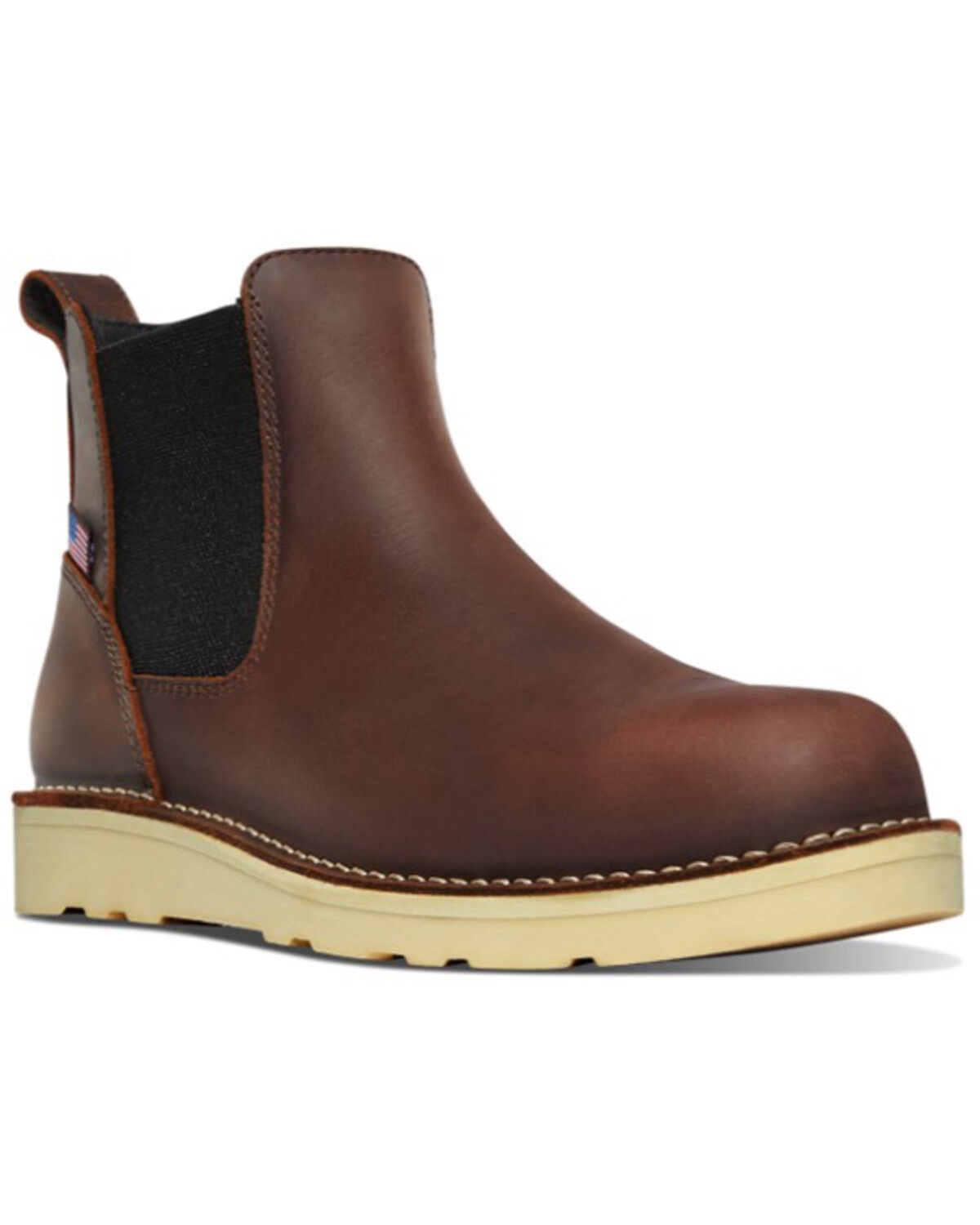
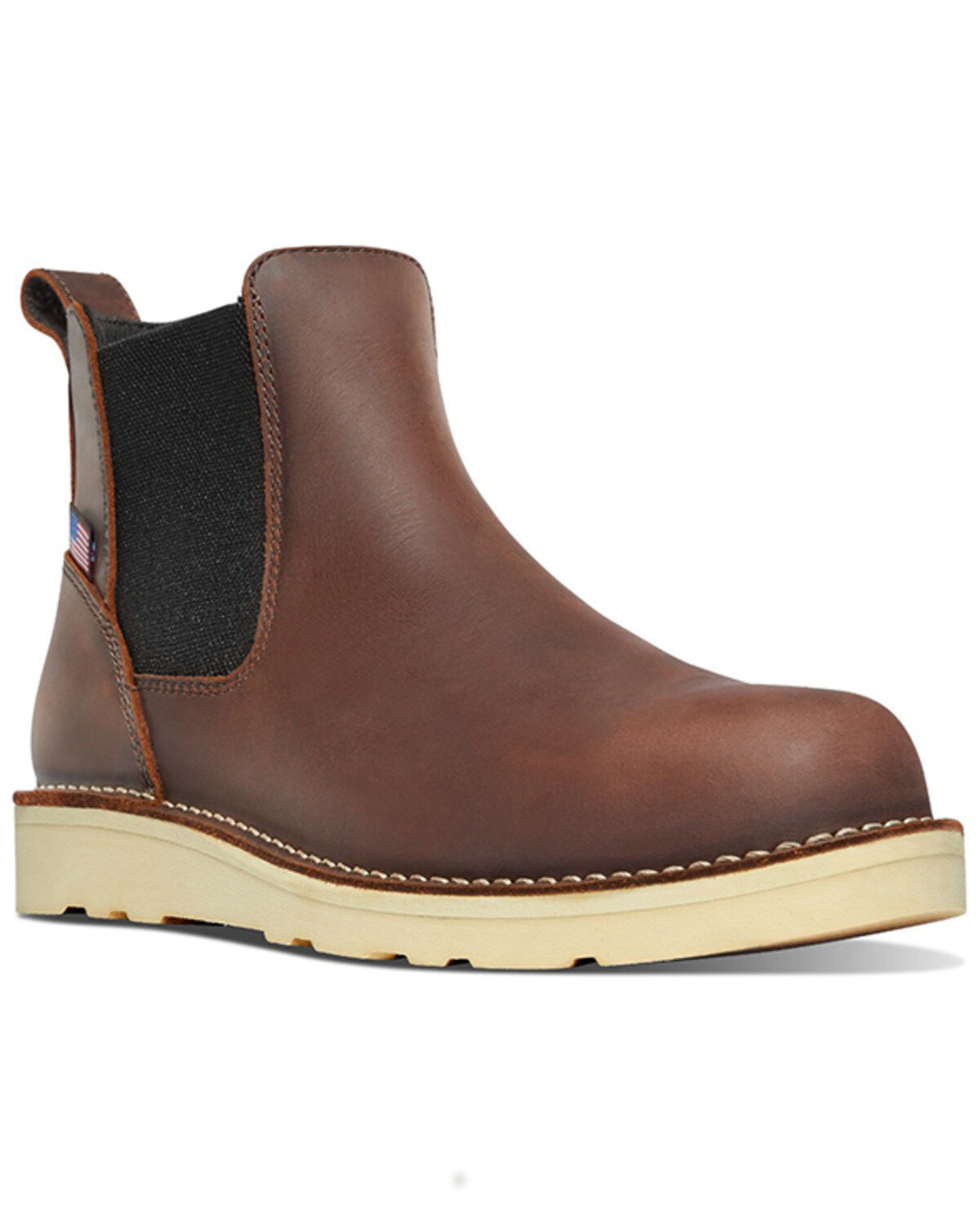
Wedge Sole Slip On Work Boots

Wedge sole slip-on work boots combine a laceless design with a wedge-style outsole. Compare available styles by fit, and check each pair’s listed toe protection, traction, and other safety features against your workplace requirements before choosing.

Shop Your Store: Shop Your Store: Find a Store

(Turn off Shop Your Store to see all items)

(Turn off Shop Your Store to see all items)

close
  • Recommended
  • Lowest Price
  • Highest Price
Skip pass products
  • Men's Twisted X 6" Wedge Sole Boots - Moc Toe
    Original Price $169.95 $129.95
    24% Total Savings

End of products

Wedge Sole Slip On Work Boots

Wedge sole slip-on work boots combine a continuous outsole with a pull-on upper, giving workers a lace-free option for long stretches of standing and walking. Instead of a sharply defined heel, the wedge profile carries material beneath much of the foot, creating a broad contact area on level surfaces. Depending on the sole compound and internal cushioning, that construction can soften the feel of repeated steps across concrete shop floors, warehouse aisles, and paved work areas. The shape is particularly relevant for carpenters, maintenance crews, fabricators, and others whose jobs involve moving between a workbench and the floor throughout the day. Slip-on construction removes the need to tie or adjust laces, while the upper still needs to hold the foot securely. Chelsea work boots typically use elastic side panels and pull tabs for entry, with a shorter shaft that fits beneath work pants. Taller pull-on styles provide more coverage around the lower leg and have a different fit through the shaft and instep. Neither shape is automatically better; the right choice depends on the work, required protection, and how securely the boot fits. A wedge outsole also has limits worth understanding. Its relatively even profile suits many flat surfaces, but it does not provide the distinct heel found on footwear designed for certain climbing or ladder tasks. Deep mud, loose ground, and steep grades may call for a different tread pattern or heel design. The practical appeal comes from matching the boot to the surface underfoot, not assuming one sole can handle every setting. For work that keeps someone on firm, mostly level ground, wedge sole pull-on boots offer a straightforward combination of coverage, cushioning, and easy entry. Their clean shape also works beyond the job, whether the next stop is the hardware store or a few hours in the garage. That versatility matters most when it comes with the fit and construction needed for the actual workday.

Materials and construction determine how wedge sole slip-on work boots hold up once the work begins. Leather uppers are common because they provide structure and can handle repeated flexing when properly maintained. Full-grain leather can show scuffs and develop a worn-in appearance without every surface mark signaling a loss of function. Finish and thickness affect how an upper bends, how it feels across the instep, and which care products it needs. Reinforced stitching and protected seams can matter where boots rub against equipment or bend repeatedly at the forefoot. Elastic panels deserve attention as well: they need enough give for entry while maintaining the tension that helps hold a Chelsea-style boot in place. Underfoot, rubber, polyurethane, and other sole compounds offer different balances of weight, flexibility, cushioning, and wear resistance. A softer feel does not automatically mean greater durability, and a thick outsole alone does not establish traction. Tread layout and the surfaces encountered on the job matter just as much. Oil resistance describes how a material withstands exposure to oil; it does not, by itself, establish slip resistance on an oily floor. Safety toes, electrical-hazard protection, puncture resistance, and slip resistance are separate features that must be confirmed in the footwear specifications. A wedge sole or rugged leather upper is not proof of any particular safety rating. Soft-toe boots may suit work without an impact-protection requirement, while jobs with falling-object hazards can require properly rated safety-toe footwear. Waterproof construction can be useful for tasks involving water exposure, but it should be identified in the boot details rather than assumed from the leather upper. Slip Resistant Wedge Sole Work Shoes are another option when workplace requirements allow a shoe instead of a boot. In either case, employer requirements and the conditions underfoot should determine which protective features belong in the footwear.

Fit carries extra weight in a slip-on boot because there are no laces to tighten around a narrow heel or loosen over a high instep. The upper should hold the midfoot securely without creating concentrated pressure across the top of the foot. Toes need room to rest naturally and move without pressing against the front or sides, including inside a safety-toe cap. Some pull-on constructions allow slight heel movement at first, but repeated lifting, rubbing, or sliding forward suggests a fit problem rather than something to dismiss as normal break-in. Trying boots with the socks worn on the job gives a more useful picture than trying them with a much thinner pair. Any prescribed orthotic also needs to fit without crowding the toes or raising the heel beyond the boot’s intended position. Removable footbeds can make replacement easier where the design allows it, though adding extra cushioning can reduce interior space and change the fit. Comfort should come from the complete combination of shape, support, and cushioning, not softness alone. Care is equally practical. Brushing away grit keeps abrasive dirt from collecting around seams, and wiping off jobsite residue helps protect the upper and outsole. Leather care should match the finish, with conditioner used as directed rather than applied heavily. Boots should dry naturally away from direct heat, which can damage leather, adhesives, and elastic. Outsole grooves need clearing when debris interferes with contact, and worn-smooth tread deserves attention even when the upper still looks sound. Welted construction may allow resoling, depending on the design and condition, while other construction methods have different repair limits. Watching for split seams, separating soles, stretched panels, and uneven wear helps establish when repair or replacement makes sense. Well-matched wedge sole slip-on work boots earn their place through secure fit, suitable protection, and dependable performance on the surfaces where the work gets done. Those details matter more than appearance alone when a full day is spent on foot.

FAQs