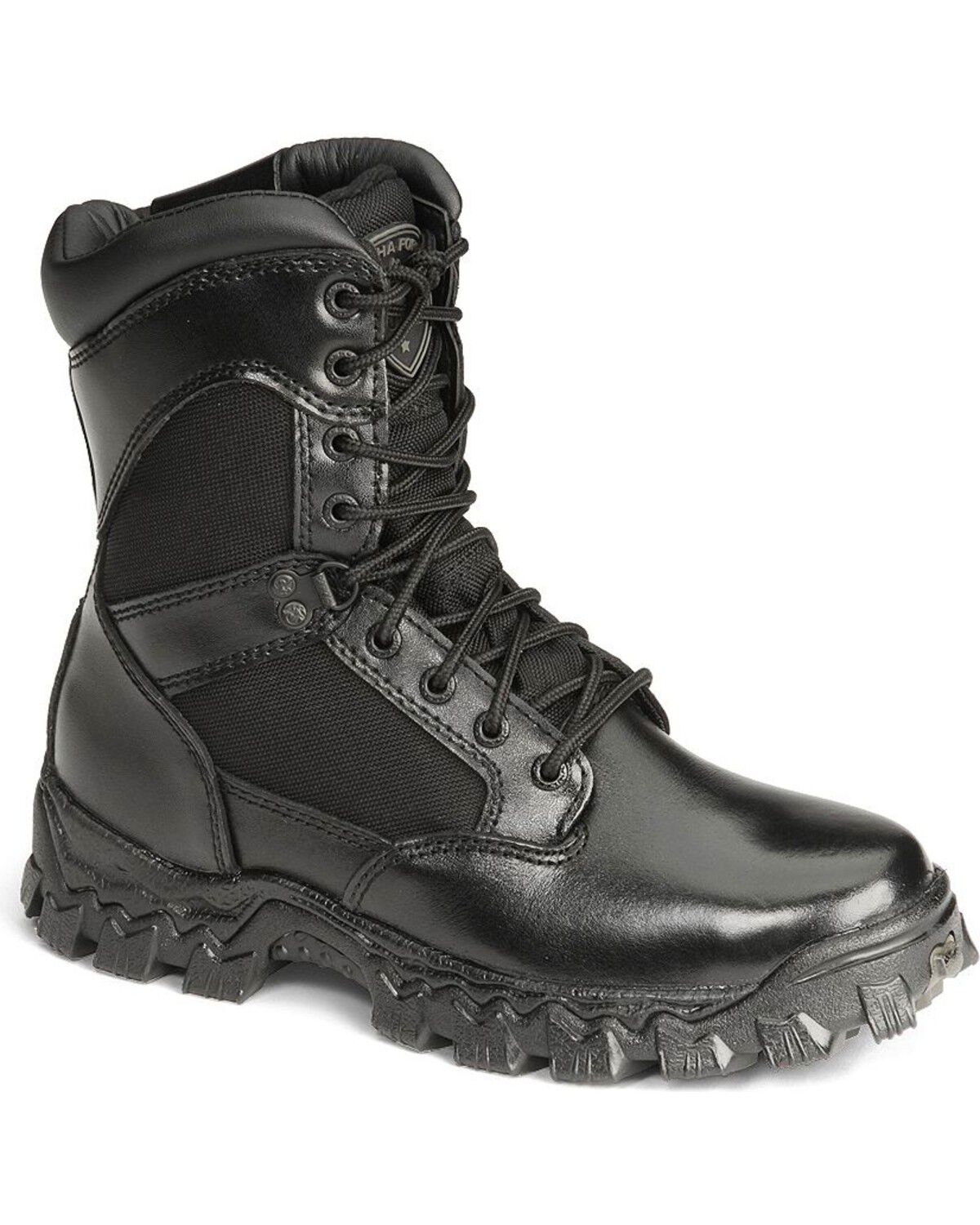
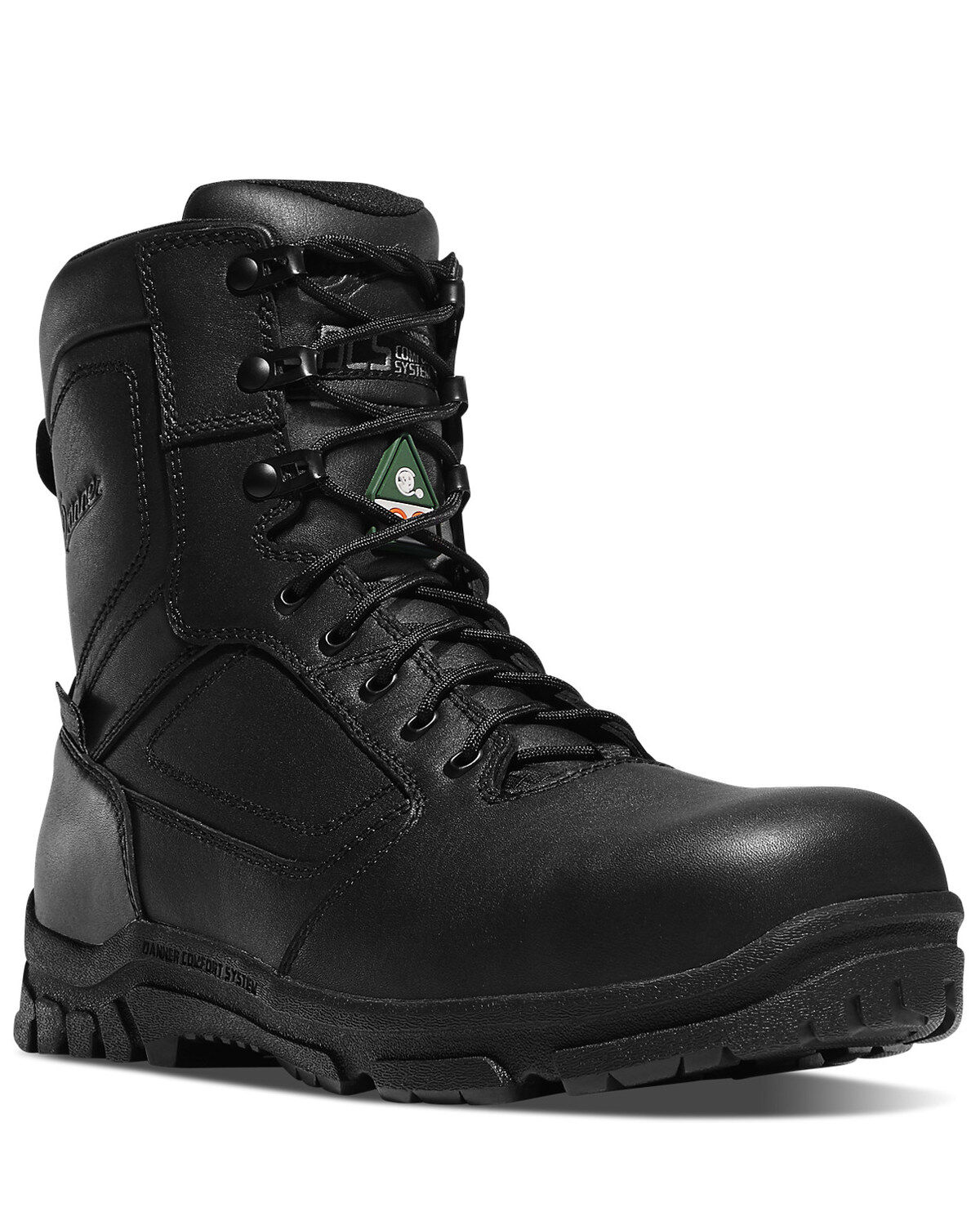
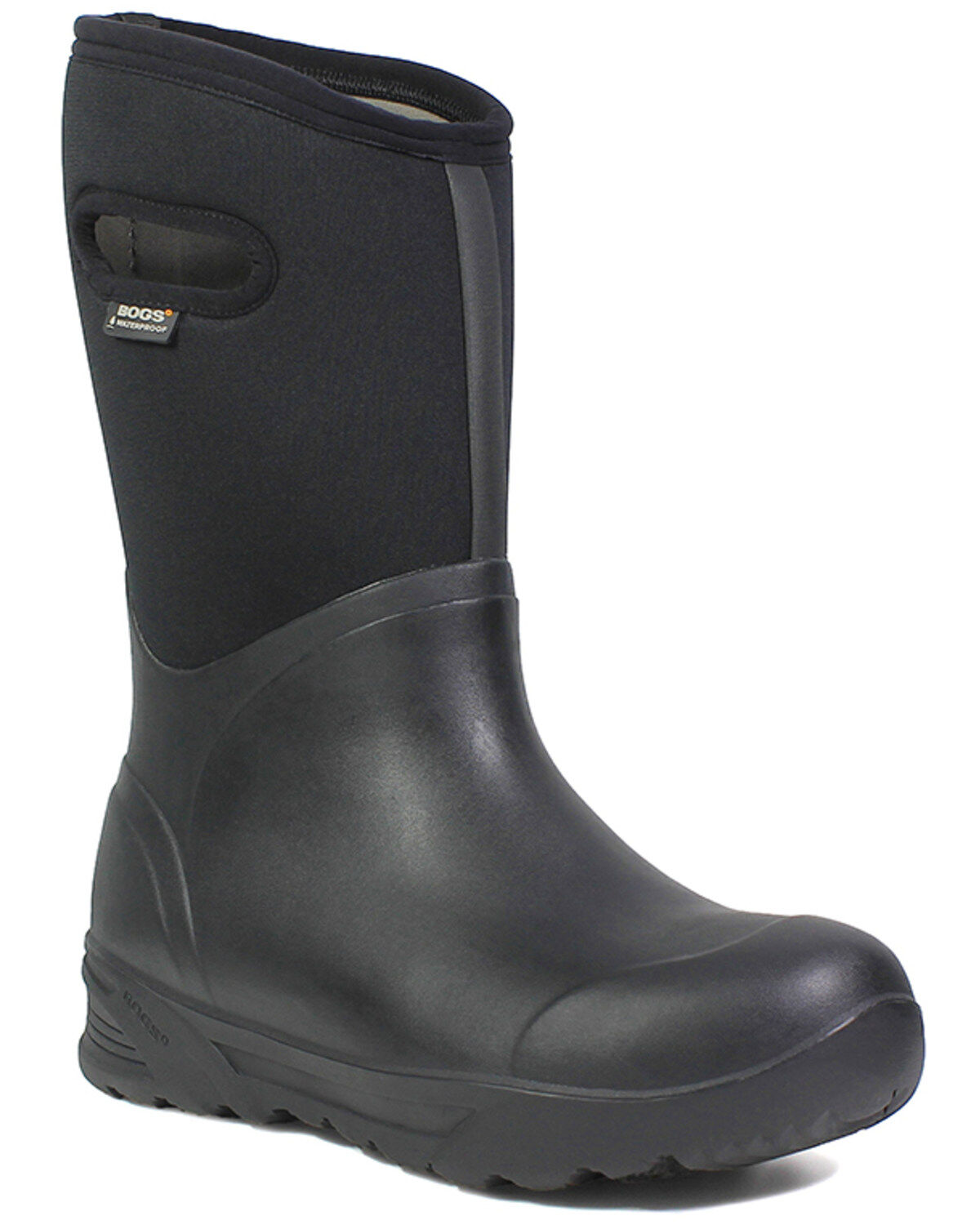
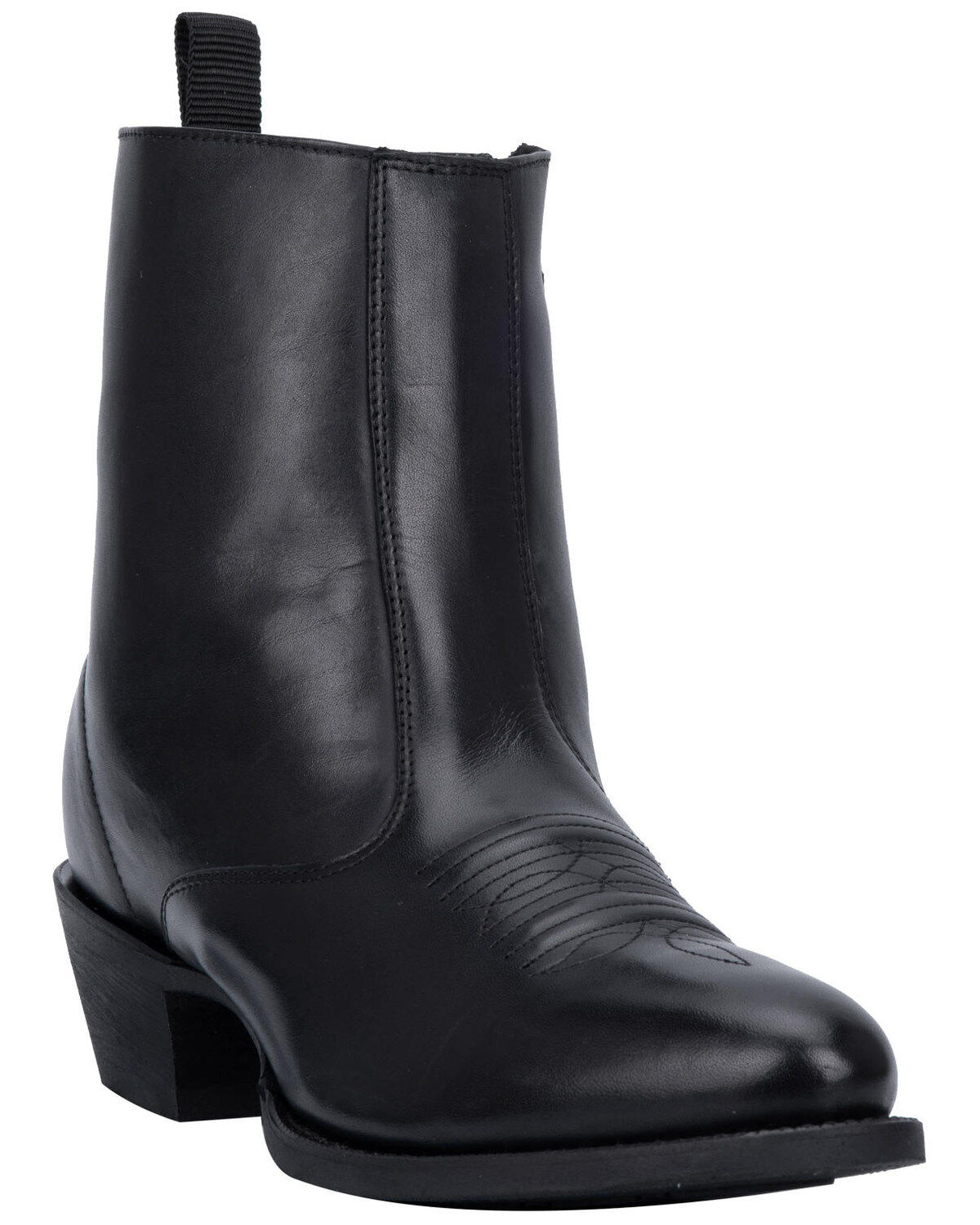
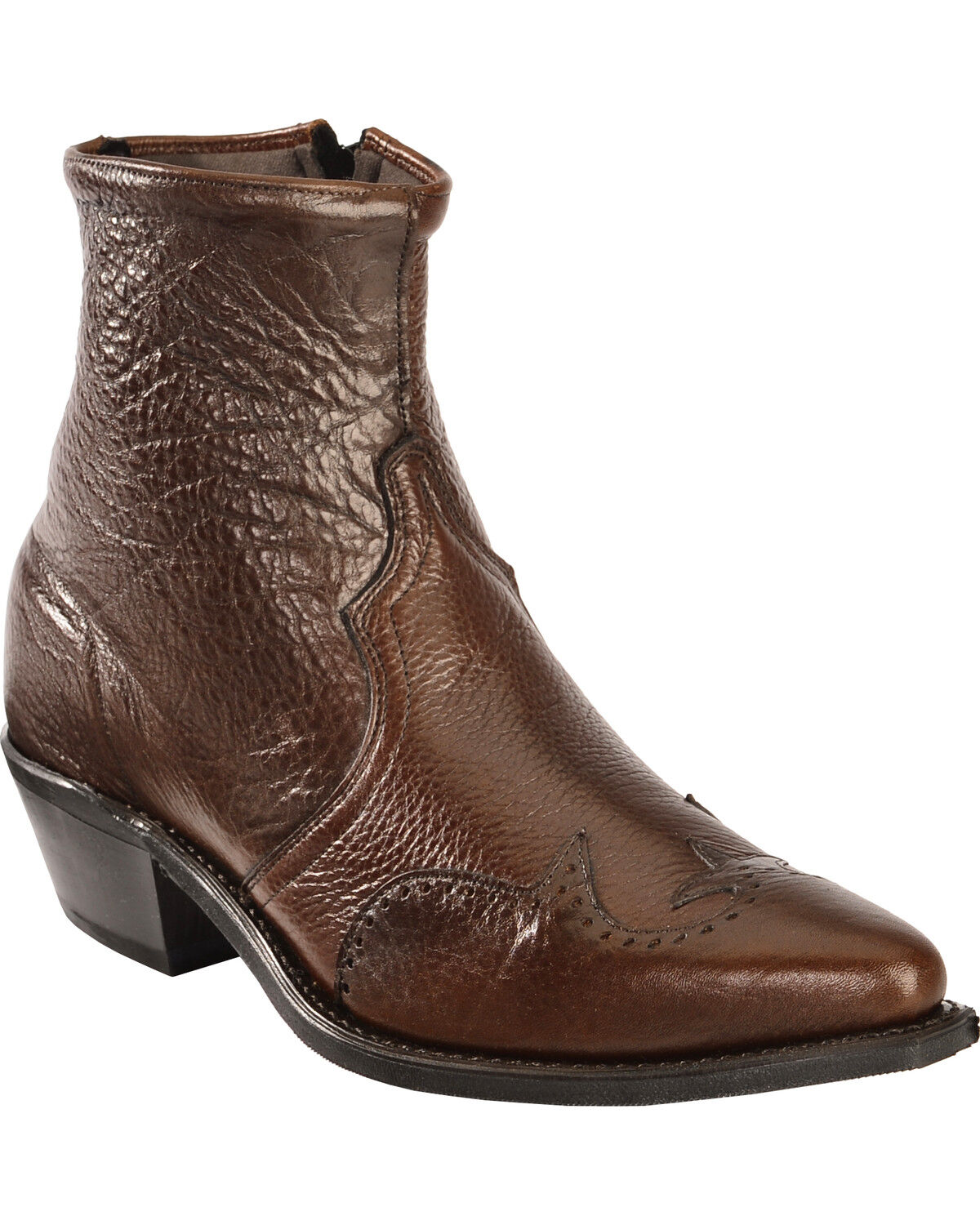
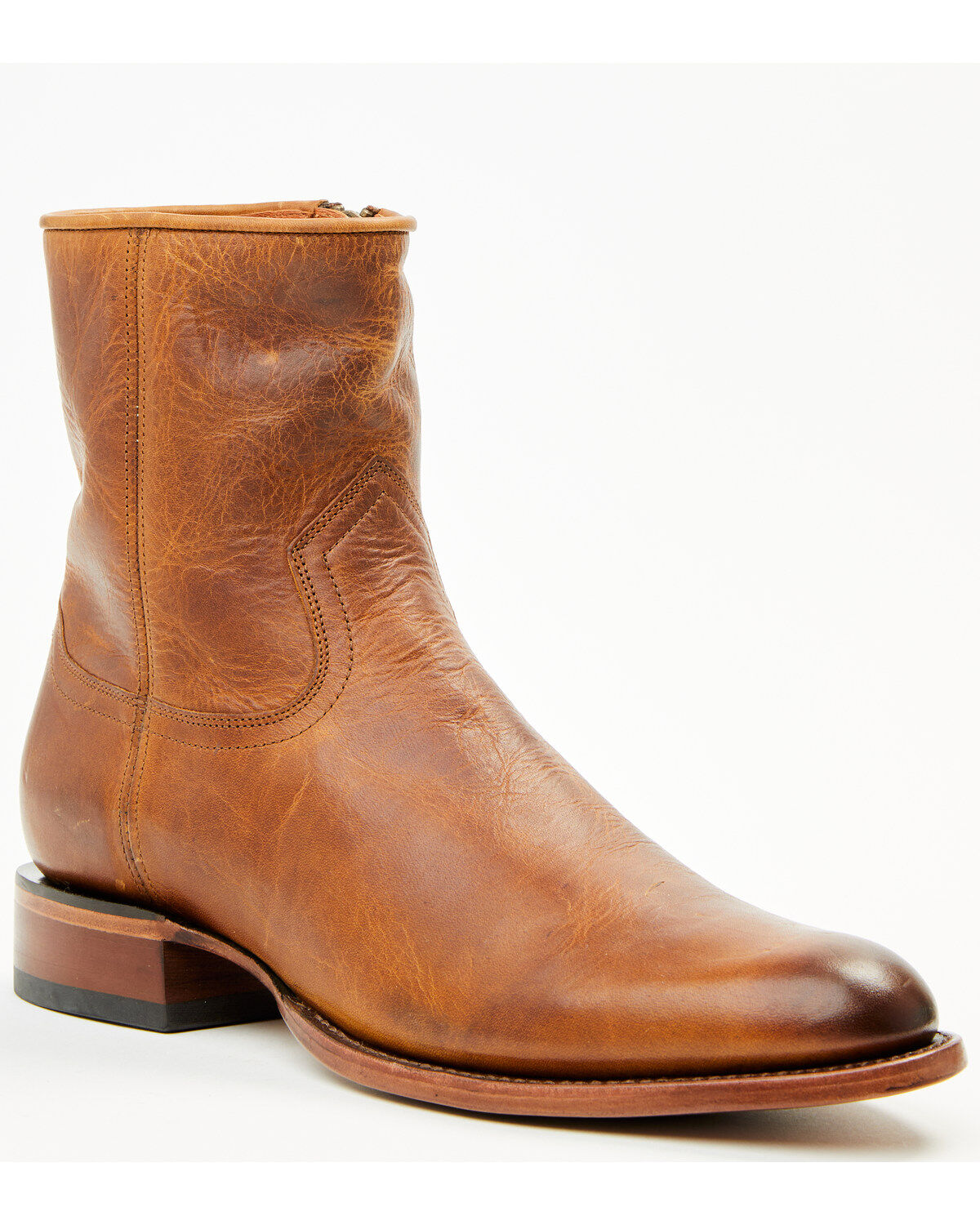
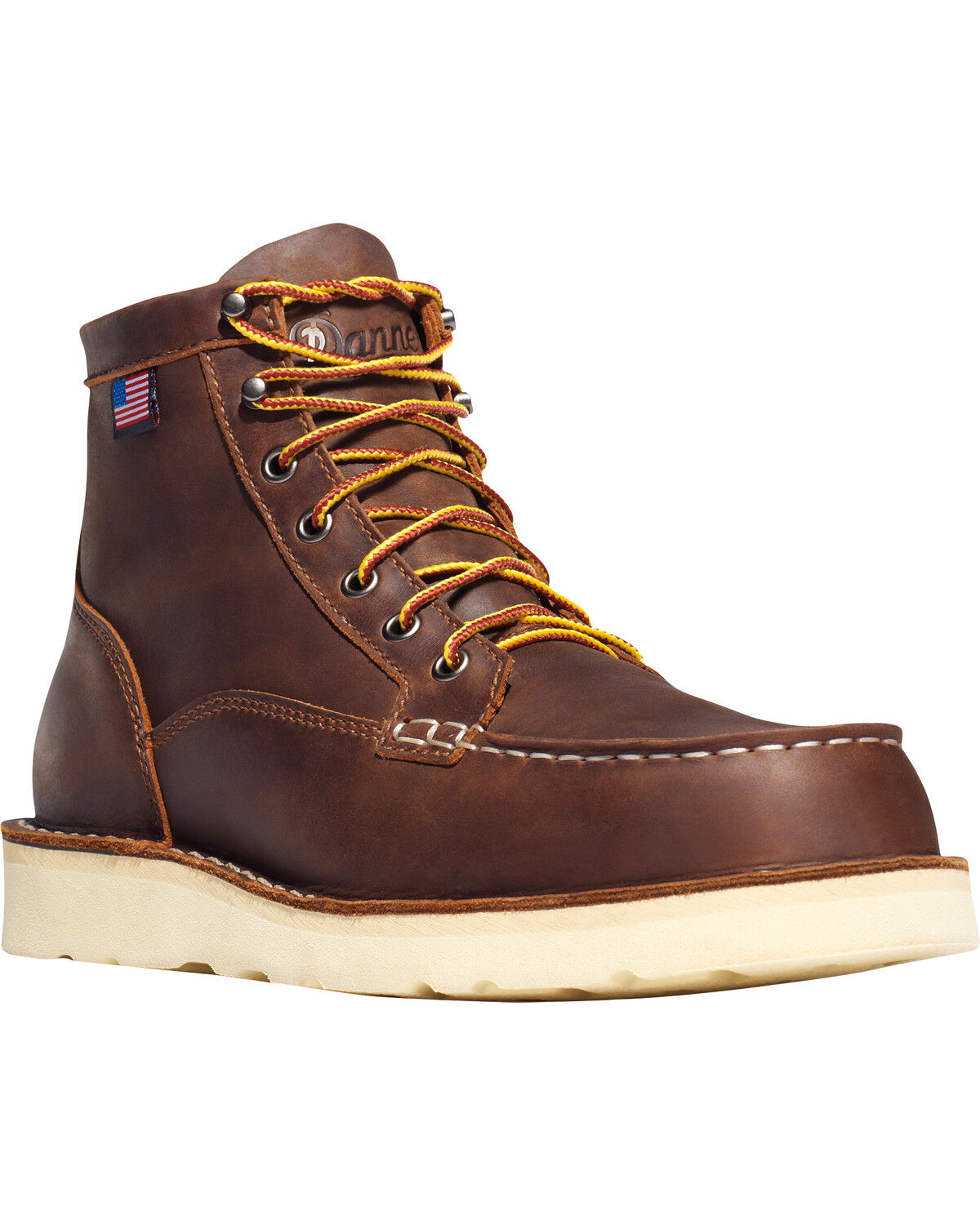
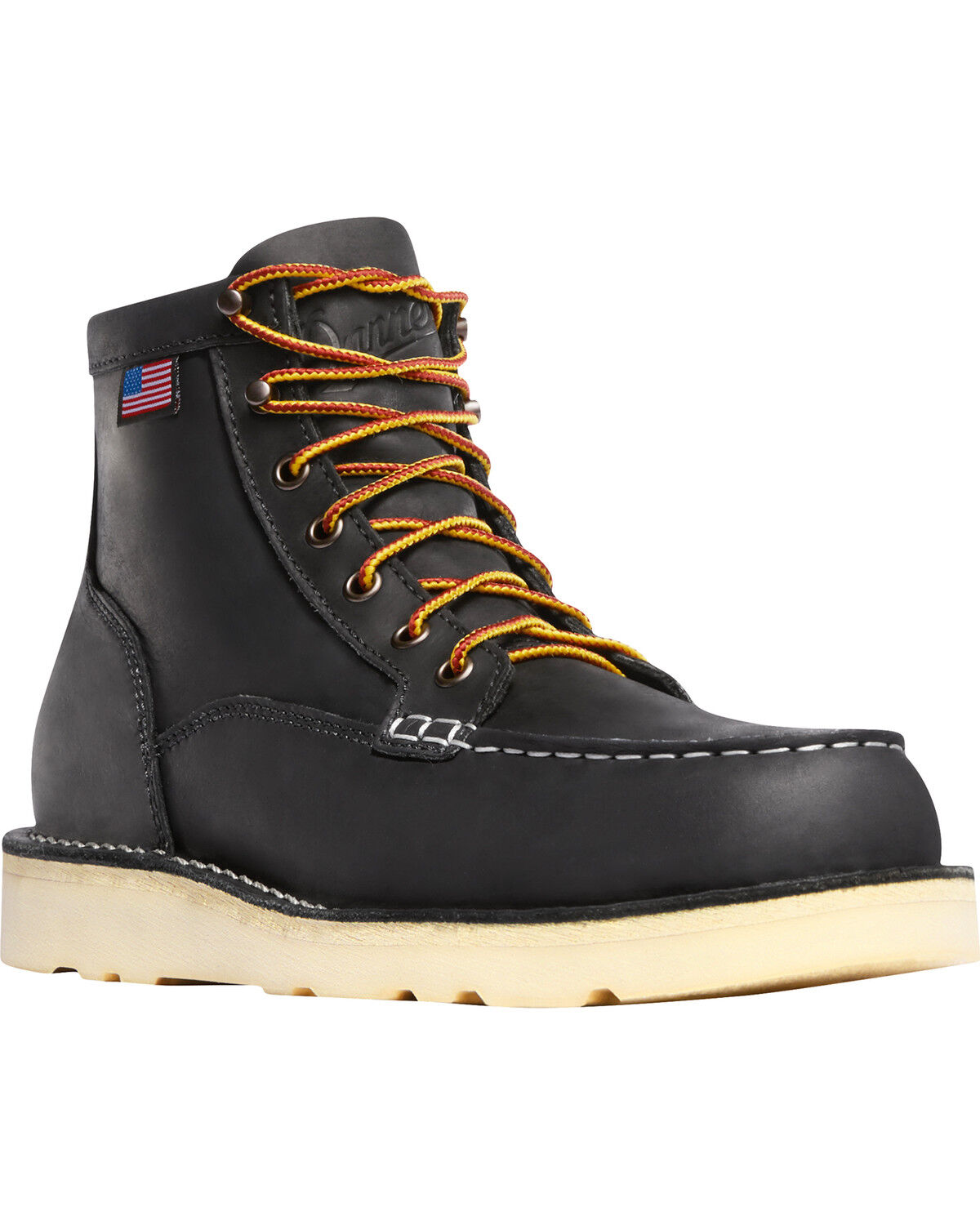
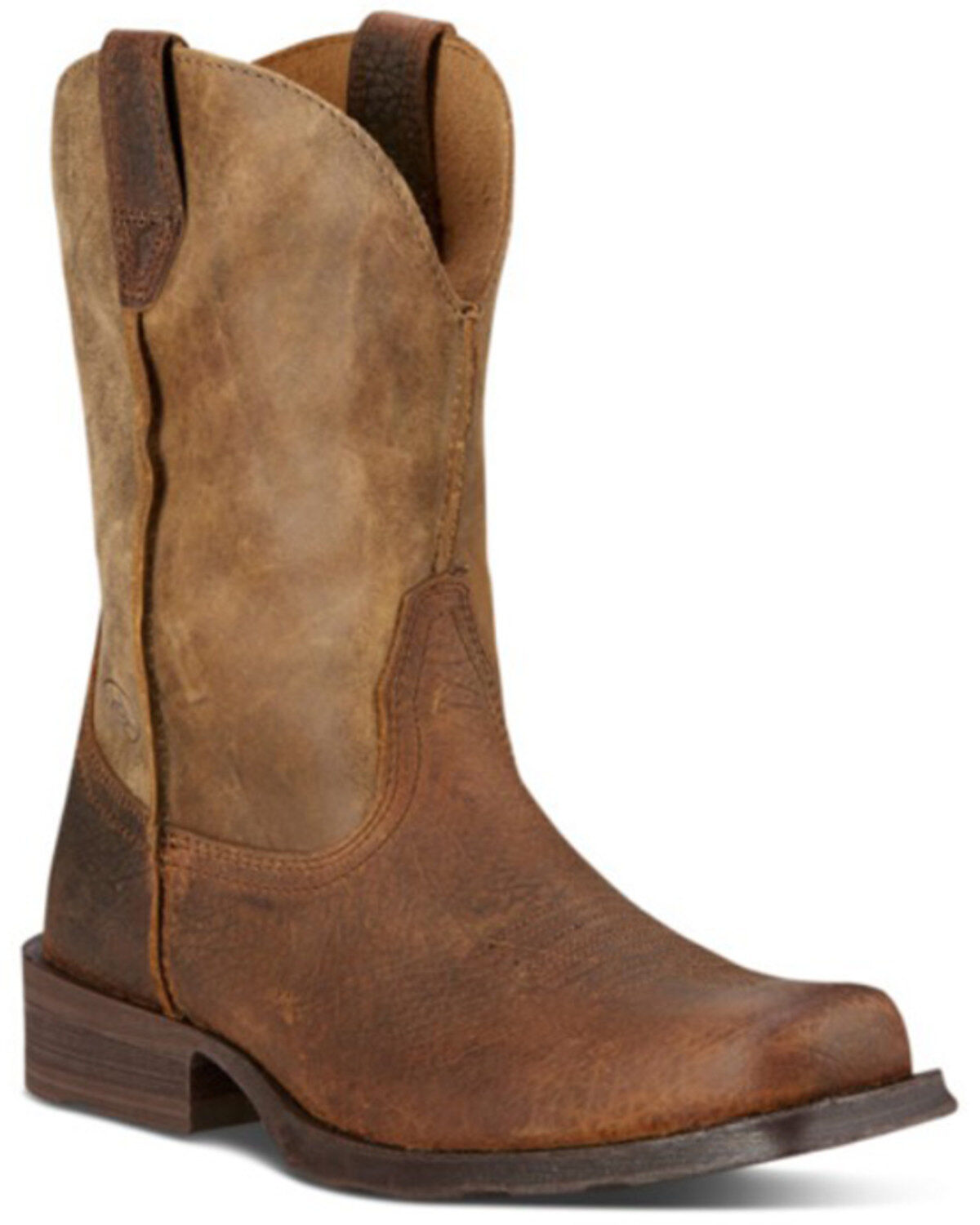
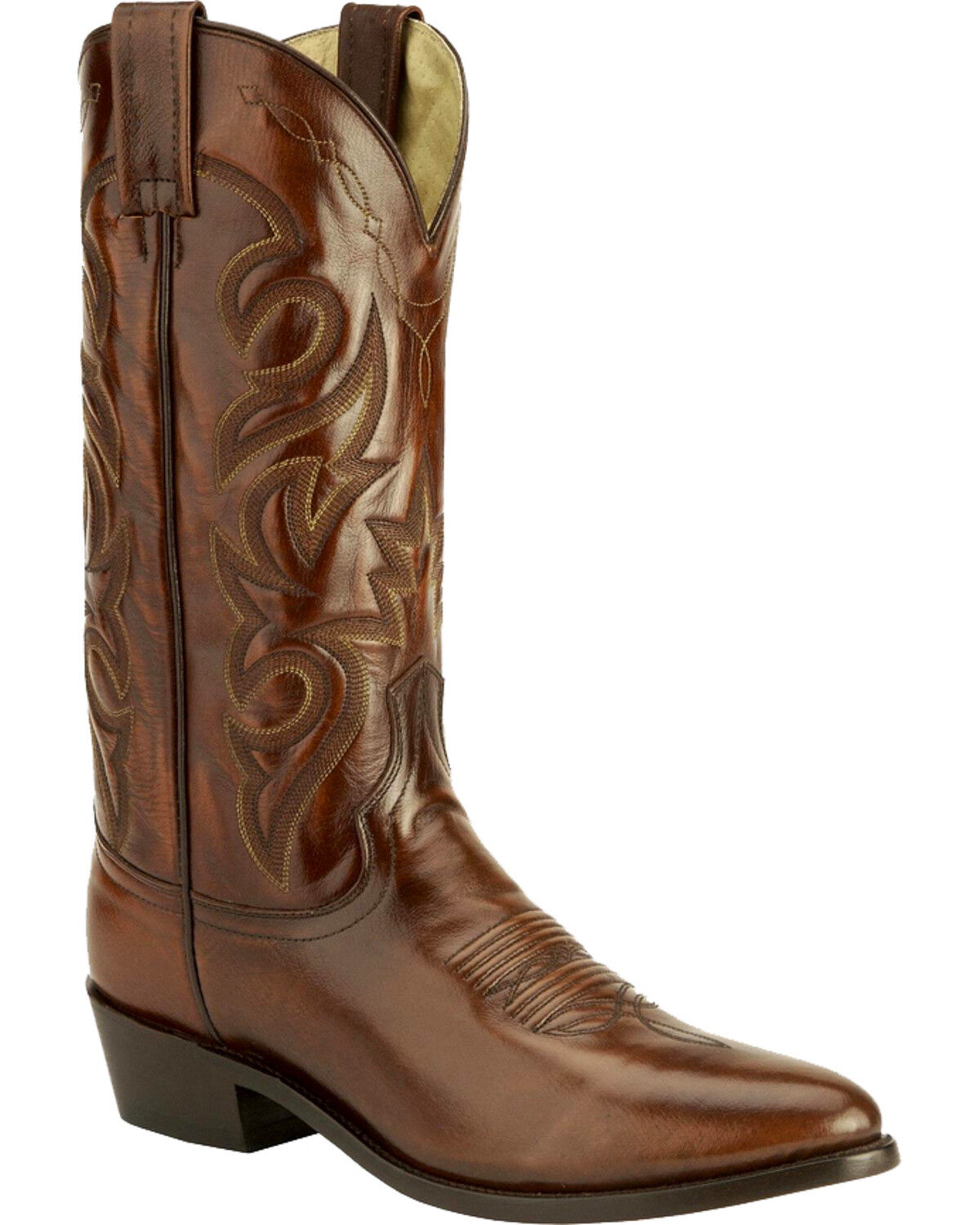
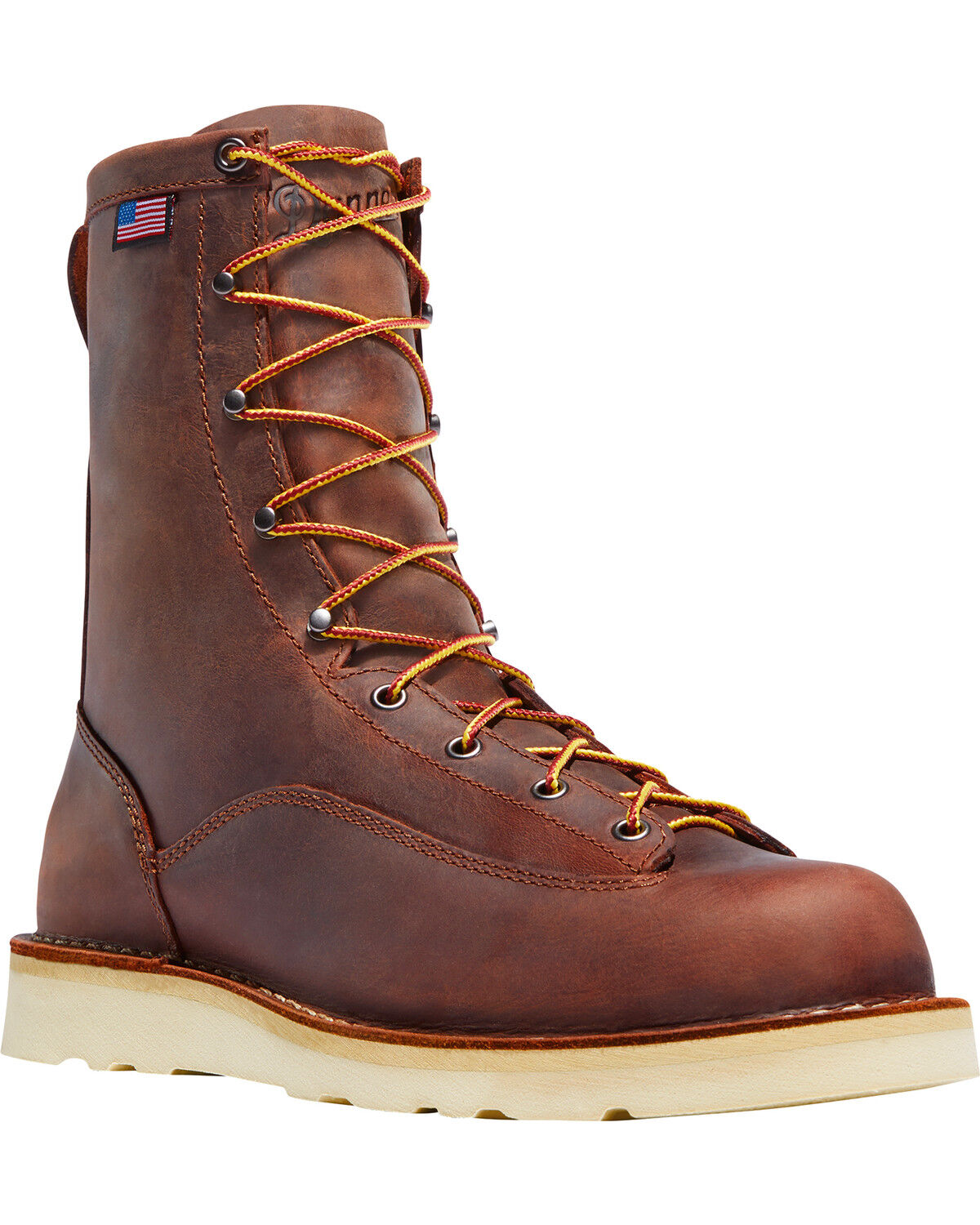
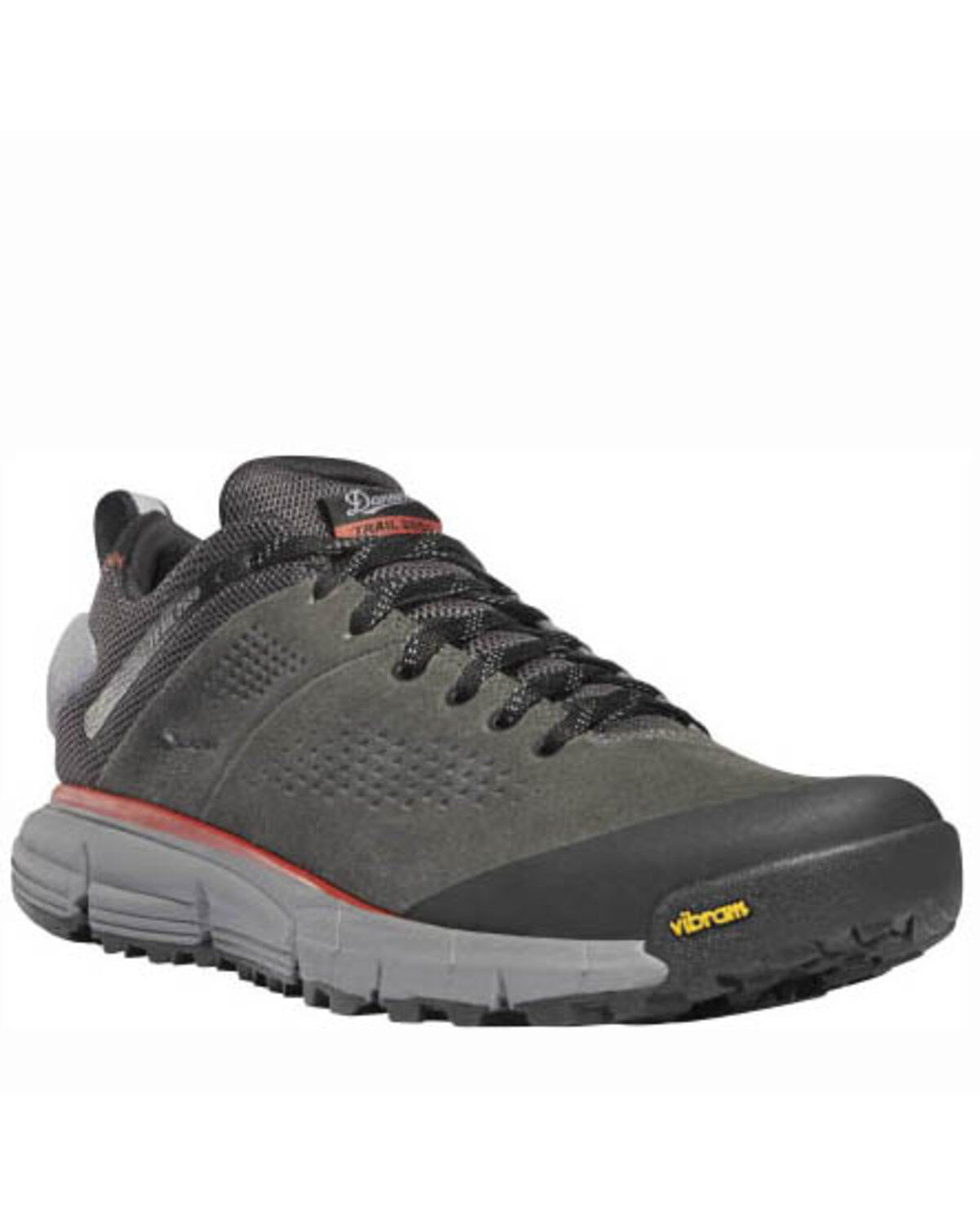
Zip Boots For Men

Shop zip boots for men with zipper closures for easy on and off. Explore men’s zip-up boots and compare available styles, toe shapes, and heel heights to find a pair that fits your wardrobe and daily routine.

Read More

Shop Your Store: Shop Your Store: Find a Store

(Turn off Shop Your Store to see all items)

(Turn off Shop Your Store to see all items)

close
  • Recommended
  • Lowest Price
  • Highest Price
Skip pass products

End of products

Zip Boots For Men

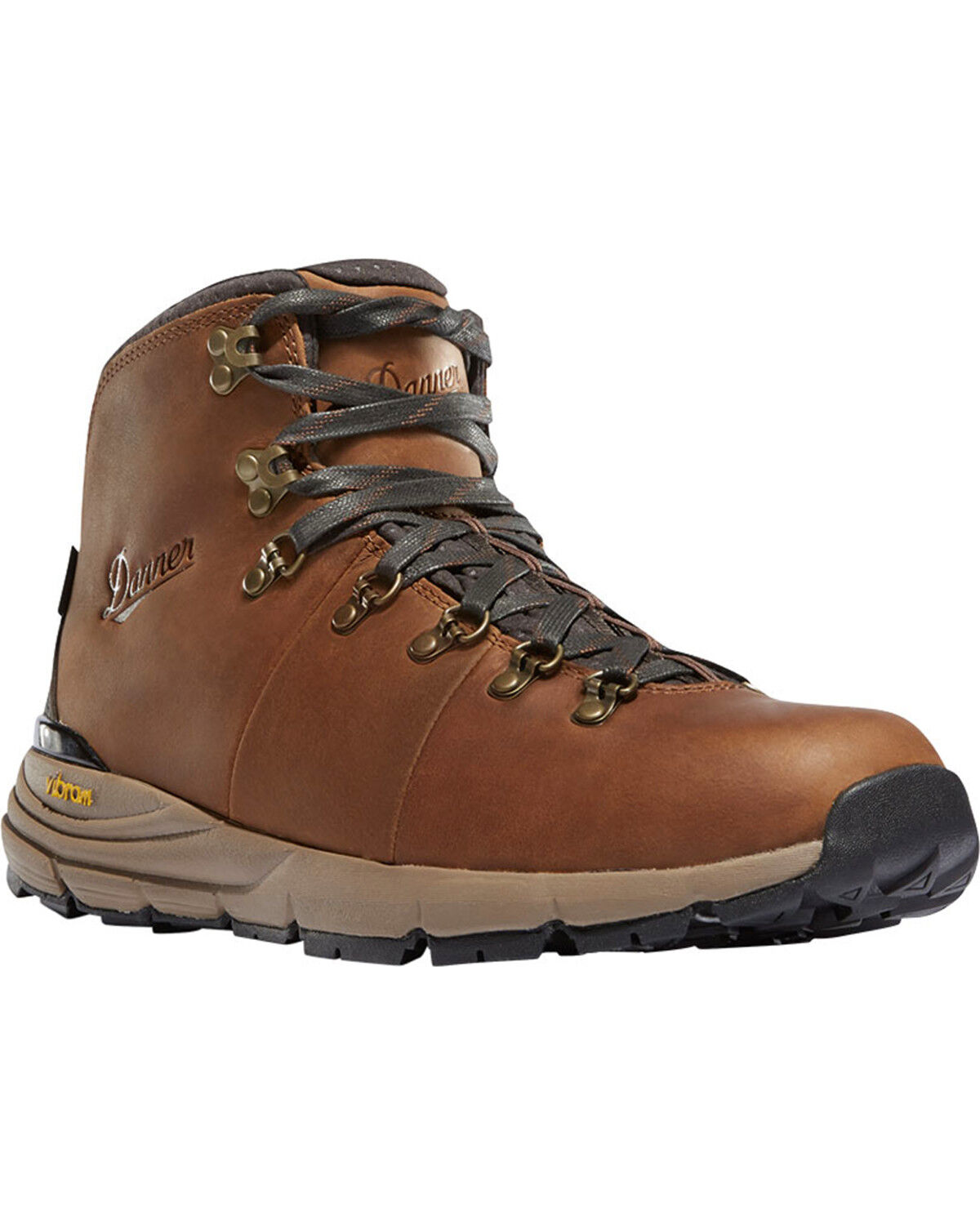
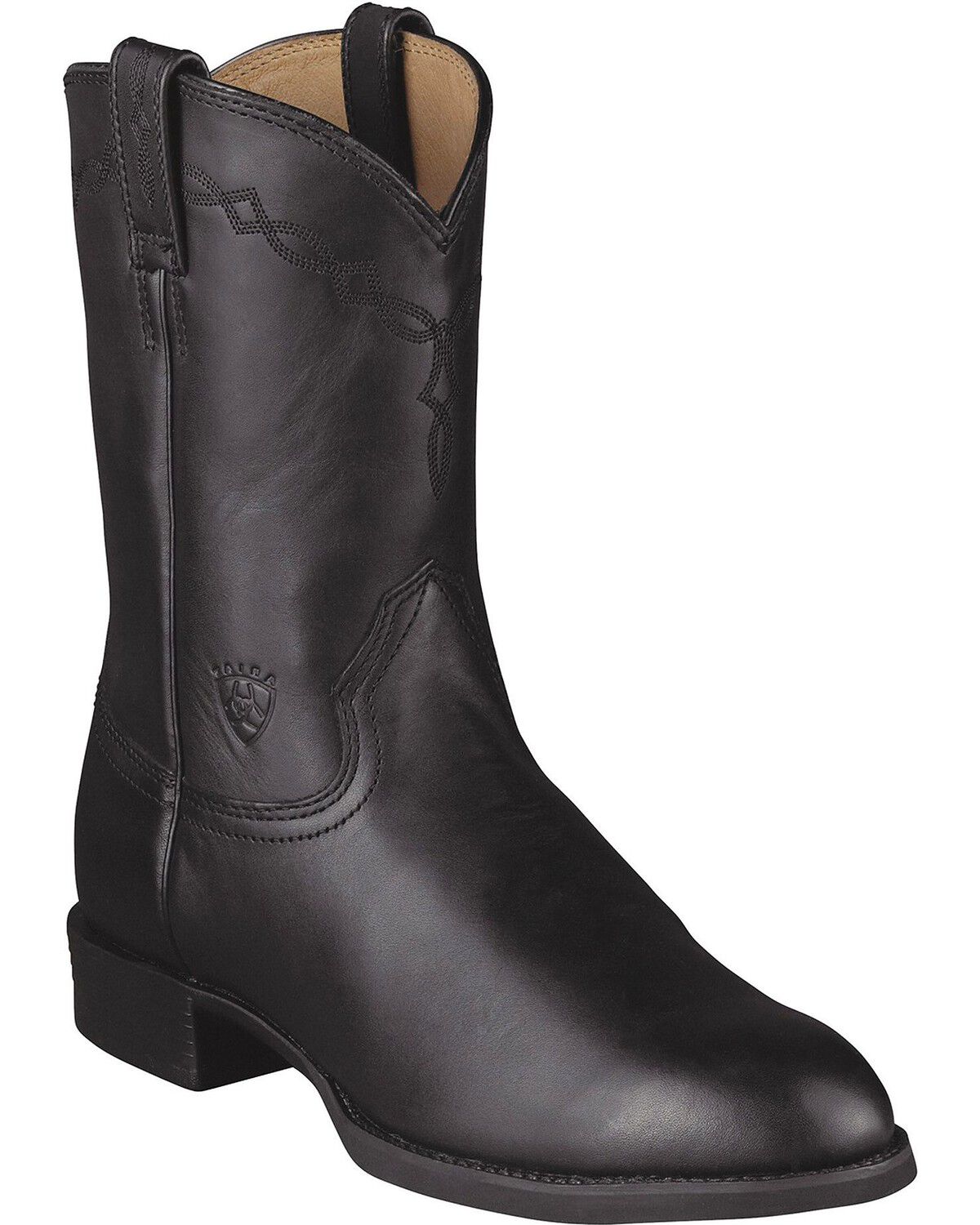
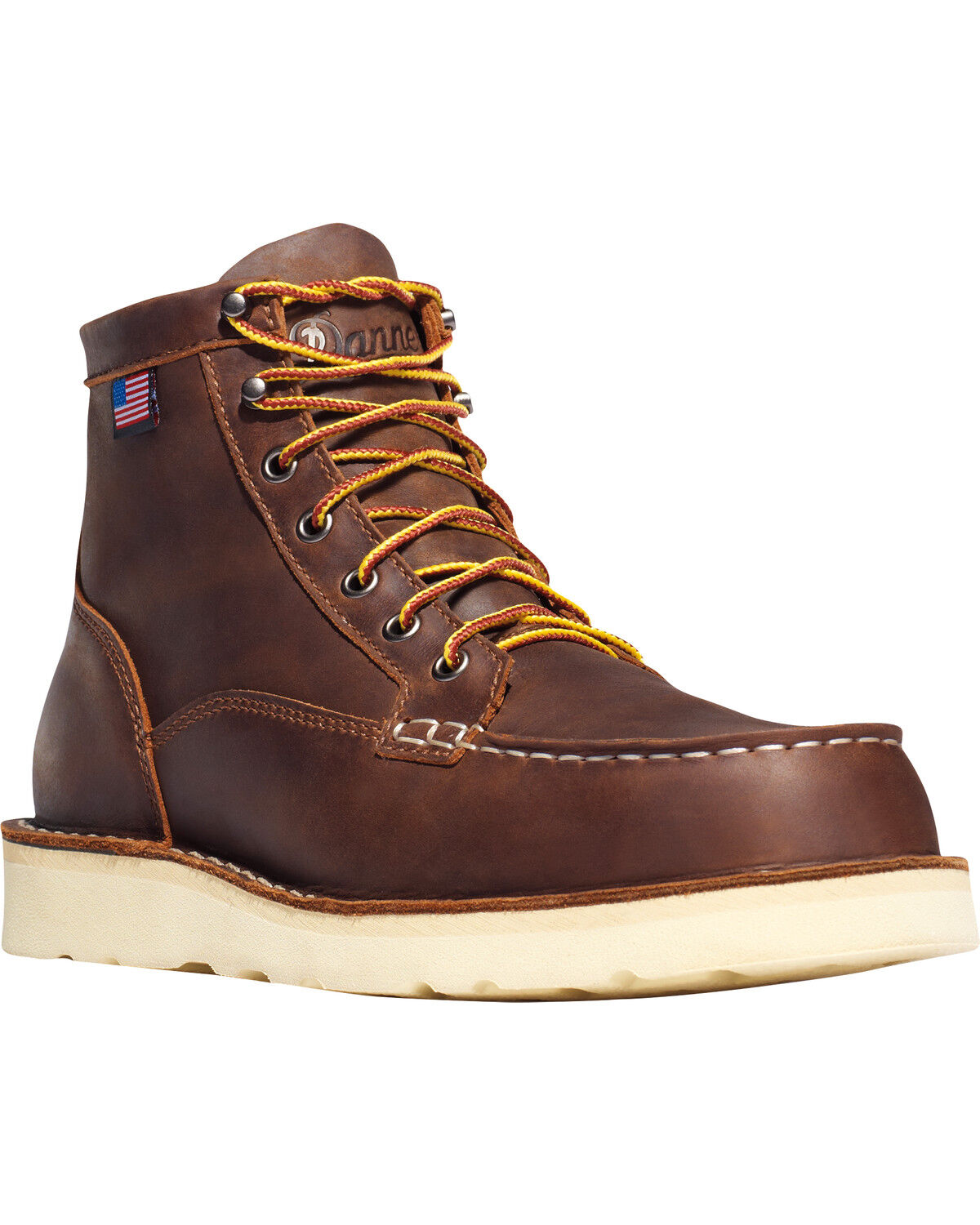
Men’s zip boots use a zipper at the side or back of the shaft to make putting boots on and taking them off more straightforward. The closure opens the boot around the ankle or instep, reducing the effort needed to pull a foot through a fixed opening. That convenience works across several styles, from western-inspired leather boots and clean-lined dress boots to casual, work, and tactical designs. Some zip-up boots also have laces, which allow the fit to be adjusted while the zipper provides a separate entry point. Others keep the upper simple, with the zipper tucked along an inside seam. For a man moving between an office, a dinner table, and time on his feet, that small construction detail can make a noticeable difference without changing the overall look of the boot. Intended use still matters more than the closure alone. A smooth leather upper, restrained stitching, and a slimmer sole generally suit dress pants or dark jeans. A broader toe, substantial outsole, and supportive construction may be better suited to everyday wear that includes walking and standing. Western zip boots bring familiar details such as shaped heels, decorative stitching, and pointed, round, or square toes into a design that does not require a full-height pull-on shaft. Shaft height and width affect how pants fall over the boot; a trim ankle profile tends to sit neatly beneath a straight leg, while a wider shaft needs more room. Sole choice also changes the experience underfoot. Deep rubber tread can provide grip on uneven ground, while a lower-profile sole keeps the outline less bulky. Traction depends on the outsole material and the surface, not just the depth of the tread. A zipper does not make a boot protective footwear. For job-site use, required safety features and documented ratings should determine whether a boot is appropriate, including any requirements for protective toes, electrical hazard protection, or slip resistance.

Materials and construction help explain how men’s zip-up boots feel, wear, and hold their shape. Full-grain leather retains the outer surface of the hide and often develops visible creases and character with use. Its feel depends on the hide, thickness, finish, and tanning process; not every leather boot starts equally stiff or soft. Suede has a textured surface that gives a boot a more relaxed appearance, but it needs care suited to its nap rather than the treatment used on smooth leather. Synthetic uppers vary widely in flexibility, breathability, and resistance to abrasion, so the material description matters more than appearance alone. Inside the boot, lining, seams, cushioning, and footbed shape influence comfort over a full day. A padded collar may soften contact around the ankle, while a firm heel counter helps hold the rear of the foot in place. The zipper is another working component worth considering. Reinforced stitching around the zipper tape, a slider that moves smoothly, and a protective backing between the hardware and the foot all contribute to a more comfortable design. Fit should be evaluated with the socks normally worn with the boots and with any required orthotic in place. Toes need room to move without striking the front, and the widest part of the foot should sit comfortably across the boot’s broadest area. A pointed toe may extend beyond the toes by design; that extra length does not mean the boot is too large. The instep should feel secure without pressure, and the ankle should not be pinched when the zipper closes. Some initial heel movement can occur in structured leather boots, but repeated rubbing or pronounced lifting deserves attention. Leather may soften with wear, but a zipper should never have to pull an overly tight shaft together. On lace-and-zip designs, the laces still need to be adjusted for proper support. Walking, sitting, and bending the ankle reveal fit issues that standing still can miss.

Durability depends on the whole boot, including its upper, sole attachment, stitching, lining, and zipper. A welted construction may allow resoling, depending on the design and condition, while cemented construction bonds the sole to the upper and can offer a flexible feel. Neither method alone guarantees long service; workmanship and the demands placed on the boot matter. A man standing on concrete through a shift has different needs from someone wearing leather zip boots mainly for dinners or office days. Cushioning can reduce the hard feel of a surface, while the outsole and midsole must also provide the support appropriate to the task. Regular care helps preserve those working parts. Dirt should be removed before it builds up in seams or around the zipper teeth. Smooth leather benefits from cleaning and conditioning products suited to its finish, applied according to the care directions. Suede generally calls for a dedicated brush and compatible cleaner. Boots should dry naturally away from direct heat, and removable footbeds can be taken out to help the interior dry after wear. A zipper that catches should be checked for trapped lining, grit, or misaligned teeth rather than forced. Any zipper lubricant should be approved for the hardware and used carefully to avoid staining the upper. Rotating footwear gives interiors time to dry and makes it easier to notice worn tread, loose stitching, or a damaged slider before those issues become larger repairs. Zip-up designs sit within the broader Boots For Men category as an alternative to pull-on and traditional lace-up closures. They can also make a practical gift for someone who values an easier entry or prefers an ankle-height boot, provided his size, width, and usual style are known. The strongest choice matches his routine: a comfortable fit, materials he is prepared to maintain, and construction suited to where the boots will be worn.
Read More

FAQs