Men's Boots

Shop men’s boots for work, everyday wear, and western style. Explore cowboy boots and work boots, and choose a pair based on how you plan to wear them. Compare fit, toe shape, and product features to find the right match for your day.

Shop Your Store: Shop Your Store: Find a Store

(Turn off Shop Your Store to see all items)

(Turn off Shop Your Store to see all items)

close
  • Recommended
  • Lowest Price
  • Highest Price
Skip pass products

End of products

Men's Boots

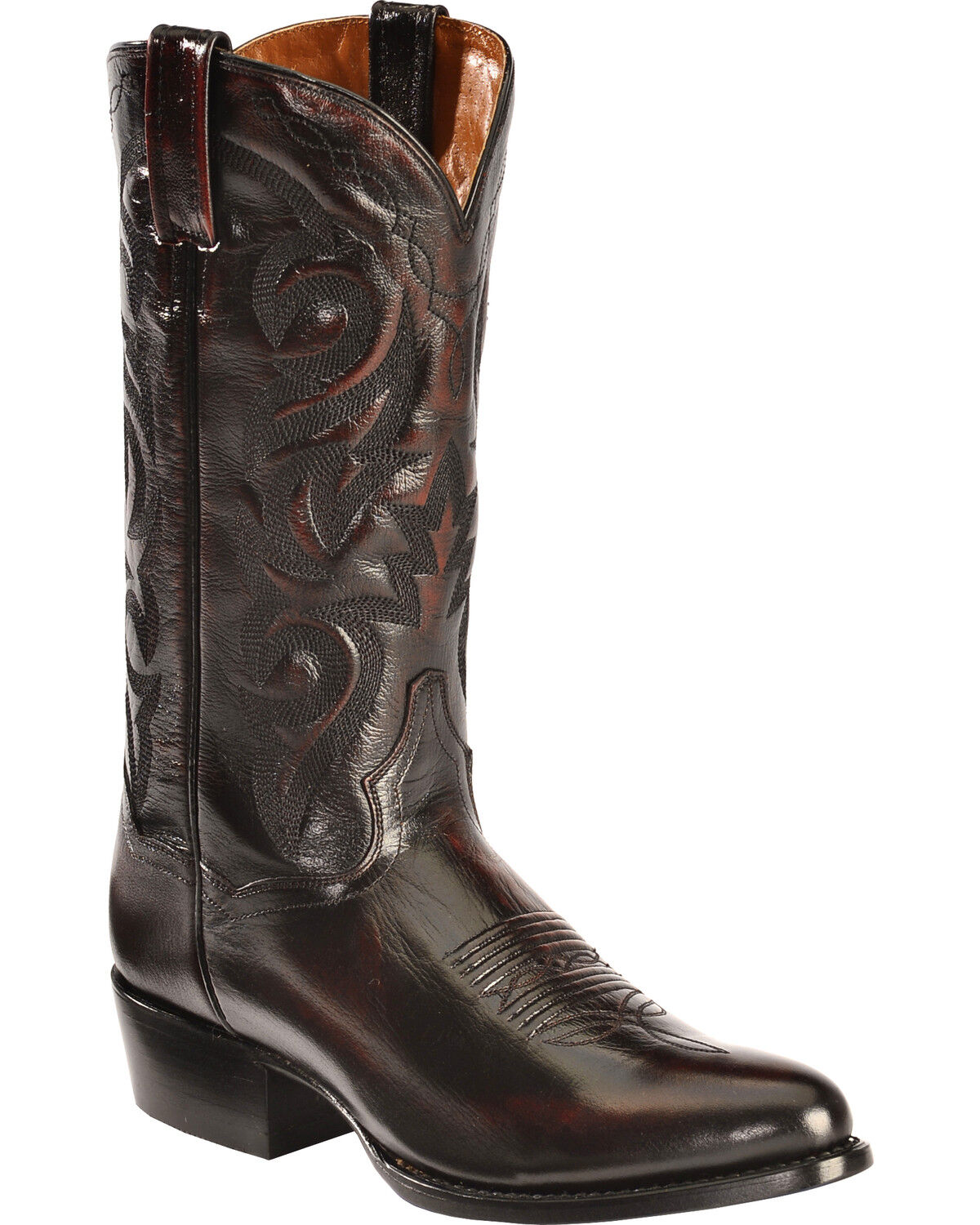
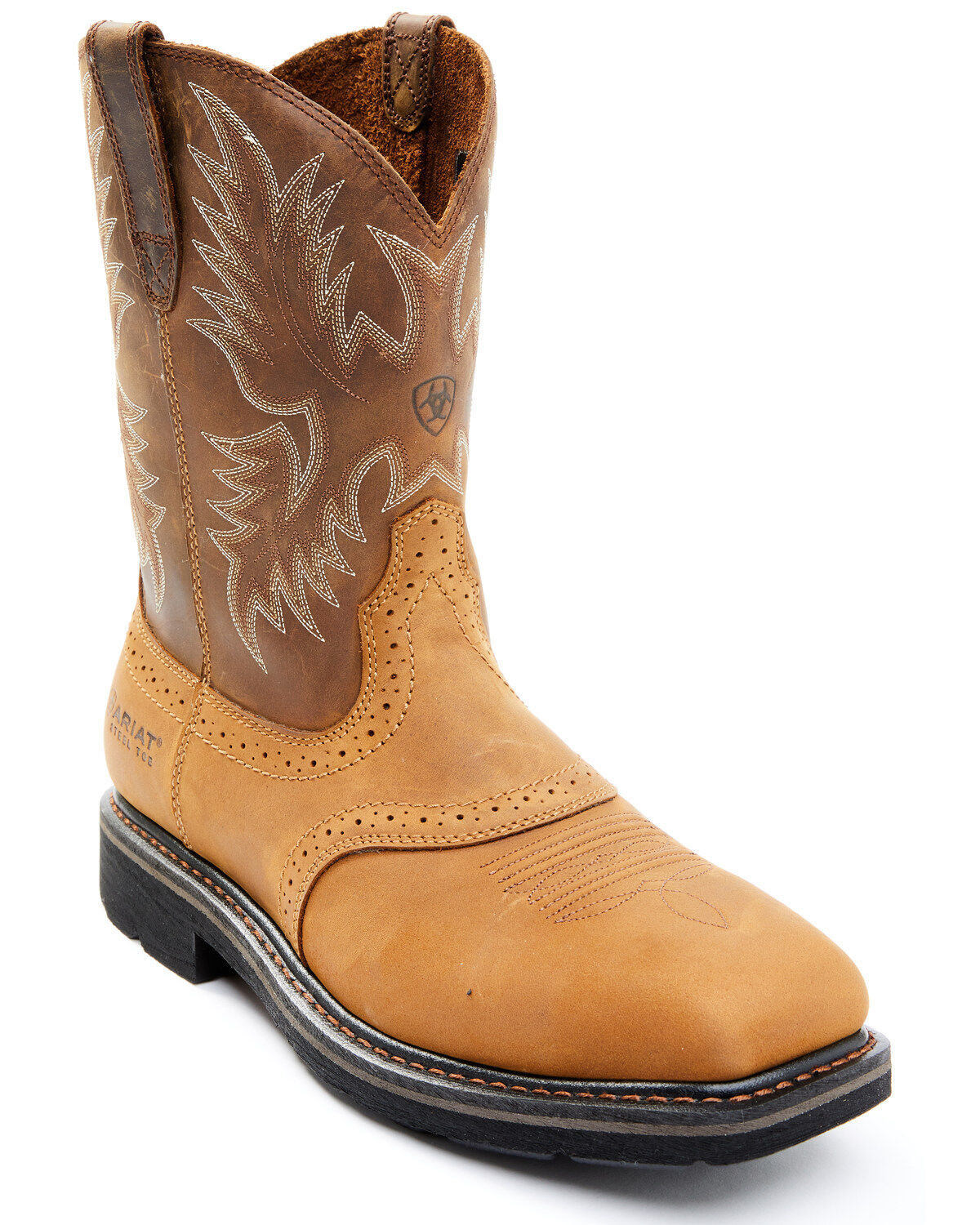
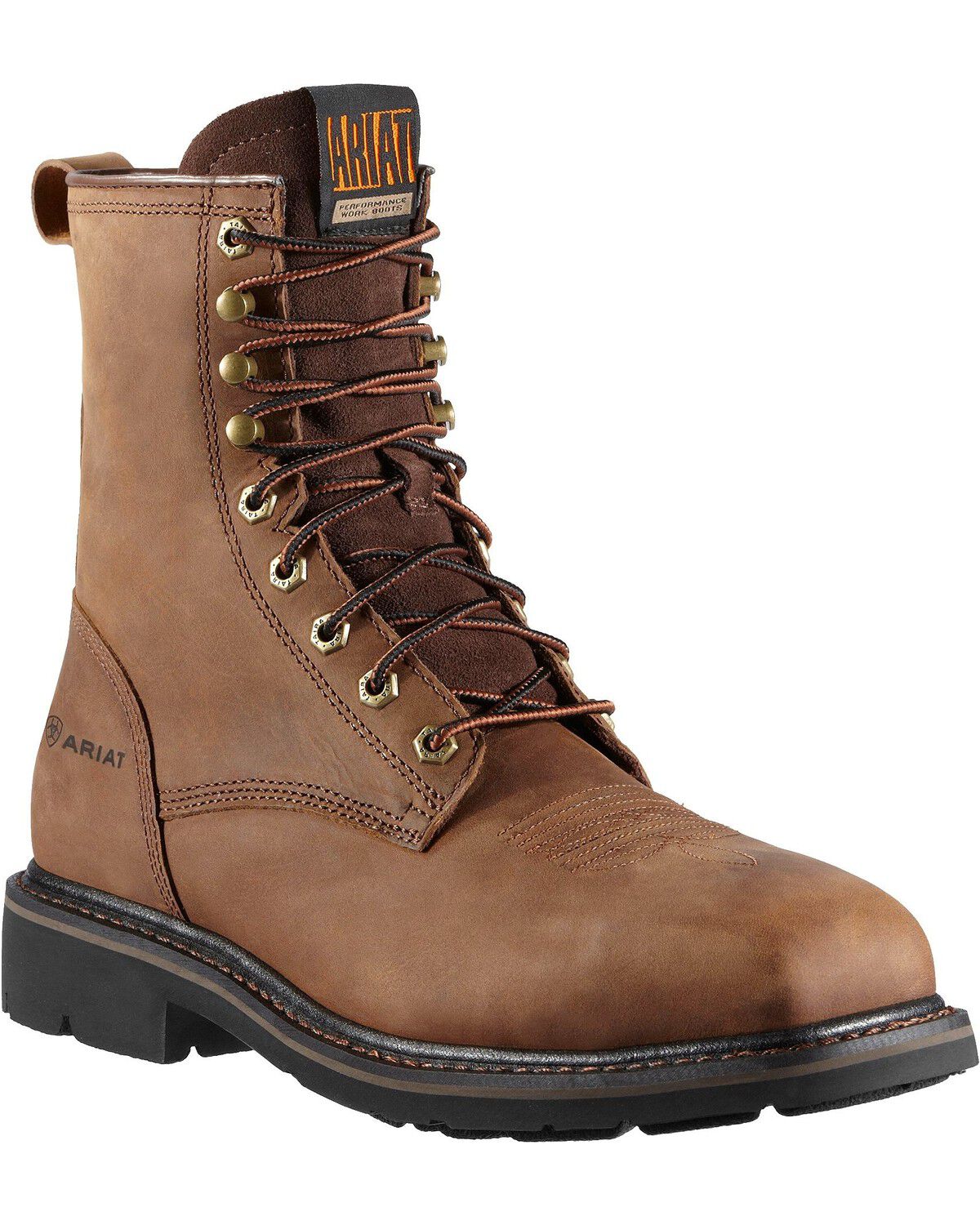
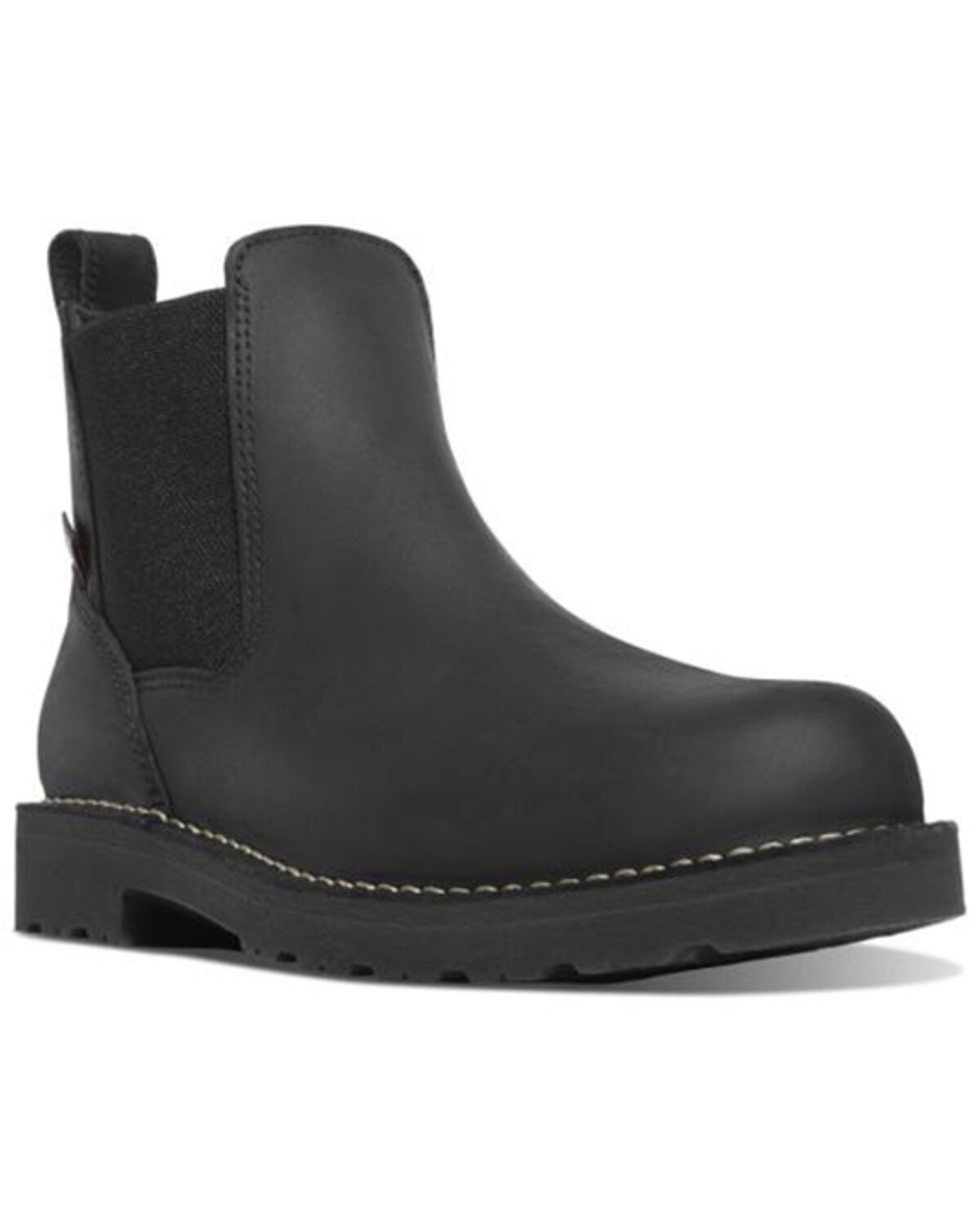
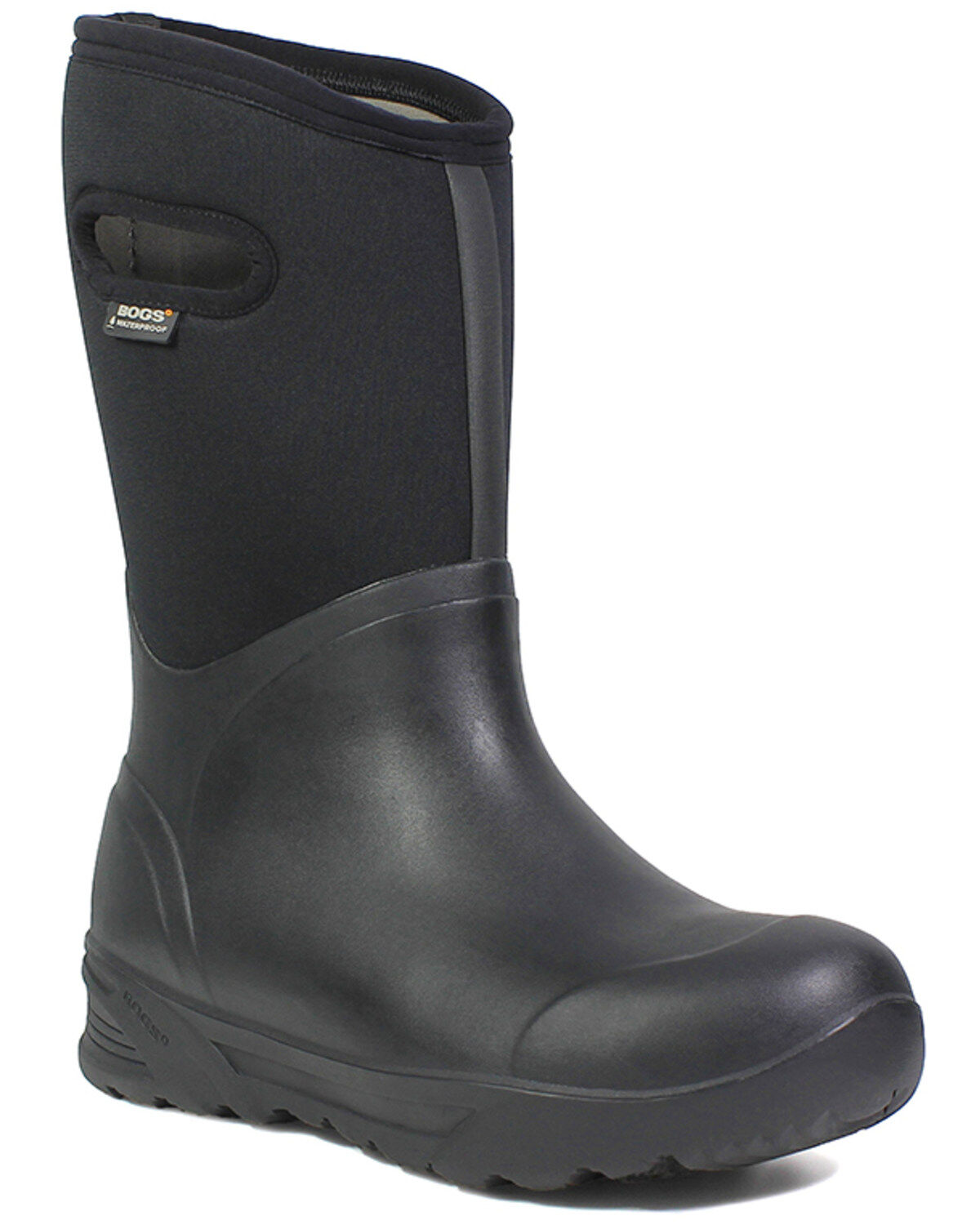
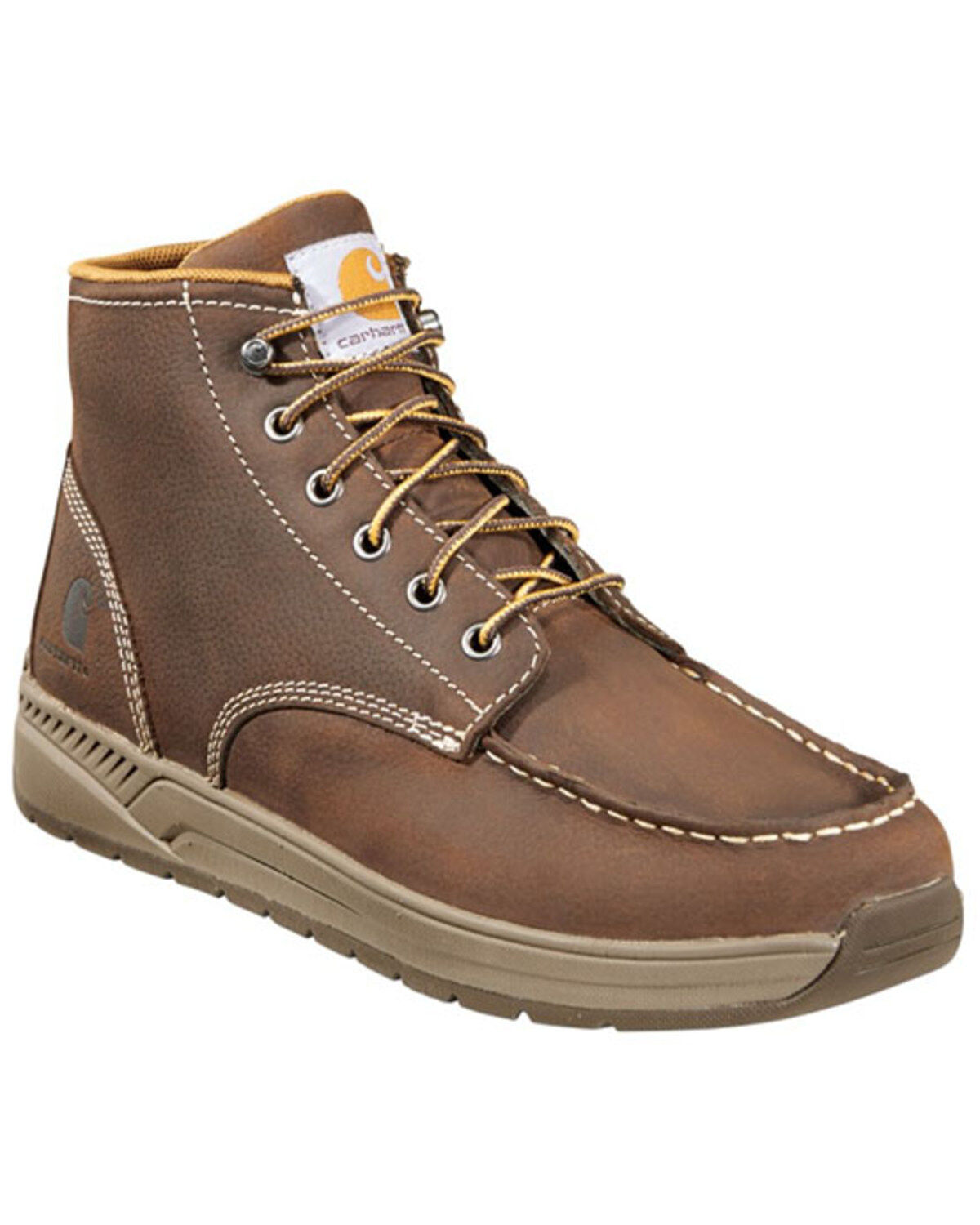
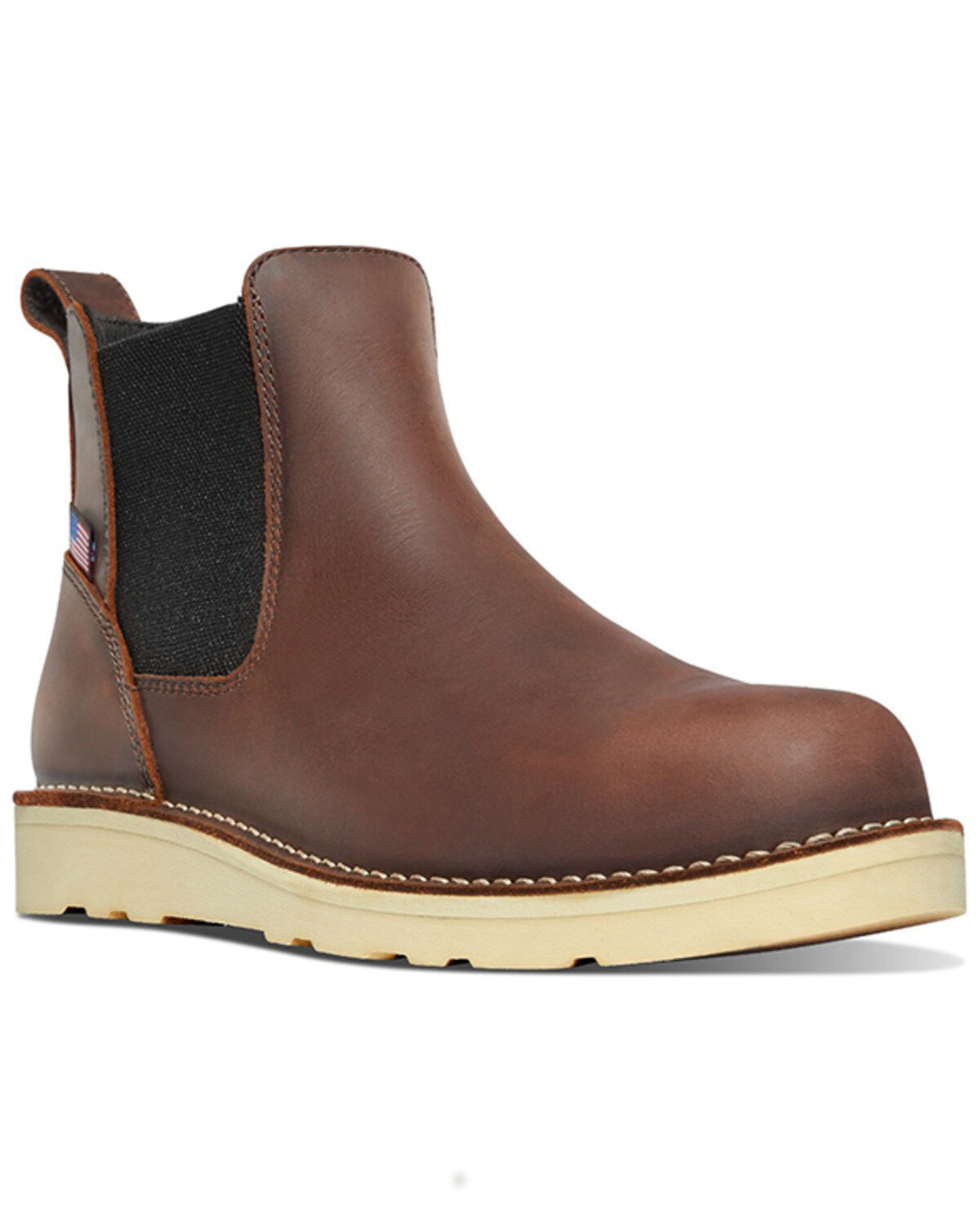
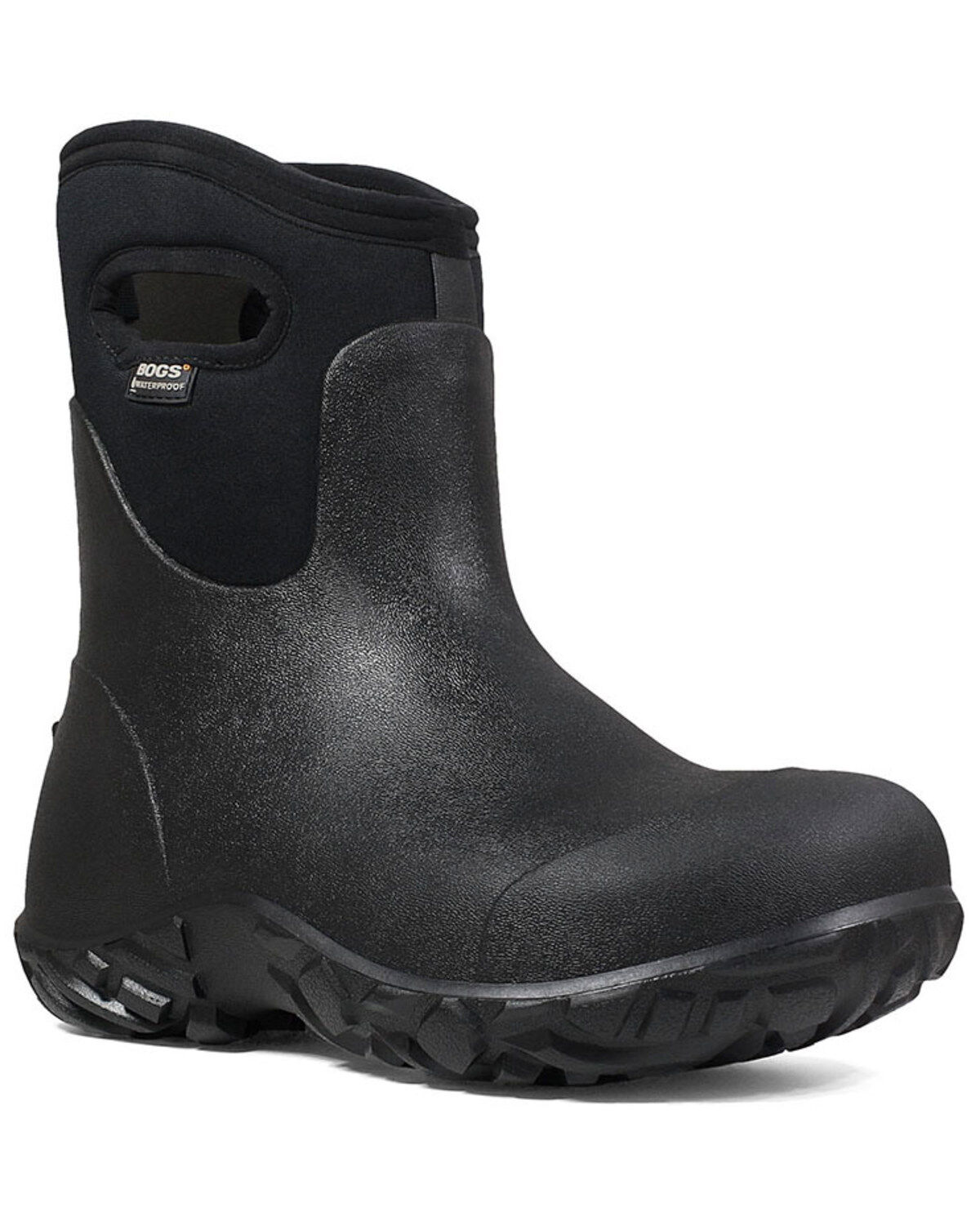
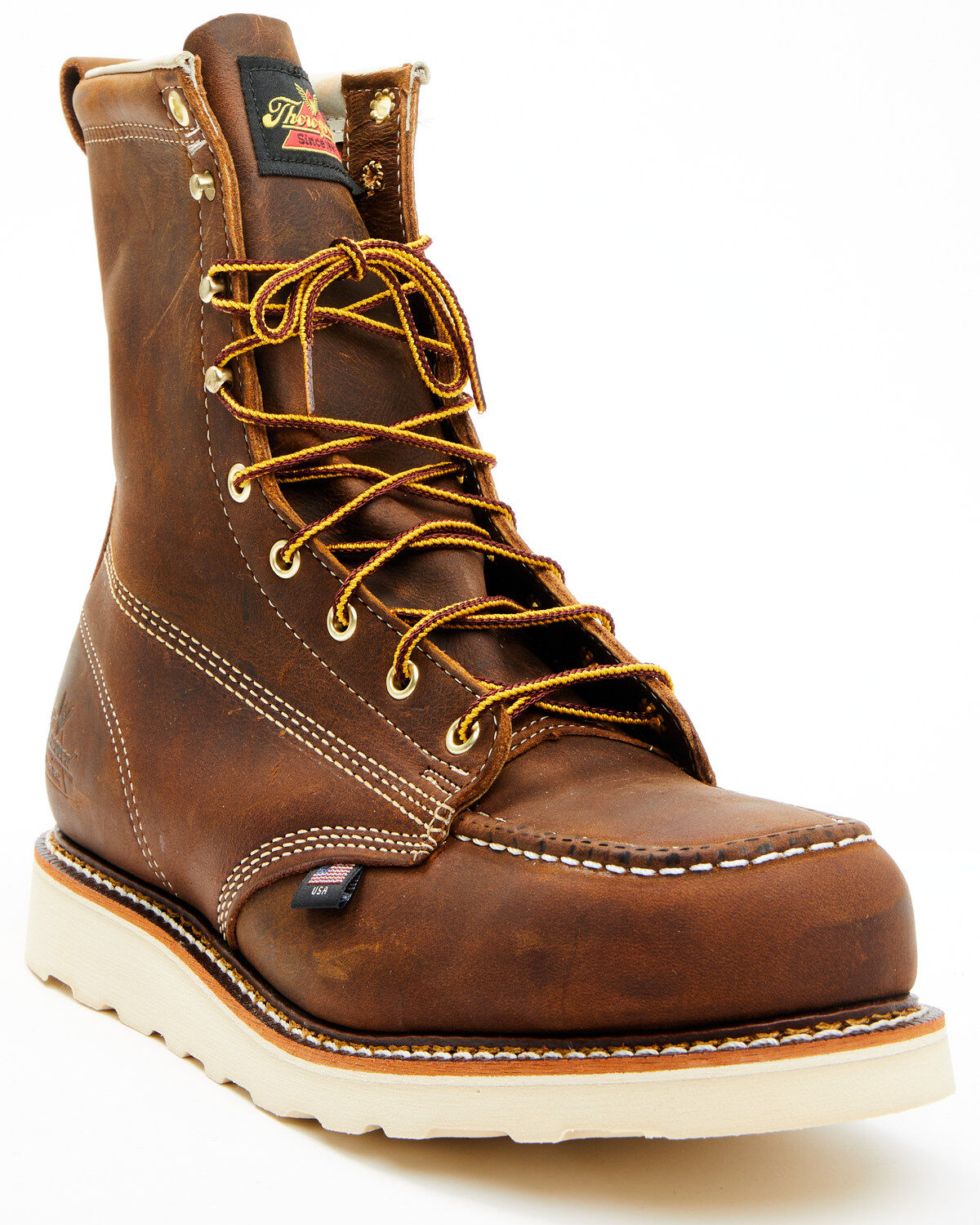
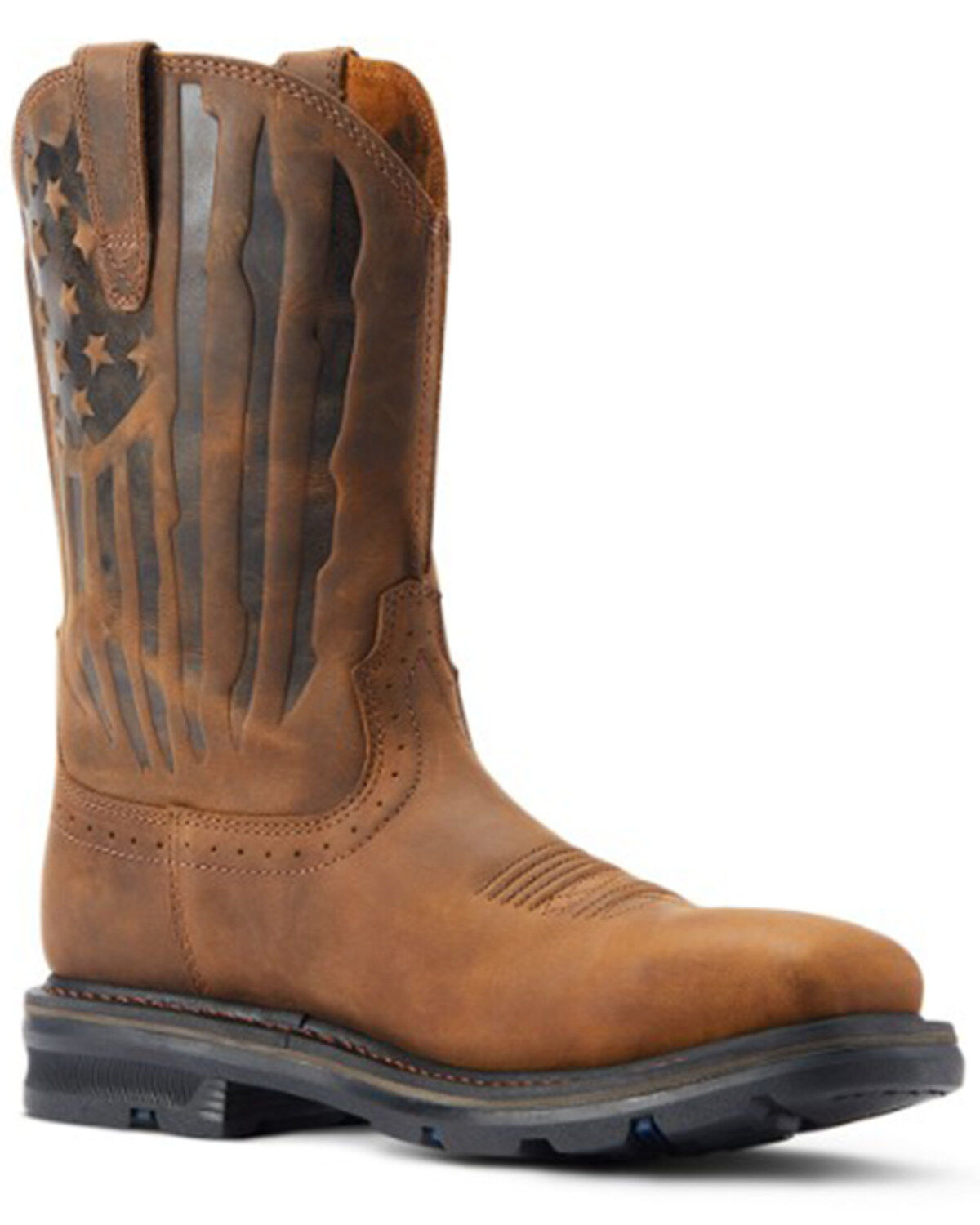
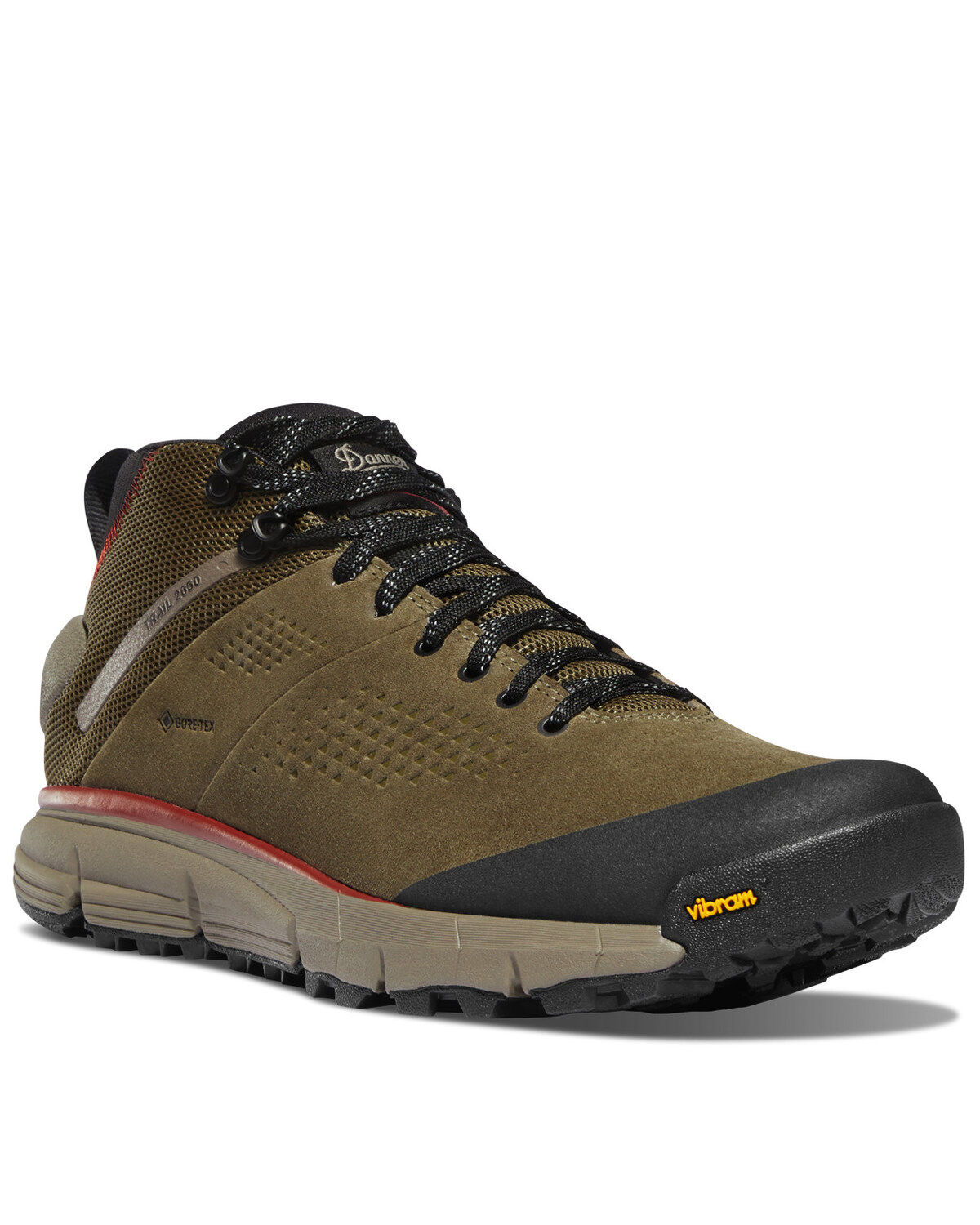
Men's boots range from traditional cowboy boots and practical ropers to protective work boots, casual leather boots, and dress styles. Each serves a different purpose, with differences in shaft height, heel shape, toe room, sole construction, and support. Western boots have a recognizable pull-on profile, often with a taller shaft, decorative stitching, and a heel shaped for walking or riding, depending on the design. Roper boots generally have a shorter shaft and lower heel, giving them an understated look that works well with jeans and everyday clothing. Square, round, and pointed toes change the appearance, but comfort depends on the shape and dimensions inside the boot, not the toe description alone. Men looking for a traditional western profile can explore Men's Authentic Boots for footwear that pairs naturally with denim and a button-front shirt. Work boots put job requirements first, whether that means protective toes, underfoot support, or outsoles designed for particular surfaces. Lace-up construction allows adjustment across the instep and ankle, while pull-on work boots offer straightforward entry without laces. A man moving between a truck cab and a warehouse floor may value flexibility and cushioning differently than someone carrying materials across a jobsite. Casual and dress boots tend to emphasize cleaner lines, balanced proportions, and leather finishes that suit daily wear or more polished clothing. An ankle-height boot with minimal stitching can sit neatly beneath chinos, while a taller western shaft usually works best under jeans with enough room through the lower leg. Bootcut and suitable straight-leg fits help the fabric fall over the shaft without bunching. The right category comes down to intended use: time in the saddle, long hours on foot, physical work, or everyday wear. Appearance matters, but heel height, tread, weight, and freedom of movement make the larger difference once the boots are being worn for a full day.

Materials and construction determine much of a boot's feel, appearance, and service life. Full-grain leather retains the hide's natural surface and often develops visible character with wear. Other leather finishes may provide a smoother, more uniform appearance, while suede has a textured surface that calls for different cleaning methods. Leather varies in thickness and flexibility, so a substantial upper can feel more structured than a softer leather even when the boots share a similar shape. Textile panels and synthetic components can reduce weight or serve specific performance needs, depending on the design. Inside the boot, linings help manage friction, and footbeds provide cushioning or shaped support. A removable footbed can make room for a compatible replacement, although added thickness changes the fit around the instep and heel. Outsoles deserve equal attention. Leather soles offer a traditional profile often associated with western and dress footwear, while rubber outsoles provide a range of tread patterns suited to everyday use and work. Slip resistance is a specific performance feature, not something every rubber sole automatically provides. On concrete floors, cushioning and stable support can matter as much as tread depth. Around ladders, machinery, or jobsite hazards, the employer's footwear requirements take priority over appearance. Steel, composite, and alloy safety toes use different materials, but protective performance depends on the boot's stated rating. A safety toe alone does not establish electrical protection or resistance to punctures. Waterproof protection likewise depends on the complete construction rather than the presence of a leather upper. Welted construction joins the upper and sole through a separate strip of material and can allow sole replacement when the design and condition permit it. Cemented construction bonds the sole to the upper and often supports a lighter, more flexible feel. Neither method tells the whole story about durability. Sound stitching, secure sole attachment, reinforced wear areas, and a design suited to the task all contribute to how well men's boots hold up.

Fit should feel secure without forcing the foot into place. The toes need room to move, the ball of the foot should line up with the boot's widest area, and the instep should hold comfortably without sharp pressure. A pointed exterior can extend beyond the space occupied by the toes, so the visible tip is not a reliable measure of fit. Some heel movement can occur in new pull-on boots as the sole begins to flex, but excessive lifting or forward sliding can signal a poor match. Lace-up boots offer more adjustment, though tightening the laces cannot correct an unsuitable length or width. Socks also affect the fit: a thicker work sock takes up more space than a thin dress sock. Trying boots with the socks normally worn for the intended activity gives a more useful impression of comfort. Feet can change in size over time and may swell during a full day on foot, making both length and width worth checking. Leather can soften with wear, but break-in should not be expected to correct cramped toes or persistent pain. Once the fit is right, regular care helps preserve the material and construction. A soft brush removes loose dirt from leather uppers and outsole edges before it works into seams. Smooth leather benefits from a compatible cleaner and conditioner used according to the care directions; suede needs products and tools intended for its textured finish. Excessive conditioner can alter color or soften leather more than intended. Boots that become damp should dry away from direct heat, with enough airflow inside the shaft. Rotating between pairs gives the interiors time to dry between wears. Checking heels, tread, stitching, and sole edges makes it easier to spot wear before comfort or support changes substantially. Men's boots can also be a useful gift for someone who wears western clothing, works on his feet, or prefers leather footwear for daily use. The most thoughtful choice reflects his usual size, width, preferred toe shape, and actual routine. A familiar fit and the right construction matter more than a dramatic change in style.

FAQs