Women's Construction Wear

Find women's construction wear for the jobsite and your daily workload. Browse workwear with fit, comfort, and freedom of movement in mind, and compare individual product details to find options that meet your workplace's dress and safety requirements.

Shop Your Store: Shop Your Store: Find a Store

(Turn off Shop Your Store to see all items)

(Turn off Shop Your Store to see all items)

close
  • Recommended
  • Lowest Price
  • Highest Price
Skip pass products
  • Women's Wrangler FR Crosshatch Jeans
    Original Price $74.99 $58.97
    21% Total Savings

End of products

Women's Construction Wear

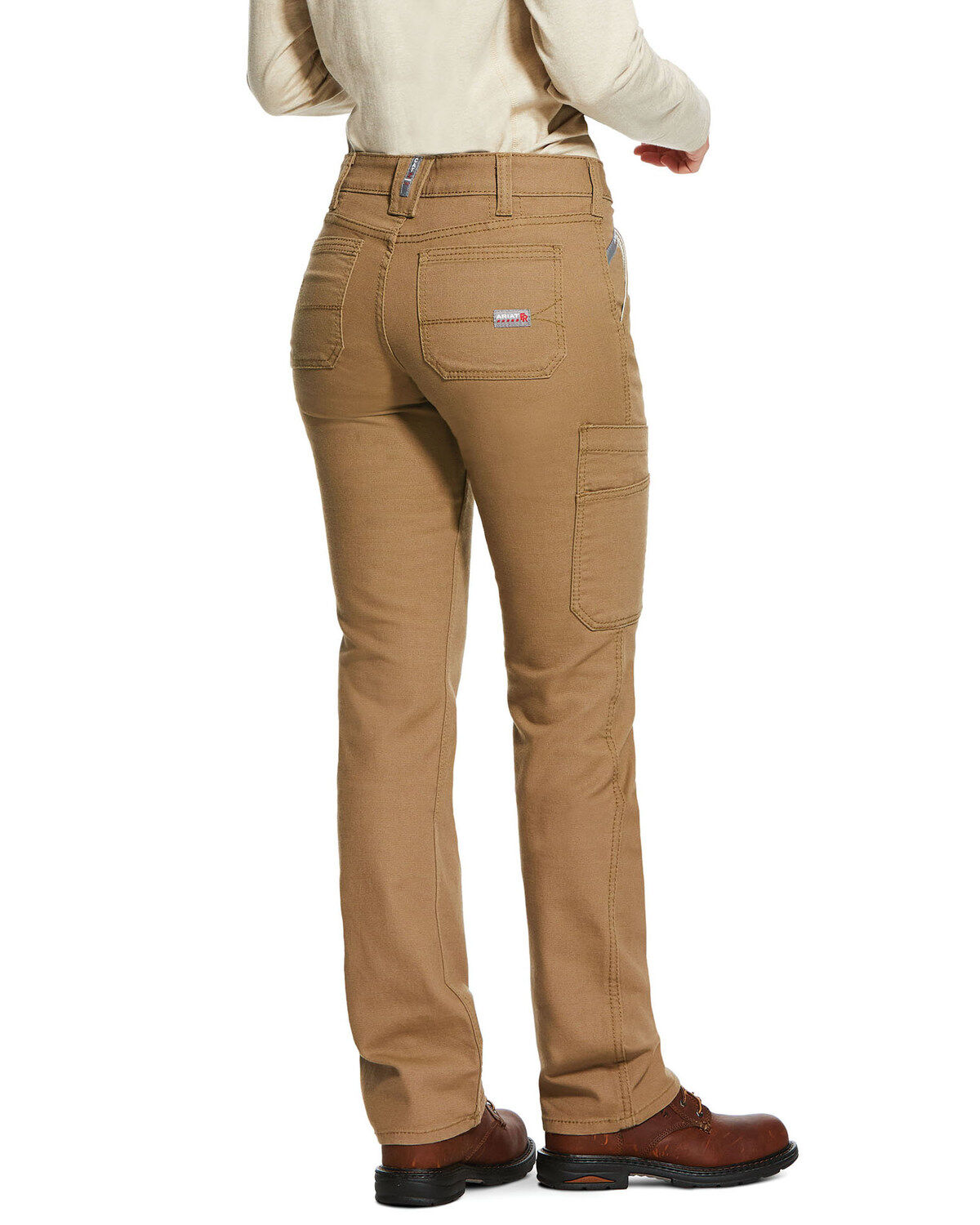
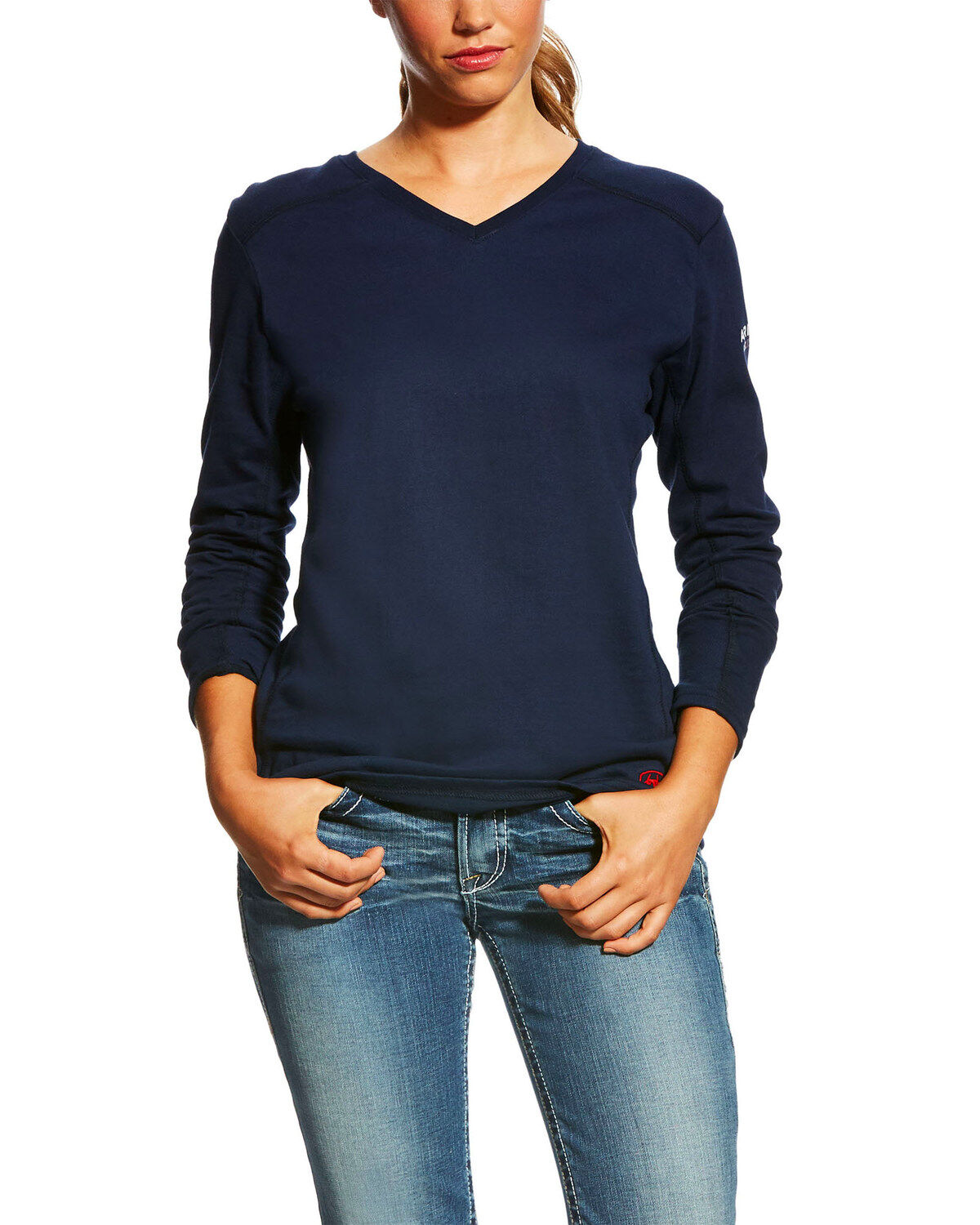
Women’s construction wear brings together durable fabrics, practical storage, and a fit that supports physical work. It is made for tasks that involve lifting, climbing, kneeling, carrying materials, and moving through unfinished spaces. Properly fitted work clothing should allow that movement without excess fabric catching on equipment or a tight waistband restricting a crouch. Women’s cuts can account for differences in waist, hip, thigh, and torso proportions rather than simply reducing the dimensions of men’s clothing. That distinction matters when a worker reaches overhead to fasten a bracket or bends to mark a board. A waistband that stays in place and a shirt that maintains coverage make those repeated movements easier to manage. Fit is central to construction clothing for women, but fabric and construction matter just as much. Cotton duck has a dense weave suited to demanding work, while denim offers familiar structure and abrasion resistance. Blended fabrics can balance cotton’s feel with added strength or easier care, depending on their composition. Stretch fibers can improve mobility through the seat, knees, and shoulders, though stretch alone does not establish durability. Reinforced seams, substantial pocket edges, and extra fabric at wear points are useful details where tools and rough surfaces take a toll. Fabric weight also affects how clothing feels during a shift. Heavier material provides more structure, while lighter material may allow easier movement for tasks that involve frequent bending or reaching. The right balance depends on the work rather than appearance alone. Sizing deserves the same attention. Waist and hip measurements, inseam length, sleeve length, and torso length all influence whether a garment works as intended. A longer inseam is not a substitute for a better fit through the seat, and sizing up does not always solve restricted movement. Room for bending and kneeling should come from the cut, with enough clearance to move comfortably and not so much loose material that it interferes with the task.

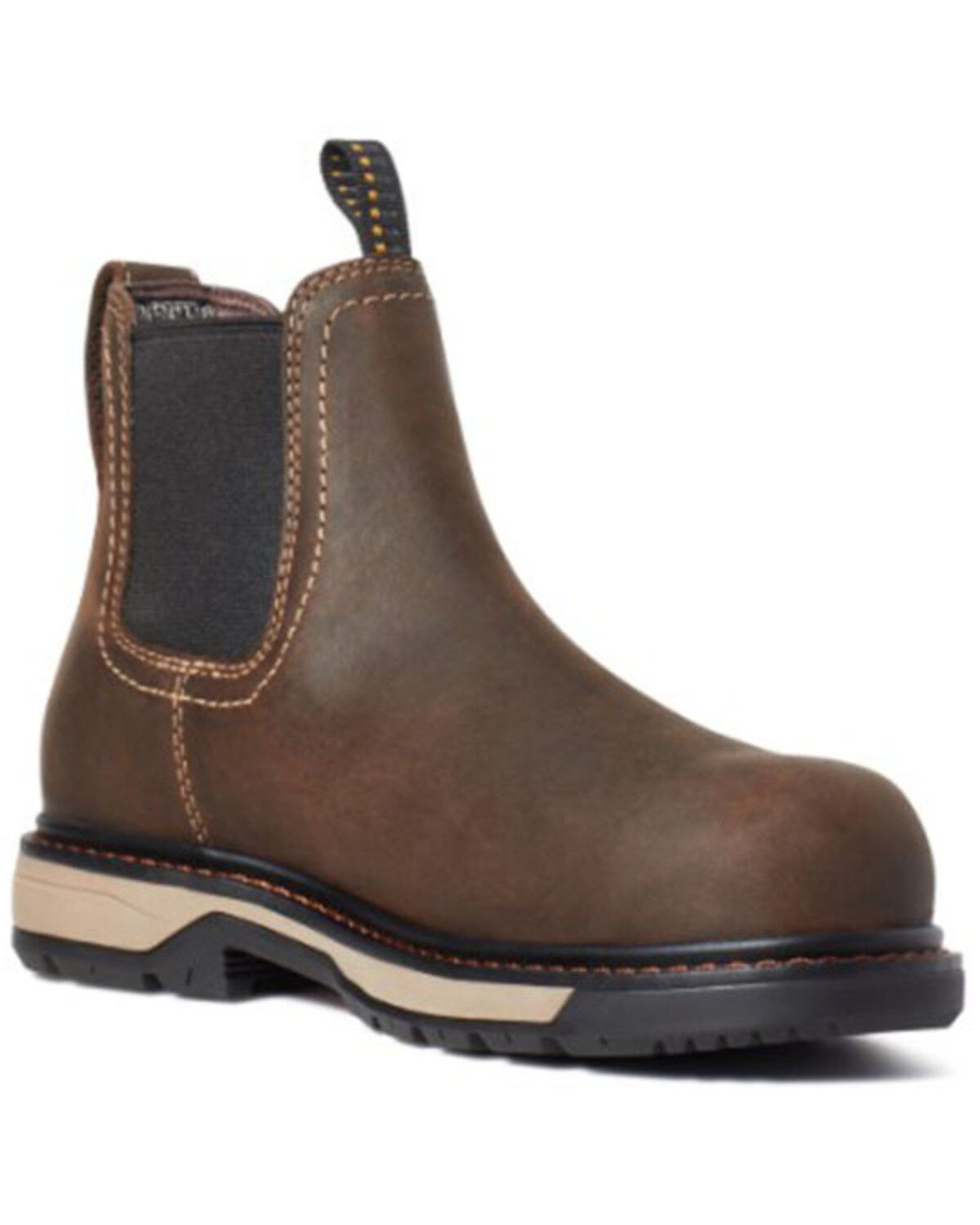
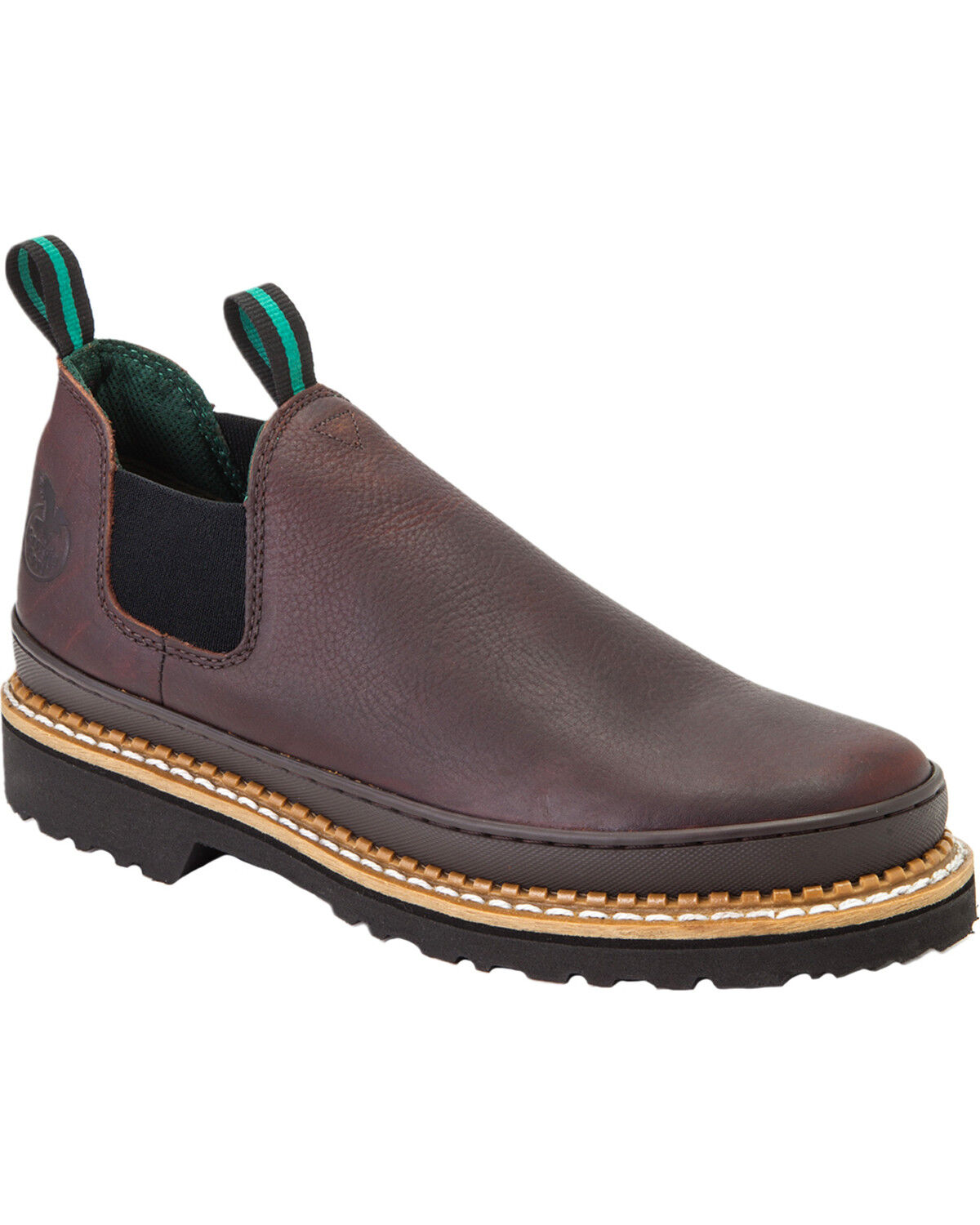
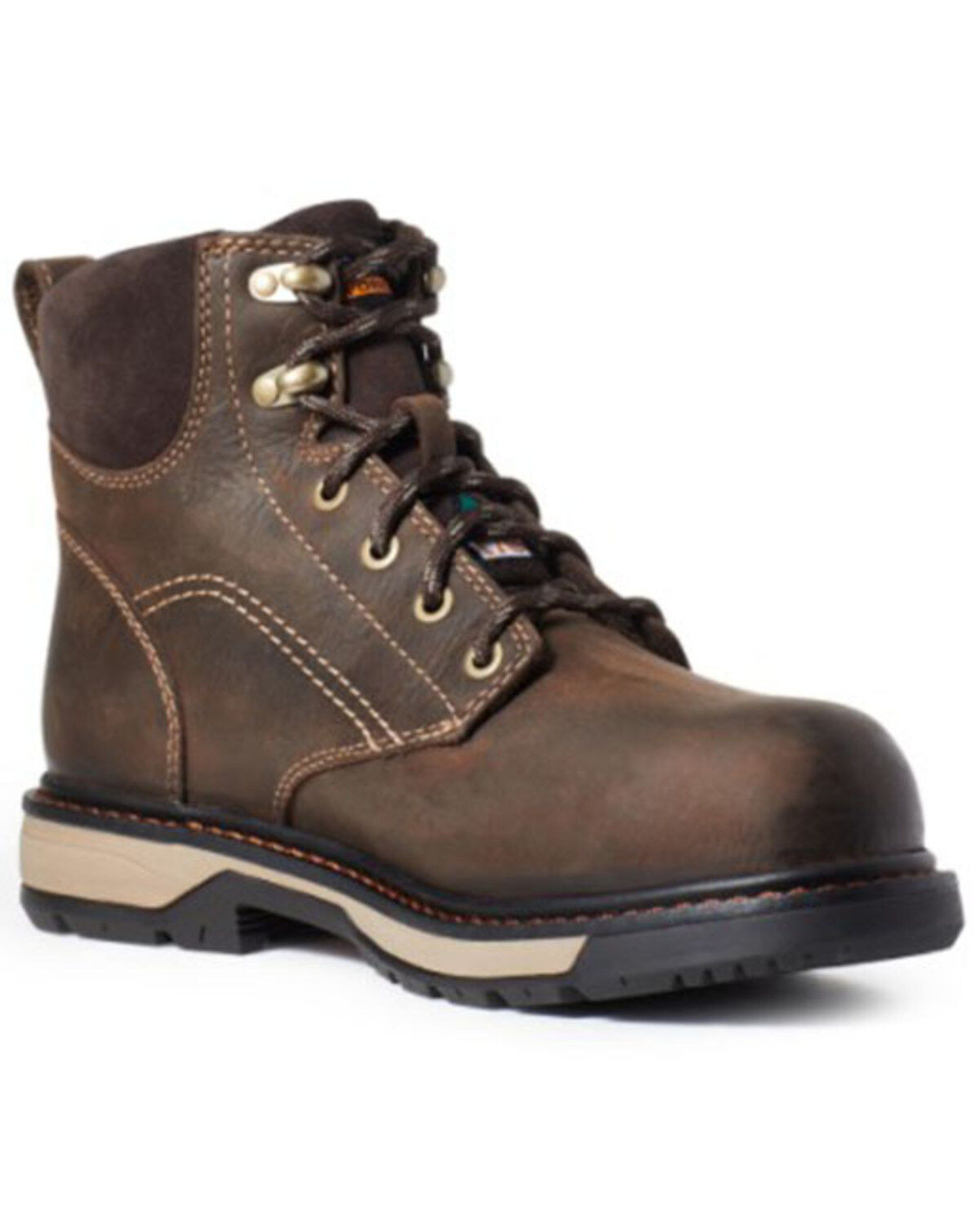
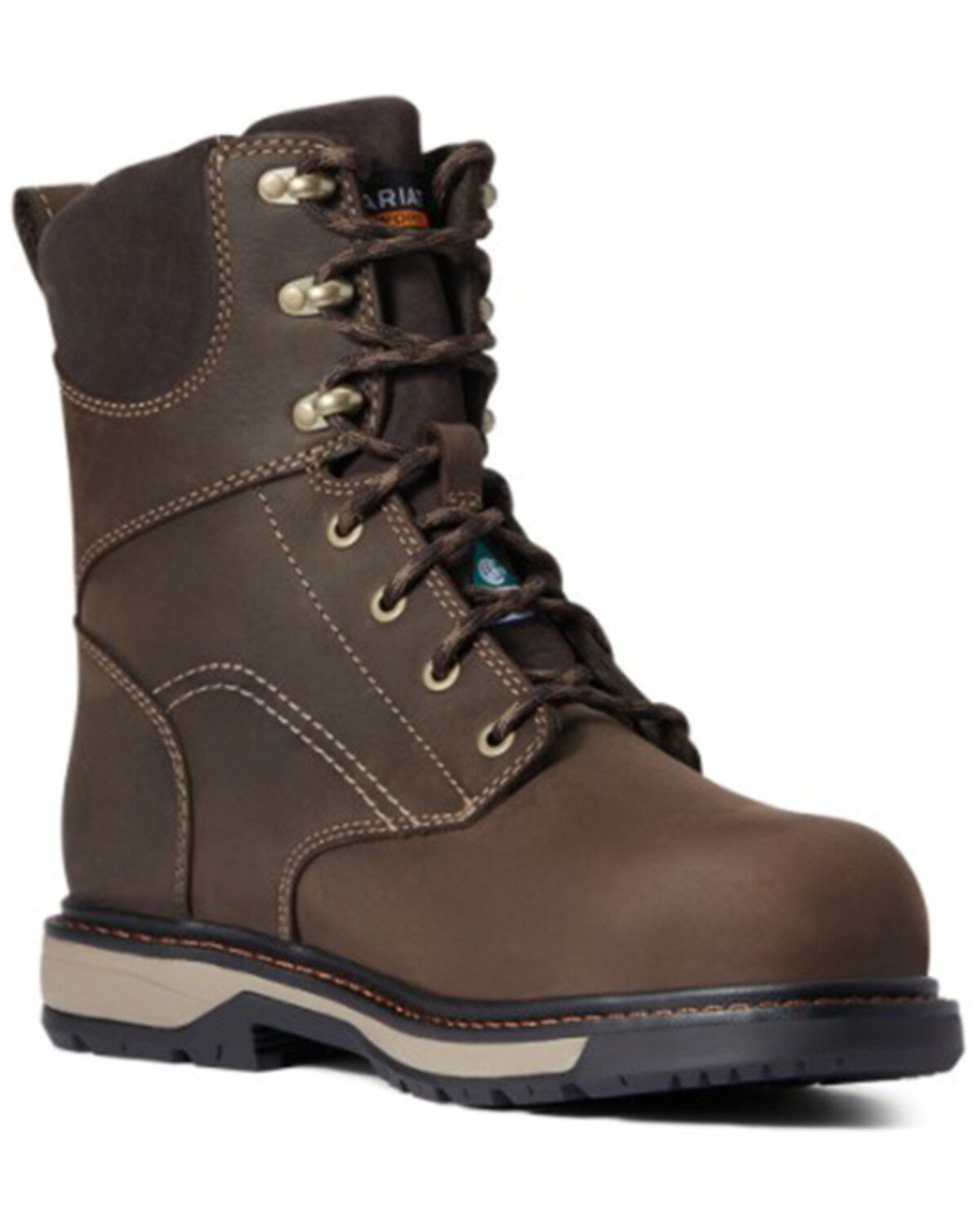
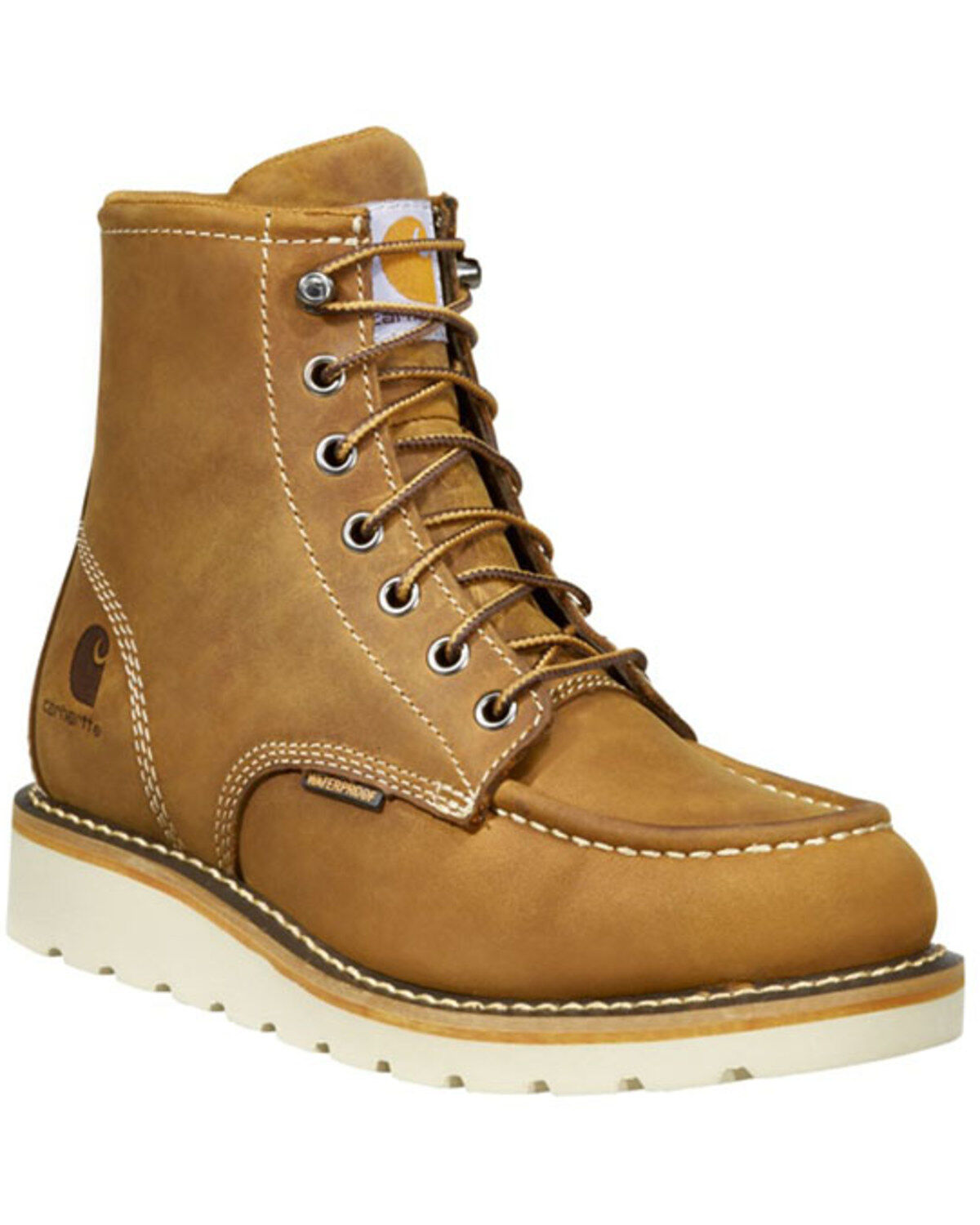
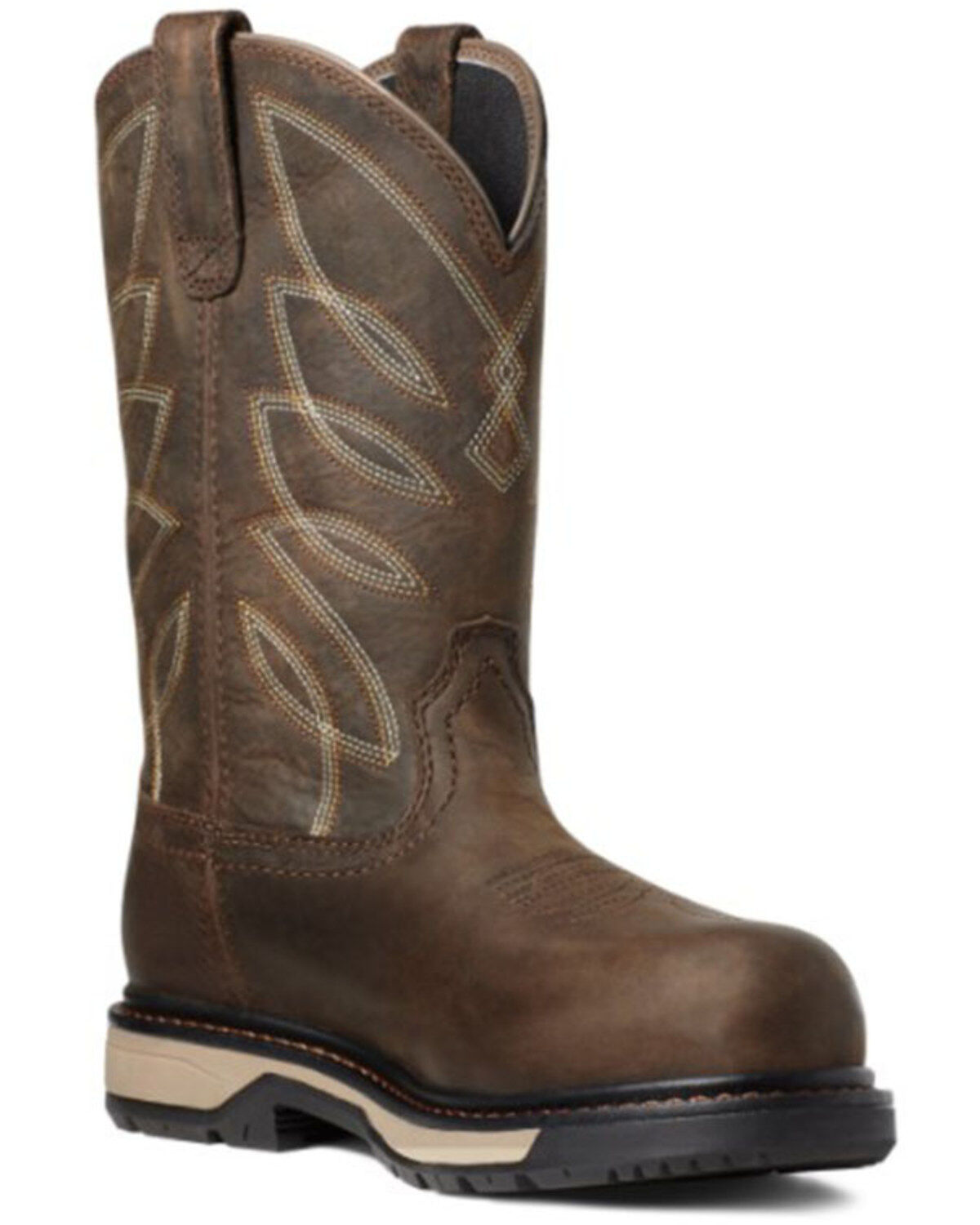
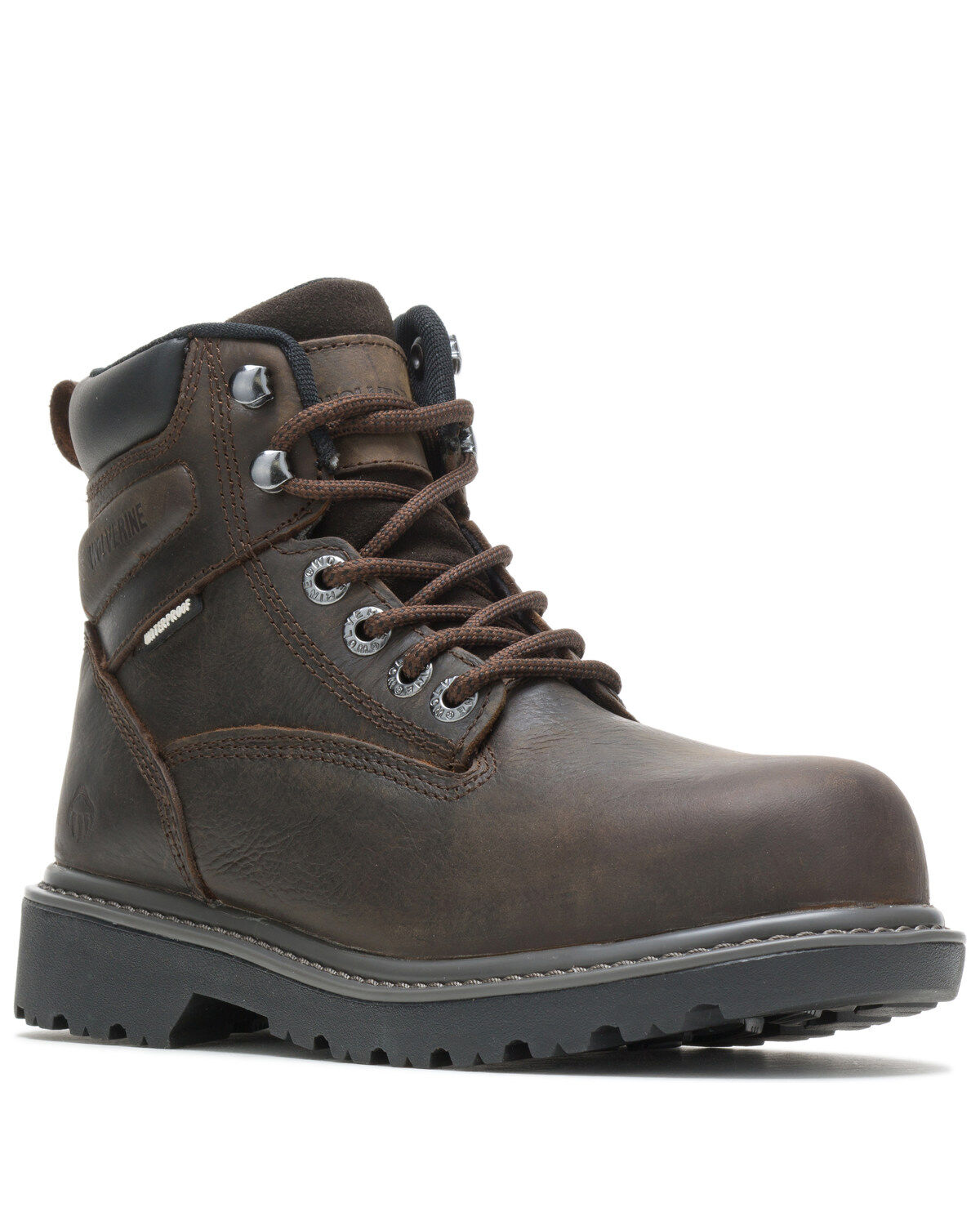
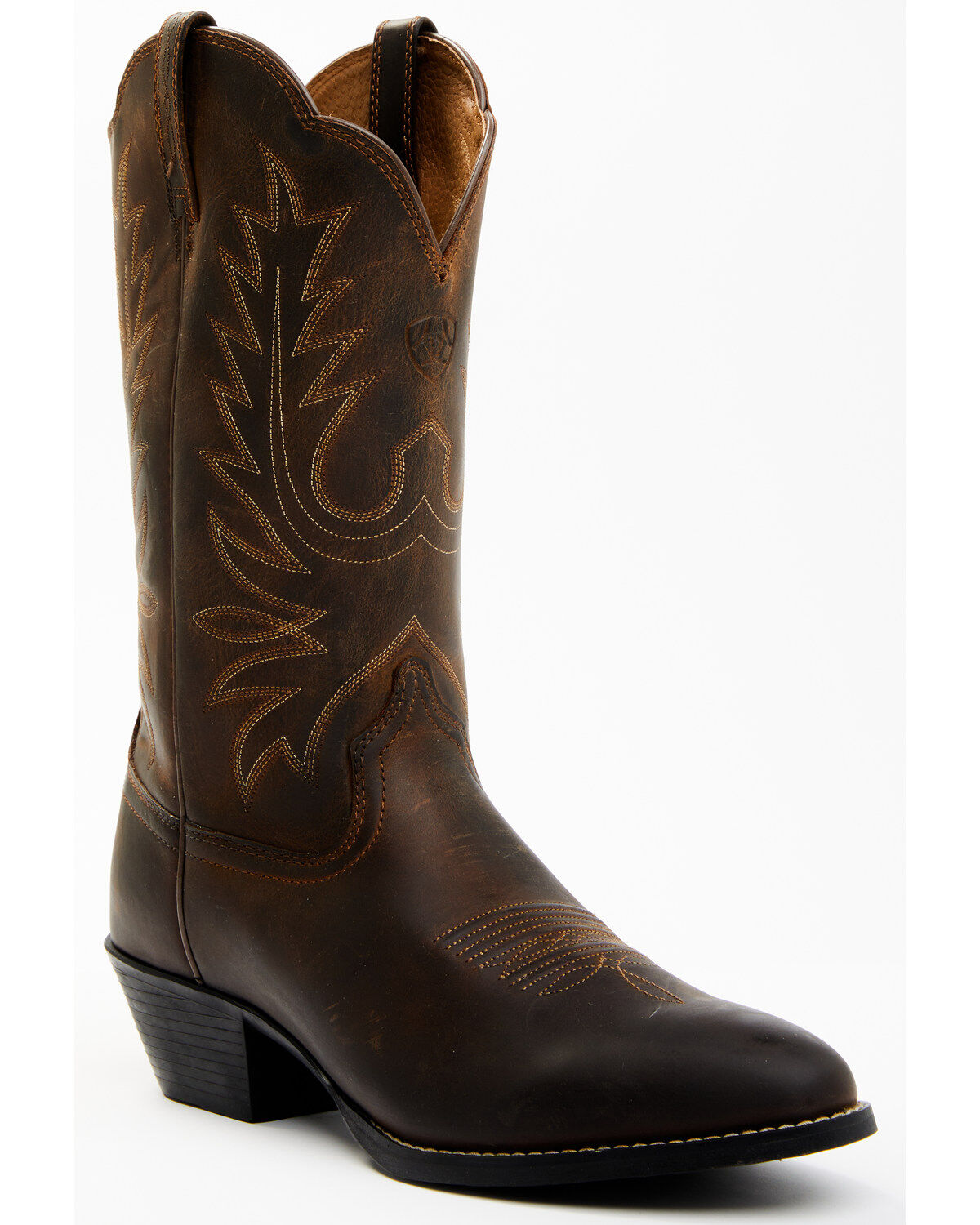
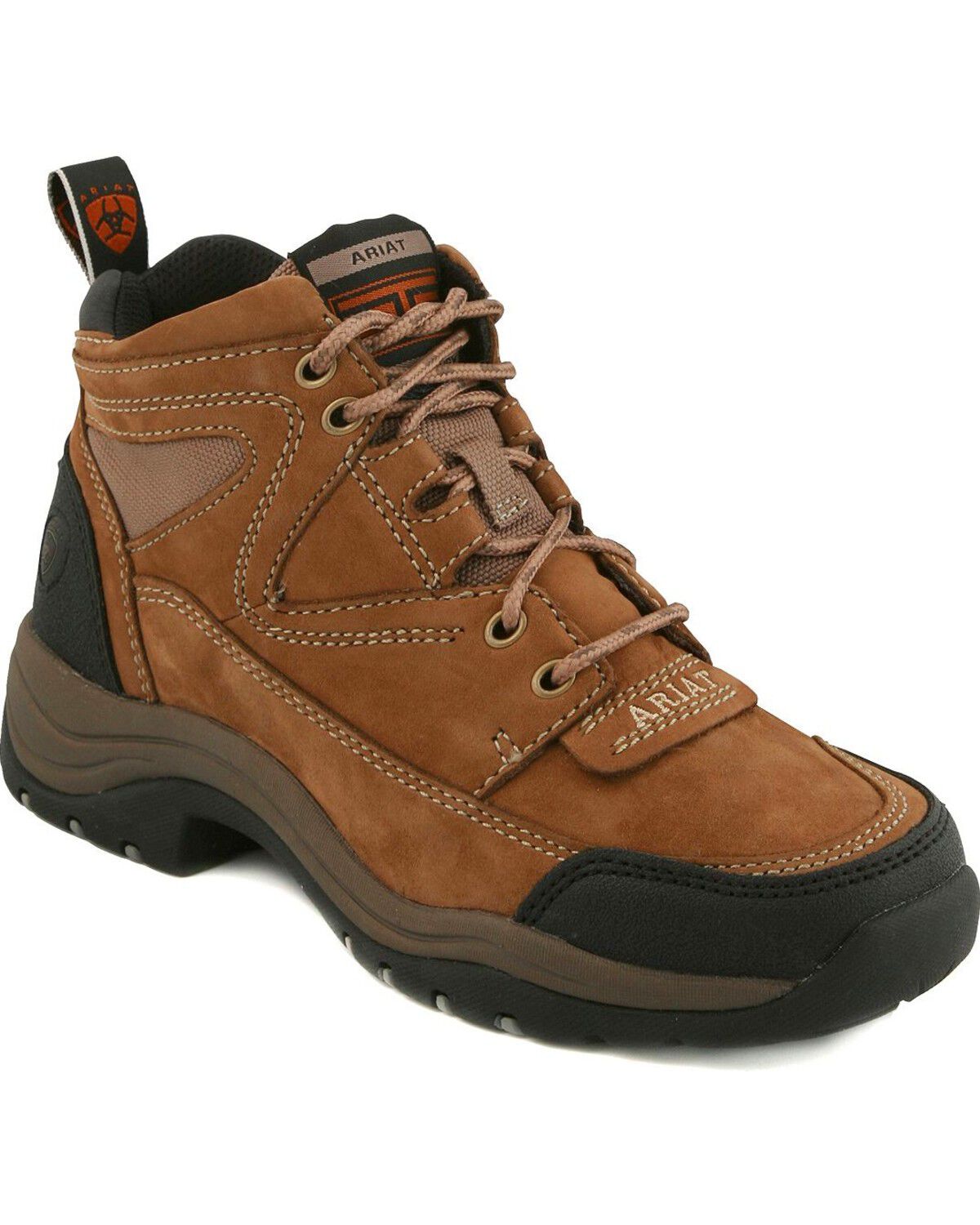
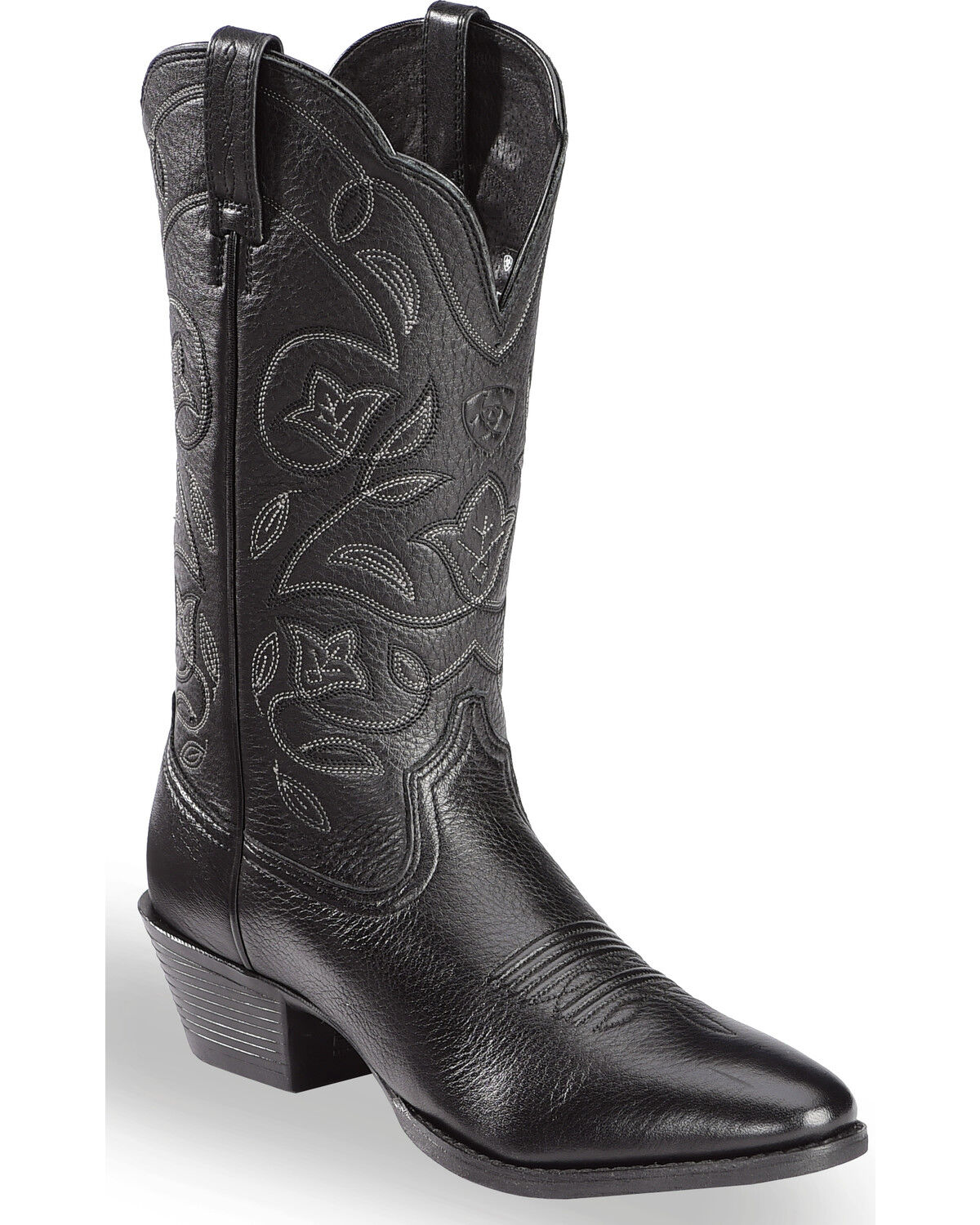
Useful construction clothing keeps necessary tools accessible without making movement awkward. Pocket placement matters when carrying a tape measure, pencil, small fasteners, or a phone throughout a shift. Deep pockets help contain essentials, while reinforced openings can better withstand repeated contact with clips and tool edges. Storage should remain usable when kneeling, sitting in equipment, or wearing a tool belt. Bulky contents at the front of the thigh can make climbing uncomfortable, and crowded back pockets can create pressure when seated. Knee reinforcement can reduce wear from repeated contact with subfloors and rough surfaces, while garments designed to accept knee pads provide a place to hold compatible padding. Neither feature replaces the protective equipment a task requires. Different trades also place different demands on clothing. Framing and finish carpentry involve frequent reaching and bending. Concrete work exposes fabric to abrasive material. Electrical work and welding may involve hazards that require specialized protective clothing selected for the actual exposure. Ordinary workwear is not automatically flame resistant or arc rated, and those terms are not interchangeable. Required ratings and protective features should match employer rules and the jobsite hazard assessment. The same distinction applies to visibility. A bright shirt is not necessarily compliant high-visibility apparel; required classes, reflective material, and garment design depend on the work setting. Clothing also needs to function alongside a hard hat, gloves, eye protection, and any required harness without blocking access or creating bunching. Work footwear completes that fit. Toe protection, puncture resistance, electrical hazard protection, and slip resistance are separate features, not assumptions that come with a rugged appearance. Required footwear markings should match the task. A secure heel, adequate toe room, and a sole suited to the working surface support comfortable footing, though no outsole prevents every slip. Pants should fall cleanly over the boot without dragging under the heel. Together, clothing and footwear should leave a worker free to focus on the material, the tool, and the next movement.

Durability depends on how clothing is used and maintained, not just how substantial it feels on the hanger. Repeated friction from a tool belt, kneeling on unfinished flooring, and brushing against rough lumber can wear different areas at different rates. Strong fabric helps, but seam quality and reinforcement placement determine how well the whole garment handles that strain. Early signs of wear often appear at pocket corners, belt loops, cuffs, and the knees. Loose stitching, damaged closures, and thinning fabric deserve attention before they become a distraction during work. Care begins with the garment label because cotton, stretch blends, and specialized protective fabrics do not all tolerate the same washing and drying methods. Excessive dryer heat can affect fit or damage some fibers, and certain laundry additives can interfere with protective finishes. Flame-resistant and other protective clothing requires the manufacturer’s specified care, repair, and replacement practices. Contamination from hazardous substances calls for the employer’s handling procedures rather than routine home laundering. For ordinary work clothing, empty pockets and secured closures help limit avoidable damage during washing. Removing loose grit according to care instructions can also reduce abrasion inside the fabric. Consistent care helps preserve useful fit, especially where shrinkage could shorten sleeves, tighten the seat, or reduce coverage while reaching. Clean clothing also makes developing tears and worn seams easier to spot. Construction wear serves women across apprenticeships, skilled trades, site supervision, inspection, and hands-on property work, but those roles do not all call for the same clothing. Someone moving between an office trailer and an active site may need a different balance of storage and reinforcement than someone spending the day installing forms. The common ground is dependable function. Clothing should stay secure, carry what is needed, and work with required protection. Good fit and sound construction earn their value through repeated use, from the first material delivery to the final cleanup.

FAQs