Construction Clothing For Women

Find construction clothing for women with your daily tasks and jobsite requirements in mind. Explore women’s workwear, compare fit and coverage, and check individual product details to choose clothing that meets your needs on the job.

Shop Your Store: Shop Your Store: Find a Store

(Turn off Shop Your Store to see all items)

(Turn off Shop Your Store to see all items)

close
  • Recommended
  • Lowest Price
  • Highest Price
Skip pass products

End of products

Construction Clothing For Women

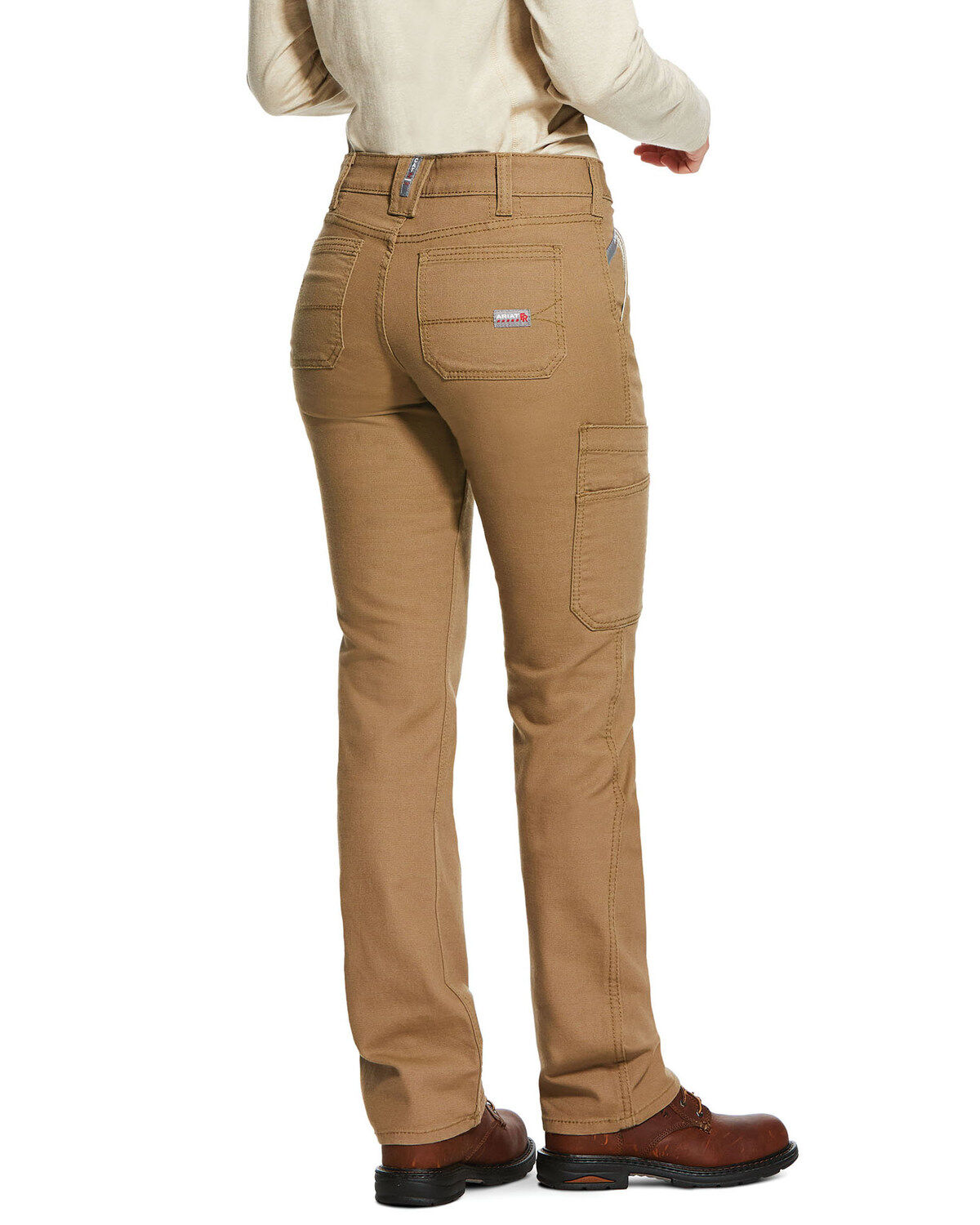
Construction clothing for women is workwear built for the movement, abrasion, and repeated wear of a construction job, with fit options that account for women’s proportions. A dependable work outfit needs to stay comfortable while carrying materials, climbing ladders, measuring overhead, or kneeling beside a layout line. That starts with clothing that fits through the waist, hips, thighs, and shoulders without pulling tight or leaving excess fabric in the way. Simply sizing down a garment does not always solve a waistband gap, a restrictive seat, or sleeves that extend past the hands. Women’s workwear can address those differences through shaped waistbands, varied rises, contoured cuts, and practical inseam lengths. The right fit leaves room to bend and squat while keeping the waistband secure and the hem clear of the ground. Fabric matters just as much. Cotton duck and canvas provide a substantial feel for work that involves frequent contact with rough surfaces. Denim offers familiar structure, while woven blends can balance strength, flexibility, and ease of care. A small amount of stretch may make repeated bending more comfortable, but fabric weight and construction still matter. Reinforced knees, sturdy pocket edges, and well-finished seams help garments handle wear where it happens most. Gusseted crotches and shaped knees can provide movement without requiring an oversized fit. For a carpenter stepping over framing or an electrician reaching across a work area, that difference is noticeable throughout the day. Shirts need enough length to stay covered during reaching, with shoulder room that does not bind across the back. Pants should sit comfortably beneath a tool belt without bunching at the waist. Fit is best understood in working positions, not only while standing still. Sitting, crouching, and taking a high step can reveal pressure points that are easy to miss otherwise. Construction clothing should support those ordinary motions without constant pulling, adjusting, or tucking, leaving attention on the task rather than on a sleeve or waistband.

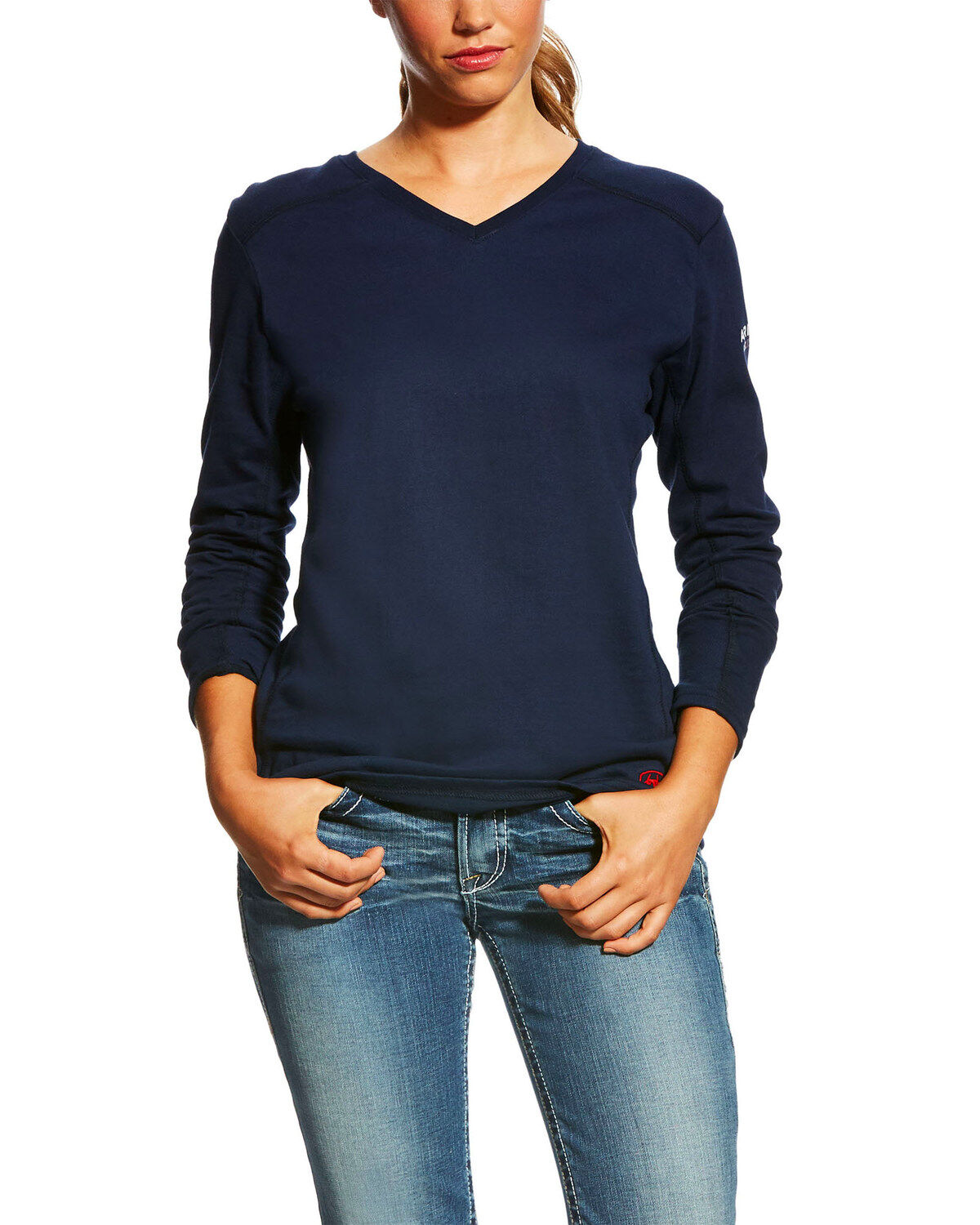
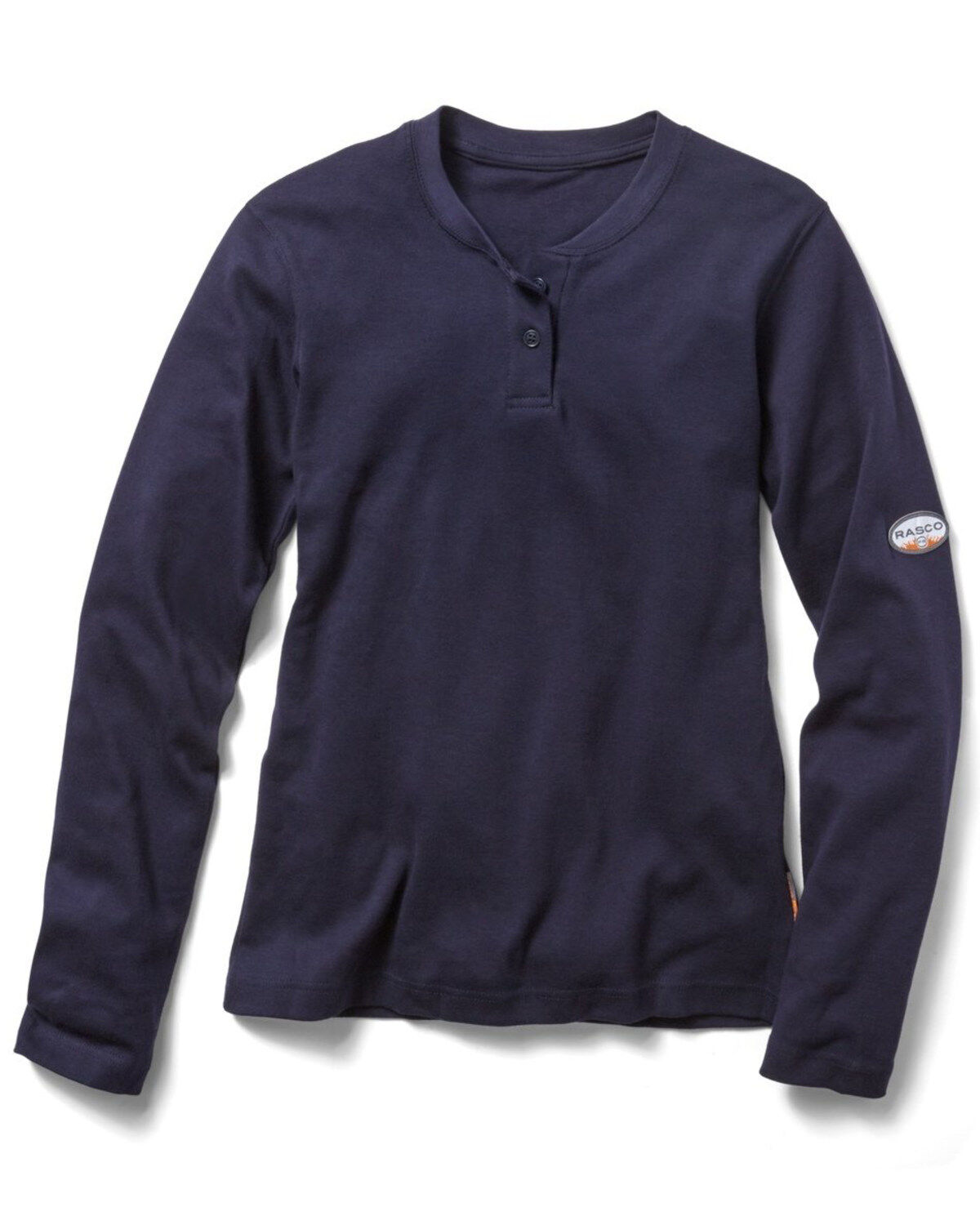
Useful details in women’s construction workwear have a clear purpose. Pockets need to hold everyday essentials without creating bulky pressure points beneath a belt or harness. Deep front pockets, secure closures, and reinforced openings can make a difference when a tape measure, pencil, or small notebook comes along for the day. Pocket placement matters when kneeling, too; something comfortable while standing can press into a thigh during floor work. Tool loops and utility pockets are useful for some trades, while a simpler profile may suit work around equipment where loose details could catch. Neither approach replaces the need to follow workplace rules for clothing and protective equipment. Work pants, long-sleeve shirts, and outer layers should function with required boots, gloves, eye protection, and other job-specific gear. Loose cuffs, dangling cords, and excess fabric can interfere with movement or create hazards near machinery. Close-fitting does not mean restrictive: clothing still needs enough room for a full reach and a comfortable squat. For jobs requiring high-visibility or flame-resistant apparel, the required rating and garment labeling take priority over color, fabric feel, or appearance. A bright shirt is not automatically compliant high-visibility clothing, and ordinary cotton clothing is not a substitute for properly rated flame-resistant apparel. Requirements depend on the task and worksite. Across general construction, remodeling, finish carpentry, and site supervision, clothing needs can differ even within the same crew. Someone handling rough lumber may place more weight on abrasion resistance, while someone moving between measurements, inspections, and paperwork may prefer a less bulky cut. Smooth inner seams and a waistband that does not dig in can matter as much as a reinforced panel during a long shift. Clothing worn beneath a safety vest or harness should also lie smoothly rather than gather into folds. Practical workwear balances these details instead of relying on a rugged appearance alone.

Daily use puts construction clothing through dust, friction, repeated washing, and contact with materials that can be hard on fabric. Care starts with the garment label, especially for stretch blends, high-visibility materials, and flame-resistant apparel. Washing instructions are part of maintaining performance, not just appearance. Certain finishes and protective fabrics require specific detergents or restrictions on bleach and fabric softeners. Following those directions helps avoid damage that may not be obvious at first glance. Concrete residue, oils, adhesives, and other jobsite substances need attention according to their handling requirements; heavily contaminated clothing may need special treatment rather than an ordinary household wash. Checking pocket contents before laundering also prevents a forgotten fastener or pencil from damaging fabric. Between washes, worn seams, loose closures, thinning knees, and frayed hems deserve a look. A minor repair may extend the use of ordinary workwear, but damage to protective apparel should be handled according to the manufacturer’s instructions and workplace requirements. Fabric, fit, and care requirements matter when choosing Women's Construction Wear. A practical wardrobe can include enough rotation to keep a clean, serviceable outfit ready without relying on one pair of pants for every task. Consistent sizing within a wardrobe is helpful, though measurements and garment cuts can vary, so a familiar size alone does not guarantee the same fit. For women entering an apprenticeship, returning to hands-on work, or replacing worn work clothes, everyday comfort and useful details are worth attention. Workwear can also make a practical gift for a tradeswoman when her measurements, preferred rise, inseam, and workplace requirements are known. Those details matter more than guessing at a rugged look. The strongest foundation is straightforward: durable fabric, secure construction, room to move, and care that matches the garment. Clothing that fits the work and the person wearing it earns its place through use.

FAQs