Women's Construction Clothing

Find women’s construction clothing with your workday in mind. Browse available workwear styles and compare sizing and listed features to narrow your choices. Check individual product details against your jobsite’s clothing requirements before you buy.

Shop Your Store: Shop Your Store: Find a Store

(Turn off Shop Your Store to see all items)

(Turn off Shop Your Store to see all items)

close
  • Recommended
  • Lowest Price
  • Highest Price
Skip pass products

End of products

Women's Construction Clothing

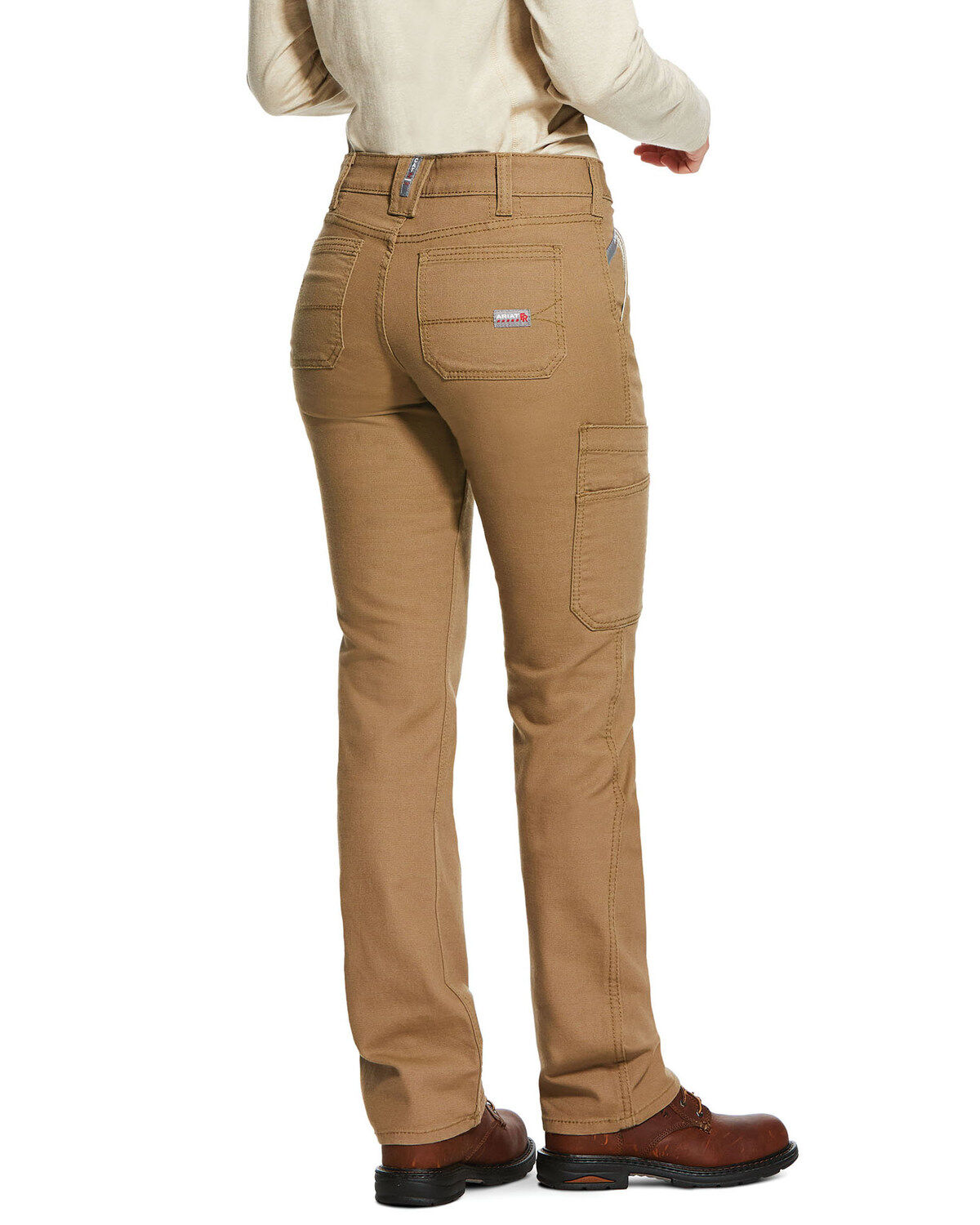
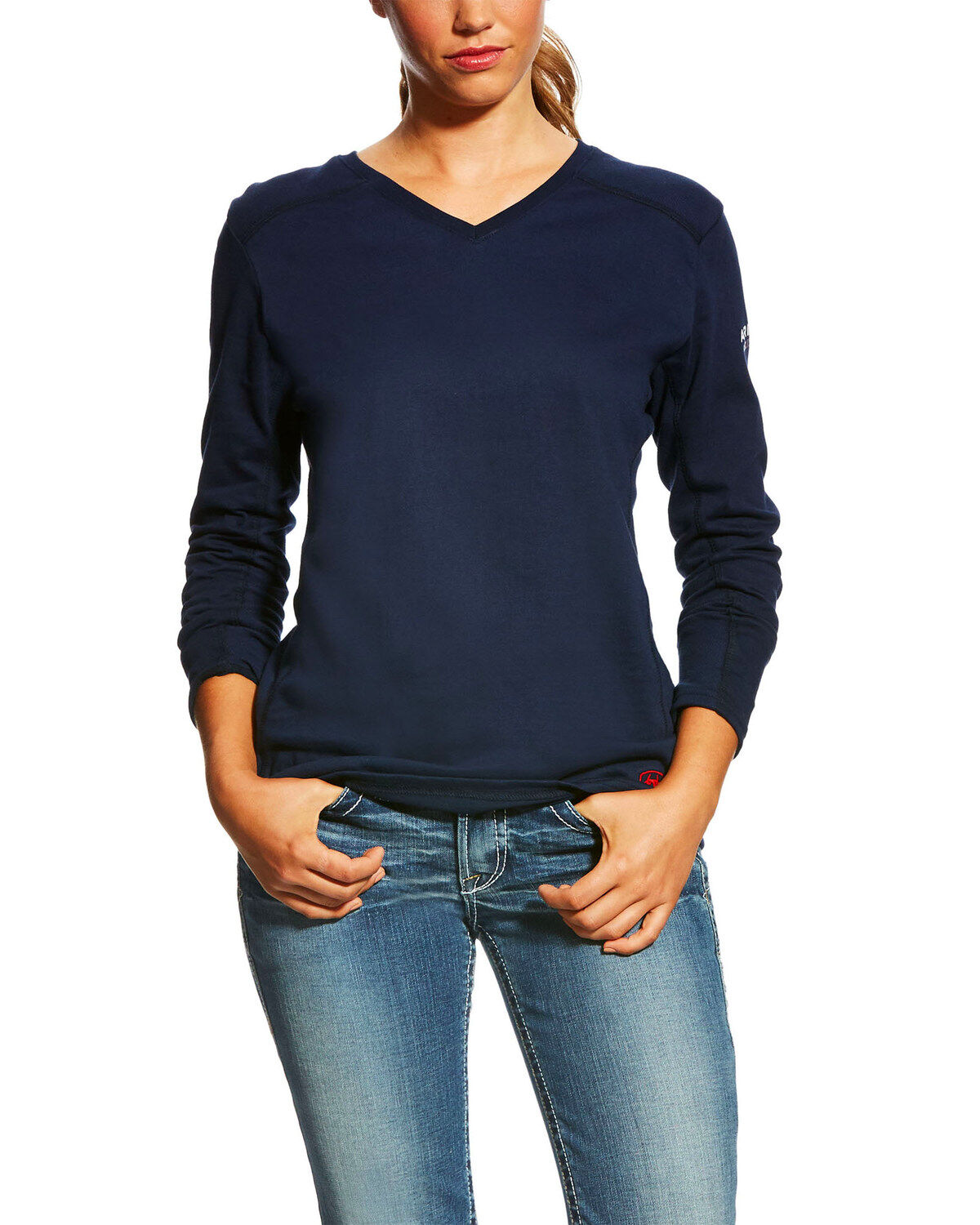
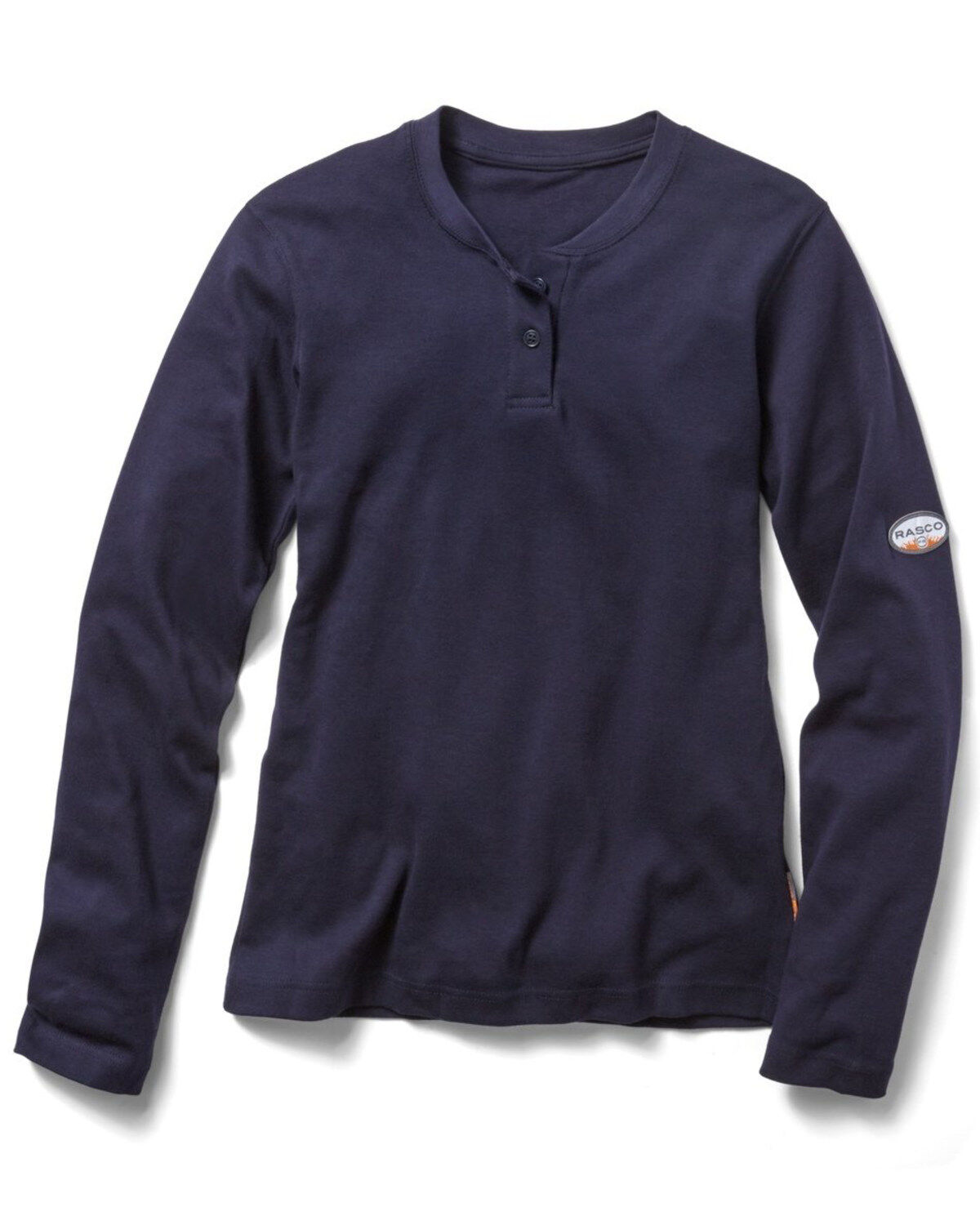
Women’s construction clothing is workwear built for demanding tasks, repeated movement, and a fit that accounts for women’s proportions. Durable fabric matters, but so do the shape of the waistband, room through the seat and thighs, and the reach across the shoulders. Simply sizing down a men’s garment does not necessarily provide the right rise, sleeve length, or balance between coverage and mobility. For carpenters, electricians, equipment operators, apprentices, and site supervisors, well-fitting clothing should allow the movements a shift requires without excess fabric getting in the way. Work pants need enough room for kneeling beside a layout line, climbing stairs, and stepping into a cab without pulling tight across the hips. A waistband that stays in place when bending can help maintain coverage without needing constant adjustment. Shirts should allow a full forward reach without binding across the back or leaving sleeves hanging over the hands. Coveralls need sufficient torso length for reaching and crouching, not just the correct waist measurement. Fit also affects how clothing works with required equipment. A loaded tool belt can change where a waistband sits, while knee pads may need additional room through the legs. Pockets should remain accessible when a belt or harness is worn, without interfering with its proper position. Clothing should not bunch beneath equipment or prevent adjustments specified by its manufacturer. Straight, relaxed, and more shaped cuts serve different preferences, but the useful distinction is how they move during the job. A close fit should not restrict a squat, and a roomy fit should not leave loose fabric near moving parts. Inseam length matters as well: hems should work with required footwear without dragging beneath the heel. These details make women’s construction workwear more than a smaller version of standard work clothing. They connect the garment’s shape to the way the person wearing it actually works.

Fabric and stitching determine how Construction Clothing For Women holds up to contact with rough lumber, unfinished surfaces, and the repeated friction of carrying tools. Cotton duck and canvas generally offer a firm, closely woven feel suited to abrasion-heavy tasks, though performance depends on fabric weight and construction. Denim provides another familiar workwear option, with differences in weight, weave, and finish affecting flexibility and wear. Ripstop fabrics use a reinforcing pattern intended to help limit the spread of small tears, but they are not tearproof. Blended fabrics can balance strength, drying characteristics, and ease of care. Stretch fibers or stretch panels may provide additional give when crouching or climbing, while gusseted crotches, shaped knees, and pleated backs create movement through the garment’s cut. Fabric weight alone does not tell the whole story. A heavier material may feel substantial, but a well-placed gusset or reinforced seam can matter just as much during a full shift. Reinforced knees add another layer at a frequent contact point, and knee-pad pockets can be useful when designed for compatible inserts. Extra stitching and reinforcement around pocket corners help support areas that receive repeated strain. Pocket placement deserves the same attention as pocket count. A phone pocket needs enough depth to hold its contents during movement, and a tape measure attachment should not pull a waistband out of position. Bulky contents can press into the thigh while kneeling or become uncomfortable against a seat. Hammer loops and utility pockets have practical uses, but their suitability depends on the task and any restrictions around machinery. Closures also affect daily function. Buttons, snaps, and zippers should hold securely without creating pressure beneath a belt. These construction details distinguish clothing intended for regular physical work from clothing that only has a workwear appearance, particularly when the same seams and pockets take strain day after day.

Intended use remains the deciding factor because ordinary durable clothing is not a substitute for required protective equipment. A garment can resist everyday abrasion without being flame-resistant, arc-rated, cut-resistant, or suitable for chemical exposure. Those properties require specific materials, testing, and labeling. Electrical work, welding, roadway work, and other specialized tasks may call for different clothing requirements under an employer’s safety program. Bright fabric alone does not establish compliance with a high-visibility standard, and a fabric’s weight or fiber content does not establish an arc rating. Required labels and applicable workplace rules matter more than appearance. The same applies to layering: each garment needs to be compatible with the task and any protective clothing worn over it. Ordinary workwear also needs care that matches its fabric and construction. Dust, grit, and repeated rubbing can contribute to wear, especially at cuffs, knees, pocket edges, and inside seams. Following the care label helps preserve fit, stretch recovery, closures, and any specialized garment features. Washing and drying methods can affect shrinkage, so fit should account for the manufacturer’s care requirements rather than an assumption that every fabric behaves the same way. Stains from oils, adhesives, or other jobsite substances may require handling under workplace procedures; routine laundering is not a reliable answer for every contaminant. Protective garments may also have restrictions on bleach, softeners, repairs, or other treatments. Regular inspection makes wear easier to address before a small problem becomes a failed closure or an open seam. Frayed hems, loose pocket stitching, and thinning knees deserve attention, while damaged protective clothing needs evaluation under the relevant manufacturer and workplace requirements. For daily construction work, lasting value comes from the combination of appropriate fabric, useful reinforcement, dependable fit, and correct care. Clothing that stays in place, carries necessary tools without pulling awkwardly, and allows a worker to bend, reach, and kneel without constant adjustment earns its place through use.

FAQs