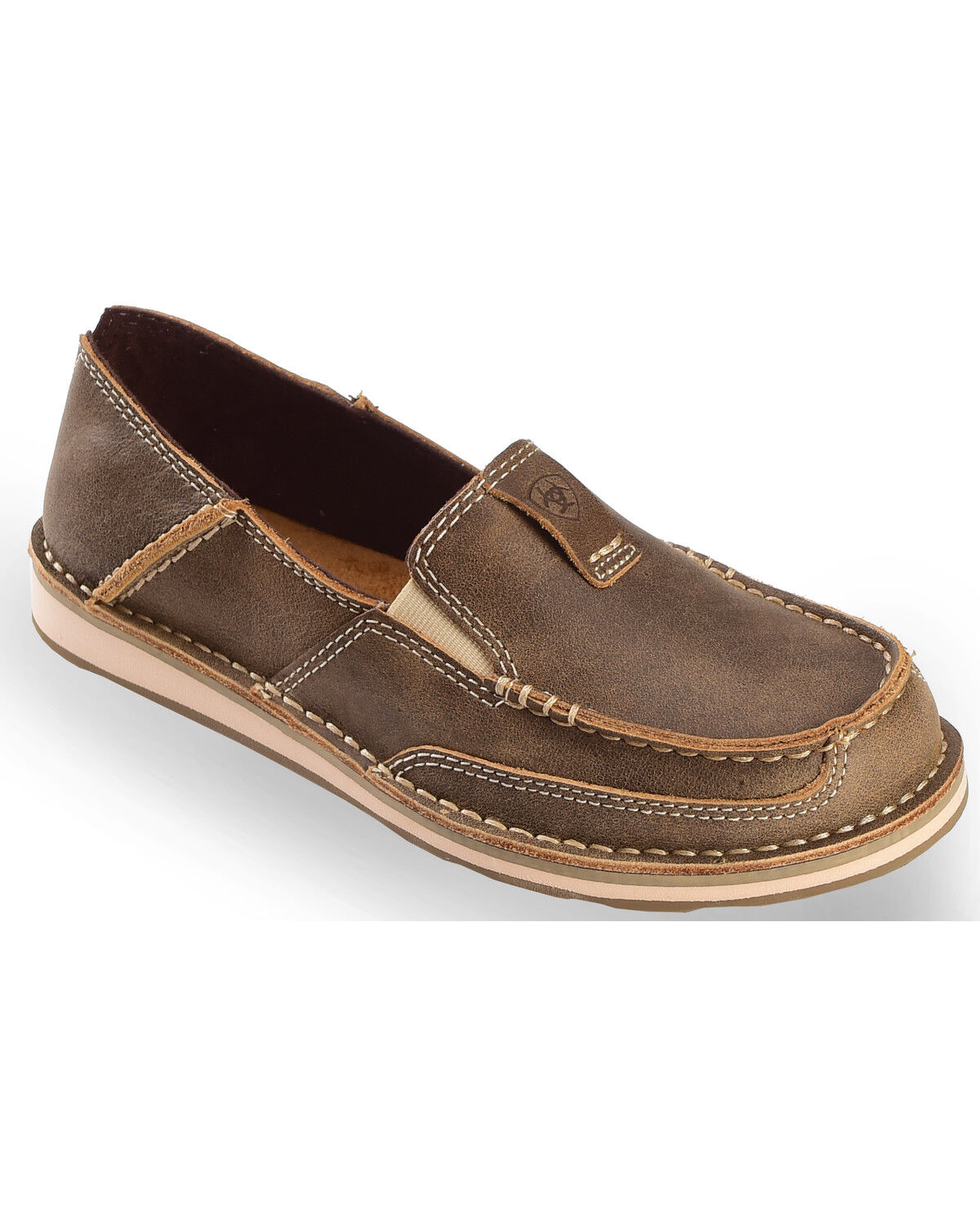
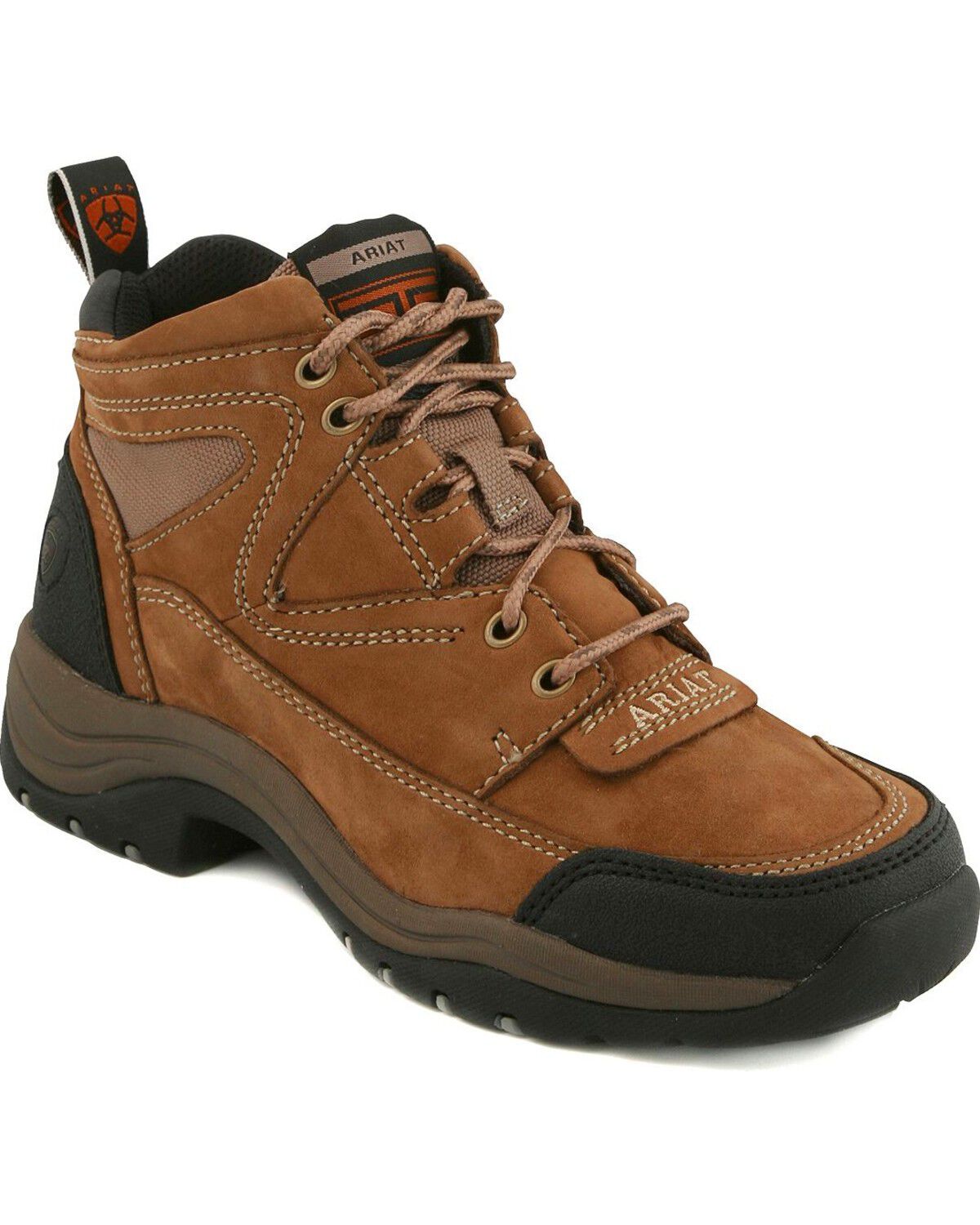
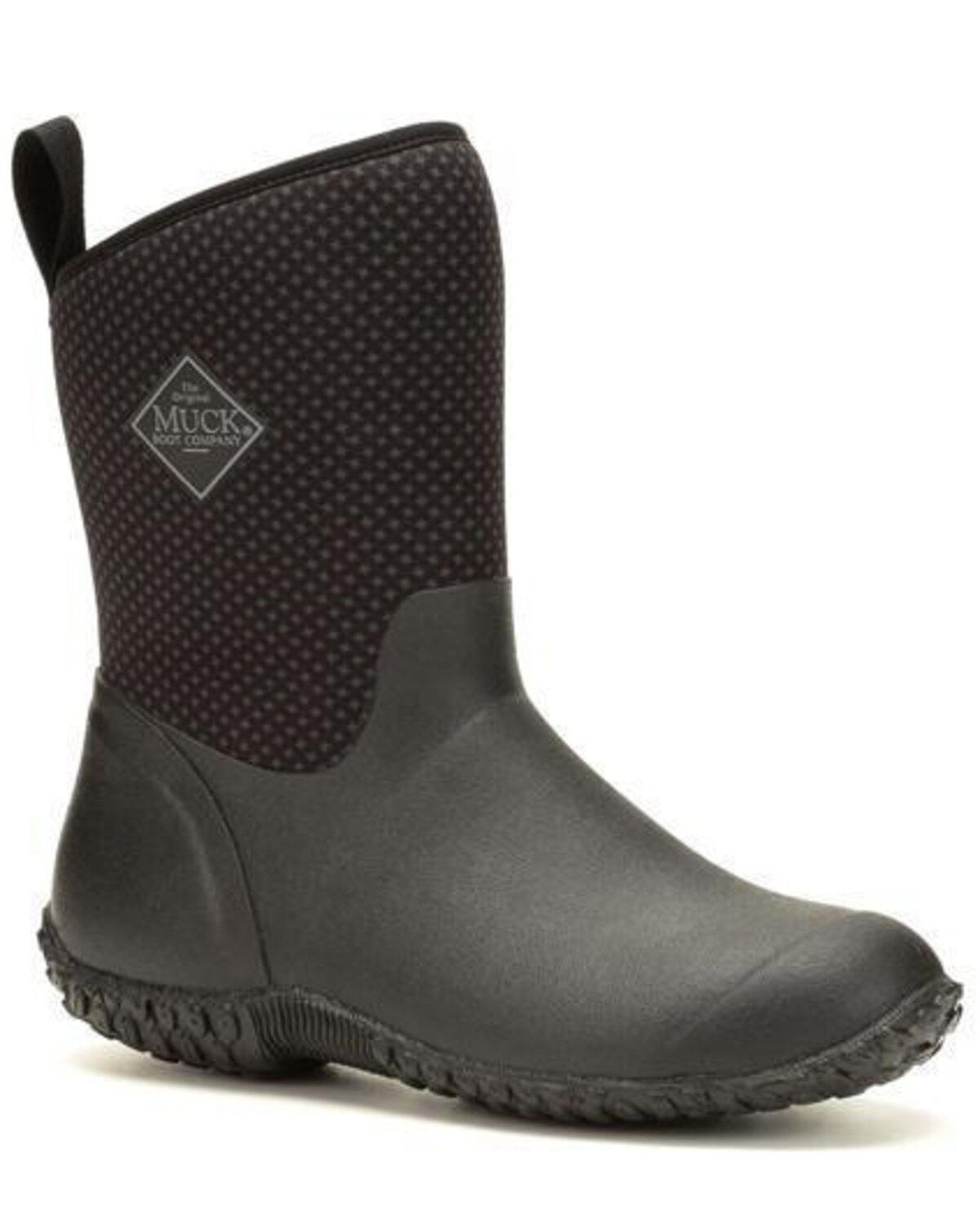
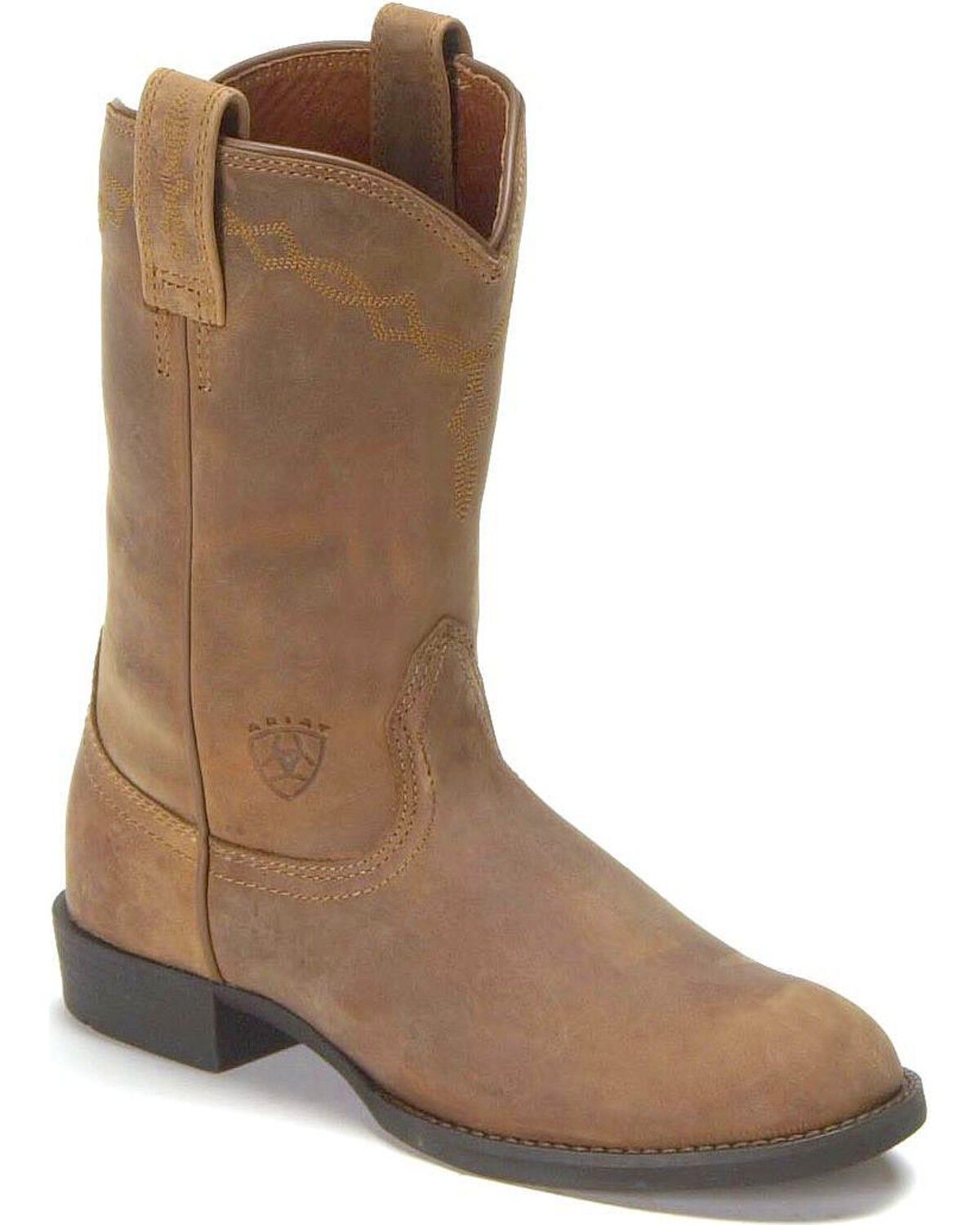
Women's Comfortable Rain Boots

Find women’s comfortable rain boots for rainy commutes, errands, and everyday wear. Browse with your daily routine in mind, comparing sizing, boot height, and weather protection details to choose a pair that fits both your feet and how you plan to wear them.

Shop Your Store: Shop Your Store: Find a Store

(Turn off Shop Your Store to see all items)

(Turn off Shop Your Store to see all items)

close
  • Recommended
  • Lowest Price
  • Highest Price
Skip pass products

End of products

Women's Comfortable Rain Boots

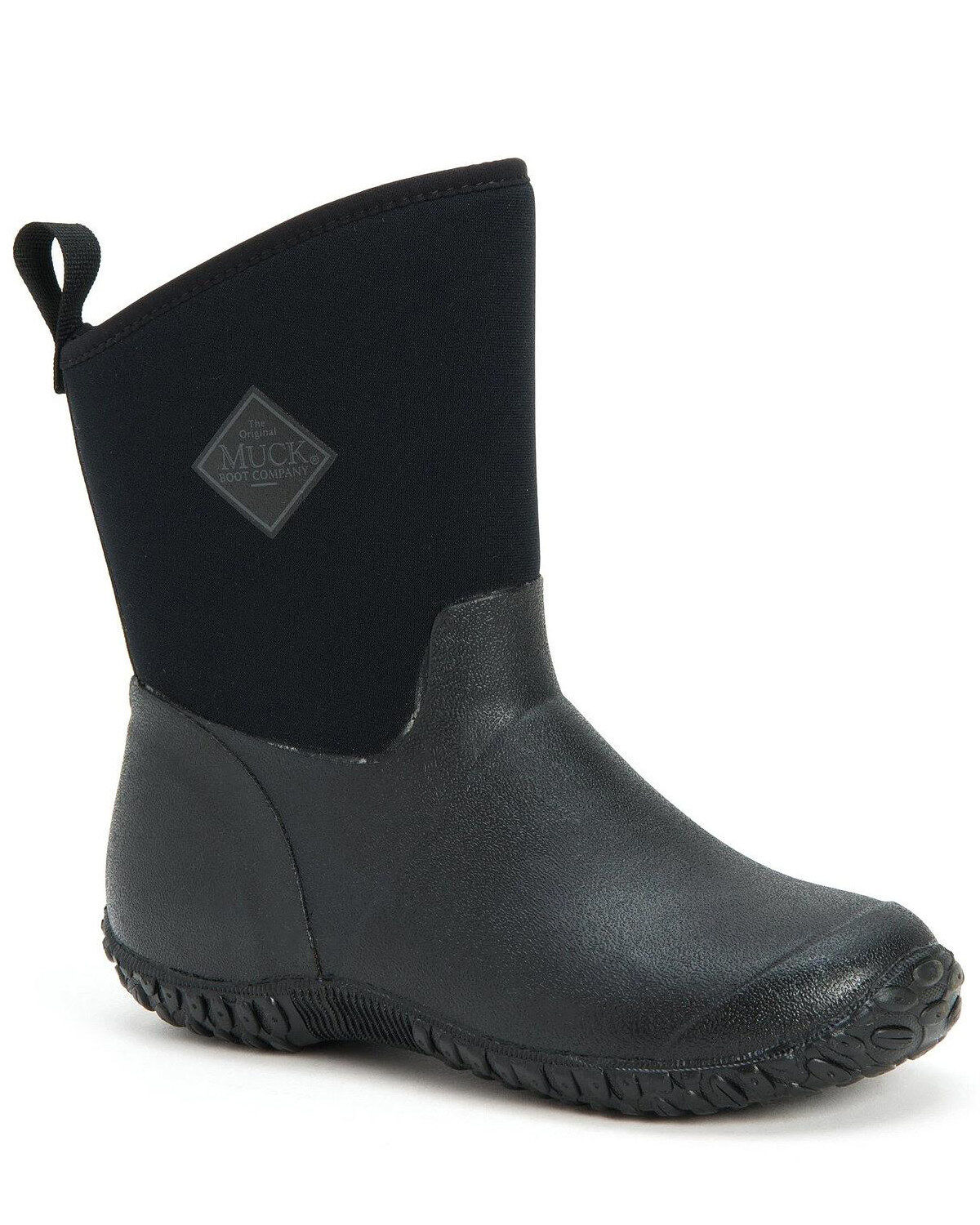
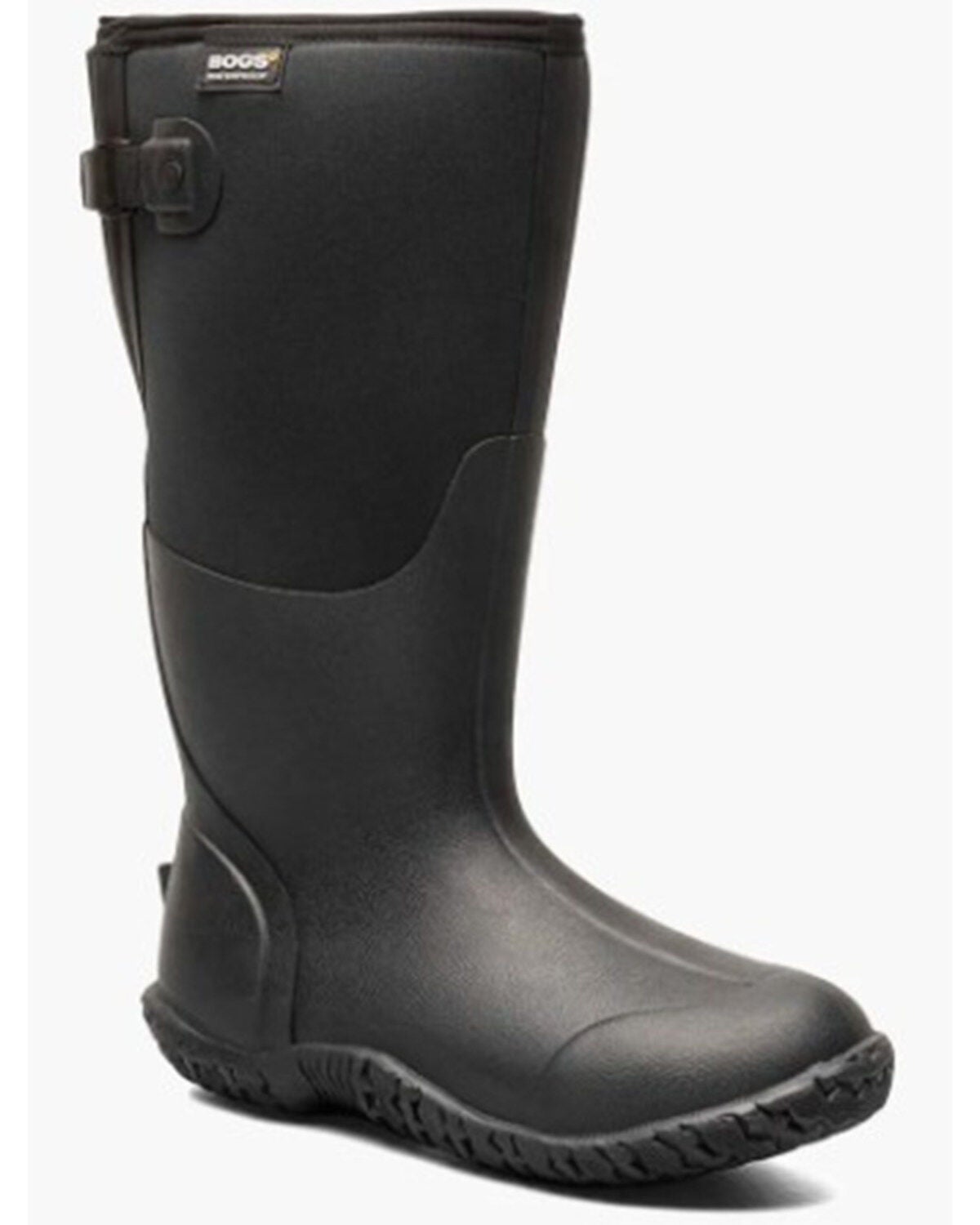
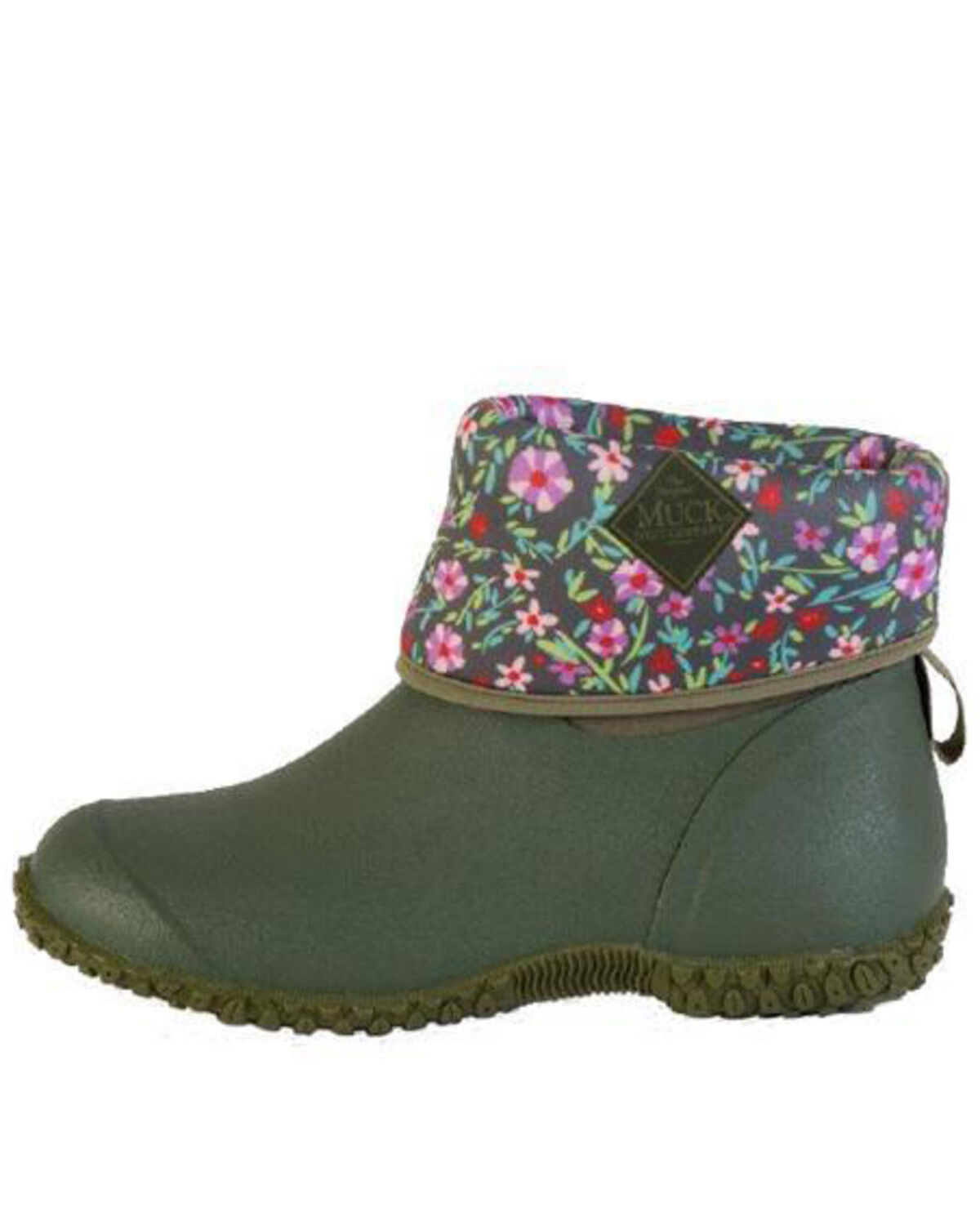
Comfortable women's rain boots combine waterproof protection with cushioning, a secure fit, and materials that flex naturally while walking. The right balance keeps wet ground from becoming a reason to cut an outing short, whether the day involves walking the dog, crossing a muddy parking lot, or carrying groceries through steady rain. Comfort comes from more than a soft lining. Footbed support, boot weight, shaft height, and room through the toes all affect how a pair feels after several hours. Rubber is a common rain boot material because it forms a protective barrier against water and wipes clean after contact with mud. Flexible rubber can bend comfortably through the forefoot, while a more substantial build may feel steadier on uneven ground. Some designs use neoprene panels or linings for stretch, cushioning, and added warmth, though the level of insulation varies. Other linings help separate the foot from the outer shell and reduce the damp feeling that can develop with extended wear. Waterproof construction matters throughout the boot, including seams, closures, and the area where the upper meets the sole. Water-resistant materials can handle light exposure, but they are not the same as a boot designed to keep water out during prolonged wet conditions. Height also changes the coverage. Ankle rain boots offer a lighter, less restrictive feel for errands and short walks. Mid-calf and tall rain boots provide more coverage from splashes, wet grass, and mud along a path. An open boot top still allows water inside if a puddle reaches above it, regardless of the material. For women moving between a driveway, a garden, and indoor spaces, comfortable rain footwear balances useful coverage with easy movement rather than relying on height alone. Pull tabs, handles, and adjustable openings can make that coverage easier to manage, especially when getting ready at the door with a leash in one hand.

Fit plays a large part in whether women's waterproof rain boots remain comfortable beyond the first few steps. Toes need enough room to spread without the foot sliding forward on every stride. A heel that lifts slightly in a pull-on design may feel different from a laced shoe, but excessive slipping can lead to rubbing and make walking less controlled. The instep should feel secure without pressure across the top of the foot. Around the calf, enough space for socks or tucked-in pants helps prevent binding, particularly when bending down or climbing steps. Adjustable straps and stretch panels can accommodate different leg shapes, although an adjustable opening does not necessarily change the fit through the foot. Sock thickness matters, too. A pair that fits well with lightweight socks may feel crowded with thicker ones, and tight footwear can reduce comfort rather than improve warmth. Cushioned insoles help soften contact with hard sidewalks and concrete floors, while a shaped footbed can provide support through the arch and heel. Removable insoles offer room for a compatible replacement and make it easier to air out the interior. Any added insert takes up space, so the fit should still allow natural toe movement. A flexible forefoot helps with walking, while a stable heel area can keep the boot from feeling loose underfoot. Lightweight construction is useful for frequent errands or longer walks, but a boot also needs enough substance for its intended use. Underneath, tread shape and outsole material both matter. Defined grooves and lugs can help grip loose or muddy ground, yet no tread makes every wet surface safe. Smooth tile, painted steps, slick leaves, and wet metal can remain slippery. Rain boot traction should match the places the footwear will be worn most often, with slip-resistance claims checked against the manufacturer's specifications rather than judged by an aggressive-looking sole alone. Rain protection also does not establish suitability for ice or guarantee warmth in freezing conditions.

Everyday use shapes the details that matter most. A lower shaft slips easily beneath straight-leg pants and feels less bulky during quick stops, while a taller shaft works well with leggings or jeans tucked inside when wet grass and deeper splashes are part of the route. Smooth interiors and neatly finished edges help limit friction where the boot meets the ankle or calf. For women who spend time gardening, tending to outdoor chores, or walking pets, a washable exterior and an outsole that releases mud can be especially practical. For commuting, boot weight and flexibility may matter more than heavy construction. Rain boots can also make a useful gift for someone who regularly spends time outdoors, provided the size, calf fit, and preferred coverage are known. Broader everyday options can be found among Women's Comfortable Boots, while rain-specific footwear places greater emphasis on keeping water outside. Care helps preserve that function. Mud is easier to remove before it dries into tread grooves, and a soft cloth or brush usually handles routine surface dirt. Cleaning products should be suitable for the boot material, since strong solvents and harsh cleaners can damage rubber, coatings, or trim. After cleaning, boots should dry with air circulation, away from radiators, heating vents, and direct heat. Removable liners and footbeds can be taken out when the manufacturer's care instructions allow, helping moisture escape from inside. Storage matters as well: a dry space out of prolonged direct sunlight helps protect materials, and keeping tall shafts upright limits sharp folds. Regular checks around flex points, seams, and the sole can reveal cracking or separation before the next wet walk. No rain boot lasts indefinitely, but proper cleaning, drying, and storage help maintain its condition. A well-chosen pair offers practical protection without making each step feel heavy, stiff, or cramped. That combination of fit, coverage, and dependable construction is what makes comfortable rain boots useful long after the puddles have formed.

FAQs