Western Side Zip Boots

Western side zip boots combine western styling with a zippered opening for easier on and off. Browse the selection of side-zip cowboy boots, and check each pair’s product details for sizing, fit, and construction before choosing your pair.

Read More

Shop Your Store: Shop Your Store: Find a Store

(Turn off Shop Your Store to see all items)

(Turn off Shop Your Store to see all items)

close
  • Recommended
  • Lowest Price
  • Highest Price
Skip pass products
  • Women's Shyanne Sevilla Buckle Fringe Western Booties - Round Toe
    Original Price $154.99 $99.00
    36% Total Savings
  • Women's Dingo Lonestar Fashion Booties - Round Toe
    Original Price $146.99 $89.97
    39% Total Savings
  • Women's Circle G Short Western Boots - Round Toe
    Original Price $138.99 $84.97
    39% Total Savings
  • Women's Shyanne Jodi Suede Leather Booties - Round Toe
    Original Price $139.99 $84.97
    39% Total Savings
  • Women's Dingo Silverada Western Booties - Round Toe
    Original Price $159.99 $99.00
    38% Total Savings

End of products

Western Side Zip Boots

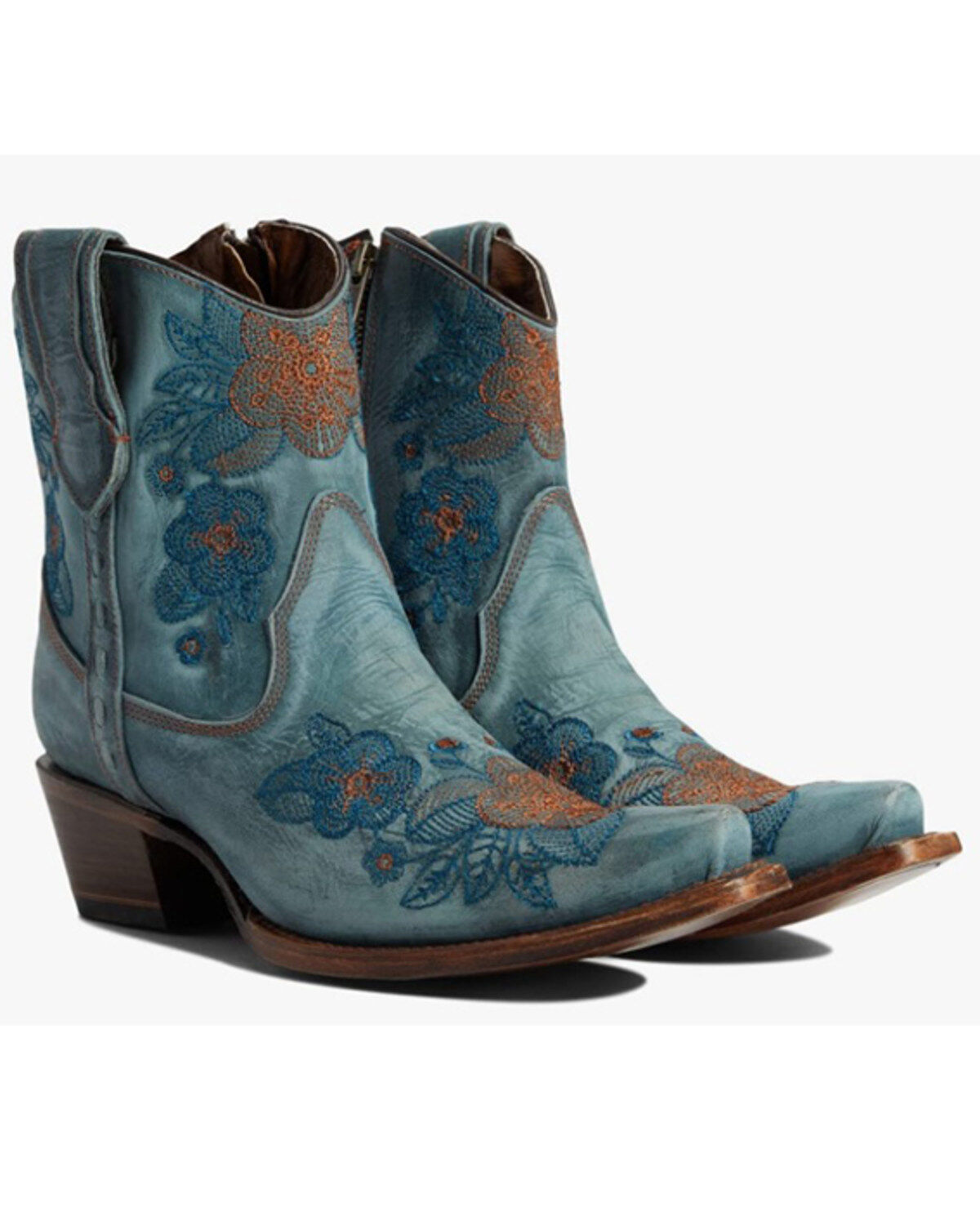
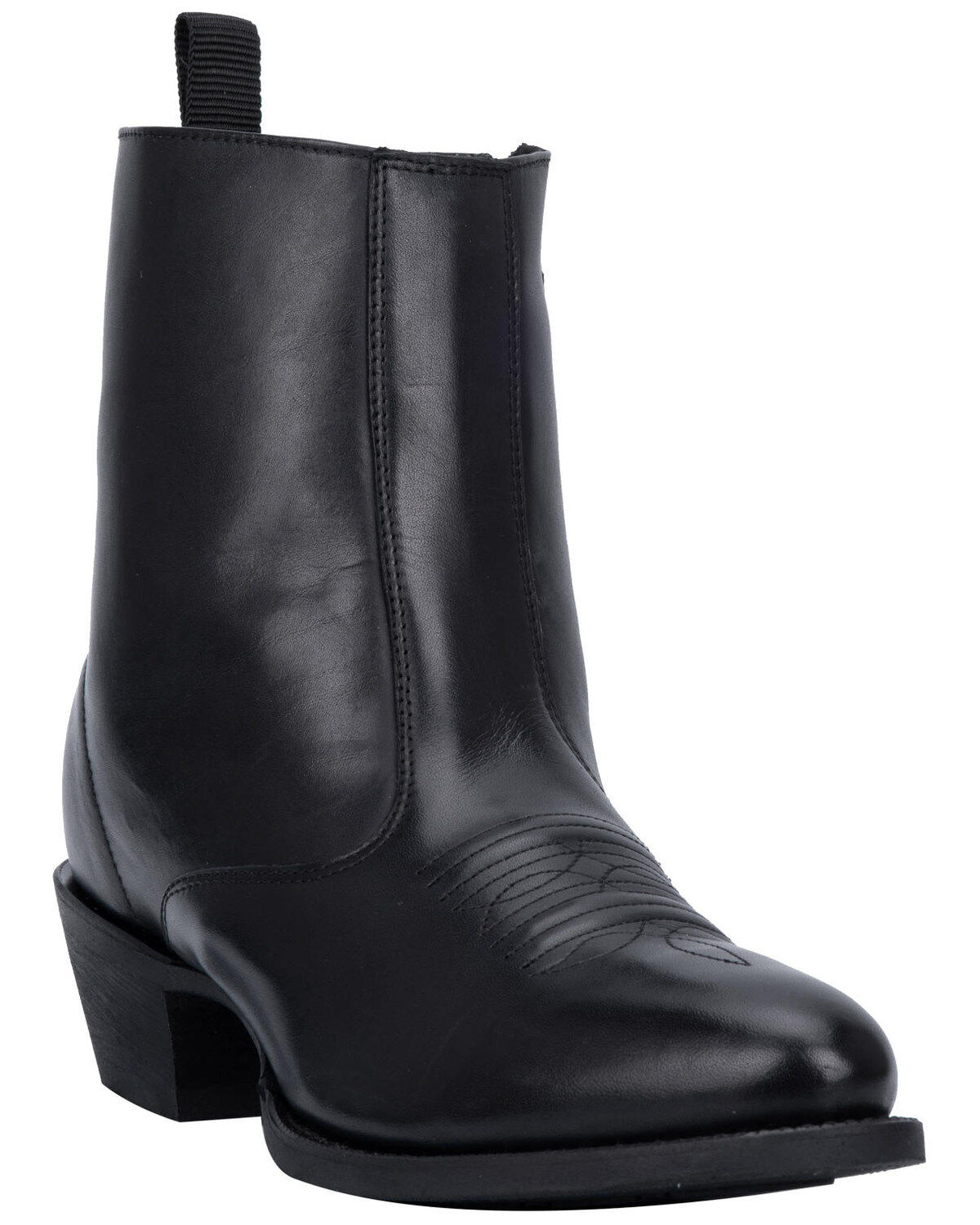
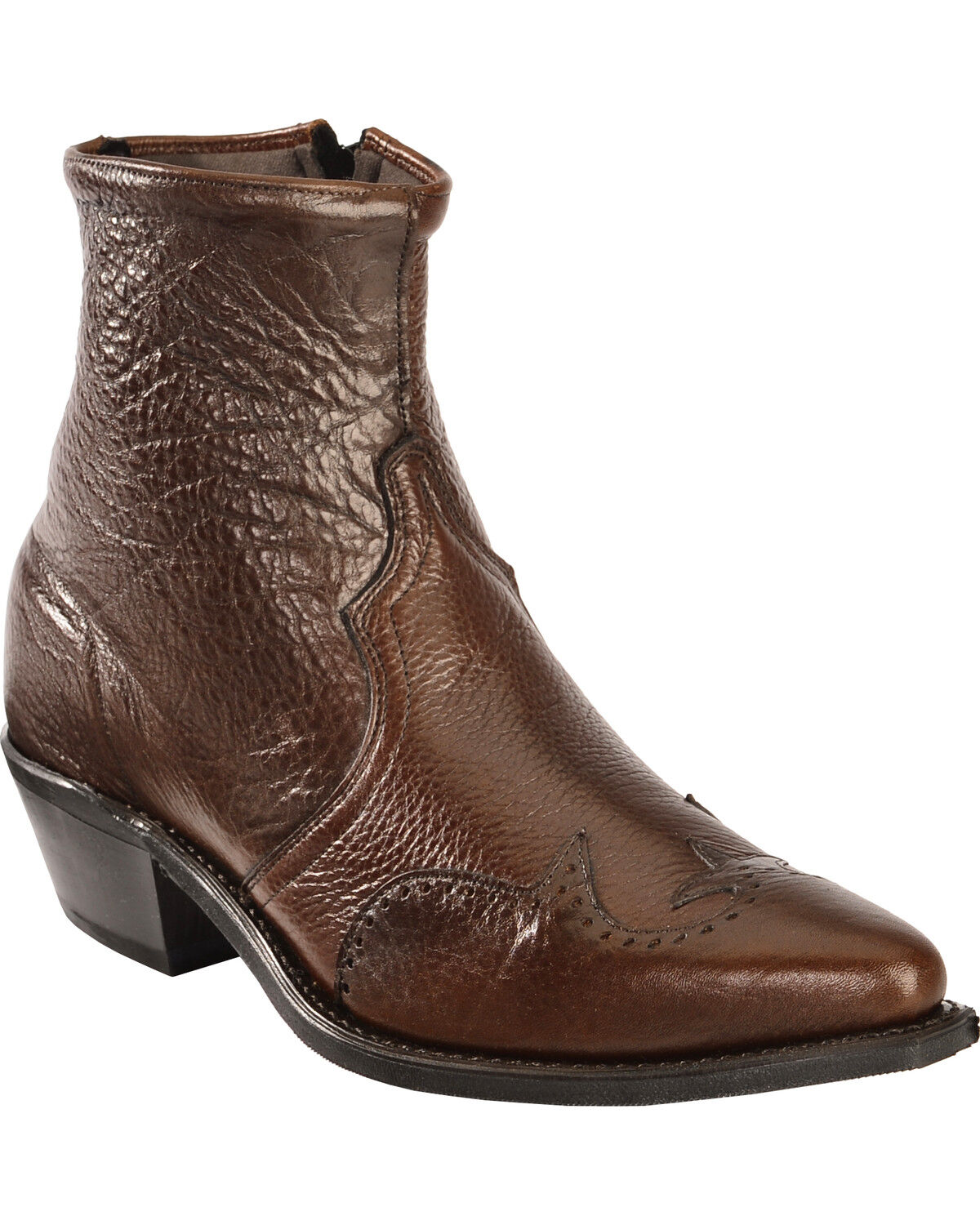
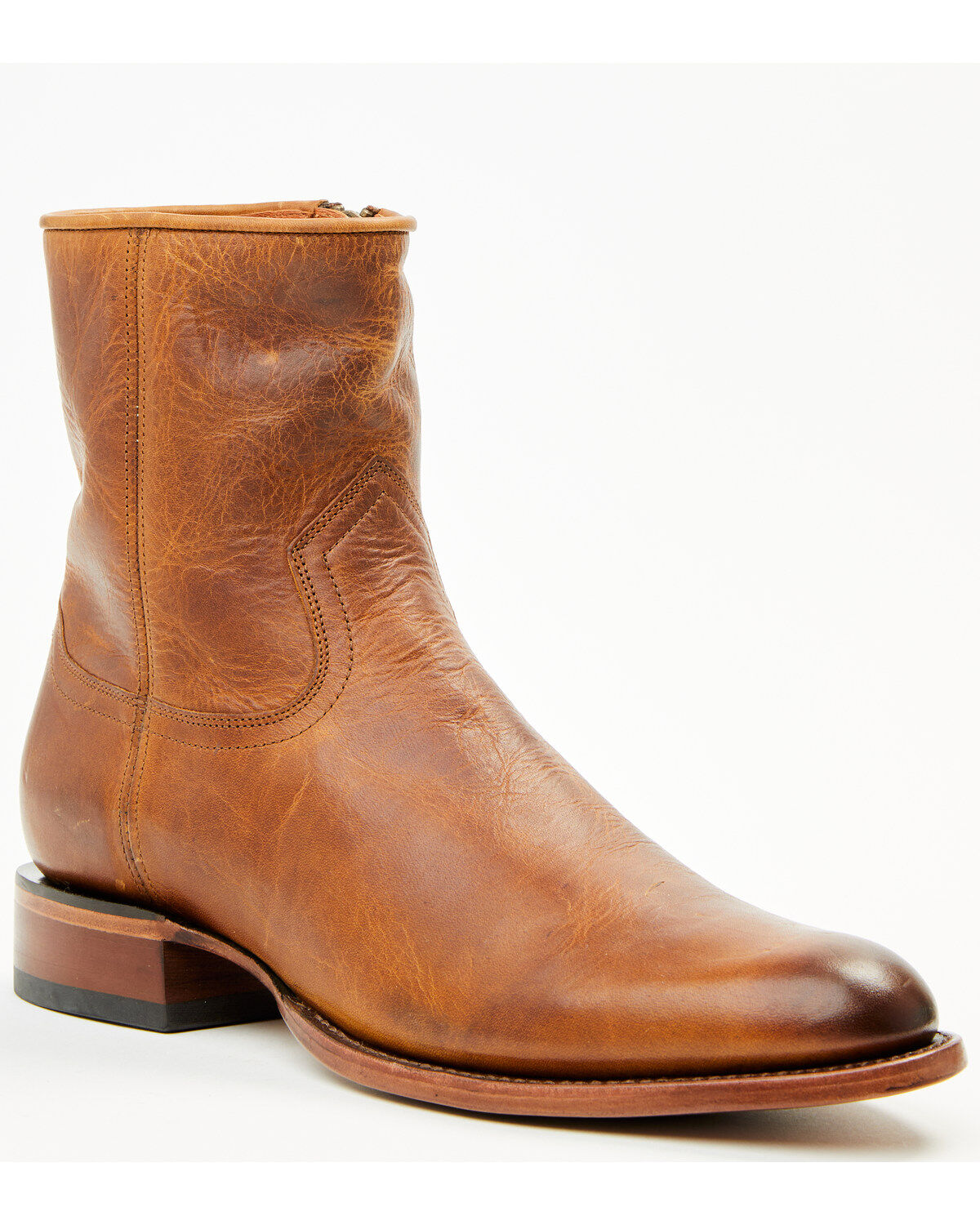
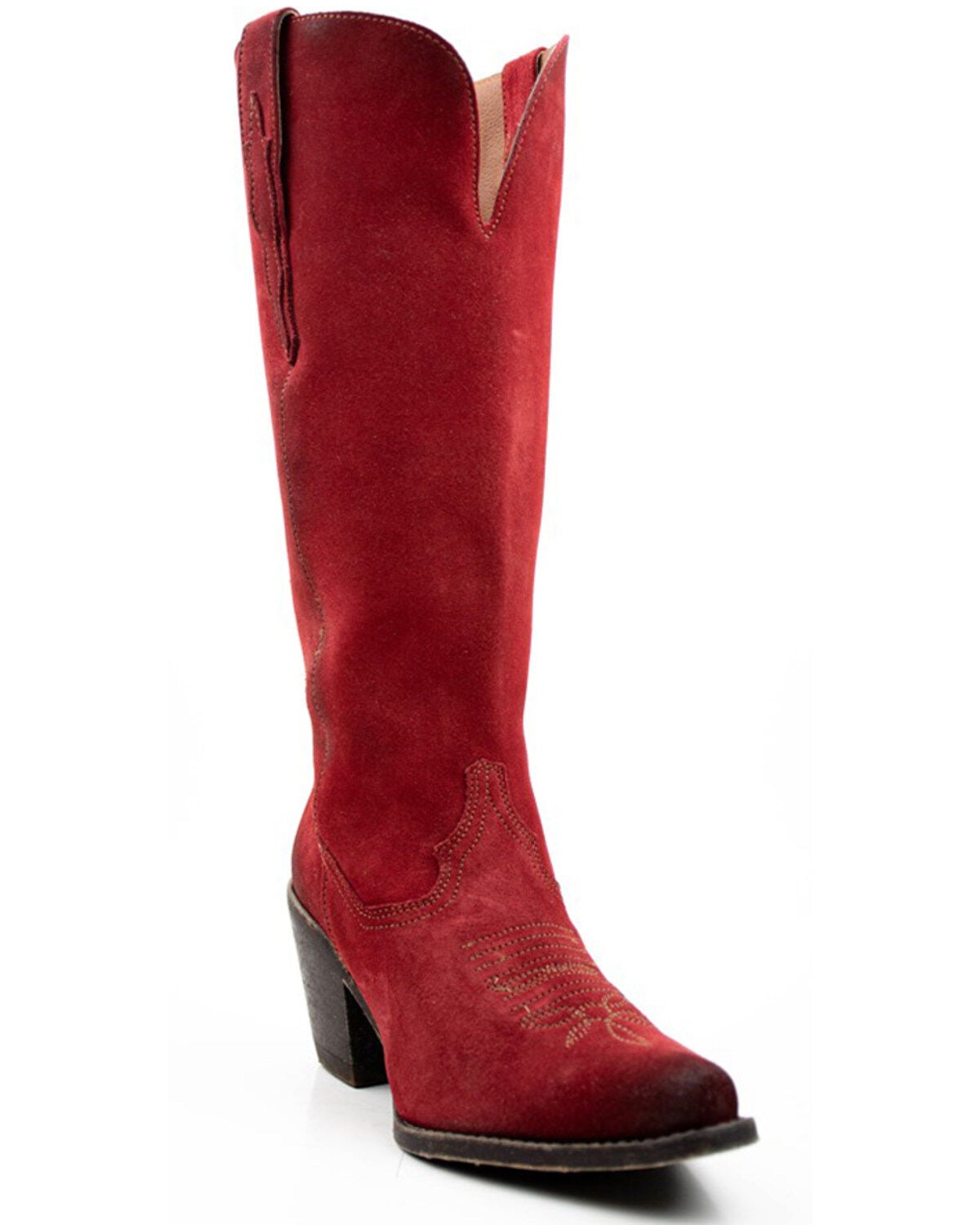
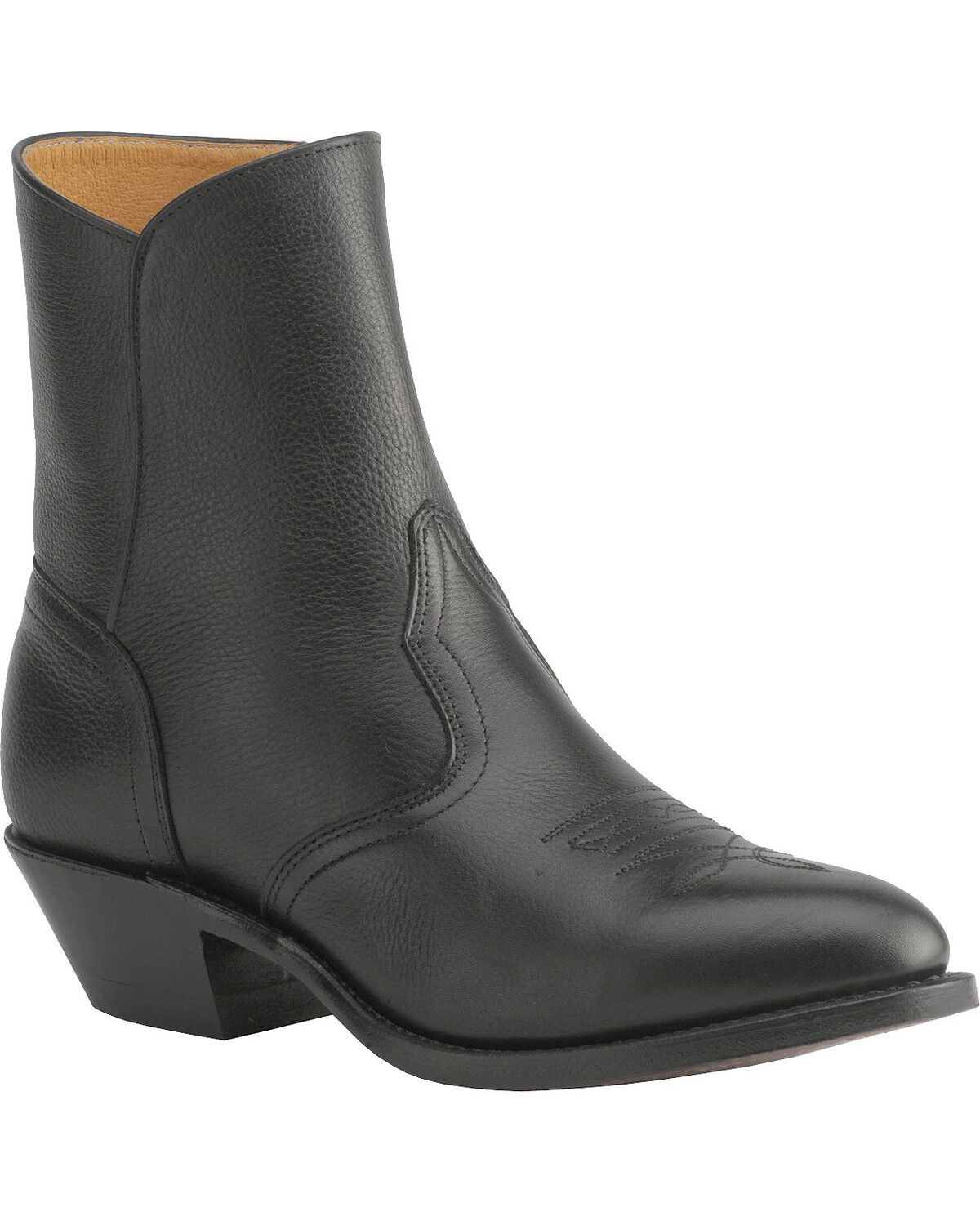
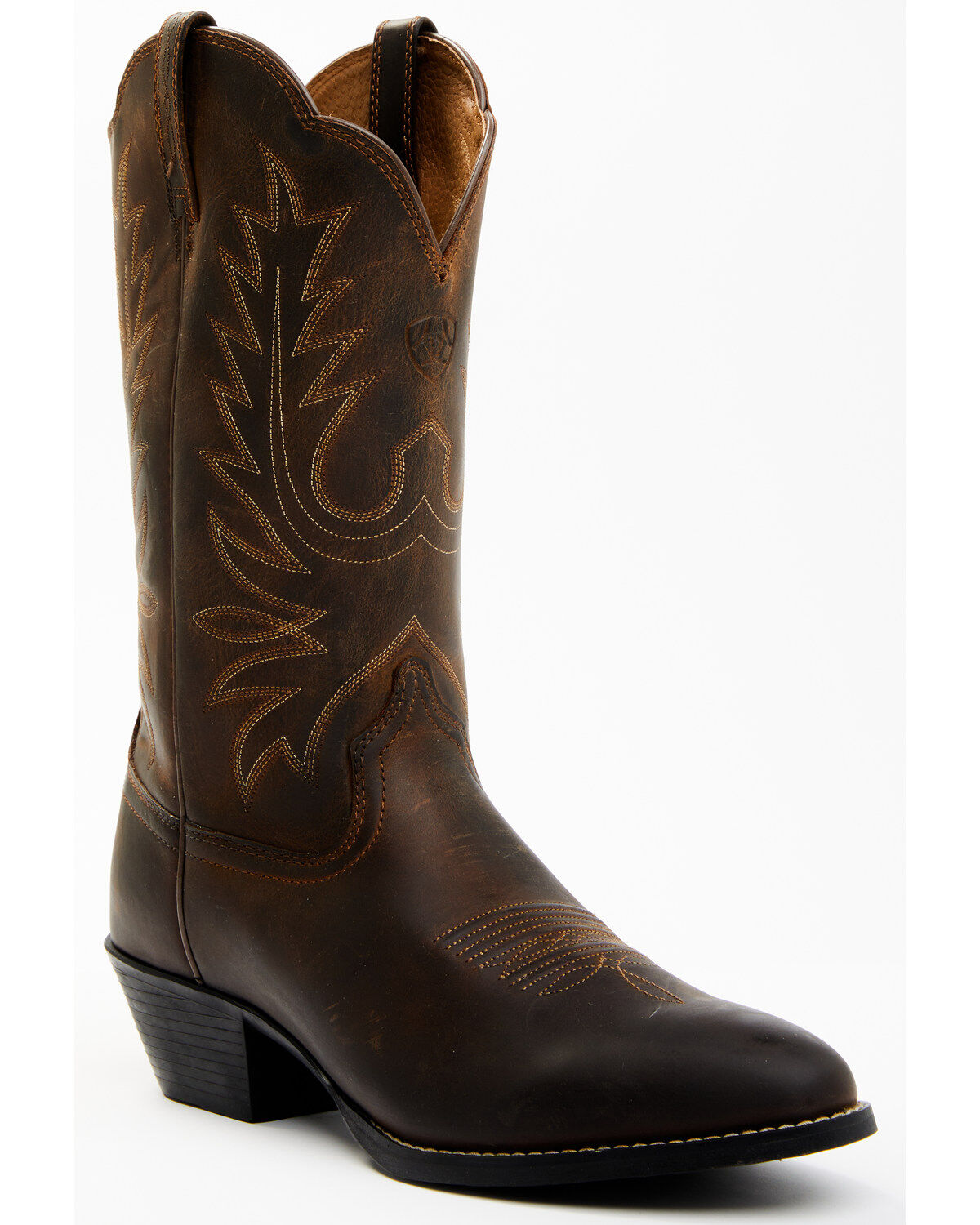
Western side-zip boots bring familiar cowboy boot details together with a zipper that makes the shaft easier to open for entry and removal. Instead of drawing the foot through a fixed shaft opening, the wearer can unzip the side, slide the foot into place, and close the shaft around the ankle or lower leg. That can be useful for anyone who prefers less pulling when getting dressed, although the opening and ease of entry depend on the design. Side zippers may sit along the inside or outside of the shaft, sometimes behind a leather flap that keeps the hardware less visible. Shaft heights range from ankle profiles that sit neatly beneath jeans to taller shapes with more room for decorative stitching. Materials affect both appearance and upkeep. Smooth leather can show natural grain and develop character with wear, while suede has a softer, textured finish that calls for different cleaning methods. Distressed finishes start with a worn-in appearance, but that look does not establish how soft or flexible a boot will feel. Leather thickness, lining, seams, and sole construction all play a part. A lined shaft may feel smoother against the leg, and interior seams deserve attention wherever they meet the ankle. Underfoot, leather outsoles offer a traditional profile, while rubber outsoles can provide flexibility and traction suited to everyday walking. Tread pattern and surface conditions still matter; a rubber sole alone does not establish slip resistance. The zipper itself should move evenly, with the surrounding leather lying flat rather than pulling sharply across the closure. Reinforced stitching around that opening helps support an area that gets handled often. Together, these details distinguish a boot chosen mainly for its shape from one that also suits the way it will be worn.

Fit matters just as much in western side-zip boots as it does in a pull-on pair. The zipper provides access, but it should not be used to force a narrow boot around a wider foot or close a shaft that is too tight. Once fastened, the boot should hold the foot securely through the instep without pinching or causing numbness. The ball of the foot should sit near the widest part of the boot, with enough space for toes to rest naturally. A pointed or snip toe extends beyond the toes by design, so empty space at the very front does not necessarily mean the boot is too long. Square and round toes create different outlines, but the actual fit still depends on the shape the boot was built around. Width deserves its own consideration rather than being addressed by simply moving up a size. Try boots with the socks intended for regular wear, and check both feet while standing and walking. A small amount of heel movement can occur in some new western boots, but repeated rubbing, pronounced lifting, or sliding forward calls for a closer look at fit. Leather may soften with use, yet break-in should not be expected to correct painful pressure or a poor size match. The shaft also needs room to close without catching skin, socks, or the lining. For days spent moving between a desk, errands, and an evening out, heel height, sole flexibility, and underfoot support can make a noticeable difference. Lower heels may feel more familiar to someone used to everyday footwear, while a more pronounced western heel changes the stance. Everyday western styling does not establish suitability for every task. Riding, jobsite work, and other demanding activities call for footwear with the appropriate construction and required features. A side zipper, decorative stitching, or a rugged-looking outsole is not a substitute for those requirements.

Western side-zip boots work with a range of everyday clothing because the zipper can remain a quiet functional detail rather than the focus of the outfit. Straight-leg and bootcut jeans can fall over the shaft, leaving the toe and heel visible. Shorter shafts can also sit beneath narrower pant openings, provided the fabric clears the boot without catching or bunching. With dresses or skirts, the shaft height and toe shape become more noticeable parts of the overall silhouette. Smooth leather keeps the look straightforward, while stitched shafts and textured finishes add detail without requiring much else. For a focused look at women’s styles, browse Women's Western Boots With Zipper. These boots can also make a thoughtful gift for someone who already wears western footwear and prefers zipper access, especially when the recipient’s usual size, width, and preferred heel shape are known. An existing pair offers useful clues, though sizing can differ between boot shapes. Good care helps preserve both the appearance and function of a well-fitting pair. Brush away loose dirt before cleaning, and use cleaners and conditioners intended for the particular leather or finish. Suede generally needs a suede brush and suitable treatment rather than the conditioner used on smooth leather. Let damp boots dry naturally away from direct heat, then store them upright without folding the shaft across the zipper. Keep grit out of the zipper teeth, pull the slider steadily, and stop if the lining catches rather than forcing it through. Opening the zipper fully before removing the boot reduces unnecessary strain on the closure and surrounding seams. Check heels, soles, and stitching as wear develops, particularly if one side begins wearing faster than the other. A qualified boot repair shop can assess zipper trouble or sole damage, with repair options depending on construction. Regular attention to these details helps keep western side-zip boots ready for repeat wear without treating them as maintenance-free footwear.
Read More

FAQs