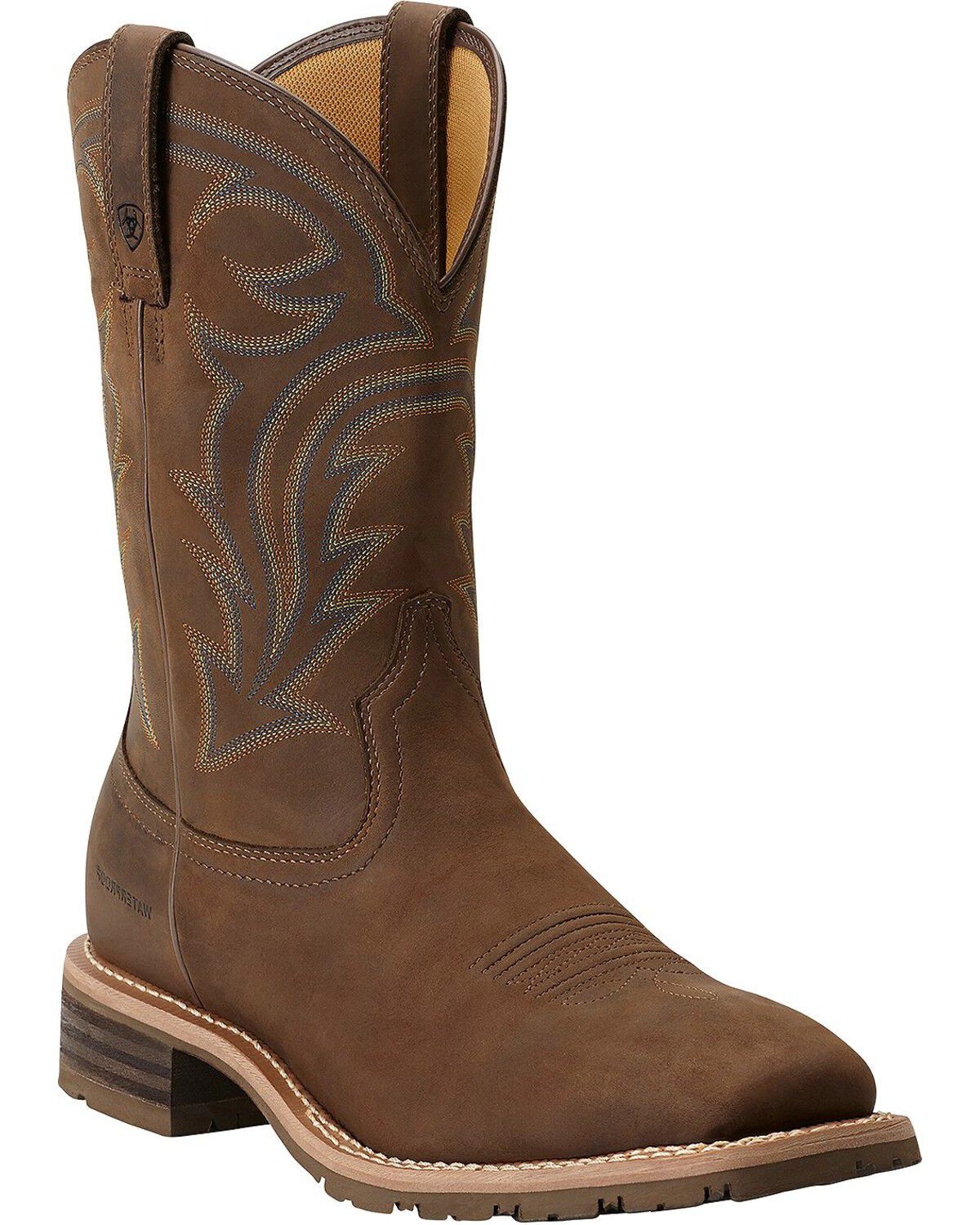
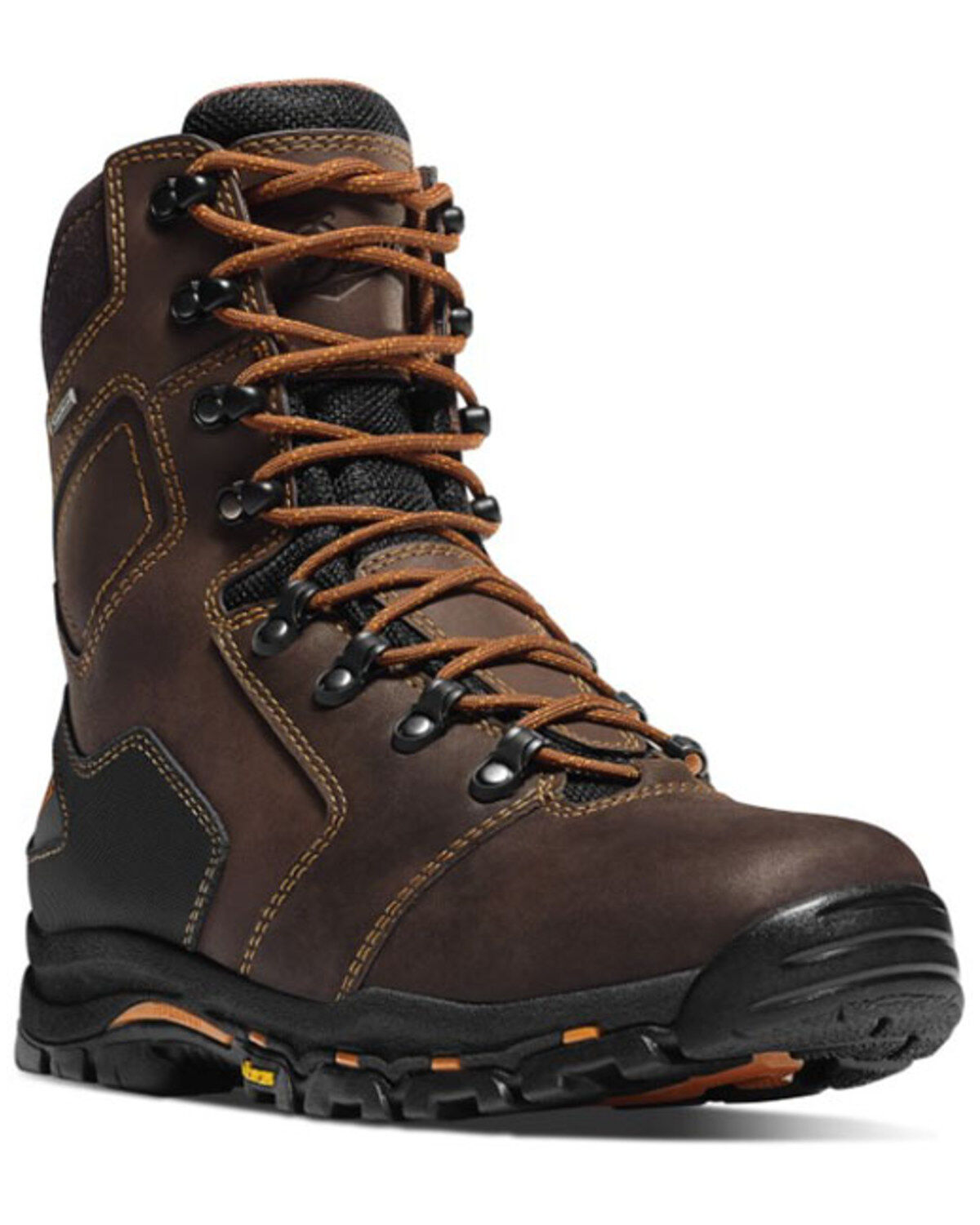
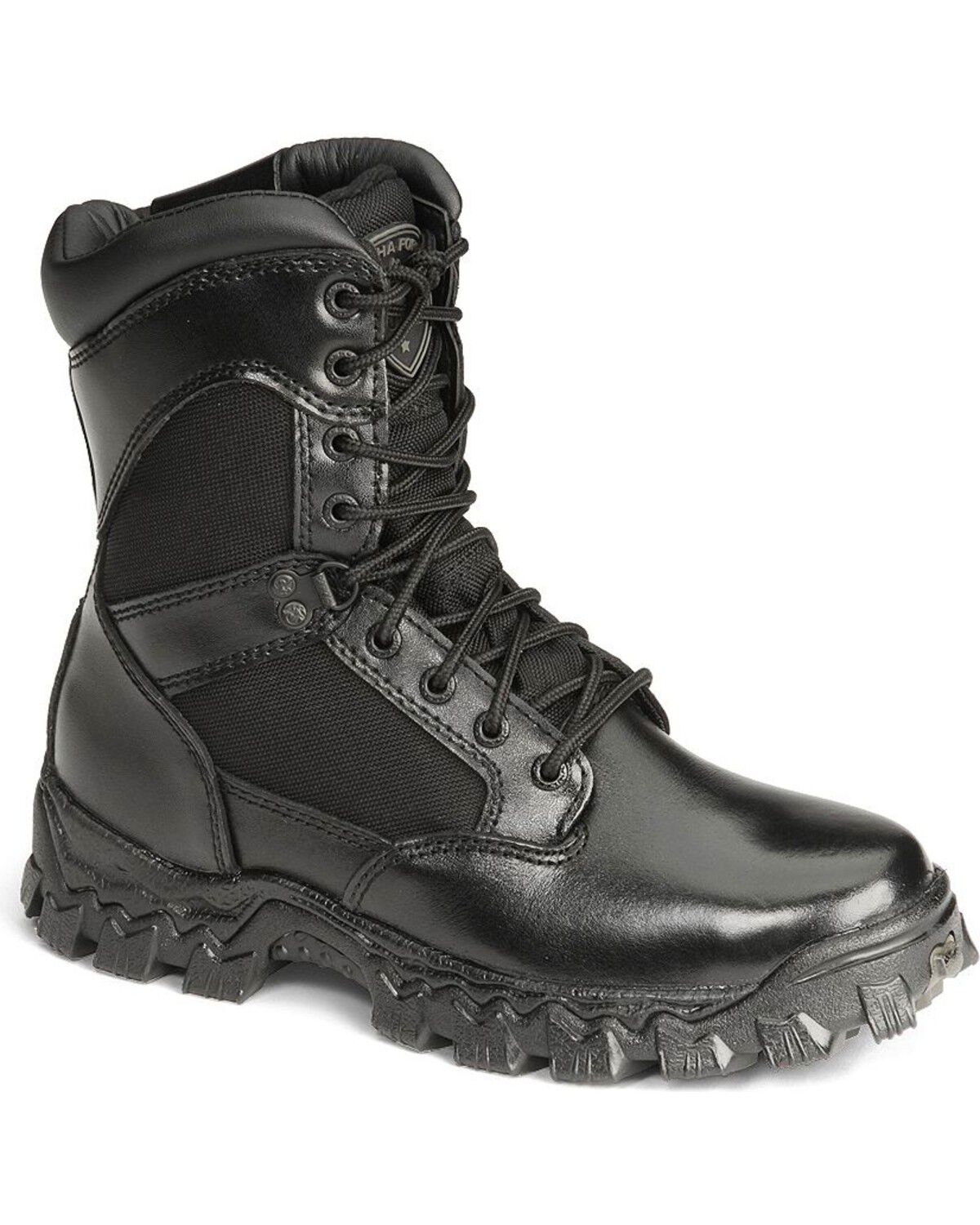
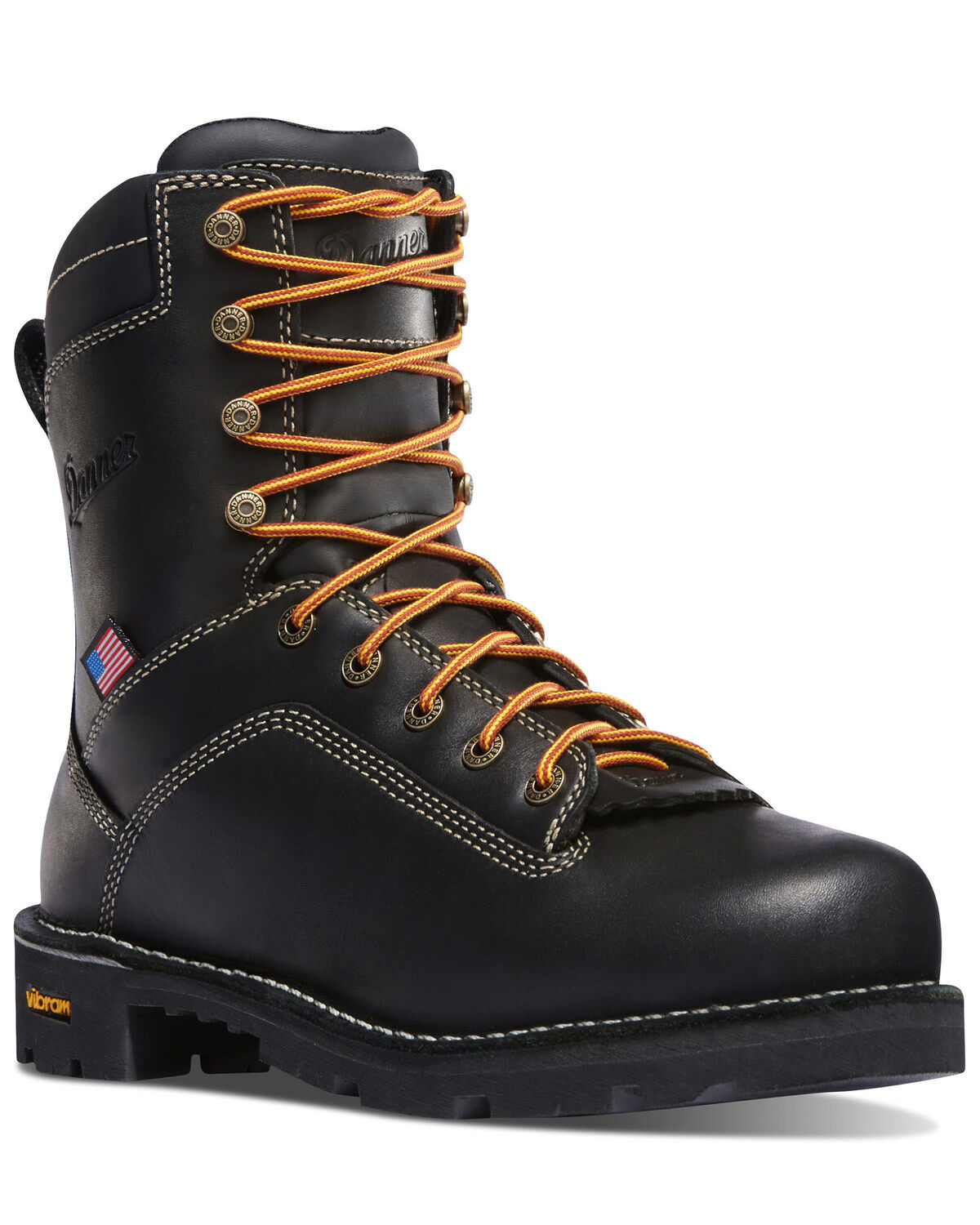
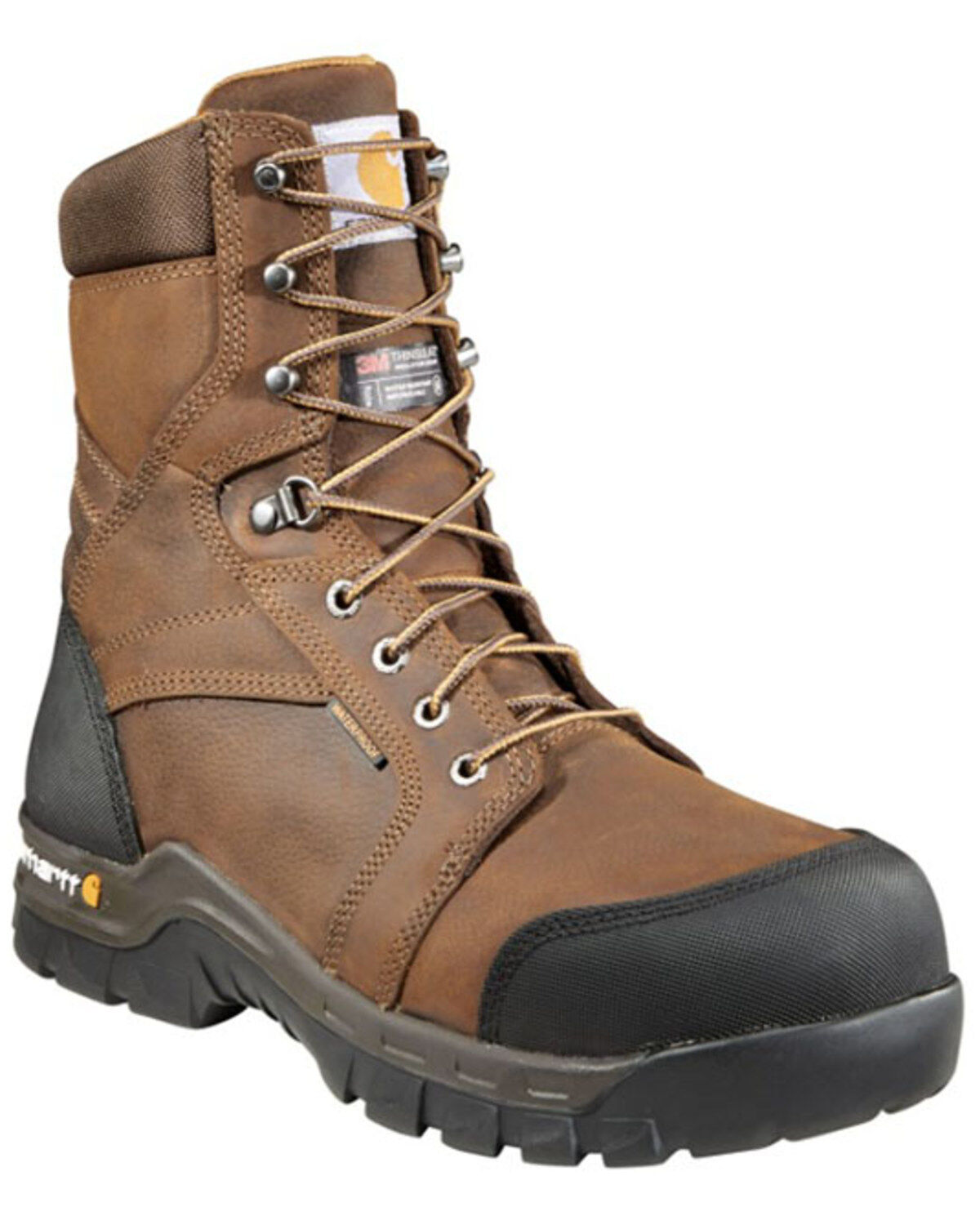
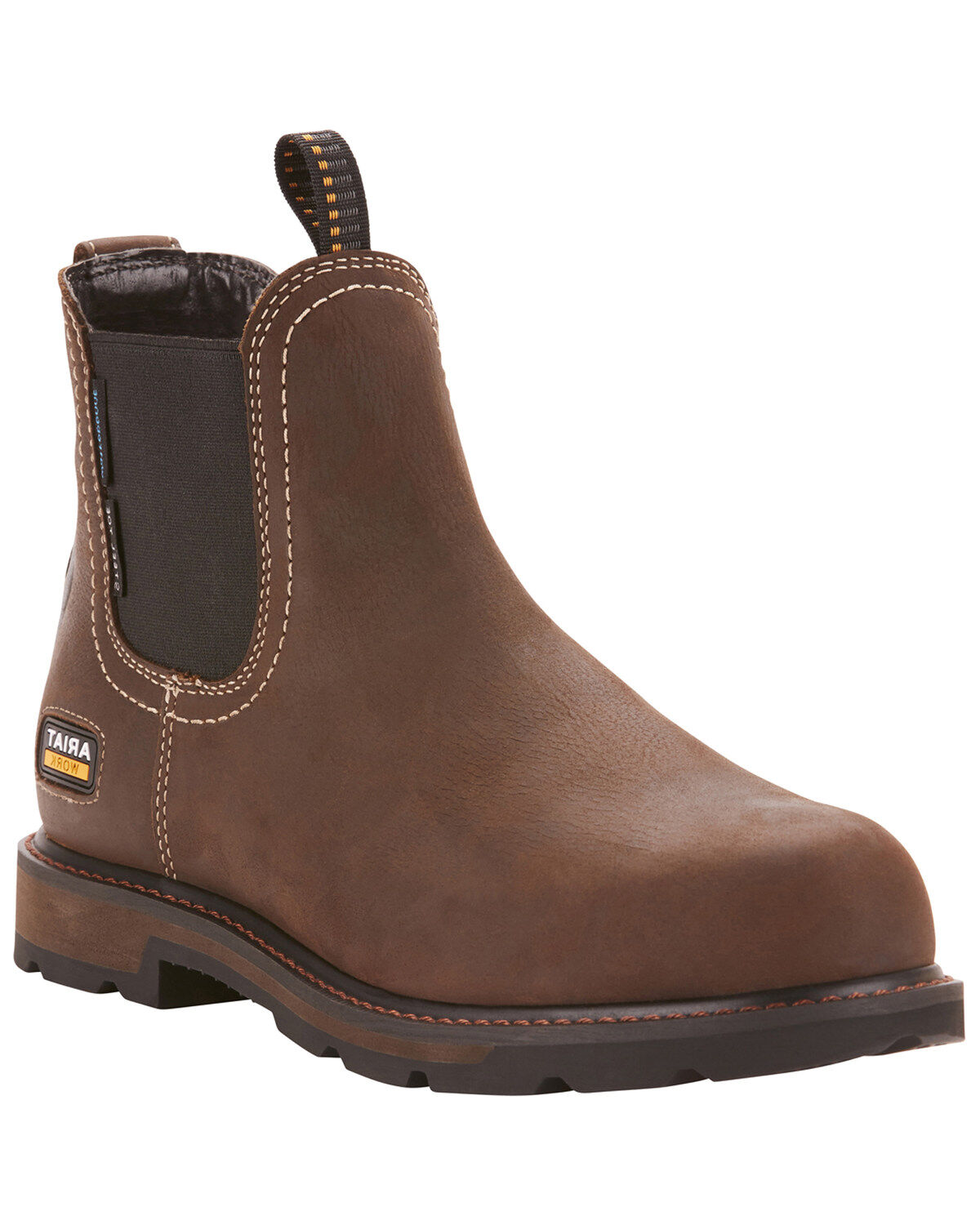
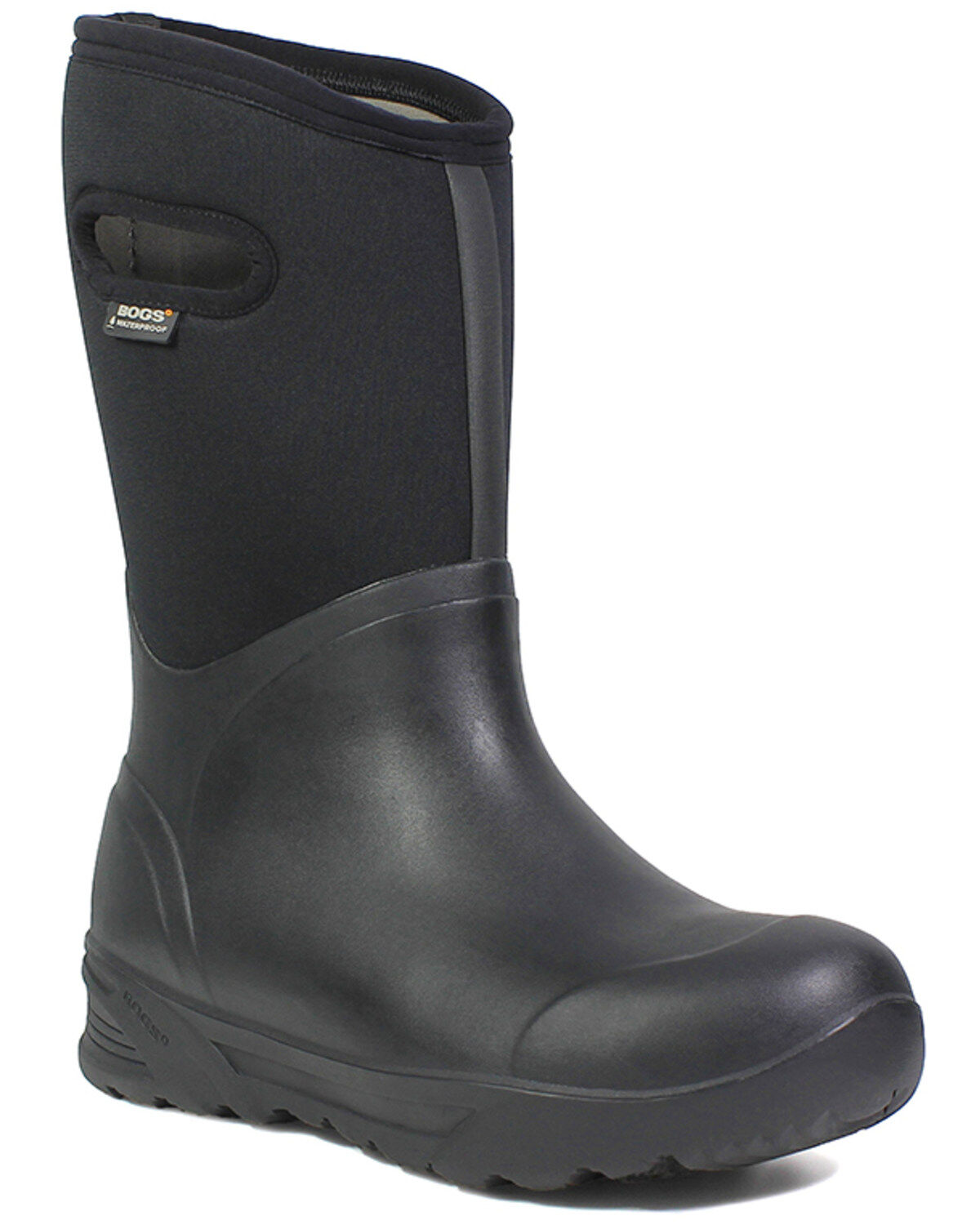
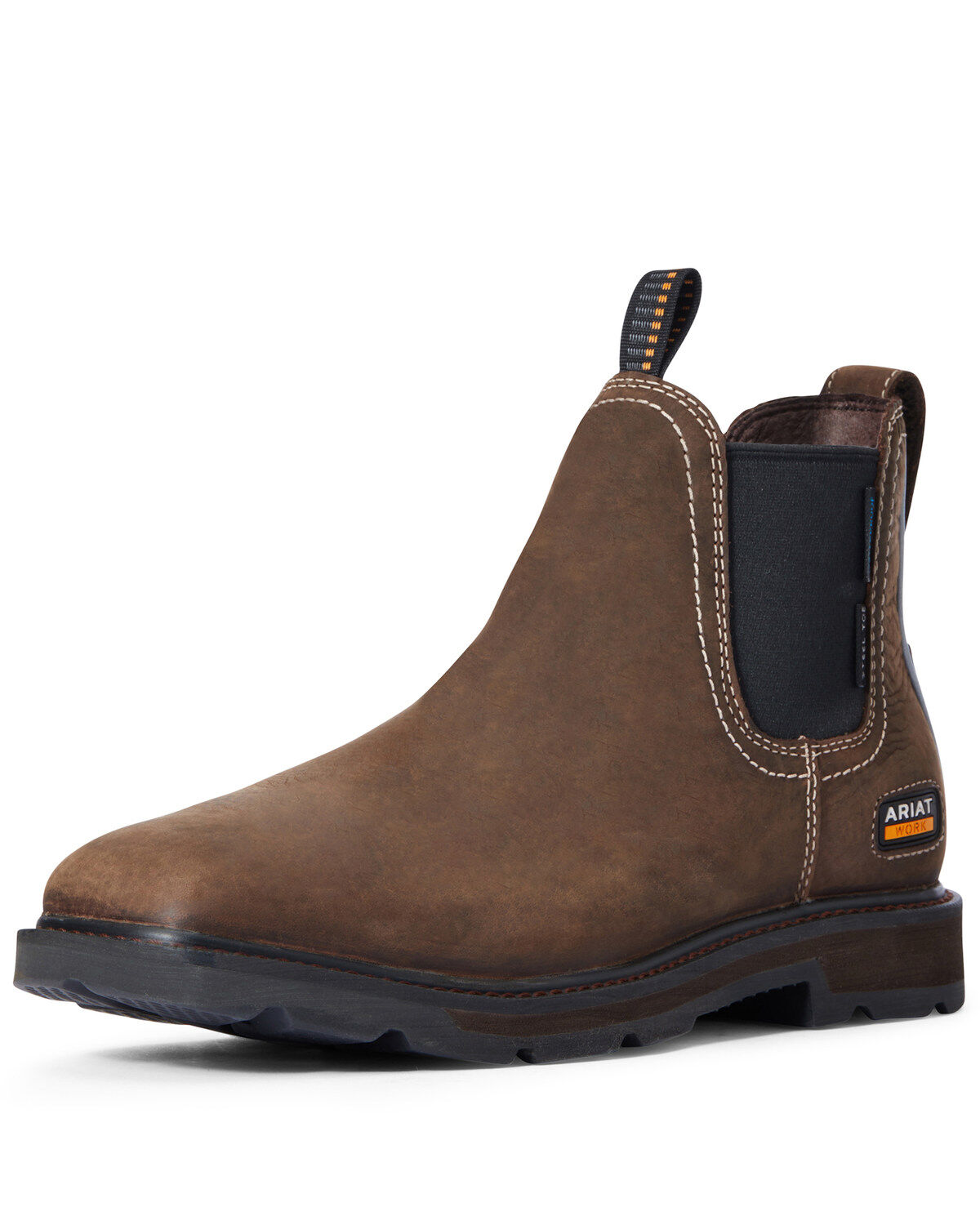
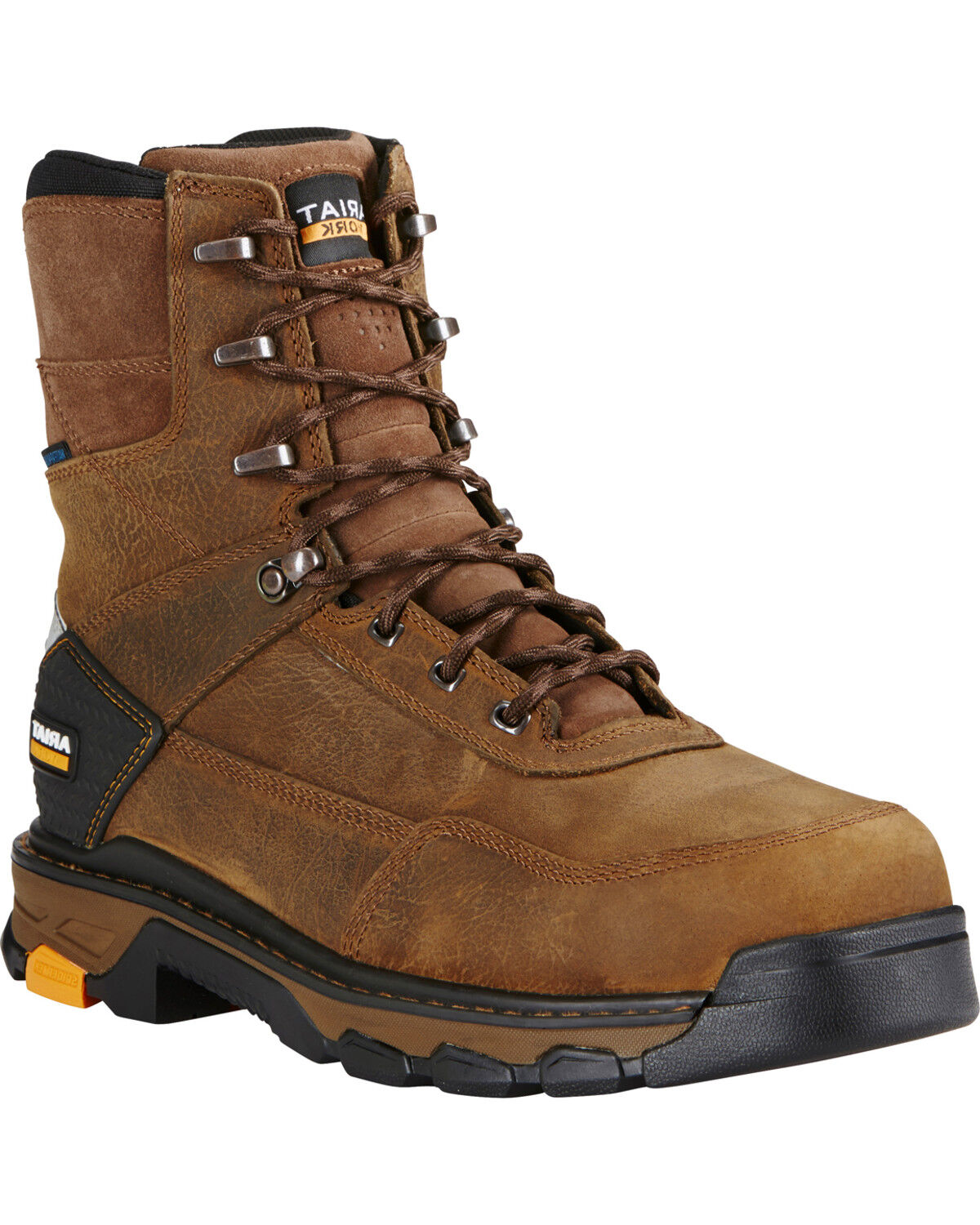
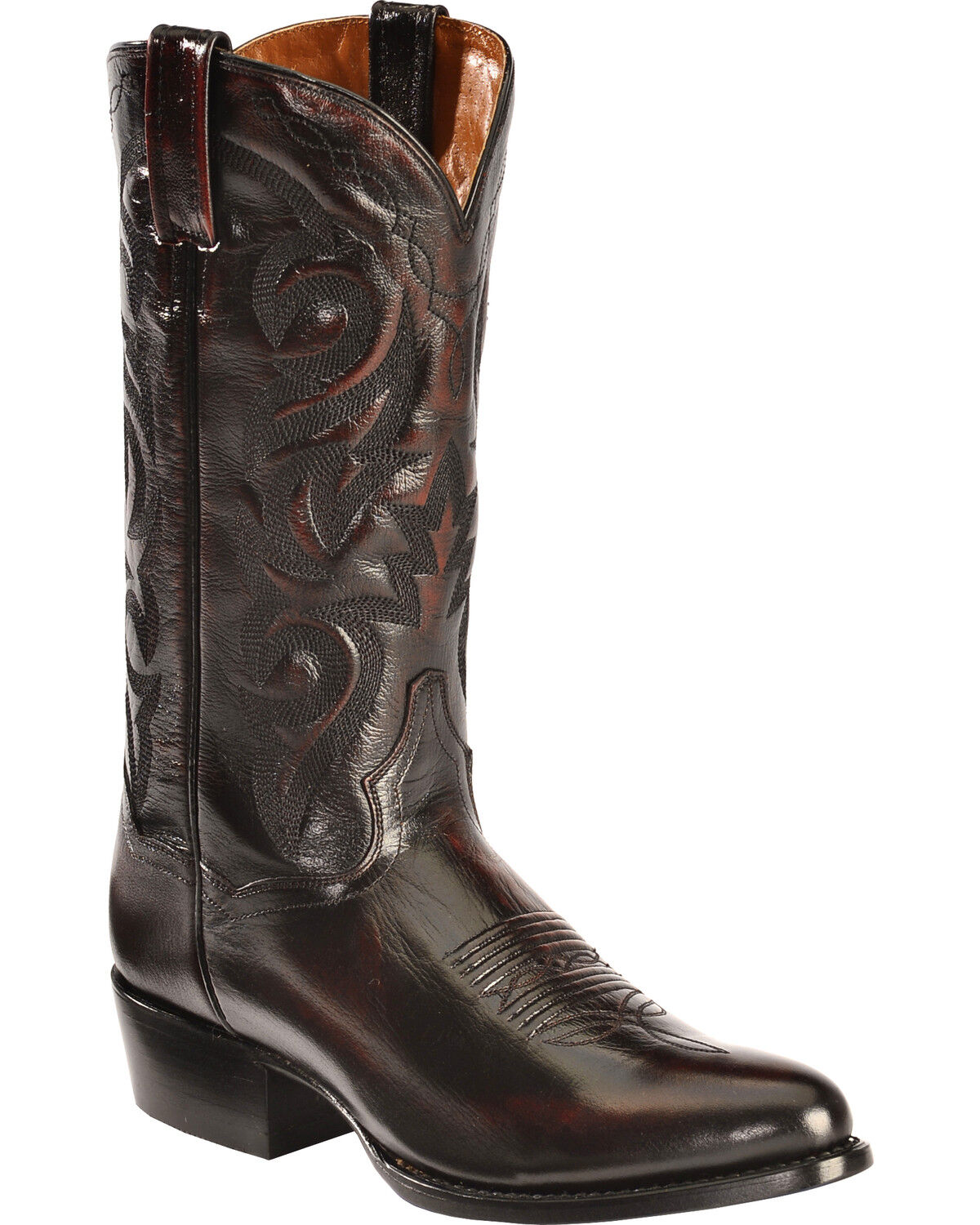
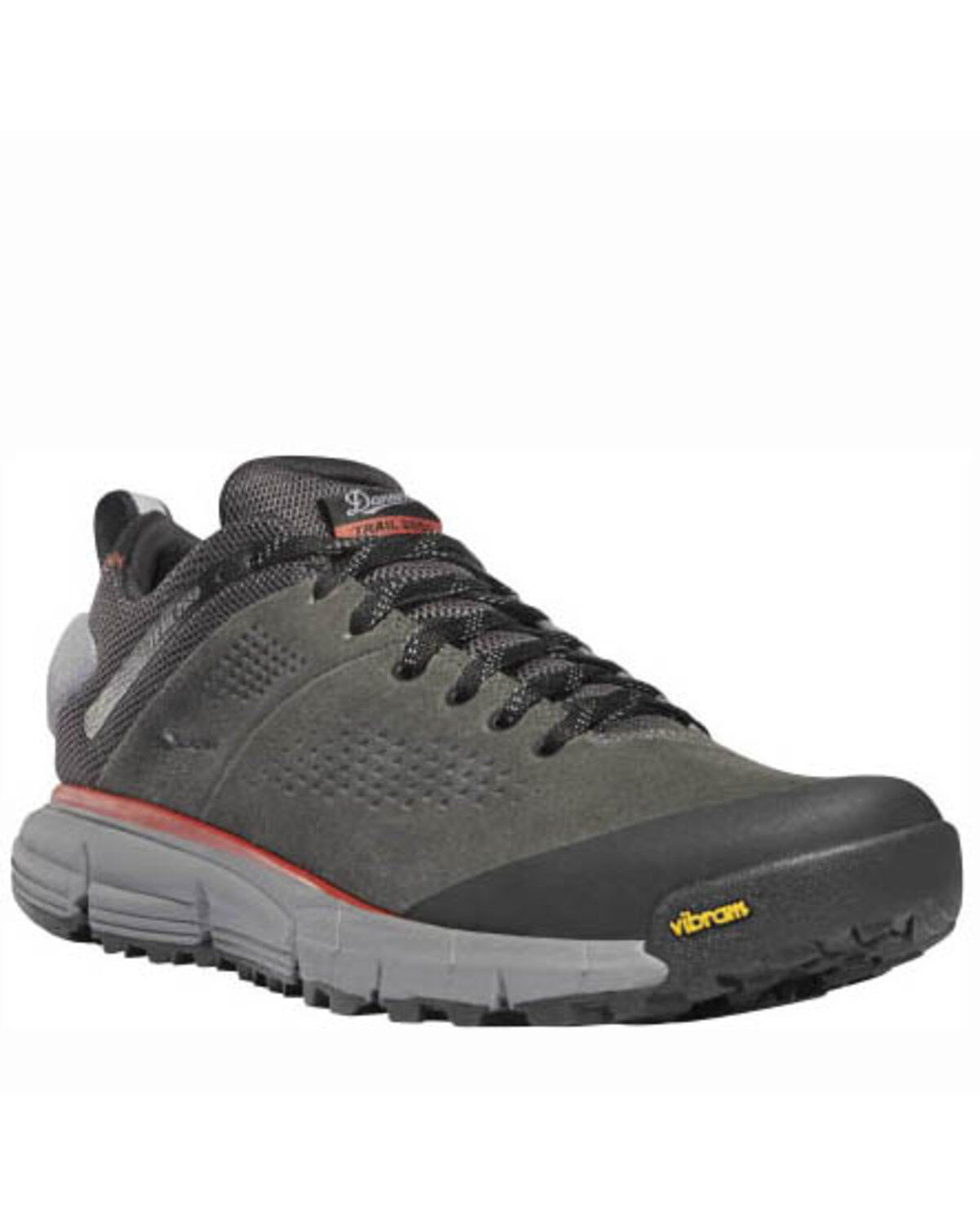
Waterproof And Slip Resistant Boots

Find waterproof and slip-resistant boots that help keep feet dry and provide traction in wet working conditions. Browse the selection with your job requirements in mind, and check each pair’s fit, waterproofing details, and slip-resistance information before choosing.

Read More

Shop Your Store: Shop Your Store: Find a Store

(Turn off Shop Your Store to see all items)

(Turn off Shop Your Store to see all items)

close
  • Recommended
  • Lowest Price
  • Highest Price
Skip pass products

End of products

Waterproof And Slip Resistant Boots

Waterproof and slip resistant boots combine a barrier against outside water with outsoles designed to improve traction on slick surfaces. These features serve different purposes: waterproof construction helps keep water from reaching the foot, while slip resistance helps limit sliding under the conditions the outsole was designed and tested to handle. Together, they make practical footwear for work that involves wet concrete, muddy paths, washdown areas, or frequent trips between buildings. A maintenance worker crossing a damp loading dock needs reliable footing as well as protection from puddles. Someone working around livestock may face standing water, wet barn aisles, and uneven ground within the same shift. Waterproofing can come from an internal membrane, sealed seams, molded construction, or a combination of methods. Water-resistant leather alone does not necessarily make a boot waterproof, and protection still depends on the condition of the upper, seams, and lining. Water can also enter over the top of the shaft or through an opening above a waterproof tongue gusset. Slip-resistant outsoles rely on their material, tread pattern, and contact with the walking surface. Rubber compounds and channels that help move liquid away from the contact area can improve grip, but a deep tread is not automatically better on every floor. Widely spaced lugs can help release mud, while other tread designs are better suited to smoother work surfaces. No boot is slip proof. Oil, soap, loose debris, worn flooring, and walking speed can all affect footing. An oil-resistant outsole is not necessarily tested for slip resistance, either; resistance to damage from oil and traction on an oily floor are separate qualities. Product specifications and workplace requirements matter more than appearance alone. For anyone moving between a concrete shop floor, a gravel yard, and a wet entryway, the right combination depends on the surfaces underfoot and the tasks ahead. Waterproof protection and dependable traction work best when both match the actual environment, rather than simply the look of the boot.

Materials and construction influence how waterproof work boots feel through a full day. Leather uppers offer structure and resistance to everyday scuffs, while textile panels can reduce weight and make certain designs easier to flex. Reinforced toes and heels help protect areas that take repeated contact with steps, equipment, and rough ground. Inside, a waterproof membrane can block outside water while allowing some moisture vapor to escape, although no lining eliminates perspiration. Socks that move moisture away from the skin remain useful during active work. Cushioning helps manage repeated steps on hard floors, and a stable midsole supports the foot without making the boot unnecessarily stiff. Shank construction, outsole thickness, and the shape of the footbed also affect comfort when climbing ladders, standing at a workbench, or walking across uneven ground. Pull-on boots offer straightforward entry and fewer laces to manage, while lace-up designs allow adjustment across the instep and around the ankle. Shaft height affects coverage, but a taller boot does not automatically provide greater support or make it suitable for deeper water. Fit deserves the same attention as waterproofing and tread. Toes need room to move without pressing against the front, and the heel should stay secure without excessive rubbing. A boot that feels tight across the forefoot can become harder to wear after hours of standing. Fit also changes with sock thickness, foot shape, and any required insoles. The Women's Waterproof Slip Resistant Boots category addresses the same practical needs, with attention to the fit and proportions of women's footwear. Across footwear categories, sizing alone does not describe width, heel hold, or interior volume. Safety-toe construction, electrical hazard protection, puncture resistance, and insulation are separate features, not automatic benefits of waterproof or slip-resistant boots. Required protection should be confirmed against the boot's stated specifications and the employer's rules. The most useful combination leaves enough room for normal movement while keeping the foot controlled through each step.

Durability depends on more than a heavy upper or a thick sole. Strong stitching, secure sole attachment, protected seams, and reinforcement at common wear points all contribute to how well boots handle repeated use. The demands of the job matter just as much. Kneeling on abrasive concrete wears the toe differently than walking through muddy ground, and repeated contact with chemicals can damage materials that hold up well in plain water. Waterproof boots intended for everyday work are not a substitute for footwear specifically rated for chemical exposure or other specialized hazards. Regular care helps preserve both the upper and the traction surface. Loose dirt and mud should be removed before they harden around seams or pack into the tread. Outsole grooves need to stay clear so their edges and channels can make useful contact with the floor. Cleaning methods should match the materials and the manufacturer's directions; harsh cleaners can harm leather, adhesives, or protective finishes. Leather conditioner may help prevent drying and cracking when it is appropriate for the boot, but it does not repair a damaged waterproof membrane. After cleaning or a wet shift, boots should dry with good airflow, away from direct heat that can stiffen leather or weaken bonded parts. Removable footbeds can be taken out when permitted to help the interior dry. Regular inspection can reveal worn tread, separating soles, cracked uppers, and persistent leaks before those problems become harder to manage. A sole worn smooth cannot provide the same traction as an intact tread, even if the upper still looks presentable. Comfort also changes as cushioning compresses and linings wear. Whether worn on a farm, in a workshop, or through a day of service calls, waterproof and slip resistant boots earn their place through practical protection, a secure fit, and construction suited to the work. Care keeps those features working together, while sound footing still depends on clear walking paths and attention to the surface ahead.
Read More

FAQs