Types Of Boots For Men

Explore types of boots for men, from cowboy boots to work boots, to find a pair suited to your day. Compare fit, style, and features based on whether you need boots for the job or everyday wear.

Shop Your Store: Shop Your Store: Find a Store

(Turn off Shop Your Store to see all items)

(Turn off Shop Your Store to see all items)

close
  • Recommended
  • Lowest Price
  • Highest Price
Skip pass products
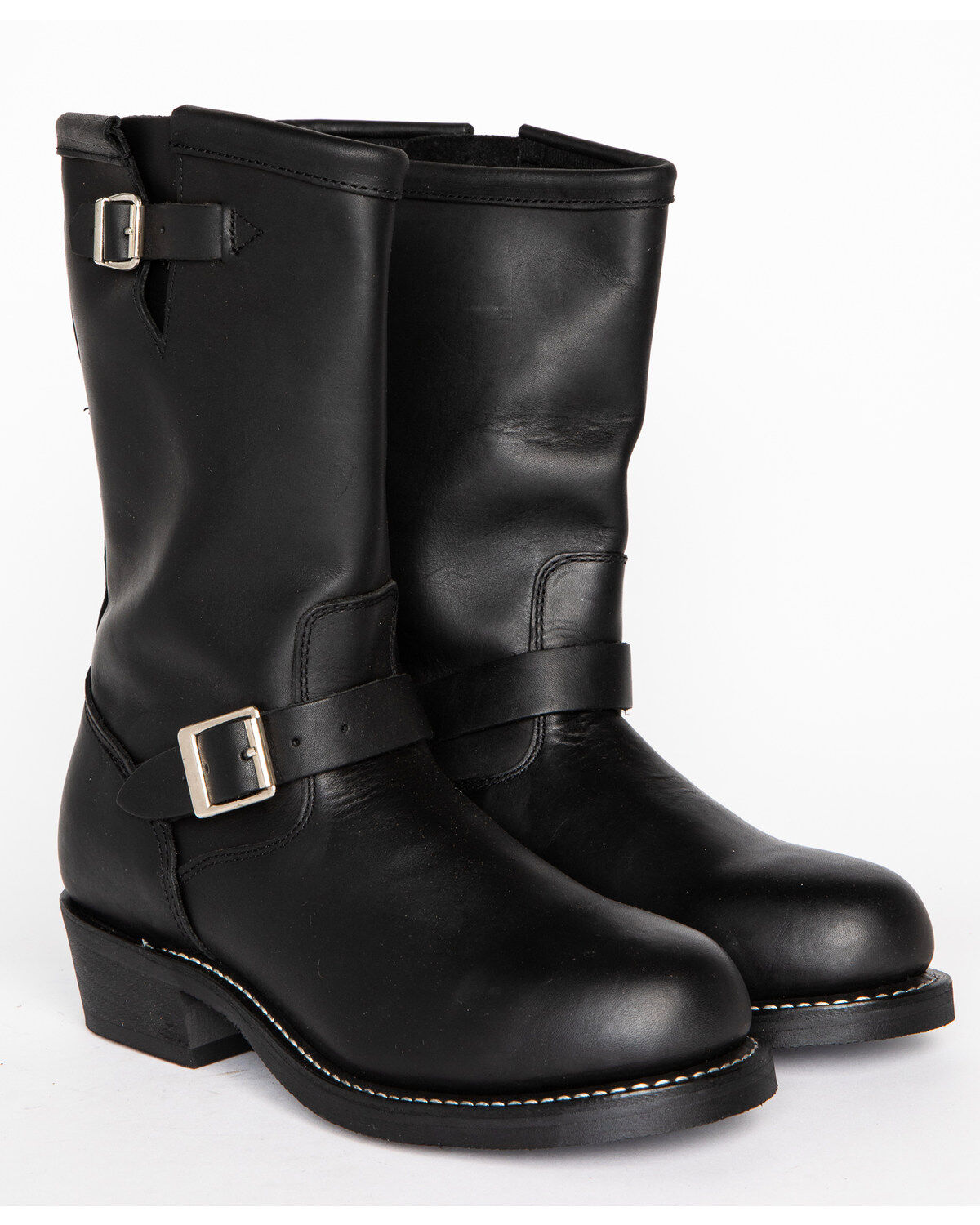
  • Men's Brothers and Sons Engineer Motorcycle Boots - Round Toe
    Original Price $129.99 $94.97
    27% Total Savings

End of products

Types Of Boots For Men

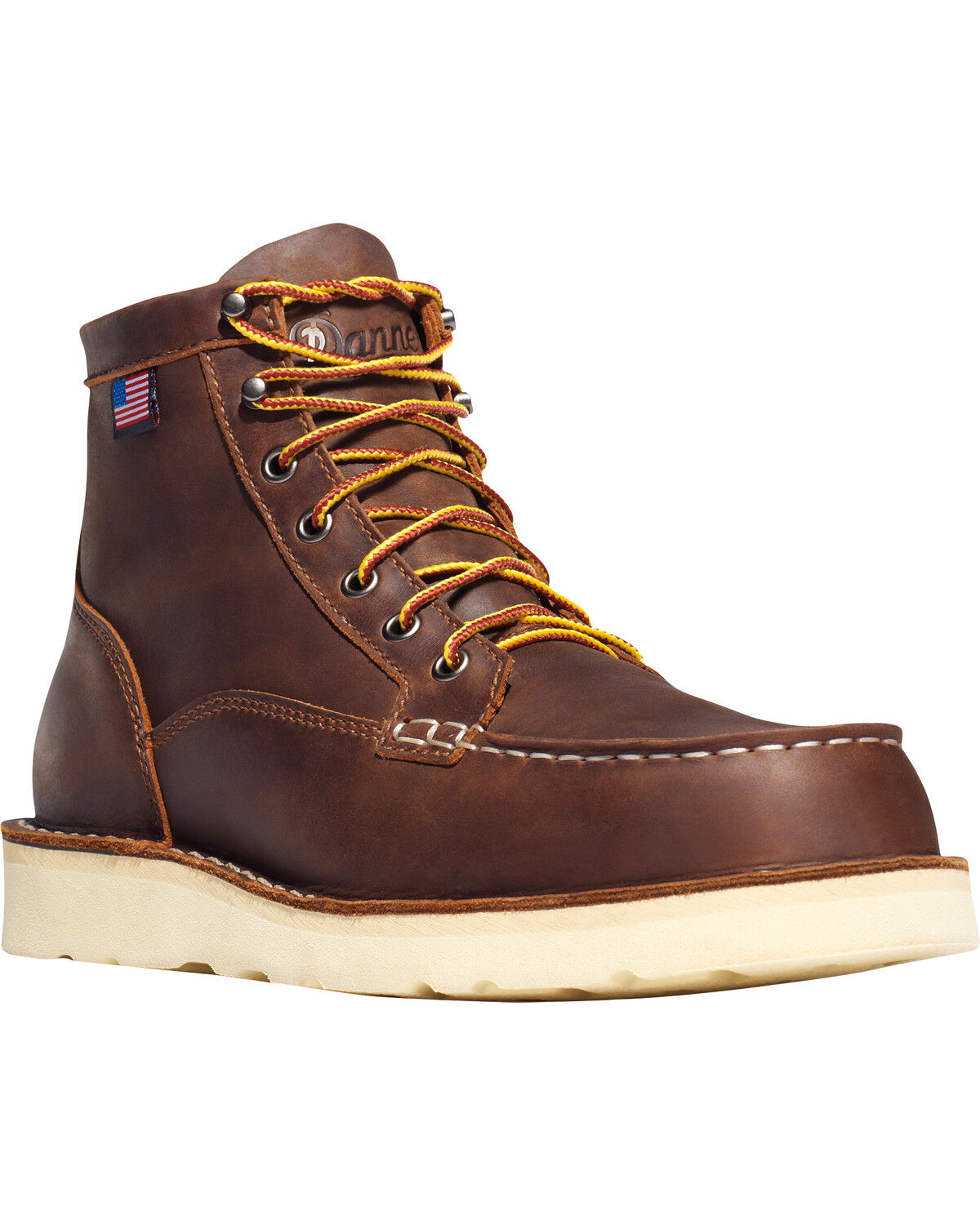
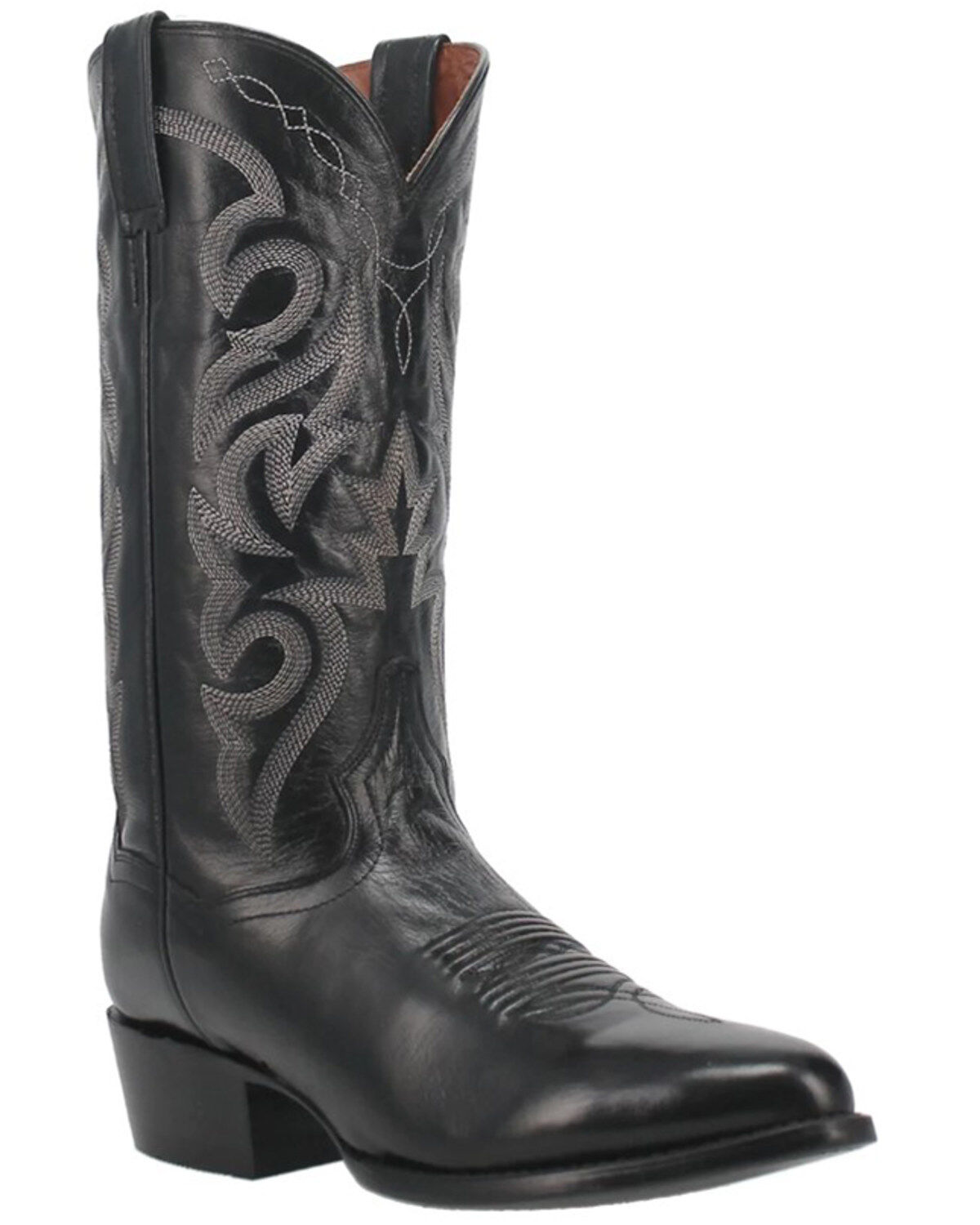
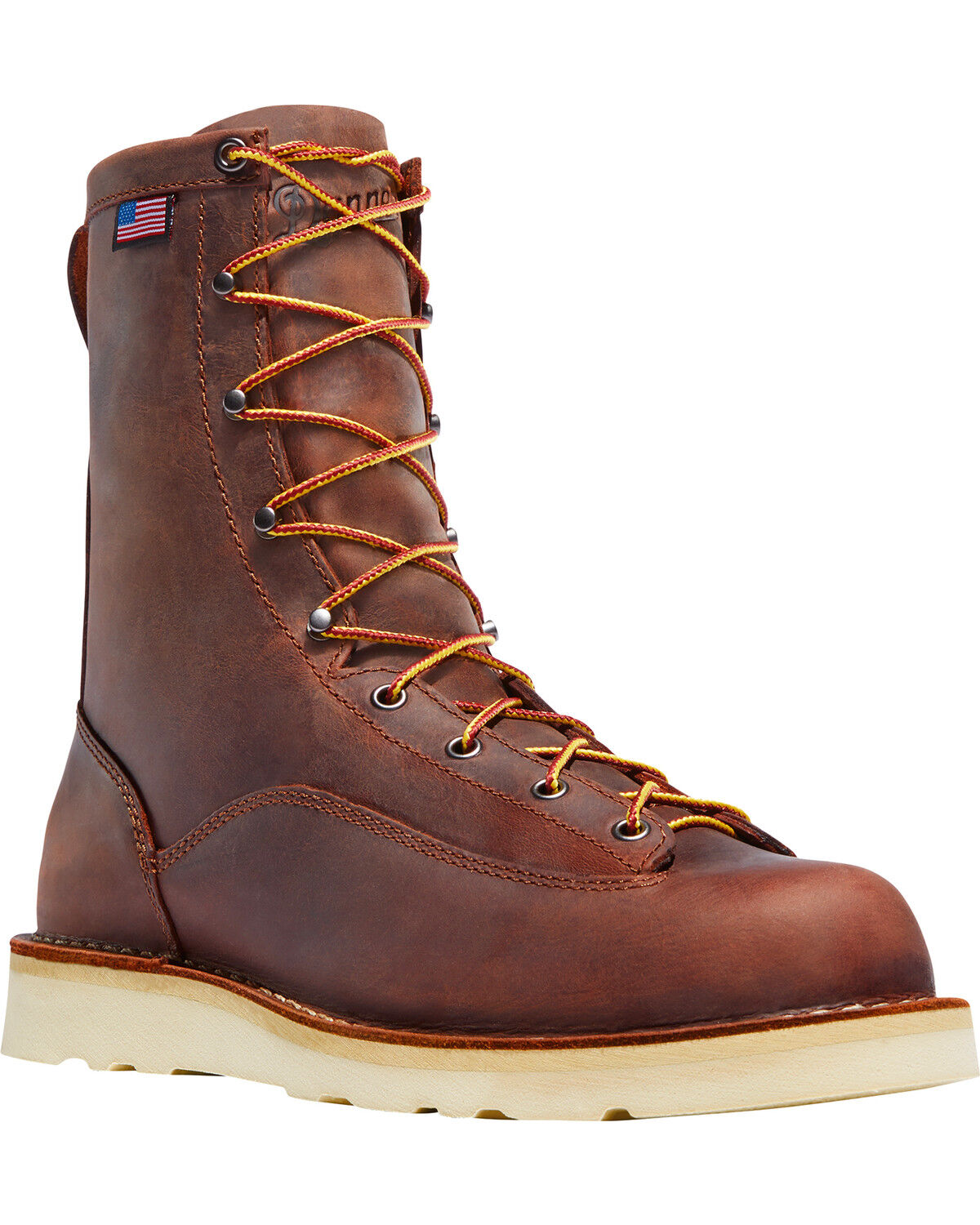
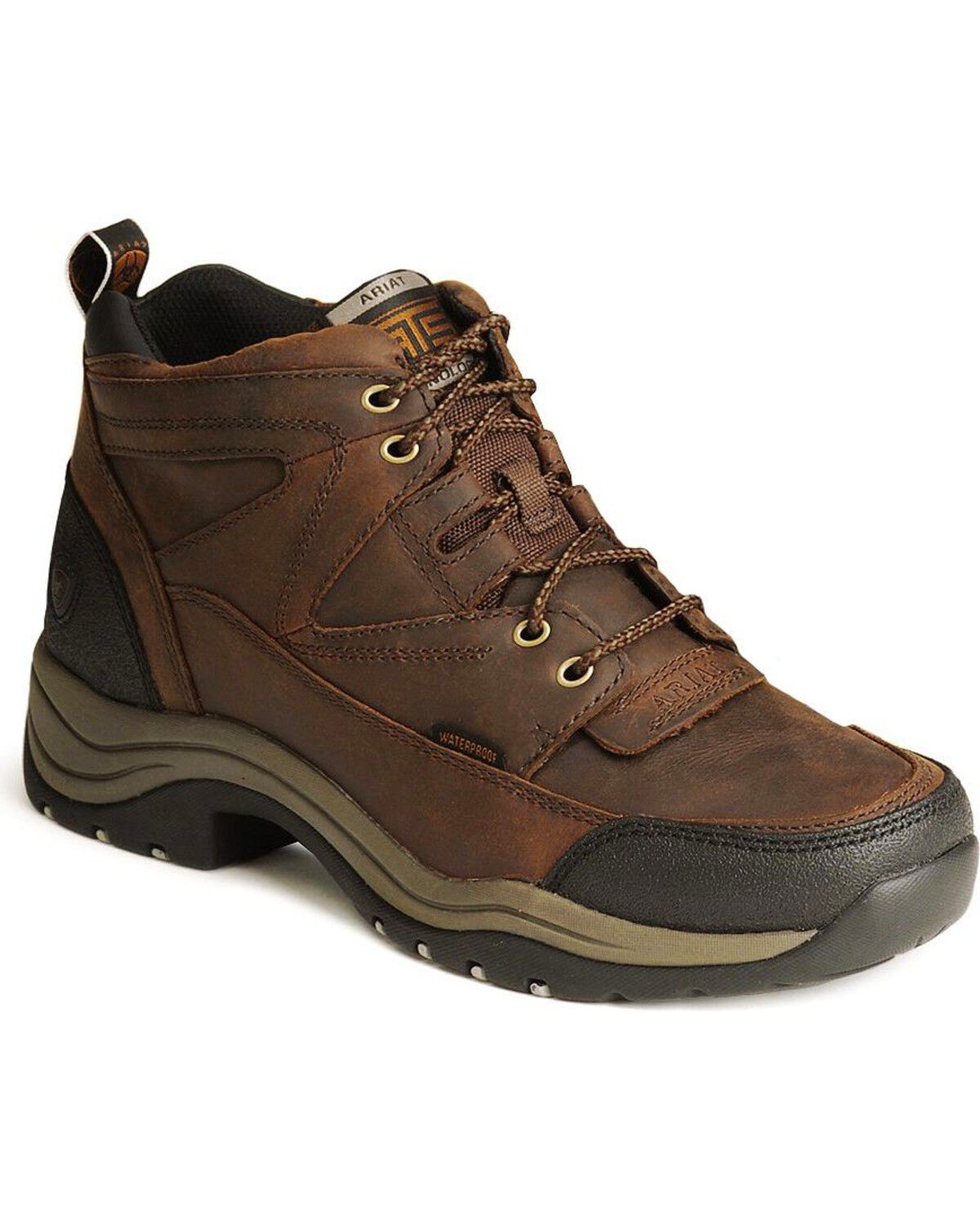
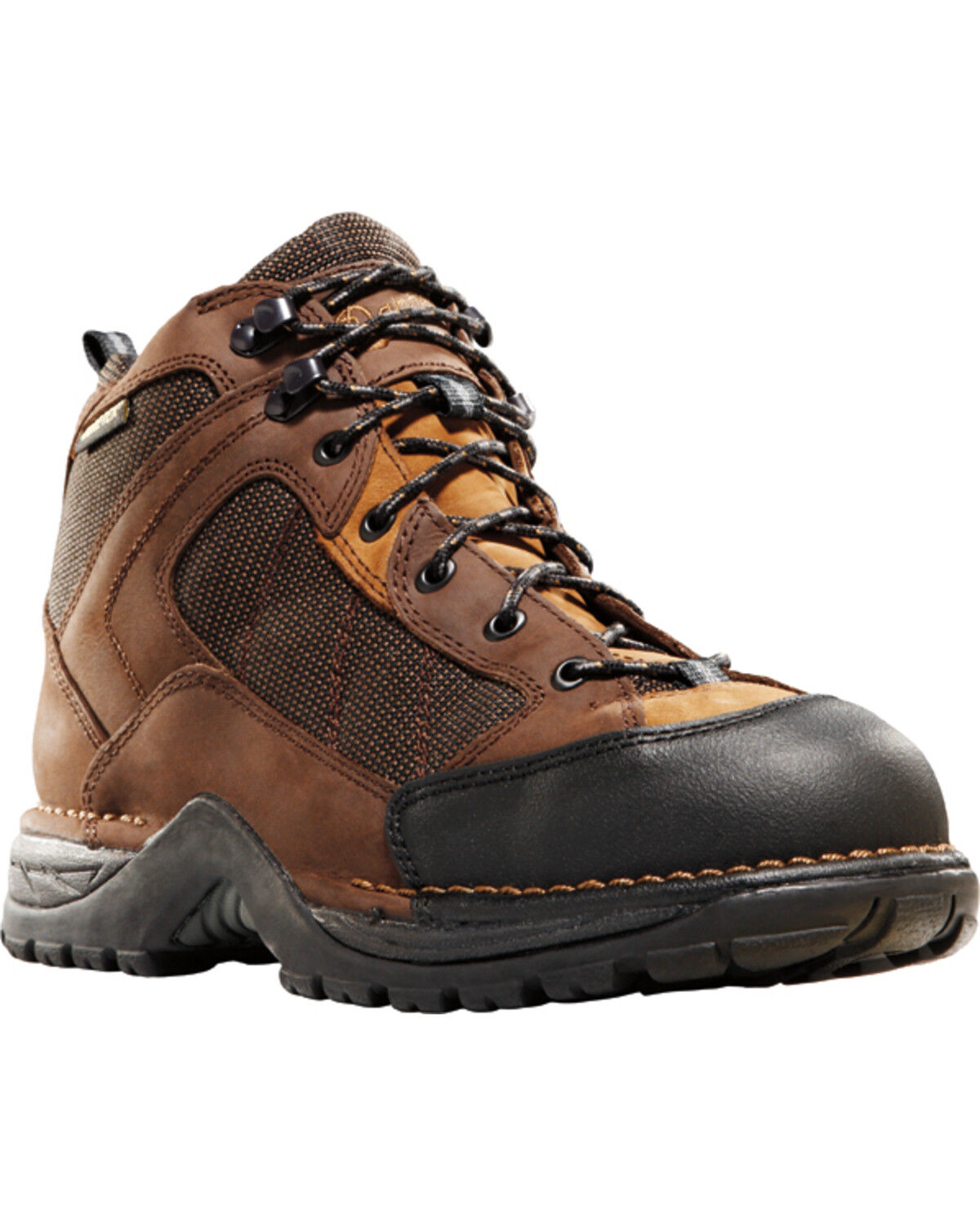
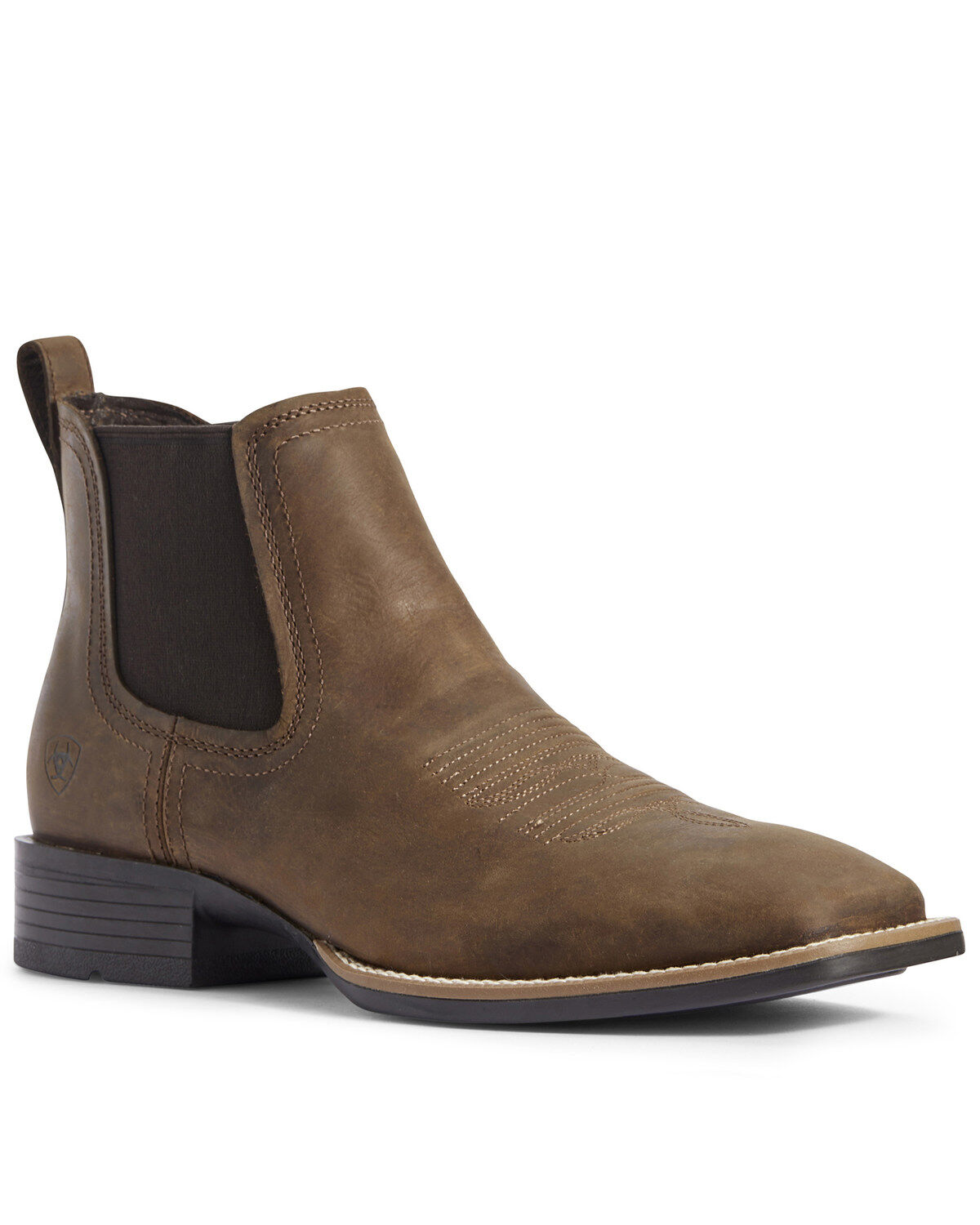
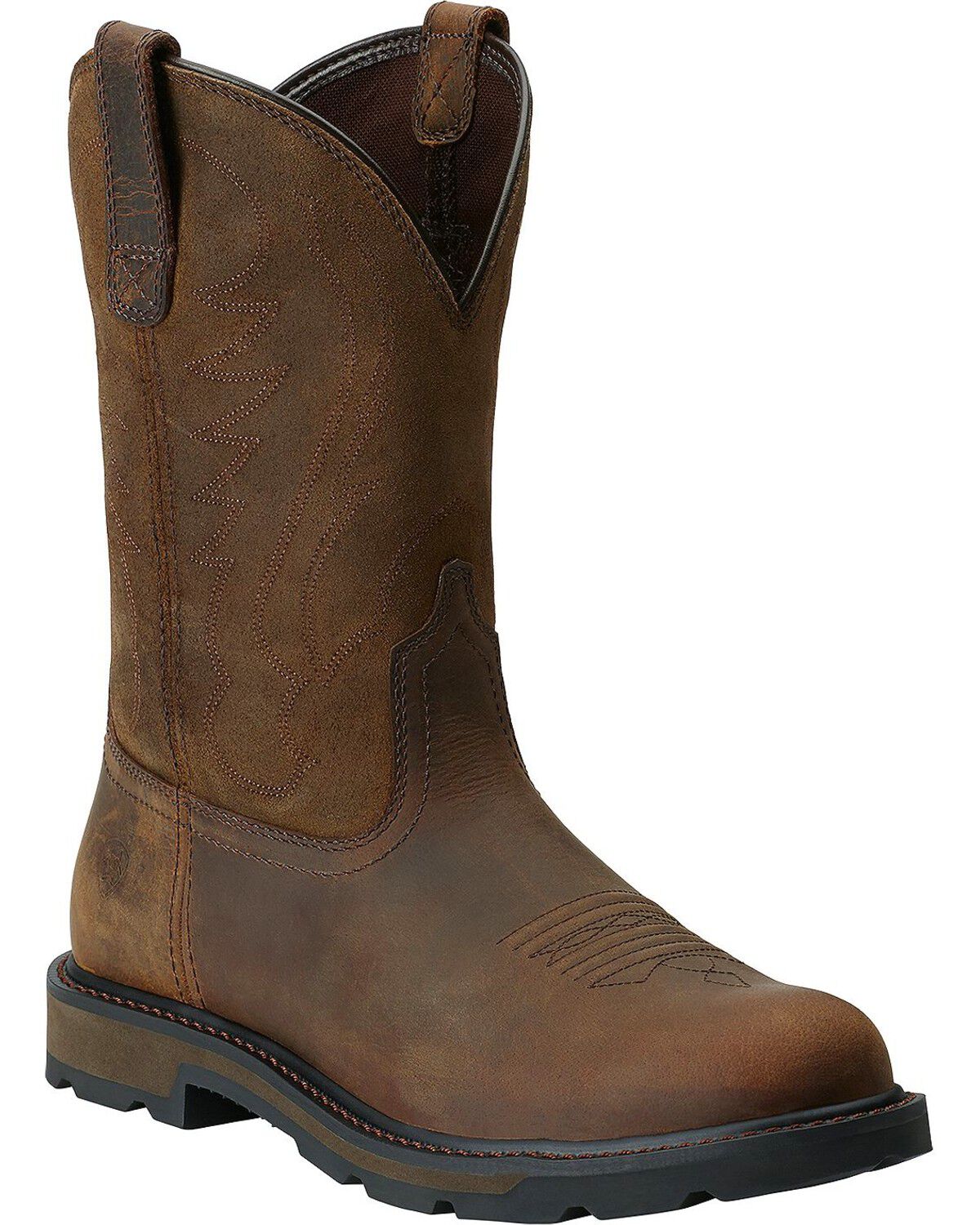
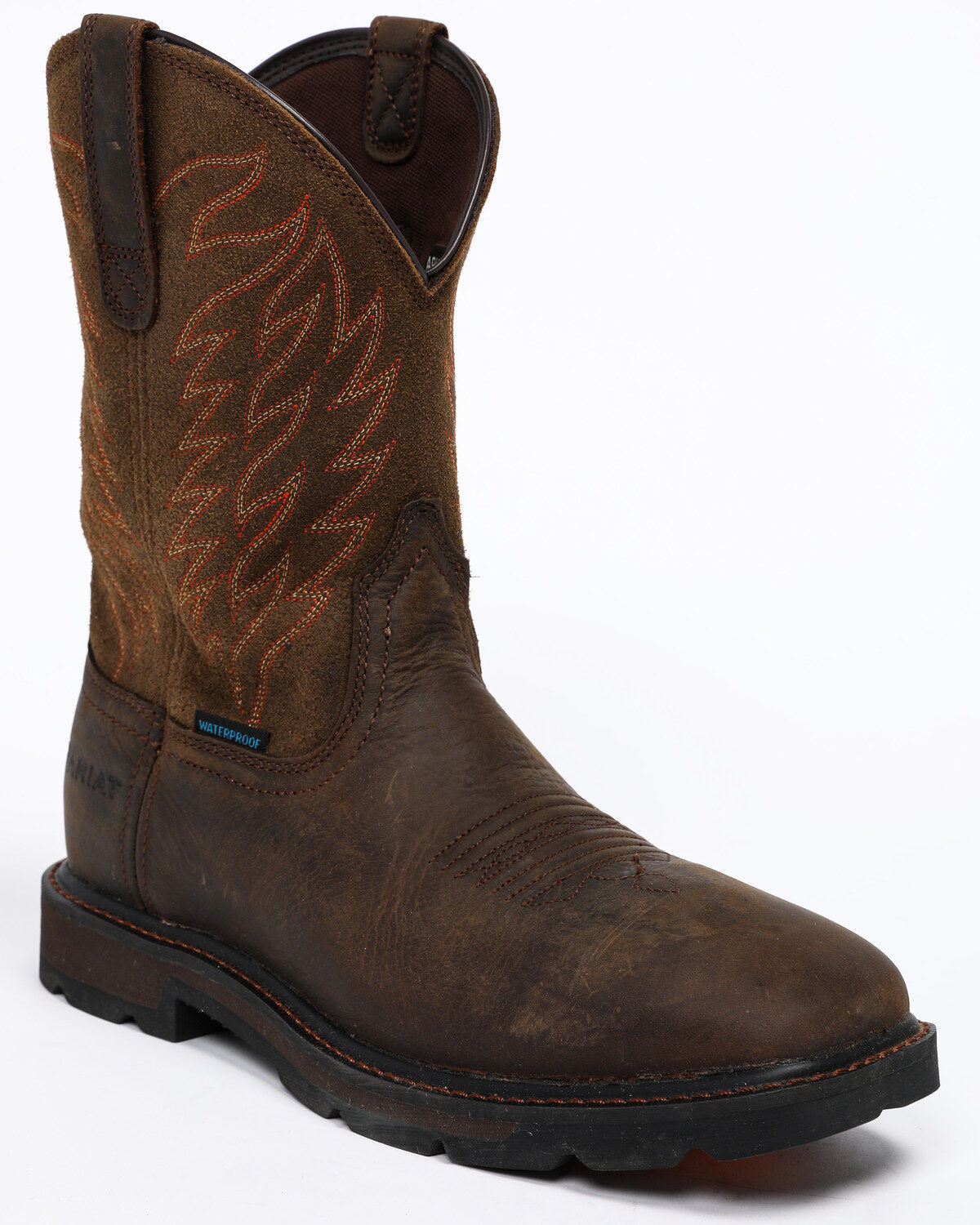
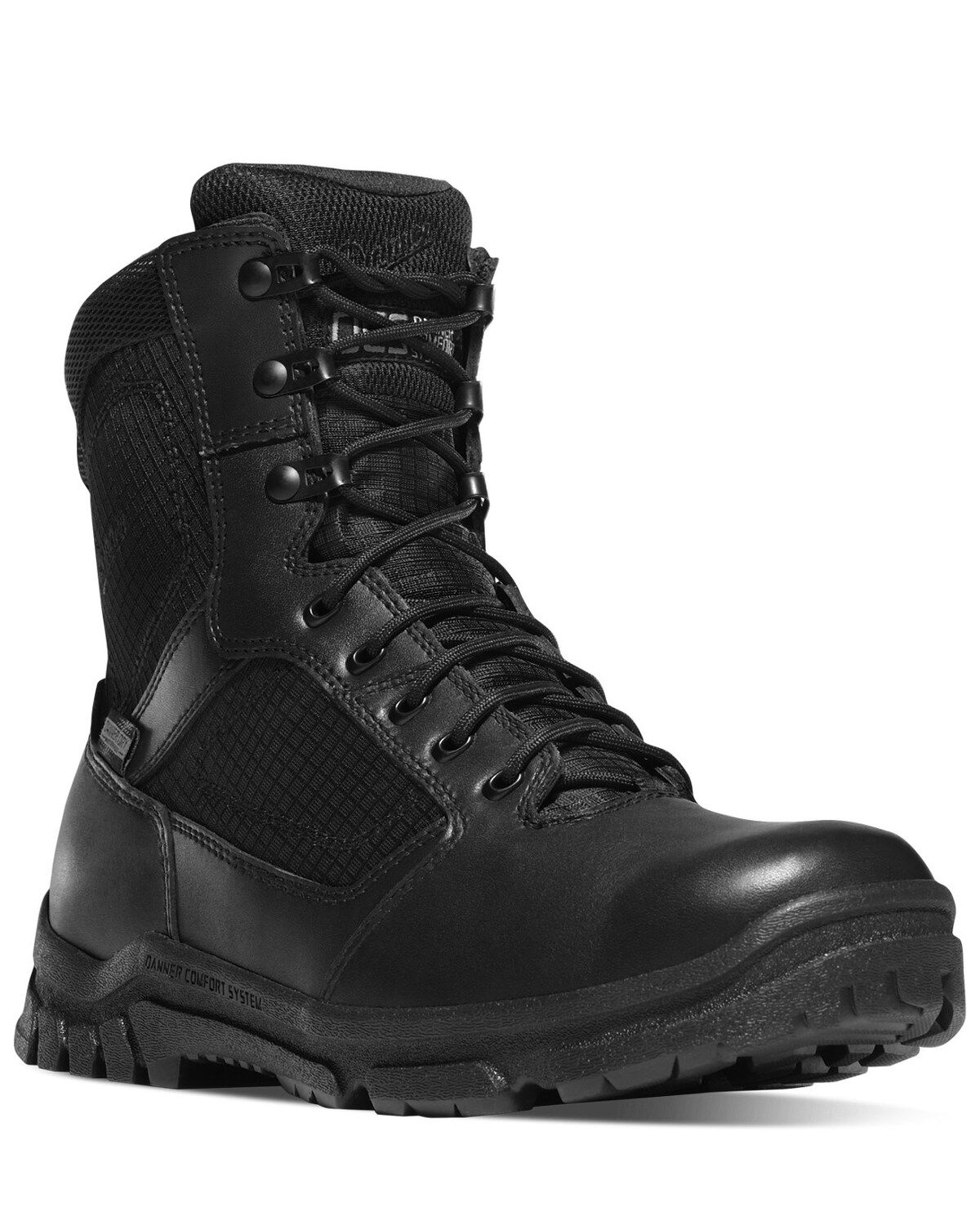
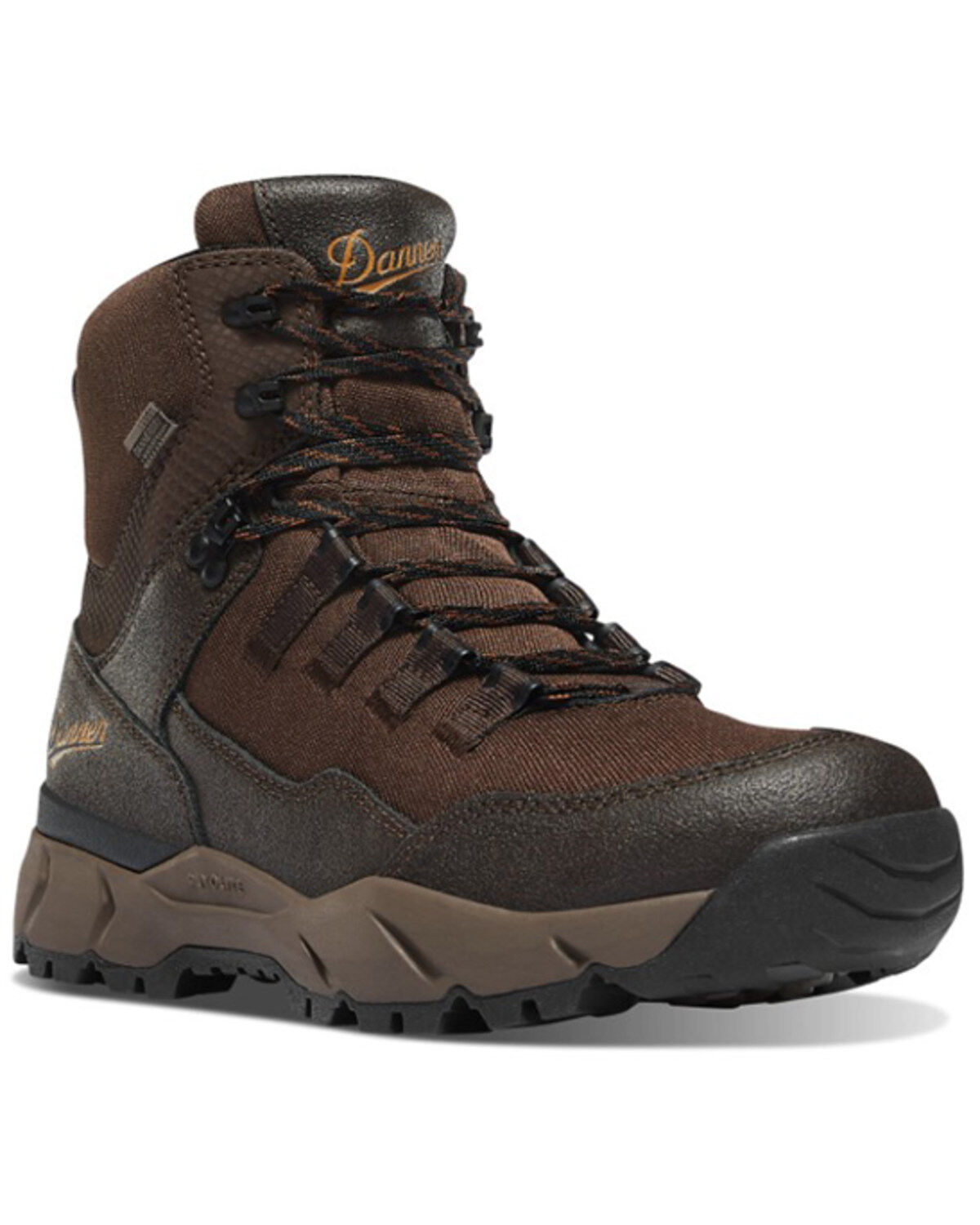
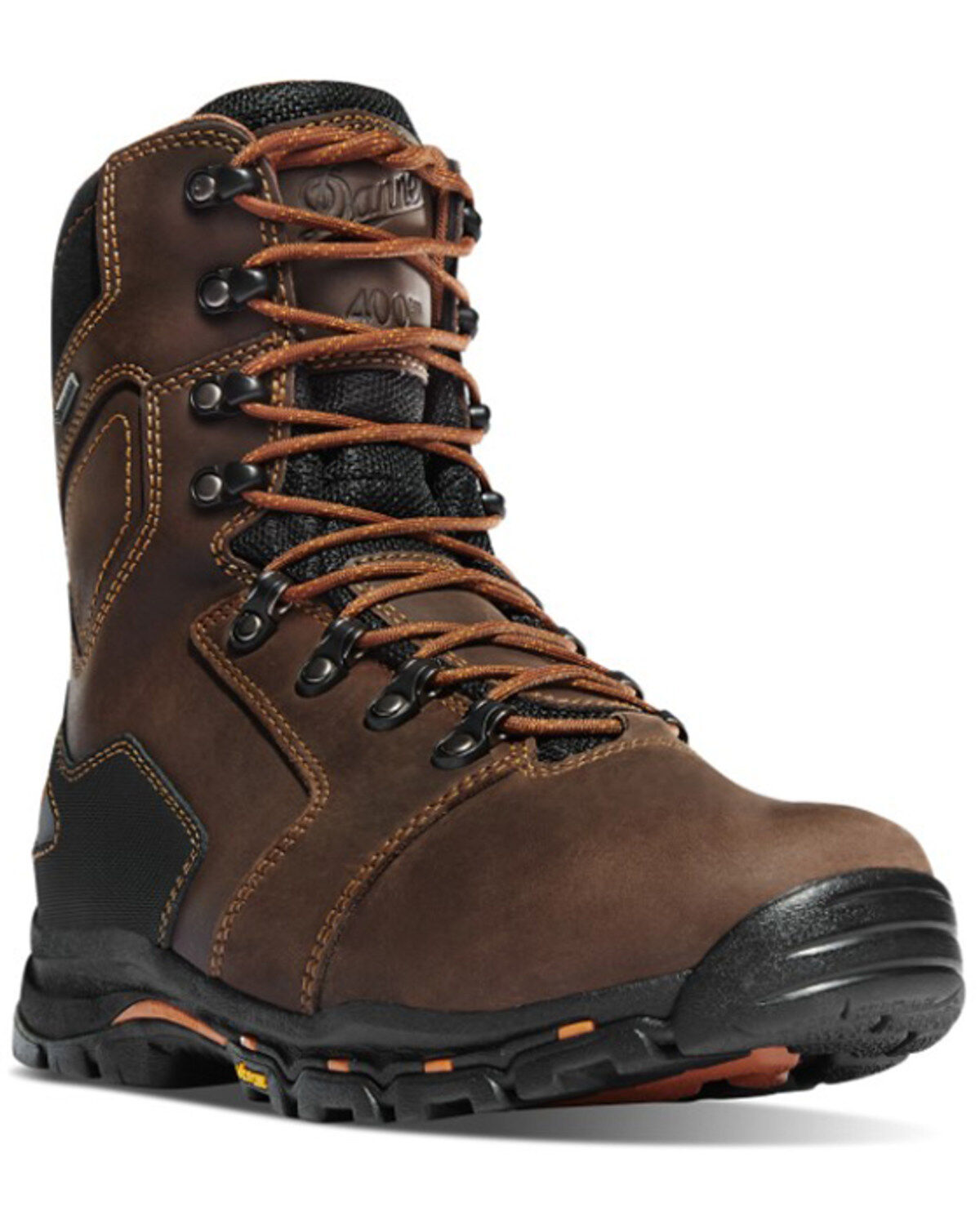
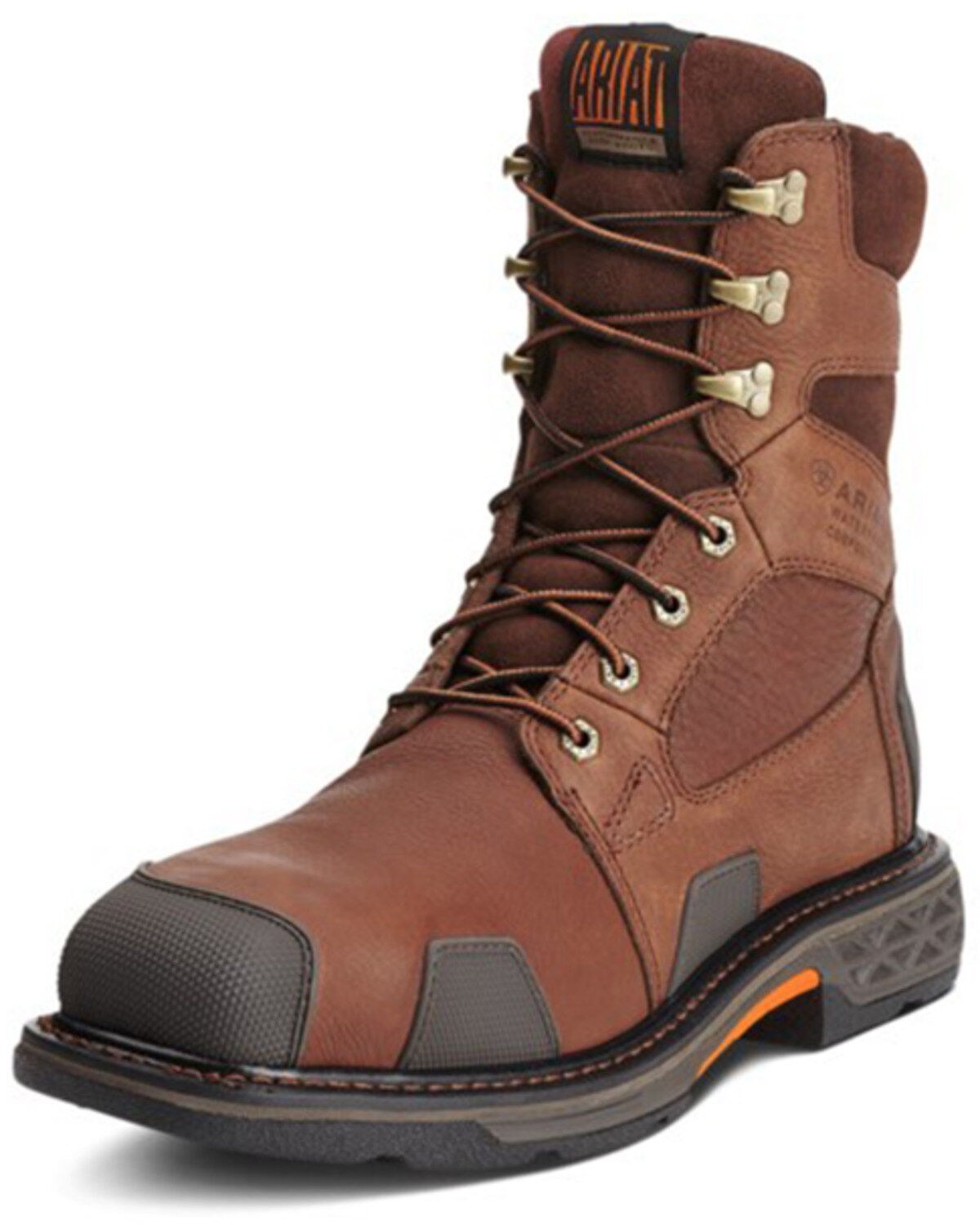
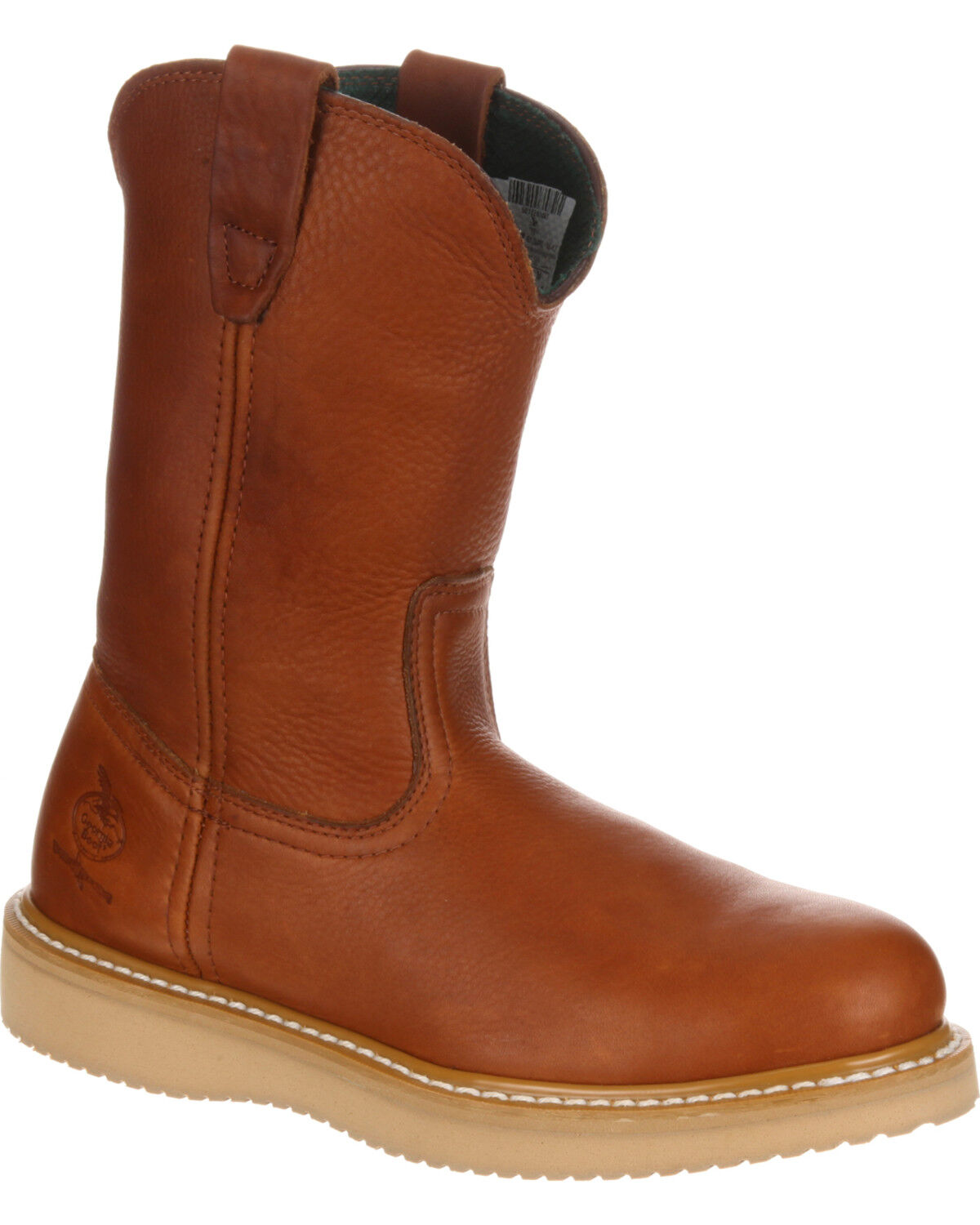
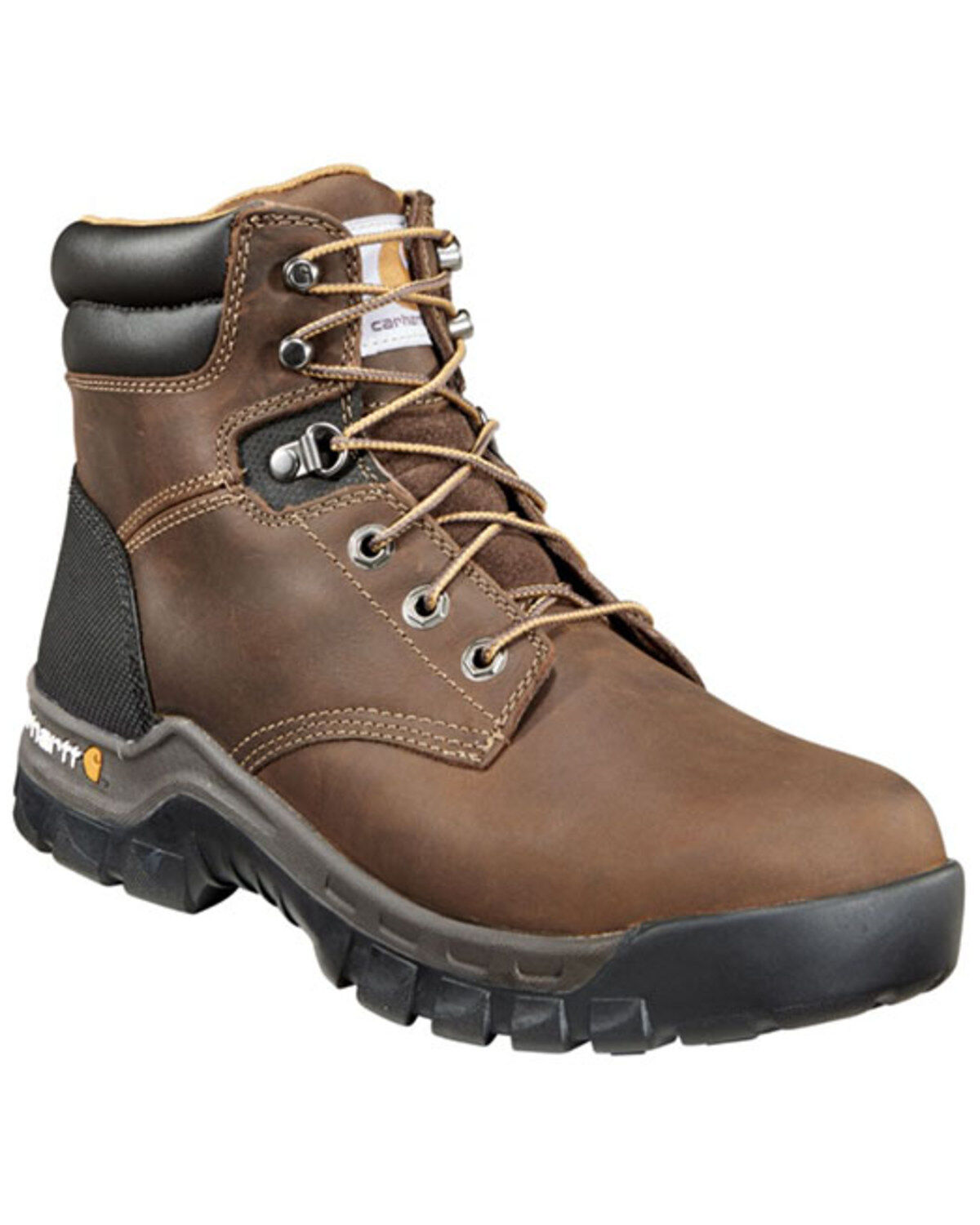
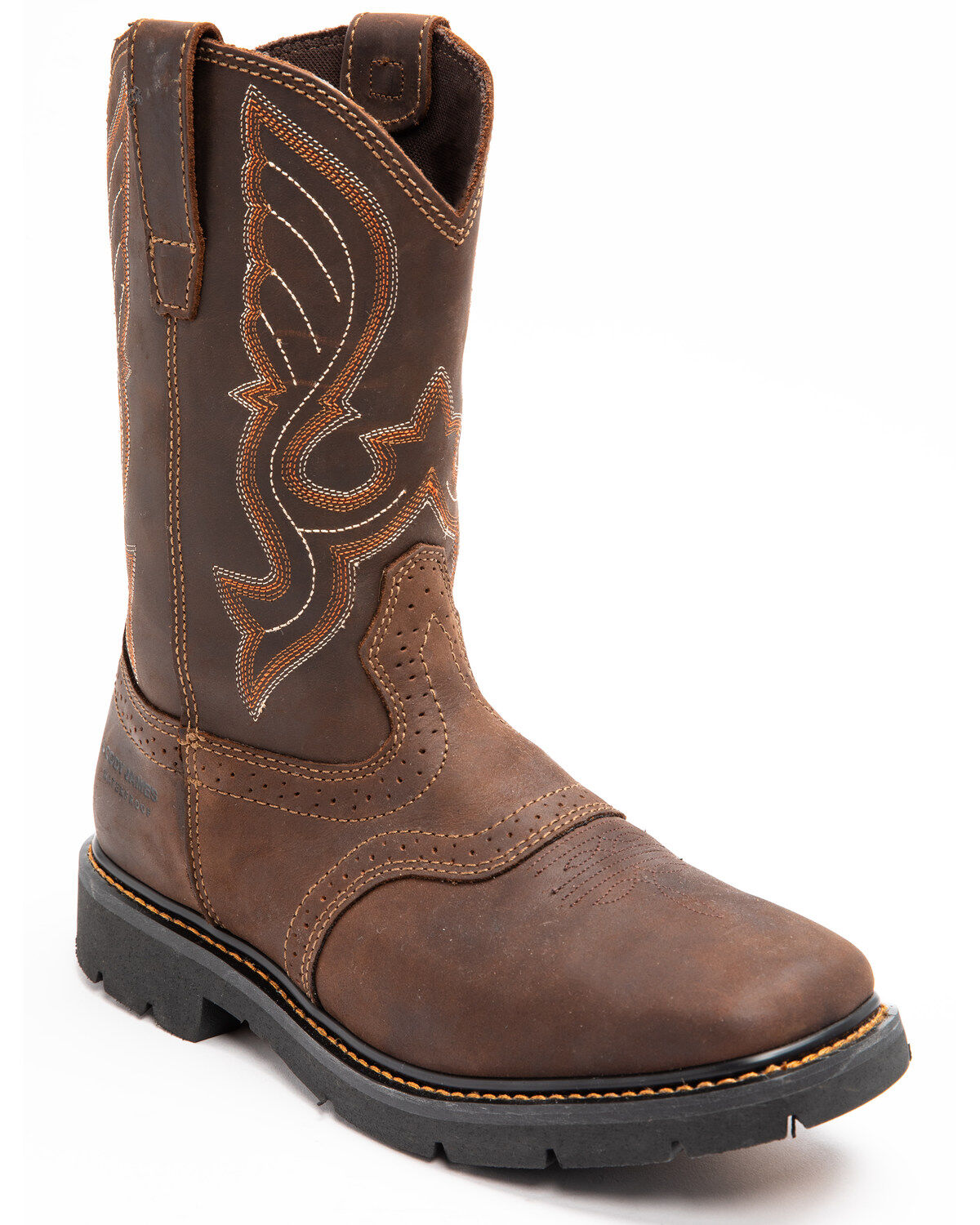
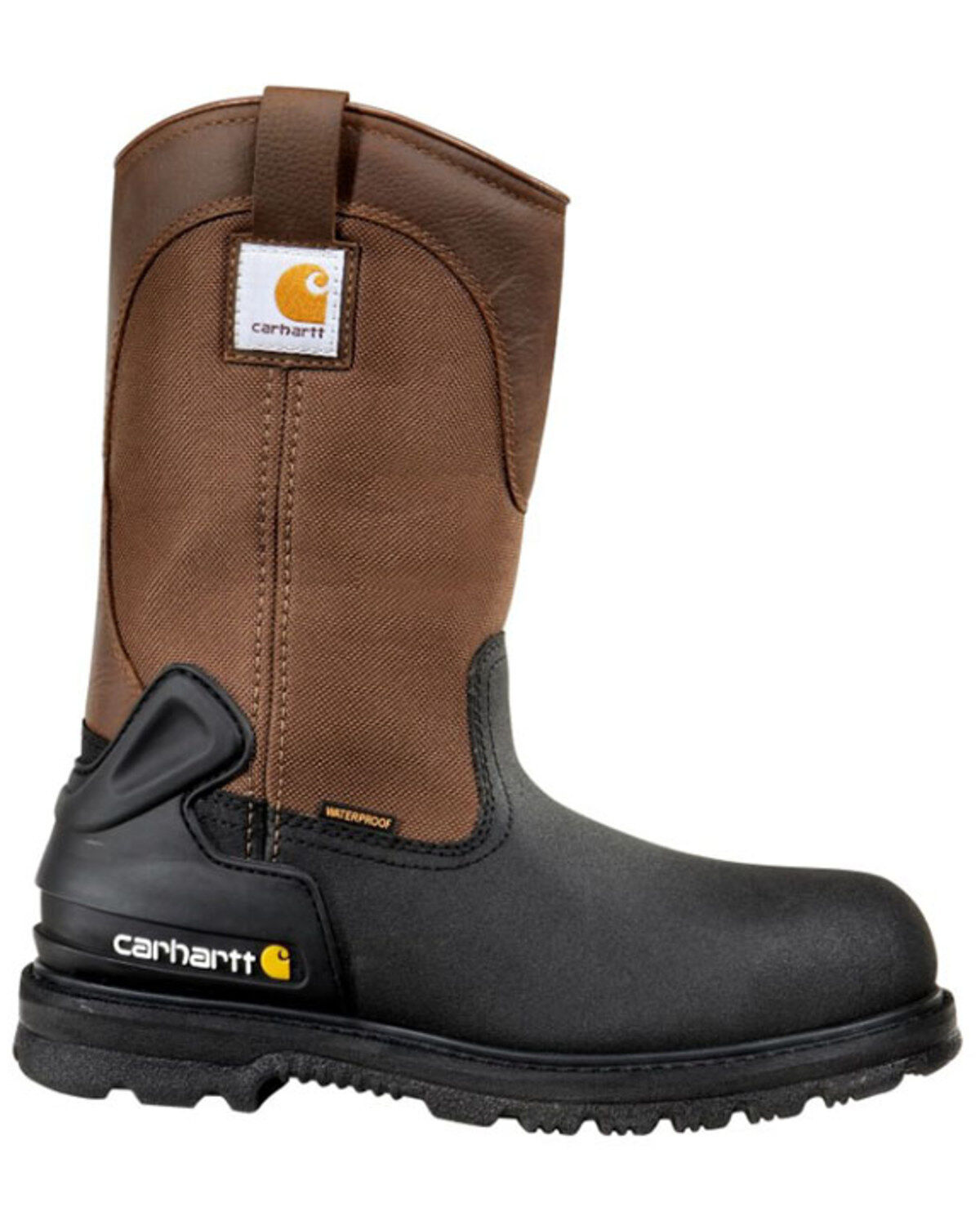
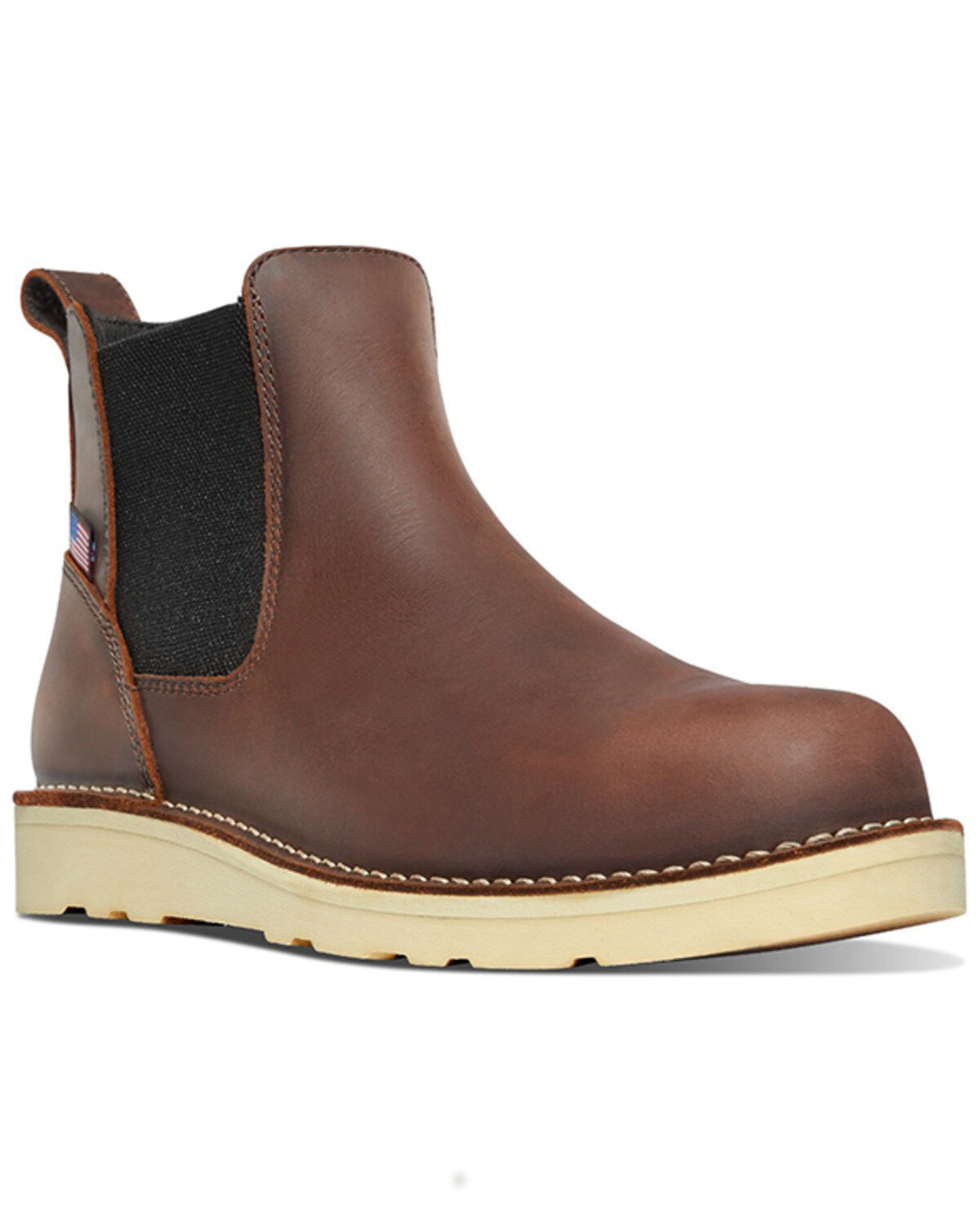
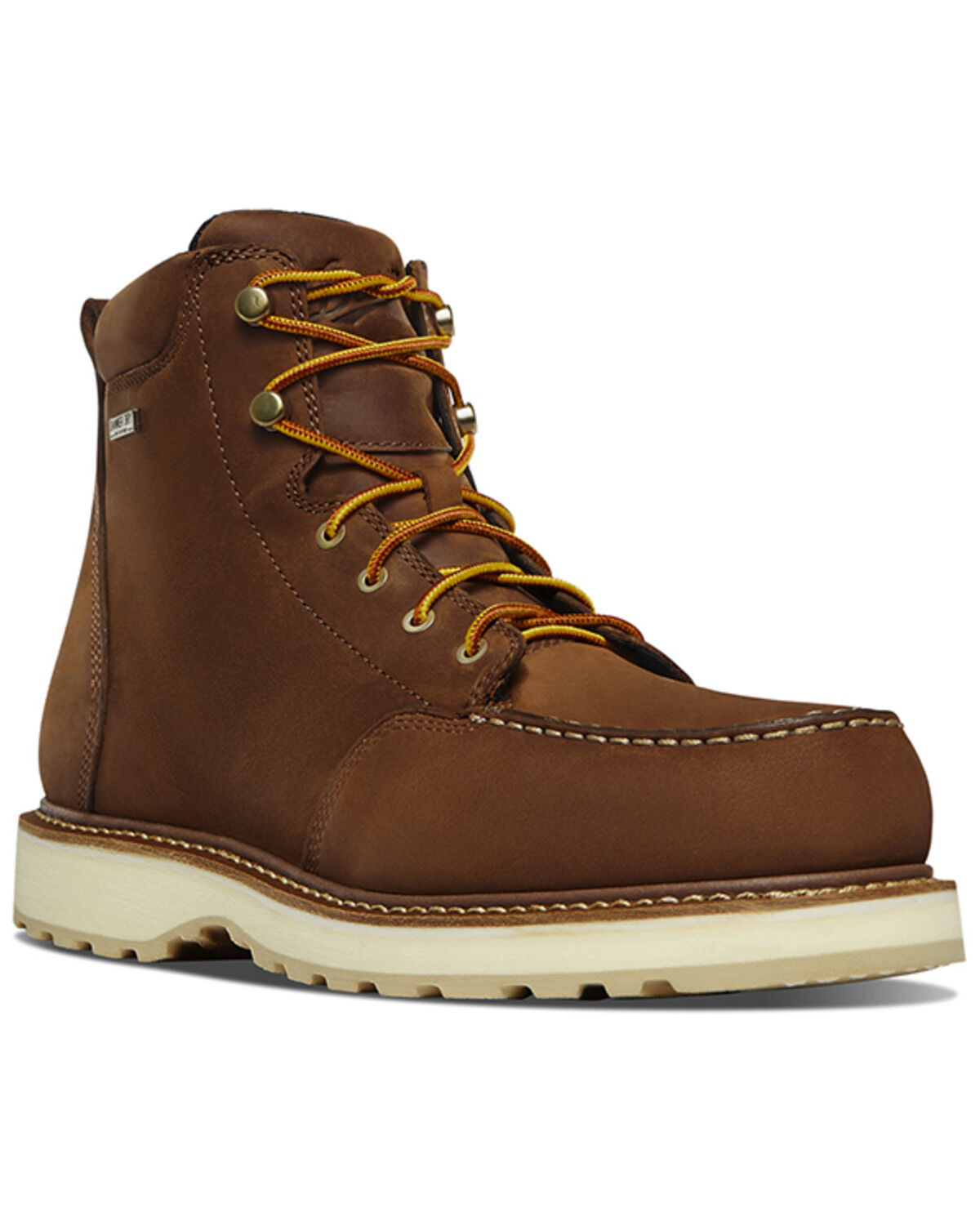
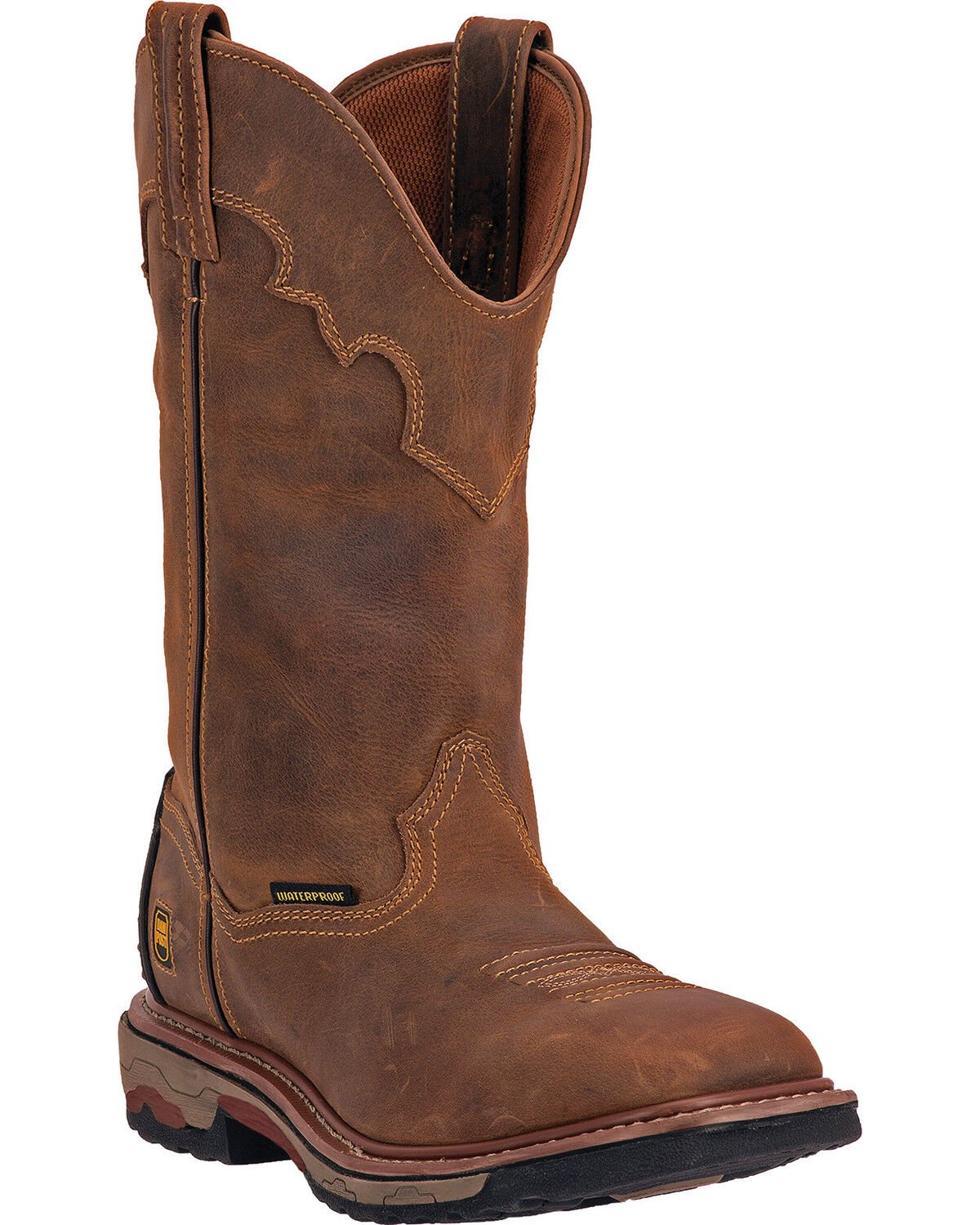
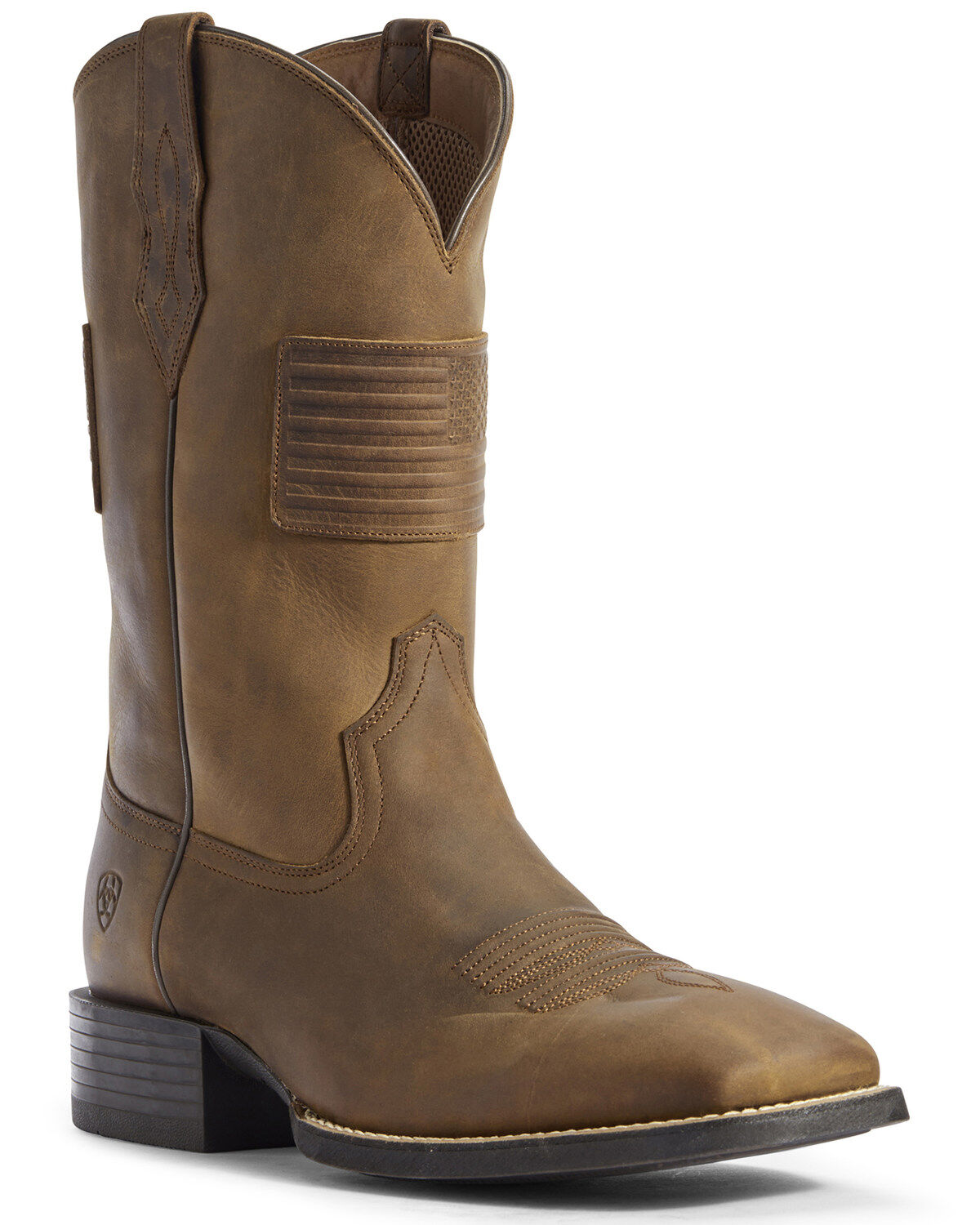
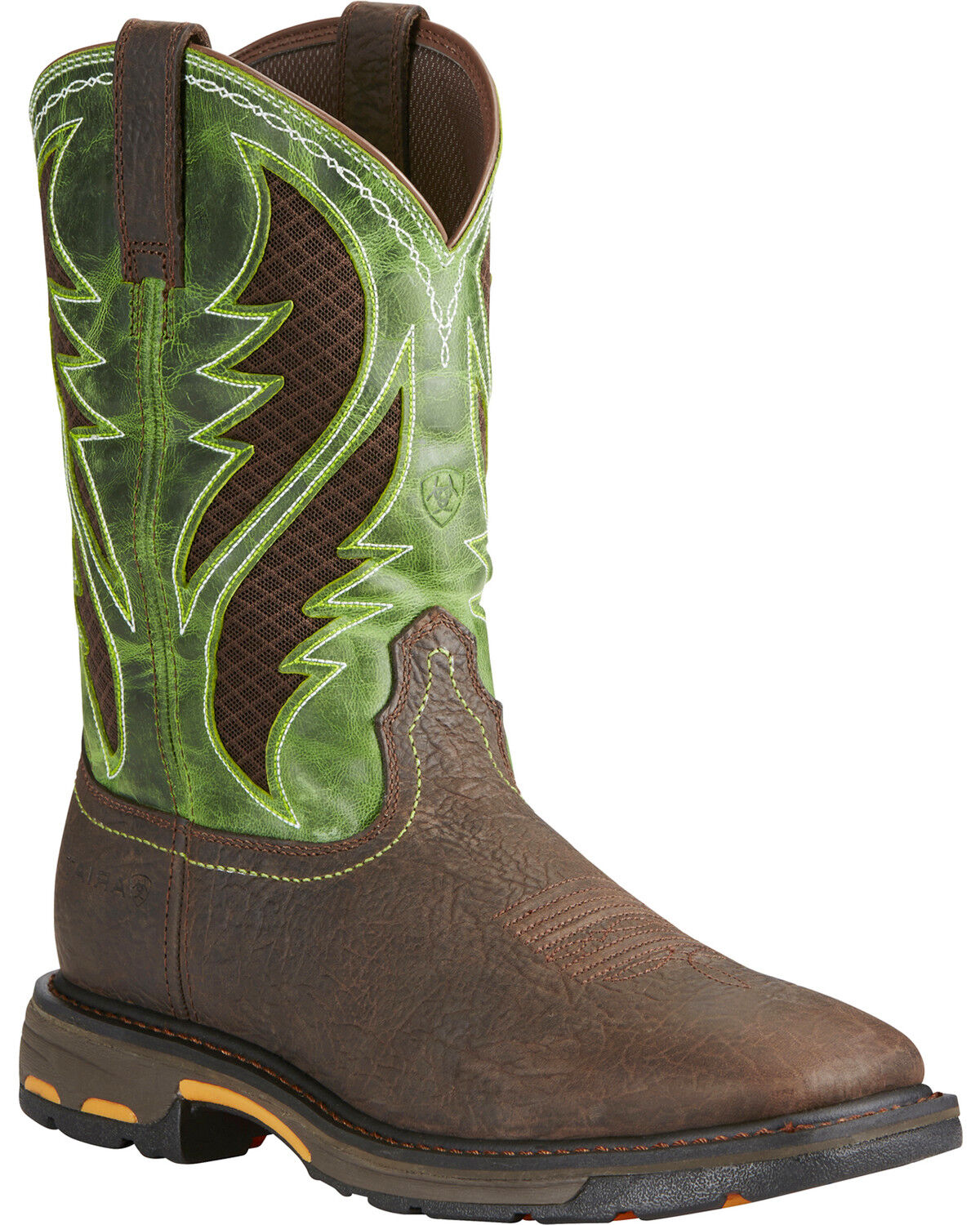
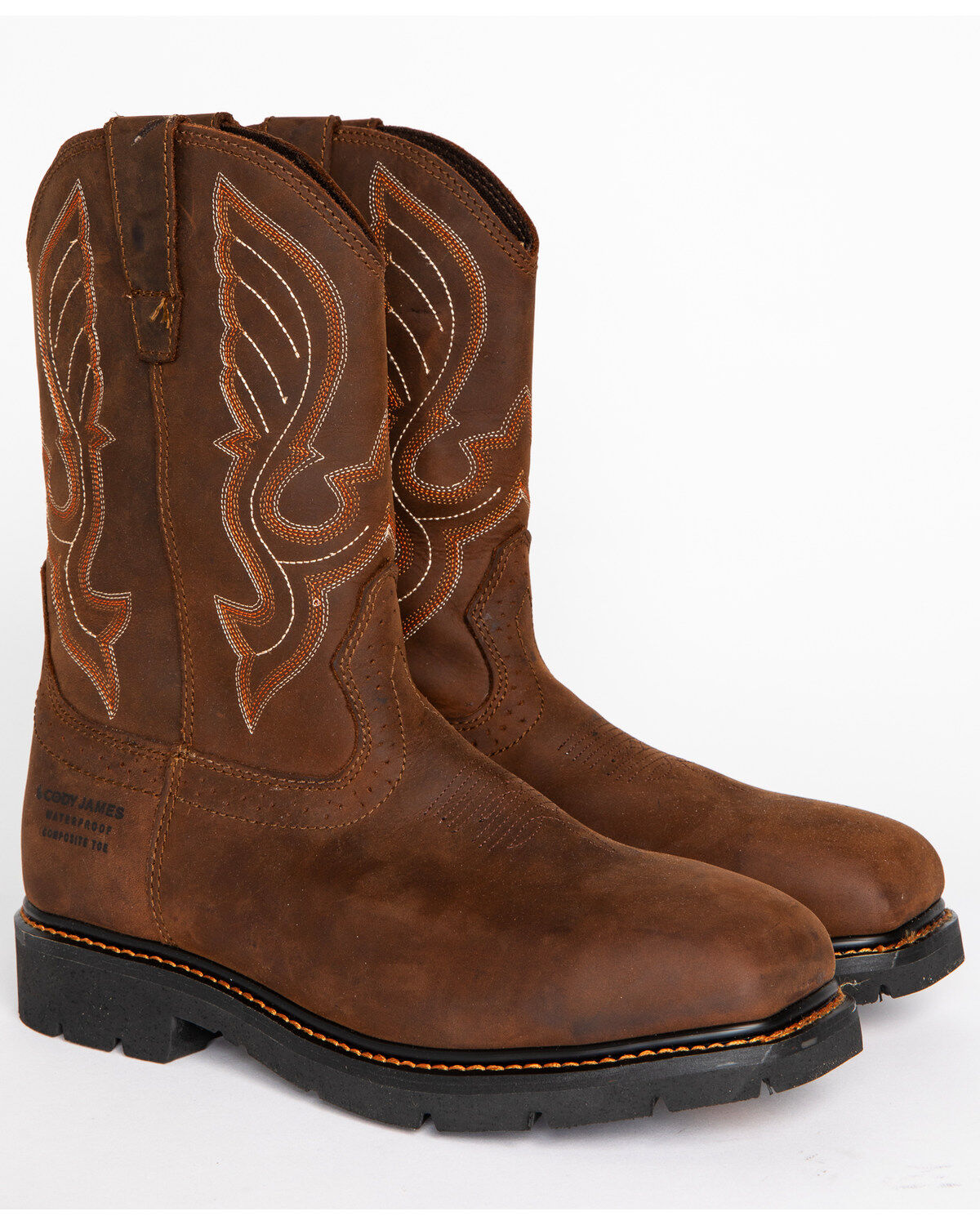
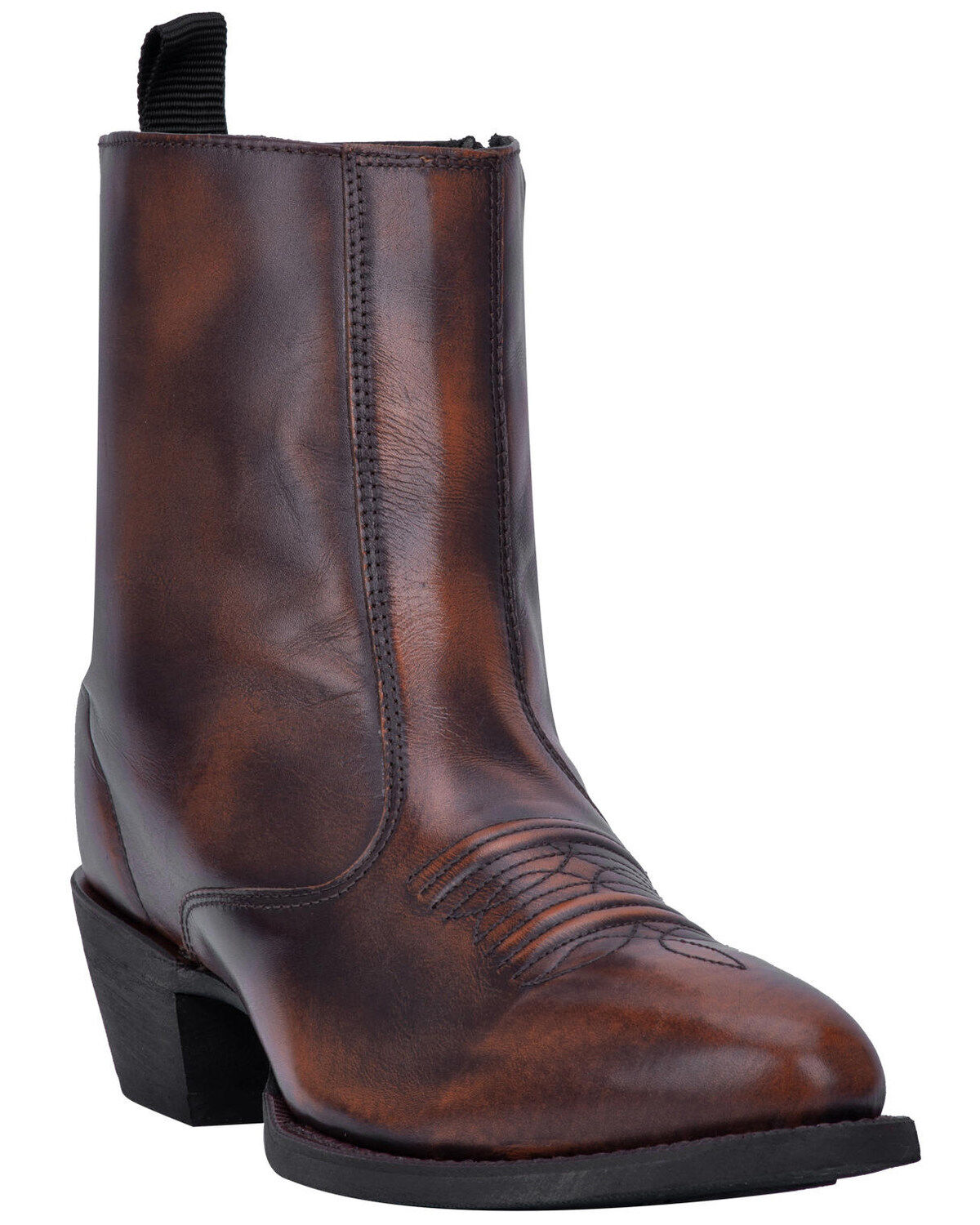
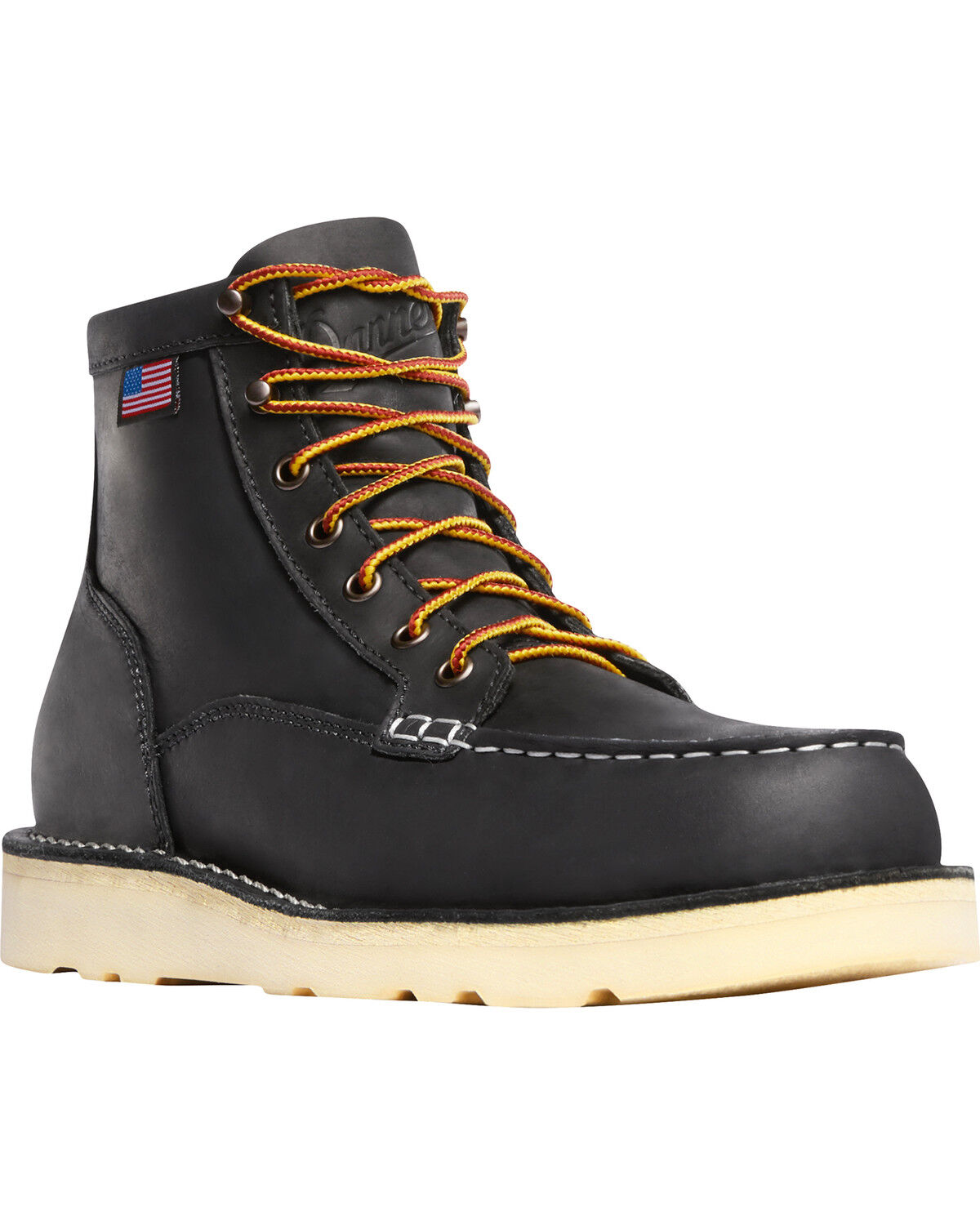
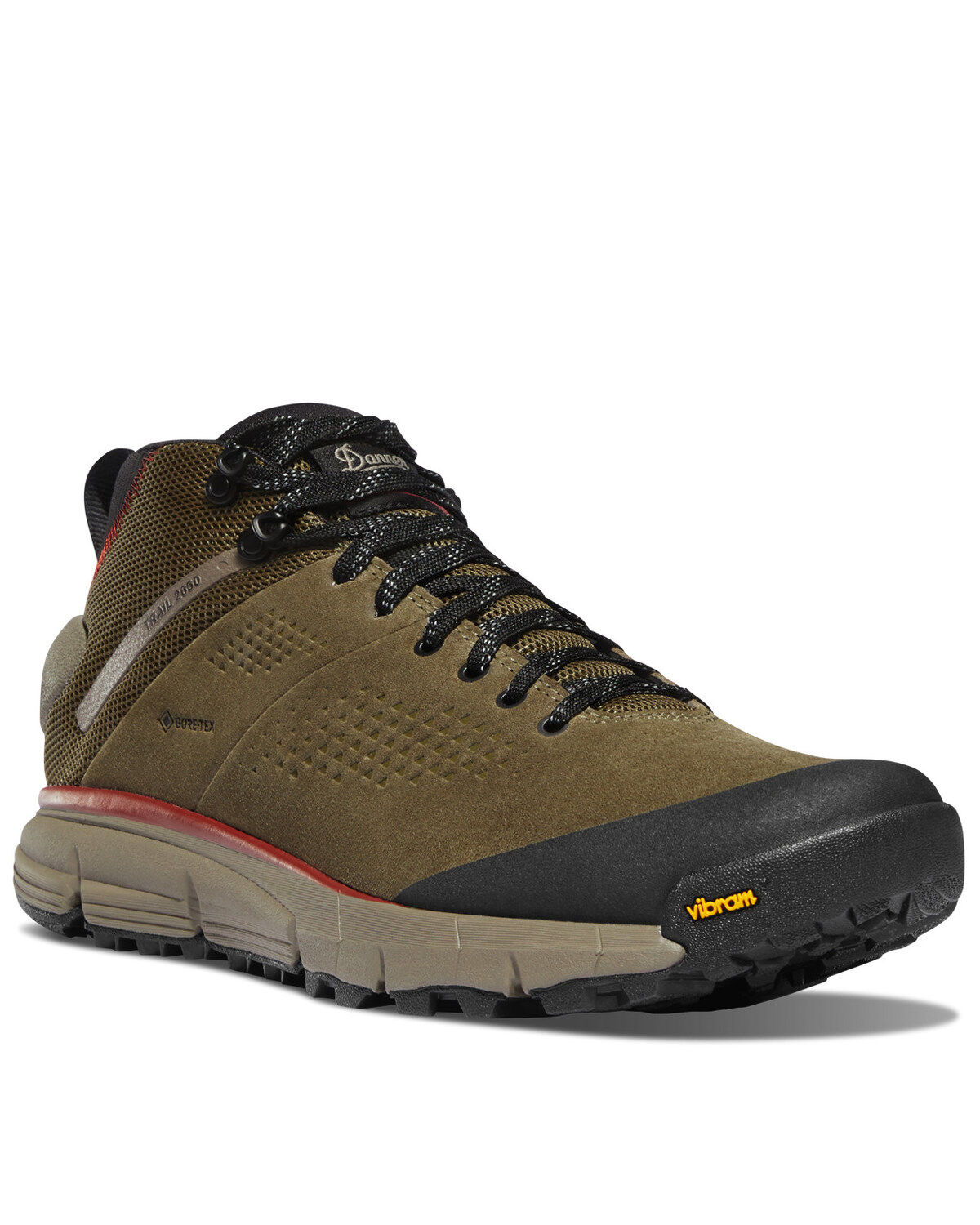
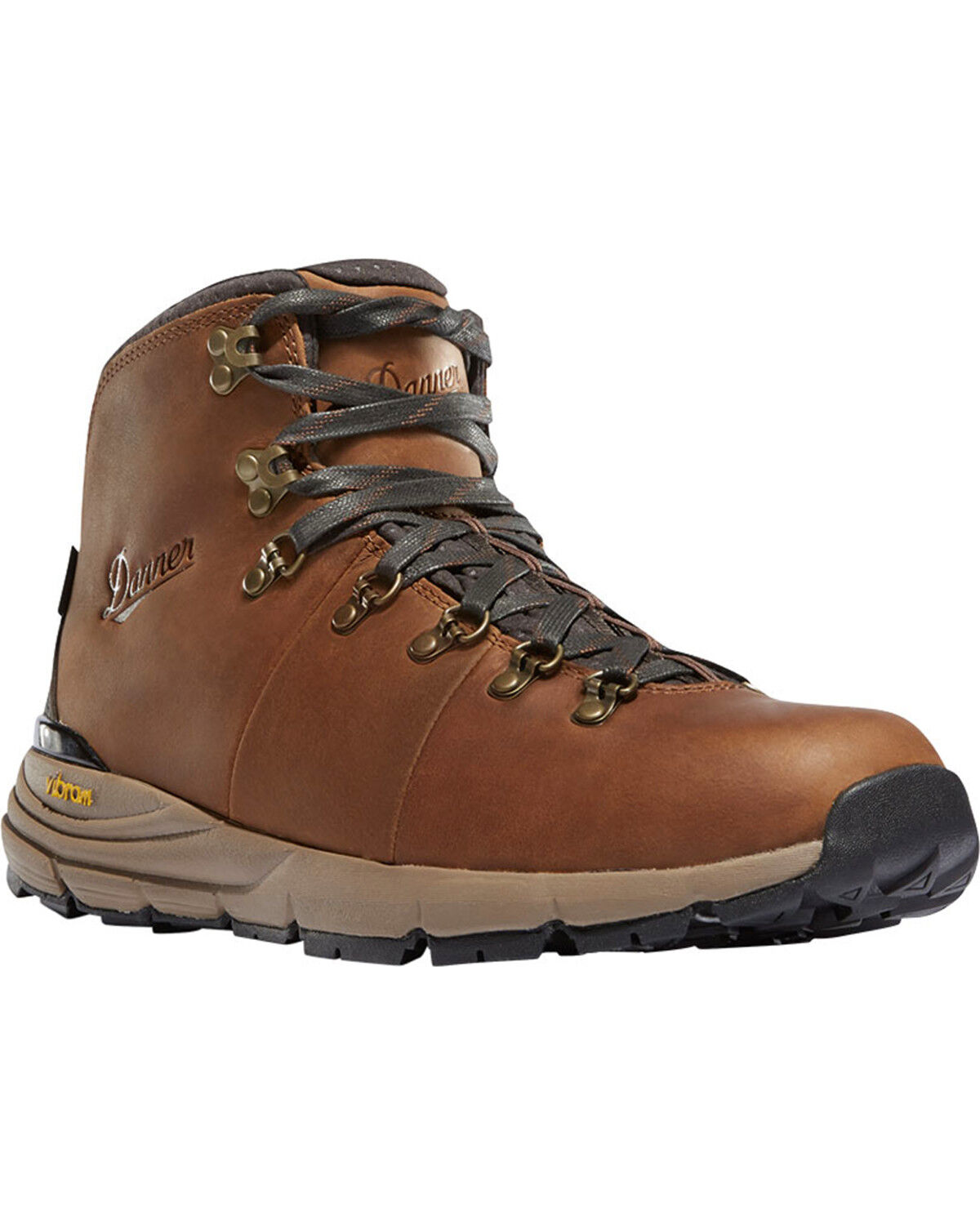
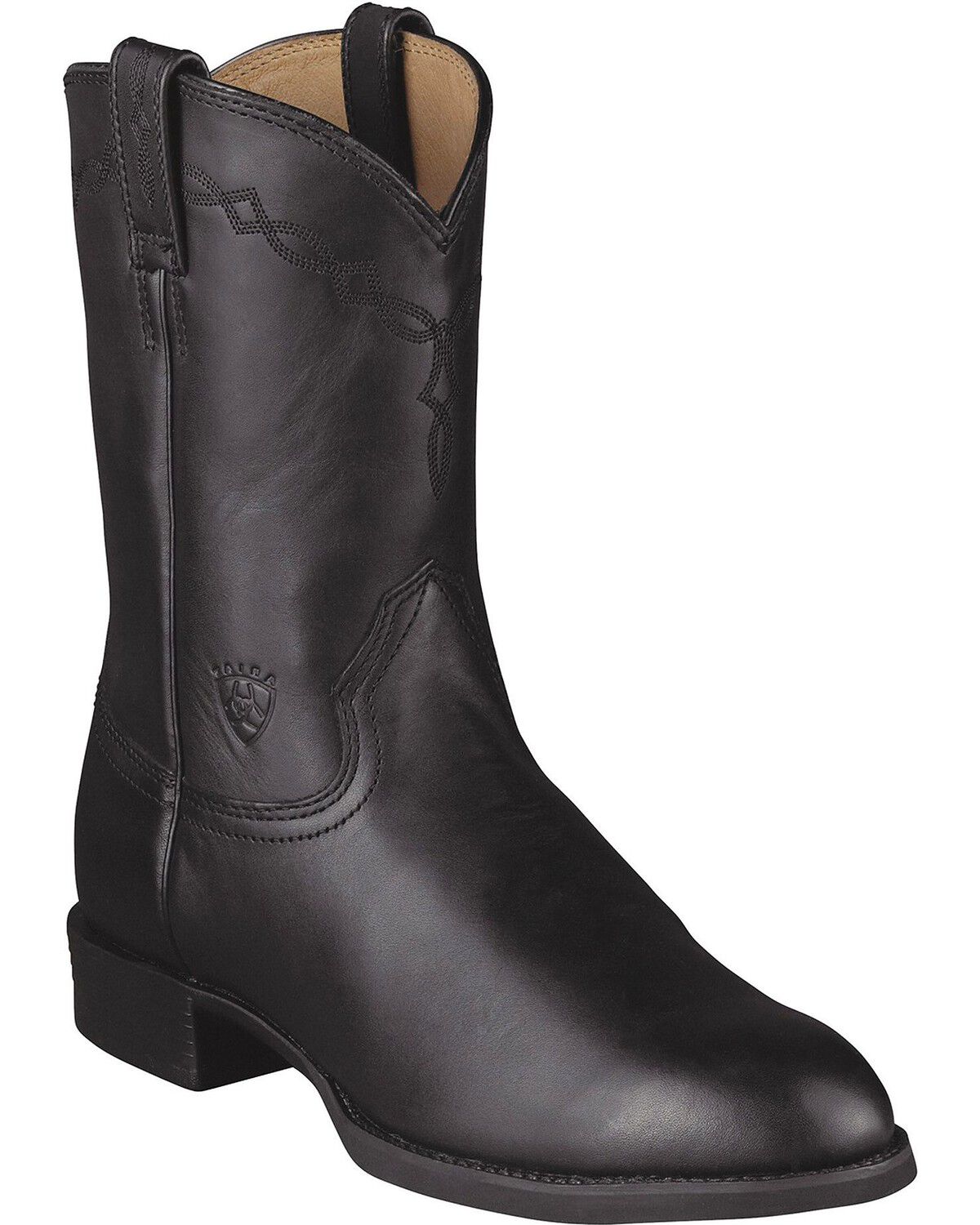
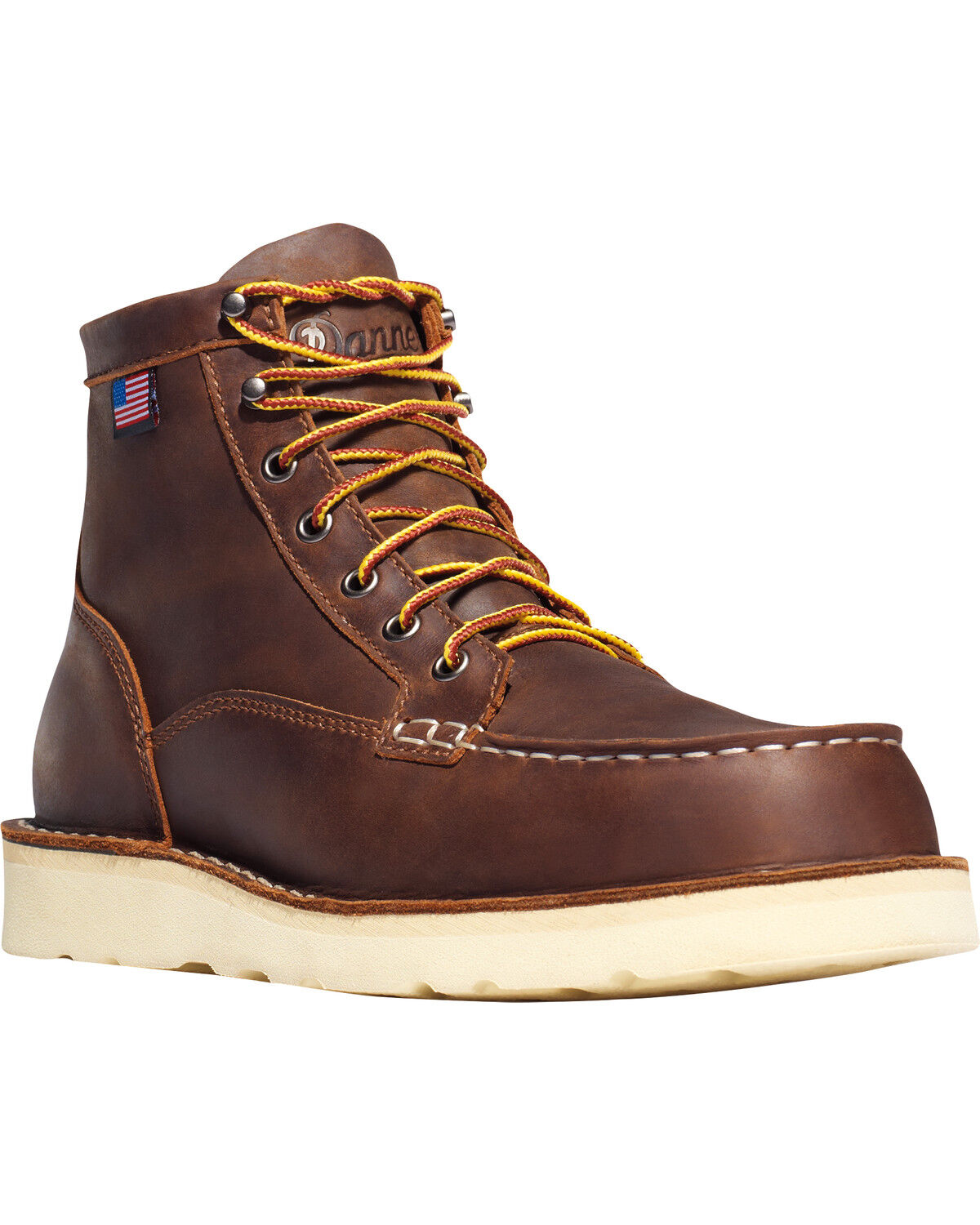
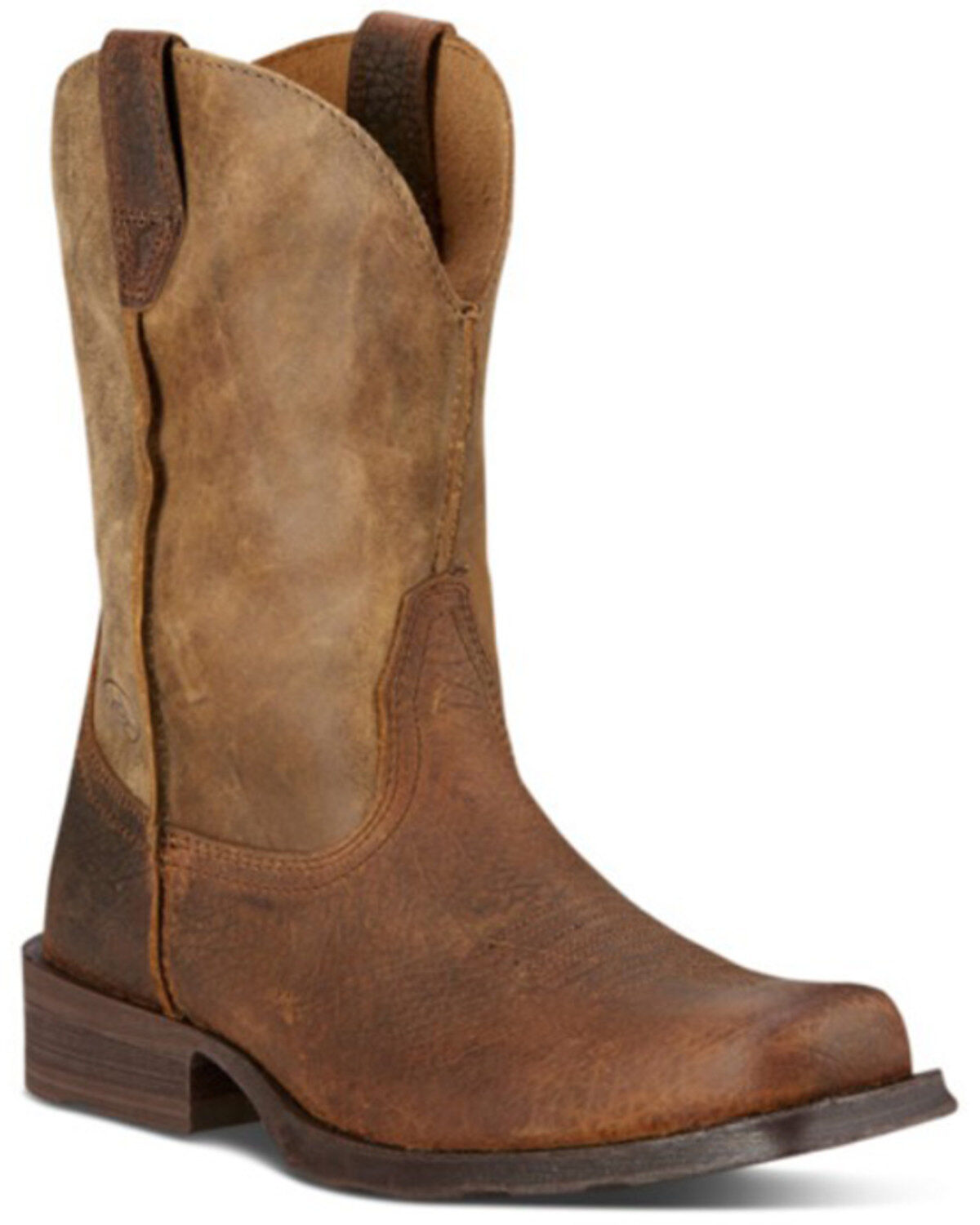
The main types of boots for men include cowboy boots, roper boots, work boots, hiking boots, and ankle styles such as Chelsea, chukka, and lace-up dress boots. Each type serves a different purpose, from time in the saddle and long hours on concrete to everyday wear with jeans or trousers. Cowboy boots are known for their pull-on construction, taller shafts, and distinctive heels. Decorative stitching, leather texture, and toe shape give western boots much of their character, but appearance is only part of the difference. A broad square toe creates a different profile than a round or pointed toe, while heel height and sole construction affect the feel underfoot. Roper boots generally have a shorter shaft and lower heel than traditional riding styles, making them a practical option for men who spend more time walking than riding. Boots intended for horseback use need a heel, sole, and shape suited to the stirrup; a western appearance alone does not establish that suitability. Work boots address the demands of a job, with designs ranging from adjustable lace-up boots to straightforward pull-on styles. Hiking boots emphasize traction and secure footing on uneven ground. Chelsea boots have elastic side panels and a close ankle profile, while chukka boots typically have an ankle-height shaft and a few pairs of lace eyelets. Dress boots favor cleaner lines, less prominent tread, and a finish suited to tailored clothing. These differences explain why a boot worn comfortably behind a desk may not be suited to a full shift around heavy equipment. Intended use matters more than the category name alone. A ranch hand, carpenter, office worker, and man who spends his weekends on foot can have very different requirements. For everyday wear, shaft height, toe shape, and the way a pant leg falls over the boot also make a noticeable difference. Straight-leg jeans generally leave more room around a western shaft, while a lower-profile ankle boot can sit neatly beneath narrower trousers.

Materials and construction help determine how men's boots wear, flex, and hold their shape. Full-grain leather retains the natural surface of the hide and can develop visible character with use. Other finished leathers offer different textures and levels of upkeep, while suede has a softer, napped surface that needs its own cleaning tools. Fabric panels and synthetic components can reduce weight or add flexibility, depending on the design. Inside the boot, lining, cushioning, and the footbed influence comfort just as much as the outer leather. A substantial leather boot and a lighter work boot may feel very different after several hours of standing, even when both fit properly. Outsoles deserve equal attention. Leather soles provide a traditional finish, while rubber compounds and tread patterns serve a range of walking and working needs. Deep lugs can help on loose ground but may carry soil into a truck cab or shop. Lower-profile tread can be easier to brush clean. Slip resistance depends on the sole, the surface, and any contaminants underfoot, so tread appearance alone is not a reliable measure. For jobs with protective footwear requirements, safety-toe construction, electrical hazard protection, and puncture resistance are separate features. A steel, composite, or alloy toe should meet the applicable requirements for the job rather than simply look substantial. Soft-toe work boots do not provide the same impact protection. Construction also affects long-term use. Some welted boots can be resoled by a qualified repair professional, while other construction methods prioritize flexibility or lower weight. Resoling depends on the boot design and the condition of the upper. Reinforced stitching, secure hardware, and sound attachment between the upper and sole all deserve attention. Durability is not just about thick leather or a heavy sole. It comes from matching the entire boot to the work, then maintaining it before small areas of wear turn into larger problems.

Fit should account for length, width, instep volume, and the socks worn with the boots. Toes need room without being pushed against the front or squeezed together. A square toe does not automatically make a boot wide, and a pointed profile does not mean the toes should fill its tip. Pull-on western boots usually need a secure fit across the instep, with some initial heel movement possible depending on the construction. That movement should not leave the foot sliding loosely inside. Lace-up boots allow more adjustment, but tightening the laces cannot correct the wrong size or shape. Comfortable flex at the ball of the foot matters when climbing stairs, walking across a shop floor, or spending an evening standing. Leather may soften with wear, but break-in should not be expected to fix painful pressure or inadequate toe room. Care needs vary by material and finish. Removing grit after use helps protect stitching and leather surfaces. Smooth leather may benefit from a compatible cleaner and conditioner, while suede needs a suitable brush and products intended for its finish. Excess conditioner can alter color or leave leather overly soft, so care directions matter. Boots should dry naturally away from direct heat, and insoles should be allowed to air out when removable. A boot tree or shaft support can help preserve shape between wears. Appearance still has a place alongside practical details. Rich brown leather shows texture clearly, while black boots for men pair naturally with dark denim and many dress trousers. Understated stitching and a clean profile suit less casual settings; more pronounced western details give everyday clothing a stronger focal point. Boots can also make a useful birthday, graduation, or anniversary gift when the recipient's fit and habits are known. Familiar sizing, preferred toe shape, usual socks, and intended use provide a better starting point than appearance alone. A well-matched pair should make sense for the person wearing it, whether that means daily work, regular riding, or dependable everyday wear.

FAQs