Military Style Boots For Men

Find military style boots for men with a rugged, utility-focused look. Compare available styles by boot height, materials, and closure type to narrow your choices, and check individual product details for the fit and features that suit your needs.

Read More

Shop Your Store: Shop Your Store: Find a Store

(Turn off Shop Your Store to see all items)

(Turn off Shop Your Store to see all items)

close
  • Recommended
  • Lowest Price
  • Highest Price
Skip pass products

End of products

Military Style Boots For Men

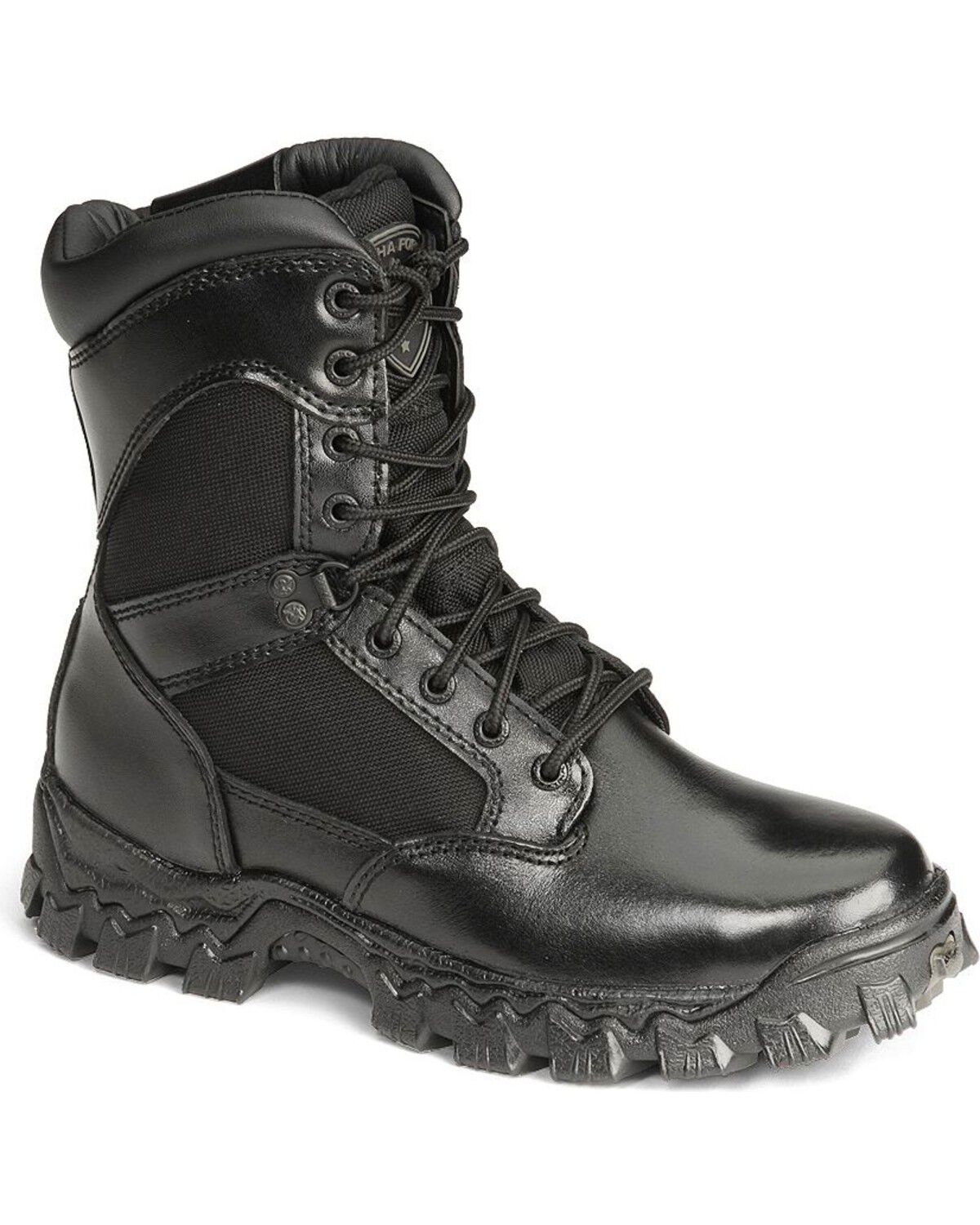
Military-style boots for men bring a secure lace-up fit, durable uppers, and practical construction to footwear built for active days. Their roots are in service footwear, where traction, coverage, and a stable fit matter more than decoration. That influence shows in reinforced stitching, substantial outsoles, and straightforward profiles that work with utility pants, workwear, and jeans. The category spans traditional combat-inspired designs and lighter tactical boots with cushioning and flexibility closer to athletic footwear. Neither approach is better for every job. A structured leather boot can suit someone who values abrasion resistance and a firm feel underfoot, while a lighter leather-and-textile design may appeal to someone covering long distances on foot. Six-inch and eight-inch shafts are common, with shorter styles generally allowing more freedom around the ankle and taller styles providing additional coverage. Shaft height alone does not determine support; heel structure, lacing, sole construction, and fit all play a part. Military styling also does not establish approval for military service or prove that a boot meets workplace safety requirements. Service members need to check the uniform rules that apply to their assignment, and workers need to match documented footwear features to their employer’s requirements. A protective-looking toe is not necessarily a safety toe, and a deep tread pattern is not proof of tested slip resistance. For everyday wear, the appeal is more straightforward: secure footing, useful coverage, and a clean, functional look. Security professionals, people who spend much of the day walking, and men who prefer substantial footwear may all find this style useful when its features match the task. Within the broader range of Boots For Men, military-inspired footwear stands apart through its laced construction and emphasis on movement and utility. It is a practical choice for someone who wants a boot that looks at home with work pants without relying on decorative details.

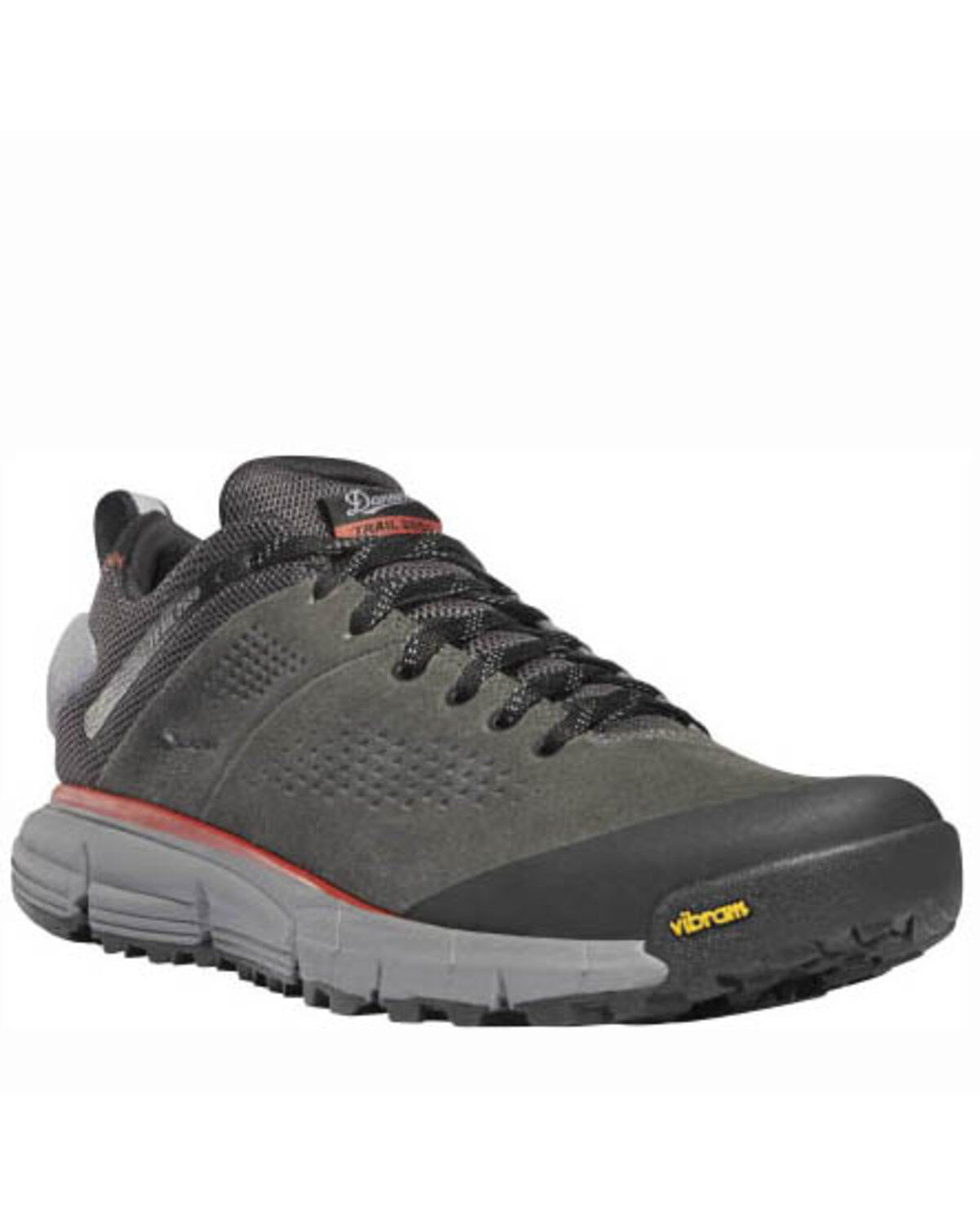
Materials and construction account for much of the difference between a firm, traditional feel and a lighter, more flexible one. Full-grain leather can provide strong abrasion resistance and develop character with wear, though its thickness and finish affect flexibility and care. Roughout and suede have textured surfaces that need different cleaning methods than smooth leather. Nylon panels can reduce weight and allow greater airflow, while reinforced leather sections add coverage around areas that take repeated contact. Inside the boot, lining texture, seam placement, and the shape of the footbed influence comfort just as much as the outer material. Cushioning helps soften each step, but a very soft feel is not the same as a stable platform. A supportive midsole and a well-shaped heel can make a noticeable difference when walking across uneven ground or spending hours on hard floors. Rubber outsoles vary in compound and tread design. Widely spaced lugs can release loose dirt more readily, while other tread patterns put more surface area against firm ground. Traction depends on the surface and the outsole together, not simply on how aggressive the sole looks. Weight deserves attention as well. A heavier boot may provide substantial structure, but that added weight can become noticeable over a long walking route. Side zippers offer easier entry on some designs, while laces allow more precise adjustment across the instep and around the ankle. A gusseted tongue helps limit the entry of small debris through the lace opening. Reinforcement at the toe and heel can reduce wear in high-contact areas, but added layers also affect flexibility. Durability comes from the whole construction: sound stitching, secure sole attachment, suitable materials, and features matched to the intended use. A boot meant primarily for casual wear should not be assumed to handle the same demands as footwear documented for occupational use.

Fit is where those construction details either work together or fall short. A military-style boot should hold the heel securely without squeezing the forefoot, and the toes need room to move without contacting the front during a downhill step. Excess movement can create friction, while a tight toe box can become uncomfortable during extended wear. Trying boots with the socks intended for daily use gives a more useful sense of fit than relying on size alone. Anyone who wears orthotics also needs enough interior depth to accommodate them without crowding the top of the foot or lifting the heel too high. Removable footbeds can make that adjustment easier when the design allows it. Lacing should create even pressure rather than a tight band across one spot. Walking, bending at the forefoot, and stepping onto a low platform can reveal heel movement or pressure that standing still may miss. Leather may soften with use, but break-in should not be expected to fix the wrong length or width. The same attention applies when military-style boots are a gift. The recipient’s usual size, preferred width, sock choice, and intended use matter more than appearance alone, especially if the boots will be worn for work. Once in regular use, simple care helps preserve both fit and construction. Brushing off dirt before it builds up around seams and removing lodged debris from the tread keeps wear easier to inspect. Smooth leather may benefit from a compatible conditioner, while textured leather generally calls for a suitable brush and cleaner. Care products should match the material and finish rather than being applied across every surface. Boots should dry away from direct heat, and removable footbeds can be taken out when the manufacturer permits. Checking worn heel edges, separating soles, damaged eyelets, and frayed laces helps identify problems before they interfere with use. Matched to the task and cared for properly, military-inspired boots offer a straightforward combination of structure, comfort, and everyday utility.
Read More

FAQs