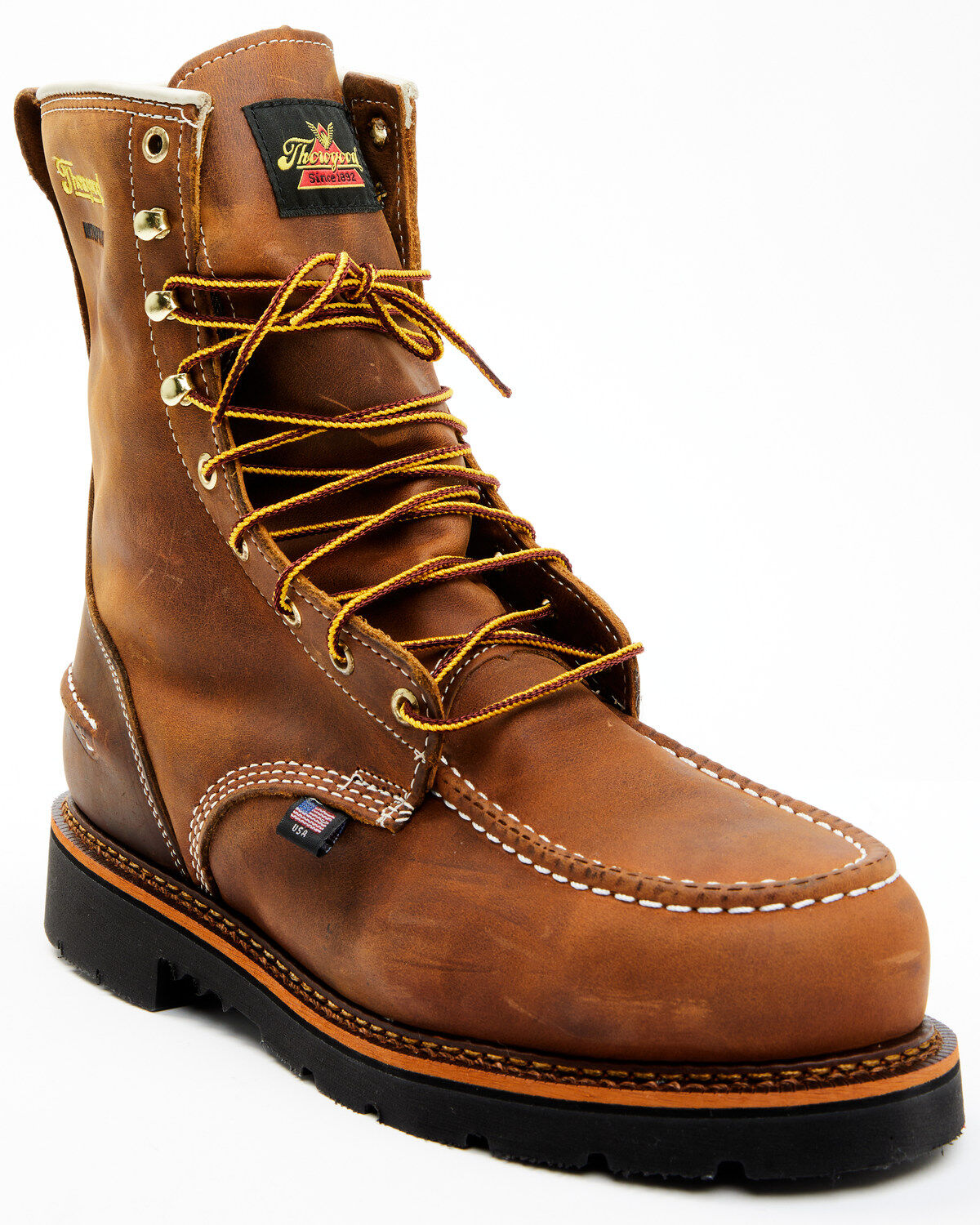
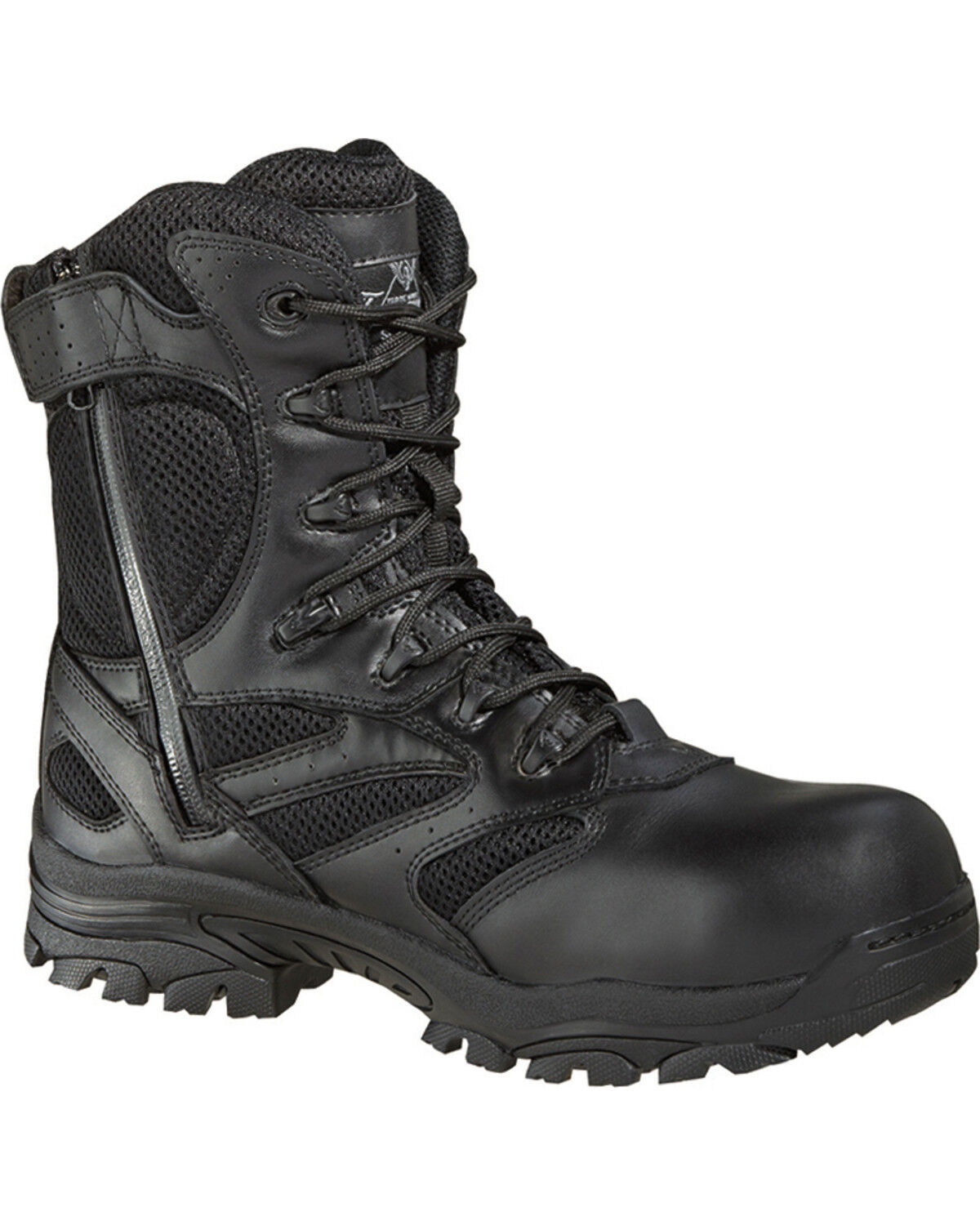
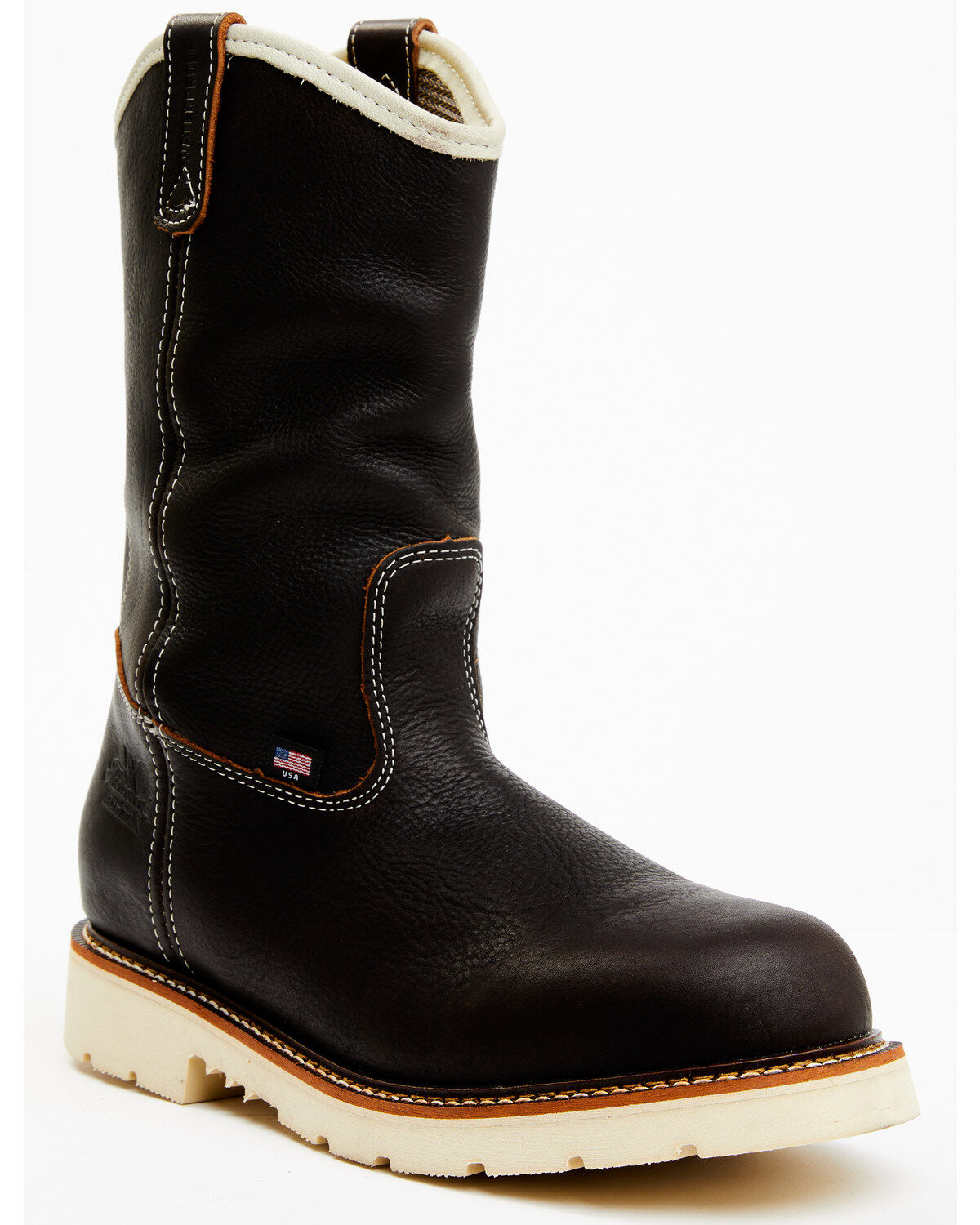
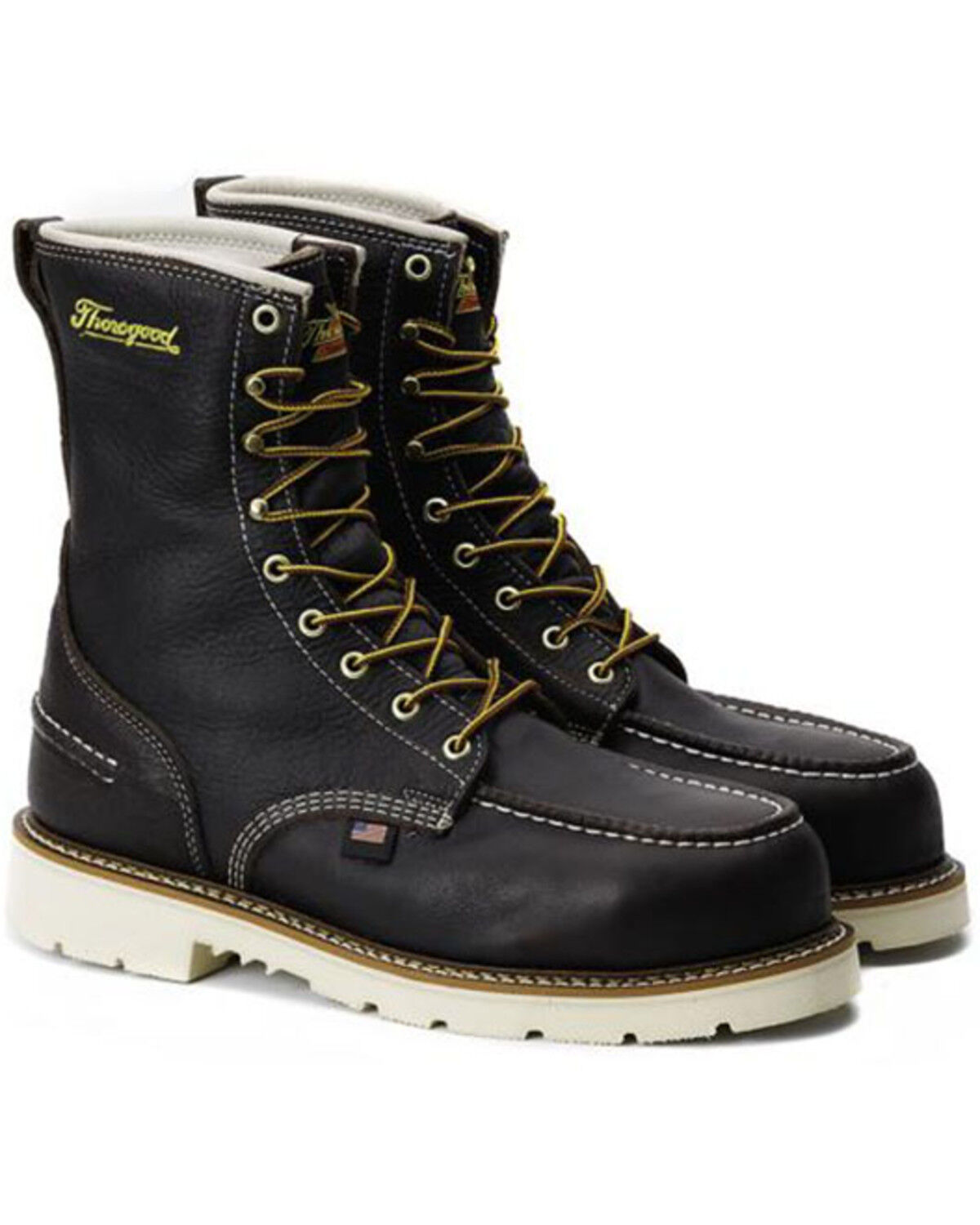
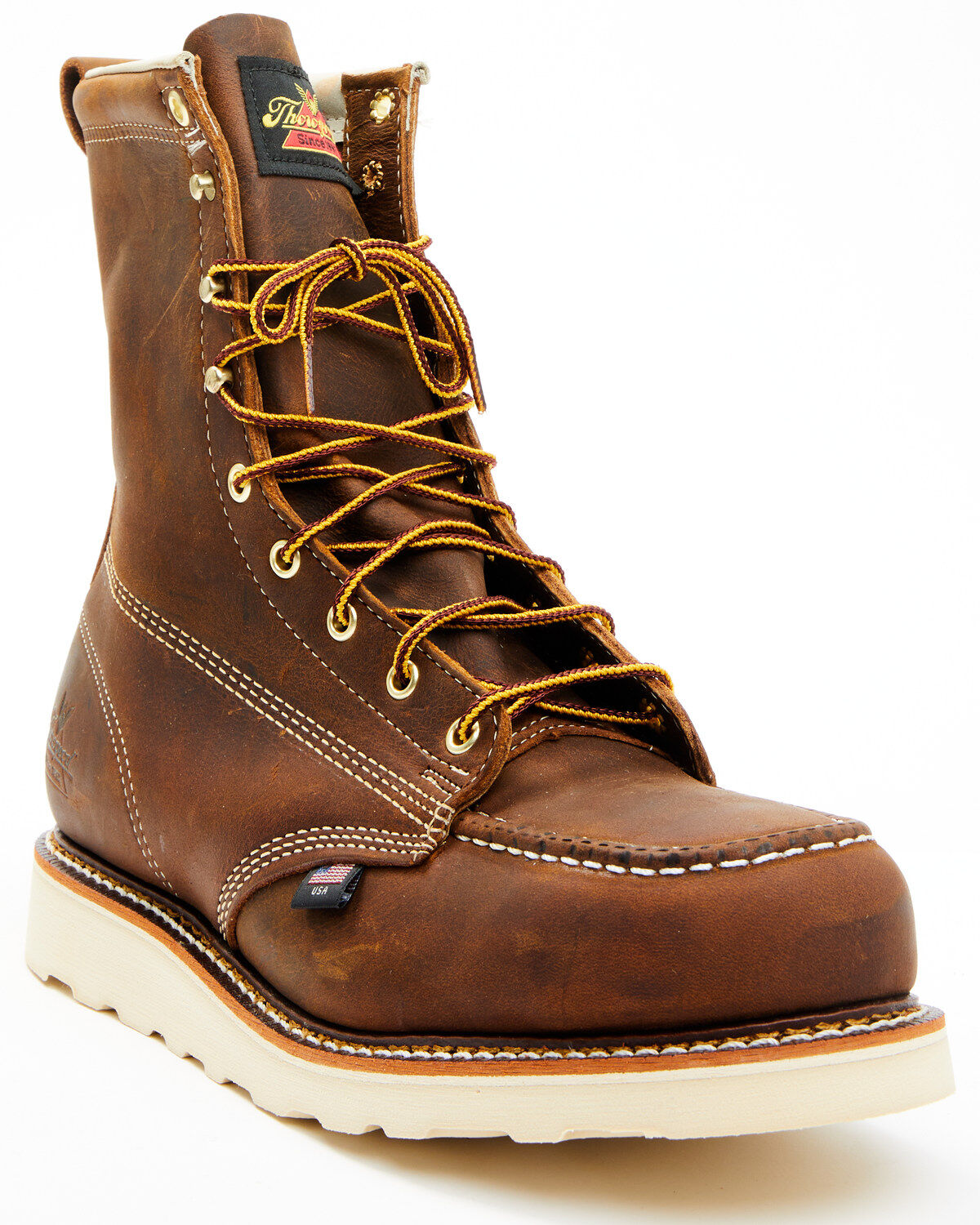
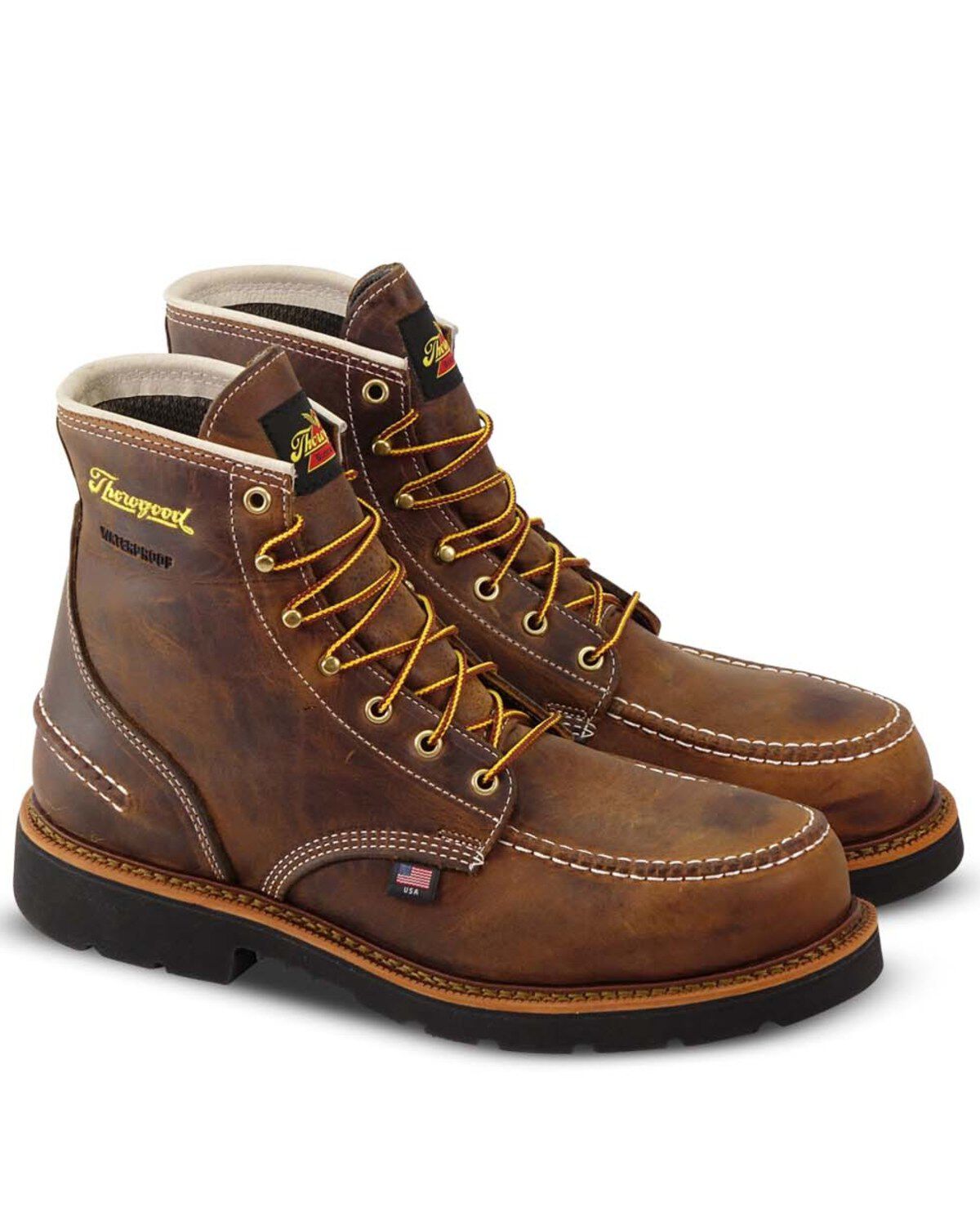
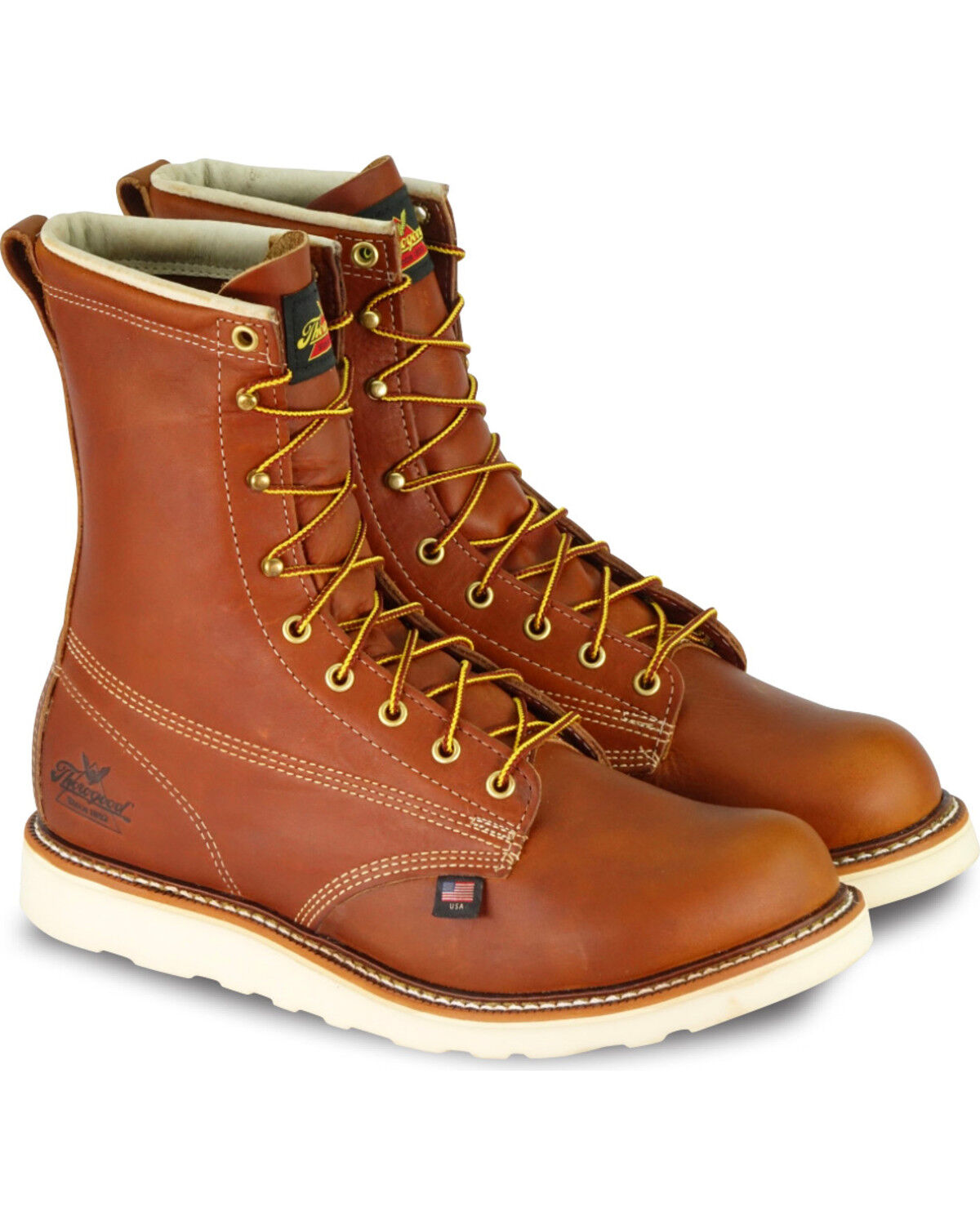
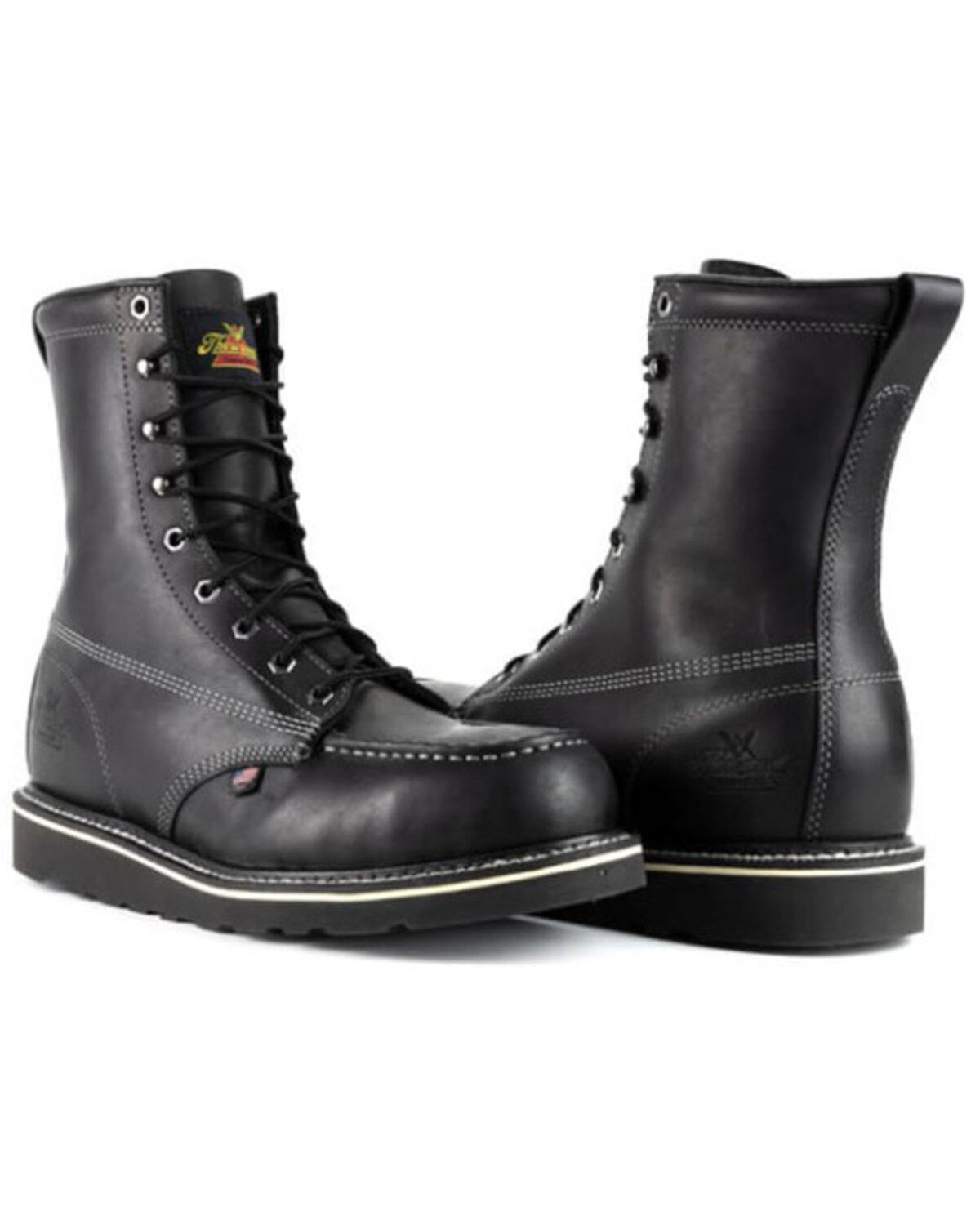
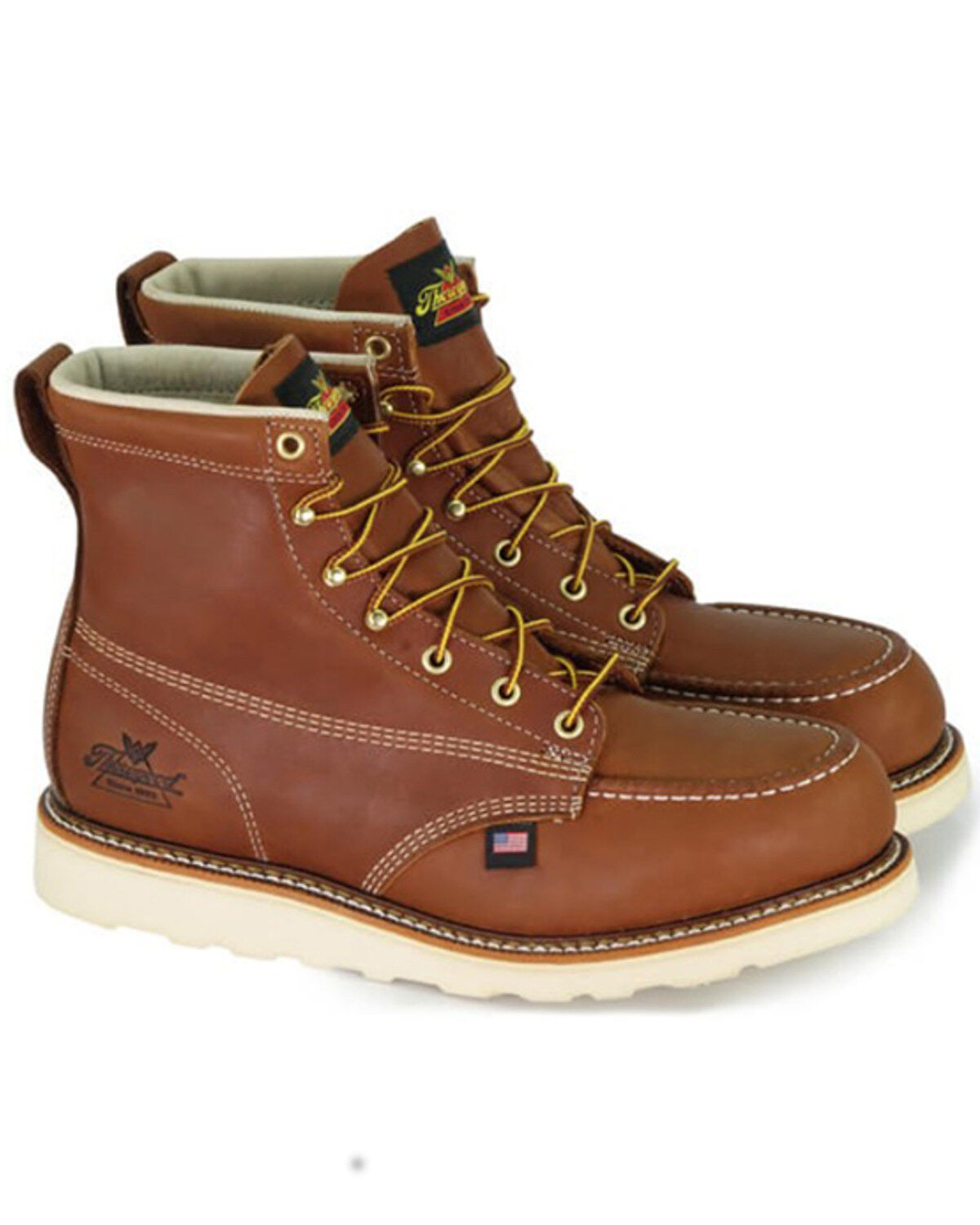
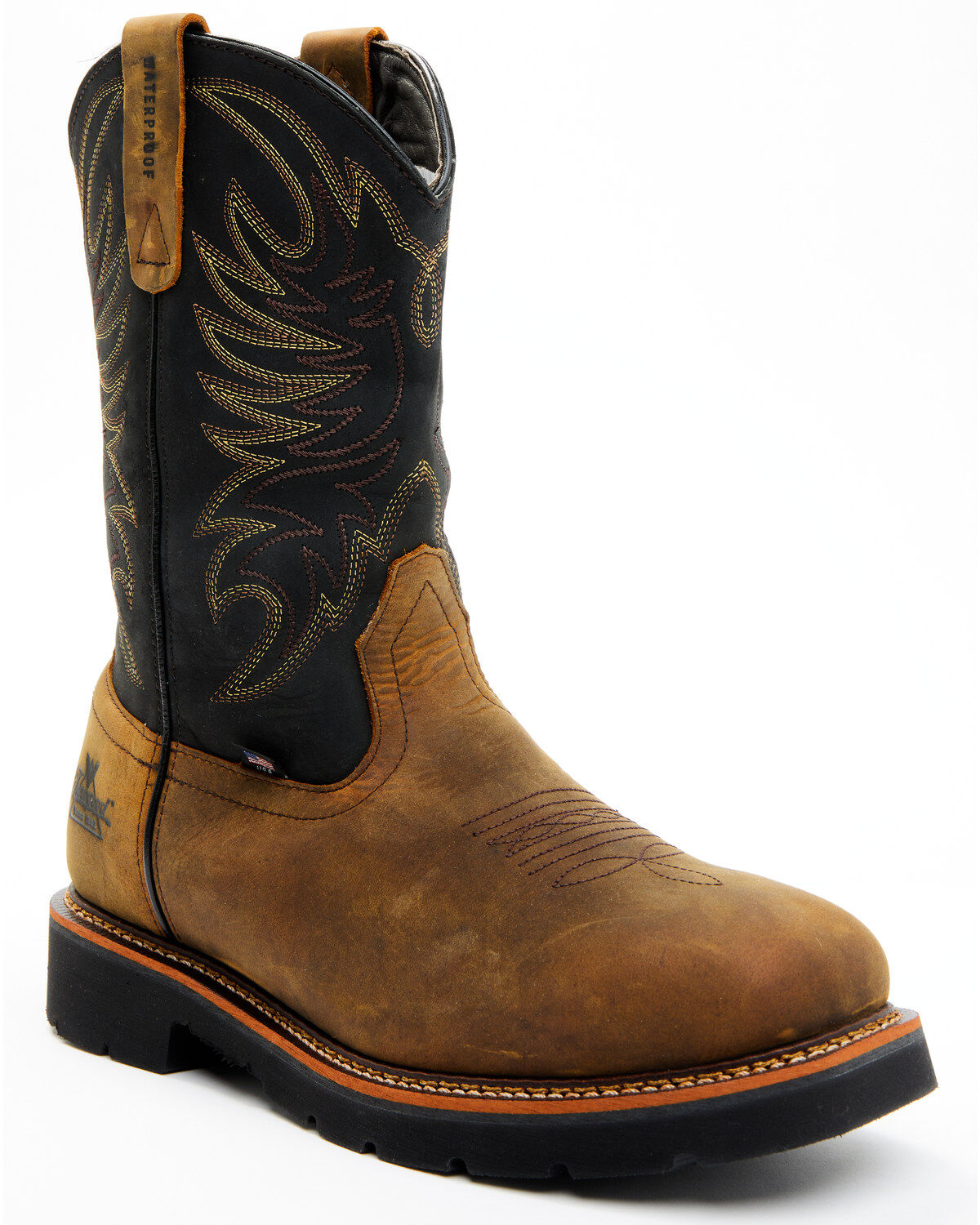
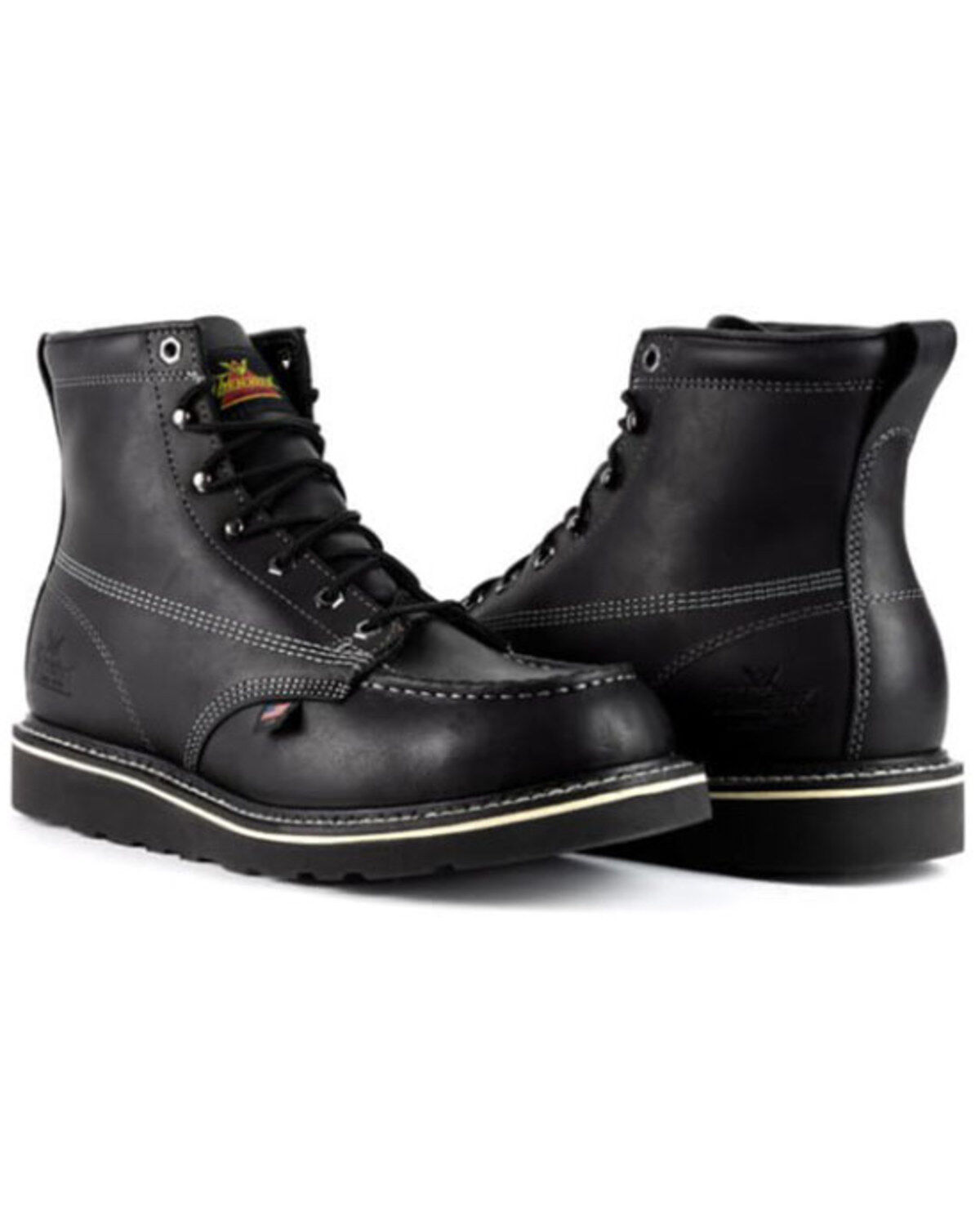
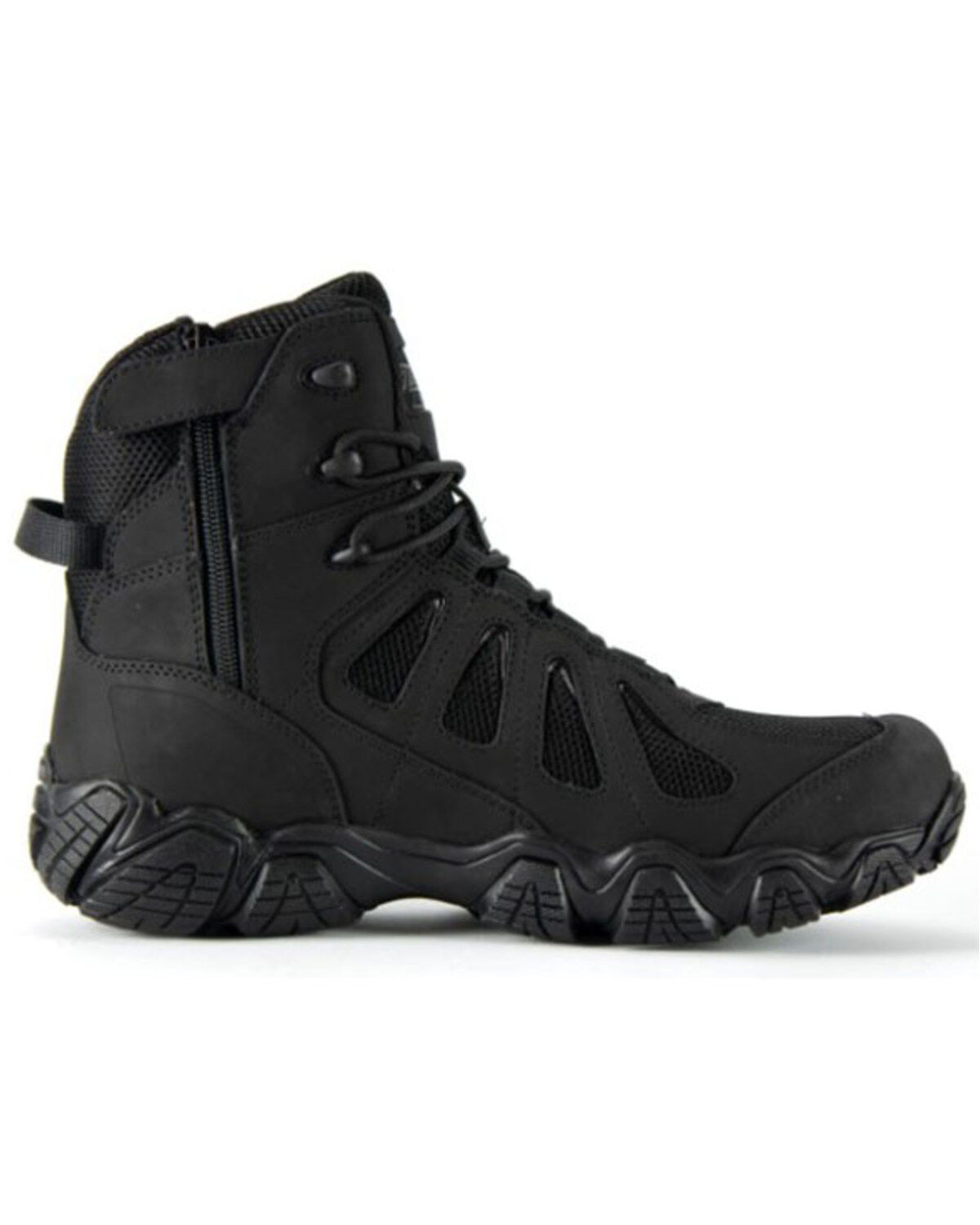
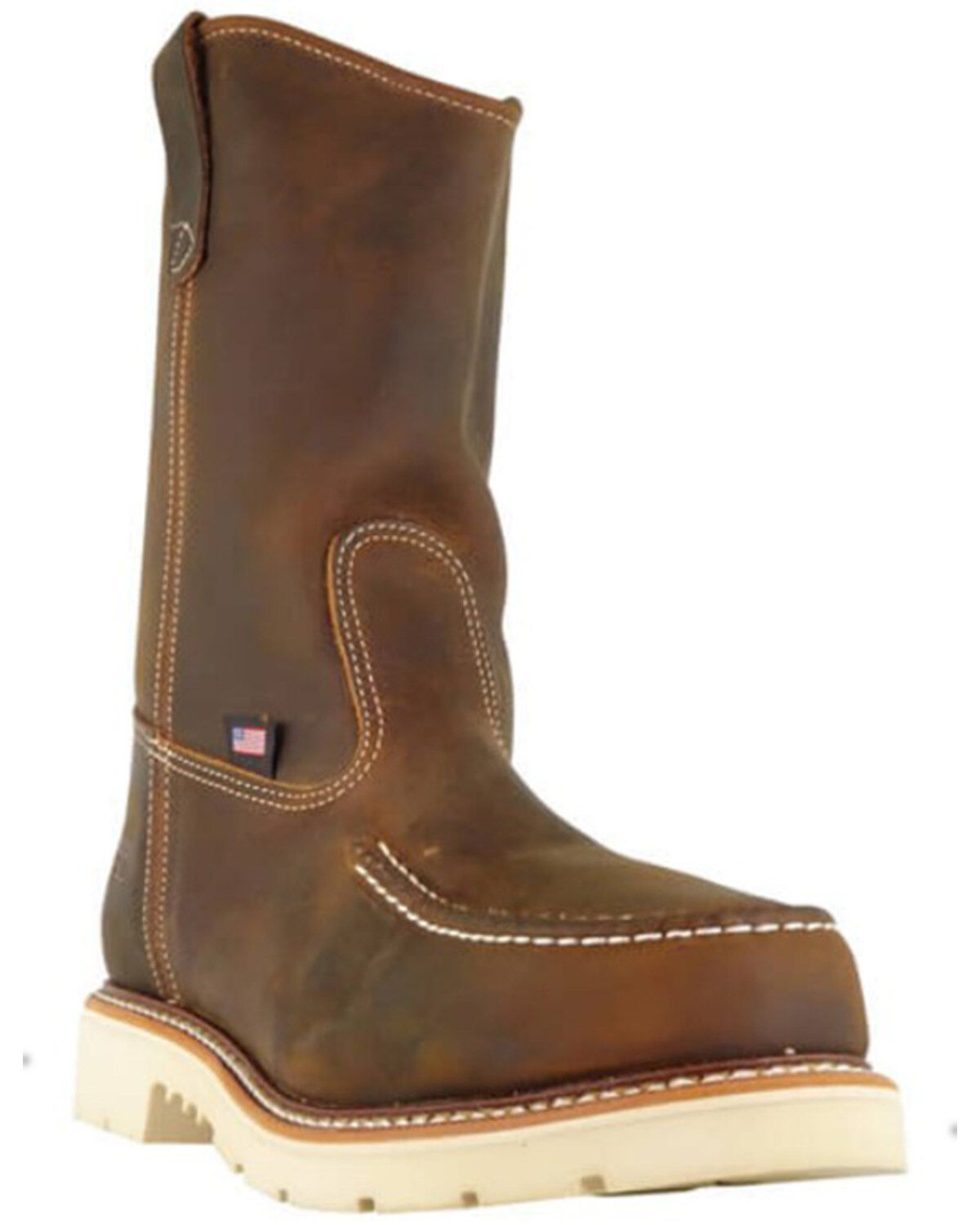
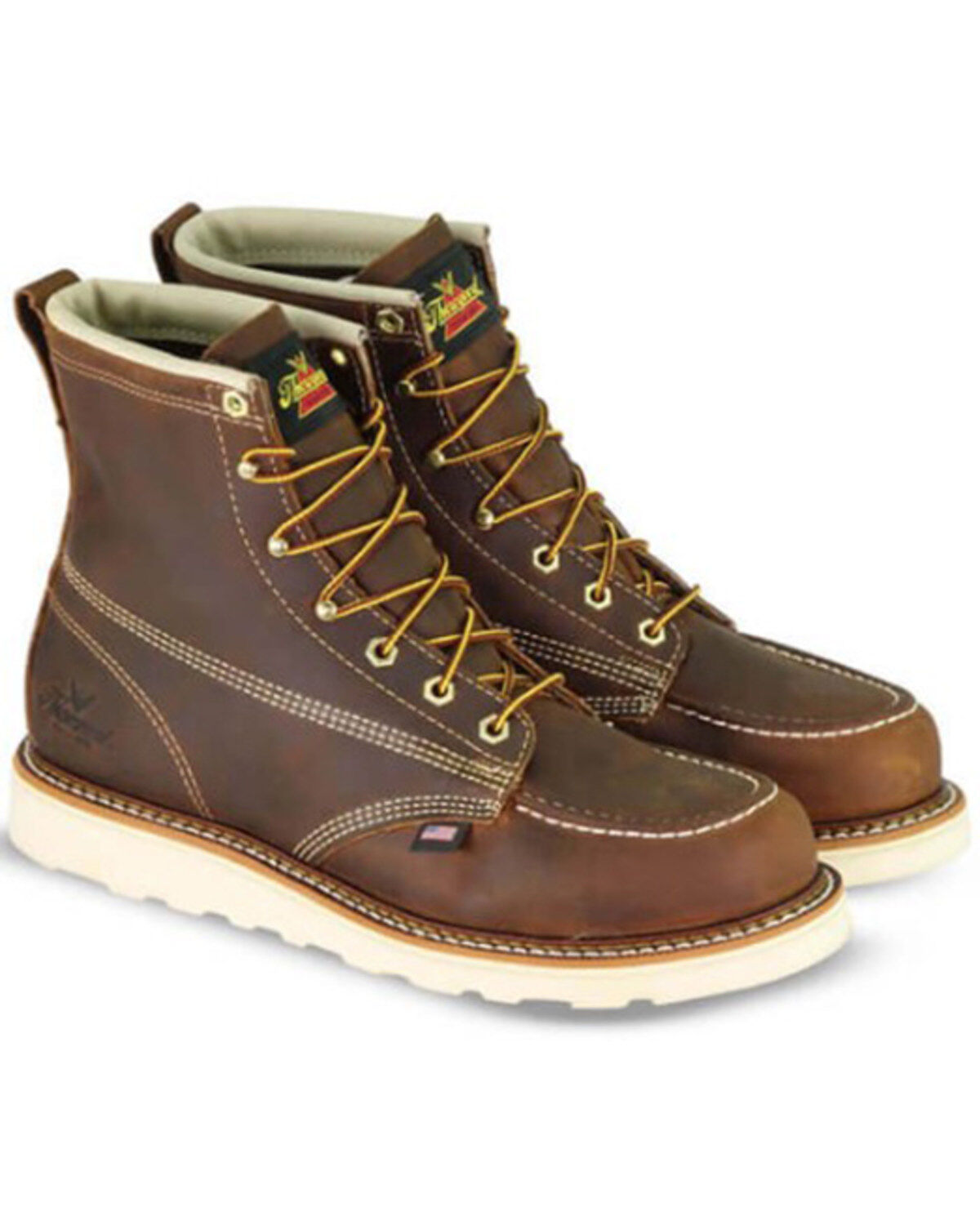
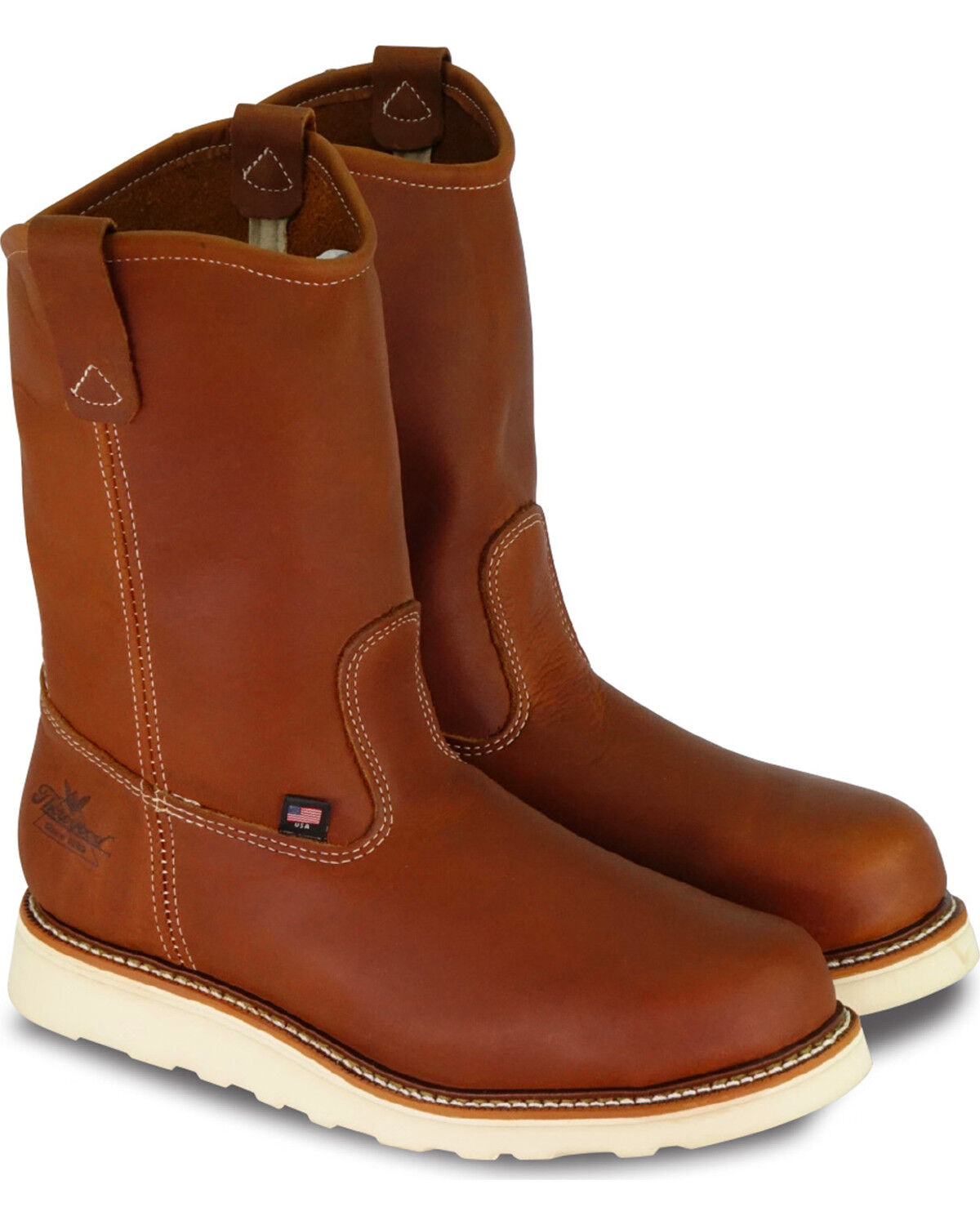
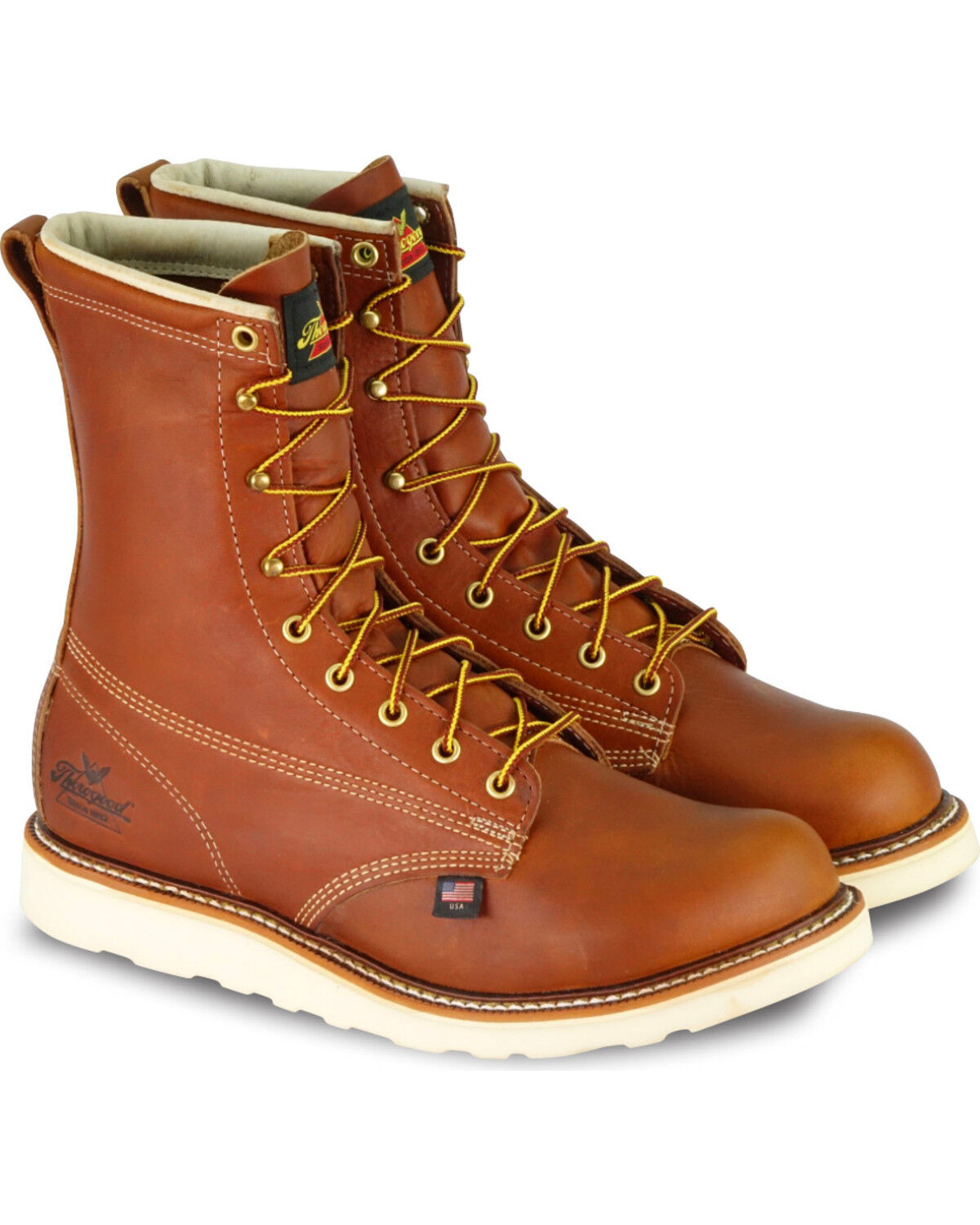
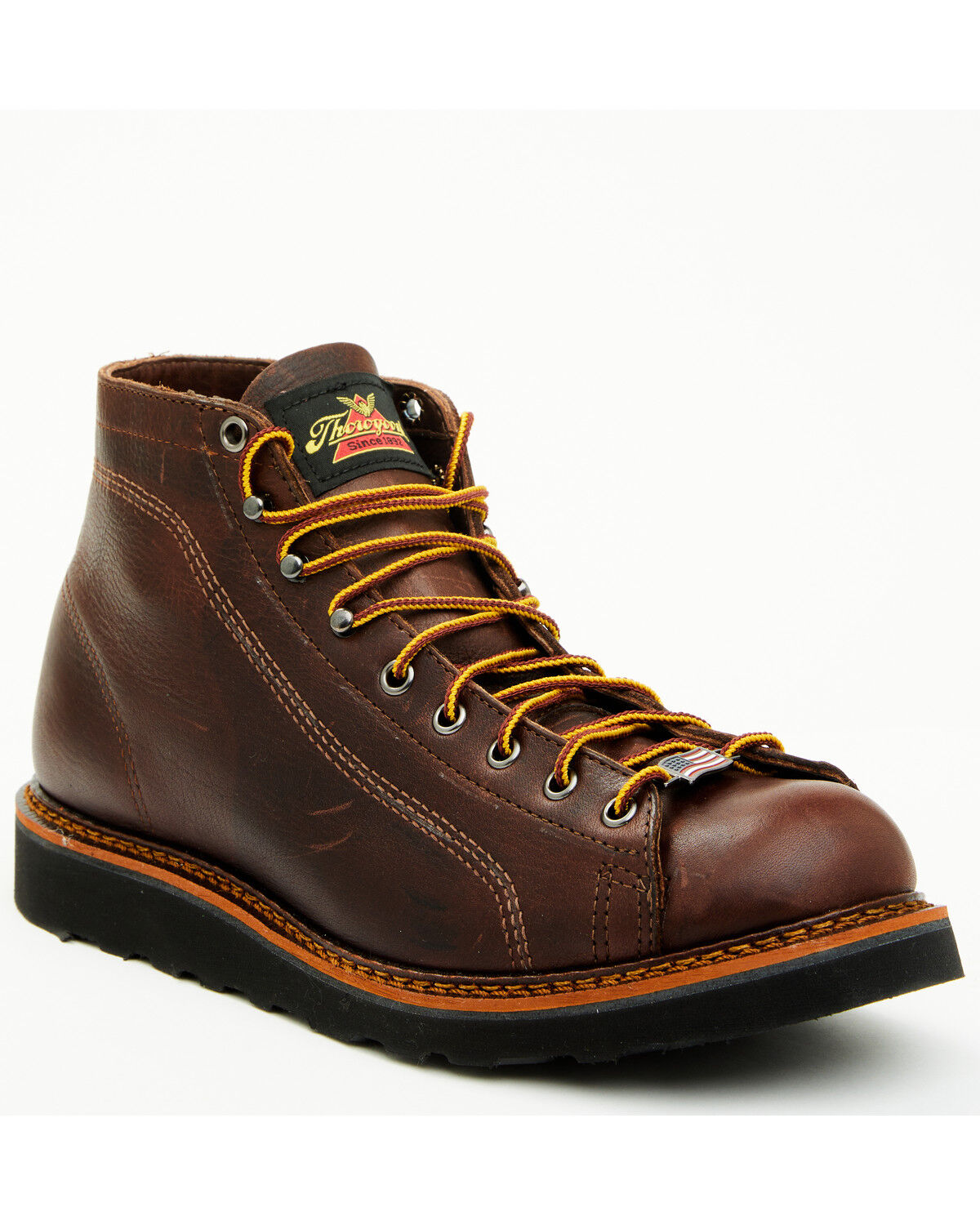
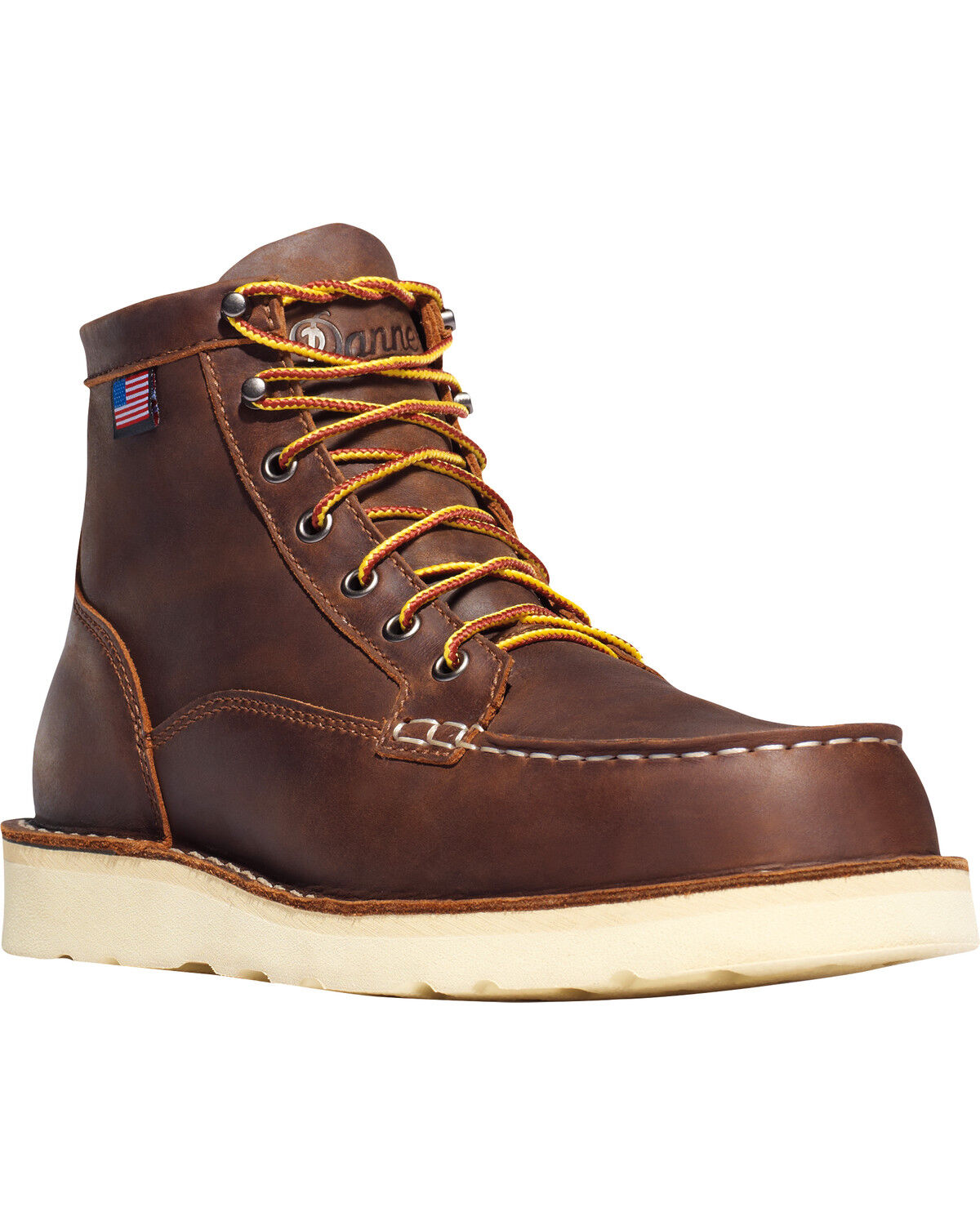
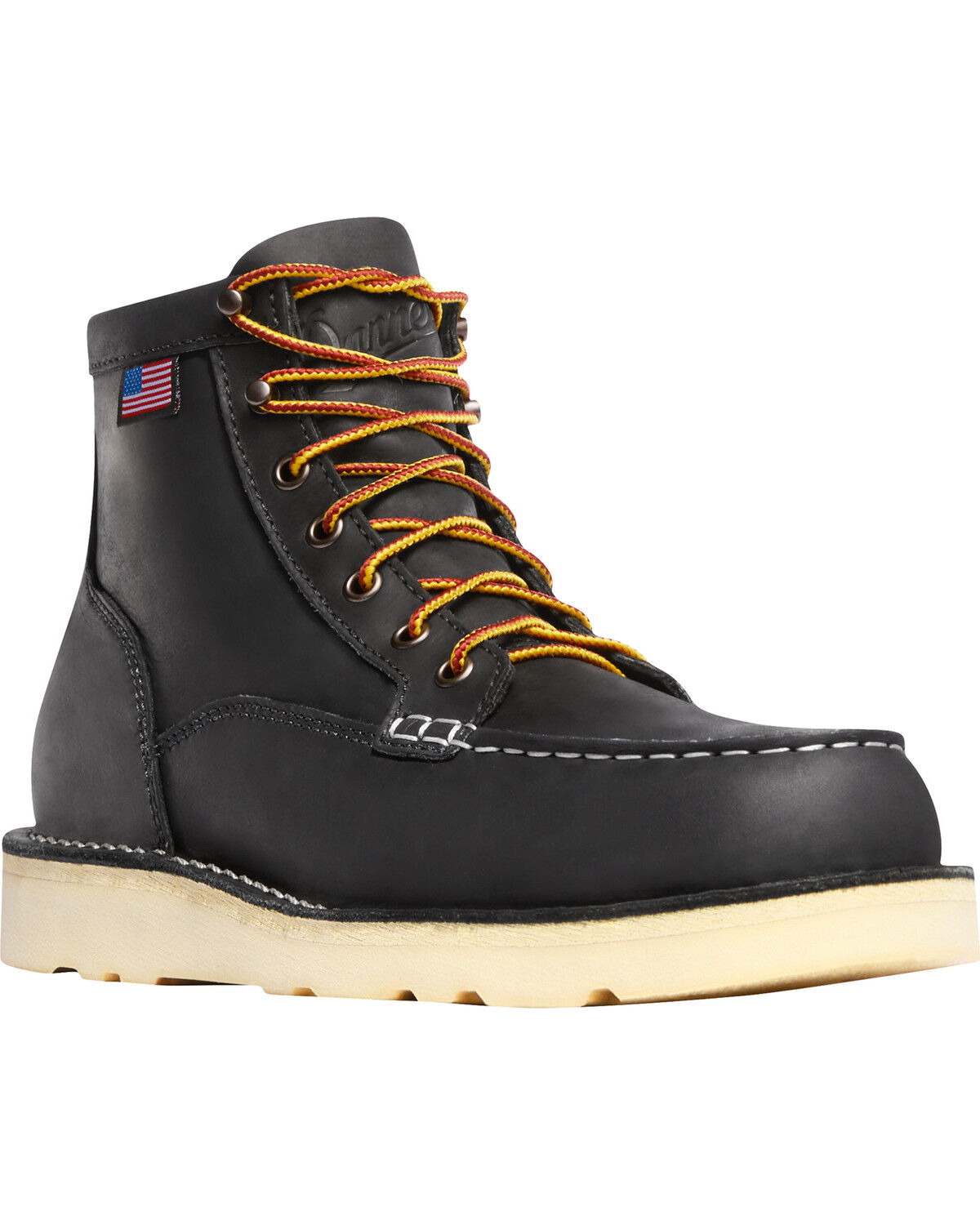
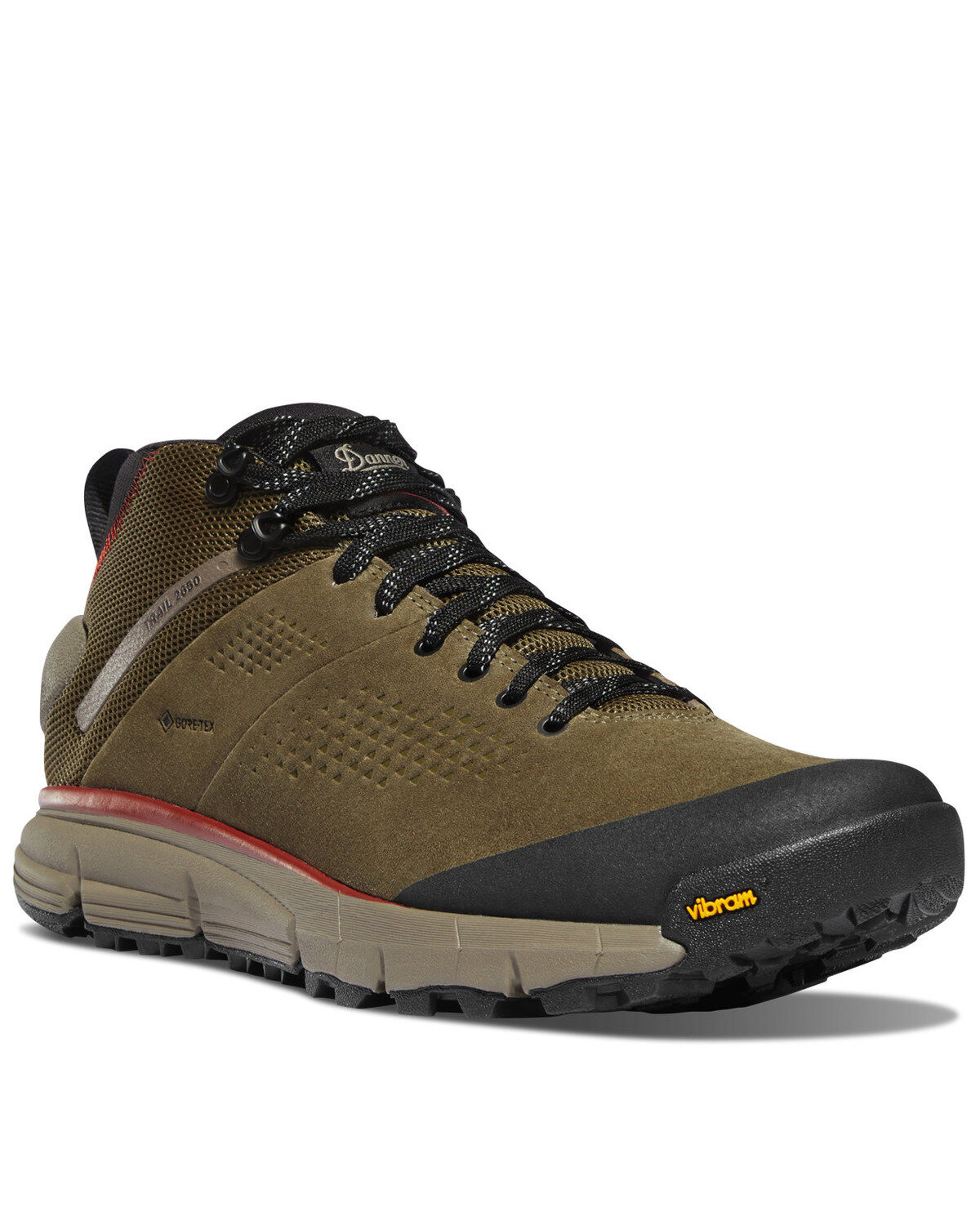
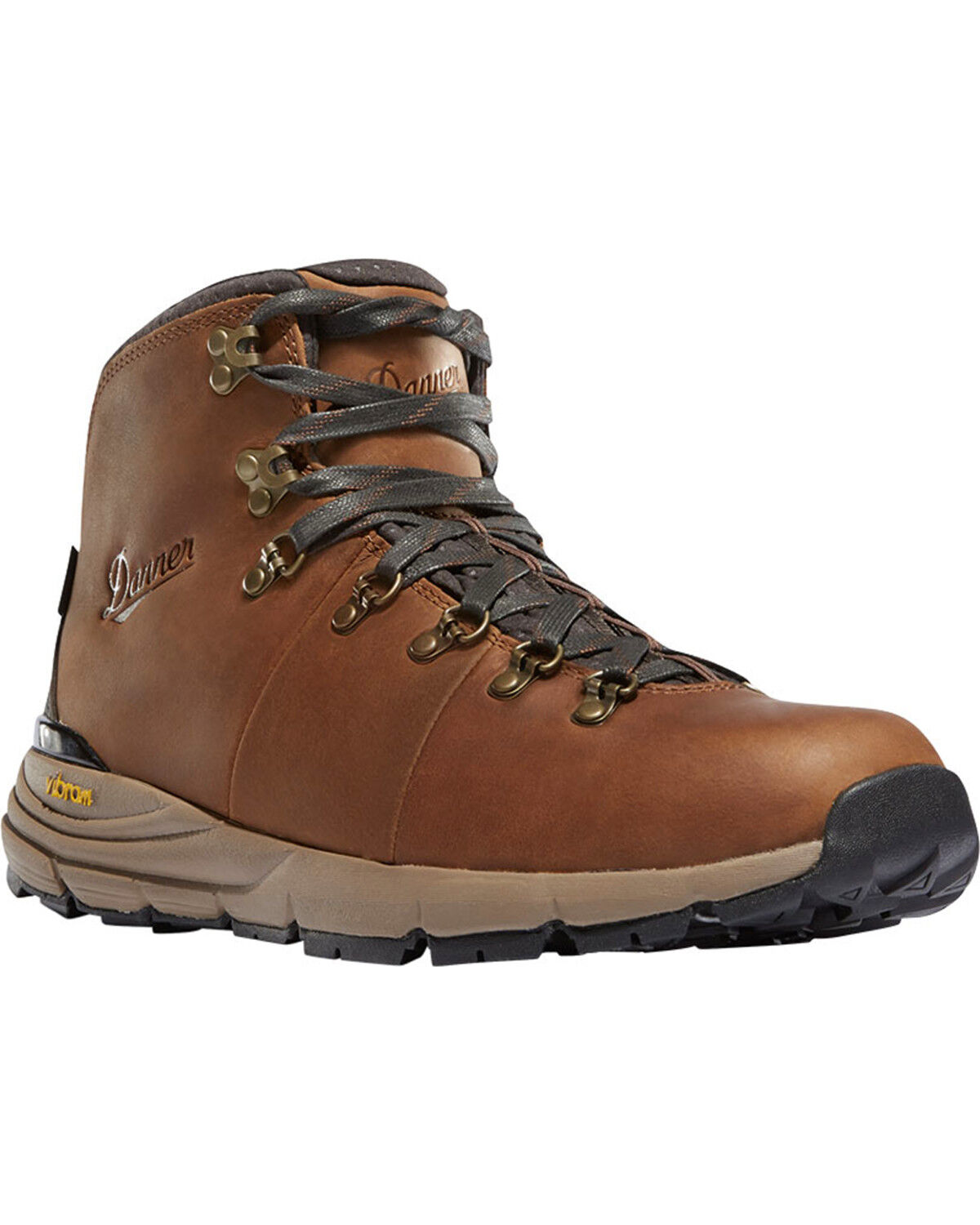
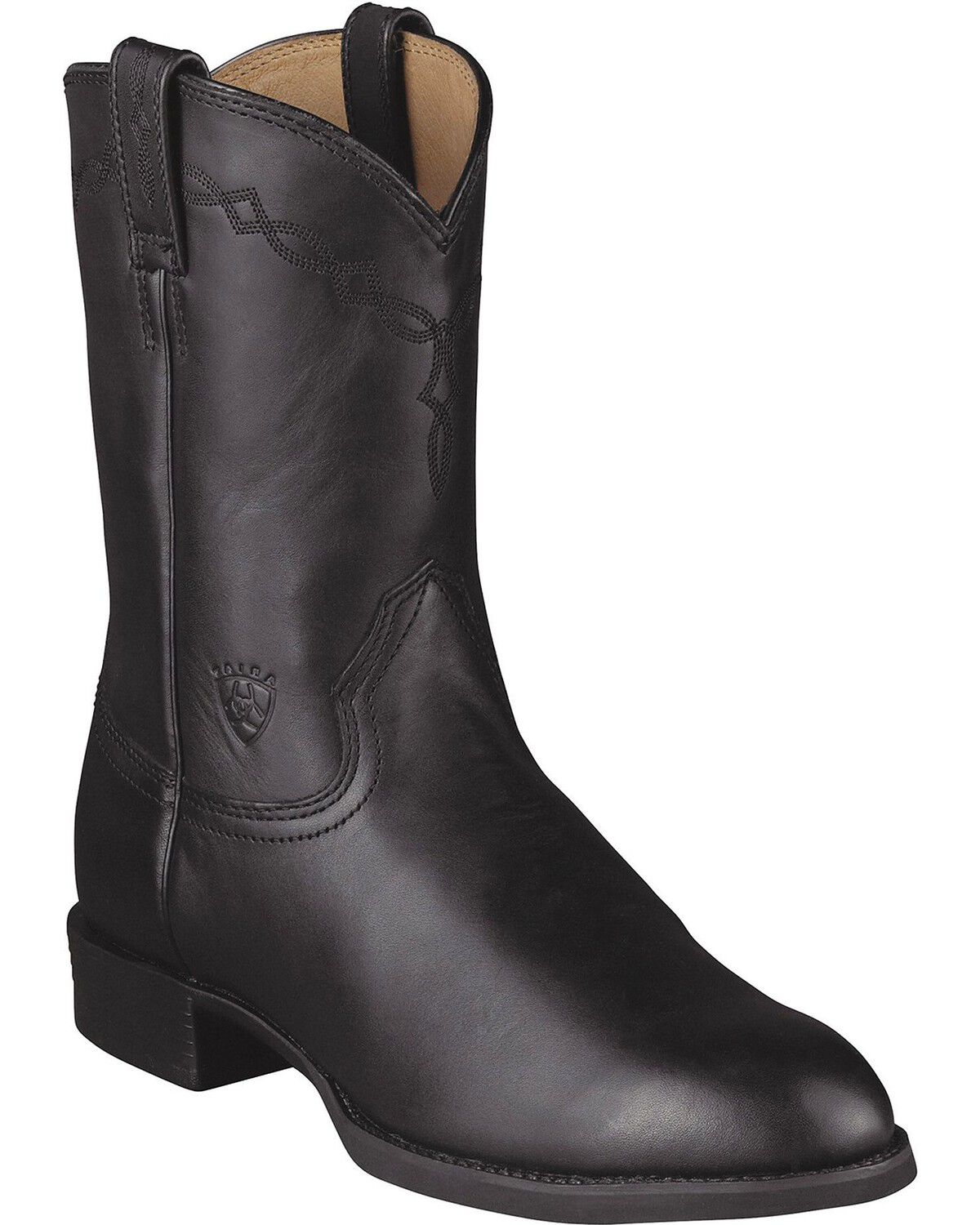
Thorogood waterproof boots are designed for those who demand reliability and durability in every step. Whether you're working long hours outdoors or navigating... unpredictable weather, these boots offer the support and protection needed to keep you moving confidently. Explore a wide selection of Thorogood waterproof boots that combine rugged construction with classic style, perfect for any tough job or adventure. Find the ideal pair to match your needs and take on any challenge with comfort and assurance.
Read more
Thorogood Waterproof Boots
Thorogood waterproof boots are designed for those who demand reliability and durability in every step. Whether you're working long hours outdoors or navigating... unpredictable weather, these boots offer the support and protection needed to keep you moving confidently. Explore a wide selection of Thorogood waterproof boots that combine rugged construction with classic style, perfect for any tough job or adventure. Find the ideal pair to match your needs and take on any challenge with comfort and assurance.
Waterproof work boots are built for people who spend long hours on their feet when the ground is wet, the forecast is unsettled, and the job does not stop. They help keep rain, puddles, mud, and damp grass from working their way inside, while providing the support needed for steady movement across uneven surfaces. These boots make sense for construction crews, contractors, warehouse workers, ranch hands, landscapers, utility workers, and anyone whose work takes place outdoors or in wet conditions. They are also useful for daily wear when a regular shoe does not offer enough protection from rough ground and changing weather. During the warmer months, waterproof boots can handle early-morning dew, summer storms, and muddy work sites. As the weather turns cooler, they remain practical for wet sidewalks, slick loading areas, and long days spent moving between indoor and outdoor spaces. A good pair should feel dependable without feeling unnecessarily heavy, with a fit that leaves enough room for comfortable work socks while keeping the heel secure. Pay close attention to the shape of the toe box, the height of the boot, the way the laces or closures hold the foot in place, and the overall flexibility of the upper. The right fit matters more than a familiar size printed on the box. Feet can swell over the course of a workday, so boots that feel barely adequate in the morning may become restrictive by late afternoon.
When comparing waterproof boots, start with the conditions they need to handle. Waterproof construction helps keep moisture out, but traction and stability are just as important when surfaces are slick. Look for outsoles designed to grip wet concrete, packed dirt, gravel, or other terrain common to the wearer’s work. A raised heel can suit certain job sites and traditional work environments, while a flatter sole may feel more natural for walking, driving, or spending time on hard indoor floors. Toe protection is another consideration. Some workers need added protection against impact and compression, while others prioritize a lighter feel for long shifts. For those comparing protective options, Thorogood Composite Toe Boots can be considered alongside waterproof styles when job requirements call for a non-metallic safety toe. Insulation may be useful in colder conditions, but a lighter uninsulated boot can be more comfortable when temperatures rise or when the wearer moves between heated buildings and outdoor work areas. Also consider the boot’s opening and shaft height. A taller shaft can provide more coverage through shallow water, brush, and loose debris, while a lower profile may be easier to pull on and off throughout the day. Waterproof work boots are not limited to one kind of worker. They can serve a mechanic who crosses a wet lot before sunrise, a groundskeeper working through soaked soil, or a homeowner handling repairs after a storm. They can also be a thoughtful gift for someone who prefers useful gear over items that sit unused. A pair chosen around the recipient’s work, terrain, and usual weather will see far more wear than something selected for appearance alone.
Care makes a difference in how waterproof boots perform over time. After a wet shift, brush away dried dirt and rinse off heavy mud before it hardens around the seams and sole. Let the boots dry at room temperature, away from direct heat such as a heater, fireplace, or vehicle vent. High heat can dry out leather, weaken adhesives, and change the shape of the boot. Removing the insoles, loosening the laces, and allowing air to move through the interior can help reduce moisture and odor between wears. If the boots use leather or another material that benefits from conditioning, follow the care instructions and use products made for that material. Avoid assuming that every polish, oil, or waterproofing treatment is suitable for every boot. Check the sole and heel regularly for uneven wear, especially if the boots are used on concrete or rough ground every day. A worn tread can reduce traction even when the upper still looks ready for work. It also helps to rotate between pairs when possible, giving each pair time to dry fully before the next shift. Waterproof boots should feel like part of the workday, not another problem to manage. Whether they are headed to a job site, a farm, a workshop, or a long stretch of wet pavement, the best choice is one that combines weather protection, secure footing, durable construction, and a fit comfortable enough to keep wearing when the day runs long.