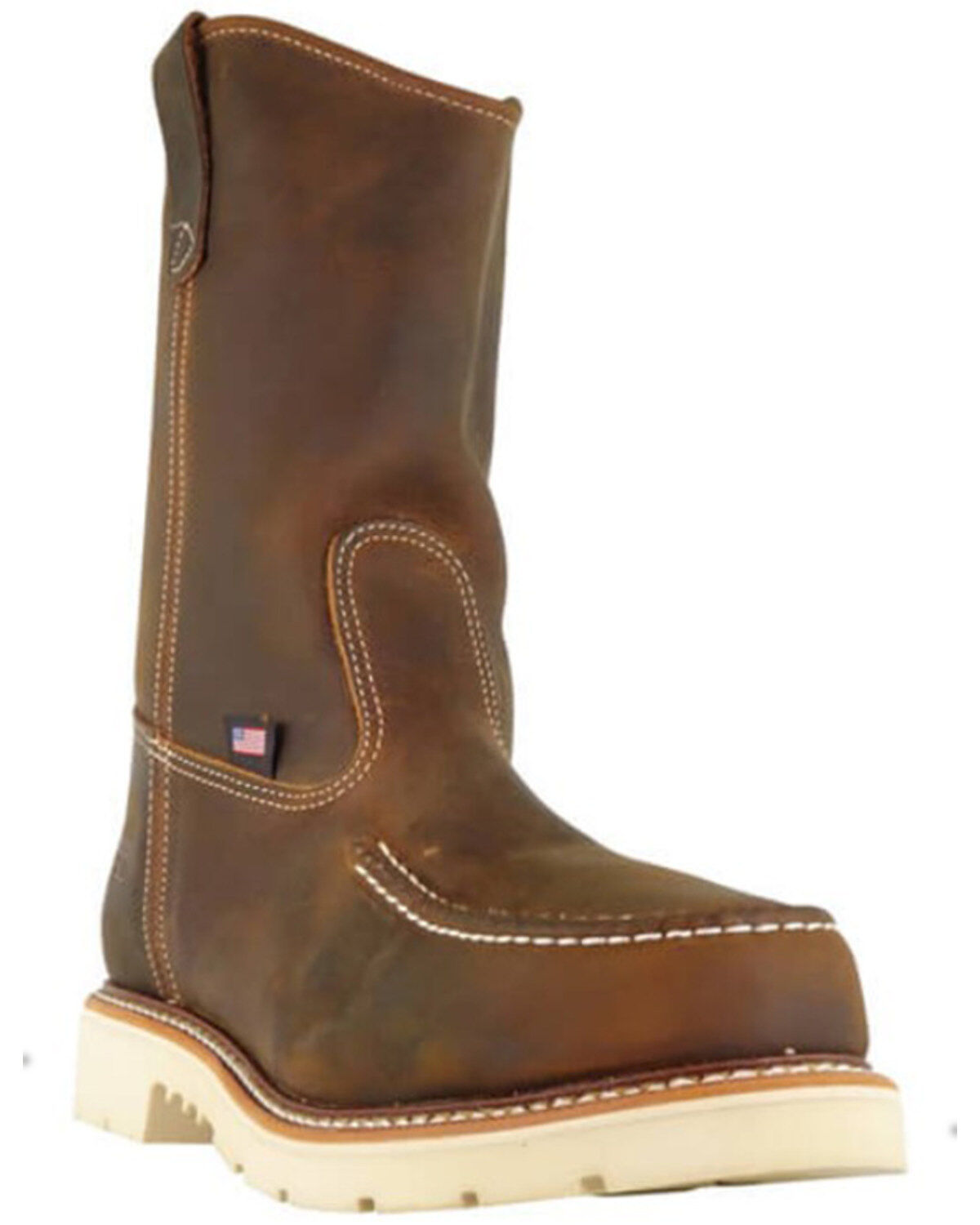
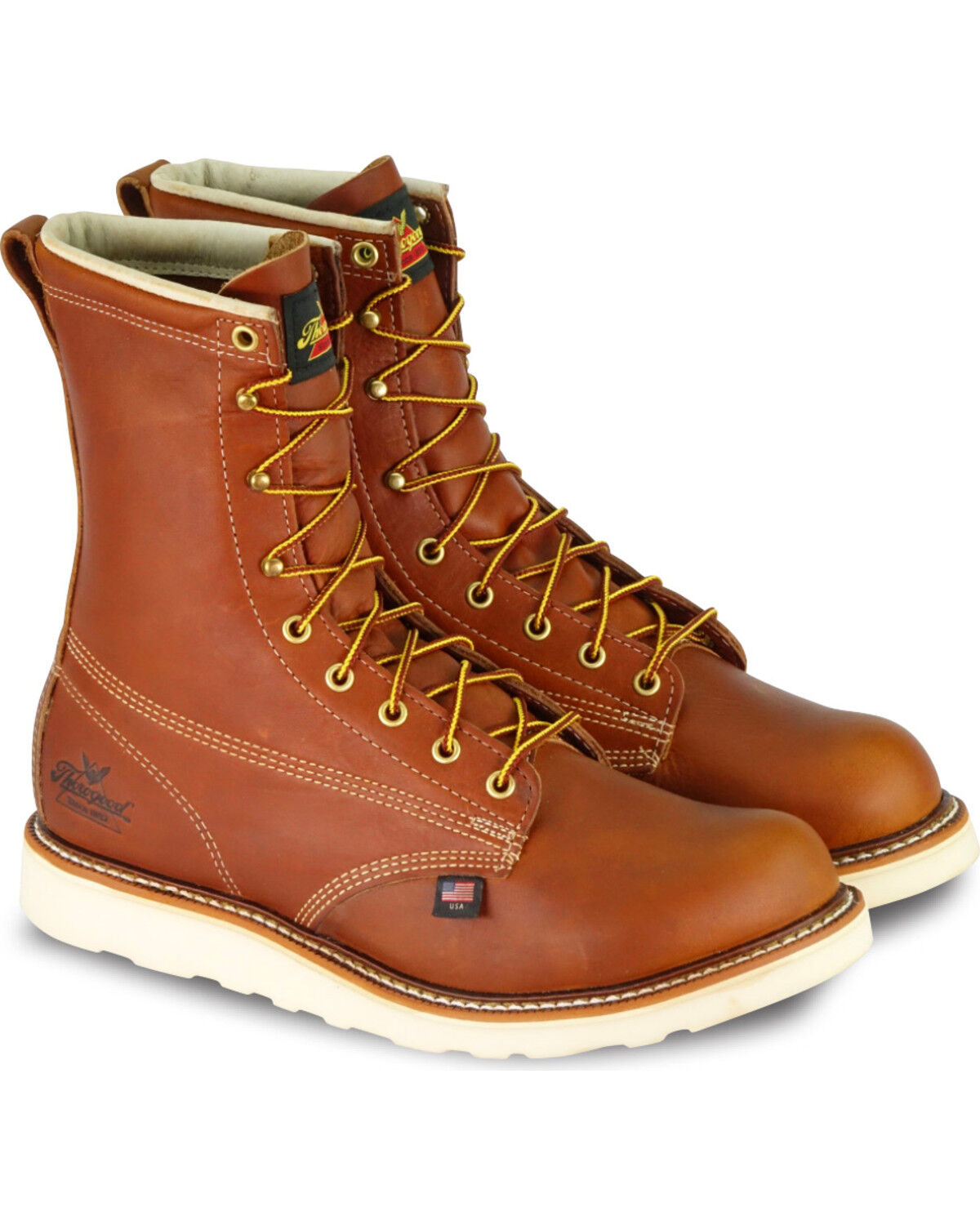
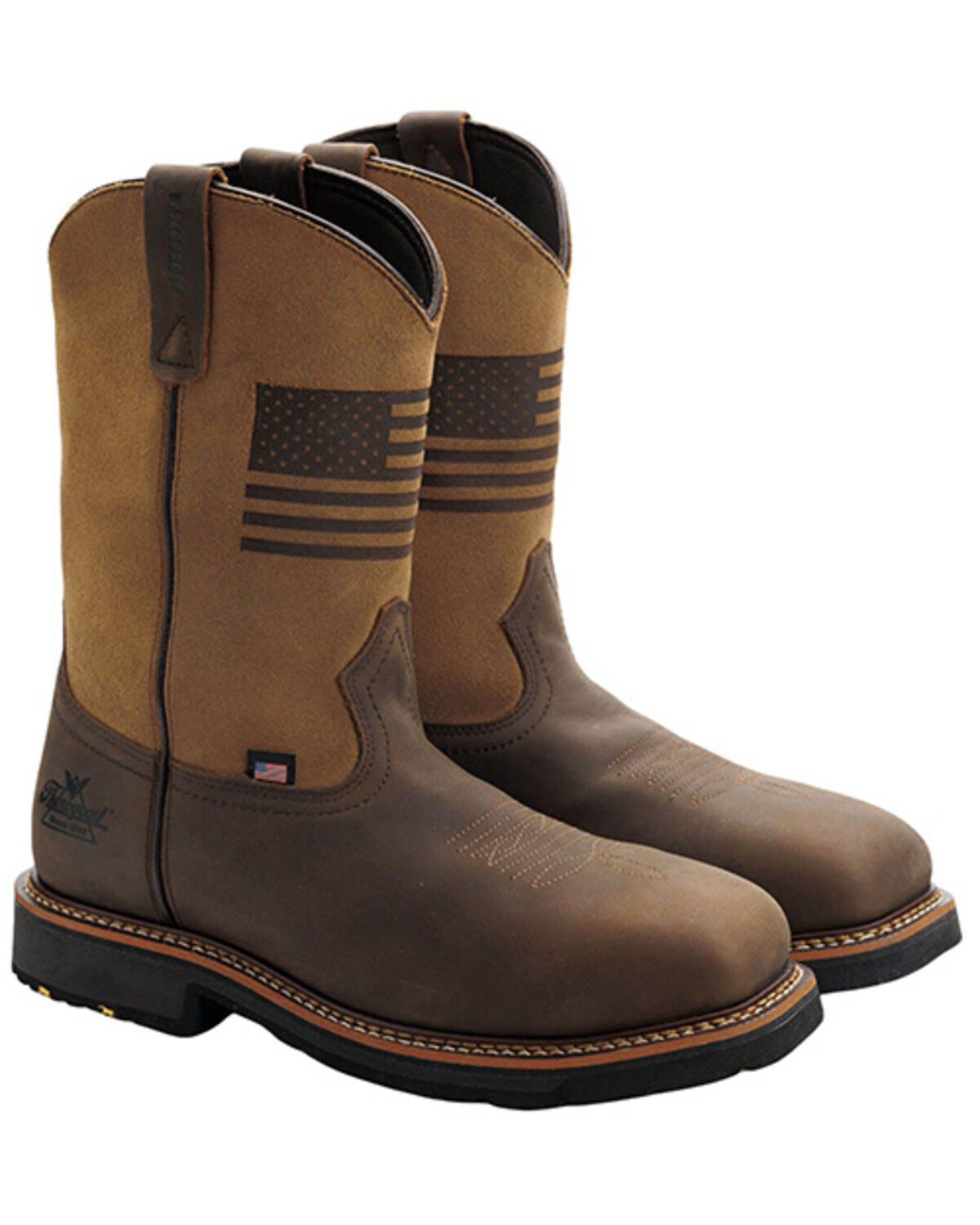
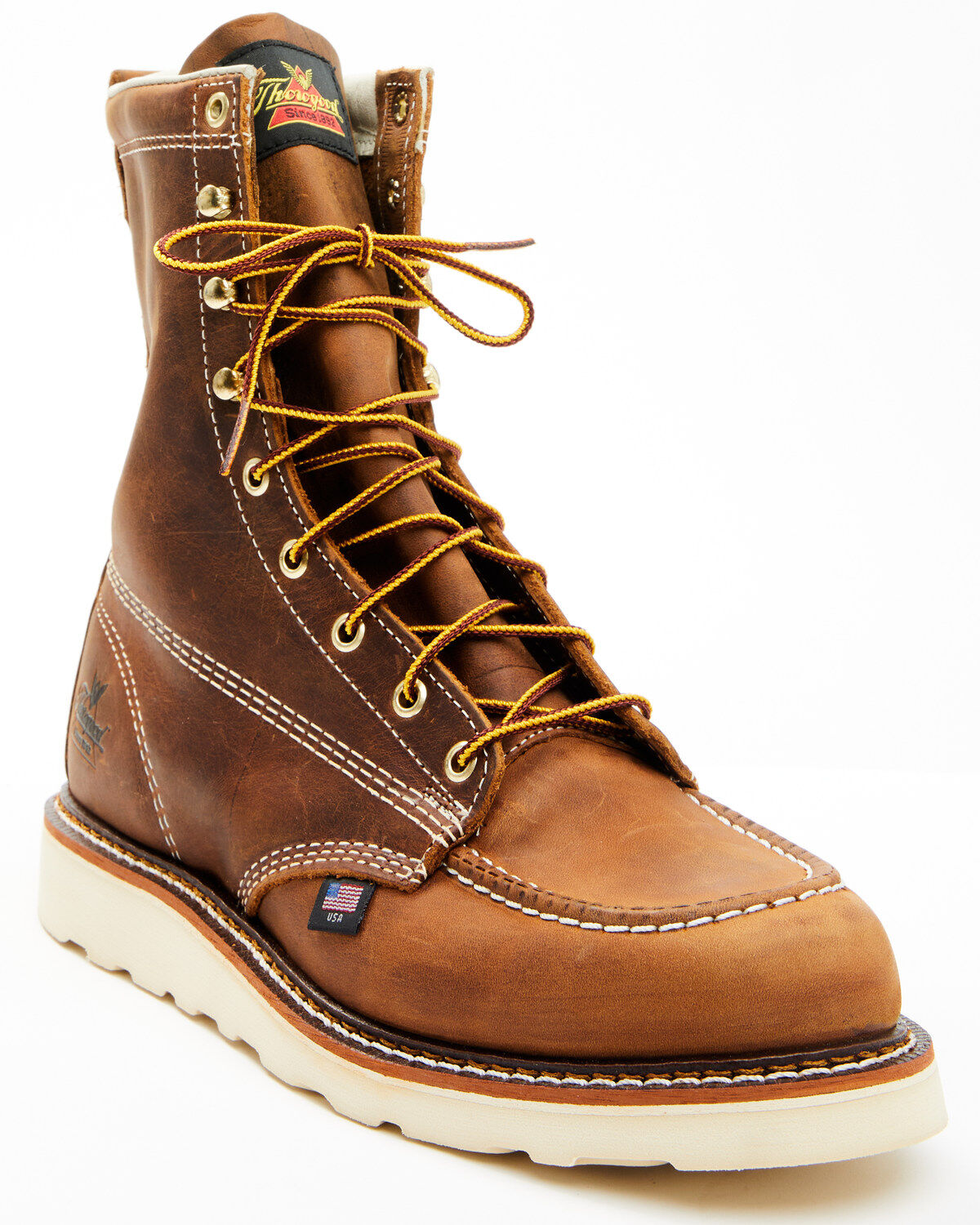
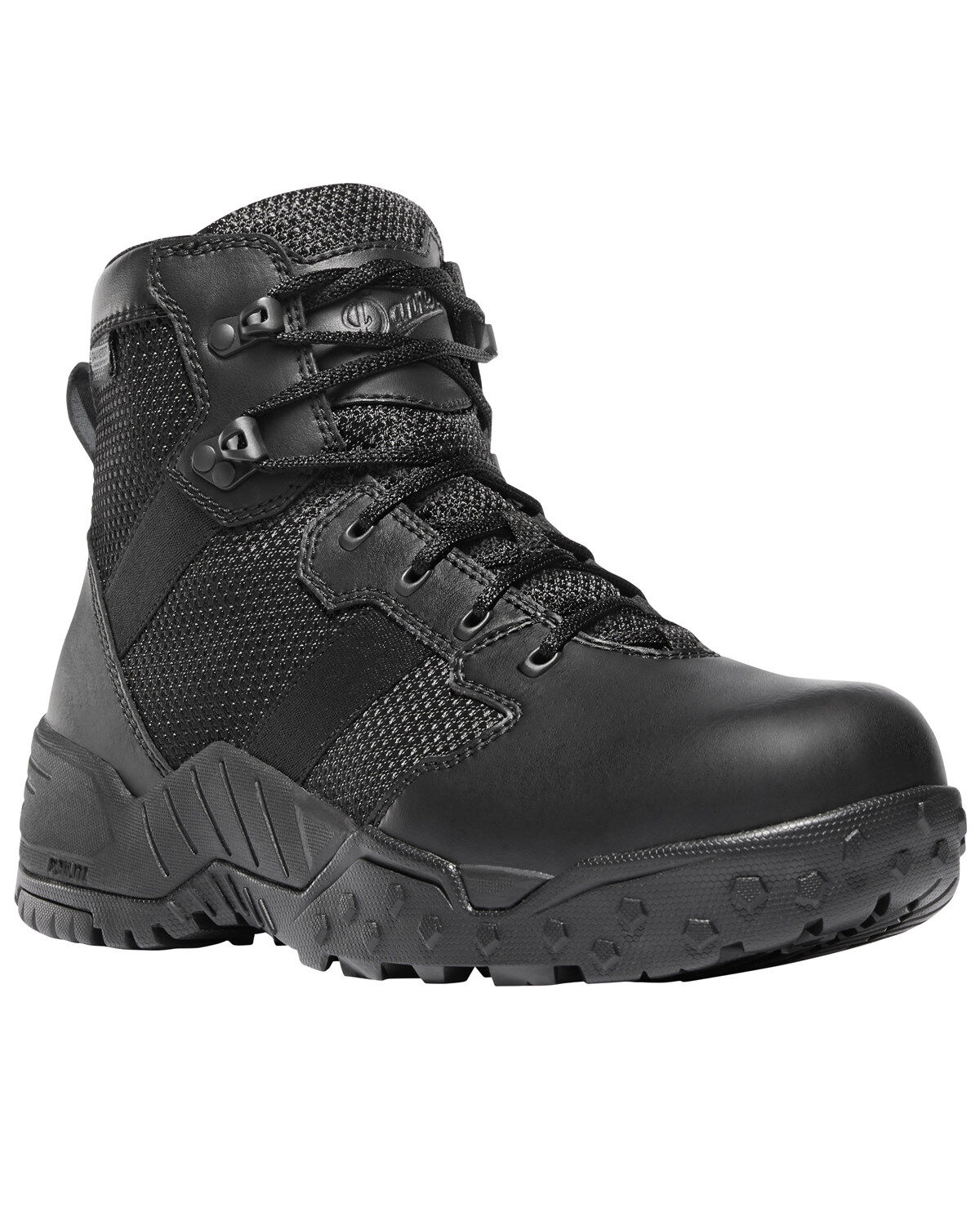
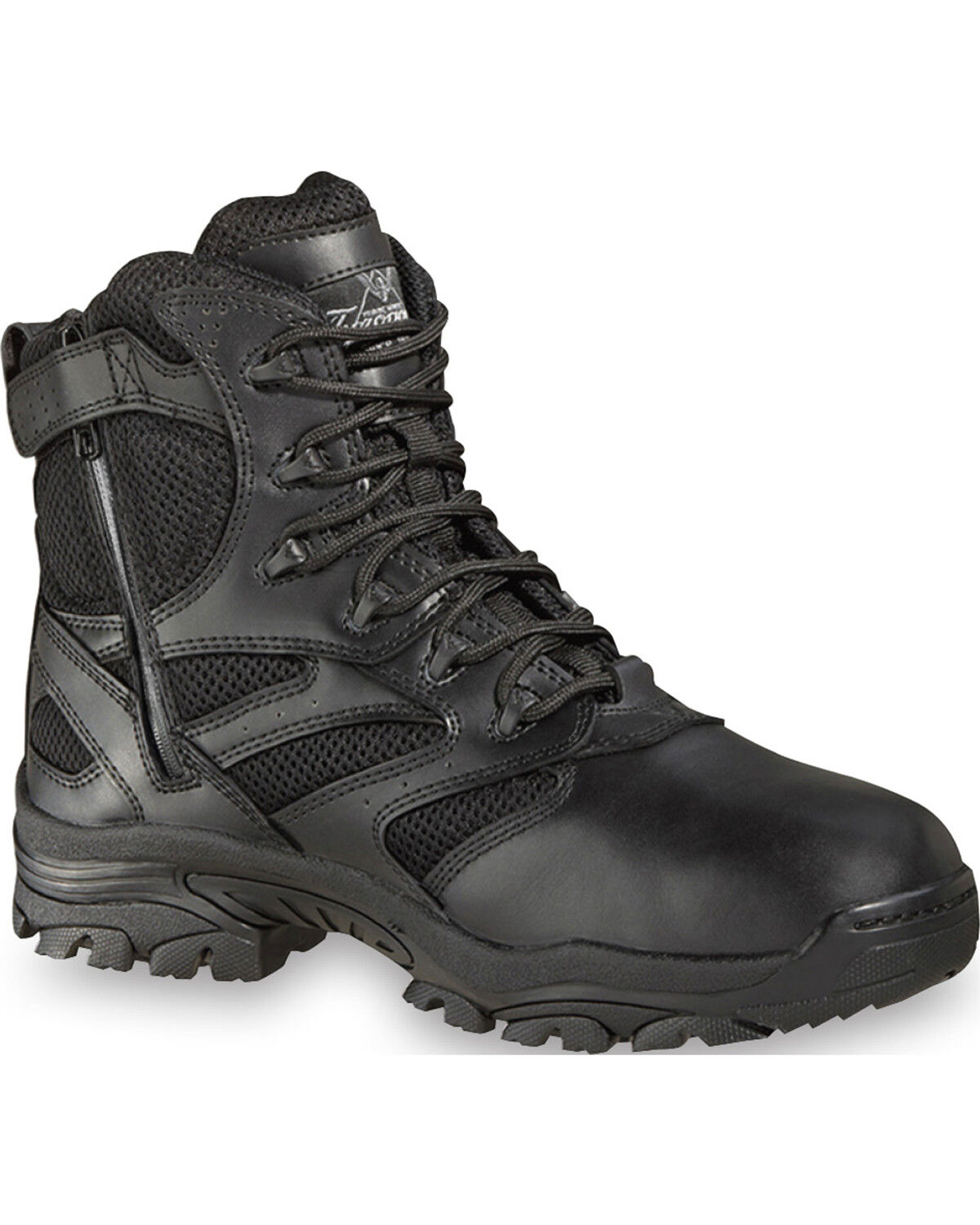
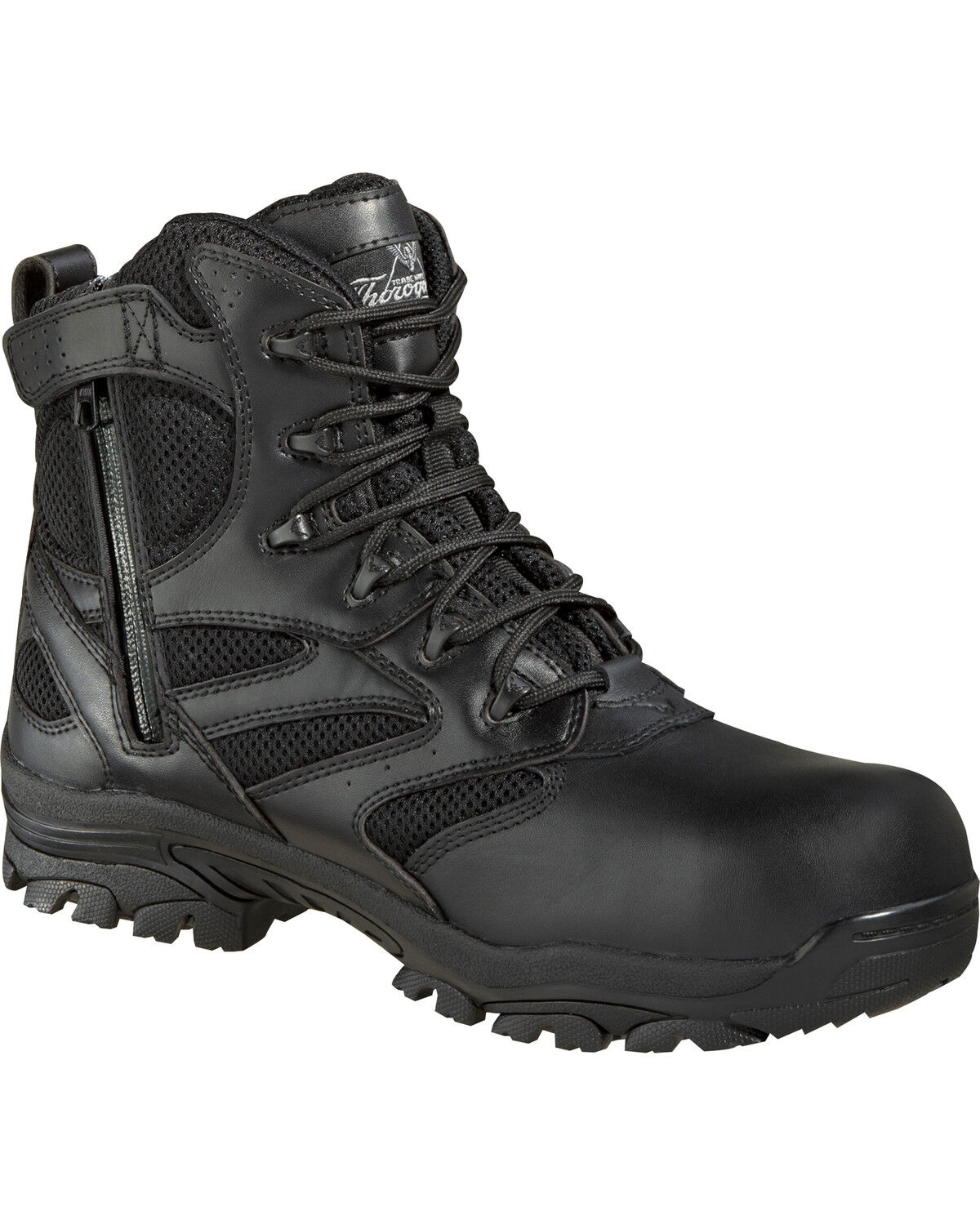
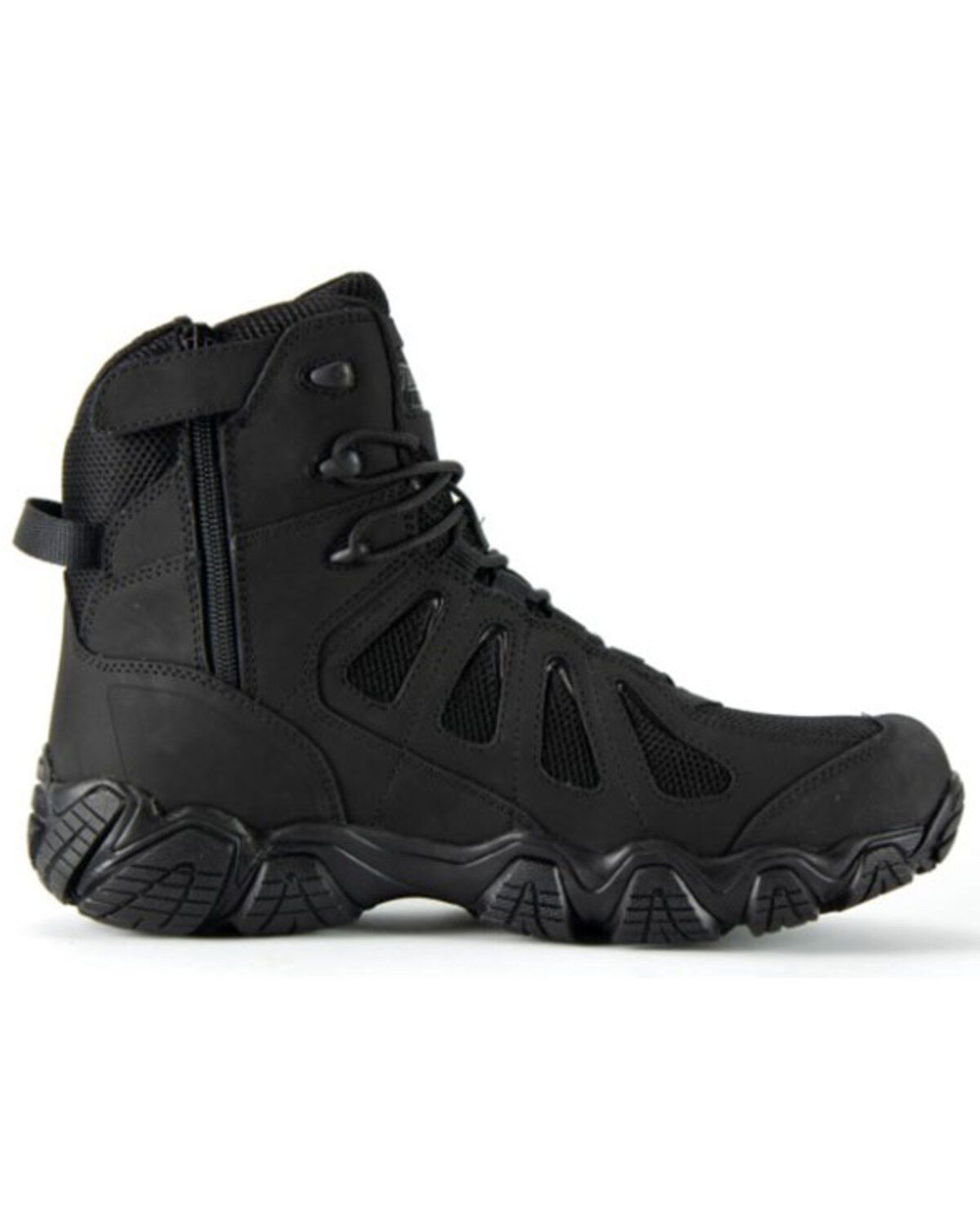
Thorogood side zip boots offer a perfect blend of convenience and durability for those who need reliable footwear on the job or outdoors. Designed with... practicality in mind, these boots make it easy to gear up quickly without sacrificing comfort or support. Whether you’re tackling tough tasks or navigating challenging terrain, thorogood side zip boots provide the dependable performance you need to stay focused and ready for anything. Explore a range of styles and sizes to find your ideal fit and experience the difference quality craftsmanship can make.
Read more
Thorogood Side Zip Boots
Thorogood side zip boots offer a perfect blend of convenience and durability for those who need reliable footwear on the job or outdoors. Designed with... practicality in mind, these boots make it easy to gear up quickly without sacrificing comfort or support. Whether you’re tackling tough tasks or navigating challenging terrain, thorogood side zip boots provide the dependable performance you need to stay focused and ready for anything. Explore a range of styles and sizes to find your ideal fit and experience the difference quality craftsmanship can make.
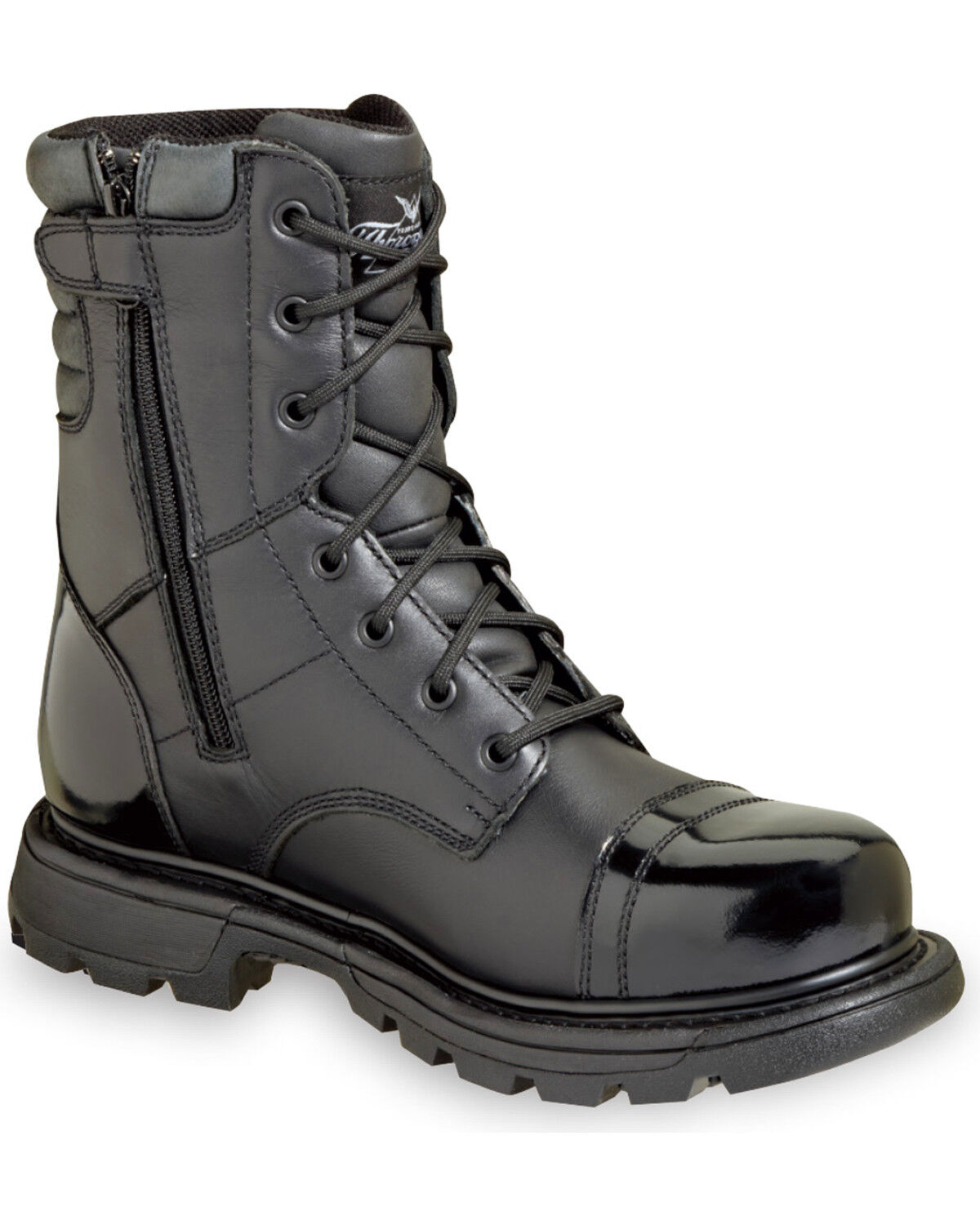
Side-zip boots combine the adjustable fit of a lace-up boot with a zipper opening along the shaft for easier entry and removal. That combination makes them a practical choice for law enforcement, emergency medical personnel, security teams, and other workers whose footwear is part of a daily uniform. The laces establish the fit across the instep and ankle, while the side zipper lets the boot open without requiring a full relace each time. Once the lacing feels right, getting ready for a shift takes fewer steps. A secure zipper closure matters just as much as easy access, particularly for work that involves kneeling, climbing stairs, or moving between a vehicle and a building throughout the day. Depending on the design, a flap or keeper at the top of the zipper helps hold the pull in place and keeps it from catching on clothing. Leather and textile uppers are common in this category because they balance structure with flexibility. Full-grain leather provides a substantial exterior that can hold up to repeated wear with proper care, while nylon panels can reduce bulk and allow easier movement. The balance between those materials affects how a boot bends, feels, and maintains its appearance. A smooth leather toe may also suit uniform requirements that call for a clean, polished finish. Shaft height is another meaningful distinction. A six-inch boot generally leaves more of the lower leg uncovered, while an eight-inch shaft provides additional coverage above the ankle. Neither height alone determines comfort or protection; padding, tongue construction, lacing, and the shape of the boot all contribute. For someone who spends part of a shift behind the wheel and the rest on foot, flexibility at the ankle can matter as much as coverage. These boots serve a clear purpose: a secure, adjustable fit with convenient access and a profile suited to demanding daily work.
Comfort in side-zip duty boots depends on how the entire boot works underfoot, not simply how soft the footbed feels at first. Cushioning can help soften repeated heel contact on concrete, while a supportive midsole and stable platform help keep the foot positioned during standing and walking. A removable footbed can be useful for workers who need an approved replacement insert or additional room for an orthotic, provided the change does not compromise fit or required protective performance. The heel should feel secure without excessive lift, and the toes should have room to move without sliding forward on stairs or ramps. Trying boots with the socks worn on the job gives a more accurate sense of volume through the forefoot and instep. Both feet need attention, since a comfortable fit on one side does not guarantee the same fit on the other. The zipper should close smoothly after the laces are adjusted; it should not have to pull an overly tight shaft together. New leather may soften with wear, but break-in is not a remedy for pinched toes, pressure from a safety cap, or a heel that slips with every step. Intended use also determines which protective features matter. A soft toe may suit assignments without an impact or compression protection requirement, while a safety toe is relevant when workplace rules call for that protection. Composite safety toes are nonmetallic, but their protective rating still needs to match the job. Likewise, electrical hazard protection, puncture resistance, and other safety features should be verified in the stated specifications rather than assumed from a tactical appearance. Outsole design deserves the same attention. Tread pattern, rubber compound, and contact area affect performance on different surfaces, and a slip-resistant designation does not mean a boot cannot slip. For workers crossing smooth hallways, concrete landings, and uneven pavement in a single shift, the right combination of traction, flexibility, and support is more useful than an aggressive-looking tread alone.
Durability comes from the upper, sole attachment, hardware, and care routine working together. Cement construction bonds the outsole to the upper and can support a flexible, lighter-feeling design, while welted construction uses a stitched attachment system and may offer repair options depending on the boot. Neither method makes every boot suitable for every assignment, and repairability should be confirmed before it becomes a deciding factor. Reinforced areas around the toe and heel can help manage repeated contact with steps, pedals, and equipment, but exposed leather and textile still benefit from regular cleaning. Grit left in the zipper teeth can interfere with smooth operation, so brushing away loose dirt before opening or closing the boot helps protect the hardware. A stuck zipper should not be forced. Leather needs a cleaner and conditioner suited to its finish, while textile panels generally need gentler treatment that does not leave heavy residue. Polish belongs only on surfaces intended for it, and care products should follow the footwear maker’s directions. After cleaning, boots should dry naturally away from direct heat, with removable footbeds taken out when appropriate to help the interior dry. Moisture protection is a separate consideration from side-zip access. A zipper alone does not establish that a boot is waterproof; the lining, seams, tongue, and zipper backing all contribute to the protective construction. For assignments that specifically require a waterproof design, Thorogood Waterproof Boots provide a related category to consider alongside shaft height, toe protection, and uniform requirements. Waterproof performance should not be confused with bloodborne pathogen resistance, which requires an explicit manufacturer claim and the appropriate testing for the intended exposure. No footwear feature replaces required workplace protective procedures. For a gift recipient who wears duty boots, knowing the exact size, width, employer requirements, and preferred shaft height is more valuable than guessing from appearance. Well-chosen side-zip boots should fit the assignment, accommodate a full day of movement, and remain straightforward to maintain between shifts.


 $259.99
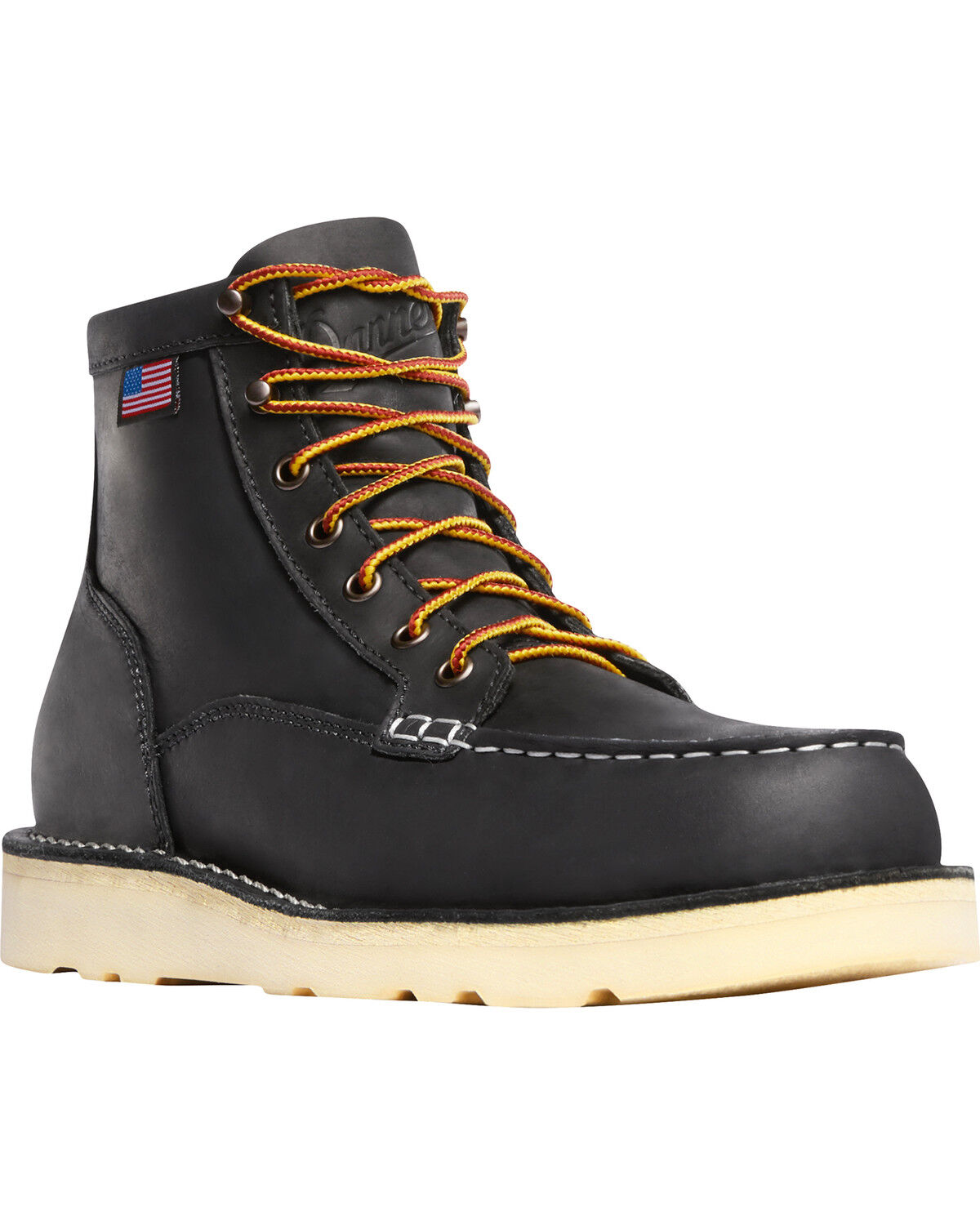 $259.99
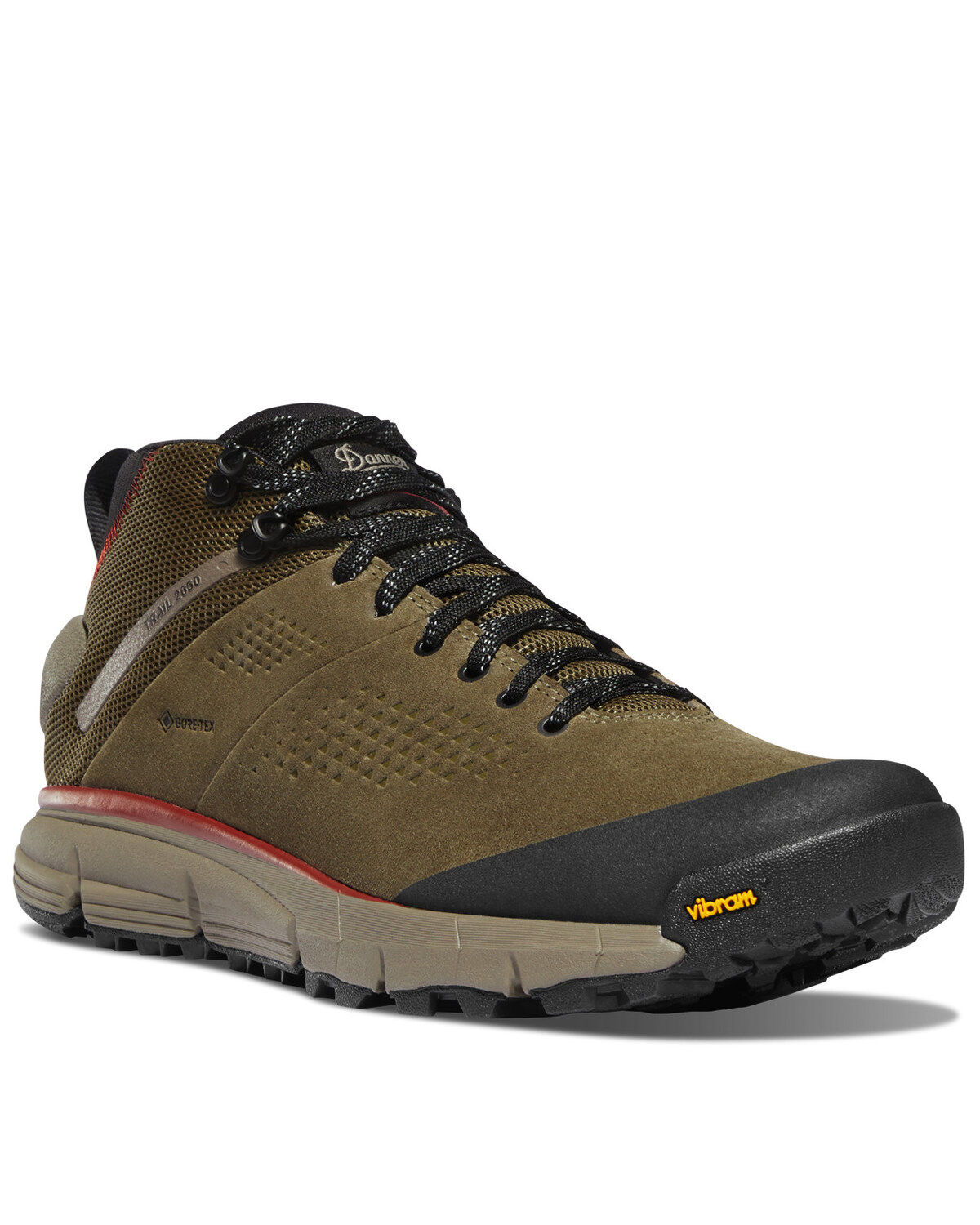 $138.97
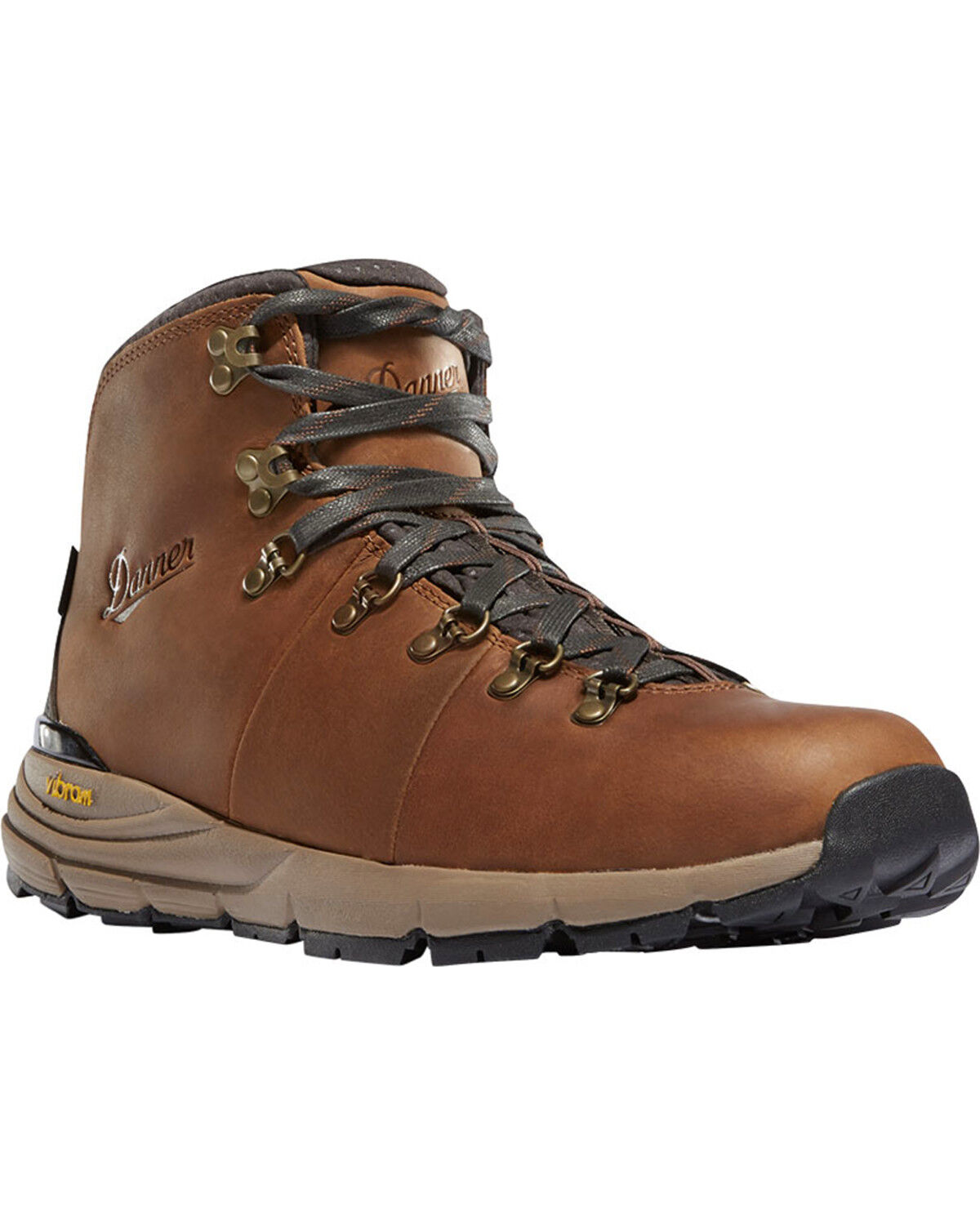 $229.99
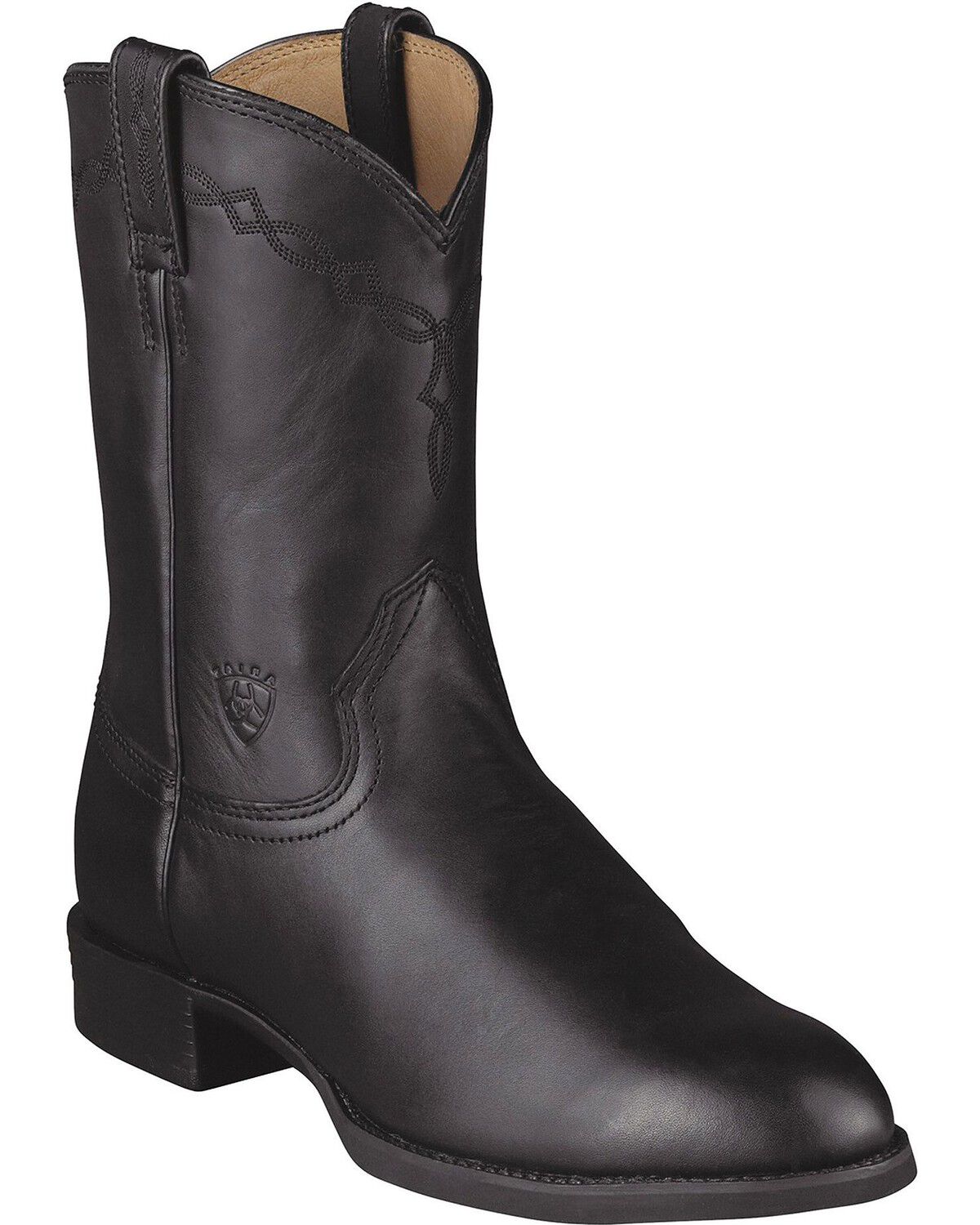 $169.95