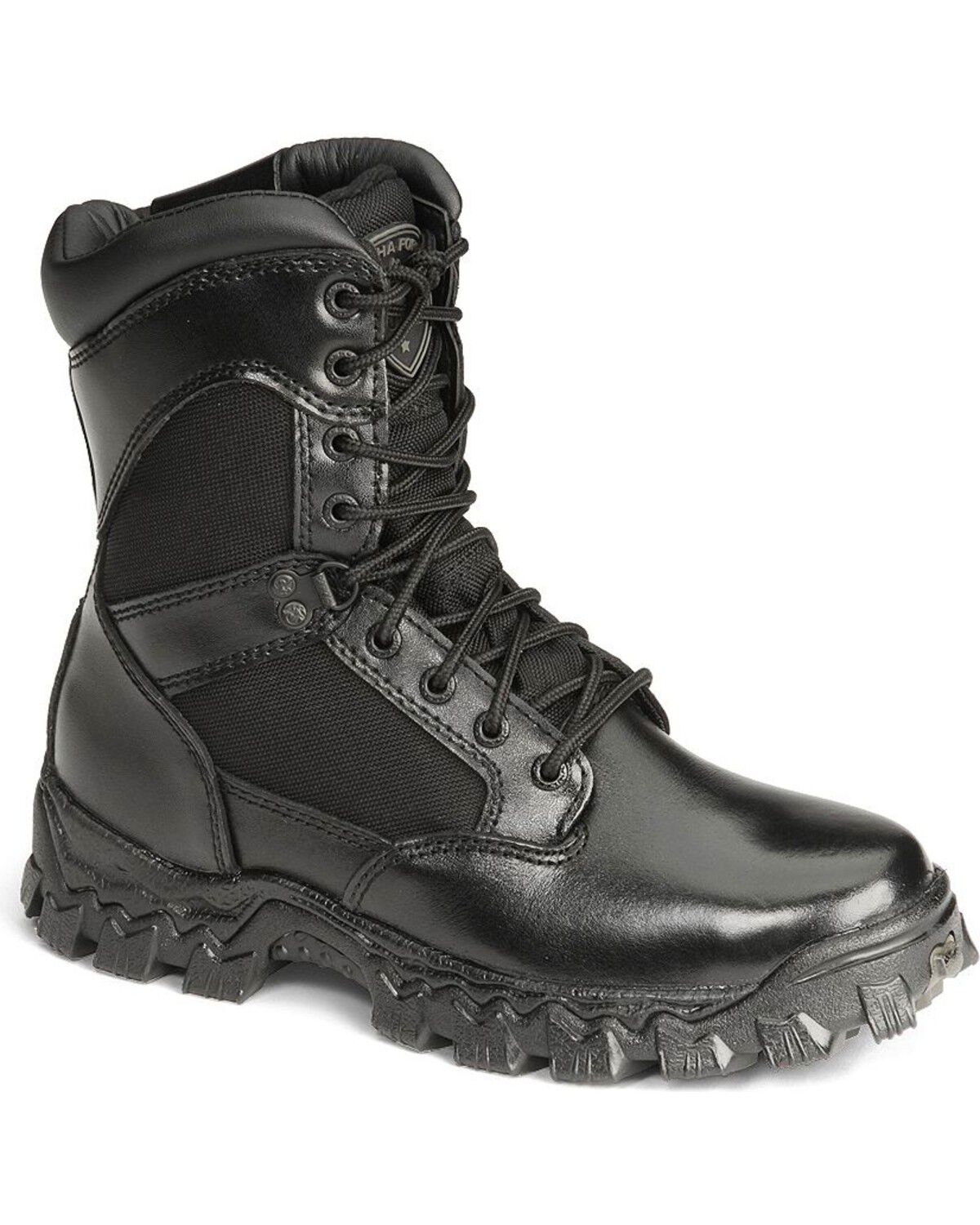
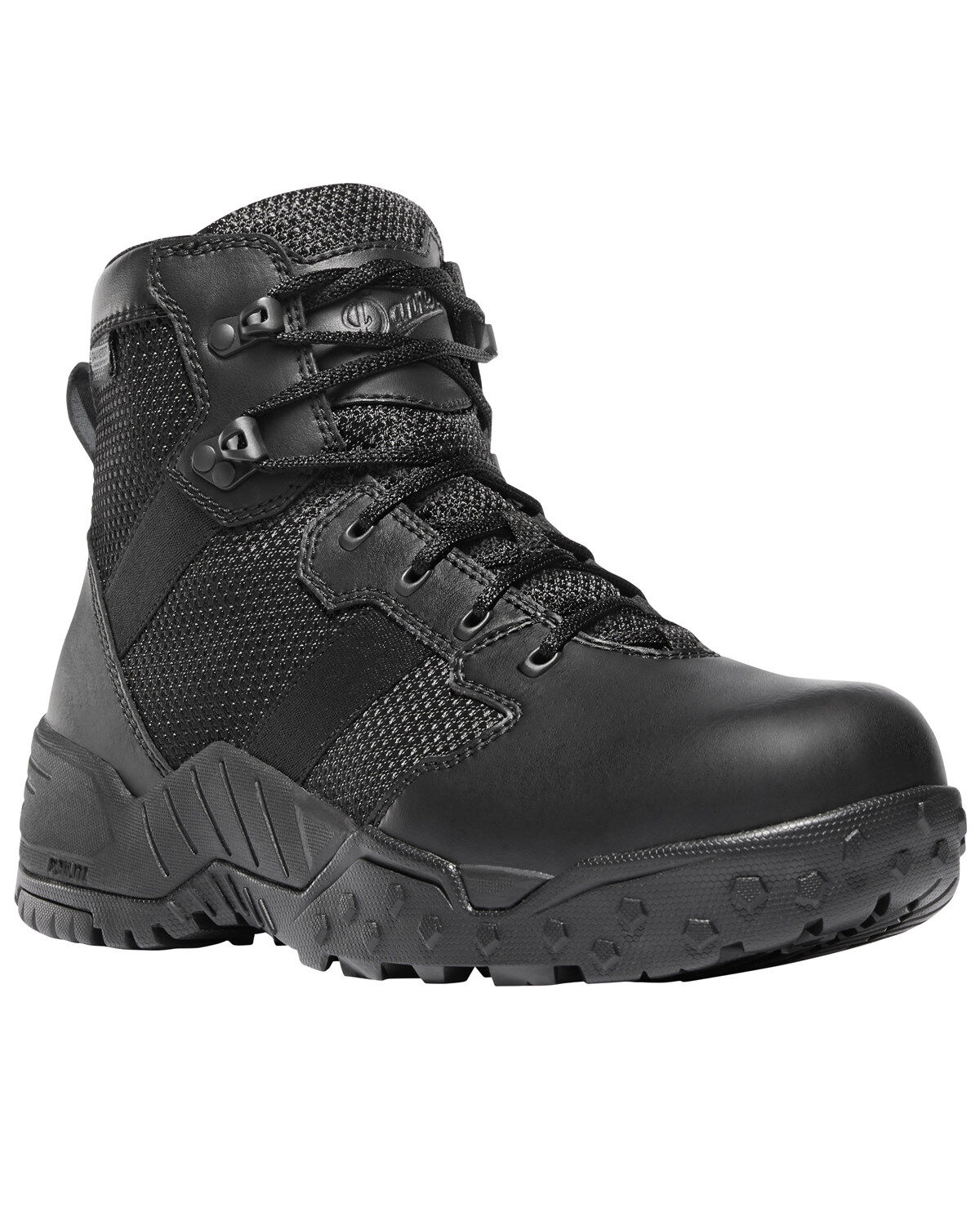
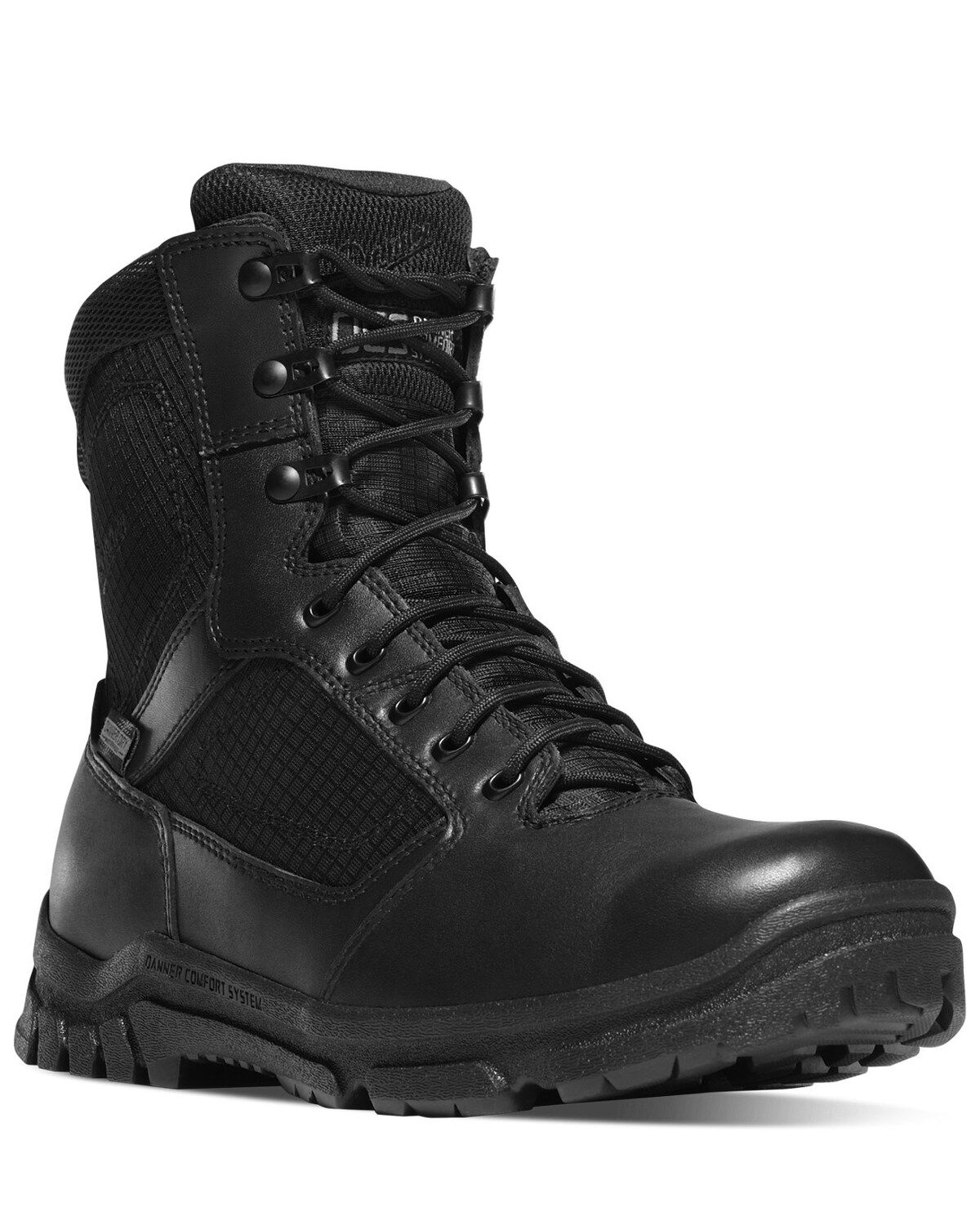
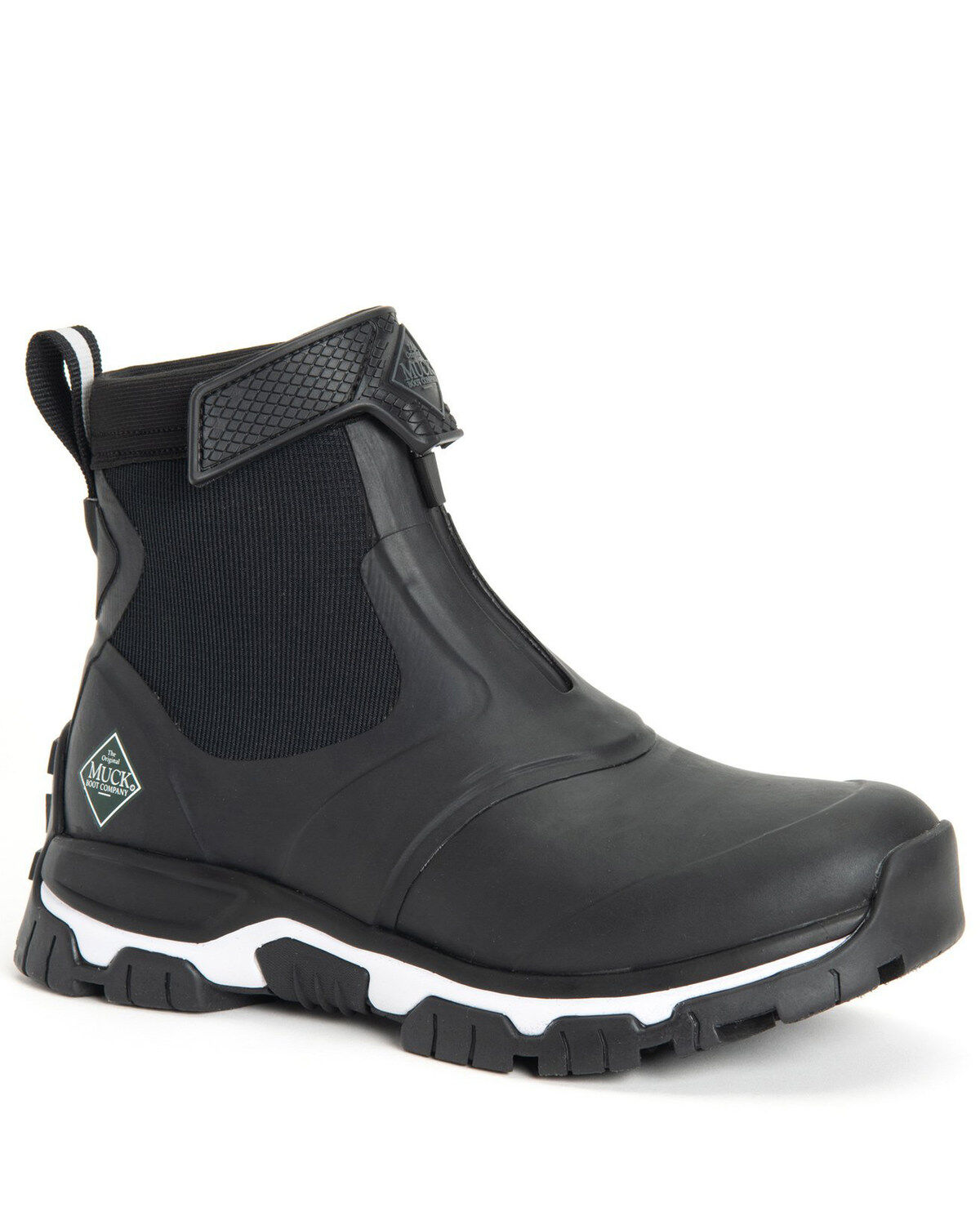
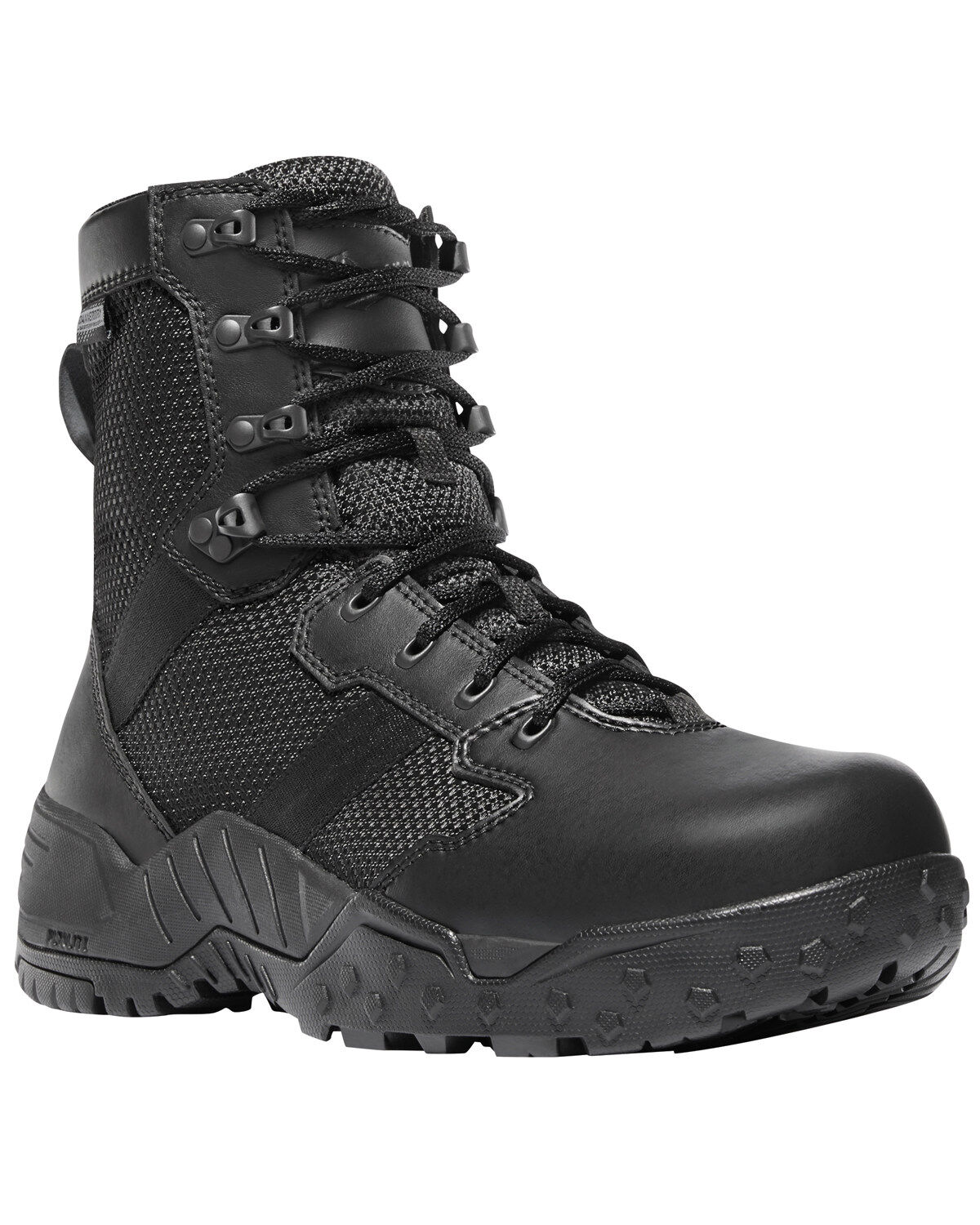
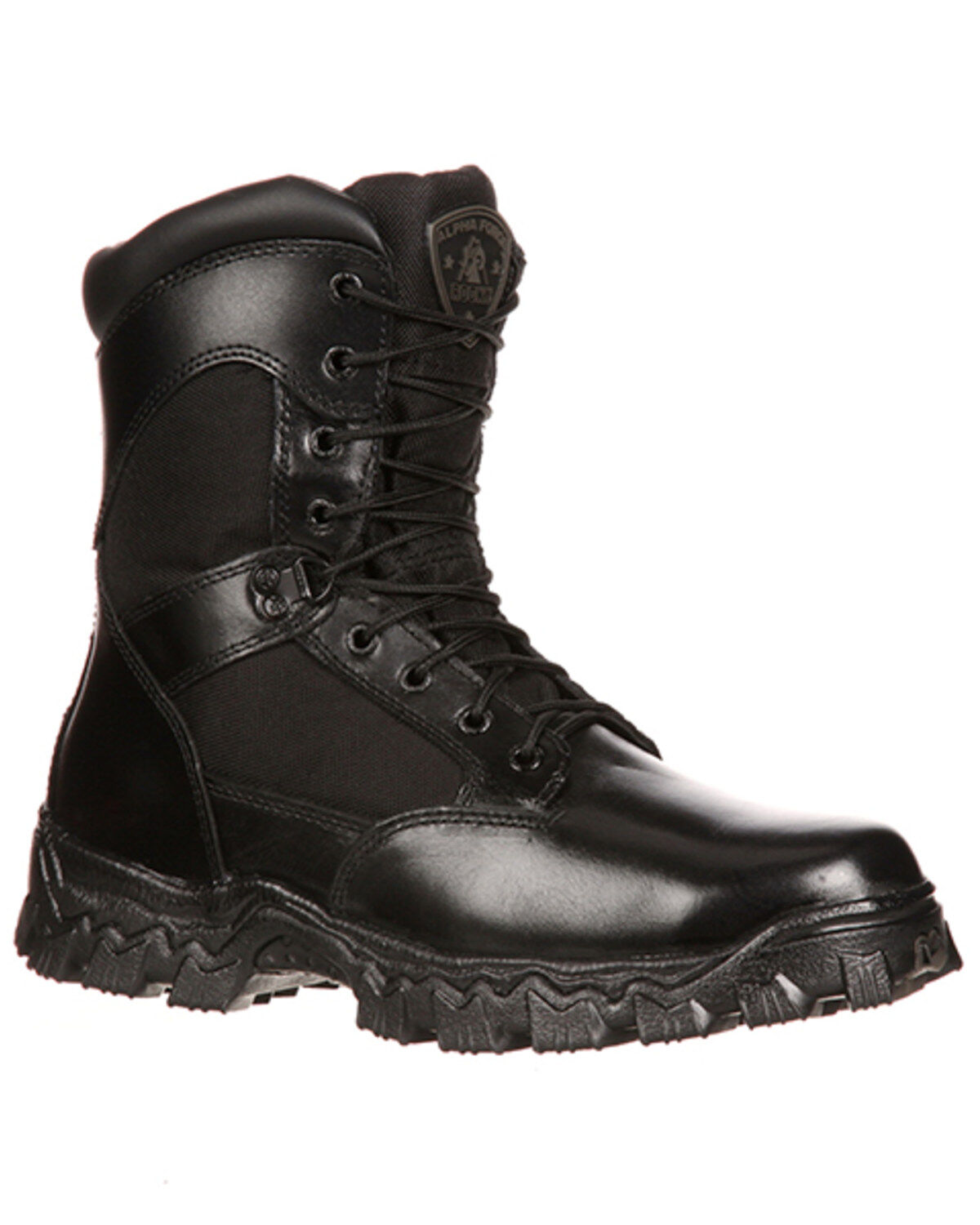
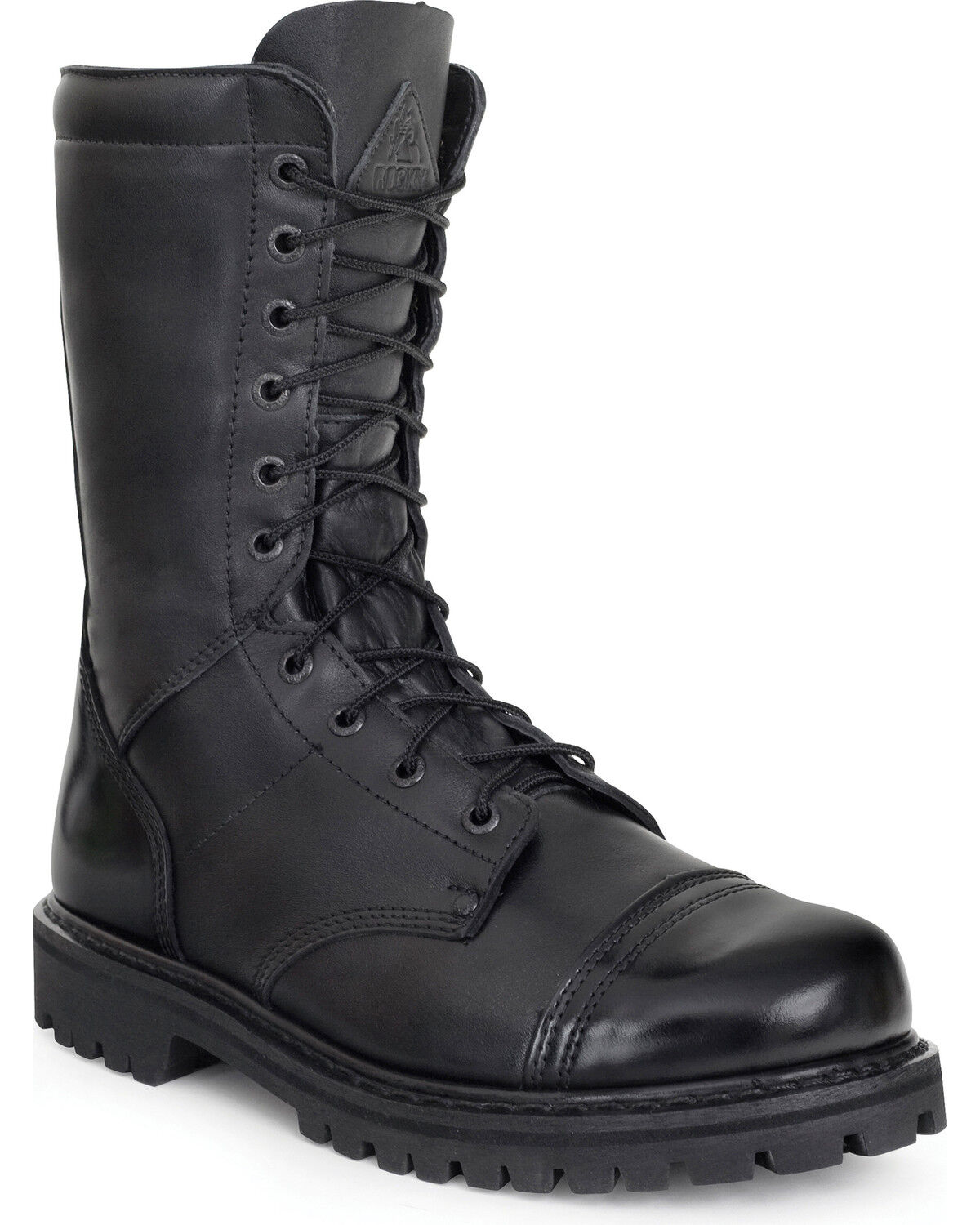
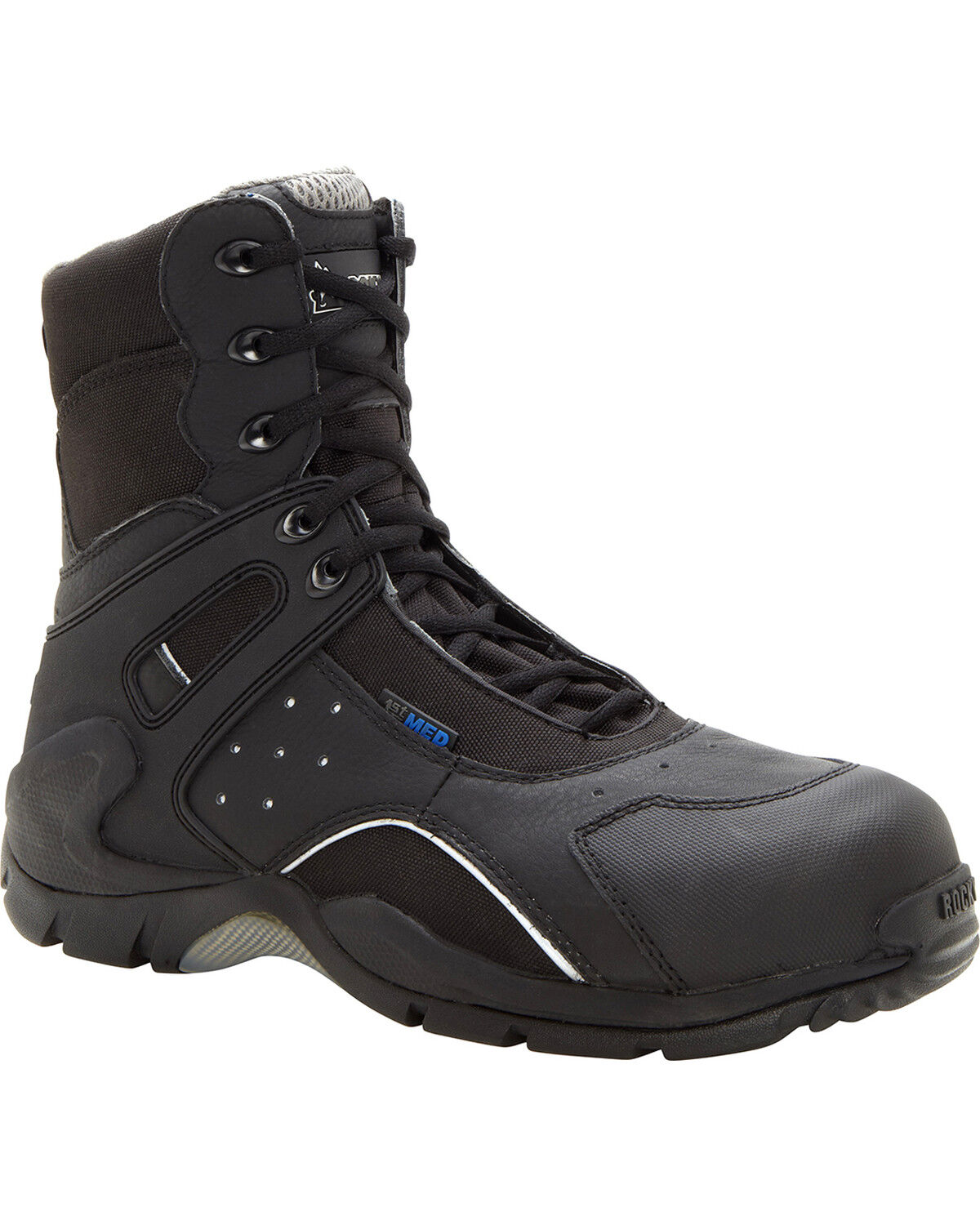
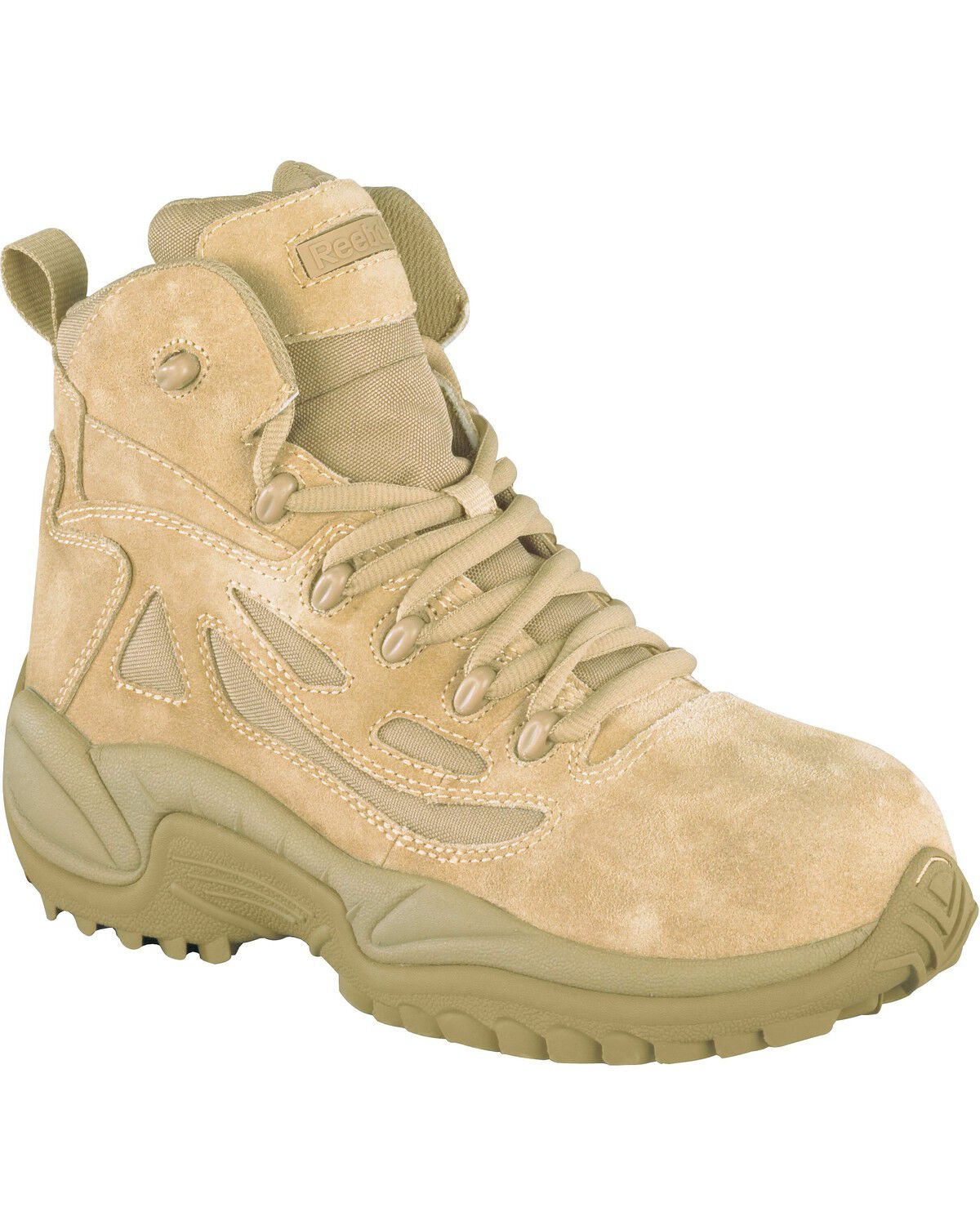
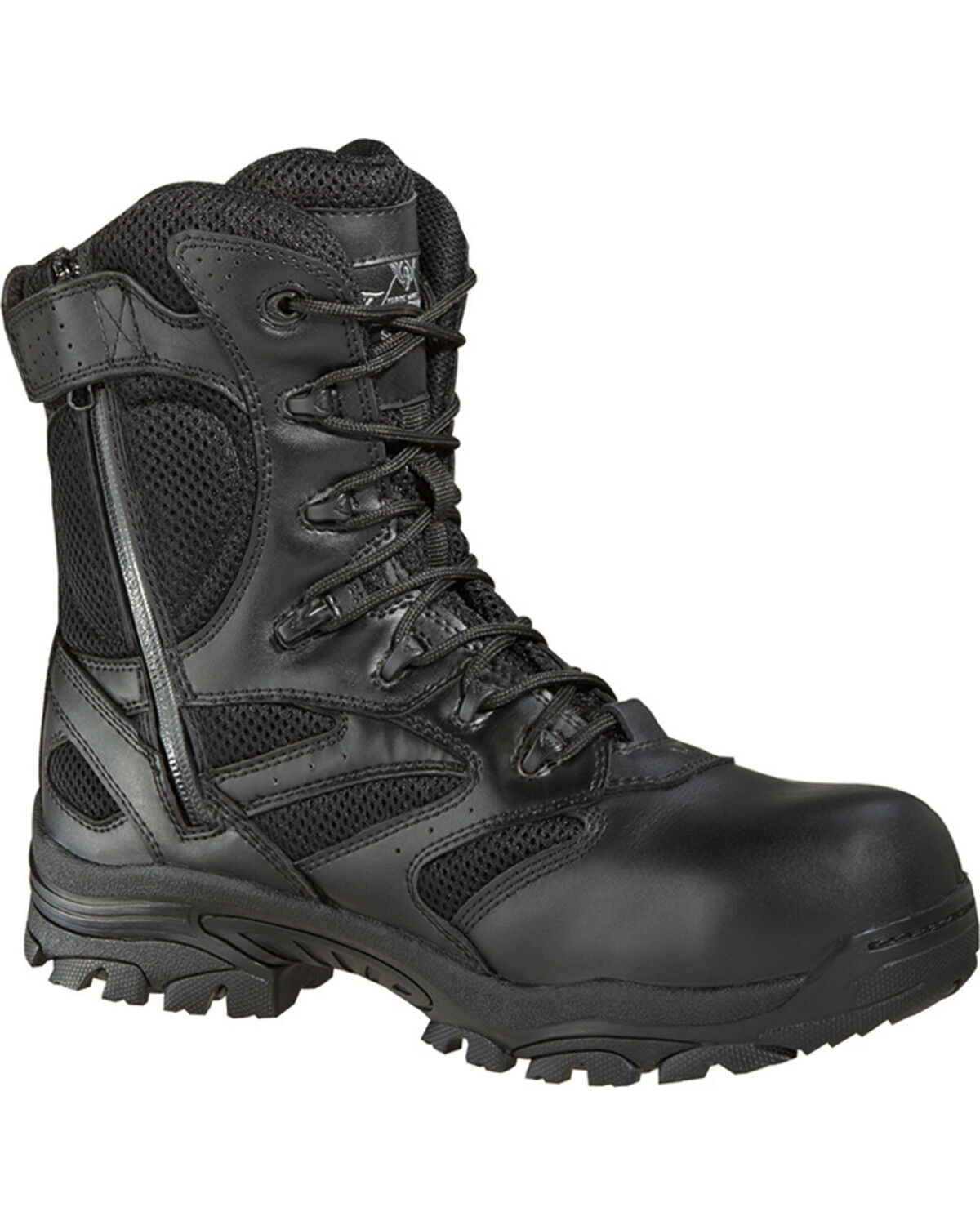
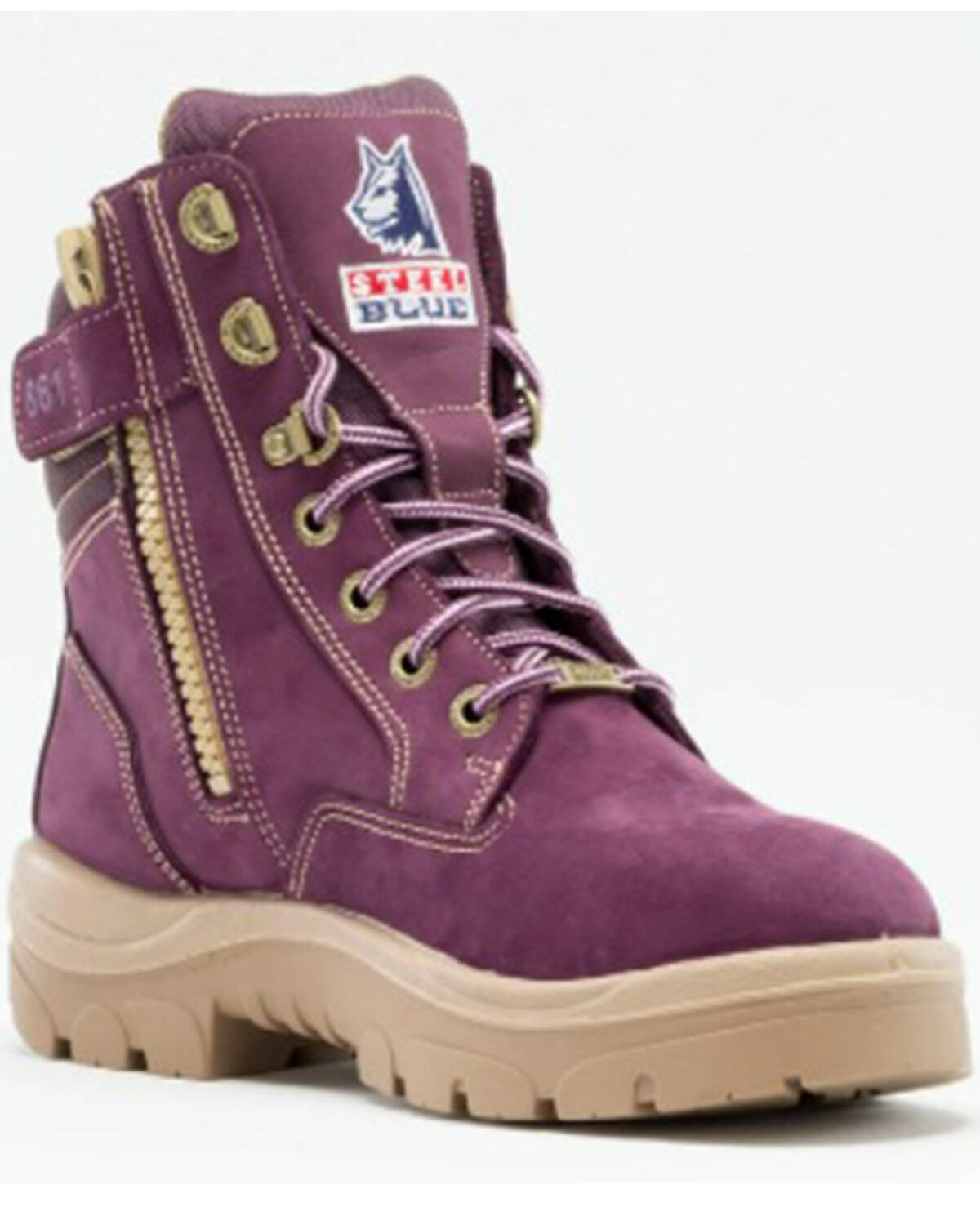
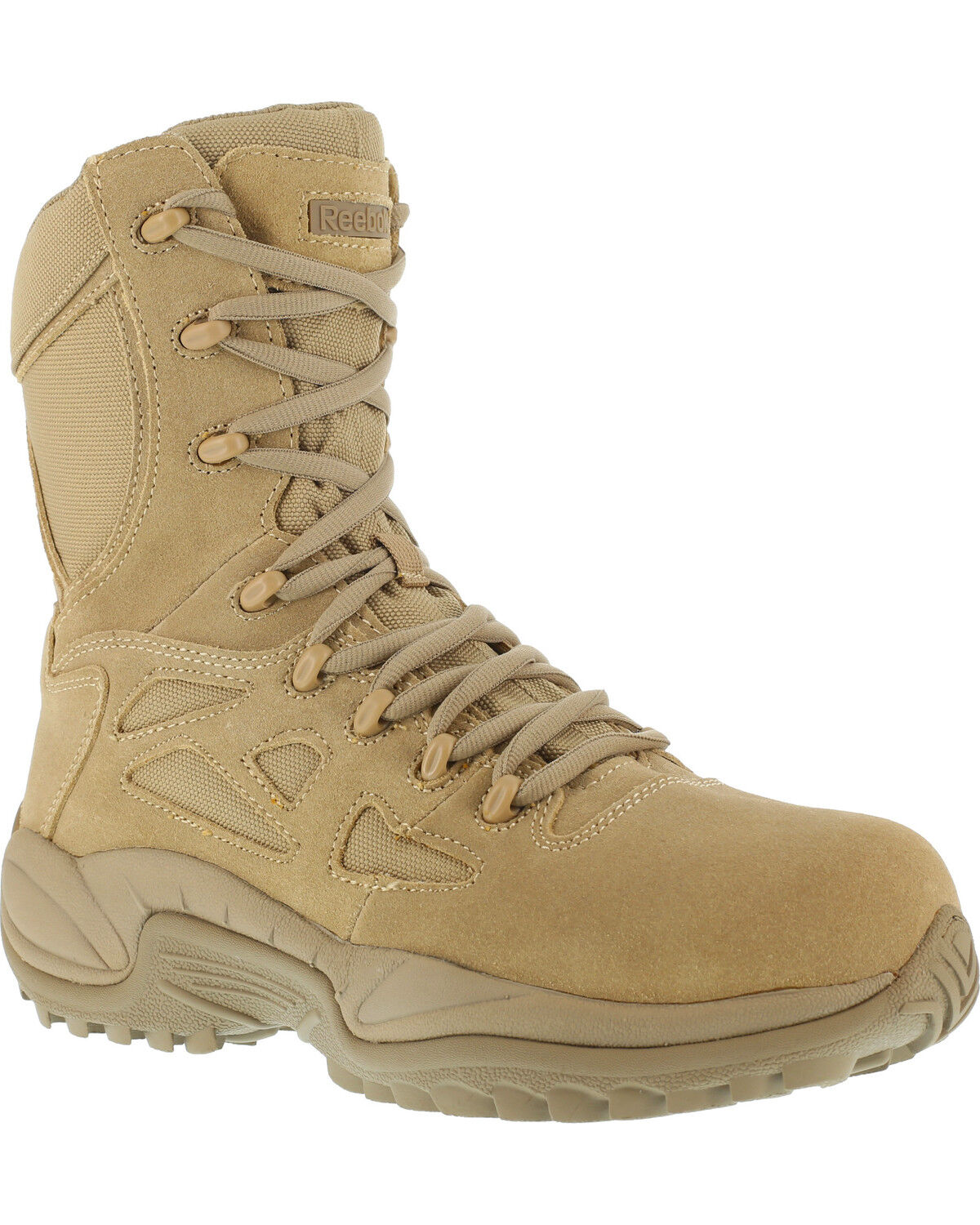
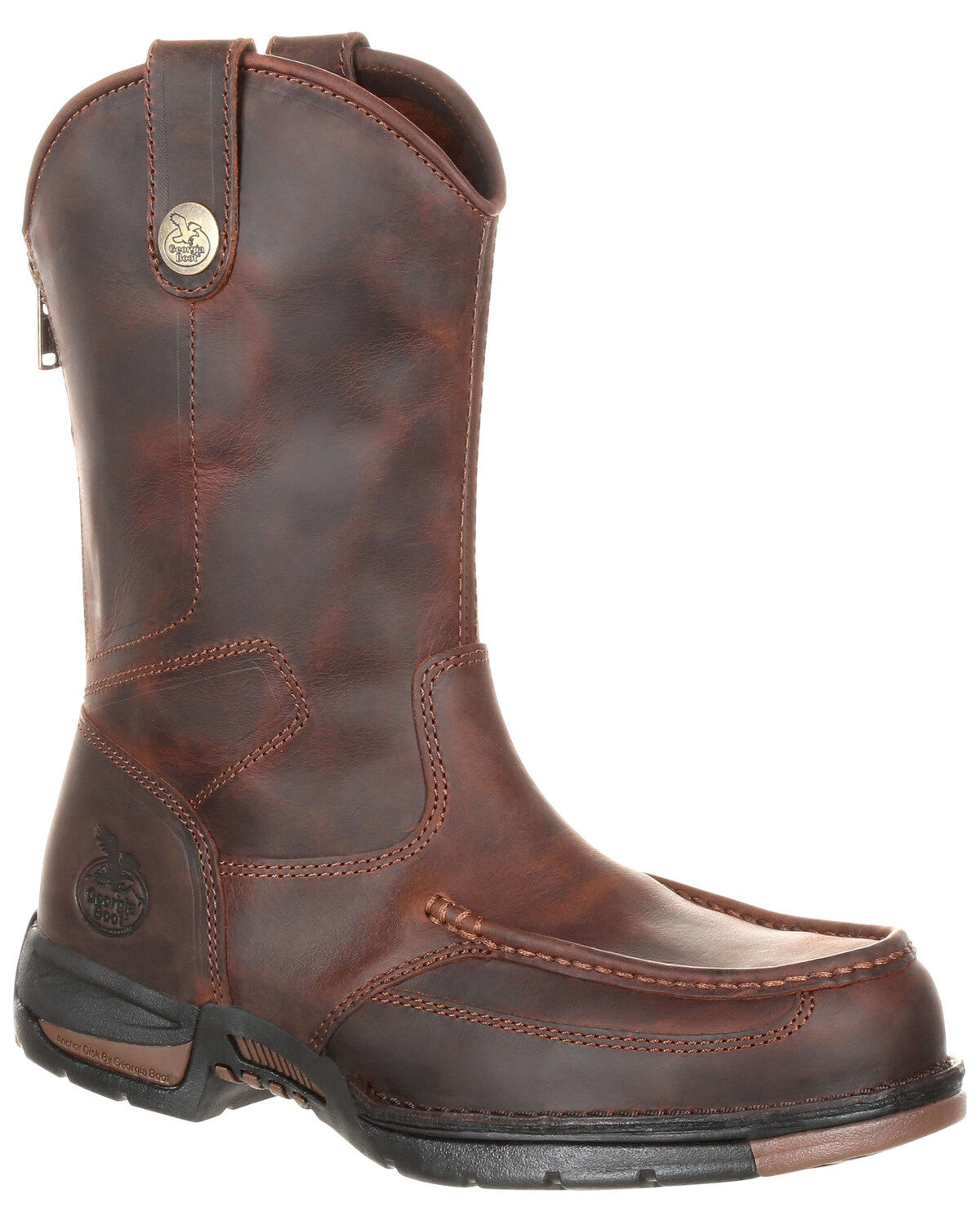
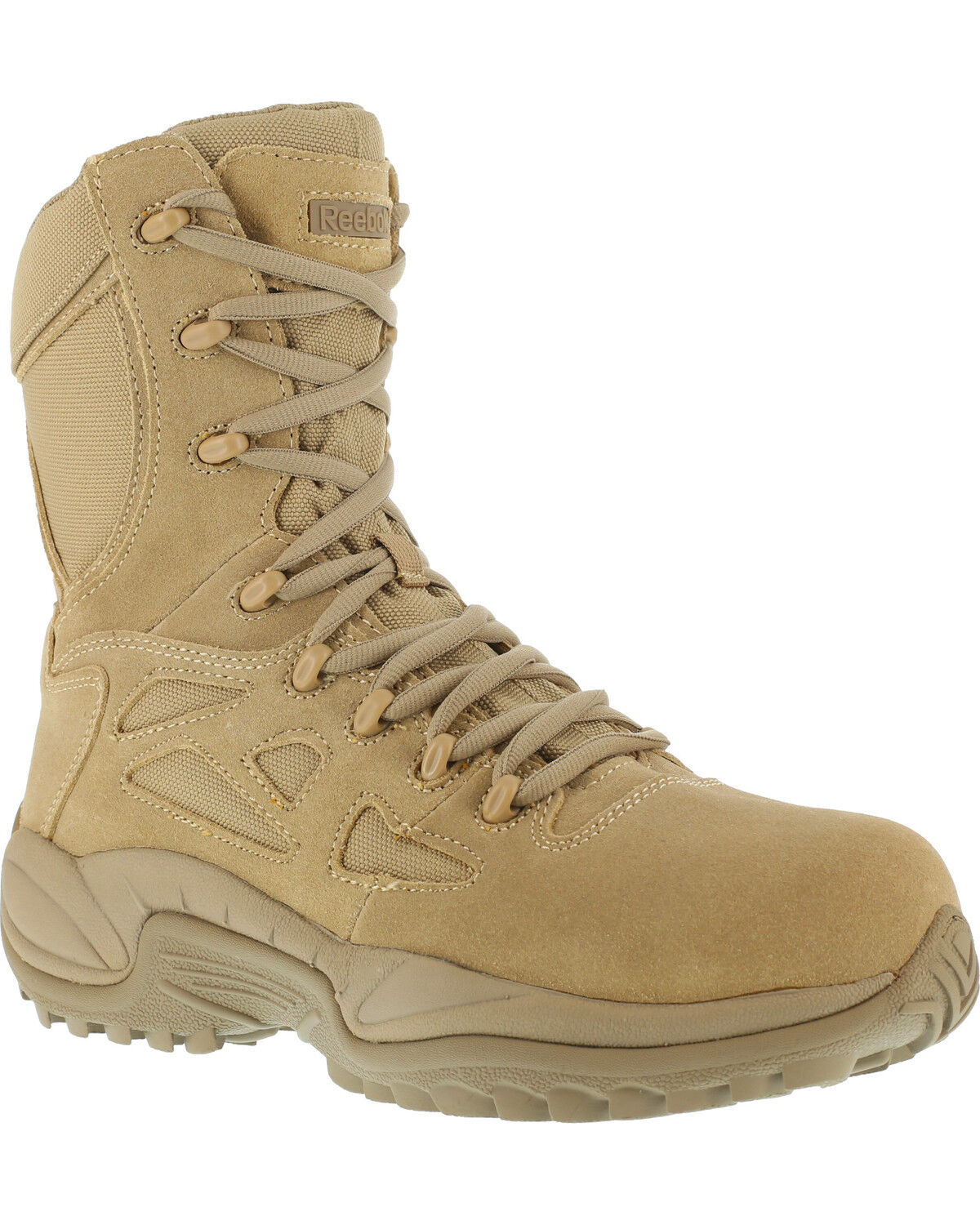
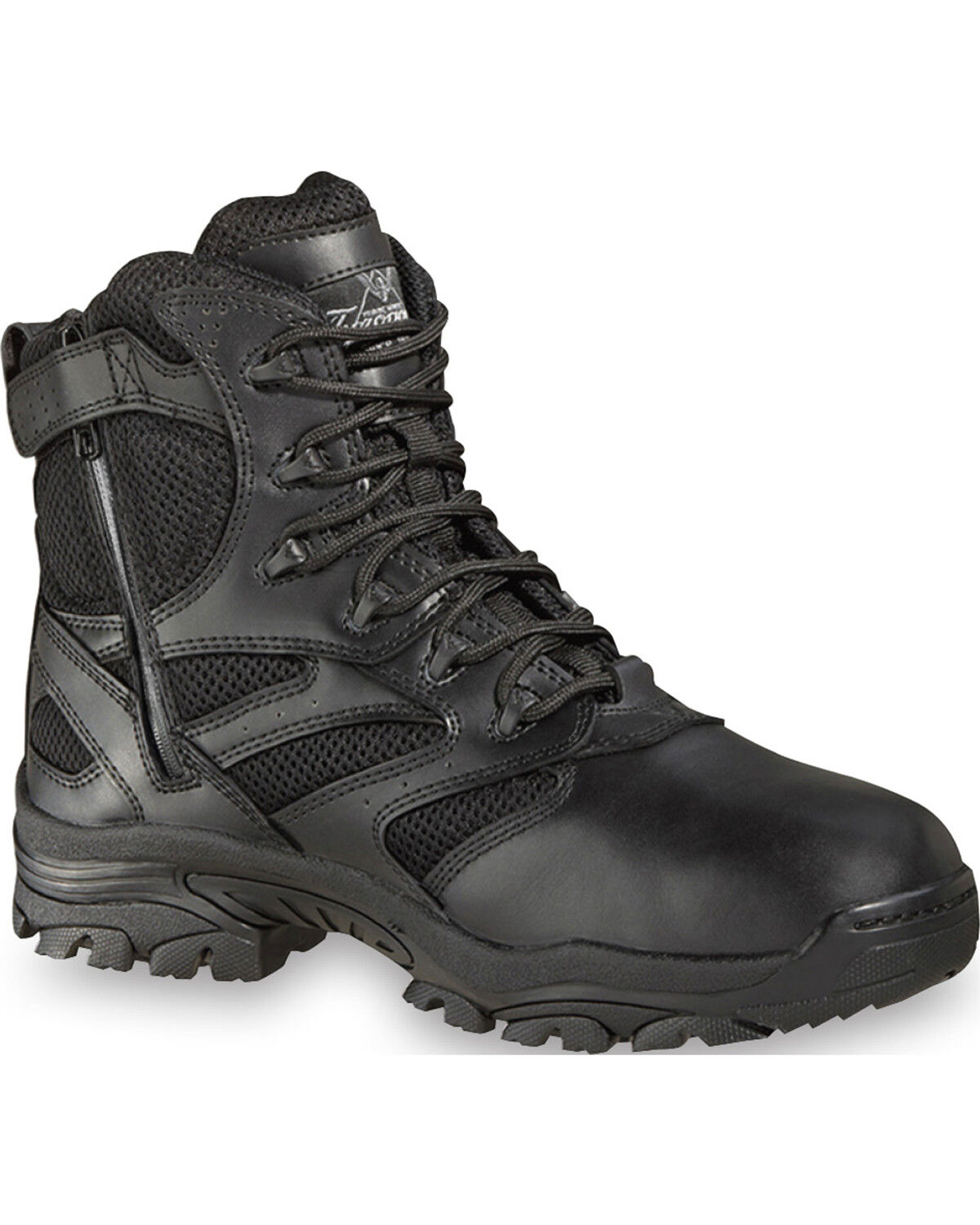
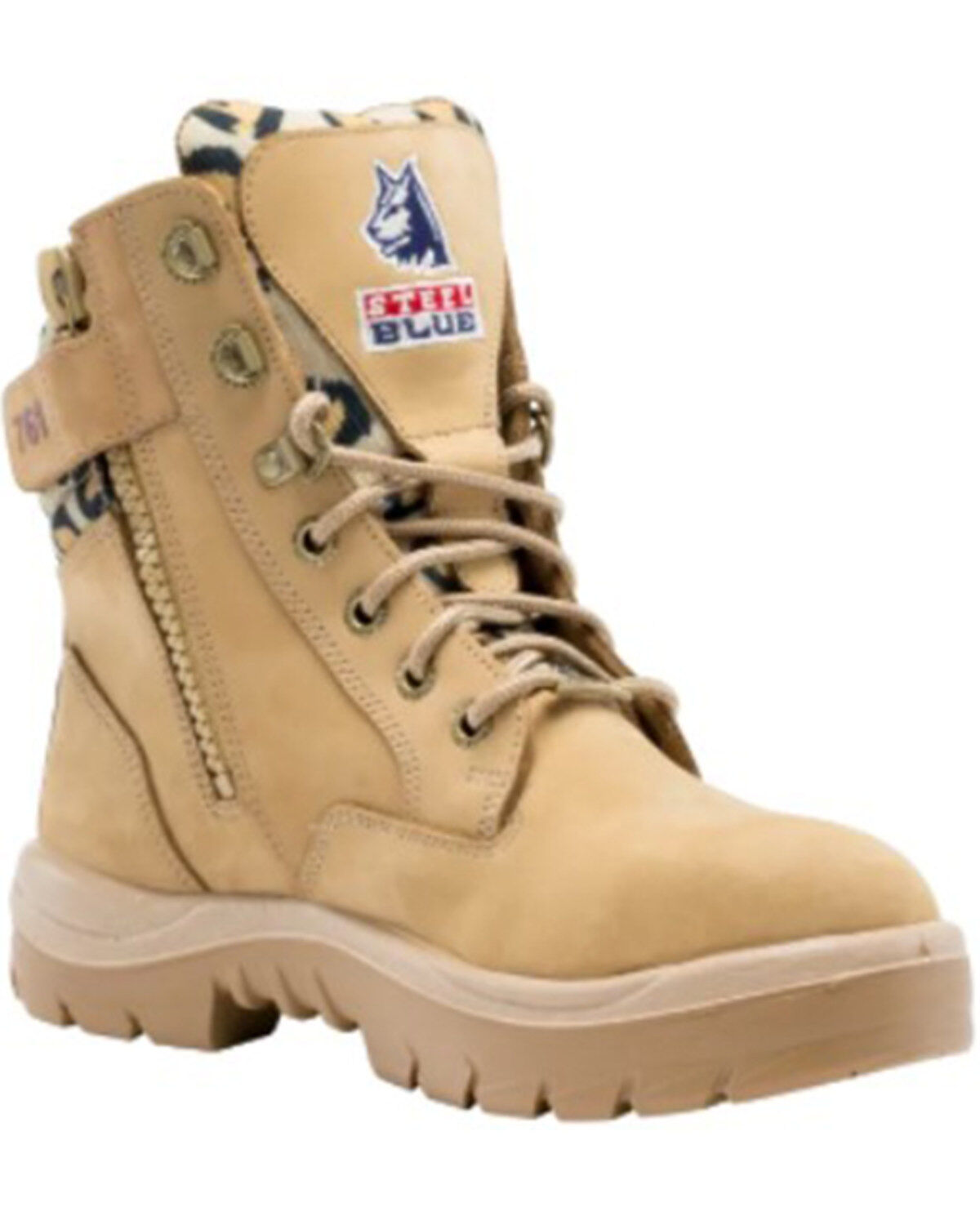
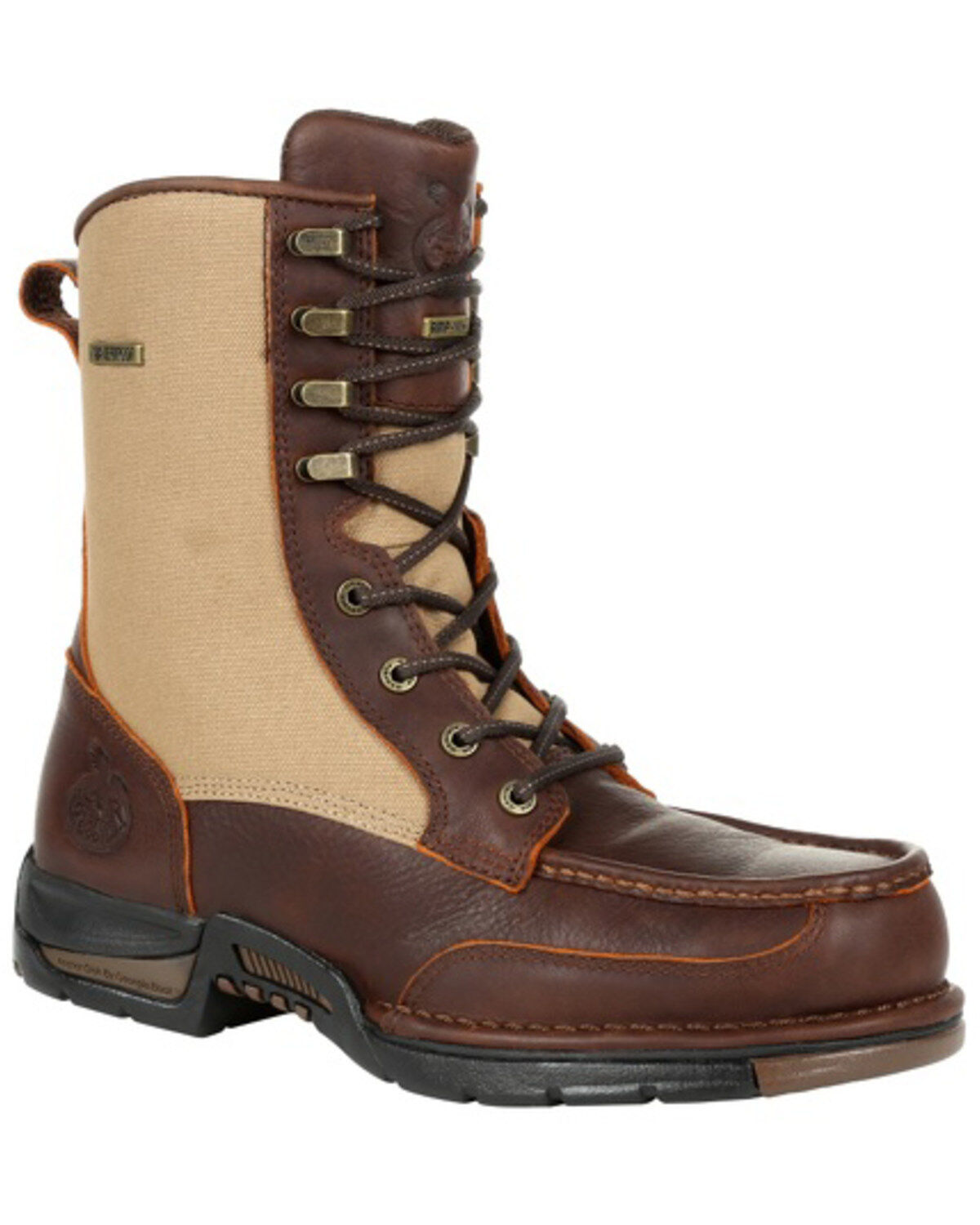
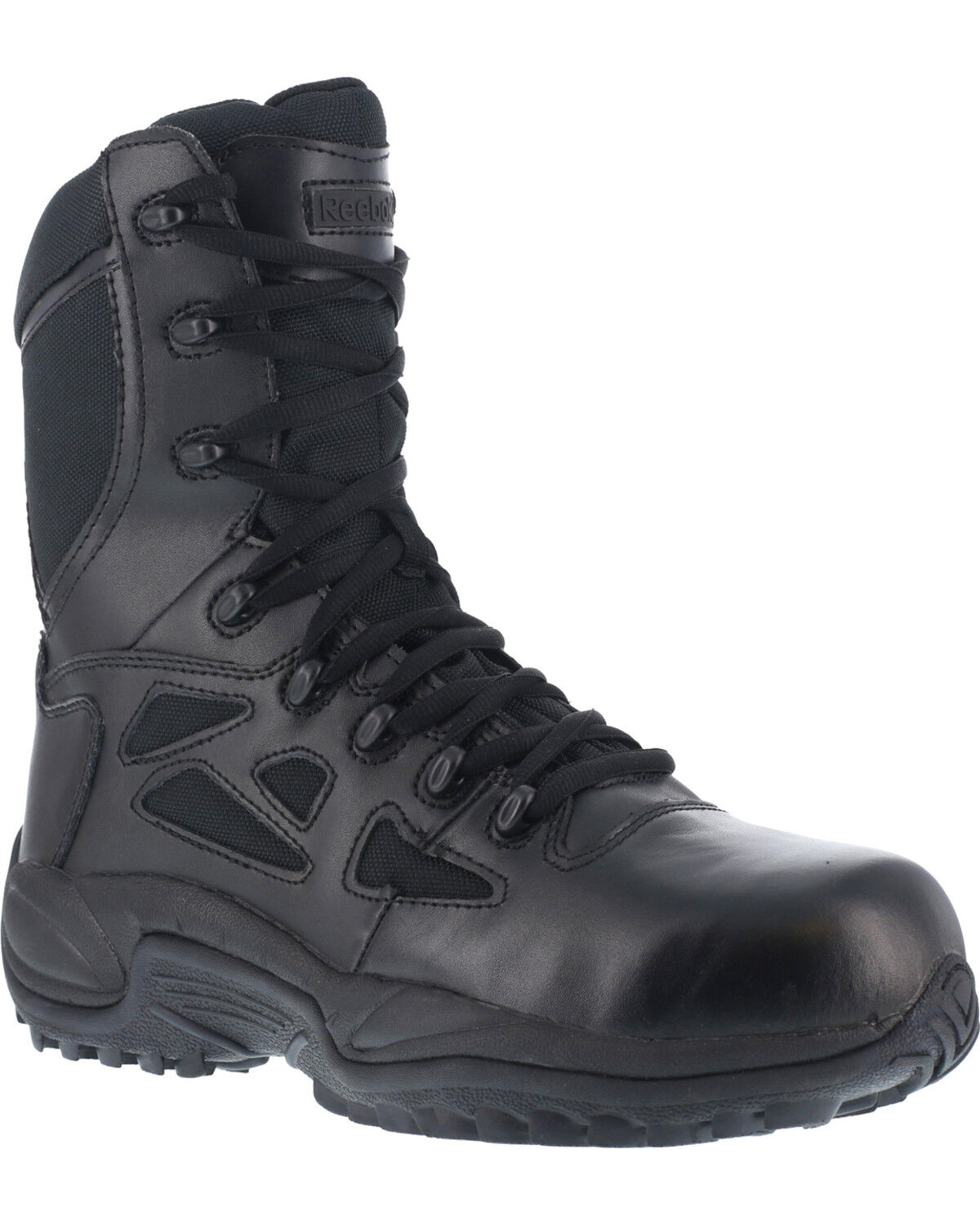
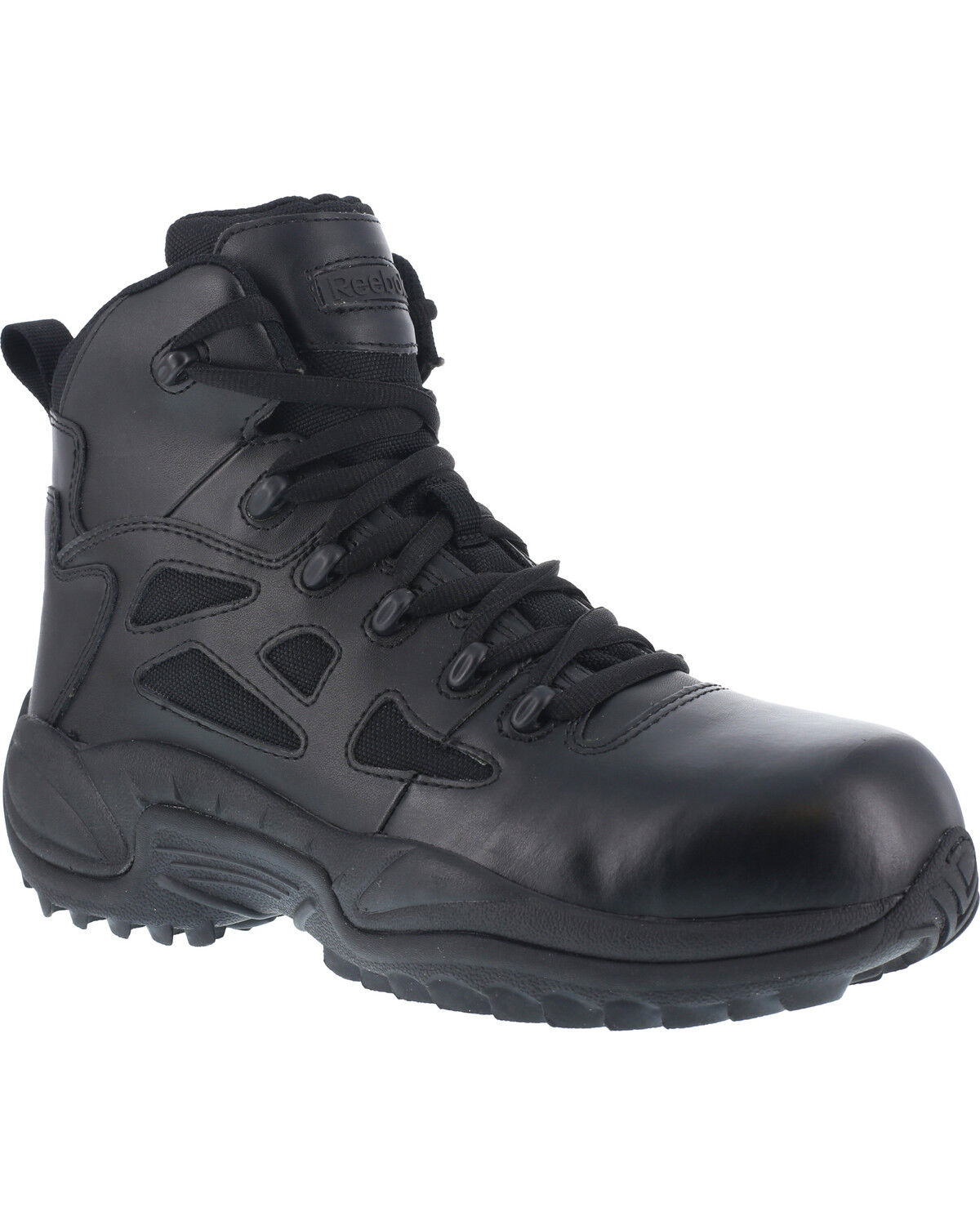
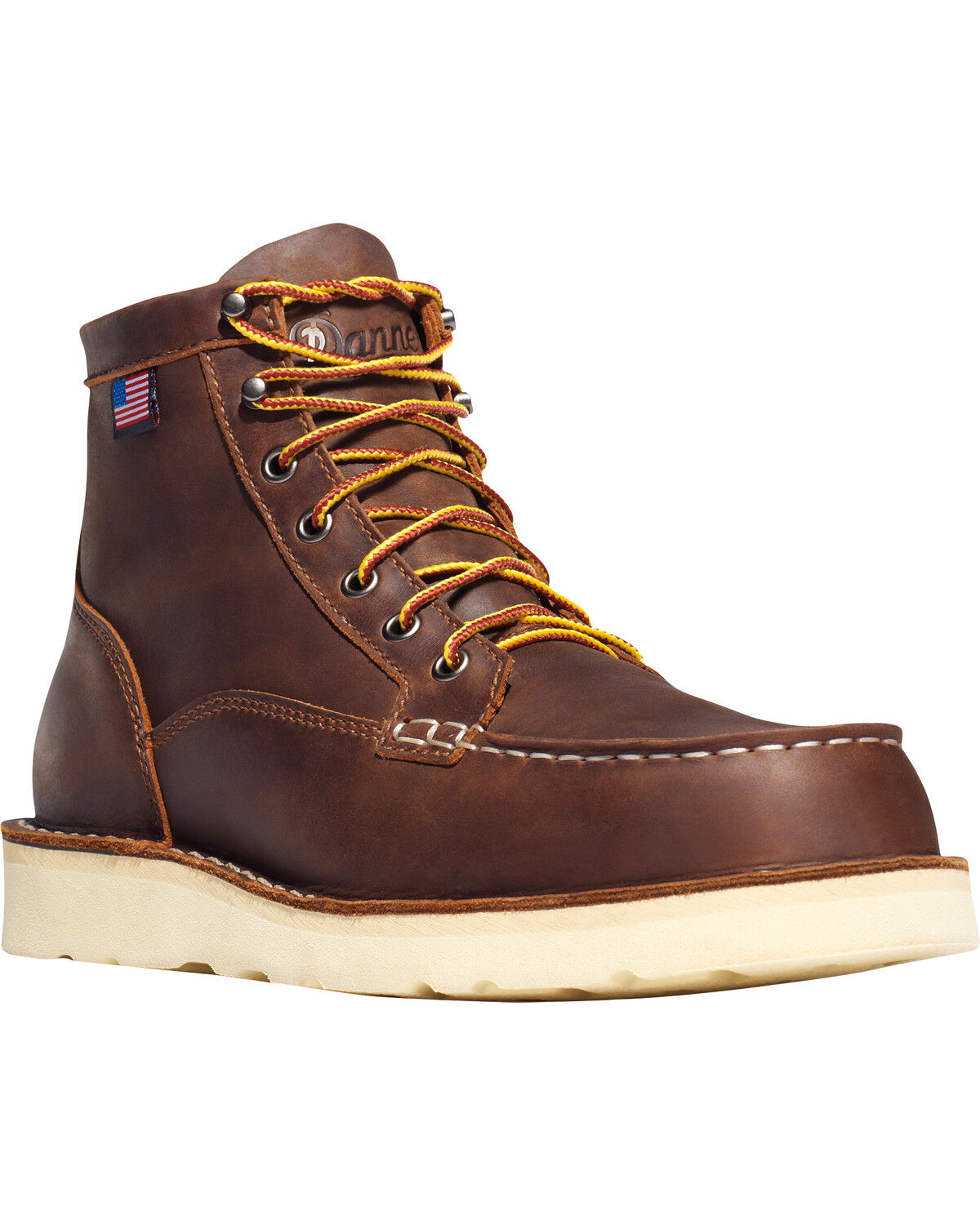
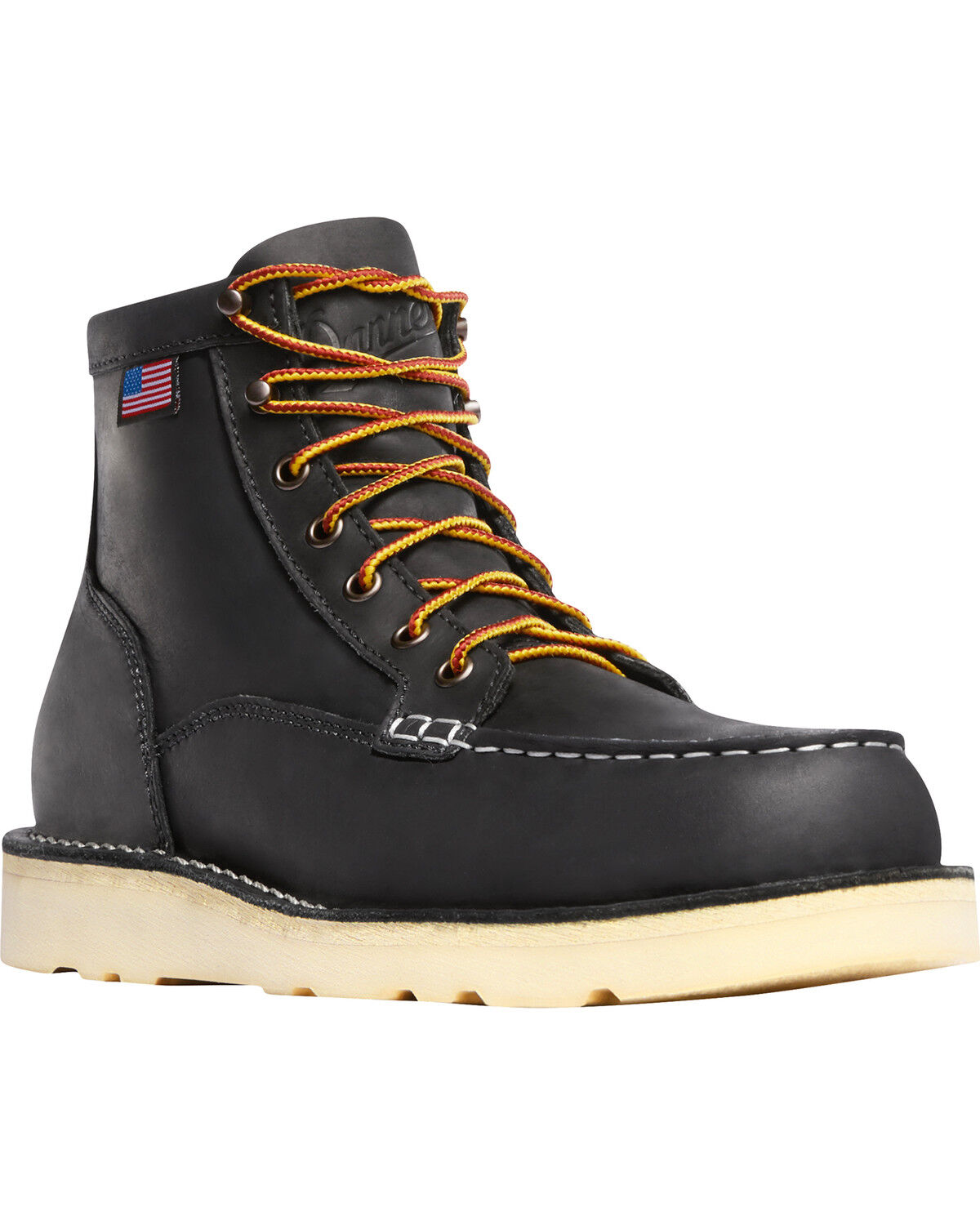
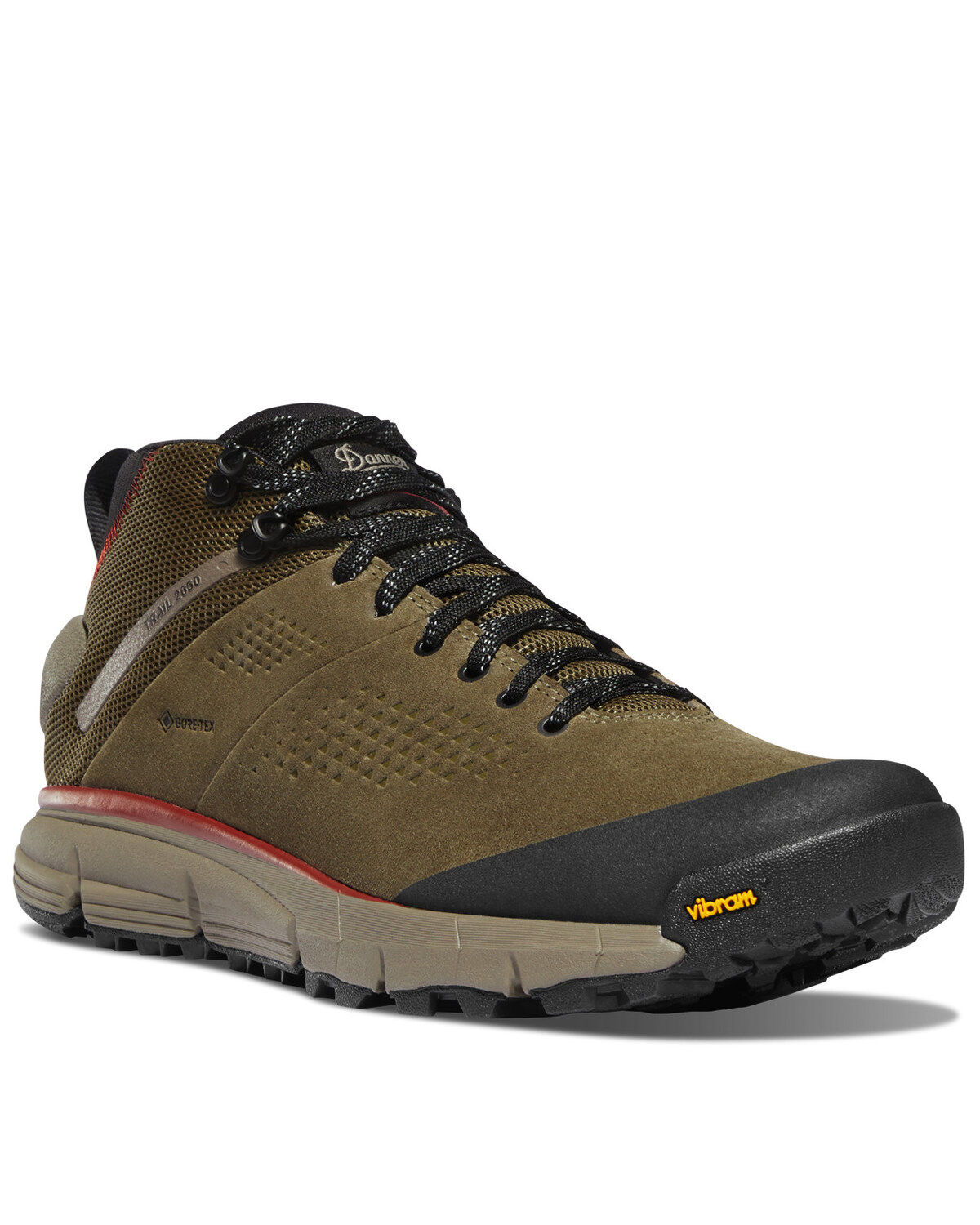
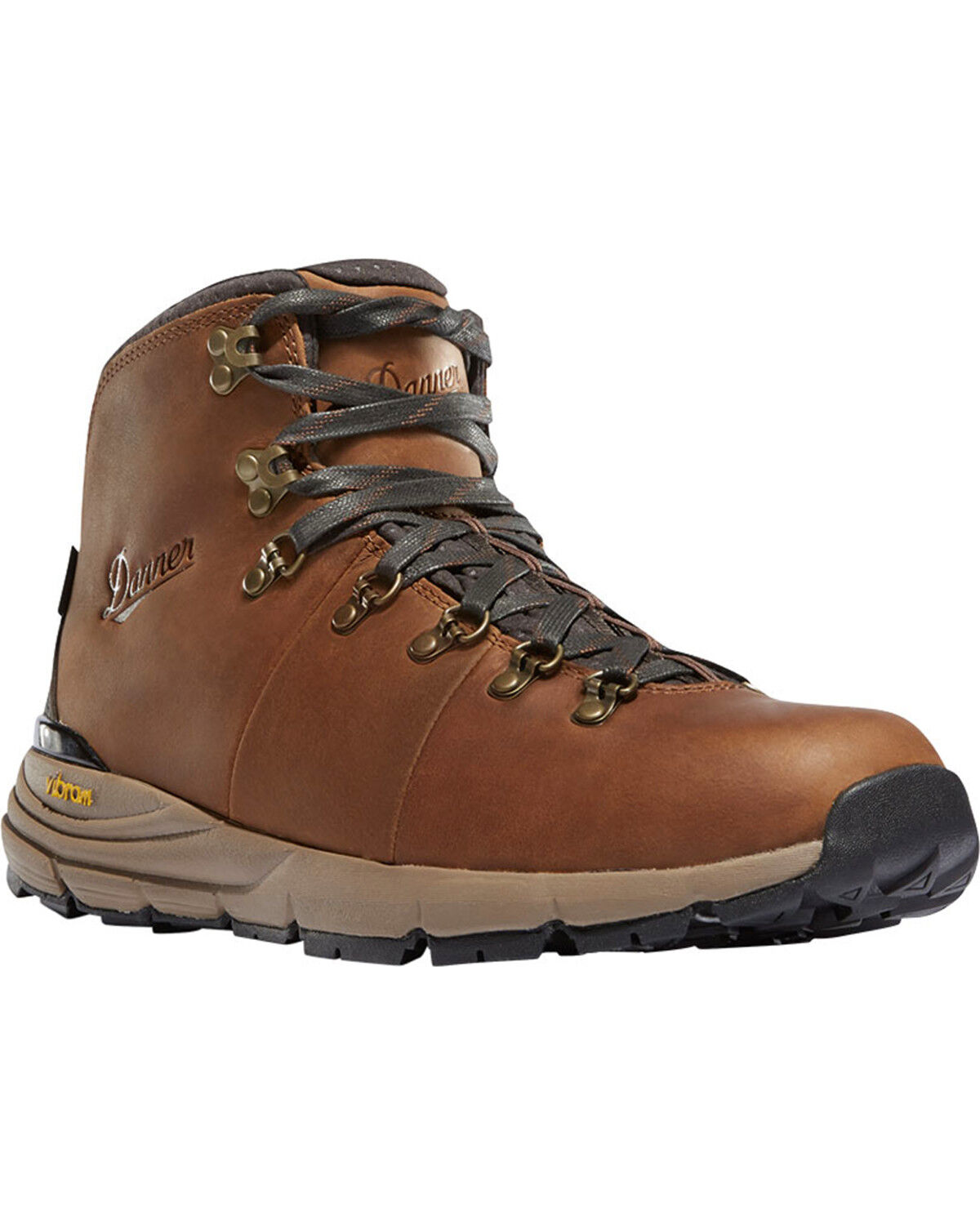
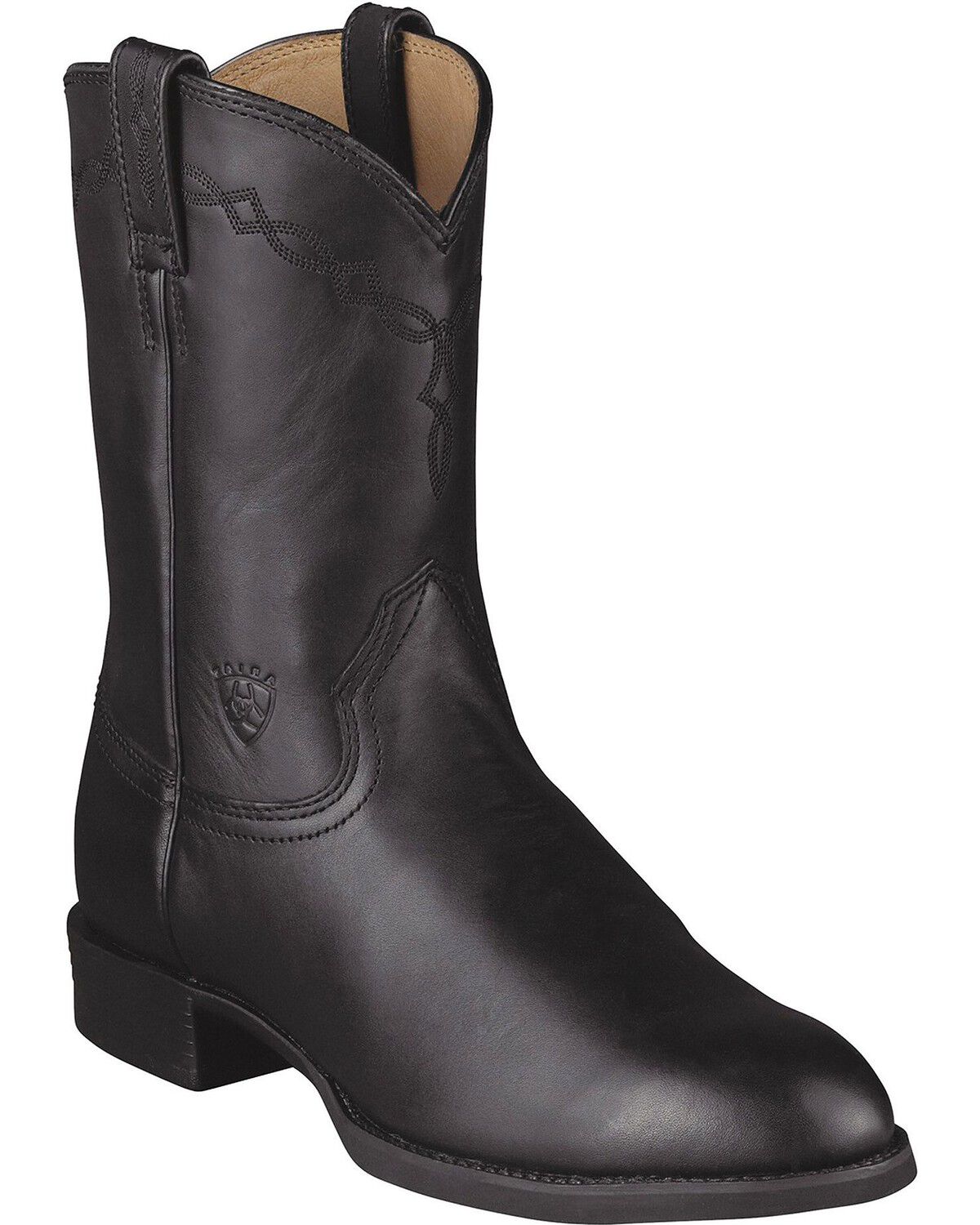
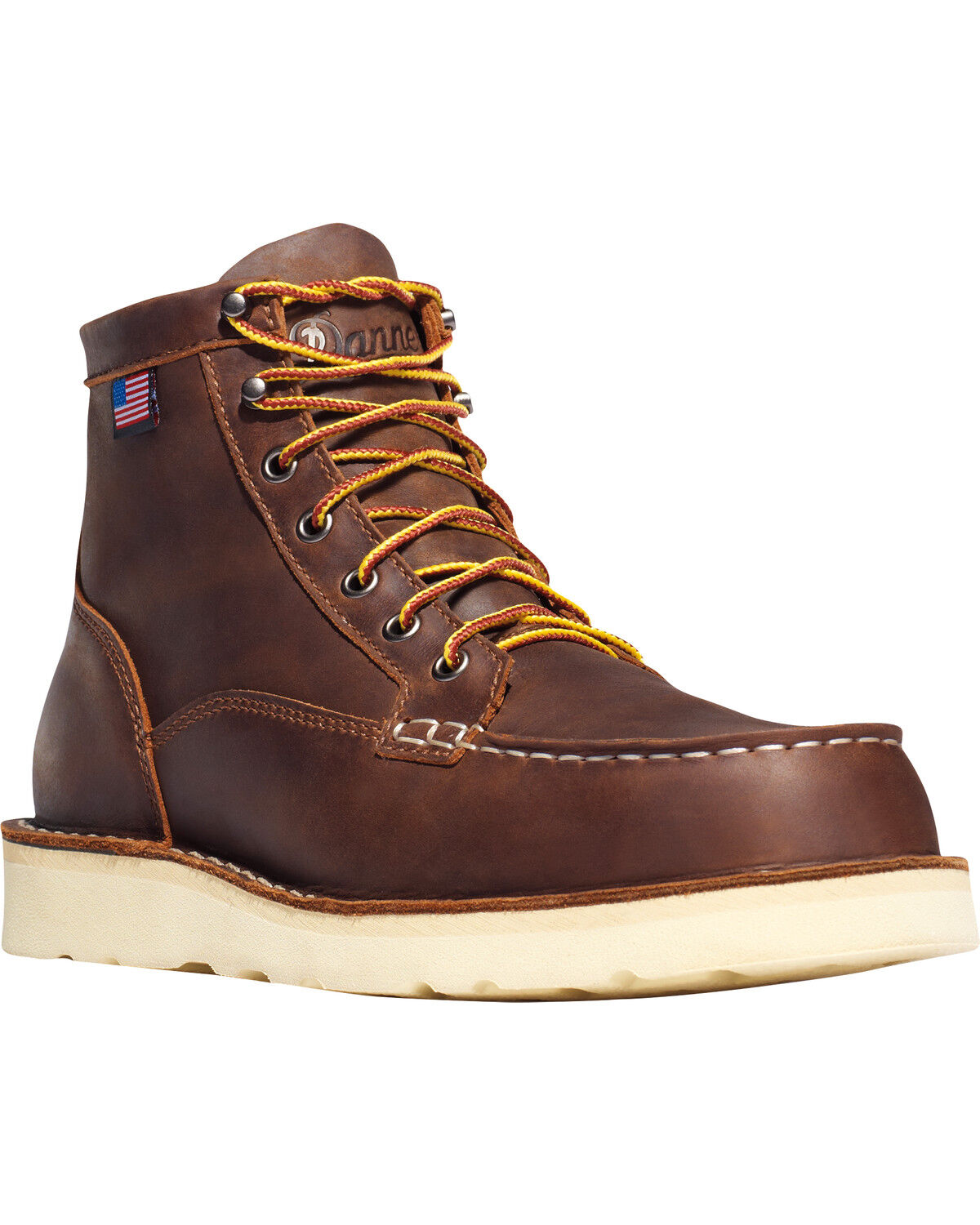
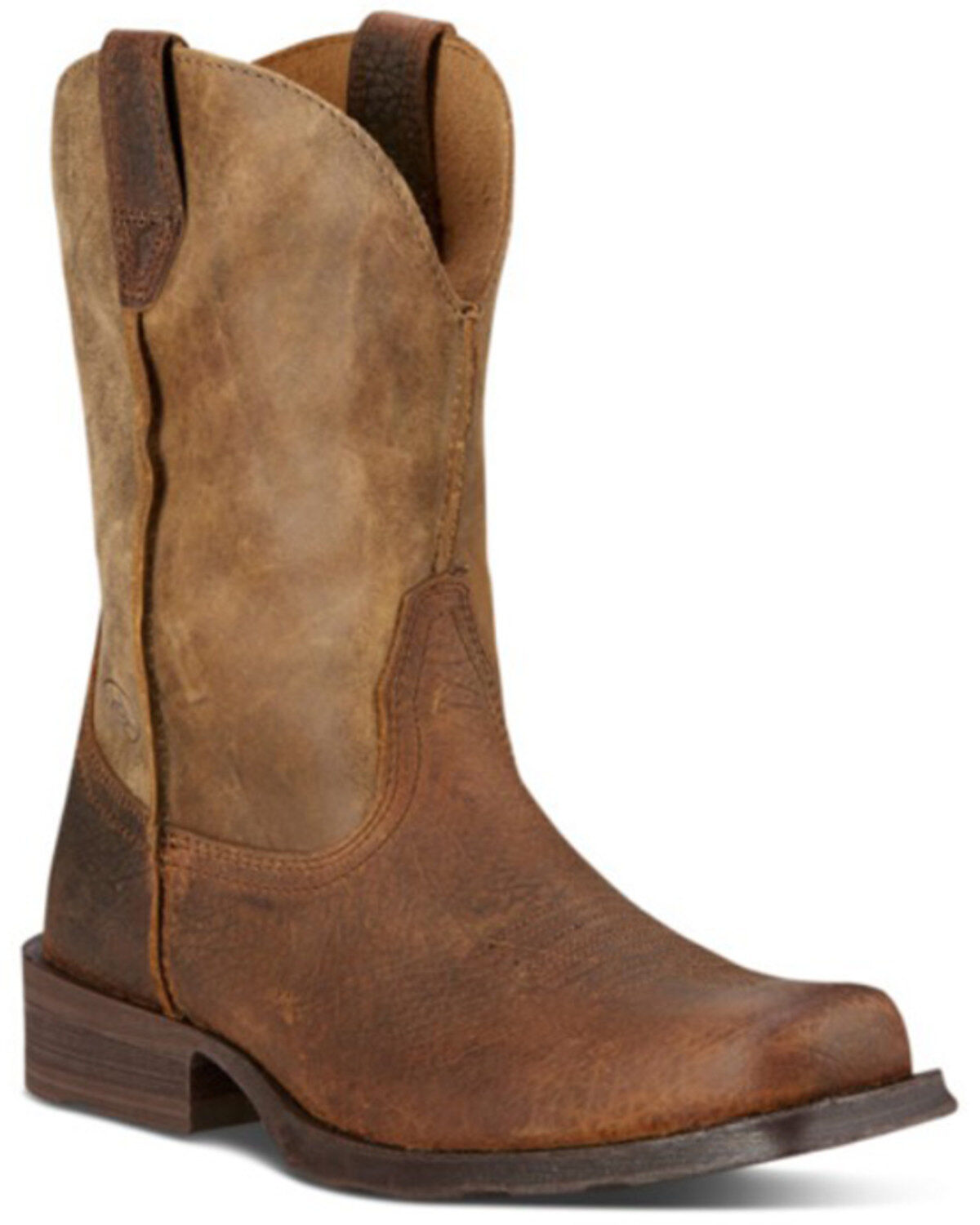
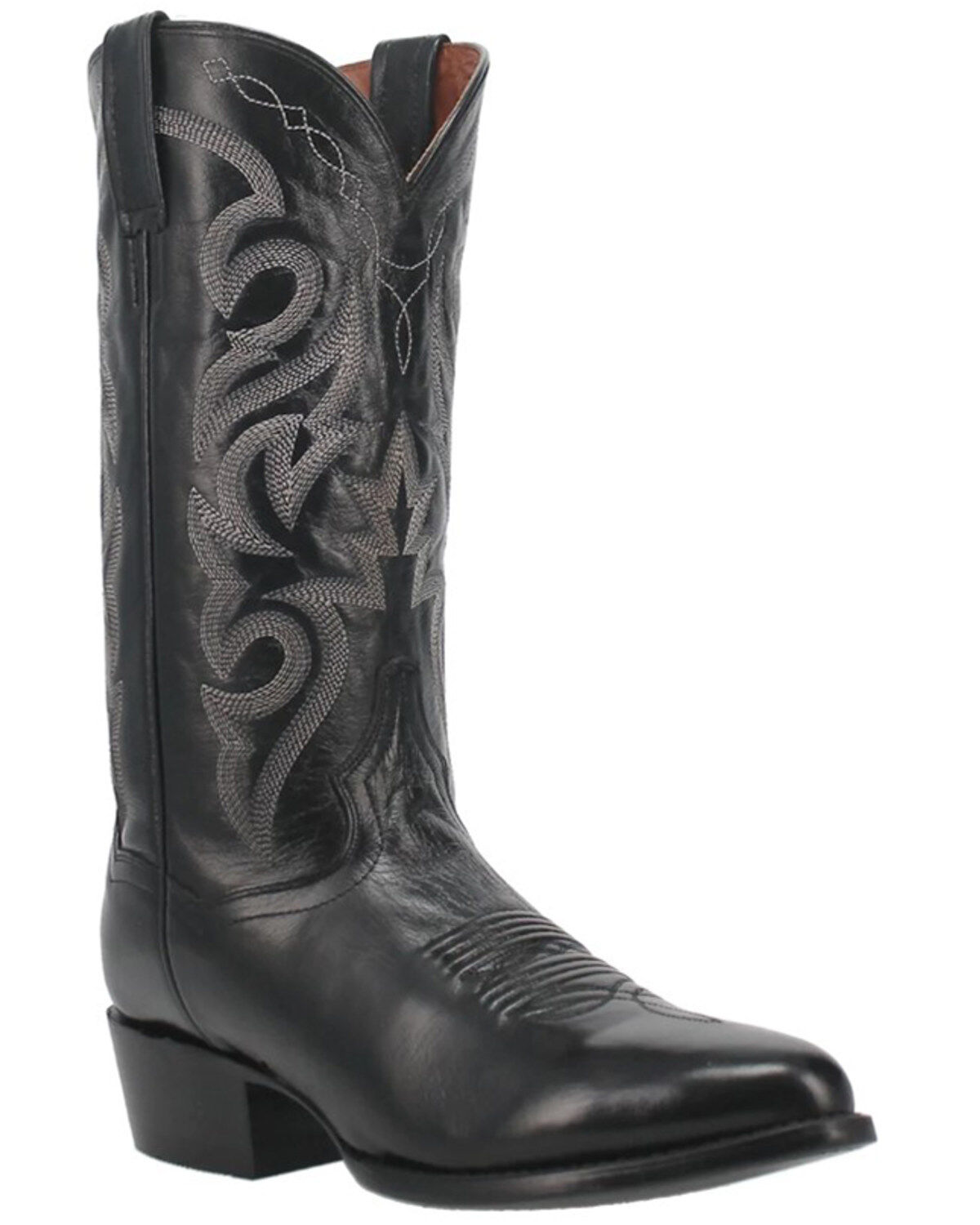
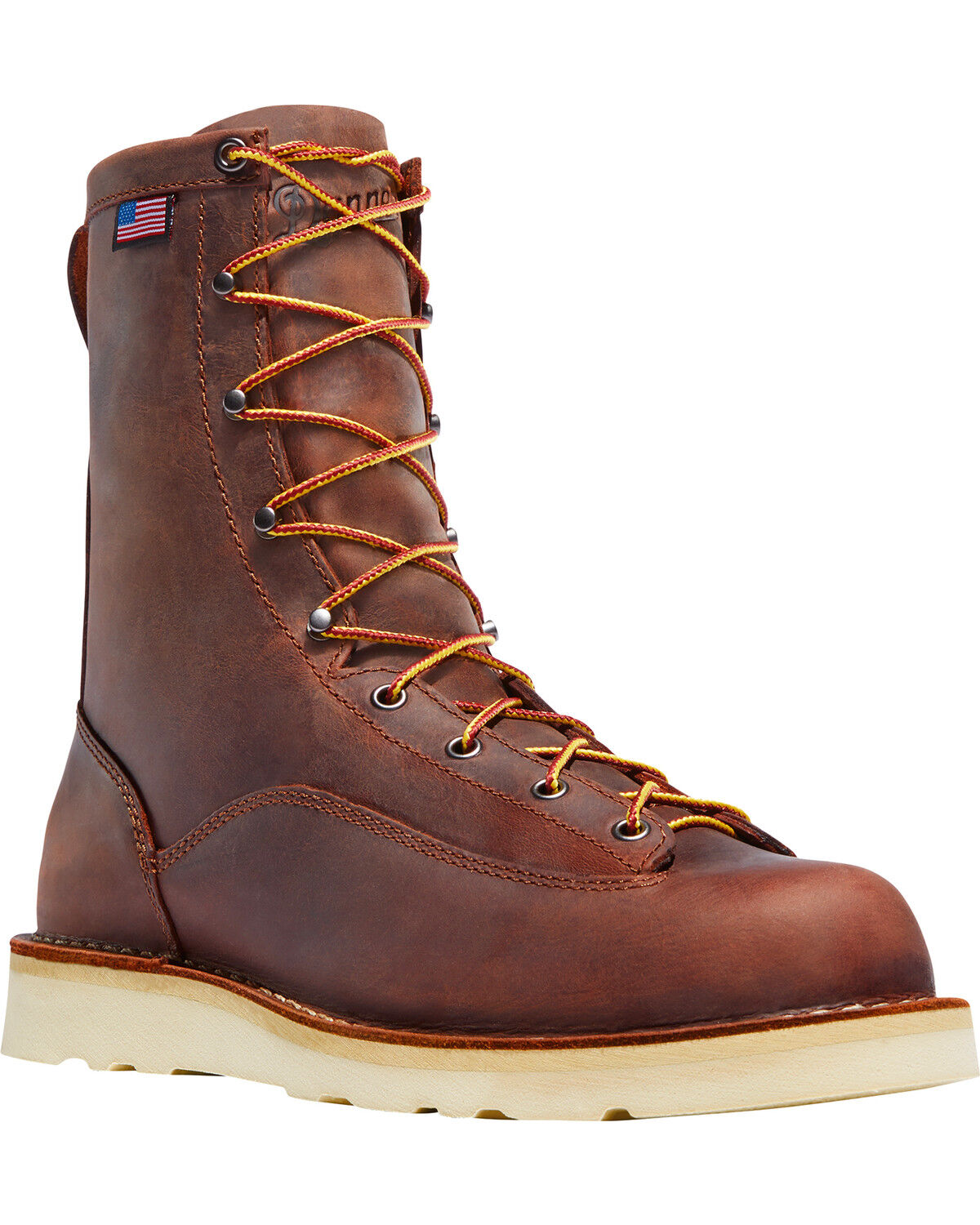
Work Boots With Side Zipper

Find work boots with a side zipper for easier on and off before and after your shift. Compare side-zip styles by fit and listed features, and check each pair’s specifications against your workplace requirements.

Shop Your Store: Shop Your Store: Find a Store

(Turn off Shop Your Store to see all items)

(Turn off Shop Your Store to see all items)

close
  • Recommended
  • Lowest Price
  • Highest Price
Skip pass products

End of products

Work Boots With Side Zipper

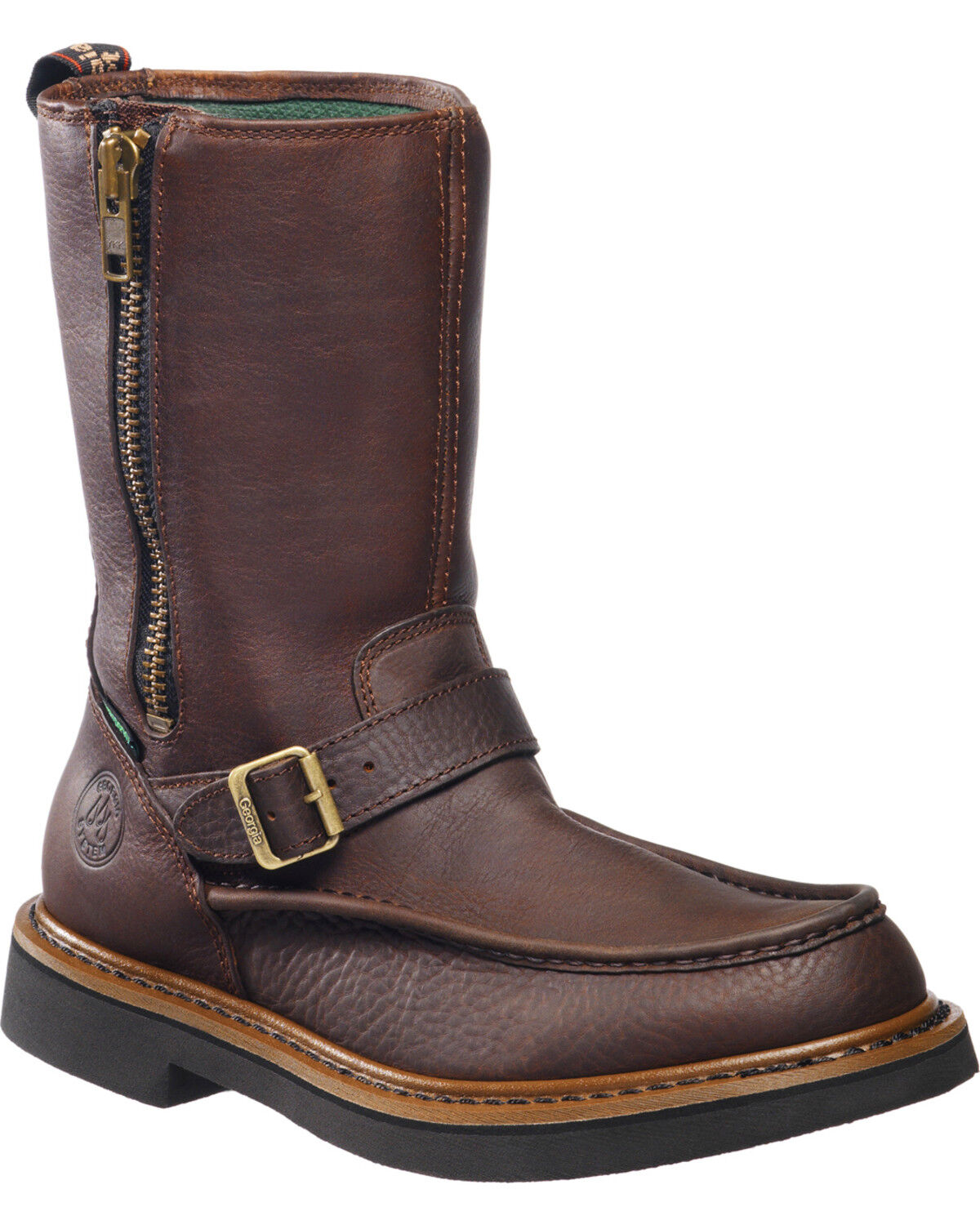
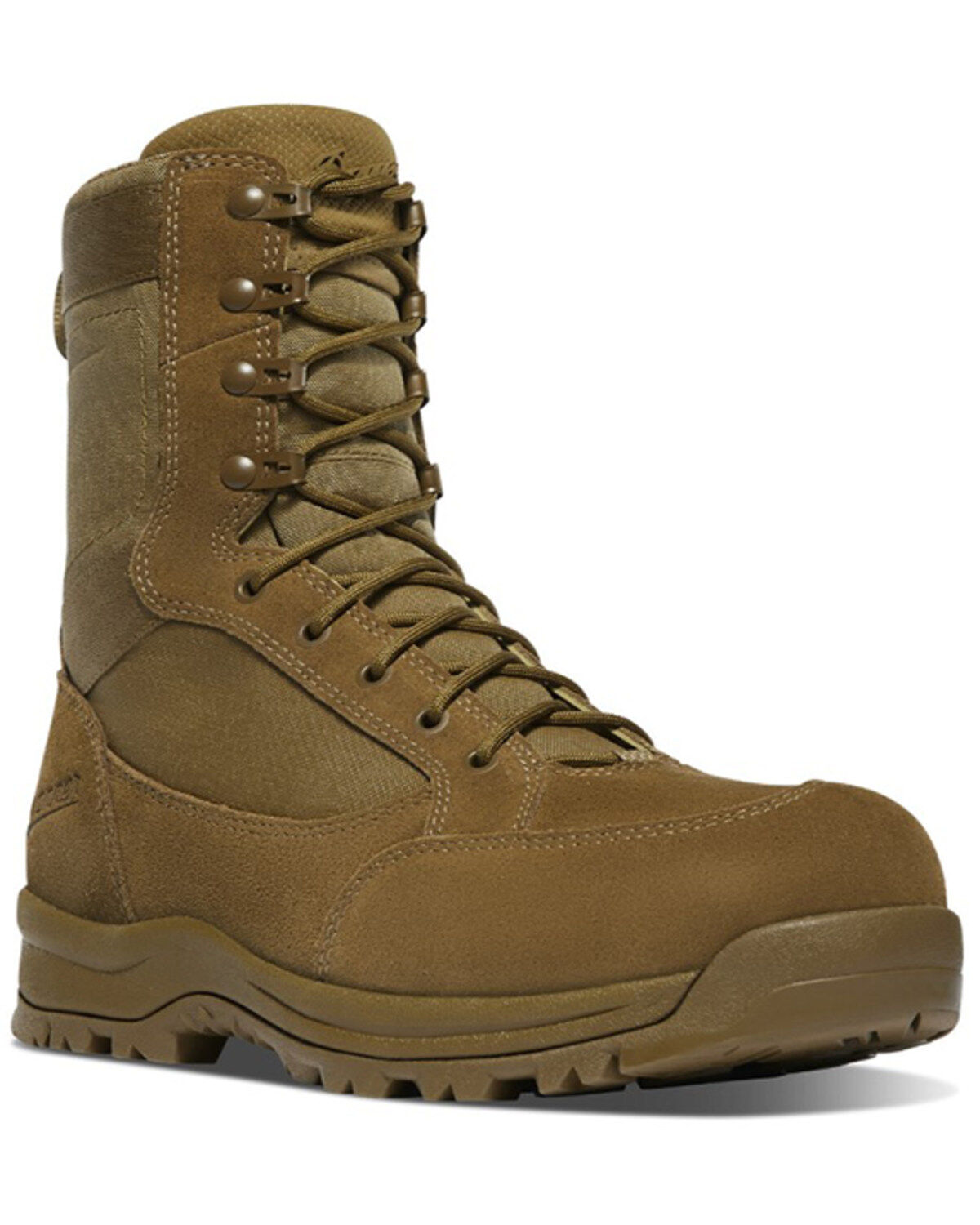
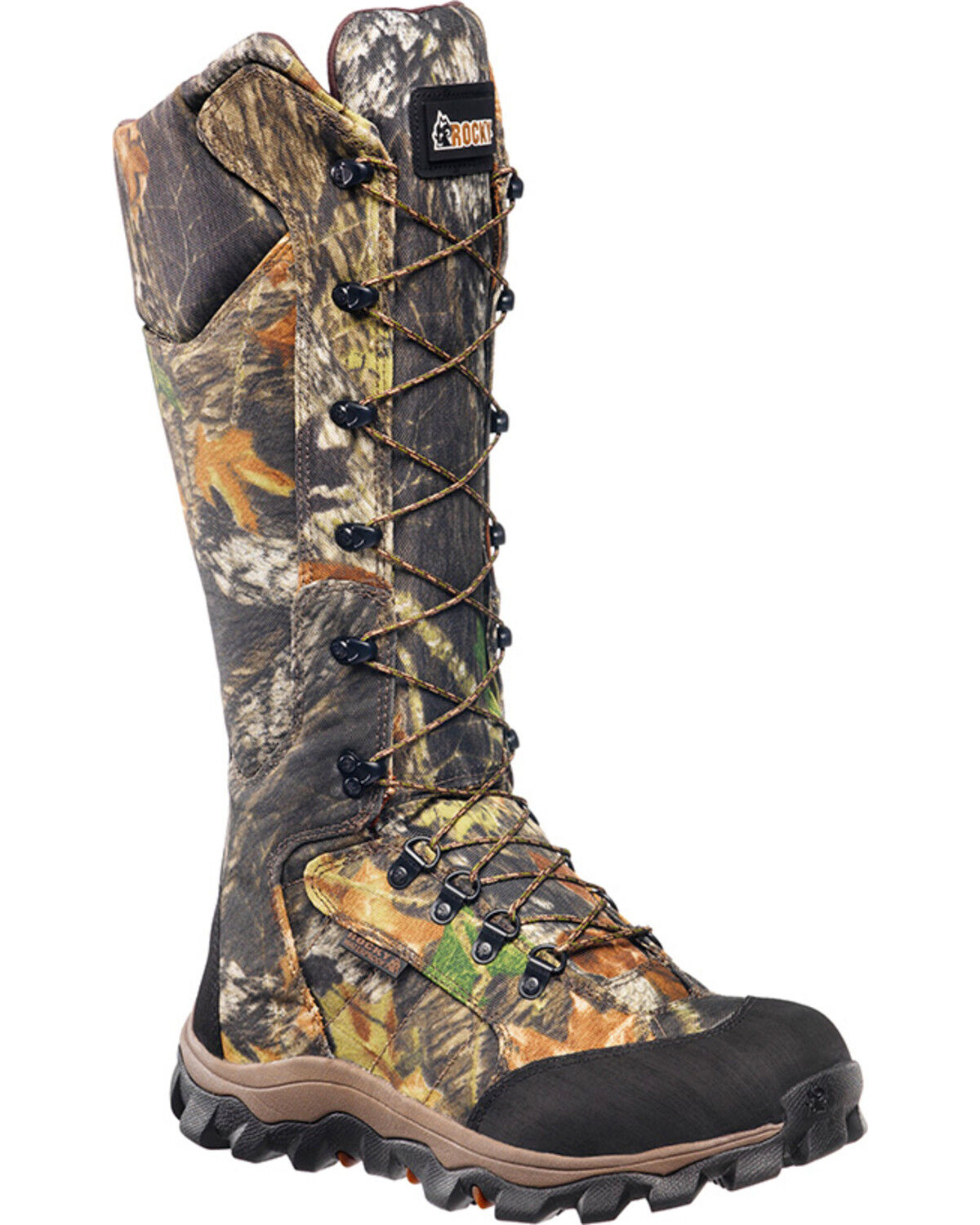
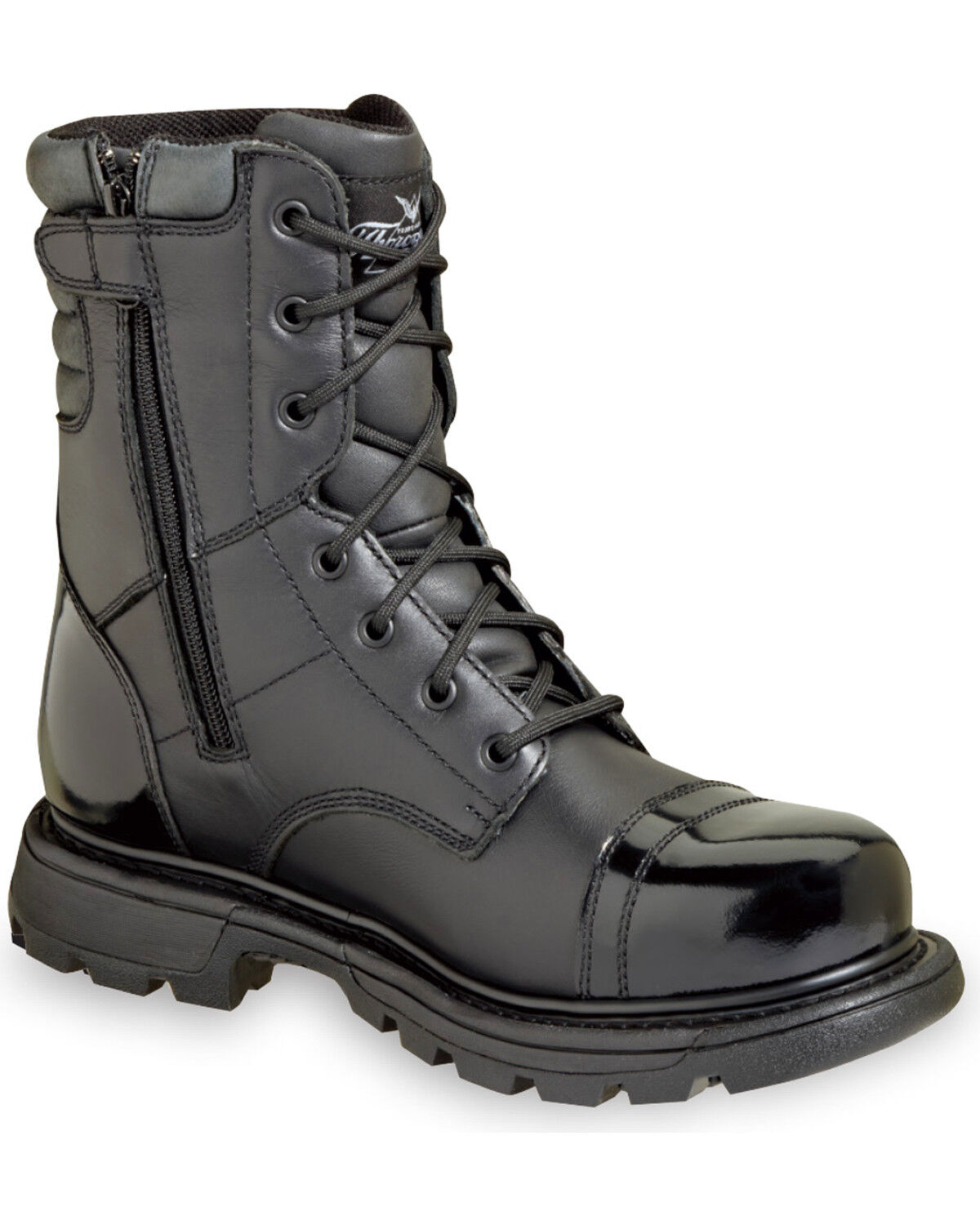
Work boots with a side zipper offer a practical way to get boots on and off without fully loosening the laces each time. In lace-up designs, the laces adjust the fit across the foot and ankle, while the side zipper opens the shaft for easier entry. Once the laces are set, the zipper can make changing into work footwear more straightforward before a shift or after a long day on the job. Other side-zip designs use a simpler upper without traditional lacing, so fit adjustment varies by construction. The closure is a convenience feature, not a safety rating. Tradespeople, maintenance crews, warehouse workers, security personnel, and emergency responders may find this style useful when the boot also meets their workplace requirements. A worker moving between a shop floor and an office has different footwear needs than someone carrying materials across unfinished ground. Leather uppers are a common choice for their durability and ability to develop a comfortable shape with wear. Full-grain leather generally provides a substantial outer layer, while combinations of leather and textile can reduce weight and allow more flexibility. Reinforced toe and heel areas can help protect the upper against repeated contact with equipment, flooring, and rough surfaces. Underfoot, outsole design matters as much as the upper. Deep lugs can provide purchase on loose ground, while lower-profile tread may be better suited to smooth indoor surfaces, depending on the outsole compound and its tested performance. Slip resistance is a specific performance feature, not a promise that a boot cannot slip. Oil, dust, loose debris, and worn tread can all affect footing. For jobs that involve kneeling beside machinery, walking concrete aisles, or moving between different work areas, the right combination of upper material, sole flexibility, and tread can matter more than a rugged appearance. A side zipper adds useful access, but the complete boot determines how well it serves the job.

Fit should remain secure after the zipper is fully closed, with enough room for the toes to rest naturally and move without pressing against the front. The heel should feel held rather than loose, and the instep should not be squeezed by the laces or zipper panel. Work socks and any regularly worn orthotics affect that fit, making them important parts of a try-on. Feet can expand over a long shift, so a boot that already feels tight at the start is unlikely to become more comfortable through the day. Leather may soften with use, but a protective toe cap will not stretch to create extra space. Steel, composite, and alloy safety toes serve the same broad purpose of helping protect against specified impact and compression hazards, but their weight, shape, and construction differ. The protection marking and workplace requirements matter more than the material name alone. Soft-toe boots suit work that does not require a protective toe; they should not replace safety-toe footwear where that protection is required. Electrical hazard protection, puncture resistance, and other safety features are separate considerations that need to match the actual work environment. No closure style supplies those protections by itself. Shaft height also changes how a boot feels and how much coverage it provides. A taller shaft covers more of the lower leg, while a shorter design may allow easier movement around the ankle. Neither choice guarantees protection from ankle injuries. Padding around the collar, a smooth lining, and a zipper positioned away from pressure points can make a noticeable difference during repeated bending and walking. A zipper cover or retaining tab, when included, helps keep the closure secured. The wider category of Men's Side Zip Boots includes footwear intended for different uses, so work requirements should remain the deciding factor rather than the zipper alone.

Daily comfort and long-term durability depend on the parts that take the most wear. A cushioned footbed can soften the feel of hard floors, while the midsole and overall construction affect how the boot flexes and supports the foot. A removable footbed allows room for a compatible replacement or prescribed orthotic, though adding a thicker insert can change the fit. Stitching, seams, outsole attachment, and zipper quality all deserve attention because a work boot repeatedly bends, twists, and rubs against its surroundings. The zipper should travel smoothly without catching the lining or requiring force. Dirt caught in the teeth can interfere with that movement, especially around dusty work areas. Regularly brushing away loose grit from the upper, seams, outsole, and zipper helps keep those areas clear. Leather care should match the material and the manufacturer's directions; a conditioner intended for smooth leather may not suit suede, nubuck, or textile panels. Oversaturating leather with care products can affect its feel and appearance. Boots that become damp from sweat or workplace moisture need time to dry naturally away from direct heat, with removable footbeds taken out when appropriate. A waterproof designation depends on the boot's complete construction, including the membrane and treatment of openings, rather than the presence of a zipper. Water resistance and waterproof construction are not interchangeable descriptions. Checking for worn tread, split seams, damaged zipper teeth, and compressed cushioning helps identify when footwear needs attention or replacement. Repair options depend on how the boot is built, and not every sole or zipper can be replaced. For someone giving work boots as a gift, knowing the recipient's size is only the starting point. Width, preferred shaft height, required safety features, and the demands of the workday matter just as much. A well-matched pair combines convenient entry with a steady fit, appropriate protection, and materials suited to repeated use. The result is work footwear chosen for what the day requires, not just how it looks.

FAQs