Striped Button Down Shirts For Men

Browse striped button-down shirts for men to add pattern to your everyday wardrobe. Compare styles and fit details, then choose a shirt to wear with jeans for a casual look or trousers for a more polished outfit.

Read More

Shop Your Store: Shop Your Store: Find a Store

(Turn off Shop Your Store to see all items)

(Turn off Shop Your Store to see all items)

close
  • Recommended
  • Lowest Price
  • Highest Price
Skip pass products

End of products

Striped Button Down Shirts For Men

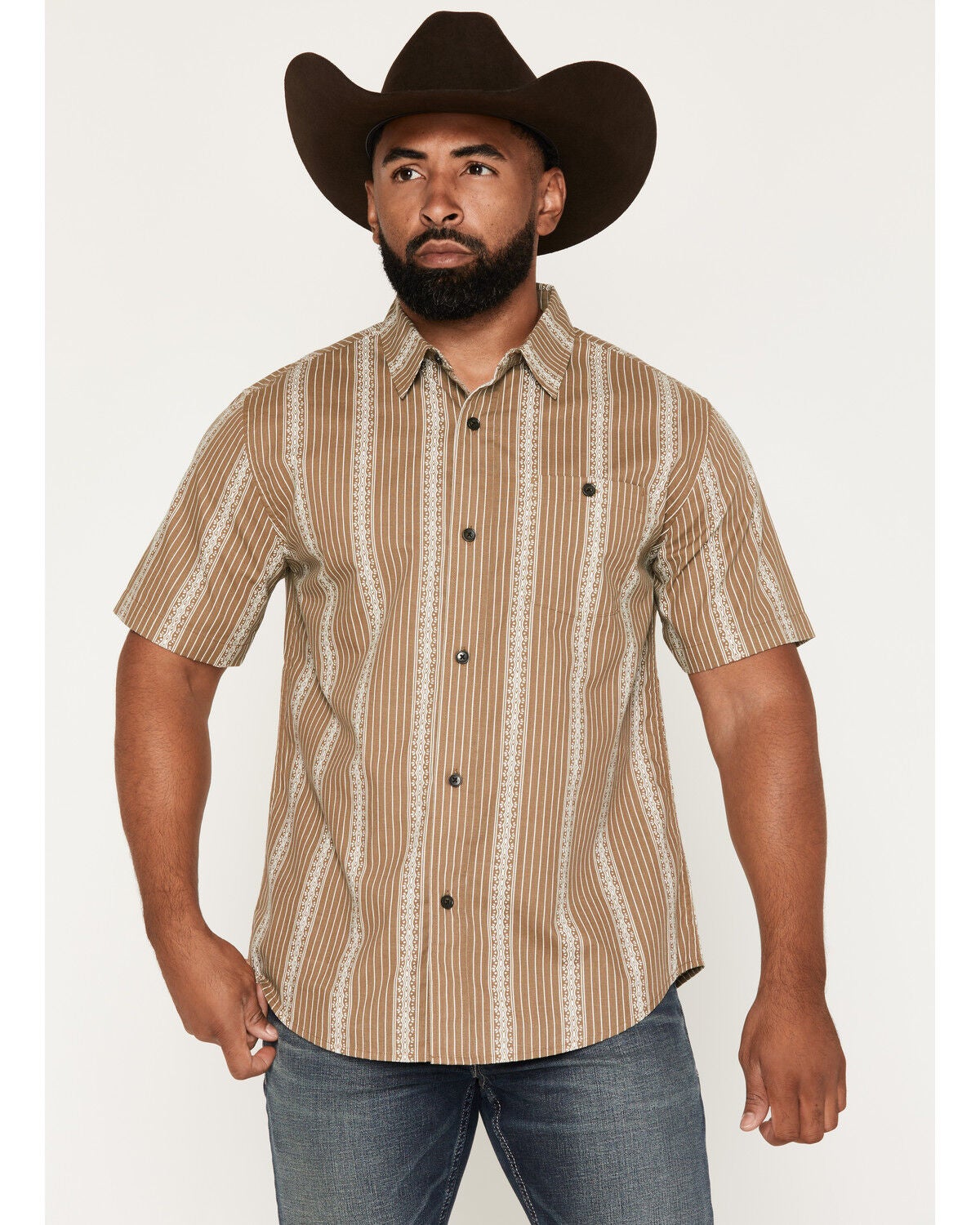
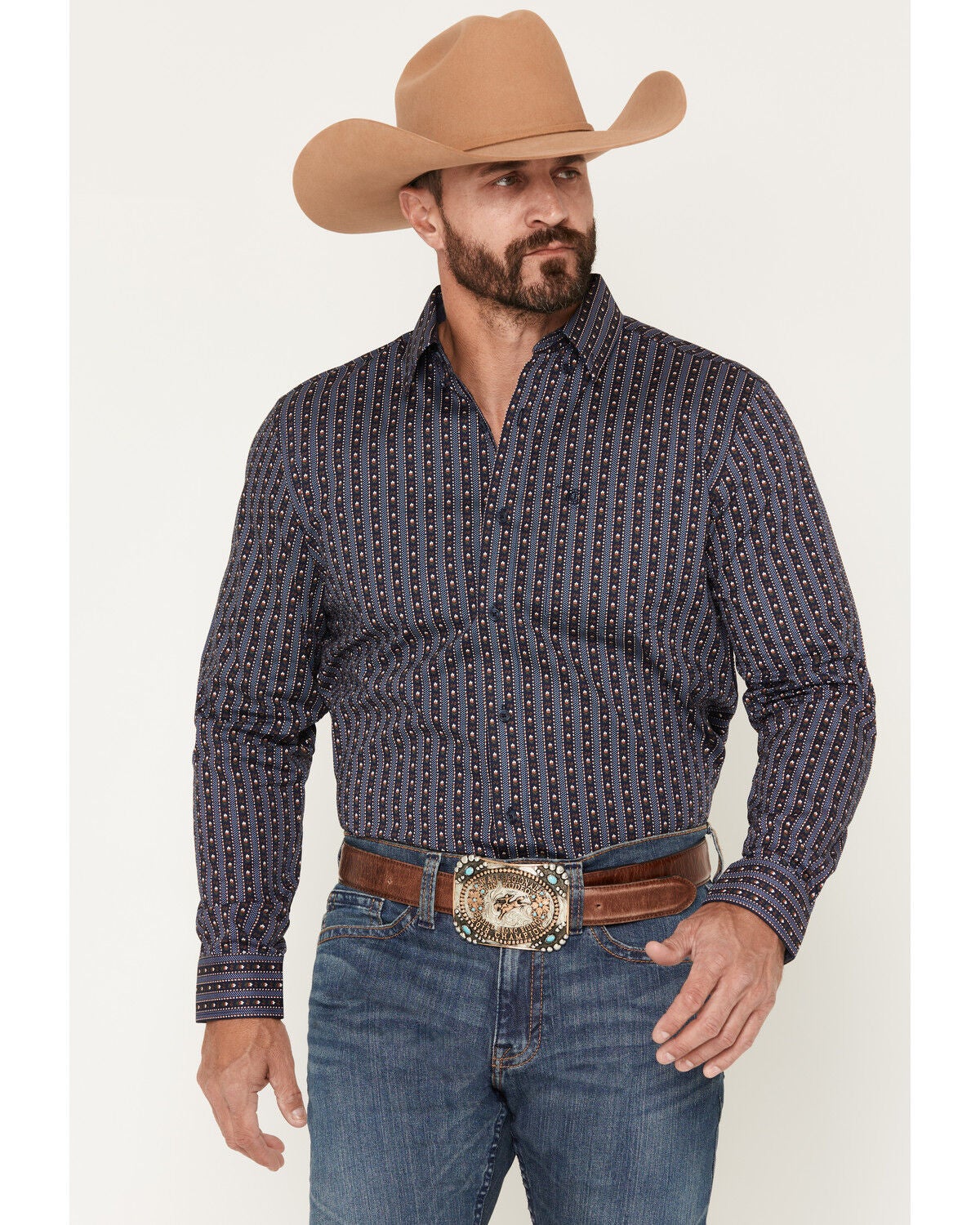
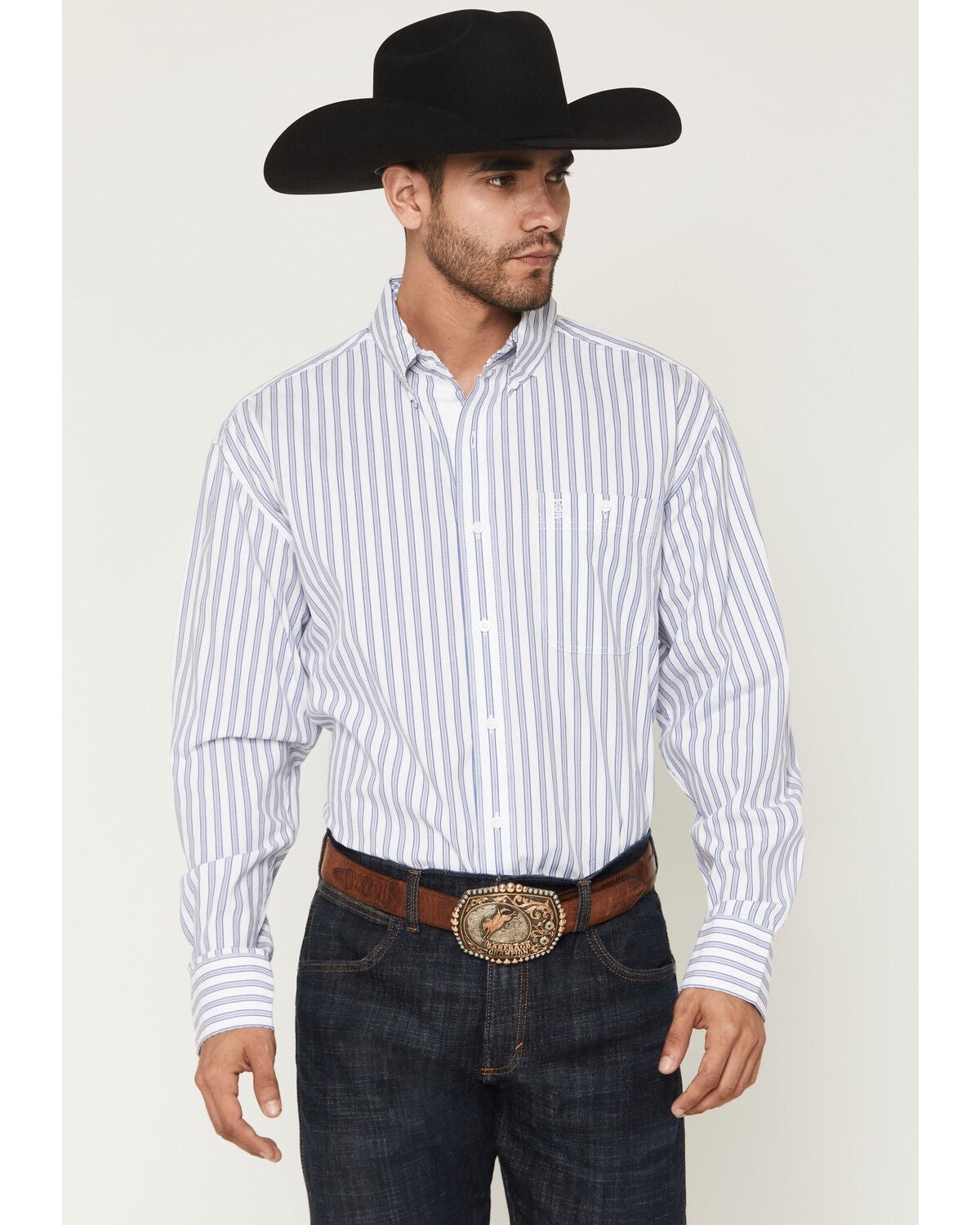
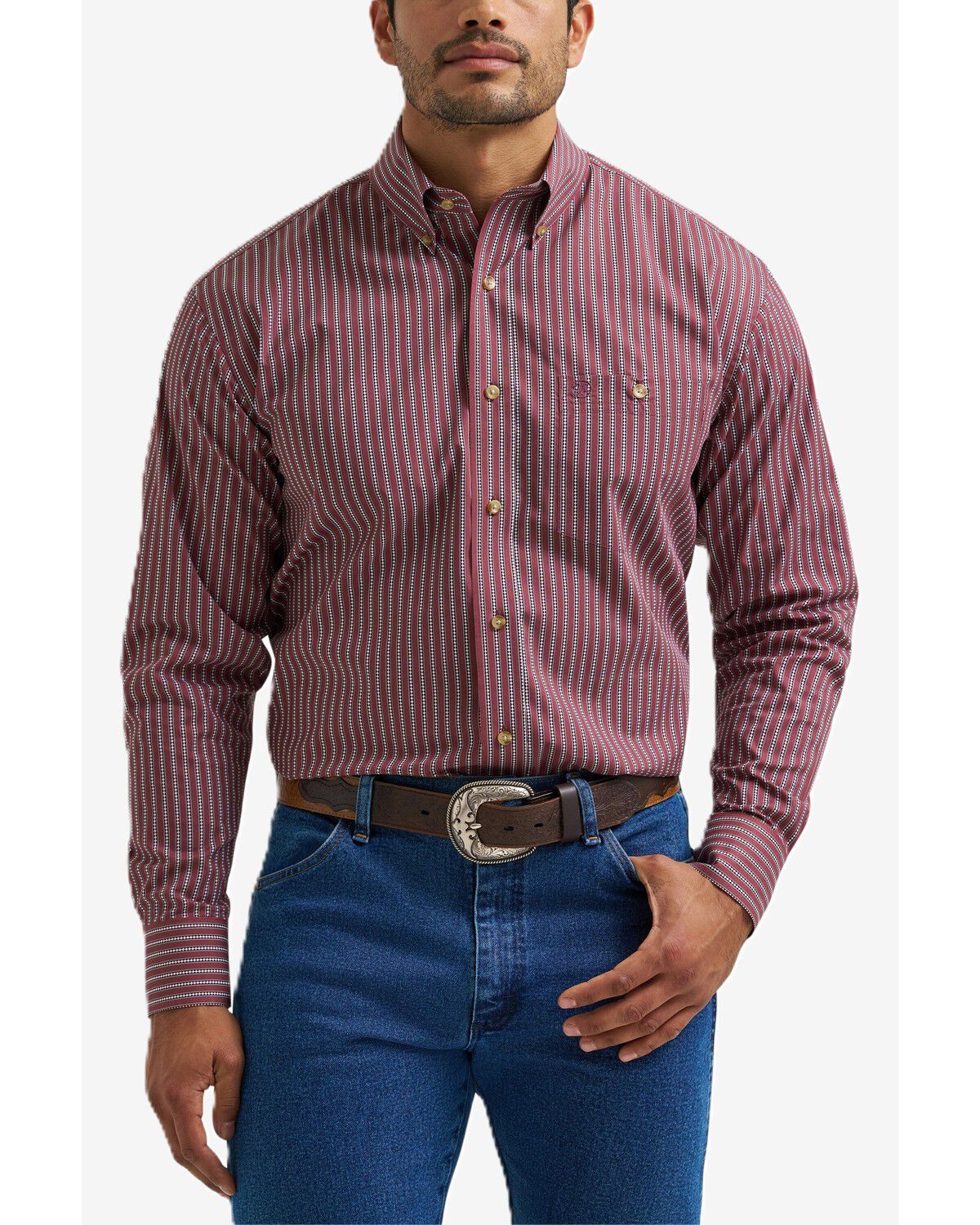
Striped button-down shirts for men bring pattern to an outfit without making it complicated. A narrow stripe can look restrained enough for the office, while a wider stripe creates a stronger contrast against plain denim or twill pants. Vertical stripes are common in this category, but their effect depends on the spacing, colors, and fabric underneath them. Closely spaced blue and white stripes can read almost like a solid color from a distance. Wider stripes remain more noticeable, especially when the colors have a clear contrast. Neither approach needs much around it: clean jeans, leather boots, and a plain belt give the shirt room to stand on its own. With dress pants, a striped shirt can also work for meetings, dinners, or occasions that call for something more polished than a T-shirt. The collar deserves attention because “button-down” has a specific meaning. A true button-down collar has small buttons that secure its points to the shirt, helping keep them in place. A button-front shirt describes the closure down the front and may have a different collar style. Both terms appear in everyday descriptions, but they do not always describe the same construction. Western details add another distinction. A shaped shoulder yoke or flap pockets can give a striped shirt a more pronounced western character, while a plain front and simple chest pocket keep the look understated. When comparing Men's Striped Shirts, those construction details matter as much as the stripe itself. A shirt worn under a sport coat needs a collar and body that sit neatly beneath another layer. One worn untucked with jeans benefits from a balanced hem length and a pattern that looks good on its own. The strongest choice is usually the one that fits the places it will be worn, rather than the one with the most noticeable design.

Fabric determines much of how a striped button-down shirt feels, hangs, and holds up through repeated wear. Cotton is a familiar choice because it feels comfortable against the skin and can take on different characteristics depending on the weave. A smooth poplin tends to look crisp and keeps narrow stripes clearly defined. Oxford cloth has a more textured surface and a substantial feel that suits everyday wear. Twill has a diagonal weave and often drapes more softly, though the weight and finish still make a difference. Cotton can wrinkle, so a sharply pressed appearance may require ironing rather than simply hanging the shirt after washing. Cotton-polyester blends generally resist wrinkles better than all-cotton fabric, but the care label remains the best source for washing and drying instructions. A small amount of stretch can add ease across the shoulders and elbows, particularly during long stretches of sitting, driving, or reaching. Stretch does not replace the need for a proper fit; fabric that stays pulled tight across the chest is still under strain. Linen and linen blends bring a more visible texture and a naturally relaxed appearance, including creases that are part of the fabric’s character. Beyond fiber content, fabric density matters. A lighter cloth may tuck neatly without much bulk, while a more substantial weave can feel sturdier for repeated everyday use. Dark stripes on a light ground can also reveal differences in opacity, making the fabric’s coverage worth considering. Construction supports durability as much as material does. Even stitching, secure buttons, clean buttonholes, and well-finished seams help a shirt stand up to regular wear and laundering. Reinforcement at high-stress areas, such as pocket corners, is another useful detail when present. Stripe alignment at the front closure and pockets can contribute to a cleaner appearance, though pattern placement varies by design. These are practical differences that become more noticeable after a full day of wear than they might on a hanger.

Fit brings the pattern, fabric, and construction together. A striped shirt should button comfortably without gaps at the chest or lines pulling outward from the buttons. On a traditional set-in sleeve, the shoulder seam generally sits near the edge of the shoulder rather than dropping far down the upper arm. There should be enough room through the back to reach forward without the shirt binding, along with enough space at the waist to sit comfortably. A trim cut stays closer to the body, while a relaxed cut allows more room through the chest and middle. Neither label replaces actual measurements, since cuts differ between makers. For long sleeves, the cuff should reach the wrist with the arm relaxed and remain secure without squeezing. Collar fit matters most when the top button will be fastened; it should close without pressing into the neck. Hem length depends on intended use. A longer hem is useful for staying tucked through a workday, while a shorter hem can sit more neatly over jeans. Excess length can make an untucked shirt look oversized even when the shoulders fit correctly. Care helps preserve both fit and appearance. The garment label takes priority over general washing advice, especially with blended fabrics, special finishes, or contrasting trim. Separating similar colors, treating stains promptly with a fabric-appropriate method, and avoiding unnecessary dryer time can help limit wear. High drying temperatures may cause shrinkage in some fabrics, and repeated overdrying can leave collars and cuffs looking tired sooner. Removing the shirt promptly and smoothing the placket, collar, and sleeves can reduce the amount of pressing needed. For gifting, striped button-down shirts suit men who wear collared shirts regularly for work, family gatherings, or everyday outings. A familiar color combination and a known fit are more dependable than guessing at a bold pattern or an unfamiliar cut. Checking the measurements and fabric content of a shirt the recipient already wears provides a useful starting point. The result is a practical gift with a clear place in an everyday wardrobe.
Read More

FAQs