Button Down Work Shirts For Men

Find button-down work shirts for men that suit your daily tasks and workplace dress requirements. Browse the selection of button-front workwear, and compare sizing, care instructions, and listed features to choose the right shirt for your routine.

Read More

Shop Your Store: Shop Your Store: Find a Store

(Turn off Shop Your Store to see all items)

(Turn off Shop Your Store to see all items)

close
  • Recommended
  • Lowest Price
  • Highest Price
Skip pass products

End of products

Button Down Work Shirts For Men

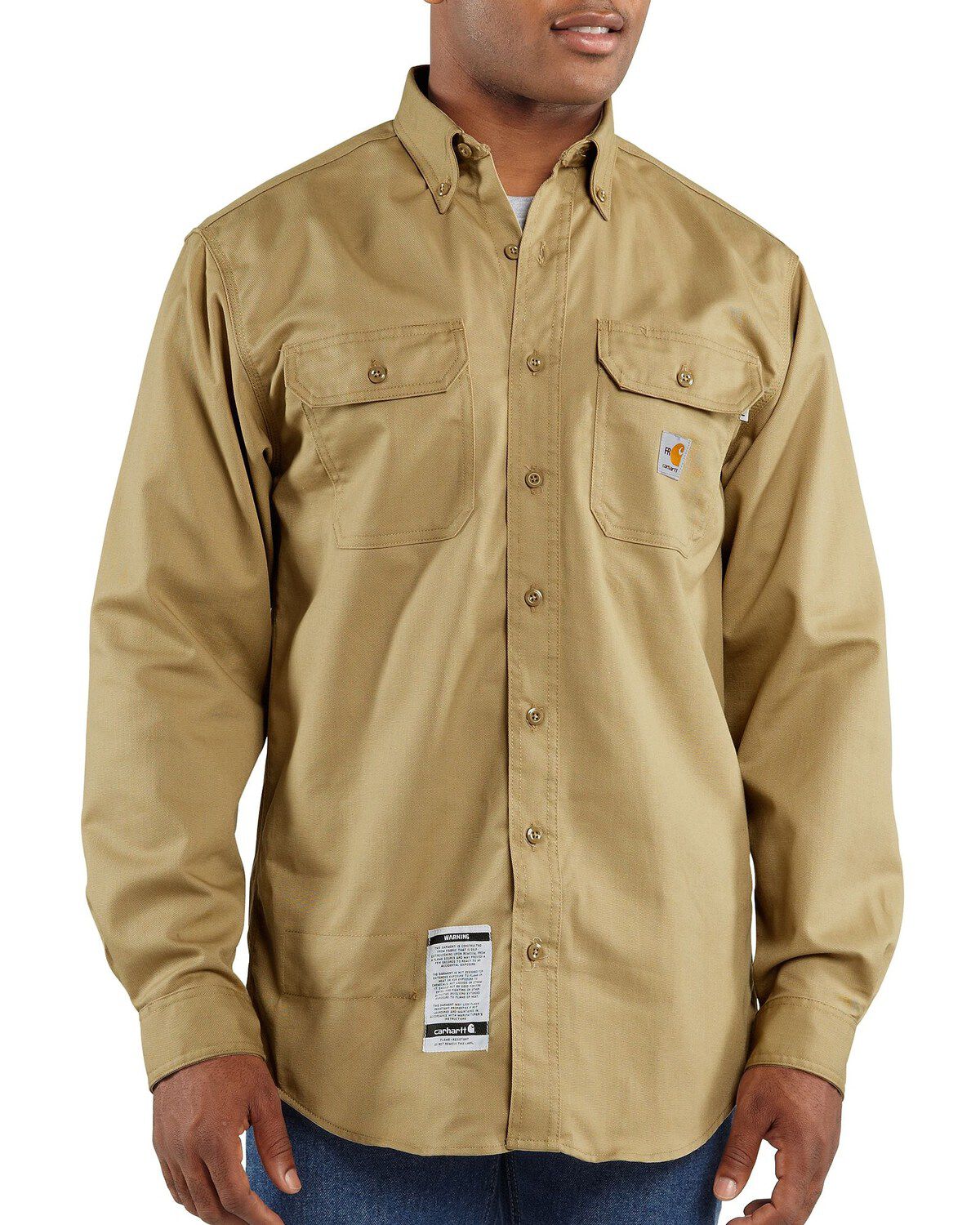
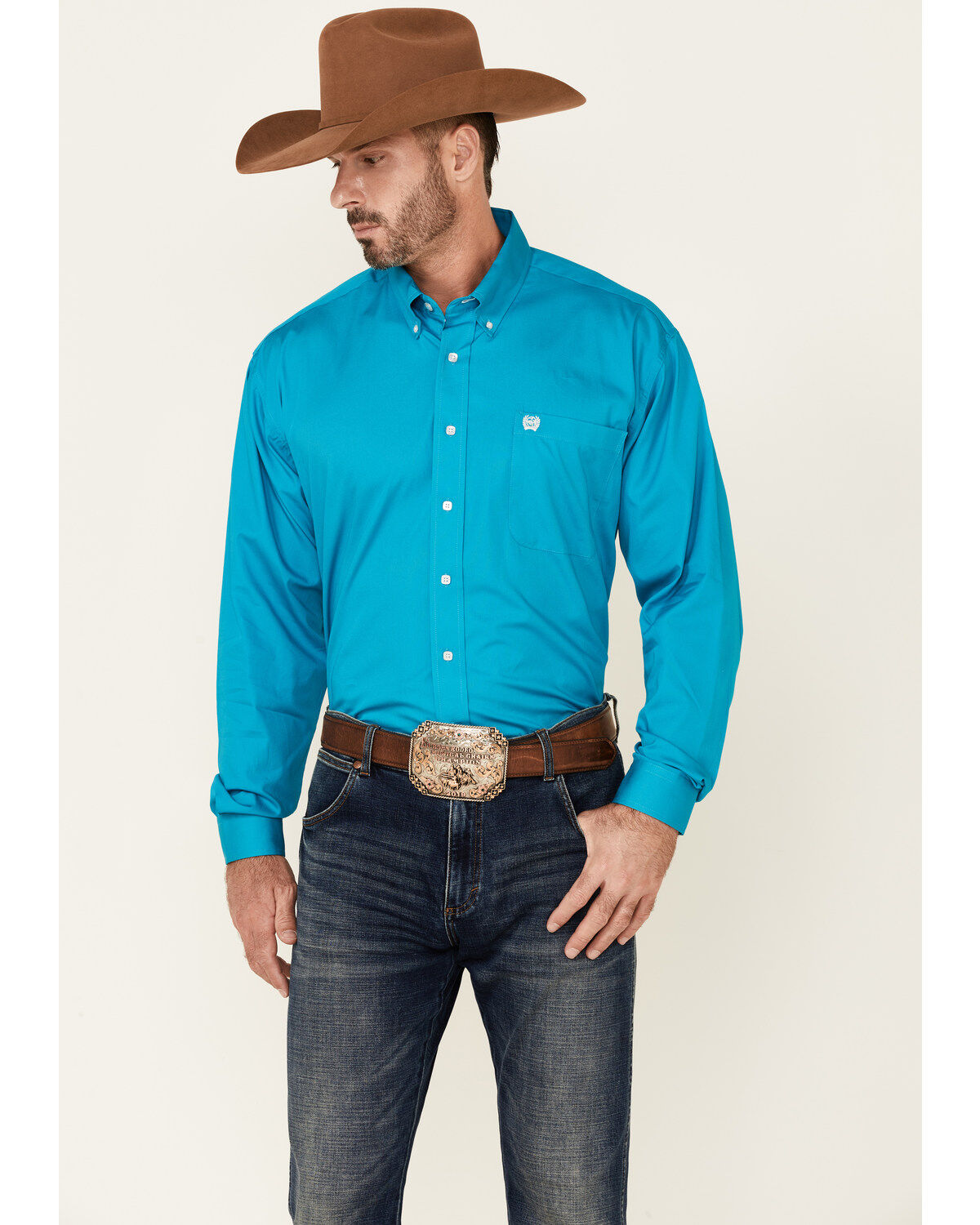
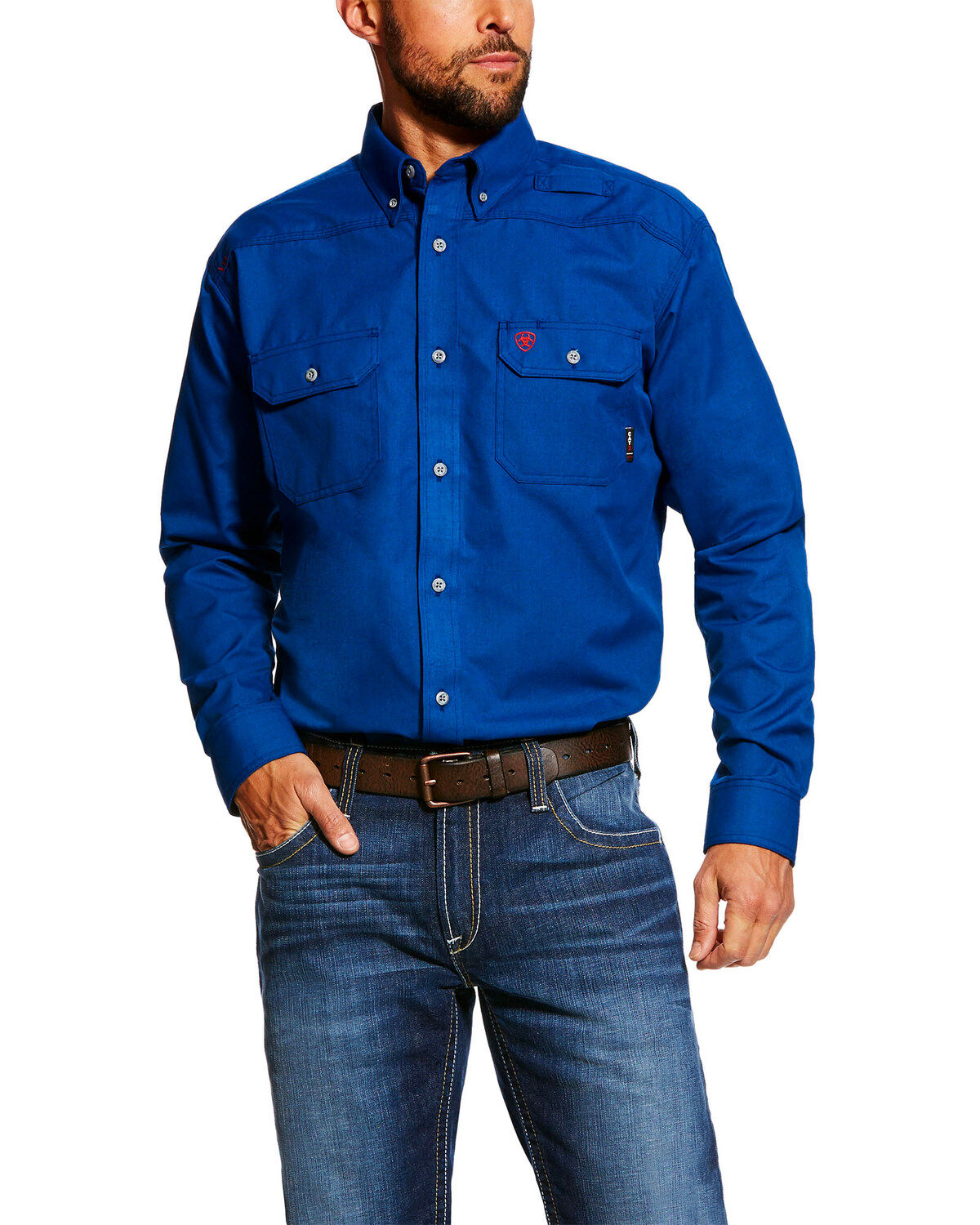
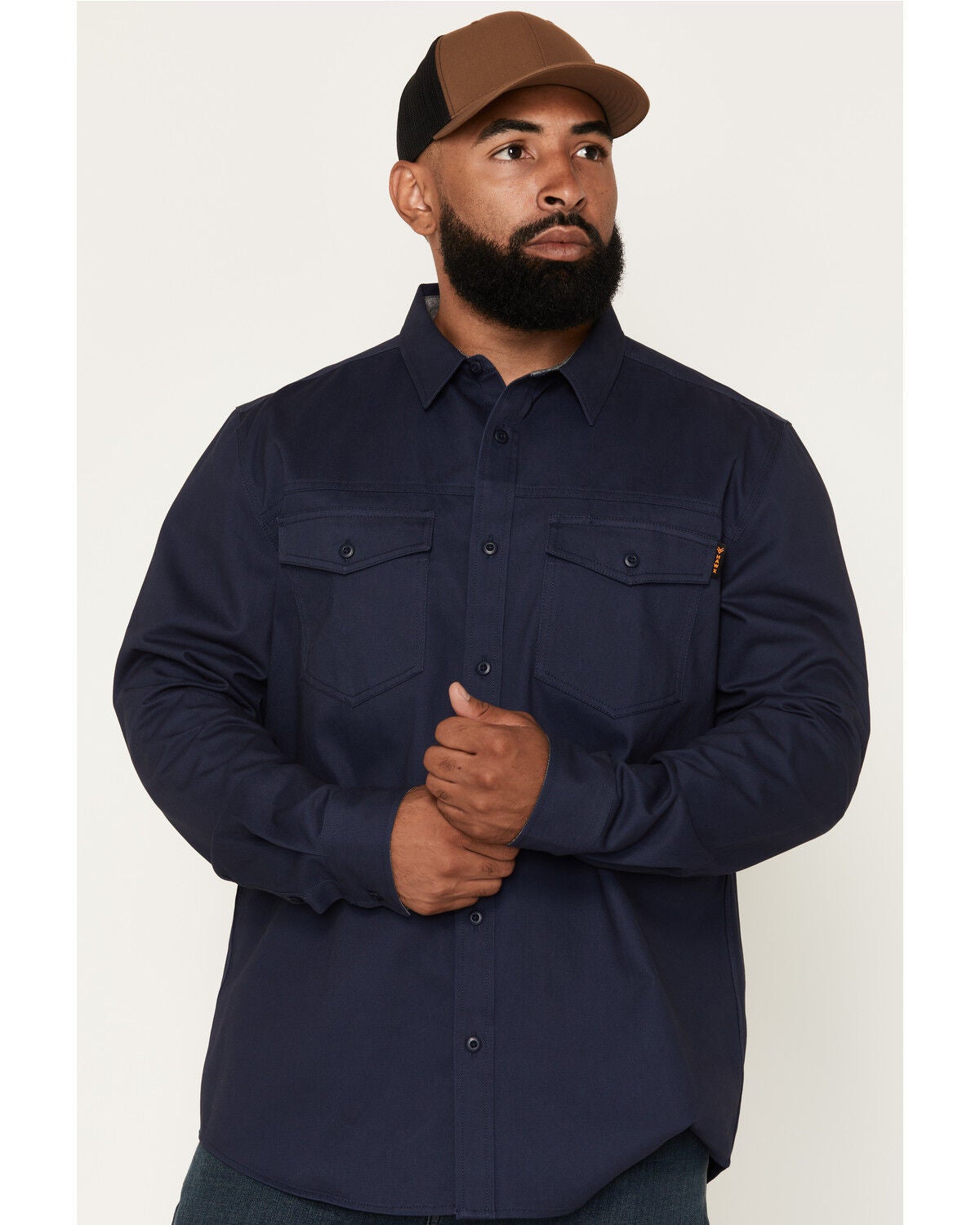
Men's button down work shirts can be worn in the shop, on a jobsite, or while moving between service calls. A button-front shirt can be part of a daily uniform without feeling overly formal. It works for the technician explaining a repair, the crew lead meeting a customer, and the property owner handling repairs before heading into town. Fabric makes a noticeable difference in how that shirt wears. Cotton offers a familiar feel against the skin, while cotton blends can balance comfort with easier wrinkle care and shape retention. Twill has a diagonal weave and can provide a substantial feel suited to regular use. Canvas generally has a firmer structure, while lighter woven fabrics offer less bulk under required work gear. Fabric weight alone does not determine strength; yarn quality, weave, stitching, and construction all contribute. Stretch fabrics can provide extra give when reaching or bending, though the amount and direction of stretch vary by garment. A smooth, tightly woven surface may be easier to brush clean than a heavily textured one, depending on the material and the mess. Solid colors create a straightforward uniform appearance, while checks and plaids offer a less formal look that still feels appropriate for many customer-facing jobs. Darker shades may make some marks less noticeable, but no color replaces regular cleaning. Collar construction also changes the look. On styles with button-down collars, small buttons secure the collar points for a more controlled appearance. Other work shirts use an open point collar with buttons only down the front. Both can serve a working wardrobe; the distinction is in the construction, not a promise of greater durability. The useful details are often quiet ones: a placket that lies flat, buttons that fasten securely, and seams that remain comfortable through repeated movement. Those details matter when a shirt gets worn for a full shift rather than a brief occasion.

Fit becomes clear in motion. A shirt can look right while standing still yet pull across the shoulders when its wearer reaches into a truck bed or leans over a workbench. Enough room through the upper back, chest, and arms allows those movements without forcing the fabric to carry every bit of tension. Excess fabric has its own drawbacks, especially where loose sleeves or an untucked hem could catch on equipment. A useful work fit leaves room to move while keeping the shirt controlled. Shoulder seams generally sit near the shoulder edge, and the front should close without gaps or strain between buttons. Sleeves need enough length for reaching, with cuffs that stay secure at the wrist. Adjustable cuff buttons can help refine that fit, depending on the design. A longer tail can help a tucked shirt stay in place through bending and kneeling, while a shorter, straighter hem may suit workplaces where untucked shirts are permitted. The waistband, belt, and any required equipment also affect how a shirt sits throughout the day. Chest pockets offer convenient space for small essentials when workplace rules allow them. A pocket flap or button closure can help retain contents, but overfilled pockets add weight and pull at the fabric. Pocket placement matters when a seat belt, safety harness, or tool strap crosses the chest. These details are especially relevant for drivers, maintenance workers, tradesmen, and others whose days involve repeated changes in position. Long sleeves provide arm coverage, but ordinary shirting should not be treated as protection from cuts, chemicals, sparks, or other workplace hazards. Where a job requires flame-resistant clothing or another protective rating, the garment must meet the specific requirements established for that work. A regular cotton shirt is not a substitute for rated protective apparel. The right shirt supports the work being done without getting in the way of the equipment or procedures that keep the wearer safe.

Durability shows up over repeated wears and washes, not just in the weight of a shirt on a hanger. Reinforcement at stress points, secure pocket corners, consistent stitching, and firmly attached buttons can all contribute to service life. Areas around the elbows, cuffs, collar, and lower front often receive the most friction during everyday work. A substantial fabric may resist some abrasion, but it still needs care suited to its fiber content and finish. The care label sets the limits for washing, drying, ironing, and stain treatment. Cotton can shrink under unsuitable laundering conditions, while blends and stretch fabrics may have their own restrictions. Prompt attention to grease, soil, or food marks can make cleaning more effective, provided the treatment is appropriate for the fabric. Emptying pockets before washing prevents forgotten hardware, pens, or folded paperwork from damaging or staining the shirt. Checking a loose button or a small seam opening before the next shift can keep a minor repair from becoming a larger problem. Overdrying can be hard on some fabrics and finishes, so drying instructions deserve the same attention as wash instructions. Shirts with protective ratings require particular care; laundering products, repairs, and alterations must follow the garment instructions and workplace requirements. Keeping several work shirts in rotation also gives each one time for proper cleaning and inspection between wears. For a gift, familiar measurements and the recipient’s actual work routine matter more than guessing from a casual shirt size. A man who spends the day behind a service counter may favor a different fabric weight or cut than someone who regularly reaches overhead or works around equipment. Employer dress standards, required safety ratings, sleeve preferences, and whether the shirt is worn tucked all help define a useful choice. The strongest work wardrobe is built around those everyday needs: shirts that fit the job, remain comfortable through movement, clean up according to their care instructions, and hold a presentable shape through regular use.
Read More

FAQs