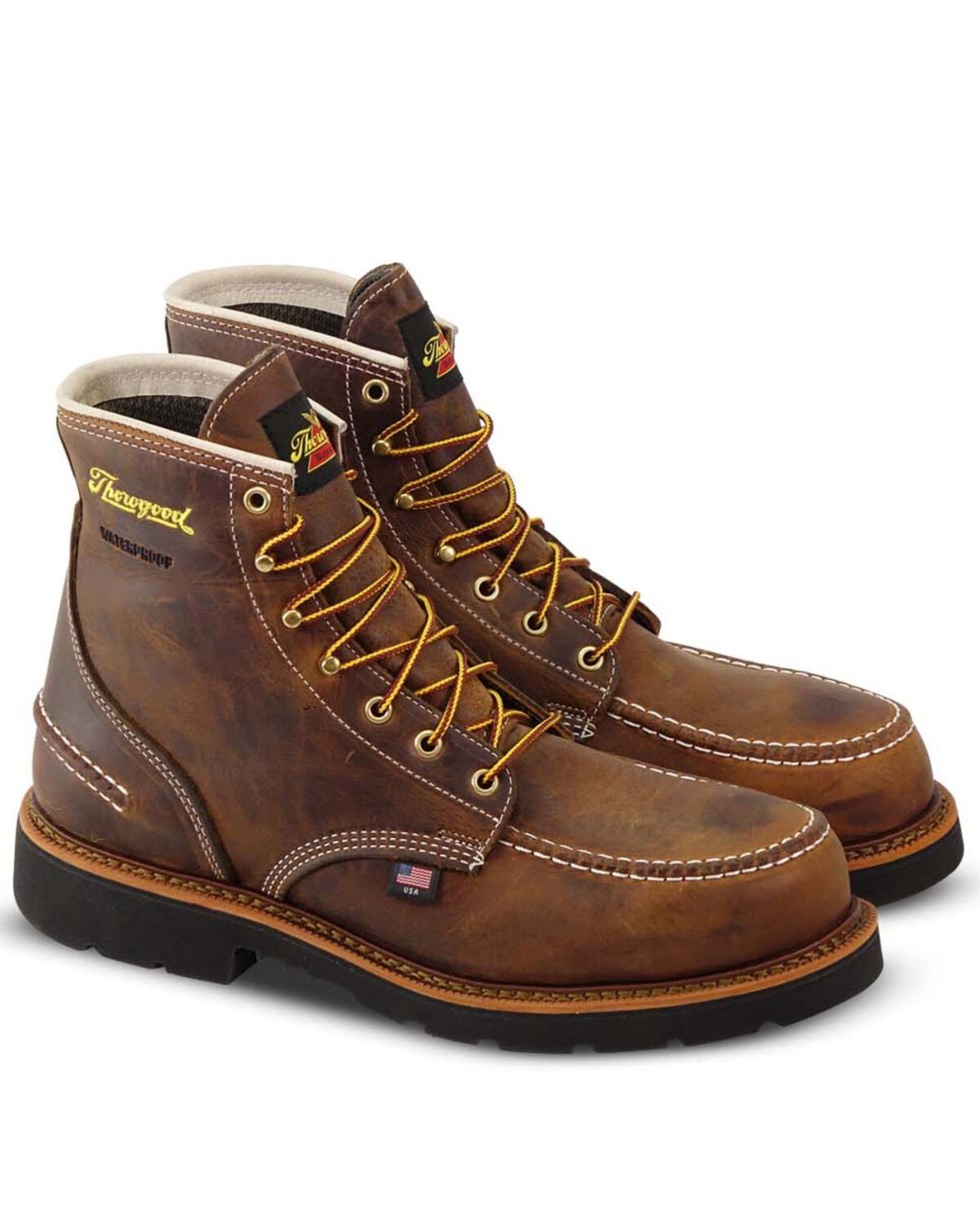
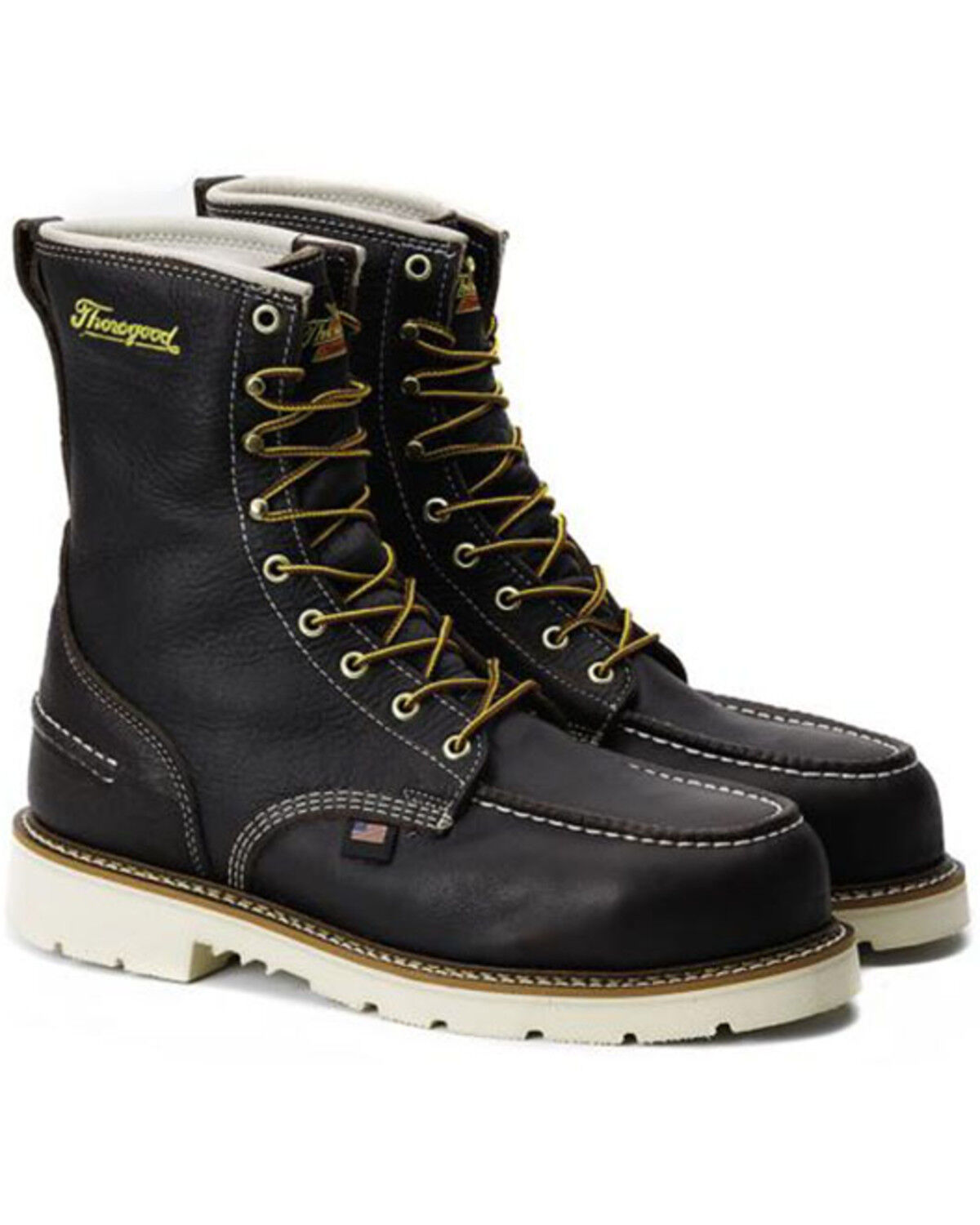
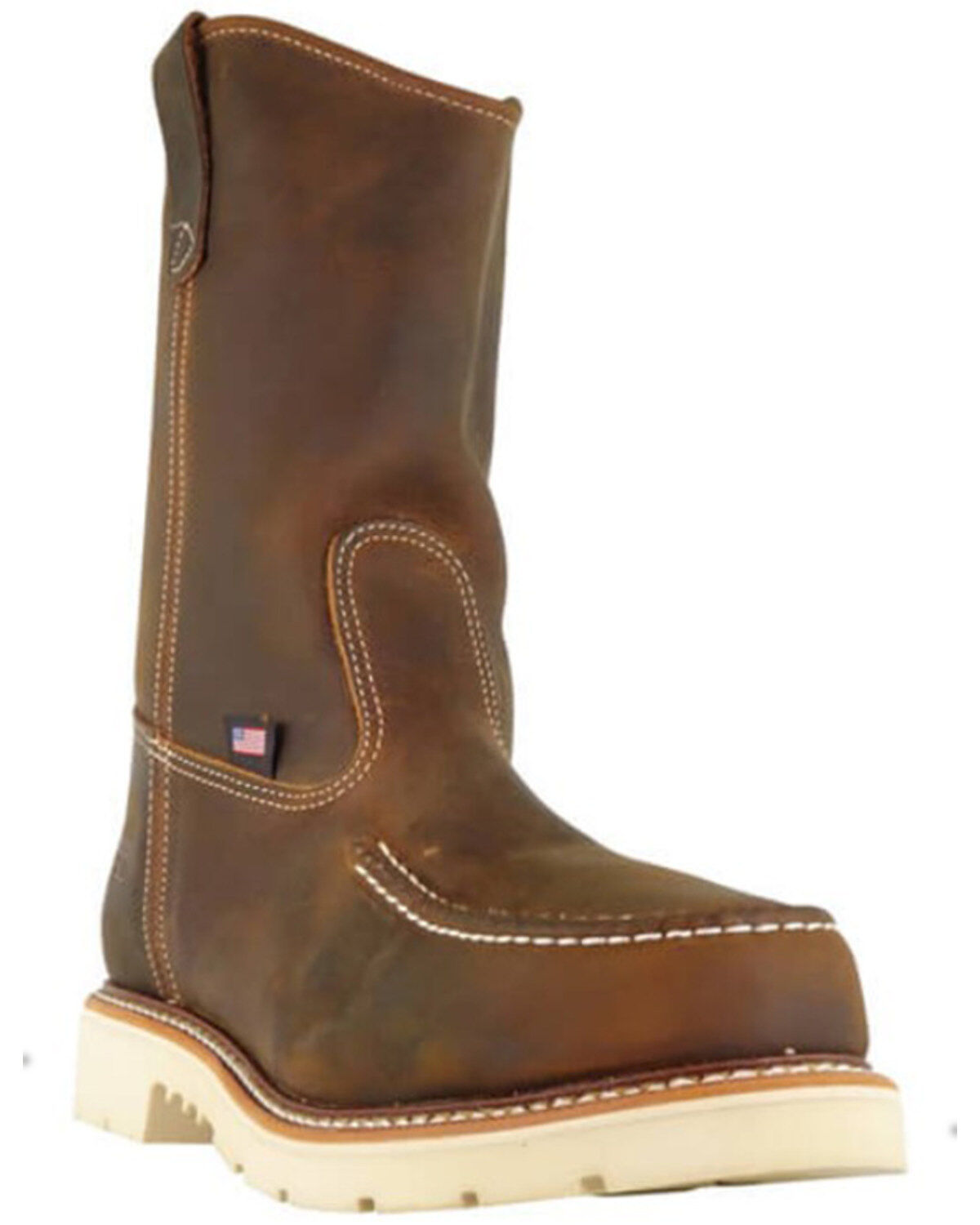
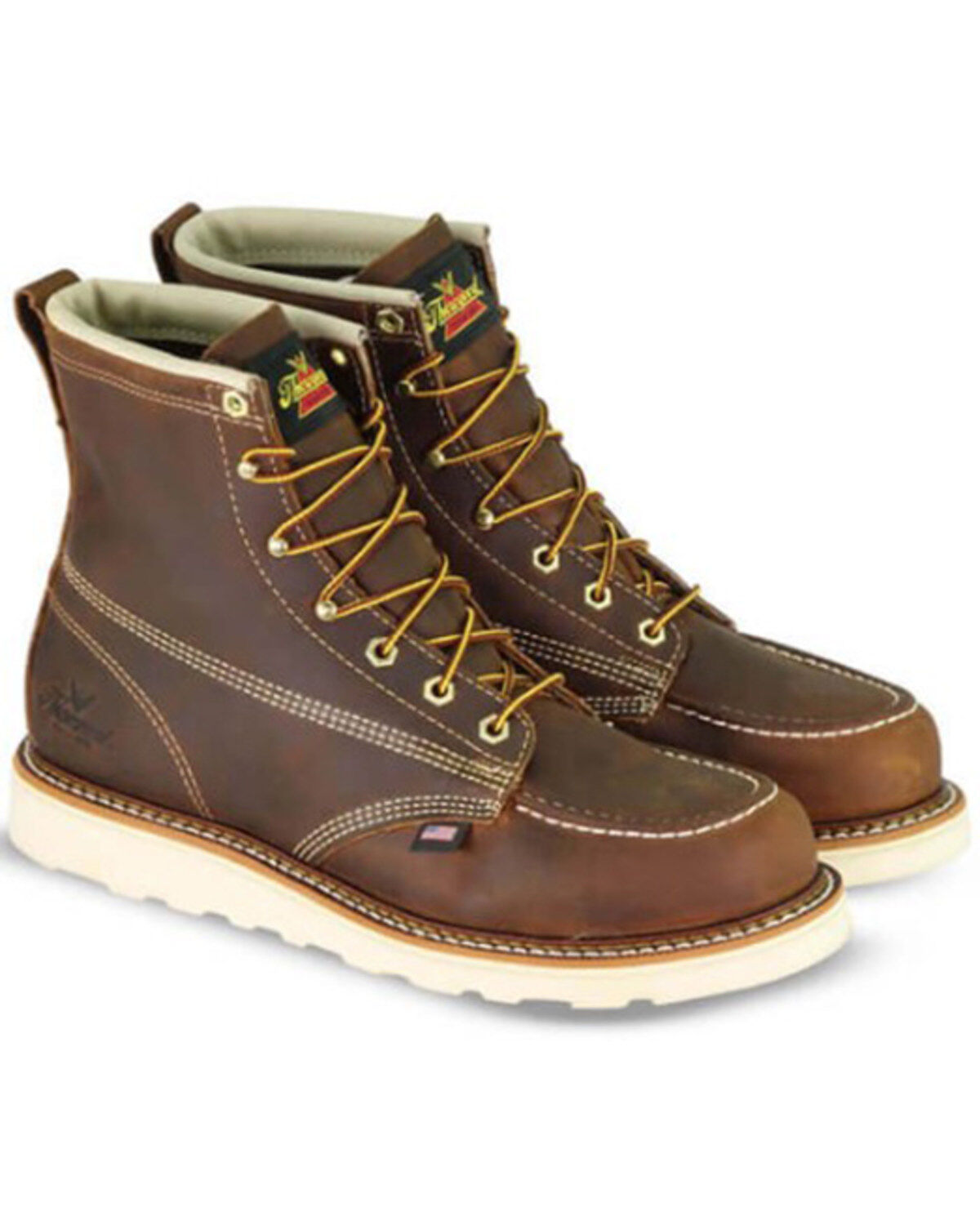
Steel Toe Mocs

Browse steel toe mocs for work boots with a classic moc-toe profile and protective steel toes. Compare fit details and listed safety features to find a pair that matches your job requirements.

Read More

Shop Your Store: Shop Your Store: Find a Store

(Turn off Shop Your Store to see all items)

(Turn off Shop Your Store to see all items)

close
  • Recommended
  • Lowest Price
  • Highest Price
Skip pass products

End of products

Steel Toe Mocs

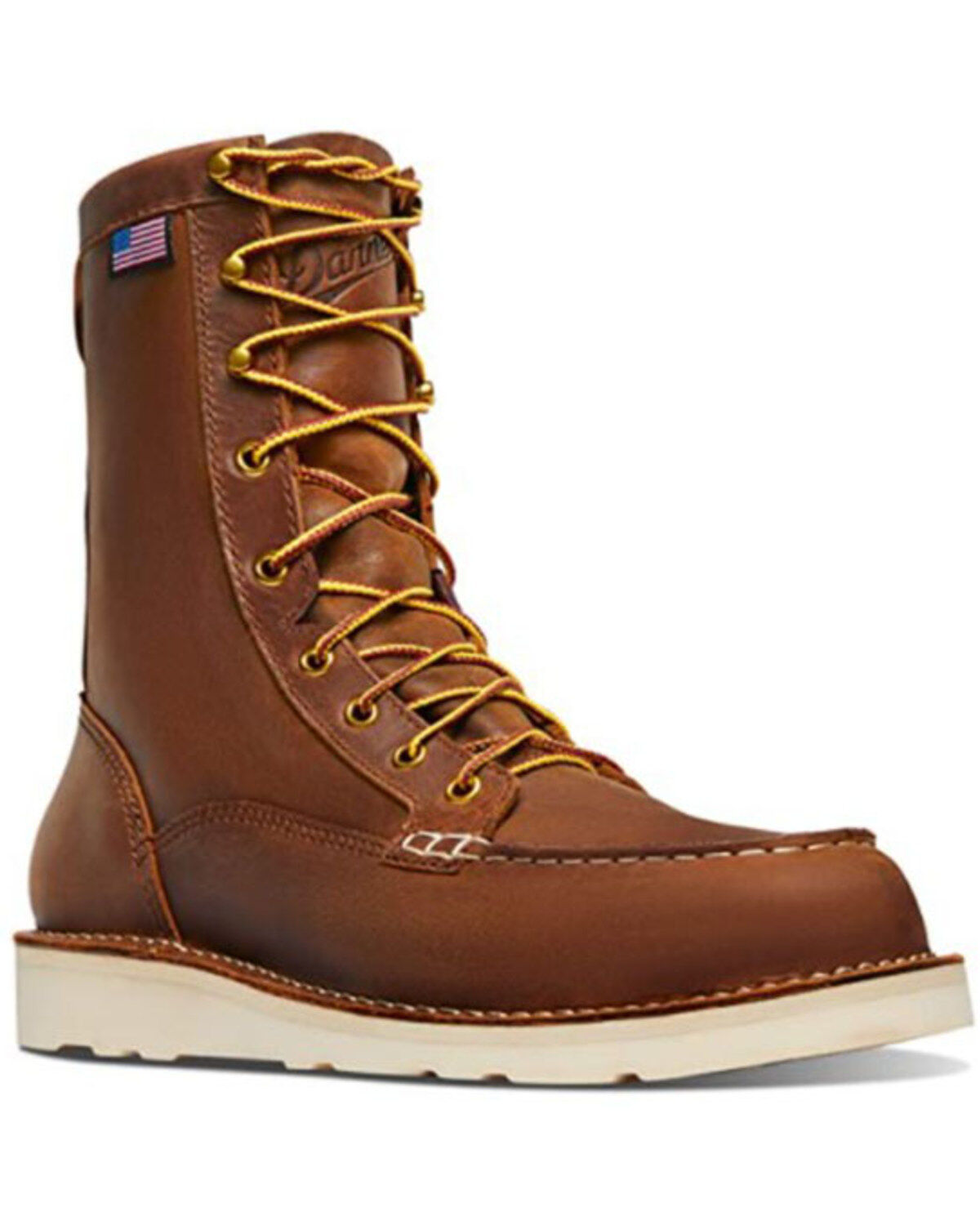
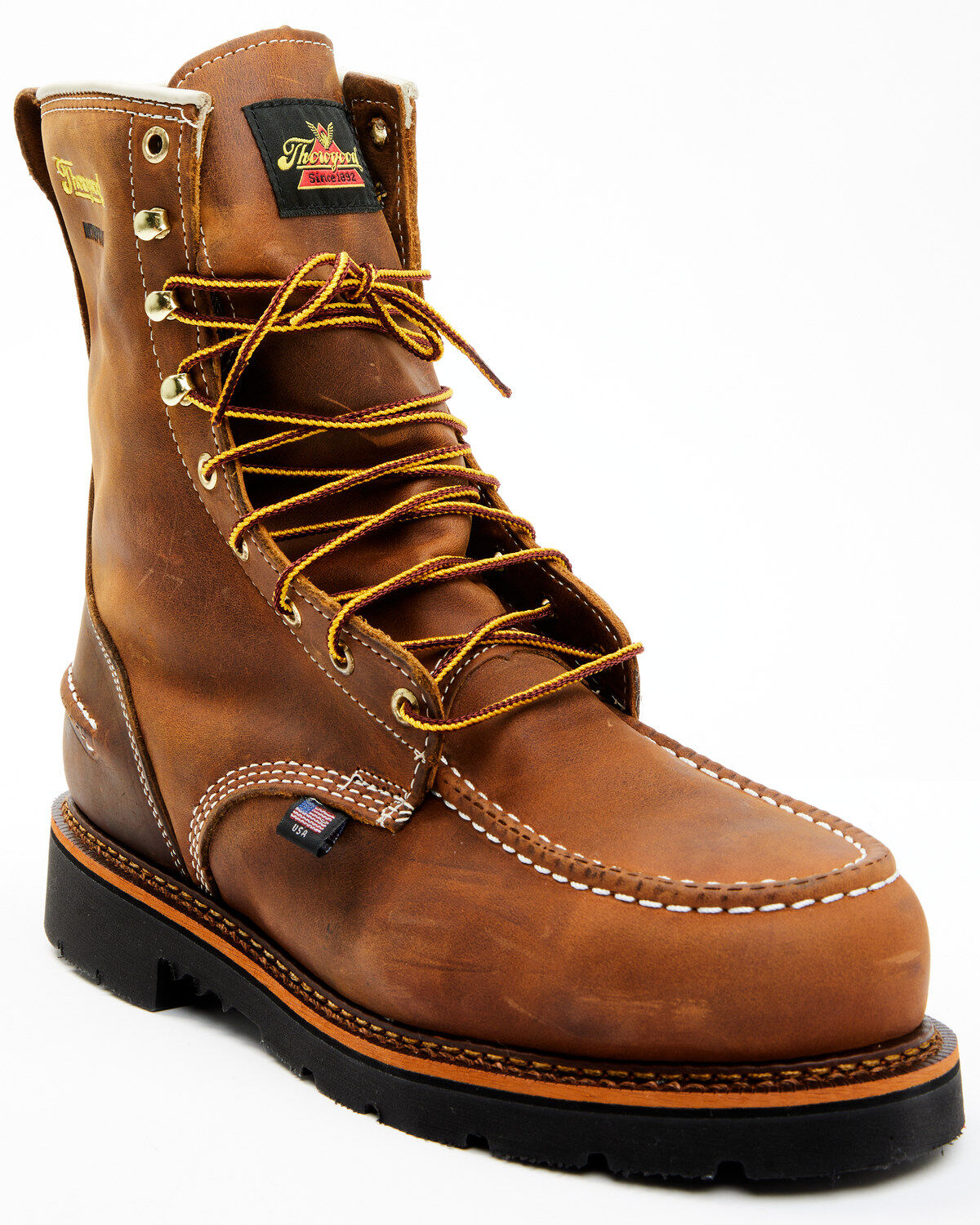
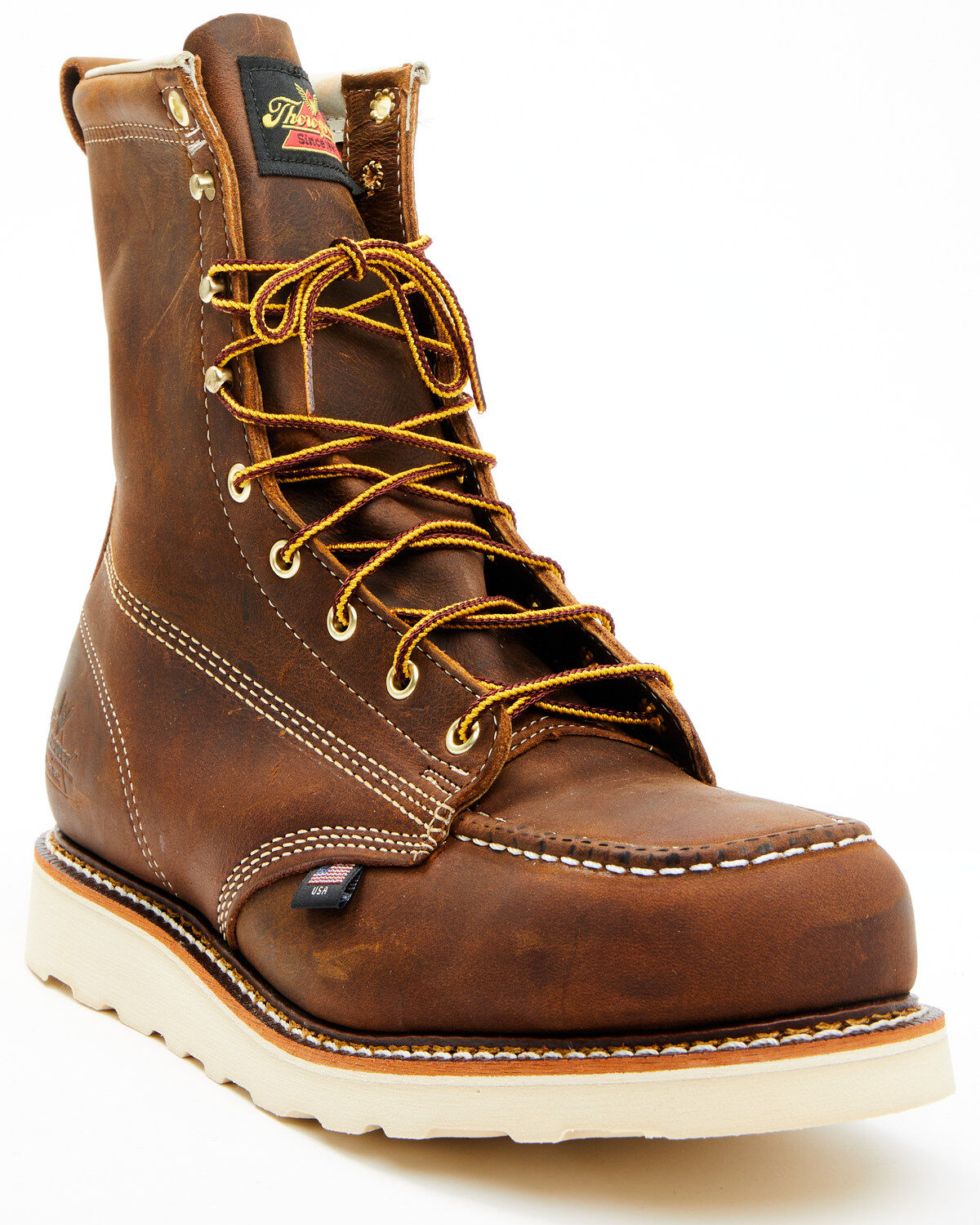
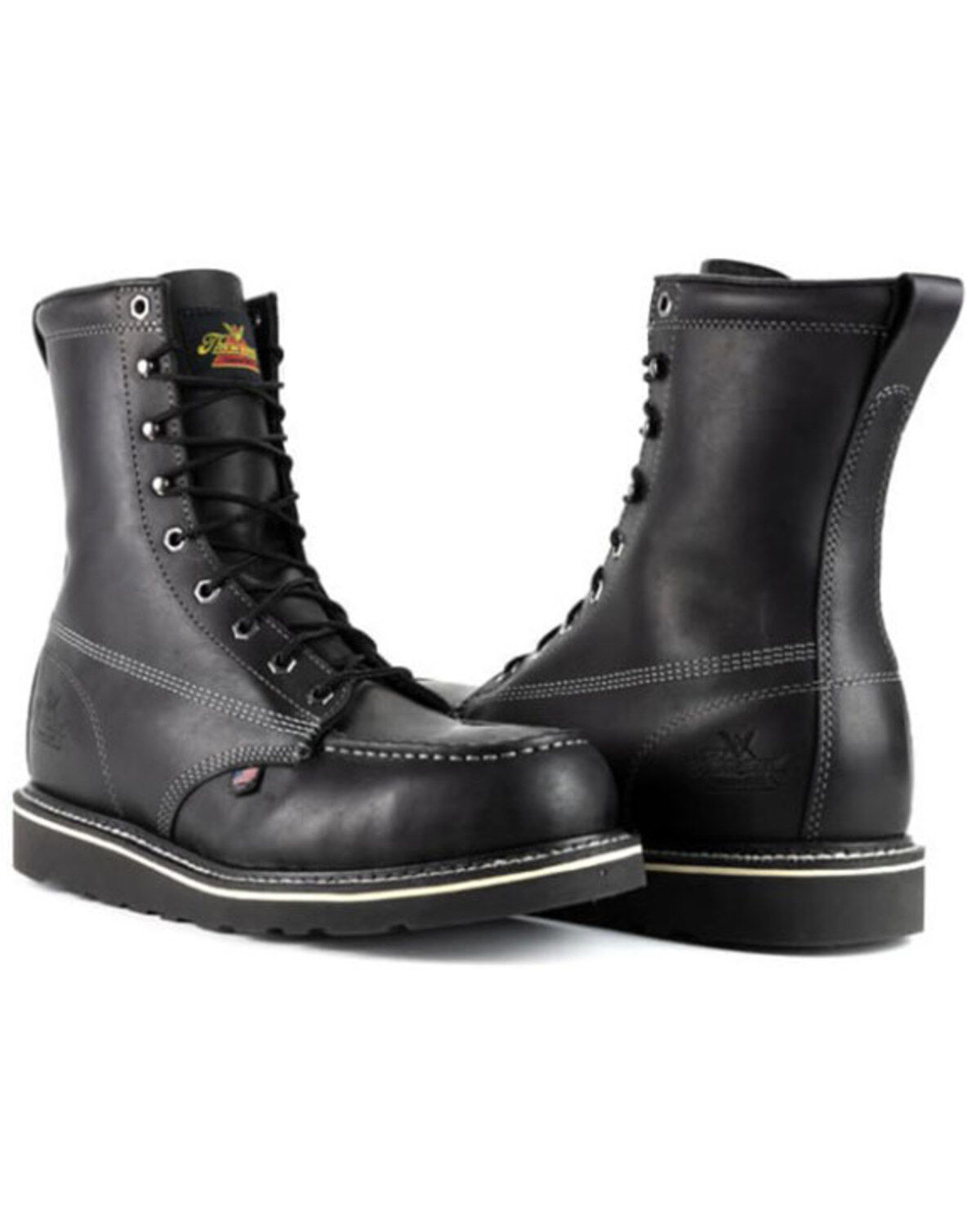
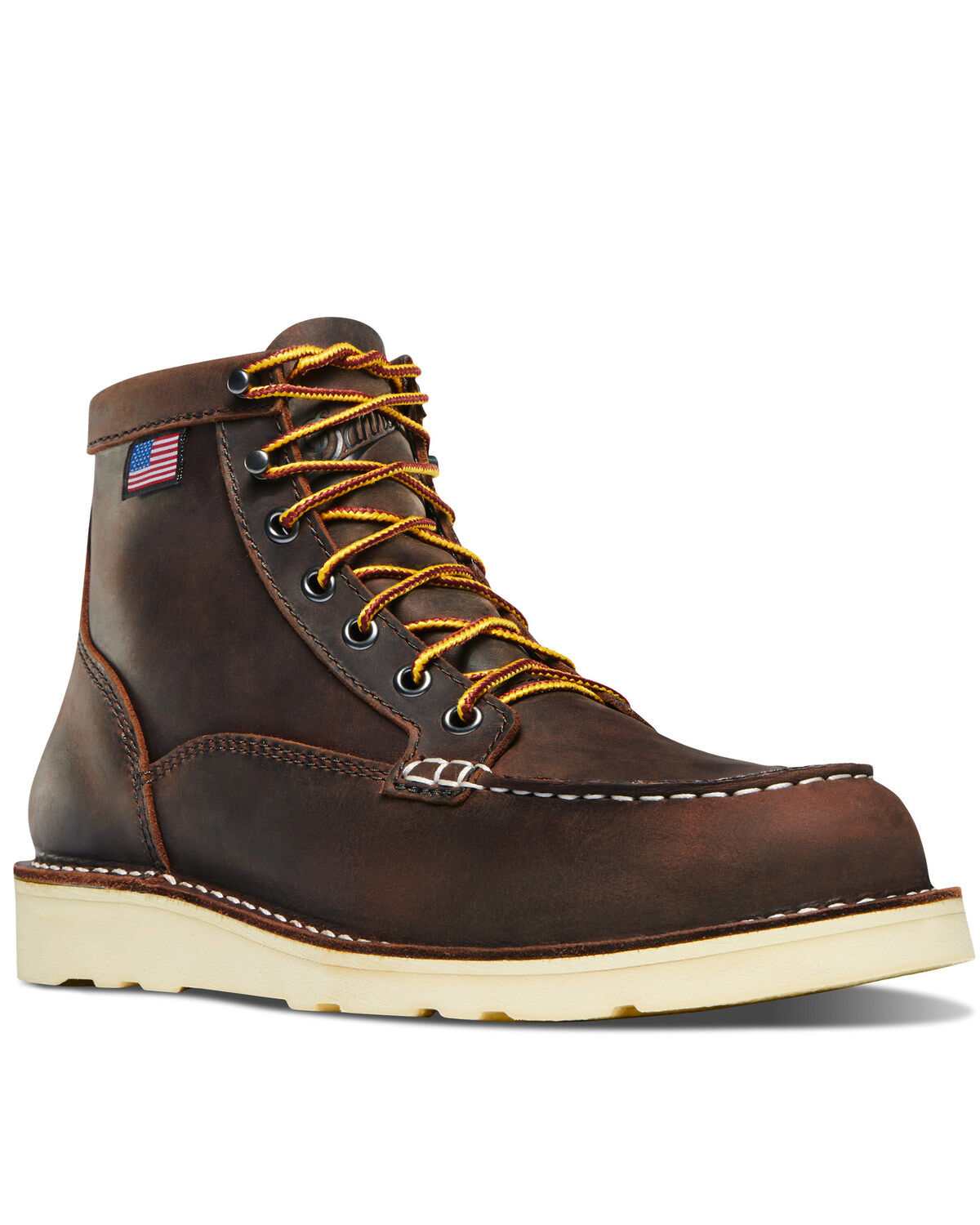
Steel toe mocs are work boots that combine the U-shaped stitching of a moc-toe upper with an internal steel safety cap. The stitched toe gives them their distinct workwear look, while the cap is designed to help protect the toes from impact and compression. These are separate features: moc-toe stitching alone does not mean a boot has toe protection, and a steel cap does not establish every safety rating a job may require. Construction crews, carpenters, warehouse workers, and maintenance teams may wear steel toe moc boots when their work calls for protective footwear. Carrying lumber through a shop, moving materials across a loading area, or working around tools and equipment puts different demands on a boot. The right construction depends on those demands, along with the employer’s footwear requirements. Safety markings matter more than appearance. Boots identified as meeting the applicable ASTM F2413 requirements have been evaluated for specified protective properties, with additional markings indicating features beyond basic impact and compression protection. Electrical hazard protection, puncture resistance, and other safeguards are not automatic features of every steel toe boot. Electrical hazard footwear provides secondary protection under specified conditions; it does not replace safe electrical work practices or other required protective equipment. Likewise, a steel toe cap protects the toe area, not the entire foot. Workers exposed to hazards above the toes may need metatarsal protection, while sharp debris underfoot may call for a puncture-resistant construction. The appeal of steel toe mocs is practical: a familiar lace-up work boot shape paired with protection suited to the job when the proper ratings are present. Within the broader Moc Toe Boots category, both safety-toe and non-safety-toe designs share that recognizable stitched profile. The toe shape establishes the style; the boot’s labeling and construction establish its protective features. A worksite dress requirement and a safety requirement are not always the same thing, even when the boots look alike.

Materials and fit determine much of how steel toe mocs feel through a full shift. Leather uppers are common because they can provide abrasion resistance, support, and a surface that responds well to regular care. Full-grain leather retains the grain surface of the hide, while different tanning methods and finishes affect flexibility, texture, and maintenance needs. An oil-tanned upper may feel different from a firmer, smooth-finished leather, but thickness, panel construction, and reinforcement also influence how the boot wears. Exposed moc-toe stitching adds another seam to inspect and maintain, especially for work that repeatedly rubs the front of the boot against rough materials. Inside, the lining, footbed, and seams affect comfort just as much as the outer leather. A cushioning layer can soften contact underfoot, while a supportive footbed and stable sole help keep the foot settled during standing and walking. Softness alone is not the same as support. Fit is especially important around a steel cap because the protective shell does not stretch to make room for crowded toes. Toes need space to move without pressing against the front, top, or sides of the cap. A moc-toe silhouette can look roomy without providing the width or depth a particular foot needs. Proper fit also includes a secure heel and a midfoot that feels held rather than squeezed. Work socks, prescribed orthotics, and the insoles intended for daily wear all affect that fit. Trying boots with those components gives a more useful impression than trying them with thin casual socks. Leather may soften with wear, but break-in should not be expected to correct toe pressure, numbness, or a poor size match. Laces allow some adjustment across the instep, and shaft height changes how much of the ankle and lower leg the boot covers. Neither a taller shaft nor tighter lacing makes up for a last shape that does not suit the foot. The best fit leaves room where movement is needed and holds firmly where excess movement causes rubbing.

The outsole gives steel toe moc work boots much of their character underfoot. Wedge soles generally provide a broad contact area and are often associated with work on concrete floors and other relatively even surfaces. A defined heel creates a different profile that may suit certain tasks, though ladder use and other specialized work still call for footwear that matches the equipment and workplace rules. Tread depth, rubber compound, and sole shape all influence traction. A slip-resistant designation does not mean a boot cannot slip; oil, fine dust, loose material, and the condition of the walking surface can change how it grips. Sole construction also affects flexibility and service life. Welted construction may allow resoling when the design and overall condition permit, while other attachment methods have different repair options. A steel cap does not prevent worn tread, damaged stitching, or a failing sole bond from ending a boot’s useful working life. Regular care starts with removing grit from the upper, seams, and sole edges before it works deeper into those areas. Cleaning products and conditioners should match the leather finish, since a treatment suited to one surface may darken or alter another. Excess conditioner can leave residue, and soaking leather is not a substitute for cleaning it. Boots that become damp during work need time to dry away from direct heat. Removing removable footbeds can help the interior dry, provided the manufacturer’s care directions allow it. Daily inspection is useful around the toe, flex points, eyelets, and sole attachment, where repeated movement and abrasion often show first. Exposed safety caps, deep cuts, separated soles, or damage after a substantial impact deserve attention before the boots return to work. For a gift, an accurate size and a clear understanding of the recipient’s job requirements matter more than appearance alone. Steel toe mocs earn their place through the combination of fit, sound construction, suitable protection, and care that keeps them ready for the next shift.
Read More

FAQs