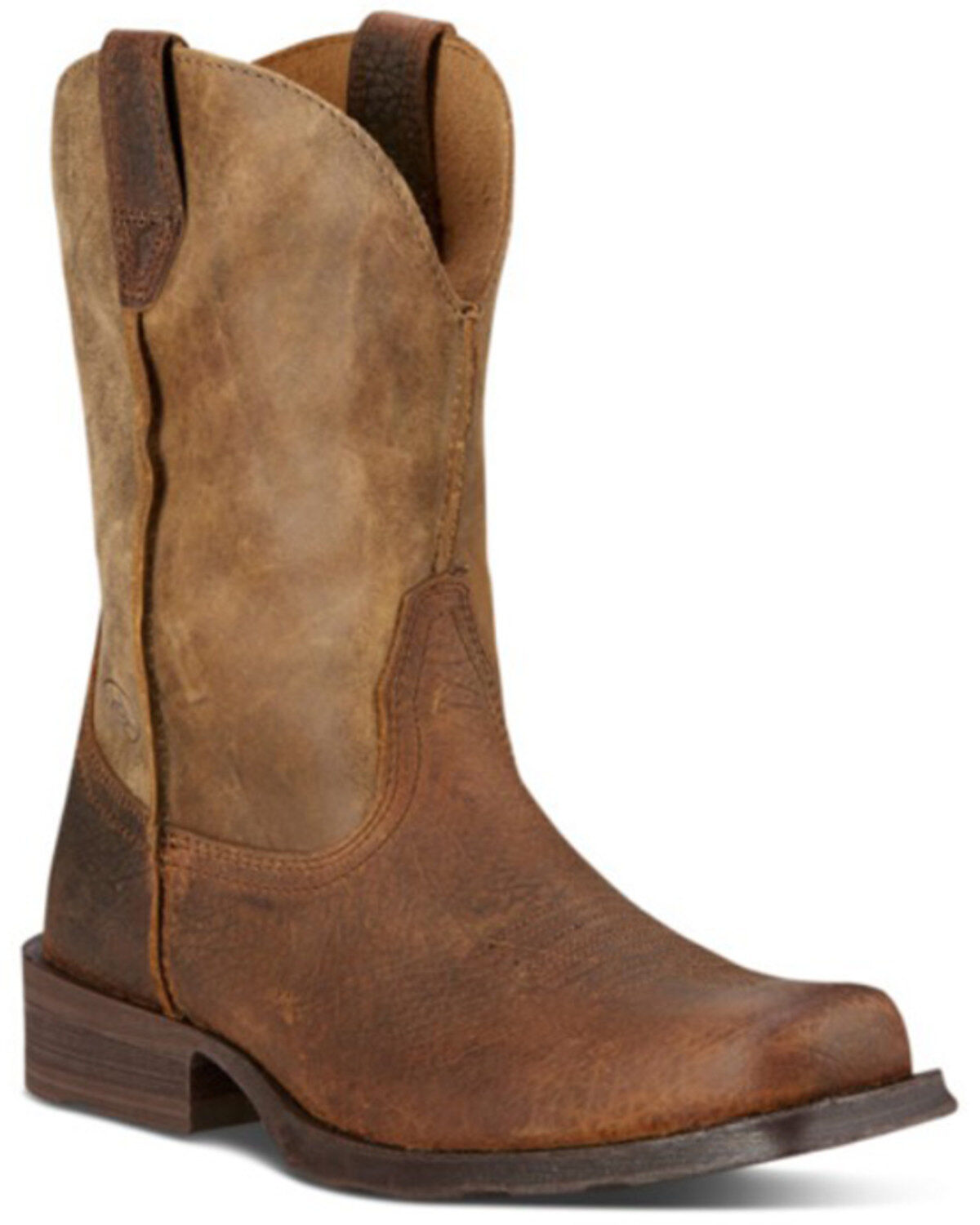
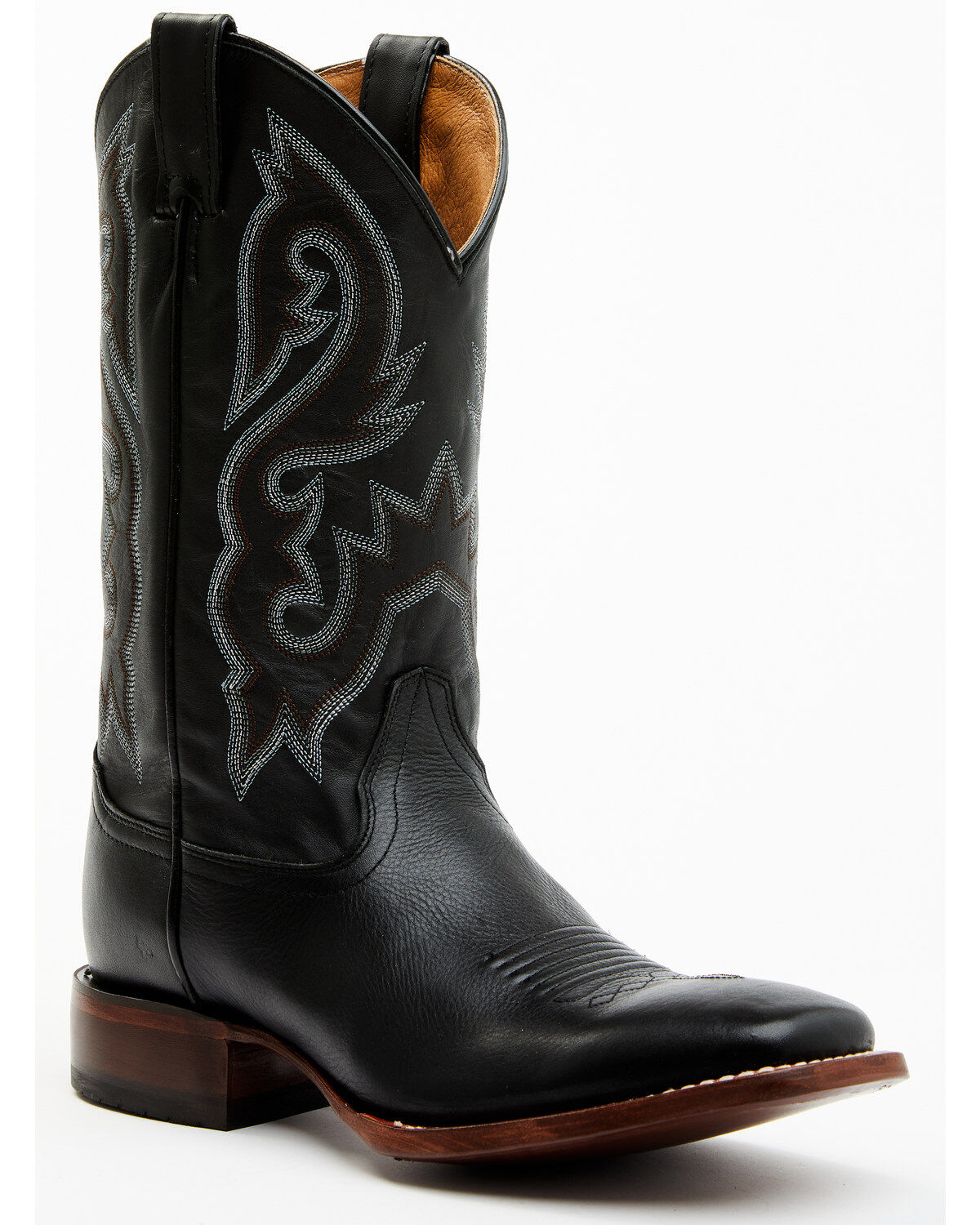
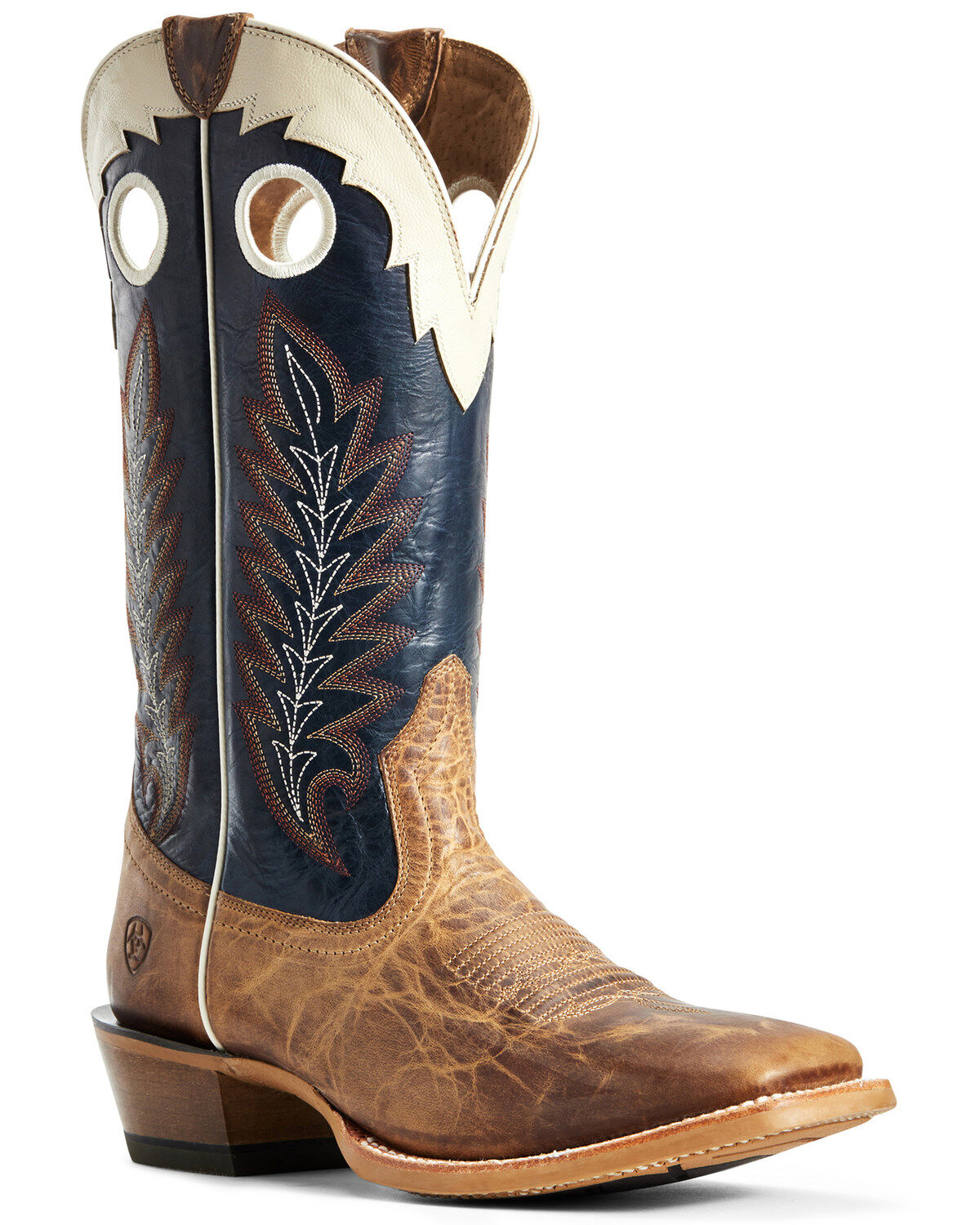
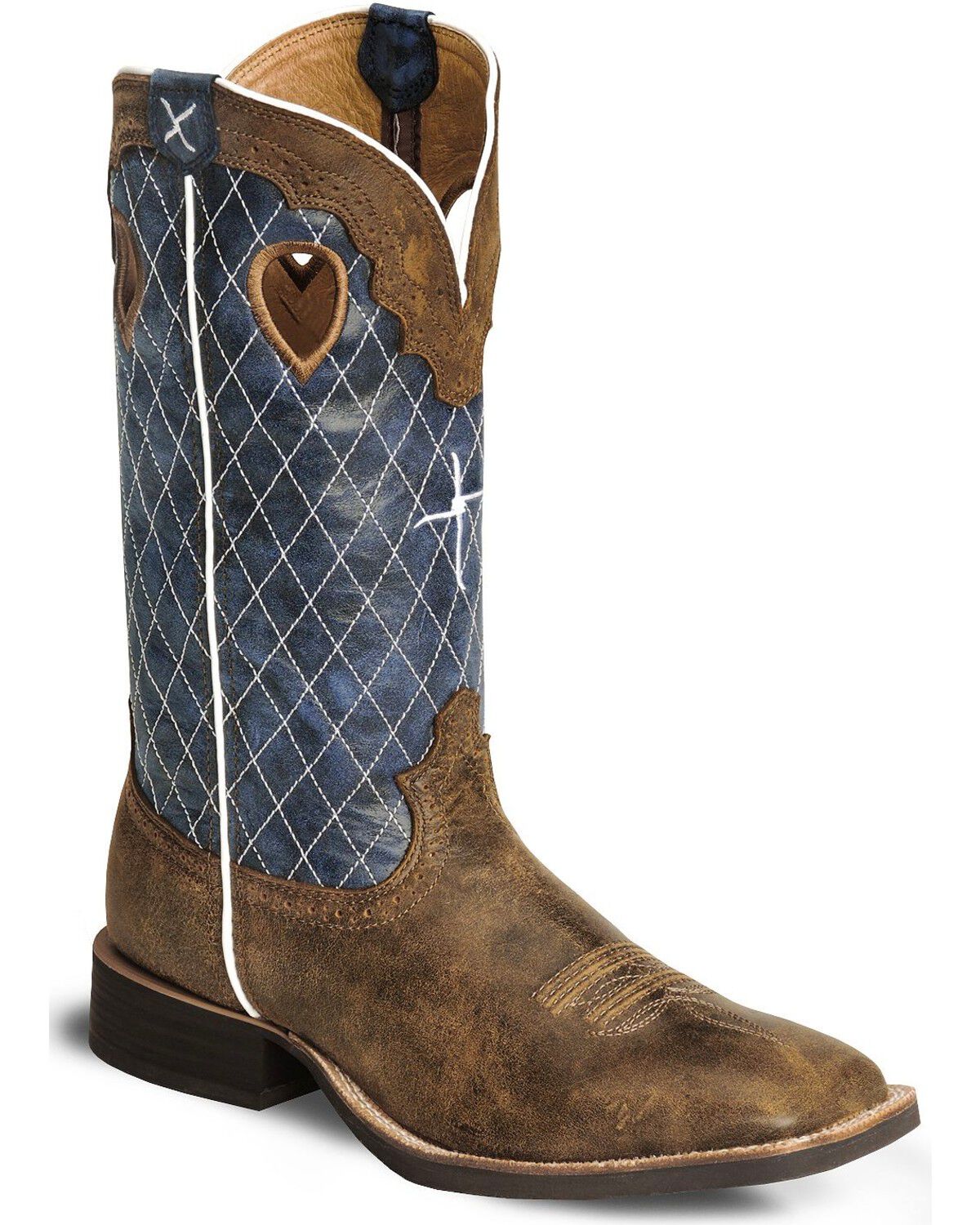
Square Toe Leather Boots

Shop square toe leather boots for a broad, squared-off profile and a less tapered look than pointed-toe styles. Compare the available designs, review shaft and heel details, and check each pair’s sizing and leather care information to choose boots that suit your needs.

Read More

Shop Your Store: Shop Your Store: Find a Store

(Turn off Shop Your Store to see all items)

(Turn off Shop Your Store to see all items)

close
  • Recommended
  • Lowest Price
  • Highest Price
Skip pass products
  • Men's Cody James Westley Stockman Boots - Broad Square Toe
    Original Price $209.99 $159.99
    24% Total Savings
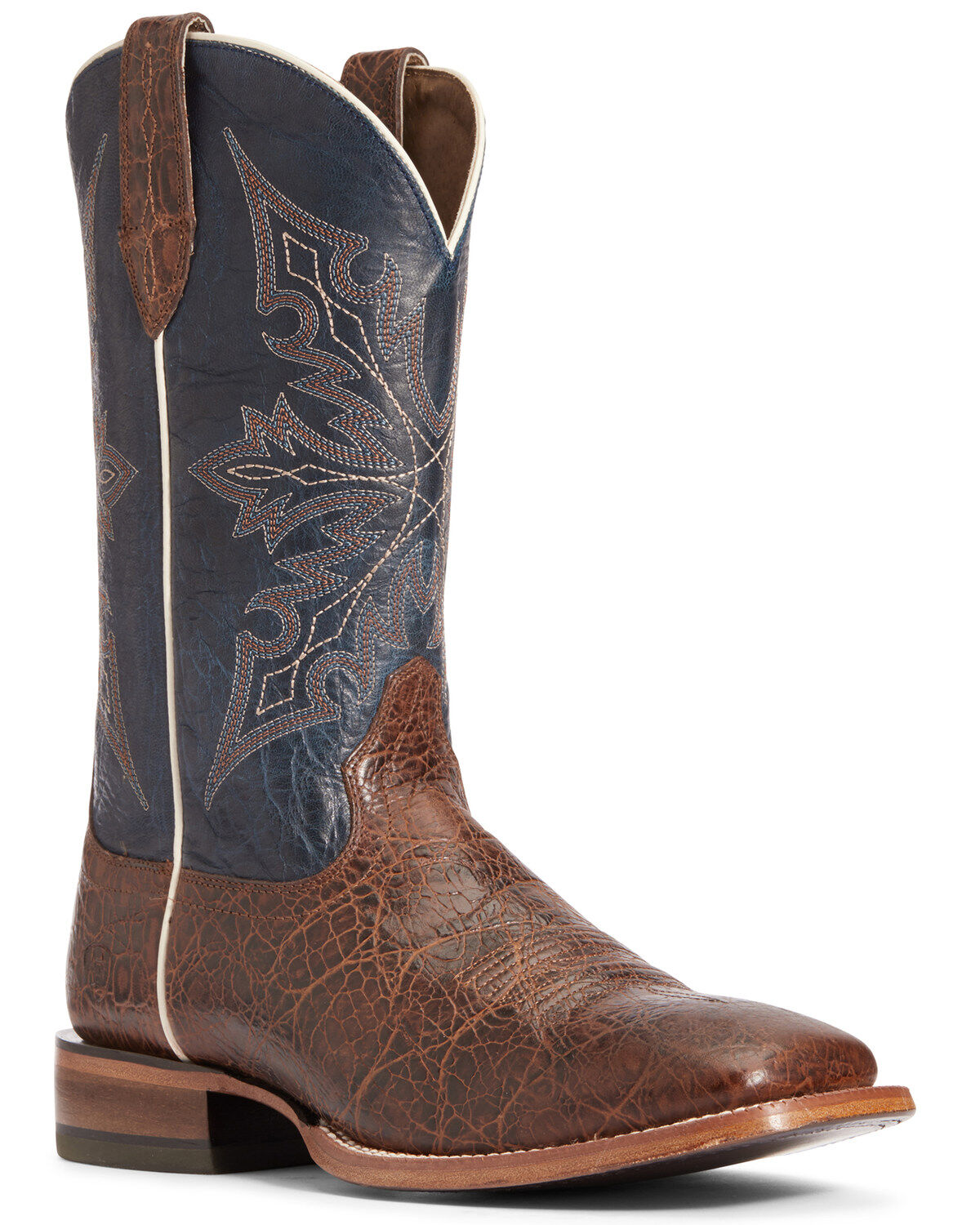
  • Men's Ariat Futurity Time Western Boots - Square Toe
    Original Price $279.99 $209.97
    25% Total Savings

End of products

Square Toe Leather Boots

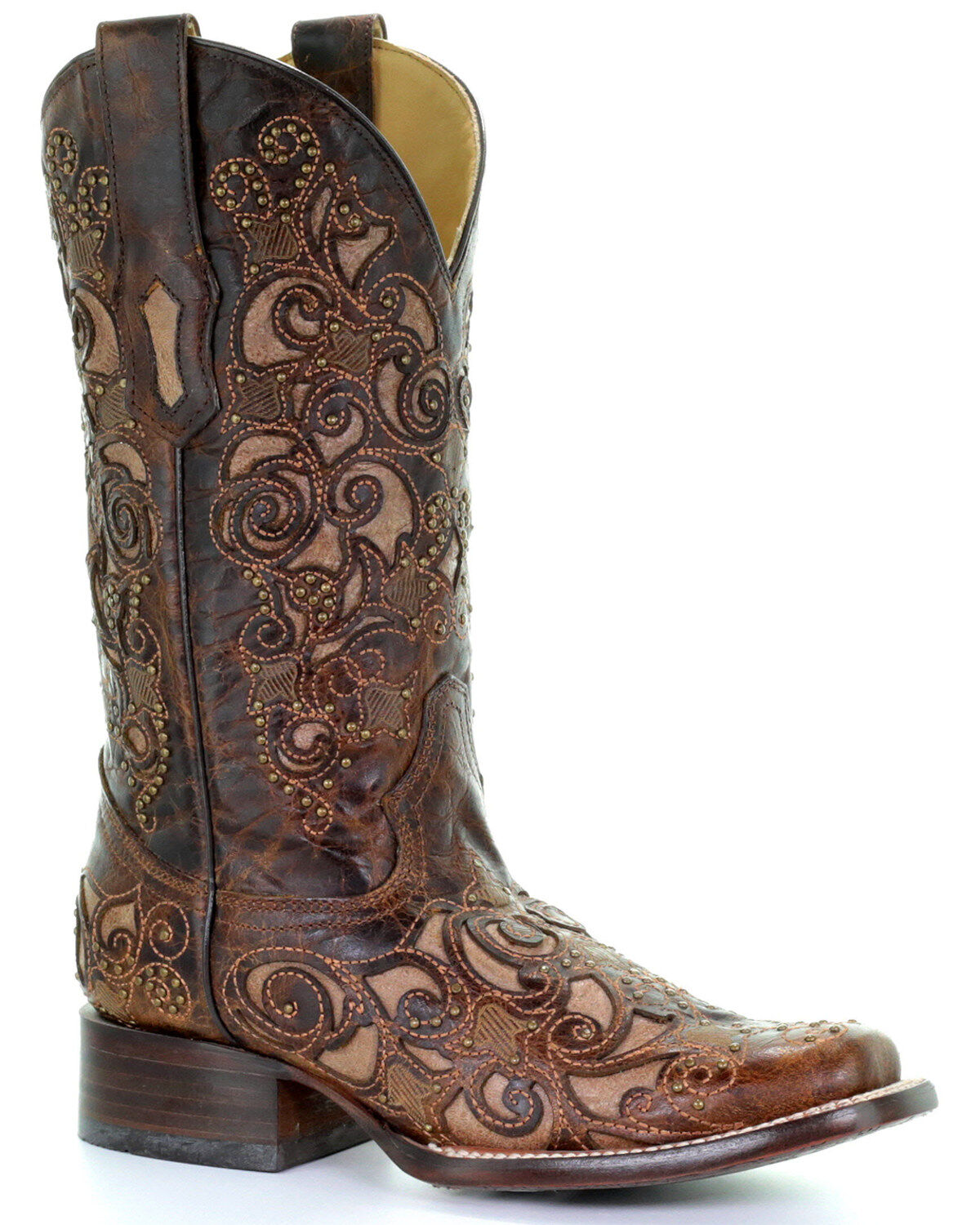
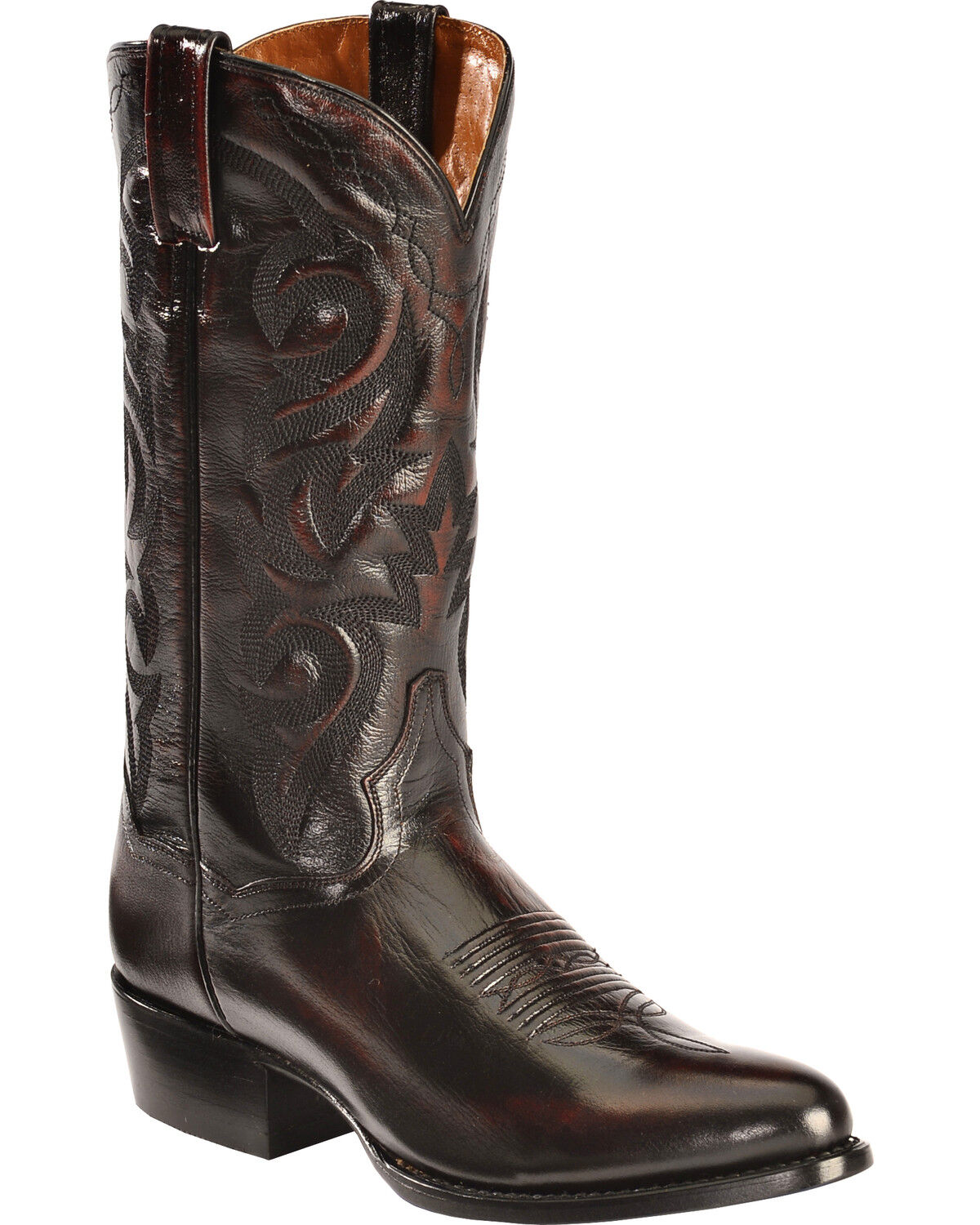
Square toe leather boots have a flattened toe profile and leather uppers, with styles suited to western wear, everyday use, and certain types of work. The shape ranges from a broad, straight front to a narrower square with slightly rounded corners. That difference changes both the look of the boot and the space around the toes. A wide square toe creates a substantial profile under straight-leg jeans, while a narrower shape can look more understated with dark denim or trousers. Toe shape alone does not determine comfort, width, or protection; the entire boot’s construction matters. Leather also gives each pair a distinct character. Full-grain leather retains its natural grain and can develop visible character through wear. Other leather finishes offer a more uniform surface, a softer feel, or an intentionally worn appearance. Suede has a brushed texture that calls for different cleaning methods than smooth leather. Thickness, tanning, lining, and finishing all affect how the upper feels against the foot and how readily it flexes. A firm leather shaft may hold its shape, while a softer shaft can feel less restrictive around the leg. Decorative stitching, contrasting shafts, and simple tonal designs give square toe boots different levels of detail without changing their basic purpose. Under jeans, much of that shaft detail stays covered, leaving the toe, vamp, and heel to define the look. With a skirt or dress, the shaft becomes a larger part of the outfit. Heel height and shape matter just as much. A lower, broader heel generally provides a different standing and walking feel than a taller riding-style heel. Leather outsoles have a traditional appearance, while rubber outsoles vary widely in tread, flexibility, and cushioning. Neither material tells the whole story on its own. The combination of upper, lining, footbed, heel, and outsole determines whether a boot feels right for a long walk, time at a desk, or an evening out.

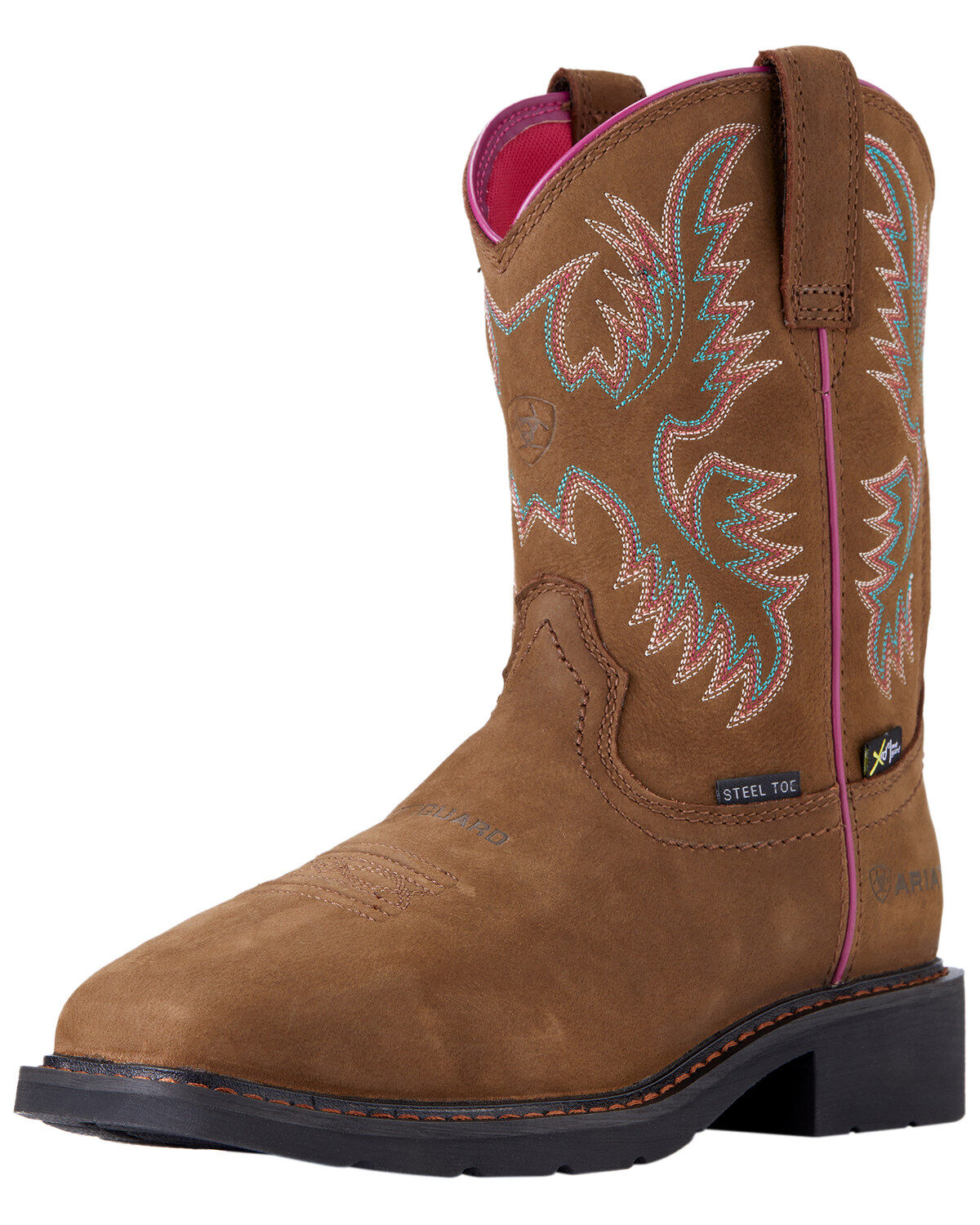
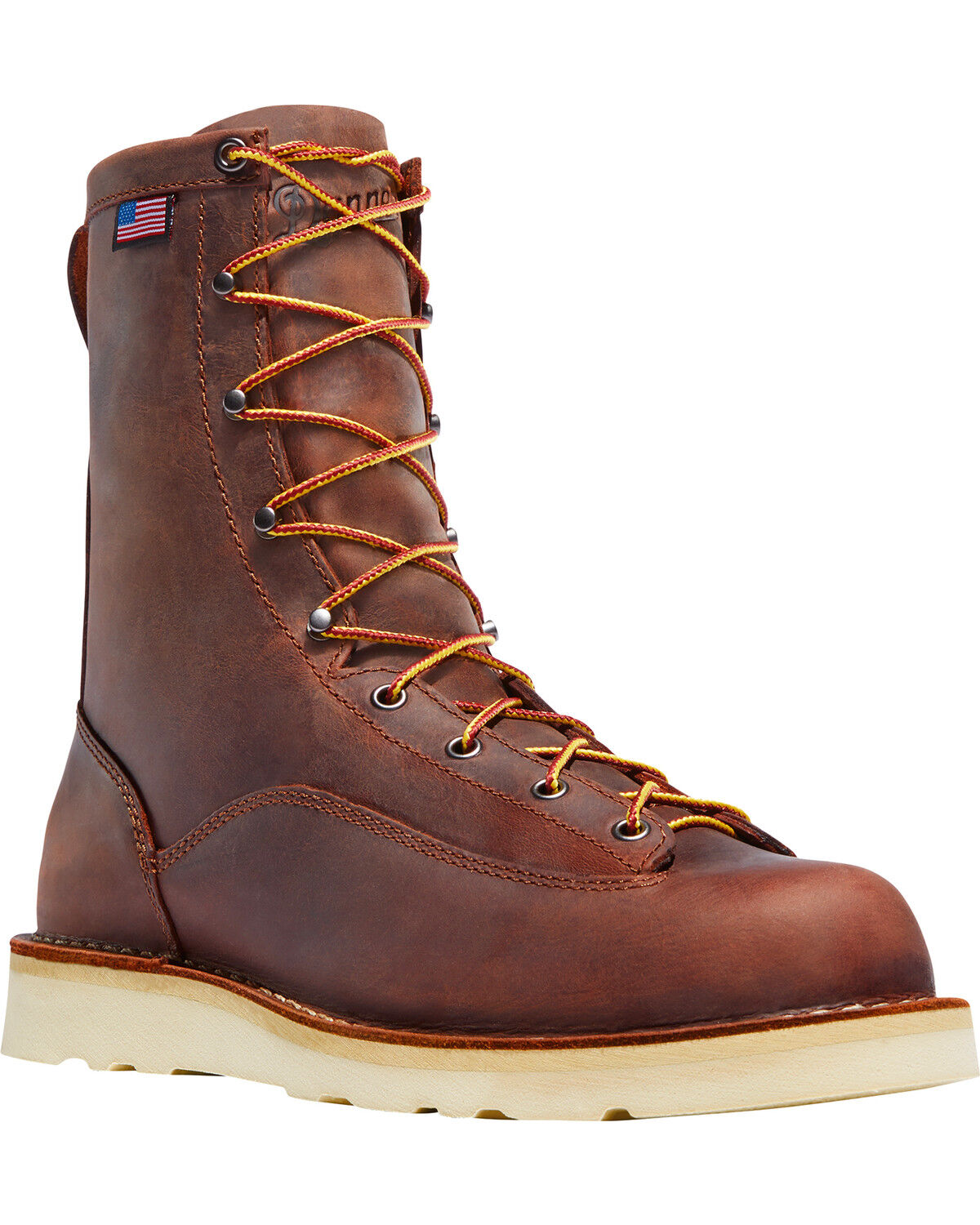
Fit starts with the foot, not the square shape at the front. A square toe does not automatically make a boot wide, and extra space beyond the toes does not guarantee enough room across the ball of the foot. The widest part of the foot should sit comfortably in the widest part of the boot, with toes resting naturally rather than pressed together. In a pull-on design, the instep should feel secure without painful pressure. A small amount of heel movement can be normal in new western boots, but the foot should not slide around inside. Leather may soften and mold with wear; it should not be expected to correct a boot that is too short or sharply pinches the toes. Trying boots with the socks intended for regular wear gives a more useful sense of fit than switching between thin dress socks and thick work socks. Any prescribed orthotic also needs enough interior room without forcing the foot against the upper. Intended use deserves the same attention. A boot worn mostly on office floors has different demands than one used around equipment or on a jobsite. For work-focused construction, square toe leather work boots connect the familiar toe shape with features that should be evaluated against the job’s requirements. A square toe is a shape, not a safety rating. Protective toes, electrical-hazard protection, and slip resistance are separate features that need confirmation in the boot’s specifications. Workplace requirements should determine which protections are necessary. Outsole tread also affects how a boot behaves on different surfaces, and cushioning can matter during hours spent standing on hard floors. For riding, heel shape and compatibility with the stirrup deserve attention rather than relying on appearance alone. For casual wear, walking comfort and a secure fit remain more useful than decorative details. The right pair should match the actual routine, not just look appropriate for it.

Leather boots hold up best when their construction suits their use and their care matches the material. Dirt left along seams and sole edges can work into creases, so regular brushing or wiping helps keep those areas clean. Smooth leather usually benefits from a suitable cleaner and occasional conditioning according to the maker’s directions. Too much conditioner can leave residue or change the leather’s feel, and some treatments can darken the finish. Testing a care product on a small, less visible area helps avoid an unwanted change across the vamp. Suede and roughout leather generally need a brush and products made for their textured surfaces rather than the same creams used on polished leather. If the inside becomes damp from wear, allowing the boots to dry naturally helps protect both the lining and the upper. Direct heat can harden leather and damage adhesives, so radiators, heaters, and hot dryers are poor substitutes for time and airflow. Storing boots upright with support in the shafts can help prevent deep folds, while giving pairs time between wears allows interior moisture to clear. Durability also depends on what happens underfoot. A worn heel can affect balance, and an outsole worn smooth may no longer perform as intended. Some stitched constructions allow a qualified boot repair shop to replace soles or heels, but repair options vary by design and condition. Not every leather boot can be rebuilt. Visible stitching alone is not proof of repairability. For someone who wears boots often, those construction details may matter more than an elaborate shaft pattern. Square toe leather boots can also make a thoughtful gift for someone who already favors western footwear. Knowing the recipient’s usual boot size, preferred width, and daily use is more helpful than guessing from sneaker size alone. A person who dresses in dark jeans may prefer a simple finish, while someone who enjoys visible western detail may value stitched shafts or contrasting leather. Personal taste matters, but fit and function remain the foundation of a pair that gets worn regularly.
Read More

FAQs