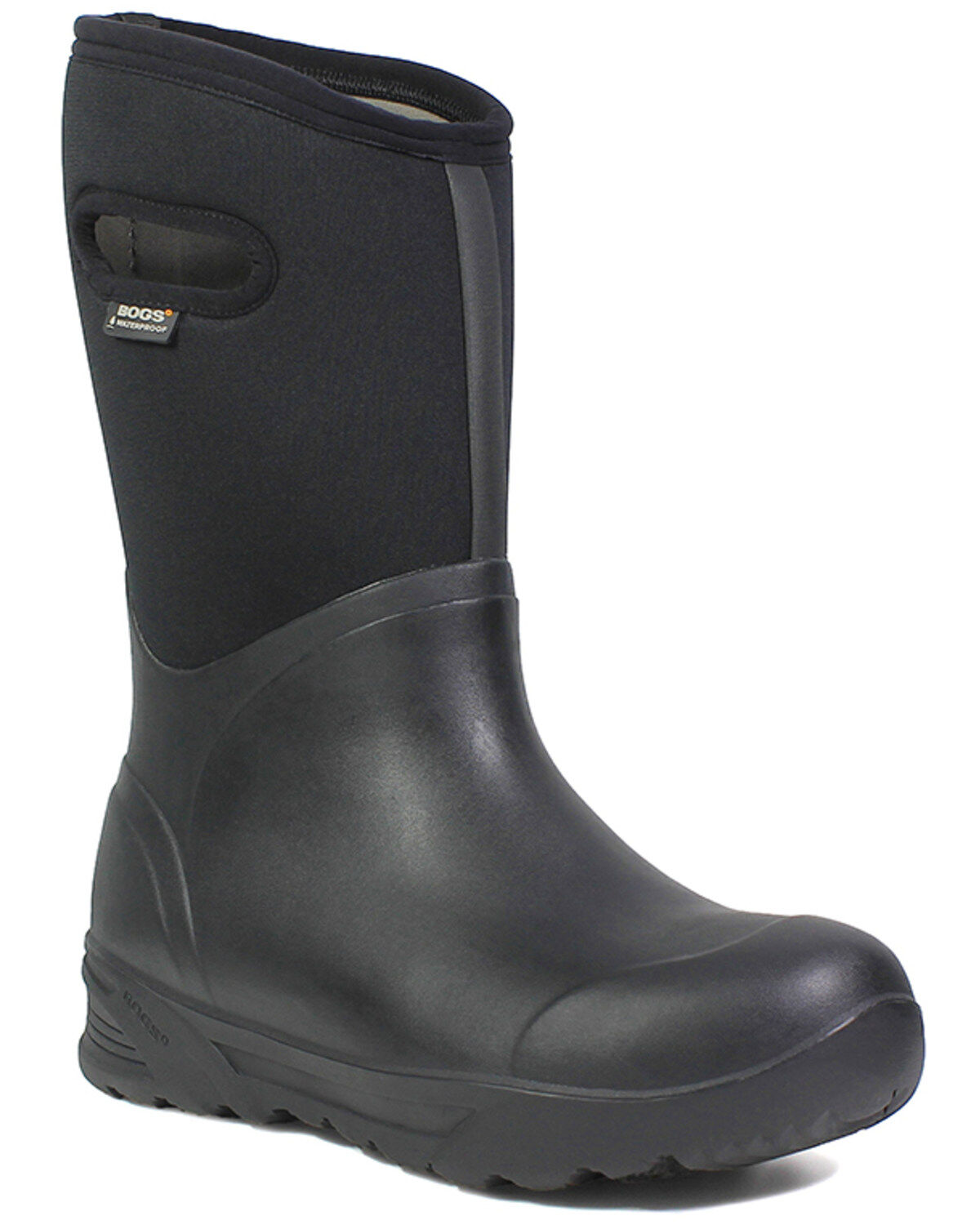
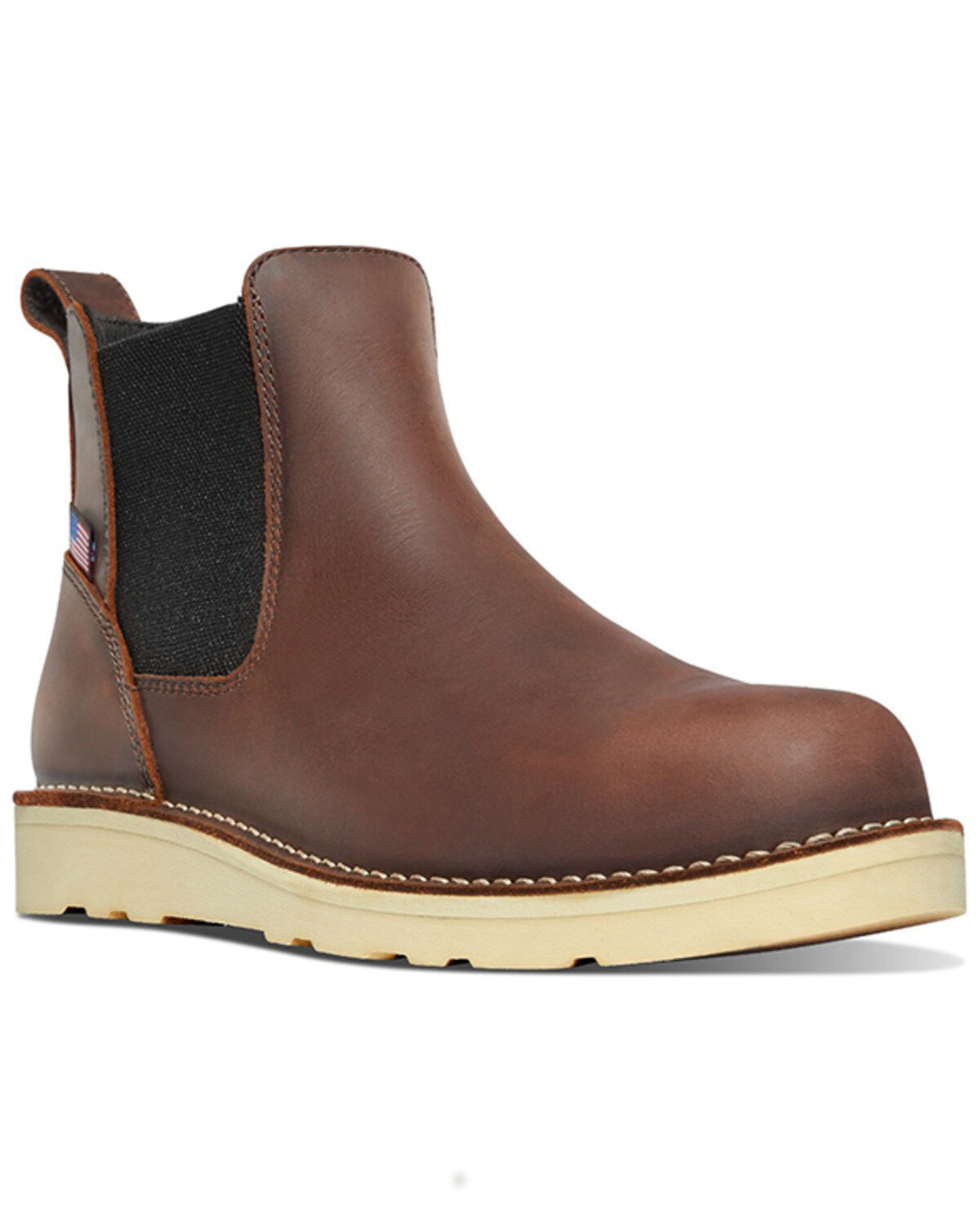
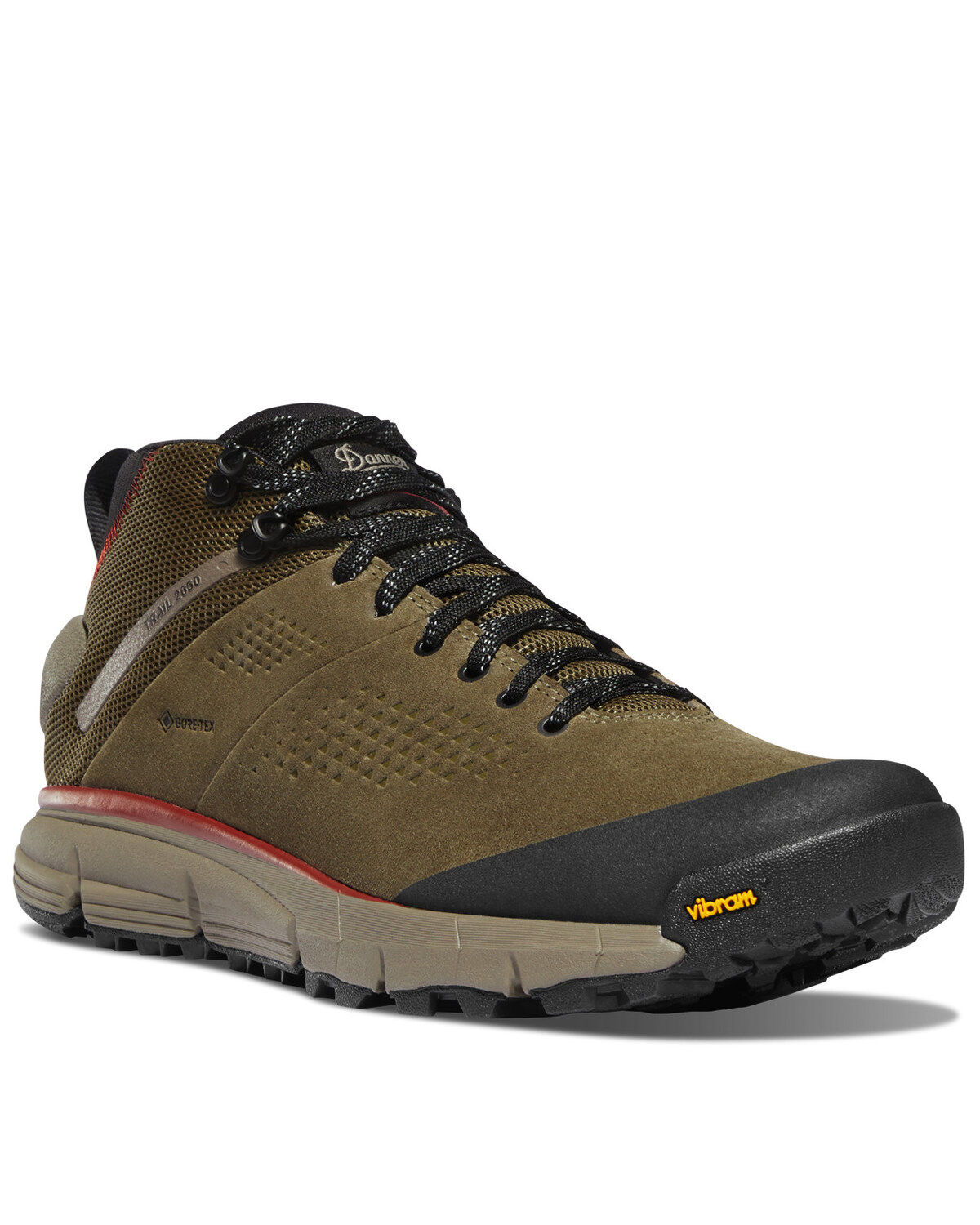
Size 12 Men's Boots

Find size 12 men's boots for work and everyday wear at Boot Barn. Browse available styles, then compare sizing, widths, and features in the product details to choose a pair that fits your feet and your daily needs.

Shop Your Store: Shop Your Store: Find a Store

(Turn off Shop Your Store to see all items)

(Turn off Shop Your Store to see all items)

close
  • Recommended
  • Lowest Price
  • Highest Price
Skip pass products

End of products

Size 12 Men's Boots

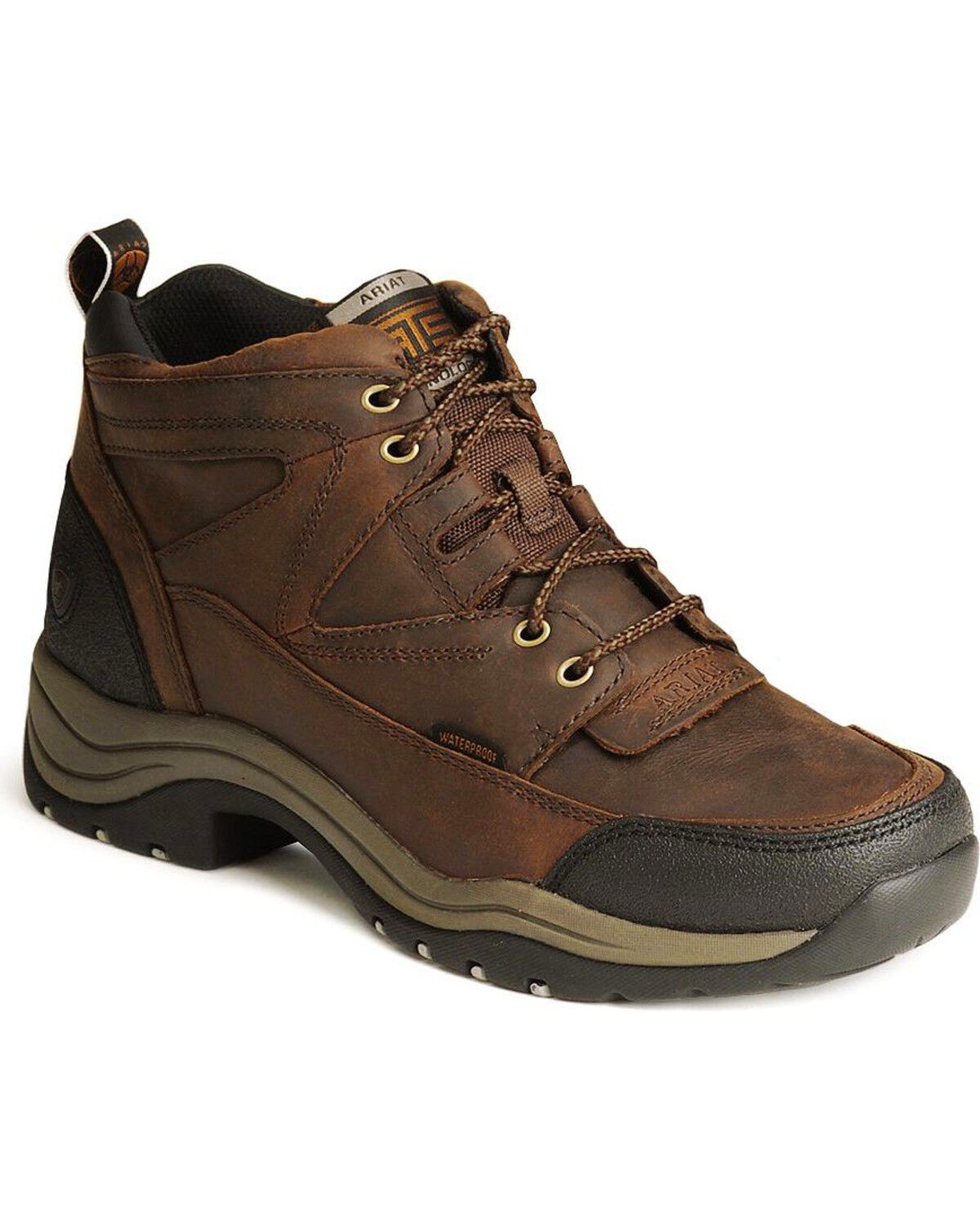
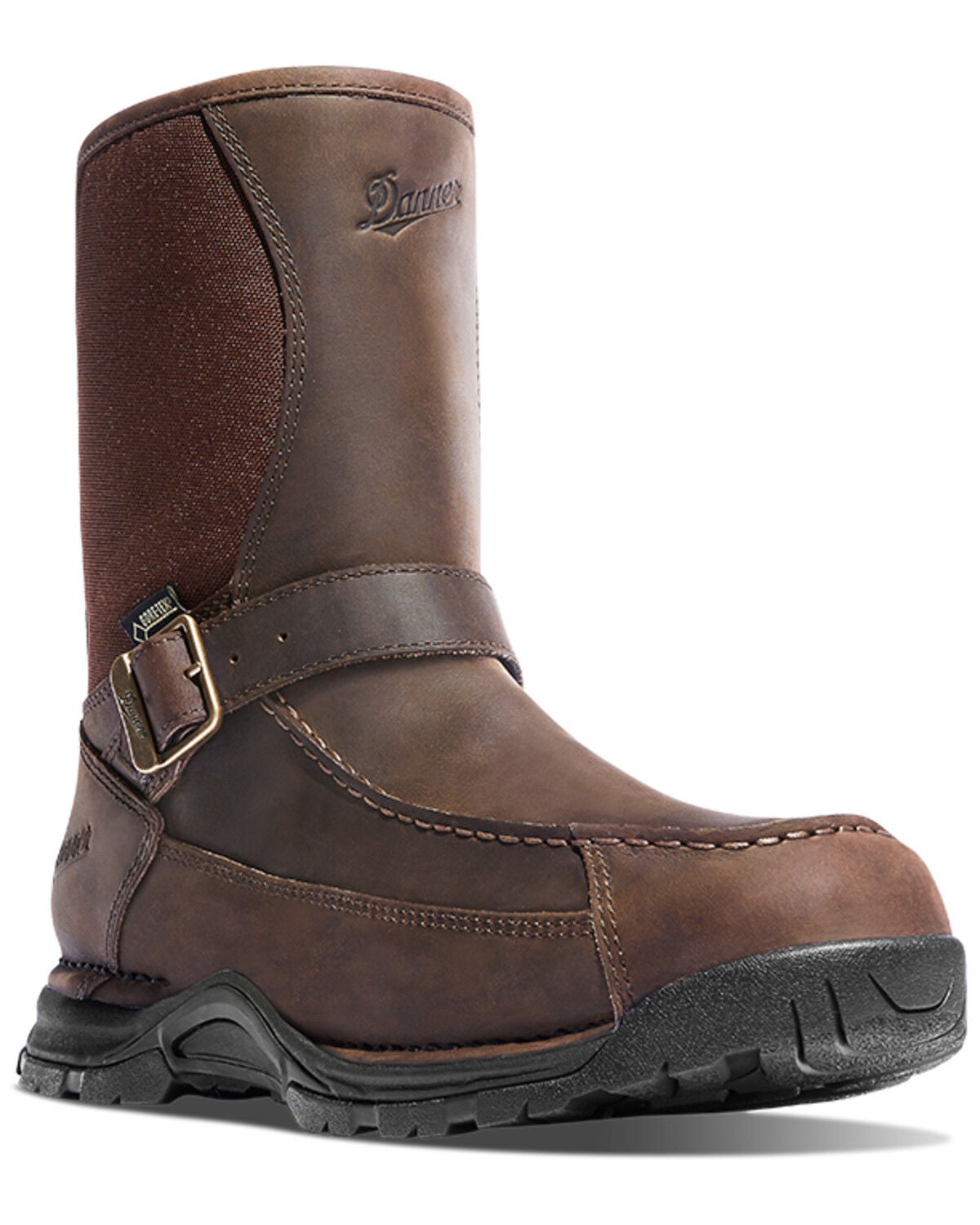
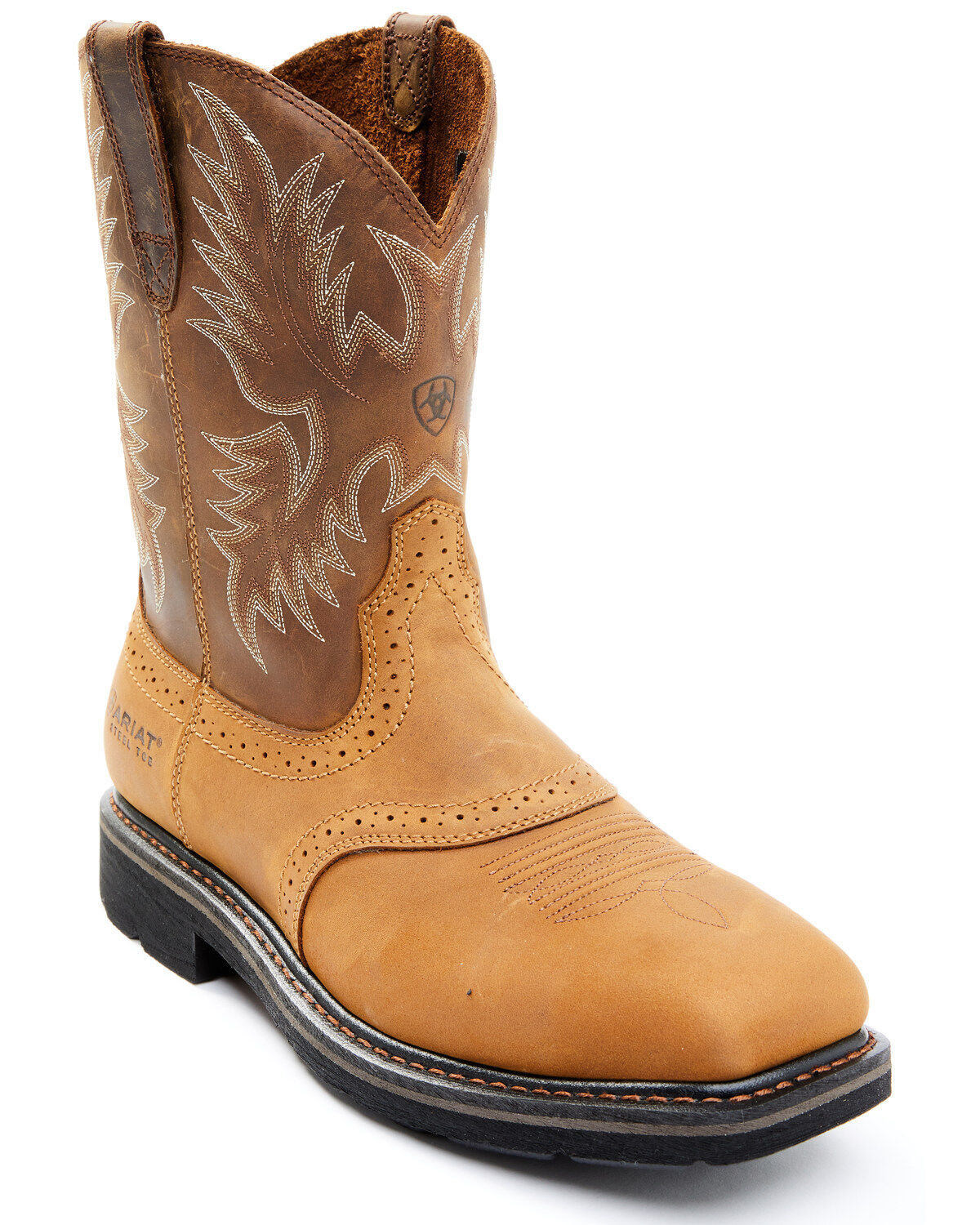
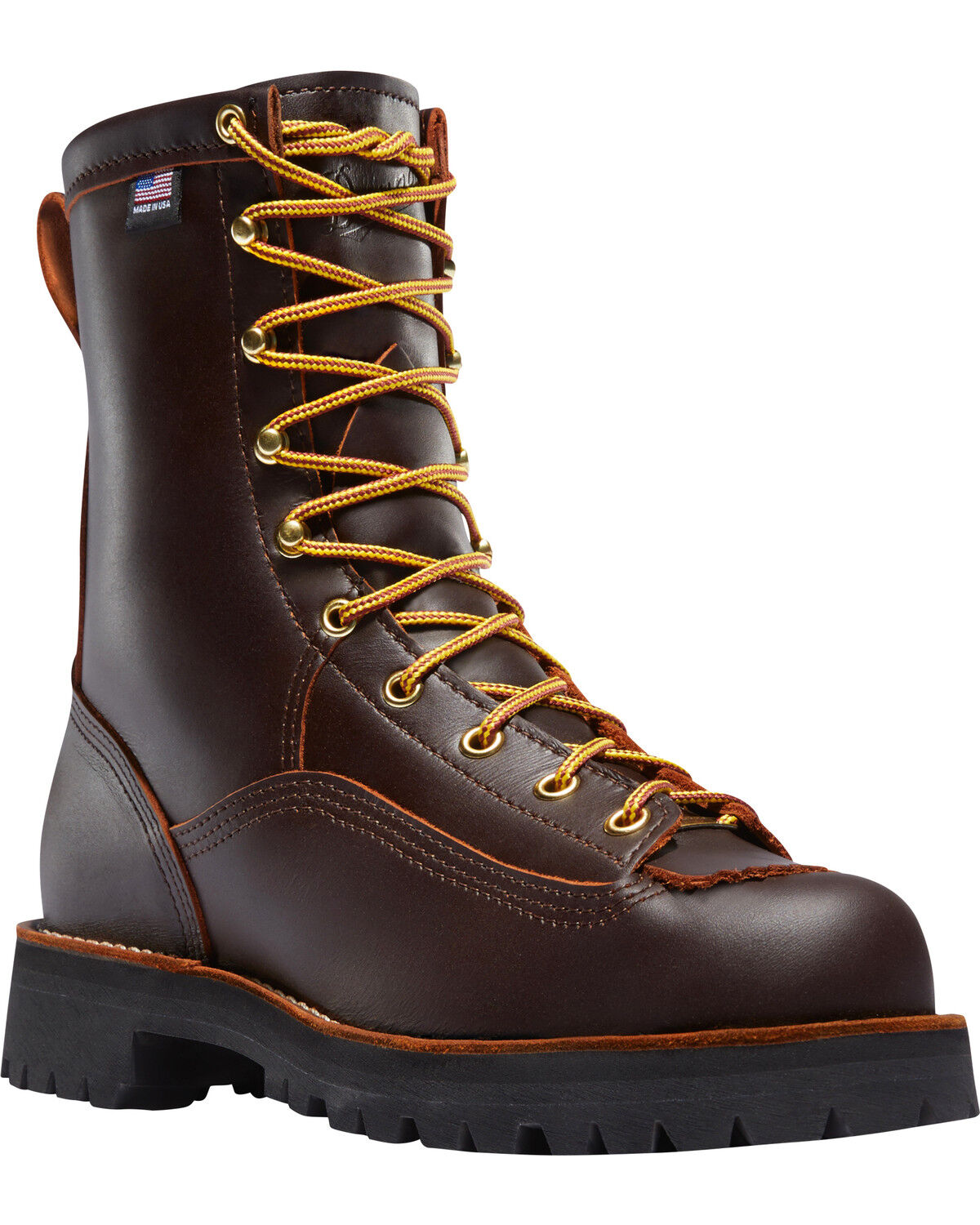
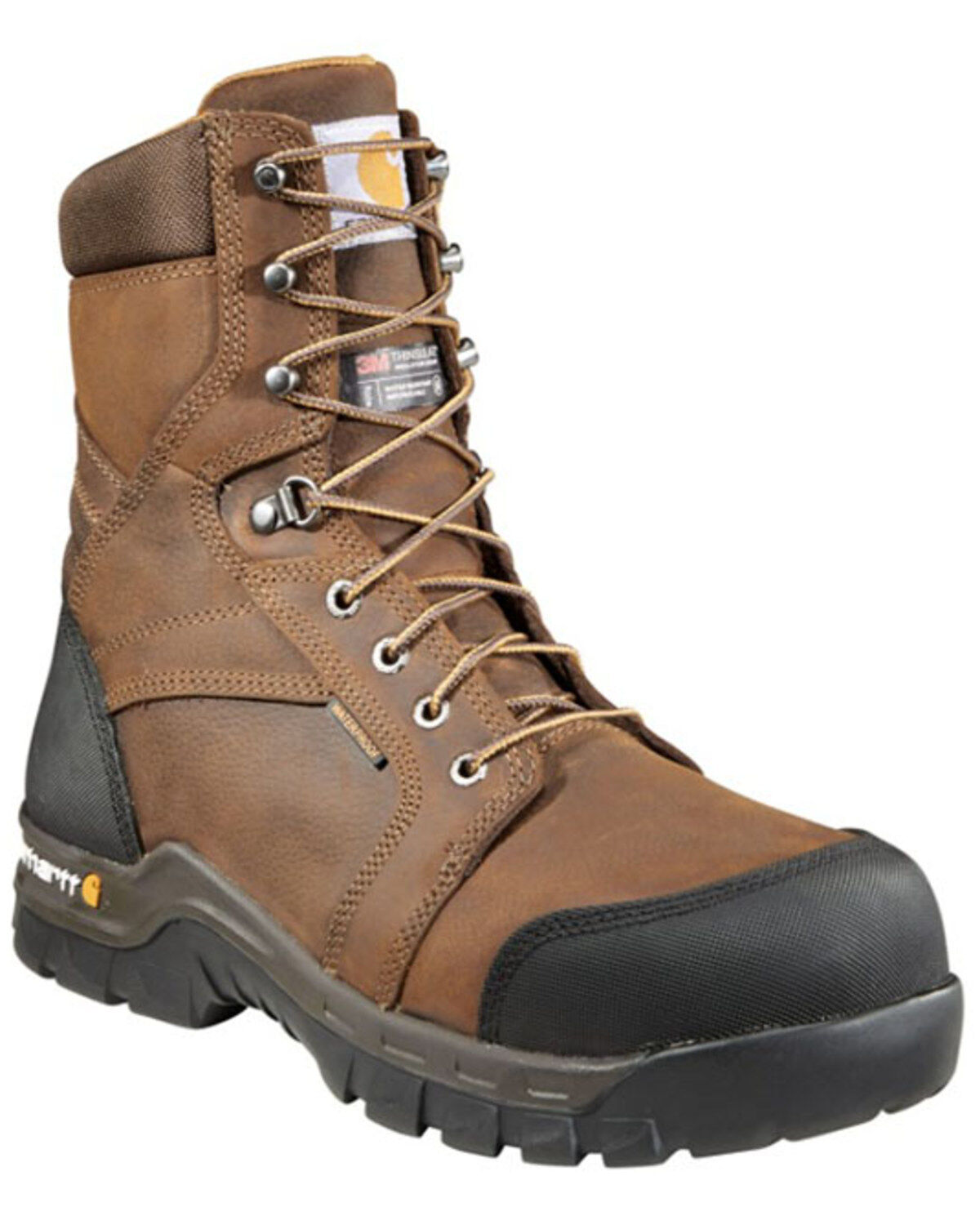
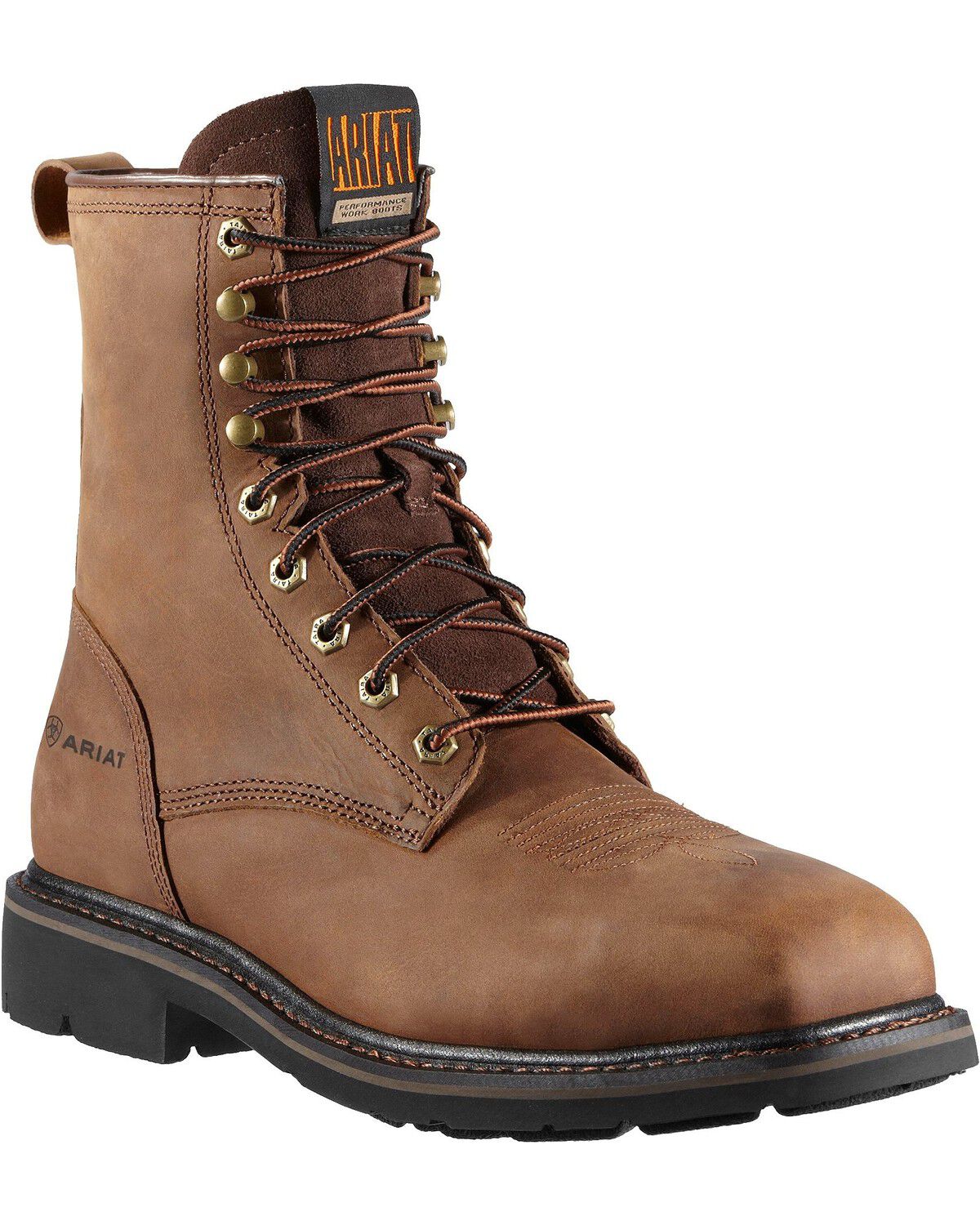
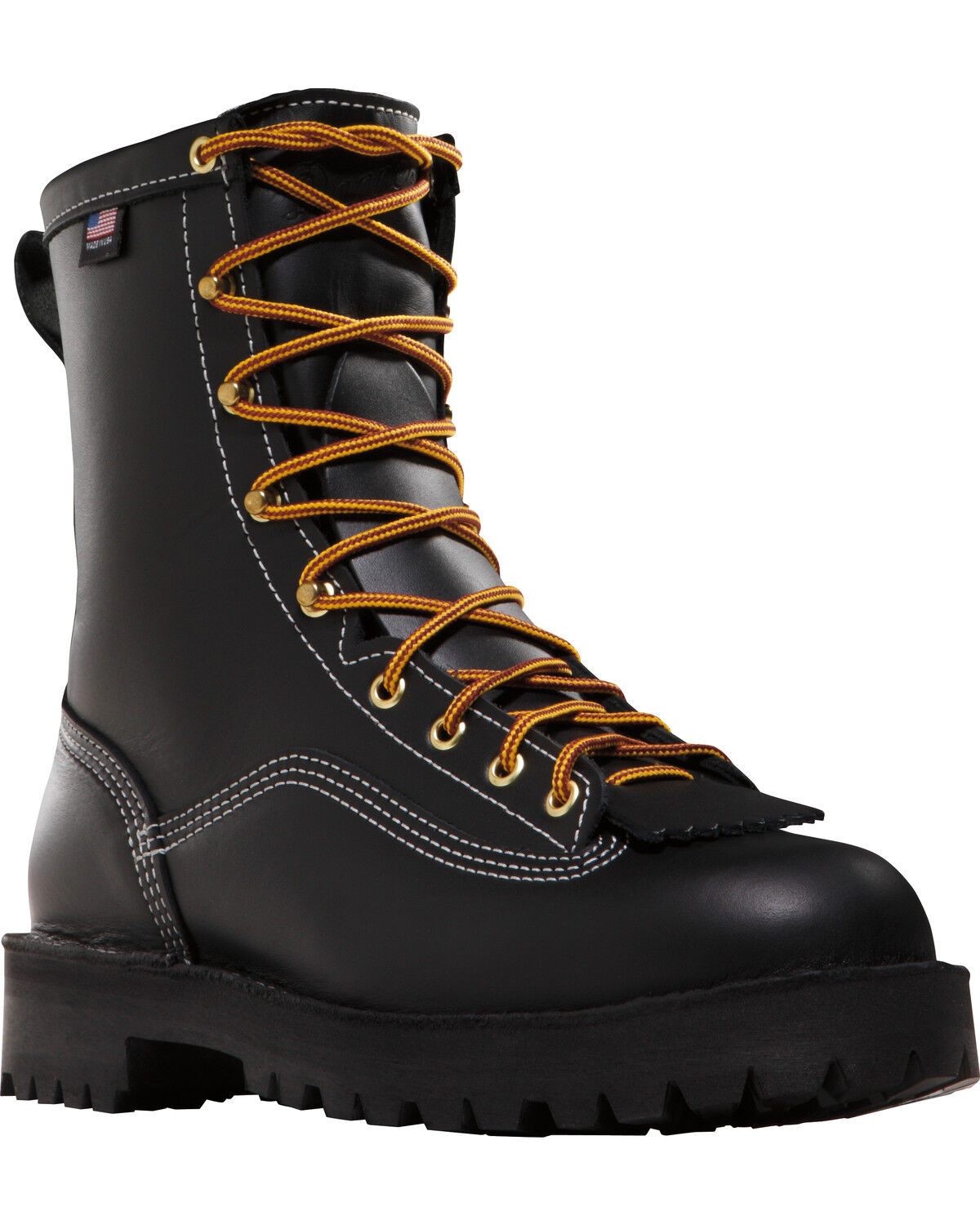
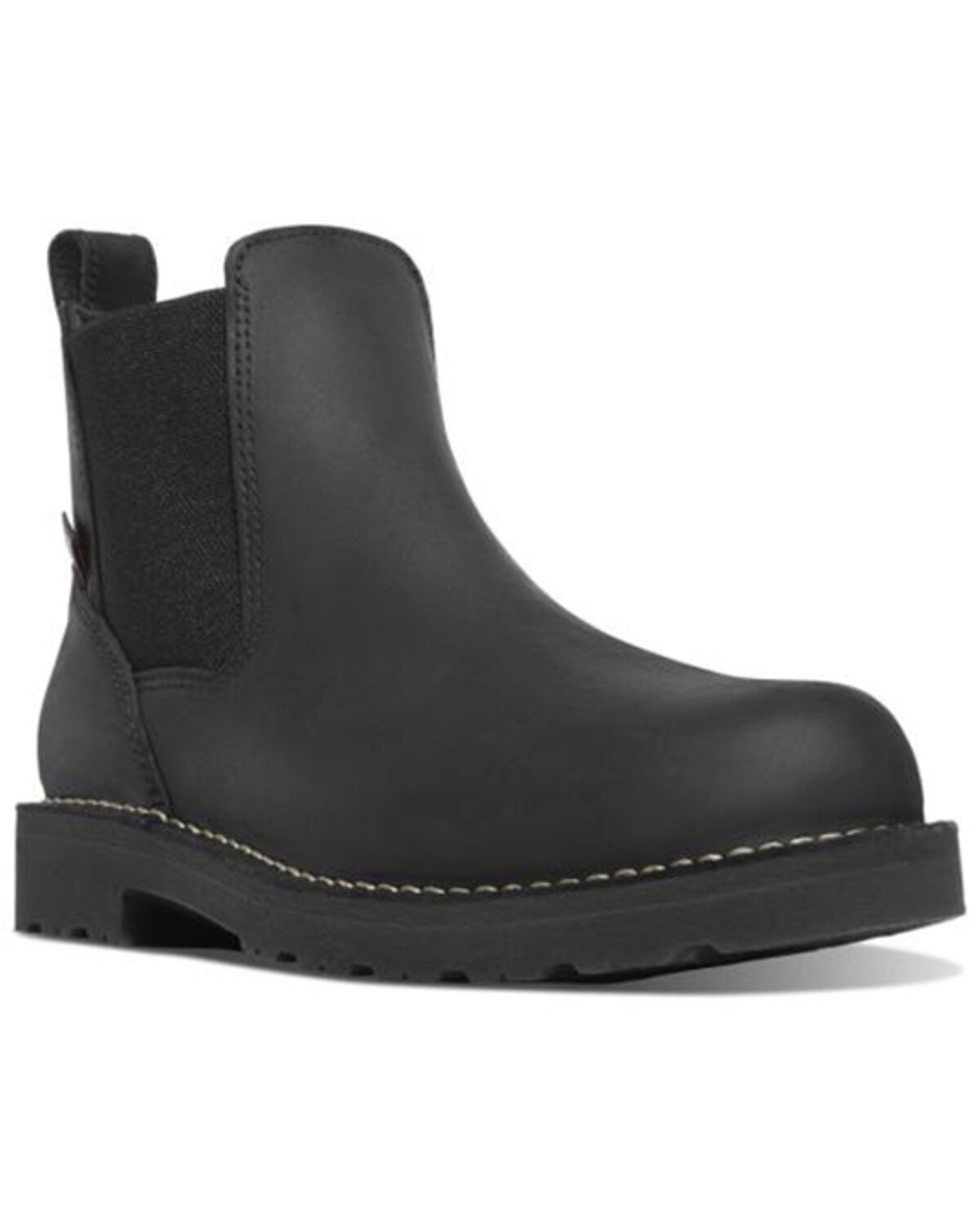
Men's size 12 boots span western, work, hiking, and casual styles, with different constructions suited to different demands. A pair worn on a jobsite has a different purpose than boots worn with jeans to dinner, even when both share a leather upper and a familiar boot shape. Western boots typically feature a pull-on shaft, a defined heel, and toe shapes ranging from rounded to broad square. Work boots place more emphasis on protection, support, and traction, while hiking styles often combine a secure lace-up fit with tread designed for uneven ground. Casual boots bring familiar materials and straightforward shapes to everyday wear. For someone moving between a workshop, a truck, and time on foot, the outsole and overall weight can matter as much as the appearance. Smooth leather offers a clean finish that can be brushed and conditioned, while suede and roughout have a textured surface that calls for different care. Full-grain leather retains the natural grain and can develop visible character with wear. Other leather finishes may provide a more uniform appearance, and synthetic panels or textile sections can reduce weight or add flexibility, depending on the construction. Shaft height also changes how a boot feels and functions. A taller western shaft provides coverage above the ankle, while a shorter lace-up design allows the laces to control the fit around the instep and ankle. Toe shape affects both appearance and interior space, but a square toe does not automatically mean a wider fit throughout the boot. The best match comes from the whole design: the shape of the footbed, the width through the forefoot, the hold at the heel, and the amount of room above the toes. Size 12 men's boots can serve ranch work, skilled trades, walking, riding, or everyday wear, but the details should match the actual use rather than the look alone. A boot that feels right at a desk may not provide the traction or protection needed on a shop floor.

Fit matters just as much as the number stamped inside the shaft. A men's size 12 is a starting point, not a promise that every boot will fit the same way. Foot shape, width, instep height, socks, and the manufacturer's sizing all affect the result. Standard and wide widths address different needs, and extra length is not a reliable substitute for enough width. A forefoot that feels squeezed across the ball needs a different fit, not simply more space beyond the toes. In a properly fitted boot, the toes have room to rest naturally without pressing into the front, and the ball of the foot lines up with the boot's flex point. New pull-on leather boots may allow a small amount of heel movement before the sole becomes more flexible. That is different from a loose heel that lifts excessively or a foot that slides forward with each step. Leather can soften and conform with wear, but a boot that pinches hard, crowds the toes, or causes numbness should not be expected to become comfortable through break-in alone. Lace-up boots offer more adjustment, especially for people with a higher instep or a narrower heel. The socks worn for work or daily use belong in the fit equation, as do any orthotics that will replace or sit above the original footbed. Someone whose measurements fall below size 12 may also compare size 11 men's boots, using the maker's sizing information rather than assuming that every style requires a full size change. Intended use adds another layer to the decision. Protective toes, electrical hazard ratings, and puncture-resistant features should match the workplace's stated requirements. A safety toe alone does not establish every kind of protection. Outsole design matters, too: deeper lugs can help on loose ground, while some work soles are designed for contact with smoother surfaces. Slip resistance depends on the outsole, the surface, contaminants, and wear, so no tread should be treated as a guarantee against a fall.

Durability comes from the combination of materials, construction, fit, and regular care. Leather thickness, stitching, reinforcement around high-wear areas, and the bond between the upper and sole all influence how a boot handles repeated use. Some welted constructions can be resoled by a qualified repair shop, depending on the design and condition of the boot. Other constructions prioritize lighter weight or flexibility and may not offer the same repair options. Neither approach suits every wearer. Someone standing on concrete for long stretches may value cushioning and a supportive footbed, while someone working around rough ground may place more weight on abrasion resistance, secure footing, and coverage. A leather outsole has a different feel and purpose than a lugged rubber sole, and a pronounced riding heel serves a different function than a broad, lower heel used for walking or work. Care should follow the material and the manufacturer's directions. Loose dirt can be removed with a soft brush, while finished leather generally benefits from appropriate cleaning and occasional conditioning. Too much conditioner can oversaturate leather, and products intended for smooth leather may darken or alter suede and roughout. Boots that become damp should dry naturally away from direct heat. Removable insoles can be taken out to help the interior dry, and rotating between pairs gives the lining more time to air out. Worn tread, separating soles, damaged stitching, and compressed cushioning are practical signs that repair or replacement may be needed. For a gift, knowing that someone wears a size 12 is useful, but their preferred width, toe shape, and daily routine make the choice more personal. The person who wears pull-on western boots every day may have different preferences from someone who needs laces and a protective toe for work. Familiar details such as shaft height, sole type, and the feel of a well-fitting pair provide a stronger basis for choosing boots that will see regular wear.

FAQs