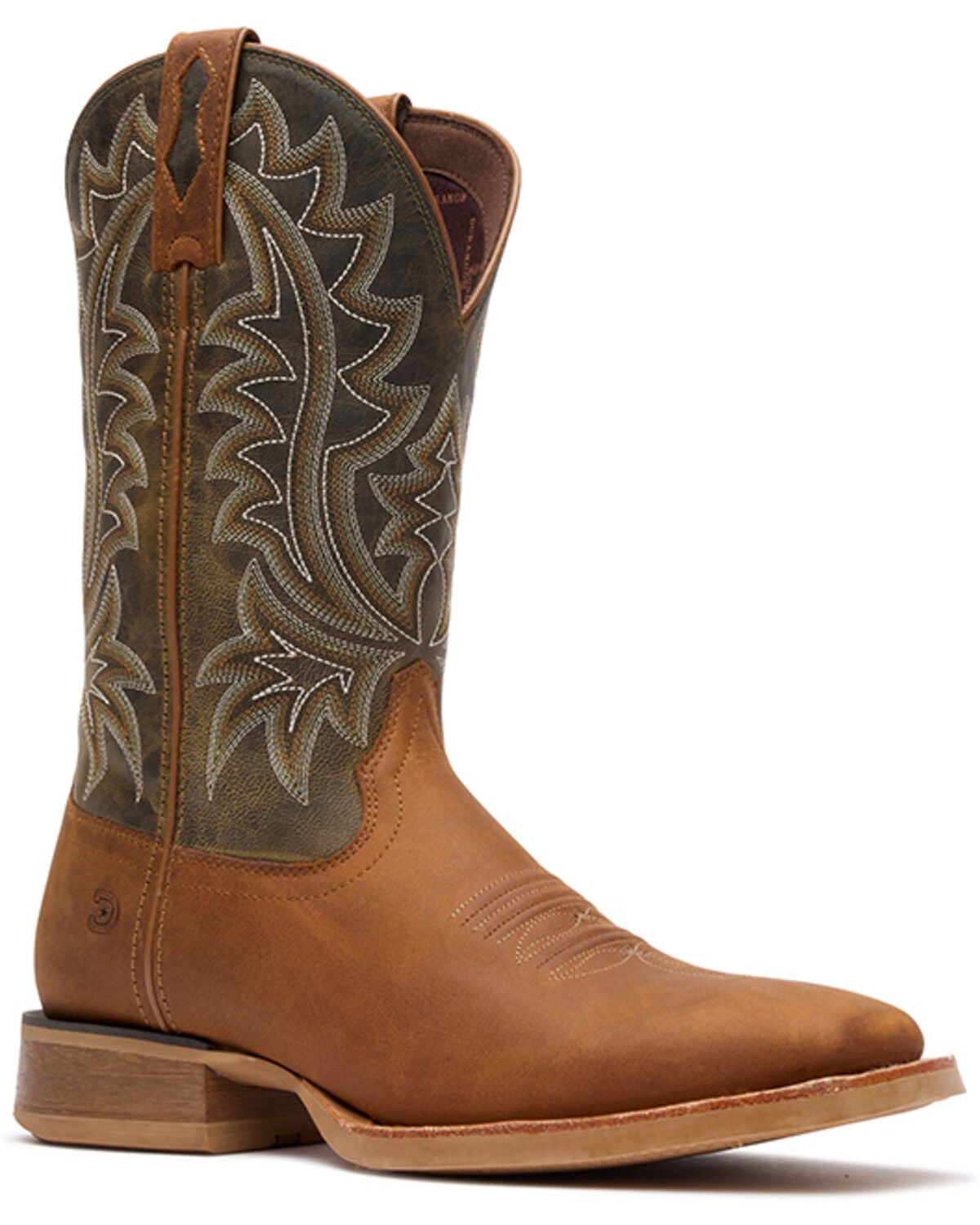
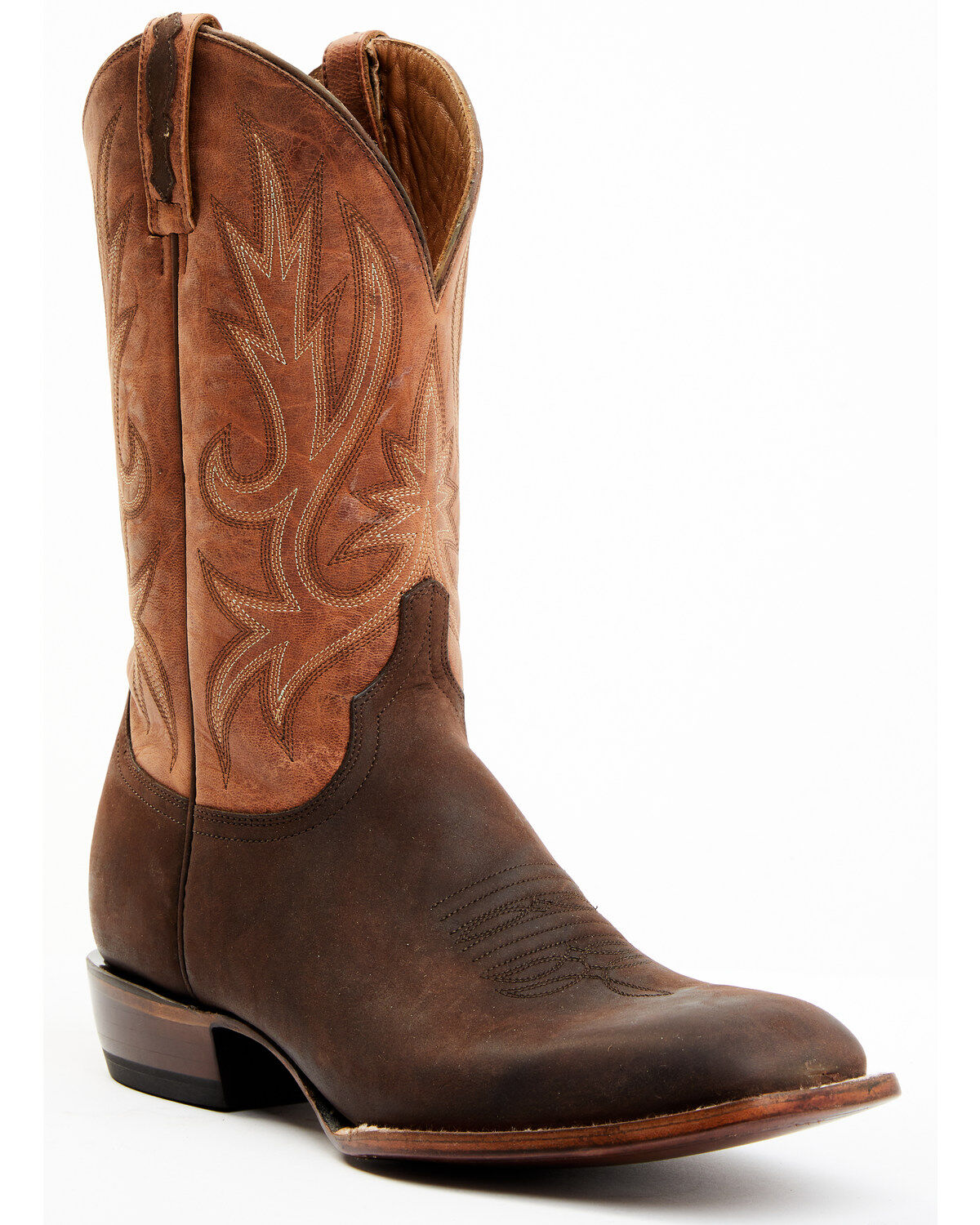
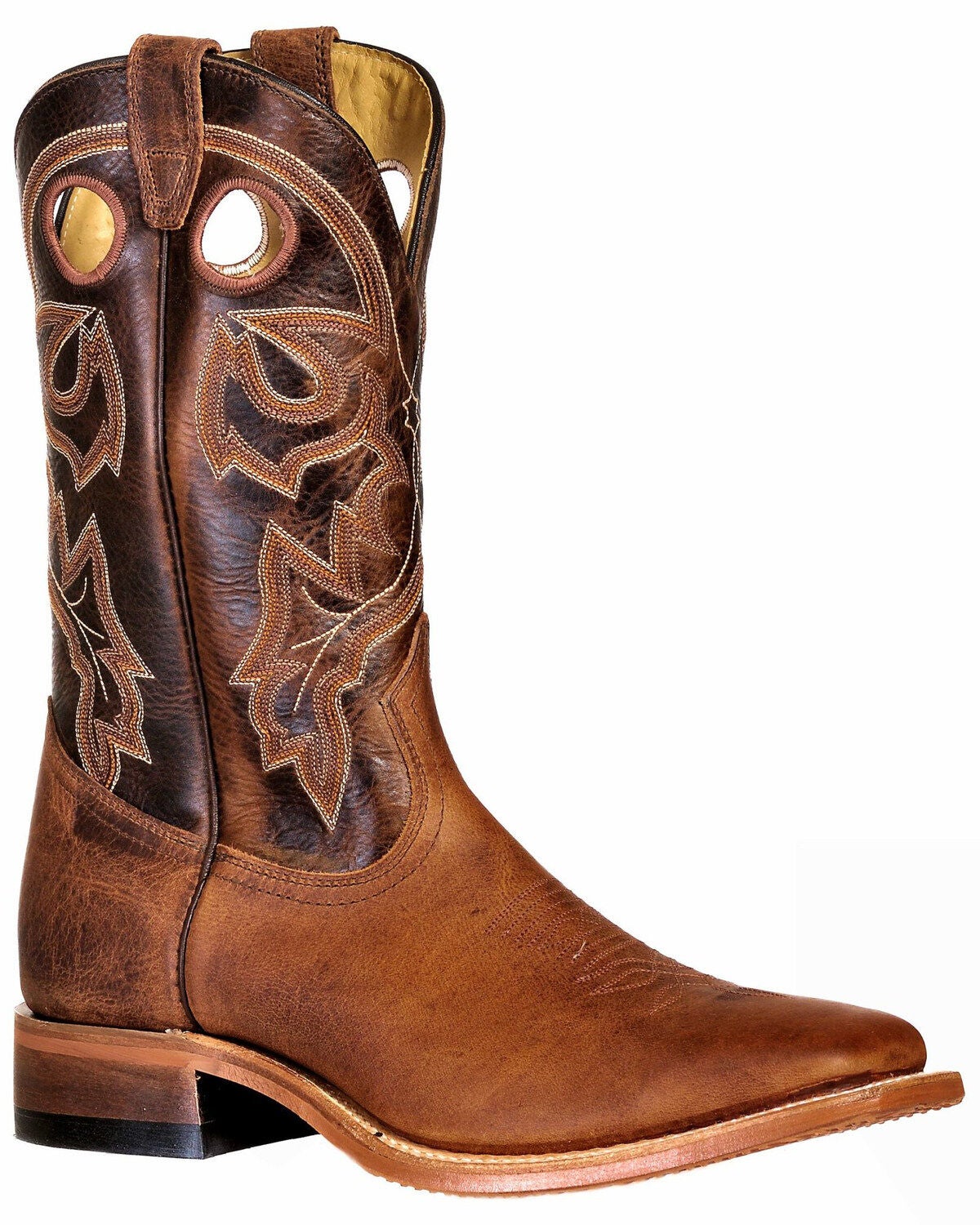
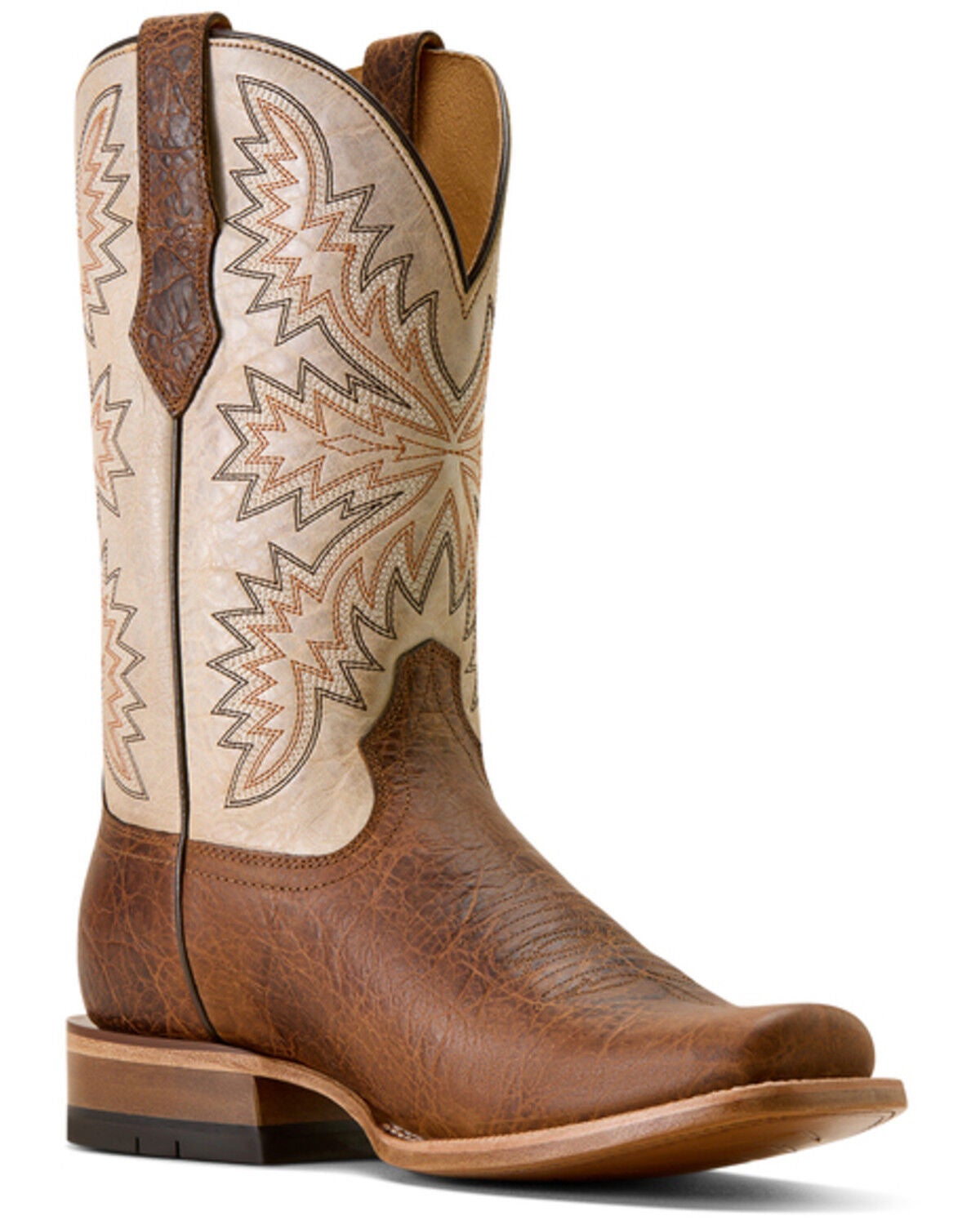
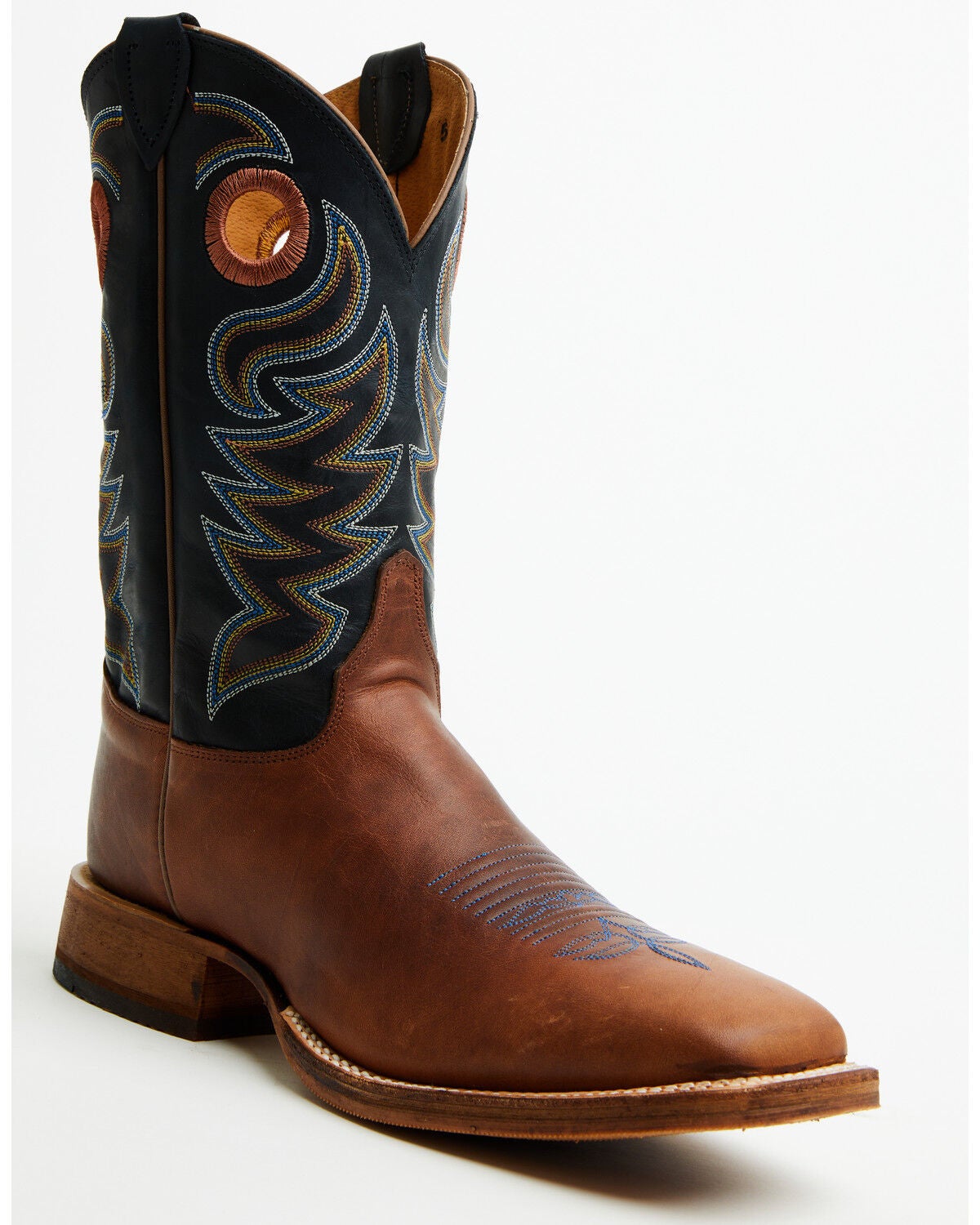
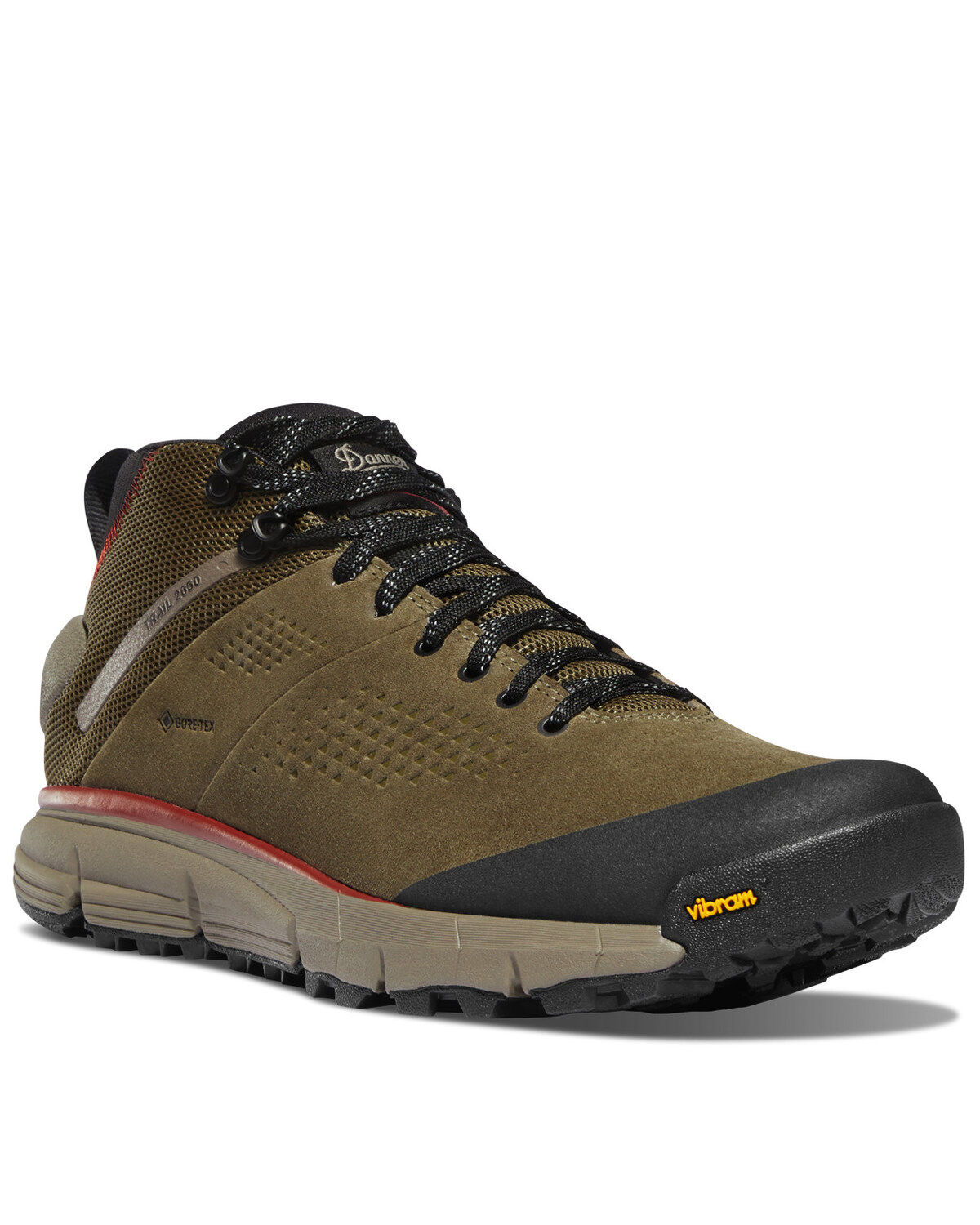
Men's Size 12 Western Boots

Find men's size 12 western boots for everyday wear or a dressed-up look. Browse cowboy boot styles in your size, then check individual product details for width, toe shape, and sizing guidance to find the right fit for your feet and your style.

Shop Your Store: Shop Your Store: Find a Store

(Turn off Shop Your Store to see all items)

(Turn off Shop Your Store to see all items)

close
  • Recommended
  • Lowest Price
  • Highest Price
Skip pass products

End of products

Men's Size 12 Western Boots

Men's size 12 western boots serve everyday wear, riding, ranch work, and dress occasions, with the right choice depending on fit, leather, sole construction, and intended use. The familiar western shape combines a structured foot, a raised heel, and a shaft that usually pulls on with tabs at the sides. Within that shape, small differences matter. A broad square toe has a different profile than a round or pointed toe, while a lower walking heel feels different underfoot than a taller riding heel. Toe shape affects appearance, but usable space also depends on the shape of the boot’s interior and its width. Cowhide is a common material because it balances strength, flexibility, and straightforward care. Smooth leather has a clean finish that works with everyday denim or dressier clothing. Roughout turns the textured flesh side of the leather outward, giving the boot a different surface and requiring care suited to that finish. Exotic leathers have their own grain patterns, flexibility, and maintenance needs; their appearance alone does not establish how well a boot will handle abrasion or repeated hard use. Shaft stitching can be understated or prominent, but the leather, seams, lining, and construction deserve just as much attention as the pattern. A leather lining can help the interior settle around the foot, while cushioning and supportive components influence how the boot feels over a full day. For a man moving between a desk, a shop, and an evening out, a restrained profile may cover several settings. For someone spending hours around livestock or in a saddle, function carries more weight than decoration. Size 12 identifies the length category, not a single fit or level of performance. Two boots marked with the same size can feel noticeably different because their shapes, materials, and internal construction differ.

A secure fit matters more than the number stamped inside the shaft. Men's size 12 cowboy boots should hold the foot comfortably through the instep, leave the toes free from pressure, and place the ball of the foot near the widest part of the boot. The instep often does much of the work of keeping a pull-on boot in place, so a loose fit there cannot always be corrected by choosing thicker socks. Firm contact is normal; sharp pressure, numbness, or toes pressed against the front are not. A small amount of heel movement can occur in a new western boot, especially while the sole is still stiff. As the sole flexes with wear, that movement often becomes less noticeable. Excessive lifting or a foot sliding forward points to a fit issue rather than something to accept as part of breaking in the leather. Width is a separate consideration from length. A wider foot may need more room across the ball and instep without needing a longer boot, while a narrow heel can feel loose even when the forefoot fits correctly. Width markings and the fit associated with them can vary, making the stated measurements and fit information important. Trying boots with the socks normally worn for the intended activity gives a more useful impression than switching to unusually thin or thick socks just to make a pair fit. Both feet deserve attention, since one may be longer or wider. Walking on a clean indoor surface helps reveal pressure along the little toe, rubbing at the heel, or an awkward bend across the forefoot. Leather can soften and conform, but it should not be expected to add meaningful length. Men whose measurements fall closer to a smaller size can also compare Size 11 Western Boots, keeping width and individual fit in mind rather than assuming every western boot requires sizing down. For a gift, a recipient's established western boot size and width are more useful than an athletic shoe size alone.

The outsole and heel help determine where a western boot makes sense. Leather soles offer a traditional profile and can suit dress wear or riding, though smooth surfaces may provide limited grip on slick flooring. Rubber outsoles can add traction and resist abrasion, but tread patterns and performance vary by construction. A western appearance does not automatically make a boot suitable for every job. Work that calls for a safety toe, electrical hazard protection, or documented slip resistance requires the appropriate stated features, not an assumption based on heavy leather or a sturdy heel. Riding calls for attention to heel shape, sole profile, and compatibility with the stirrup; a broad toe or bulky tread needs enough clearance to avoid catching. Durability also depends on how the sole joins the upper. Some welted boots can be resoled by a qualified repair shop, while other constructions have different repair limits. Routine care protects that investment in wear. Loose dirt should be brushed away before it works into seams and flex points, and a soft cloth can remove surface residue from smooth leather. Conditioning needs to match the material and finish. Too much product can darken leather, alter its feel, or leave buildup, so a small test on an inconspicuous area is worthwhile. Roughout, suede, and exotic hides need their own cleaning methods rather than a general treatment applied across every surface. Boots that become damp should dry naturally away from direct heat, with support inside to help preserve their shape. Giving leather time to dry between wears also helps manage moisture inside the footbed and lining. Heel caps and outsoles are worth checking before wear reaches the underlying structure. With the right fit and regular care, men's size 12 western boots can become dependable footwear for daily routines, long stretches on the feet, and occasions that call for a more finished look without giving up a familiar western shape.

FAQs