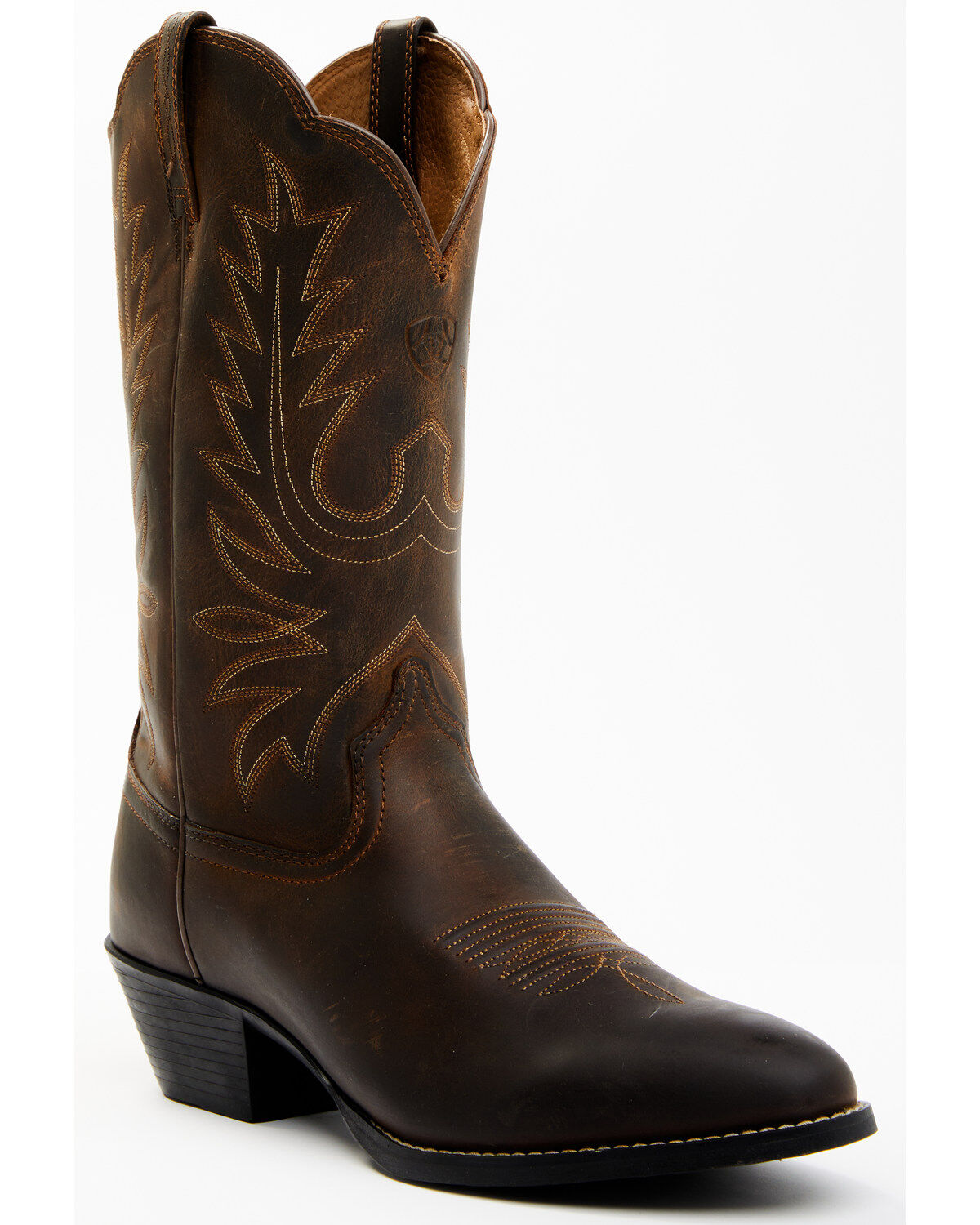
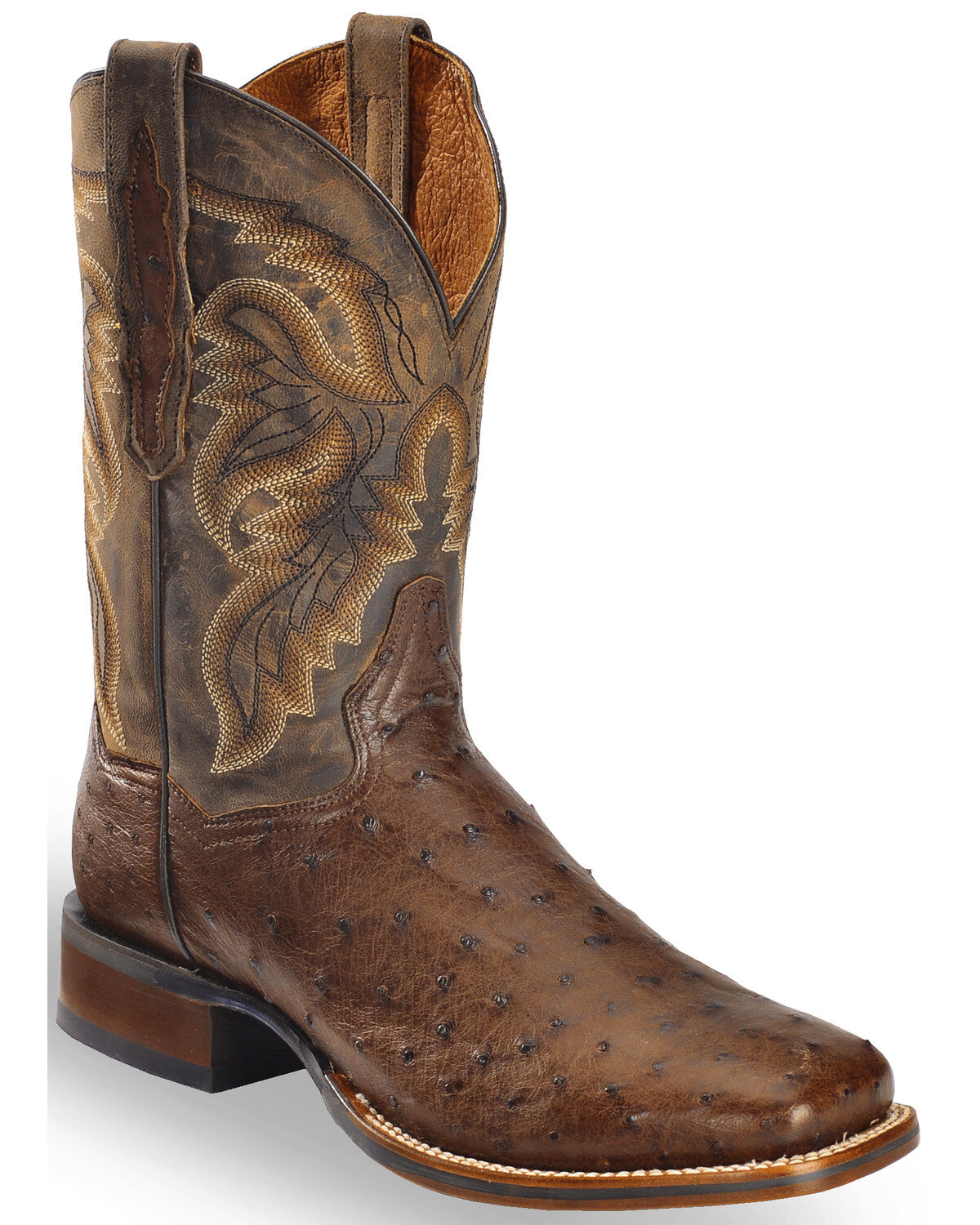
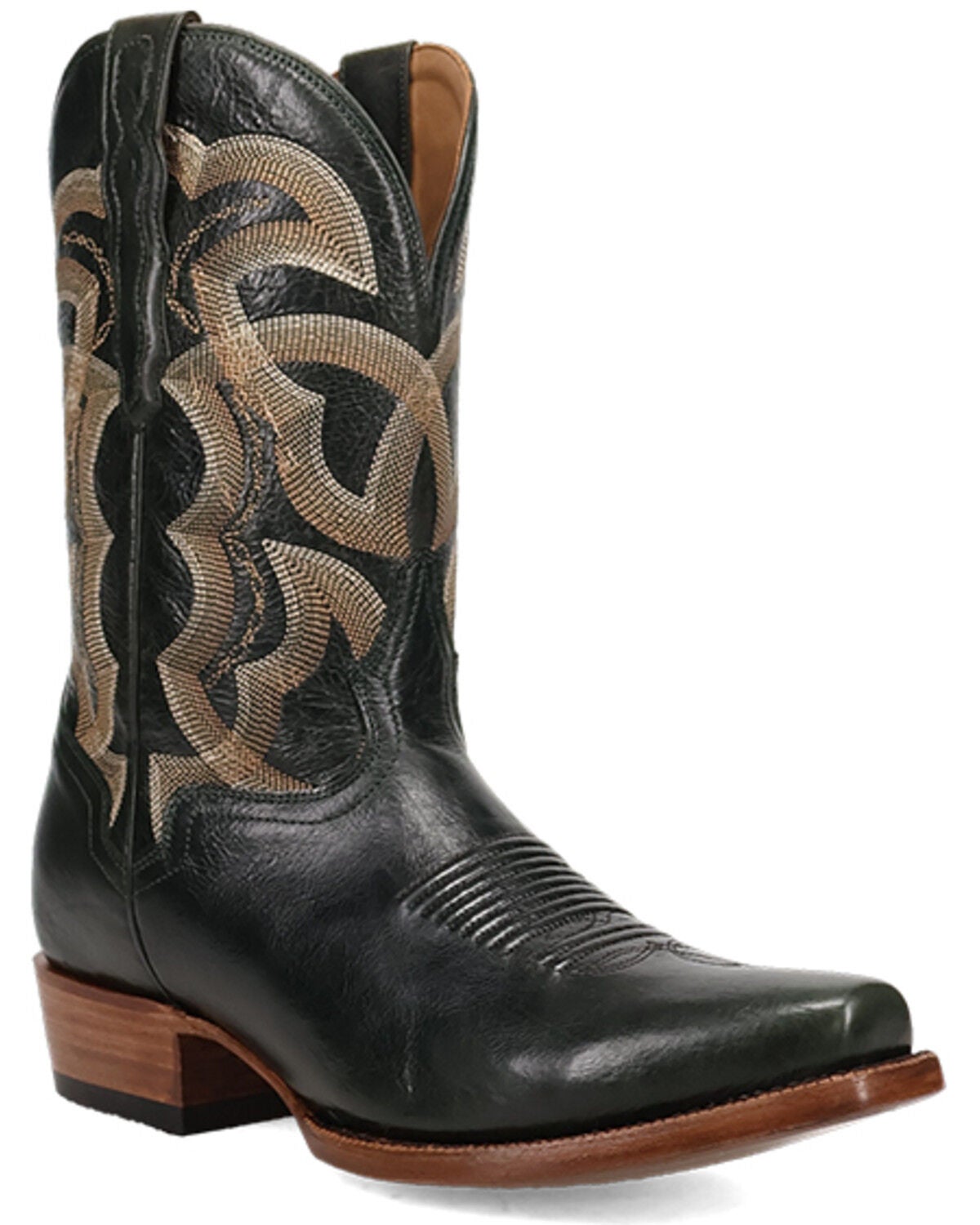
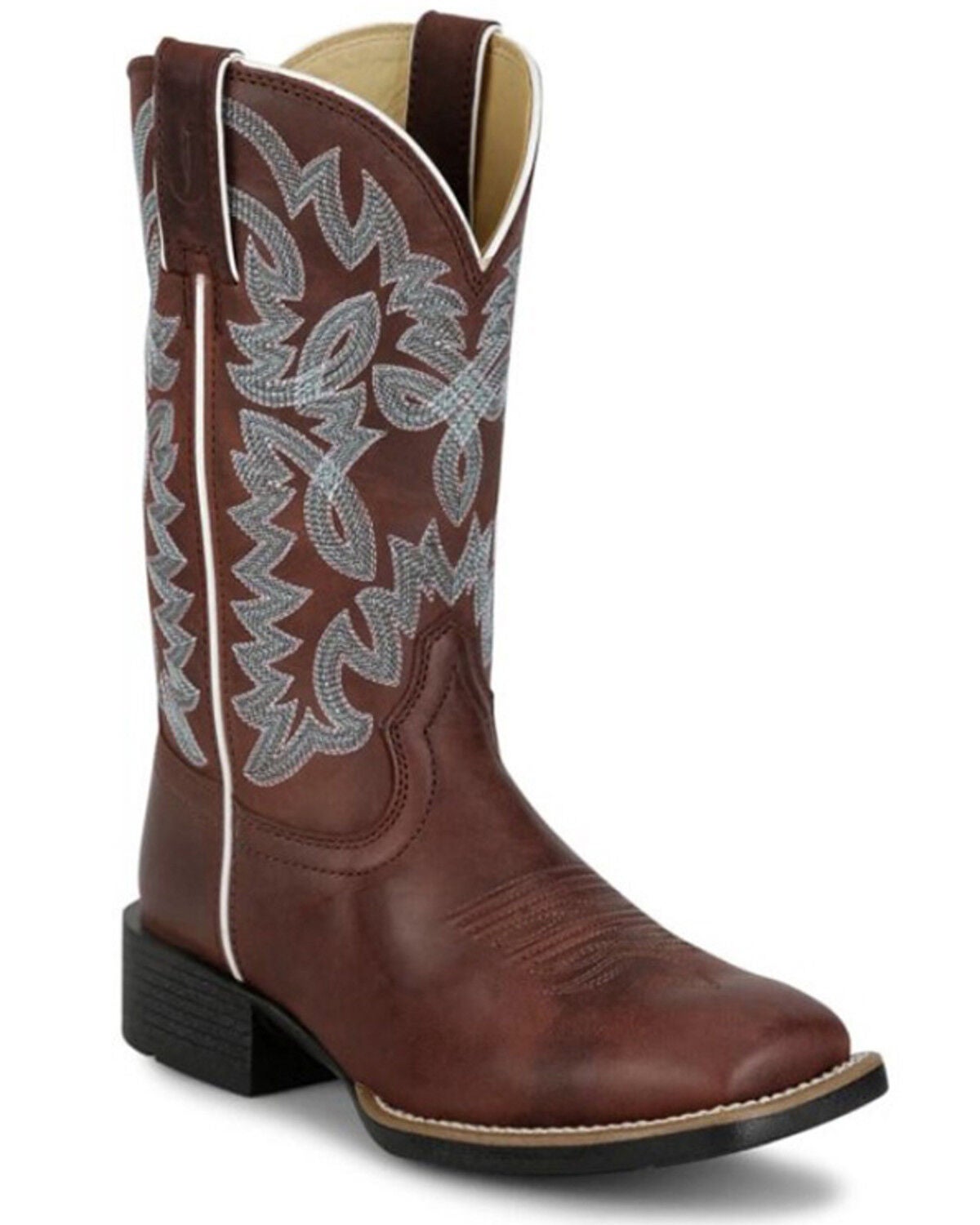
Size 11 Western Boots

Browse size 11 western boots to find cowboy boot styles that suit your wardrobe and routine. Compare the available designs and check each pair’s sizing information before choosing, since fit can vary by brand and style.

Shop Your Store: Shop Your Store: Find a Store

(Turn off Shop Your Store to see all items)

(Turn off Shop Your Store to see all items)

close
  • Recommended
  • Lowest Price
  • Highest Price
Skip pass products

End of products

Size 11 Western Boots

Size 11 western boots bring traditional boot construction to everyday wear, ranch work, riding, and occasions that call for polished leather instead of a lace-up shoe. The size identifies the footwear size, not the height of the shaft, and the number alone does not tell the whole story about fit. Men’s and women’s size 11 boots follow different sizing scales, while width, toe shape, and the shape of the boot’s interior can change how a pair feels. A comfortable fit holds the instep securely, supports the foot through the arch, and leaves the toes room to rest without pressure. A small amount of heel movement can occur in a new pull-on boot, particularly while the sole is still stiff, but the foot should not slide forward or shift from side to side. Leather can soften with wear; it should not be expected to correct a boot that is too short or painfully tight. The socks worn with the boots also matter. Thick work socks take up more room than lighter dress socks, and an added insole can reduce space across the instep. For someone who spends hours standing at a counter, walking a property, or moving between a truck and a workshop, fit deserves as much attention as appearance. Square toes offer a broad western profile, round toes have a familiar everyday look, and pointed or snip toes create a sharper outline. Those shapes do not guarantee a particular amount of usable toe room, since the fit depends on the boot’s construction and proportions. Width measurements and the maker’s size chart are more useful than assuming every size 11 fits the same way. The right pair feels secure without squeezing, with no persistent rubbing across the toes or pressure against the top of the foot. Both feet deserve attention during a fitting, since slight differences in size are common and become more noticeable over a full day.

Leather, construction, and outsole design determine much of how western boots wear over time. Smooth leather can develop creases and a richer surface with regular use, while suede and roughout bring a more textured appearance. Full-grain leather retains the hide’s natural grain and can offer strong wear resistance when properly maintained. Leather thickness and lining materials also affect flexibility, weight, and the feel against the leg. A leather lining can provide a smooth interior, while other lining materials may be chosen for moisture management or a lighter feel. Stitching across the shaft adds visual detail, but sound seams, a stable heel, and a well-attached outsole carry more weight in daily use. Welt construction joins the upper and sole through a stitched strip around the boot; depending on the design and condition, it may allow a worn sole to be replaced. Other construction methods can produce a lighter or more flexible boot, so the best choice depends on the job expected of it. Leather soles give western boots a traditional profile and can suit dress wear or riding when paired with an appropriate heel and boot design. Rubber outsoles can provide a more cushioned feel underfoot, with traction that varies by tread pattern and surface. A broad heel may feel steady during extended standing, while a taller riding heel serves a different purpose. Boots intended for time in the saddle need a suitable heel and a sole that works safely with the stirrup; aggressive tread can interfere with easy release. Western styling by itself does not establish that a boot is suitable for every worksite. Protective toes, electrical hazard protection, and slip resistance are separate features that need to match the task and any employer requirements. A stitched shaft and sturdy appearance cannot take the place of the required safety rating.

The look of size 11 cowboy boots can be understated or detailed without changing their place in a practical wardrobe. Brown leather pairs naturally with denim and work shirts, while black leather can give dark jeans or tailored trousers a cleaner finish. Contrasting shaft stitching is more visible when the shaft is exposed; under jeans, the toe, vamp, and heel do most of the visual work. Straight-leg and bootcut jeans generally leave more room around the shaft than a narrow leg opening, helping the fabric fall without bunching. Shaft height is a separate measurement from shoe size. A size 11 boot does not necessarily have an 11-inch shaft, and 11-Inch Cowboy Boots refers to that height rather than the size of the footbed. Shaft circumference matters as well, especially for anyone who prefers more room around the calf or plans to wear the boots beneath closer-fitting pants. Long-term wear depends on care that suits the material. Loose dirt can be removed with a soft brush or cloth before it works into seams and creases. Smooth leather benefits from an appropriate cleaner and occasional conditioner, used according to the care directions rather than applied heavily. Suede and roughout call for products made for their texture, since ordinary leather conditioner can darken or flatten the surface. Damp boots need time to dry away from direct heat, which can damage leather and weaken adhesives. Letting the interior dry between wears, storing shafts upright, and checking heels and soles for uneven wear can help preserve comfort and shape. Size 11 western boots can also make a useful gift for someone who already wears the style, whether for riding, work, or everyday use. Knowing the recipient’s usual width, preferred toe shape, and sizing scale makes the choice more personal and more practical. The strongest choice is a pair suited to the wearer’s routine, with a comfortable fit and materials they are prepared to maintain.

FAQs