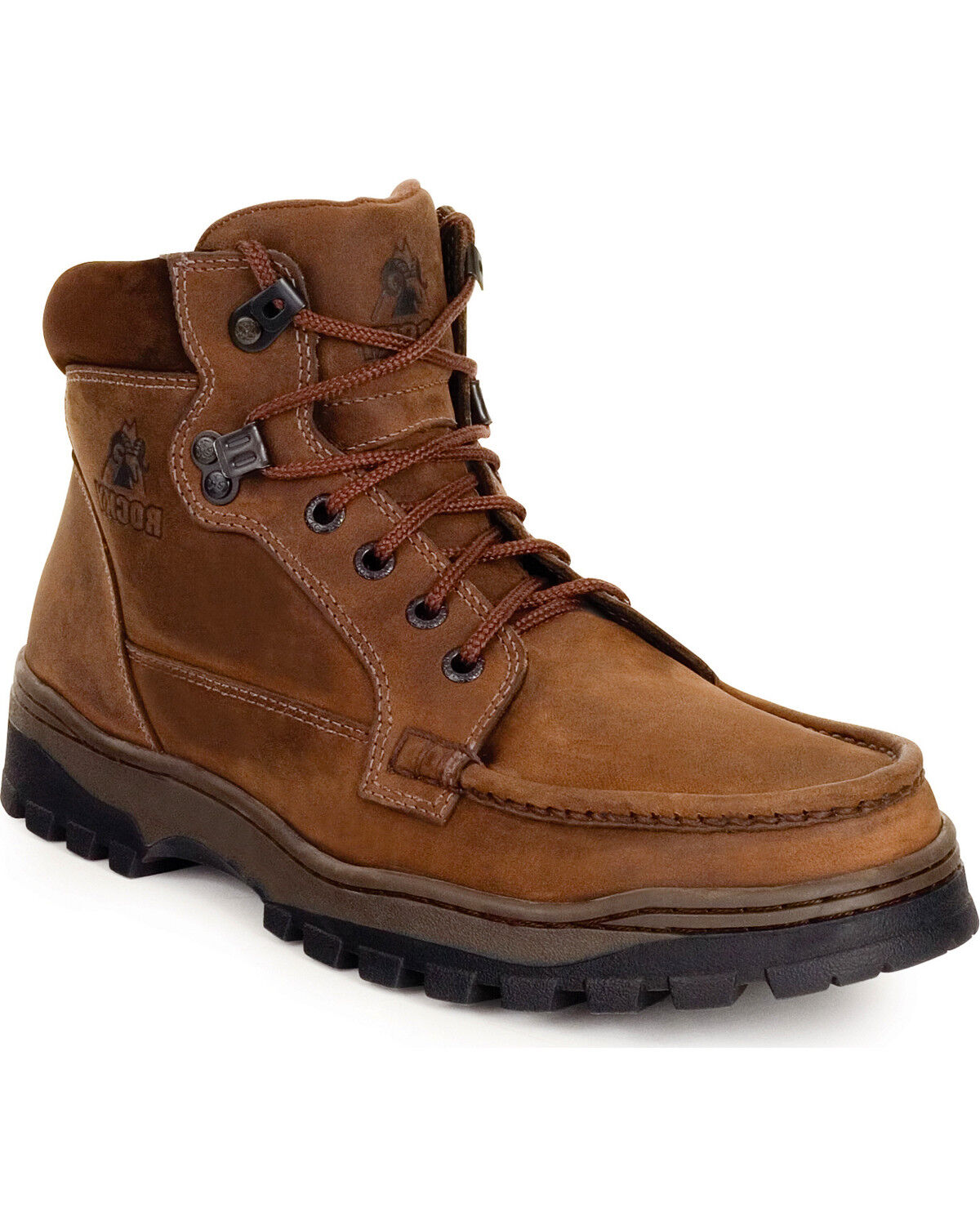
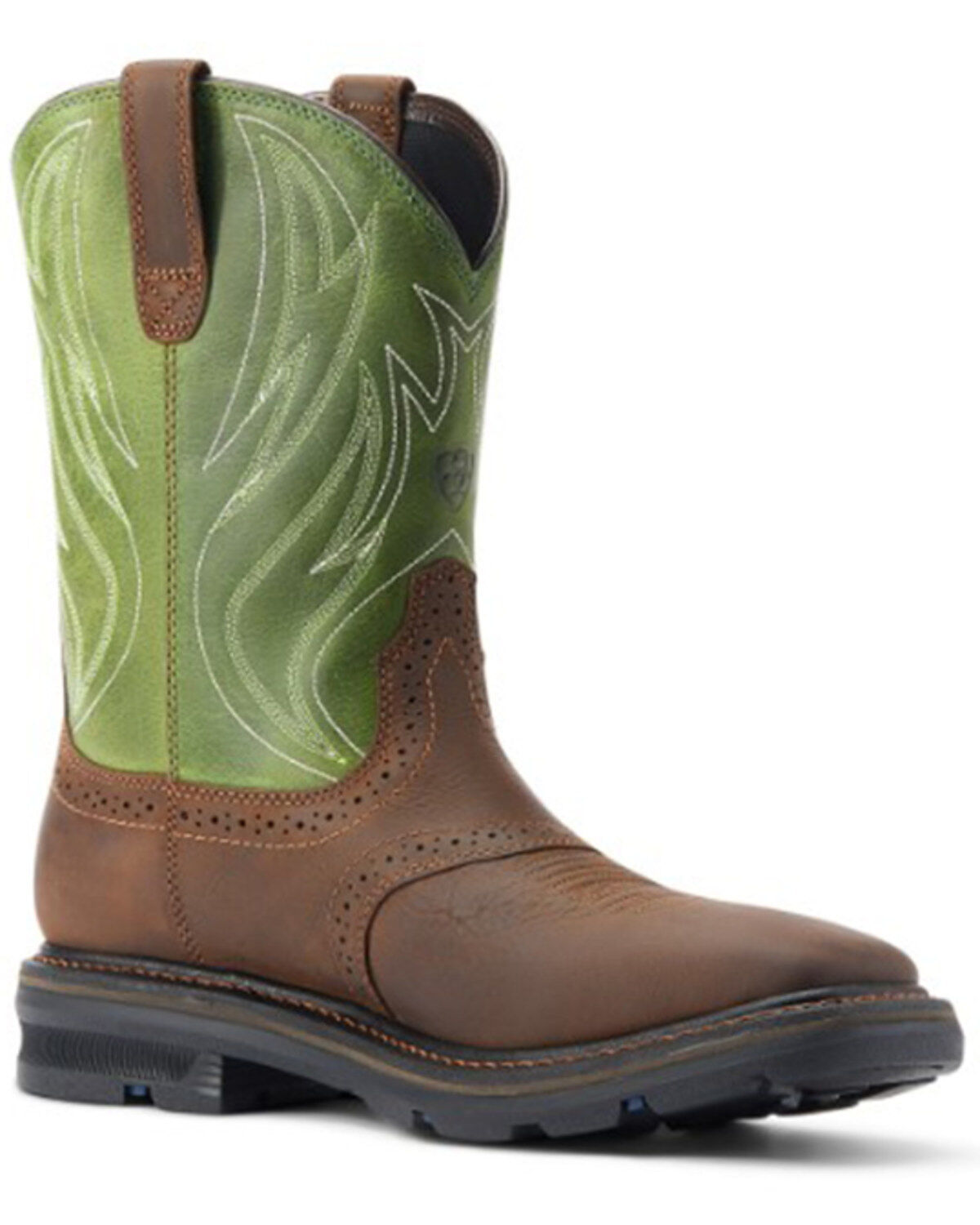
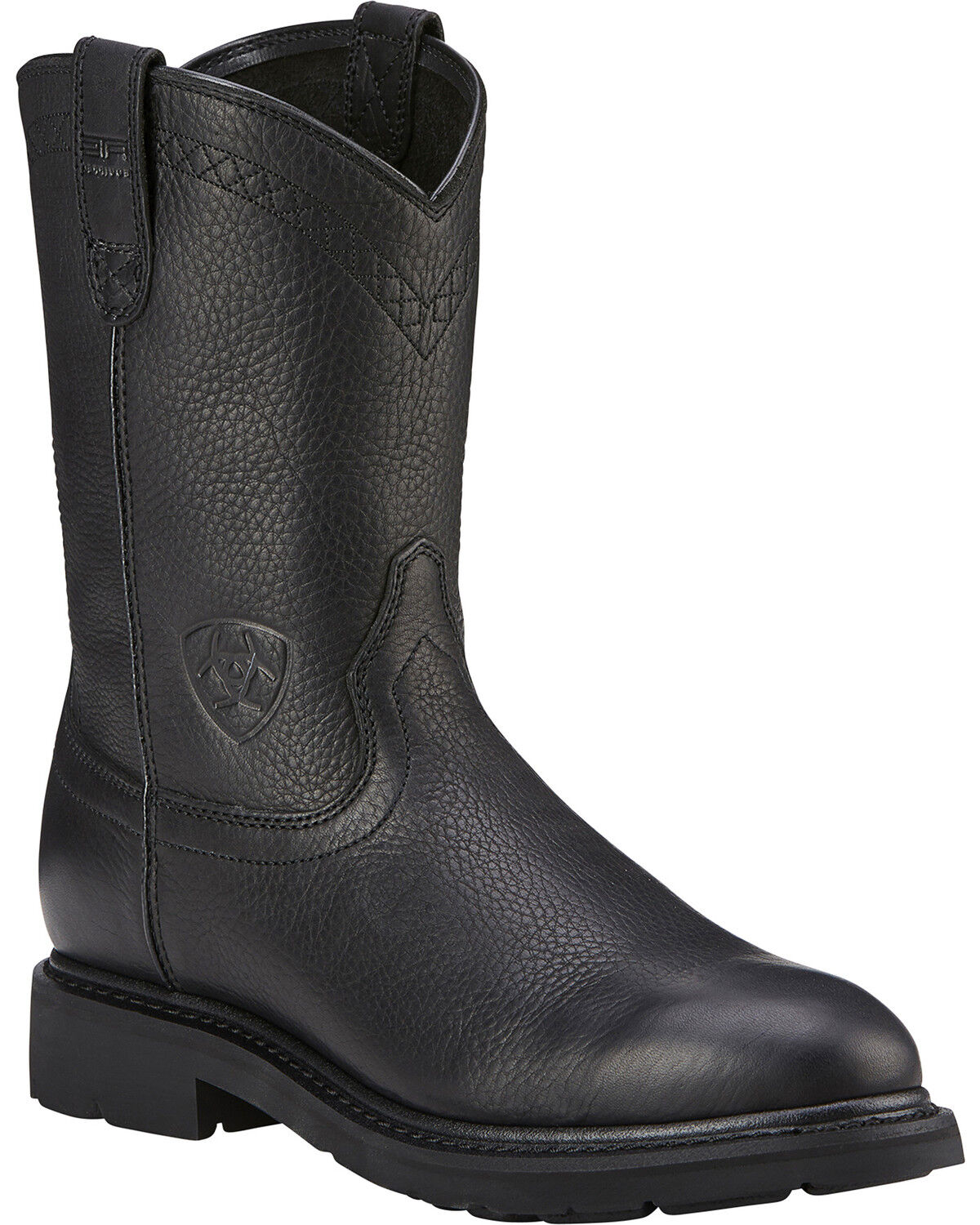
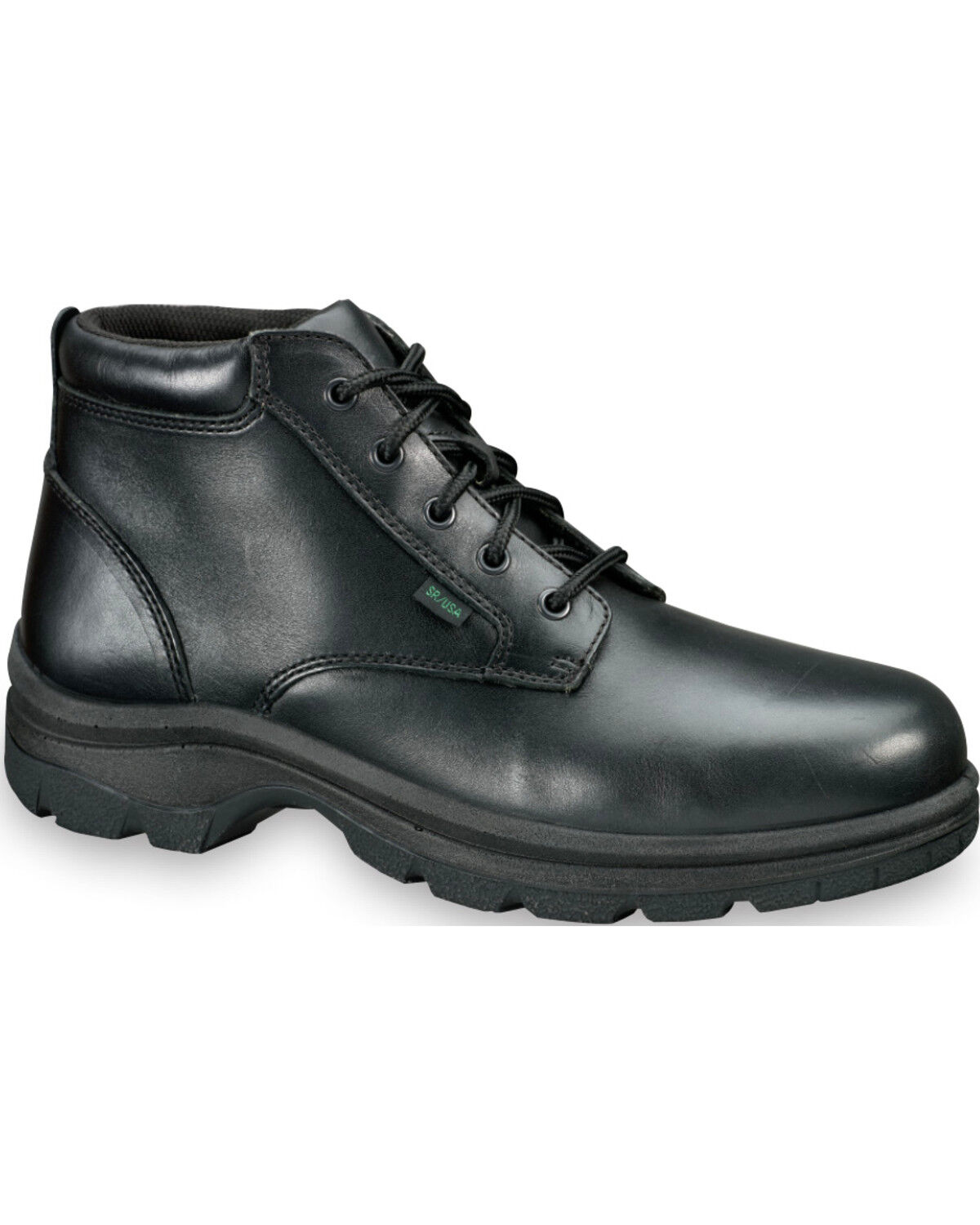
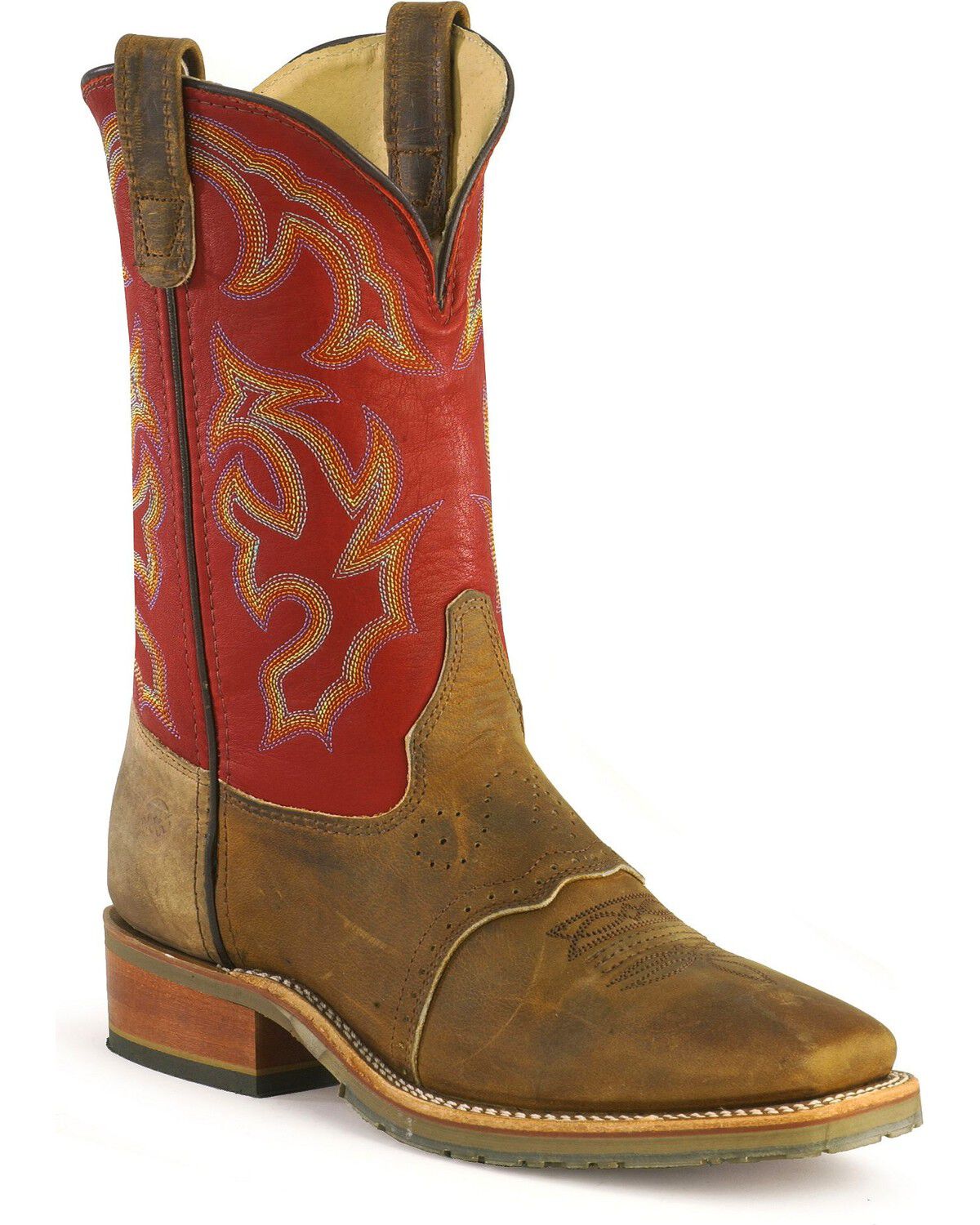
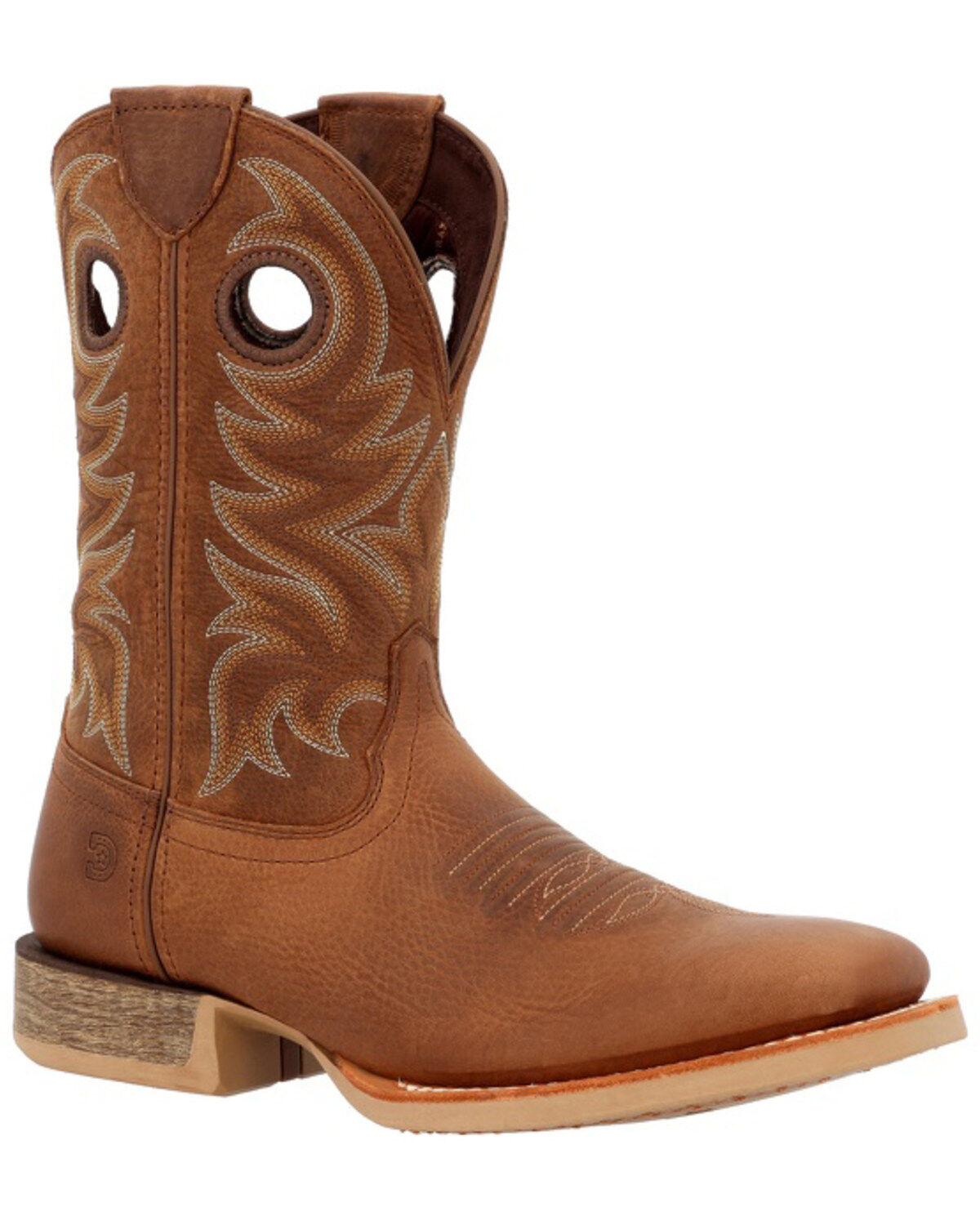
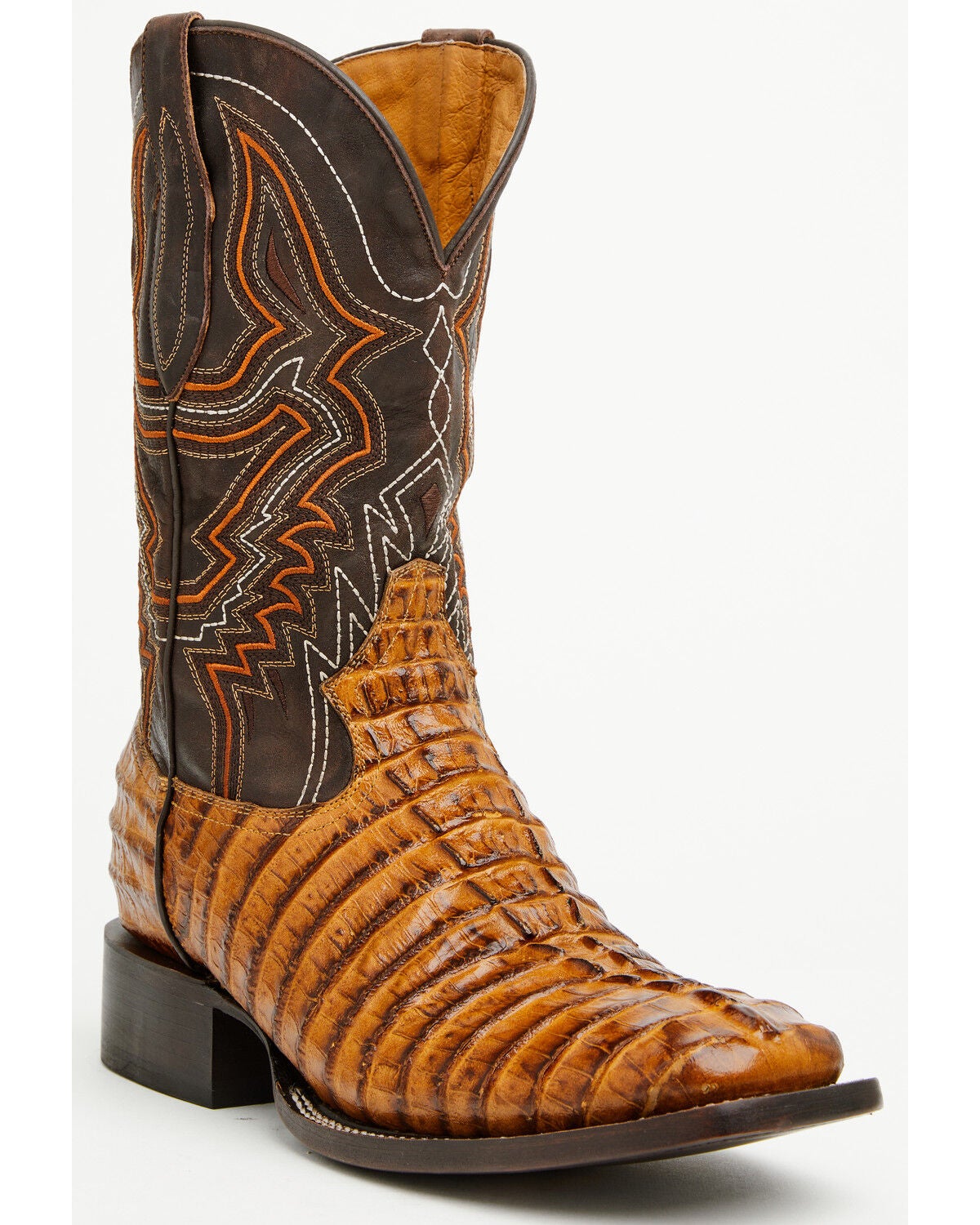
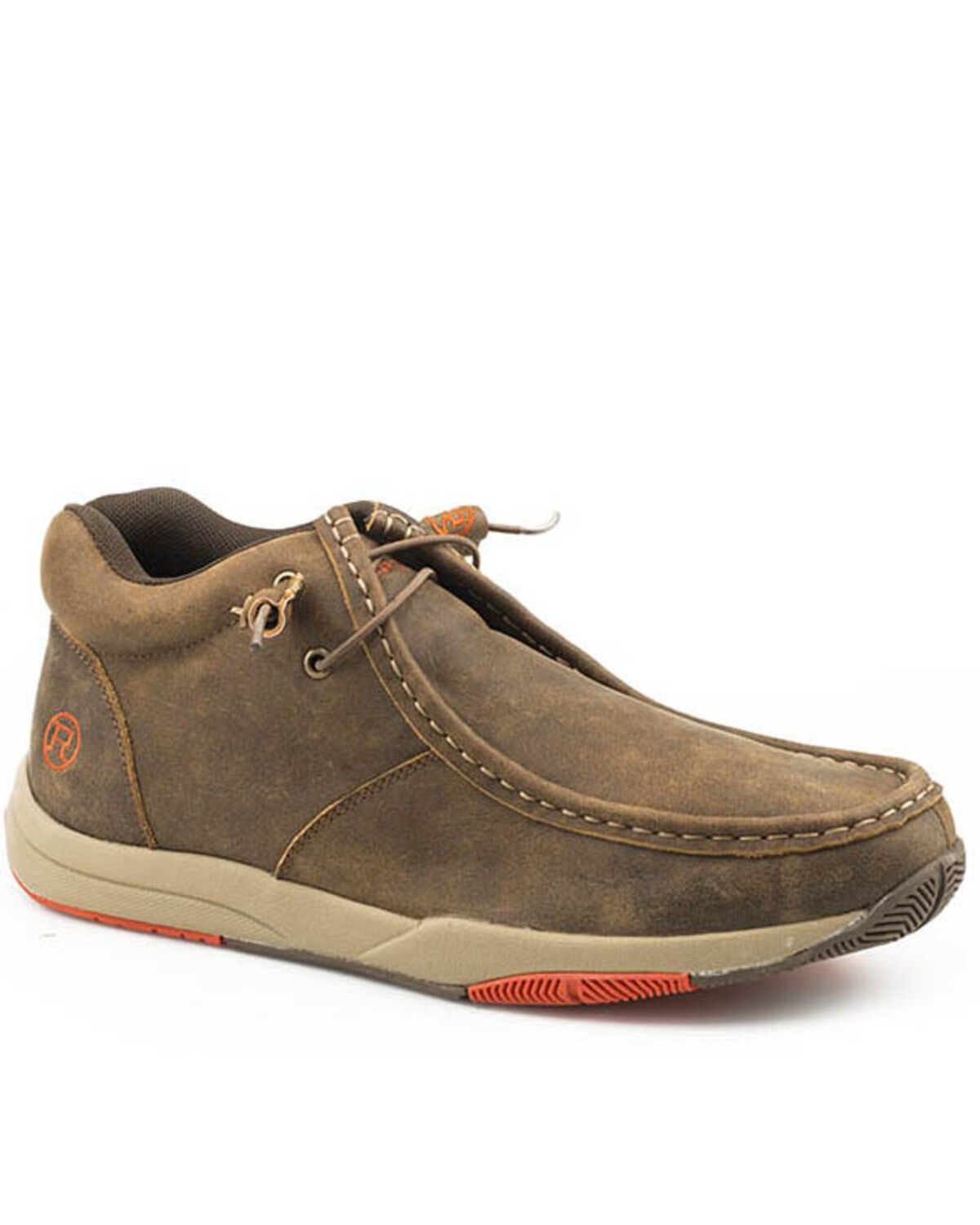
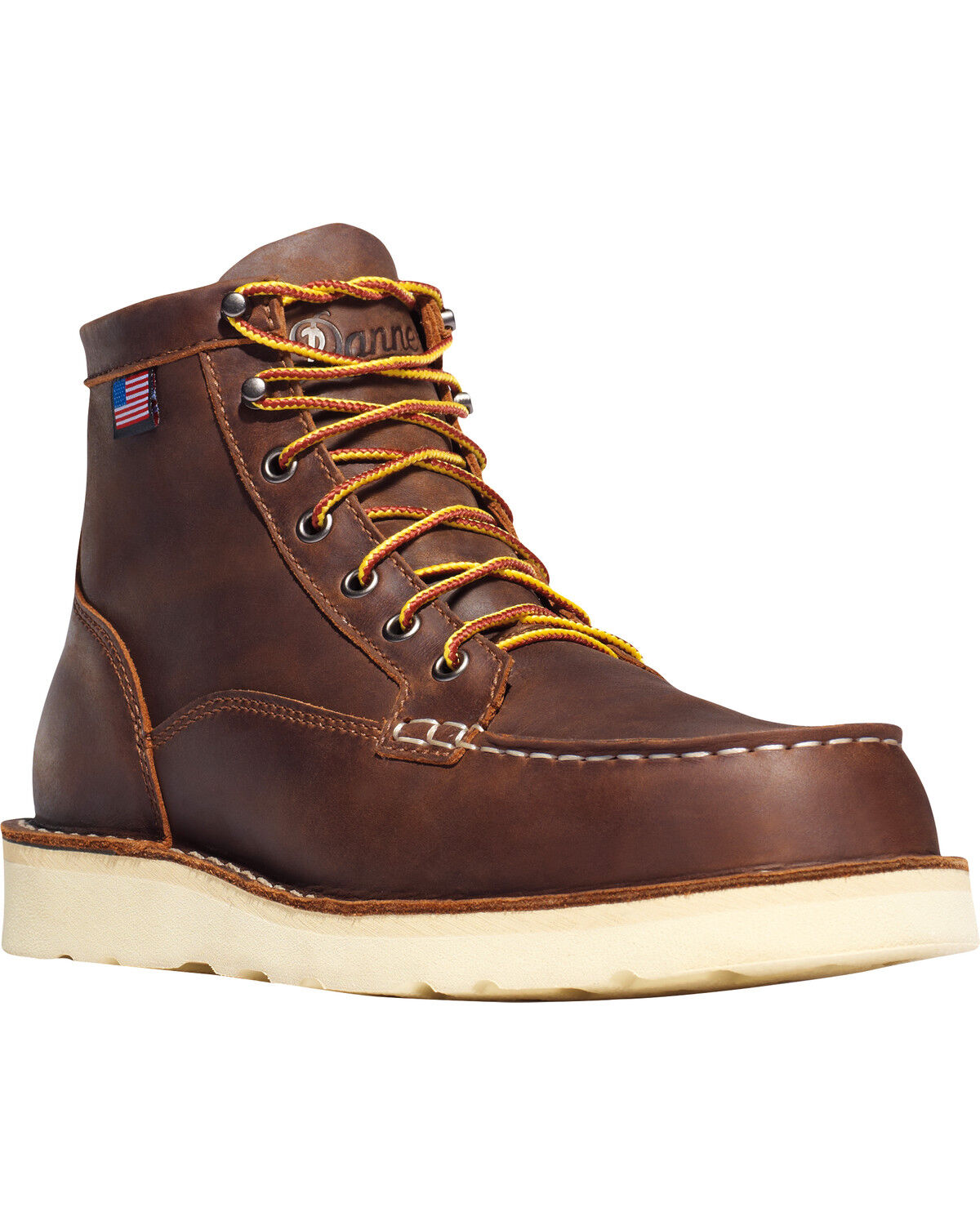
Men’s oil tanned footwear is built for days that demand more from leather. During tanning, oils and waxes are worked into full-grain leather to make it softer, more flexible, and better prepared for regular exposure to dust, damp ground, and rough surfaces. The result is footwear with a substantial feel that does not need a long, punishing break-in period. Oil-tanned leather often feels comfortable sooner than dry, rigid leather, while still offering the strength expected from a hardworking pair of boots or shoes. The natural oils also help resist light moisture, making this footwear a practical choice for changing conditions, early morning commutes, outdoor chores, and long days on the move. That resistance has limits. Oil-tanned leather is water-resistant, not automatically waterproof, and it should not be treated as a substitute for footwear designed specifically for standing in deep water or persistent wet conditions. Even so, it handles the ordinary mess of daily life well. A little rain, loose soil, wet grass, or a muddy parking lot is less cause for concern when the leather is maintained properly. Men’s oil tanned footwear can suit a wide range of routines, from demanding work environments to casual wear on cooler evenings. Work-focused pairs may include supportive construction, dependable traction, protective toe options, or soles designed for long hours on hard flooring. More relaxed styles can bring the same oil-rich leather to everyday errands, travel, outdoor gatherings, and weekends spent moving between pavement and open ground. For western wear, oiled leather adds a grounded finish that works naturally with denim, canvas, work shirts, and other durable clothing. Explore related styles in Mens Oiled Western Boots when a traditional western profile belongs in the rotation.
Choosing the right pair starts with the work and terrain it needs to handle. For construction, warehouse work, ranch tasks, and other demanding settings, look for a stable fit, firm heel hold, useful tread, and a sole suited to the surfaces underfoot. A safety toe may be appropriate where workplace requirements call for added protection, while a soft toe can be a better fit for general outdoor work or everyday wear. Long shifts make support especially important. The heel should stay planted without rubbing, the instep should feel secure, and the toes should have enough room to move without sliding forward. Try footwear with the socks you expect to wear, since thick work socks can change the fit more than people expect. Leave enough space for natural movement, but do not rely on an oversized fit to create comfort. Leather will soften and shape to the foot with use, yet it will not correct a poor fit. Pay attention to the sole as well. A lugged pattern can offer useful grip on loose or uneven ground, while a flatter sole may feel more natural on concrete and finished floors. A welted construction can make a pair easier to repair or resole over time, which matters for anyone who wears the same footwear hard and often. For casual use, consider weight, flexibility, ease of entry, and how the footwear works with the rest of the wardrobe. A well-chosen pair can move from a morning drive to an outdoor lunch, then handle a walk across damp ground without looking out of place. Oil tanned footwear also makes a practical gift for a father, partner, brother, coworker, or anyone who values useful gear over decoration. It is especially well suited to someone starting a new job, spending more time outdoors, or replacing a worn pair that has carried them through several seasons. Focus on fit, intended use, and preferred shape before appearance. Good leather develops its character with wear, but comfort and function should come first.
Care is straightforward and worth the small effort. After wearing men’s oil tanned footwear outdoors, brush or wipe away loose dirt before it works into the surface. A damp cloth is usually enough for ordinary dust and light grime. Allow wet footwear to dry at room temperature, away from direct heat such as a radiator, heater, fireplace, or harsh sunlight. Fast drying can pull oil from the leather and lead to stiffness, shrinking, or cracking. If the inside becomes damp, remove the footbeds when possible and let the pair air out fully before wearing them again. As the leather dries with use, apply a conditioner made for oil-tanned leather or a suitable leather oil in a thin, even layer. Test any treatment on a less visible area first, since conditioners can deepen the color and change the finish. Too much oil can leave the leather soft, heavy, or greasy and may reduce the breathability of the material, so more is not better. Conditioning once or twice a year may be enough for lightly worn footwear, while pairs exposed to frequent moisture, dust, or hard labor may need attention more often. Clean first, condition second, and give the leather time to absorb the treatment before putting the footwear back to work. Do not use household cleaners, strong solvents, or unapproved waterproofing products, since they can strip the oils that give the leather its flexibility and rich appearance. Scuffs are part of the material’s appeal. With regular wear, small marks and changes in color settle into a deeper patina that makes each pair look more personal rather than simply older. Proper care keeps the leather supple, preserves the shape, and helps the footwear remain dependable through warmer days, wet transitions, and cooler months.


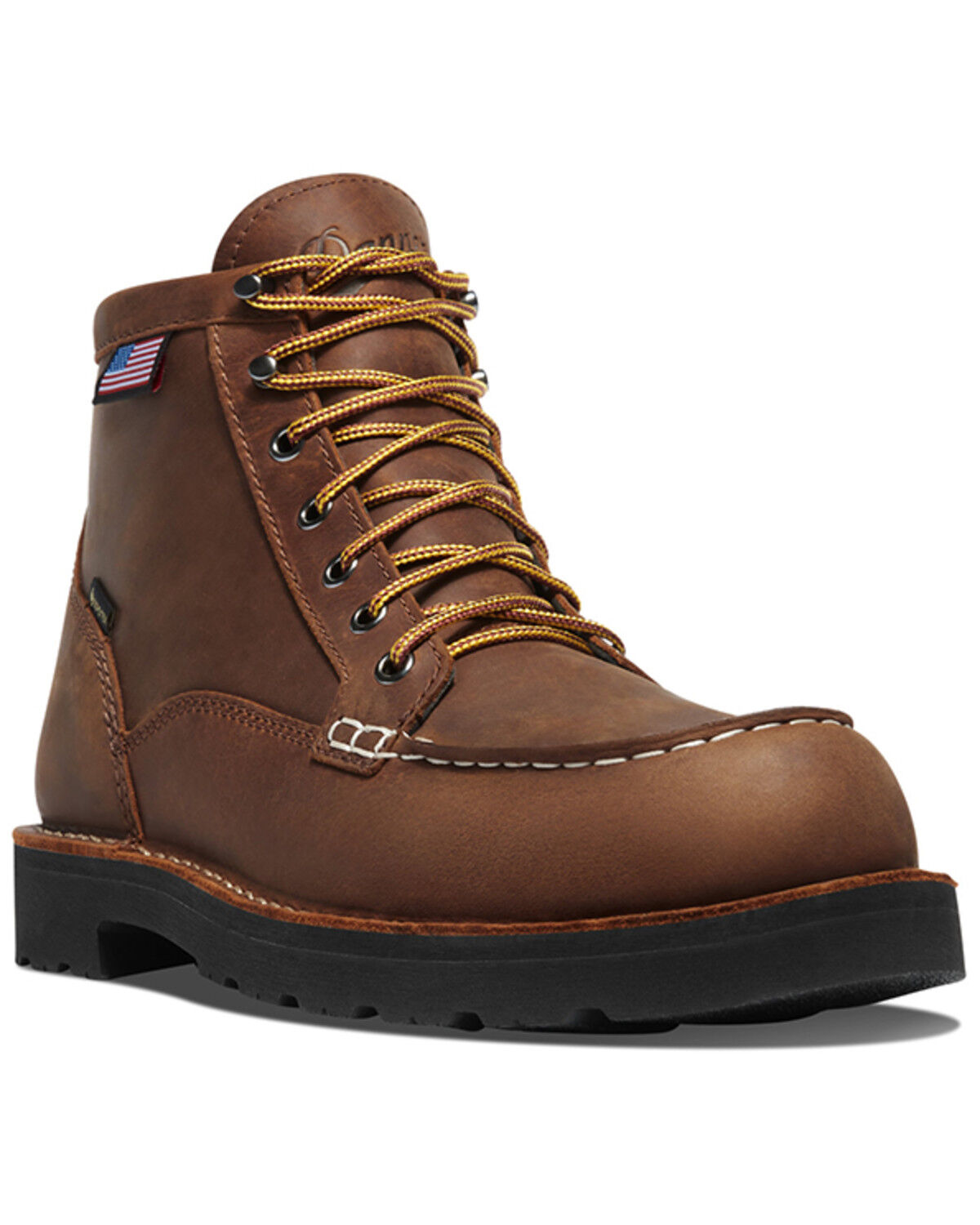
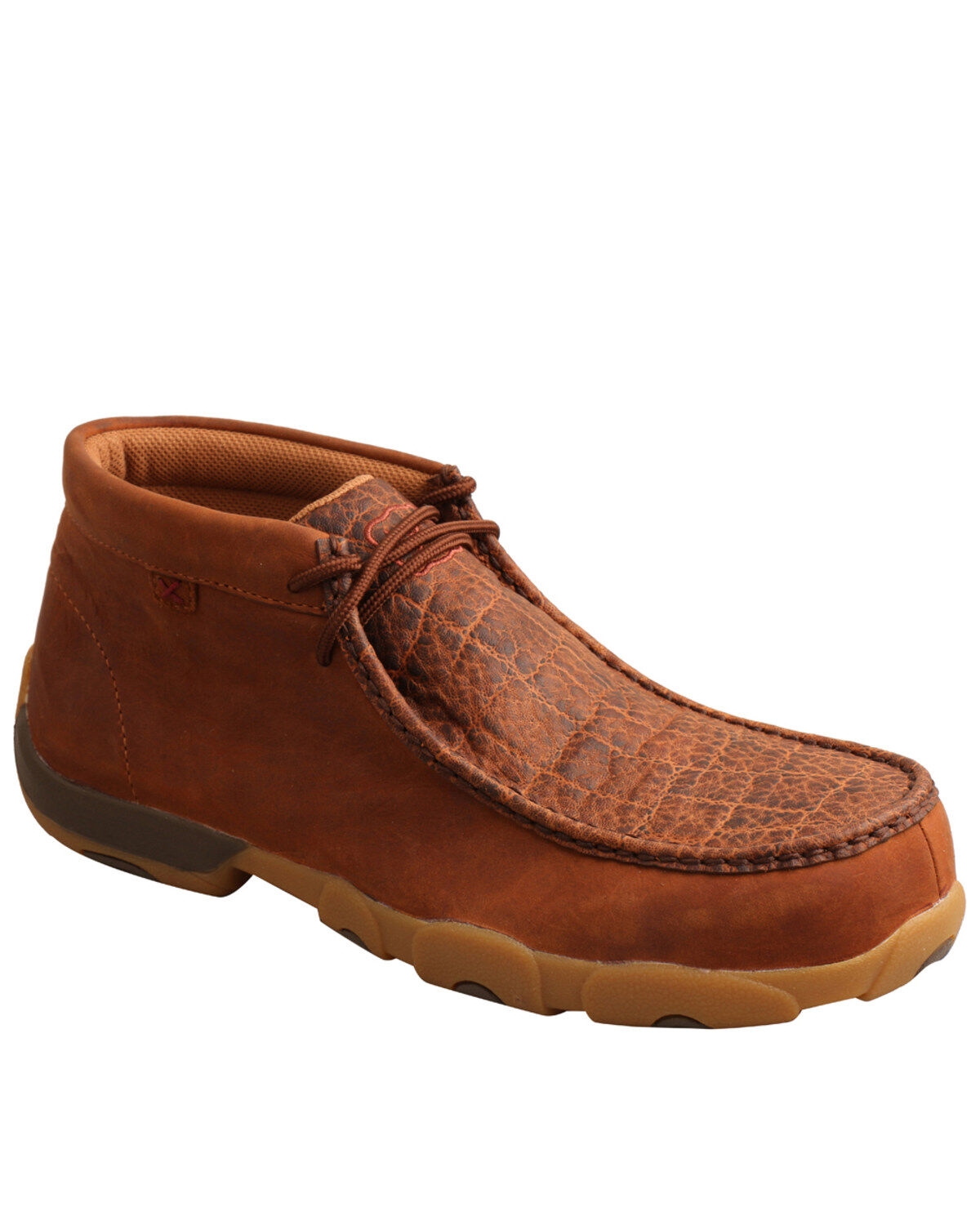
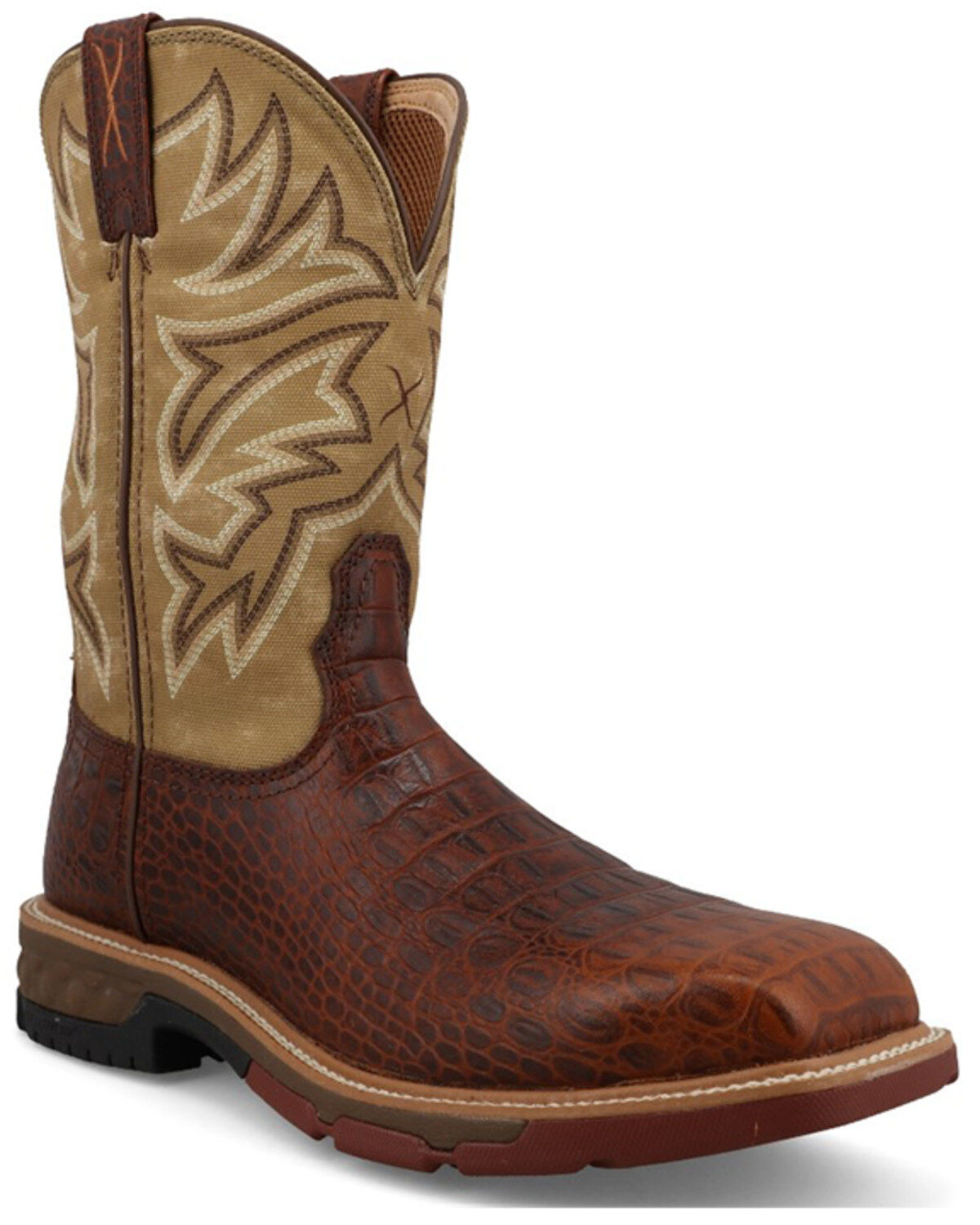
 $259.99
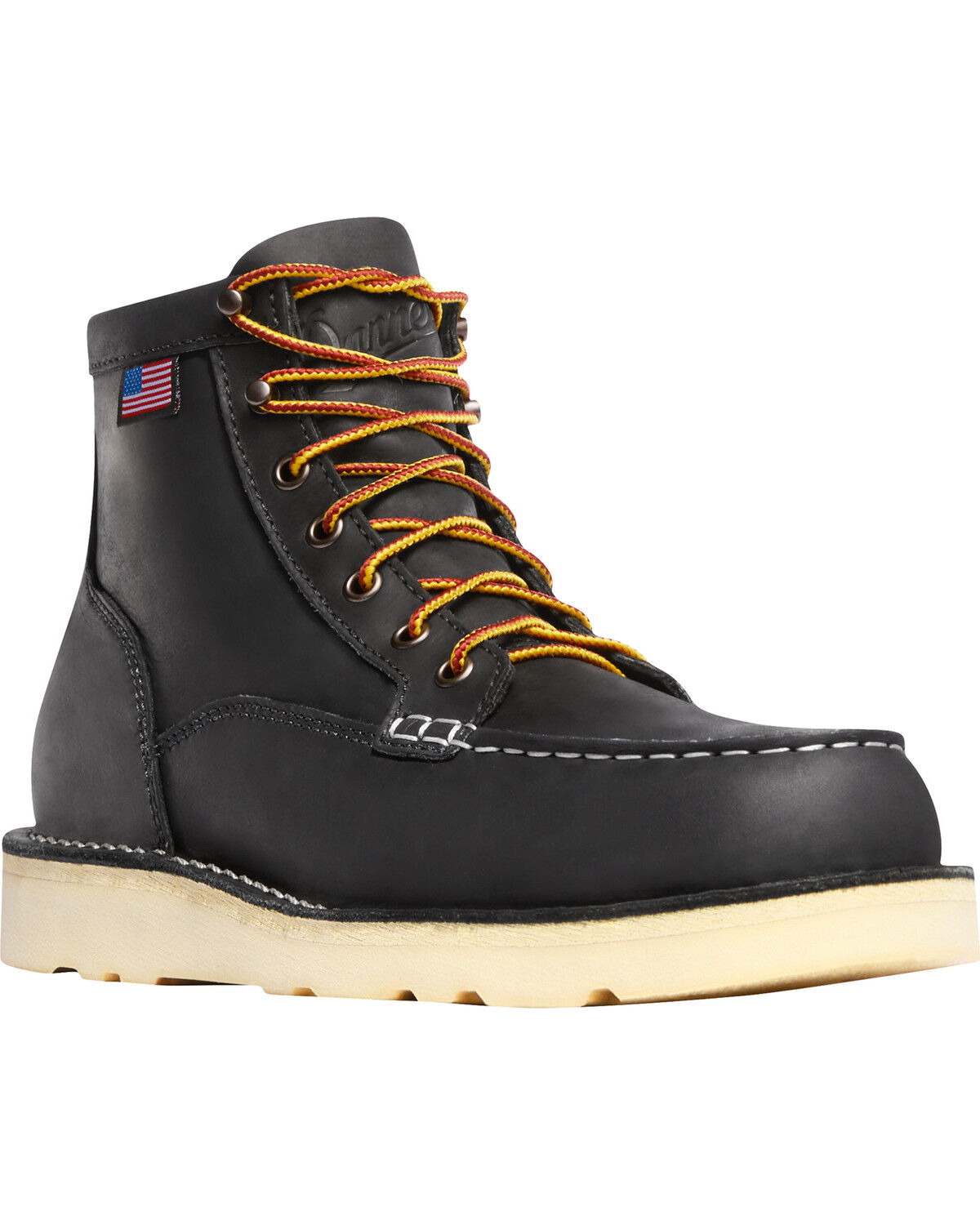 $259.99
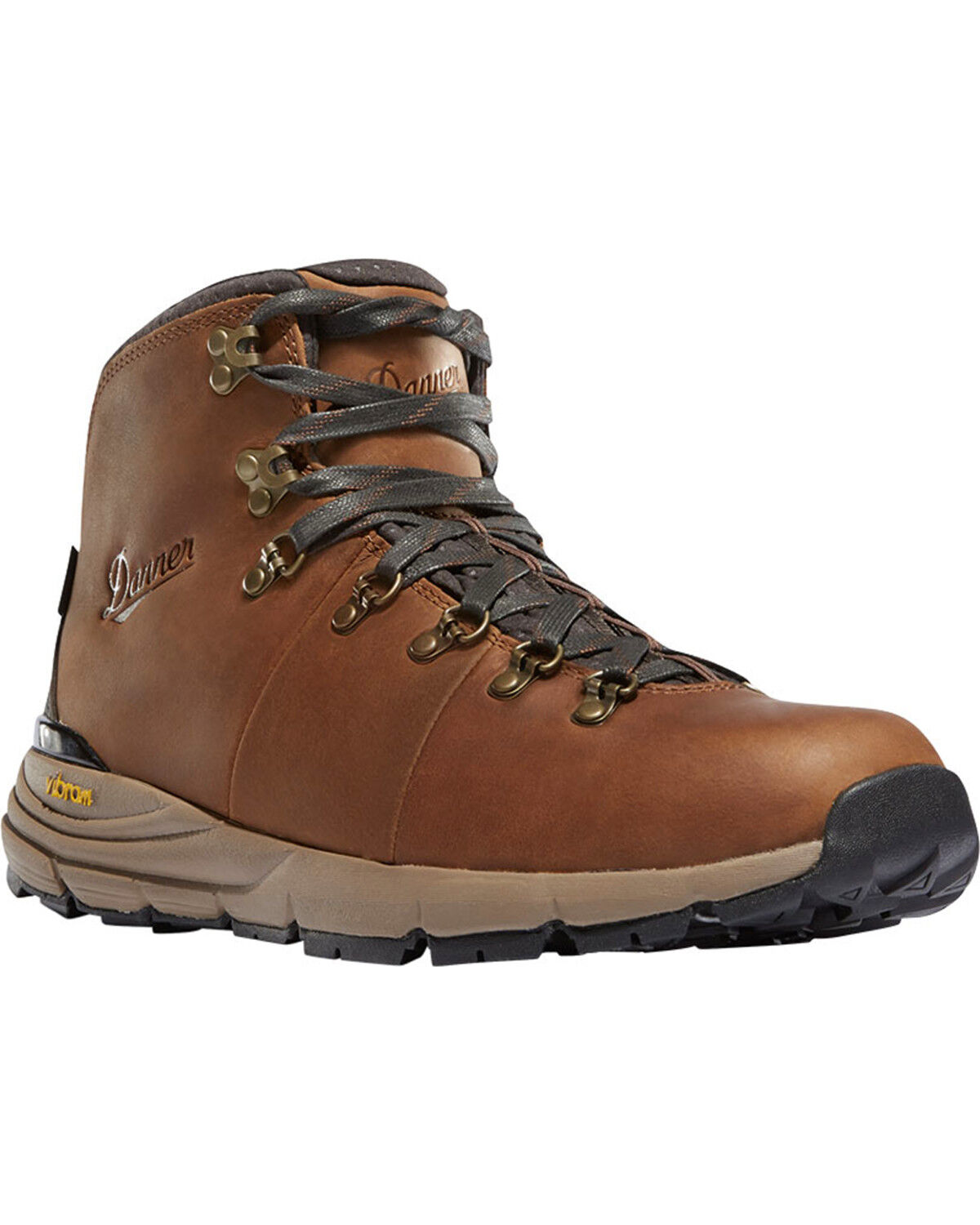 $229.99
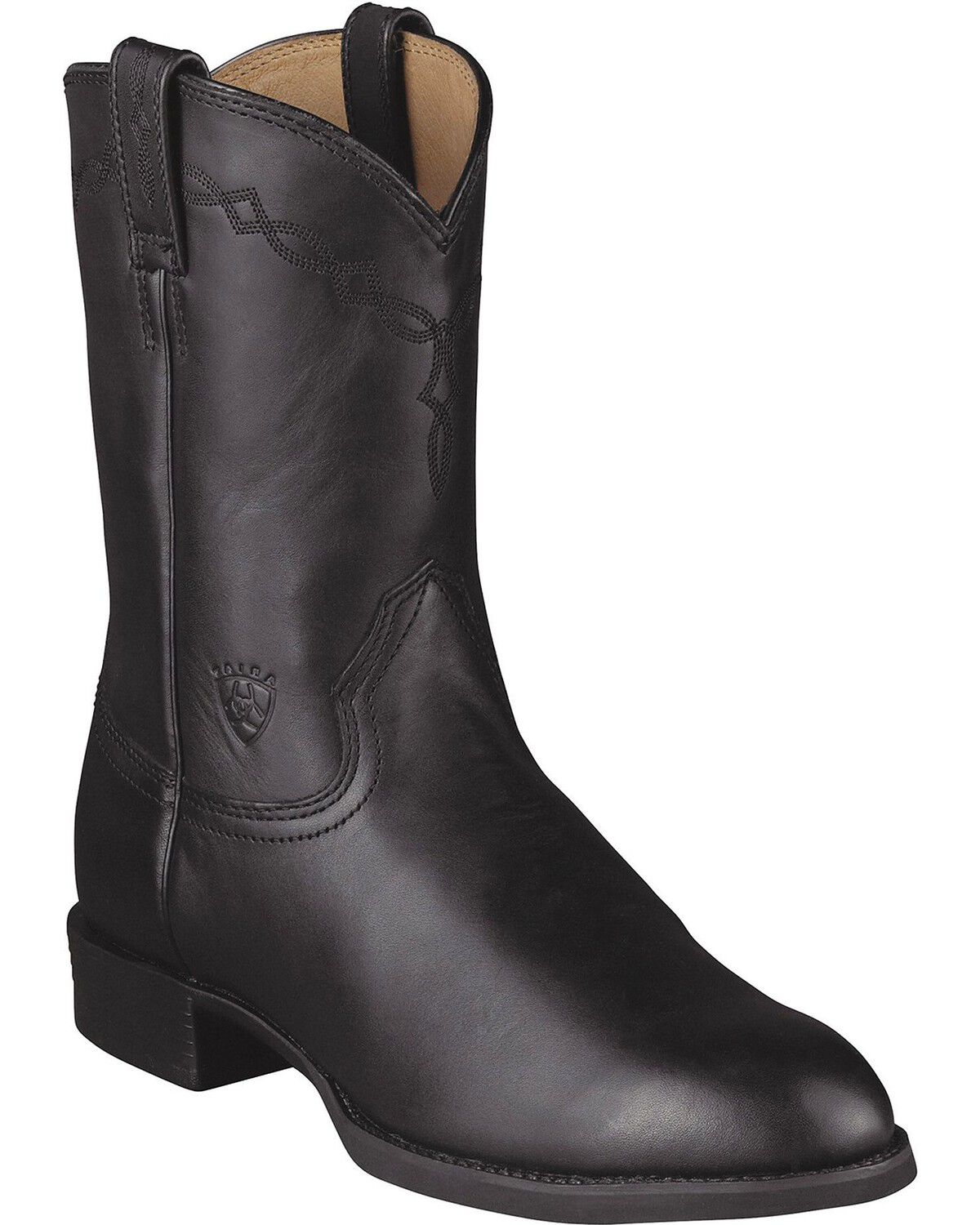 $169.95
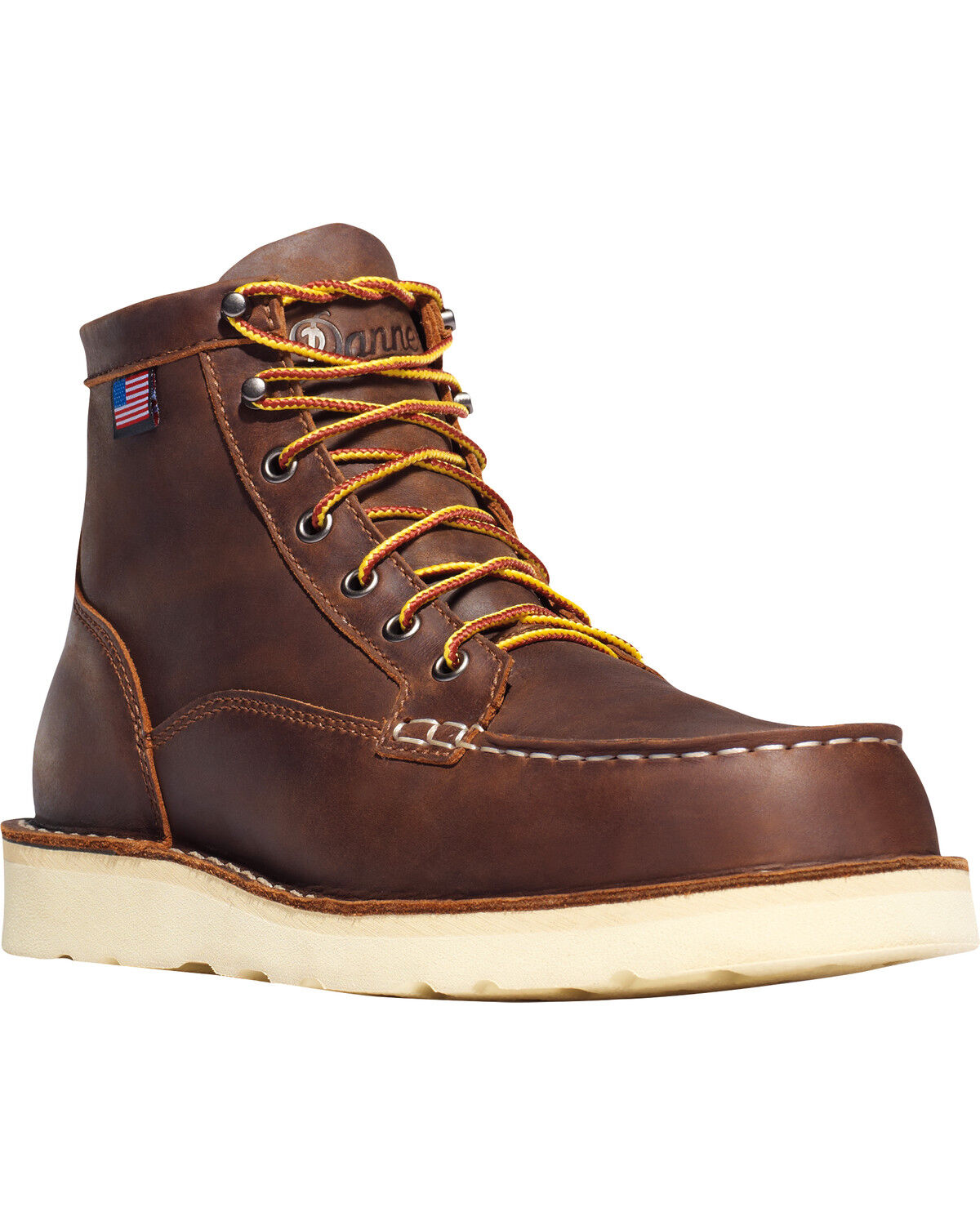 $269.99