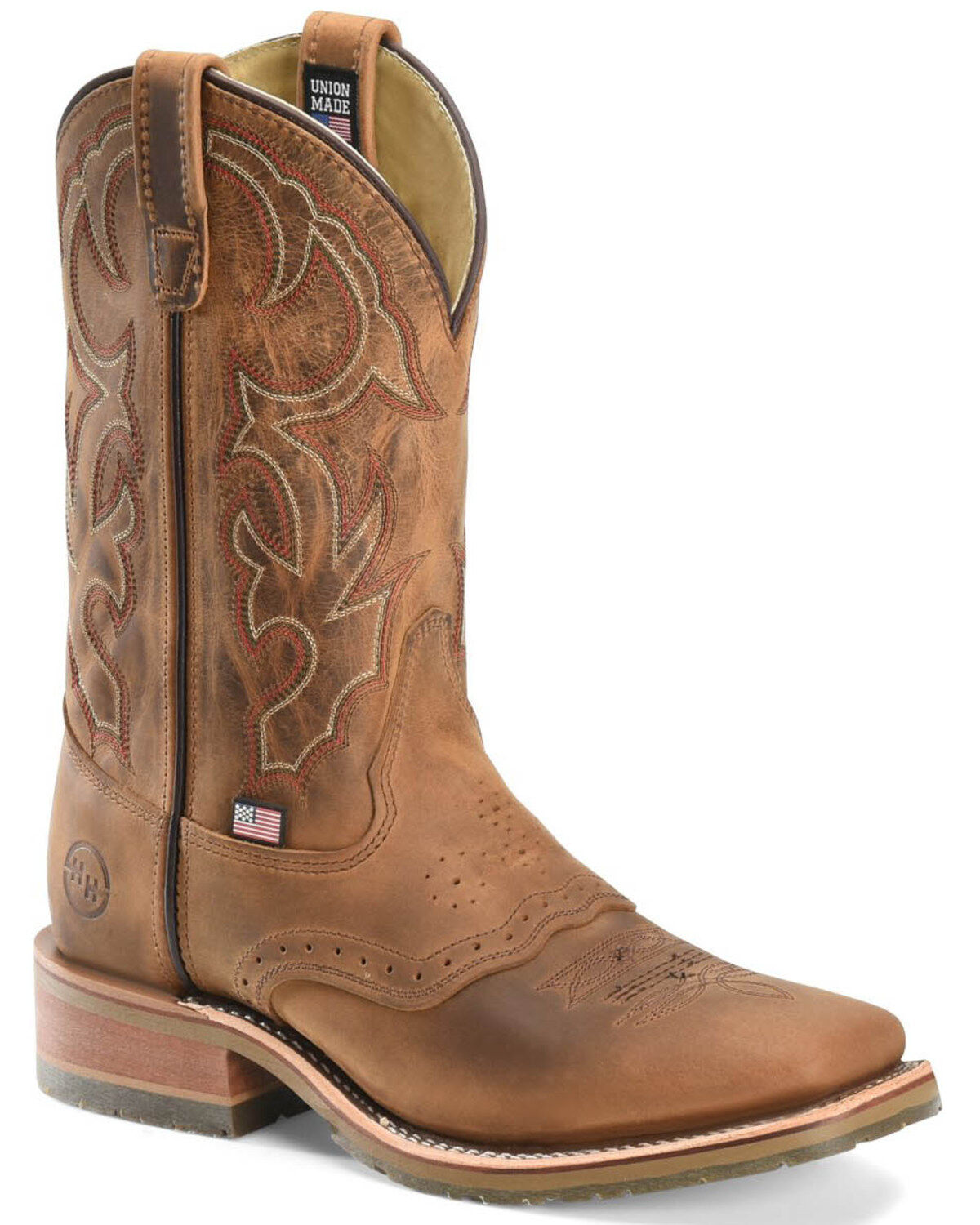
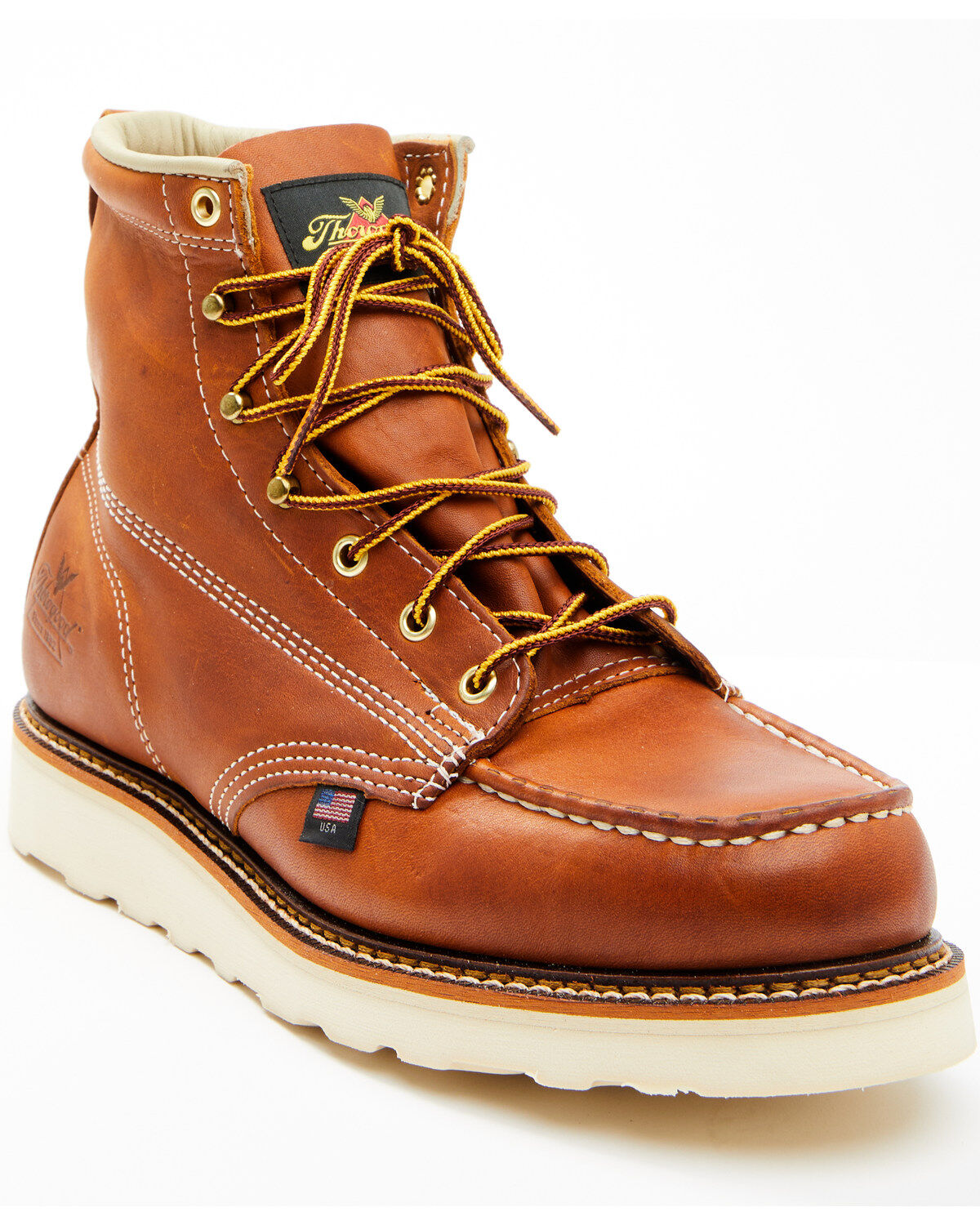
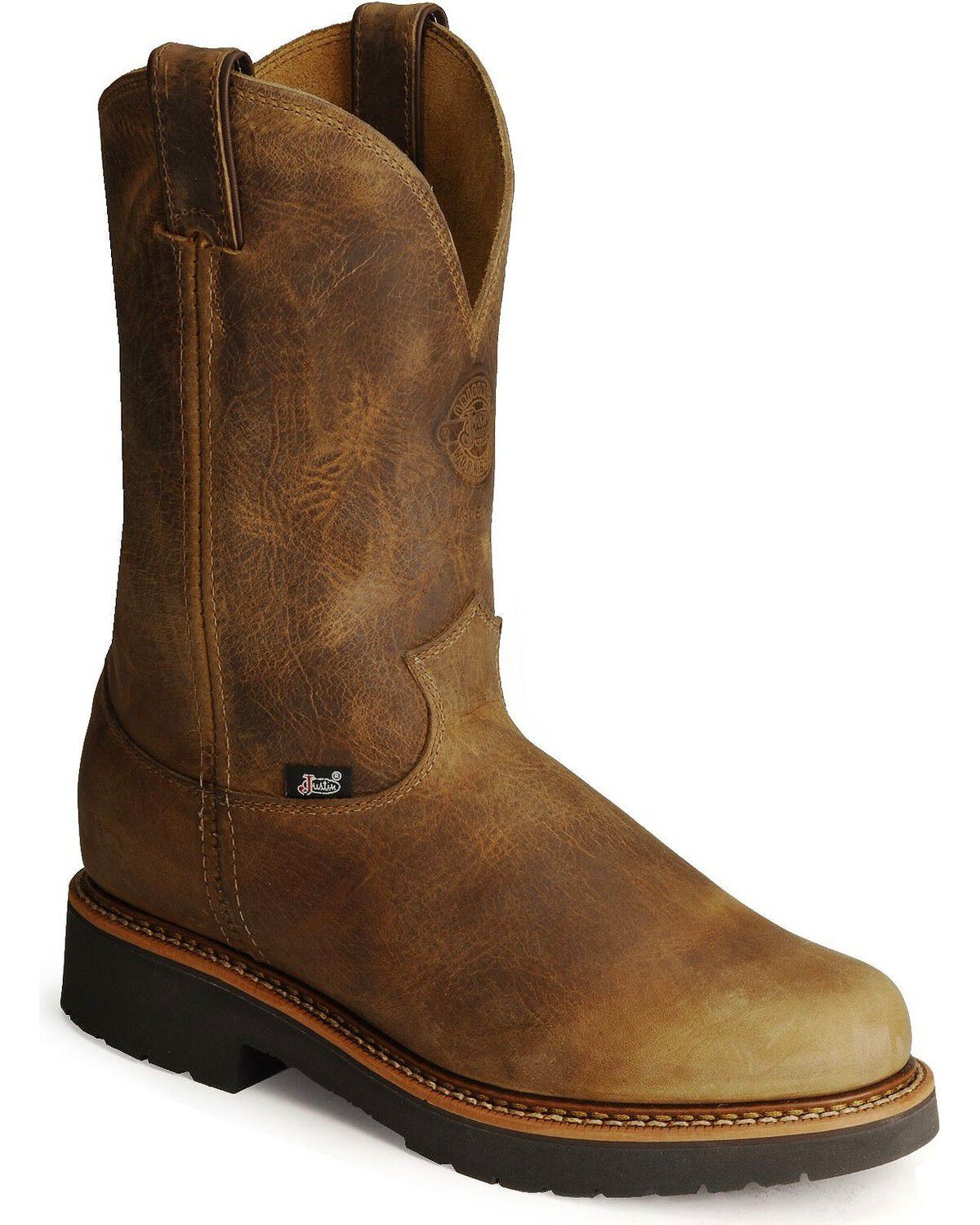
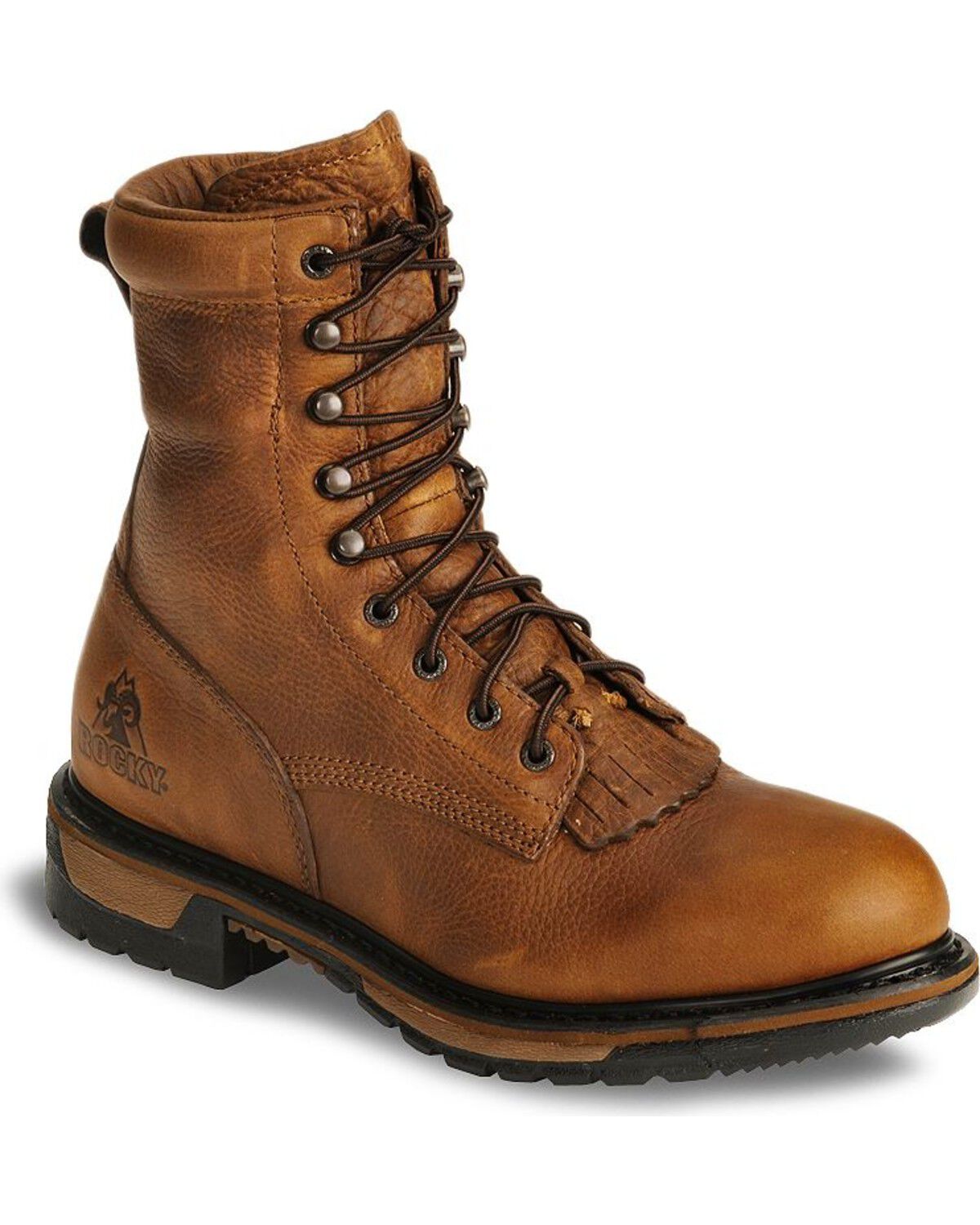
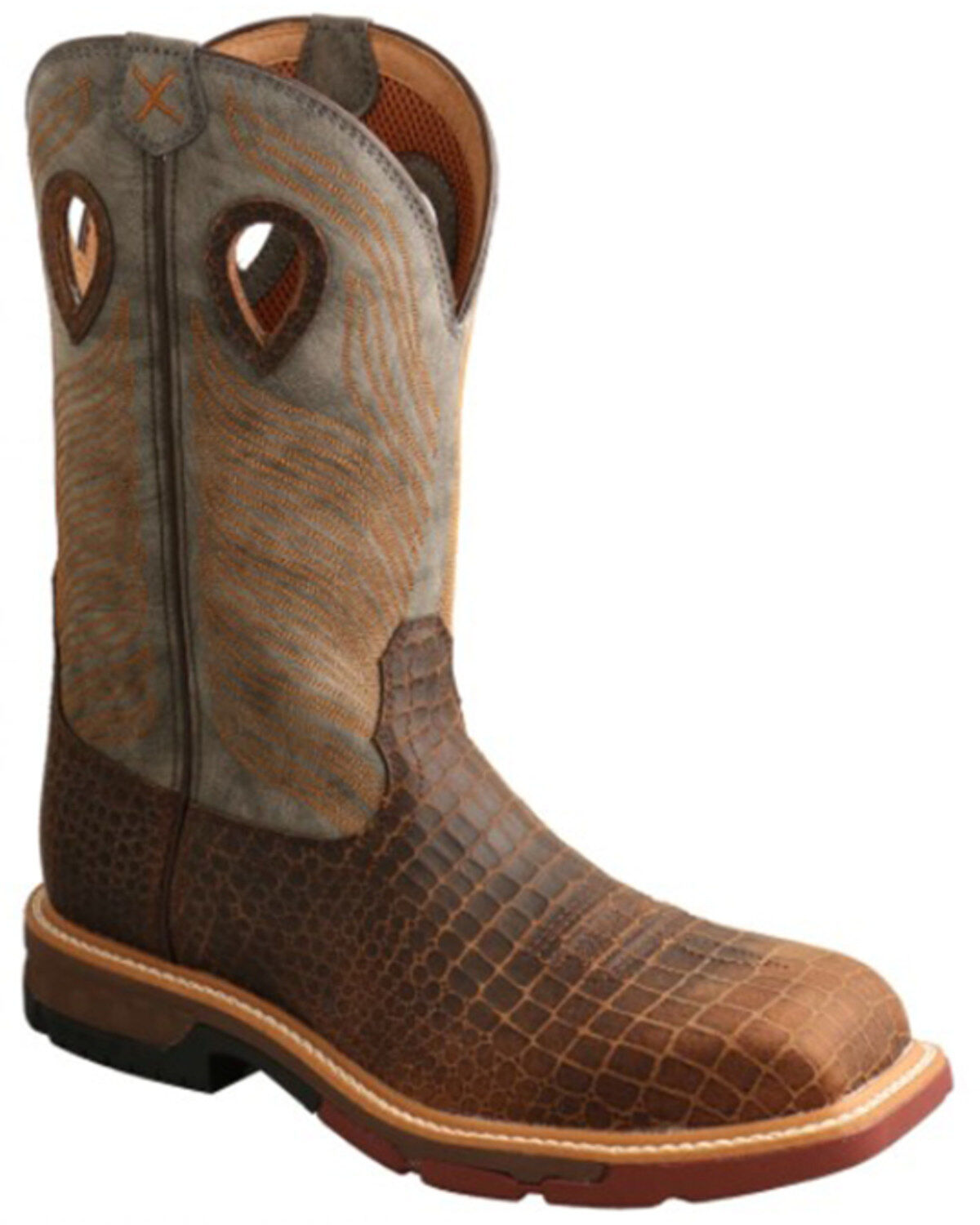
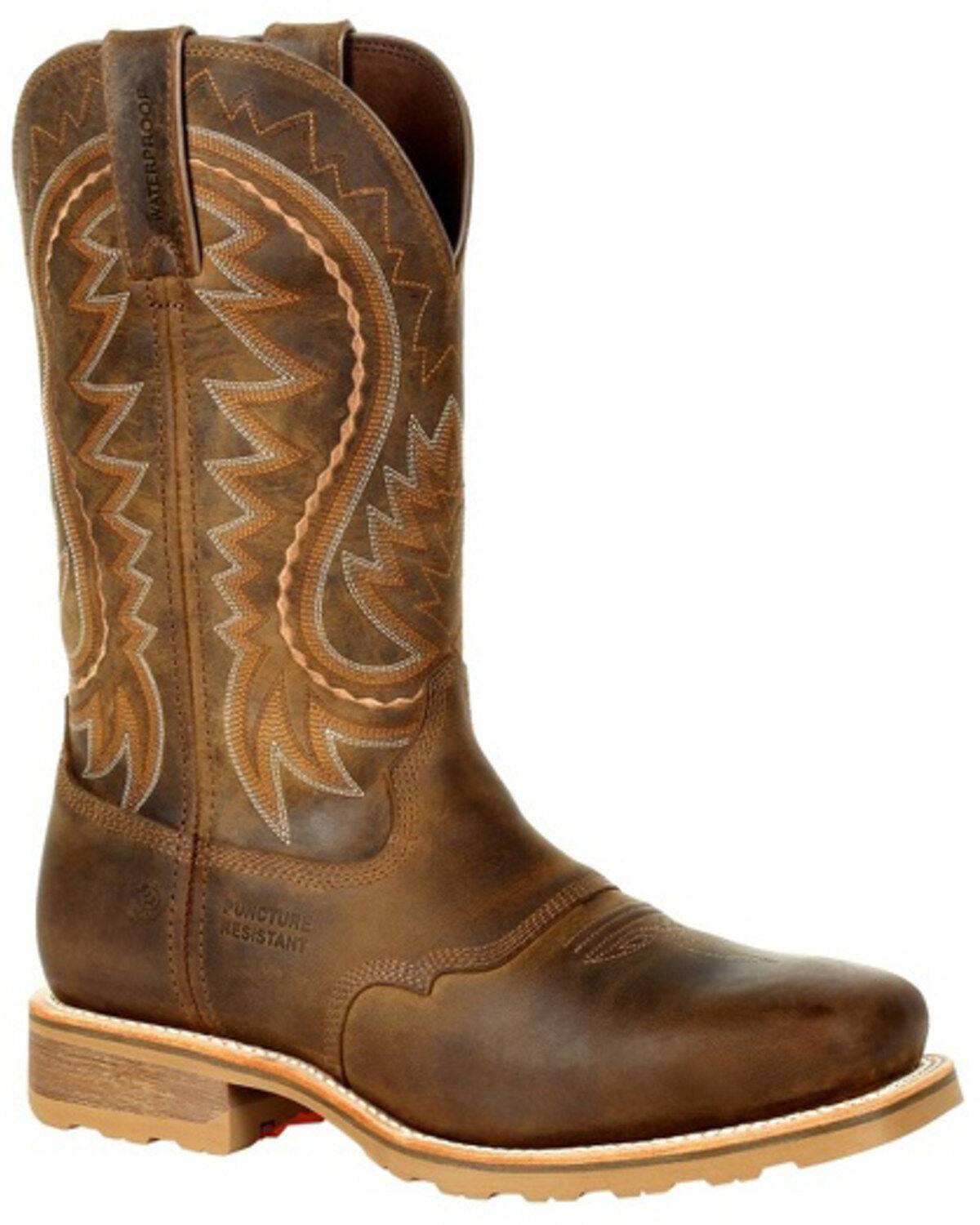
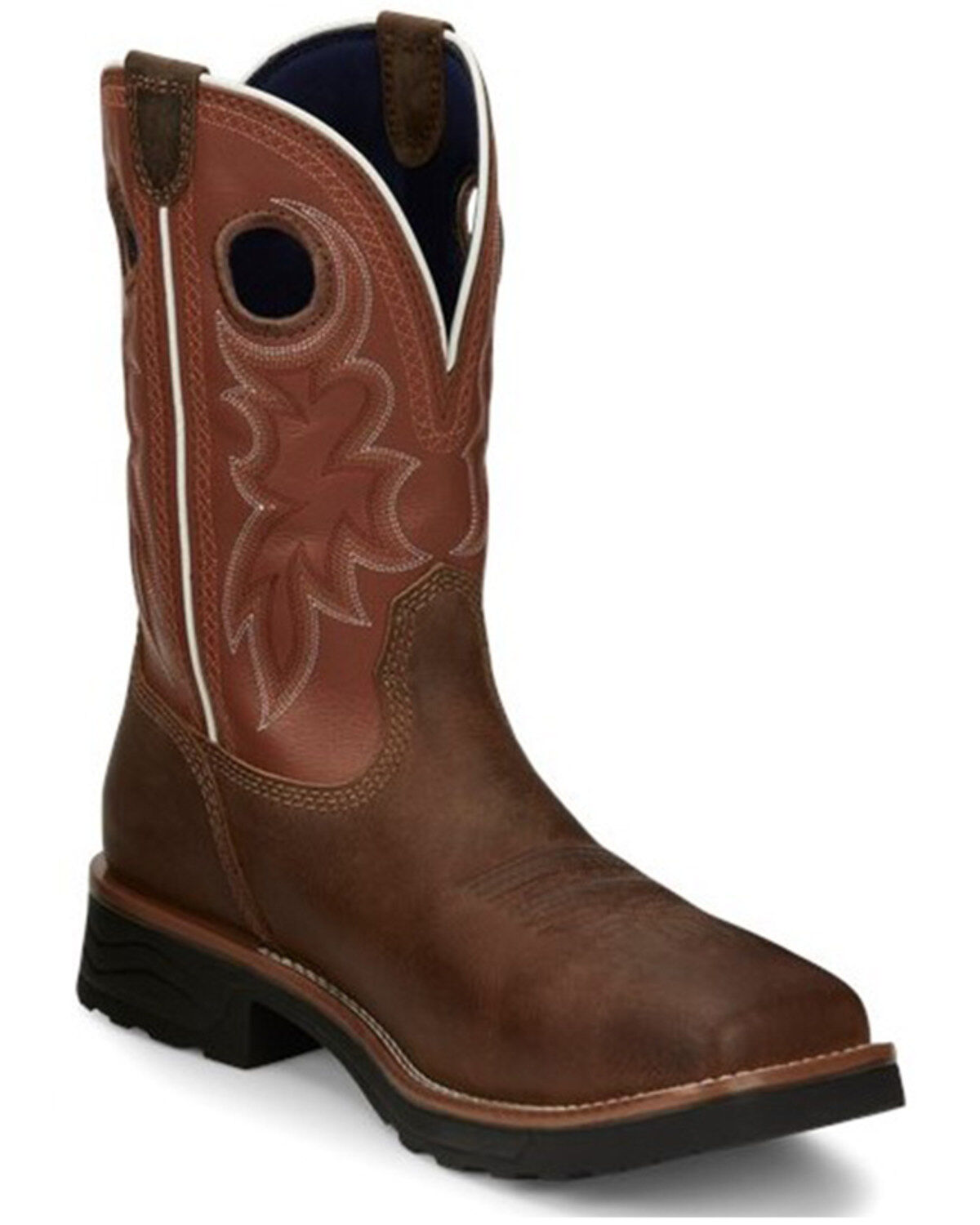
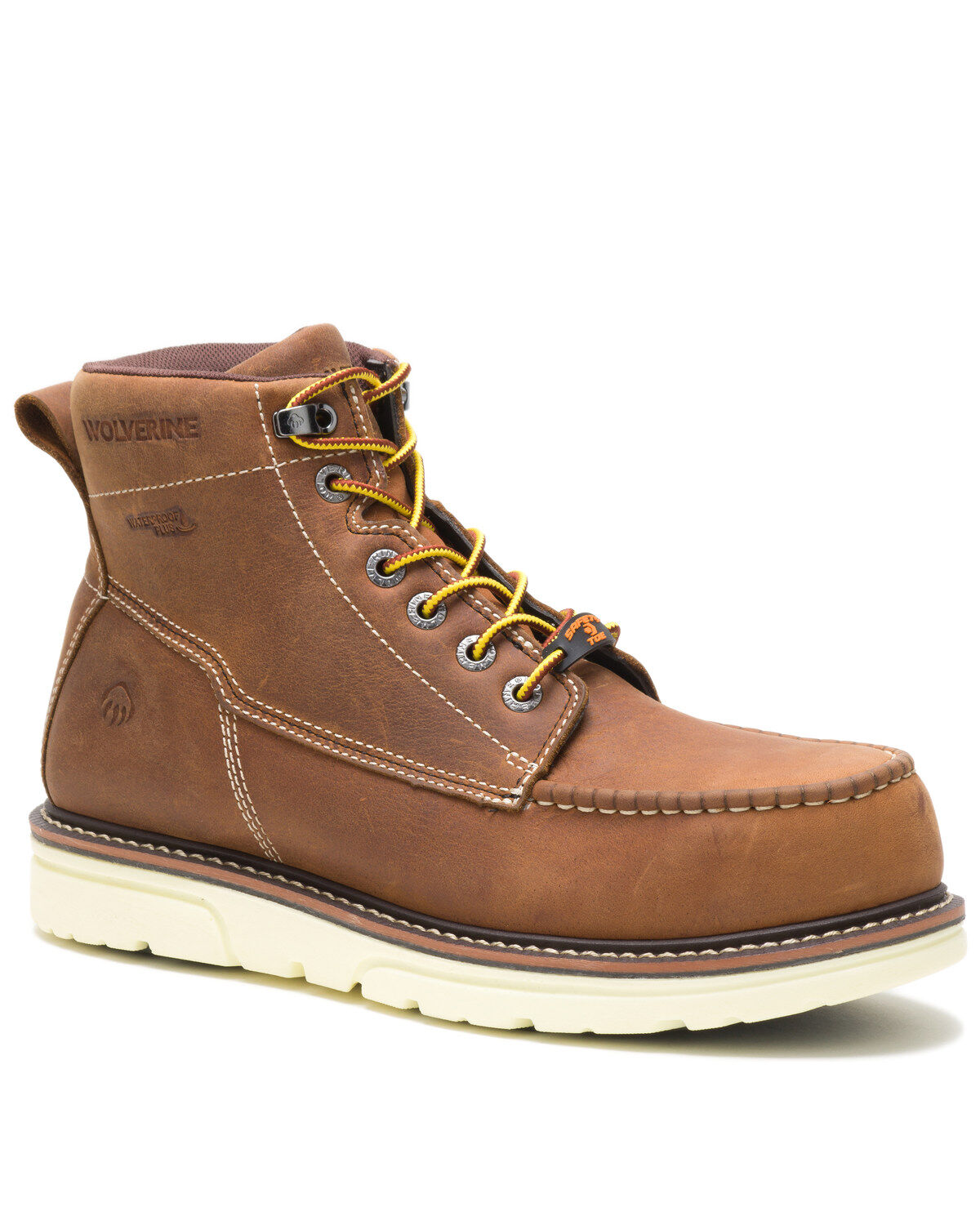
Men's Tan Leather Work Boots

Find men's tan leather work boots for your workday, and compare the available styles by fit, toe type, and job requirements. Check each pair’s listed safety features and care instructions to choose boots suited to your work environment and keep the leather in good condition.

Shop Your Store: Shop Your Store: Find a Store

(Turn off Shop Your Store to see all items)

(Turn off Shop Your Store to see all items)

close
  • Recommended
  • Lowest Price
  • Highest Price
Skip pass products

End of products

Men's Tan Leather Work Boots

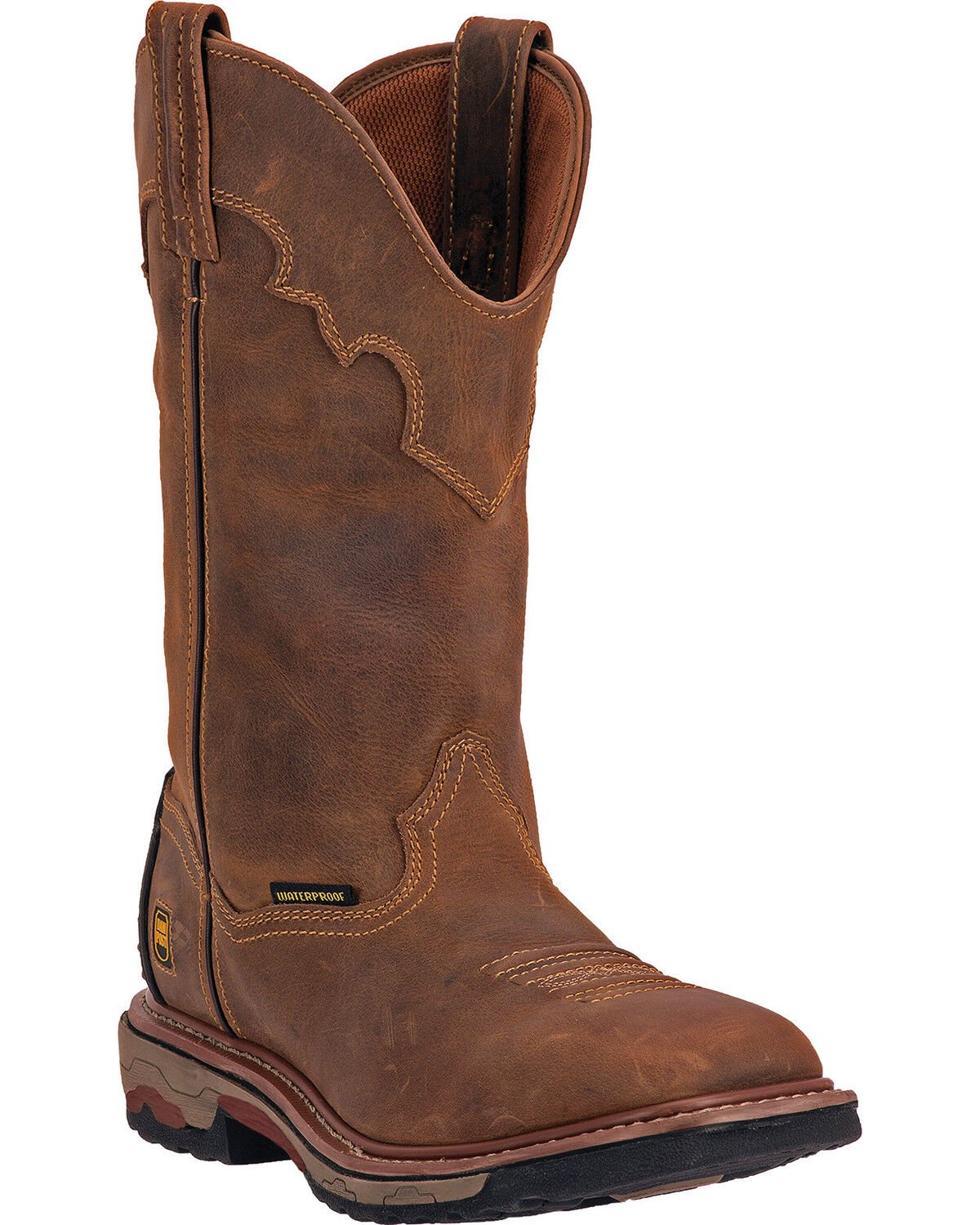
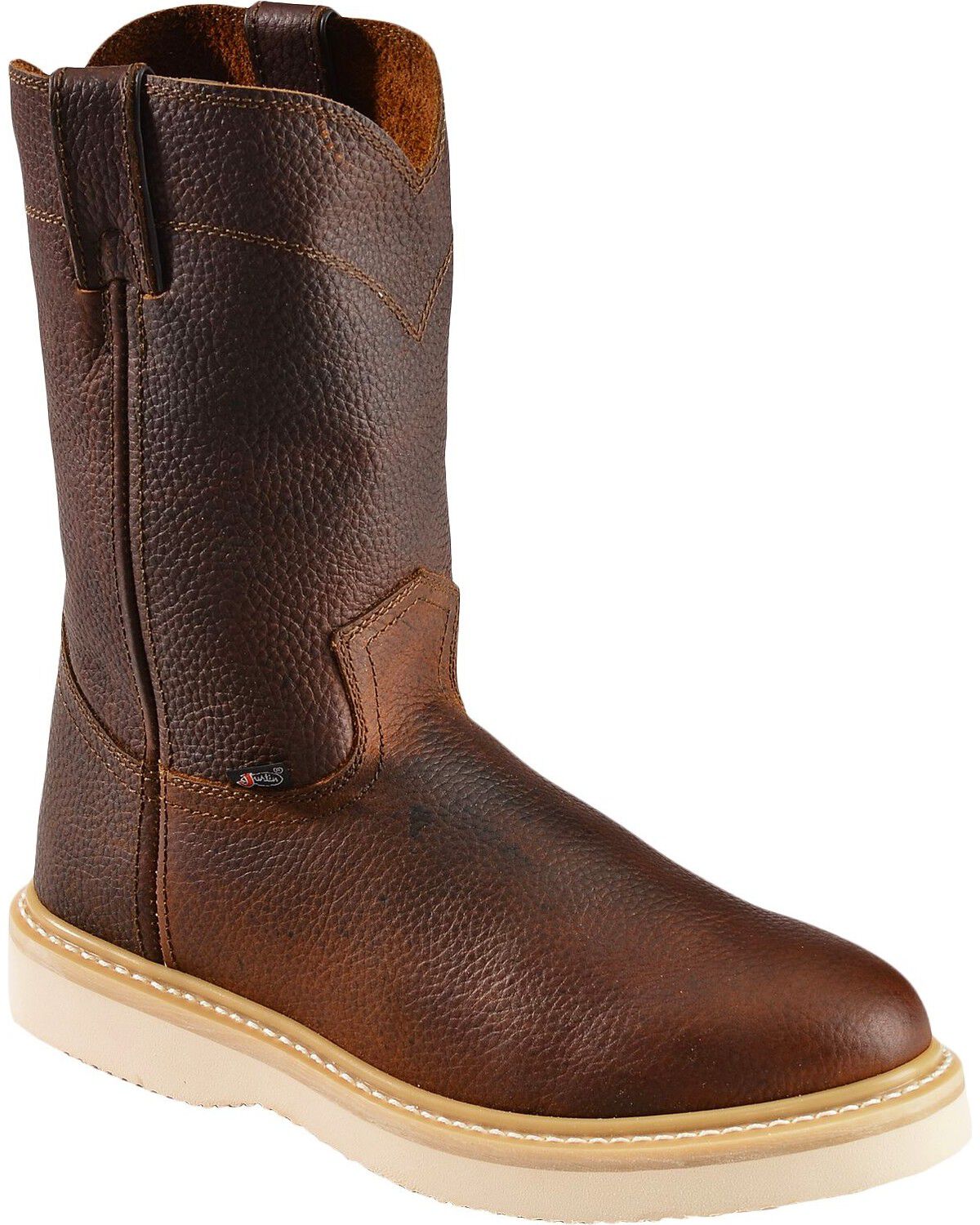
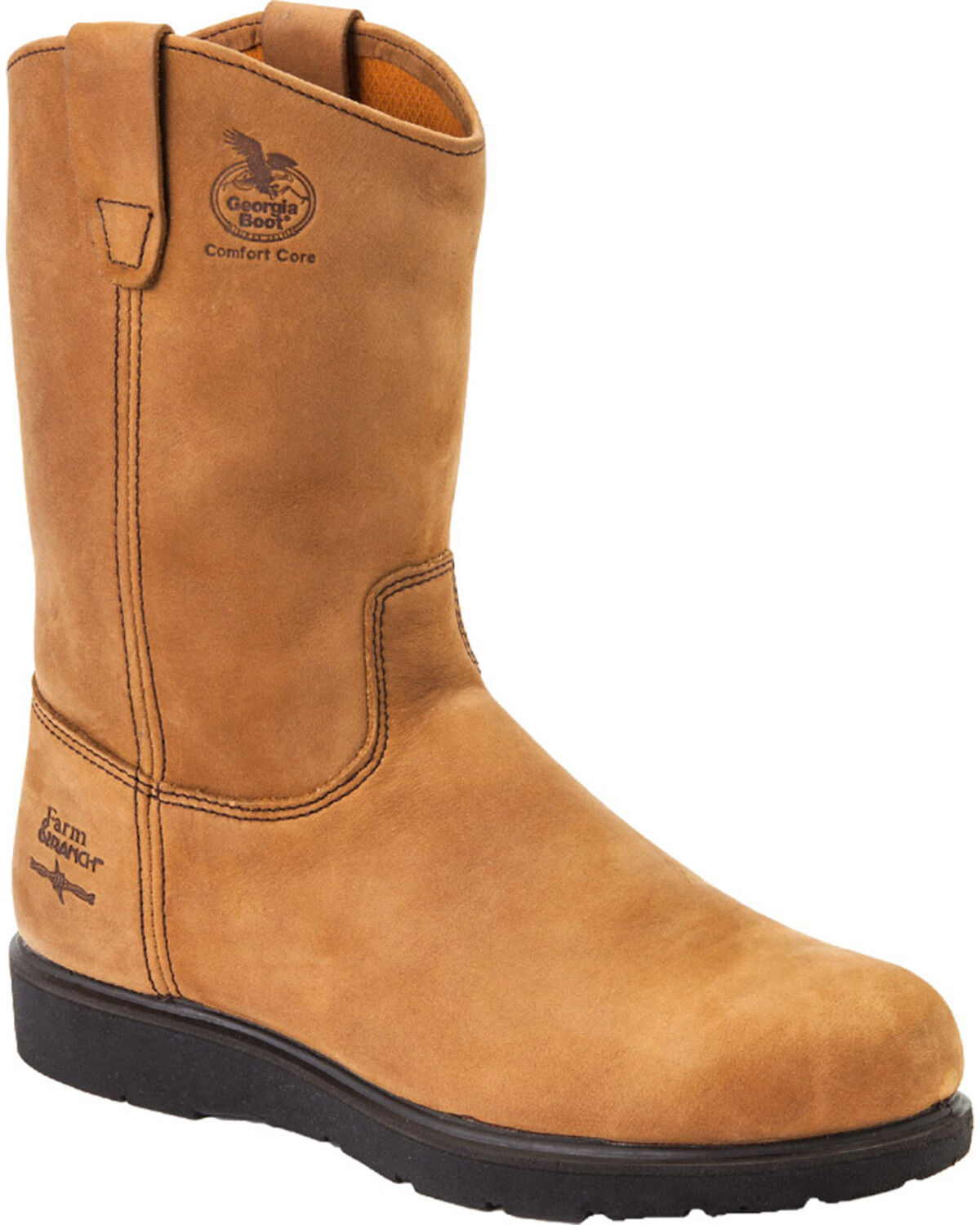
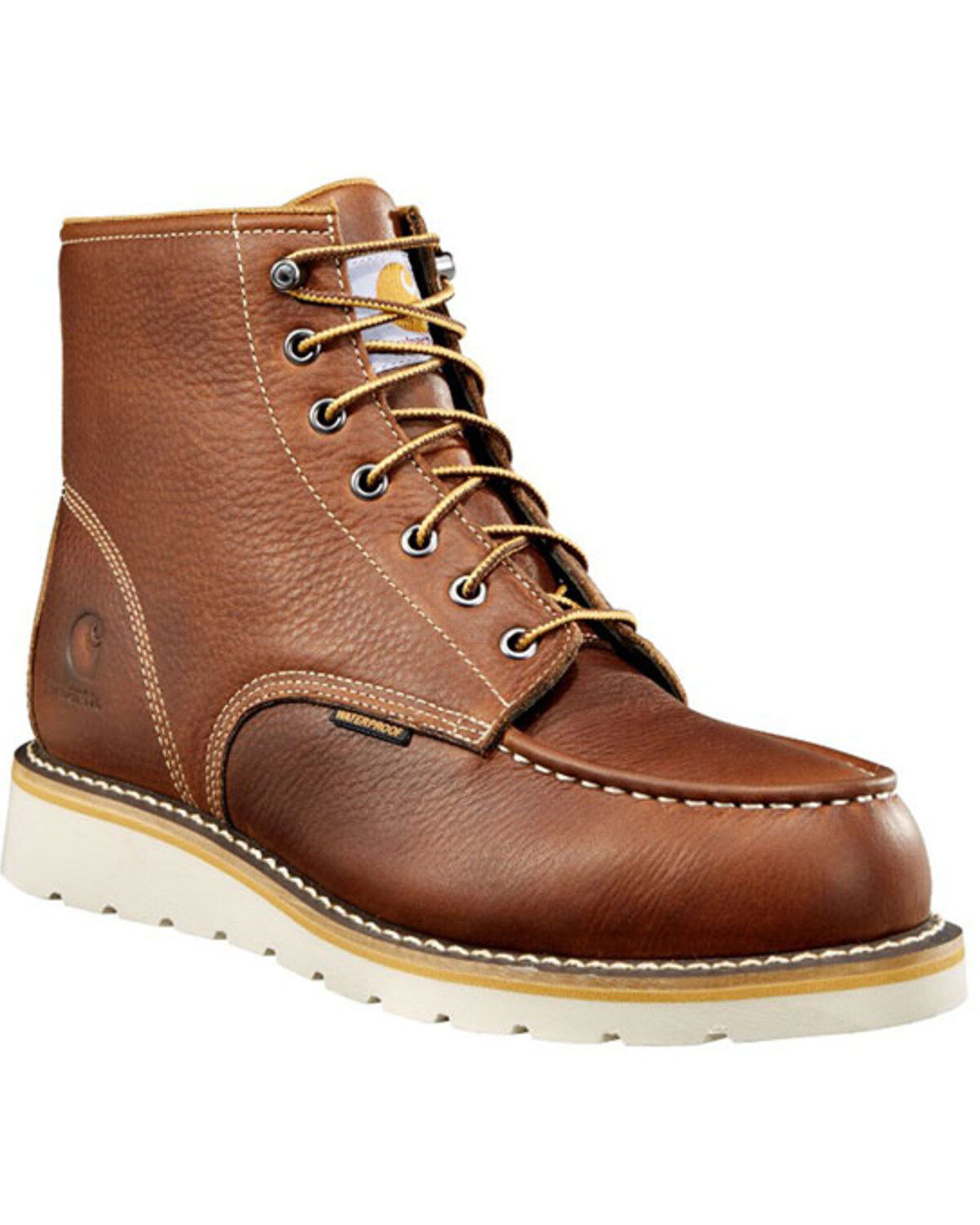
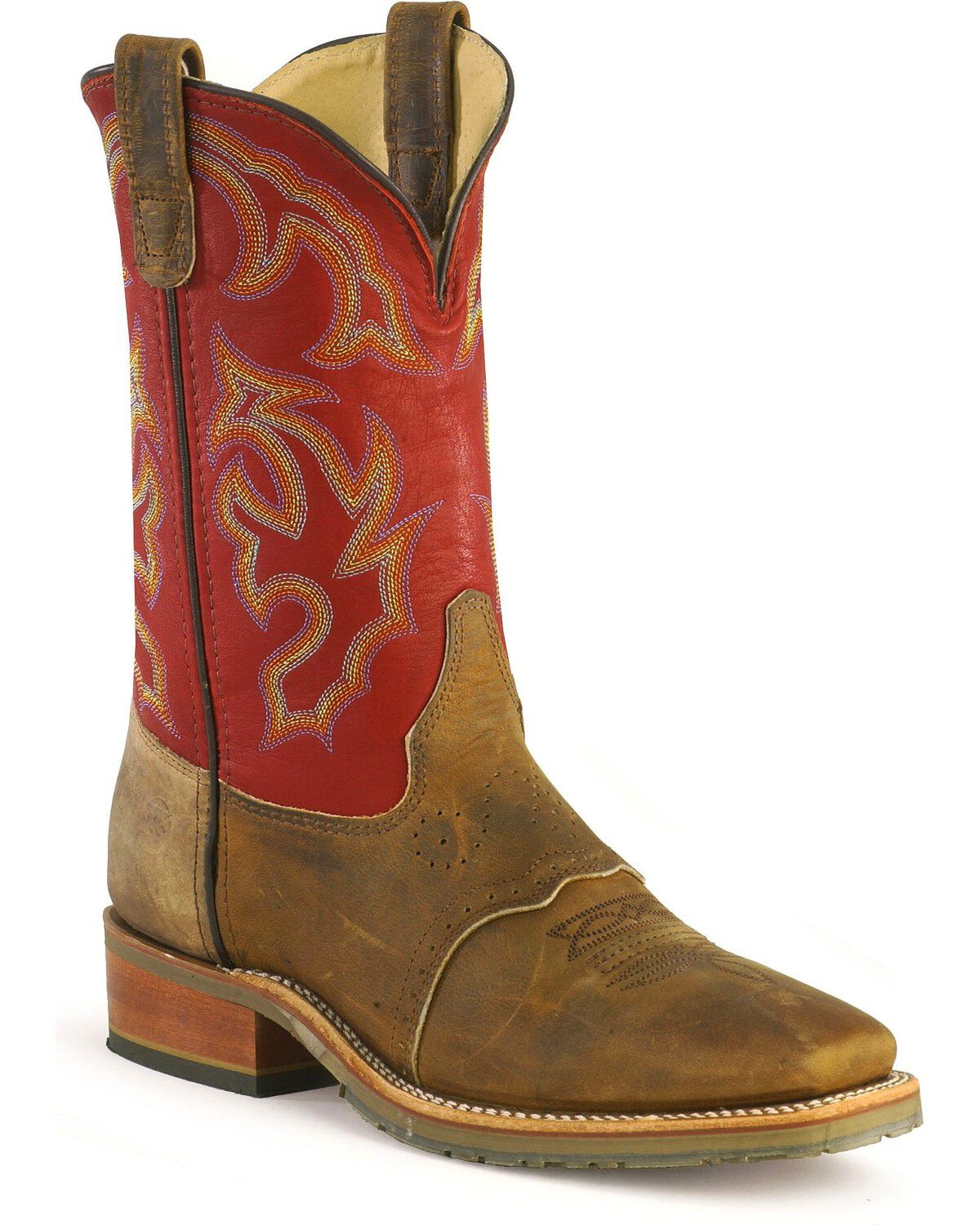
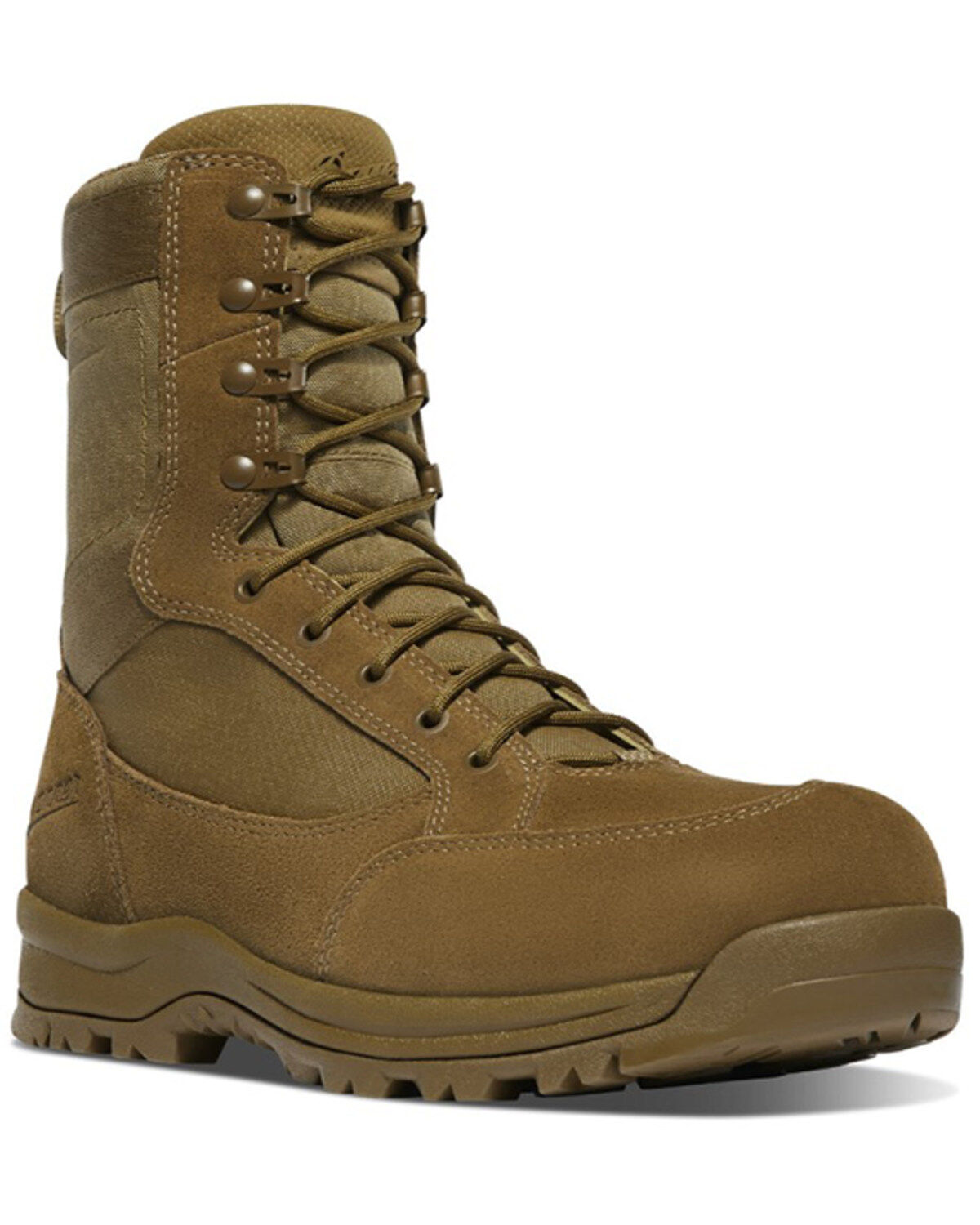
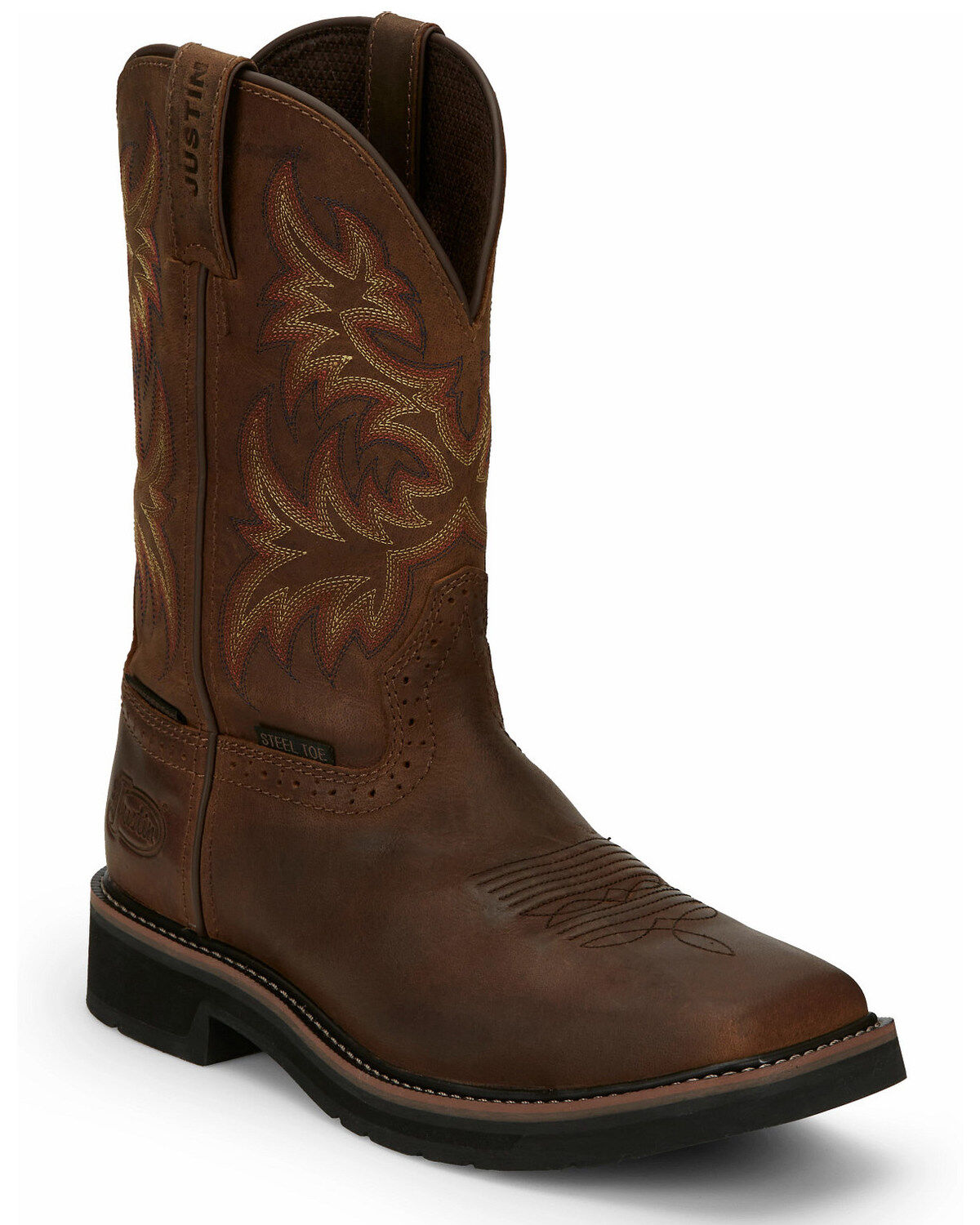
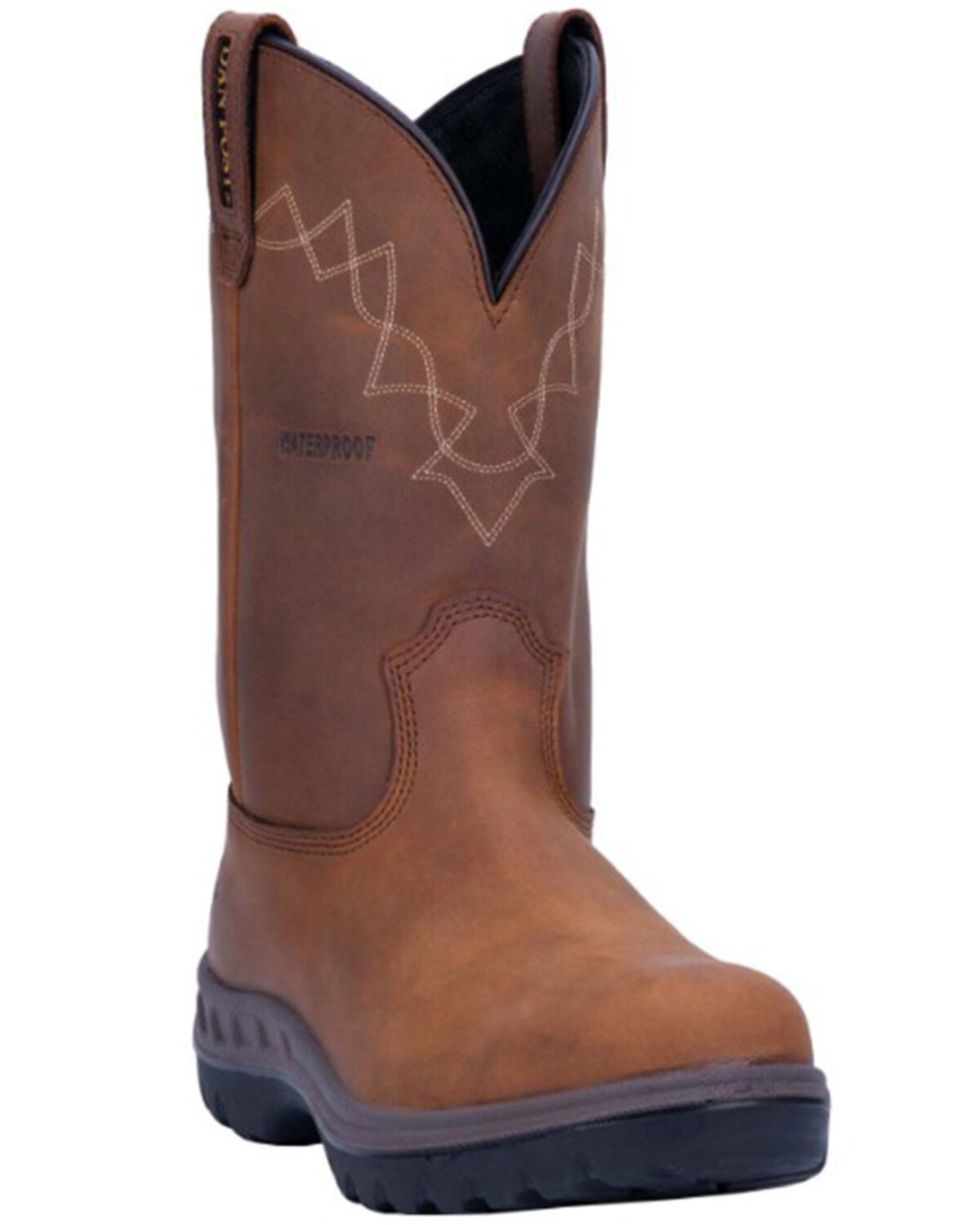
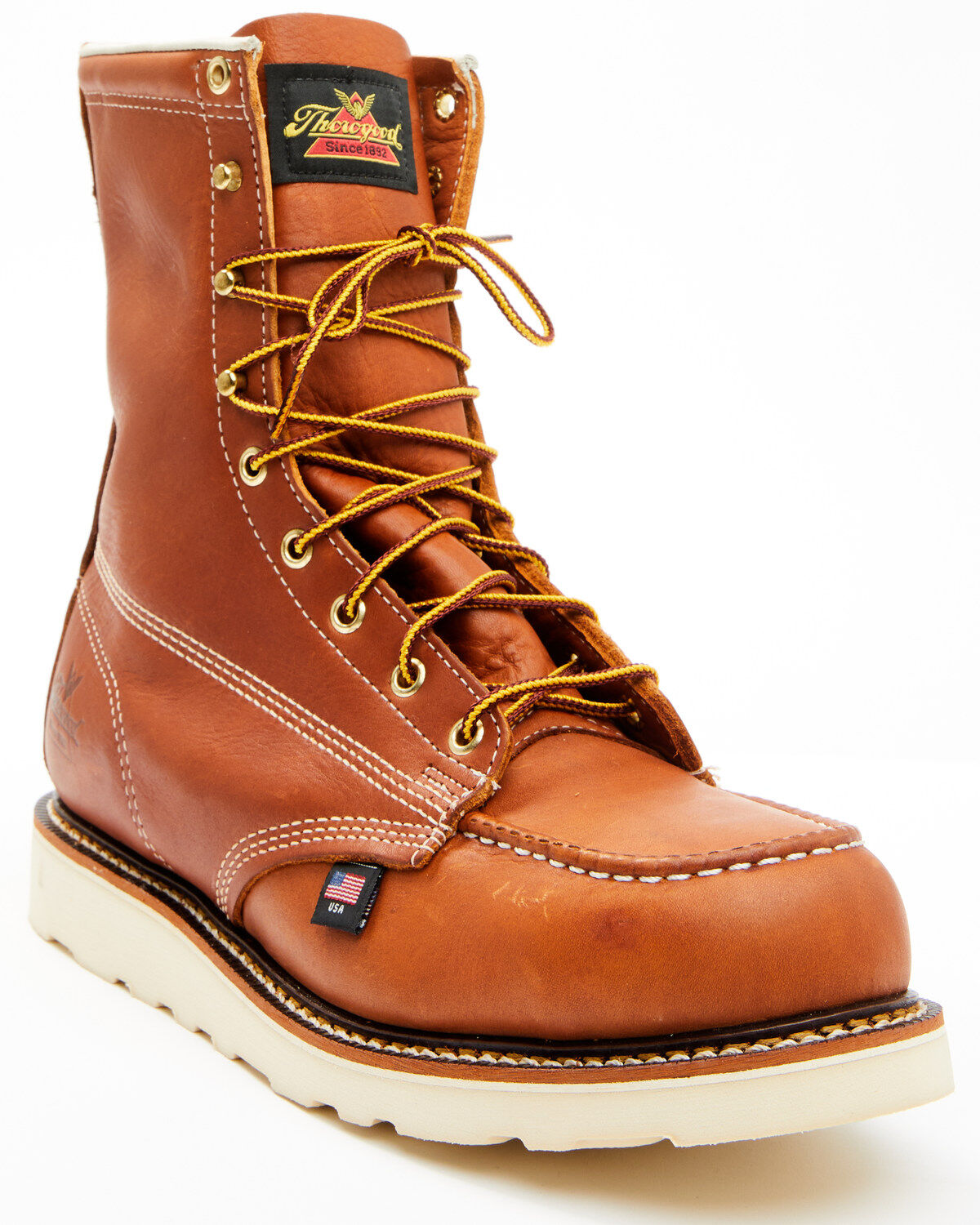
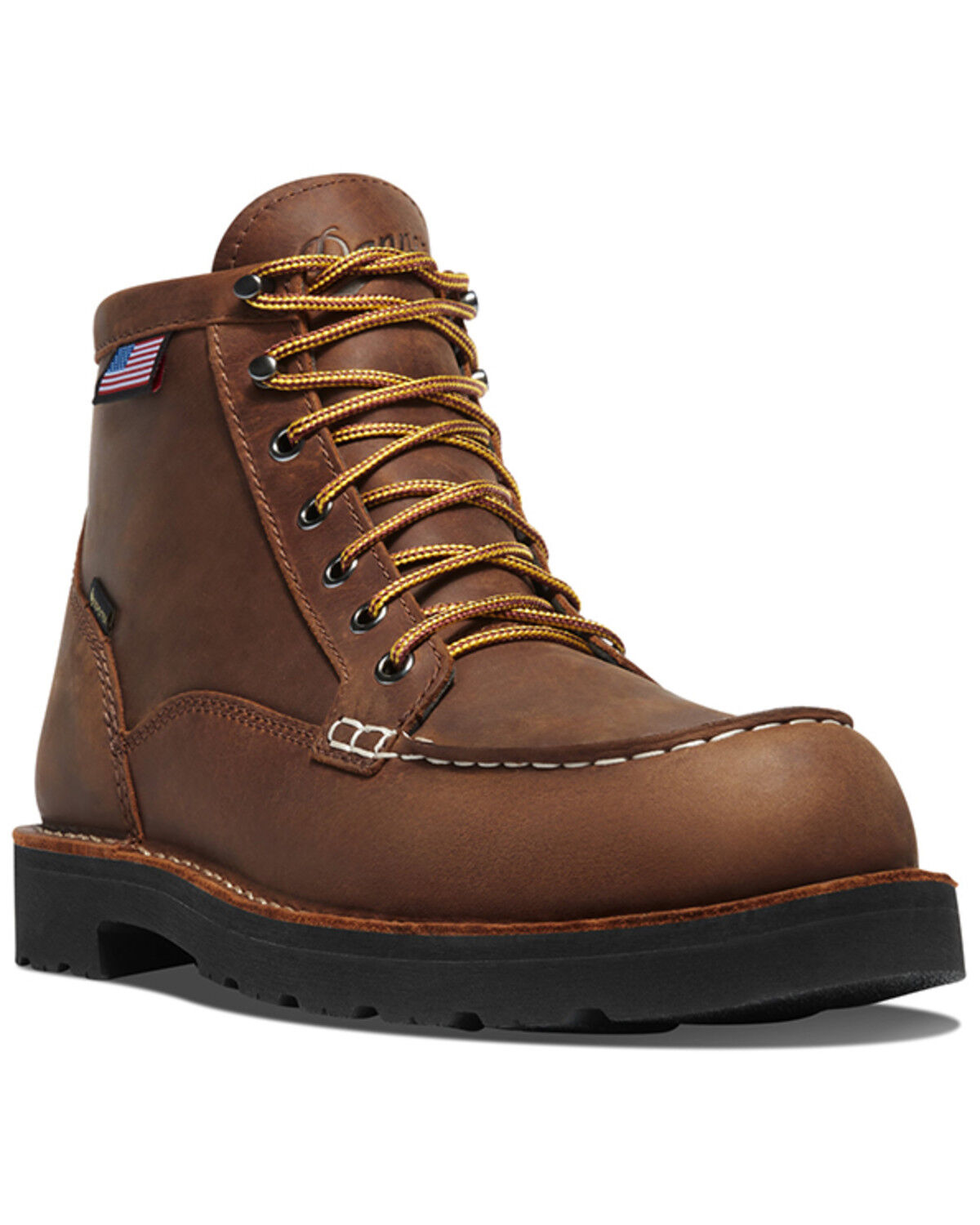
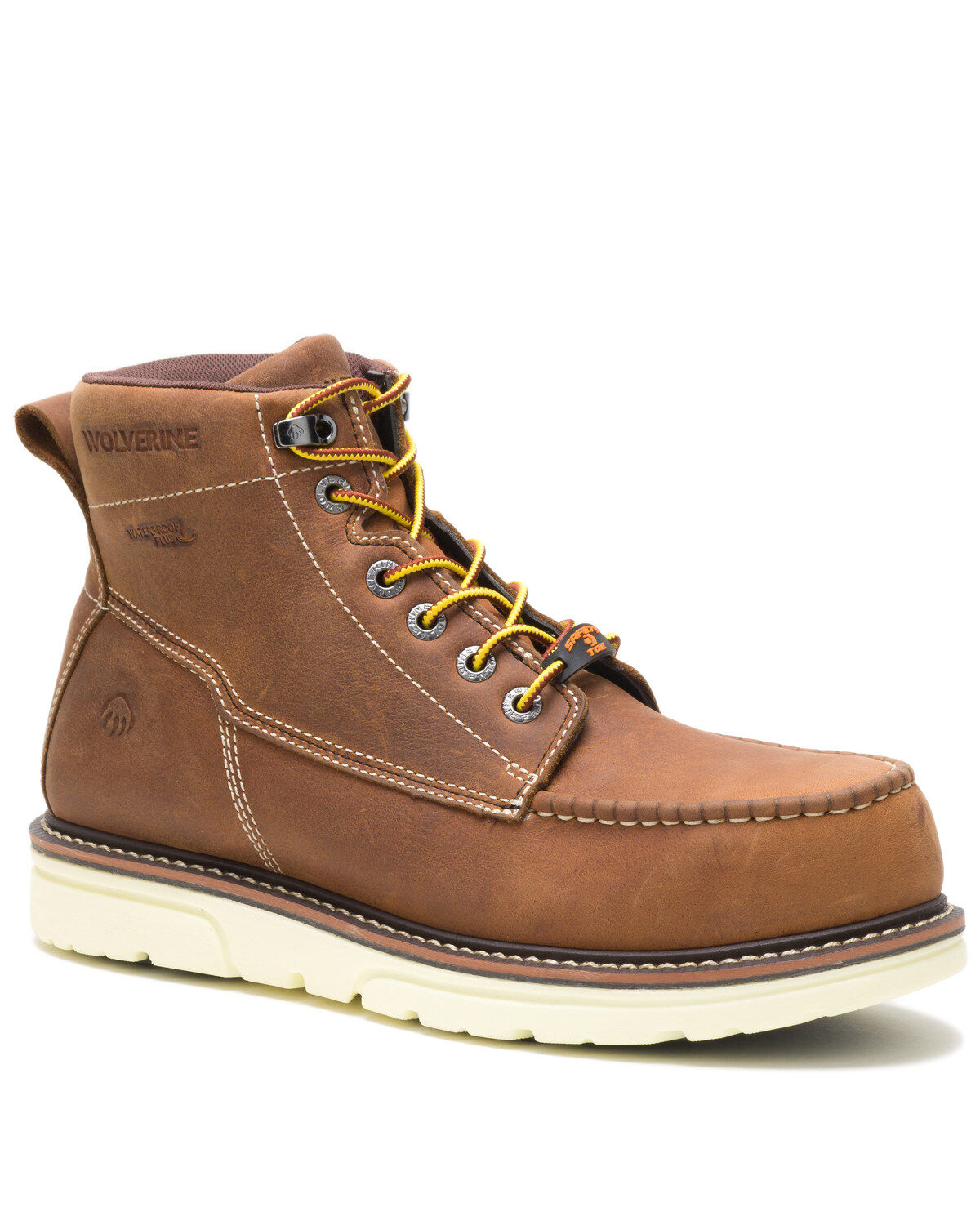
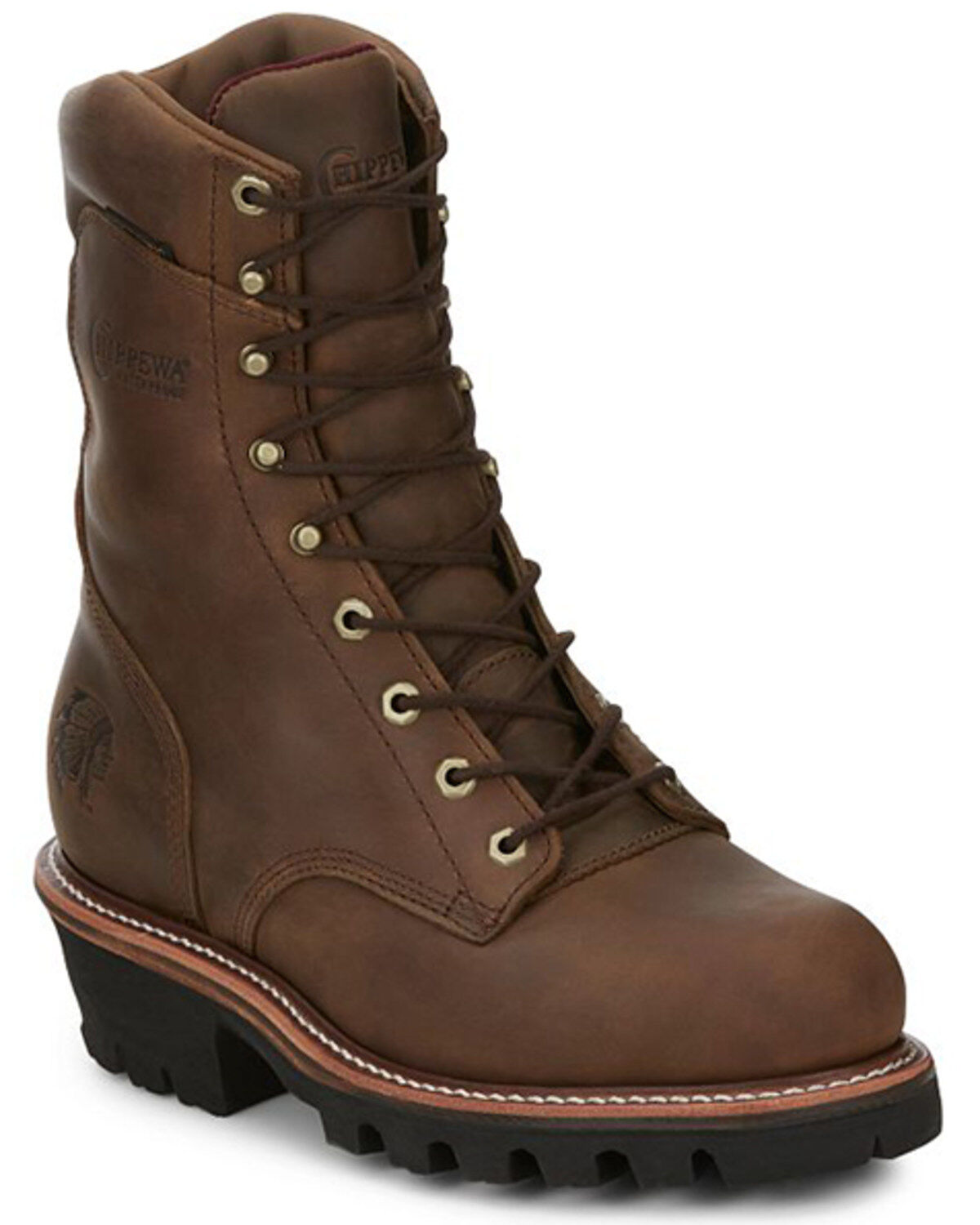
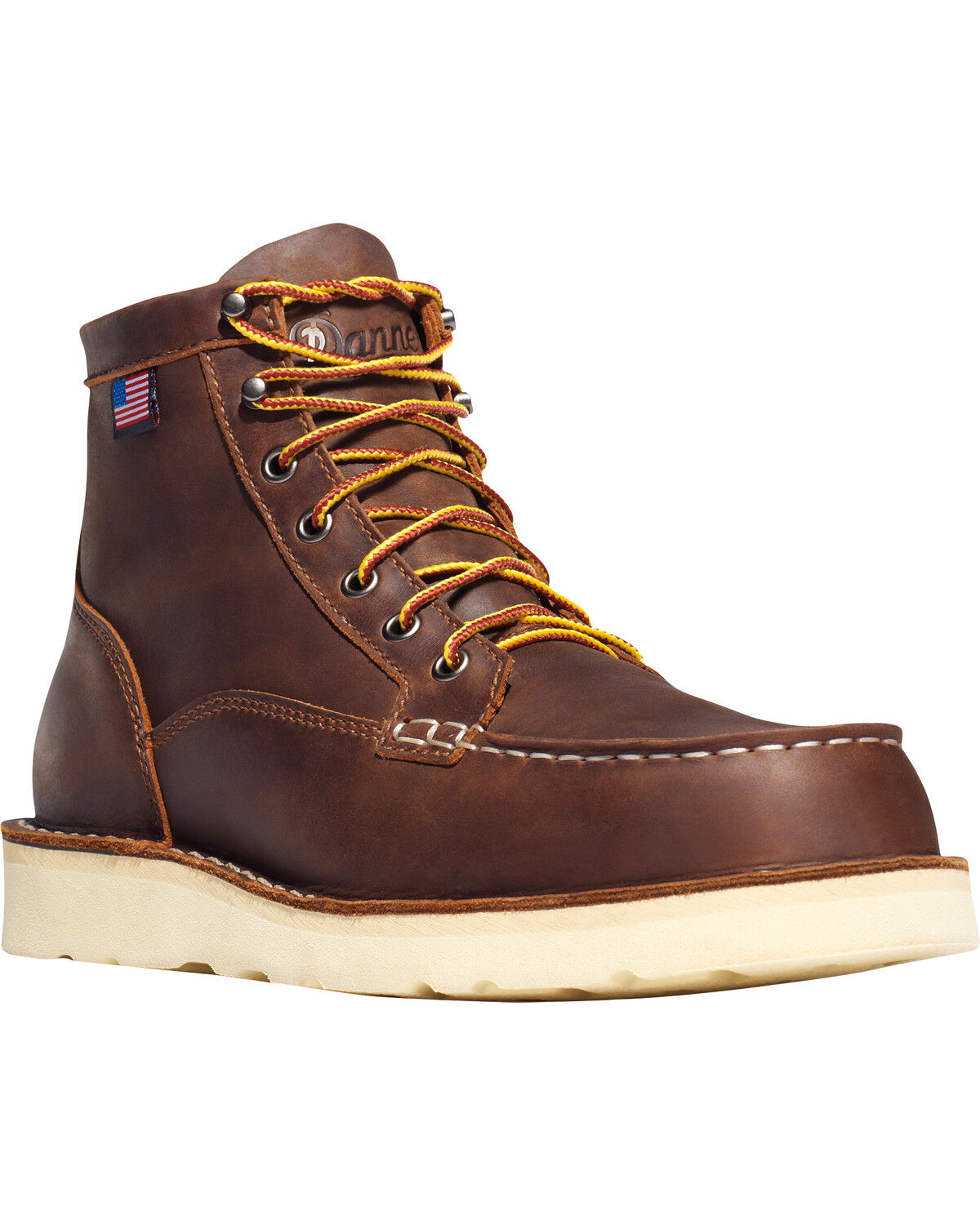
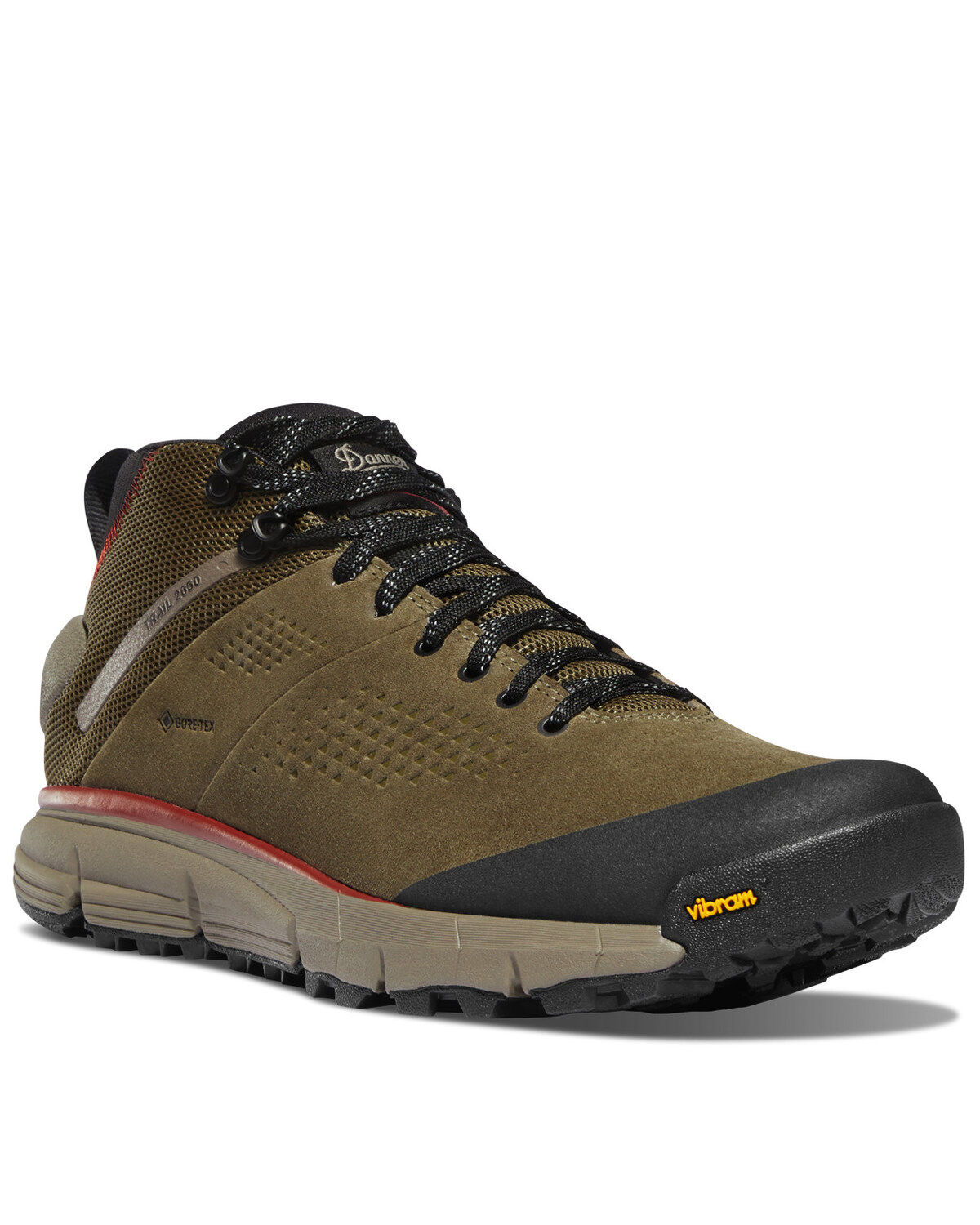
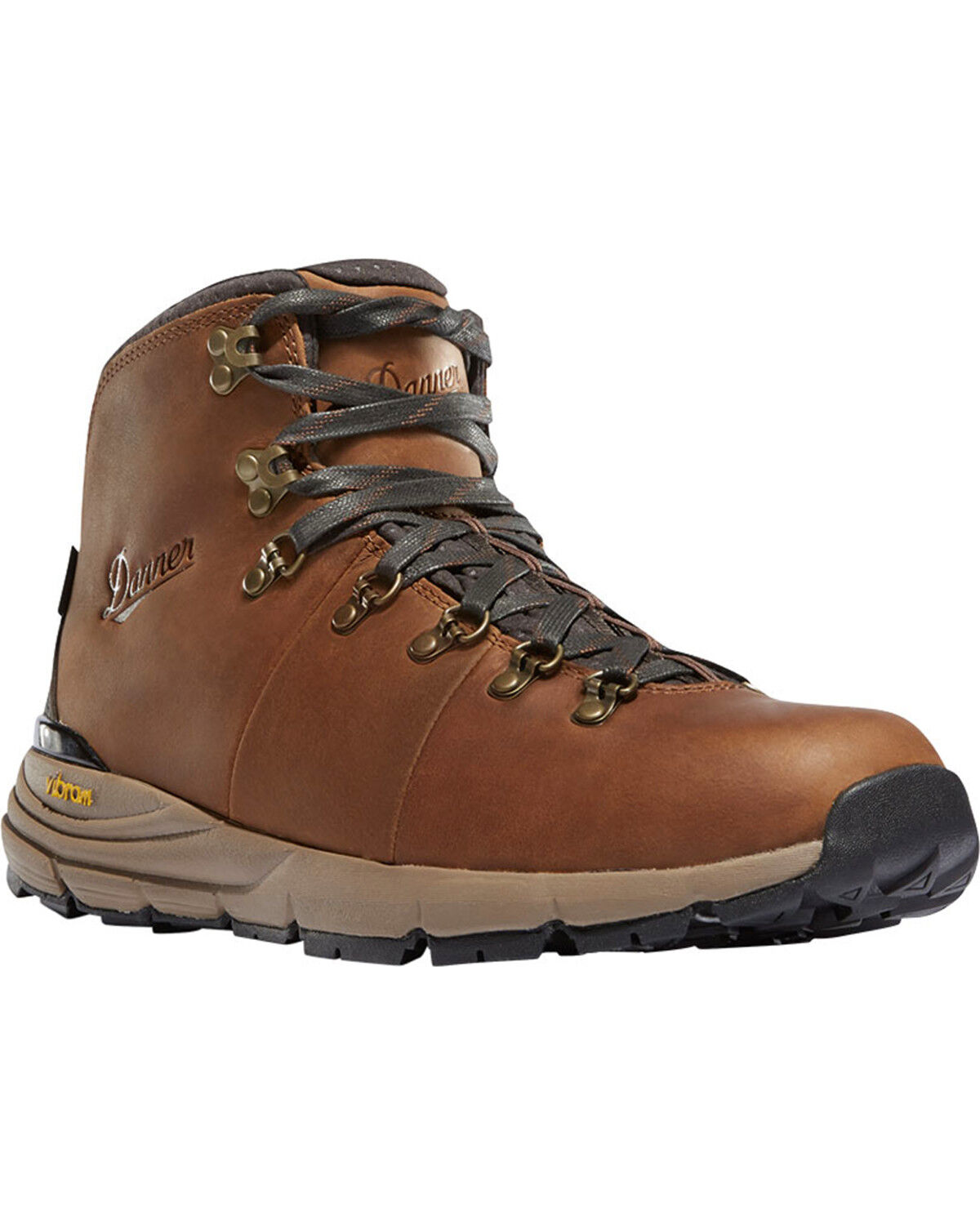
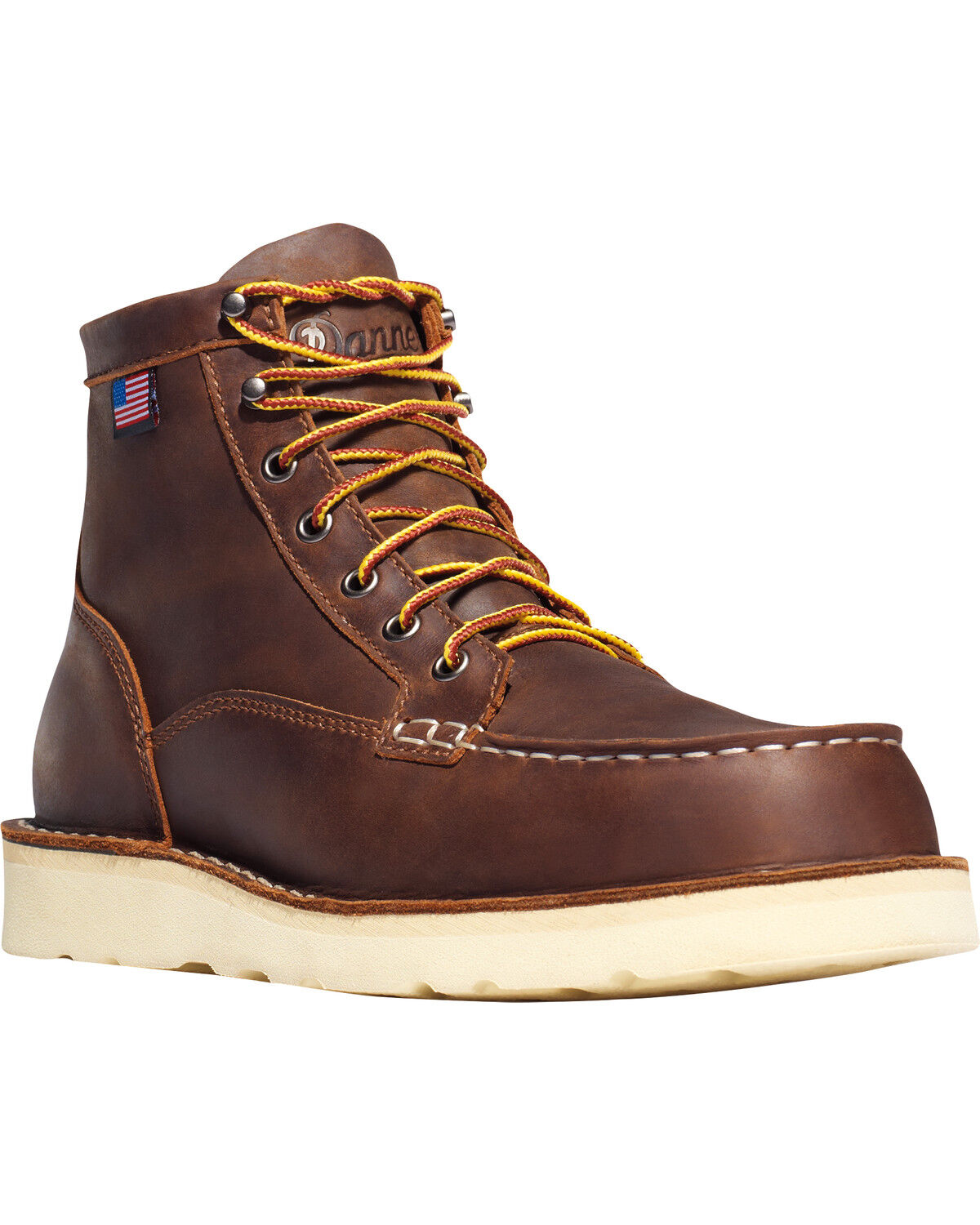
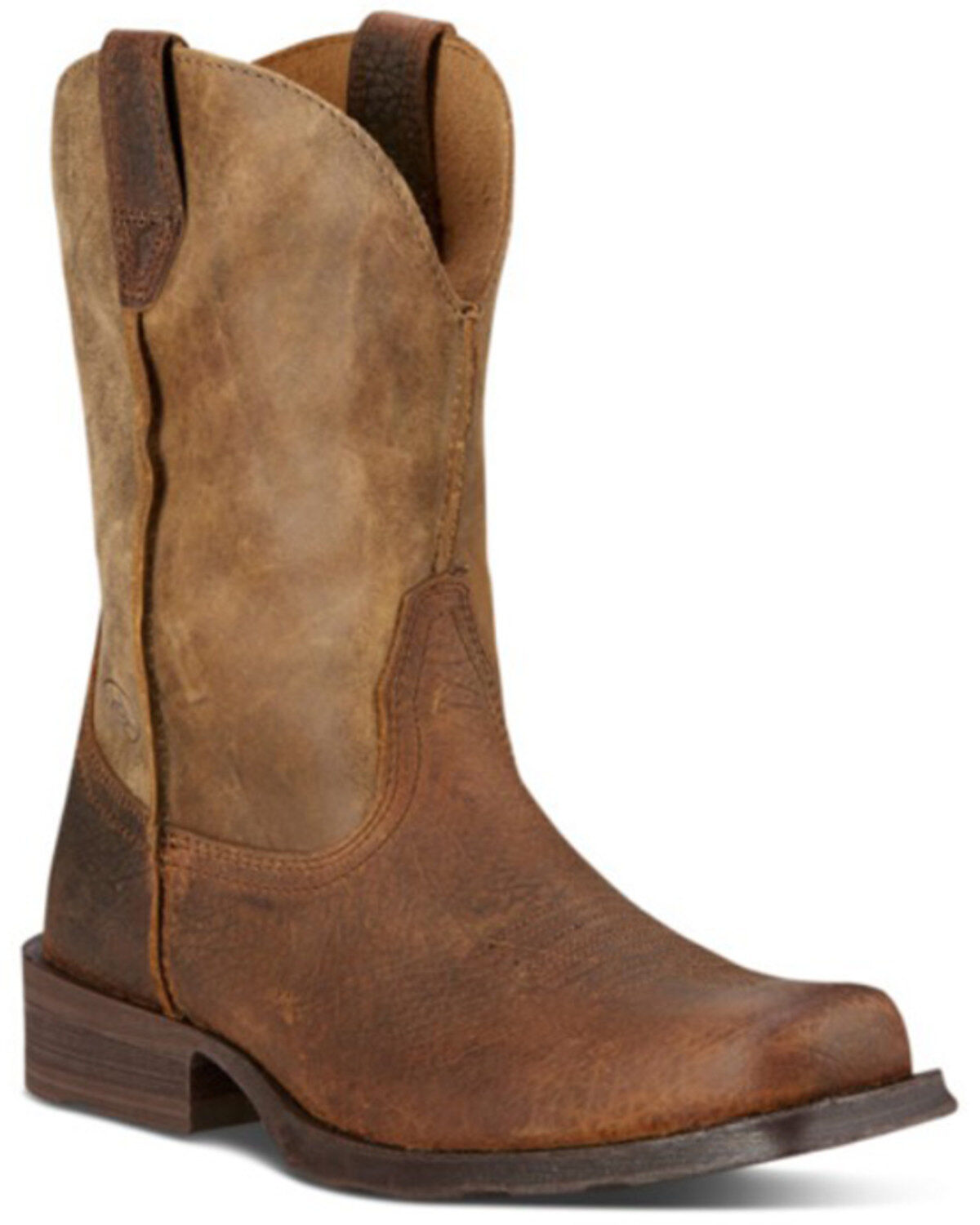
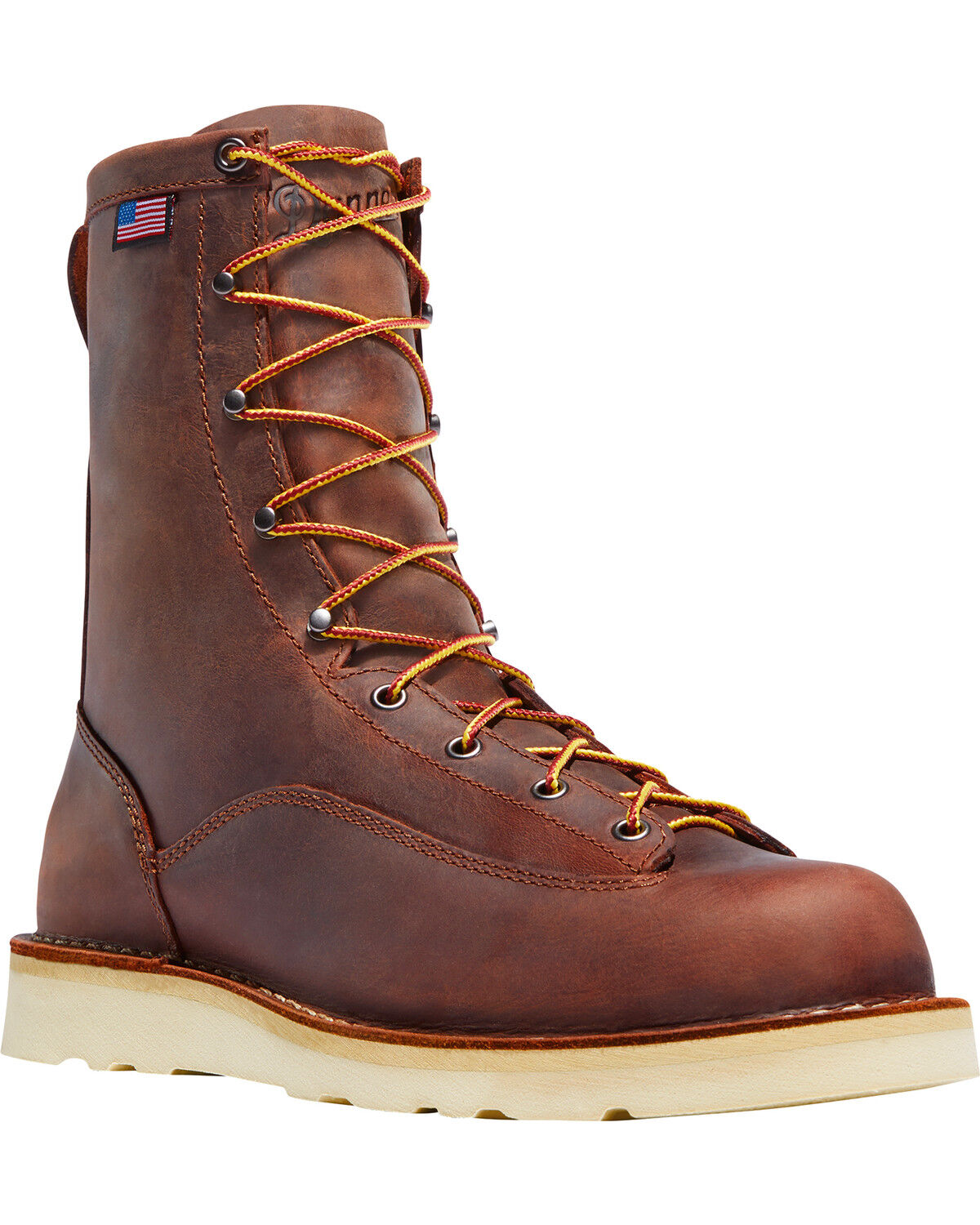
Men’s tan leather work boots bring a straightforward look to footwear built for demanding days. The tan finish pairs naturally with denim, canvas work pants, and other everyday workwear, while the leather gives the boot structure and a surface that can be cleaned and maintained. These boots suit a range of routines, from moving materials across a construction site to handling equipment in a shop or spending hours on a warehouse floor. The right choice depends on the work involved, not color alone. Leather type, sole construction, toe protection, and fit all affect how a boot performs over a full shift. Full-grain leather retains the hide’s outer surface and can develop a distinct worn-in appearance with use. Other leather finishes may have a smoother, more uniform look or treatments intended to improve resistance to certain kinds of exposure. Tan leather can show dust, scratches, and darkened areas where it bends or contacts equipment; that visible wear is different from damage that weakens the boot. Strong stitching, reinforced stress points, and a well-attached outsole matter more than a finish that stays untouched. A boot used around abrasive concrete, rough lumber, or heavy tools faces different demands than one worn mainly on a shop floor. For jobs involving falling objects or compression hazards, a safety toe may be required. Steel, composite, and other protective toe constructions have different characteristics, so the boot’s stated rating and the employer’s requirements should determine suitability. A soft toe can be appropriate where protective footwear is not required, but it does not replace a rated safety toe. Protection against underfoot punctures and electrical hazards also depends on the individual boot’s construction and documented rating. Leather uppers or a rugged appearance alone do not establish those capabilities. Men’s tan leather work boots make the most sense when their practical features match the tasks, surfaces, and exposure they will face. That match matters whether the wearer is on the job every day or tackling repairs and property work between regular shifts.

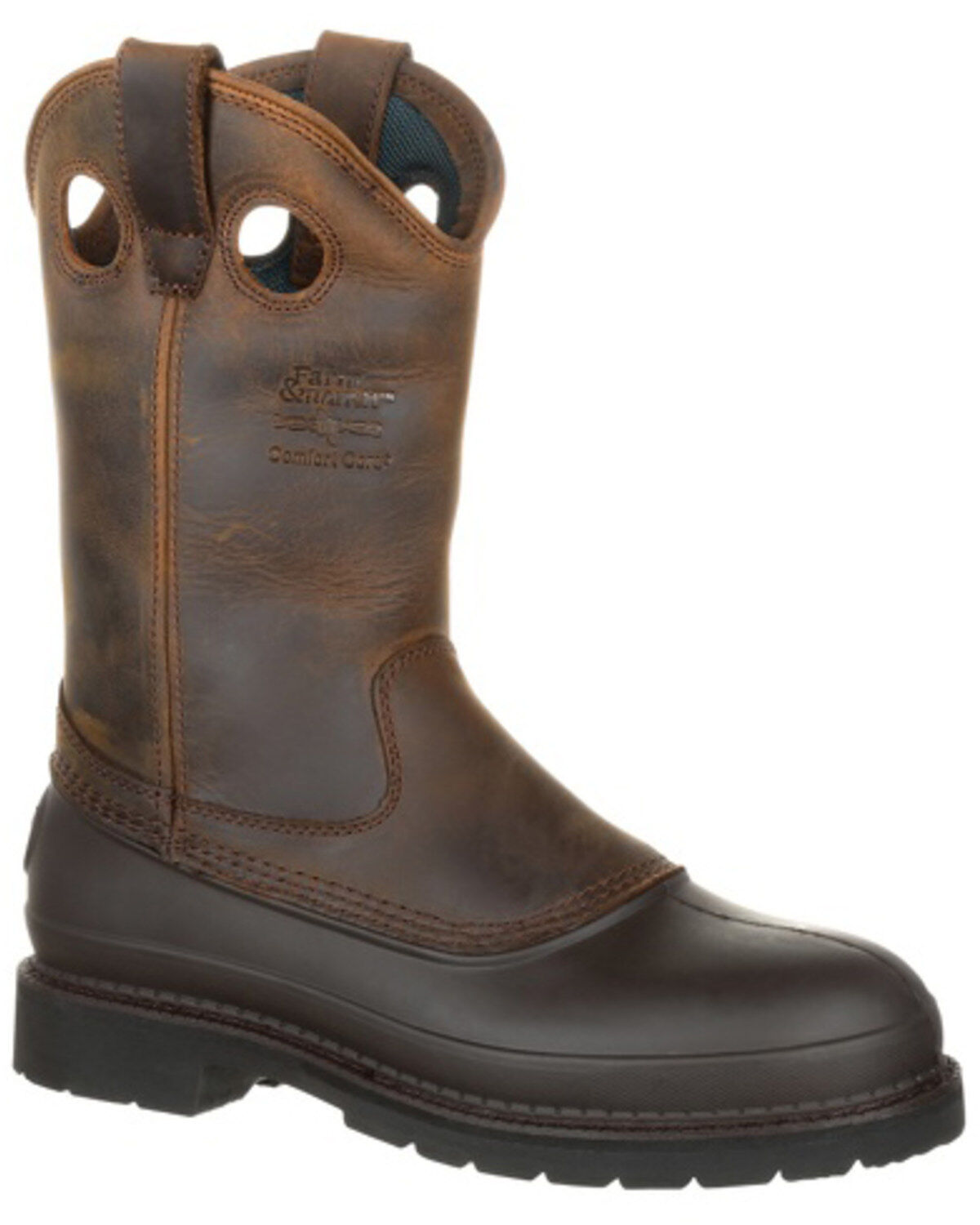
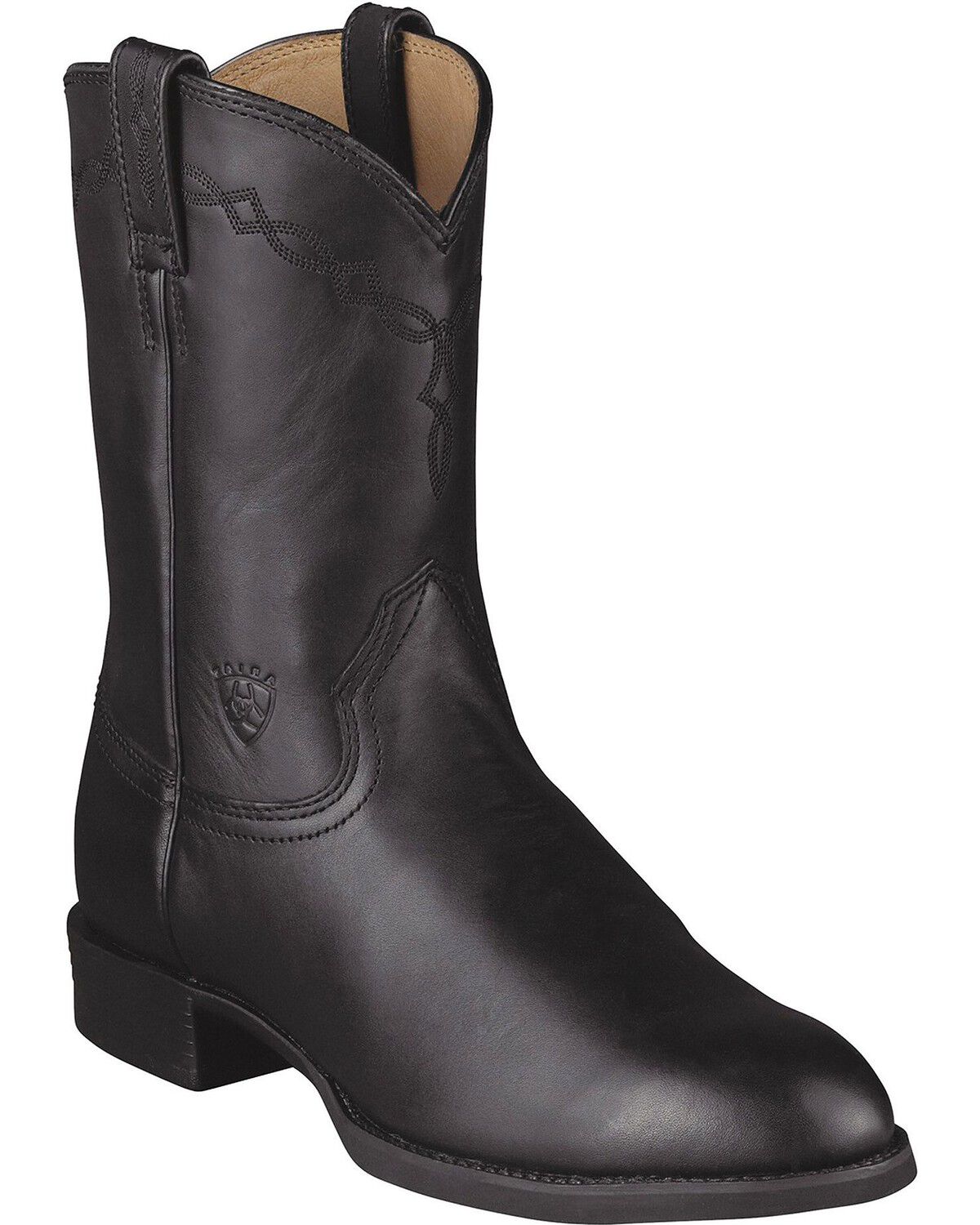
Fit deserves as much attention as the leather or outsole, especially when boots will be worn for long stretches. A work boot should hold the heel securely without squeezing the forefoot, and the toes should have room to move without striking the front during walking or kneeling. Feet can change in volume over the course of a day, making a late-day fitting with the intended work socks more useful than a quick try-on with thin casual socks. Both boots need to be tried because one foot may be slightly larger than the other. Leather can soften and become more flexible, but break-in should not be expected to fix a boot that is too short, too narrow, or painful across the instep. A protective toe cap will not stretch to create extra room. Removable footbeds can make it easier to use an appropriate replacement insole or prescribed orthotic, although added thickness changes the space inside the boot. Lace-up construction allows adjustment across the foot and ankle, while pull-on styles avoid laces and offer a different fit through the instep and shaft. Neither design is automatically better; secure footing and comfortable movement are the priorities. Underfoot construction also shapes the experience. Cushioning helps soften repeated steps, while a supportive platform can reduce the feeling of standing directly on a hard surface. Wedge soles often provide broad contact with relatively flat floors. Defined heels and deeper tread patterns serve different needs, including certain climbing tasks and uneven ground, depending on the boot’s design. Slip-resistant outsoles should be evaluated for the actual work surface, since dust, oil, and worn tread can affect traction. A boot that feels comfortable while standing should also remain secure when the wearer bends, carries a load, or steps onto equipment. Weight matters, too: a heavier build may provide features the job requires, but unnecessary bulk becomes noticeable over thousands of steps. The best fit supports the work without drawing attention to itself all day.

Regular care helps tan leather work boots retain their flexibility, appearance, and useful life. Dust and grit can collect around seams, welt edges, and the folds across the forefoot, where repeated movement gives abrasive particles more opportunity to wear against the leather. A soft brush or cloth removes loose dirt without rough handling, and a cleaner suited to the leather finish can address residue that brushing leaves behind. Smooth leather and suede or nubuck need different care products, so the finish matters before any treatment is applied. Leather conditioner can help maintain suitable smooth leather, but too much product may leave the surface heavy or alter its appearance. Tan leather often darkens with oils and conditioning treatments, making a small test on an inconspicuous area worthwhile. Water resistance also varies by construction. Leather alone does not make a boot waterproof, and any protective treatment should be compatible with the manufacturer’s care recommendations. After exposure to moisture during work or cleaning, boots need time to dry naturally away from direct heat. Rotating pairs, when practical, gives the lining and footbed more time to dry between wears. Condition checks are just as important as cleaning: separating soles, damaged stitching, cracked leather, and worn tread can affect performance even when the upper still looks presentable. Replaceable soles may extend the service life of some constructions, but repair options vary. For a gift, the wearer’s usual size is only part of the decision; width, preferred fit, and workplace protection requirements help narrow the choice. A man who spends his days maintaining equipment may need a different boot from someone working on finished indoor floors. For a similar color and material in another style, Mens Tan Leather Cowboy Boots offer a related option for western wear, with job suitability still determined by each boot’s features. Tan leather work boots remain a practical choice for men who want durable footwear with a familiar, understated appearance and construction suited to the work ahead.

FAQs