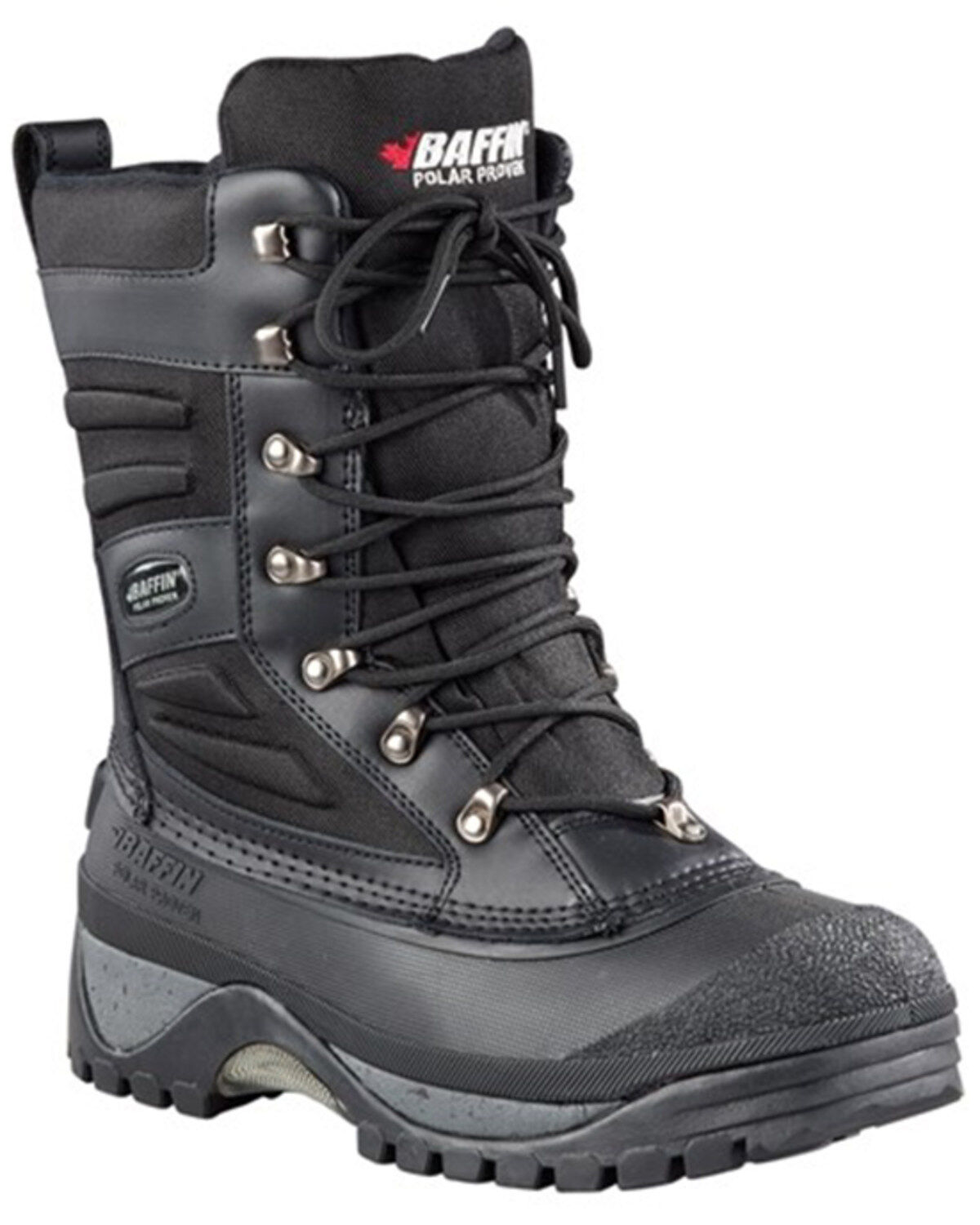
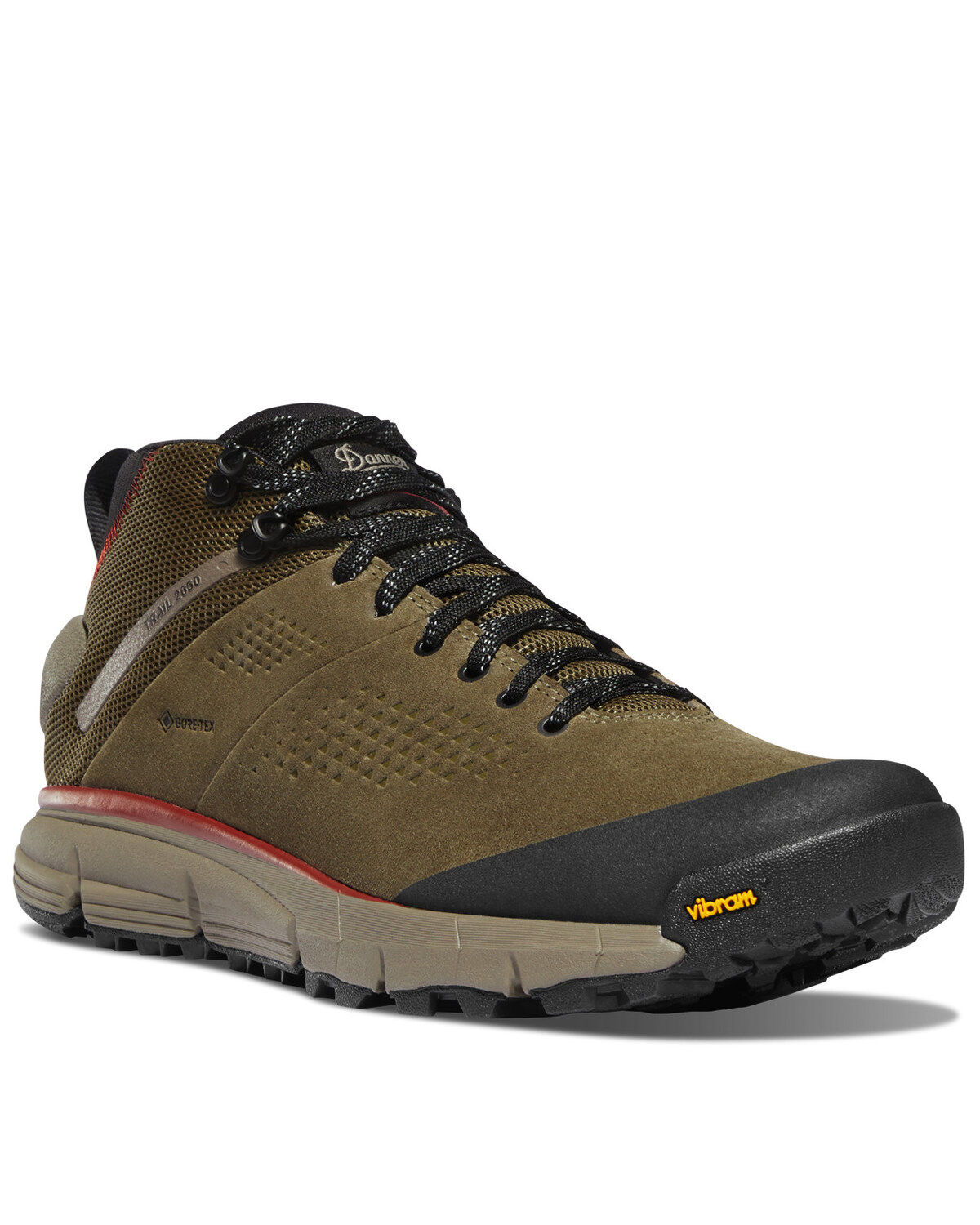
Men's Lightweight Insulated Winter Boots

Find men’s lightweight insulated winter boots that offer warmth without unnecessary weight. Browse cold-weather boots with an eye on fit, coverage, and insulation to choose a pair suited to your winter routine.

Shop Your Store: Shop Your Store: Find a Store

(Turn off Shop Your Store to see all items)

(Turn off Shop Your Store to see all items)

close
  • Recommended
  • Lowest Price
  • Highest Price
Skip pass products

End of products

Men's Lightweight Insulated Winter Boots

Men’s lightweight insulated winter boots bring warmth and practical support to cold-weather days without the bulk of heavier footwear. Their value shows up in ordinary work: clearing snow from a driveway, carrying supplies across a frozen yard, or walking from a parking lot to a jobsite before daylight. A lighter build can make repeated steps feel less cumbersome, especially when the day includes stairs, driving, and stretches of walking. Warmth still depends on more than weight. Insulation, upper materials, moisture protection, sock choice, and the amount of time spent standing all affect comfort. A man moving steadily through outdoor chores has different needs than someone stationed at a gate or working on an exposed loading dock. Synthetic insulation can hold warmth without requiring a thick, oversized boot, while leather and textile combinations can balance durability with flexibility. Leather offers a substantial feel and resistance to everyday abrasion; fabric panels can reduce weight and allow easier movement. Waterproof construction is useful around slush, wet snow, and puddles, but insulation alone does not make a boot waterproof. Water-resistant materials also have limits, particularly when exposure is prolonged or water reaches above the protective portion of the boot. Interior moisture matters, too. Breathable materials and moisture-managing linings can help move perspiration away from the foot, although no construction prevents dampness under every condition. Underfoot, tread depth, outsole material, and flexibility influence how a boot handles packed snow, loose gravel, or wet pavement. Defined tread can provide useful purchase in snow, while a heel edge may help on uneven ground. Traction varies by surface and temperature, and ordinary winter tread does not guarantee grip on smooth ice. The strongest fit for everyday wear is a boot that matches the actual conditions: enough insulation for the exposure, protection appropriate to the moisture, and an outsole suited to the ground beneath it. Lightweight construction should make the boot easier to wear, not leave it underbuilt for the task.

Fit is especially important in insulated footwear because warmth and comfort depend on having enough room without allowing the foot to move excessively. The toes need space to move naturally, even with the socks intended for winter use. A boot that feels snug with thin socks may become restrictive with a thicker pair, and pressure across the forefoot can undermine comfort during a long day. More sock thickness is not always the answer; a moderately cushioned wool-blend or synthetic sock that manages moisture can be more practical than several bulky layers. The heel should remain supported, with limited movement, while the instep feels secure rather than compressed. Fit also changes when an additional insole or prescribed insert takes up interior space. Removable footbeds can make that adjustment easier, but the remaining room still needs to support a comfortable stride. Lace-up construction allows the fit to be adjusted across the foot and ankle, which is useful when sock thickness varies or one foot needs a slightly different tension. Mens Insulated Lace Up Boots offer another way to explore insulated footwear with an adjustable closure. A padded collar can soften contact around the ankle, while a gusseted tongue can help limit the entry of loose snow and debris, depending on its height and construction. Taller shafts provide more coverage, but they may also feel different while bending, climbing steps, or sitting behind the wheel. Cushioning and a flexible forefoot can make walking more comfortable, while firmer support may be useful on uneven ground. Neither feel is right for every wearer. For work settings, insulation and low weight do not establish safety protection. Required toe protection, electrical hazard ratings, and other workplace specifications need to be confirmed separately. A winter boot intended for errands or property maintenance may not meet the requirements of a construction site or industrial shop. The right balance depends on how the boots will be worn through the full day, not just how warm they feel during the first few minutes outside.

Durability in lightweight insulated winter boots comes from the complete build, including the upper, stitching, outsole attachment, and the areas that take repeated wear. Reinforcement near the toe and heel can help where boots brush against steps, tools, or rough surfaces. Leather uppers benefit from regular cleaning and appropriate conditioning, while textile sections generally need gentle cleaning that does not damage their protective treatments. Road salt and dirty slush should not remain on the surface after wear. Once loose dirt is removed, a damp cloth or a cleaner suitable for the material can help lift residue before it settles into seams and creases. Care products need to match the upper and any waterproof construction; a treatment intended for smooth leather may not be suitable for suede or fabric. Drying deserves the same attention. Direct heat from a stove, radiator, or forced-air vent can damage materials and adhesives, even when it seems like a quick solution for wet boots. Air drying in a ventilated space, with removable footbeds taken out when appropriate, allows interior moisture to escape more gradually. Boots that are used daily need time to dry between outings, particularly after active work that leaves the lining damp. An outsole also needs periodic attention. Packed mud, stones, and hardened debris can reduce the usefulness of tread, while worn edges may change how the boot feels underfoot. These details matter to men who spend winter moving between a truck cab, a workshop, and outdoor tasks, as well as those who need dependable footwear for walking the dog or keeping a property clear after snowfall. Insulated boots can also make a practical gift for someone who regularly works or spends time outdoors in cold conditions. Familiarity with the recipient’s size, foot width, usual socks, and daily routine makes that choice more personal and useful. The lasting appeal is straightforward: manageable weight, reliable comfort, and protection that suits the work, the weather, and the miles ahead.

FAQs