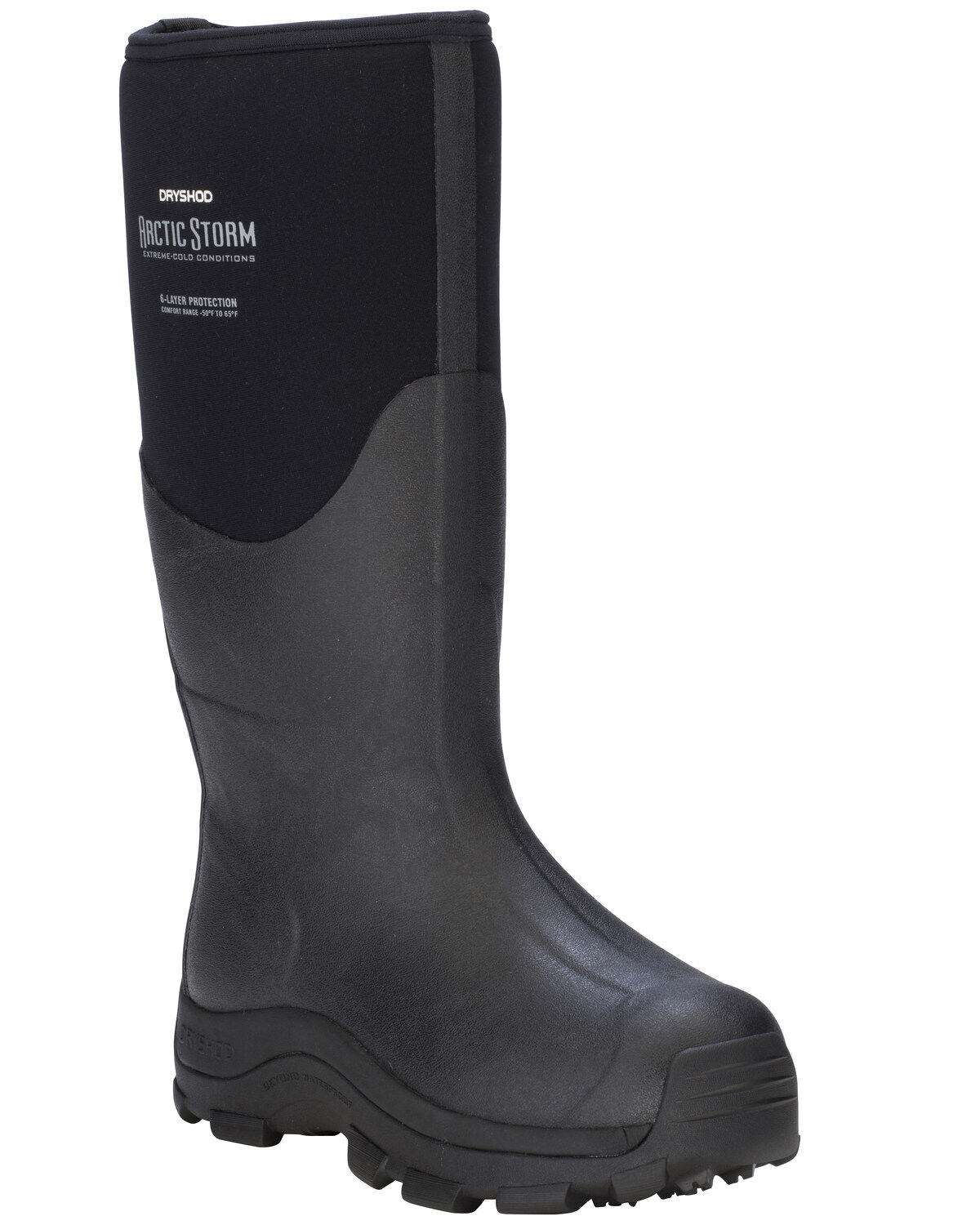
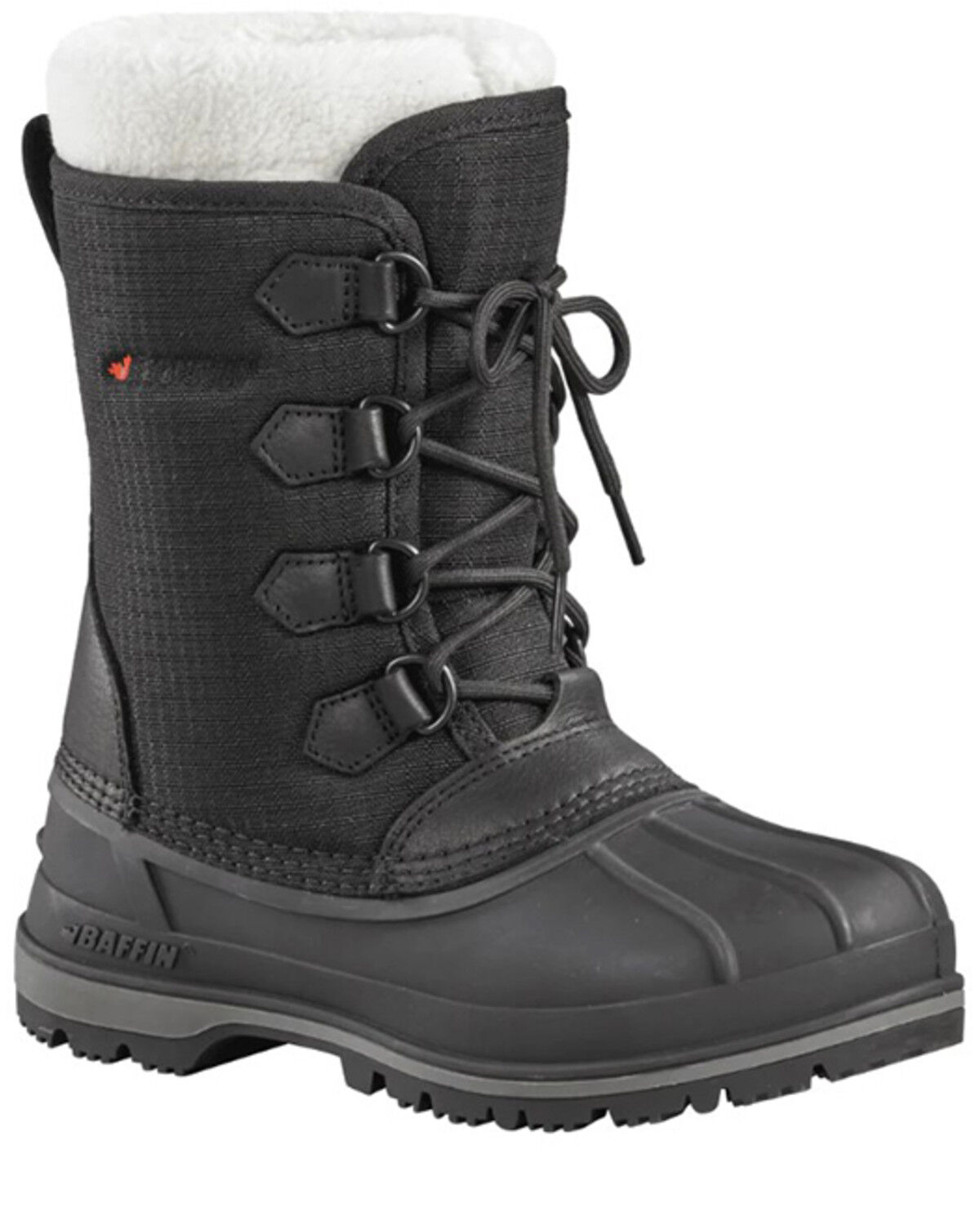
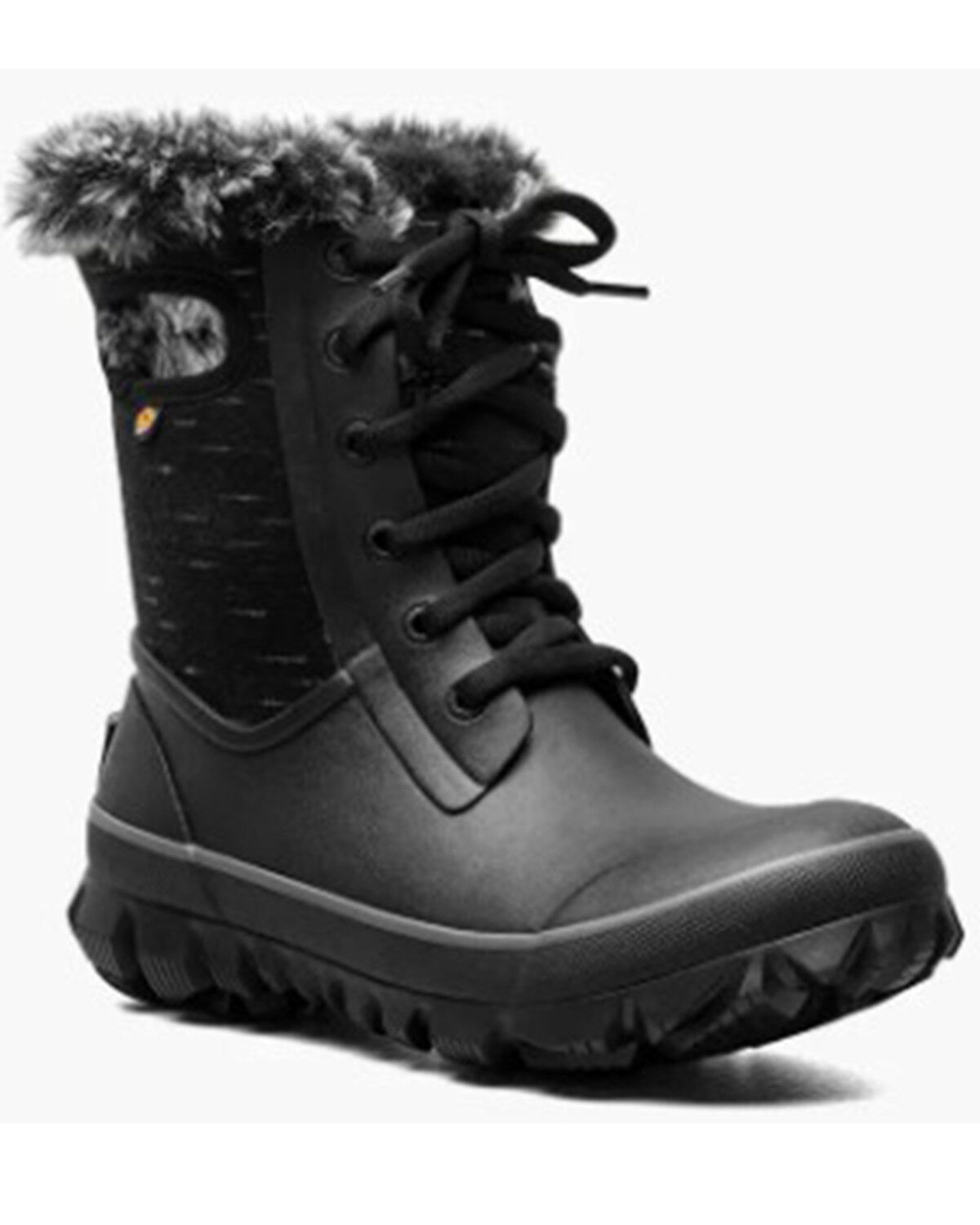
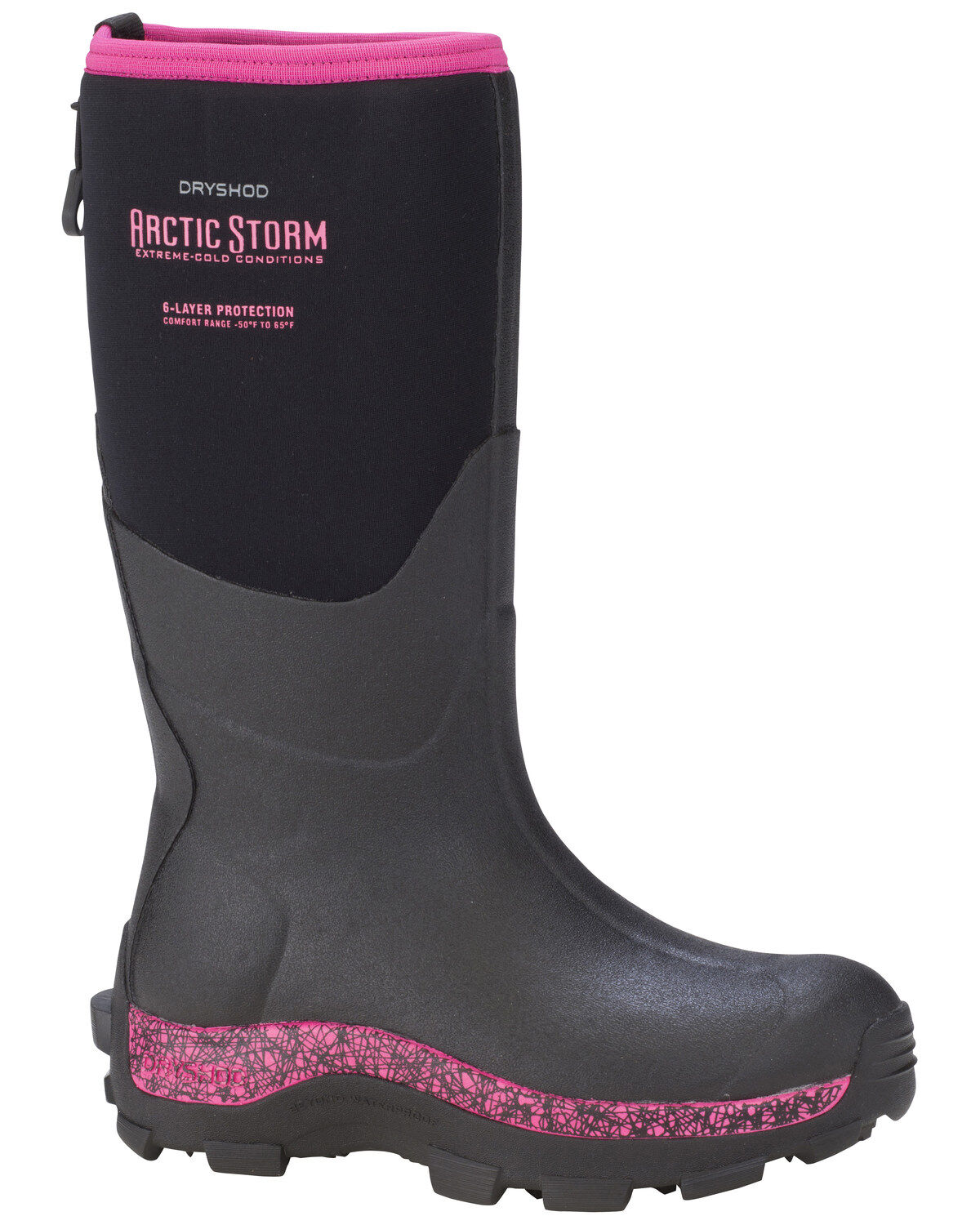
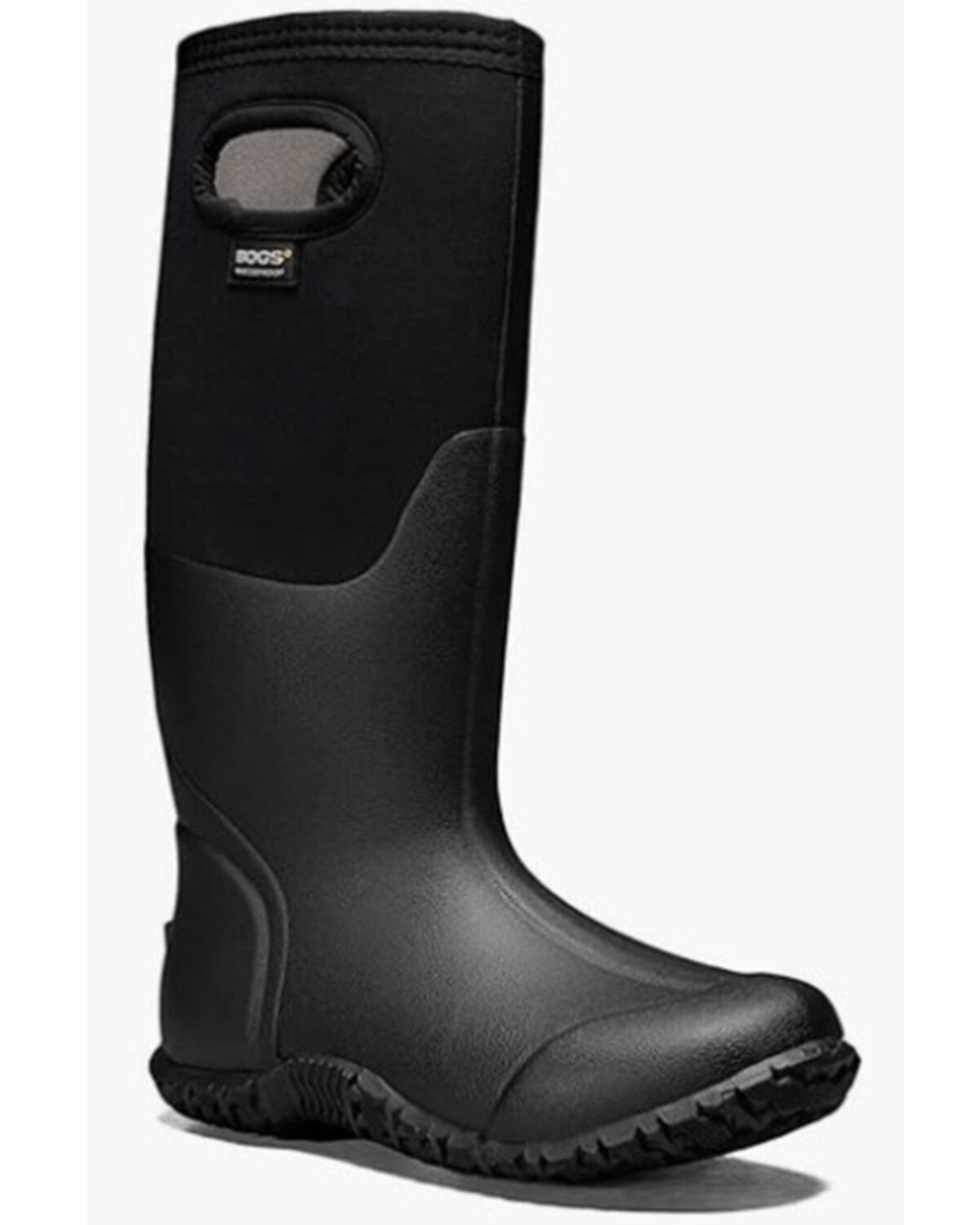
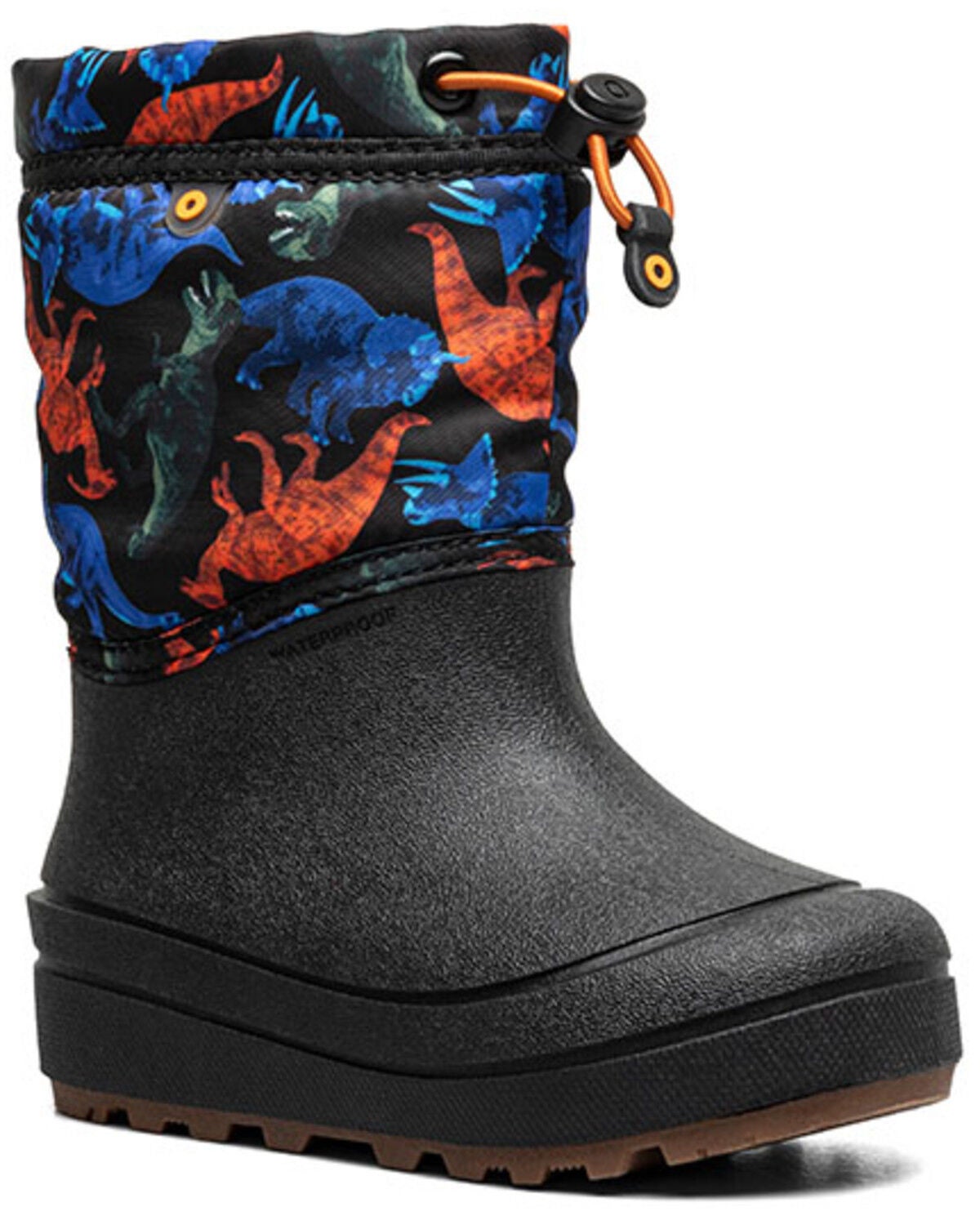
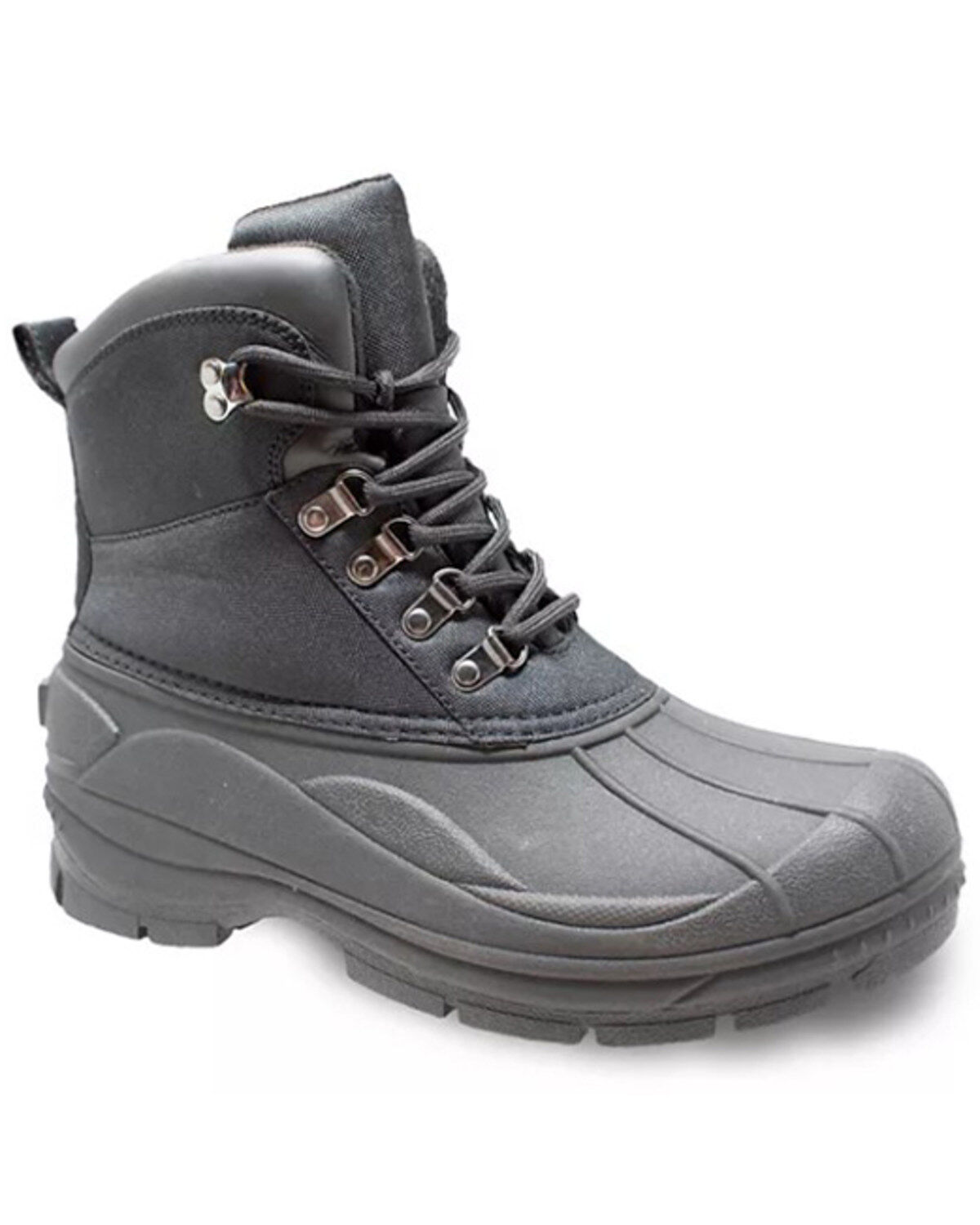
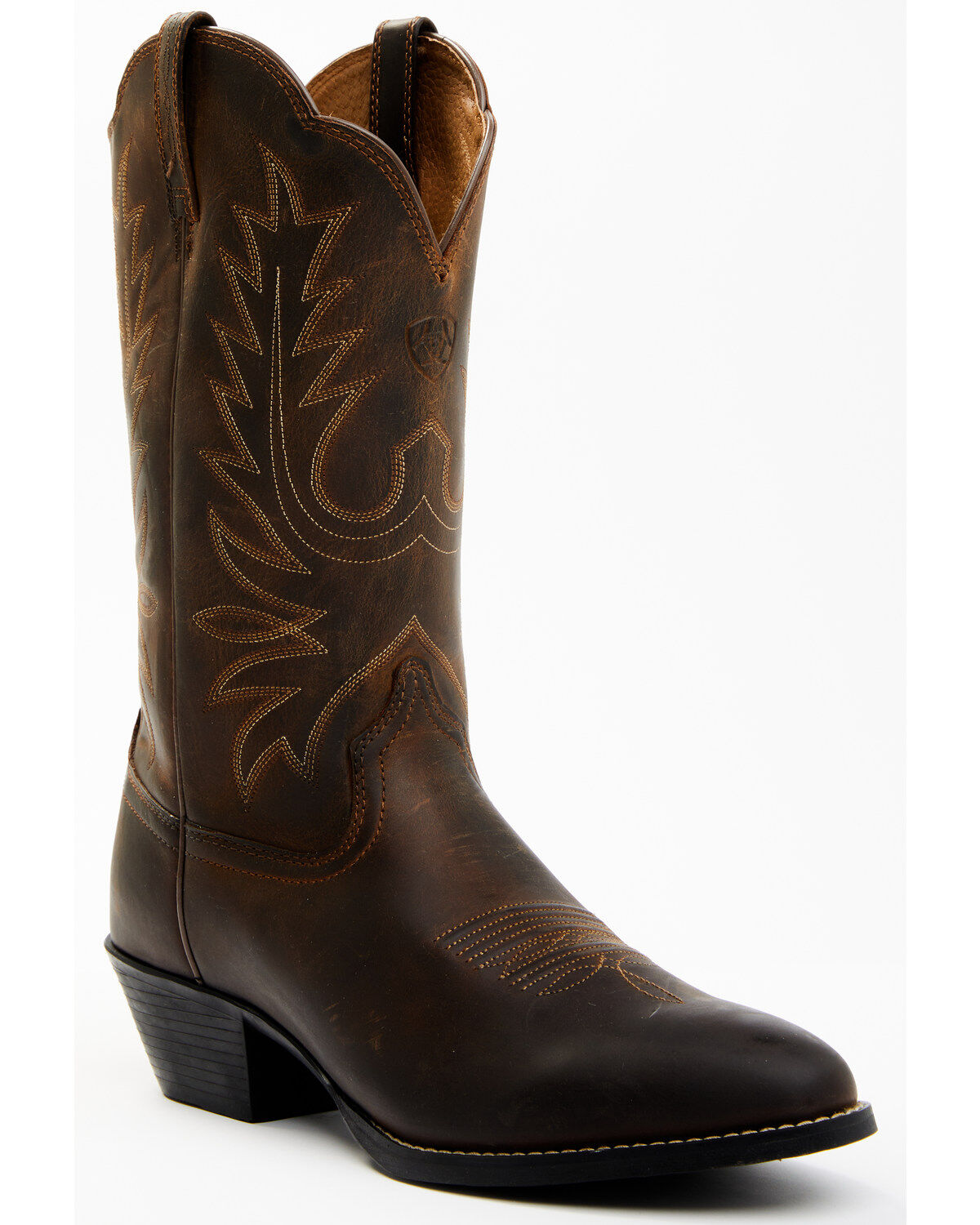
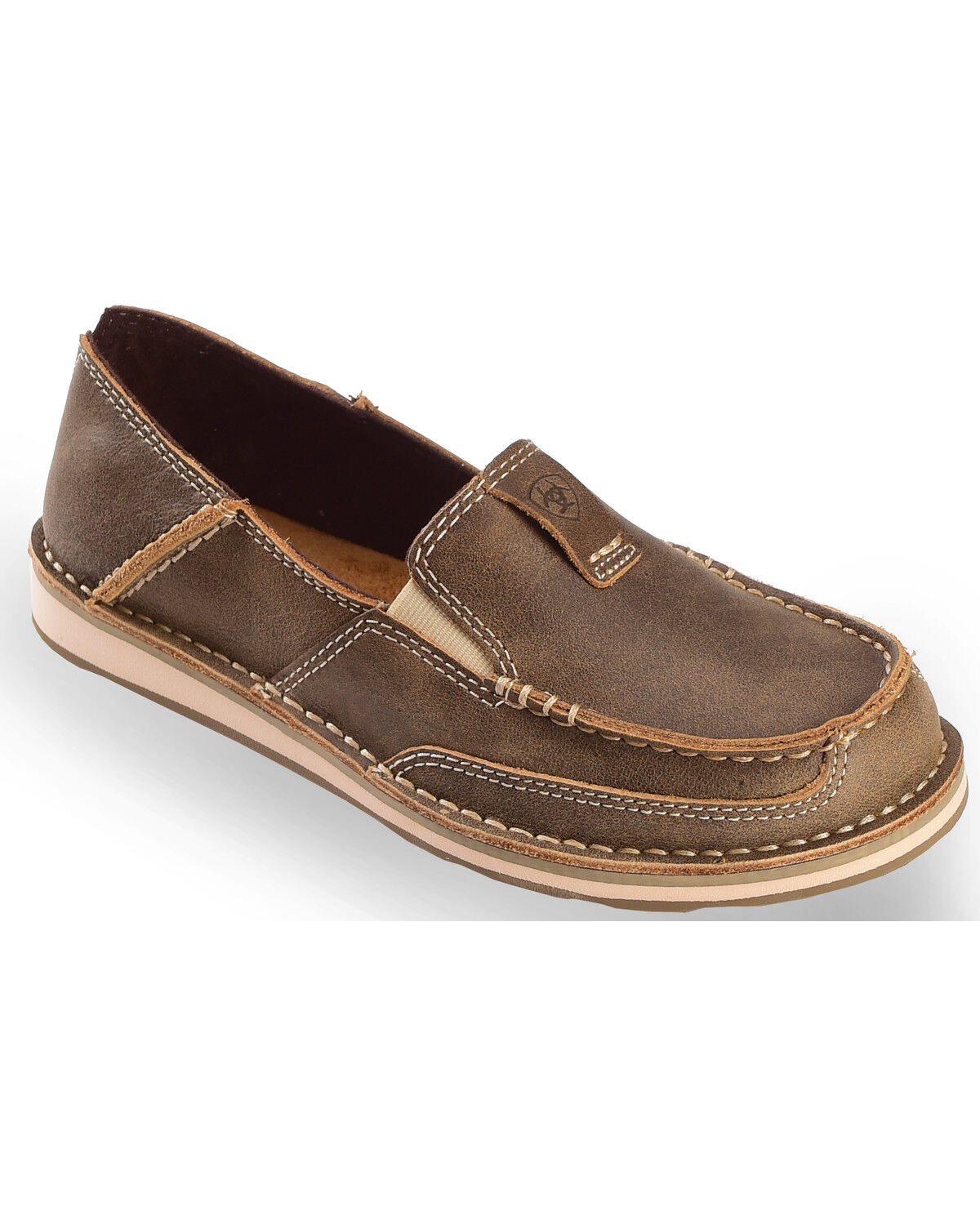
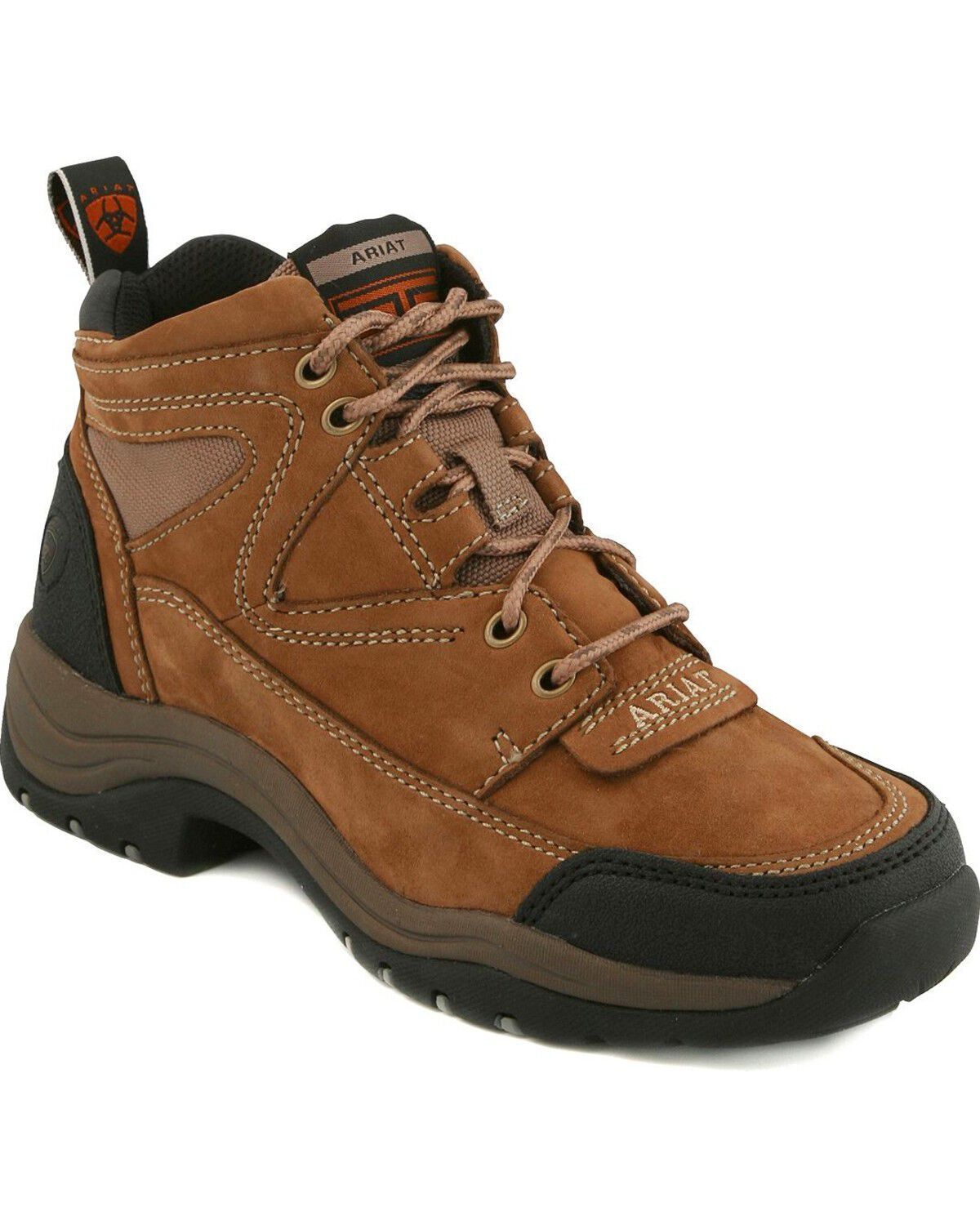
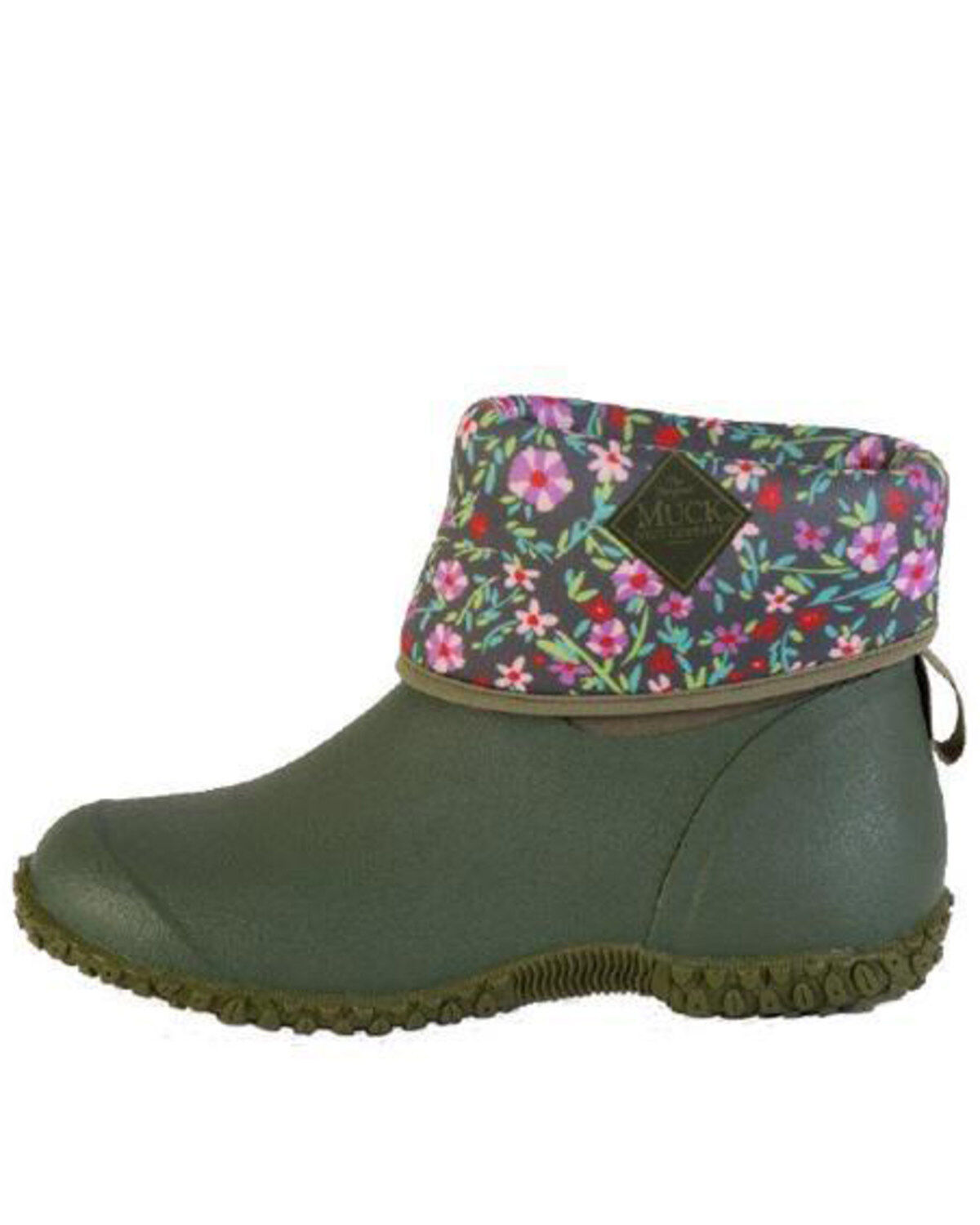
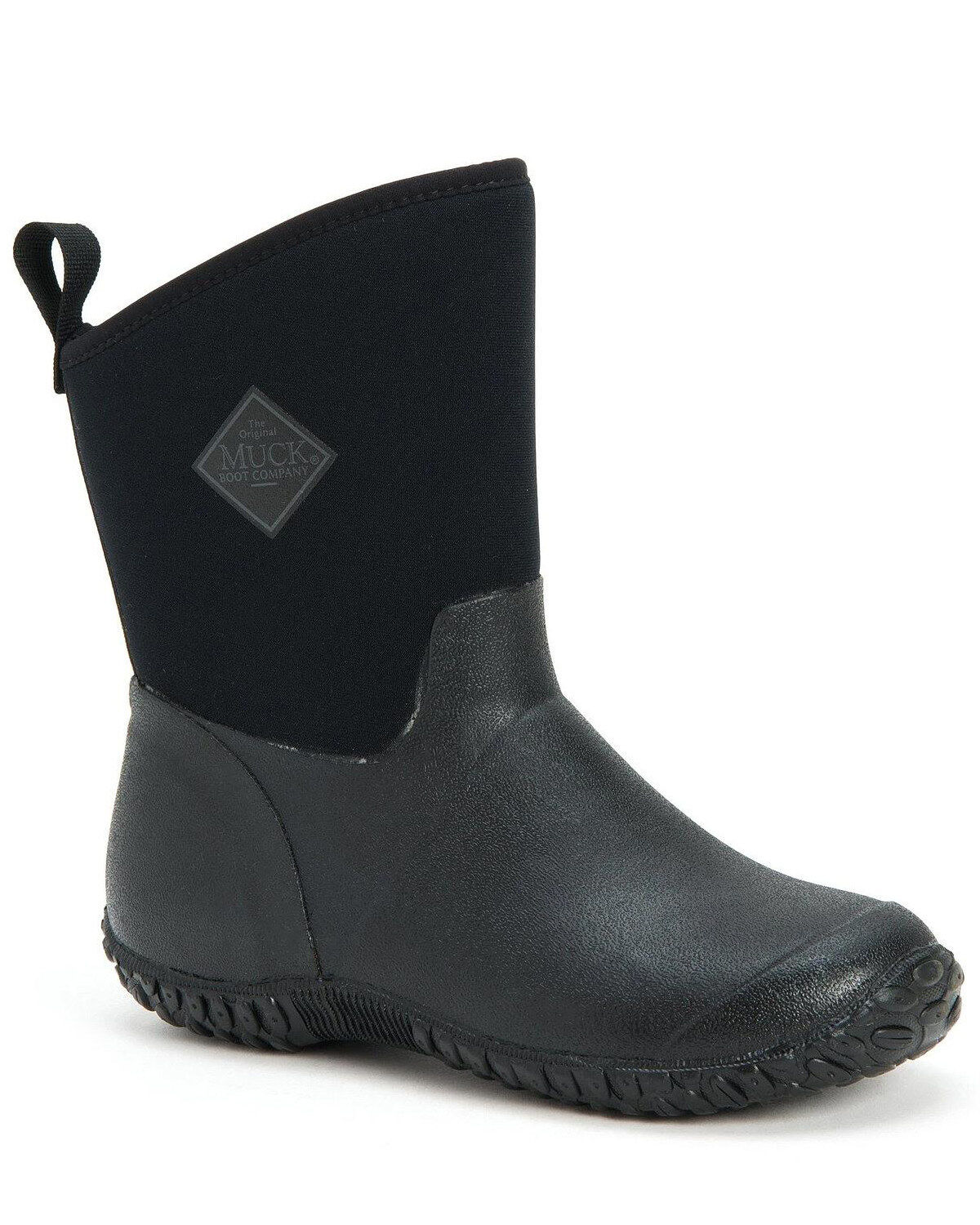
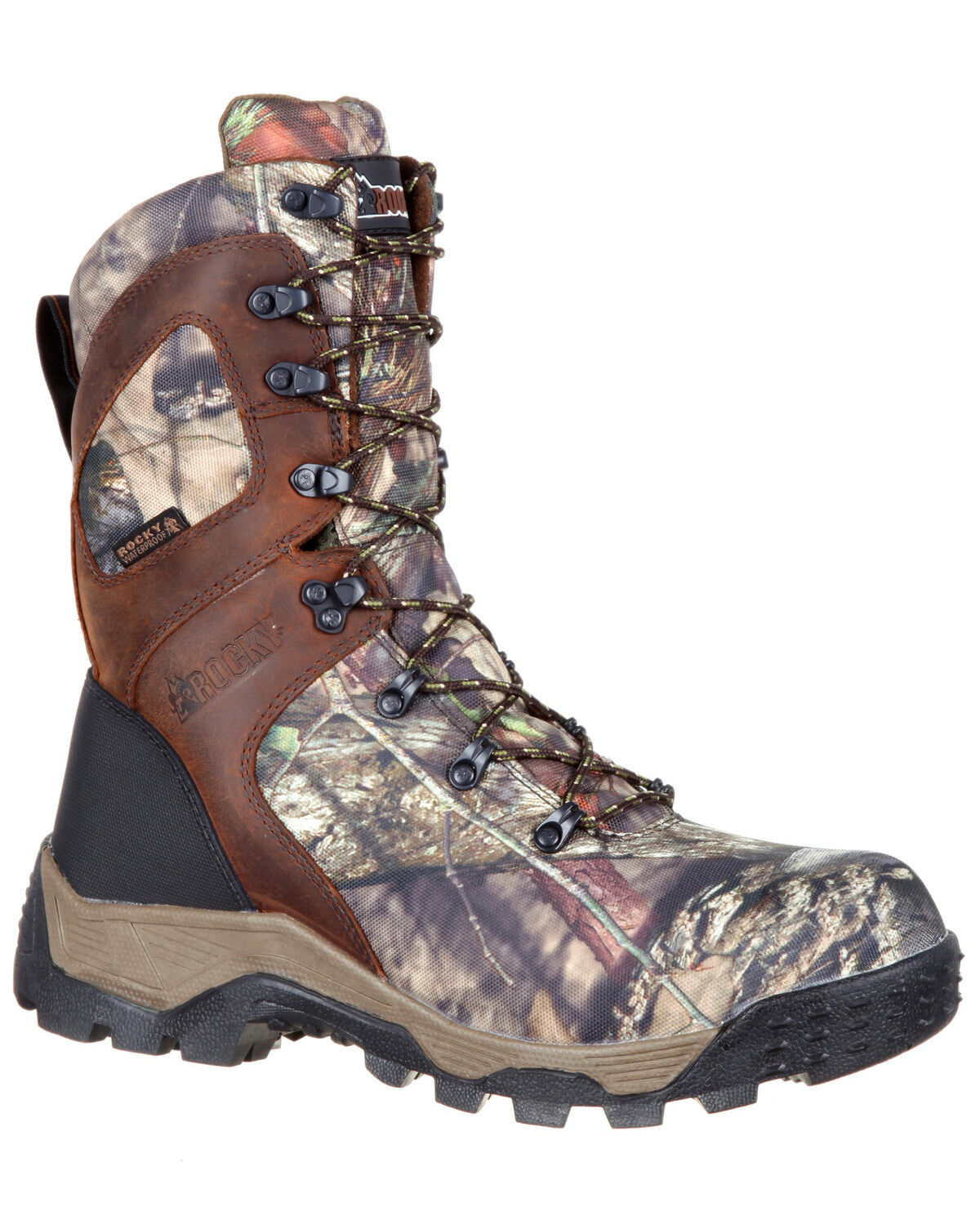
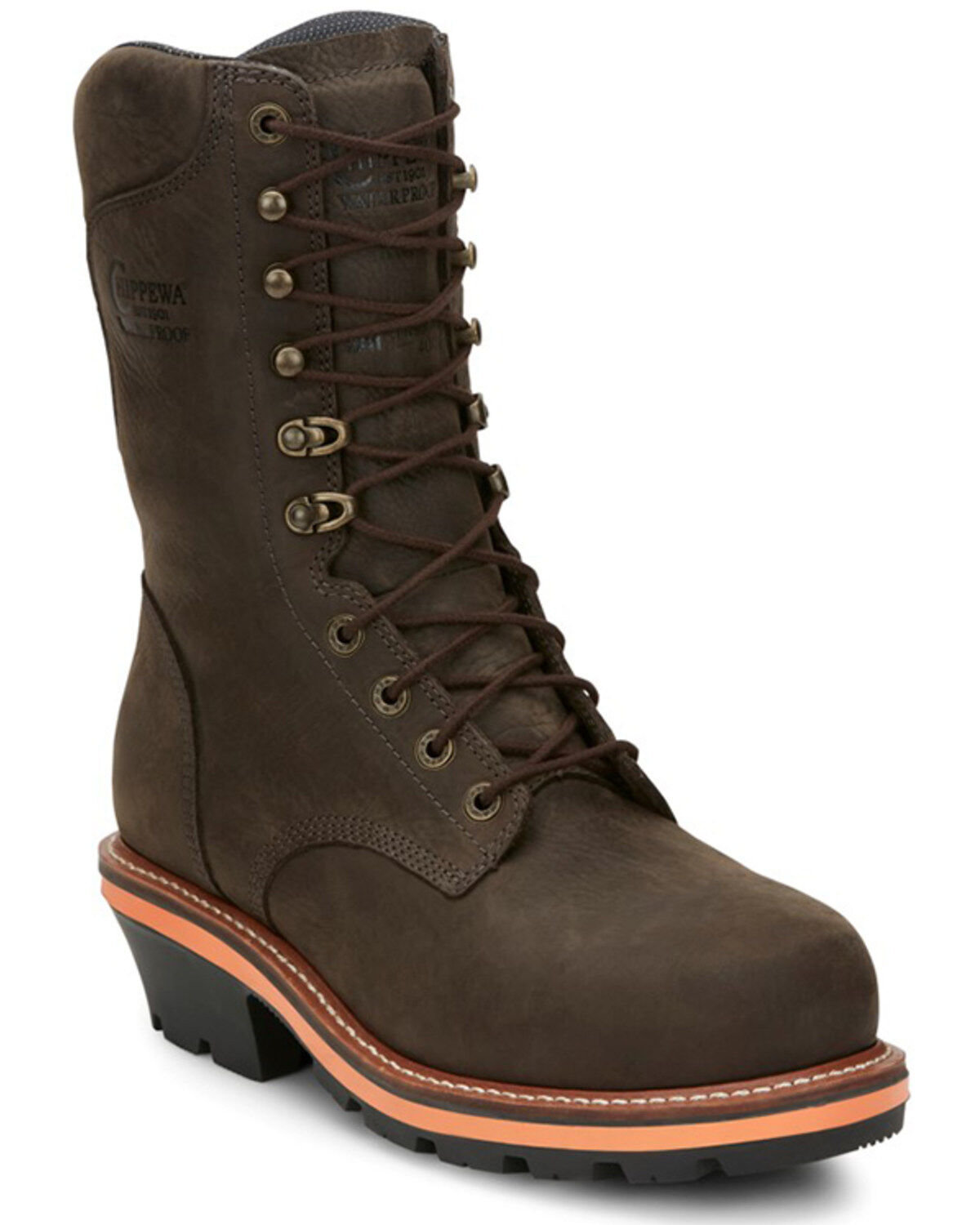
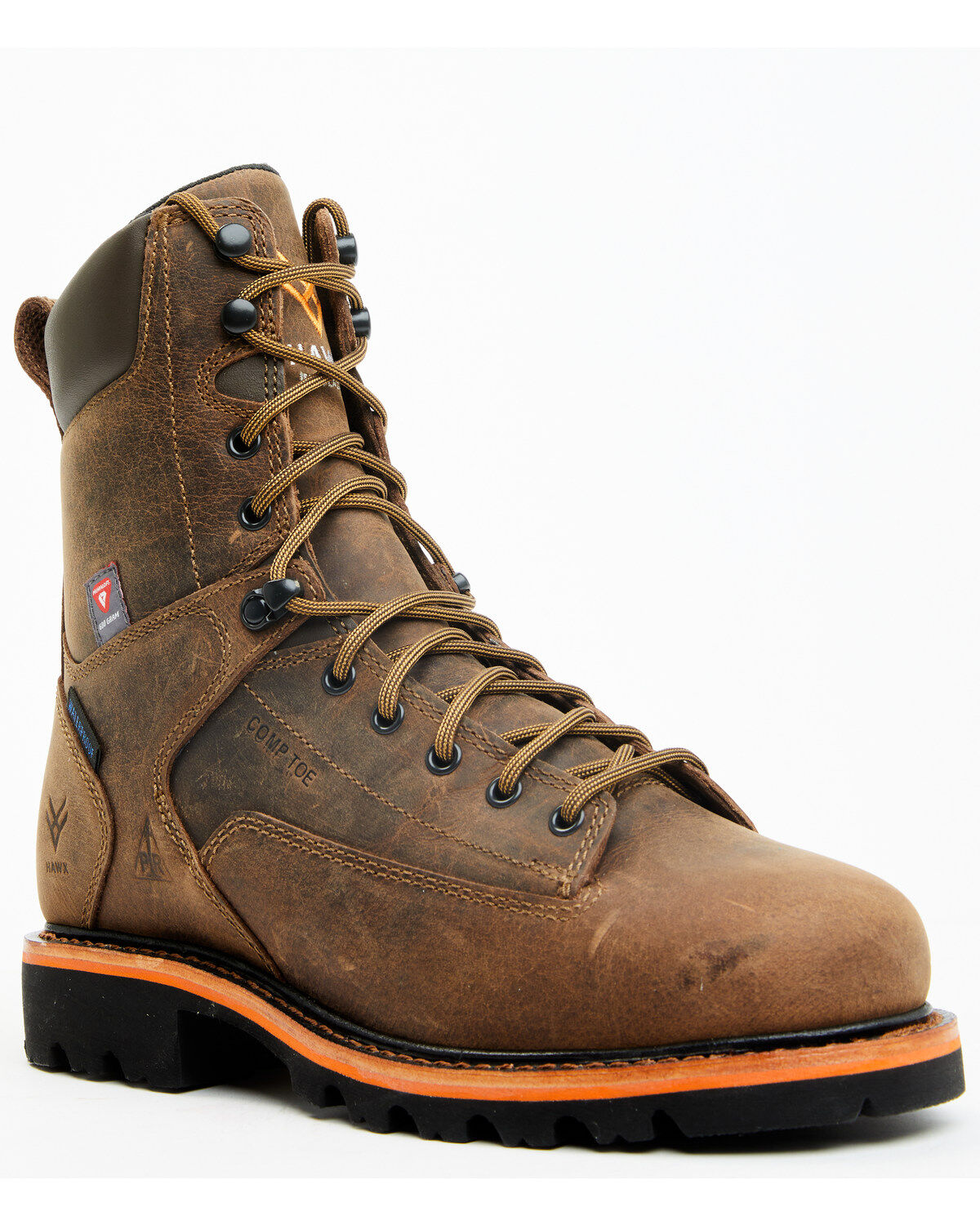
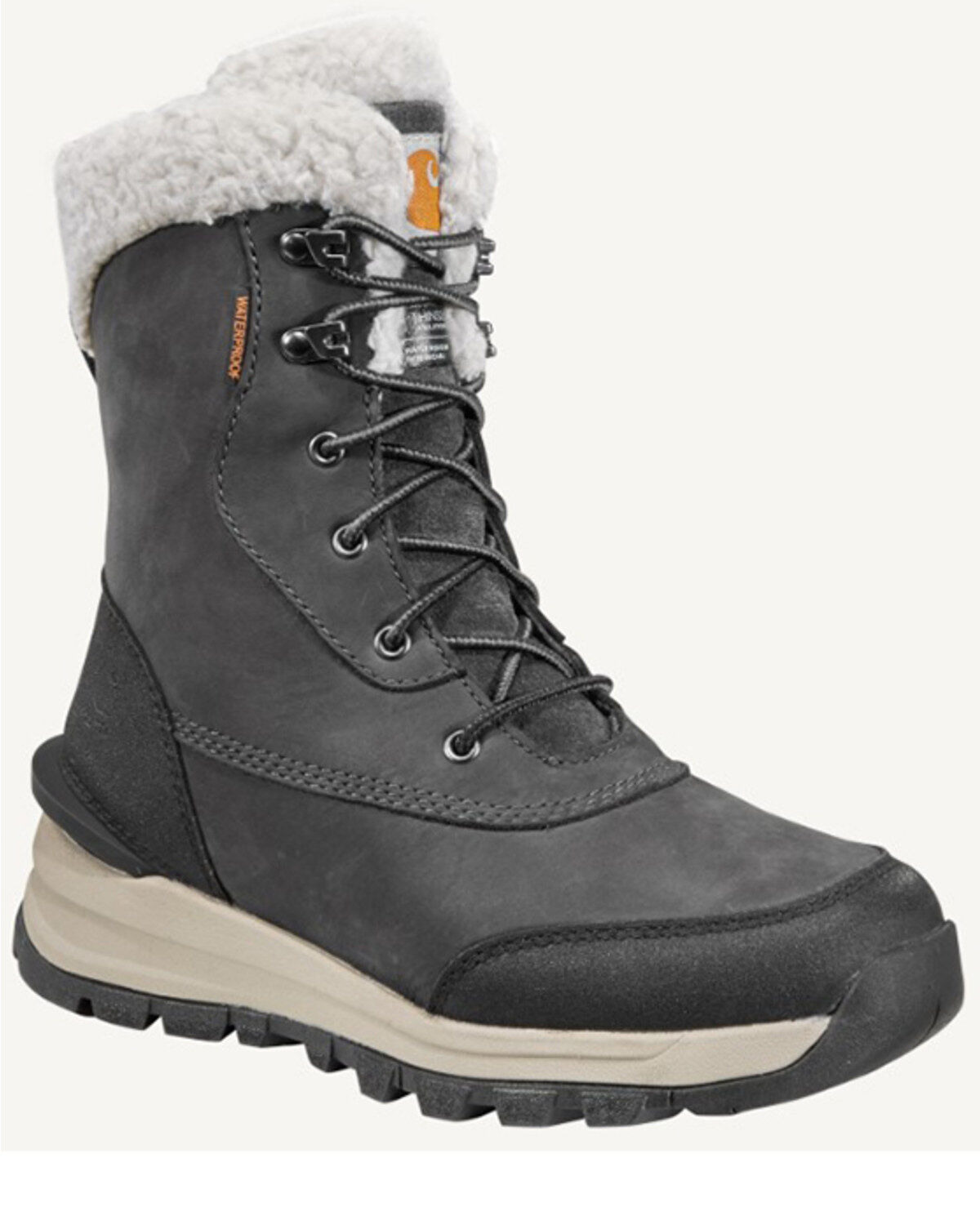
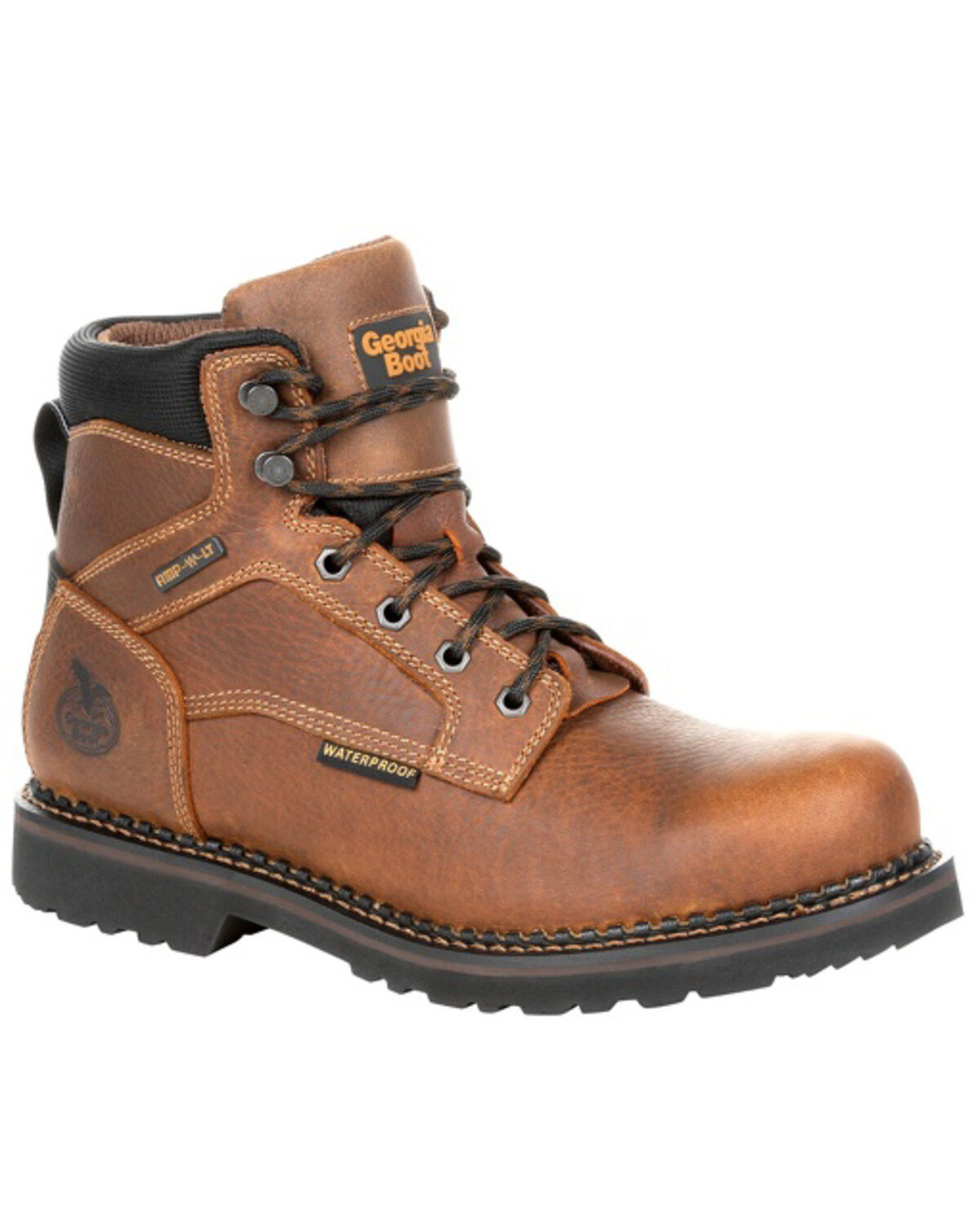
Stay warm and stylish this winter with our selection of insulated snow boots. Designed to keep your feet cozy and protected in cold and snowy conditions,... these boots are perfect for outdoor adventures or everyday wear during the colder months. With a variety of styles and features to choose from, you can find the perfect pair to suit your needs while staying comfortable and fashionable all season.
Read more
Insulated Snow Boots
Stay warm and stylish this winter with our selection of insulated snow boots. Designed to keep your feet cozy and protected in cold and snowy conditions,... these boots are perfect for outdoor adventures or everyday wear during the colder months. With a variety of styles and features to choose from, you can find the perfect pair to suit your needs while staying comfortable and fashionable all season.
Insulated snow boots combine warmth, protection from snow and slush, and traction for walking on winter ground. Their purpose is straightforward: help keep feet comfortable when clearing a driveway, checking livestock, walking the dog, or spending hours outside in cold conditions. The right balance of insulation, waterproof construction, and support depends on how much movement the day involves. Someone carrying feed across a snowy yard generates more body heat than someone standing beside a gate, so the heaviest insulation is not always the best match. Insulation weights such as 200 grams or 400 grams describe the insulating material, not the total weight of the boot or a guaranteed temperature range. Around 200 grams is often suited to active use in moderately cold conditions, while 400 grams or more may suit colder conditions or longer stretches with little movement. Actual warmth also depends on circulation, sock choice, moisture, wind exposure, and time outdoors. Temperature ratings are useful context, but testing methods vary, and a rating cannot promise the same comfort for every wearer. Synthetic insulation traps pockets of air without requiring an excessively bulky upper, while felt liners provide another approach to warmth and may be removable for drying. Fleece and other soft linings add comfort against the foot, though a soft interior alone does not establish how warm a boot will be. Breathability matters alongside insulation because sweat can leave socks damp and feet chilled once activity slows. For a long walk followed by time standing still, moisture management can matter as much as added insulation. Insulated winter boots also differ in flexibility and weight. A lighter, more flexible build can feel easier over repeated steps, while a substantial shell and thicker sole may suit slower outdoor chores. Neither approach fits every setting. Comfortable snow footwear matches the demands underfoot, whether that means a shoveled sidewalk, packed snow around a barn, or repeated trips between a truck and an outbuilding.
Materials and construction determine how insulated snow boots handle wet ground, abrasion, and repeated wear. Rubber lower shells help shield the foot from slush and puddles, while leather uppers provide structure and resistance to everyday scuffs. Textile panels can reduce weight and allow easier movement, depending on their construction. Waterproof membranes and sealed seams help limit water entry, but the full design matters more than any single material. Water can enter over the collar, and an open tongue can leave a path for snow or runoff. A gusseted tongue connects to the sides of the upper to help close that gap, although its height limits the protection it provides. Water-resistant footwear handles some moisture but is not the same as footwear built with a waterproof barrier. For wet chores and cold conditions where moisture protection is a priority, Insulated Waterproof Boots offer a related option worth considering. Taller shafts provide more coverage through deeper snow, while shorter shafts allow easier ankle movement and may be more practical for cleared paths. Pant cuffs worn over the boot opening help keep loose snow from dropping inside. Underfoot, deep lugs can bite into snow and loose ground, and spacing between them helps release packed material. Rubber compounds designed to remain flexible in cold conditions can also support traction. No ordinary outsole guarantees grip on smooth ice; compatible traction devices may be necessary where frozen surfaces are a regular concern. Cushioning helps soften repeated steps on hard ground, while a stable platform supports the foot when carrying a load or crossing uneven terrain. Reinforcement around the toe and heel can help withstand contact with shovel edges, steps, and rough surfaces. That reinforcement is not necessarily a safety toe. For jobsite use, required toe protection, electrical hazard protection, and other workplace standards need to be identified in the footwear specifications. Snow protection and work protection serve different purposes, even when both are needed during the same shift.
Fit gives insulation room to work. Insulated snow boots should hold the heel securely without squeezing the toes or pressing tightly across the instep. Enough room for a suitable winter sock helps maintain comfort, but excessive space can allow sliding, rubbing, and an unstable stride. Thick socks inside a tight boot can compress the insulating layers and restrict circulation rather than improve warmth. Wool-blend or synthetic socks help manage moisture during active use, while cotton tends to hold moisture against the skin. Trying boots with the socks intended for outdoor wear gives a more useful sense of fit than trying them with thin everyday socks. Toes need room to move, and they should not strike the front when walking downhill or stepping off a curb. Lace-up designs allow adjustment through the foot and ankle, which can help secure the fit for longer walks. Pull-on styles make repeated trips outside simpler, especially when moving between a mudroom and the yard, though the heel still needs to feel controlled. Closures that are manageable with cold hands or gloves can make a noticeable difference during daily use. Care also affects comfort and durability. Packed snow, road salt, and mud should be removed after wear using cleaning methods appropriate to the materials. Leather may need a compatible conditioner or protective treatment, while rubber and textile sections have different care requirements. Liners and footbeds should be removed for drying when the design allows. Gentle airflow at room temperature is generally preferable to placing boots against a heater, where concentrated heat can damage leather, adhesives, or synthetic components. Thorough drying between outings helps limit lingering moisture inside the boot. Worn tread, separated seams, and cracks in a rubber shell can reduce protection even when the lining still feels warm. For ranch hands, outdoor workers, dog walkers, and anyone responsible for keeping a snowy property moving, well-fitting insulated footwear is practical equipment. As a gift, snow boots are most useful when the recipient’s size, typical socks, daily tasks, and need for waterproof protection are known. Warmth matters, but dependable winter comfort comes from the whole boot working together.