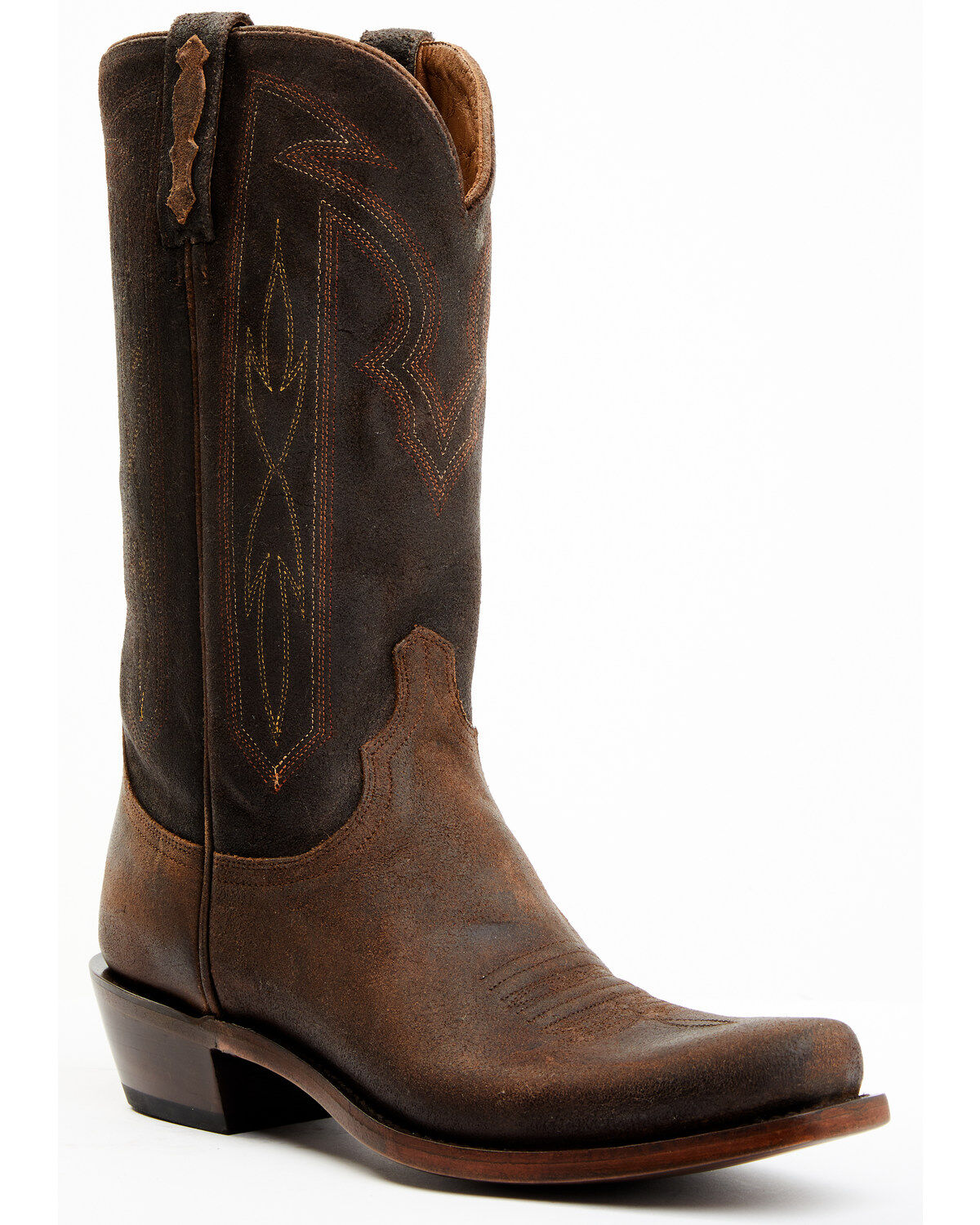
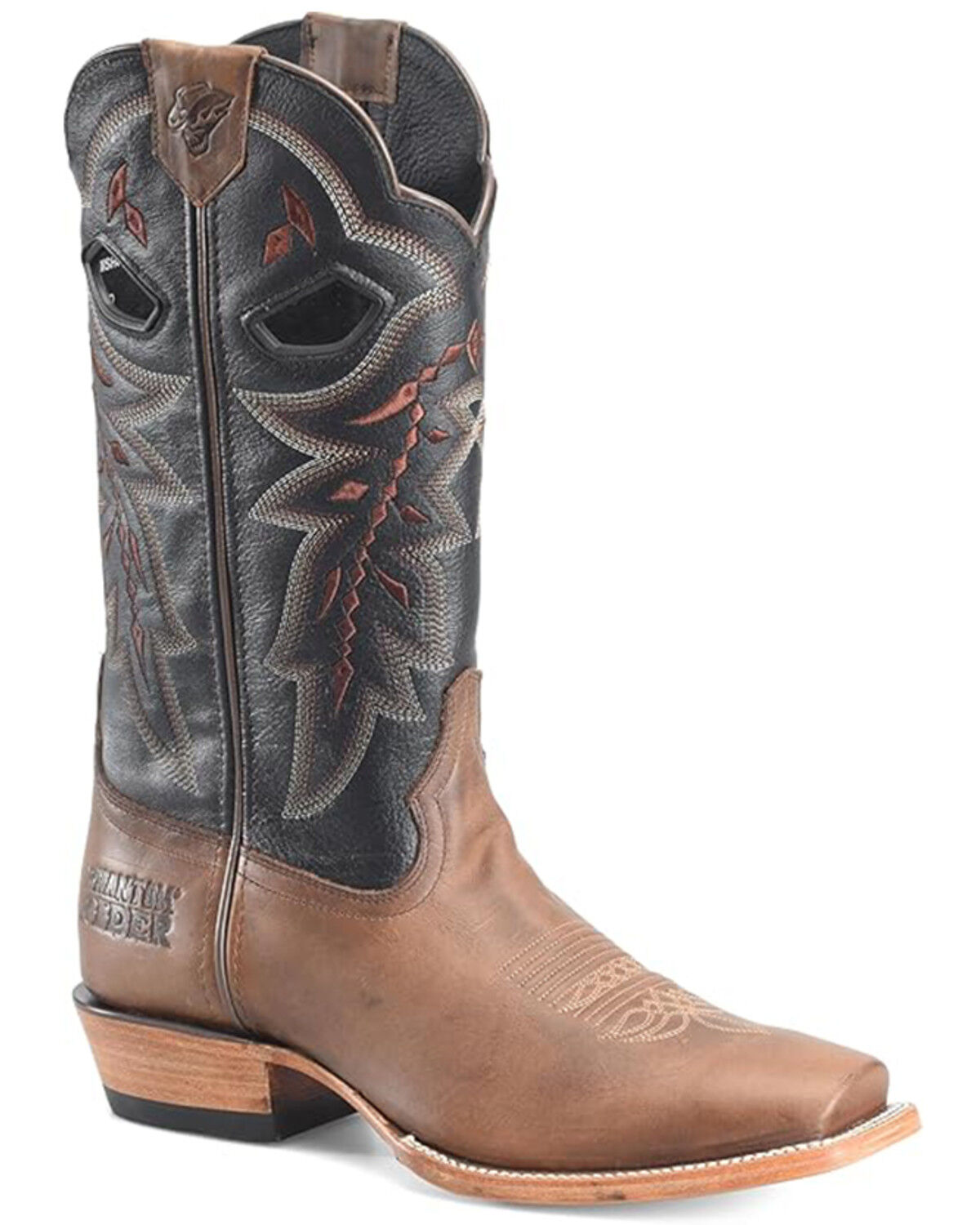
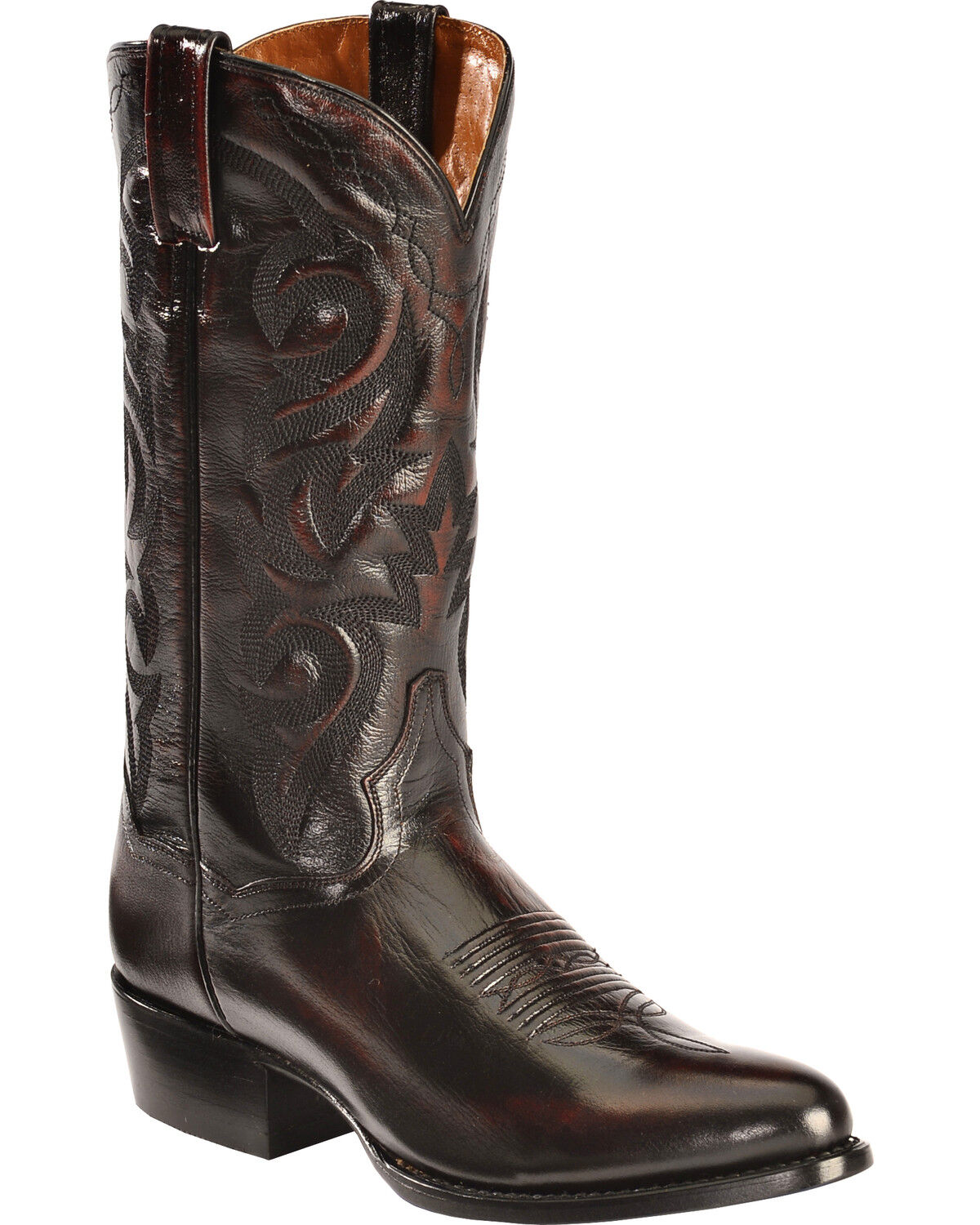
Men's High Boots

Find men's high boots with taller shafts for more coverage up the leg. Browse the selection with shaft height and calf fit in mind, and consider whether you will wear your jeans tucked in or over the boots.

Read More

Shop Your Store: Shop Your Store: Find a Store

(Turn off Shop Your Store to see all items)

(Turn off Shop Your Store to see all items)

close
  • Recommended
  • Lowest Price
  • Highest Price
Skip pass products
  • Men's Moonshine Spirit Pancho Roughout Western Boots - Square Toe
    Original Price $219.99 $99.00
    55% Total Savings
  • Men's Ariat Highbluff Western Boots - Square Toe
    Original Price $279.99 $195.97
    30% Total Savings

End of products

Men's High Boots

Men's high boots extend above the ankle to cover more of the lower leg, with taller styles reaching the calf or just below the knee. The category includes western boots, tall work boots, riding boots, and styles worn for their clean, substantial profile. Shaft height changes both the look and feel of a boot. A taller shaft provides more coverage against brush, dust, and everyday contact, while its shape determines how closely it follows the leg. Western styles often have a shaped topline, pull tabs, and stitched shafts. Tall utility boots tend to put practical details first, with generous openings or adjustable closures that help accommodate work pants. Riding styles generally have a more fitted profile, although the right shape and heel depend on the type of riding involved. Not every high boot is built for saddle use, and height alone does not establish suitability for work. For everyday wear, the balance between the shaft, toe, and heel makes a noticeable difference. A broad square toe gives the boot a different stance than a rounded or narrow toe, while a lower heel feels different underfoot than a taller riding heel. Plain leather keeps the look restrained; detailed stitching adds definition without requiring much else from an outfit. Straight-leg and bootcut jeans generally leave more room for a shaft than narrow-cut pants. The fabric should fall over the boot without catching at the topline or gathering heavily around the ankle. When pants are worn inside a taller boot, a smooth fit helps prevent folds from pressing against the leg. Men who prefer less coverage can compare the shorter proportions of Mens High Shaft Ankle Boots. The distinction is more than appearance: shaft height affects how a boot pulls on, how it fits beneath clothing, and where it contacts the calf during a full day of wear.

Materials and construction help determine how men's high boots perform beyond their first few wears. Full-grain leather retains the hide's natural surface and can develop creases and a distinct patina with use. It offers a substantial feel, but leather thickness, lining, and construction all influence flexibility. A firm leather shaft may hold its shape well, while a softer shaft can move more easily with the leg. Neither quality alone determines comfort. Suede and roughout have a textured surface that calls for different cleaning tools than smooth leather, and decorative finishes may need their own care products. Rubber and synthetic materials also have a place in tall utility boots, particularly when the intended task calls for easy cleaning or frequent contact with water. Waterproof performance depends on the complete construction, including seams and any lining or membrane, rather than the height of the shaft. Inside the boot, smooth linings, cushioned footbeds, and well-finished seams can make a difference during long periods on foot. Outsoles deserve equal attention. Leather soles have a traditional profile and feel, while rubber outsoles come in a range of tread patterns for different surfaces. Deeper lugs can provide useful grip on loose ground, but they also collect debris; lower-profile tread is often easier to clean. Slip resistance is a tested feature, not something that can be assumed from a rugged appearance. The same applies to workplace protection. A tall shaft does not replace a protective toe, electrical-hazard rating, or any other feature required for a particular job. For riding, the heel and outsole must suit the stirrup and discipline. For walking or standing, weight, flexibility, and cushioning matter throughout the day. Welted construction may allow resoling when the upper remains sound, depending on the boot's design. Well-placed stitching, secure heel attachment, and an outsole suited to the task are more useful measures of durability than a heavy feel alone.

Fit matters from the toes to the top of the shaft. Men's tall boots need enough room across the forefoot for the toes to rest naturally, with a secure fit through the instep that does not create painful pressure. Leather may soften with wear, but a boot that is too short should not be expected to stretch into the right size. In a new pull-on leather boot, some heel movement can be normal before the sole becomes more flexible; excessive sliding or repeated rubbing points to a fit problem. Lace-up designs offer more adjustment through the ankle and lower leg, while pull-on styles depend more on the relationship between foot shape, instep, and shaft opening. Calf fit is especially important with higher shafts. The topline should not pinch when sitting, and the shaft should allow comfortable movement without folding sharply against the leg. Trying boots with the socks intended for regular wear gives a more useful sense of fit than switching sock thickness afterward. Men who wear prescribed orthotics also need enough interior space for them without crowding the foot. Good care helps preserve that fit and the boot's structure. Loose dirt can be brushed away before it works into seams, and smooth leather should be cleaned and conditioned with products appropriate for its finish. Suede needs a suitable brush rather than ordinary leather cream. Wet boots should dry naturally away from direct heat, with support inside the shafts if needed to keep them from collapsing. Removable footbeds can be taken out to dry separately when the care instructions allow it. Keeping boots upright and giving frequently worn pairs time to air out helps maintain their shape. These practical details also matter when choosing tall boots as a gift. A man who spends his days in a shop, rides regularly, or prefers western clothing may have very different needs despite wearing a similar boot size. Knowing his usual size, preferred toe shape, calf fit, and intended use is more valuable than choosing by appearance alone. The right pair should fit the work, the clothing, and the person wearing it.
Read More

FAQs