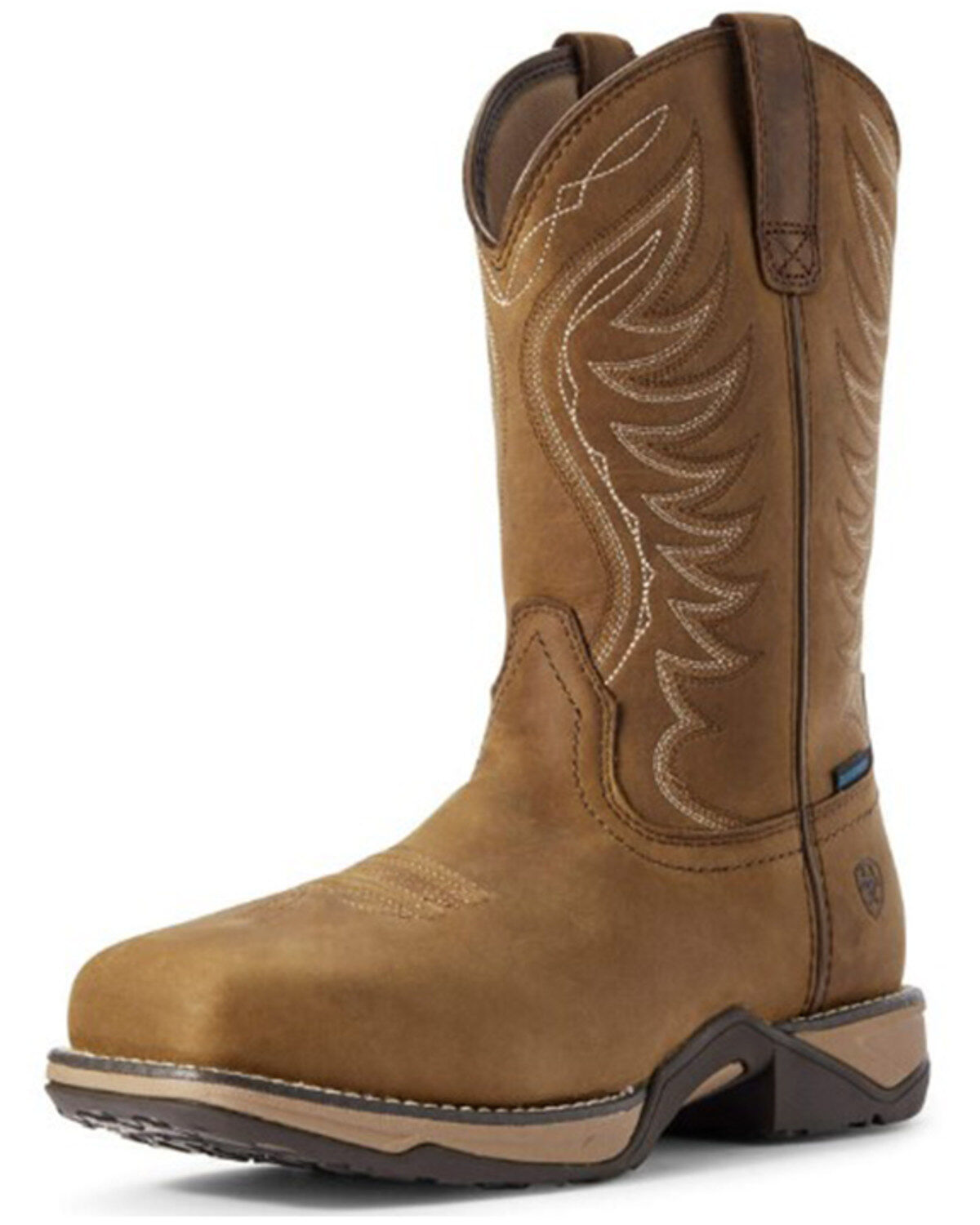
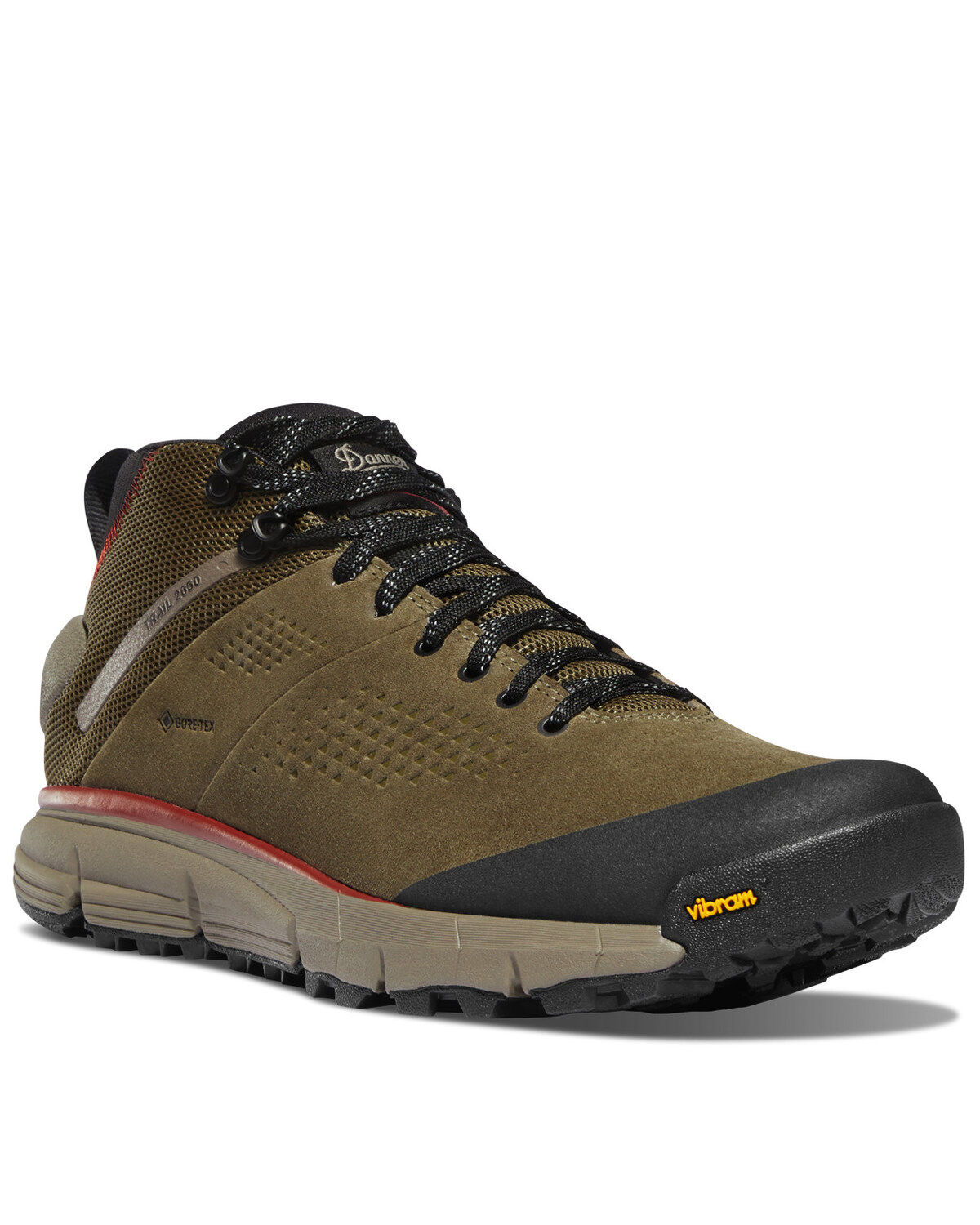
Lightweight Work Boots Composite Toe

Find lightweight work boots with a composite toe for toe protection in a lighter-weight design. Compare styles by fit and listed safety features, and check each pair against your workplace requirements before choosing.

Shop Your Store: Shop Your Store: Find a Store

(Turn off Shop Your Store to see all items)

(Turn off Shop Your Store to see all items)

close
  • Recommended
  • Lowest Price
  • Highest Price
Skip pass products

End of products

Lightweight Work Boots Composite Toe

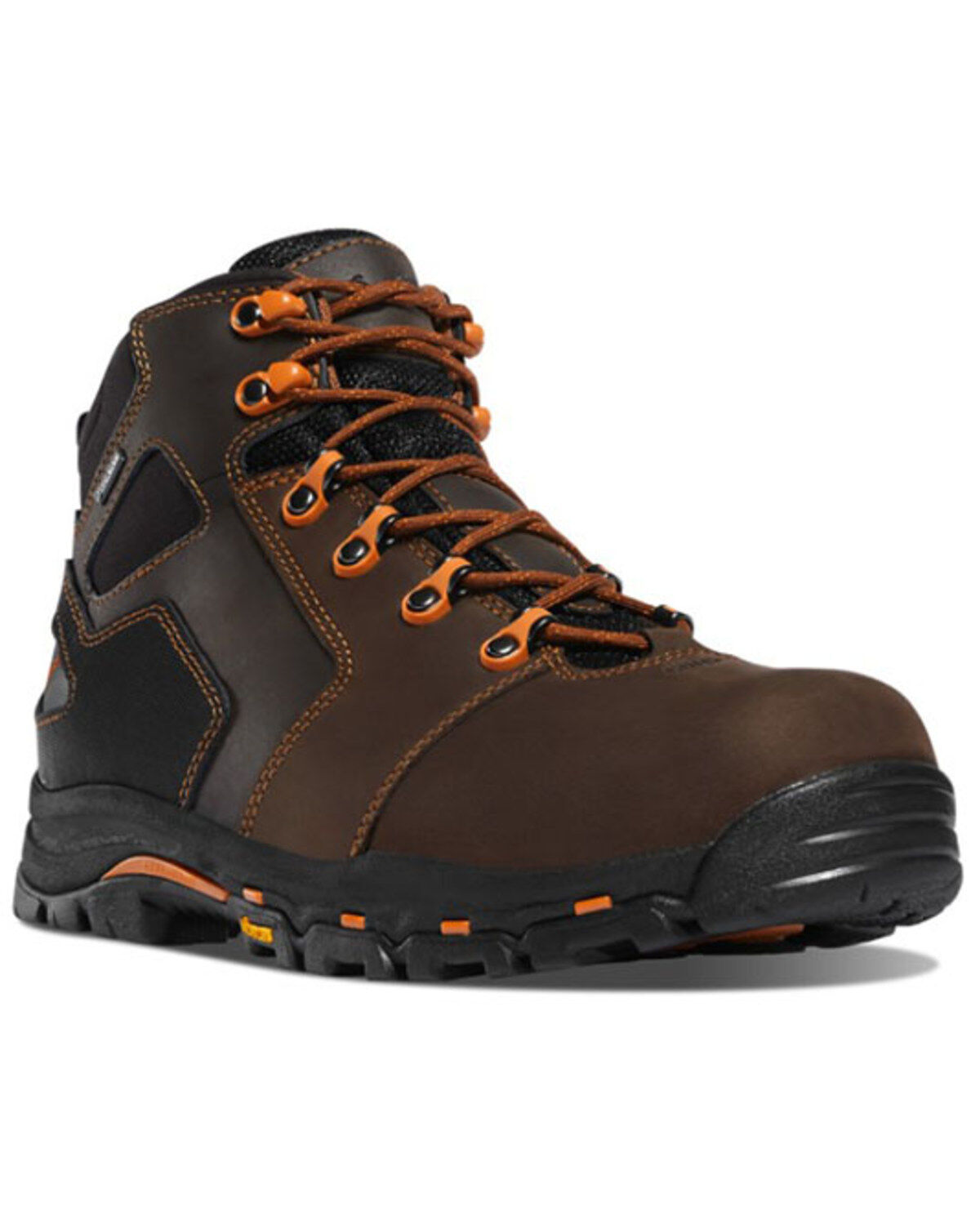
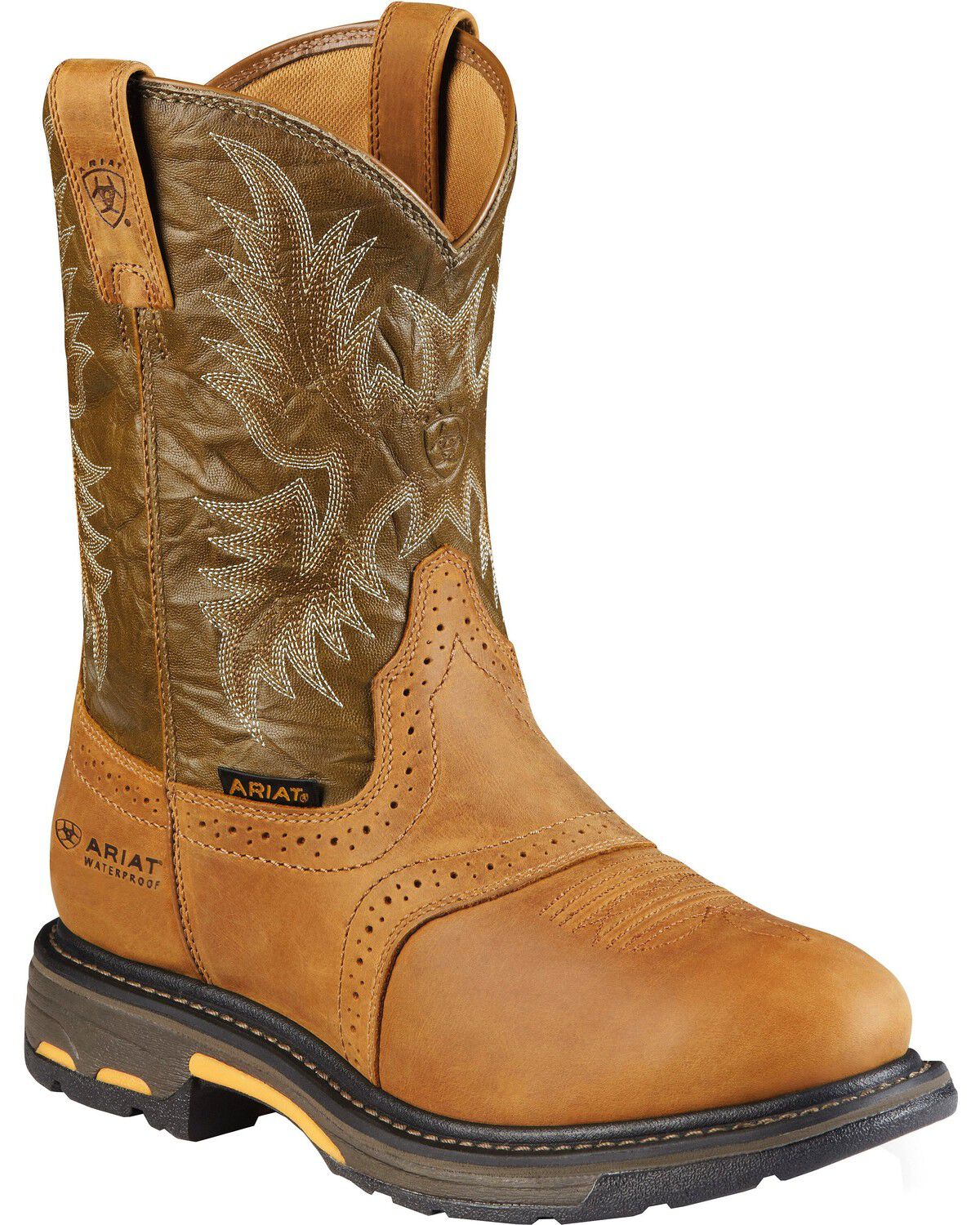
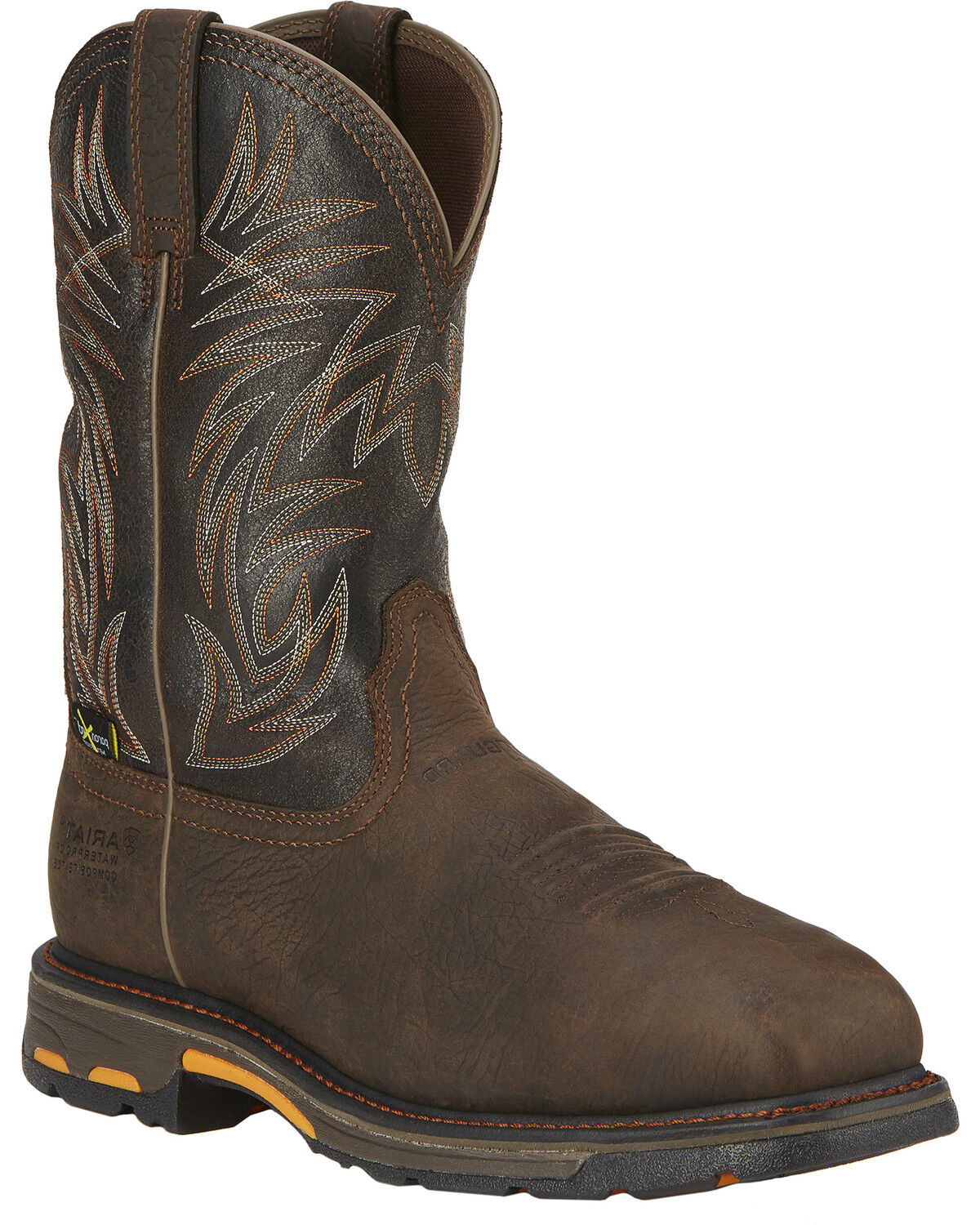
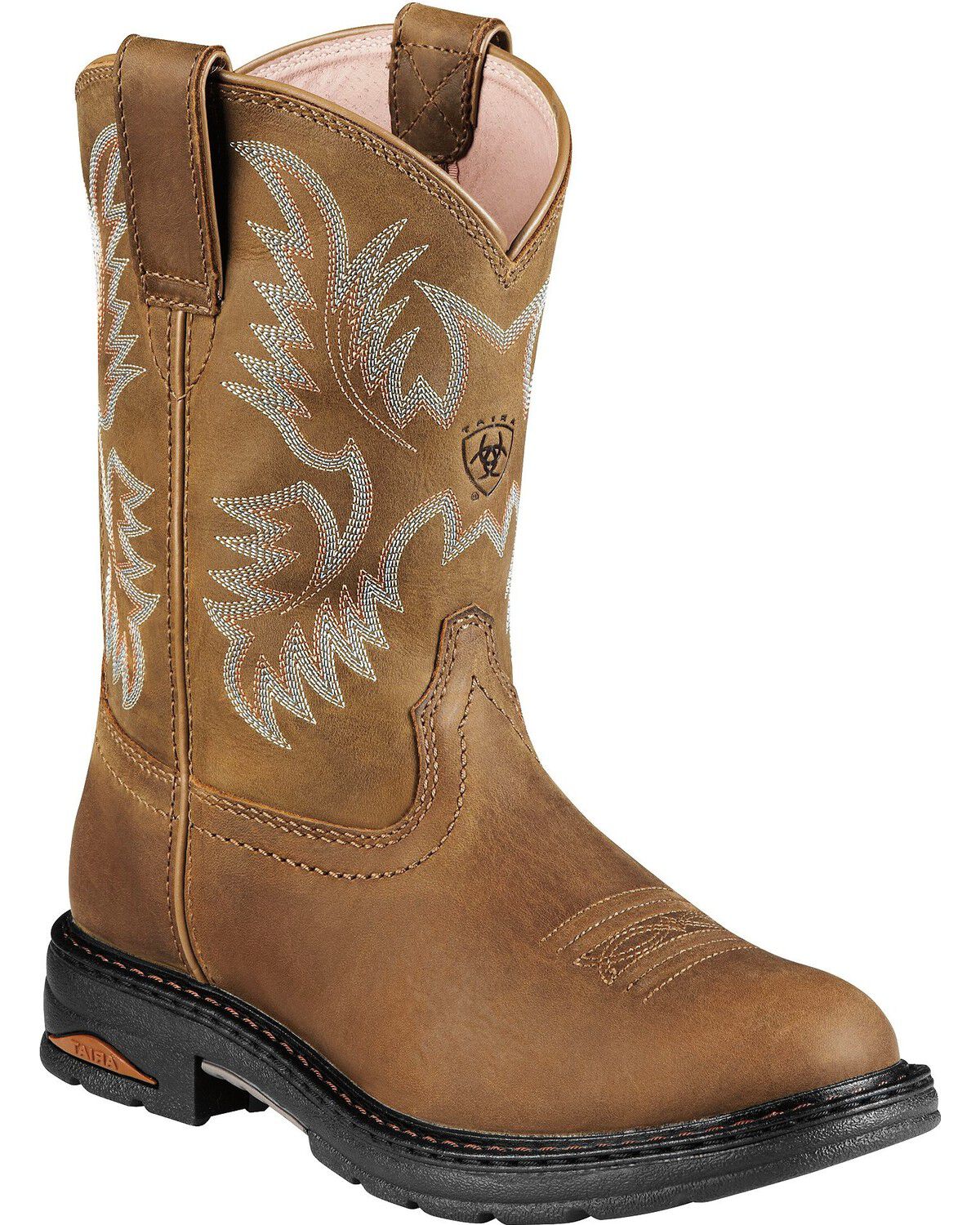
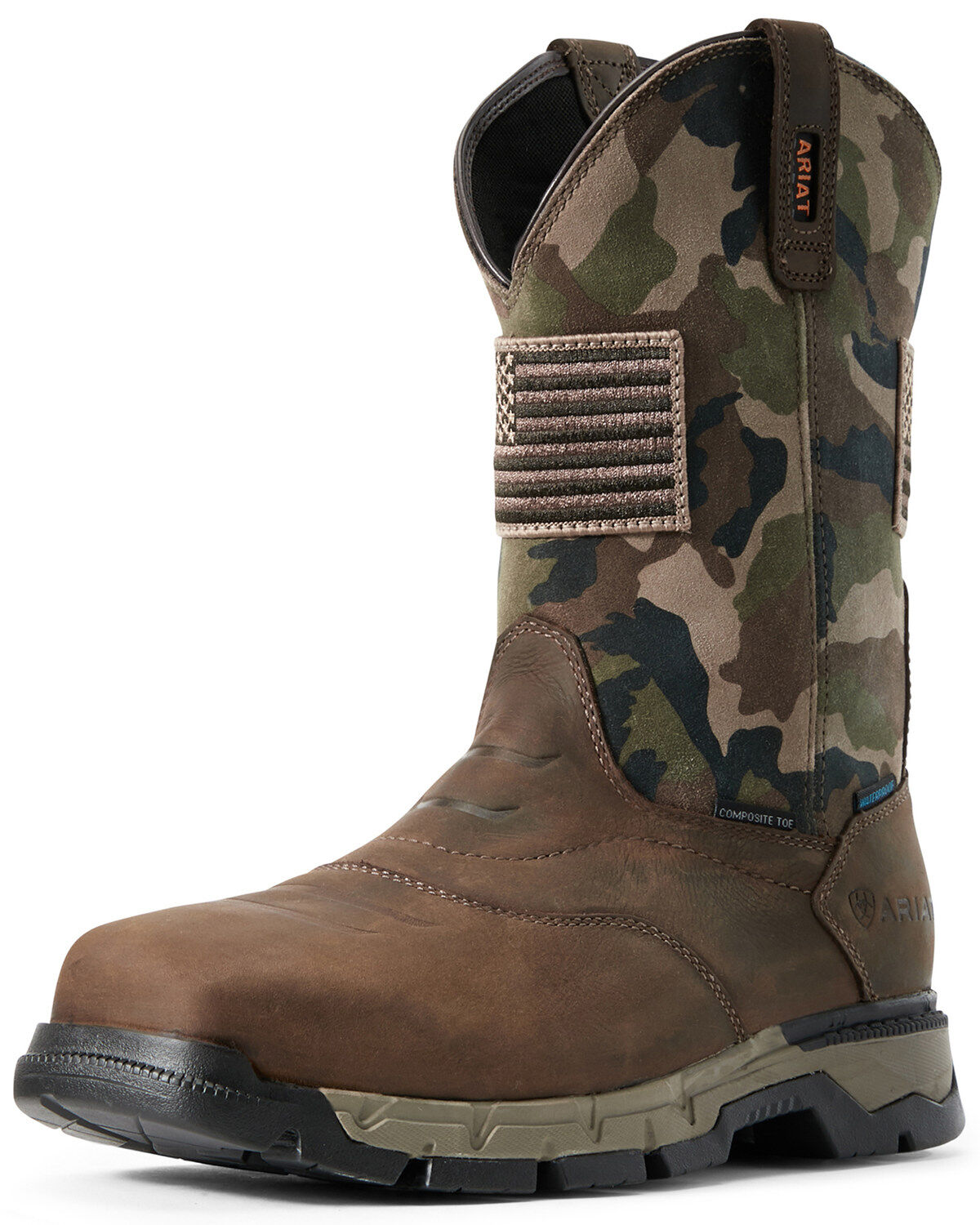
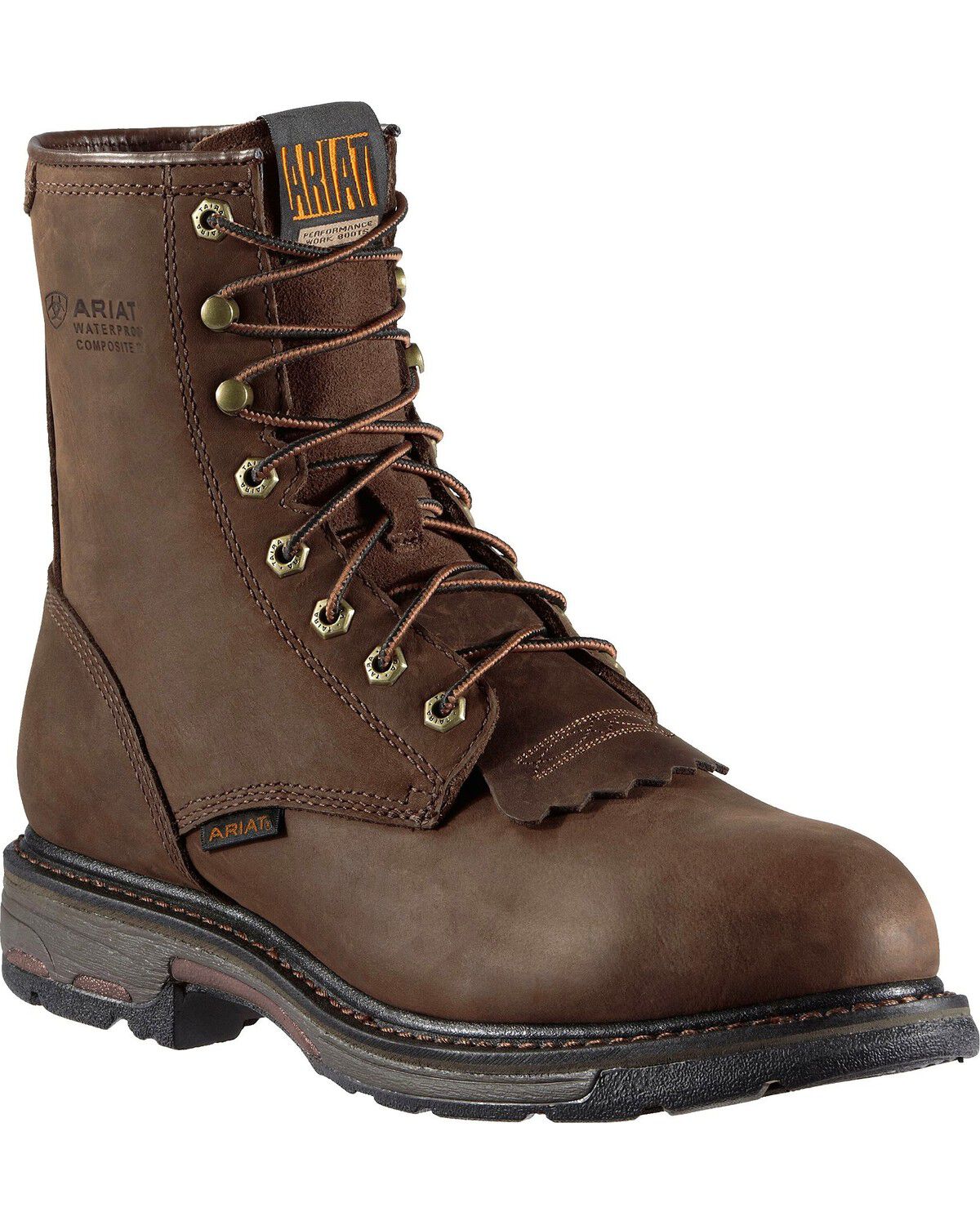
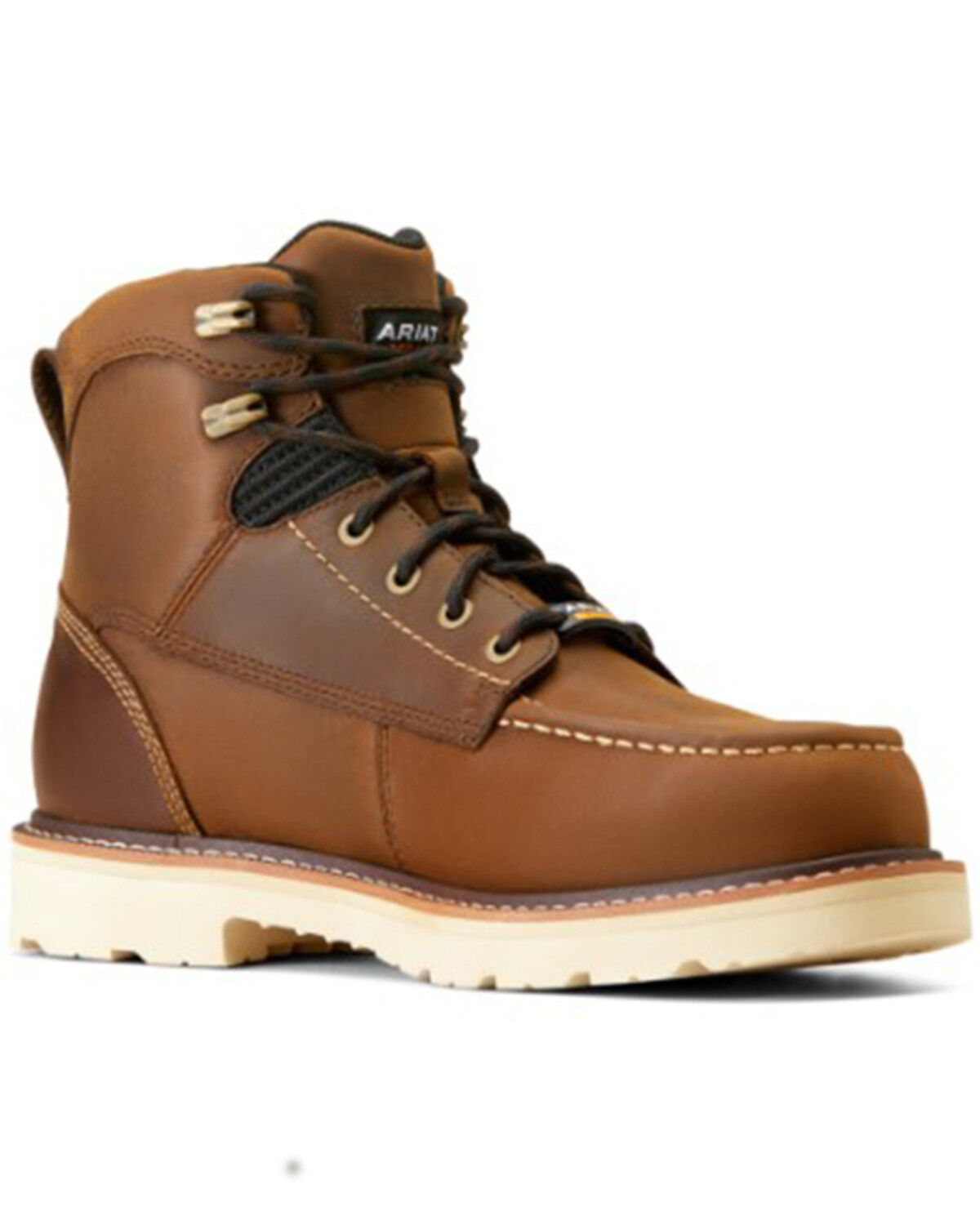
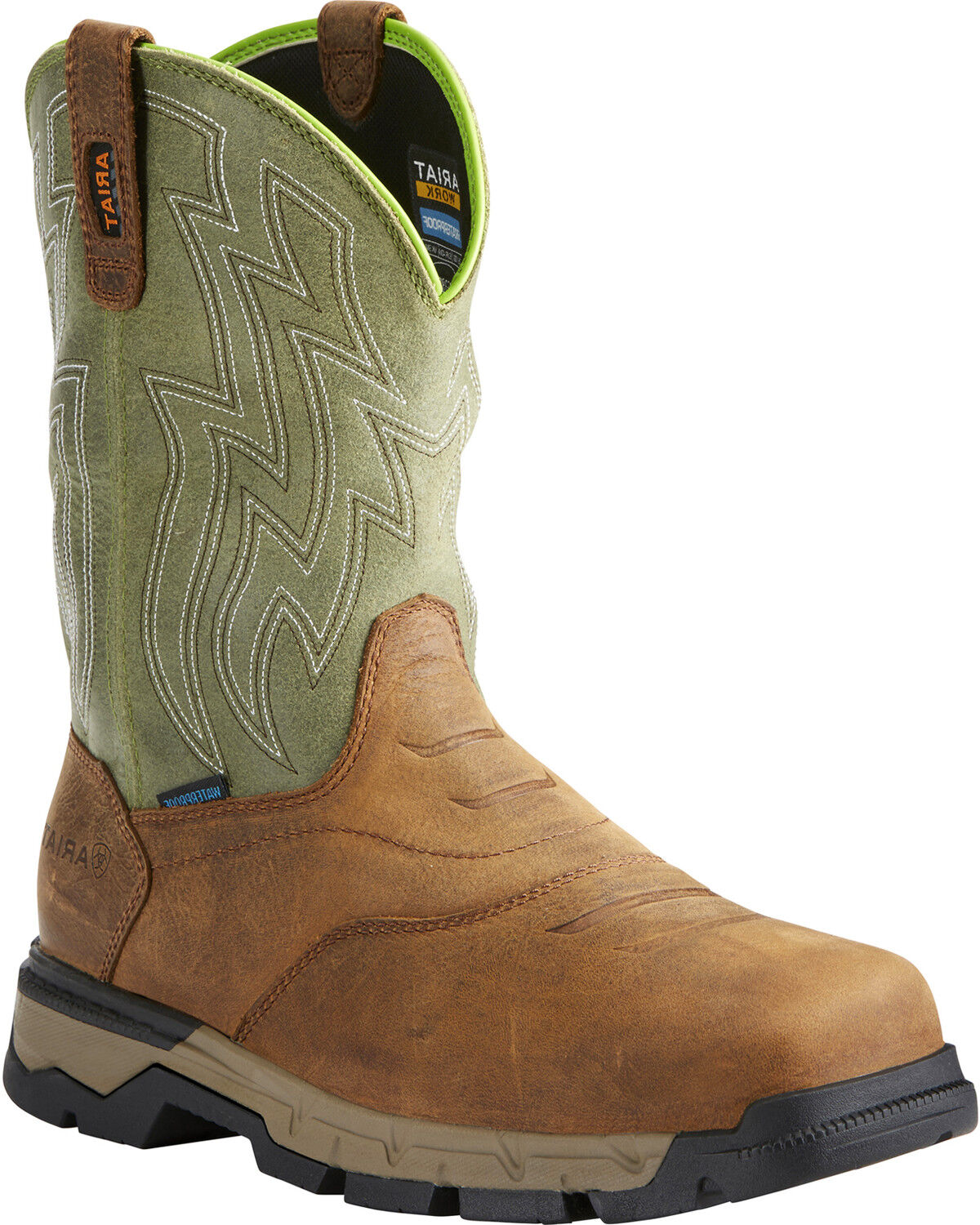
Lightweight composite toe work boots combine a nonmetallic protective toe cap with construction that limits weight underfoot. They are a practical choice for workers who spend long shifts walking warehouse aisles, moving between jobsite stations, or standing at a production line. Composite toe caps commonly use fiberglass, carbon fiber, or other reinforced materials to provide impact and compression protection without a steel cap. They can weigh less than comparable steel toe designs, although the weight of the entire boot depends on its size, upper, outsole, and other components. A tall leather boot with a substantial outsole may still weigh more than a shorter boot with a different safety toe material. That makes overall construction a better comparison than the toe cap alone. Less weight on each foot can help reduce the effort of repeated steps, but lasting comfort also depends on fit, cushioning, support, and the demands of the job. For required toe protection, the boot’s marked safety standard matters more than its appearance or weight. ASTM F2413 markings identify tested protective features; the selected footwear needs to meet the employer’s requirements for the work being done. Composite construction does not automatically make the whole boot metal-free, since shanks, eyelets, and other hardware may contain metal. It also does not automatically establish an electrical hazard rating. Footwear marked for electrical hazard protection provides secondary protection under specified dry conditions and does not replace required electrical protective equipment. Static-dissipative footwear serves a different purpose and should not be treated as interchangeable with electrical hazard footwear. A protective toe also does not establish puncture resistance or protection over the top of the foot. Those features require their own construction and applicable markings. The right lightweight composite toe work boots match the actual hazards of the workplace, whether the day involves handling cartons, operating equipment, carrying materials, or walking a large facility. Low weight is useful, but it should not come at the expense of required protection.

Materials and construction determine how these boots feel through a full shift and how they hold up to repeated wear. Leather uppers offer abrasion resistance and can soften around the foot with use, while textile panels can reduce weight and add flexibility. Reinforced stitching, protected seams, and toe overlays can help in areas that rub against pallets, equipment, or rough flooring. Workers who kneel frequently may put far more wear on the front of a boot than someone who mainly walks clear aisles. Underfoot, a cushioned midsole helps absorb the repeated contact of walking on concrete, while a stable platform helps keep the foot supported when carrying a load. Soft cushioning and firm support are different qualities, and a boot needs the right balance for its wearer. An excessively soft feel at the first try-on does not necessarily translate to better comfort several hours later. Outsole material, tread depth, and contact pattern also influence performance. Broad contact areas may suit smooth indoor floors, while deeper tread can be useful on loose or uneven ground. Slip-resistant construction can improve traction on the surfaces it was designed and tested for, but no outsole prevents every slip. Oil, dust, loose debris, and worn tread still affect footing. A defined heel may matter for certain ladder tasks, while a flatter sole can provide a different feel during extended standing. Workplace requirements should settle that choice. Fit deserves just as much attention as the sole. The heel should feel secure, the midfoot should be supported without pinching, and the toes should have room to spread without pressing into the protective cap. A composite toe cap does not stretch to create extra room. Trying boots with the socks normally worn on the job gives a more useful sense of fit, especially late in the day when feet may be fuller. Any required orthotic or replacement insole also needs enough interior space without lifting the foot against the cap. The correct width can make a greater difference than adding length to compensate for a narrow fit.

Everyday details often decide whether a pair works well beyond the first few shifts. Lace-up construction allows adjustment across the instep and ankle, which can help accommodate different foot shapes and keep the heel seated. Pull-on construction removes the need to manage laces, but the instep and heel still need to hold the foot securely. Shaft height affects coverage and movement, while the shape of the opening can influence comfort when bending or climbing. A waterproof membrane may be useful where puddles, splashes, or wet floors are part of the work, though waterproof construction does not make a boot suitable for chemical exposure. Specialized hazards call for footwear specifically rated for those conditions. For workers comparing Lightweight Safety Toe Work Boots, the strongest choice brings together the required protection, a secure fit, and construction suited to the surface underfoot. Care helps preserve those qualities. Removing dirt from the upper and clearing packed debris from the tread keeps abrasive buildup from becoming part of the daily wear cycle. Leather benefits from a compatible cleaner and conditioner used according to the footwear maker’s directions, while textile panels and waterproof membranes may need different treatment. Boots should dry with good airflow, away from direct heat that can damage leather, adhesives, or other components. Removable insoles can be taken out during drying when the manufacturer permits it. Worn laces, loose stitching, separating soles, and flattened tread deserve attention before they interfere with the workday. A boot that has sustained a significant impact may need replacement even when the protective cap shows little visible damage; manufacturer guidance and workplace rules should determine the next step. Lightweight construction is most useful when the boot remains dependable through repeated use. The goal is not simply the lightest pair. It is a pair that protects the foot, stays comfortable through the required tasks, and holds up to the way the wearer actually works.

FAQs