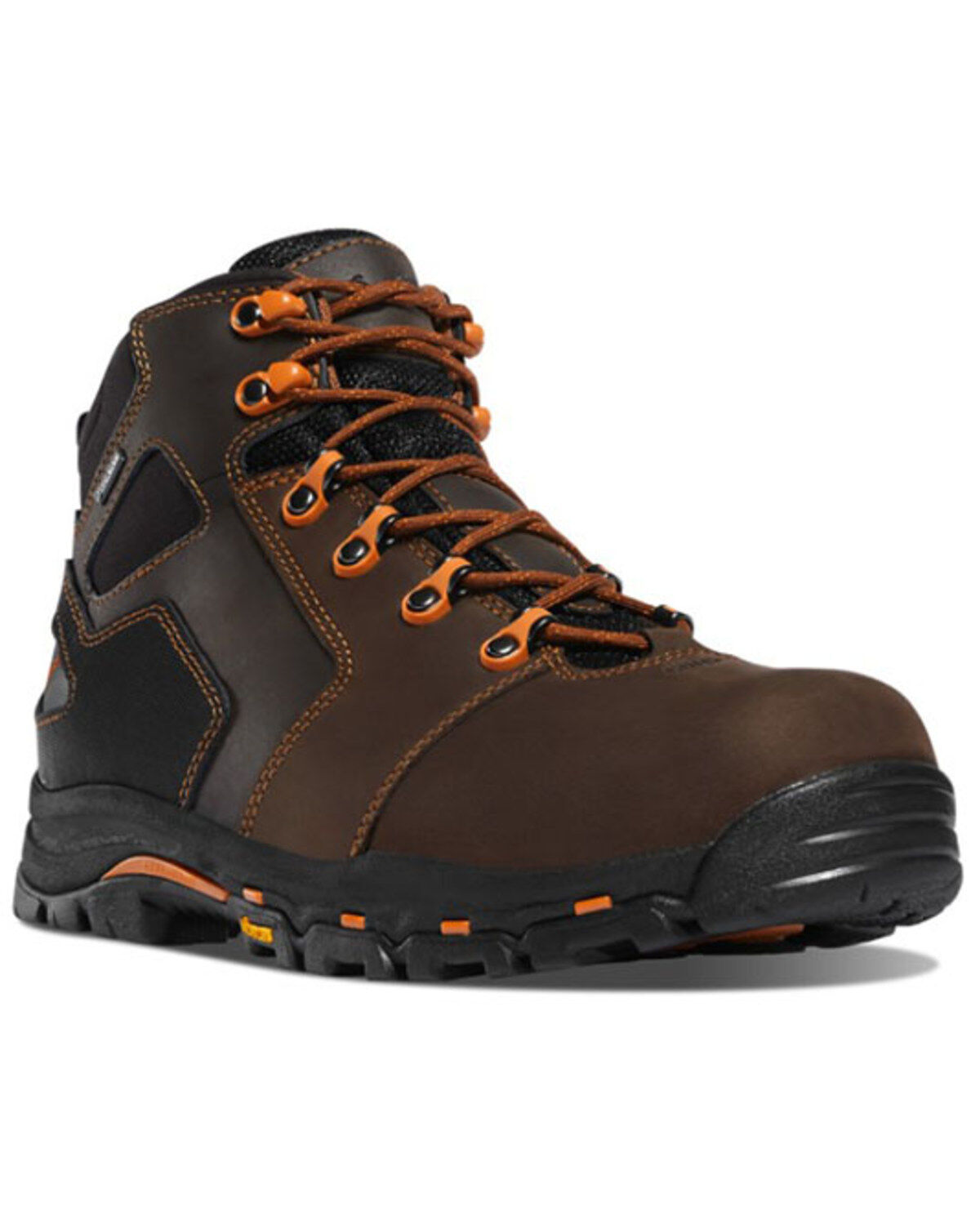
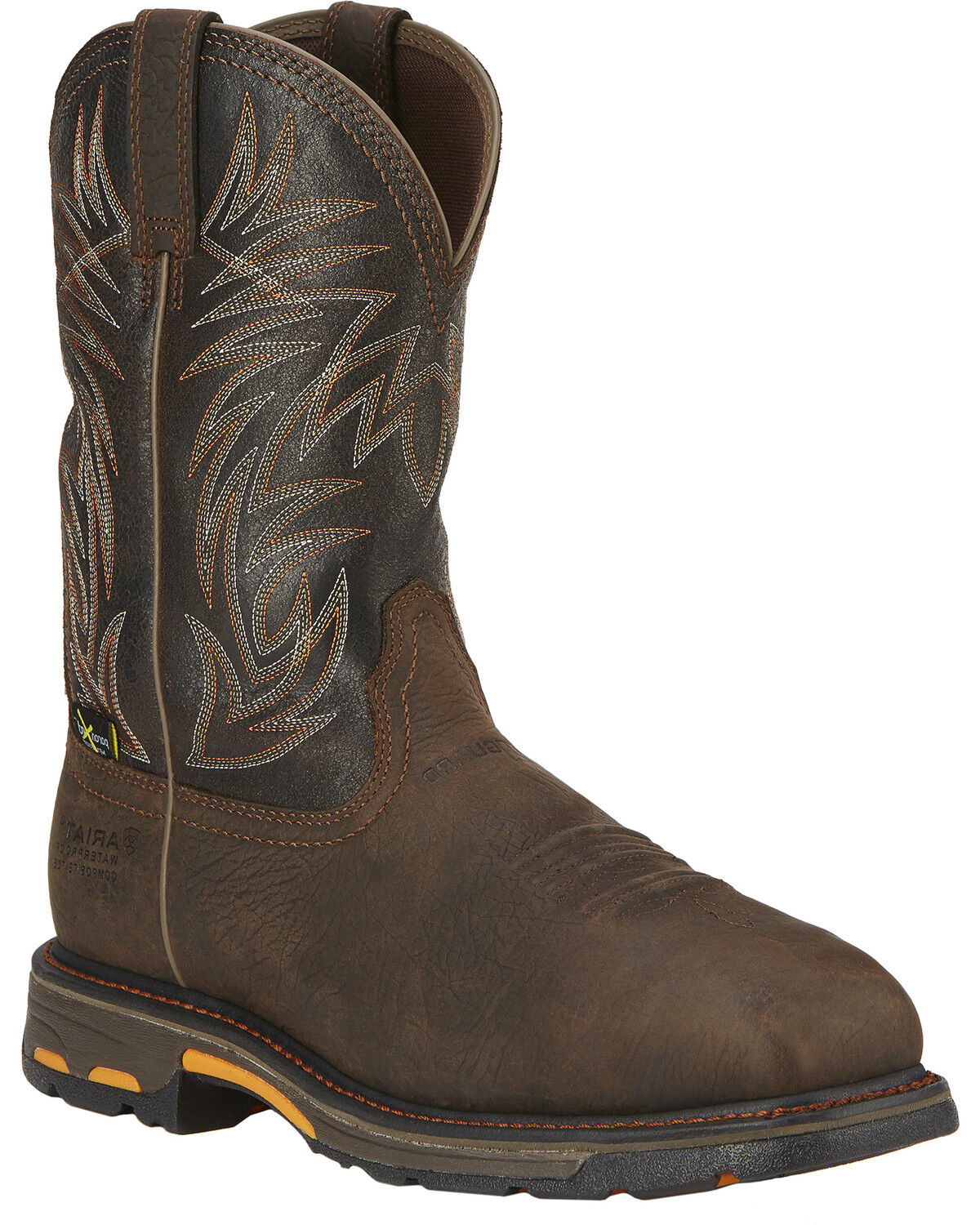
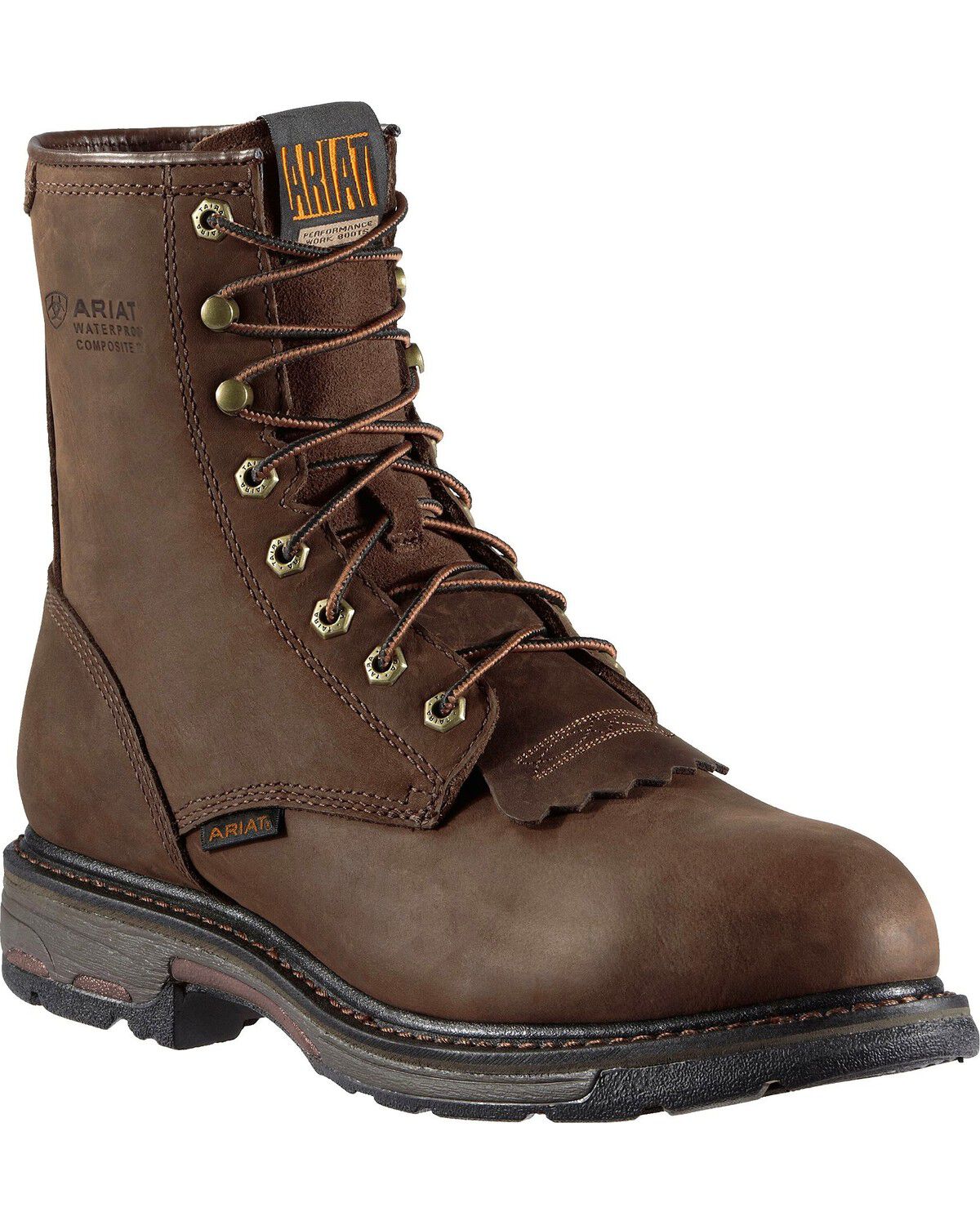
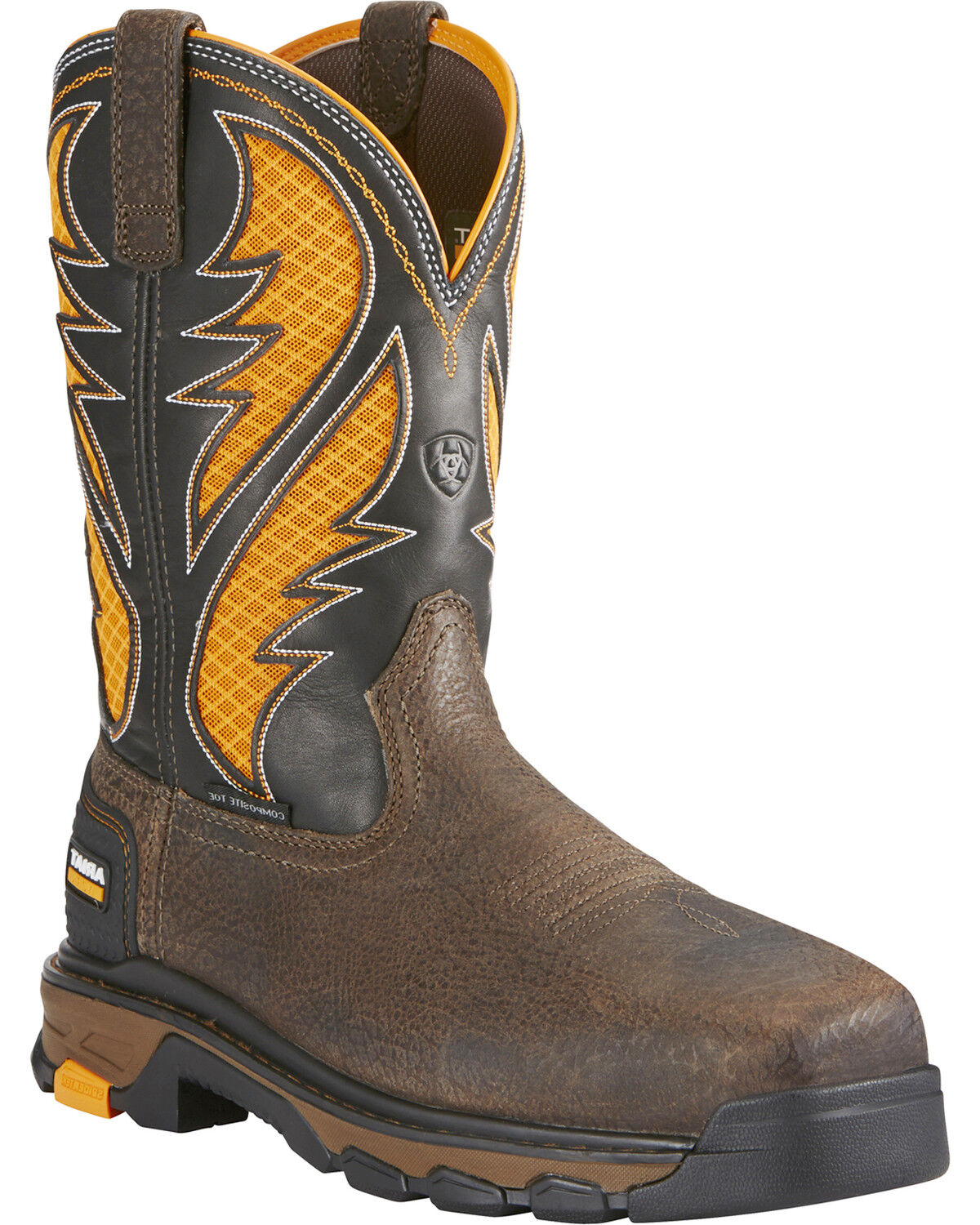
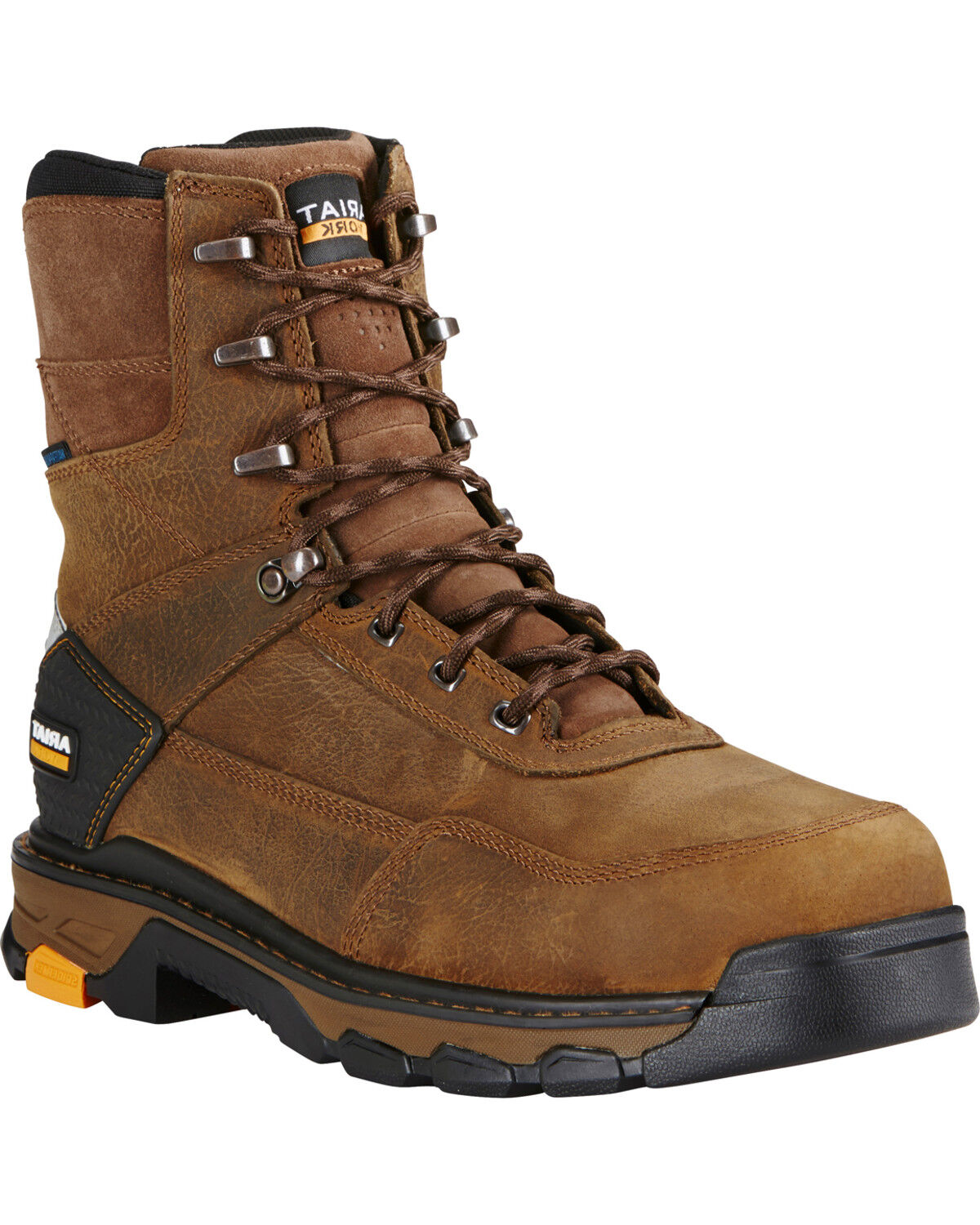
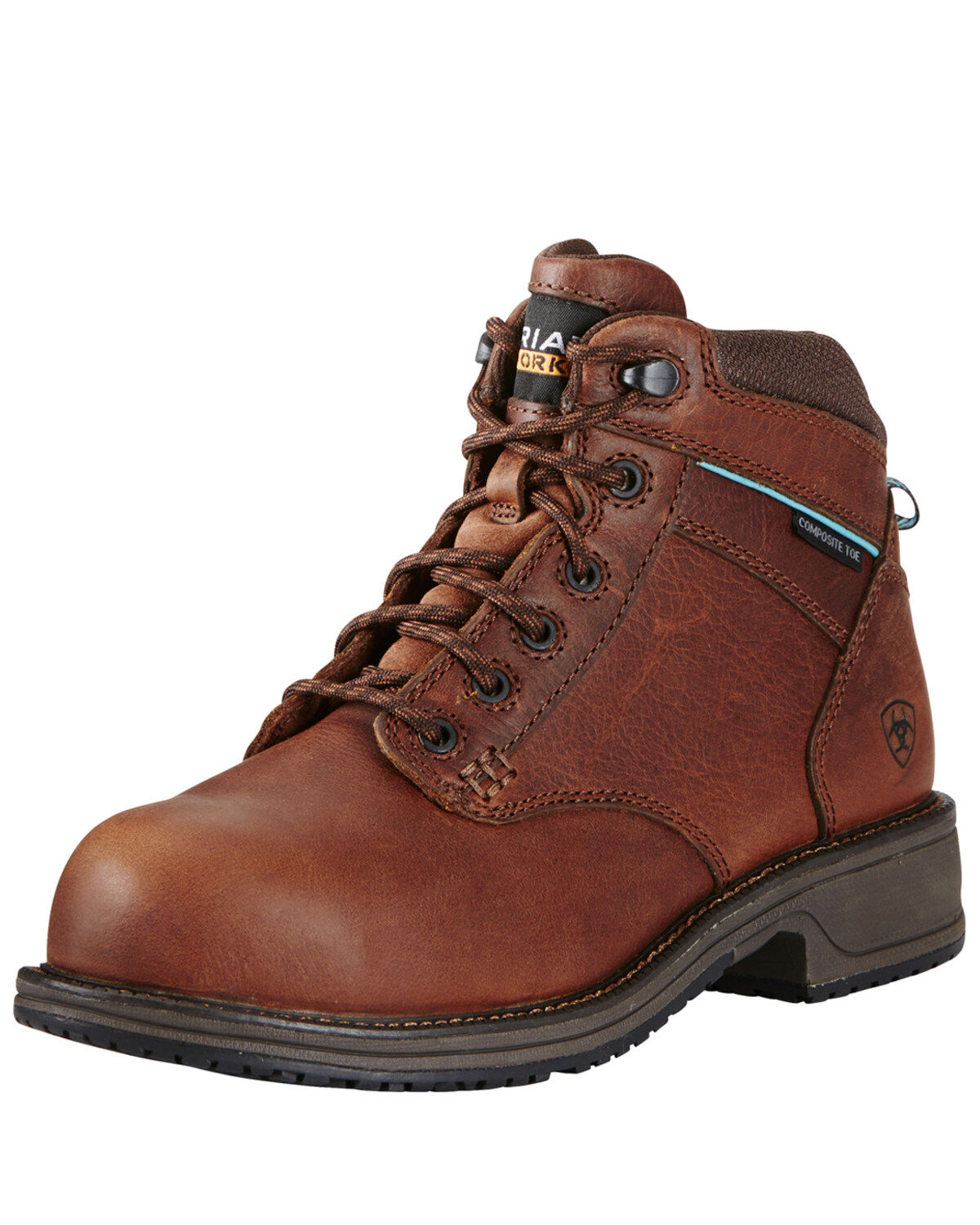
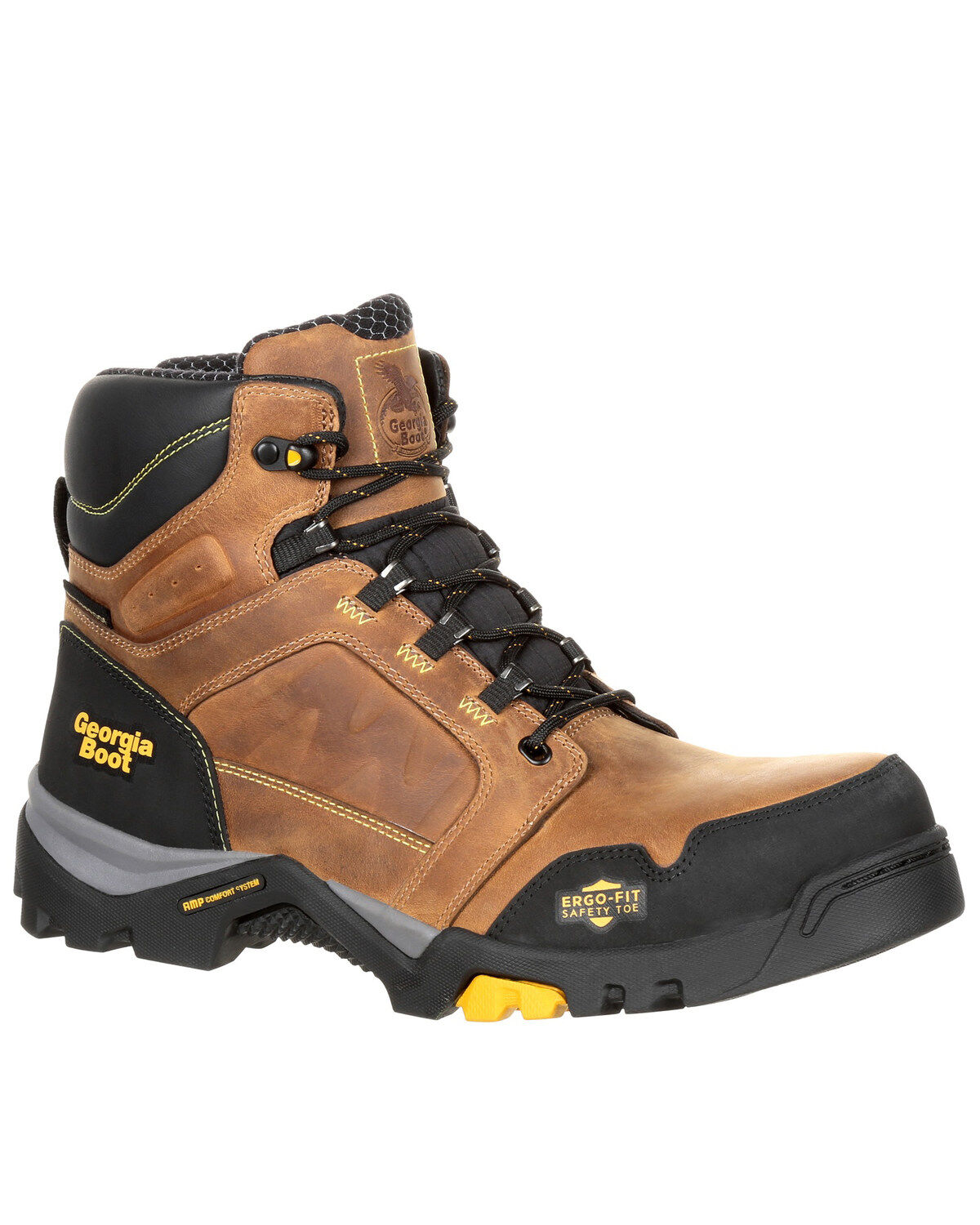
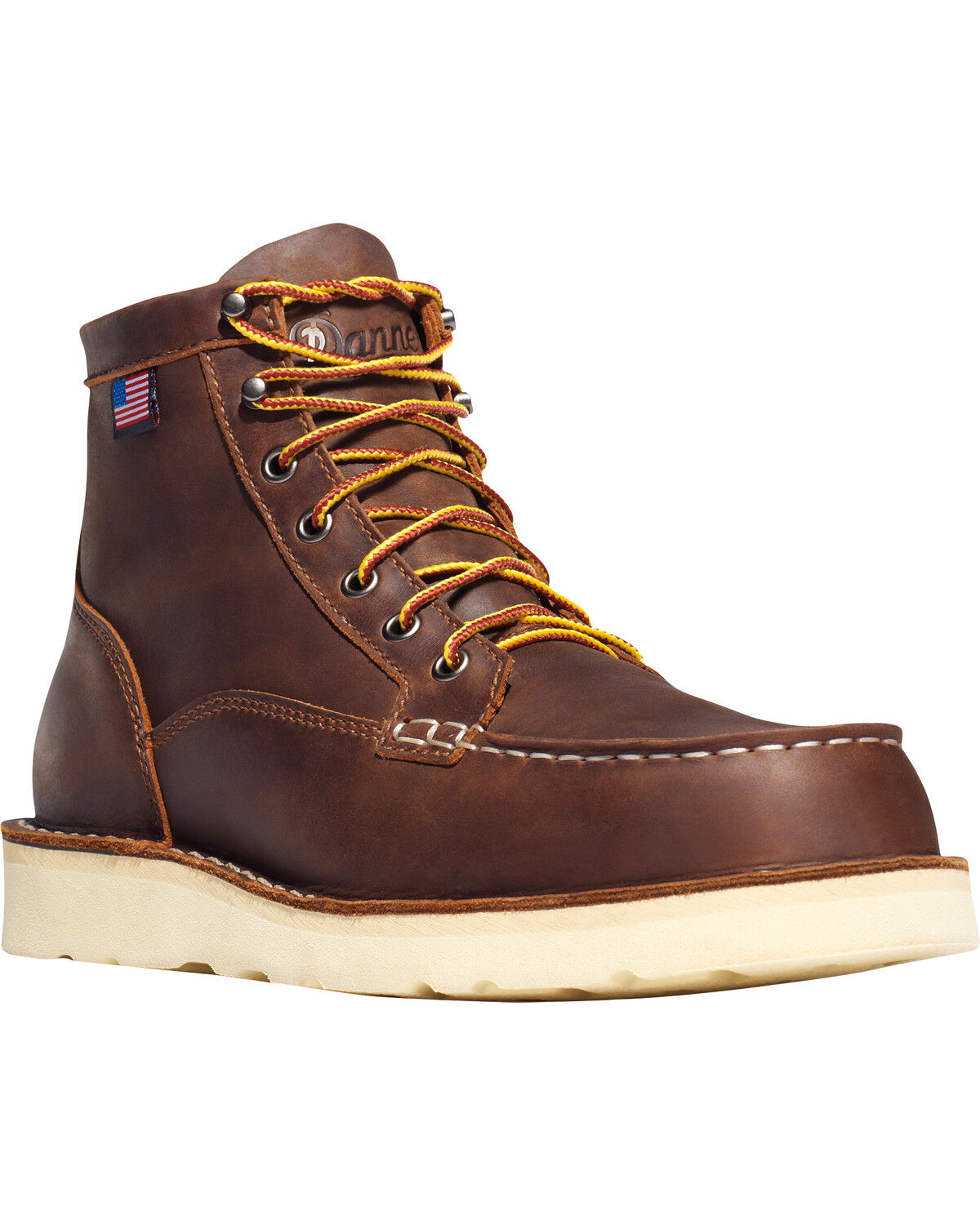
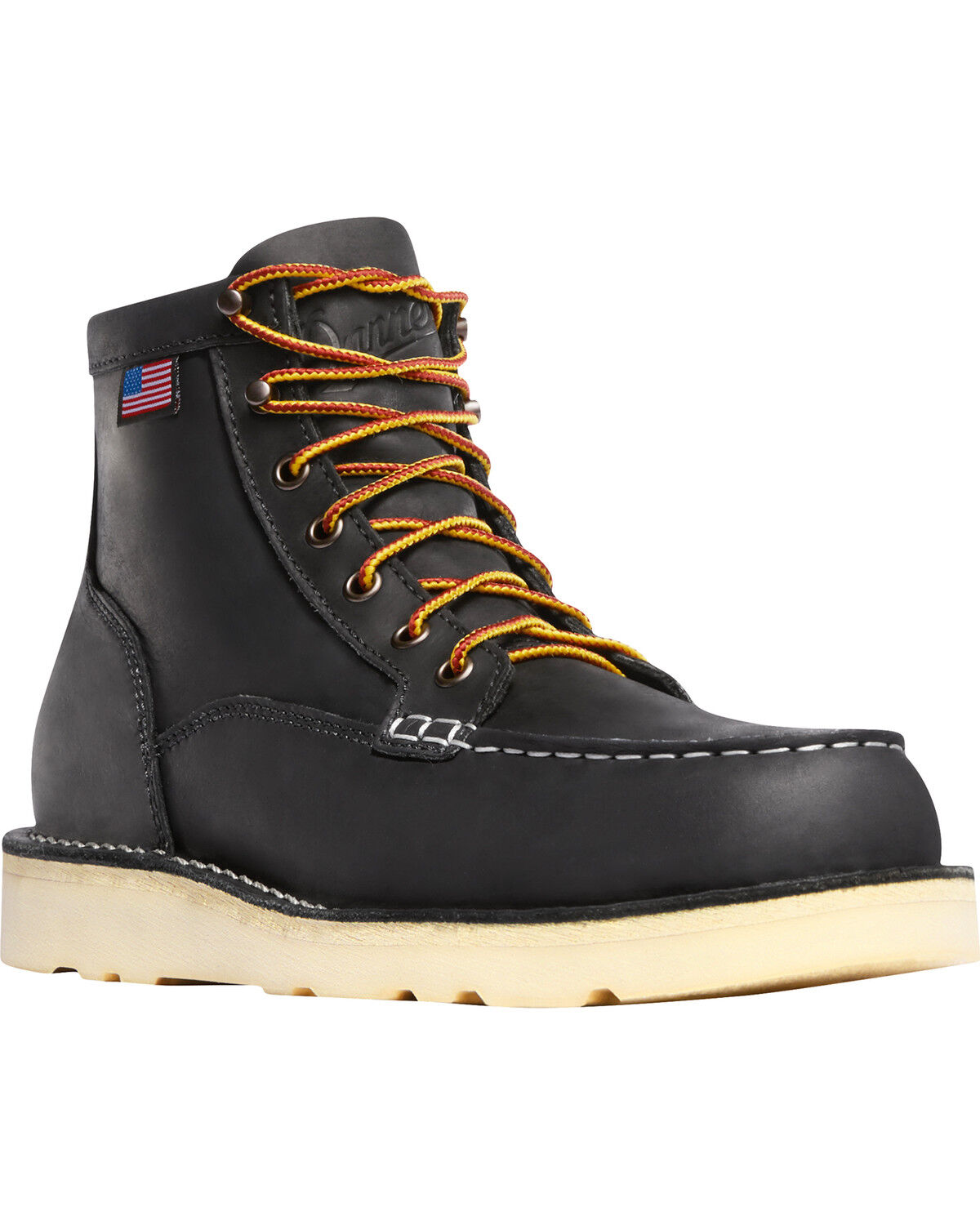
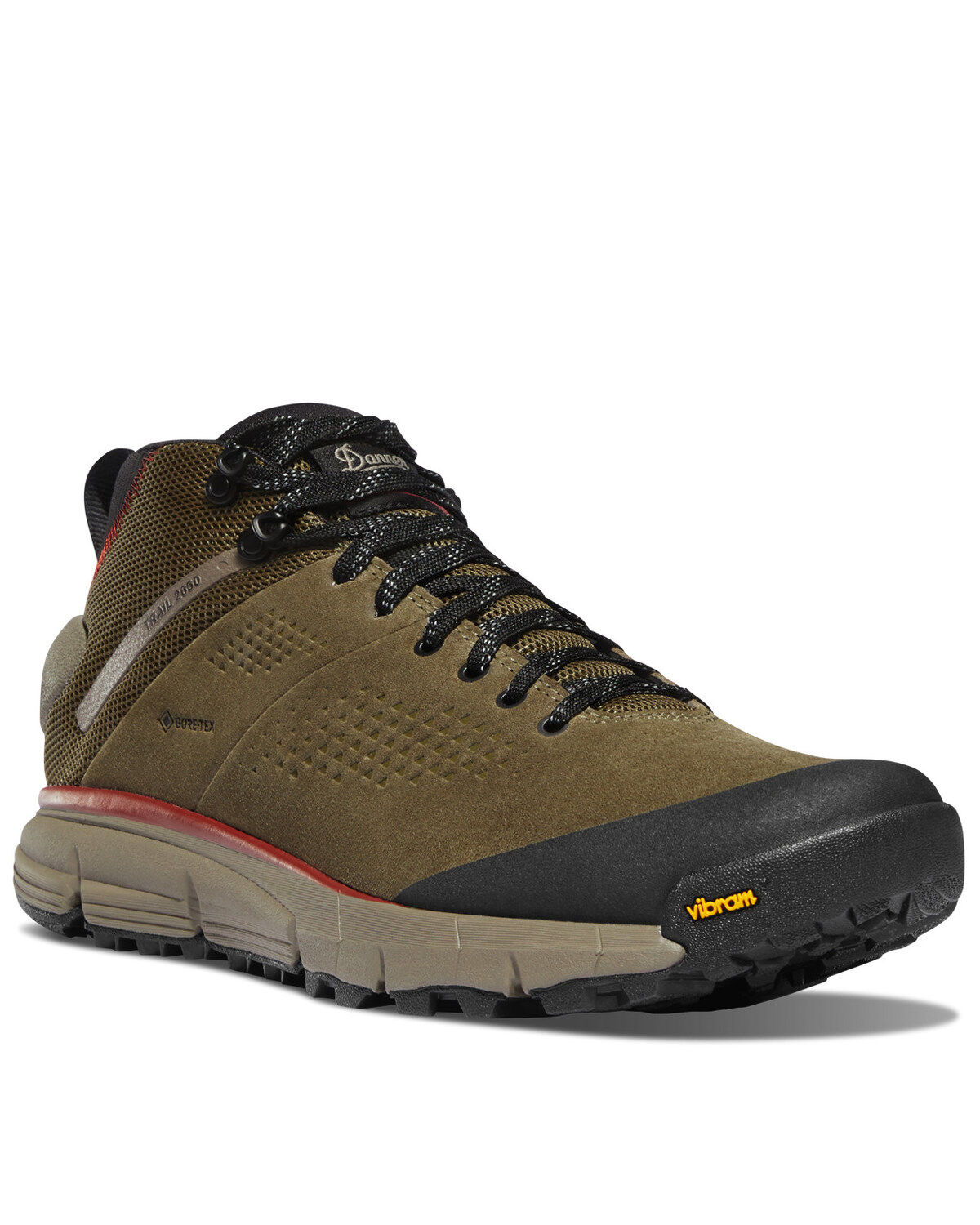
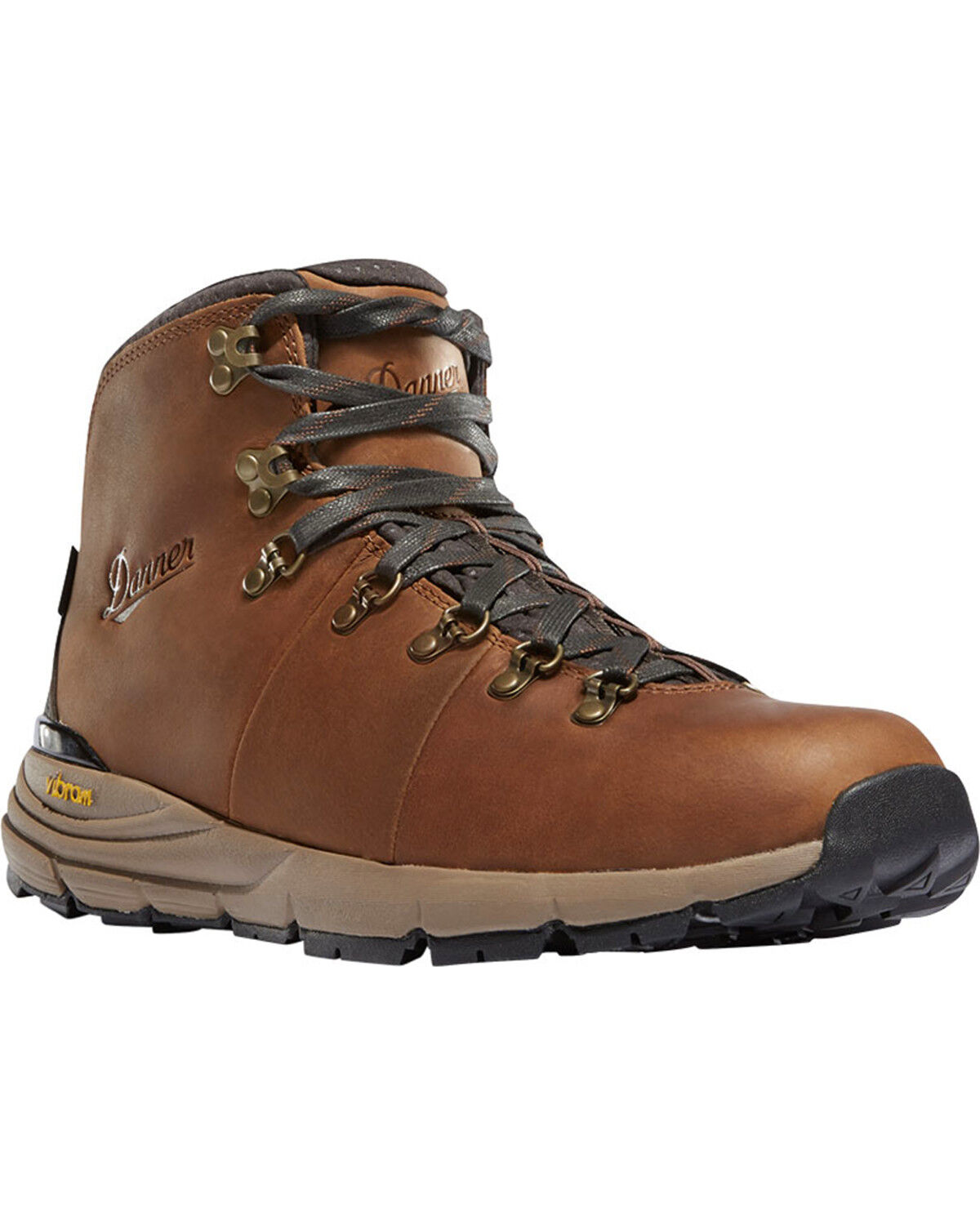
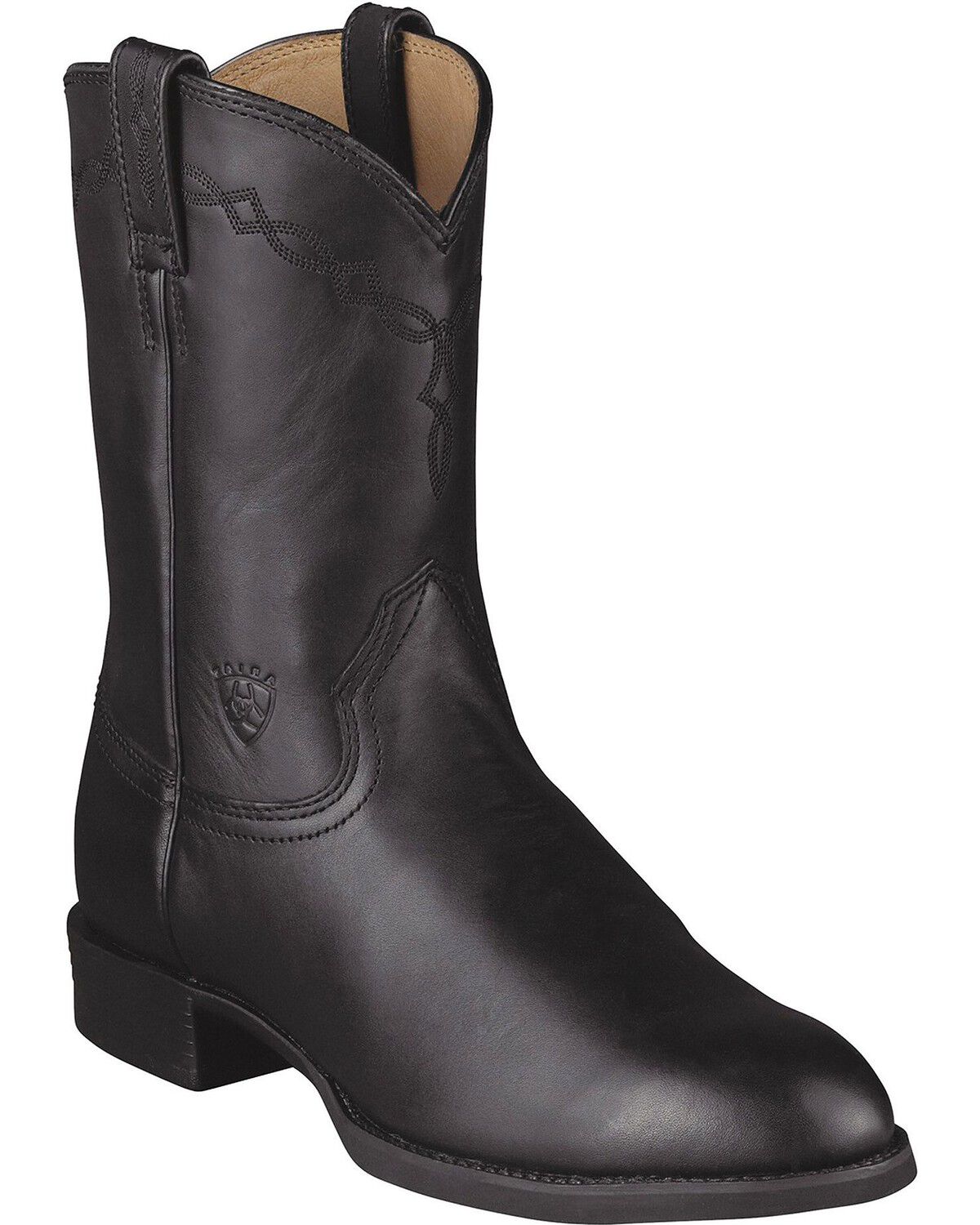
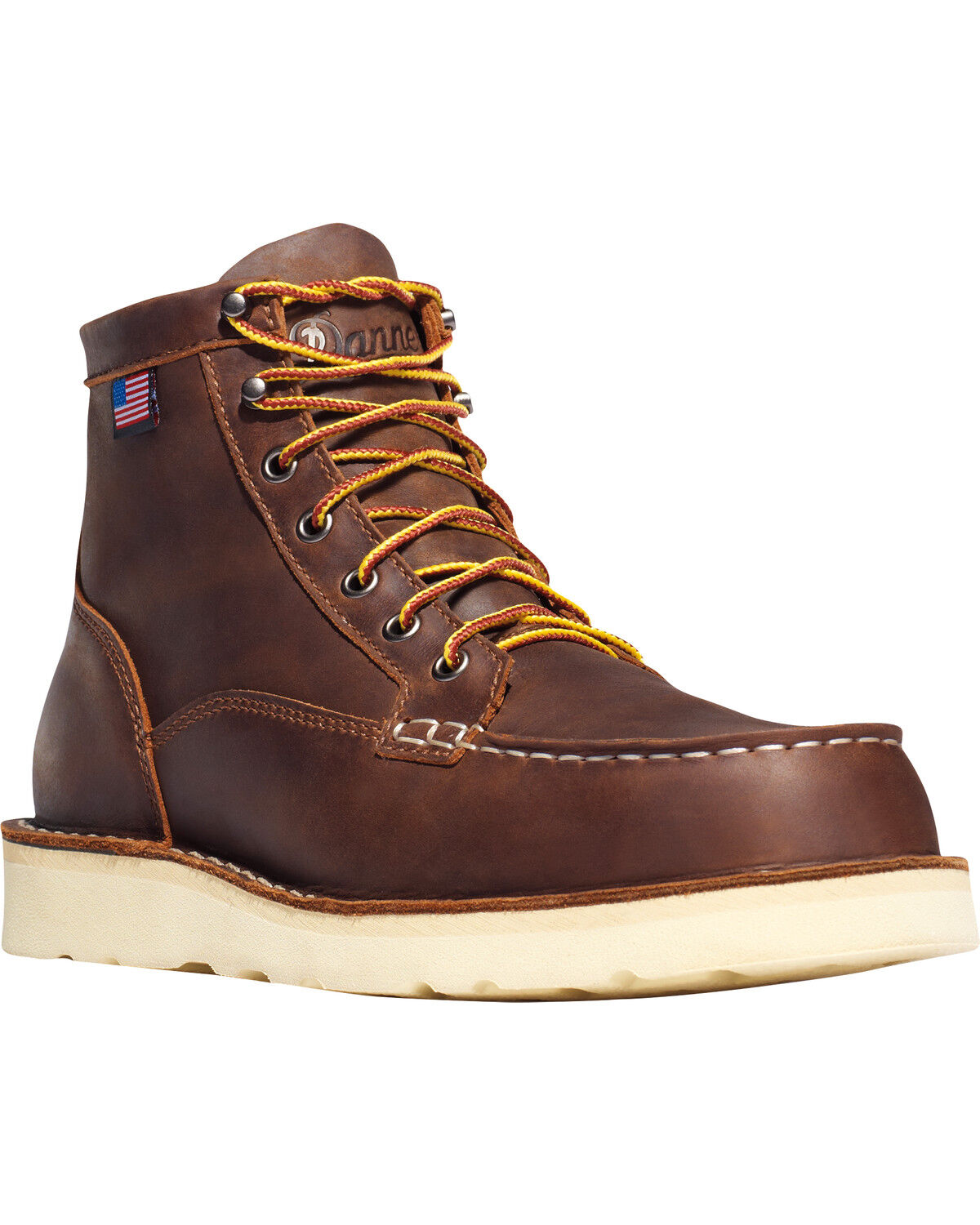
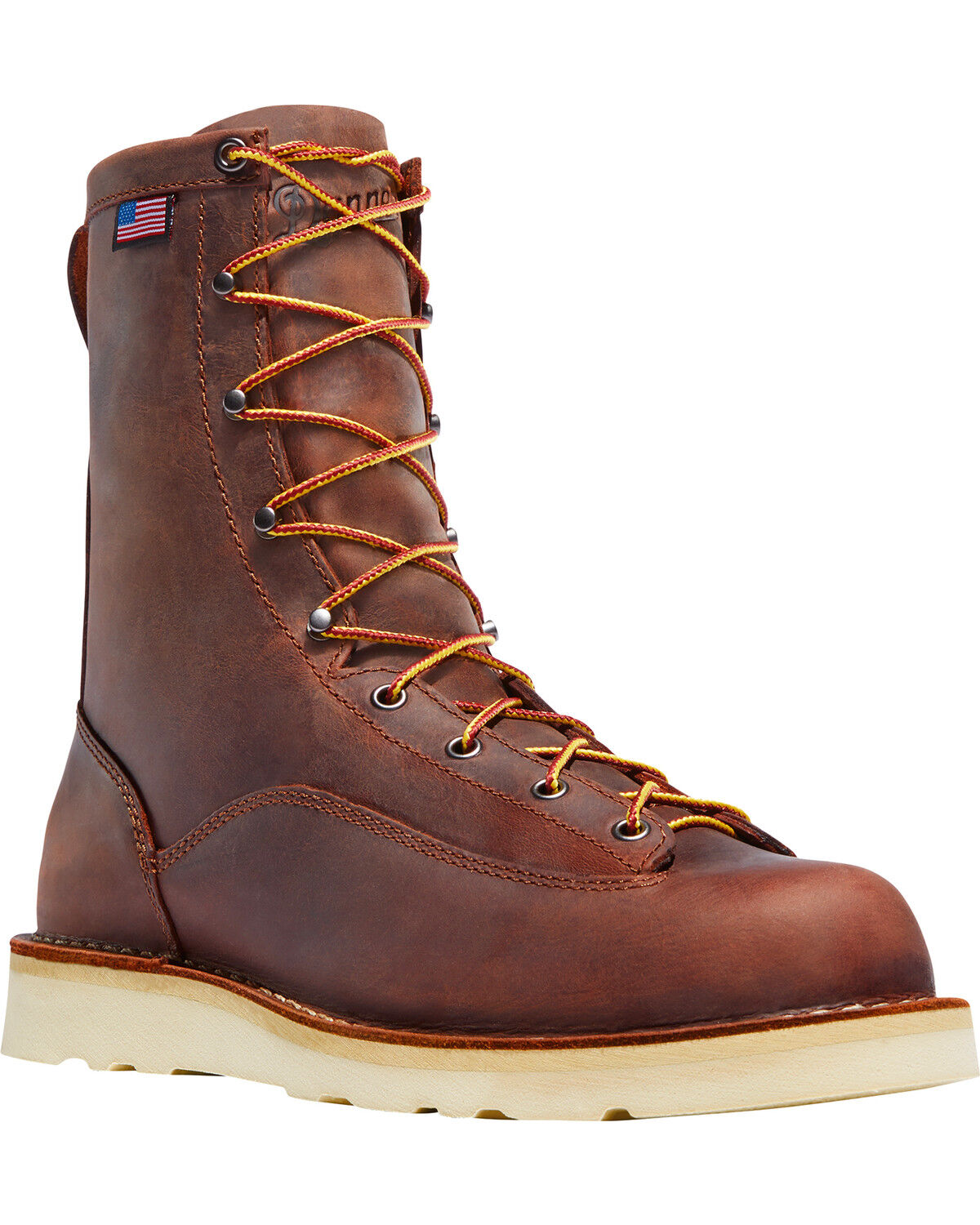
Light Composite Toe Boots

Find light composite toe boots for workdays when protection and weight both matter. Compare work boot styles by fit and listed safety features, and check each pair’s specifications against your job requirements before choosing.

Shop Your Store: Shop Your Store: Find a Store

(Turn off Shop Your Store to see all items)

(Turn off Shop Your Store to see all items)

close
  • Recommended
  • Lowest Price
  • Highest Price
Skip pass products
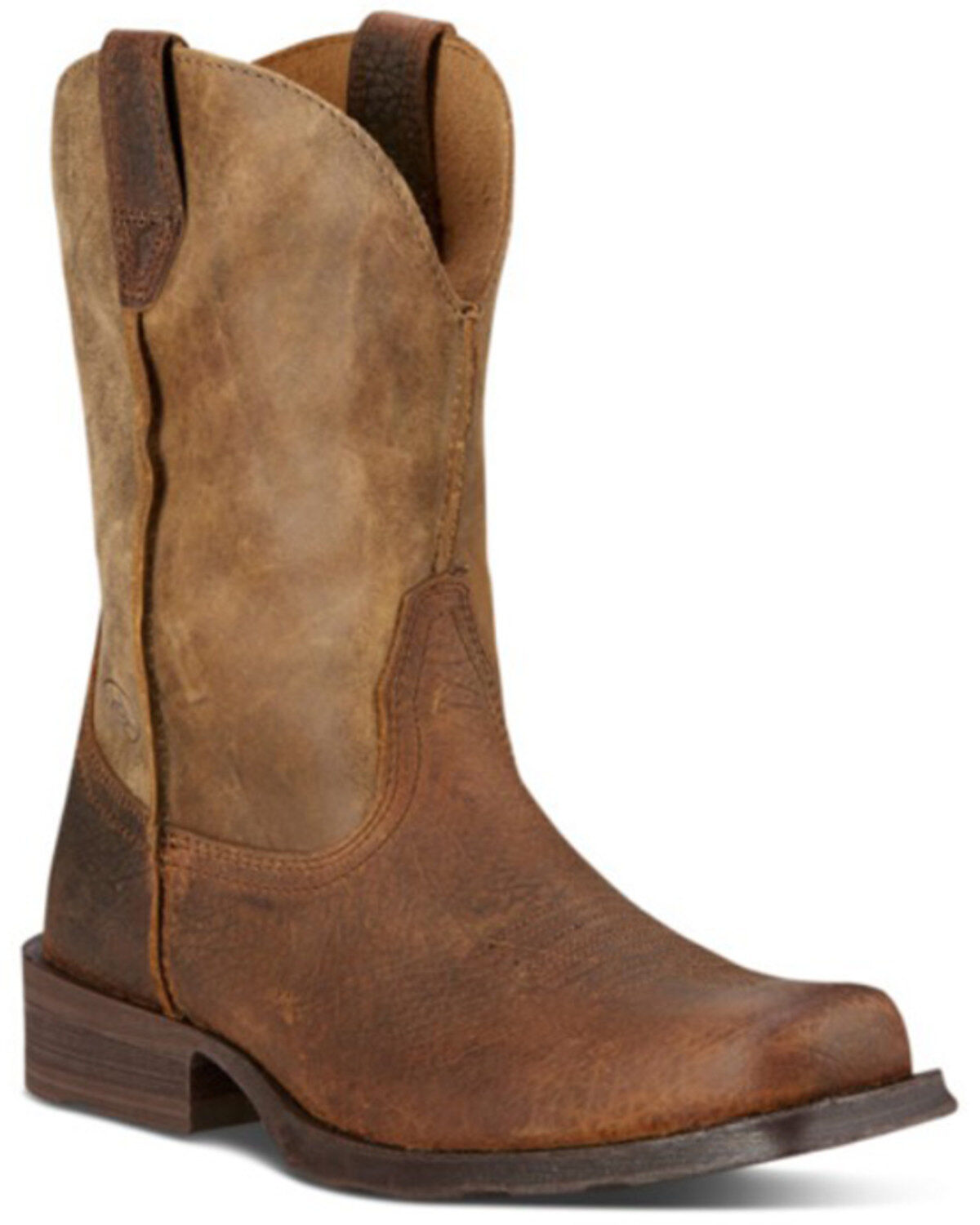
  • Men's Durango Workin' Rebel Brown Western Boots - Composite Toe
    Original Price $169.99 $135.97
    20% Total Savings

End of products

Light Composite Toe Boots

Light composite toe boots are lightweight work boots with nonmetallic safety toe caps, typically made from fiberglass, carbon fiber, or reinforced plastic. Styles rated to the applicable ASTM F2413 requirements provide impact and compression protection without a steel toe cap. A composite cap can help reduce weight at the front of the boot, although total boot weight also depends on the outsole, upper, midsole, and other components. That distinction matters across a shift spent walking warehouse aisles, moving materials around a shop, or stepping between a loading dock and a delivery truck. Less weight can make repeated movement feel less cumbersome, but dependable work footwear still needs the right fit, traction, and support for the task. The safety marking and manufacturer specifications should match the requirements of the jobsite. A composite toe does not automatically mean a boot offers electrical hazard protection, puncture resistance, or slip resistance. Those are separate features to verify. A nonmetallic toe cap also does not guarantee an entirely metal-free boot, since hardware, shanks, or other components may contain metal. Outsole construction deserves the same attention as toe protection. Rubber compounds and tread patterns serve different purposes, from gripping smooth work surfaces to shedding loose dirt. Slip-resistant footwear can improve traction on specified surfaces, but no outsole prevents every slip, especially where oil, water, or debris is present. Raised heels may suit some work requirements, while lower-profile soles can offer a different feel underfoot. The right choice depends on the surface, the task, and workplace rules rather than appearance alone. For a comparison of safety toe materials, Lightweight Steel Toe Boots offer another construction to consider; neither toe material alone determines the weight or comfort of the finished boot.

The fit of light composite toe boots should leave room for the toes without allowing the foot to slide inside the boot. The protective cap does not stretch, so pressure against its edge is not something to count on a break-in period fixing. Toes should remain clear of the front when walking down an incline, and the widest part of the foot should sit comfortably within the boot rather than pressing against the sides. Width matters as much as length. Going longer to solve a width problem can leave excess space that changes how the foot moves with each step. Work socks and any approved replacement insoles also affect fit, making them part of the equation rather than an afterthought. Lace-up construction allows adjustment across the instep and around the ankle, which can be useful when a shift involves frequent turns, kneeling, or uneven footing. Pull-on construction offers straightforward entry and fewer laces to manage, but it still needs a secure fit through the instep. Heel movement varies by construction; excessive lifting or rubbing should not be dismissed as normal. Underfoot, cushioning and support do different jobs. A cushioned footbed softens the feel of repeated steps, while the midsole and shank contribute structure. EVA foam can help keep midsole weight down, and polyurethane is often used for cushioning and support. The finished construction matters more than any single material claim. A worker standing at a packing station may value steady cushioning across a hard floor, while someone making frequent deliveries may place more emphasis on easy flex and manageable weight. For tasks that involve kneeling, the location of flex points and the feel of the upper across the forefoot can make a noticeable difference. Breathable linings can help manage perspiration, but comfort still depends on socks, fit, and allowing boots to dry between wears. A light boot should feel balanced on the foot, not merely soft when first tried on.

Materials and construction determine how well lightweight composite toe boots hold up to daily use. Leather uppers offer a familiar combination of structure, flexibility, and abrasion resistance, with performance varying by leather type, thickness, and finish. Textile panels can reduce bulk and improve flexibility, though exposed areas may wear differently when they repeatedly rub against pallets, equipment, or rough surfaces. Reinforced toes and heel areas can be useful where scuffing is part of the job. Waterproof construction may suit work around wash areas or other wet conditions, but it is a separate feature from a composite safety toe. Water-resistant leather and a waterproof membrane are not the same thing, and neither removes the need for routine care. Dirt left along seams and flex points can contribute to wear, so regular brushing and cleaning with products appropriate for the upper material help preserve the boot. Leather conditioner should suit the finish and be used according to the care directions; textile sections and waterproof membranes may require different treatment. Wet boots should dry naturally away from direct heat, with removable footbeds taken out when the manufacturer allows it. Worn tread, loose stitching, separating soles, and damaged uppers deserve attention before the next shift. Safety toe damage may not always be visible, so a boot subjected to a significant impact or compression event should be taken out of service and assessed according to manufacturer instructions. Replacement footbeds may refresh cushioning, but they cannot restore a worn outsole or compromised protective structure. For warehouse workers, tradespeople, maintenance crews, and others whose duties require protective footwear, the strongest choice is a boot that meets the actual hazards without adding unnecessary bulk. Light construction earns its place when it works alongside secure fit, sound materials, and the protection the job demands.

FAQs