Waterproof performance boots are essential for anyone who needs reliable footwear that can handle the elements while delivering top-notch functionality.... Whether you're navigating rugged trails, working in wet conditions, or simply seeking a boot that offers both durability and comfort, these boots are designed to keep your feet dry and supported. Crafted with premium materials and innovative technology, waterproof performance boots provide the perfect balance of protection and style. Explore our collection to discover the ideal pair that meets your demands, ensuring you stay at the forefront of performance without compromising on quality.
Read more
Waterproof Performance Boots
Waterproof performance boots are essential for anyone who needs reliable footwear that can handle the elements while delivering top-notch functionality.... Whether you're navigating rugged trails, working in wet conditions, or simply seeking a boot that offers both durability and comfort, these boots are designed to keep your feet dry and supported. Crafted with premium materials and innovative technology, waterproof performance boots provide the perfect balance of protection and style. Explore our collection to discover the ideal pair that meets your demands, ensuring you stay at the forefront of performance without compromising on quality.
Waterproof performance boots are built for people who spend time on wet ground, uneven trails, slick job sites, and cold outdoor surfaces. They bring together water protection, dependable traction, support, and comfort in one practical piece of footwear. That makes them useful for hiking, hunting, landscaping, farm work, outdoor maintenance, travel, and everyday wear during rainy or snowy conditions. A waterproof boot should help keep water from reaching the foot while giving the wearer enough stability to move with confidence. Look for construction details that match the conditions you expect to face, including a waterproof membrane, sealed seams, treated leather, coated textile panels, or molded rubber. A membrane can block outside moisture while allowing some internal heat and perspiration to escape, which is helpful during long walks or active work. Fully sealed seams add another layer of protection by closing the small openings where panels meet. Water-resistant materials may handle light moisture, but waterproof construction is the better choice for standing water, persistent rain, wet grass, and slushy ground. The right pair depends on more than the weather forecast. A lightweight hiking boot may be a good fit for maintained trails and long walks, while a more structured boot can offer the support needed for rough terrain, loaded packs, or demanding work. Full-grain leather can provide durability and a substantial feel, while technical fabrics may reduce weight and improve flexibility. Rubber boots are useful when water protection is the main concern, especially for muddy chores, yard work, and deep wet conditions. Insulated options can help during colder outdoor tasks, but uninsulated waterproof boots may be more versatile when activity levels are high or temperatures change throughout the day.
Traction deserves close attention because wet protection does not matter much if the outsole cannot hold to the ground. Look for a lugged or patterned rubber outsole designed to grip dirt, rock, packed soil, pavement, or other surfaces you regularly encounter. Deeper lugs can help shed mud, while a flatter tread may feel more natural on hard surfaces and daily walks. Slip-resistant outsoles can be valuable on wet concrete, smooth floors, and job sites, although no boot can eliminate every hazard. A stable heel, firm midsole, and supportive shank can improve footing on uneven ground. For hiking, a cushioned footbed and responsive midsole can make long miles easier on the feet. For work, a reinforced toe and durable upper may matter more than a lightweight feel. A composite safety toe can provide protection without the added weight or temperature transfer associated with traditional metal, while a steel toe may suit workers who need a familiar, heavy-duty option. Check the requirements of the worksite before choosing a safety-toe boot, since protection ratings and job standards vary. Fit is just as important as materials. Try boots on with the socks you plan to wear, preferably later in the day when feet have naturally expanded. Your heel should stay secure without lifting excessively, and your toes should have room to move without sliding forward on descents. A waterproof boot that is too tight can restrict circulation, especially with thick socks, while an oversized boot can create friction and blisters. Lace-up designs allow more adjustment across the foot and ankle. Pull-on styles can be convenient for quick outdoor chores, but they should still provide a secure fit and enough structure for the terrain. Pay attention to tongue gussets, collar padding, ankle height, and the shape of the toe box. These details affect comfort over several hours, not just during the first few steps in the store.
Waterproof performance boots can be a practical purchase for anyone preparing for cooler, wetter conditions. They are useful for a commuter who walks through rain, a parent handling muddy sidelines and school drop-offs, a property owner clearing leaves and maintaining the yard, or a worker who needs reliable footwear through changing outdoor conditions. They can also make a thoughtful gift for a hiker, hunter, ranch hand, tradesperson, or anyone who spends less time indoors than most. If you are buying for someone else, focus on the activities they enjoy, the surfaces they cross, and the kind of socks they wear rather than choosing by appearance alone. A person who spends weekends on wooded trails may value cushioning, ankle support, and a lighter build. Someone working around wet ground may need a tougher outsole, reinforced toe, and easy-clean materials. For cold conditions, consider insulation, room for warm socks, and a lining that remains comfortable during extended wear. For active use, breathability and weight become more important because heat and moisture can build inside the boot even when the outside stays dry. After wearing waterproof boots, allow them to dry naturally away from direct heat, which can damage leather, adhesives, and waterproof treatments. Remove dirt before it hardens, use care products suited to the boot material, and inspect the outsole for packed mud or uneven wear. Waterproofing can decline with heavy use, so refreshing the exterior treatment when needed can help extend the life of the footwear. Store boots in a dry, ventilated place and avoid leaving them in a vehicle where temperature swings can affect the materials. For more options built to handle wet conditions, explore Waterproof Boots and compare construction, insulation, traction, protection, and fit before making a decision. A well-chosen pair should feel secure on the first walk and remain dependable through the damp ground, cold air, and changing weather that come with the season.

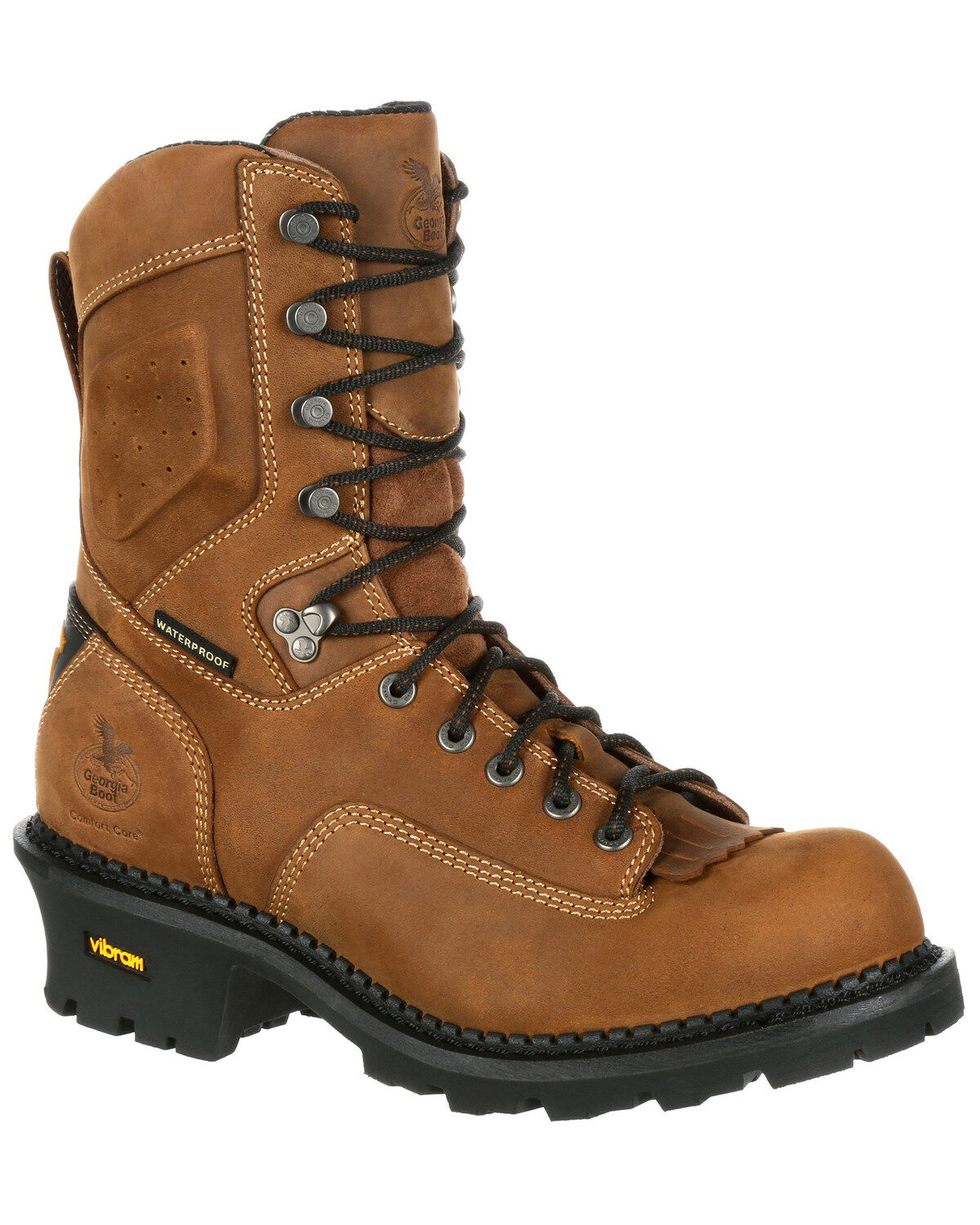


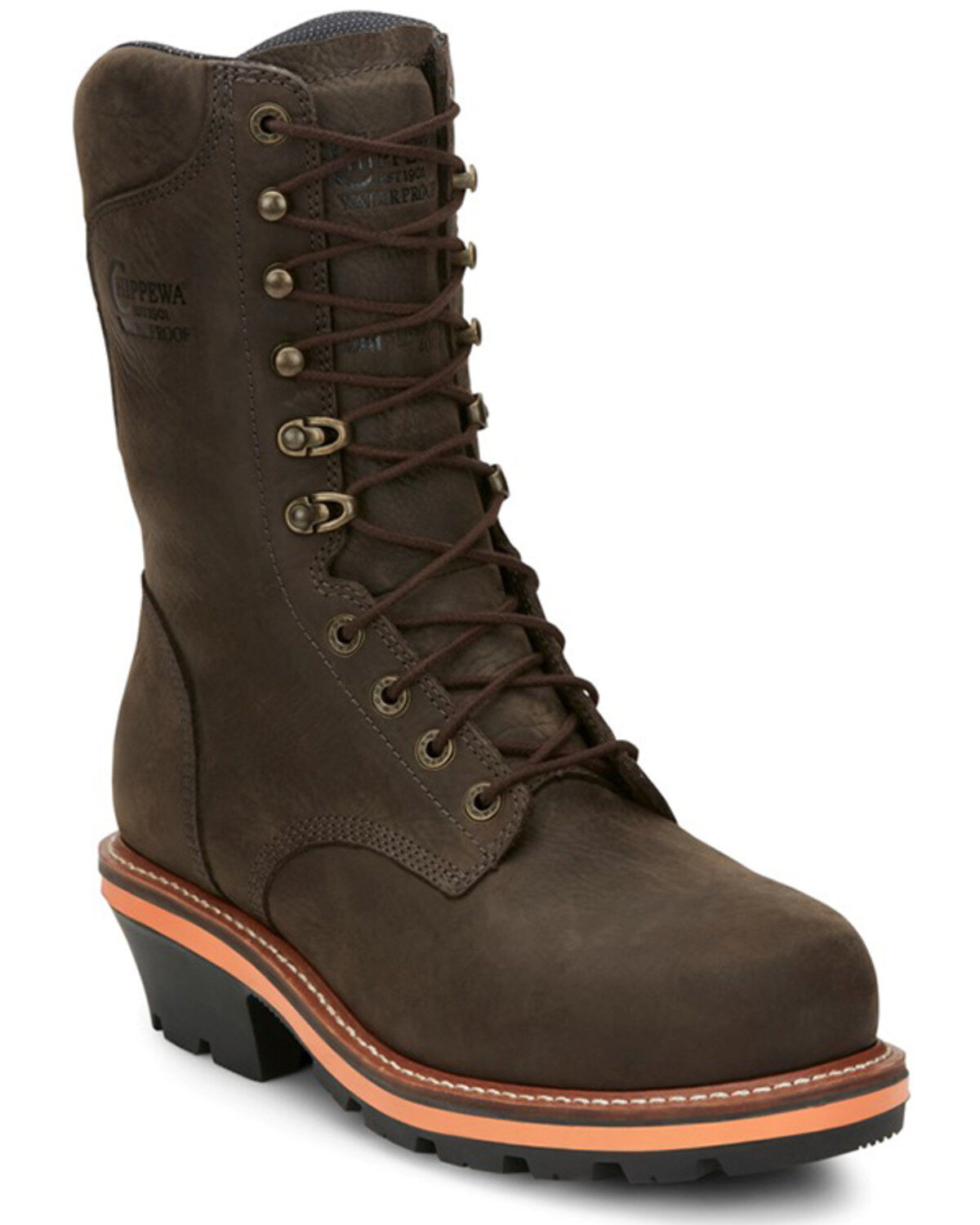

 $259.99
 $259.99
 $229.99
 $169.95
 $269.99


