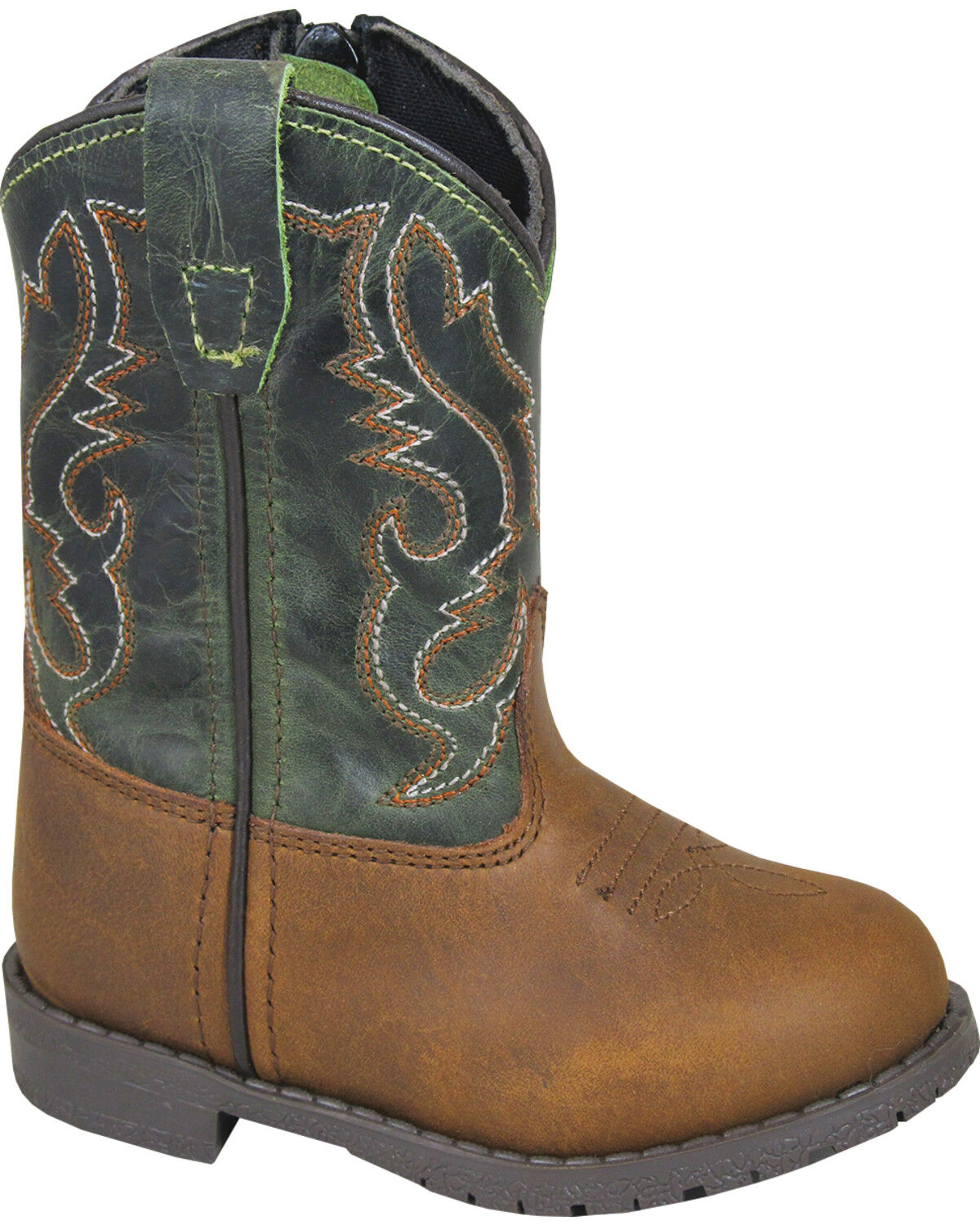
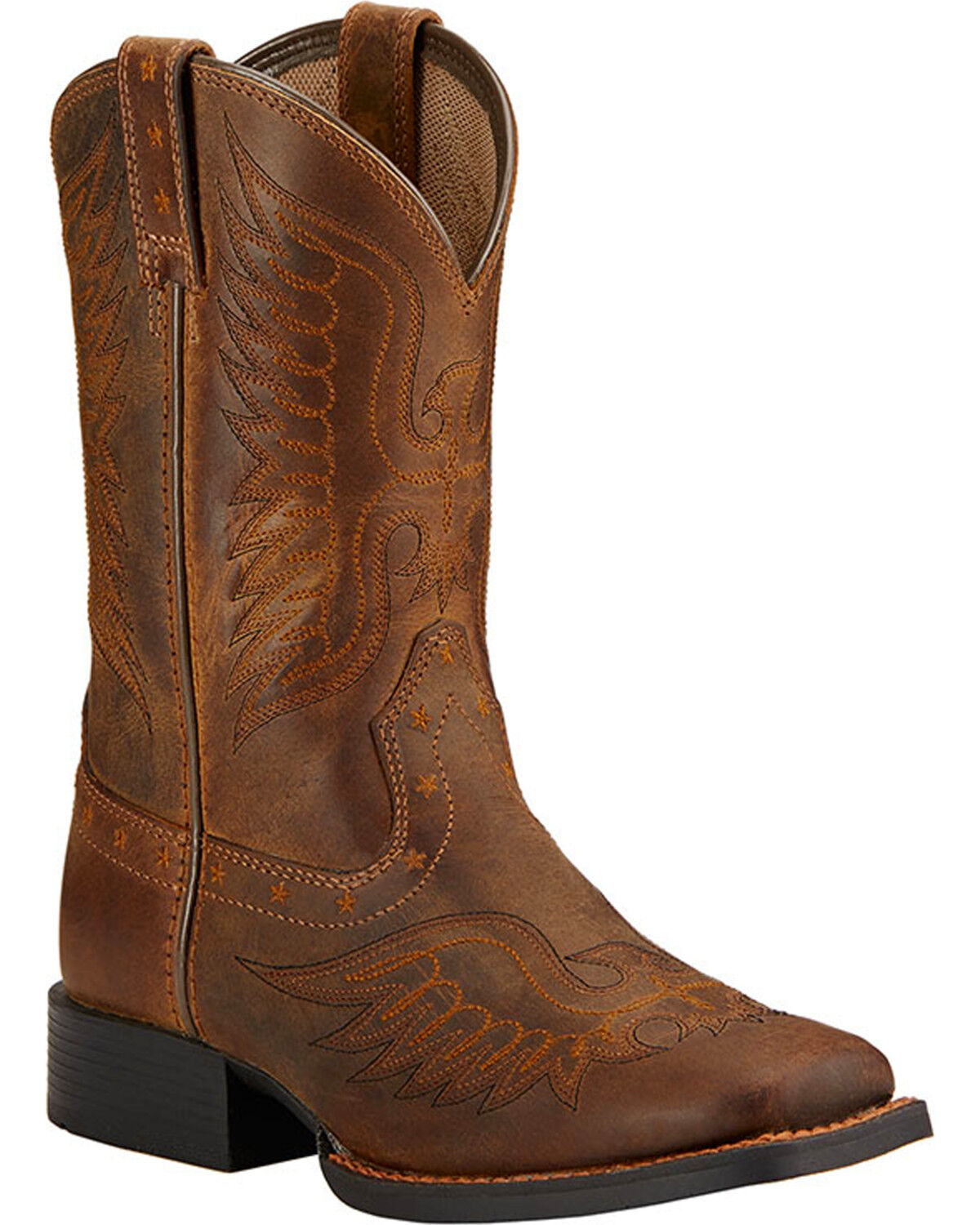
Infant Boots

Find infant boots for a first pair or the next size up. Browse baby boots with western style, and compare available sizes and product details to help choose the right pair for your little one.

Shop Your Store: Shop Your Store: Find a Store

(Turn off Shop Your Store to see all items)

(Turn off Shop Your Store to see all items)

close
  • Recommended
  • Lowest Price
  • Highest Price
Skip pass products
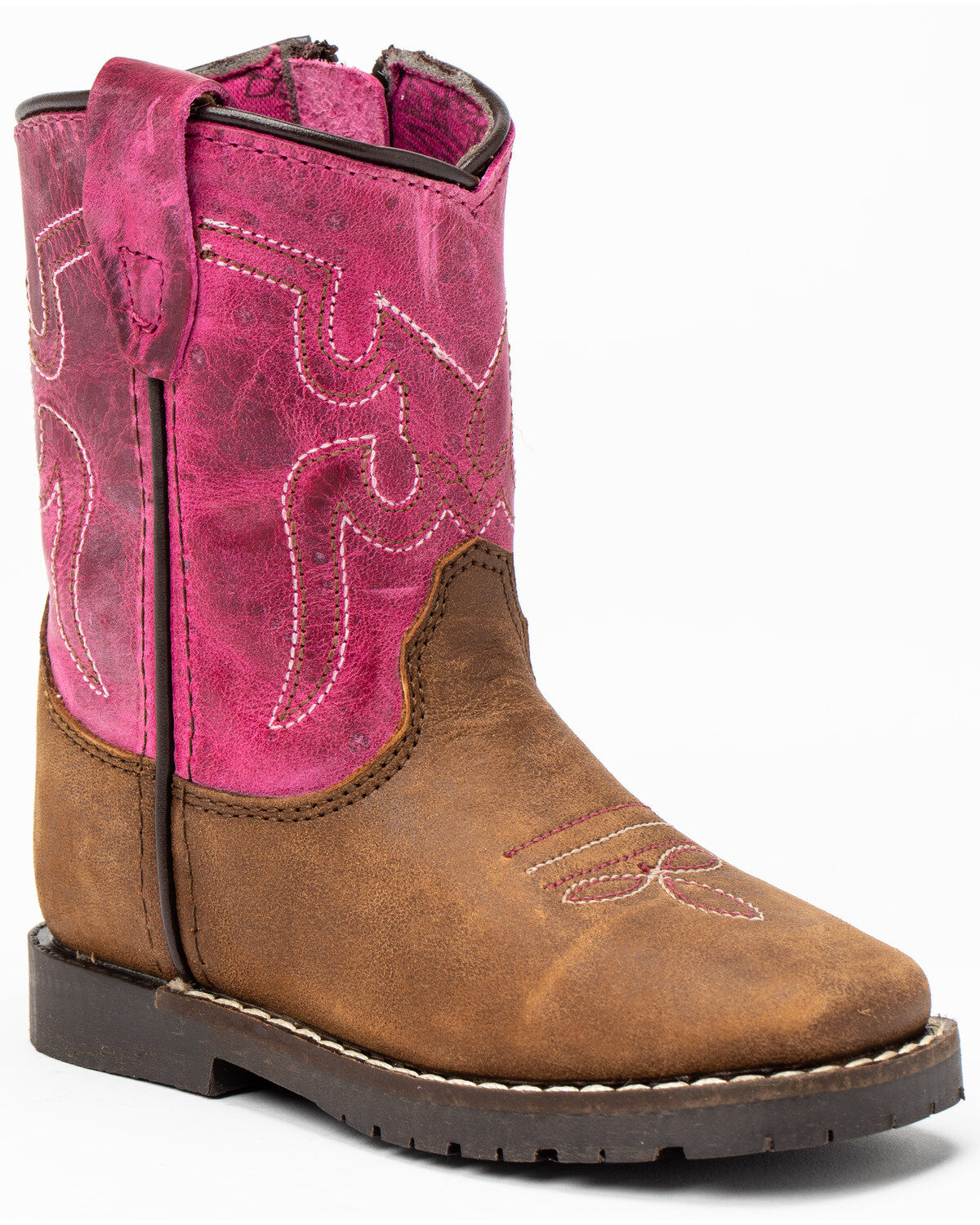
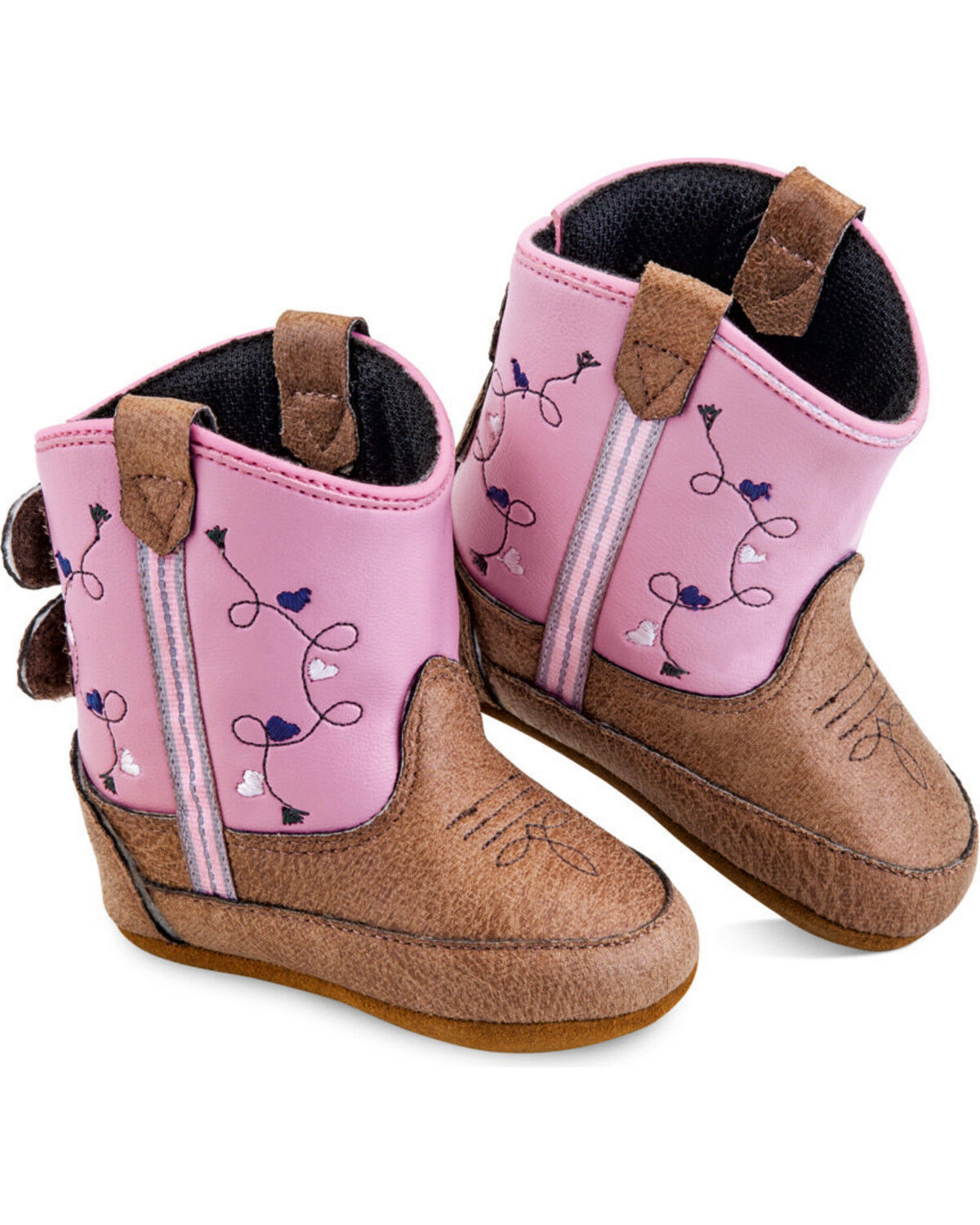
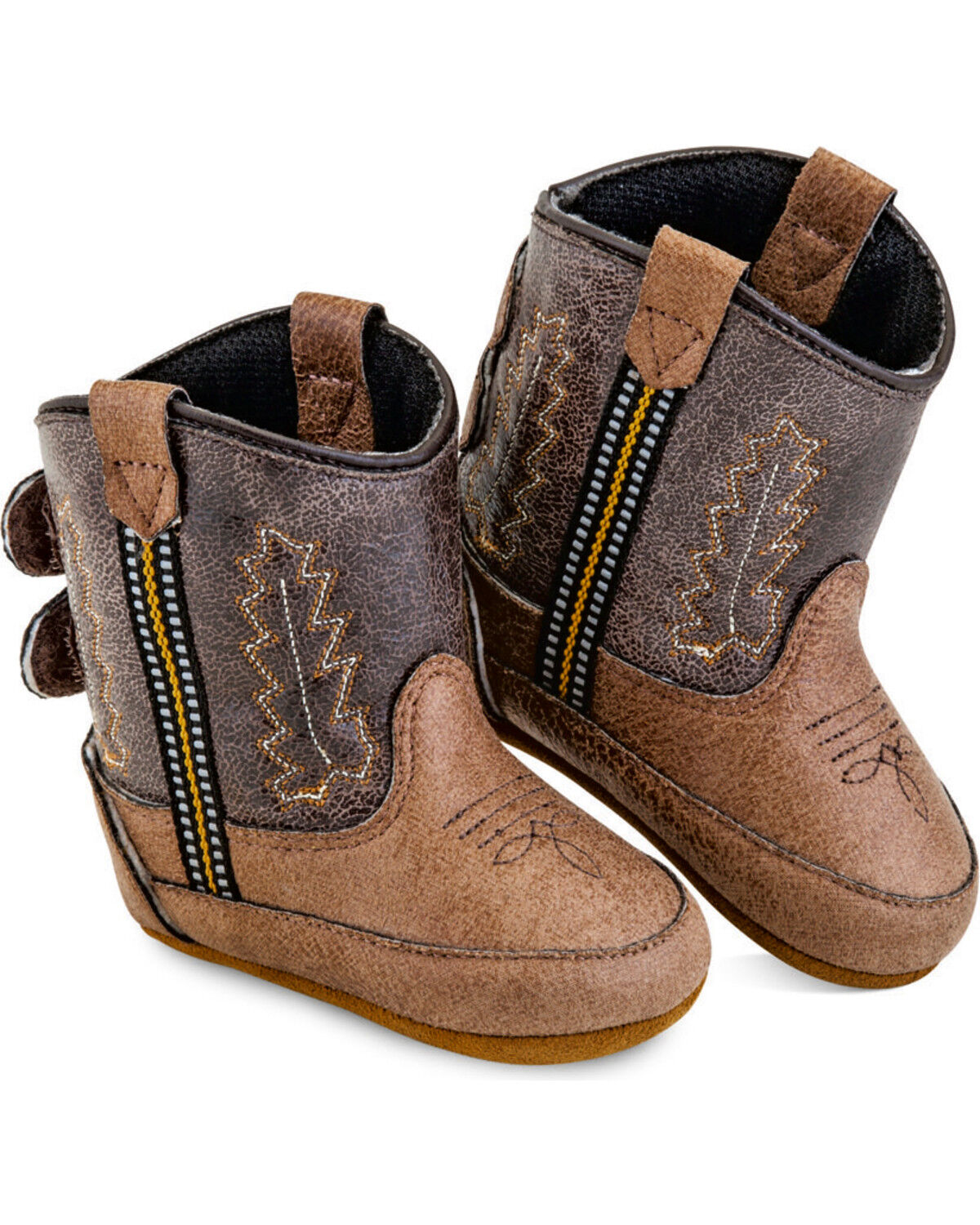
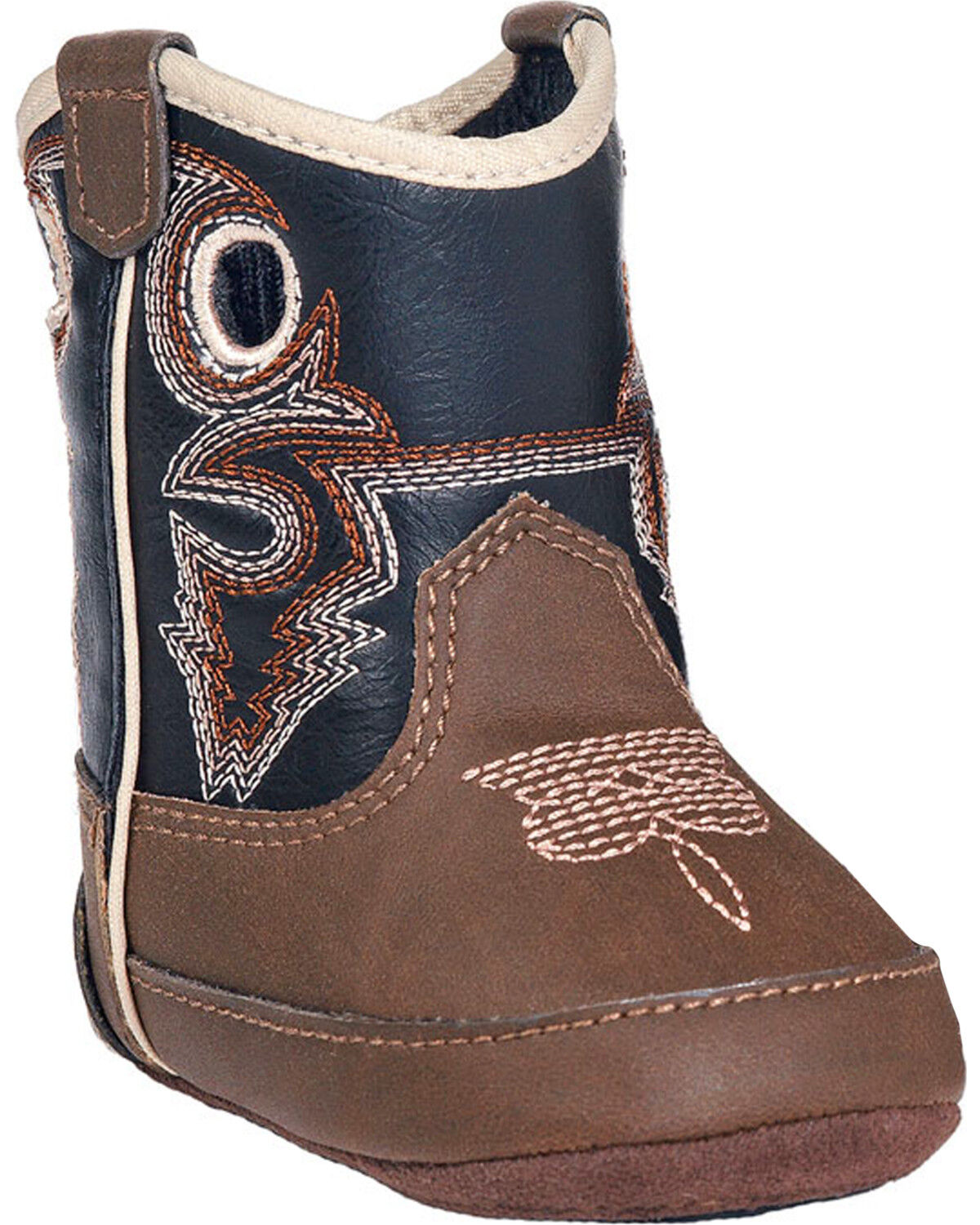
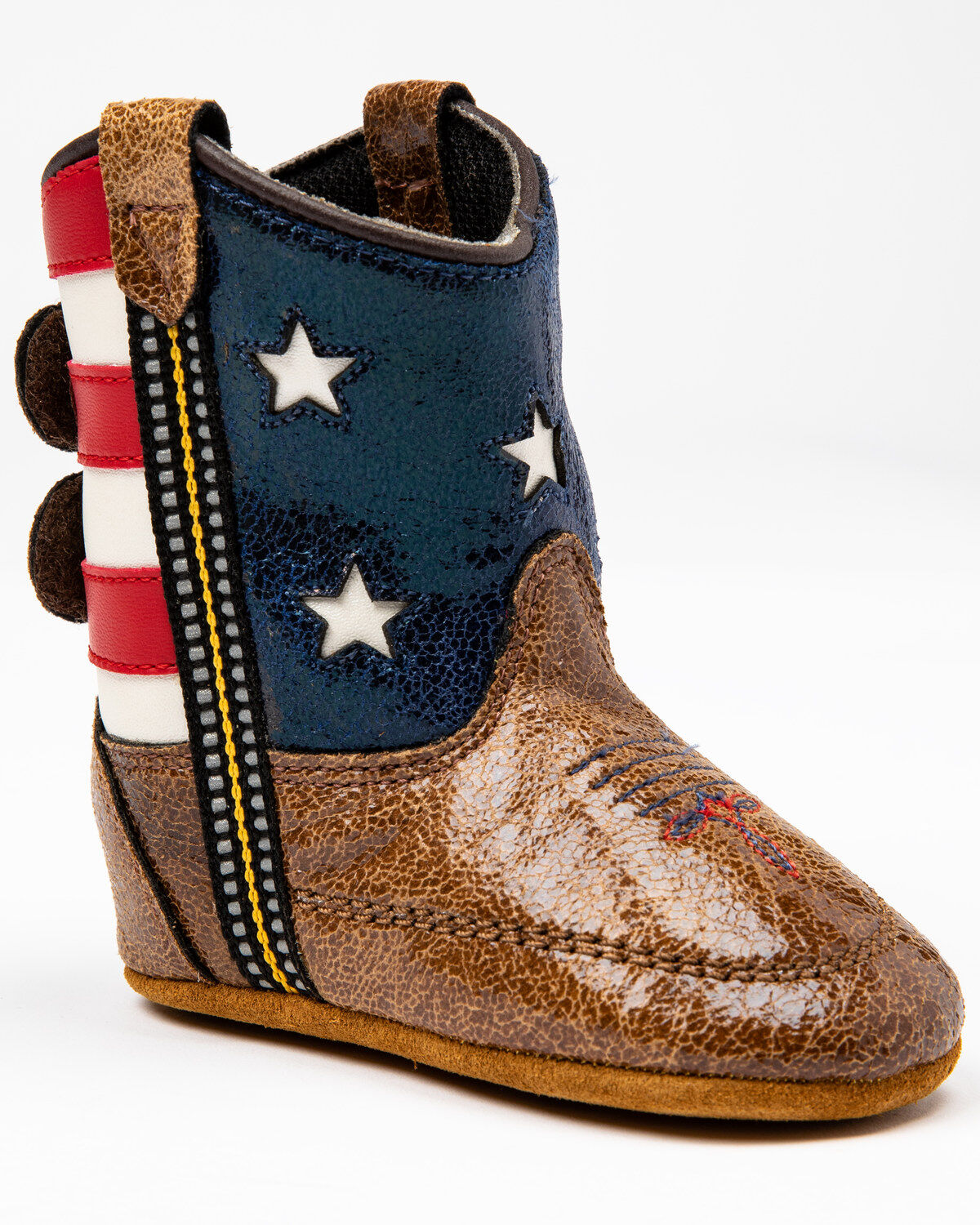
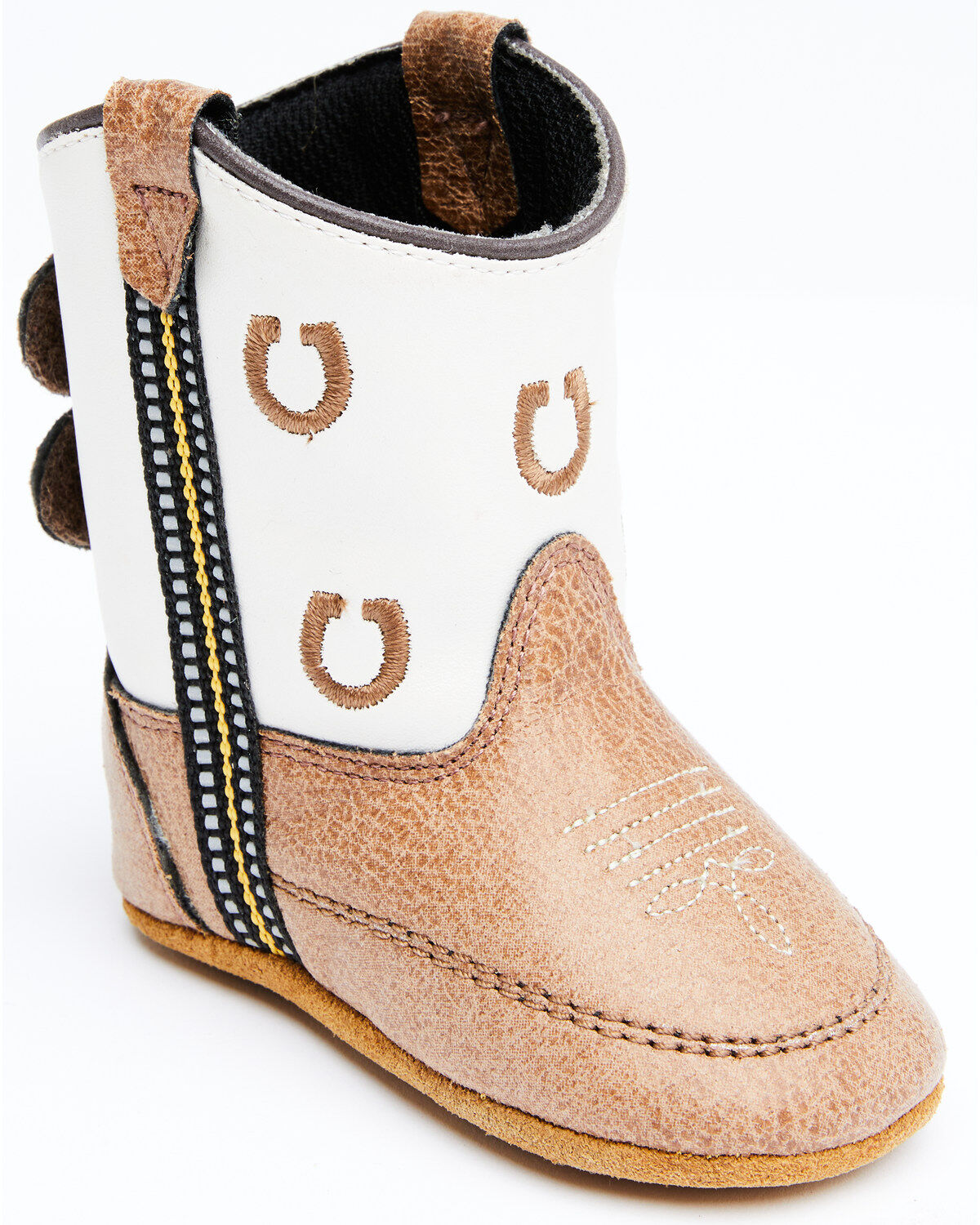
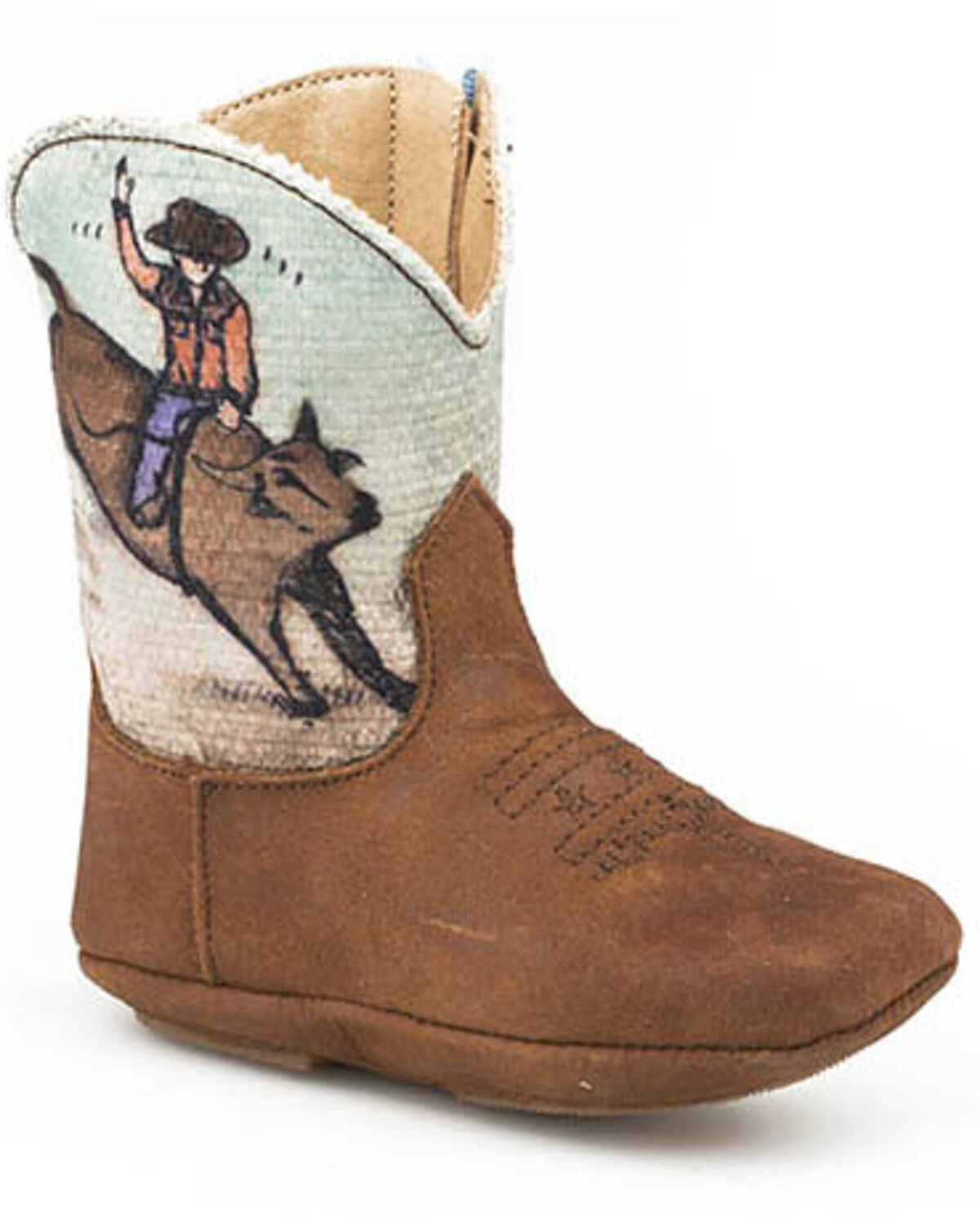
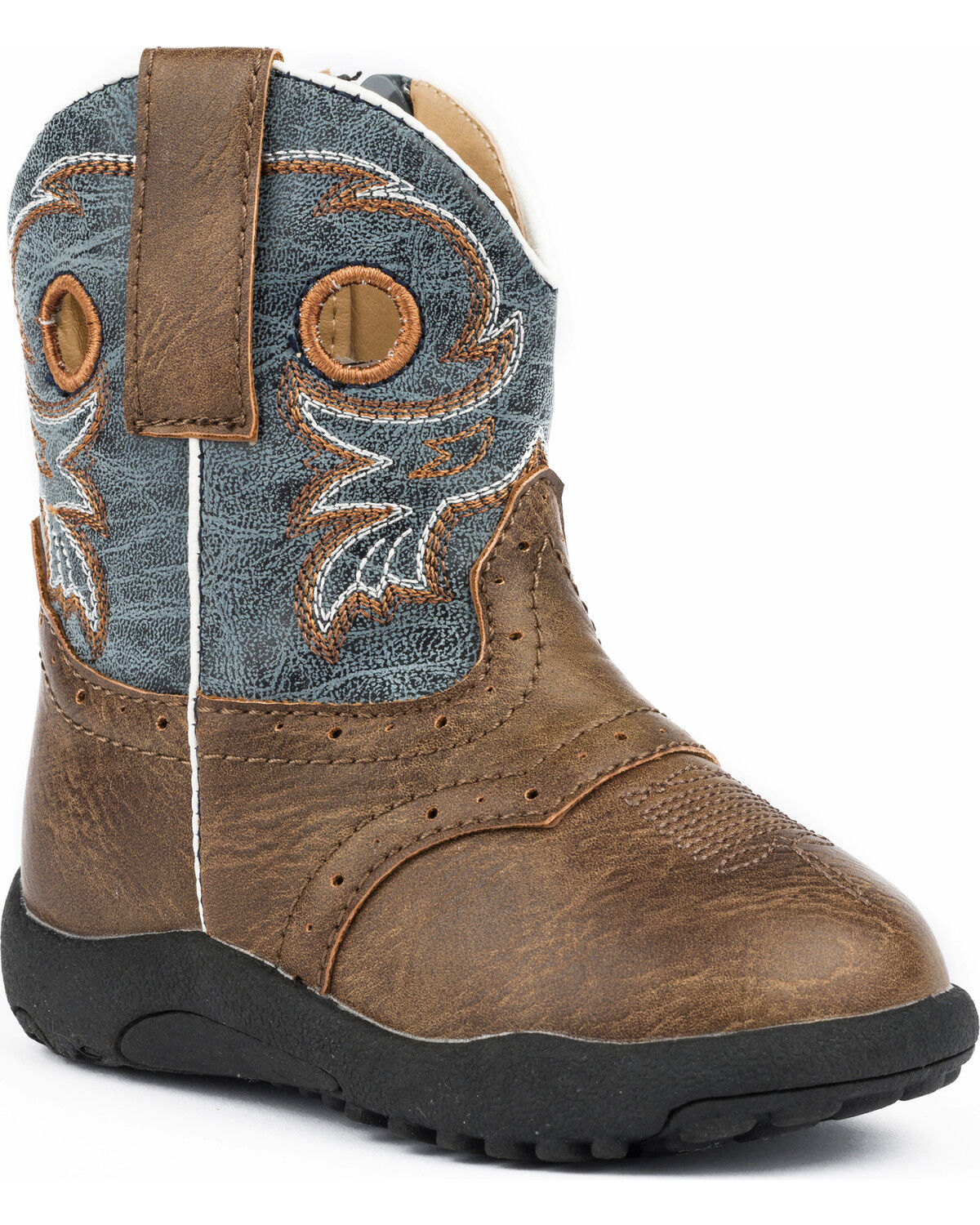
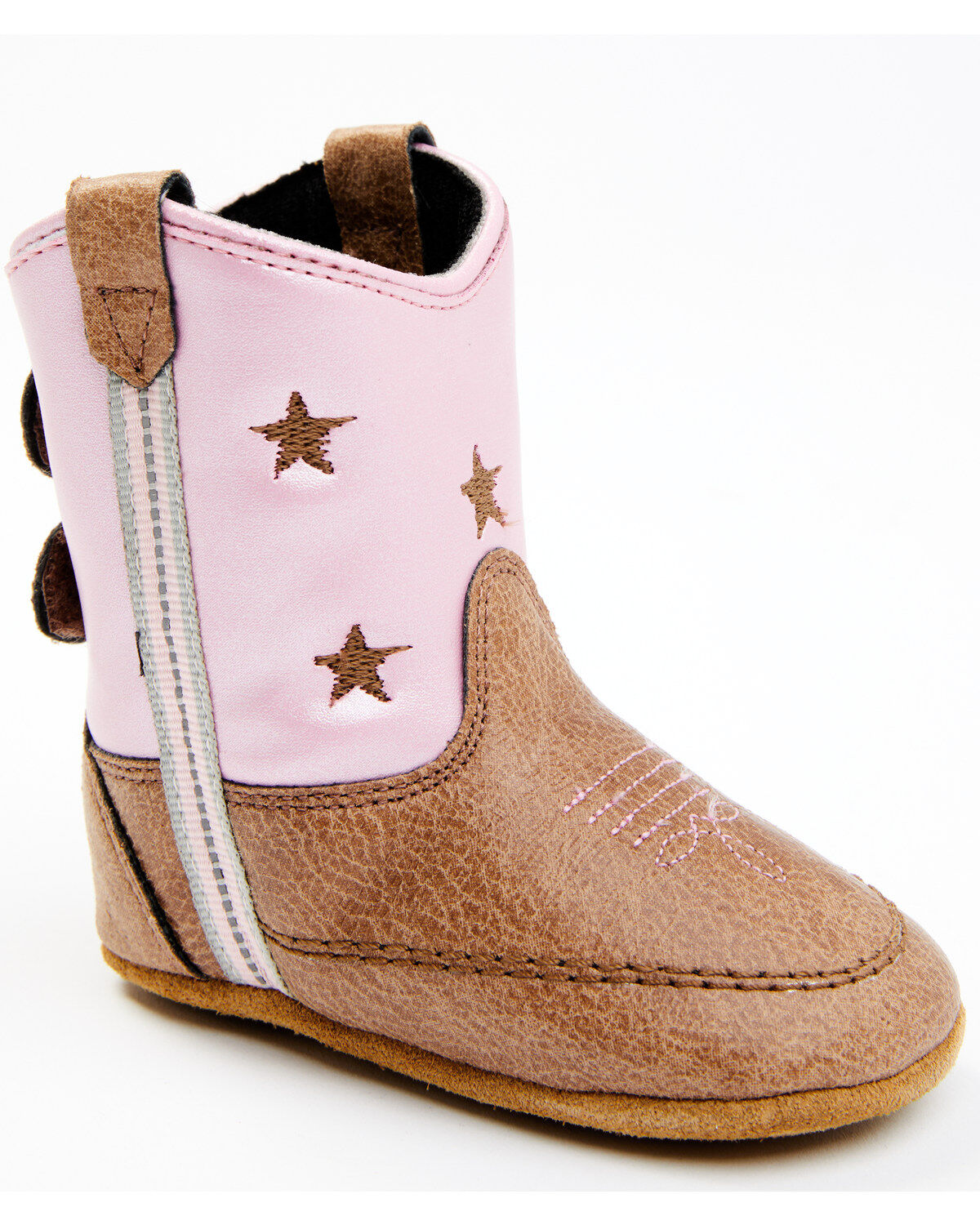
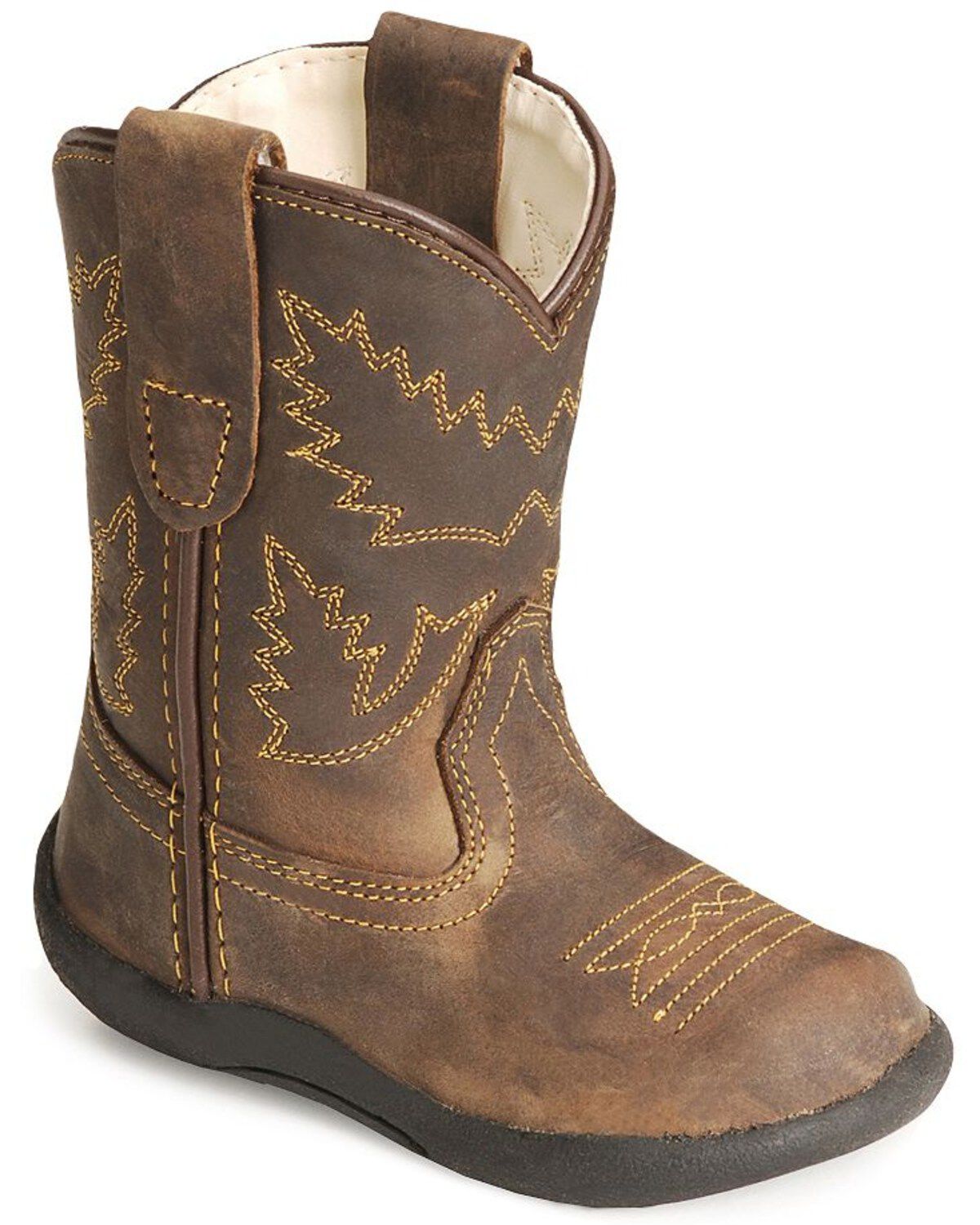
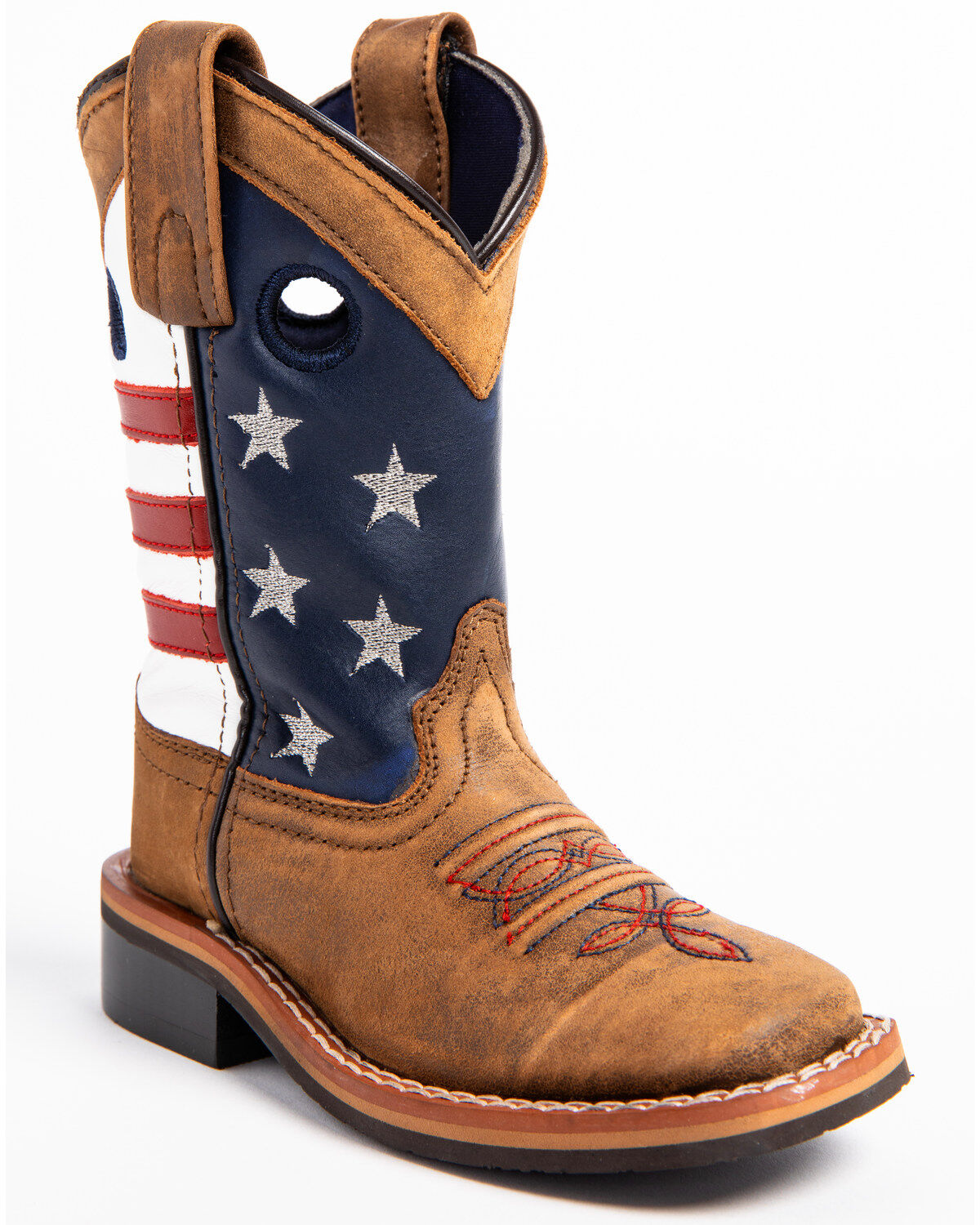
  • Boys' Boot Barn Infant Luke Little Horseshoe Western Boots
    Original Price $29.99 $19.97
    33% Total Savings
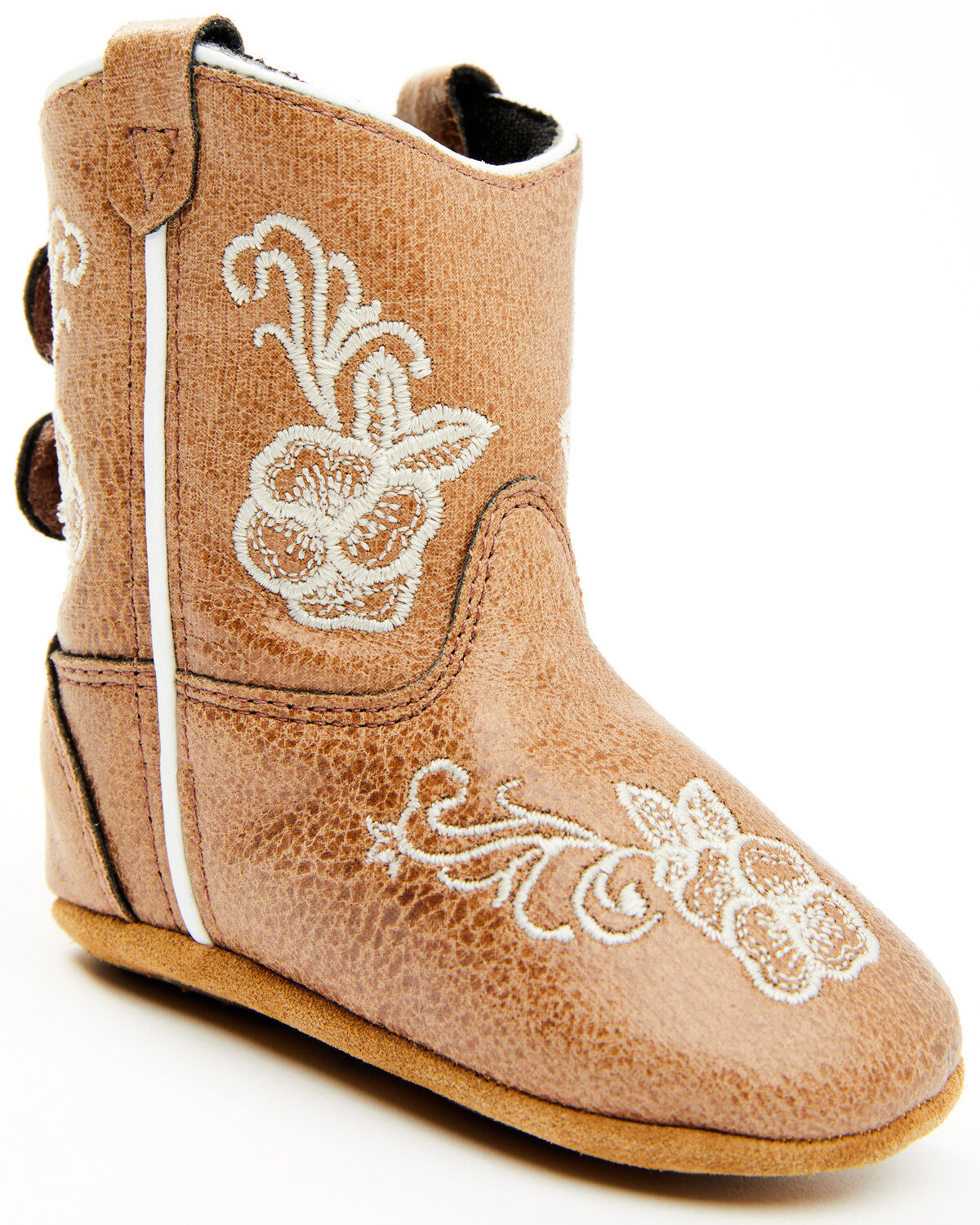
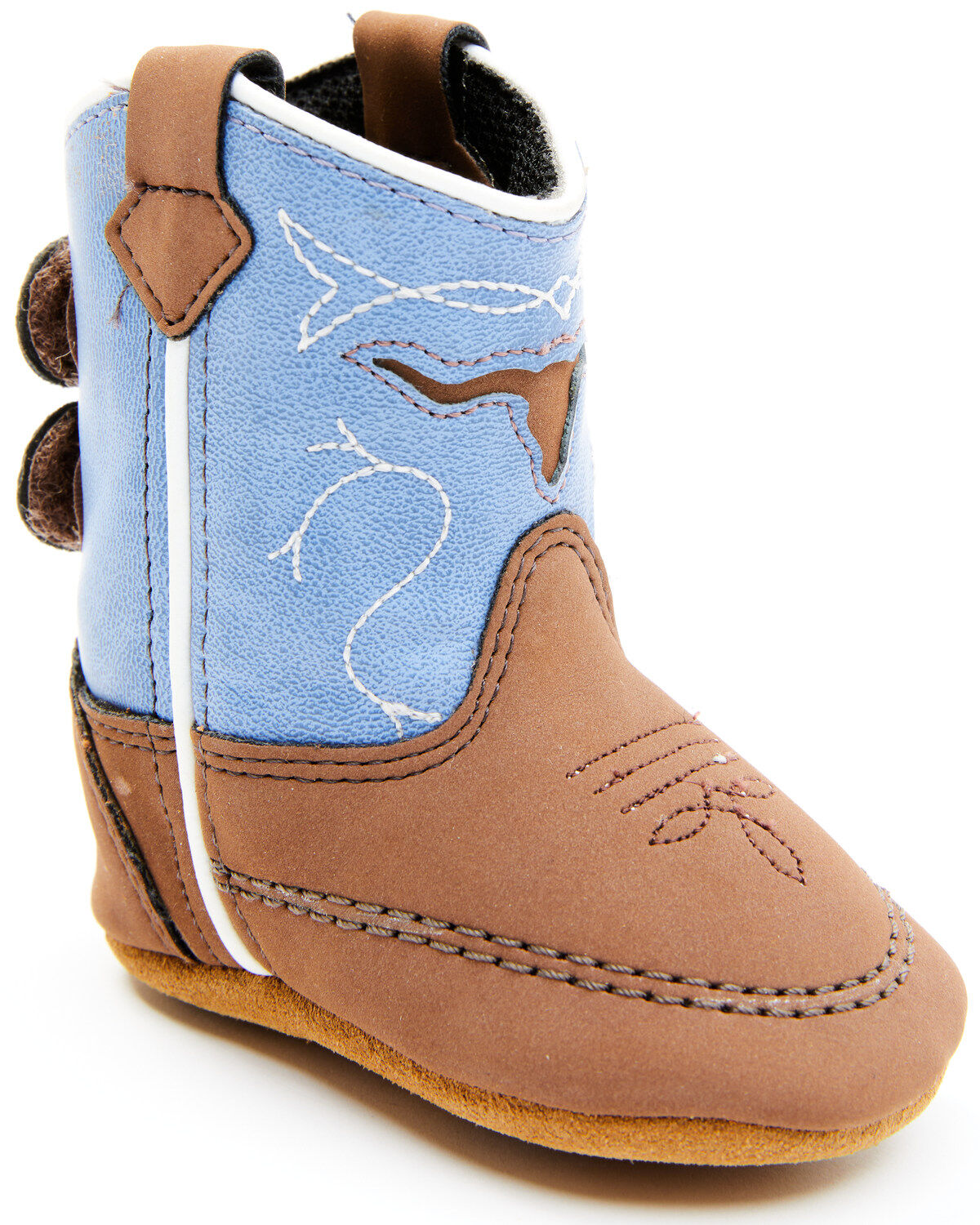
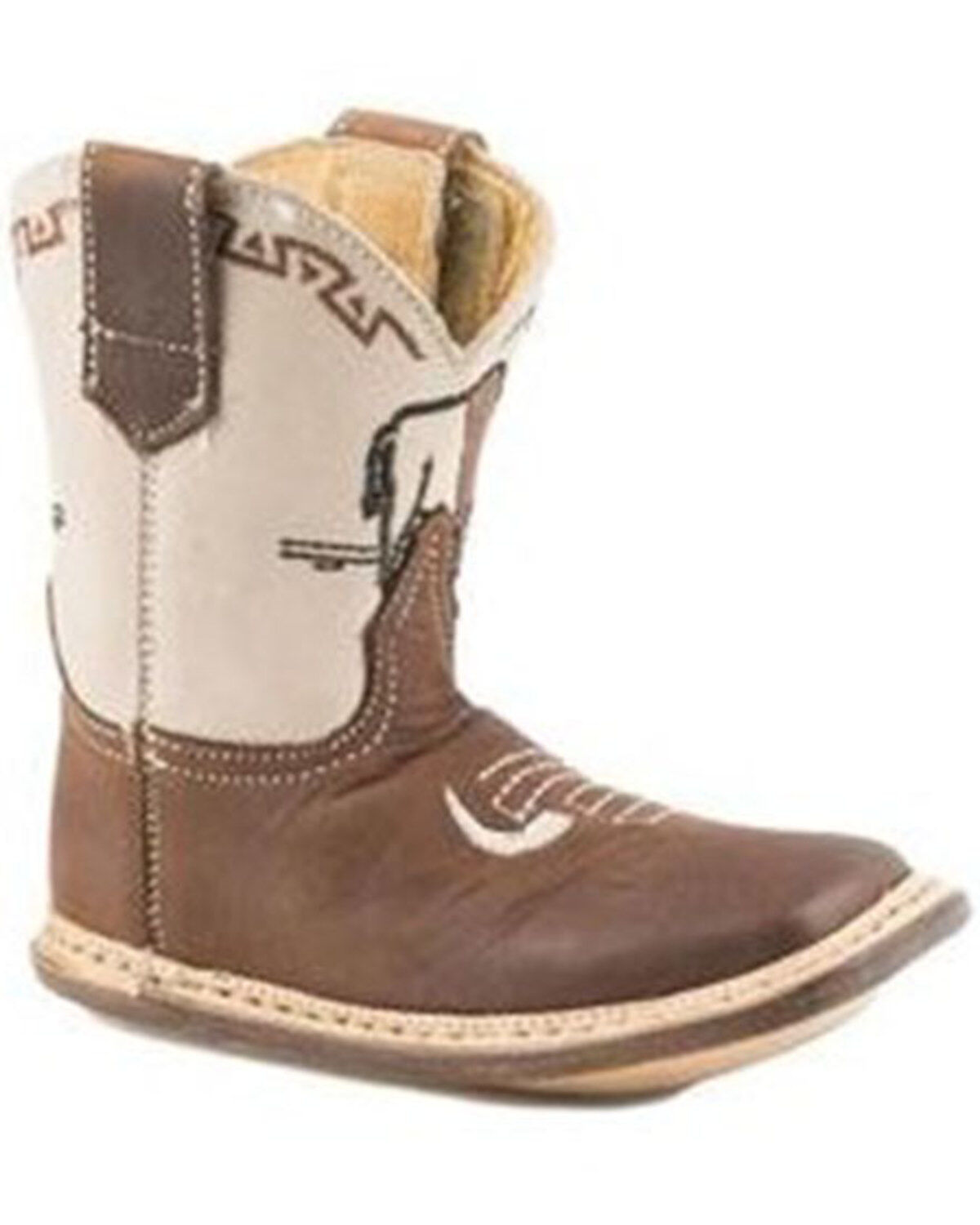
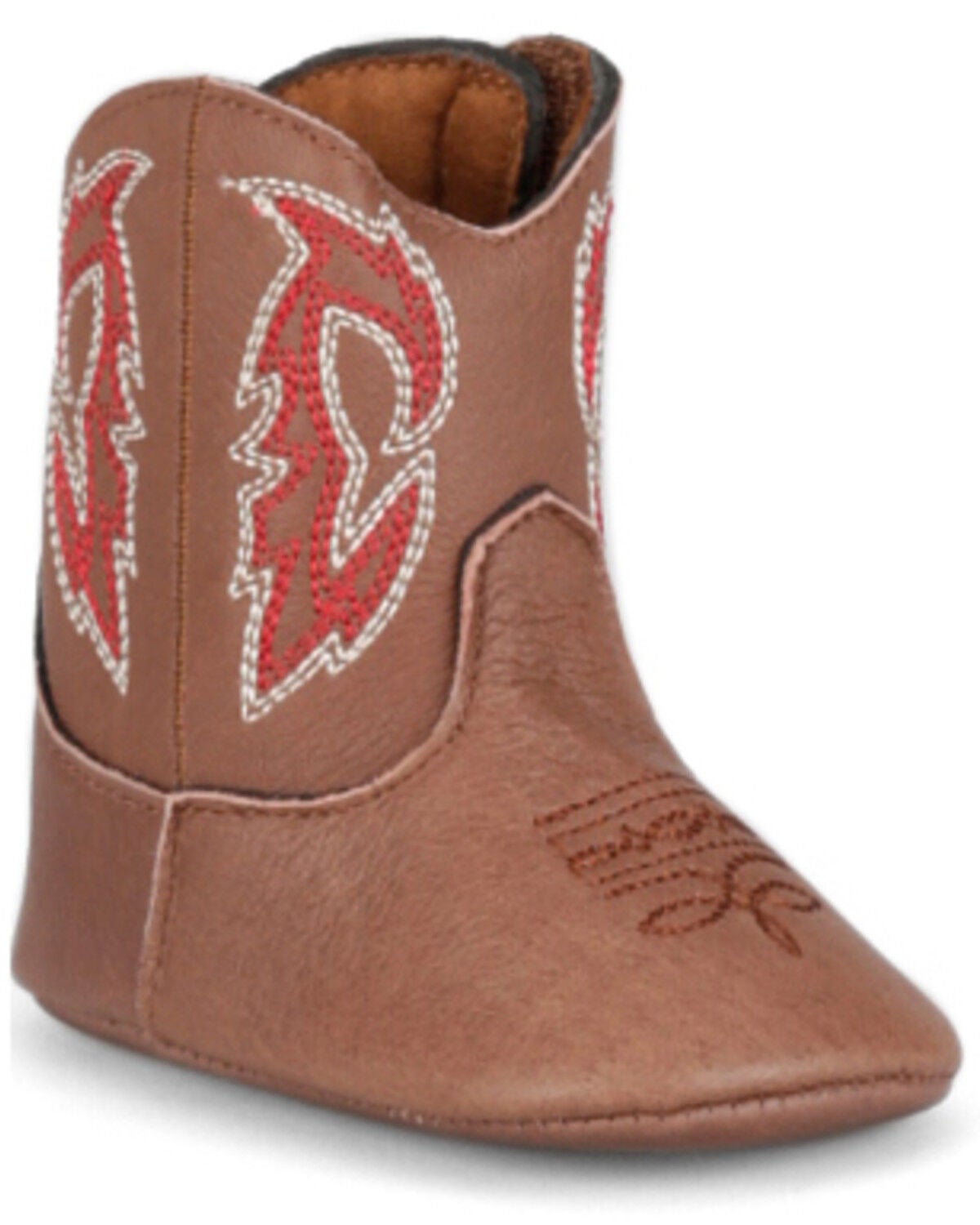
  • Boys' Boot Barn Infant Longhorn Poppet Boots- Round Toe
    Original Price $29.99 $19.97
    33% Total Savings
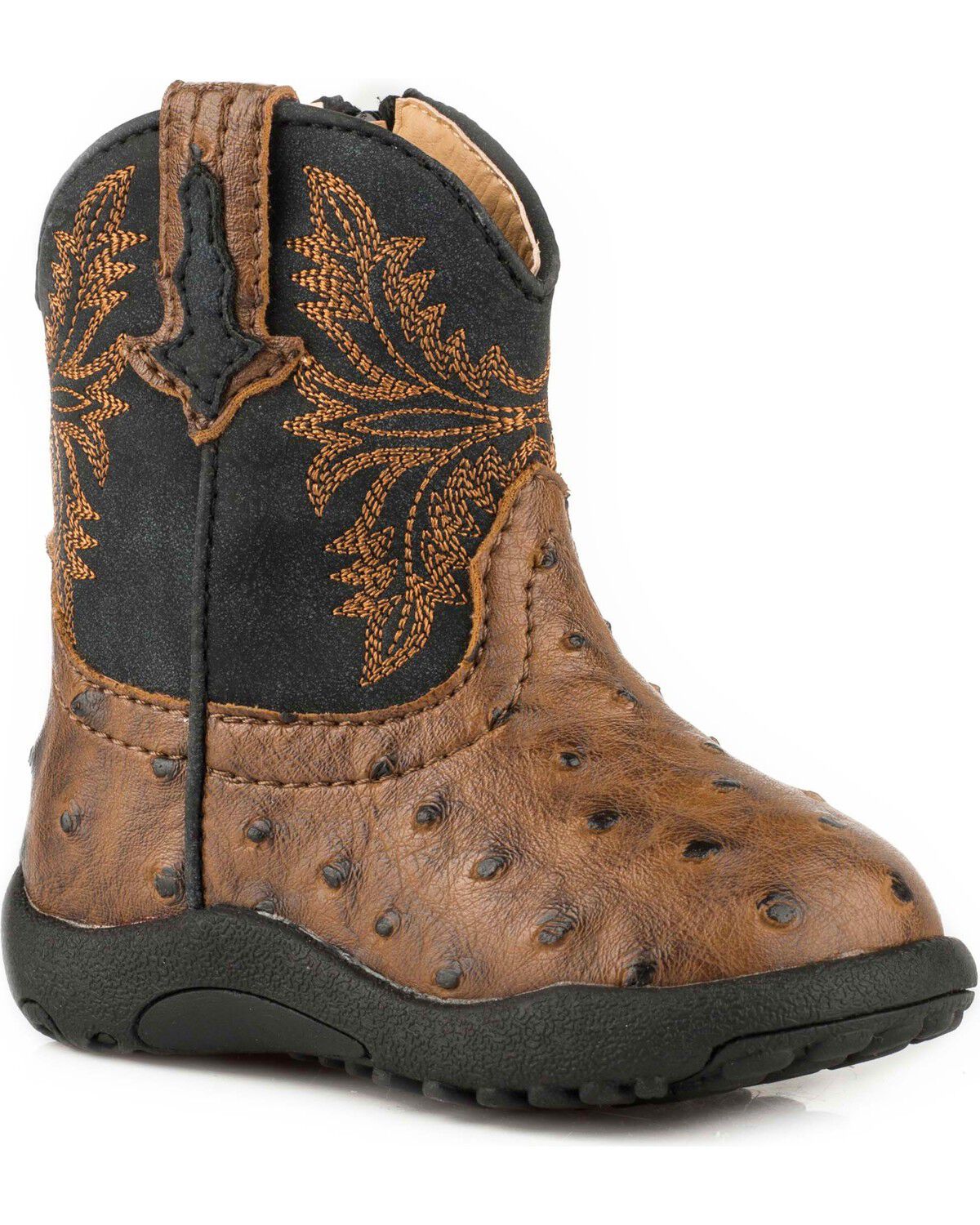
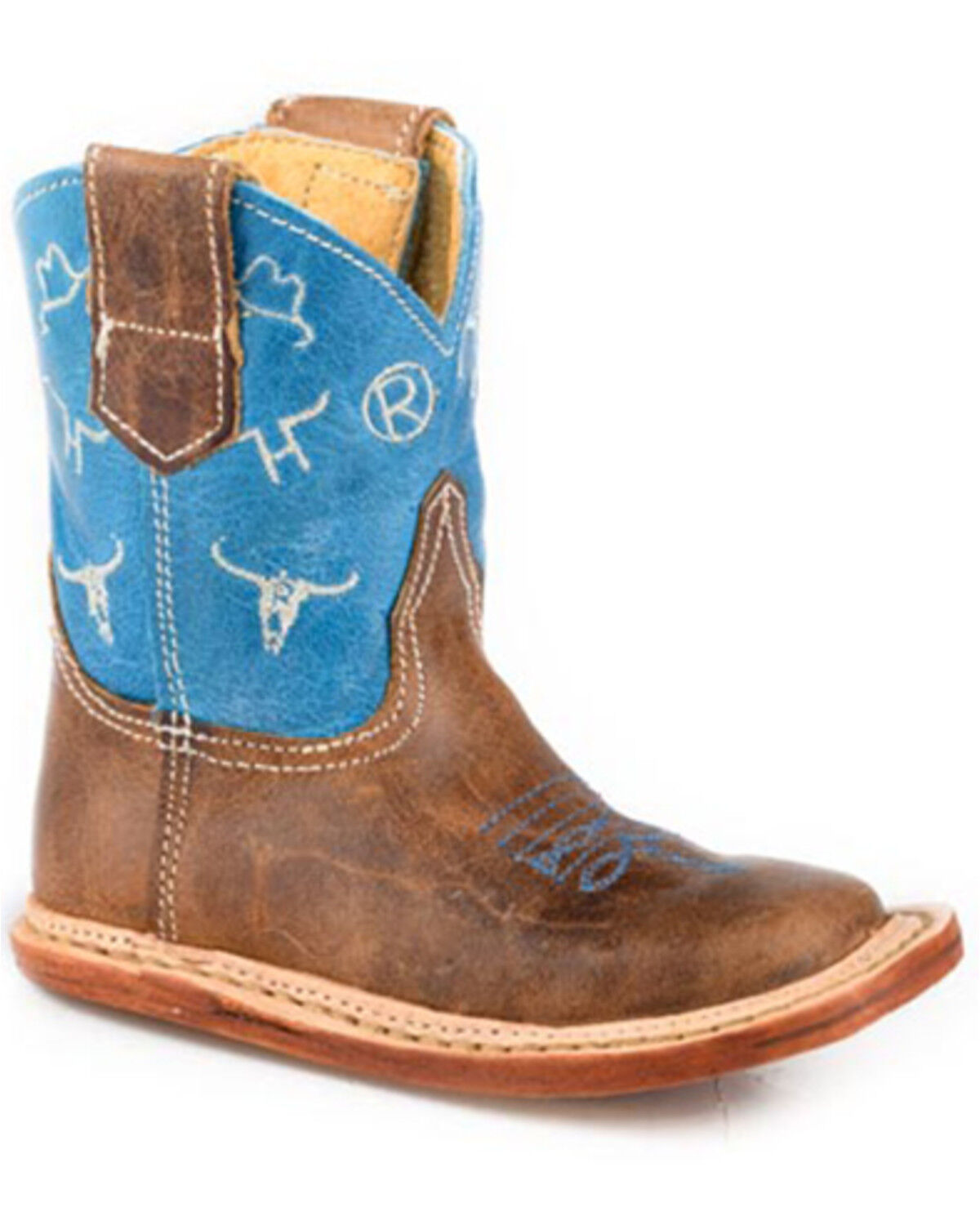
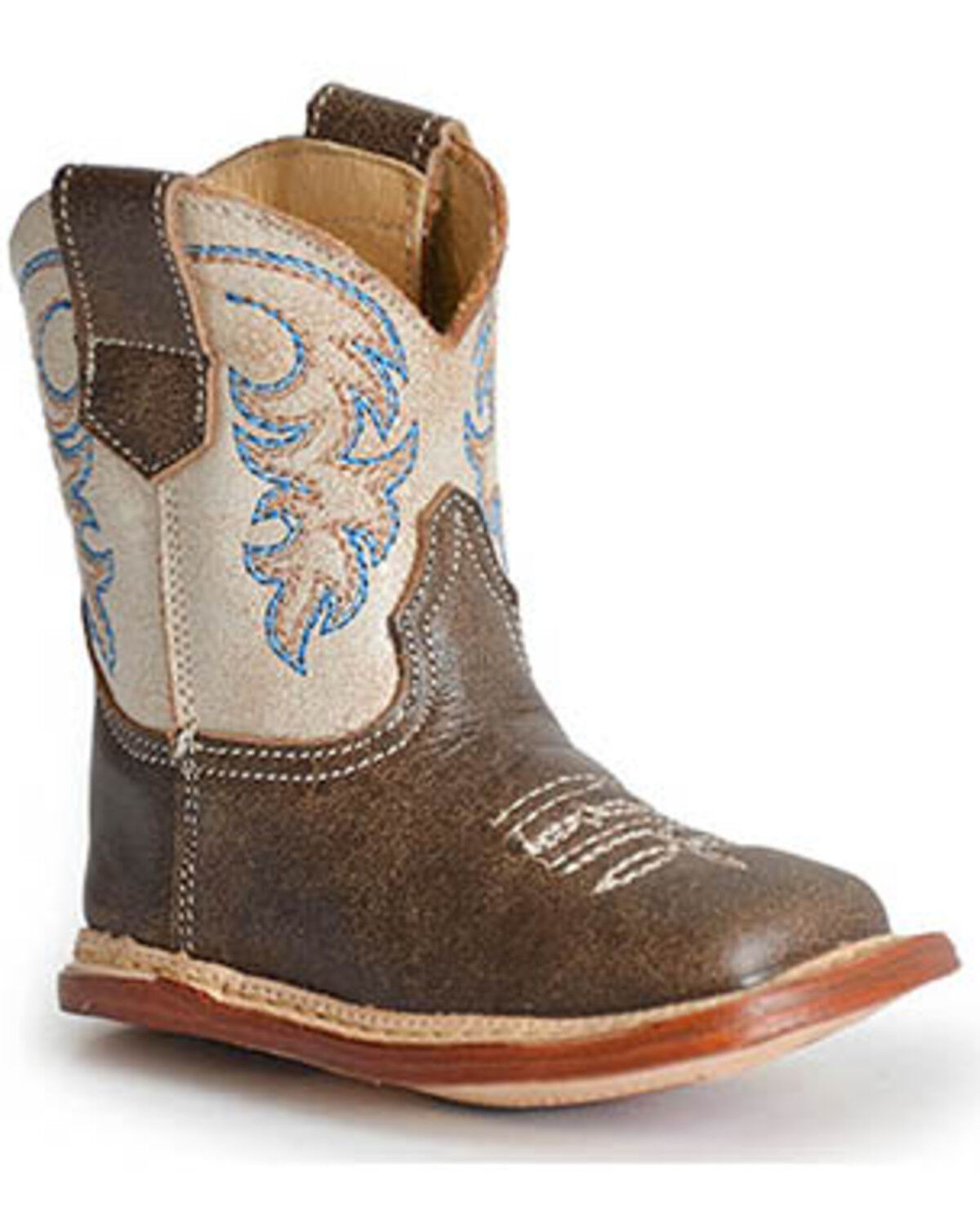
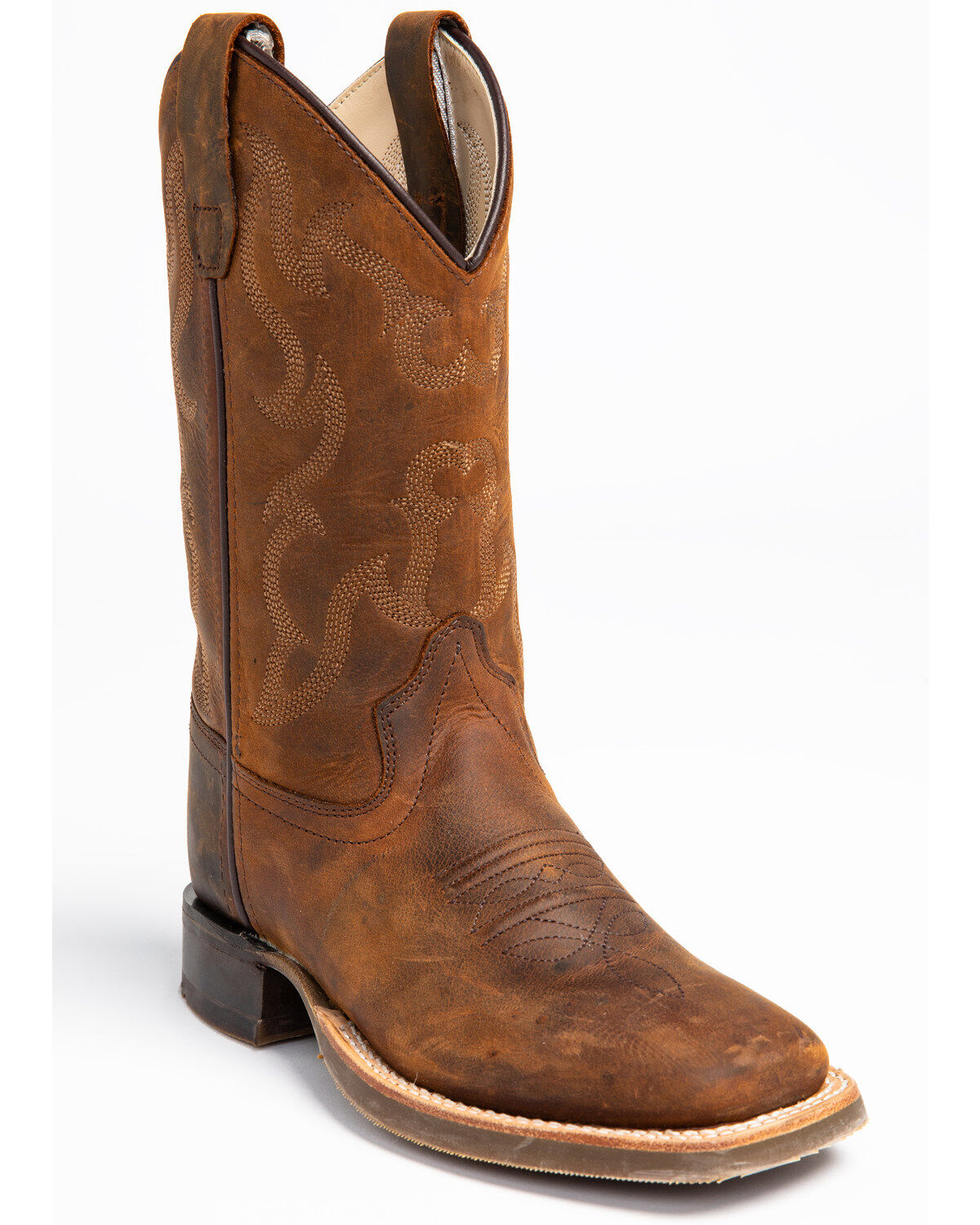
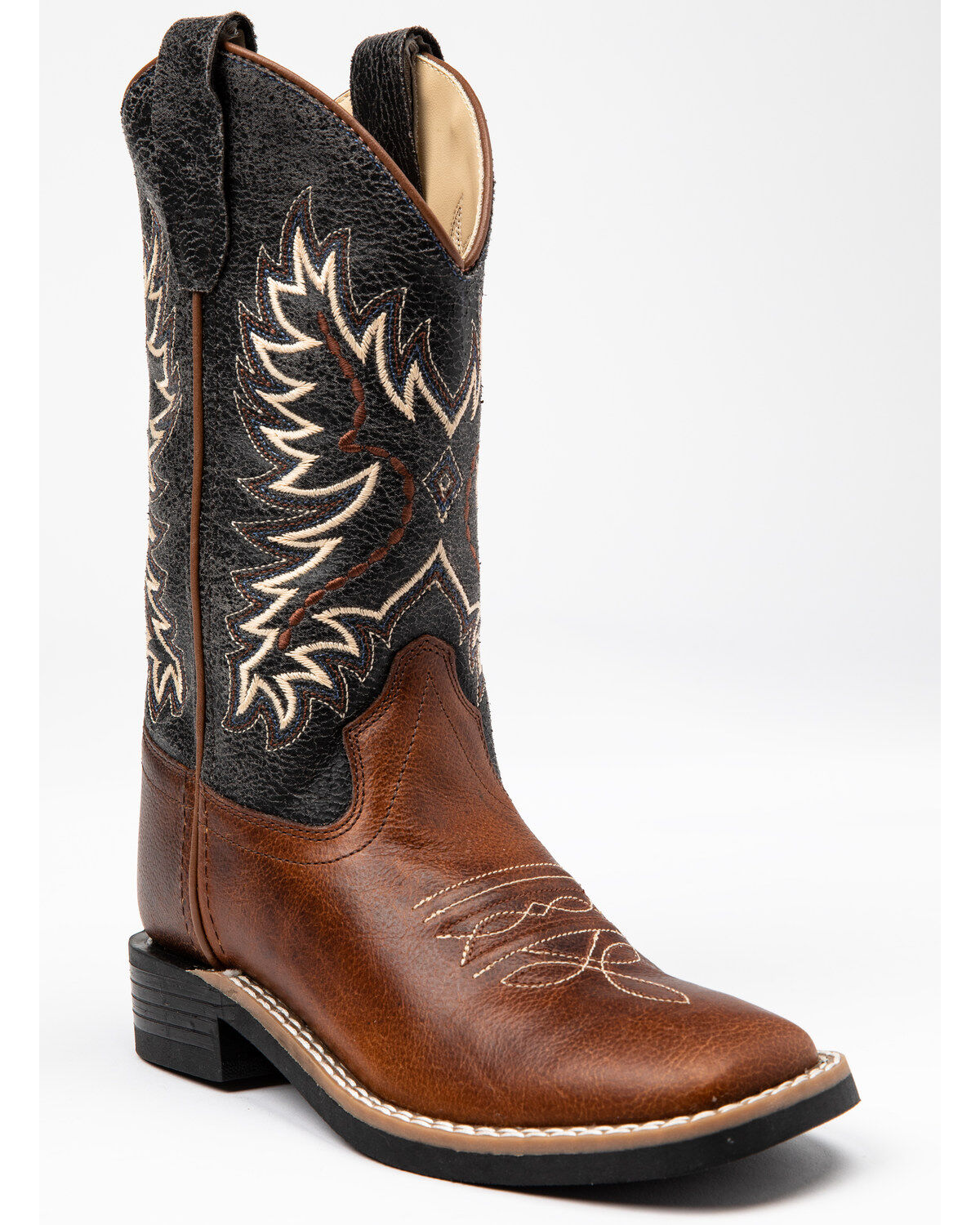
  • Boys' Roper Infant Cowbabies Buffalo Poppet Boots - Square Toe
    Original Price $51.99 $34.97
    33% Total Savings

End of products

Infant Boots

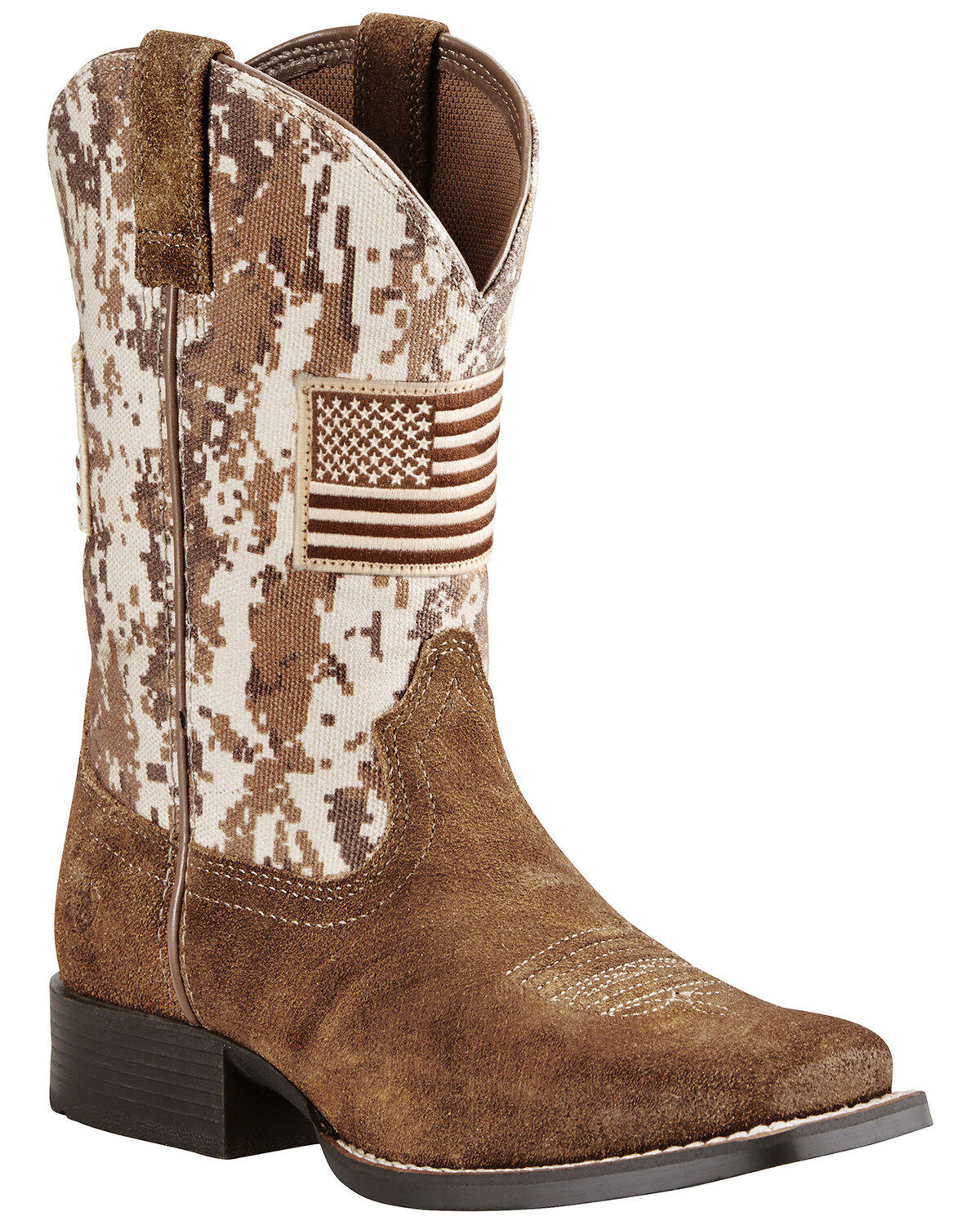
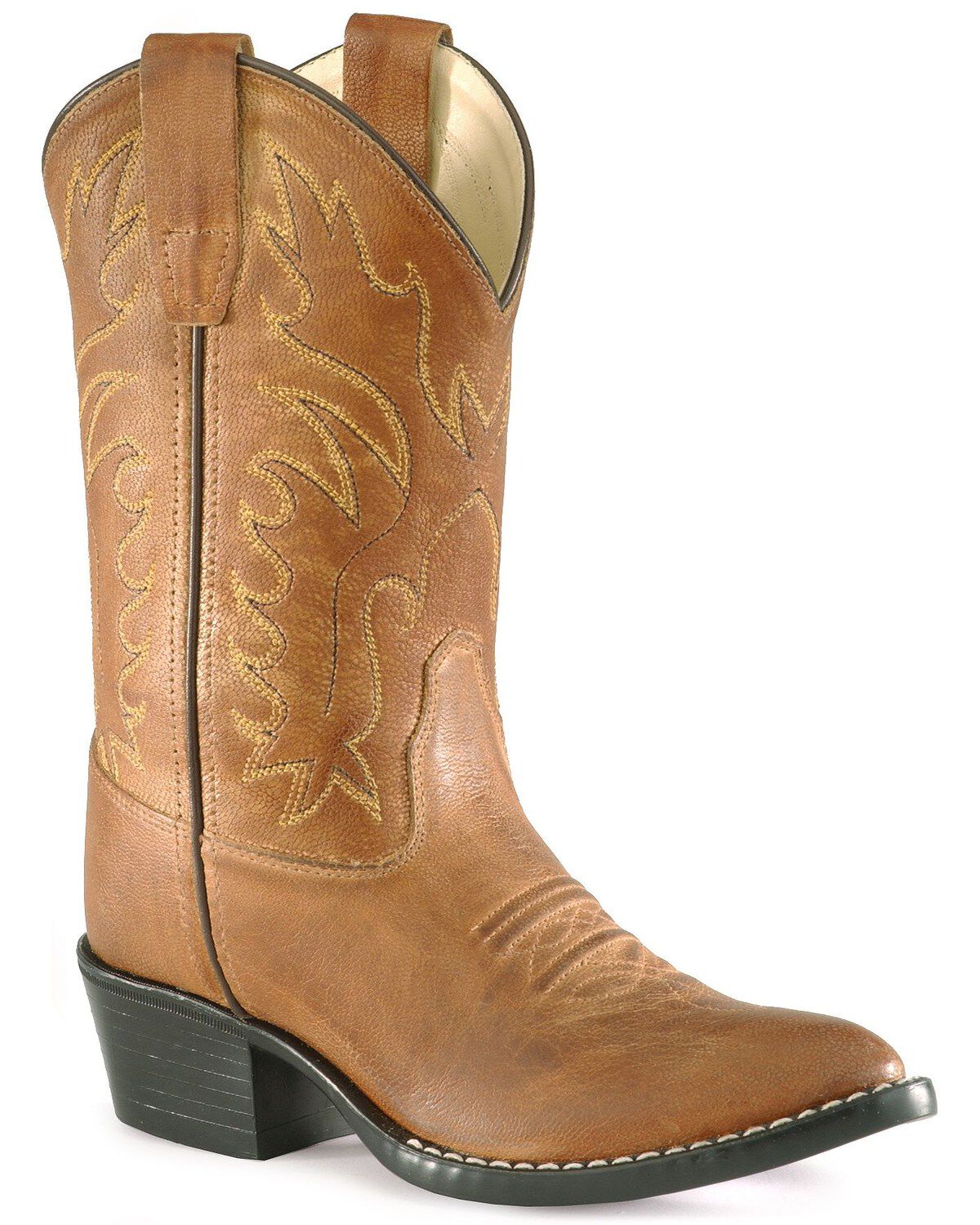
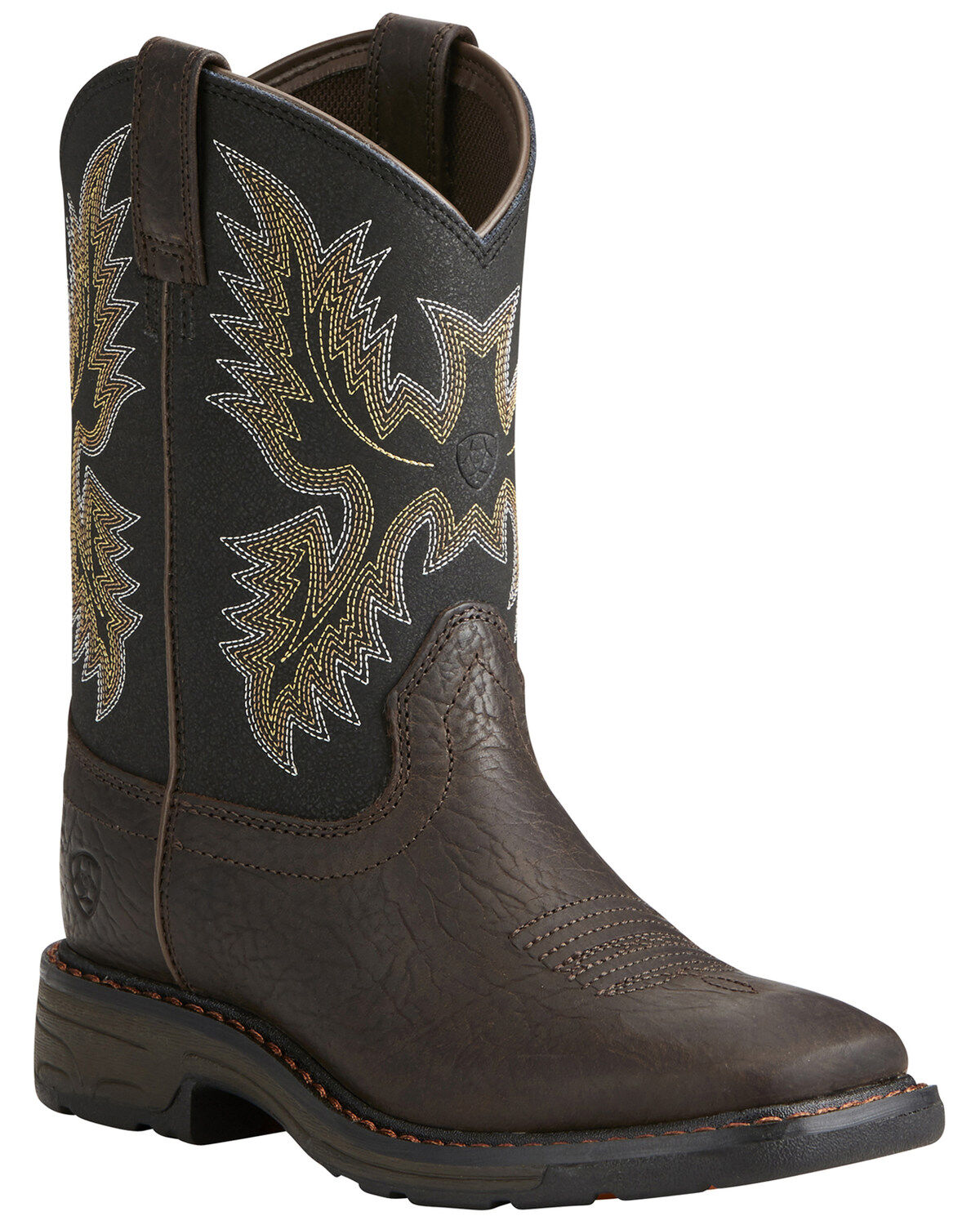
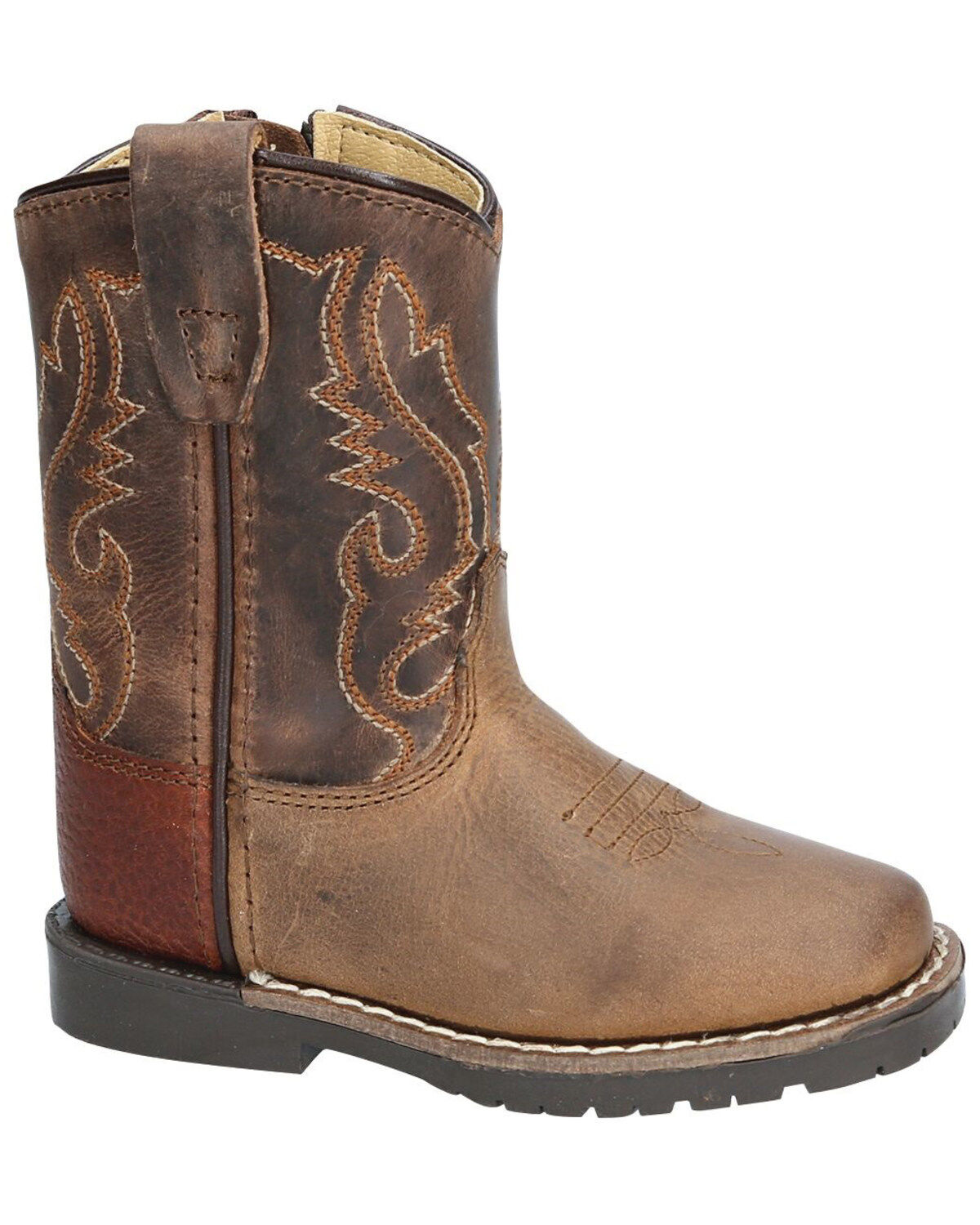
Infant boots are baby-sized footwear made for small feet, with designs ranging from soft booties to western styles with stitched shafts and flexible soles. For babies who are not yet walking, softness, low weight, and an easy fit matter more than a substantial outsole. Infant cowboy boots bring familiar western details into a smaller shape: decorative stitching, curved shaft openings, pull tabs, and rounded toes. Those details give an outfit a western look without requiring the heavy construction of an adult boot. A pair can complement denim, a cotton romper, or a dress for family photos, a birthday gathering, or a visit with grandparents. The material helps determine how the boots feel and how they should be cared for. Leather has a natural grain and can develop character with wear, while faux leather offers a similar appearance with a different surface texture and care routine. Fabric uppers and linings can provide a soft feel, though seams and interior finishing deserve as much attention as the outside. A smooth lining, covered seams, and a flexible shaft help reduce rough contact against small feet and ankles. Decorative embroidery should not leave stiff or scratchy areas inside the boot. For a familiar western color, infant brown boots work with blue denim, cream, red, and other everyday clothing colors. Lighter brown shades highlight stitching and texture, while deeper brown shades create a more understated look. Color is a style choice; it does not indicate comfort, flexibility, or durability. Those qualities come from the materials and construction. Soft-soled infant boots are generally intended for light wear rather than rugged ground. A western silhouette alone does not make a boot suitable for walking. The sole, fit, and intended use tell more than the appearance, especially when a baby is moving from being carried to standing and taking early steps. A decorative boot worn while sitting on a grandparent’s lap has different demands than footwear worn by a child beginning to move across a room.

Fit makes a noticeable difference in infant boots because babies cannot explain where a seam presses or a toe feels crowded. Age labels provide a starting point, but foot length and the sizing information for the footwear are more useful than age alone. Two babies of the same age can have different foot lengths, widths, and instep shapes. Measuring both feet and using the larger measurement helps account for those differences. The boot should leave room for the toes without allowing the foot to slide around inside. Buying a much larger size to extend wear can lead to slipping, twisting, or difficulty keeping the boots on. A broad opening is especially useful for a baby with a fuller foot or a high instep. The foot should enter without force, and the heel should settle into place rather than remain caught above the heel area. Side zippers, adjustable closures, and flexible openings can make dressing easier, particularly when a baby is bending the knees or pulling the feet away during a change. Pull tabs offer a place to hold the shaft, but they do not replace an opening that is wide enough. Zipper backing and smooth closure edges help keep hardware from rubbing against the skin. Socks also affect fit: a boot that fits with a thin sock may feel tight with a thicker one. After dressing, the toes should have space to move, and the shaft should not leave deep marks around the ankle or calf. For a baby riding in a stroller or being carried, lightweight construction avoids unnecessary bulk. For a child beginning to stand or walk, a sole that bends with the foot and provides grip deserves closer attention. Soft fabric bottoms and firmer outsoles behave differently on smooth flooring, so the walking surface matters. Footwear should match the child’s stage and activity rather than make every infant boot serve the same purpose. Bare feet can remain appropriate for supervised movement on a safe indoor surface; boots are not necessary for every part of a baby’s day.

Durability in infant boots is less about heavy-duty construction and more about how well the materials, stitching, and closures hold up to their intended use. Even before walking, a baby may rub heels against a stroller footrest, kick against a seat, or drag toes while crawling. Secure seams, neatly attached soles, and closures that continue to fasten properly can help a pair handle that everyday movement. Flexible construction should still feel well assembled, with no loose trim or exposed edges. Decorative details need to remain firmly attached, especially because babies often reach for their feet. Care depends on the material, and the footwear’s care directions take priority over a general cleaning routine. Surface dust and light dirt can often be removed with a soft cloth or a gentle brush suited to the upper. Leather may need a compatible care product, while some faux-leather finishes can be damaged by products intended for natural leather. Fabric boots should not be assumed to be machine washable unless the care information says so. When cleaning is permitted, use only as much moisture as needed and allow the boots to dry thoroughly away from direct heat. Soaking, harsh cleaners, and aggressive scrubbing can affect finishes, stitching, or adhesives. Checking the inside for grit and keeping closures free of lint helps preserve a comfortable fit. Regular fit checks remain important even when the boots still look nearly new, since a growing foot can outgrow footwear before it shows much wear. Infant boots also make a thoughtful baby shower gift or a practical addition to an outfit for a first birthday or family portrait. For a gift, the child’s foot measurement and likely stage of movement are more helpful than choosing by appearance alone. An easy opening can matter as much to a caregiver as the stitching or color. The most useful pair balances a recognizable western look with soft contact points, appropriate flexibility, and construction suited to the baby’s day. That balance keeps the focus on comfortable wear, straightforward dressing, and a style that fits naturally alongside everyday clothing.

FAQs