Infant Cowboy Boots

Find infant cowboy boots for your little one, with western styles sized for babies. Browse the selection and check each pair’s sizing and fit details to help choose the right baby cowboy boots.

Read More

Shop Your Store: Shop Your Store: Find a Store

(Turn off Shop Your Store to see all items)

(Turn off Shop Your Store to see all items)

close
  • Recommended
  • Lowest Price
  • Highest Price
Skip pass products
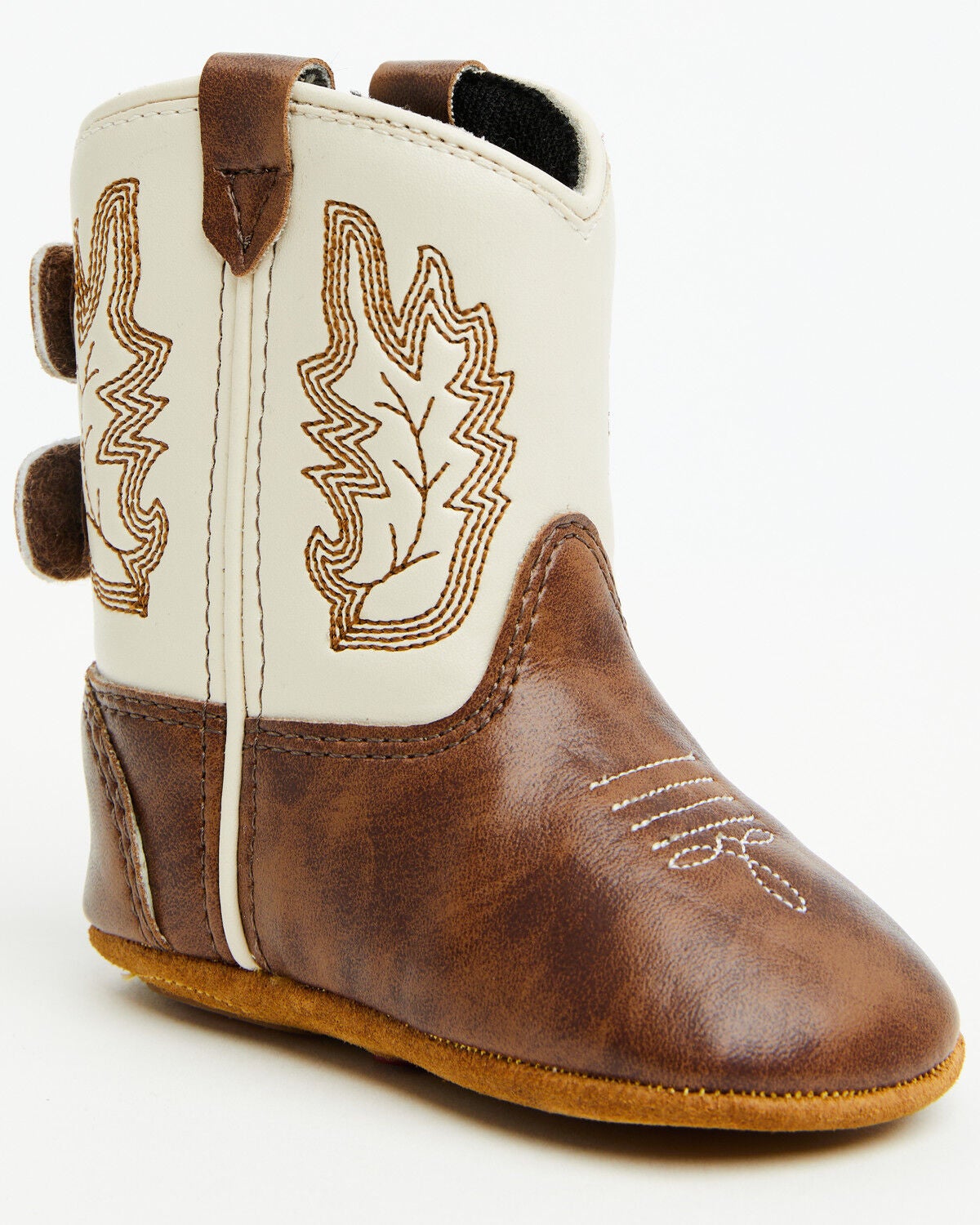
  • Boys' Boot Barn Infant Luke Little Horseshoe Western Boots
    Original Price $29.99 $19.97
    33% Total Savings
  • Boys' Boot Barn Infant Longhorn Poppet Boots- Round Toe
    Original Price $29.99 $19.97
    33% Total Savings
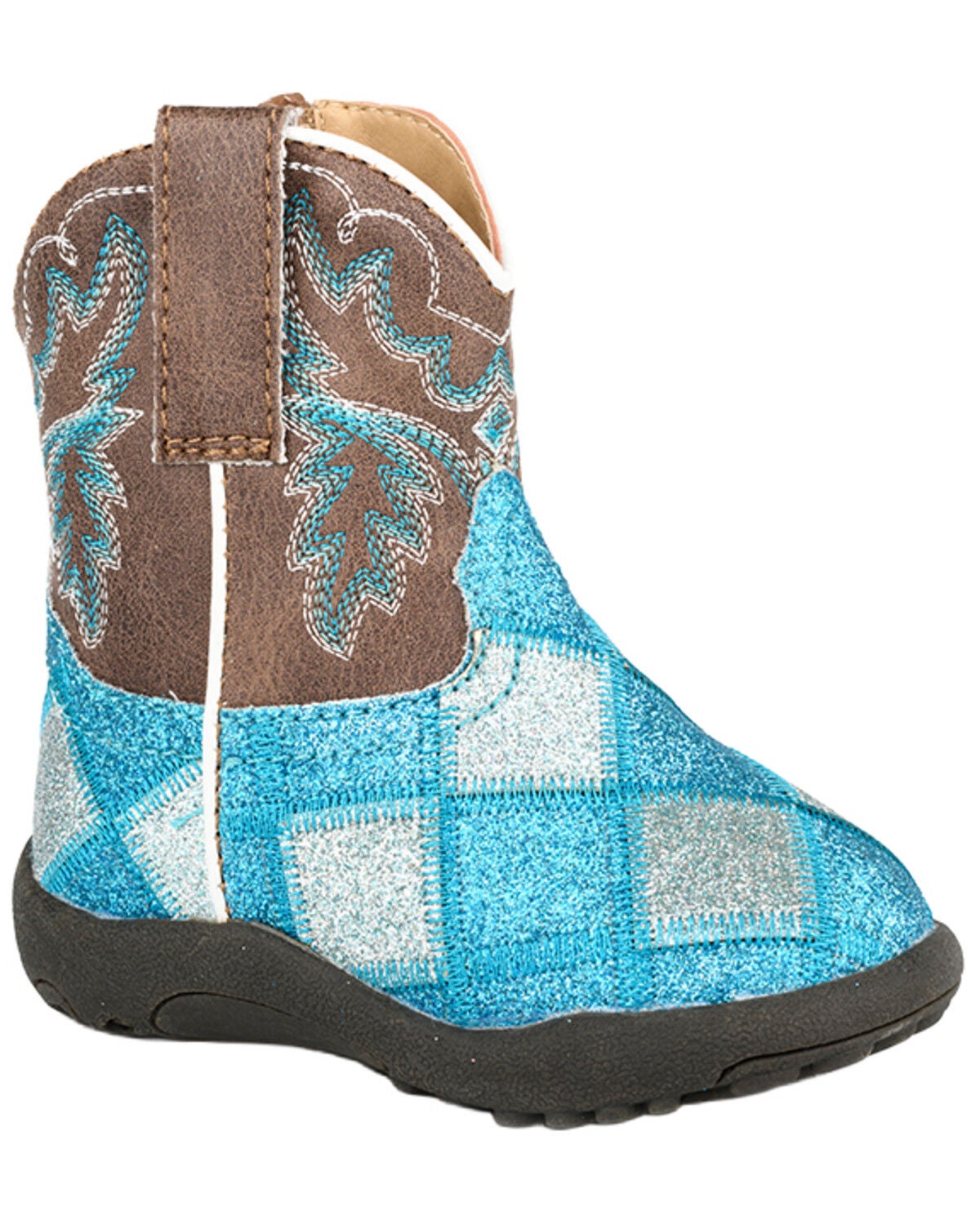
  • Boys' Roper Infant Cowbabies Buffalo Poppet Boots - Square Toe
    Original Price $51.99 $34.97
    33% Total Savings

End of products

Infant Cowboy Boots

Infant cowboy boots bring the familiar shape of western footwear to a much smaller scale, with details such as stitched shafts, rounded toes, and pull tabs adapted for a baby’s feet. They are often worn for family photographs, visits with relatives, birthday gatherings, and everyday outfits that include denim or western-inspired clothing. A pair can finish a simple outfit without needing a matching hat or a full set of accessories. For newborns and babies who are not walking, the main considerations are comfort, flexibility, and how easily the boots go on and come off. Their footwear needs are different from those of an older child running across a yard. A lightweight boot with a soft upper is generally better suited to being carried, sitting in a stroller, or spending time on a blanket than a heavy boot built like adult footwear. Infant styles may use leather, suede, fabric, or synthetic materials, each with a different feel and care requirement. Smooth leather has a familiar western appearance and can be wiped clean according to its care instructions. Suede has a softer, textured surface but needs more attention around spills. Fabric and synthetic uppers vary in softness, breathability, and cleaning requirements, so the material description matters more than appearance alone. Inside the boot, smooth seams and a soft lining help limit rubbing against delicate skin. Raised stitching, rough edges, and bulky interior seams can become uncomfortable even when the outside looks well made. The toe area should leave room for natural movement rather than narrowing sharply around the toes. Western stitching and contrasting panels provide the recognizable look; a firm heel and stiff shaft are not necessary to achieve it. For a baby resting in a caregiver’s arms, a flexible shaft can also be more comfortable against the leg. Infant cowboy boots are best understood as baby footwear with western styling, not as scaled-down work boots or riding equipment. That distinction keeps the focus where it belongs: a comfortable fit, manageable weight, and construction suited to the baby’s stage of movement.

The sole is one of the most useful details to consider when comparing infant cowboy boots. Soft soles made from leather, fabric, or flexible synthetic material are commonly used for newborns, crawlers, and babies who have not begun walking. They bend readily and avoid adding the bulk of a thick outsole. Some infant boots have a more structured sole, while others feel closer to a boot-shaped slipper. For babies beginning to stand and take steps, flexibility still matters, along with a secure fit and traction appropriate to the surface. A smooth soft sole does not automatically provide grip on polished flooring, and a western-looking outsole does not automatically make a boot suitable for outdoor walking. The intended use in the footwear description should match the places the baby will wear it. For parents comparing softer constructions, infant flexible cowboy boots offer a related category to consider, with flexibility remaining an important part of the fit decision. Infant sizing varies by maker, so an age label alone cannot establish the right size. Foot length and the maker’s size chart are a better starting point, especially when the baby falls between age ranges. Both feet should be measured because their lengths can differ slightly. Measurements are most useful when taken as directed by the size chart, with any socks that will normally be worn considered in the fit. Thick socks or footed clothing can change how snugly a boot fits around the toes and instep. The heel should remain reasonably secure without the upper pressing tightly into the foot or ankle. A boot that slips off repeatedly may be too large or have an opening that does not suit the baby’s foot. A boot that requires force to pull on may be too narrow, too small, or difficult to open. Side closures and wide openings can make dressing easier, particularly when a baby curls their toes or moves their legs. Pull tabs help with handling, but they cannot correct a poor fit. Room for growth should not mean enough excess length to interfere with movement. Frequent fit checks matter more than choosing a larger size and expecting it to last.

Everyday use puts different demands on infant cowboy boots than it does on adult western footwear. A baby may rub the toes against a stroller footrest, drag the sides across a play mat, or spill a bottle onto the shaft. Durable stitching, neatly finished seams, and closures that remain secure through repeated use are practical details worth attention. Small embellishments should be firmly attached, and loose trim or damaged parts are reasons to stop using the footwear until the problem is addressed. Care depends on the materials, including the lining and sole, not just the outer surface. A soft cloth can remove light dust from many smooth uppers, while suede usually needs a suitable brush rather than a wet scrub. Leather cleaners and conditioners should be used only when the maker recommends them for that material. Fabric or synthetic boots should not be assumed machine washable unless their care instructions say so. After cleaning, boots should dry away from direct heat, which can stiffen leather, affect adhesives, or alter the shape. Storing them clean and dry also helps preserve the lining and finish between wears. For gift giving, infant cowboy boots suit baby showers, newborn gifts, and first birthdays, especially for families who already wear western clothing. A recipient’s foot measurement or a parent’s preferred size is more useful than guessing from age. Easy dressing and a soft interior often matter more to the parent than elaborate stitching. Neutral colors pair naturally with denim, leggings, and simple one-piece outfits, while contrasting shafts can add a distinct western detail to a photograph. The best pair for a family portrait may not be the best choice for a child practicing first steps, so the occasion and intended use deserve equal weight. A brief wear before a gathering can help parents notice slipping, rubbing, or resistance at the opening. Whether chosen for a gift, a photograph, or regular wear, infant cowboy boots should fit the baby comfortably and work with the day’s activity. The western details are part of their appeal. Comfort is what makes them worth wearing.
Read More

FAQs