Horseback Riding Shoes

Shop horseback riding shoes with your riding style and stirrup fit in mind. As you compare riding footwear, consider heel shape, sole design, and a secure, comfortable fit. Check that your choice is appropriate for your riding discipline and equipment.

Read More

Shop Your Store: Shop Your Store: Find a Store

(Turn off Shop Your Store to see all items)

(Turn off Shop Your Store to see all items)

close
  • Recommended
  • Lowest Price
  • Highest Price
Skip pass products
  • Women's Dingo Flower Power Suede Tall Western Boots - Snip Toe
    Original Price $219.99 $129.97
    41% Total Savings

End of products

Horseback Riding Shoes

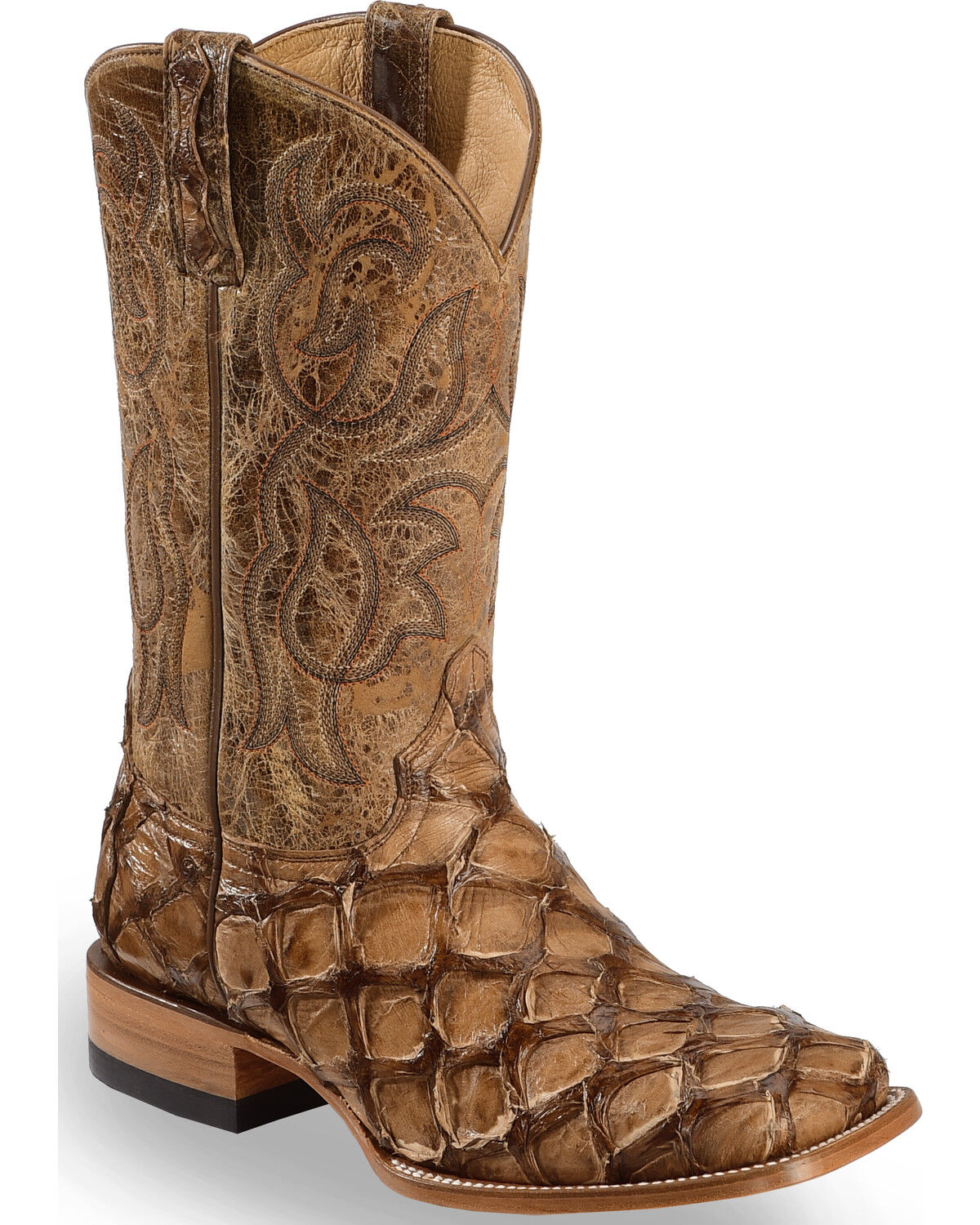
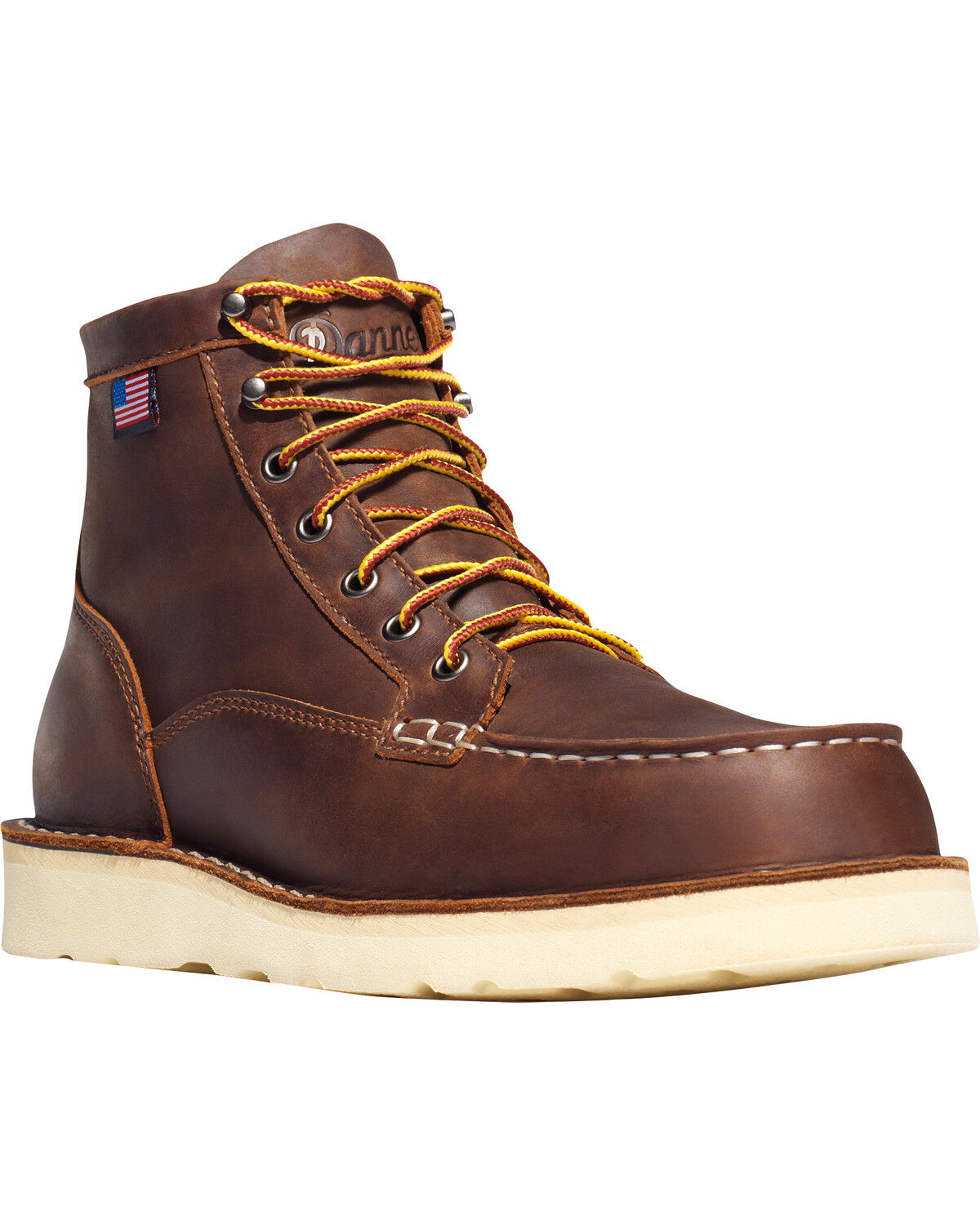
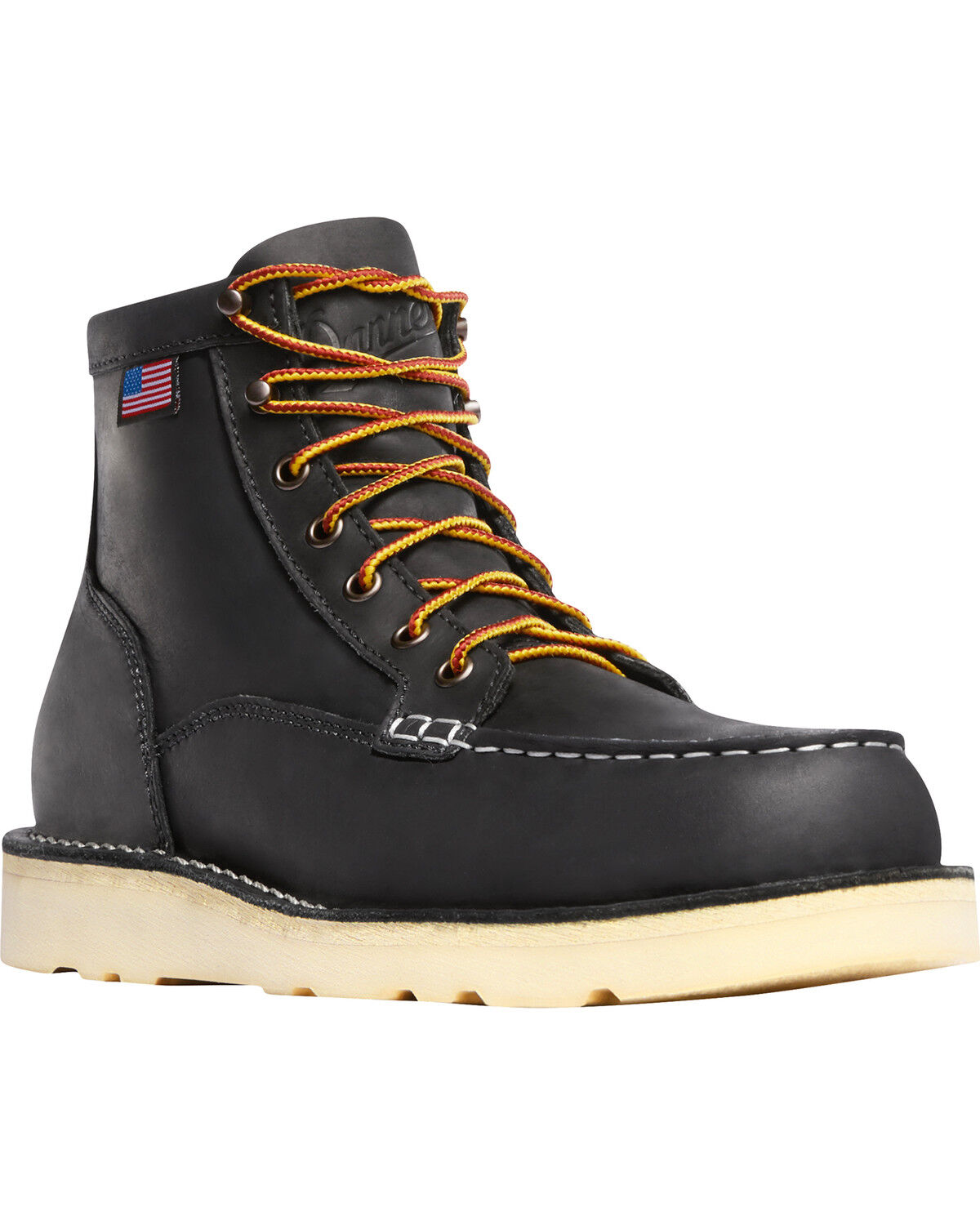
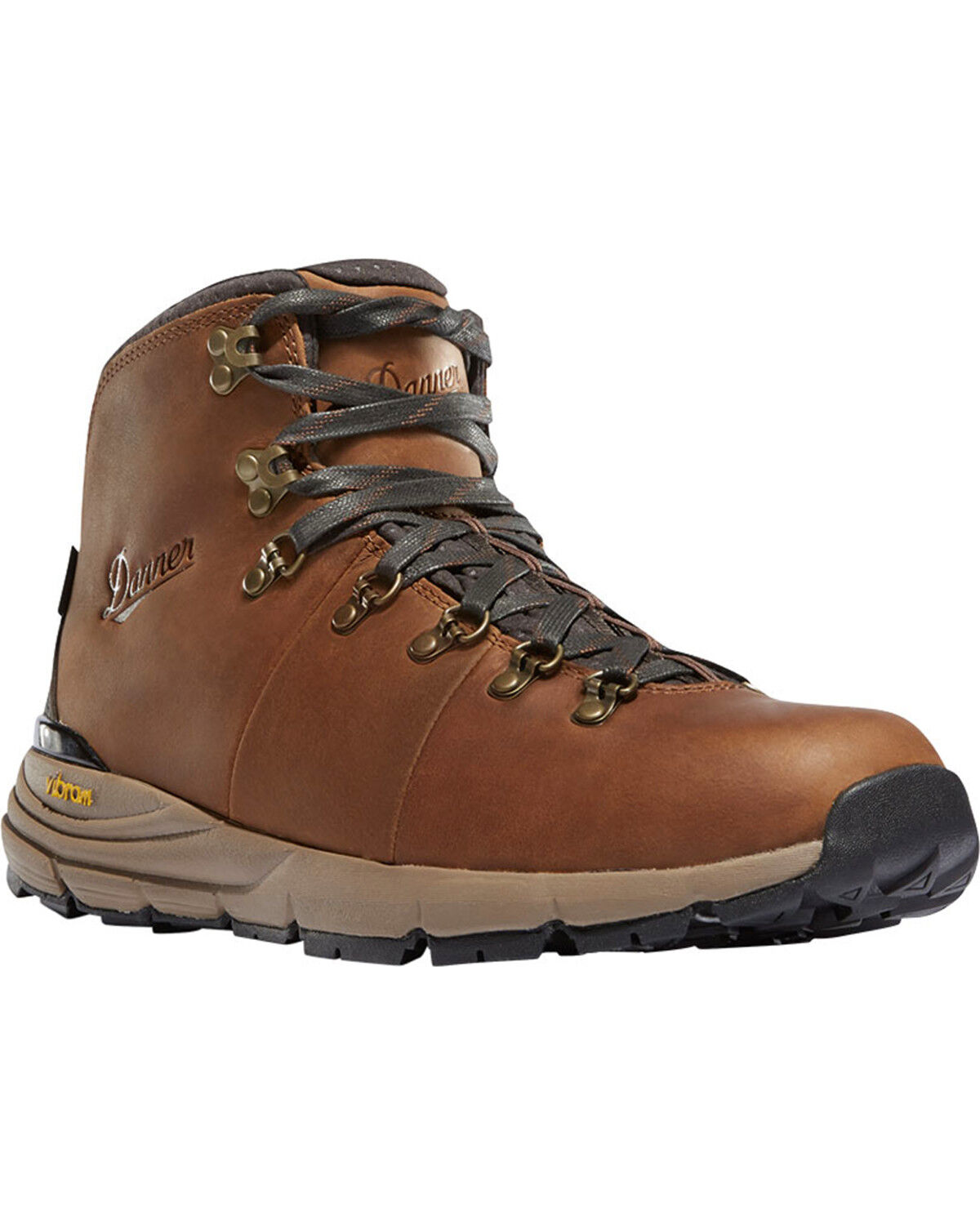
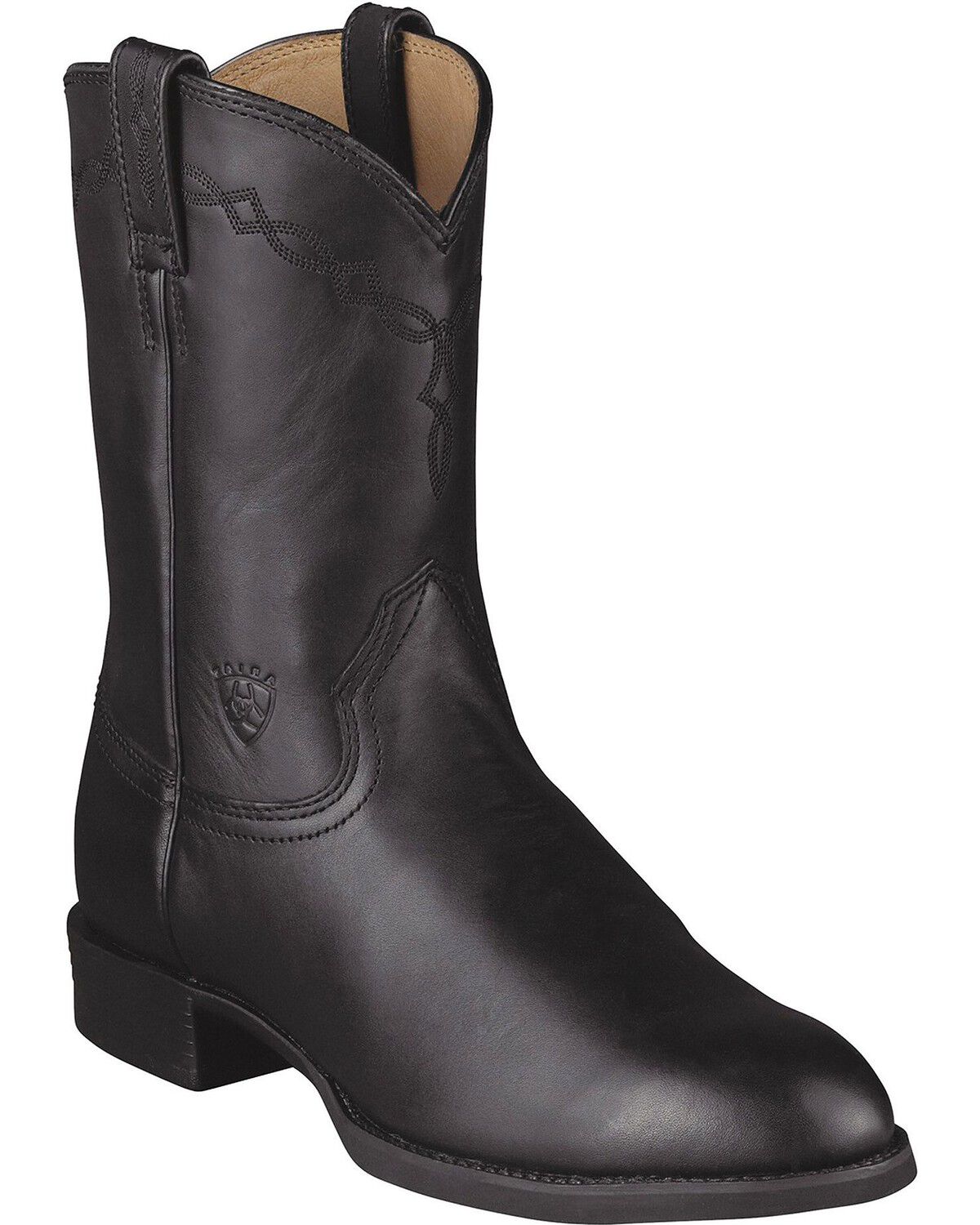
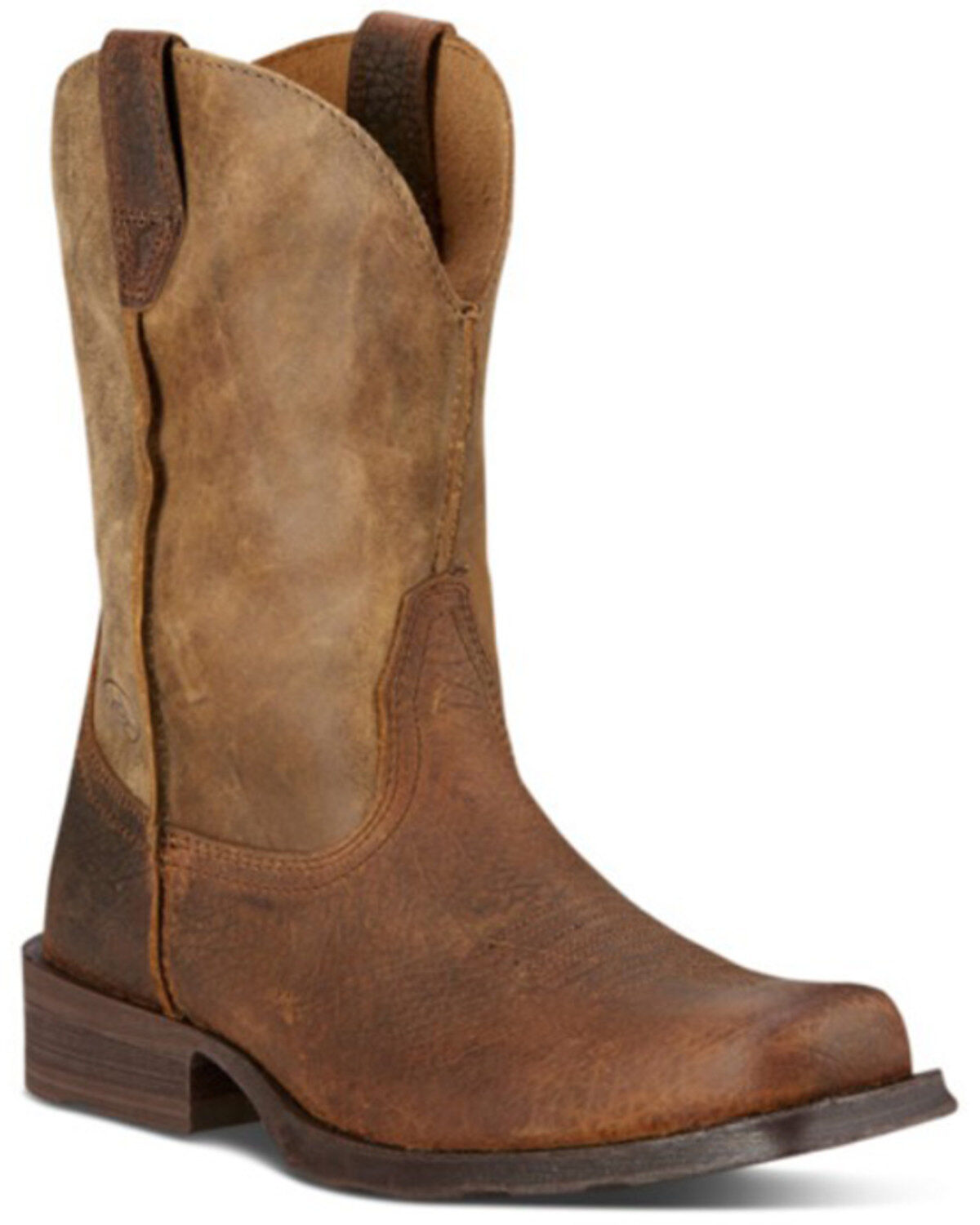
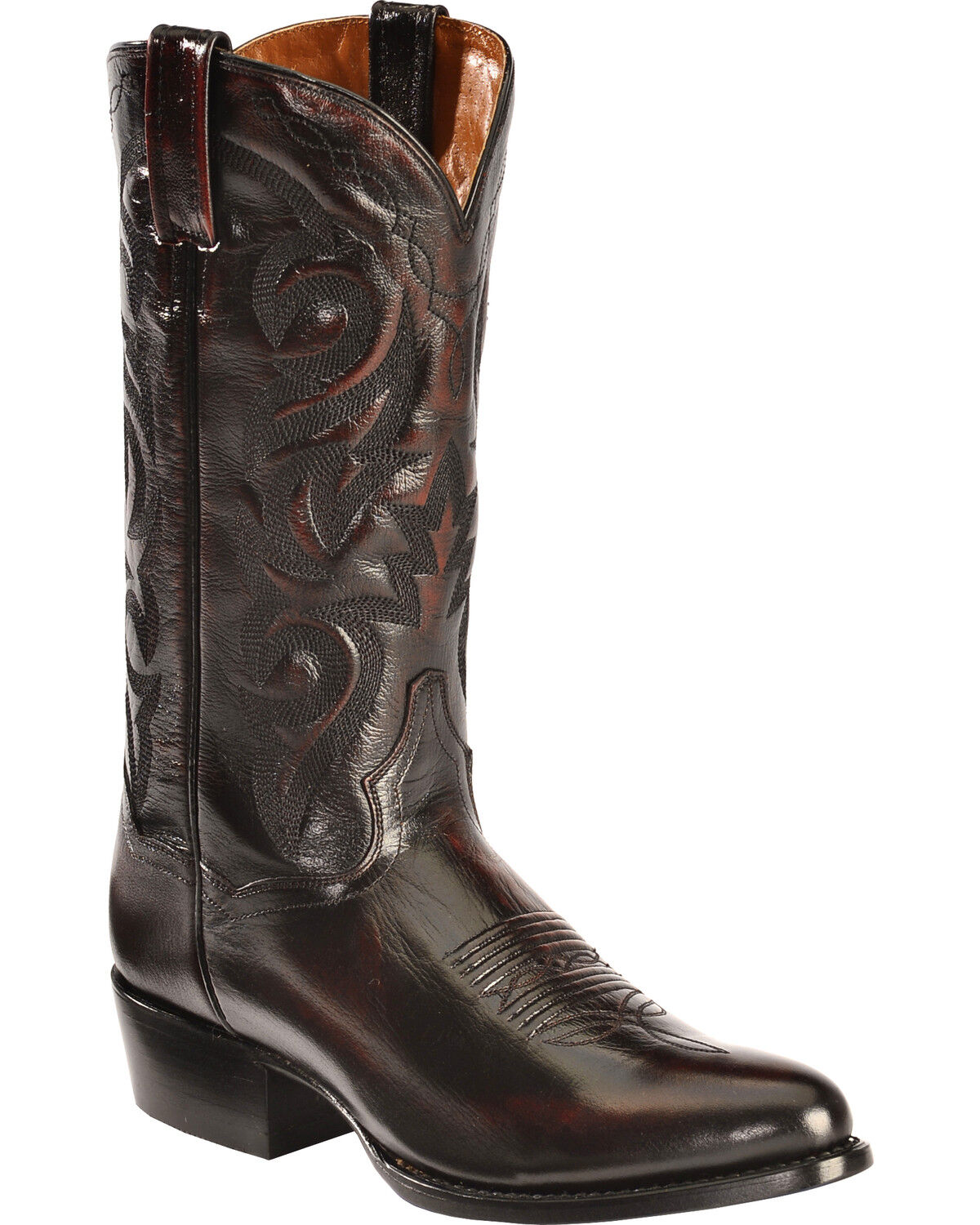
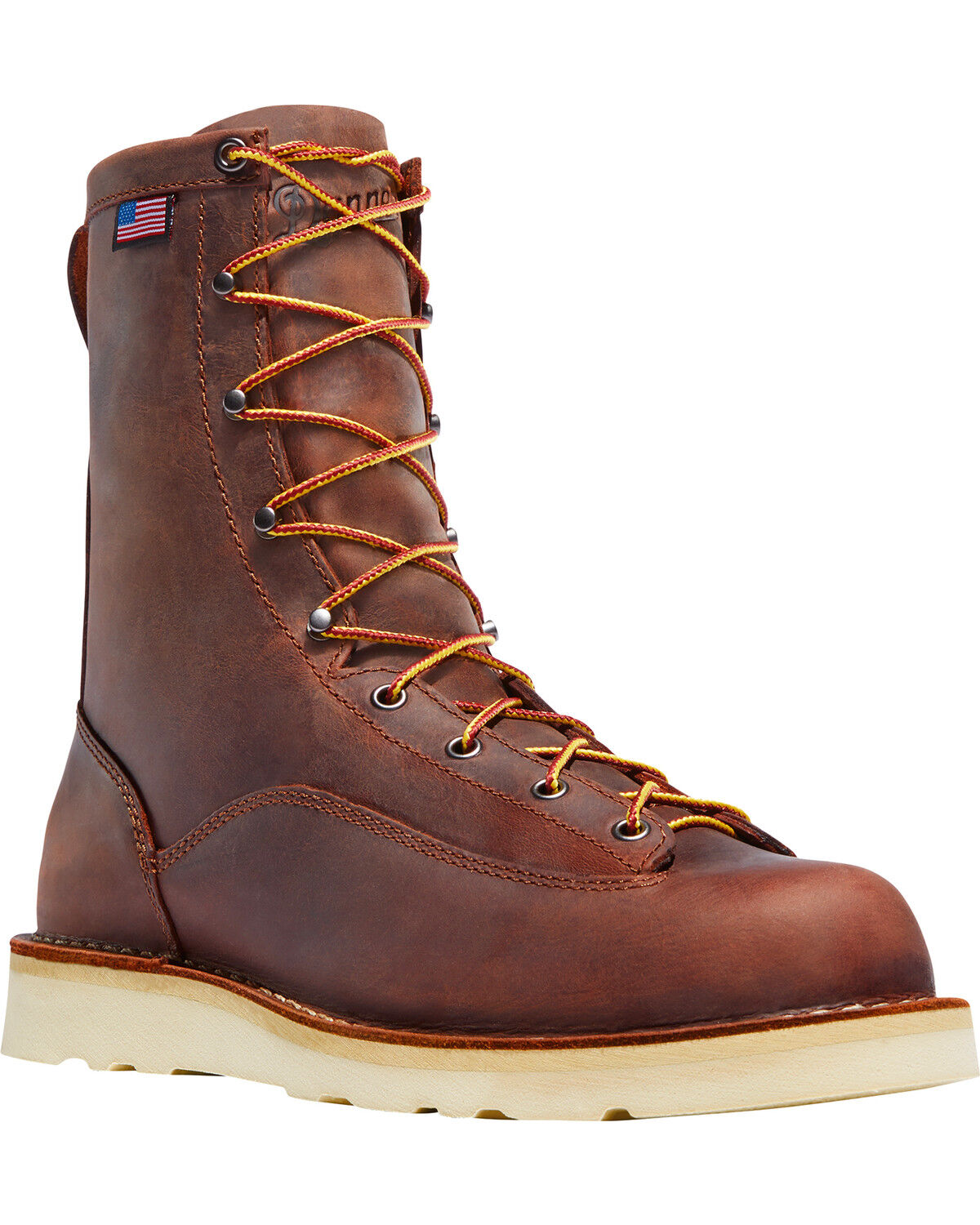
Horseback riding shoes are boots or other purpose-built footwear designed to work with a saddle’s stirrups while protecting the foot. A defined heel, often around 1 inch, helps keep the foot from sliding too far through the stirrup. A smooth or lightly textured sole allows the foot to move into and out of the stirrup without the pronounced grip of a deep hiking tread. The right combination depends on the riding discipline, the stirrup design, and the rider’s foot. Footwear should leave enough clearance at the sides of the stirrup rather than fitting tightly between them. Western riding boots typically have a pull-on shaft and a shaped heel, while English riding footwear includes ankle-height paddock boots and taller riding boots. These designs serve different needs, but each puts practical construction ahead of appearance alone. For someone taking lessons, riding on trails, or spending regular time in the arena, a secure fit and an appropriate sole matter more than elaborate stitching. The ball of the foot should rest comfortably on the stirrup tread, with enough flexibility through the ankle to maintain the position taught by an instructor. A wide, heavily lugged work boot may be useful around a property without being suitable for riding. Flat sneakers also lack the defined heel expected in most riding settings. Riding footwear has to make sense both in the saddle and on the ground, where riders lead horses, carry tack, and stand through grooming and saddling. A stable heel, comfortable footbed, and well-fitted upper help meet those everyday demands. Toe shape can range from rounded to squared, but appearance should not come at the expense of stirrup clearance or space for the toes. Riders using shared lesson equipment may need their instructor to check the footwear and stirrup combination before mounting. The result should be footwear that feels dependable through an ordinary ride, not just comfortable during a few steps across a floor.

Materials influence how horseback riding shoes feel, how they break in, and how they hold up to repeated use. Leather uppers are common because they can soften around the foot while retaining useful structure. Smooth leather is generally easier to wipe clean than suede or roughout, which have a textured surface that can hold arena dust. Synthetic uppers offer a different balance of weight, flexibility, and maintenance, with care needs that depend on their construction. Outsole material matters just as much. Leather soles tend to have a smooth profile, while riding-appropriate rubber soles can provide modest traction for walking without an aggressive tread. Neither material alone determines whether a boot is suitable for the saddle; heel shape, outsole thickness, and compatibility with the stirrup still count. Inside the boot, cushioning can ease long periods on foot, but a heavily padded interior should not crowd the toes or make the heel unstable. A proper fit feels secure through the instep, gives the toes room to lie naturally, and avoids sharp pressure along the sides of the foot. Some pull-on leather boots allow slight heel movement when new, while lace-up riding boots offer adjustment across the instep. Neither design should let the foot slide around enough to affect control. Shaft height and calf fit deserve attention, too. A taller shaft should not pinch behind the knee when the rider bends the leg, and an ankle-height boot should work comfortably with the legwear used for riding. Trying footwear with the socks intended for the saddle gives a more useful sense of fit than using a much thinner or thicker pair. Both feet need attention, since one may be slightly larger. New riders, experienced horse owners, and children taking lessons all benefit from footwear matched to their actual riding needs. As a gift, riding boots are a practical choice when the recipient’s size, preferred discipline, and fit requirements are known.

Durability shows up in the places that take repeated strain: the bend across the forefoot, the heel attachment, the outsole edges, and the seams around the upper. Regular riding flexes these areas, while walking through a barn aisle adds abrasion and ground contact. Sound stitching, firmly attached soles, and materials suited to frequent wear help a boot handle that routine. Some leather boots can be resoled or have their heels repaired, depending on how they are built. That repair potential can matter to riders who settle into a familiar fit and want to keep using it. Care starts with removing surface dirt before it works into seams and creases. A soft brush or cloth handles ordinary dust, while leather cleaner and conditioner should match the finish and the maker’s care directions. Too much conditioner can change the feel or appearance of leather, so more is not necessarily better. Suede and roughout need tools intended for their textured surfaces rather than the same treatment used on smooth leather. Letting footwear dry naturally after cleaning or absorbing perspiration helps protect its shape; direct heat can damage leather and adhesives. Fasteners, laces, and elastic panels also need occasional inspection, especially on boots worn several times a week. A heel worn unevenly or an outsole separating at the edge deserves attention before the next ride. Pairing suitable footwear with Horseback Riding Gear supports a more consistent setup, from getting ready at the barn to untacking afterward. Riding boots may also work for everyday western wear, but a familiar look does not automatically make every fashion boot appropriate for stirrups. Intended use remains the deciding factor. For a weekly lesson, a longer trail ride, or regular arena work, well-chosen footwear combines a defined heel, suitable sole, dependable construction, and a fit the rider can trust. Those practical details give horseback riding shoes their purpose and separate them from ordinary footwear.
Read More

FAQs