Horseback Riding Gear For Women

Shop horseback riding gear for women with your riding routine in mind. Explore women’s western wear and gear, keeping fit, comfort, and freedom of movement a priority. Check individual product details for sizing and intended use to help choose what works for your time in the saddle.

Read More

Shop Your Store: Shop Your Store: Find a Store

(Turn off Shop Your Store to see all items)

(Turn off Shop Your Store to see all items)

close
  • Recommended
  • Lowest Price
  • Highest Price
Skip pass products
  • Women's RANK 45 Long Sleeve Heritage Riding Shirt
    Original Price $46.99 $19.18
    59% Total Savings
  • Women's Shyanne Long Sleeve Snap Vented Riding Shirt
    Original Price $49.99 $33.97
    32% Total Savings
  • Women's Shyanne Riding Leggings
    Original Price $59.99 $40.97
    32% Total Savings
  • Women's Wrangler Medium Willow Riding Jeans
    Original Price $69.99 $28.78
    59% Total Savings
  • Women's Justin Starlina Western Boots - Broad Square Toe
    Original Price $129.99 $99.97
    23% Total Savings
  • Women's RANK 45 Heritage Riding Shirt
    Original Price $46.99 $31.97
    32% Total Savings
  • Women's RANK 45 Ultimate Legacy Quilted Jacket
    Original Price $129.99 $53.98
    58% Total Savings

End of products

Horseback Riding Gear For Women

Horseback riding gear for women includes riding boots, flexible pants, shirts that allow free movement, gloves, and a properly fitted equestrian helmet. The right combination depends on the riding discipline, the time spent in the saddle, and the work that happens before and after a ride. Arena practice, trail riding, lessons, and ranch riding place different demands on clothing and footwear, but comfort starts with a secure fit and freedom to move. Pants should allow the hips and knees to bend without pulling at the waistband or bunching behind the knees. A fit that feels comfortable while standing can feel different once seated in a saddle. Sitting down, bending, and lifting a knee can help reveal tight areas before they become a distraction during a ride. Stretch denim offers the familiar feel of jeans with added movement, while riding breeches and tights use closer fits and construction suited to particular disciplines. Flat seams and carefully placed pockets can help limit rubbing where fabric meets the saddle. Reinforced areas may provide added wear resistance, though their placement should suit the rider’s position and equipment. Length matters, too. Pant hems should work with the boot shaft without gathering heavily or dragging underfoot. Shirts need enough room across the shoulders for handling reins, reaching for tack, and grooming a horse. A hem that stays tucked can keep loose fabric out of the way, while closures should remain comfortable beneath a vest or other riding equipment. Cotton provides a familiar, breathable feel; fabric blends can add stretch, shape retention, or moisture management. These details matter more than decoration during a long lesson or repeated arena work. The clothing categories within Riding Apparel For Women bring the focus back to pieces suited to movement in and around the saddle. For riders who move between groundwork and mounted practice, clothing should feel comfortable through both parts of the day, without requiring constant adjustments.

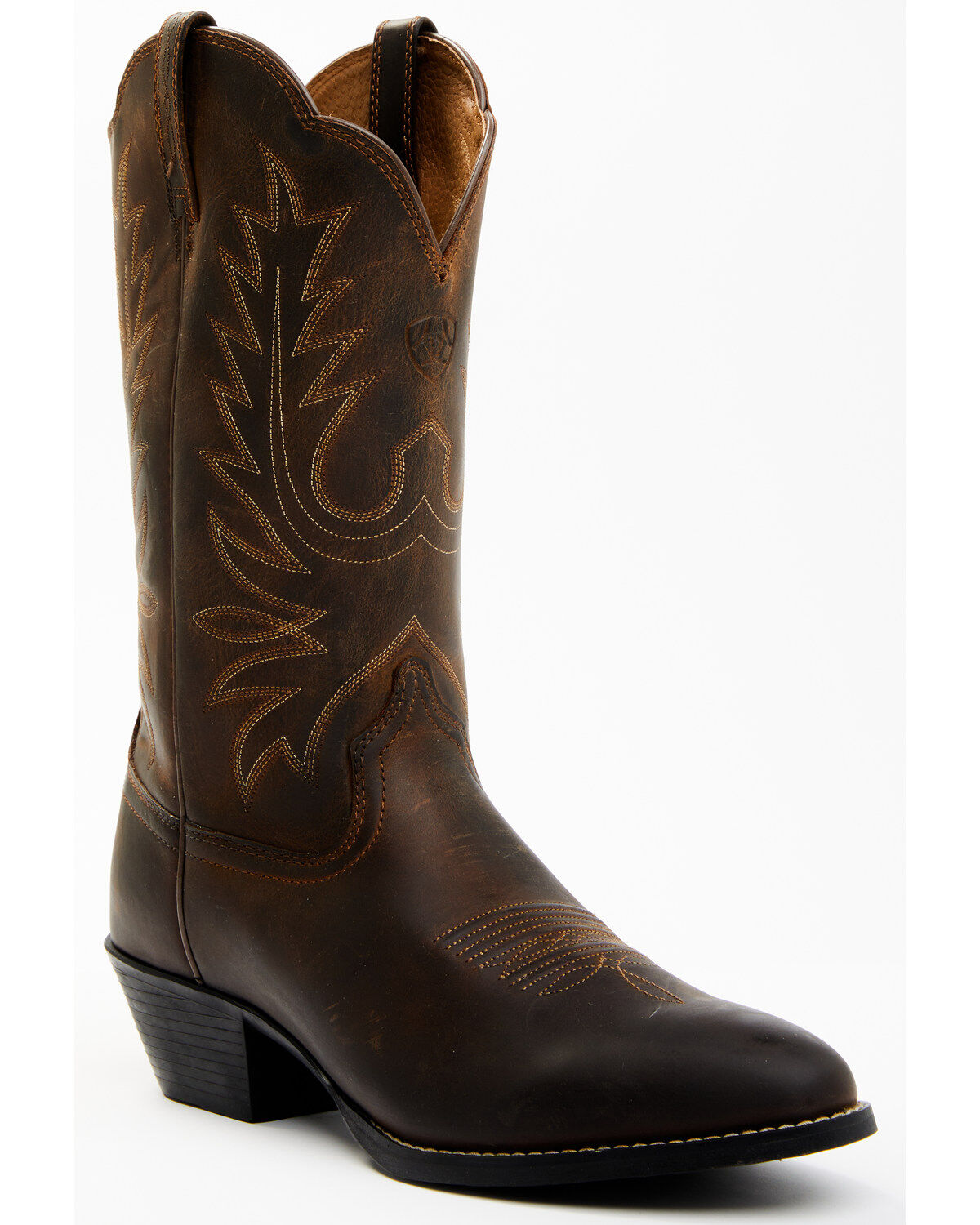
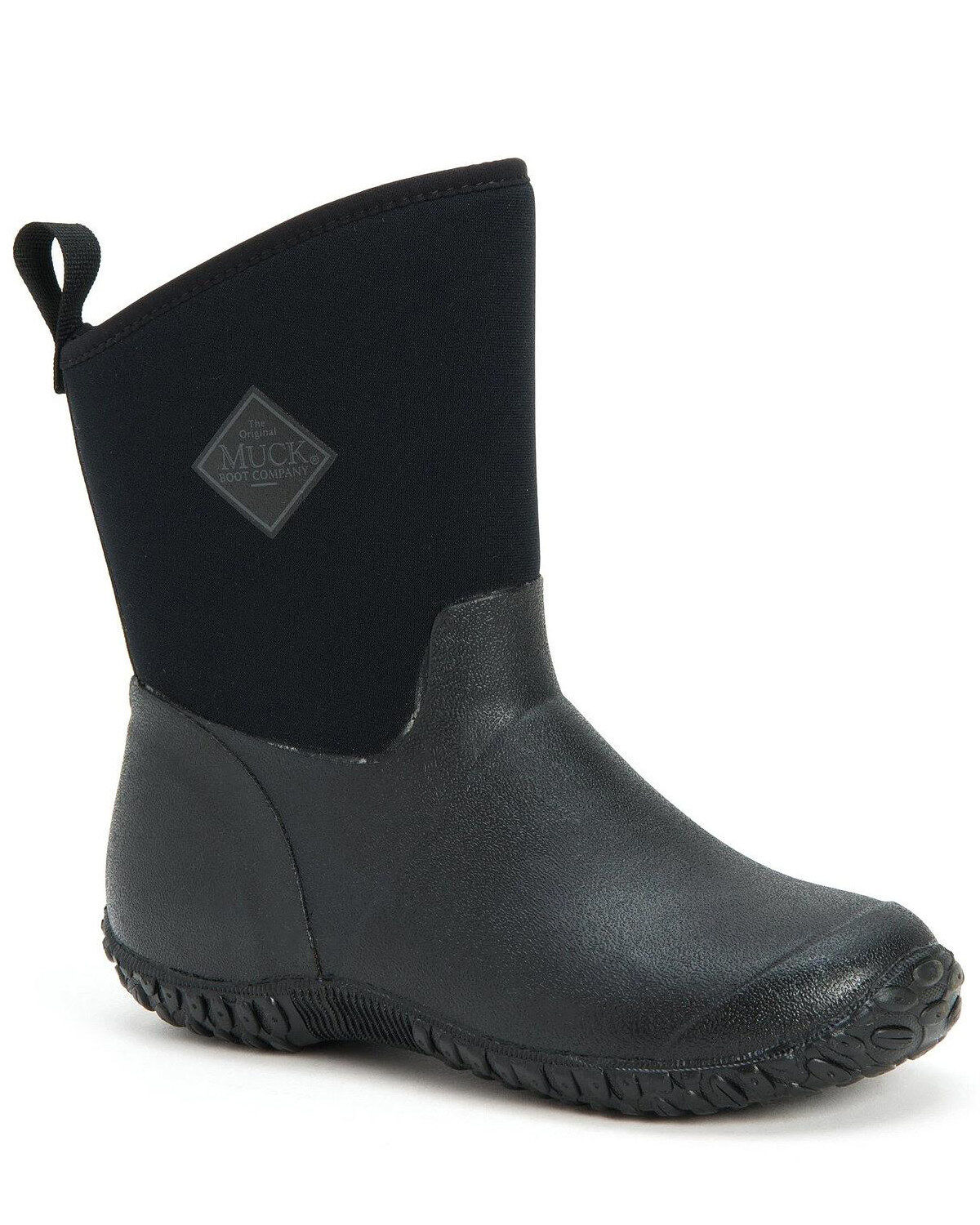
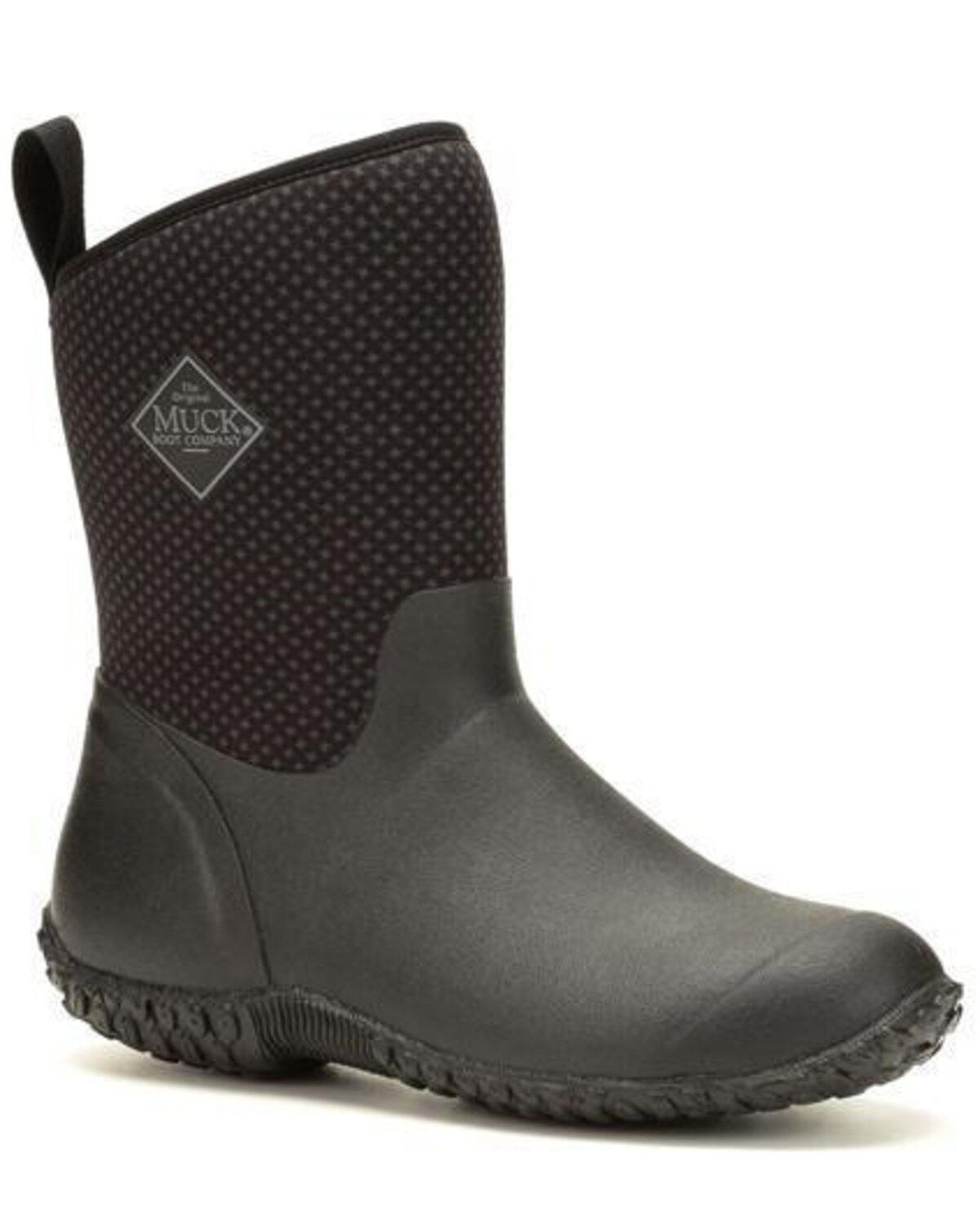
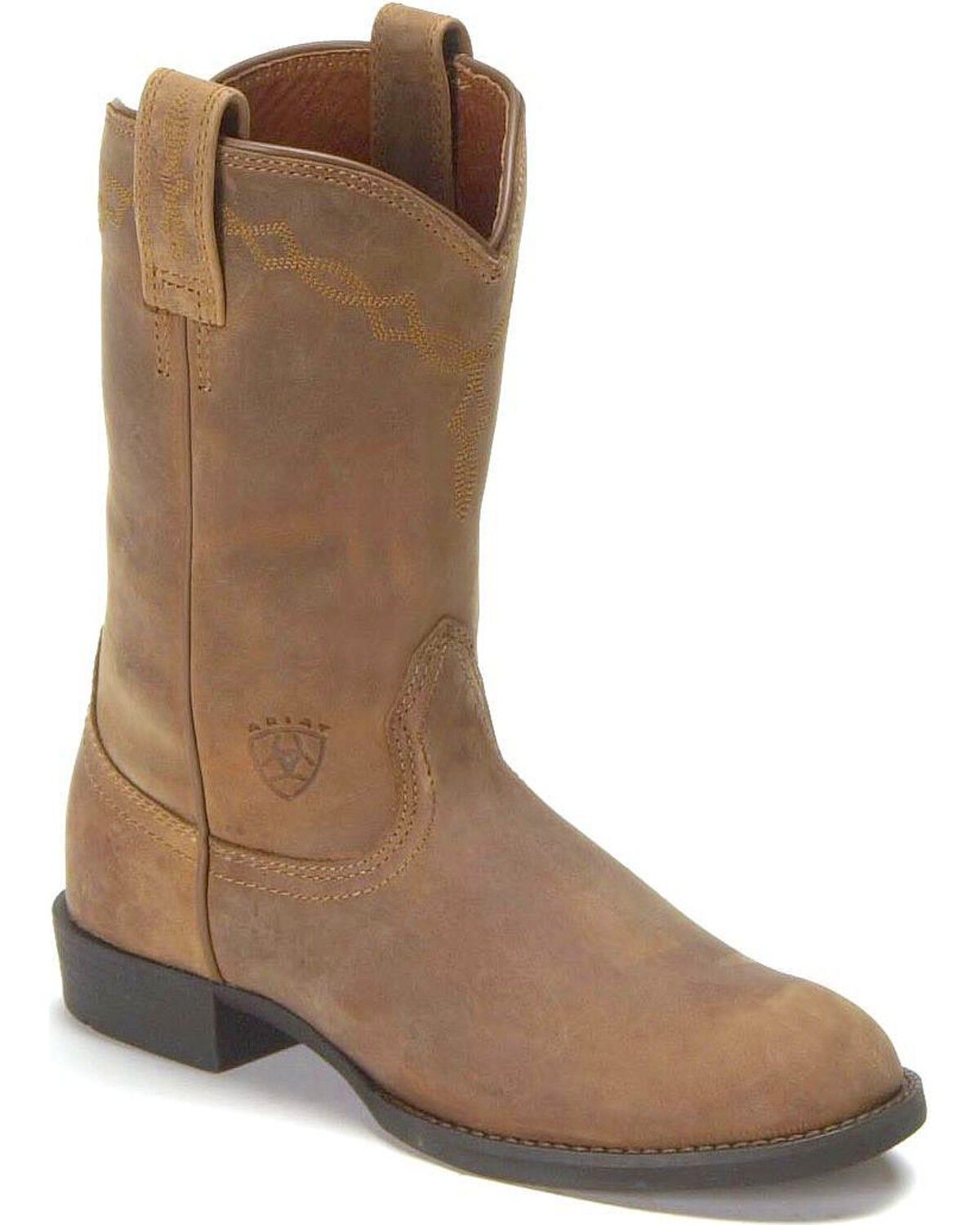
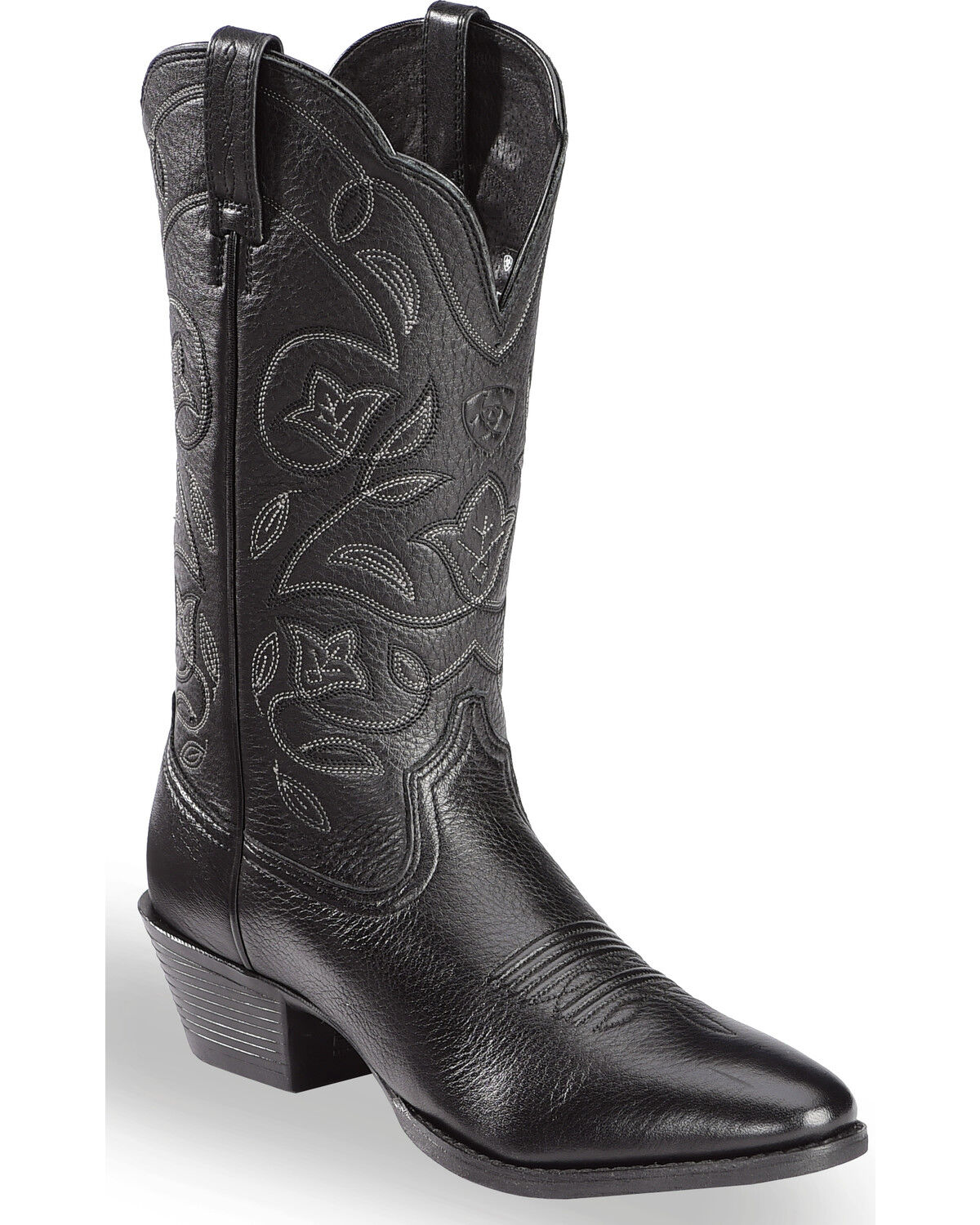
Riding boots deserve close attention because their fit and shape affect the connection between the foot and stirrup. A defined heel helps limit the foot’s forward movement through the stirrup, while a suitable sole should allow the boot to release without catching. Not every western-style boot or work boot is intended for riding. Heavily lugged soles, bulky shapes, and footwear that does not suit the stirrup opening can interfere with that connection. Compatibility with the saddle and stirrups matters alongside personal comfort. Boots should hold the foot securely without squeezing the toes, and the heel and instep should fit according to the boot’s construction. Extra room is not always helpful; movement inside a loose boot can create rubbing and make foot placement less consistent. The shaft should sit comfortably against the leg, whether pants are worn over it or the riding discipline calls for a different arrangement. Leather is valued for its ability to soften with use and develop a comfortable shape, but it still needs the right fit from the start. A break-in period will not correct the wrong size or an unsuitable shape. Socks also affect fit. Smooth fabric and cushioning that does not crowd the boot can reduce pressure from folds and seams. Above the saddle, head protection is a separate consideration from western styling. A cowboy hat does not replace an equestrian helmet certified to an applicable riding safety standard. A helmet should sit level, remain secure with its harness fastened, and follow the manufacturer’s fitting and replacement instructions. Gloves can help manage friction from reins, especially during repeated practice, but they should preserve finger movement and a clear feel of the rein. A close fit through the palm helps prevent excess material from folding under the fingers. Belts, shirt cuffs, and other accessories should stay secure without restricting movement. Long, loose jewelry and dangling details can catch on tack or equipment, making simpler choices more practical around horses.

Durability in women’s horseback riding gear comes from more than heavy fabric. Strong seams, secure closures, reinforced stress points, and materials suited to repeated movement all contribute to useful wear. The seat, inner legs, knees, and boot contact areas often show wear before other parts of an outfit. Regular checks can catch thinning fabric, loose stitching, damaged soles, or worn closures before they interfere with a ride. Care needs vary by material, so garment labels and footwear instructions remain the starting point. Removing loose dirt before cleaning helps keep grit from working deeper into fabric or leather. Leather boots generally benefit from appropriate cleaning and conditioning, with drying done away from direct heat. Too much conditioner or an unsuitable cleaner can change the finish or soften areas that need structure. Riding clothes should be washed as directed, with attention to closures, stretch fibers, and any specialized grip panels. Helmets require their own care routine; cleaners and storage methods should follow the manufacturer’s directions rather than a general clothing or leather-care routine. Practical choices also depend on who will wear the gear. A rider taking weekly lessons may need a straightforward outfit that meets the instructor’s requirements and remains comfortable through grooming, mounting, and basic exercises. Someone spending longer stretches in the saddle may place greater value on seam placement, flexible construction, and footwear that fits consistently throughout the ride. Competition clothing must match the discipline and applicable event rules, which can differ from everyday practice clothing. Gifts are most useful when they reflect those real needs. Knowing the recipient’s riding style, usual fit, and care preferences is more helpful than choosing by appearance alone. Helmets and boots require especially careful fitting, so those decisions are best made with the rider involved. Well-chosen gear supports the routine of riding: leading a horse from the barn, adjusting a stirrup, settling into the saddle, and giving full attention to the horse rather than an uncomfortable waistband or slipping foot.
Read More

FAQs