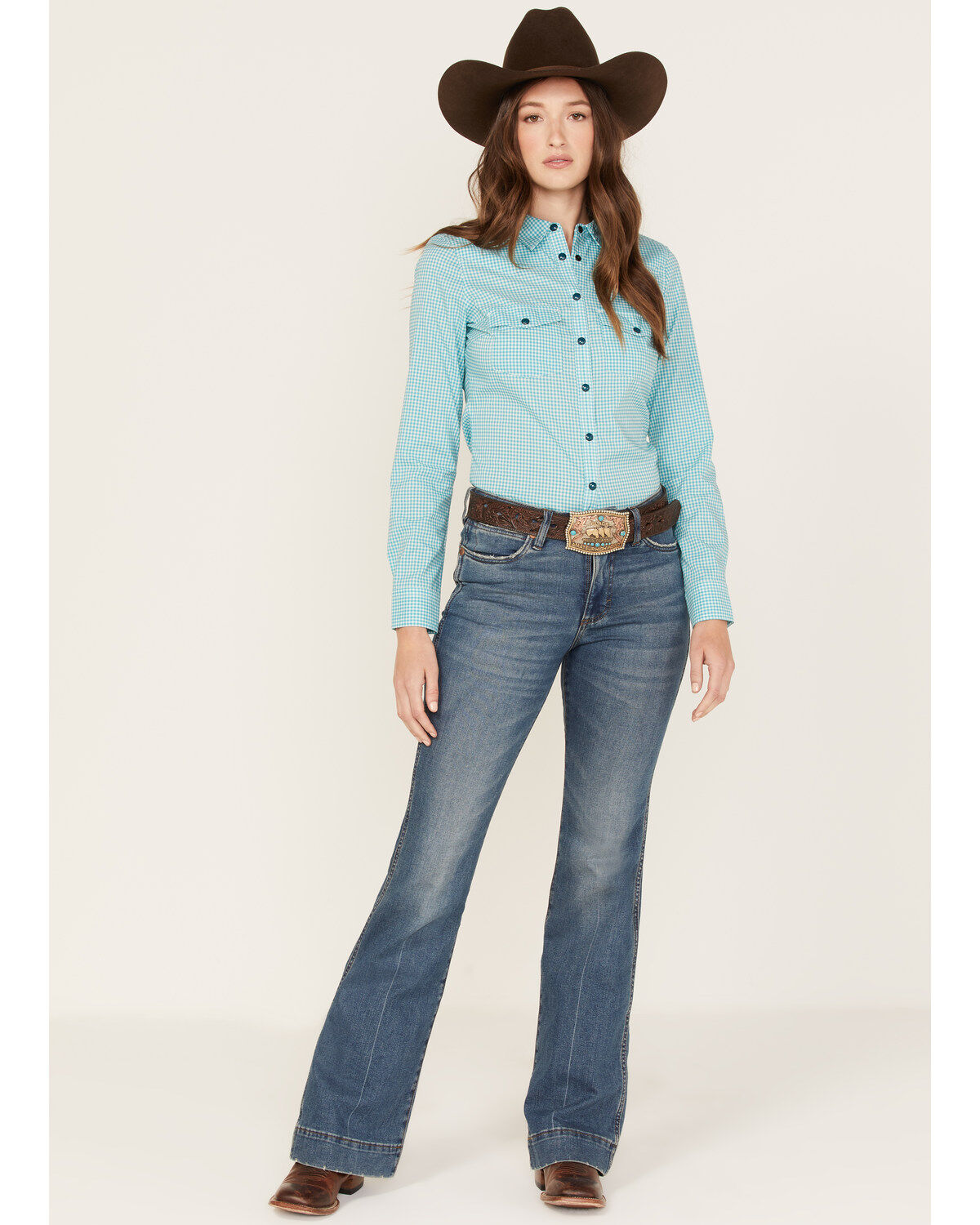
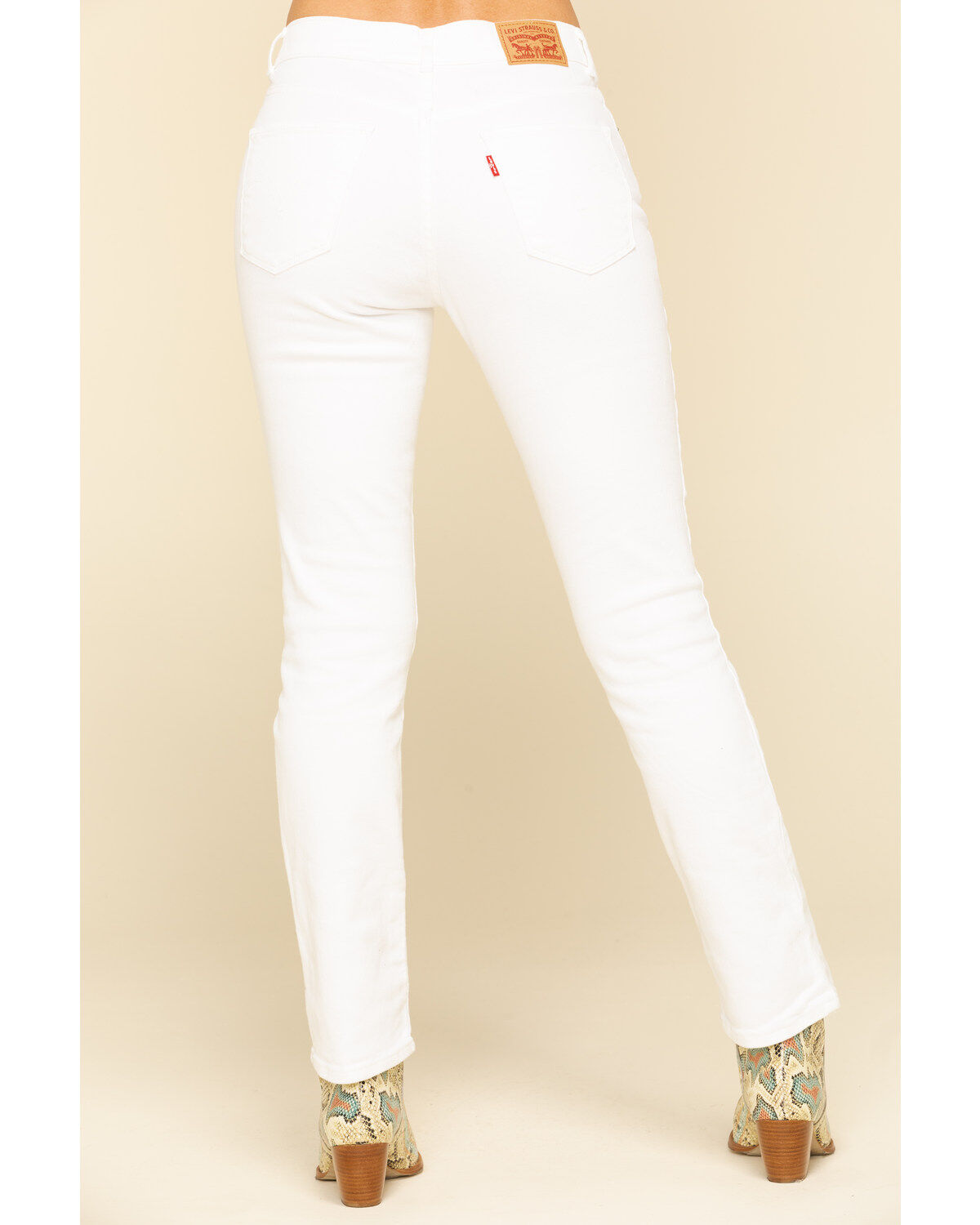
Women's Horseback Riding Jeans

Shop women’s horseback riding jeans with your time in the saddle in mind. Browse western denim and compare fit, rise, and leg openings to find a pair that suits your riding needs and works with your boots.

Shop Your Store: Shop Your Store: Find a Store

(Turn off Shop Your Store to see all items)

(Turn off Shop Your Store to see all items)

close
  • Recommended
  • Lowest Price
  • Highest Price
Skip pass products
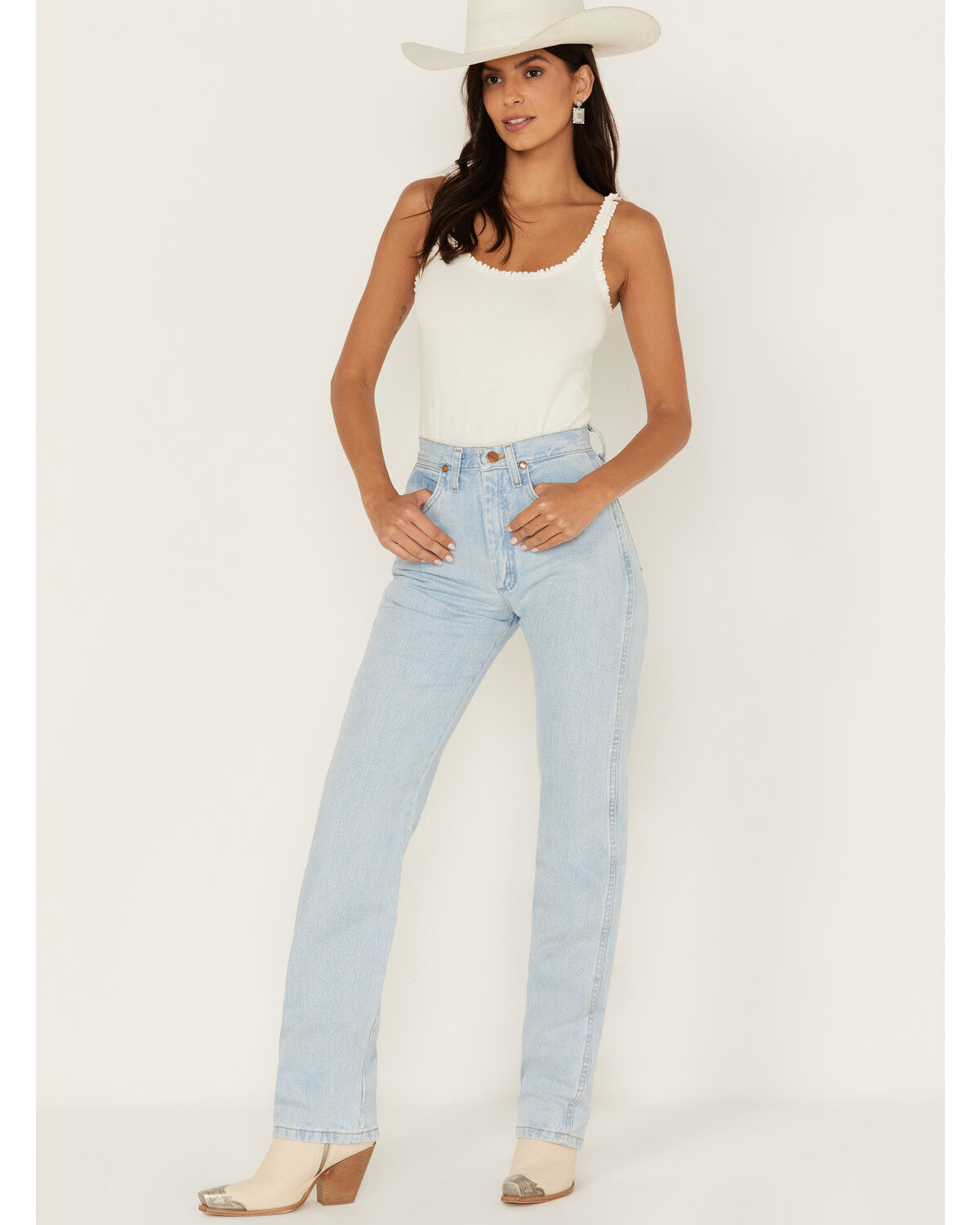
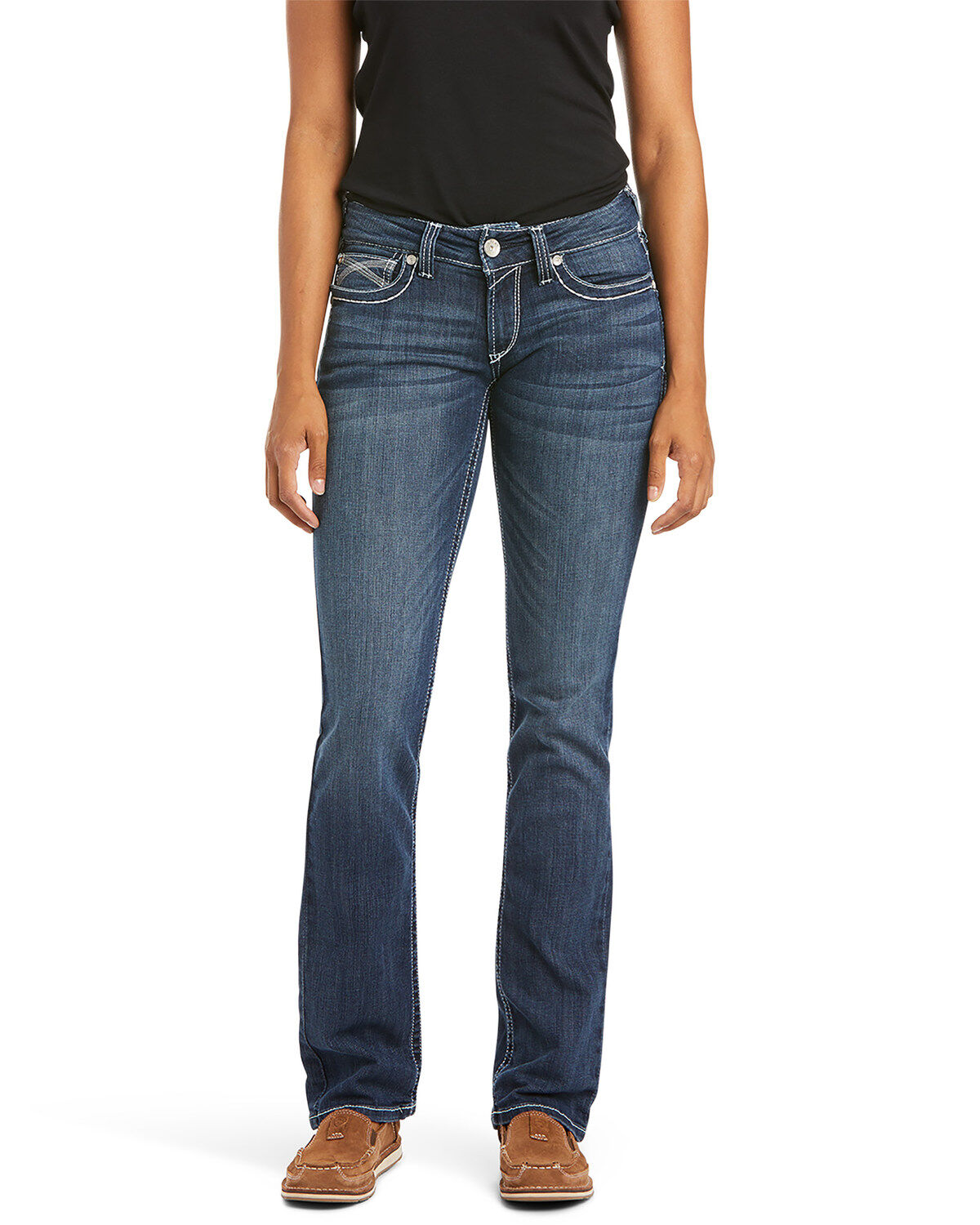
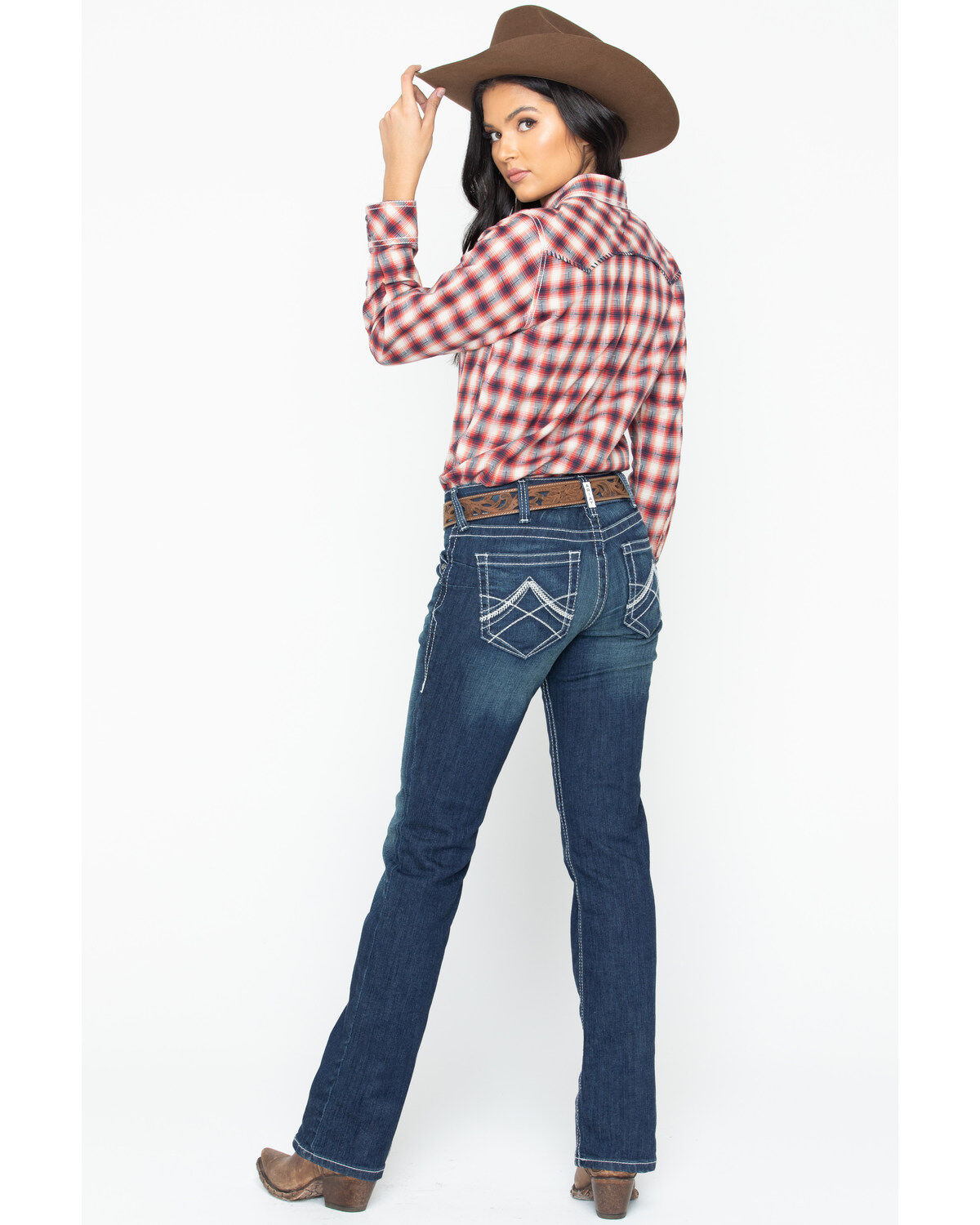
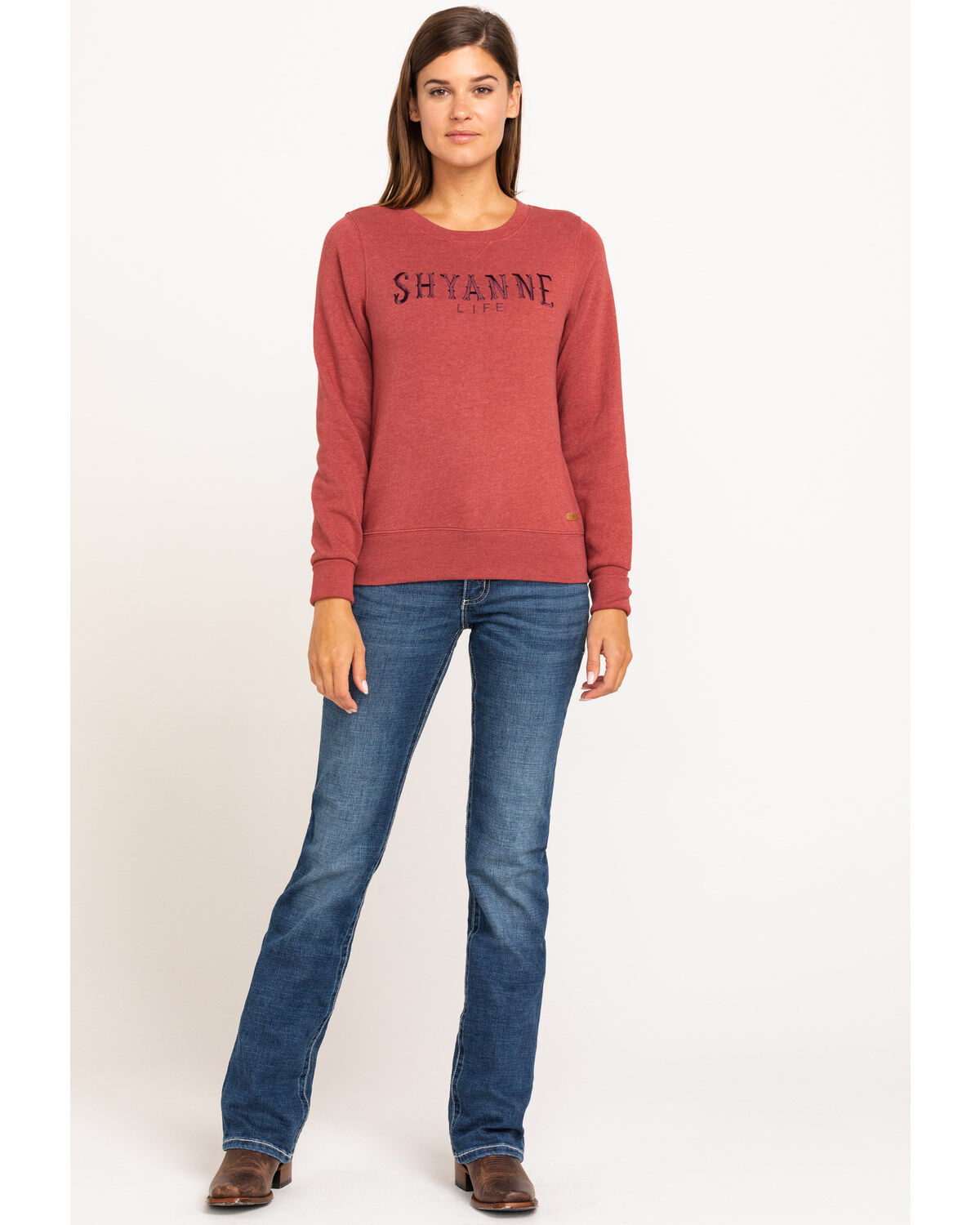
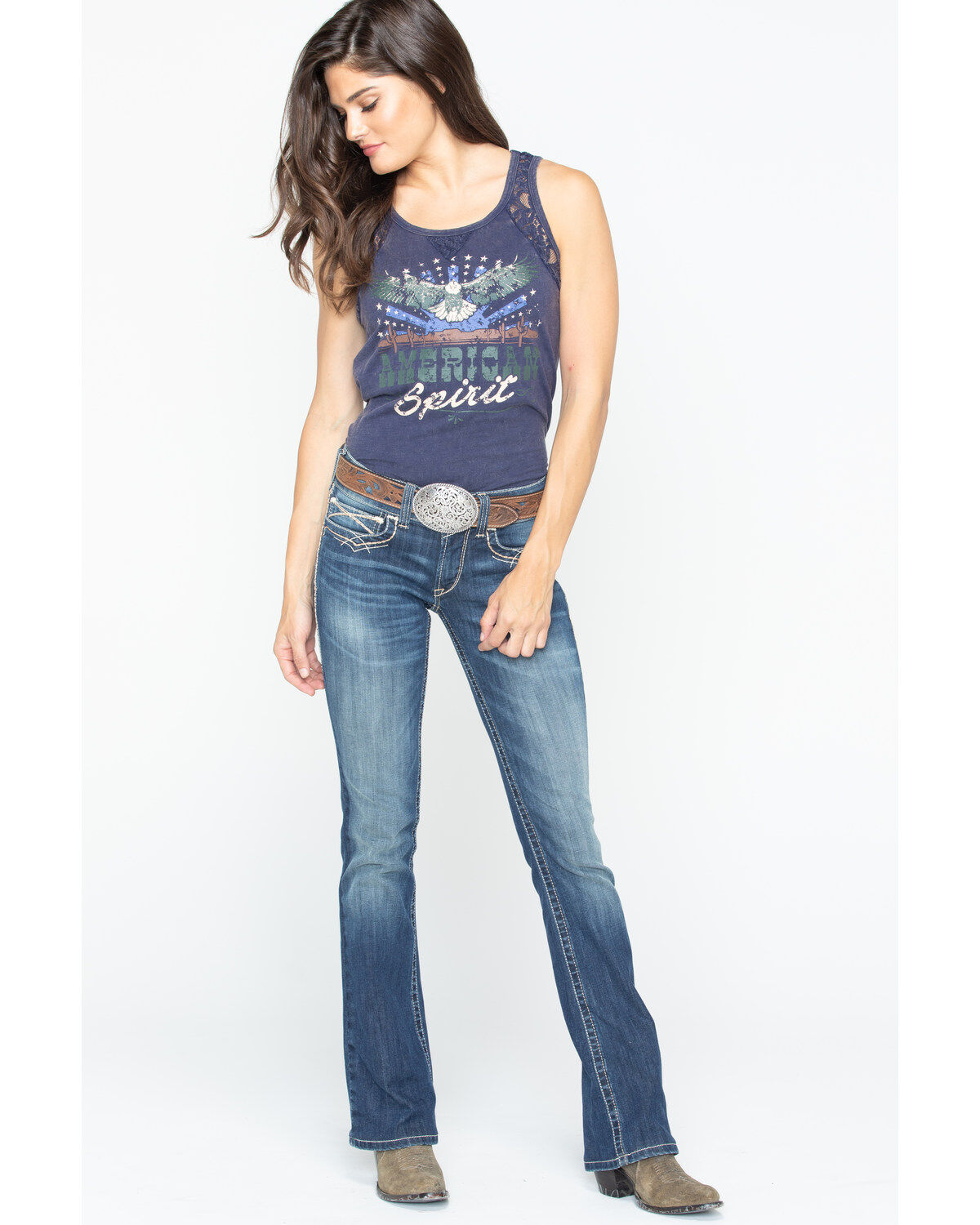
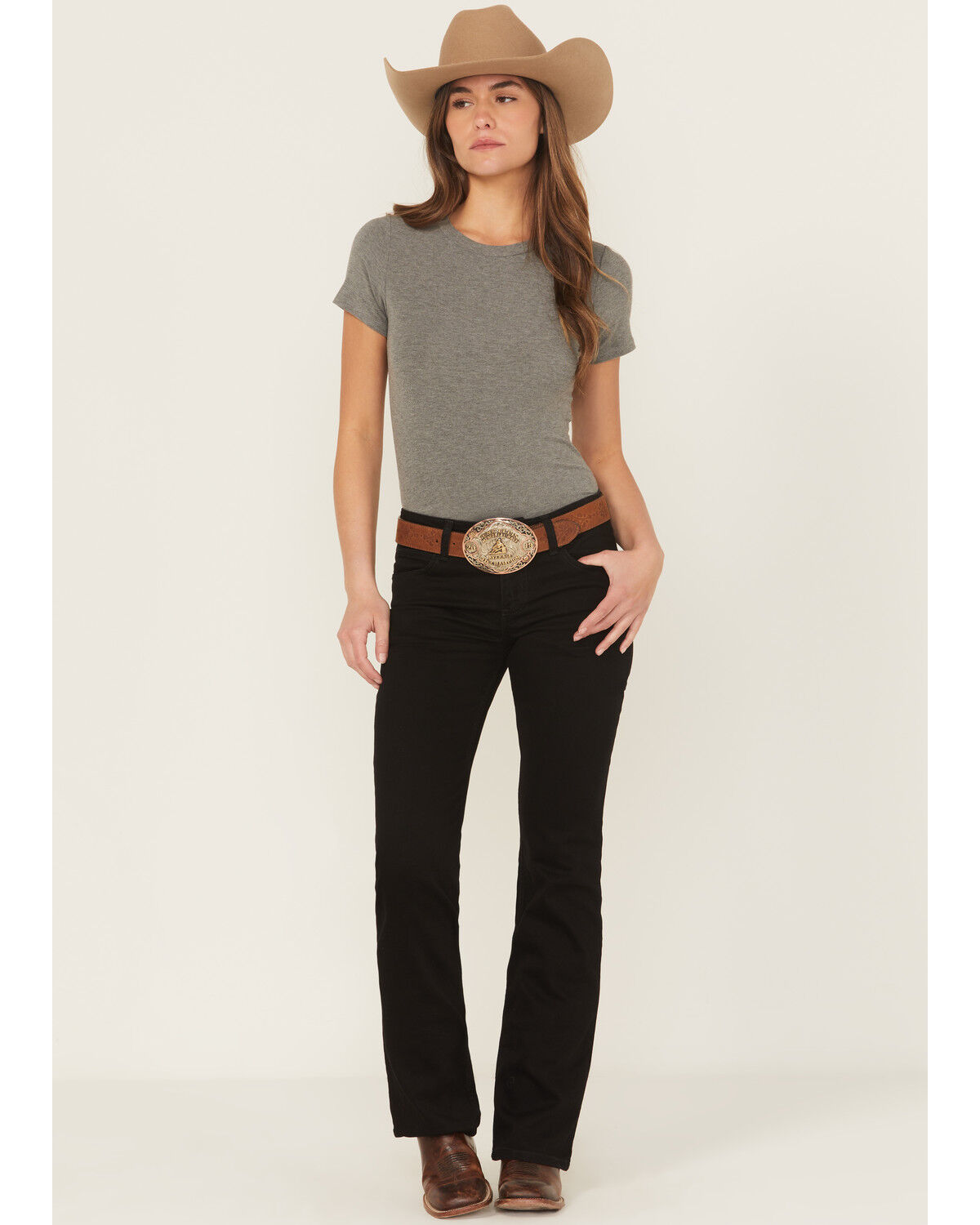
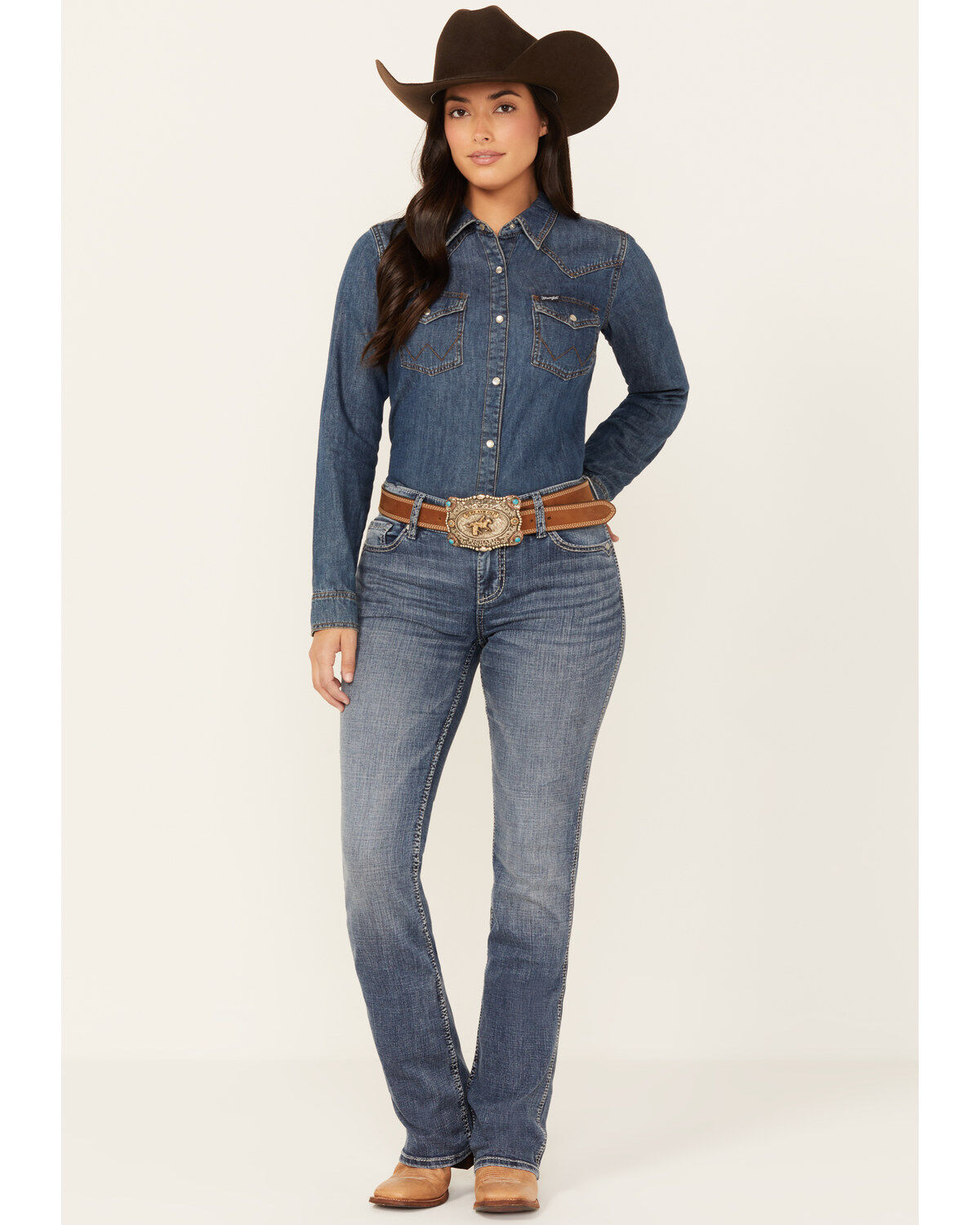
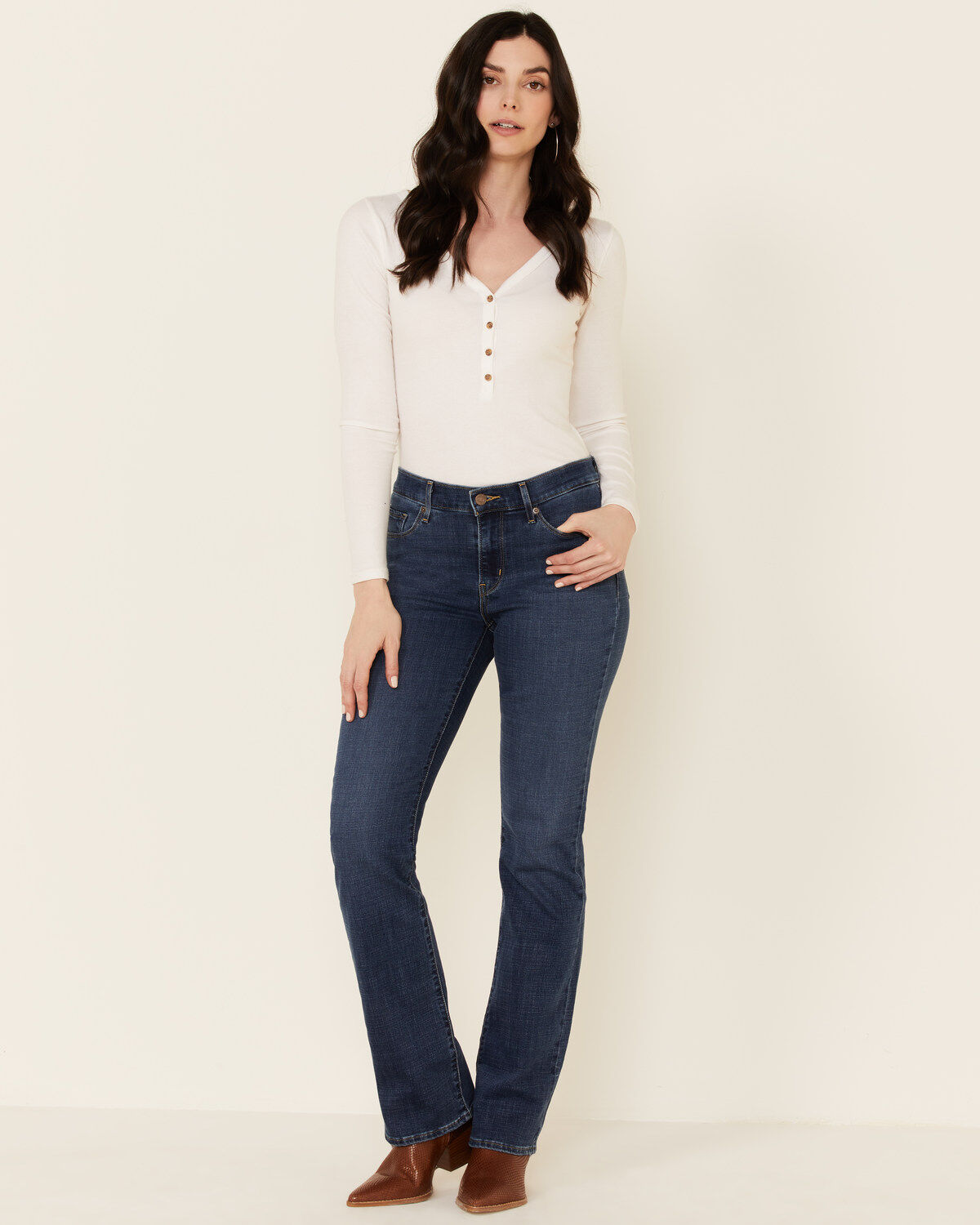
  • Women's Wrangler Willow Lovette Ultimate Riding Bootcut Jeans
    Original Price $69.99 $47.97
    31% Total Savings
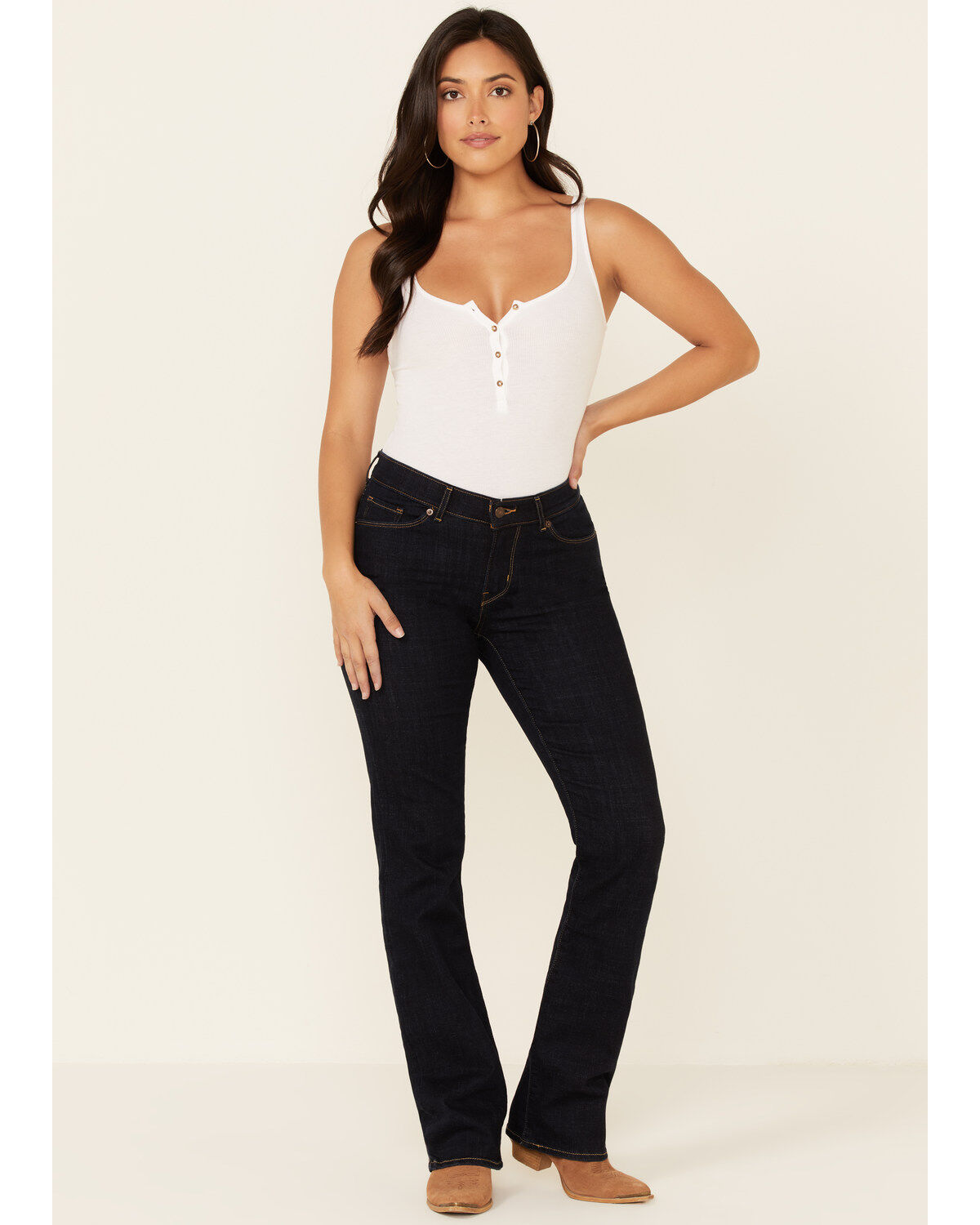
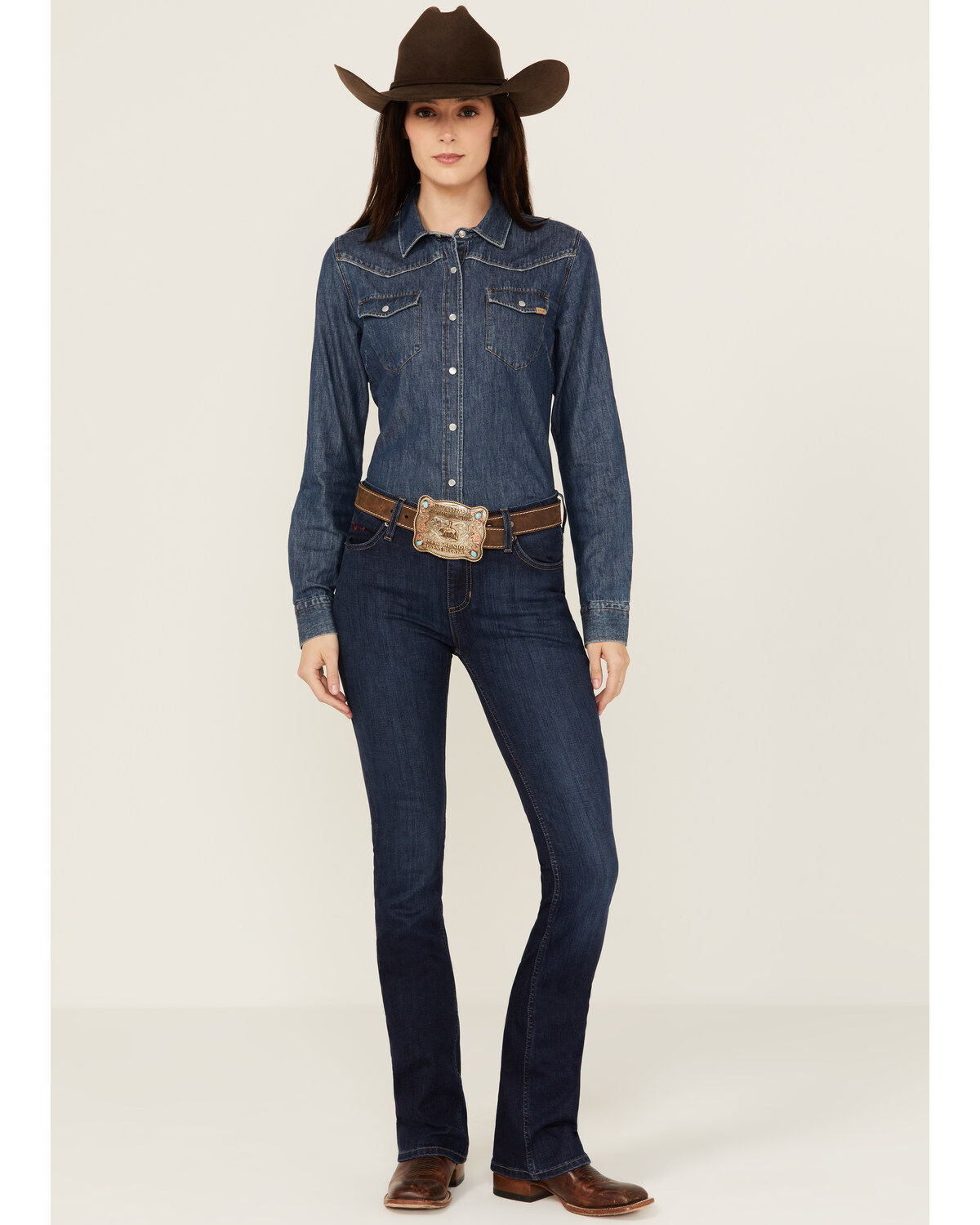
  • Women's Wrangler Q Baby Ultimate Riding Jeans
    Original Price $64.99 $44.97
    31% Total Savings
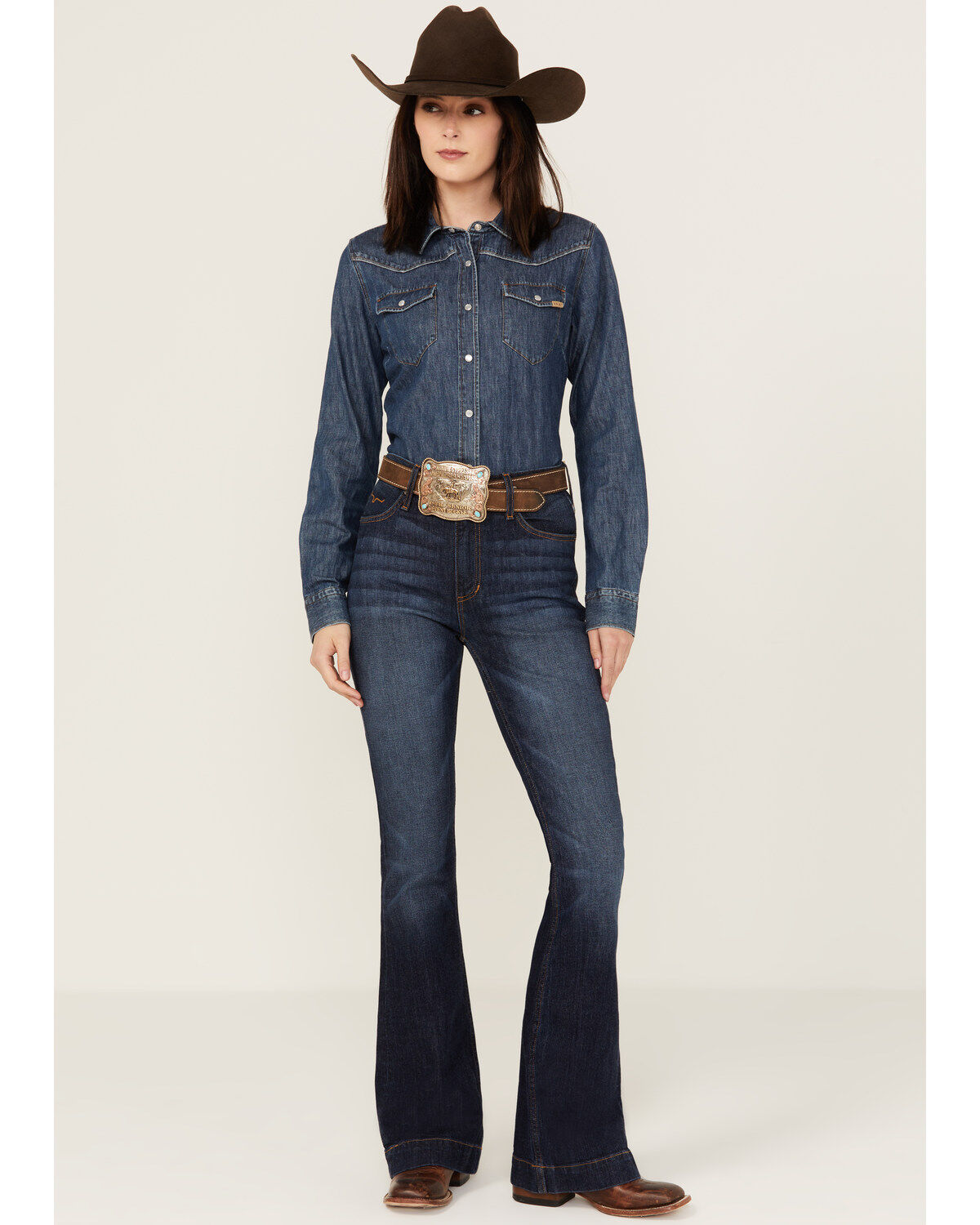
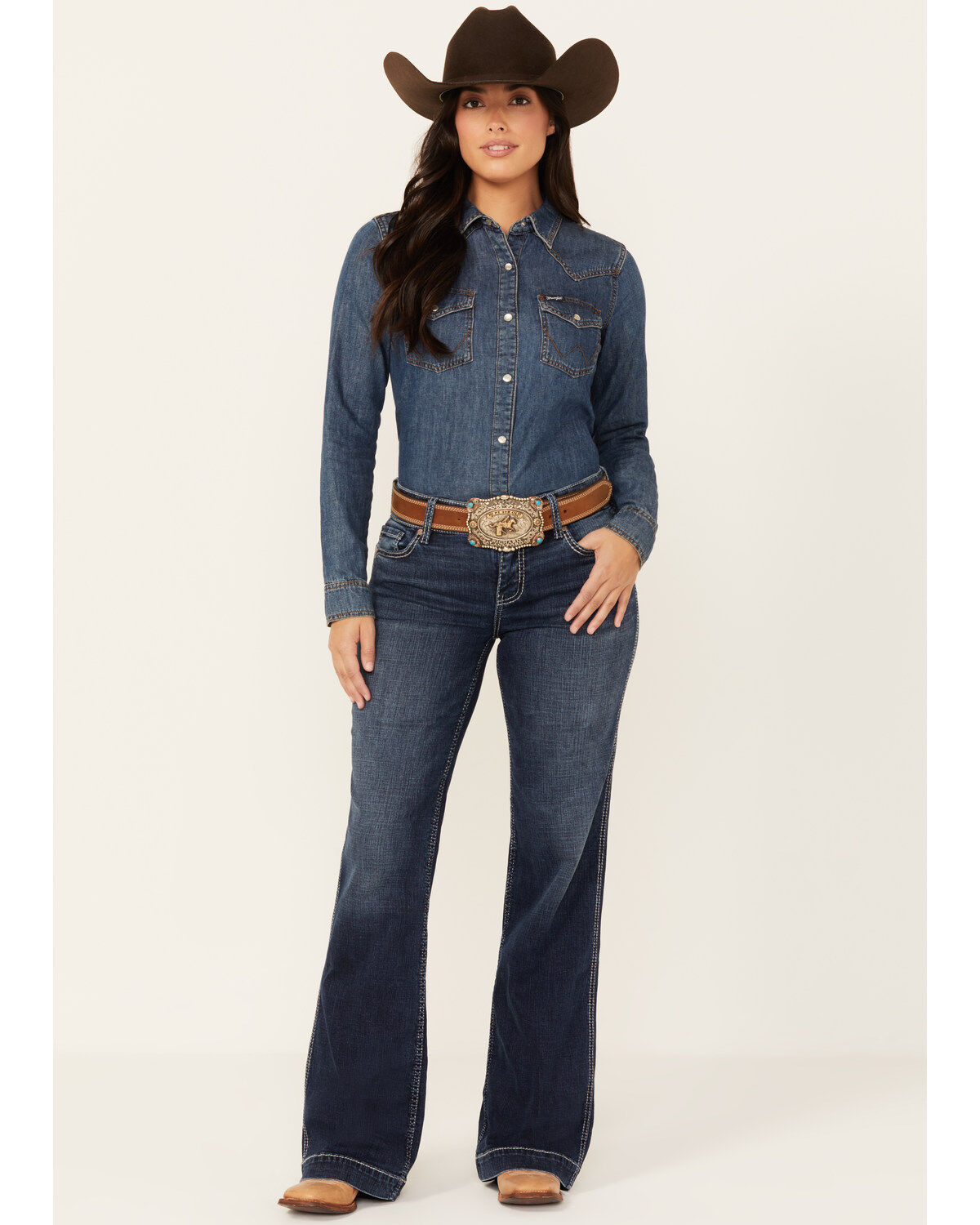
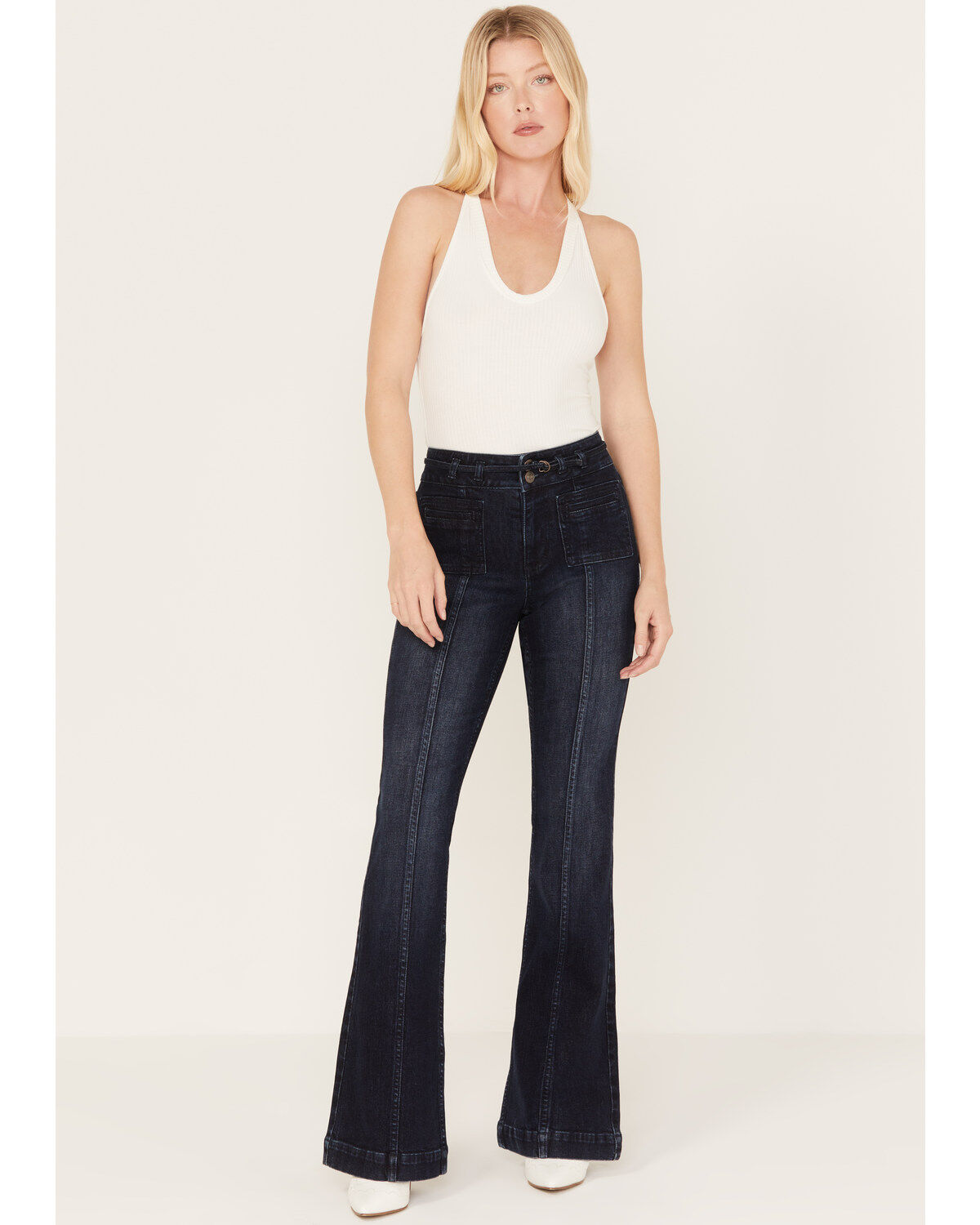
  • Women's Shyanne Dark Wash Trouser Jeans
    Original Price $74.99 $51.97
    31% Total Savings

End of products

Women's Horseback Riding Jeans

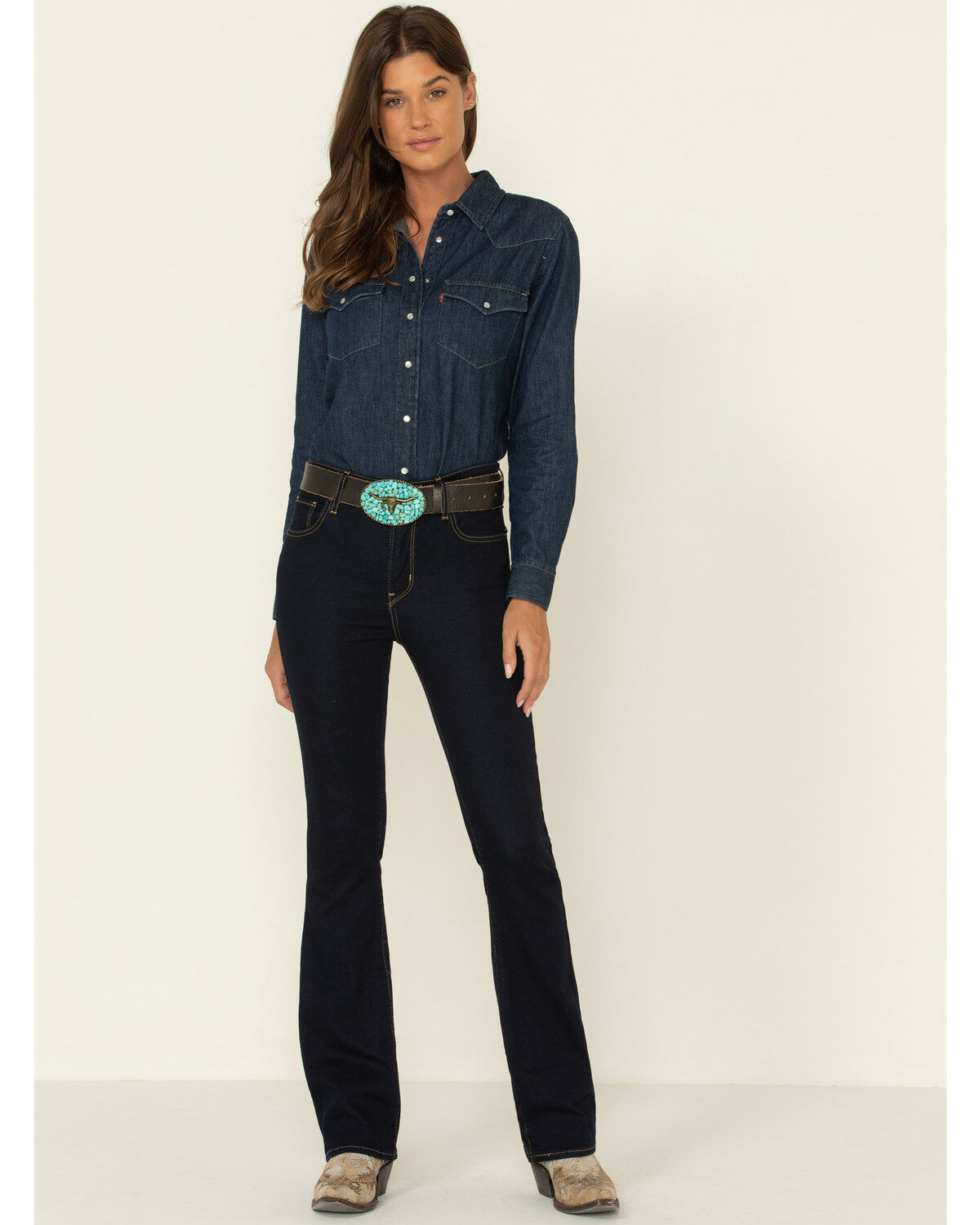
Women's horseback riding jeans combine the familiar feel of denim with fit details that matter in the saddle. A secure waistband, enough room through the hips and thighs, and smooth seams along the inner leg are practical priorities for riders. Mid-rise and high-rise cuts can provide coverage when bending to check a hoof, stepping into a stirrup, or settling into the seat. Rise alone does not determine comfort, though. A contoured waistband should follow the waist without leaving a large gap at the back or pressing into the stomach when seated. The right fit stays in place without relying on an overly tight belt. Through the seat and thighs, denim needs enough room for movement without loose folds collecting between the rider and the saddle. Stretch denim can help balance those needs. Cotton provides the familiar texture and body of jeans, while elastane adds flexibility; some blends also include polyester for strength and shape retention. Fabric composition and construction work together, so stretch percentage alone does not tell the whole story. Some denim stretches mainly across the fabric, while four-way stretch offers movement in both directions when specified. Either can feel different depending on fabric weight, cut, and recovery. Recovery matters because jeans that stretch easily but stay stretched may sag through the seat after several hours of wear. Heavier denim generally feels more substantial, while lighter denim may feel less restrictive. Neither is automatically the better riding choice. For a rider spending hours in a Western saddle, the useful balance is fabric that allows a comfortable seated position, holds its shape, and withstands regular contact with saddle leather. Jeans should also allow everyday movement around the barn, from carrying a feed bucket to crouching beside a tack box. A pair that looks fitted while standing but pulls sharply across the thighs when seated is unlikely to feel better once the ride begins.

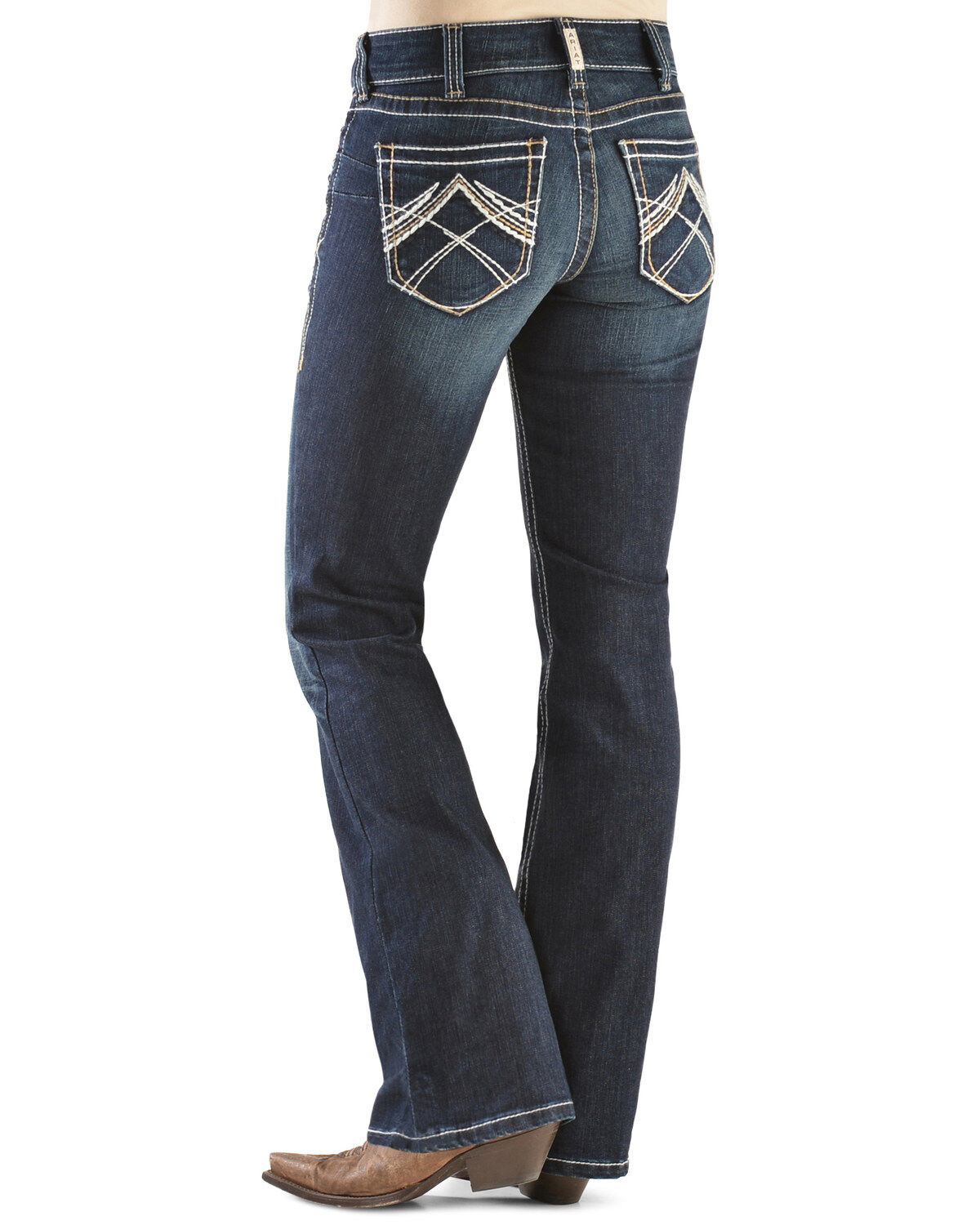
The leg shape and inseam of women's riding jeans deserve as much attention as the waistband. Bootcut jeans offer room around the boot shaft without requiring a loose fit through the entire leg. Straight-leg cuts can also work when the opening accommodates the rider's boots comfortably. The goal is a clean fit over the boot, not excess fabric around the ankle. Denim moves upward as the knee bends in the saddle, so the length that looks right while standing may leave more of the boot exposed when mounted. A suitable inseam accounts for that movement without leaving a hem that drags on the ground or slips beneath the heel during barn work. Riders with the same height may need different lengths because body proportions, preferred rise, and footwear all affect how jeans sit. Inner-leg construction is another important distinction between everyday denim and riding-focused jeans. Low-profile, flat, or carefully placed seams can help reduce rubbing where the leg meets the saddle. Seam-free inner-leg designs, when present, remove that particular source of friction, but fit and fabric still influence comfort. Tight denim can create pressure even with smooth seams, while excess material can bunch beneath the thigh. Back pockets, decorative stitching, and hardware also deserve a close look. Substantial embellishment may create uncomfortable pressure against the saddle, while a phone or other hard object in a rear pocket can interfere with a balanced seat. Useful pockets should hold small essentials without placing bulky objects directly beneath the rider. These details matter during trail rides, arena practice, riding lessons, and time spent working around horses. Jeans are especially familiar in Western riding, where denim pairs naturally with riding boots and everyday ranch clothing. They are not interchangeable with every type of equestrian apparel. English riding programs and organized competitions may call for breeches or other specified clothing, so the setting and dress requirements help determine whether jeans are appropriate. Even within Western riding, a relaxed trail outing and a competition can call for different fits and finishes.

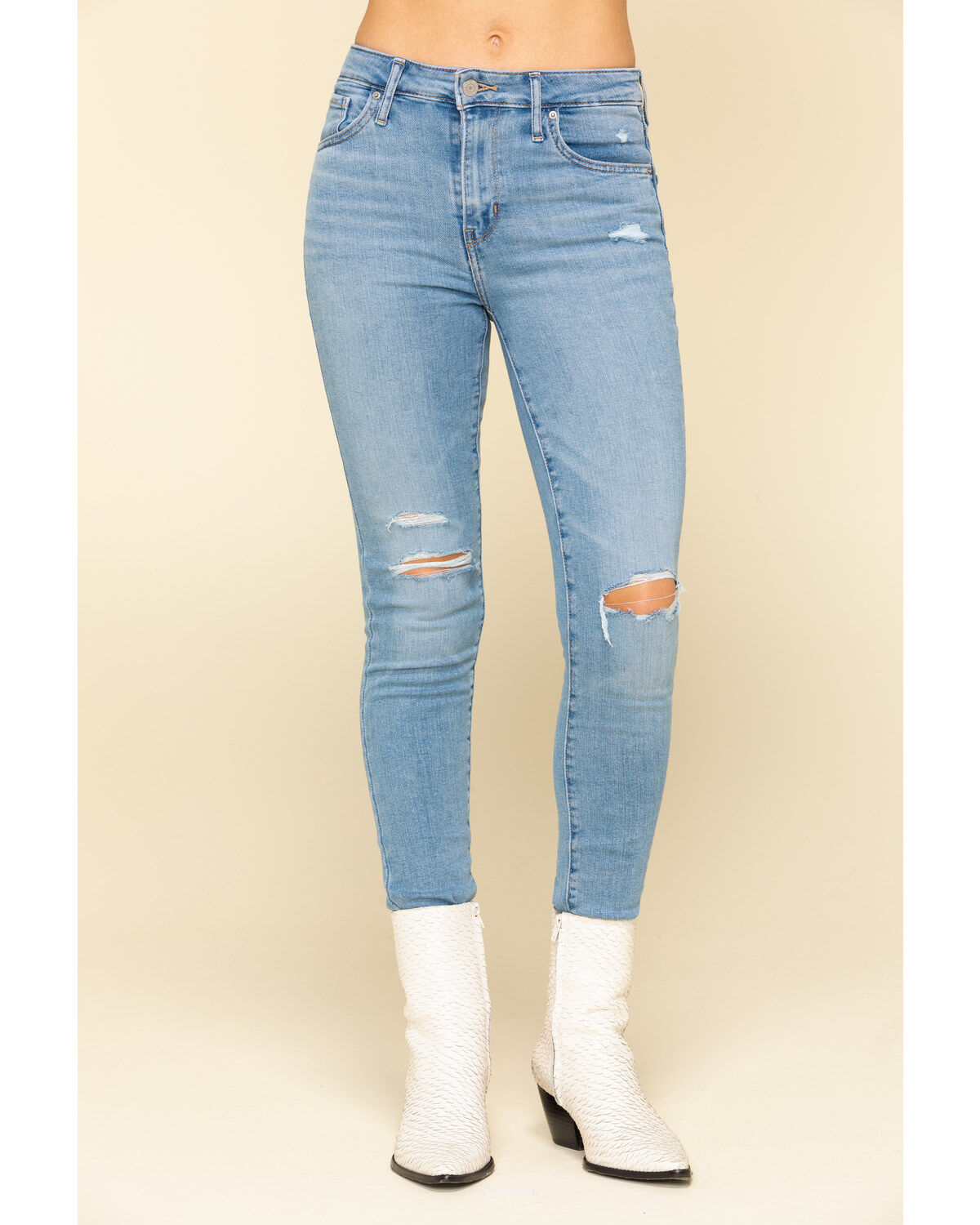
Durability in horseback riding jeans comes from more than a heavy fabric. Strong stitching, secure belt loops, well-finished pockets, and reinforced areas where specified all contribute to how denim handles repeated wear. The seat, inner thighs, knees, and hems often show use first because they encounter saddle friction, bending, and contact with boots or the ground. A sturdy pair should still move comfortably; stiffness that prevents an easy bend is not a useful trade for strength. Dark washes offer a clean appearance, while faded finishes give denim a more worn-in look, but color is not a measure of riding performance. Heavily distressed areas can leave less fabric at points that already experience stress. Fit and construction remain more important than decorative details. For riders who put comfort first, women's comfortable riding jeans share the same priorities: a stable waistband, unrestricted movement, and a smooth feel against the saddle. Care helps preserve those qualities. The garment's care label should determine washing and drying methods, especially for stretch blends. Turning jeans inside out, closing the zipper, and washing with similar colors can help limit abrasion and color transfer. Excessive dryer heat can affect stretch fibers and fit, so lower heat or air drying is appropriate when the label allows it. Fresh stains from barn chores are often easier to address before they set, using a treatment suited to the fabric. Periodic checks of the inner-leg seams, pocket corners, and hems can reveal wear before a small problem becomes a larger tear. Riding jeans can also make a practical gift for someone who takes lessons, enjoys trail riding, or spends regular time caring for horses. Waist size, inseam, preferred rise, and usual boot style are more useful details than appearance alone. A rider's established fit preferences provide a sound starting point. The best match supports the way that person rides and works, with enough structure for repeated use and enough give to stay comfortable from saddling up through the last barn chore.

FAQs