High-arch western boots are a must-have for those who seek both style and comfort in their footwear. Perfectly blending classic western aesthetics with... thoughtful design, these boots cater to individuals with higher arches, providing the support needed for all-day wear. Whether you're hitting the dance floor or working on the ranch, high-arch western boots offer the durability and flair that every cowboy and cowgirl desires. Explore our collection to find the perfect pair that complements your unique style while ensuring your feet stay comfortable and supported throughout your adventures.
Read more
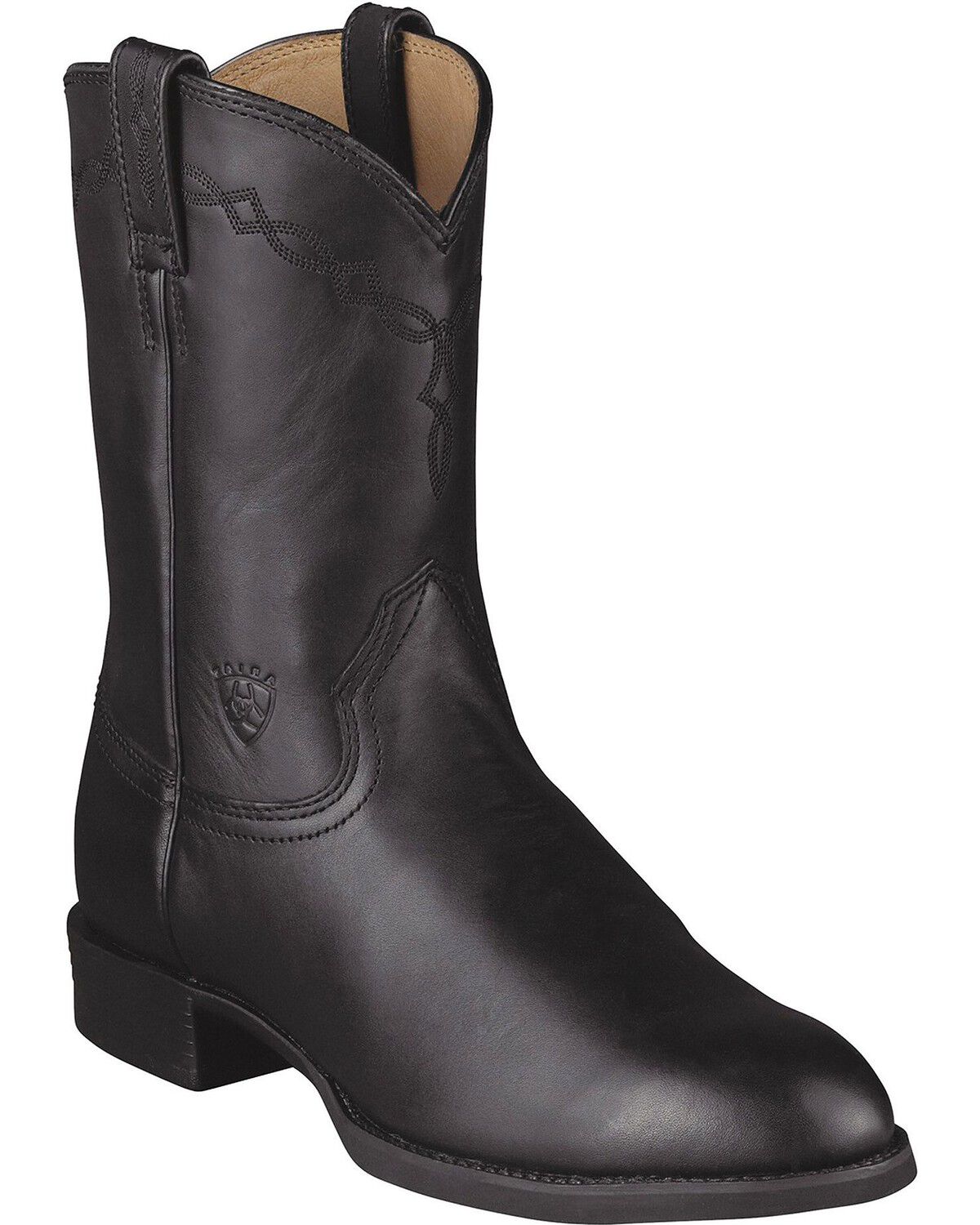
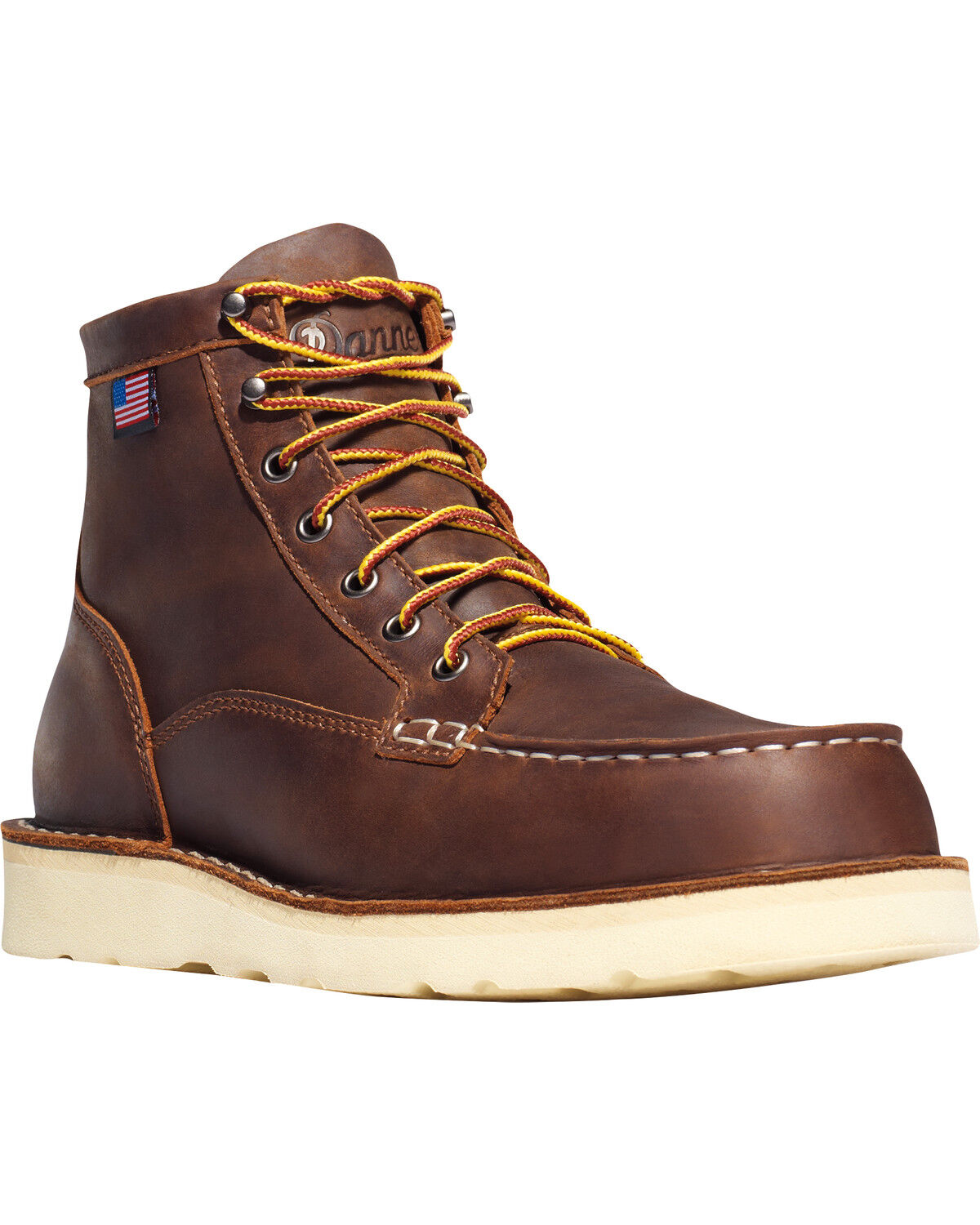
High Arch Western Boots
High-arch western boots are a must-have for those who seek both style and comfort in their footwear. Perfectly blending classic western aesthetics with... thoughtful design, these boots cater to individuals with higher arches, providing the support needed for all-day wear. Whether you're hitting the dance floor or working on the ranch, high-arch western boots offer the durability and flair that every cowboy and cowgirl desires. Explore our collection to find the perfect pair that complements your unique style while ensuring your feet stay comfortable and supported throughout your adventures.
High arch western boots bring together traditional western styling and fit considerations that matter when the middle of the foot needs more support. A contoured footbed, enough room over the instep, and a secure heel are useful features to consider, but no single boot shape fits every high-arched foot. The arch is the curve beneath the foot; the instep is the upper part of the foot between the toes and ankle. A high arch and a high instep can occur together, though they are not the same thing. That distinction matters in a pull-on cowboy boot, where the foot must pass through the throat before settling into place. A boot can feel supportive underfoot yet press too firmly across the top of the foot, or provide plenty of entry room without enough support beneath the arch. Good fit balances both areas. The widest part of the foot should sit comfortably at the widest part of the boot, with room for the toes to rest naturally. The instep should feel secure rather than squeezed. A small amount of heel movement can be normal in a new western boot as the sole begins to flex, but excessive slipping or forward movement can signal a poor fit. Wider widths may provide additional room across the forefoot and, depending on construction, over the instep. They are not an automatic solution for every high arch, especially when the heel and forefoot are narrow. Boot shape matters as much as the width marked inside the shaft. The socks intended for regular wear also affect fit, particularly when moving between thin dress socks and cushioned boot socks. Trying boots with those socks and any usual inserts gives a more useful picture of how they will feel through a full day. Leather may soften with wear, but persistent pressure, numbness, or cramped toes should not be treated as a normal break-in requirement.
Underfoot construction helps distinguish high arch western boots suited to occasional wear from those comfortable enough for regular time on the feet. Contoured footbeds can provide contact beneath the arch, while cushioning at the heel and forefoot helps soften each step. Support and cushioning serve different purposes: a soft footbed is not necessarily shaped to support a high arch, and a firm footbed can still feel comfortable when its contour matches the foot. A shank, positioned between the heel and forefoot, helps stabilize the boot through the midfoot, but it does not replace a well-fitting footbed. Removable insoles can be useful for wearers who use custom orthotics or prefer a different arch insert. The boot still needs enough interior depth for the replacement, without crowding the toes or lifting the heel out of its intended position. Stacking an insert over an existing footbed can take away needed space, so the intended setup matters when checking fit. Materials also influence how a boot wears over time. Full-grain leather uppers can soften and develop character with regular use and proper care, while suede has a softer surface that calls for different cleaning methods. Smooth leather linings can make entry easier, and other lining materials may help manage moisture from daily wear. Outsoles deserve the same attention as the uppers. Leather soles have a traditional look and feel; rubber outsoles can add cushioning and traction, depending on their construction and tread. Neither material alone determines arch support. For someone walking across concrete floors or standing at a counter, underfoot comfort and a stable fit may matter more than decorative stitching. For ranch chores, abrasion resistance and an outsole suited to the ground are practical considerations. Riding calls for boots with a heel and sole intended for stirrup use. On a jobsite, required safety features take priority, and western styling does not mean a boot meets a workplace standard. Intended use should guide the choice alongside fit.
Western boots also vary in shaft height, toe shape, heel profile, and the details that make them feel right with everyday clothing. A taller shaft gives the familiar cowboy boot silhouette, while an ankle-height profile changes how the boot sits beneath jeans or beside a skirt. Square, round, and pointed toes each have a distinct look, but the visible shape does not tell the whole story about usable room inside. Toe space depends on the boot’s construction and where the foot sits, not simply on whether the front appears broad. For a shorter profile with a defined toe shape, Square Toe Western Ankle Boots offer a related style to consider; arch support and instep room still need to be evaluated separately. Functional side zippers, where present, can make entry easier for a high instep without requiring a loose fit once the boot is on. Pull tabs help with entry, but they cannot compensate for a throat that is too tight. Once fit is settled, care helps preserve the leather and the structure that make the boots comfortable. Dirt and grit should be brushed away before they work into seams or scratch the surface. Smooth leather benefits from a cleaner and conditioner appropriate to its finish, applied according to the care directions rather than heavily enough to saturate the material. Suede needs a suitable brush and products made for its texture. Boots should dry naturally away from direct heat, and removable footbeds can be taken out to air when the care instructions allow. Regular checks of heel wear, outsole wear, and loose stitching help identify repairs before uneven wear changes the feel underfoot. High arch western boots can make a useful gift for someone who wears western footwear regularly, though knowing the recipient’s width, instep needs, and preferred inserts matters more than knowing shoe size alone. For persistent foot pain or prescribed orthotics, guidance from a qualified foot-care professional can help clarify the support and fit needed. The goal is a boot that holds the foot securely, accommodates its shape, and suits the work or wear ahead.



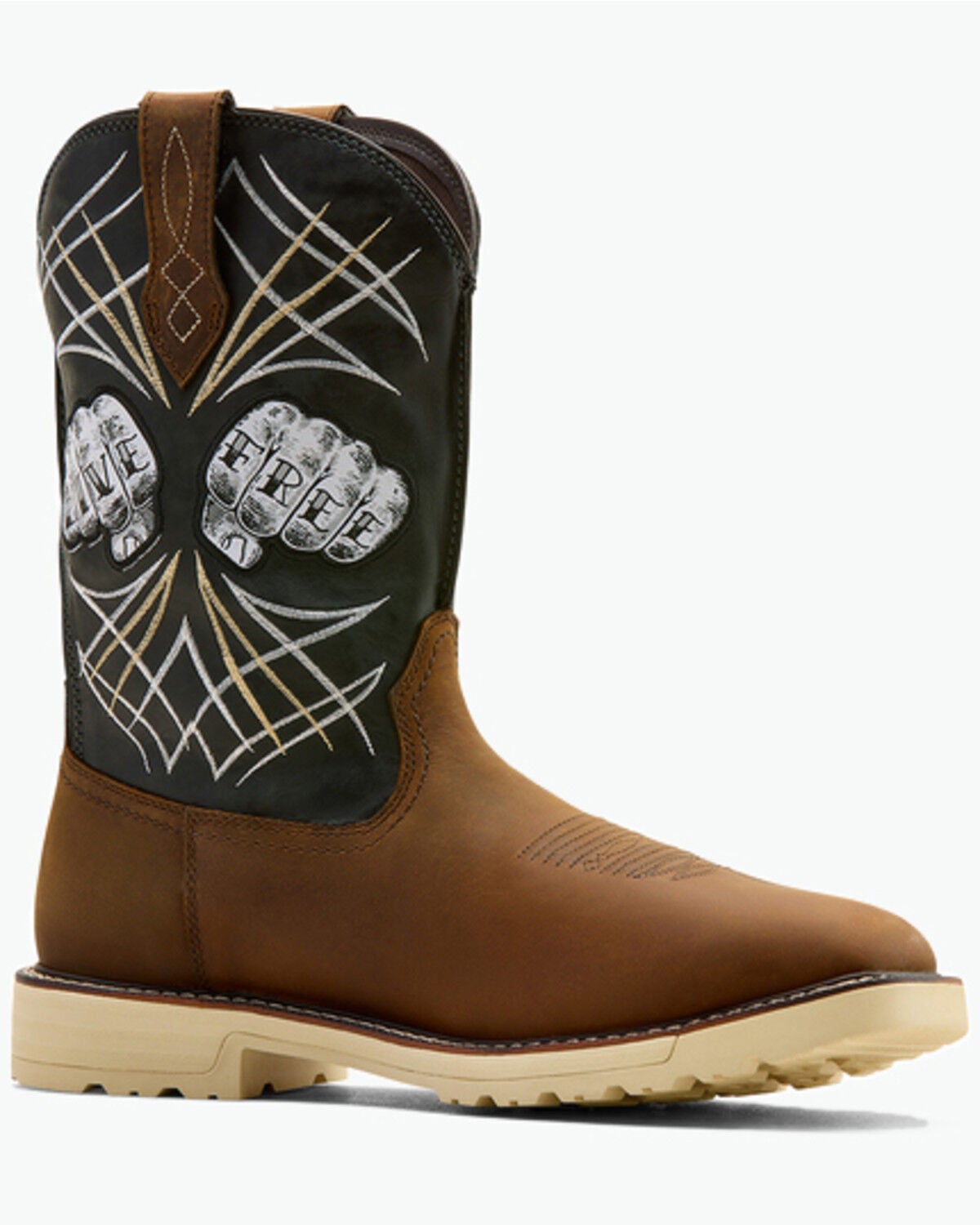


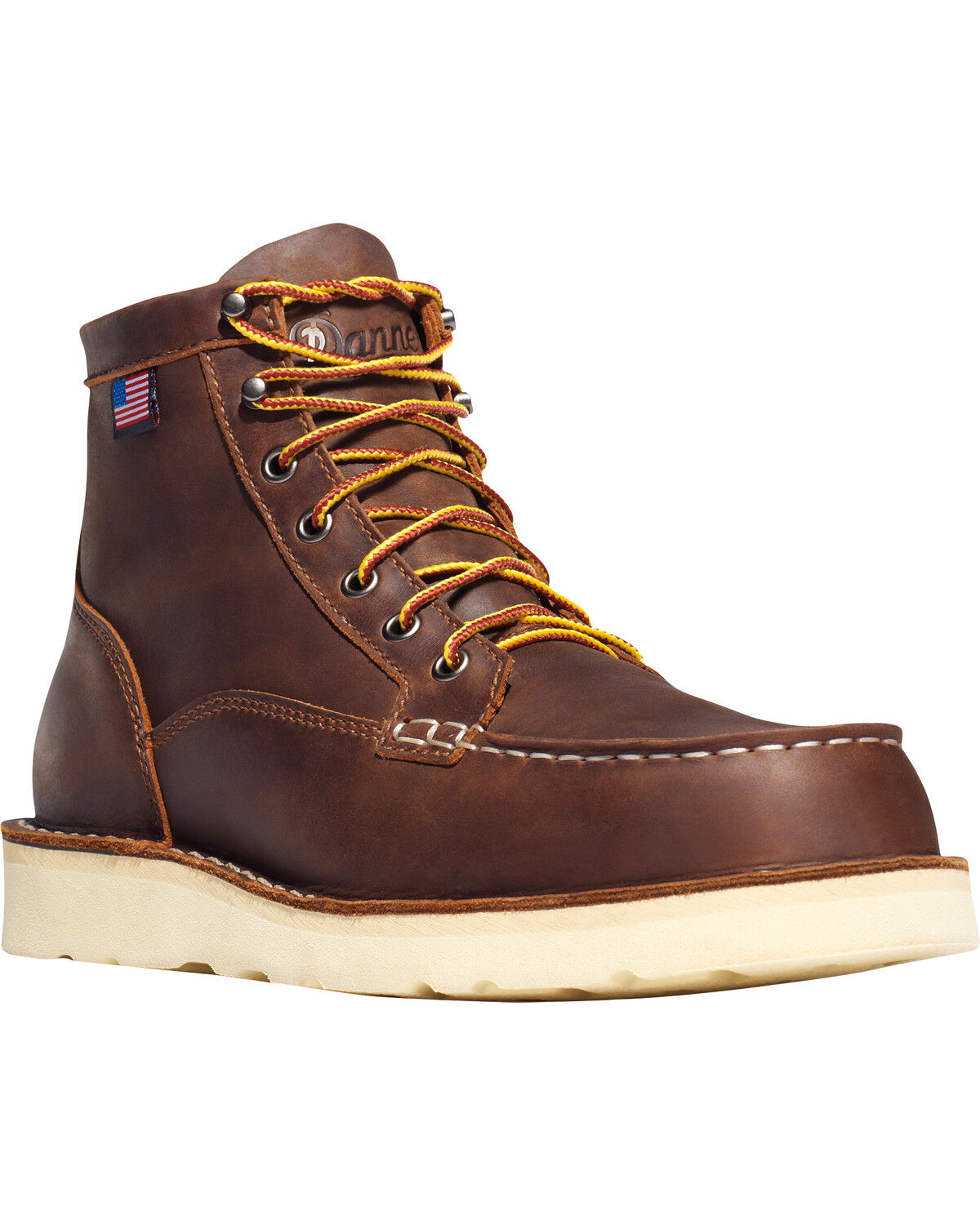 $259.99
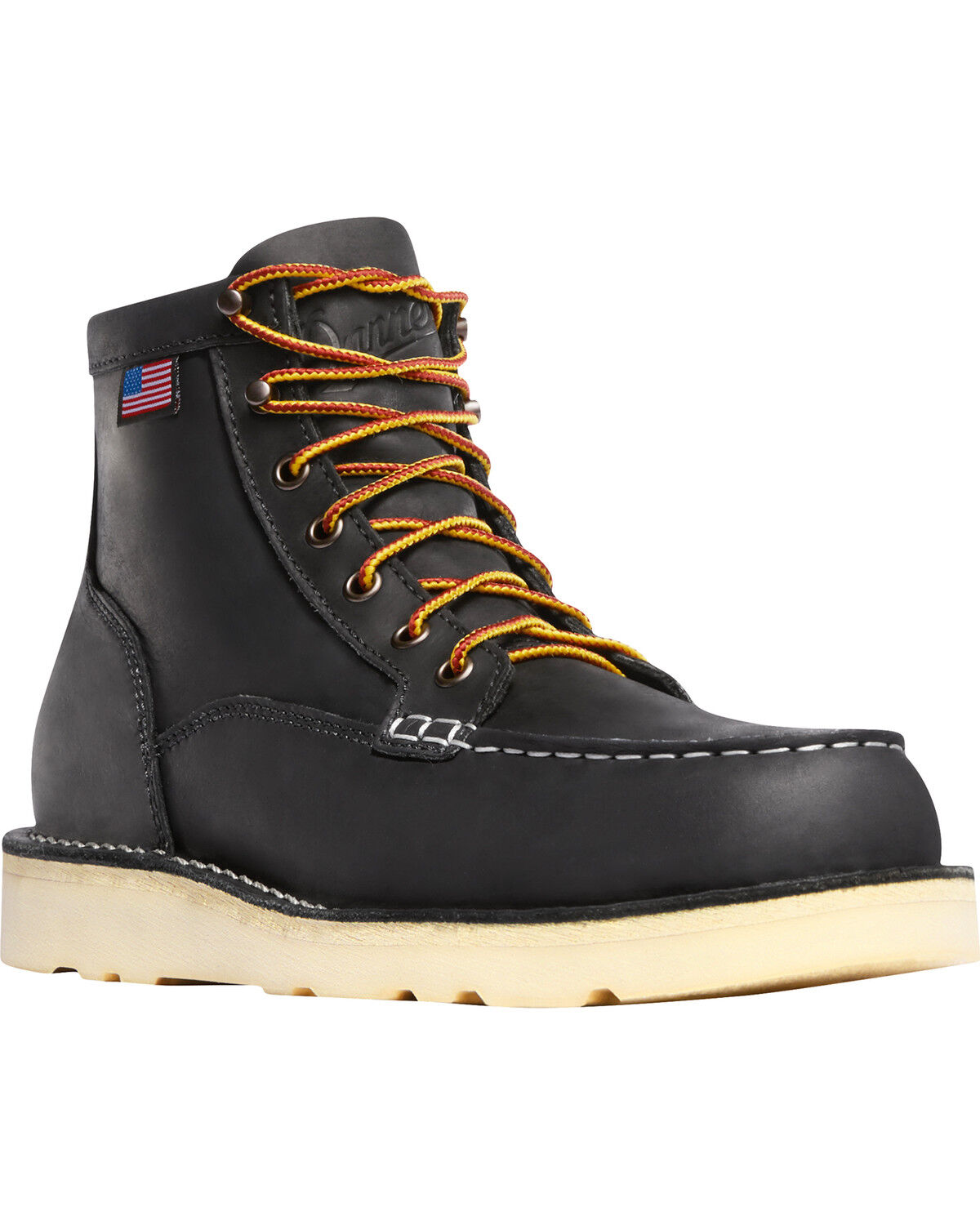 $259.99
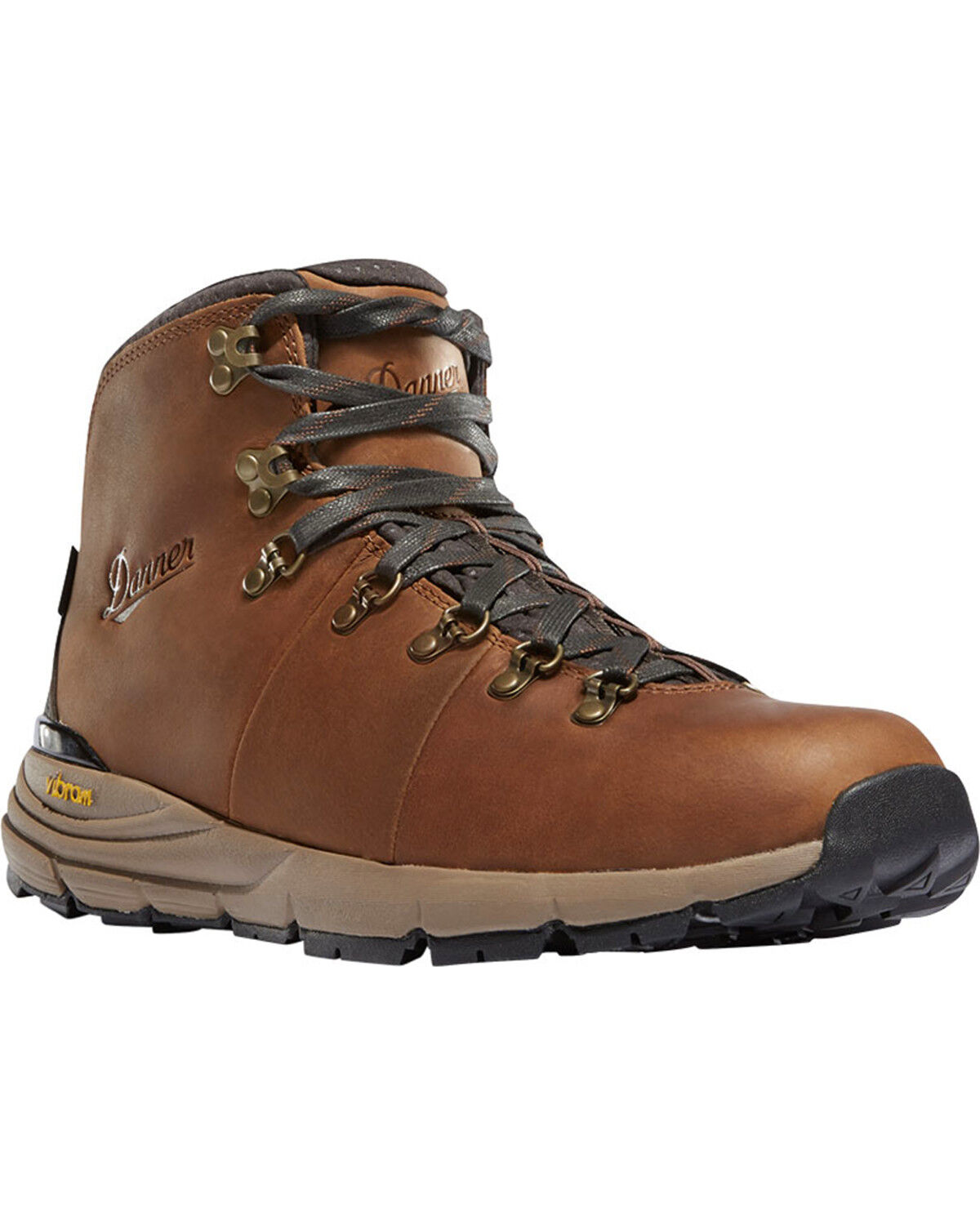 $229.99
 $169.95
 $269.99


