Gray Cowboy Boots

Gray cowboy boots offer a neutral alternative to brown or black and pair easily with light or dark denim. Browse the available styles to find a pair that works with your everyday jeans or a more dressed-up western look.

Shop Your Store: Shop Your Store: Find a Store

(Turn off Shop Your Store to see all items)

(Turn off Shop Your Store to see all items)

close
  • Recommended
  • Lowest Price
  • Highest Price
Skip pass products
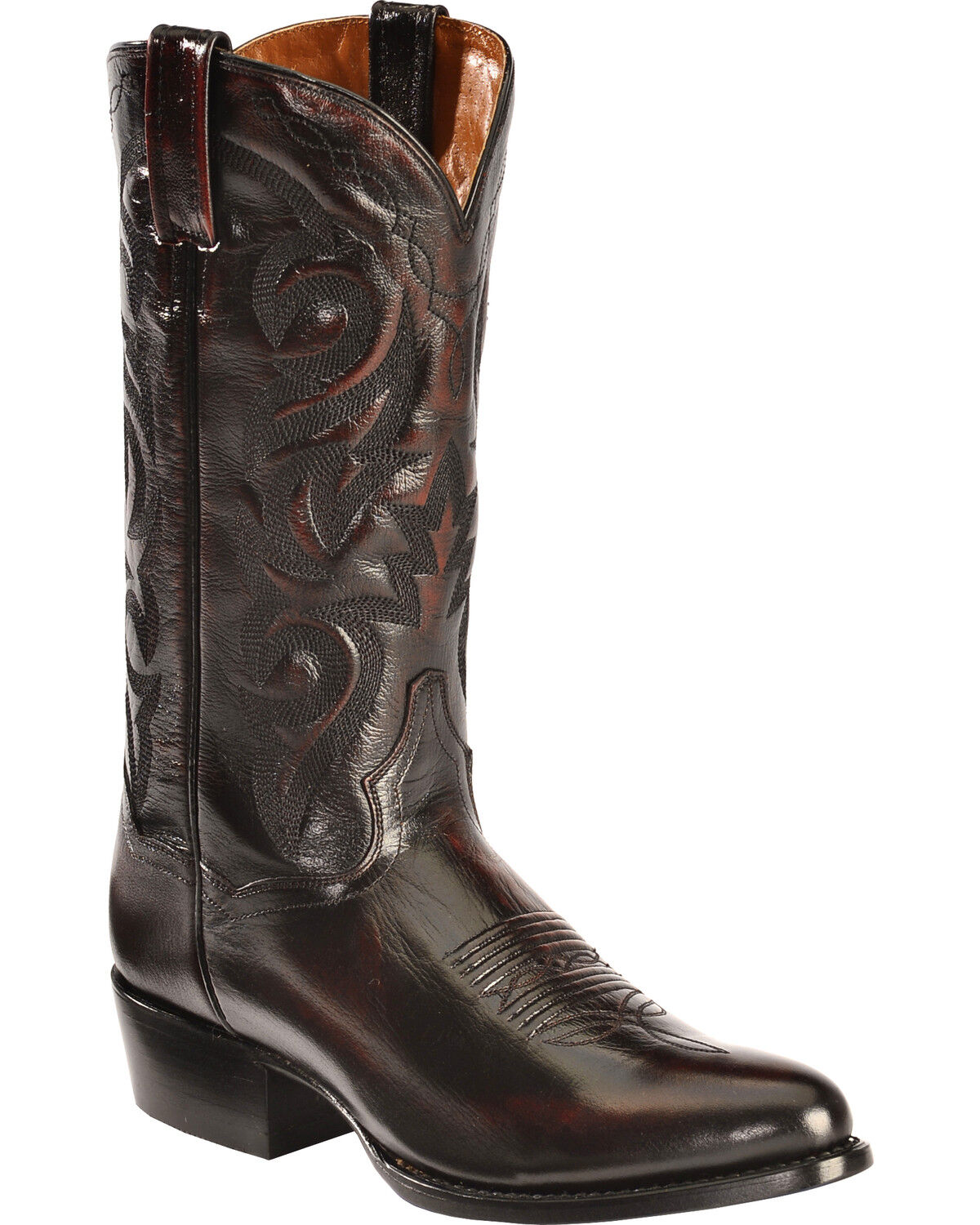
  • Men's Cody James Alton Western Boots - Round Toe
    Original Price $219.99 $153.97
    30% Total Savings
  • Men's Moonshine Spirit Evens Western Boots - Square Toe
    Original Price $199.99 $139.97
    30% Total Savings
  • Men's Dan Post Exotic Snake Western Boots - Snip Toe
    Original Price $399.99 $249.97
    38% Total Savings
  • Men's Cody James Alton Western Boots - Broad Square Toe
    Original Price $199.99 $139.97
    30% Total Savings
  • Men's Cody James Exotic Alligator Western Boots - Square Toe
    Original Price $949.99 $664.97
    30% Total Savings
  • Women's Roper Dusty II Cow Suede Western Booties - Snip Toe
    Original Price $120.99 $83.97
    31% Total Savings

End of products

Gray Cowboy Boots

Gray cowboy boots bring traditional western shape together with a neutral color that ranges from light ash to deep charcoal. They carry the familiar details of cowboy footwear—stitched shafts, pull tabs, shaped heels, and distinctive toes—without relying on brown or black leather. The shade makes a difference in the finished look. Pale gray puts more attention on grain, stitching, and the outline of the boot, while charcoal creates a darker profile that pairs easily with denim and tailored pants. Distressed gray finishes have uneven shading that gives the leather a broken-in appearance; smoother finishes look more uniform and suit cleaner, more dressed-up outfits. Gray also works across a broad range of clothing colors, including indigo, black, cream, olive, and burgundy. Straight-leg and bootcut jeans generally leave room for the shaft, while a skirt or dress lets the stitching and height remain visible. For men and women who prefer understated western footwear, gray offers a distinct alternative without requiring a whole new wardrobe. It can serve as a quieter color choice alongside blue cowboy boots, especially when texture matters more than a strong color accent. Toe shape and heel height further define the look. A broad square toe creates a substantial profile, a round toe keeps the outline simple, and a pointed or snip toe gives the boot a narrower finish. None of those shapes belongs to just one setting. Gray western boots can work with everyday denim, a western shirt for a concert, or a carefully chosen outfit for a wedding where western attire fits the occasion. The strongest combinations give the boots enough room to sit naturally beneath a pant leg or show their full shape without forcing the rest of the outfit to compete.

Materials and construction determine how gray cowboy boots feel and hold up, not just how they look. Full-grain leather retains the hide’s natural surface and can develop creases and character with wear. Suede has a soft, napped surface that gives gray a muted appearance, while smooth finished leather often has a more defined sheen. Roughout leather has an outward-facing flesh side with a textured surface; it should not automatically receive the same care as smooth leather. Manufactured materials and coated finishes have their own cleaning requirements, so the material description matters more than color alone. Inside the boot, lining, footbed cushioning, and arch support affect comfort over hours of walking or standing. Fit starts with a secure instep, adequate toe room, and a heel that stays controlled during a normal stride. A little heel movement can be normal in a new pull-on leather boot, but excessive lifting or a foot that slides forward points to a poor match. Leather may soften and give across pressure points; that does not make a boot that is too short a sound choice. A square toe also does not automatically mean a wide fit, since the shape beneath the foot and the stated width still matter. Trying boots with the socks intended for regular wear gives a more useful sense of fit than trying them with an unusually thin pair. Walking, turning, and sitting can reveal pressure at the instep, toes, or top of the shaft. Intended use deserves the same attention. Leather outsoles have a traditional appearance and feel, while rubber outsoles can provide cushioning and resistance to wear, depending on their construction. Traction varies by sole design and surface. Riding calls for a suitable heel and a boot designed for stirrup use. Jobsite wear may require documented safety features that a western silhouette alone does not provide. Welted construction can make sole replacement possible, though repair options depend on the boot and the condition of its upper.

Gray leather rewards care that respects the finish. Dust and grit can collect around stitching, welt edges, and the crease where the foot bends. Removing that buildup with an appropriate soft brush or cloth helps keep abrasive particles from working against the surface. Smooth leather may benefit from a compatible cleaner and conditioner, but a product that works on one finish can darken or alter another. Testing a small, less visible area is especially important on light gray, where a color change can stand out. Suede and roughout generally need tools and treatments intended for their textured surfaces rather than smooth-leather polish. Gray polish is not interchangeable with black, and even a neutral treatment can change the appearance of certain leathers. Care directions supplied with the boots take priority. After wear, allowing the interior to dry naturally and keeping boots away from direct heat helps protect both leather and construction. Boot trees or shaft supports can help maintain shape during storage, while a boot jack makes removal easier without repeatedly pressing against the back of the heel with the opposite foot. Wear marks are worth watching rather than ignoring. A heel worn unevenly can change how the boot meets the ground, and a thinning sole may need attention before damage reaches other parts of the boot. With sound construction, a good fit, and regular care, gray cowboy boots can become dependable footwear for repeated use rather than an occasional outfit choice. They also make a thoughtful gift for someone who already wears western boots and would use another neutral color. A birthday or personal milestone can be a fitting occasion, provided the recipient’s size, width, preferred toe shape, and intended use are known. Color is only part of that decision. Familiar proportions, comfortable support, and materials suited to the wearer’s routine are what make a pair worth reaching for again.

FAQs