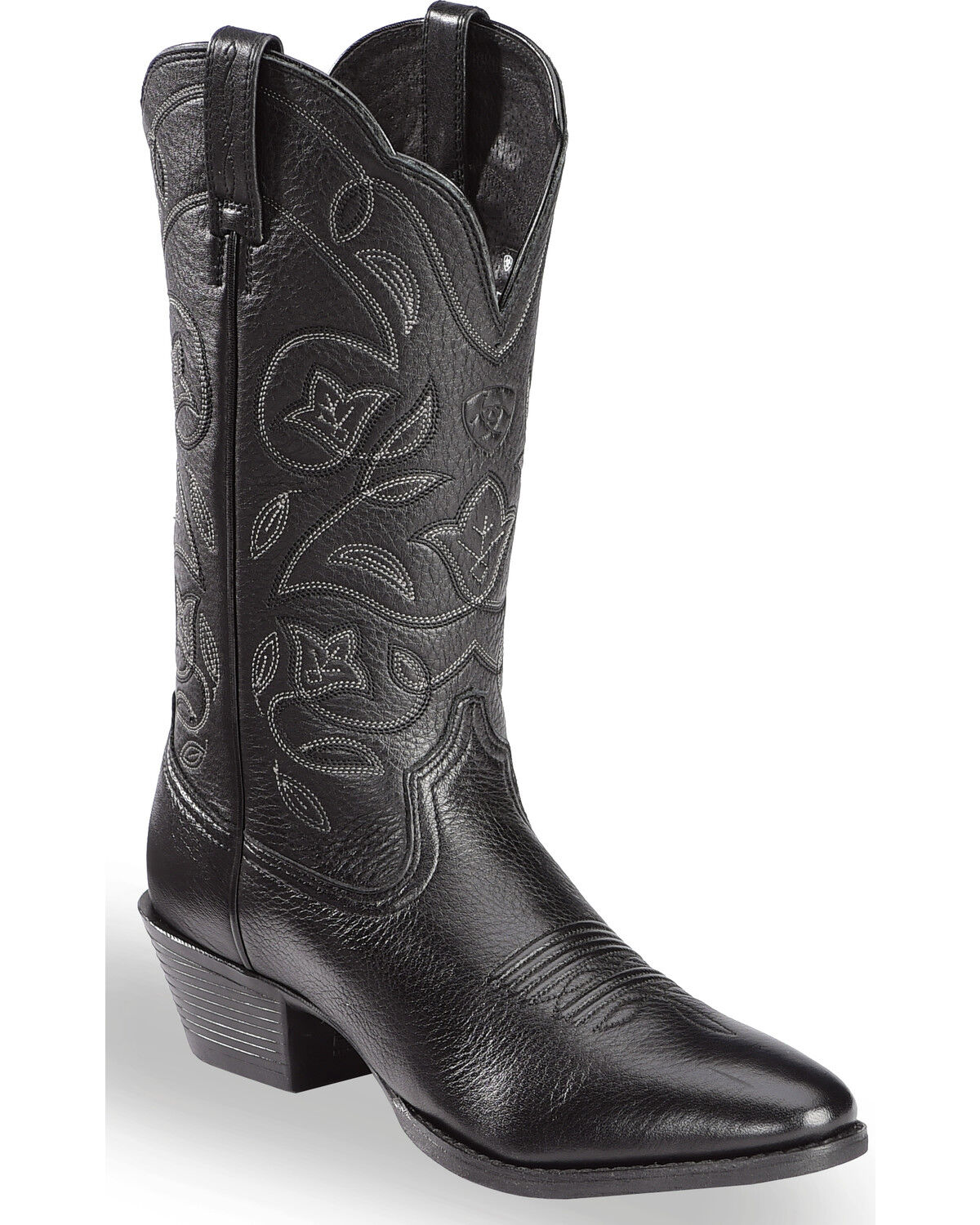
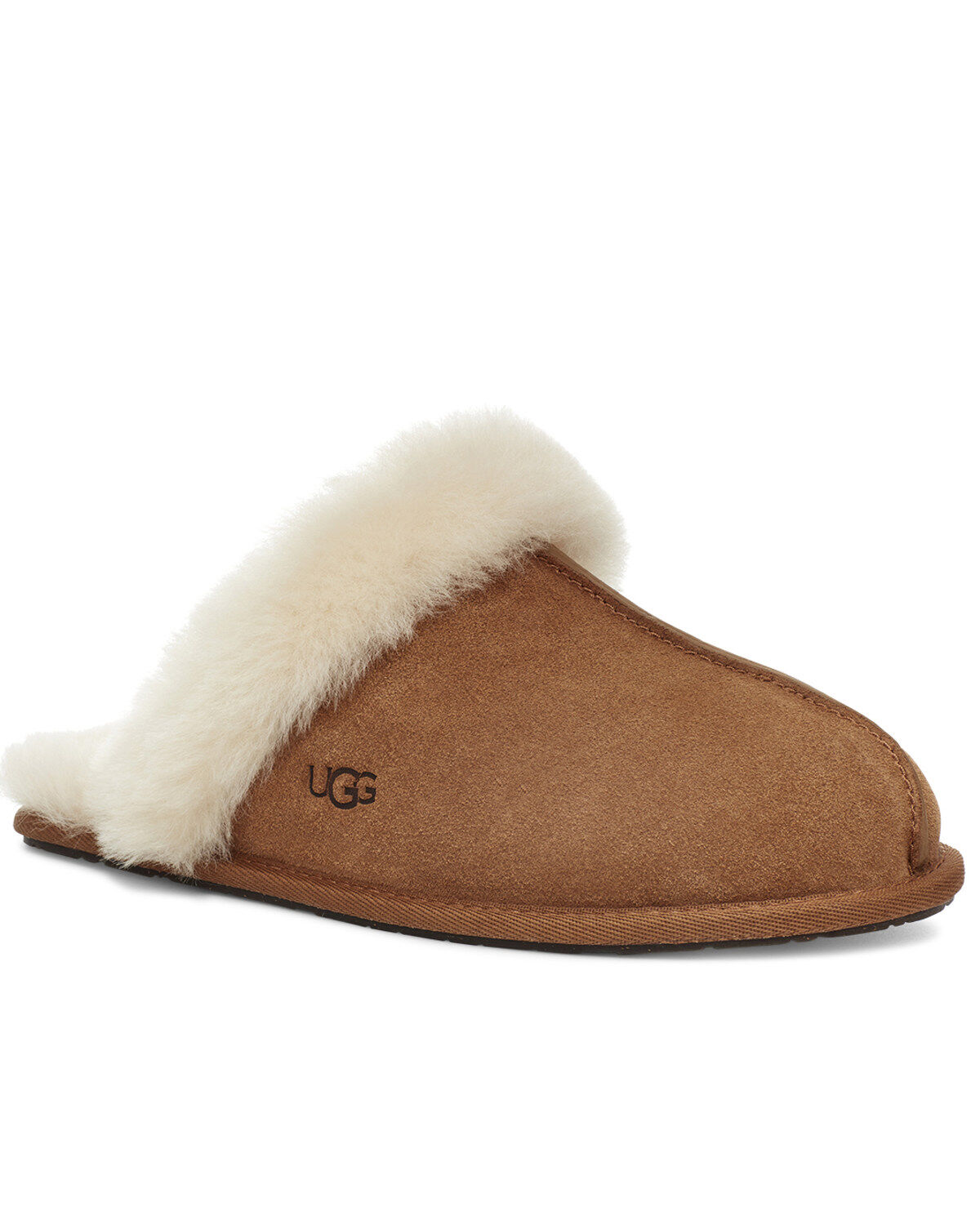
ESD Shoes For Women

Find ESD shoes for women designed to help control static buildup in static-sensitive workplaces. Browse electrostatic dissipative footwear and compare available styles, fit information, and listed specifications against your workplace requirements before choosing a pair.

Read More

Shop Your Store: Shop Your Store: Find a Store

(Turn off Shop Your Store to see all items)

(Turn off Shop Your Store to see all items)

close
  • Recommended
  • Lowest Price
  • Highest Price
Skip pass products

End of products

ESD Shoes For Women

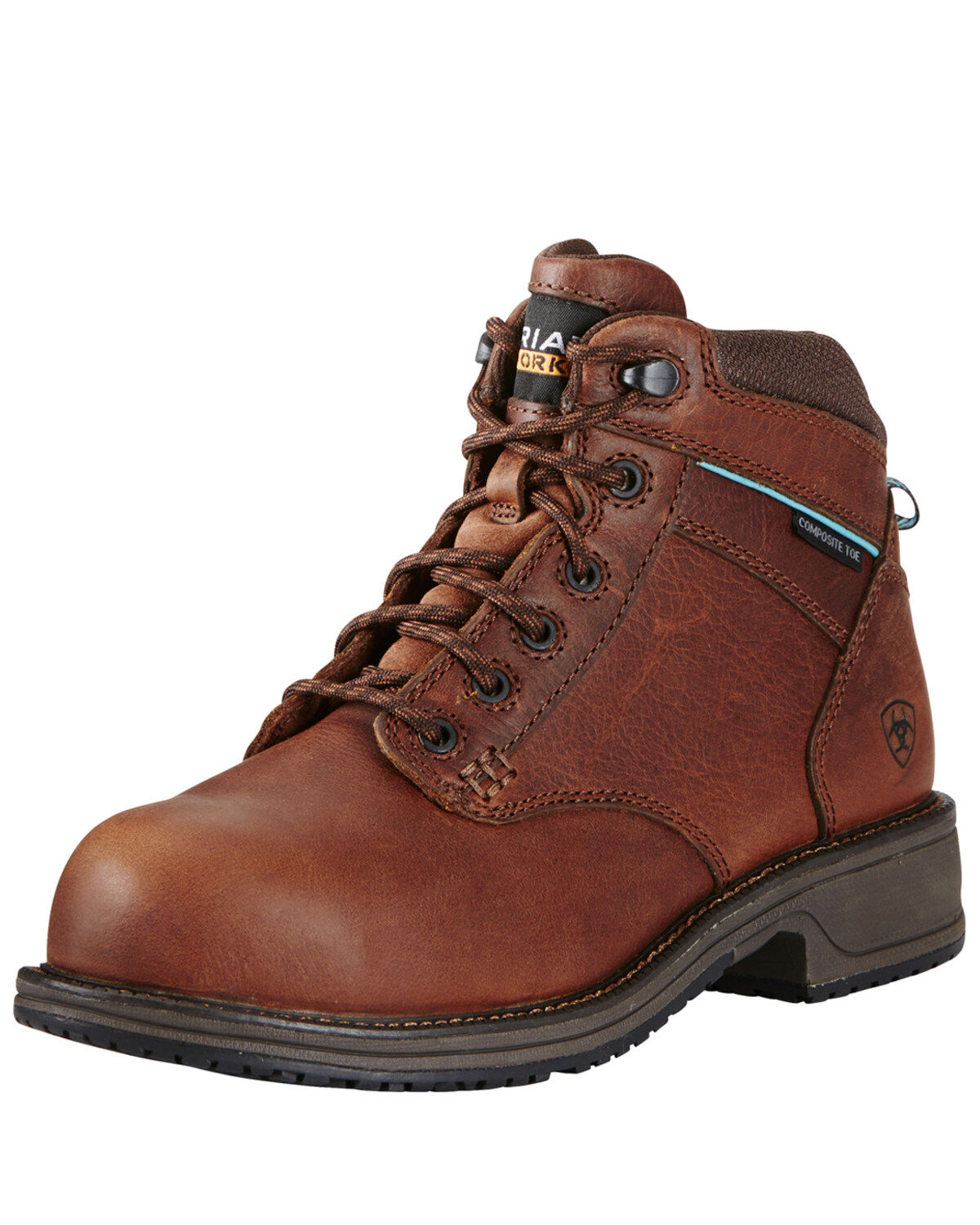
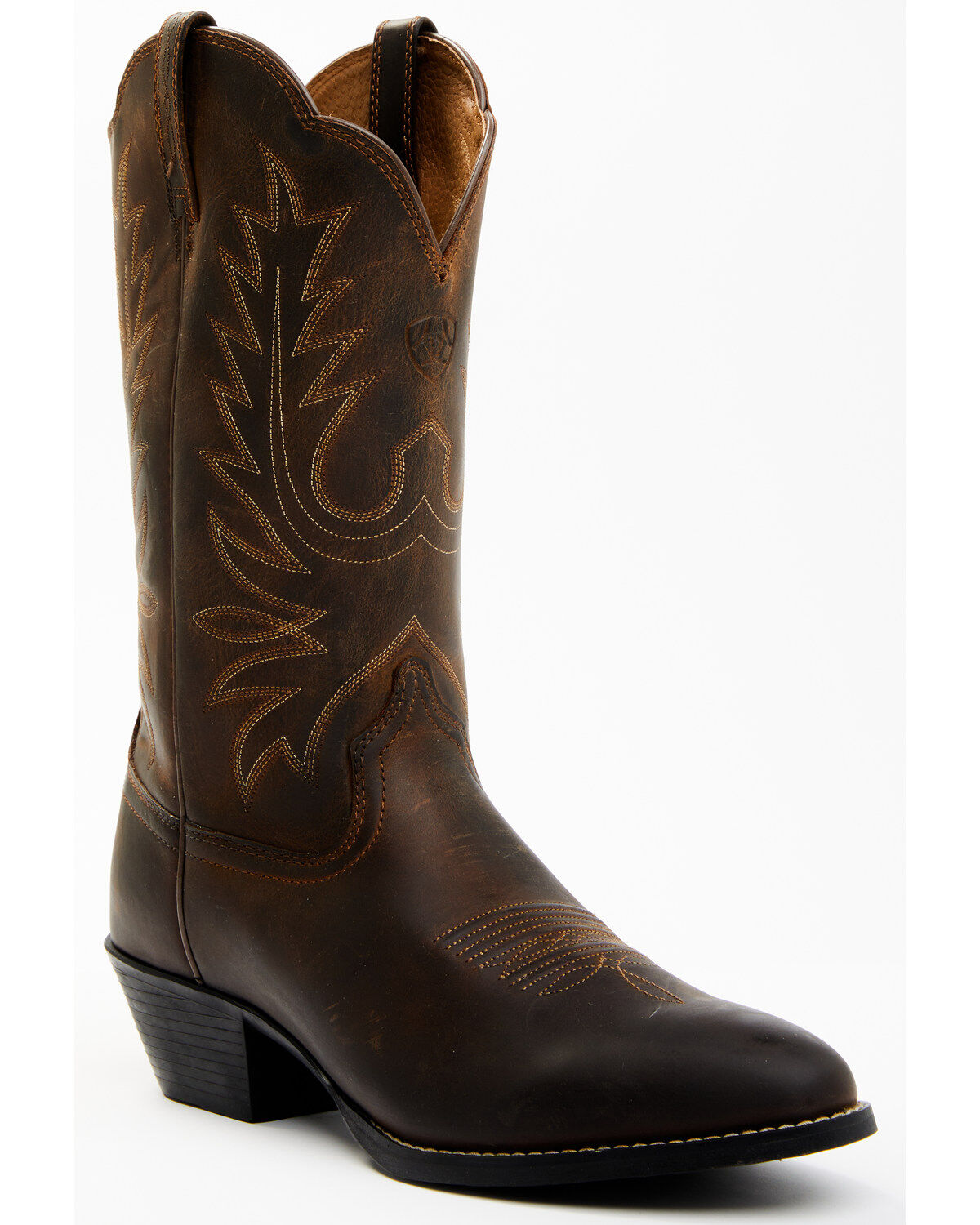
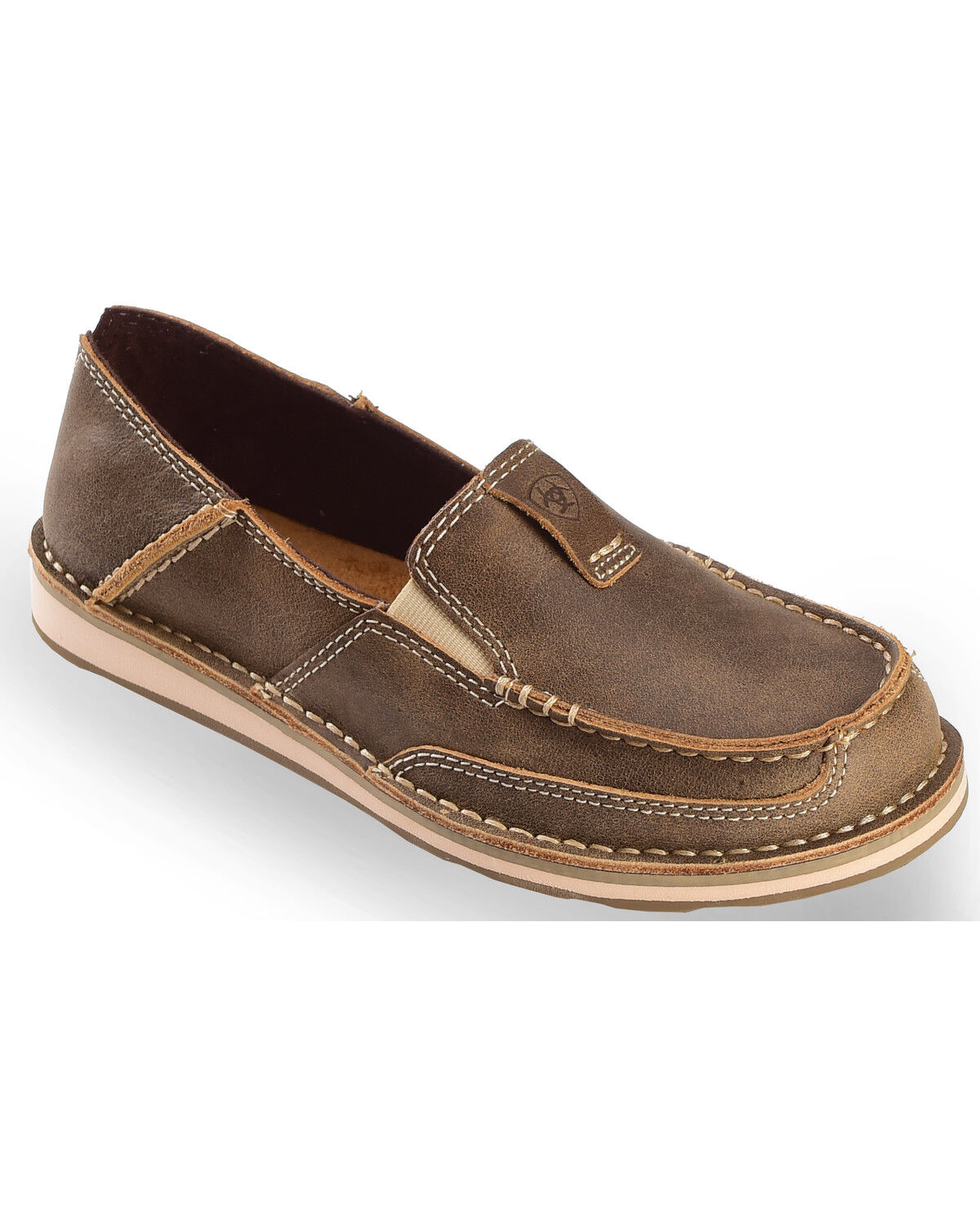
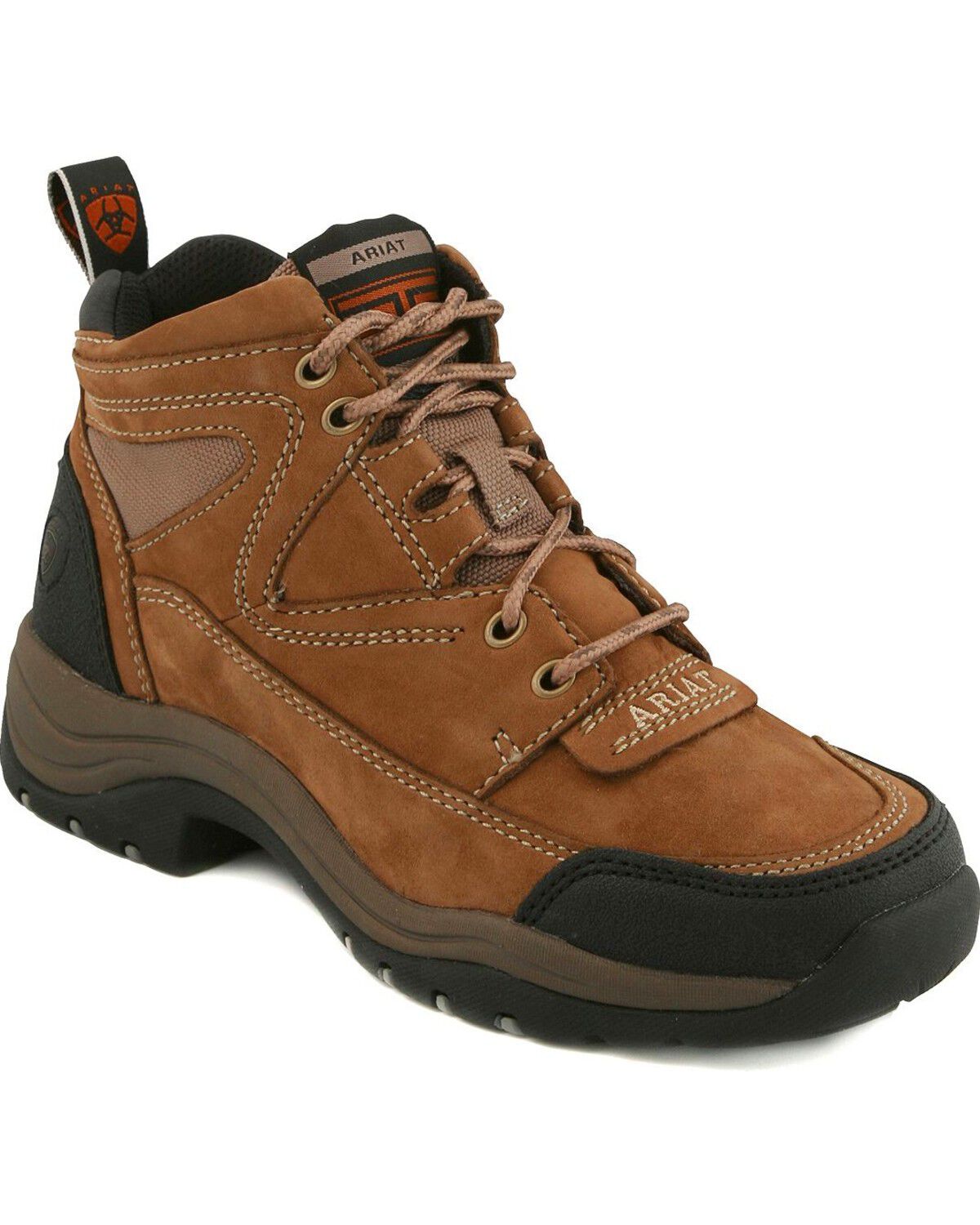
Women’s ESD shoes are work shoes designed to help control electrostatic discharge by allowing static electricity to pass from the body through the footwear to a compatible floor at a controlled rate. This helps limit static buildup that could damage sensitive electronic components or disrupt work in areas with static-control requirements. Common settings include electronics assembly, manufacturing, and certain laboratories, although each workplace sets its own footwear rules. ESD shoes must function as part of an approved footwear-and-flooring system; the shoes alone do not establish a properly grounded work area. Their purpose is also different from that of electrical-hazard footwear. Static-dissipative shoes are not a substitute for protection against contact with energized electrical equipment. Before choosing a pair, check the employer’s requirements for static control, toe protection, traction, and any other hazards present on the job. A cleanroom may have additional rules for materials and particle control, while a laboratory may require protection against particular substances. An ESD designation does not automatically address either concern. Look for documented static-dissipative performance rather than judging by the outsole color, upper material, or athletic appearance. A soft-toe shoe may meet one workplace’s needs, while another requires a protective toe along with static control. Steel, alloy, and composite toe caps describe toe-protection materials, not proof that a shoe has ESD properties. The right choice brings the required features together without treating one rating as a replacement for another. For someone moving small components between an assembly station and an inspection bench, that can mean balancing dependable static performance with a secure fit and enough support for repeated trips across the floor. Someone working mostly at a standing station may place greater emphasis on underfoot comfort, while still needing the same documented protection. The work environment determines the requirements; personal comfort helps narrow the choice within them.

Materials and construction make a noticeable difference over a full shift. Leather uppers can provide structure and stand up to routine abrasion, while textile and synthetic uppers can offer flexibility and a lighter feel. Mesh panels may allow more airflow, but an open construction is not appropriate for every work area, particularly where liquids, debris, or workplace rules call for greater coverage. Water resistance, chemical resistance, and static-dissipative performance are separate features, so read each description on its own terms. The same applies to outsoles: an ESD rating does not establish slip resistance, and oil resistance does not guarantee traction on every surface. Consider the actual floor underfoot, whether that is smooth tile near a testing station or concrete along a production line. Outsole design, cushioning, and overall shoe weight all affect how a pair feels during repeated walking, turning, and standing. A secure lace-up closure allows adjustment across the instep, while a slip-on design needs to hold the heel firmly without squeezing the foot. Fit should leave room for the toes to rest naturally without letting the foot slide forward. If a protective toe is required, make sure the cap does not press against the toes when walking or bending; that rigid area will not stretch like the upper. Try shoes with the socks intended for work, and check both feet since fit can differ from one foot to the other. A short walk should reveal obvious heel lift, rubbing, or pressure across the widest part of the foot. Trying on footwear after spending time on the feet can also give a more useful sense of working fit. Cushioning should feel supportive rather than unstable, especially when carrying parts or changing direction. If additional arch support or an orthotic is needed, confirm that the replacement is approved for that footwear and the workplace’s static-control system. An ordinary insert can alter electrical resistance, even when it improves comfort. Fit adjustments should not come at the expense of required performance.

Regular care helps preserve the condition of women’s ESD work shoes, but static-control performance cannot be judged by appearance alone. Follow the manufacturer’s cleaning instructions and the employer’s testing procedures, including any checks required before entering a controlled work area. Keep outsoles free of packed dirt and residue that could interfere with floor contact. Remove loose debris with a suitable brush or cloth, and use only cleaning methods approved for the materials and static-dissipative construction. Harsh solvents, unapproved coatings, and changes to the sole or footbed can affect more than the finish. Leather may need different care from a textile upper, so a treatment suited to one material should not automatically be used on another. Allow footwear to dry as directed, away from direct heat that could damage adhesives or distort the upper. Check closures, seams, heel lining, and the connection between the upper and outsole. Worn tread, a loose sole, or a damaged protective toe calls for attention, even if the shoes still feel comfortable. Likewise, footwear that looks sound may fail a required static-control test. Follow workplace procedures for removing a failed pair from service rather than relying on another visual inspection. Durability depends on the demands of the job as well as construction: kneeling beside equipment, catching the toe against a workstation, and walking long distances wear different areas. Watching those contact points makes it easier to spot developing damage before it becomes a larger problem. When buying work shoes as a gift, confirm the recipient’s exact size, preferred fit, and employer requirements first; a familiar shoe size alone does not establish suitability. For footwear away from the job, Spring Shoes For Women offers another direction for everyday wear. Keep that choice separate from required work protection. A dependable work pair needs the correct static-control designation, the right fit, and care that supports its intended use throughout the shift.
Read More

FAQs