ESD Boots

Shop ESD boots for work in static-sensitive environments. Electrostatic dissipative work boots help reduce static buildup, but they are not a substitute for electrical hazard protection. Check each pair’s specifications against your workplace footwear requirements before choosing.

Read More

Shop Your Store: Shop Your Store: Find a Store

(Turn off Shop Your Store to see all items)

(Turn off Shop Your Store to see all items)

close
  • Recommended
  • Lowest Price
  • Highest Price
Skip pass products

End of products

ESD Boots

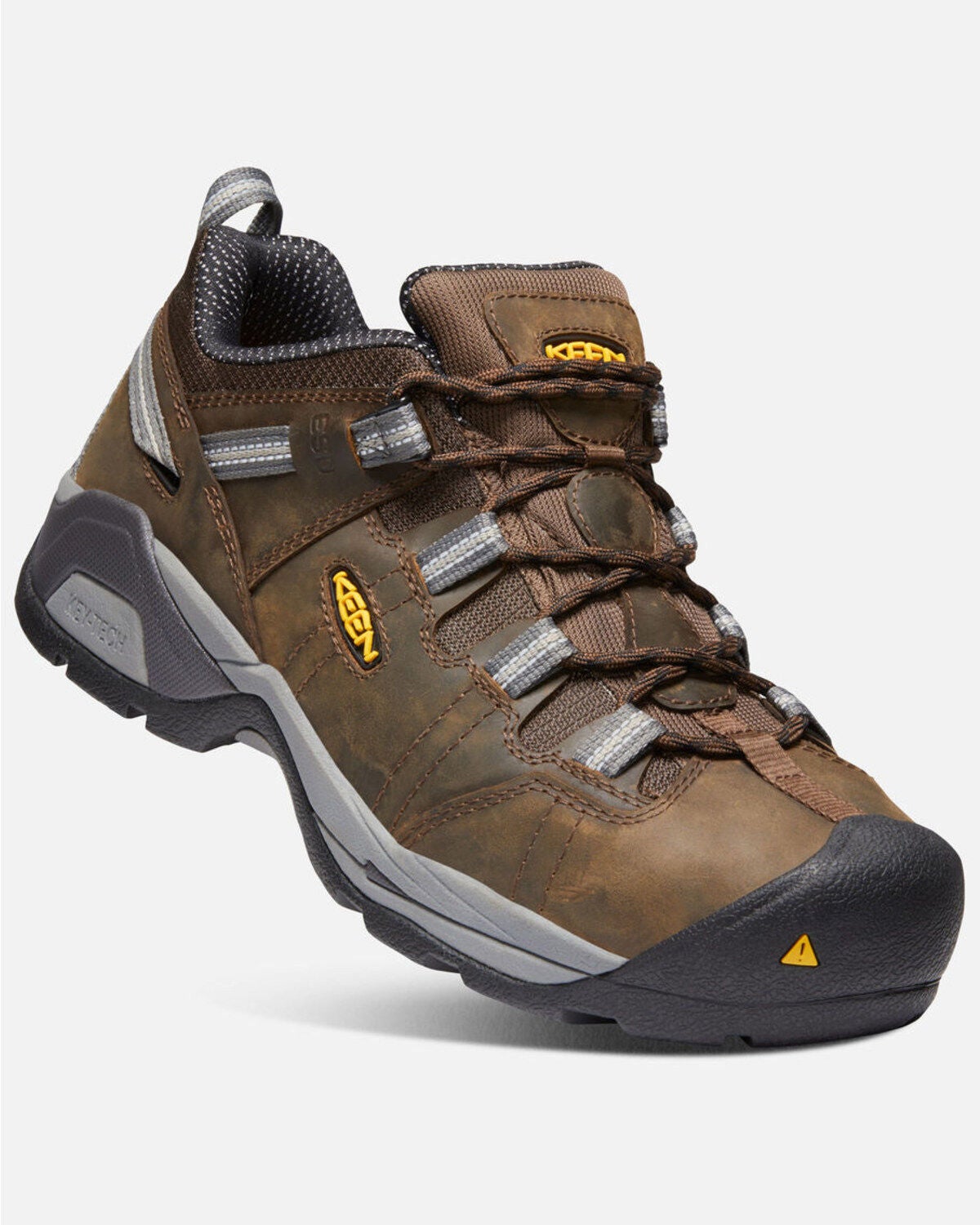
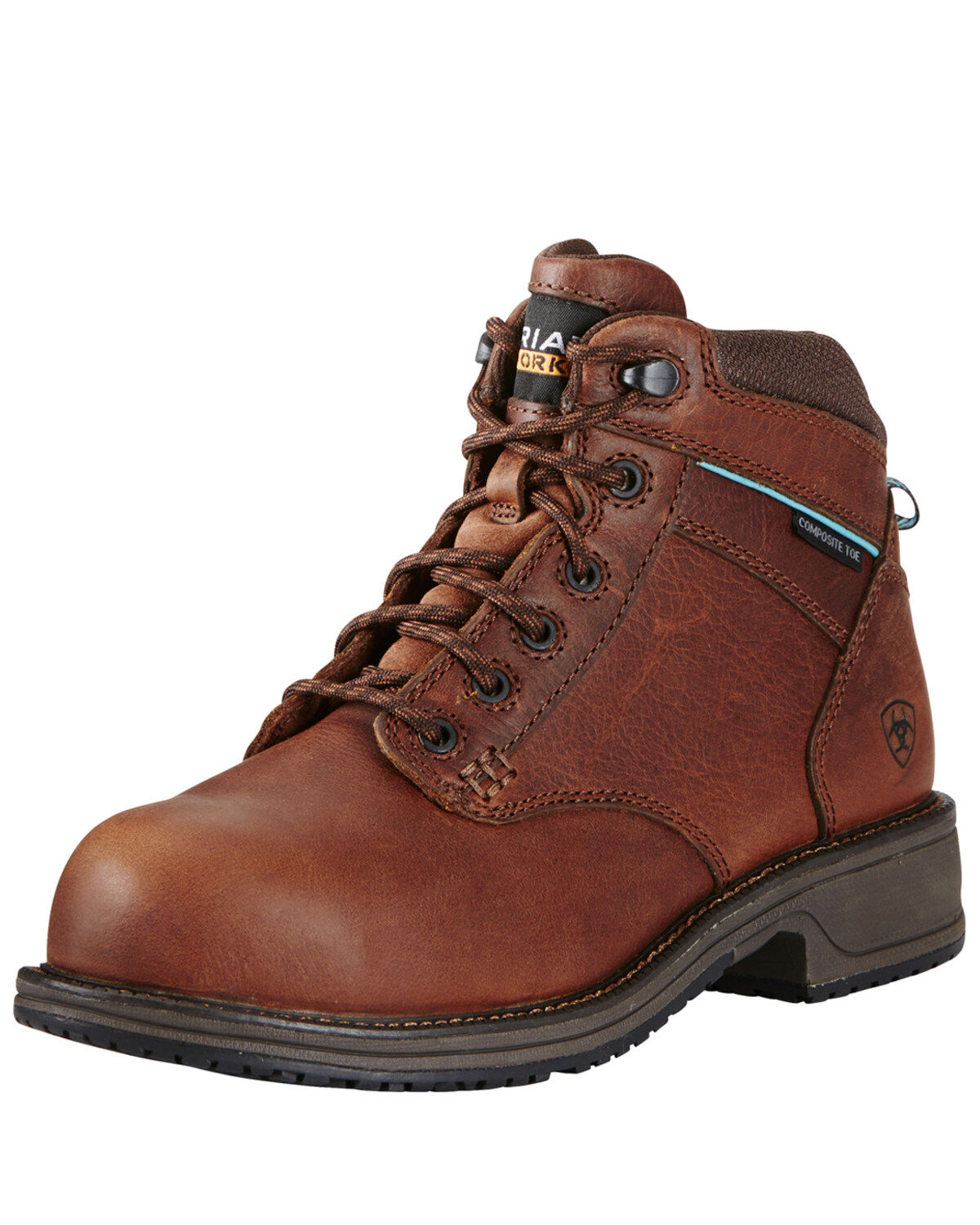
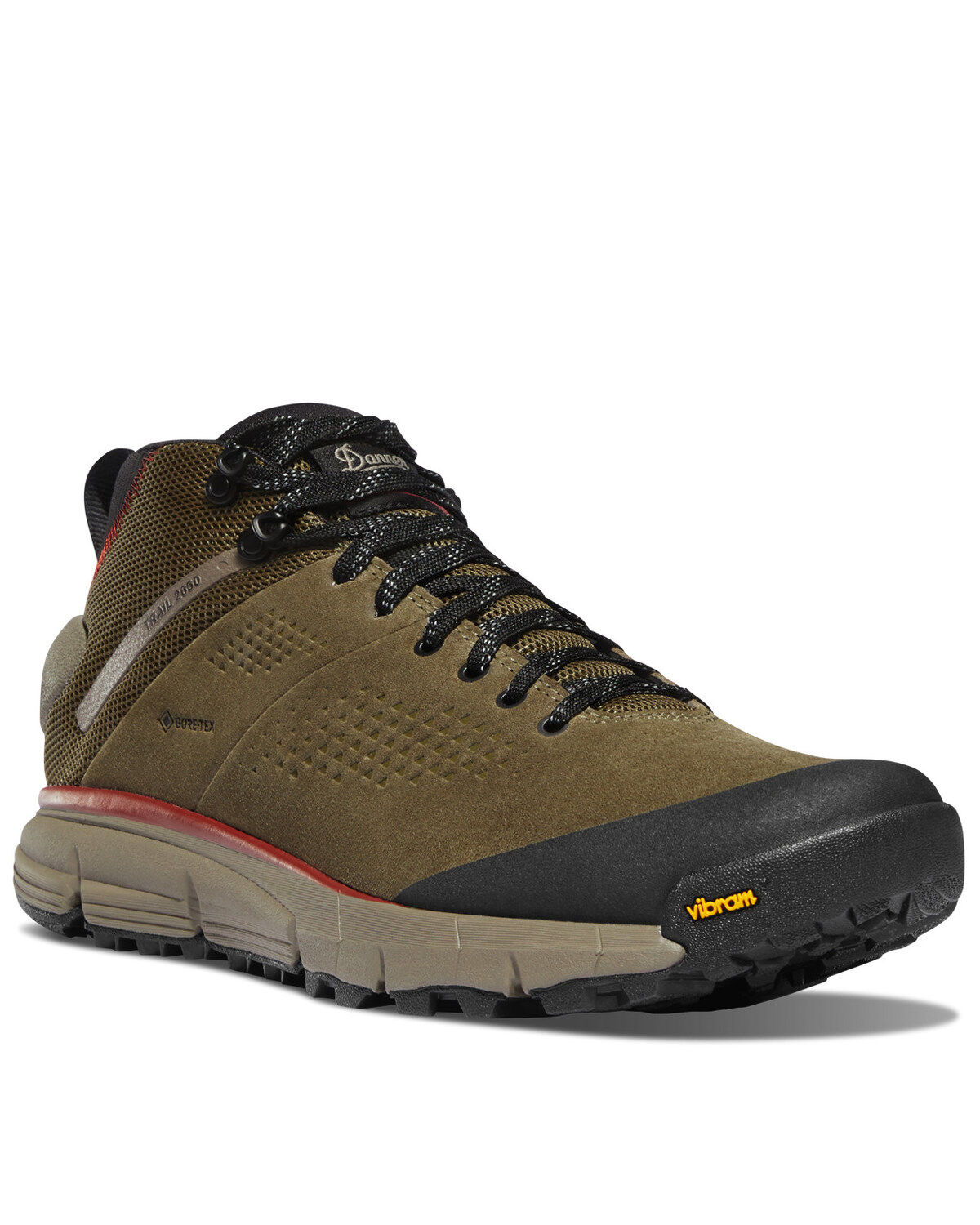
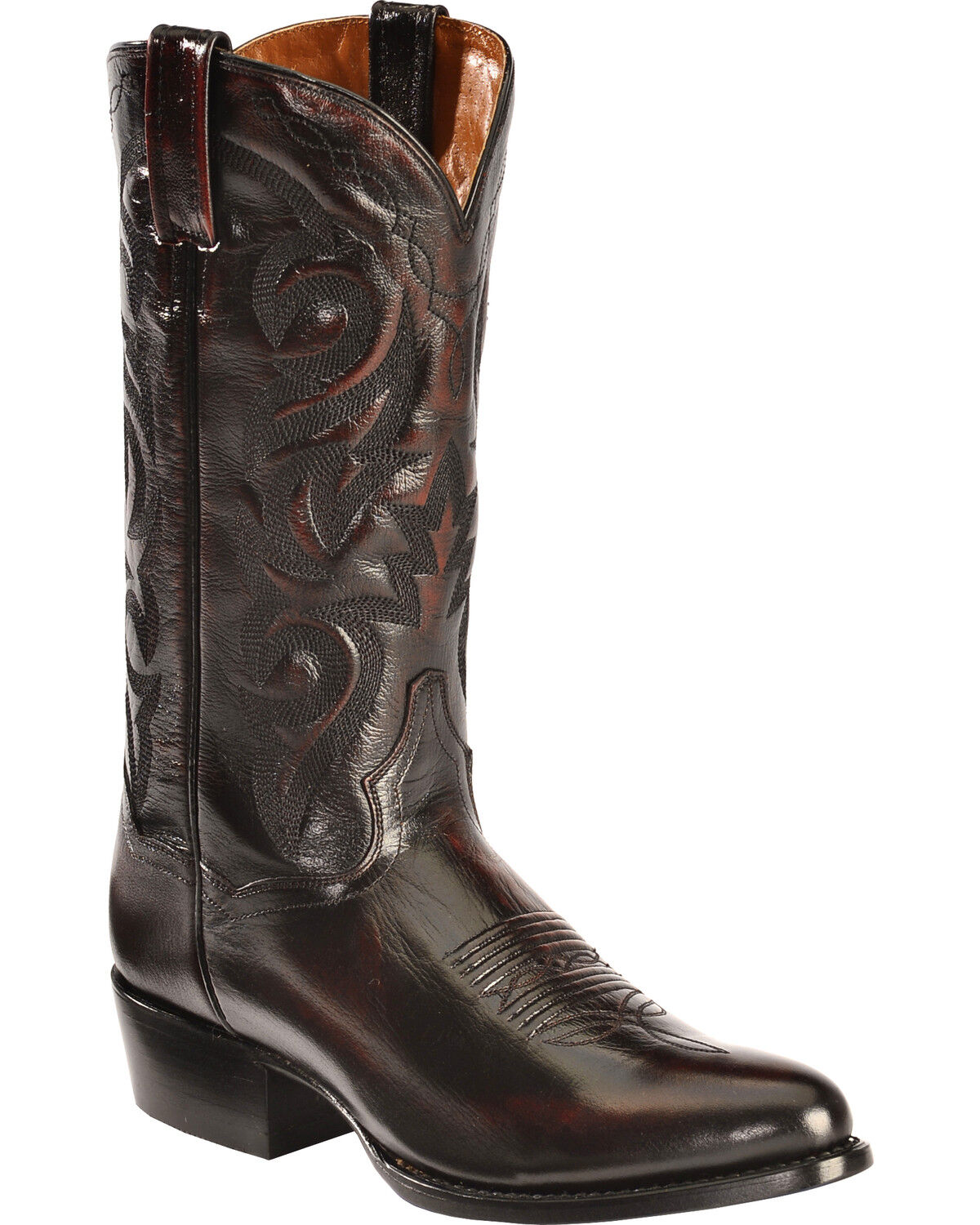
ESD boots are work boots designed to help control electrostatic discharge by allowing static electricity to move from the wearer through the footwear to a suitable floor. Rather than letting a charge build until it releases in a sudden spark, static-dissipative footwear provides a controlled path for that charge within a properly designed workplace system. That matters around circuit boards, microchips, electronic assemblies, and other components that can be damaged by a discharge too small for a person to notice. Electronics assembly workers, technicians, and people handling sensitive parts may need ESD work boots as part of their employer’s static-control program. Some controlled production areas and cleanrooms also require static-dissipative footwear, but cleanroom suitability is a separate requirement that must be checked. ESD boots do not serve the same purpose as electrical hazard footwear. ESD construction helps dissipate static, while electrical hazard footwear helps insulate the wearer from certain accidental electrical contacts under specified conditions. An ESD designation should never be treated as protection against electric shock. The right choice starts with the hazards and footwear requirements established for the work area, not a general description of a boot as suitable for electrical work. Flooring matters, too. Static-dissipative boots need a compatible flooring and grounding arrangement to perform as intended; wearing them on any ordinary surface does not create a verified static-control system. Footwear labeling, manufacturer documentation, and workplace testing procedures establish whether a pair meets the required performance. A safety toe, slip-resistant outsole, or waterproof upper may address other needs, but none of those features automatically makes a boot ESD-rated. For someone moving between an assembly bench, a parts station, and a packing area, the footwear needs to satisfy the requirements throughout the work zone. Where protective toes are required, the boots must also meet the applicable impact and compression specifications for the job.

Beyond static control, ESD boots need the materials, fit, and construction to handle a full shift. Leather uppers can provide abrasion resistance where boots rub against benches, shelving, and equipment, while textile panels may offer flexibility and reduce bulk. Reinforced stitching and well-secured sole construction help footwear stand up to repeated bending, kneeling, and walking. The outsole should match the work surface as well as the static-control requirements. A tread suited to a smooth production floor may differ from one intended for areas where debris collects underfoot, and slip resistance remains a separate performance consideration. Cushioning and support matter on concrete, especially when a job involves long periods at a station followed by frequent trips across the floor. A boot should hold the heel securely without squeezing the instep, leave room for the toes, and bend comfortably as the foot moves. Protective toe caps should not press against the toes during standing, walking, or crouching. Trying boots with the socks worn on the job gives a more useful sense of fit than trying them with a noticeably different thickness. Both feet deserve attention, since one may be wider or longer than the other. Lace-up construction allows adjustment through the foot and ankle, while the right shaft height depends on required coverage, movement, and workplace rules. A taller boot is not automatically a better choice if its collar interferes with kneeling or rubs during repeated movement. Steel, composite, and other protective toe materials have different construction characteristics, but the finished boot’s labeling determines its protective performance. Appearance comes after those practical requirements. Decorative details, including the layered upper designs associated with Overlay Boots, do not establish static-dissipative capability. An ESD designation describes tested performance, not a particular silhouette, color, or style of upper. The useful comparison is how each construction meets the job’s demands while fitting securely through the movements that fill a normal workday.

Care and maintenance affect more than the appearance of ESD footwear. Dirt, residue, unauthorized modifications, and worn components can interfere with the way a boot performs, making the manufacturer’s care instructions part of its working life. Outsoles need attention because they form the contact point with the floor. Packed-in debris and surface contamination should be addressed using approved cleaning methods rather than harsh solvents or treatments chosen for ordinary footwear. Leather care products also need to be suitable for the specific boot, with application kept to the areas identified in its instructions. After cleaning, boots should dry as directed and away from direct heat that can damage materials or bonded components. Inside the boot, the original footbed may be part of the static-dissipative design. Replacing it with an ordinary cushioned insert or adding an aftermarket orthotic can change electrical resistance, even when the boot feels more comfortable. Any replacement needs manufacturer approval and must satisfy the employer’s footwear requirements. Socks may also influence the performance of the overall footwear system, so workplace requirements take priority over general preferences. Regular inspection helps identify loose stitching, separating soles, damaged uppers, and tread worn smooth at the heel or forefoot. Electrical performance cannot be judged by appearance alone, however. A boot that looks sound may still need testing under the workplace’s established procedures, and a comfortable fit does not prove that static control remains within the required range. Replacement decisions should account for both physical condition and verified performance rather than a fixed calendar alone. For anyone choosing ESD boots for another person, shoe size is only the starting point; required ratings, approved construction, and a proper fit matter just as much. Well-chosen static-dissipative work boots bring those needs together: the specified electrical properties, protection suited to the work area, durable materials, and support for hours spent on the floor. Those are the details that make the footwear appropriate for the job.
Read More

FAQs